More

    Chinese Scientists Turn Desert Sand into Fertile Soil in Just 10 Months with Lab-Grown Cyanobacteria

    Chinese researchers have cracked nature’s code, using lab-grown microbes to transform barren desert sand into nutrient-rich, plant-supporting soil in record time – offering a powerful new weapon against desertification.

    In a breakthrough that could reshape arid landscapes worldwide, scientists at the Chinese Academy of Sciences (CAS) have developed an innovative biological method to create fertile soil from desert sand in as little as 10 to 16 months. By cultivating ancient cyanobacteria microbes in the lab and applying them to barren dunes, the team has artificially accelerated the formation of biological soil crusts – the “living skin” of deserts that naturally takes decades to develop.

    This pioneering approach, detailed in studies published in Soil Biology and Biochemistry and Geoderma, mimics the slow ecological succession seen in nature but compresses it dramatically. The result is stabilized sand that resists erosion, traps nutrients, and holds moisture far better than untreated desert ground, paving the way for vegetation to thrive where only shifting dunes once dominated.

    The Microbial Magic: Ancient Cyanobacteria as Soil Builders

    Cyanobacteria, among the earth’s oldest life forms dating back roughly 3.5 billion years, are photosynthetic microbes capable of fixing nitrogen from the air and converting carbon dioxide into organic matter. In deserts, they form the foundation of biological soil crusts – thin, living layers that bind sand grains together like a natural glue.

    Under the microscope, these crusts reveal a mesh of bacterial threads wrapped around sand particles. The cyanobacteria ooze sticky sugars that harden into a cohesive layer, anchoring the surface against wind and water erosion. As the microbes grow, die, and decompose, they enrich the soil with nitrogen, phosphorus, and organic carbon.

    The CAS team cultured hardy local strains of cyanobacteria suited to extreme heat, salt, and drought – conditions typical of China’s vast northwestern deserts. These lab-grown microbes were then sprayed onto desert sand in controlled plots, jump-starting the crust-building process that nature achieves only over many decades.

    Field Trials in China’s Harshest Deserts

    The experiments took place at two iconic sites: near the Taklamakan Desert in Xinjiang province and at the Shapotou Desert Experimental Research Station in Ningxia Hui autonomous region. Both locations represent some of the world’s most challenging arid environments, where loose sand dunes constantly shift and threaten infrastructure, agriculture, and air quality through dust storms.

    To support initial growth, researchers first laid down straw checkerboards – a traditional Chinese desert-stabilization technique – across test plots. The cyanobacteria were then applied directly onto these grids. Over the following months, the plots endured scorching heat, freezing nights, dust storms, and sporadic rains. Monitoring showed that within 10 to 16 months, robust biological soil crusts had formed, stabilizing the sand surface.

    For comparison, the team analysed naturally recovered crusts from a 59-year-old site at Shapotou. The artificial method achieved similar results in a fraction of the time, demonstrating that human intervention could fast-track what evolution accomplishes slowly.

    Accelerating Nature’s Timeline

    In untouched deserts, biological soil crust succession unfolds in distinct stages: pioneer cyanobacteria first colonize bare sand, followed by hardier lichens, and finally mosses that add shade and further protection. This progression can take 50 years or more before the crust becomes mature enough to support higher plants.

    The CAS innovation shortcuts this process. Lab-grown cyanobacteria rapidly establish the initial microbial layer, which then evolves into lichen- and moss-dominated crusts within two to three years. By the end of the first year, nutrient levels – particularly nitrogen and phosphorus – had already concentrated in the top inch of soil, thanks to organic matter from dead cells and leaked sugars.

    Lab simulations confirmed the crusts’ effectiveness: manufactured samples reduced wind-driven soil loss by more than 90 per cent under controlled high winds. In the field, treated patches retained rainwater longer after brief showers, with moisture lingering near the surface for a few extra days – precious time that allows plant roots to establish before the desert sun evaporates it.

    Environmental and Agricultural Promise

    The implications extend far beyond China. Desertification affects more than 40 per cent of the planet’s land surface and threatens the livelihoods of over a billion people. By creating a fertile base layer, this technology could enable large-scale restoration projects, reducing sandstorms, protecting roads and railways, and supporting agriculture in water-scarce regions.

    Once the crust matures, shrubs and grasses can be planted with far higher survival rates. The improved soil structure prevents invasive species from dominating while enhancing carbon sequestration through microbial activity. Experts see it as a complementary tool to traditional planting efforts, addressing the root problem of unstable, nutrient-poor sand that causes seedlings to fail repeatedly.

    “Nutrient gains matched which microbes dominated, and adding cyanobacteria shortened a decades-long process to just years,” the researchers noted, highlighting how the method builds a self-sustaining foundation rather than relying on constant human intervention.

    Challenges and the Road Ahead

    Despite the excitement, the technique is not without limitations. Biological soil crusts are fragile during early stages; a single footprint, vehicle tire, grazing animal, or even heavy raking can destroy months of progress. The CAS team emphasized the need for strict protection measures in restoration zones – no traffic, no grazing, and careful site selection based on local climate and rainfall patterns.

    Local strains outperformed imported ones, underscoring the importance of using region-specific microbes that are already adapted to particular desert conditions. Scalability will require extensive long-term monitoring to assess durability across different climates and to rule out unintended ecological side effects.

    The technology also cannot solve every desertification driver. Overgrazing, excessive water extraction, and poor land management must still be addressed through policy and community efforts. Nevertheless, the rapid soil-creation method offers a vital new tool in the global fight against expanding deserts.

    As climate change intensifies arid conditions in many parts of the world, Chinese scientists have shown that with a little help from the earth’s oldest microbes, humanity can begin to heal degraded landscapes at a pace that matches the urgency of the crisis.


    Sri Lanka Probes $2.5 Million Treasury Fraud Amid Hacking Fears and Political Storm

    A suspected cyber breach of Sri Lanka’s Treasury systems has triggered a multi-agency probe, political uproar, and calls for parliamentary oversight after $2.5 million meant for foreign debt repayment was allegedly diverted.

    Sri Lanka has launched a sweeping investigation into an alleged $2.5 million fraud involving its Treasury, after funds earmarked for foreign debt repayment were reportedly siphoned off through a suspected cyberattack, raising concerns over the country’s financial security and institutional safeguards.

    According to reports, the Ministry of Finance has confirmed that complaints have been lodged with multiple law enforcement and regulatory agencies, including the Criminal Investigation Department and the Financial Intelligence Unit, following the discovery of the breach.

    Authorities say the fraud originated from a breach of the External Resources Department’s computer system, through which hackers allegedly diverted funds in several transactions.

    The ministry has also initiated an internal inquiry and taken disciplinary action against several officials, though it has refrained from disclosing detailed findings, citing the sensitivity of ongoing investigations.

    Funds Diverted During Debt Repayment Process

    Preliminary findings suggest the missing funds were part of a scheduled foreign debt repayment, with reports indicating that the amount was transferred in multiple tranches between late 2025 and early 2026.

    Officials revealed that the fraud only came to light after the intended foreign creditor flagged non-receipt of payments, prompting a deeper probe into the transaction trail.

    Separate reports indicate that the payment – intended as part of a broader loan settlement – may have been rerouted to a fraudulent account using forged instructions or compromised communication channels.

    Sources cited in media reports also suggest that a hacked email account linked to the Public Debt Management Office could have played a role in facilitating the fraudulent transfer.

    The incident has exposed vulnerabilities in the country’s financial transaction systems, particularly in the handling of sovereign debt repayments, which involve multiple layers of authorization.

    COPF Raises Concerns Over ‘Technical Default’ Risk

    The controversy has taken a more serious turn after the Chairman of Sri Lanka’s Committee on Public Finance (COPF), economist Harsha de Silva, questioned whether the alleged hacking incident could have triggered a “technical default” on the country’s external debt obligations.

    According to the report, at least five payments were expected to be made to a creditor nation, but delays or non-payment raised red flags when the recipient sought clarification.

    “Five payments were supposed to be made to the creditor country, but when it did not receive them, they had reportedly asked why the payment had not been made,” De Silva said.

    De Silva warned that even a temporary failure to honour repayment obligations due to such disruptions could damage Sri Lanka’s financial credibility, especially as the country continues to navigate a fragile post-crisis recovery.

    The possibility that a cyberattack could interfere with sovereign debt servicing has prompted calls for urgent reforms in cybersecurity protocols within financial institutions.

    Calls for Parliamentary Probe Intensify

    Civil society groups and legal activists have demanded that Parliament take charge of the investigation, arguing that the scale and implications of the fraud go beyond an internal administrative matter.

    A group of lawyers, including President’s Counsel Maithri Gunaratne, has formally requested the speaker to initiate an independent parliamentary probe into the incident.

    In their submission, the group argued that a transaction of such magnitude could not have been executed without the involvement – or at least oversight – of senior Treasury officials, including top-level authorisation channels.

    They also expressed concern over the transparency of internal investigations conducted by the same institutions that may be under scrutiny, calling instead for an external inquiry mechanism.

    Reports indicate that several officials, including senior treasury personnel and IT division heads, have already been suspended pending investigation.

    Political Opposition Flags Systemic Risks

    Opposition leaders have seized on the issue, warning that the alleged fraud points to deeper systemic weaknesses in Sri Lanka’s financial governance framework.

    Statements from opposition figures suggest that the diversion of funds through fraudulent instructions reflects inadequate verification protocols and weak internal controls within key financial institutions.

    Critics argue that if foreign currency reserves can be compromised through cyber manipulation, it raises broader concerns about national financial security and the integrity of debt management systems.

    The incident has also sparked debate over whether the transfer of debt servicing responsibilities – from the central bank to other state institutions – may have created gaps in oversight and accountability.

    Cybersecurity and Accountability Under Scrutiny

    The alleged breach has underscored the growing threat of cyberattacks targeting government financial systems, particularly in countries managing complex external debt portfolios.

    Experts note that sovereign financial operations are increasingly vulnerable to sophisticated cyber fraud schemes, especially when reliant on digital communication channels such as email for transaction authorisation.

    Sri Lanka’s case highlights the need for stronger cybersecurity frameworks, enhanced verification protocols, and real-time monitoring systems to safeguard public funds.

    The government has indicated that further steps will be taken in coordination with international partners, particularly where cross-border financial transactions are involved.

    Unanswered Questions Remain

    Despite the ongoing investigations, key questions remain unanswered: how the breach occurred, whether internal lapses facilitated the fraud, and if all diverted funds can be recovered.

    The incident has placed Sri Lanka’s financial management systems under intense scrutiny at a time when the country is attempting to rebuild investor confidence and stabilise its economy.

    As investigations continue, the outcome is likely to have significant implications – not only for accountability within the Treasury but also for broader reforms in governance, cybersecurity, and public financial management.

    Image: NewsonAIR

    Trump Administration Disbands Key Federal Climate Science Advisory Committee

    The Trump administration has officially dissolved a crucial federal advisory panel dedicated to assessing the impacts of climate change, sparking immediate concern among scientists and environmental advocates across the country.

    In a move that has sent ripples through USA’s scientific community, the Trump administration has officially opted to disband a prominent federal advisory panel responsible for helping policymakers and private sector stakeholders navigate the complex, evolving realities of climate change.

    The National Oceanic and Atmospheric Administration (NOAA) informed members of the 15-person Advisory Committee for the Sustained National Climate Assessment that their charter, which naturally expired over the weekend, would not be renewed.

    The sudden decision marks another significant pivot away from federal climate initiatives under the current administration, raising profound questions about the future of government-backed environmental research. For many environmental advocates and researchers across USA, this development is seen as yet another clear signal of the administration’s broader scepticism toward climate science and its ongoing commitment to prioritizing industrial deregulation over environmental foresight and preparation.

    The Dissolution of a Vital Climate Panel

    Formed under the Obama administration, the Advisory Committee for the Sustained National Climate Assessment was specifically designed to be an intersectional body. It brought together leading academic scientists, corporate representatives, and local government officials to interpret highly technical climate data. Their primary goal was to ensure that the wealth of scientific information generated by federal agencies was not just archived, but practically applied by municipalities, states, and businesses striving to prepare for extreme weather events and rising sea levels.

    The disbanding of this committee effectively cuts the critical connective tissue between federal climate researchers and the local officials who desperately need their insights. Without this panel, the highly technical language of federal climate models risks remaining largely inaccessible to city planners who rely on translated data to construct flood defenses and protect vulnerable infrastructure from the escalating impacts of a warming planet.

    Impact on the National Climate Assessment

    The dissolution of this advisory board comes at a critical juncture for the National Climate Assessment (NCA). Mandated by Congress under the Global Change Research Act, the NCA is a comprehensive report issued every four years that evaluates the effects of global climate change on the natural environment, agriculture, energy production, and water resources within the United States.

    While NOAA officials have publicly stated that the expiration of the committee’s charter will not delay the completion of the upcoming National Climate Assessment, they agree that the removal of the advisory panel undeniably strips away a vital layer of stakeholder engagement.

    The committee was fundamentally tasked with advising the government on how to communicate the NCA’s critical findings to the public. By dismantling the group responsible for strategizing the dissemination of this information, critics forcefully argue the administration is attempting to quietly bury the assessment’s anticipated warnings.

    Scientists Express Mounting Concerns

    Unsurprisingly, the administration’s decision has been met with immediate backlash from the scientific community.

    Many researchers view the disbandment as a deliberate, politically motivated attempt to sideline empirical expertise and dilute the urgency of climate action. Former committee members have expressed deep disappointment, noting that their work was heavily focused on practical, non-partisan solutions – such as helping local farmers predict changing crop cycles and assisting coastal mayors in mitigating flood risks.

    The chilling effect of this decision extends far beyond the dismissed members, researchers say. They say that it sends a disheartening message to scientists working across various federal agencies, fostering an environment where empirical facts that conflict with political agendas are systematically ignored or suppressed.

    Prominent scientific organizations have issued statements condemning the move, warning that ignoring the realities of climate change leaves the nation vastly underprepared for the catastrophic environmental disruptions that lie ahead.

    A Broader Pattern of Environmental Rollbacks

    Opponents say that the dissolution of the climate advisory body cannot be viewed in isolation; it is part of a sweeping, meticulously executed pattern of environmental rollbacks orchestrated by the Trump administration. Over the past several months, the executive branch has aggressively moved to dismantle key environmental protections, most notably announcing the United States’ controversial withdrawal from the historic Paris Agreement on climate change.

    Additionally, the Environmental Protection Agency (EPA) has seen its leadership fundamentally transformed, with industry insiders and former fossil fuel lobbyists appointed to top regulatory positions. The administration has systematically worked to repeal emissions standards, open protected federal lands to oil exploration, and drastically reduce funding for clean energy research. In this broader context, the disbandment of the science advisory committee aligns perfectly with an overarching deregulatory agenda that views environmental stewardship as a direct impediment to short-term economic growth.

    The Future of US Climate Policy and Research

    As the federal government aggressively abdicates its traditional leadership role in climate science, the burden of addressing global warming is rapidly shifting to state and local governments, as well as the private sector. In the absence of federal guidance, coalitions of mayors, governors, and corporate leaders are stepping up to form their own scientific advisory boards and pledge independent commitments to reducing carbon emissions.

    However, these decentralized efforts often lack the massive funding, comprehensive data-gathering capabilities, and coordinated power of the federal government. Moving forward, the scientific community faces the daunting challenge of ensuring that vital climate data reaches the decision-makers who need it most, despite the undeniable lack of federal support.

    While the disbanding of the science body represents a significant setback, it has also galvanized a new wave of grassroots environmental activism and independent scientific advocacy in the US that refuses to back down.

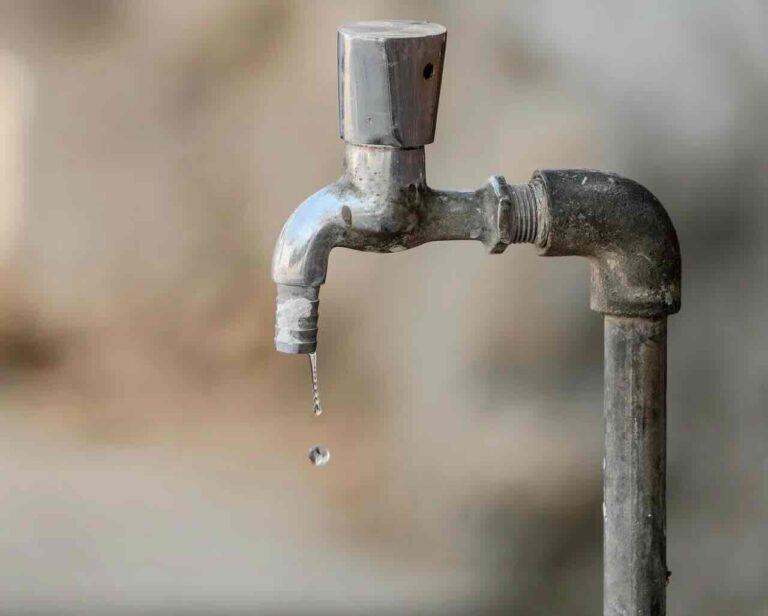
    Colombo Faces Deepening Water Crisis as Reservoirs Run Dry

    Sri Lanka’s capital is facing a mounting urban water emergency as prolonged dry weather, falling reservoir levels, and aging infrastructure push supply systems to the brink, raising fears of prolonged shortages.

    Colombo is grappling with a worsening drinking water crisis, with authorities warning that prolonged dry weather and rapidly declining reservoir levels are severely straining the city’s supply network. The situation has raised concerns over the sustainability of water distribution in Sri Lanka’s most densely populated urban region.

    The crisis has been triggered by an intense dry spell that has sharply reduced water availability in key reservoirs feeding the capital. The Labugama and Kalatuwawa reservoirs – critical sources of treated water – have experienced significant drops, forcing officials to introduce strict management measures.

    The National Water Supply and Drainage Board (NWSDB) has already implemented controlled water cuts and distribution schedules in several areas to cope with the shortfall. Officials say the situation could deteriorate further if rainfall does not materialise soon.

    Urban Demand and Infrastructure Gaps Worsen Crisis

    The crisis has been compounded by rising urban demand and long-standing infrastructure constraints. Colombo’s growing population and expanding commercial activity have steadily increased pressure on water resources, while investments in new supply systems have lagged.

    Authorities note that the city’s water infrastructure has seen limited expansion over the past decade, despite repeated shocks – including the Easter attacks, the COVID-19 pandemic, and the 2022 economic crisis – which disrupted funding for major projects. As a result, water capacity has remained largely unchanged even as demand has surged.

    Currently, a significant portion of Colombo’s water supply depends on the Ambatale treatment plant, which draws from the Kelani River. While this source has remained relatively stable, the remaining supply – dependent on reservoirs – is under severe stress.

    Officials warn that without immediate conservation efforts and rainfall, the gap between supply and demand could widen, leading to more frequent and prolonged water cuts across the metropolitan area.

    Emergency Measures and Public Cooperation Urged

    In response to the crisis, authorities have introduced a series of emergency measures aimed at managing limited water resources. These include scheduled water cuts, pressure reductions, and increased monitoring of supply systems.

    NWSDB has implemented 12-hour water cuts in April across multiple zones as reservoir levels dropped sharply due to high temperatures and lack of rainfall. Although restrictions were temporarily lifted during the Sinhala and Tamil New Year festivities, officials indicated that such relief measures are unlikely to continue if dry conditions persist.

    A special operations committee has also been established to oversee water distribution and ensure efficient use of available resources. The committee is tasked with conducting daily and weekly reviews of supply conditions and coordinating responses to emerging challenges.

    Authorities have urged the public to minimise water wastage, particularly in households, schools, and public institutions. Conservation, they stress, will be critical in sustaining supply during the ongoing dry spell.

    Climate Risks and Long-Term Solutions

    Meteorological officials have warned that climate variability could prolong the crisis. The possibility of an El Niño event during the upcoming southwest monsoon season raises concerns about below-average rainfall in the coming months, potentially extending drought conditions until September.

    Experts argue that the current crisis underscores the urgent need for long-term investment in water infrastructure and climate resilience. Planned projects, including new treatment plants and expanded capacity, are expected to come online only in the latter part of the decade, offering limited immediate relief.

    In the meantime, Colombo’s water system remains vulnerable to seasonal fluctuations and extreme weather patterns. The ongoing crisis highlights the broader challenges facing urban water management in Sri Lanka, where rapid urbanisation, climate change, and underinvestment intersect.

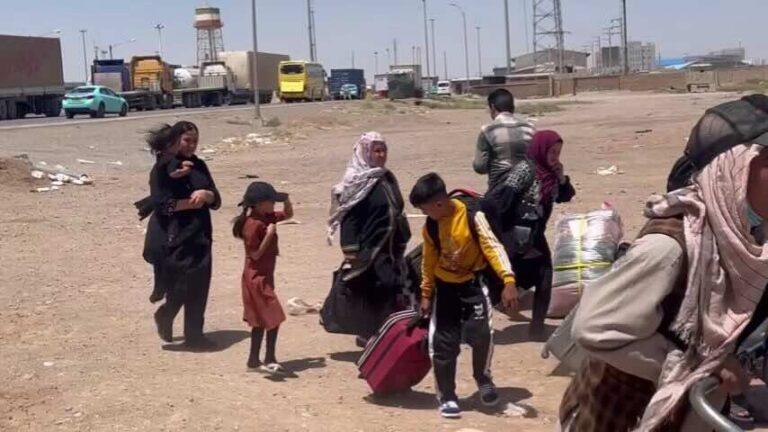
    Afghan Women Returnees Face Severe Economic Hurdles Despite Skills, New Report Reveals

    A UN Women report highlights the immense economic hurdles for Afghan women returning from Iran and Pakistan, urging targeted asset investments to turn their unused skills into sustainable livelihoods.

    Fewer than one in five Afghan women returning from Iran and Pakistan can earn an income in Afghanistan, contributing to rising debt and food insecurity among returnee families, a new report by UN Women in Afghanistan finds.

    Despite many women having worked and gained skills while in other countries, they face a near-total collapse in job opportunities once in Afghanistan, the report shows. Nearly 40 per cent report having skills they are unable to use, including vocational, technical and digital skills.

    More than three-quarters of women who worked in Iran, and nearly two-thirds of those who worked in Pakistan, are unemployed after returning to Afghanistan, according to the findings, which are based on a study conducted by researchers at Samuel Hall.

    The study draws on data collected among 700 returnee women and local stakeholders, including a phone survey, in-depth interviews, focus group discussions and workshops in Herat, Nangahar and Kabul provinces.

    The report, After return: Rebuilding livelihoods for Afghan women, shows that the primary barriers include restrictions on women’s employment and mobility in Afghanistan, limited access to capital and tools, and weak market opportunities. More than three-quarters of returnee women have no tools or capital to generate income.

    Excluded from the Workforce

    Since 2023, Afghanistan has experienced an unprecedented influx of returnees from neighbouring Iran and Pakistan, many of whom have been forced back under coercive conditions. Over 5.5 million Afghans have returned in this period, adding immense pressure to a country already overwhelmed by economic, humanitarian, and climate crises. According to the study published by UN Women Afghanistan and Samuel Hall, women represent a significant portion of these returnees and face profound challenges as they attempt to reintegrate into an economy marked by severe restrictions and contracting markets.

    Despite returning with a strong motivation to support their families, these women are largely excluded from the workforce. They arrive with technical, educational, and digital skills acquired in exile, yet find themselves structurally blocked from translating these abilities into income. The report underscores that the barrier to their economic participation is not a lack of capability, but rather an acute absence of enabling conditions.

    A Collapse in Employment for Returnees

    The report finds that the transition back to Afghanistan often triggers a near-total collapse in employment for women. The data reveals that only around 17 per cent of returnee women manage to secure work after returning. The stark reality is that 77 per cent of women who worked in Iran and 64 per cent of those who worked in Pakistan are now completely unemployed.

    For the small fraction of women who do find employment, the work is overwhelmingly informal, irregular, and poorly compensated. A staggering 92.1 per cent of women’s employment is classified as vulnerable, pushing many into precarious, home-based labour. The economic fallout for these women is severe, with the median monthly income for returnee women estimated at just 1,100 AFN, or approximately 17 USD. Fifty-seven per cent of these women report earning less than they did while living in exile, underscoring a significant decline in financial stability.

    The situation is particularly dire for households headed by women, which account for roughly 18 per cent of the returnee population surveyed. These households are highly vulnerable to food insecurity and debt, as their incomes tend to stagnate or decline further over time.

    Unused Skills and the Capital Deficit

    Contrary to assumptions that returnees lack the necessary capabilities, the UN Women report highlights a structural mismatch between the skills women possess and a constrained labour market. Nearly 40 per cent of women report having unused skills. Returnees from Iran often bring vocational expertise in tailoring, advanced machinery, and digital work, while those from Pakistan bring experiences in agriculture, traditional embroidery, and teaching.

    However, the primary bottleneck preventing these women from utilizing their skills is an overwhelming deficit of capital and productive tools. Seventy-seven per cent of returnee women report having no tools whatsoever to generate an income, and a mere 9 per cent possess the adequate equipment needed for their respective trades. In this informalized economy, providing additional training without the necessary start-up capital or physical assets has proven to have only a marginal impact.

    Location Over Origin: The Geography of Opportunity

    One of the study’s most revealing findings is that a woman’s economic opportunities and mobility are dictated more by the province she returns to than by the country she departed from. For instance, Kabul provides a relatively permissive environment with greater autonomy. In Kabul, women’s mobility is reported at 78 per cent.

    Conversely, Nangarhar province presents a highly restrictive environment shaped by official limitations on movement, weak markets, and conservative social norms. Mobility in Nangarhar drops to just 53 per cent. This geographic disparity means that a woman residing in Kabul has nearly double the autonomy of a woman in Nangarhar, demonstrating that local provincial conditions ultimately dictate a returnee’s ability to navigate the economy.

    Navigating Social Cohesion and Market Saturation

    As millions return, the relationship between host communities and returnees remains fragile. Both groups of women are often forced to compete in the same saturated, low-value sectors – such as home-based tailoring and food processing. This scarcity of resources has fuelled early signs of tension, with some host community members blaming returnees for rising rent prices and job competition.

    The report warns that interventions targeting only returnee women could exacerbate these divisions. Instead, shared economic spaces where host and returnee women work collaboratively have shown strong potential for reducing tensions. Joint workshops and mentoring programs not only foster solidarity but also allow returnees to integrate into the local economic networks they desperately need.

    Strategies for Sustainable Reintegration

    To combat these intersecting crises, the report outlines a series of pragmatic recommendations for national and international stakeholders. A crucial pivot is required: shifting the focus from simply accumulating more skills to activating existing capacities through the provision of productive assets. Supplying women with graduated asset packages – such as sewing machines or food processing kits – allows them to generate income safely.

    Furthermore, establishing secure, women-only workspaces is deemed non-negotiable. These collective hubs reduce the isolation of home-based work, boost productivity, and provide a protective environment that individual women cannot achieve alone. Connecting these producers to domestic and regional markets is also vital to prevent them from remaining trapped in subsistence-level local economies.

    Ultimately, supporting the economic participation of Afghan women returnees is not just about individual survival; it is essential for the broader recovery and stability of Afghanistan’s communities. With targeted, inclusive investments, these women can move beyond displacement and rebuild their livelihoods with agency and dignity.

    Investing in the Care Economy: Bangladesh Could Create 7 Million Jobs by 2035

    A robust investment in early-childhood and long-term care services is poised to transform Bangladesh’s socio-economic landscape, dramatically reduce gender disparities, and unlock millions of decent employment opportunities over the next decade.

    Strategic investments in the care economy, particularly in early-childhood education and long-term care services, possess the unprecedented potential to generate more than 7.0 million new jobs in Bangladesh by the year 2035.

    According to recent data unveiled at the National Care Conclave 2026 held in Dhaka on Friday, the breakdown of these anticipated employment opportunities reveals a comprehensive boost across multiple sectors. More than 2.0 million direct jobs are expected to emerge in childcare alone, alongside a 3.0 million roles dedicated to long-term care. Furthermore, the ripple effects of this booming sector are predicted to create approximately 2.0 million indirect jobs in various non-care industries, acting as a catalyst for widespread national economic growth.

    The groundbreaking statistics were shared by Anne Drong, the national project coordinator at the International Labour Organisation (ILO). Presenting her keynote paper titled “Investing in Care: Unlocking Bangladesh’s Economic and Social Potential”, Drong emphasized the urgent need for structural investments.

    This transformative projection highlights an evolving economic frontier where social welfare intersects with massive job creation.

    The day-long National Care Conclave was a collaborative effort spearheaded by the ILO, UN Women, and the Asian Development Bank (ADB) and Bangladesh’s Ministry of Women and Children Affairs, the Ministry of Labour and Employment, and the Ministry of Social Welfare. The gathering discussed way to chart a strategic path forward to develop a national care economy supported by a robust policy framework, decent work opportunities, and strong care entitlements.

    A Triple Win for Society, Women, and the Economy

    The dialogue surrounding the care economy is fundamentally tied to the pursuit of gender equality. UN Women Bangladesh Country Representative Gitanjali Singh passionately articulated that the chronic undervaluing and deeply gendered division of care work – both paid and unpaid – remains one of the most significant drivers of gender inequality in the country. By shifting the paradigm, investing in care systems becomes a “triple win” that simultaneously benefits women, society as a whole, and the broader macroeconomic environment.

    Singh noted that when the burden of “time poverty” on women is alleviated through accessible care services, a significantly higher number of women can enter and sustainably remain in the formal labour market. She said that beyond immediate employment metrics, substantial financial commitments to the care sector are expected to yield long-term developmental dividends. These include profound advancements in human development, improved public health outcomes, accelerated poverty reduction, and an overall enhancement in the well-being of societies.

    Bridging the Gender Employment and Pay Gaps

    The statistical models presented at the conclave offer a highly optimistic outlook for the future of women in the Bangladeshi workforce. According to Drong’s keynote presentation, dedicated investment in a comprehensive care policy package could shrink the gender gap in employment rates by an impressive 6.0 percentage points. This targeted intervention is projected to elevate the overall women’s employment rate to 44.1 per cent by 2035, marking a substantial increase from the 35.5 per cent recorded in 2019.

    Equally significant is the anticipated impact on wage parity. The gender pay gap, a persistent issue in the national labour market, could see a remarkable reduction of 7.2 percentage points in monthly earnings. If the proposed frameworks are successfully implemented, the pay disparity could plummet from 9.0 per cent in 2019 to a mere 1.8 per cent by 2035. To realize these figures, experts emphasise the necessity of reforming and modernising current care policy frameworks, alongside heavy investments in skills development, formal certification of care workers, and the strict regulation of care services.

    From Private Burden to Public Priority

    Government officials at the conclave demonstrated a strong commitment to integrating care policies into national economic planning. Women and Children Affairs Minister Abu Zafar Md Zahid Hossain declared that empowering women is no longer just a social goal, but a “macroeconomic necessity.” He stressed the importance of redefining care work as a shared societal responsibility rather than an invisible workload borne exclusively by women, thereby unlocking the full potential of the national workforce.

    Echoing this sentiment, State Minister for Social Welfare Farzana Sharmin advocated for the formal recognition of the care economy as a cornerstone of national development. By positioning care services as a top public priority, the sector can be transformed into a dignified, professionalised field.

    Max Tunon, ILO Bangladesh Country Director, reinforced this vision, stating that shifting care from a private responsibility to a matter of public policy is the key to unlocking an engine for gender equality and prosperity.

    Building a Robust and Sustainable Care Framework

    Ensuring the long-term viability of these projected jobs requires a holistic policy approach. Nasheeba Selim, principal social development officer (gender) at the ADB, highlighted the necessity of a “continuum of care policies.” Such frameworks guarantee that both men and women can equally participate in the labour force while balancing their respective domestic responsibilities. Because childcare and long-term care constitute the bulk of household duties, robust state-backed services are critical to giving children the best early start in life while providing income security for families.

    Selim pointed out that structured care environments empower parents to maintain consistent employment participation. This stability is crucial in preventing vulnerable households from slipping into poverty during life transitions or unexpected economic downturns.

    Tackling Challenges: Stigma, Cost, and Regulation

    Despite the immense potential, the journey toward a thriving care economy in Bangladesh is fraught with systemic hurdles. Speaking at a panel discussion, Social Welfare Secretary Mohammad Abu Yusuf candidly addressed the roadblocks hindering progress. He identified pervasive social stigma surrounding caregiving and nursing professions as a major barrier to attracting talent. Additionally, Yusuf said, the high cost of accessing quality services, the geographical distances many citizens must overcome to receive care, and a massive gap between current supply and demand further complicate the landscape.

    Crucially, Yusuf highlighted the absence of a dedicated regulatory authority to oversee the sector. While Bangladesh boasts numerous progressive laws on paper, the chronic issue remains their effective, ground-level implementation. Yusuf said that overcoming these challenges will require concerted, cross-ministerial coordination and an unwavering commitment to enforcing standards that protect both care workers and the populations they serve.

    Image: Hippopx

    Blamed, Beaten, Buried: The Hidden HIV Crisis Devastating Transgender Lives in Pakistan’s Khyber Pakhtunkhwa

    In Khyber Pakhtunkhwa, transgender people living with HIV endure blame, beatings and lonely burials while society ignores the real drivers of the virus: stigma, not the disease itself, is killing them.

    In the bustling plazas of Peshawar, where transgender performers once danced at weddings and festivals, fear now lingers heavier than the summer heat. Arif, known to friends as Wara, arrived from Quetta twelve years ago dreaming of a freer life. Months before his death at 27, he tested positive for HIV. Terrified of expulsion from the only home he had, he kept silent. When illness finally overwhelmed him, hospital staff offered little compassion. He died alone. Only a handful of transgender friends stood at his grave in a neglected Peshawar graveyard – no blood relatives, no prayers from the community that once celebrated him. “He left smiling on the fifth day of Eid,” recalled his friend Farzana. “Later I saw his lifeless body, turned blue.”

    Wara’s story is not unique. Across Khyber Pakhtunkhwa (KP), transgender individuals are caught in a vicious cycle of stigma that proves more lethal than the virus they carry. Official figures from the Provincial AIDS Control Programme reveal a stark truth: out of 9,000 registered HIV patients in Khyber Pakhtunkhwa, only 197 – less than one per cent – are transgender. Men account for 60 per cent of cases, women 30 per cent. Yet society’s gaze remains fixed on the transgender community, blaming them for spreading the disease.

    The Numbers Behind the Silence

    Health officials confirm that early diagnosis and free government-supplied antiretroviral drugs can suppress HIV, allowing patients to live normal lives. But fear keeps many away from testing centres. Dr Tariq Hayat Taj, head of the Provincial AIDS Control Programme, notes that government teams now visit transgender residences for voluntary, confidential testing to protect privacy. Still, late diagnosis remains common. By the time patients reach hospitals, the disease has advanced, complicating treatment.

    Violence compounds the crisis. In 2025 alone, 15 transgender individuals were killed in Khyber Pakhtunkhwa, with Peshawar, Mardan and Charsadda recording the highest numbers. Over the past decade, the toll has climbed to 157 deaths, according to Farzana Riaz, president of the Trans Action Alliance. Many killings are justified in the public mind by accusations of HIV transmission.

    Lives Shattered by Fear

    Deewani’s story echoes Wara’s tragedy. Expelled from Iqbal Plaza once her HIV status became known, she survived by collecting garbage until illness claimed her. Another 33-year-old transgender person was thrown out of a Peshawar rehabilitation centre after testing positive. Rejected by family and community alike, he died suffering on the roadside, according to field worker Ijaz Khan. A young patient who arrived at hospital with his father was publicly humiliated by staff who openly blamed him for contracting the virus.

    Ijaz Khan, who has worked on the ground for 20 years, explains the cruel logic: “If a transgender person finds out they have AIDS, they hide it because they know clients will stop coming, they won’t be invited to dance events, and they may be expelled from their community.” The fear of abandonment extends beyond life. Farzana Riaz captures the dread many feel: “When they see their companions abandoned even after death, they see their own reflection in them. She wonders whether her father or brother would come for her after death, or if she would face the same fate.”

    Voices Crying for Justice

    Jamal, a transgender MPhil scholar and human rights activist known as Heer, challenges the dominant narrative with data. “If we are the ones spreading the disease, then why do people come to us to fulfil their desires? Why are they not held accountable? Does the virus exist only in transgender bodies?” Farzana Riaz echoes the frustration: “If we are the ones spreading the disease, then why do people come to us to fulfil their desires?”

    Advocate Ayesha Khurshid points to Pakistan’s Constitution, which guarantees equal rights, yet hospitals lack dedicated transgender wards or even basic staff training on dignity and confidentiality. Patients report being stared at, whispered about, or denied respectful care.

    Healthcare’s Blind Spot

    The Provincial AIDS Control Programme offers free medicines and outreach, yet systemic gaps persist. Illegal clinics continue unsafe practices. Hospital staff, untrained in handling stigma-sensitive cases, sometimes breach confidentiality, accelerating social ostracism. Transgender individuals engaged in sex work or dance performances – often their only economic options – face heightened risk yet receive the least protection.

    Field workers describe a community pushed to the margins: denied housing, jobs, and family support. When death comes, burials become battlegrounds. Many are interred in isolated plots, denied traditional rites, their graves unmarked and forgotten.

    A Call for Compassion

    Activists and health experts agree that change must begin with mindset. HIV must be treated as a medical condition, not a moral failing. Schools should teach accurate information about transmission rather than outdated myths. Hospital protocols need urgent reform: mandatory sensitivity training, private consultation rooms, and strict confidentiality rules. Government outreach teams have shown promise; expanding them could bring testing and treatment directly to those too afraid to seek it.

    Activists say that there is a need for legal protections to move from paper to practice. Strict action against illegal practitioners and those who violate patient rights is essential. Most importantly, they say, society must confront its hypocrisy – blaming a tiny minority while the majority of cases occur elsewhere.

    Wara’s friends still gather at his grave, offering quiet prayers the wider world denied him. Their message is simple: treat us as human beings first. Until stigma is buried alongside the dead, the virus will continue claiming lives that could have been saved. In Khyber Pakhtunkhwa, the fight against HIV is not just medical – it is a battle for dignity, justice and the right to live, and die, without shame.

    Names of people living with HIV have been changed to protect their privacy.

    The Silent Epidemic: Psychosocial Workplace Risks Claim Over 840,000 Lives Annually Worldwide

    A ground-breaking report by the International Labour Organization reveals the hidden toll of toxic, poorly designed workplaces on global health and the economy.

    According to a new global report by the International Labour Organization (ILO), more than 840,000 people die every year from health conditions directly linked to psychosocial risks at work.

    The comprehensive report, titled “The psychosocial working environment: Global developments and pathways for action,” brings into sharp focus how poorly designed or mismanaged work environments are profoundly damaging both human health and macroeconomic stability. From gruelling hours and chronic job insecurity to systemic workplace harassment, these modern-day hazards are primarily manifesting as severe cardiovascular diseases and devastating mental health disorders, including a tragic rise in occupational-linked suicides.

    The Heavy Toll on Human Life and Global GDP

    For decades, occupational safety has largely been associated with hard hats, safety harnesses, and the prevention of physical accidents on factory floors or construction sites. But today, a more insidious threat is silently claiming hundreds of thousands of lives and draining the global economy, the ILO report says.

    Beyond the tragic mortality rate of 840,000 annual deaths, the human suffering is quantified in another alarming metric: nearly 45 million disability-adjusted life years (DALYs) are lost each year. DALYs are a universal metric reflecting the years of healthy life lost due to debilitating illness, long-term disability, or premature death.

    This massive loss of human potential inevitably ripples outward, creating a profound drag on global economic prosperity, according to the ILO report. The report estimates that the productivity lost due to these psychosocial risks results in economic haemorrhaging equivalent to roughly 1.37 per cent of the global Gross Domestic Product (GDP) annually. Billions of dollars are evaporating not because of market fluctuations or geopolitical conflicts, but because of how daily work is designed, organized, and managed.

    The report synthesizes a massive body of scientific evidence demonstrating that chronic psychosocial stress at work triggers an array of severe health conditions. Beyond cardiovascular emergencies like strokes and heart attacks, long-term exposure is heavily linked to severe depression, anxiety disorders, metabolic diseases, chronic sleep disturbances, and debilitating musculoskeletal pain.

    Deconstructing the Psychosocial Working Environment

    To address this silent epidemic, the ILO report introduces a comprehensive framework to understand the “psychosocial working environment.” This environment encompasses the intricate web of interactions related to job design, organizational hierarchy, and the overarching corporate policies that govern daily labour.

    The ILO proposes that to effectively mitigate these hazards, organizations must understand the three interrelated levels of the working environment that contribute to risk:

    • First is the inherent nature of the job itself. This involves the day-to-day demands placed on an employee, the alignment of tasks with the worker’s actual skills, access to necessary resources, and whether the job offers variety, meaning, and a sense of purpose.
    • Second is the structural organization and management of work. This level zeroes in on role clarity, performance expectations, the degree of autonomy an employee possesses, the relentless pace of work, and the quality of supervision and support provided by leadership.
    • Third encompasses the broader workplace policies and procedures. This macro-level includes working time arrangements, how effectively an organization manages corporate change, the growing prevalence of digital monitoring, reward systems, and critically, the strength of procedures designed to prevent violence, bullying, and harassment.

    The Methodology Behind the Staggering Figures

    Reaching the deeply concerning figure of 840,000 annual fatalities required rigorous epidemiological and statistical analysis. The ILO utilized two primary streams of evidence to quantify the crisis.

    Researchers first aggregated data on the global prevalence of five critical workplace psychosocial risk factors: job strain (the toxic combination of high demands and low autonomy), effort-reward imbalance (where intense effort is met with poor compensation or recognition), chronic job insecurity, excessive working hours, and the persistence of workplace bullying and harassment.

    Next, these risk levels were cross-referenced with scientific literature linking these specific stressors to the likelihood of developing serious, life-threatening conditions. By applying these metrics to the latest global mortality and health data from the World Health Organization (WHO) and the Global Burden of Disease (GBD) study, the ILO was able to accurately estimate both the tragic death toll and the massive DALYs attributable to these working conditions.

    Navigating a Rapidly Transforming Workplace

    While toxic bosses and stressful deadlines are not historically novel concepts, the ILO report notes that massive, rapid transformations in the modern world of work are radically reshaping the psychosocial landscape.

    The rapid acceleration of digitalization, the integration of artificial intelligence, the mass transition to remote and hybrid work models, and the rise of precarious “gig economy” employment arrangements are actively altering how people experience stress. While these innovations can occasionally offer improved flexibility, they frequently blur the boundaries between professional and personal life, intensify digital surveillance, and exacerbate feelings of isolation and job insecurity. If these modern paradigm shifts are not managed with human wellbeing in mind, they threaten to create entirely new categories of psychosocial risks, the ILO study says.

    A Call for Proactive Solutions and Social Dialogue

    Despite the grim findings, the ILO report emphasizes that these risks are not inevitable. They are the direct result of organizational choices and, consequently, can be dismantled through proactive organizational approaches.

    “Psychosocial risks are becoming one of the most significant challenges for occupational safety and health in the modern world of work,” states Manal Azzi, Team Lead on Occupational Safety and Health (OSH) Policy and Systems at the ILO. Azzi says, “Improving the psychosocial working environment is essential not only for protecting workers’ mental and physical health, but also for strengthening productivity, organizational performance, and sustainable economic development.”

    The path forward requires governments, corporate employers, and workers’ rights organizations to engage in robust social dialogue. Integrating rigorous psychosocial risk management directly into standard occupational safety and health systems is no longer optional. By addressing the root causes of workplace stress – rather than just treating the symptoms – countries and enterprises can build healthier, more resilient workforces. The ultimate conclusion of the ILO is clear: prioritizing human wellbeing at work is not just a moral imperative, it is the bedrock of a sustainable, thriving global economy.

    Prime Minister Balendra Shah Resets Nepal’s Diplomatic Posture in a Single Day

    Breaking away from years of unstructured engagements, the newly formed government under Balendra Shah institutes joint ambassadorial briefings and strictly enforces a ministerial code of conduct to centralize Nepal’s foreign policy.

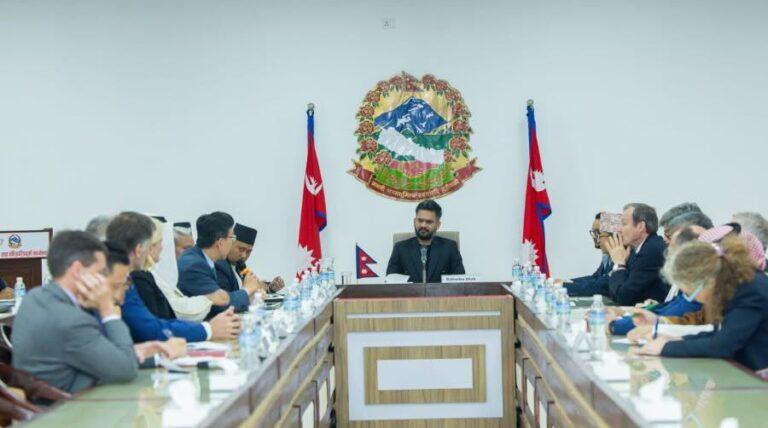
    In a sweeping and unprecedented move that signals a fundamental shift in Nepal’s international engagements, Prime Minister Balendra Shah orchestrated a comprehensive reset of the nation’s diplomatic posture on Wednesday. In a significant break from a decades-long tradition of individual, unstructured, and often undocumented meetings with foreign envoys, Shah held a joint courtesy meeting with 17 Kathmandu-based ambassadors and mission heads at Singhadurbar.

    Simultaneously, the Ministry of Foreign Affairs conducted a mandatory briefing for all Cabinet ministers regarding Nepal’s diplomatic code of conduct, marking the first time the protocol has been actively enforced since its introduction in 2011. Together, these back-to-back initiatives represent the most deliberate and strategic overhaul of Nepal’s foreign policy apparatus in recent memory. Foreign policy analysts and observers quickly noted that the new administration is determined to consolidate authority, eliminate contradictory messaging, and transition from a personality-driven model to a coherent, state-led approach on the global stage.

    A Departure from Ad Hoc Diplomacy

    For nearly two decades, following the sweeping political changes of 2006, Nepal’s diplomatic engagements have been largely characterised by a fragmented and highly individualized approach. Successive prime ministers and senior political figures routinely hosted ambassadors in isolated, one-on-one settings. These meetings frequently occurred without the presence of Foreign Ministry officials, leading to a severe lack of official briefings, institutional note-taking, or strategic debriefs.

    Critics and career diplomats have long argued that this practice reduced Nepal’s foreign policy to a mere extension of whichever political personality or party currently held power. This ad hoc diplomacy often resulted in mixed signals being sent to the international community, undermining Nepal’s credibility and national interests.

    “This is not a routine courtesy – it is closer to a strategic diplomatic reset briefing,” explained former Nepali Army Major General Binoj Basnyat, assessing the impact of Wednesday’s developments. “Nepal is trying to move from reactive, personality- and party-driven diplomacy to a more coherent, state-led approach.” The shift demonstrates a clear recognition by the Shah administration that domestic political volatility must no longer dictate the terms of Nepal’s international relationships.

    Reasserting Institutional Authority

    The format of the meeting at Singhadurbar was meticulously designed to reassert the institutional primacy of the Ministry of Foreign Affairs. Rather than the Prime Minister immediately taking the floor, Foreign Secretary Amrit Bahadur Rai opened the session. Rai formally welcomed the international envoys and provided a comprehensive briefing on the new government’s overarching priorities. This procedural detail was heavily symbolic, firmly placing the institutional bureaucracy back at the centre of diplomatic communication.

    Following the Foreign Secretary’s introduction, Prime Minister Shah addressed the gathering for approximately five minutes. His remarks were concise and focused, outlining his administration’s core foreign policy pillars. Chief among these was the safety and security of Nepali migrant workers and the global diaspora – a vital demographic that sustains the national economy through remittances. Shah also emphasised domestic goals with international implications, such as ensuring strict good governance and accelerating economic development.

    Crucially, he reaffirmed Nepal’s longstanding commitment to maintaining balanced and amicable relations with all its neighbours and international partners. “Peace must remain our shared priority,” Shah told the assembled envoys, ensuring that his message of stability and cooperation resonated uniformly across the room.

    Navigating Great-Power Competition

    The strategic optics of Wednesday’s joint meeting were as important as the substance. The gathering included ambassadors and mission heads from India, China, the United States, the United Kingdom, Japan, France, Germany, Saudi Arabia, Qatar, Israel, Pakistan, Bangladesh, Sri Lanka, South Korea, Switzerland, Egypt, and the United Nations. An additional 11 Kathmandu-based ambassadors are slated for a subsequent joint meeting in the near future.

    By convening these specific envoys simultaneously, the government navigated the complex geopolitical currents currently swirling around the Himalayan nation. In an era marked by intensifying great-power competition, alongside the strategic interests of the United States, the order in which a Prime Minister meets foreign representatives is often heavily scrutinized for perceived biases.

    “Calling all ambassadors together is not routine – it is a signal at a time of rising competition between India, China, and the US and the West,” noted Basnyat. “The format matters because meeting everyone together means no visible tilt.” This calculated display of strict neutrality ensures that Nepal projects an image of sovereign equality, refusing to be drawn into regional hierarchies or bloc politics.

    Enforcing the Diplomatic Code of Conduct

    While the Prime Minister was resetting relations with the international community, a parallel effort to instil discipline within the domestic government was underway. Ahead of the prime ministerial gathering, Foreign Secretary Rai convened the Cabinet to brief ministers on the intricacies of Nepal’s foreign policy landscape.

    The focal point of this briefing was the diplomatic code of conduct. Drafted and implemented in 2011, this essential protocol document has historically been ignored by successive administrations. The comprehensive briefing covered vital aspects of diplomatic etiquette, strict limitations on how ministers can conduct themselves regarding foreign policy, and the technical, procedural norms that must govern any official meetings with foreign dignitaries.

    Former ambassador Shambhu Ram Simkhada, who previously served as Nepal’s permanent representative to the United Nations in Geneva, lauded the enforcement of these protocols. He pointed out that past administrations had permitted leaders to casually and frequently interact with foreign diplomats while completely bypassing the Foreign Ministry. “There was a kind of recklessness,” Simkhada observed. “No one seemed responsible.” By reactivating the code of conduct, the Shah government is demanding accountability and unity in its external communications.

    The Challenge of a Dynamic Foreign Policy

    Despite the overwhelming optimism surrounding these initial steps, diplomatic veterans caution that the true test lies ahead. The envoys present on Wednesday reportedly expressed strong support for the new government, with several indicating that their respective nations are already formulating new cooperative frameworks and development plans. “We found an air of optimism in the meeting,” shared an attending official on the condition of anonymity. “The international community sits on our side. The only thing is how we capitalise that goodwill in this difficult time.”

    However, expectations are high, largely driven by the Rastriya Swatantra Party’s ambitious manifesto, which promised a “balanced and dynamic” foreign policy. While the definition of a ‘balanced’ policy was clearly demonstrated by the joint meeting, experts like Simkhada believe the government must now articulate its ‘dynamic’ vision.

    “Dynamic policy demands continuity and change,” Simkhada challenged. “The new government that has been installed through big change needs to define what changes it wants to inject in foreign policy conduct.”

    Prime Minister Balendra Shah has successfully executed a symbolic and structural reset of Nepal’s diplomatic posture in just 24 hours. Whether this newfound institutional discipline will translate into sustained, beneficial foreign policy outcomes remains the defining question for his administration moving forward.

    Militants Storm Mining Site in Balochistan; 10 Dead in Coordinated Attack

    Dozens of heavily armed assailants targeted the National Resources Private Limited copper and gold mining project in the Darigwan area of Chagai, marking a severe escalation in regional violence and raising concerns over industrial security.

    A heavily armed group of militants launched a coordinated assault on a prominent mining operation in the Balochistan province, leaving at least 10 people dead, sources in Islamabad confirmed.

    The attack, which unfolded on Wednesday morning, targeted a copper and gold mining site operated by the Pakistani company National Resources Private Limited (NRL). According to local officials and security personnel, the raid occurred in the remote Darigwan area of the Chagai district.

    The Dead of Night Assault

    Approximately 40 militants descended upon the National Resources Private Limited facility, according to government sources. Eyewitnesses and initial security reports indicate that the assailants arrived on a fleet of motorcycles and off-road vehicles, utilizing the cover of the remote landscape to bypass initial perimeter checkpoints. The attackers, equipped with automatic rifles and explosives, quickly breached the main encampment where workers and security personnel were stationed.

    The assailants were able to overwhelm the immediate defences of the mining camp. The chaos that ensued during the initial storming of the site allowed the attackers to inflict maximum damage before local law enforcement and paramilitary forces could be mobilized to respond to the remote location.

    The sheer volume of attackers underscores a significant security lapse, raising questions about how such a massive convoy could travel undetected through a highly monitored zone.

    Casualties and Immediate Aftermath

    Authorities have confirmed that at least 10 individuals were killed during the violent incursion. While official channels are still in the process of identifying all the victims and notifying their families, it is believed that the deceased include both labourers working on the mining project and security personnel.

    In the immediate aftermath of the assault, panic swept through the Darigwan area. Emergency medical teams and heavily armed quick-response units from the Pakistani military and the Frontier Corps were dispatched to the site to secure the area and provide critical care to survivors. The injured have been transported to regional hospitals for urgent treatment. Security forces have since cordoned off the entire mining complex, launching a massive manhunt across the desolate and mountainous Chagai district in an attempt to track down the fleeing militants. Aerial surveillance is reportedly being utilized to scour the difficult terrain where the attackers are believed to have sought refuge.

    Target: National Resources Private Limited

    The facility targeted is a key operation run by National Resources Private Limited (NRL), a prominent Pakistani enterprise focused on the exploration and extraction of precious minerals, located in the Chagai district – a region globally recognized for its massive untapped reserves of copper and gold.

    Chagai is most famously known for hosting the Reko Diq and Saindak mining projects, which are among the largest copper and gold deposits in the world. NRL’s presence in the Darigwan area is part of a broader national strategy to boost Pakistan’s economy through domestic resource extraction.

    Balochistan’s Ongoing Security Challenge

    This latest bloodbath is not an isolated incident but rather a grim continuation of the instability that has long plagued Balochistan. The province has been the epicenter of a protracted armed separatist movement for decades. Various militant factions operating in the region harbour deep-seated grievances.

    Mining projects, energy infrastructure, and major investments have routinely been designated as prime targets by these groups. The assault on the NRL site in Chagai fits a well-established pattern of militants attempting to disrupt economic activities to pressure the state.

    The federal and provincial governments have swiftly condemned the massacre, vowing to bring the perpetrators to justice. High-ranking officials have reiterated their commitment to eradicating terrorism and ensuring the safety of industrial workers in Balochistan. In response to the attack, a comprehensive security review of all mining operations in the Chagai district has been ordered. It is expected that additional paramilitary units will be deployed to establish a more robust defensive perimeter around critical economic zones.

    Corporate leaders are expected to engage in emergency talks with government security agencies to demand enhanced protection protocols.