More

    Bangladesh: The Resurgence of Pirate Syndicates in Sundarbans

    A devastating political upheaval in 2024 has paved the way for notorious pirate syndicates to re-emerge in the Sundarbans mangrove forest, subjecting local fishermen to brutal kidnappings and rampant extortion.

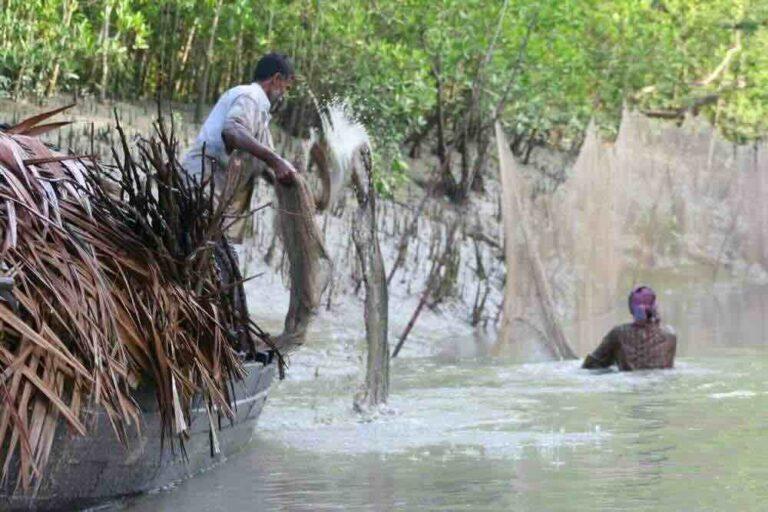
    For thousands of Bangladeshi fishermen and honey collectors, setting out onto the waters of the Sundarbans to earn a daily livelihood has abruptly devolved into a deadly gamble. Every morning, as they cast their nets or venture ashore into the dense brush, these workers face the terrifying and immediate threat of heavily armed pirate syndicates. Organised bandits have brazenly returned to the country’s remote waterways, ambushing vulnerable boats, demanding exorbitant advance protection fees, and executing brutal kidnappings for soaring ransoms. What was once a routine, albeit arduous, day of labour has been transformed into a desperate fight for survival, leaving impoverished coastal communities paralyzed by the daily threat of violence and extortion.

    A Livelihood Held Hostage in the Mangroves

    The backdrop to this escalating maritime crisis is the Sundarbans, the world’s largest mangrove forest. A sprawling, labyrinthine ecosystem of interconnected rivers, dense roots, and unforgiving tidal mudflats, it has for generations provided a vital economic lifeline for the region. However, the very geography that makes it a natural wonder also makes it a tactical nightmare to police. With the recent resurgence of organised crime, navigating these remote and shadowy waters has become a terrifying prospect.

    Heavily armed syndicates are now actively operating under the cover of the dense forest canopy, wielding a mix of crude and sophisticated weapons. They have drastically increased their kidnapping operations, demanding higher ransoms than ever before. If a fisherman cannot or will not pay the extortion fees, they are dragged deep into the mangrove labyrinth. Their families, already struggling on the margins of poverty, are left facing impossible financial demands to secure their loved ones’ release. The psychological toll is immense, casting a dark shadow over communities that have no alternative means of economic survival other than to brave the dangerous waters.

    The Shattered Stability of the 2018 Amnesty

    The current terror gripping the waterways is particularly devastating because it marks the tragic collapse of a hard-won peace. To fully grasp the gravity of the current crisis, one must look back to a highly publicized government initiative from 2018. Recognising the crippling effect of piracy on the local economy and the safety of its citizens, the Bangladeshi government launched a massive amnesty programme aimed at bringing peace to the turbulent rivers.

    The initiative offered a path to rehabilitation, and it was remarkably successful at the time. Hundreds of notorious outlaws and pirates surrendered their weapons and stockpiles to authorities, leading to a dramatic and sustained reduction in violent crime. For several years, a newfound sense of security flourished in the region. Fishermen could navigate the mangrove channels without the paralyzing fear of abduction, allowing the local maritime economy to stabilize. Markets on the mainland thrived with fresh catches, and the honey collectors could harvest without looking over their shoulders.

    Institutional Collapse and the 2024 Upheaval

    Tragically, that fragile stability was completely shattered by the nationwide political upheaval that swept through Bangladesh in 2024. As mass uprisings, widespread protests, and systemic chaos consumed the country, institutional law enforcement structures broke down. Police and security forces were stretched to their absolute breaking point, forced to abandon peripheral patrols to maintain basic order in major cities and urban centres.

    This widespread distraction created a massive, unpoliced power vacuum in remote regions. The Sundarbans, already an incredibly difficult environment to monitor due to its sheer scale, was left practically unguarded. For former bandits, this temporary lapse in state security provided a lethal opening. The temptation to return to their lucrative criminal enterprises proved irresistible. Many of the exact same robbers who had stood before cameras to surrender during the 2018 amnesty fled right back into the familiar, impenetrable mangroves, immediately moving to rebuild their illicit networks from the ground up.

    Inside the Mangrove Extortion Rackets

    Today, the situation has regressed to its most violent iteration yet. The syndicates that emerged from the 2024 power vacuum are not disorganised opportunists; they are highly structured and ruthless criminal enterprises. Hidden deep within the labyrinthine geography of the forest, these gangs have instituted a reign of terror based on systematic, inescapable extortion.

    They demand “advance protection fees” – a mafia-style tax levied on boat captains before they are even allowed to drop their nets into the water. Those caught fishing or collecting honey without proof of payment are immediately targeted. The pirates strike swiftly from the dense foliage, overpowering unarmed crews and seizing their vessels. Hostages are held in secret camps deep within the tidal forests, enduring brutal conditions while their captors use mobile networks to negotiate ransoms with desperate relatives back on the mainland. The syndicates are demanding higher payouts than ever before, operating with brazen impunity and fully aware that the victims’ families have virtually no recourse.

    A Renewed Military Crackdown

    Facing an escalating humanitarian and security crisis, state authorities are scrambling to reclaim control of the region and protect the vulnerable coastal populations. Maritime security forces and the Bangladesh Coast Guard are currently launching sweeping new operations, battling to dismantle these deeply entrenched syndicates. However, the authorities face an uphill battle against an invisible enemy.

    The pirates possess intimate knowledge of the treacherous waterways, using the shifting tides and the labyrinth of the Sundarbans to easily hide from heavy patrol boats. The security forces are engaged in a high-stakes, deadly game of cat and mouse, attempting to flush out the syndicates from their hidden strongholds, cut off their supply lines, and dismantle their communication networks.

    As these sweeping operations intensify, the thousands of individuals who depend on the forest remain caught in the crossfire. The return of the pirate gangs highlights the fragile nature of peace in regions where geography hinders law enforcement and economic desperation fuels crime.

    The 2024 upheaval proved just how quickly hard-won progress can be erased when state structures falter. Until the authorities can secure the waterways and restore the absolute rule of law, the fishermen of Bangladesh will continue to face a deadly gamble every time they set sail into the shadows of the Sundarbans, praying that their daily pursuit of a livelihood does not cost them their lives.

    PM Balendra Shah Abolishes Trade Unions, Labels Party-Affiliated Bodies as ‘Sleeper Cells’

    In a decisive reform, Prime Minister Balendra Shah has abolished trade unions and banned party flags within academia and bureaucracy, condemning party-affiliated organizations as destructive political “sleeper cells.”

    In a move aimed at depoliticising Nepal’s critical institutions, Prime Minister Balendra Shah has officially announced the abolition of trade unions and party-affiliated organizations within the nation’s bureaucracy and educational sectors. Taking to social media on Tuesday, the Prime Minister vigorously defended the newly introduced ordinances designed to strip partisan influence from the civil service and universities.

    Shah characterised the deeply entrenched student and employee organizations not as democratic pillars, but as “sleeper cells” for political parties that have systematically undermined meritocracy, education, and administrative efficiency for decades. The sweeping reforms reflect a significant paradigm shift in how the state manages its public servants.

    Shah has argued that the pervasive influence of political parties in almost every facet of public life has been a point of widespread contention in Nepal. Citizens, journalists, and independent experts have routinely criticized this system, where political allegiance frequently trumps professional competence. Prime Minister Shah’s declarations hit at the heart of this issue.

    Shah articulated that the primary goal of banning party flags and dismantling these ‘syndicates’ is to render the bureaucracy and academia clean, free, and strictly professional. According to Shah, deeply rooted party politics has ruined the foundational integrity of these sectors, breeding an environment where undue political access and sycophancy are rewarded over genuine qualification and service delivery.

    Eradicating the ‘Sleeper Cells’ of Political Parties

    Central to the Prime Minister’s argument is the severe erosion of public trust caused by decades of unchecked political interference. In his detailed public address, Shah did not mince words when describing the true nature of these unions. “For years, many organizations became sleeper cells of political parties rather than serving the genuine interests of students and employees,” he wrote.

    Shah elaborated that in this compromised environment, merit was consistently subordinated to political access. “Competence was valued less than party flags and bags,” he lamented. This dynamic, he argued, led to utter public distrust in the system itself. By eradicating these sleeper cells, the administration aims to dismantle structural barriers that historically prevented ordinary citizens from receiving impartial public services and students from experiencing uninterrupted, high-quality education.

    Professional Freedom Over Partisan Capture

    Anticipating pushback from political groups who might frame the abolition as an authoritarian crackdown on labour and student rights, Prime Minister Shah rejected the notion that these measures curtail fundamental freedoms. Instead, he argued that the removal of party flags and union mechanisms actually strengthens professional autonomy. “Banning party flags in schools and bureaucracy will not seize the rights of students and employees, but strengthens professional freedoms,” Shah stated.

    Under the new ordinances, the criteria for appointments, transfers, and promotions within the civil service will undergo a radical transformation. Moving forward, these critical career advancements will not be guided by an individual’s proximity or affiliation to a political party. Instead, they will be strictly determined by procedural fairness, individual competence, and actual service delivery. The Prime Minister emphasised that civil servants must view themselves as servants of the citizens, not of political masters. “When civil servants seek guidance, let them look to the law, not to the shadow of a party,” he asserted, urging employees to no longer run after the protection of political leaders.

    The RSP’s Approach to Institutional Reform

    The Rastriya Swatantra Party (RSP), which spearheads the government under Shah’s leadership, has positioned itself as a reformist force distinct from Nepal’s traditional political heavyweights. Addressing speculations that the RSP introduced these ordinances merely because it lacked the organizational muscle to compete with older parties’ wings, Shah offered a robust counter-narrative. He clarified that the RSP chose the ordinance route not out of an inability to build its own affiliated bodies. In fact, he noted that the party could easily form its own organizations in no time if it so desired.

    However, the Prime Minister reasoned that history has already demonstrated the futility of such an approach. “Adding another organization does not bring reform as the past suggests,” he reminded the public. Injecting yet another party-affiliated body into the system achieves absolutely nothing in terms of improving the quality of education or restoring dignity to public servants. The government’s effort, therefore, is not to replace old partisan bodies with new ones, but to wipe out ill politics entirely, delivering exactly what the public has long demanded: educational institutions free from political disruptions and a bureaucracy dedicated solely to governance.

    A Call for Public Trust and a Secure Future

    In his concluding remarks, Prime Minister Shah sought to unify the nation behind these sweeping changes, framing the government’s actions as a vital rescue mission for the state’s democratic institutions. “This is not a fight against any party. This is an effort to save the system,” Shah declared. He painted a picture of a secure future where the country is no longer held captive by partisan interests but is instead firmly placed on an institutional path of sustainable reform. Students, he noted, should engage with politics by learning culture and civic responsibility from their teachers, not from crowds of political leaders.

    Recognising that structural changes of this magnitude require immense societal backing, Shah directly appealed to the Nepali people for their trust and support. He acknowledged that change cannot be ensured through mere speeches, but requires decisive administrative actions. “We need your support and trust, for the change is not ensured with mere speeches but through decisions. We are in the government to deliver as per your wishes. Be sure, whatever we do, we do in favour of the Nepali people,” the Prime Minister assured.

    Nepal: Government Blames Corruption, Crony Capitalism for Economic Woes in Searing New Report

    A newly released government economic report traces Nepal’s financial struggles to policy corruption and crony capitalism, calling for sweeping structural reforms to revitalize growth, manufacturing, and domestic employment opportunities.

    The Nepal government has delivered a stark and unusually candid diagnosis of the nation’s lingering economic malaise. In a comprehensive report detailing the country’s economic situation, the administration pointed the finger squarely at policy corruption, crony capitalism, and a highly distorted political incentive structure as the primary culprits behind a sluggish and unproductive economy.

    Presented by Finance Minister Swarnim Wagle on Monday, the situation paper offers a rare governmental admission that state-market relations have been historically manipulated by access and influence, deliberately sidelining true entrepreneurship, market competition, and technological innovation.

    According to the sweeping policy document, these deeply entrenched, informal channels of power and profit have systemically discouraged capable entrepreneurs and new market entrants. Instead of fostering an economy based on value creation, hard work, and ingenuity, Nepal has drifted toward an access-based structure where financial gains are predominantly dictated by political proximity and exclusionary contracting. The report serves as a critical assessment of the current economic climate, while concurrently outlining the government’s future priorities for policy overhauls, planning, and national budgeting.

    A Crisis of Governance and Distorted Incentives

    The most searing critique within the report is directed at the political ecosystem itself. “The root of Nepal’s political and economic crisis lies in a distorted incentive structure,” the document asserts. It highlights how expensive elections, opaque political fundraising, and highly burdensome party apparatuses have transformed politics from a noble public service into a lucrative profession and an investment mechanism.

    This environment has triggered a deep ideological confusion regarding the respective roles of the state and the free market, the report says. At times, policy architects have operated under the illusion of an all-powerful, interventionist state. In other periods, there has been excessive and unguided trust in the market. Caught between these two extremes, Nepal has suffered from chronic policy instability. Because of the misguided belief that markets are entirely self-regulating, crucial institutional structures – such as robust competition policies, consumer protection laws, environmental regulations, and comprehensive social security frameworks – have been neglected or left critically weakened.

    Furthermore, a prevailing governmental distrust of the private sector, paired with overly distribution-oriented welfare approaches, has failed to prioritize actual production, capital investment, and productivity growth. Without the state ensuring the protection of private property, rigorous contract enforcement, and unshakeable regulatory stability, foreign and domestic investment has failed to materialize, trapping the economy in an unproductive cycle, the report says.

    The Stagnant State of Manufacturing and Demographics

    Nepal is incredibly rich in natural resources, demographic potential, and international goodwill. However, the government concedes that the nation has failed to translate these assets into widespread prosperity due to a profound crisis of developmental thinking and governance integrity. Over the past decade, average annual economic growth has hovered at a modest 4.2 per cent, characterized by erratic fluctuations – from a severe contraction of 2.4 per cent to a peak expansion of just 9 per cent. In recent years, sluggish economic activity has seen the growth rate stand at 4.61 per cent in the 2024-25 fiscal year, with projections indicating a potential decline to 3.5 per cent in the upcoming fiscal cycle.

    The manufacturing sector is notably weak, contributing an average of only 5.4 per cent to the Gross Domestic Product (GDP) over the last ten years. During a period where the overall economy expanded by 4.2 per cent, manufacturing grew by a mere 2.9 per cent. This stagnation is attributed to a lack of investment, high dependence on imported raw materials, minimal adoption of advanced technology, and prohibitive production costs.

    Consequently, the ineffective use of Nepal’s demographic dividend has pushed the youth toward foreign employment. The number of Nepali workers obtaining labour approvals for jobs abroad has surged at an average annual rate of 28.6 per cent over the past decade. While remittances have temporarily supported the external sector and domestic demand, this mass migration has hollowed out human capital and reduced aggregate domestic demand, transforming youth frustration into systemic resentment.

    Balancing State Control and Market Dynamics

    To rectify this trajectory, the government emphasizes that absolute economic liberalization is no longer sufficient. Instead, broad and aggressive structural reforms are required to promote healthy competition, adopt innovation, and pivot the national economy from a rent-seeking model toward sustainable, employment-oriented growth.

    The state recognizes that the expansion of social security and heavily distribution-oriented programmes  – implemented without a rigorous assessment of long-term financial obligations – has created severe challenges for intergenerational equity. The administration’s report explicitly notes that efforts made in the name of ensuring equity, when lacking effective implementation, neither reduced wealth inequality nor expanded the nation’s productive capacity.

    A Bold Blueprint for the Future

    Despite the grim assessment, Finance Minister Wagle outlined an ambitious roadmap for economic restructuring. The government has set a target to achieve an average economic growth rate of 7 per cent starting from the next fiscal year. Over the next five to seven years, the administration aims to raise per capita income to at least $3,000 and expand the overall size of the economy to nearly Rs100 trillion, establishing Nepal as a respectable lower-middle-income nation.

    Key to this blueprint is the aggressive expansion of infrastructure. The government plans to increase electricity generation capacity to an impressive 15,000 megawatts within five years and complete major national pride projects within a tight two-year timeframe. Modernization of agriculture, closely interlinked with industrial growth and tourism, is expected to generate productive domestic employment. Furthermore, Wagle stressed that embracing artificial intelligence, information technology, and the digital economy will be crucial in boosting aggregate production, productivity, and high-value service exports.

    Expert Reactions and Sectoral Opportunities

    Despite the bold targets, the report has drawn scepticism from economic circles. Prominent economist Dilliram Khanal criticized the situation paper, describing it as a superficial and routine document that failed to meet the lofty expectations set by the Rastriya Swatantra Party’s (RSP) manifesto and the government’s 100-point action plan. “The causes have been presented in a superficial manner rather than in a concrete and in-depth way,” Khanal noted, arguing that the assessment lacked actionable specificity.

    Nevertheless, the government’s 11-point summary of economic opportunities offers a glimmer of optimism. The strategy banks on strengthening private sector confidence through stable governance, which is expected to attract vital foreign direct investment. Harnessing hydropower for cheap, reliable energy stands out as a catalyst for industrialization, while regional electricity trade could secure Nepal’s foothold in the global green energy market.

    Moreover, the report envisions leveraging Nepal’s rich cultural and natural heritage for high-value tourism, advancing agricultural modernisation to curb imports, and establishing special economic zones to foster export-oriented production. By integrating organised urbanisation with digital infrastructure, and cleverly channelling the massive influx of remittances into productive entrepreneurial sectors, the government hopes to rewrite Nepal’s economic narrative.

    Ultimately, the report concludes, deep-seated institutional strengthening and unwavering good governance are the non-negotiable foundations for this envisioned economic transformation.

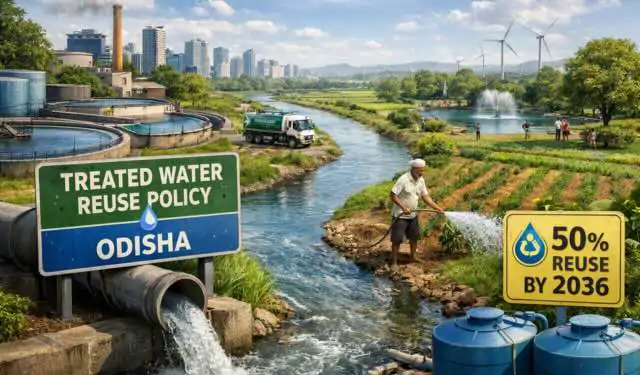
    Odisha Government Notifies Ambitious Policy to Reuse 50 per cent Treated Used Water by 2036

    To combat urban water stress and foster a circular economy, the Odisha government has introduced a landmark policy to ensure 100 per cent treatment of used water by 2030 and scale up its reuse across municipal, industrial, and agricultural sectors by 2036.

    In a decisive move toward ensuring long-term water sustainability and advancing a circular economy in urban development, the Government of Odisha has officially notified the “Policy on Reuse of Treated Used Water (TUW) of Urban Odisha, 2026.”

    Introduced by the Housing and Urban Development (H&UD) Department, this comprehensive framework sets out an ambitious, time-bound roadmap designed to transform used water from a hazardous civic burden into a highly productive economic resource.

    The policy arrives at a critical juncture as rapidly expanding urban centres across the state face growing seasonal and spatial water stress. With a clear vision aligned with the state’s centenary celebrations, the framework establishes binding targets for urban local bodies (ULBs). The primary objectives include achieving 100 per cent collection, conveyance, and treatment of used water across all ULBs by the year 2030. Concurrently, the state aims to ensure that at least 20 per cent of this treated water is actively reused by 2030, with a further, massive scale-up to a minimum of 50 per cent reuse by the year 2036 – a milestone year that coincides with “Vision Odisha 2036.”

    Bridging the Gap Between Generation and Treatment

    Currently, the urgency of this initiative is underlined by a stark gap in Odisha’s wastewater management capacity. As per recent government estimates, the state generates approximately 1,104 million litres per day (MLD) of used water. However, a mere 190 MLD currently undergoes adequate treatment, exposing a significant operational deficit. The untreated runoff places immense pressure on natural water bodies, inadvertently increasing the pollution load entering rivers, lakes, and open drains.

    The newly introduced policy has been meticulously designed to bridge this substantial treatment gap. It mandates universal access to wastewater treatment systems and enforces strict compliance with prescribed quality and safety standards for non-potable reuse. To ensure immediate action, the policy dictates that in cities where sewerage systems and sewage treatment plants (STPs) are already fully operational, a minimum 20 per cent reuse of treated water must be achieved within six months of the official notification. For areas where infrastructure is still under development, these ambitious reuse targets will come into effect within six months of the project’s commissioning.

    Diverse Sectoral Applications and Circular Economy

    By recognizing treated wastewater as a valuable secondary water source rather than mere waste, the state government aims to alleviate the immense pressure on conventional freshwater sources. The policy actively promotes the widespread adoption of treated water across a diverse array of sectors, ensuring that high-grade potable water is reserved strictly for human consumption.

    In the municipal and institutional segments, the use of treated water will be highly encouraged for everyday civic tasks. These include mechanized road cleaning, firefighting operations, public sanitation, gardening, park maintenance, and the operation of heating, ventilation, and air conditioning (HVAC) systems in large commercial establishments. Simultaneously, the industrial sector – a heavy consumer of freshwater – will be directed to utilize treated resources for power plant operations, cooling towers, boiler feed, construction activities, and general process water needs. For the agricultural and environmental sectors, the policy champions the use of treated used water for irrigation, large-scale wetland restoration, the rejuvenation of urban lakes, and the maintenance of essential green belts.

    Innovative TUW Tariff Model and Incentives

    To drive rapid adoption and make the transition economically viable, the Odisha government has introduced an innovative TUW Tariff Model. A core principle of this economic framework is ensuring that treated used water is consistently priced lower than standard potable water, creating an immediate financial incentive for large-scale consumers to make the switch.

    Beyond competitive pricing, the state has rolled out a comprehensive package of financial incentives. Farmers opting to use treated water for irrigation will be eligible for specialized water credits. Industries making the shift will benefit from tariff rebates and Viability Gap Funding (VGF) support, which will help offset any initial infrastructural modifications required to intake TUW. Furthermore, residential societies that integrate treated water for localized landscaping and toilet flushing will be rewarded with utility rebates. To ensure sustained compliance across the board, the policy also outlines a system of performance-linked incentives and strict disincentives for those failing to meet the mandated reuse benchmarks.

    Robust Governance and Infrastructure Rollout

    Recognizing that an ambitious policy requires an equally strong administrative backbone, a robust, multi-tier governance mechanism has been established to oversee its implementation. At the apex level, a State High Powered Committee (SHPC) will provide overall policy direction, oversee inter-departmental coordination, and finalize pricing decisions.

    This apex body will be thoroughly supported by a State Level Technical Committee (SLTC) and a dedicated Treated Used Water Cell, which will handle the day-to-day planning, continuous monitoring, and provide essential technical support. On the ground, District Coordination Committees (DCCs) will be formed to facilitate demand aggregation, forge local partnerships, and ensure smooth field-level execution. The Housing and Urban Development Department will strictly oversee all regulations and standards. Meanwhile, specialized agencies such as the Odisha Water Supply and Sewerage Board (OWSSB) will be entirely responsible for the rapid development and operation of the required physical infrastructure.

    Future-Proofing Urban Odisha in Line with National Goals

    Urban development experts and environmentalists have widely lauded the policy, noting that it will significantly reduce freshwater demand in heavily industrializing and rapidly growing cities such as Bhubaneswar, Cuttack, Rourkela, Sambalpur, Berhampur, Balasore, and Angul. As these urban centres experience unprecedented population growth and infrastructure expansion, conventional water sources are being stretched to their absolute limits.

    Officials say that the TUW Policy 2026 does not exist in isolation; it is deeply aligned with broader national and regional developmental blueprints. It closely adheres to the guidelines set out by the National Framework on Safe Reuse of Treated Water (2023) and fulfils the core sustainability objectives of the AMRUT 2.0 mission.

    By taking this forward-looking step, Odisha aims to future-proof its cities, ensuring that the state’s economic and urban boom does not come at an irreversible ecological cost.

    Bangladesh Enters the Nuclear Era: Rooppur Power Plant Begins Fuel Loading

    Bangladesh embarks on a historic energy transition as the Rooppur Nuclear Power Plant begins its uranium fuel loading phase, setting the stage to become the world’s 33rd nuclear power-producing nation.

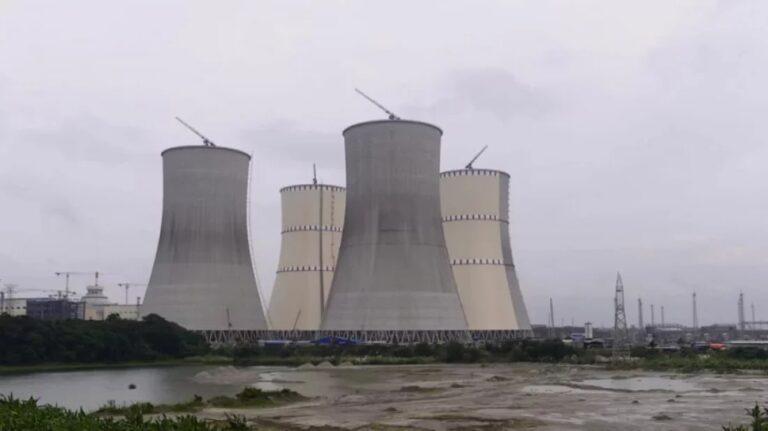
    Bangladesh has officially marked its transition into the nuclear age with the initiation of fuel loading at the first unit of the Rooppur Nuclear Power Plant (RNPP) in Ishwardi. Valued at $12.65 billion, this infrastructure megaproject represents the most expensive power initiative in the country’s history. The start of fuel loading signifies a pivotal shift from the construction phase to operational readiness. By reaching this stage, the country is officially in the position to become the world’s 33rd nuclear power-producing nation, marking the culmination of a vision that first originated in 1961 when the site was initially selected.

    The project is largely financed and supported by foreign investment. The Russian Federation is providing approximately 90 per cent of the funding through state credit, while the Russian state-run corporation ROSATOM serves as the primary technological and technical provider. While progress is steady, experts and officials point out that the plant will not inject massive amounts of electricity into the grid immediately. Initial test generation is projected to begin between July and August of 2026, starting at a low capacity of about 5 to 10 per cent (around 300 MW) to thoroughly assess system performance and grid stability. Full capacity of 1,200 MW from Unit 1 is slated for 2027.

    The RNPP is a massive undertaking designed to house two VVER-1200 reactors with a combined capacity of 2400 megawatts (MW) and an expected operational life of sixty years. Once both units are fully functional, they are projected to supply an estimated 10 to 12 per cent of the nation’s electricity. This historic shift to nuclear energy is fundamentally driven by the country’s rapid economic growth, rising energy transition demands, and the continuous depletion of its domestic natural gas reserves. The move toward nuclear power also functions as a long-term strategy to meet international environmental requirements while aggressively accommodating escalating industrial and residential electricity needs.

    The Complex Path to Commercial Generation

    While the fuel loading is a major achievement, commercial electricity generation remains a rigorous and multi-staged endeavour. Fuel loading is known as one of the most highly sensitive periods of nuclear power generation. At the Rooppur site, each VVER-1200 reactor will be packed with 163 nuclear fuel assemblies, a meticulous process expected to span 40 to 45 days. Each of these assemblies contains enriched uranium pellets that hold immense energy potential. Upon the completion of the loading phase, the reactor will advance toward “first criticality,” the momentous point when a controlled and sustained nuclear chain reaction officially commences.

    Infrastructure, Integration, and Grid Readiness

    Integrating a massive 2,400 MW baseload power facility into the national electricity grid is a monumental engineering task that cannot be understated. The Power Grid Company of Bangladesh reported that the necessary transmission infrastructure was finalized in 2025. This sweeping grid expansion includes four major, high-capacity transmission lines: two circuits stretching between Rooppur and Baghabari, one line connecting to Bogura, and another routed to Gopalganj. Each of these dedicated corridors is equipped to safely transmit roughly 400 MW of power.

    Despite the readiness of the physical lines, energy experts caution that syncing such an enormous supply of continuous power will demand precise load balancing, stringent frequency control, and round-the-clock monitoring. Nuclear power operations require baseload stability to function optimally, meaning sudden grid fluctuations must be kept to an absolute minimum. Economists and structural engineers alike stress that the ultimate success of the RNPP hinges on achieving high operational efficiency and setting sustainable electricity tariffs that balance consumer affordability with necessary loan repayments to international creditors.

    Multilayered Safety and Environmental Measures

    Public safety, radiation control, and environmental conservation are central themes in the ongoing debate surrounding Bangladesh’s nuclear ambitions. The RNPP is strategically located along the banks of the Padma River, which provides the facility with its principal water supply and will serve as the plant’s tertiary coolant. Because the river is also utilized by nearby residents for agricultural and domestic purposes, extensive radiometric assessments have been conducted. Baseline scientific evaluations of fifty soil and fifty water samples immediately surrounding the Rooppur site have yielded reassuring results, demonstrating that the local environment does not pose significant radiological hazards to the nearby populations prior to commissioning.

    Furthermore, authorities have stressed that the RNPP integrates a highly advanced, multi-layered protection framework to prevent disasters. These safety protocols feature robust fuel pellet containment, heavy-duty zirconium alloy cladding, and reinforced concrete reactor containment structures. Incorporating lessons learned from global nuclear events such as Fukushima, the plant features passive cooling networks, core catchers designed to contain nuclear meltdowns, and hydrogen recombiners. Despite these cutting-edge technological assurances, continuous vigilance, rigorous training of local engineers, and stringent regulatory oversight are imperative throughout the facility’s active lifespan.

    Looking Ahead: Challenges and Economic Implications

    As Bangladesh prepares to flip the switch on nuclear power, the country faces a unique blend of profound opportunities and formidable challenges. From a climate security perspective, the Rooppur project will massively reduce the nation’s historical reliance on volatile, imported fossil fuels. Nuclear power generation is increasingly viewed globally as a more environmentally friendly alternative compared to traditional fossil fuels, primarily because it aggressively curtails widespread greenhouse gas emissions while producing a massive energy yield.

    However, significant long-term obstacles remain. Managing highly radioactive waste safely for decades to come poses a serious logistical challenge, though Bangladesh has established preliminary bilateral agreements with Russia regarding spent fuel handling and potential reprocessing. Furthermore, the financial viability of the $12.65 billion endeavour relies on successful debt servicing over the next several decades. While the country focuses on producing a new generation of technically proficient domestic engineers to reduce reliance on foreign experts, the road ahead will require steadfast governance. The successful transition to nuclear energy has the potential to fundamentally transform Bangladesh’s industrial capacity and reshape its modern economic landscape for generations to come.

    State Intimidation Under Fire: Sri Lanka’s Human Rights Commission Condemns Harassment of Women Activists in the North and East

    The Human Rights Commission of Sri Lanka has demanded an immediate halt to the continuous surveillance and harassment of women human rights defenders by state intelligence agencies, calling for urgent gender-sensitive policing reforms.

    The Human Rights Commission of Sri Lanka (HRCSL) has issued a stern condemnation regarding the persistent harassment, surveillance, and rights violations directed at women human rights defenders operating in the country’s Northern and Eastern Provinces. In a formal statement released by the HRCSL, the Commission highlighted a deeply concerning pattern of intimidation orchestrated by state security apparatuses, drawing international attention back to the systemic struggles faced by activists in post-conflict zones.

    A Climate of Fear and Intimidation

    According to the HRCSL, women dedicating their lives to critical grassroots issues – such as advocating for disappeared persons, resolving land disputes, supporting women-headed households, and championing community welfare – are being systematically targeted. Law enforcement officials, particularly personnel from the Criminal Investigation Department (CID) and the Counter Terrorism Investigation Division (CTID), have been implicated as the primary perpetrators of this intimidation.

    Activists report a daily reality marked by unwarranted surveillance and aggressive psychological pressure. The Commission documented numerous complaints involving unannounced visits to activists’ homes and workplaces, frequent and disruptive phone calls, and repeated summons for questioning. These heavy-handed tactics are reportedly designed not to enforce the law, but to suppress civil society engagement and instil a pervasive climate of fear among those who dare to speak out against state narratives.

    Gendered Harassment and Stigma

    The methodology of this surveillance has distinct and damaging gendered impacts. The HRCSL raised significant alarm over the fact that interrogations and investigations are predominantly – and sometimes exclusively – carried out by male officers. In the conservative communities of the Northern and Eastern Provinces, the persistent presence of male security personnel at the homes of female activists generates severe social stigma and isolation.

    The Commission’s findings reveal a disturbing lack of empathy and procedural safeguards for vulnerable individuals. In some of the most egregious cases documented, even pregnant women were summoned for rigorous police questioning while enduring difficult physical circumstances. This lack of basic decency not only endangers the health and safety of the women involved but also serves as a stark warning to other female activists about the severe personal costs of human rights advocacy in Sri Lanka.

    The Broader Context of Enforced Disappearances

    The harassment of women human rights defenders cannot be viewed in isolation from Sri Lanka’s dark history of civil conflict. The nation grapples with one of the world’s highest rates of unresolved enforced disappearances, with estimates suggesting that tens of thousands of individuals vanished during periods of political violence and the decades-long civil war that ended in 2009.

    The majority of the women activists being targeted today are the mothers, wives, and sisters of the forcibly disappeared. For years, these women have led relentless campaigns demanding truth, justice, and accountability for their missing loved ones. International watchdogs, including Human Rights Watch and the United Nations, have repeatedly corroborated the HRCSL’s claims, noting that successive Sri Lankan administrations have utilized draconian legislation like the Prevention of Terrorism Act (PTA) to justify the ongoing surveillance of these grieving families. Despite government pledges to international bodies regarding institutional reform, the ground reality for these minority communities remains unchanged. By criminalizing their pursuit of justice, state agencies cruelly compound the trauma of the affected communities.

    Violations of Fundamental Freedoms

    The actions of the CID and CTID represent a direct assault on democratic principles and constitutional guarantees. The HRCSL explicitly warned that the current trajectory of state surveillance violates a spectrum of basic freedoms. These include the right to peaceful protest, freedom of expression, and the right to engage in lawful employment without undue interference. Recent incidents, where activists face police summons for simply attending memorialization events or speaking to international bodies, illustrate how deeply these freedoms are compromised.

    Furthermore, the continuous psychological pressure and social weaponization of police investigations border on cruel and degrading treatment. Human rights advocates argue that these tactics breach international human rights conventions to which Sri Lanka is a signatory. When the state apparatus is mobilized to silence civil society rather than protect it, the fundamental pillars of the rule of law are undermined, rendering the concept of post-war reconciliation virtually impossible.

    Demands for Urgent Police Reforms

    In response to the escalating crisis, the HRCSL has issued a direct and urgent appeal to the government and the Inspector General of Police (IGP). The Commission is demanding an immediate cessation of all unnecessary and legally baseless surveillance of women human rights defenders.

    To combat the specific gendered harms caused by current practices, the HRCSL has strongly recommended the implementation of strict gender-sensitive policing protocols. A central pillar of this reform includes the urgent recruitment and deployment of more female officers within both the CID and the CTID. By ensuring that female activists are interviewed by female officers in safe, appropriate environments, the state can mitigate the intentional social stigma currently being weaponized against them.

    Finally, the Commission is calling for the provision of proper protection mechanisms and legal remedies for the women whose lives and livelihoods have been disrupted by state harassment.

    Middle East Military Escalation Threatens to Push 8.8 Million into Poverty Across Asia-Pacific, New UNDP Report Warns

    A new UNDP report reveals that the escalating conflict in the Middle East could cost the Asia-Pacific economy up to $299 billion, pushing nearly 8.8 million people into extreme poverty.

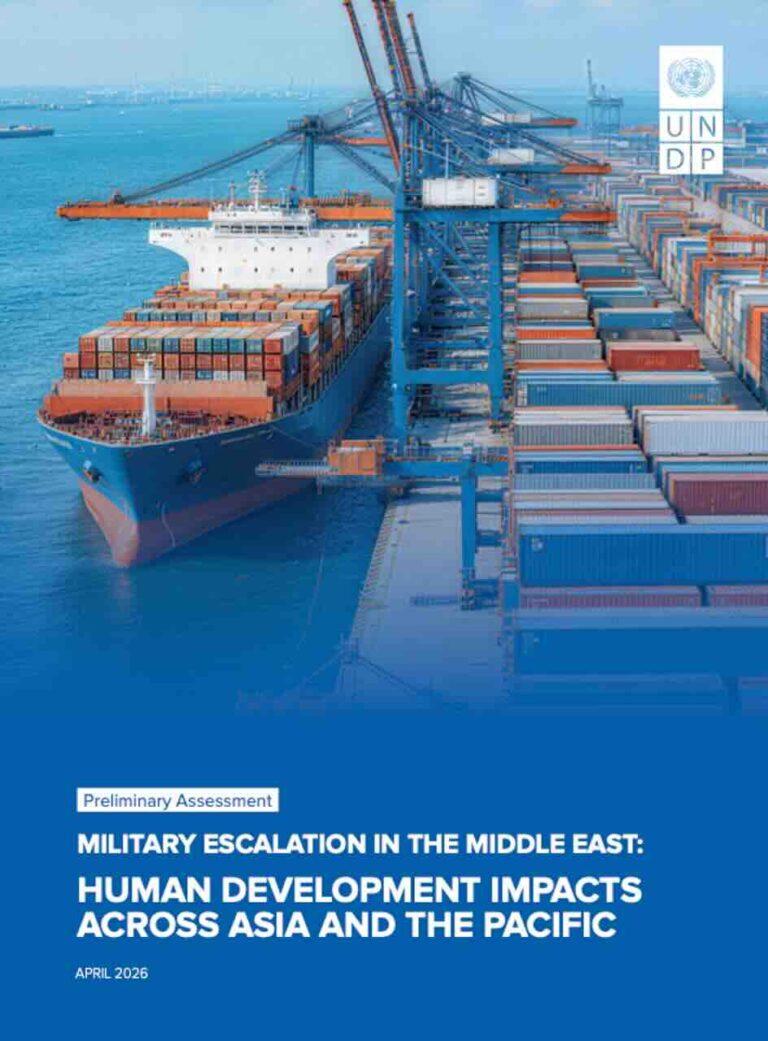
    The widening military escalation in the Middle East following coordinated strikes on Iran continues to send shockwaves through global markets, with the Asia-Pacific region emerging as one of the most vulnerable casualties. According to a United Nations Development Programme (UNDP) report titled “Military Escalation in the Middle East: Human Development Impacts Across Asia and the Pacific” (April 2026), the ongoing conflict is systematically unravelling years of human development progress. Assessing 36 countries across the region, the preliminary analysis warns that higher fuel, freight, and input costs are rapidly diminishing household purchasing power and straining public budgets in underdeveloped and developing nations alike.

    South Asia Bears the Brunt of the Economic Fallout

    While the Asia-Pacific region at large faces estimated output losses ranging between $97 billion and $299 billion – equivalent to between 0.3 and 0.8 per cent of the regional GDP – South Asia is indisputably at the epicentre of the crisis. The subregion alone could suffer losses exceeding $183 billion, amounting to as much as 3.6 per cent of its gross domestic product under severe scenarios.

    The human cost is equally staggering. Globally, the conflict threatens to plunge an estimated 8.8 million additional people into poverty. South Asia accounts for the largest share of this alarming demographic shift. India, the region’s largest economy, faces the prospect of seeing approximately 2.46 million people pushed below the poverty line. The country’s poverty rate is projected to climb from 23.9 per cent to 24.2 per cent. Furthermore, the UNDP simulation indicates that India will experience a setback of 0.03 to 0.12 years of progress on its Human Development Index (HDI), while Iran could see up to 1.5 years of HDI progress completely erased by the conflict.

    Energy Shocks and Supply Chain Disruptions

    Energy serves as the primary transmission channel for this macroeconomic shock. With commercial shipping routes heavily disrupted and the Strait of Hormuz – a crucial artery handling over 80 per cent of crude oil and liquefied natural gas (LNG) bound for Asian markets – facing severe blockades, 33 of the 36 assessed countries are exhibiting high vulnerability to sudden energy price spikes.

    The cascading effects of energy instability are severely impacting regional supply chains. Freight charges have soared, and war-risk insurance premiums for vessels have surged, triggering widespread route diversions. In India, which imports over 90 per cent of its oil requirements and heavily relies on the Middle East for crude and LPG imports, the ripple effects are already crippling key industries. Raw material costs for medical devices in India are expected to jump by roughly 50 per cent, and wholesale medicine prices have already climbed by 10 to 15 per cent. Similarly, Bangladesh faces acute logistical disruptions that threaten its vital garment industry, as Gulf carrier cancellations strand shipments and delay essential consumer goods.

    Looming Food Security and Fertilizer Crisis

    The interplay of rising transport costs and disrupted fertilizer supplies is deepening a regional food security crisis, arriving just ahead of key planting cycles. The Middle East remains a major global exporter of nitrogen-based agricultural inputs. India sources more than 45 per cent of its fertilizer imports from the region, and 85 per cent of its domestic urea production is reliant on imported LNG. As these supply chains fracture, agricultural input costs skyrocket, directly threatening to drive up domestic food prices.

    Neighbouring countries face similarly dire prospects. Pakistan is particularly exposed; the UNDP report warns that the country’s food inflation could spike by an additional five percentage points in a prolonged conflict scenario. Sri Lanka, still reeling from its 2022 economic collapse, is once again vulnerable. The World Food Programme recently highlighted that Sri Lanka imported $2.5 billion worth of food in 2025, leaving its fragile economy intensely susceptible to the escalating global costs and threatening a deepening cycle of food insecurity.

    Plunging Remittances and Tourism Revenues

    Beyond trade and energy, the conflict is severing vital financial lifelines in the form of remittances and tourism. South Asian economies rely heavily on the nearly $100 billion sent home annually by expatriate workers in the Gulf. With 9.37 million Indians residing in Gulf nations contributing up to 40 per cent of India’s foreign remittances, any regional economic slowdown inevitably weakens domestic household incomes.

    In Pakistan, over half of its remittance inflows originate from Arab countries, making its financial stability highly precarious amid the ongoing conflict. Nepal faces identical vulnerabilities, with remittances accounting for 26 per cent of its total GDP, of which 41 per cent flows directly from the Middle East. Compounding this issue, Nepal’s fuel reserves are critically low. Furthermore, vital tourism revenues are collapsing. Sri Lanka has witnessed a roughly 40 per cent drop in daily tourist arrivals since the conflict intensified, alongside estimated losses of $10 to $15 million per week in tea exports.

    Vulnerable Demographics and the Path Forward

    The socioeconomic damage inflicted by the Middle Eastern military escalation is deeply regressive, disproportionately impacting those least equipped to absorb the shock. Employment losses are overwhelmingly concentrated in informal sectors and micro, small, and medium enterprises (MSMEs) which depend heavily on imported energy and raw materials. In India, where approximately 90 per cent of the workforce operates in the informal economy, lower-skilled workers, migrants, and women are singled out by the report as the most exceptionally vulnerable demographics.

    The UNDP cautions that the crisis has already transitioned into a prolonged stage of volatility. UN Assistant Secretary-General and UNDP Regional Director for Asia and the Pacific Kanni Wignaraja emphasized that standard economic management measures will not suffice in this landscape. To safeguard hard-won human development gains, governments must accelerate resilience by instituting adaptive, shock-responsive social protection systems, providing targeted cash transfers to vulnerable households, and fundamentally diversifying their energy and food supply chains away from structural external exposure.

    Bangladesh Government Commits to Dismantling Patronage-Based Economy, Promises Equal Opportunities

    Addressing the historical challenges that have plagued the nation’s financial governance, Finance Minister Amir Khosry Mahmud Chowdhury did not mince words regarding the previous economic frameworks.

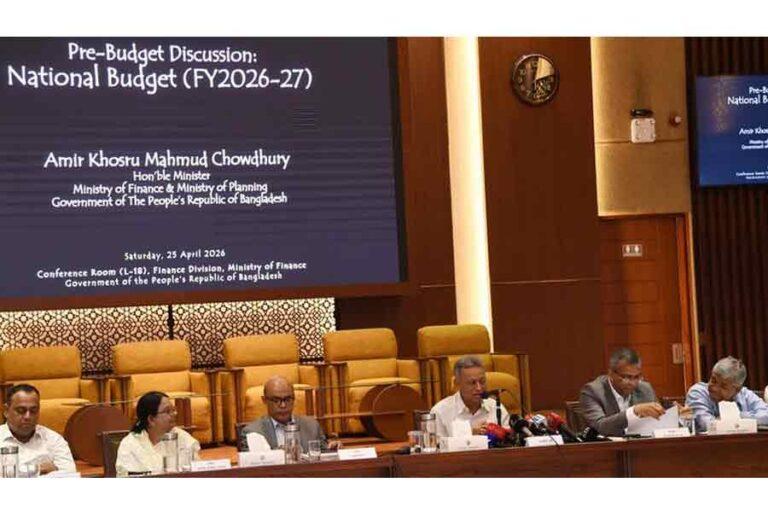
    In a strong declaration of its fiscal and structural priorities, the Bangladesh government has announced a resolute commitment to steering the nation away from a deeply entrenched, patronage-based economic system. Finance Minister Amir Khosru Mahmud Chowdhury outlined this ambitious vision, emphasising that the ongoing reforms are crucial to dismantling the oligarchic structures that have long dominated the country’s financial landscape.

    The minister’s remarks came during a high-level pre-budget discussion with the leaders of the Economic Reporters’ Forum (ERF), held at his office in the Bangladesh Secretariat. The meeting, which set the tone for the upcoming national budget, highlighted the administration’s dual focus on macroeconomic stabilisation and equitable wealth distribution.

    Breaking the Oligarchic Grip

    Addressing the historical challenges that have plagued the nation’s financial governance, Chowdhury did not mince words regarding the previous economic frameworks. “Such a system had led to the concentration of the country’s wealth in the hands of oligarchs, as in the past large sums of money were distributed to a few selected people through political patronage,” the Finance Minister noted.

    Dismantling this network of privilege is a monumental task, Chowdhury conceded. For decades, the intertwining of political favouritism and financial distribution has stymied competitive market practices and fostered an environment of severe wealth inequality. The minister acknowledged the uphill battle the administration faces, pointing out that the current government inherited a highly fragile economy. Revitalising a system burdened by such deep-rooted structural deficiencies is a profoundly challenging task for any administration, requiring both time and stringent policy overhauls.

    Despite these hurdles, the administration maintains that breaking the oligarchic grip is an absolute necessity to restore investor confidence and create a transparent, level playing field for all economic actors.

    Fostering Equality and Social Safety Nets

    While the structural dismantling of the patronage system is underway, the government is simultaneously striving to ensure that the immediate needs of the population are met, the Finance Minister said. A core tenet of the upcoming budget will be the facilitation of equal opportunities for all citizens, moving away from an economy that exclusively benefits the elite.

    To bridge the wealth gap and support vulnerable demographics, the government has already rolled out several targeted initiatives, Chowdhury said, highlighting the introduction of family cards and farmer cards as prime examples of direct, transparent assistance designed to bypass corrupt intermediaries.

    The Finance Minister reported that the poverty rate in the country is experiencing a gradual decline. However, he maintained a realistic outlook on the current economic climate, acknowledging that the transition period is difficult. Many businesses, particularly small and medium enterprises, are currently struggling to meet their operational costs, pay employee wages, and service their bank loans. “Eradicating economic inequality remains a key priority of the government,” Chowdhury reaffirmed, indicating that future policies will continue to protect the most economically vulnerable while attempting to stimulate broader commercial growth.

    Prioritising Human Capital: Health and Education

    A significant portion of the pre-budget discussion was dedicated to the critical sectors of health and education. The Finance Minister indicated a clear shift in investment strategies, revealing that budget allocations for both sectors would see a substantial increase in the upcoming fiscal year.

    The government’s educational strategy is pivoting towards practical human capital development rather than merely expanding traditional academic enrolment. Chowdhury stressed the urgent need to develop a highly skilled workforce capable of meeting the demands of a modern, globalised economy. “It’s not enough to simply obtain BA or MA degrees; practical skills must be enhanced,” he argued. Consequently, the upcoming budget will place a special emphasis on vocational education and technical training, ensuring that graduates possess the tangible skills required by domestic and international industries.

    Fiscal Discipline and Financial Sector Reforms

    In addition to structural and social reforms, the government is actively working to dispel market anxieties regarding its fiscal management. Chowdhury categorically rejected recent speculations and criticisms suggesting that the government is recklessly ‘printing money’ to sustain its operations through bank borrowing. He warned that such misinformation is not only false but actively harmful to the country’s sovereign credit rating.

    “Borrowing from the banking system is a routine matter,” the Finance Minister clarified, providing concrete data to alleviate concerns. He informed the ERF that the government’s bank borrowing, which stood at Tk 17,592 crore on February 17, had significantly declined to Tk 11,722 crore by April 22, showcasing a commitment to fiscal discipline and controlled expenditure.

    The dialogue also featured insights from other key financial policymakers present at the meeting, including Finance Secretary Md. Khairuzzaman Mozumder and Bangladesh Bank Governor Md Mostaqur Rahman.

    Mozumder outlined stringent new fiscal policies, stating that there would no longer be any scope for businesses to receive financial incentives without actually exporting goods, a move aimed at curbing subsidy abuse. He also revealed that work has commenced on formulating a modern, accrual-based budget, though he noted the transition would require time. Furthermore, continuous efforts are underway to significantly broaden the tax net and increase the country’s tax-to-GDP ratio.

    Adding to the reform narrative, Bangladesh Bank Governor Md Mostaqur Rahman emphasised the central bank’s aggressive stance on financial crimes. A top priority is the repatriation of laundered money that has been siphoned out of the economy over the years. Simultaneously, the central bank is working on rehabilitative measures, including strategies to reopen closed industrial units and updating the necessary documentation to strengthen the foundations of five Islamic banks operating within the country.

    The meeting concluded with ERF President Daulat Akter Mala presenting a comprehensive 21-point budget proposal on behalf of the organisation, supported by the ERF executive committee, signalling a collaborative approach between the government and economic stakeholders in navigating the country’s financial future.

    Shrine Attacks Surge Across Bangladesh Amid Impunity Concerns

    Over 100 Sufi shrines and sacred sites vandalised since August 2024 as activists warn of a culture of impunity under the interim government.

    Attacks on Sufi shrines, mazars and dargahs have surged dramatically across Bangladesh, with more than 100 recorded incidents between August 2024 and April 2026. The wave of vandalism has intensified in recent months, raising serious questions about the interim government’s ability to protect religious minorities and traditional Islamic sites revered by millions of devotees.

    Monitoring group Makam has documented at least 27 fresh attacks in a short period, concentrated in several districts. The organisation’s latest tally shows 17 incidents in Cumilla, four in Chittagong, three in Noakhali, two in Brahmanbaria and one in Cox’s Bazar. Many of the targeted sites are centuries-old Sufi shrines visited by devotees seeking spiritual blessings, healing or intercession – practices that hardline groups label as un-Islamic.

    Makam Documents 27 Fresh Incidents

    Makam’s report paints a disturbing picture of coordinated or copycat vandalism. In several cases, attackers damaged domes, broke graves, tore down green flags and set fire to prayer halls or adjacent structures. Local residents often described the assailants as unidentified youths or groups claiming to act in the name of “pure” Islam.

    The pattern echoes earlier findings. In January 2025, police headquarters acknowledged 44 attacks on 40 shrines since the fall of the Sheikh Hasina government on 5 August 2024. The number has now more than doubled, according to activists, despite repeated public assurances from the interim administration that law and order would be maintained.

    Police Fail to Make Arrests in Multiple Cases

    Impunity remains the most alarming aspect. In Dhamrai upazila of Savar, Dhaka, three shrines were vandalised during the interim government’s tenure, yet police have made no arrests. Similar stories emerge from other districts.

    In one high-profile case in Kushtia’s Daulatpur upazila on 12 April 2026, a mob attacked a shrine following blasphemy allegations against its caretaker. The violence left one man dead and at least three others injured. An 18-minute video of the assault circulated widely on social media, showing crowds smashing structures and setting parts of the shrine ablaze. Despite the graphic evidence, progress in the investigation has been slow.

    Rights activists argue that the lack of swift arrests and prosecutions has emboldened perpetrators. “When attackers see no consequences, the cycle continues,” said one Sufi community leader who asked not to be named for fear of reprisal. Many shrine caretakers (khadems) now live in fear, installing extra lights or hiring private guards with their own meagre resources.

    Community Leaders Demand Stronger Action

    The surge coincides with the political transition following the 2024 mass uprising that ousted Prime Minister Sheikh Hasina. While the interim government under Chief Adviser Muhammad Yunus focused on electoral reforms and economic recovery, religious hardliners exploited the power vacuum. Groups associated with certain madrasas have been accused in past reports of instigating or participating in such attacks, though definitive links remain unproven in most cases.

    Sufi practitioners, who form a significant part of Bangladesh’s syncretic Muslim culture, say the attacks are not merely about religion but also about land and influence. Some shrines sit on valuable property, and vandalism is sometimes followed by attempts to grab adjacent land. An opinion piece in a newspaper described the situation as “the land beneath the ashes,” noting that over 100 Sufi sites have been damaged with “chilling regularity.”

    Local administrations have been instructed to ensure peace at shrines, yet ground-level enforcement appears inconsistent. District commissioners and police superintendents routinely issue statements condemning the violence, but follow-up action is rare. In September 2024, the government directed DCs to maintain order at religious sites after an earlier wave of attacks; two years later, the problem has worsened.

    Devotees at affected shrines report a sharp decline in visitors. Annual urs (death anniversary celebrations) that once drew thousands now attract only a few hundred cautious pilgrims. The economic impact is also significant – shrines generate income for local communities through donations, shops and transport services.

    Calls for Immediate Intervention

    Civil society groups and Sufi organisations have urged the government to treat shrine attacks as a national security issue rather than isolated law-and-order problems. They demand a dedicated task force, faster investigations, digital monitoring of incitement on social media, and public awareness campaigns to counter extremist narratives against Sufi traditions.

    Home affairs advisers have repeatedly assured the public that “strict action” will be taken, yet the absence of arrests continues to erode public trust. Police sources privately admit that identifying perpetrators is difficult when local communities fear retaliation and hesitate to provide evidence.

    The continued desecration of shrines risks deepening communal divides. The country’s rich tradition of tolerant, syncretic Islam – embodied in its thousands of mazars and dargahs – now stands vulnerable.

    Nepal Government Prepared to Grant Mustang Uranium Processing Rights to US and Australia Under Pax Silica Deal

    Allegations of a secret post-election deal surface as Nepal eyes handing over uranium-rich Himalayan territory to a US-Australia-led coalition, despite firm denials from the country’s former top leaders.

    In a move that could reshape Nepal’s resource politics and its position in the global contest for critical minerals, the Nepalese government is reportedly preparing to designate a 30-square-kilometre tract of land in Lo Manthang, Upper Mustang, as the “Mustang Special Zone” (MSZ). The zone would grant exclusive rights to the United States and Australia for uranium processing as part of the US-led “Pax Silica” coalition, according to confidential documents and high-level sources.

    The proposal comes at a delicate moment. Nepal, long caught between the strategic interests of China, India and the West, appears ready to align more closely with Washington on both mineral extraction and digital security. Yet senior figures from the previous administration have categorically denied any knowledge of the agreement, raising questions about transparency and the timing of the decision.

    Uranium Discoveries Across Nepal’s Remote Regions

    Uranium deposits have been identified not only in Lo Manthang and surrounding areas of Upper Mustang but also in Makwanpur’s Tinbhangale-Kalopani area of Dhiyal – reportedly the site of Nepal’s highest recorded radiation levels – and in Sindhuli’s Buka Khola and adjacent regions. The Mustang site, however, has been singled out for immediate development under the new special zone.

    Under the plan, a joint technical team from the US and Australia would handle uranium processing in close coordination with the Nepalese Army. The MSZ would function as a high-security research zone, accessible only to Nepalese Army personnel and the designated foreign technical team. The arrangement is framed as a strategic counter to Chinese dominance in rare-earth and critical minerals, including uranium.

    Pax Silica: A New Coalition Takes Shape

    The “Pax Silica” coalition was formed under US leadership to secure supply chains of critical minerals and advanced technology away from Beijing’s influence. Nepal’s reported entry follows India’s formal joining on 20 February 2026 during the Global AI Impact Summit in New Delhi. That move, sources say, paved the way for Nepal to integrate into the emerging regional “Silicon Stack”.

    On the night of Nepal’s 4 March 2026 general elections – as early results showed the Rastriya Swatantra Party (RSP) gaining ground – a preliminary agreement was reportedly reached between the Ministry of Communication and Information Technology and Pax Silica technical advisors. Three days later, on 8 March, an in-principle consent to join Pax Silica was signed, according to the same confidential documents.

    The ministry had already given “in-principle” approval to the Mustang proposal before polling day, the sources claim.

    Power from MCC, Data from the Himalayas

    A key element of the deal is energy integration. Electricity needed for uranium extraction and processing in Mustang would be drawn from the Millennium Challenge Corporation (MCC) transmission lines already built in Nepal. These lines would also power new Edge AI data centres planned for the hilly regions, the documents state.

    The agreement falls under the “Himalayan Resource and Digital Security Annex” and includes provisions for “Glass Box” AI security systems that would monitor fibre-optic traffic along Nepal’s borders for heightened alerts. It also reportedly addresses the transfer of data sovereignty and the securing of “Digital Hashes”.

    Official Denials Raise Transparency Concerns

    Despite the detailed claims in the leaked documents, two senior figures from the outgoing government have strongly denied any involvement.

    Former Prime Minister Sushila Karki told reporters: “I haven’t heard the term ‘Pax Silica.’ I haven’t been to Singha Durbar since the March 4 elections, and I haven’t heard or discussed anything regarding this matter.”

    Former Finance Minister Rameshwor Khanal was equally emphatic: “To my knowledge, this subject was never mentioned while I was in government.”

    The stark contrast between the official denials and the confidential documents has sparked immediate concern among observers. Some fear the deal could open the door to foreign exploitation of Nepal’s resources, potentially mirroring resource conflicts seen elsewhere and risking ethnic tensions in the sensitive Himalayan borderlands.

    Strategic Stakes and Broader Implications

    If confirmed, the Mustang Special Zone would mark a significant shift in Nepal’s foreign and resource policy. It would tie the country more firmly into Western-led supply chains for uranium and rare earths while linking its energy infrastructure to advanced AI and digital security projects. The involvement of the Nepalese Army in coordinating the high-security zone underscores the strategic – and potentially military – dimensions of the arrangement.

    Yet the lack of public debate, the timing immediately after a national election, and the explicit denials from the previous prime minister and finance minister have raised questions about accountability. Critics worry that such a major decision involving national resources, data sovereignty and border security may have been advanced without adequate parliamentary or public scrutiny.

    As Nepal navigates its complex geopolitical position – sandwiched between giant neighbours and increasingly courted by global powers – the Mustang uranium proposal highlights the tension between development ambitions and the preservation of sovereignty. Whether the government proceeds with the Mustang Special Zone, and how it addresses the apparent discrepancies between documents and official statements, could shape the country’s international relations and domestic politics for years to come.