More

    A Silent Emergency: Afghanistan Sees One Maternal Death Every Hour Amid Collapsing Healthcare

    The World Health Organization warns that Afghanistan experiences one maternal death every hour from largely preventable complications, highlighting a severe crisis in a healthcare system struggling to protect pregnant women.

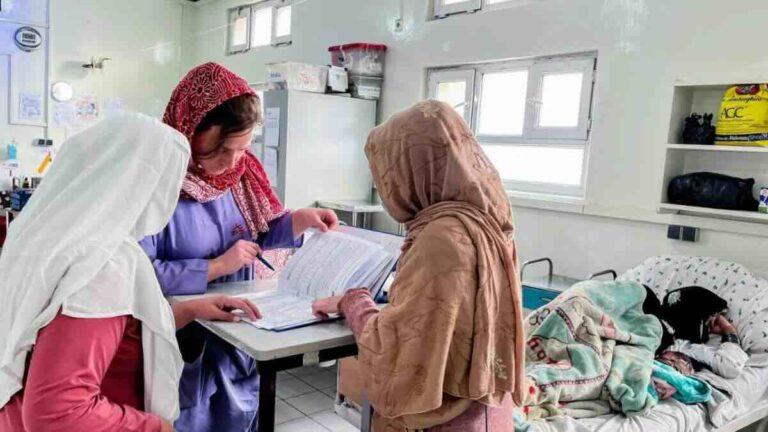
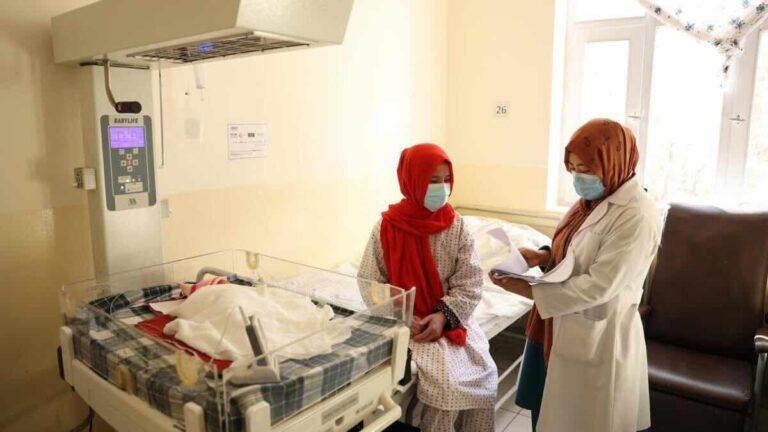
    In the shadows of political upheaval and economic despair, a quiet but catastrophic emergency is unfolding in Afghanistan. According to recent statements from the World Health Organization (WHO), the country is witnessing a devastating toll on maternal life, with one mother dying every hour from preventable complications related to pregnancy and childbirth.

    This grim statistic paints a stark picture of a fragmented healthcare system that is struggling to guarantee basic survival for women giving birth. With a maternal mortality rate standing at an alarming 521 deaths per 100,000 live births, Afghanistan remains one of the most dangerous places in the world to be a pregnant woman, despite years of previous international investment and improvements in the sector.

    Preventable Tragedies and Lifelong Consequences

    The tragedy of Afghanistan’s maternal health crisis lies in the fact that the vast majority of these deaths are easily avoidable. The WHO notes that the primary culprits – severe haemorrhage, hypertension, sepsis, and obstructed labour – are conditions that routine medical care, timely intervention, and trained professionals can successfully treat. Yet, in the absence of adequate facilities and skilled hands, millions of Afghan women are left deeply vulnerable.

    Beyond the immediate fatalities, those who survive traumatic childbirths often face severe, enduring complications. Obstetric fistula, a debilitating injury predominantly caused by prolonged obstructed labour without timely medical intervention, leaves women with chronic incontinence and subsequent infections. More than a physical ailment, fistula carries an immense social stigma. Many affected mothers are abandoned by their families and ostracized by their communities, forced into deep psychological distress. The WHO stresses that the condition is chronically underreported across the country, primarily because many women suffer in silence due to immense shame, lack of awareness of surgical treatments, and geographical barriers to specialized care.

    The Midwifery Shortage and Voices from the Frontlines

    At the heart of the crisis is an acute shortage of skilled birth attendants and maternal care professionals. The United Nations Population Fund (UNFPA) recently issued an urgent call for one million additional midwives globally, pointing to Afghanistan as a prime example of where this shortage is most devastatingly felt.

    “No woman should be left without care during pregnancy and childbirth, and every newborn deserves the best possible start in life,” stated Dr. Edwin Ceniza Salvador, the WHO Representative in Afghanistan. His comments underscore the fundamental human right to safe reproductive care – a right that is rapidly eroding for Afghan women today.

    Healthcare workers on the ground directly echo the severity of the situation. In the provinces, remaining doctors and nurses are overwhelmed by the sheer volume of patients and the severe lack of resources. A gynaecologist operating in Samangan province painted a bleak picture of the deteriorating provincial health centres following recent shifts in governance and the subsequent loss of international funding. “The health services women rely on are crumbling,” she explained, pointing to numerous cases of women dying of complications like excessive bleeding simply because blood transfusions and basic emergency supplies were utterly unavailable.

    The emotional toll on aspiring healthcare providers is equally profound. Yalda, an Afghan woman studying midwifery, reflected on the personal tragedies that drive her dedication to the field. “I have witnessed the difficulties women face in safely delivering babies,” Yalda shared. “When my cousin was pregnant, we called the ambulance, but it didn’t arrive on time. She started bleeding and her child died.” It is stories like Yalda’s that highlight the lethal real-world consequences of infrastructure failure.

    Systemic Barriers, Poverty, and Funding Cuts

    The surge in maternal risk is intrinsically linked to Afghanistan’s broader socio-economic and political collapse. Following the Taliban’s return to power in 2021, sweeping restrictions on women’s movement, education, and employment have severely restricted their access to healthcare. The closure of institutes that previously trained young women to become midwives has effectively severed the pipeline of future medical professionals, a devastating blow to a country where cultural norms heavily dictate that female patients be treated exclusively by female staff.

    Coupled with these restrictions is the drastic reduction in foreign aid, which previously bankrolled the majority of Afghanistan’s public health initiatives. Today, medical professionals report that hospitals are chronically understaffed, lacking basic medicines, clean water, and steady electricity. Health workers often see up to 300 patients in a single day, an impossible workload that forces premature discharges and rushed treatments.

    Furthermore, skyrocketing poverty means that women are increasingly malnourished and weak during their pregnancies. Forced to engage in hard physical labour even in the late stages of gestation, expectant mothers face compounded risks. Without proper prenatal education or the financial means to travel to distant provincial hospitals, many rural women have no safety net. Tragically, many perish while making the long, arduous journey from remote villages to the nearest functioning clinic.

    Sri Lanka Faces Looming Medical Crisis Amid Rupee Fall, Price Controls, and Forex Crunch

    As global supply costs soar and the rupee depreciates, Sri Lanka’s pharmaceutical industry warns of an impending medical emergency, urging immediate government intervention to secure life-saving drugs.

    Sri Lanka is teetering on the edge of a catastrophic public health emergency: the island nation, which has historically boasted a robust public healthcare system, is now facing a severe and worsening shortage of critical medicines and surgical equipment.

    The crisis has been catalysed by a rapidly depreciating Sri Lankan rupee, an acute shortage of foreign currency reserves, and inflexible government price controls that have virtually paralyzed the import of essential medical supplies. According to the Sri Lanka Chamber of the Pharmaceutical Industry (SLCPI) and numerous medical trade unions, this situation has escalated from a sector-specific logistical challenge into a full-scale national threat.

    Sri Lanka is heavily reliant on international markets for its healthcare needs, importing more than 85 per cent of its pharmaceuticals and nearly 80 per cent of its medical equipment. In ordinary economic conditions, the private pharmaceutical sector requires approximately $25 million to $30 million each month to maintain a consistent flow of medications into the country. However, the unprecedented depletion of Sri Lanka’s foreign exchange reserves has severely crippled this supply chain. Commercial banks are increasingly reluctant, or entirely unable, to open Letters of Credit (LCs) for importers due to the sheer lack of available US dollars.

    Importers have found themselves trapped in an impossible financial predicament. Even when banking institutions attempt to facilitate these vital transactions, the sharp depreciation of the rupee against the US dollar has exponentially inflated the cost of purchasing these goods. Industry insiders report that banks frequently advise pharmaceutical importers to source dollars directly from exporters at steep premiums, bypassing the official pegged exchange rates. This practice drives the baseline cost of bringing medical cargo into the country far beyond sustainable limits, leaving many suppliers with no choice but to halt operations.

    The Stranglehold of Strict Price Controls

    Compounding the severe currency crisis is the country’s stringent regime of pharmaceutical price controls. Originally implemented to ensure that essential medications remained affordable for the general populace, these legally mandated price ceilings have ironically become one of the primary drivers of the current shortage. As domestic inflation skyrockets and the value of the rupee plunges, these price caps have not been adjusted rapidly enough to reflect economic realities.

    Consequently, importing critical drugs has become commercially unviable. Overseas manufacturers and local vendors alike are forced to absorb catastrophic financial losses if they continue to import and distribute medicines under the current pricing regulations. Without swift regulatory adjustments, local suppliers are simply unable to restock their inventories, leading to the quiet disappearance of essential drugs from both state hospital pharmacies and private dispensaries.

    Global Supply Chain and Bureaucratic Hurdles

    The domestic economic turmoil is further exacerbated by immense global supply chain pressures. Transporting medicines requires highly regulated, temperature-controlled storage, secure handling, and timely import clearances. Recently, global freight charges have surged by over 40 per cent. Simultaneously, the global prices for active pharmaceutical ingredients (APIs), solvents, and vital packaging materials have climbed sharply – in some instances by up to 70 per cent. Domestic fuel prices have also risen by nearly 38 per cent, adding a massive logistical burden to the distribution of medicines across the island.

    Bureaucratic bottlenecks have only added fuel to the fire. Importers are grappling with prolonged delays in import license renewals and sluggish pricing reviews by the National Medicines Regulatory Authority (NMRA). In a healthcare market like Sri Lanka’s, where order volumes are relatively modest and supply continuity relies heavily on predictable approval systems, even short regulatory delays can immediately translate into life-threatening stock limitations.

    Hospitals and Patients Bear the Brunt

    The real-world consequences of these intersecting crises are devastating. The Government Medical Officers’ Association (GMOA) and other prominent healthcare unions have sounded the alarm over hospitals running dangerously low on crucial items. Out of the roughly 7,300 medicines registered in the country, a significant and growing percentage is entirely out of stock. Patients suffering from chronic, life-threatening conditions such as cancer, kidney disease, diabetes, and hypertension are struggling daily to secure their prescribed treatments.

    The shortages are not limited to oral medications. Essential consumables and life-saving injectables are also dwindling at an alarming rate. Medical professionals have reported severe shortages of anaesthesia, which has forced state hospitals to scale down or completely suspend non-essential and elective surgeries. In cardiology departments, critical items like stents, guide wires, catheters, and thrombolytic drugs – which are absolutely vital for dissolving blood clots during heart attacks – are in precariously short supply. In maternity and paediatric wards, doctors have faced shortages of the breathing tubes required for premature newborns, leading to desperate appeals for intervention.

    Calls for Immediate Action and Sustainable Solutions

    While international charitable organizations and foreign aid have provided some temporary relief through donations of medicine and supplies, experts agree that short-term charity cannot replace a functioning national pharmaceutical supply chain. The consensus among healthcare professionals, trade unions, and industry leaders is clear: urgent, coordinated government action is required to avert a full-scale humanitarian disaster.

    The SLCPI has presented a comprehensive roadmap for immediate relief. Their demands include prioritizing foreign exchange allocations specifically for life-saving pharmaceuticals, urgently addressing the bureaucratic delays in import license processing, and significantly revising the strict price control mechanisms to reflect the stark realities of current exchange rates and soaring global freight costs.

    SLCPI spokespersons say that without swift and decisive interventions to stabilize the supply chain and restore the financial viability of drug imports, Sri Lanka risks sliding into a catastrophic scenario where medicine shortages become chronic, widespread, and increasingly fatal.

    India’s Bank Credit Growth Surges to 15.9% in FY26 Amid Strong Economic Demand

    Government-backed capital expenditure, low interest rates and rising consumer confidence have pushed India’s bank credit growth to its highest level in recent years, signalling strong economic momentum despite global uncertainties.

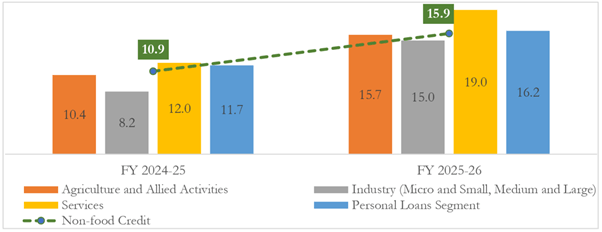
    India’s banking sector registered robust credit growth of 15.9 per cent in the financial year 2025-26, driven by strong demand across agriculture, industry, services and retail lending segments, according to the Union Ministry of Finance.

    The sharp expansion in non-food credit marks a significant jump from the 10.9 per cent growth recorded in the previous financial year, underlining rising economic activity and improved confidence among businesses and consumers. Aggregate outstanding bank credit stood at ₹212.9 lakh crore in March 2026, an increase of ₹29.2 lakh crore over the previous year.

    The Finance Ministry said the growth has been aided by a low-interest-rate environment, sustained public capital expenditure and structural reforms that have encouraged private investment and boosted domestic credit demand.

    “Amidst a low-interest rate environment, the government-aided capex cycle supported by timely structural reforms, private investments are crowding in and boosting domestic credit demand,” the ministry said.

    Services Sector Leads Lending Expansion

    The services sector emerged as the biggest contributor to the credit expansion, recording 19 per cent growth in FY26 compared with 12 per cent in the previous year. Lending to non-banking financial companies (NBFCs), trade and commercial real estate segments saw particularly strong momentum.

    Analysts said the strong performance of the services sector reflects increasing business activity, rising urban demand and greater liquidity in the financial system.

    Industry credit also accelerated sharply, growing 15 per cent during FY26 against 8.2 per cent a year earlier. Key sectors driving industrial credit included infrastructure, petroleum, chemicals and metals, while lending to micro, small and medium enterprises (MSMEs) continued to expand steadily.

    Economists view the pickup in industrial lending as a sign that private investment is beginning to complement the government’s infrastructure spending push.

    The Finance Ministry noted that India continues to remain among the world’s fastest-growing major economies despite geopolitical tensions and global economic fragmentation.

    Rural Demand Boosts Agriculture Lending

    Credit to agriculture and allied activities rose 15.7 per cent during FY26, up from 10.4 per cent in FY25, indicating stronger rural demand and improved access to institutional finance.

    Bankers said increased agricultural financing was supported by higher rural consumption, improved crop prospects and government efforts to deepen credit penetration in rural areas.

    The growth in farm-sector lending also comes at a time when policymakers are focusing on strengthening rural incomes and boosting agricultural productivity through infrastructure and mechanisation initiatives.

    According to sectoral banking data, the broad-based nature of the credit expansion suggests economic recovery is becoming more widespread rather than concentrated in a few urban sectors.

    Retail and Gold Loans Witness Strong Demand

    Personal loans, which account for nearly one-third of total bank credit, grew 16.2 per cent in FY26 compared with 11.7 per cent in the previous year. Vehicle loans and loans backed by gold jewellery recorded especially strong demand, while housing loans maintained steady growth.

    An ICICI Bank report noted that gold loans surged by more than 120 per cent year-on-year, reflecting both rising gold prices and growing demand for secured credit.

    However, unsecured retail lending such as credit cards showed relatively moderate growth, indicating banks remain cautious about riskier loan categories amid regulatory scrutiny.

    The expansion in retail lending has been supported by lower borrowing costs and rising consumer confidence, especially in urban and semi-urban markets.

    NBFC Lending Gains Momentum

    One of the notable trends in FY26 was the rapid increase in lending to NBFCs. Data showed NBFCs accounted for nearly 14 per cent of incremental bank credit, almost double their share from the previous year.

    Financial analysts said NBFCs are increasingly becoming important channels for credit delivery, particularly in underserved retail and MSME markets.

    At the same time, some analysts cautioned that faster lending growth compared with deposit mobilisation could create liquidity pressures for banks in the coming years. Projections suggest credit growth may continue to outpace deposit growth in FY27 as well.

    The Reserve Bank of India has already indicated that global geopolitical tensions, including higher crude oil prices and external market uncertainties, remain key risks for India’s economic outlook.

    Despite these concerns, the Indian banking sector remains well-capitalised, profitable and supported by historically low levels of stressed assets, according to government and industry assessments.

    Banking experts believe the current lending momentum reflects improving economic sentiment and a revival in investment appetite across sectors.

    “With stronger balance sheets, better asset quality and healthy profitability, banks are in a position to support the next phase of India’s economic expansion,” a banking analyst said.

    The Finance Ministry said the government’s continued efforts to formalise and democratise access to credit have contributed significantly to broad-based lending growth, helping businesses expand operations and consumers increase spending.

    As India targets sustained high economic growth, policymakers are expected to closely monitor credit quality, liquidity conditions and external risks to ensure the banking sector’s momentum remains stable in the coming quarters.

    Afghanistan Faces Loss of 25,000 Female Teachers and Health Workers by 2030, UNICEF Warns

    A new UNICEF report warns that Taliban restrictions on women’s education and employment could cost Afghanistan over 25,000 female professionals by 2030, crippling its healthcare, education, and fragile economy.

    In a stark warning about the future of Afghanistan’s social and economic infrastructure, the United Nations Children’s Fund (UNICEF) has revealed that the country is on the brink of losing more than 25,000 female teachers and healthcare workers by the year 2030. The dire projection, detailed in a newly released comprehensive analysis titled “The Cost of Inaction on Girls’ Education and Women’s Labour Force Participation in Afghanistan,” underscores the devastating long-term consequences of the Taliban’s ongoing restrictions on women’s employment and girls’ education. If the current draconian policies persist, the erosion of the female professional workforce will not only deprive millions of their fundamental rights but also severely undermine public services that are already buckling under immense strain.

    A Looming Dual Crisis in Essential Public Services

    Afghanistan is currently grappling with what UNICEF describes as a catastrophic dual crisis. The nation is simultaneously witnessing an exodus of trained female professionals from the workforce while systematically preventing a new generation of girls from stepping up to replace them. As experienced women retire, emigrate, or are forced out of their professions by restrictive decrees, young girls are barred from continuing their education to fill these vital roles.

    By the end of the decade, this compounding dynamic could result in a critical shortfall of up to 20,000 female teachers and 5,400 female healthcare workers. These are two of the very few sectors where Afghan women are still permitted to work, making the impending shortage even more alarming. The departure of these skilled professionals represents a staggering loss to the nation’s human capital. Catherine Russell, UNICEF’s Executive Director, emphasized the gravity of the situation, stating, “Afghanistan cannot afford to lose future teachers, nurses, doctors, midwives, and social workers, who sustain essential services. This will be the reality if girls continue to be excluded from education.” Each year of delay in reversing these policies costs Afghanistan another generation of desperately needed skilled workers.

    The Education Sector Takes a Severe Hit

    The devastating impact of the Taliban’s policies is already highly visible within the Afghan education system. According to the UNICEF report, the number of female teachers in basic education has seen a sharp decline of over nine per cent. Between 2022 and 2024, the female teaching workforce dropped from approximately 72,963 to roughly 66,208. Even as the demand for schooling remains incredibly high across the country, this deficit disproportionately affects young girls. Research consistently shows that girls are significantly more likely to attend and remain in school when female teachers are present to guide them in the classroom.

    Furthermore, the pipeline of future educators has been completely severed. In 2024, an estimated 3.8 million girls aged 7 to 18 – representing roughly 61 per cent of that demographic – were out of school. This figure includes more than 2.6 million adolescent girls. Since the Taliban suspended girls’ secondary education in September 2021, at least one million girls have been directly denied their fundamental right to learn. In a country that already suffers from one of the lowest female literacy rates in the world, the ban is disastrous. If these restrictions are not lifted, UNICEF projects that over two million girls will have been unlawfully deprived of education beyond primary school by 2030, effectively excluding them from future skilled employment.

    Healthcare Access Deteriorating for Women and Children

    Beyond the classroom, the impact on Afghanistan’s healthcare system is life-threatening. The impending loss of thousands of female doctors, nurses, and midwives is particularly dangerous due to the strict cultural and societal norms prevalent in many parts of the country. These norms often strictly forbid women from receiving medical care from male health providers. Consequently, a shrinking female healthcare workforce will directly and immediately reduce access to essential maternal, newborn, and child health services.

    The UNICEF analysis explicitly links lower levels of female education to significantly poorer health outcomes for children. Data highlighted in the report shows that children born to mothers with little or no formal education are far less likely to receive crucial childhood vaccinations. Furthermore, they are at a much higher risk of experiencing developmental stunting. In fact, stunting rates among Afghan children under the age of five are projected to rise from an already alarming 44.7 per cent to 45.6 per cent, potentially affecting hundreds of thousands more children. The lack of female medical professionals places both women and their children at an ever-increasing risk of preventable diseases and mortality.

    The Crippling Economic Cost of Inaction

    The repercussions of excluding women from the public sphere extend far beyond the immediate degradation of social services; they are inflicting severe, measurable damage on the Afghan economy. UNICEF estimates that restricting women’s education and their participation in the workforce is costing Afghanistan at least 5.3 billion afghanis, or approximately $84 million, every single year. This staggering figure equates to roughly 0.5 per cent of the country’s gross domestic product (GDP) in 2023. These financial losses are compounding over time, meaning the economic bleeding will only intensify as fewer educated women enter the labour market.

    Afghanistan’s economic recovery following the sharp contractions experienced between 2020 and 2022 remains incredibly fragile. While there has been modest growth recently, it is highly vulnerable to structural weaknesses, declining productivity, and limited labour force participation. Furthermore, women’s broader participation in public life is rapidly diminishing. The share of women holding positions in the civil service plummeted from 21 per cent in 2023 to just 17.7 per cent in 2025, despite women constituting nearly half of the nation’s total population.

    Urgent Calls for Policy Reversal and Global Support

    As the crisis deepens, the broader social pressures on Afghanistan are mounting exponentially. The UN estimates that 21.9 million people – about 45 per cent of the entire population – will require humanitarian assistance in 2026, a situation exacerbated by large-scale returns of migrants from neighbouring Iran and Pakistan. The strain on already critically limited public services is pushing the country to a breaking point.

    UNICEF is urgently calling upon the de facto Taliban authorities to immediately lift the draconian bans on secondary and higher education for girls. The agency is also appealing to the international community to remain steadfastly committed to supporting Afghan girls’ rights to learn and to sustain investments in primary education as a critical pathway to human capital development. “Denying Afghan girls access to secondary education robs an entire nation of its potential,” Catherine Russell warned, “locking girls, their families, and their communities into poverty, weakening health outcomes, and silencing the economic engine that an educated generation of women could ignite.” The cost of inaction is cumulative, and without swift, decisive policy changes, Afghanistan is on a trajectory toward deeper intergenerational poverty and a total collapse of its most essential public services.

    Kathmandu’s Riverbank Squatters Face an Uncertain Future Following Massive Eviction Drive

    Thousands of displaced Kathmandu riverbank residents are struggling to survive in makeshift shelters and open streets after the government launched a massive demolition drive to clear informal squatter settlements.

    In Balkhu, Kathmandu, a woman named Mandira crouches amid broken concrete and splintered wood. Just days ago, this rubble was her home. Today, she scours the debris for anything salvageable – a dust-caked blue sweatshirt for her 10-year-old son, a pair of faded pants, and a handful of chickpeas she shares with a friend. Mandira’s wrist is fractured, injured in a frantic rush to save her family’s belongings before the government bulldozers arrived to tear down her world. Her husband is suffering from tuberculosis, and with nowhere else to go, her family spends their days on the streets, returning to a friend’s increasingly hostile rented room only to sleep.

    Mandira’s plight is not an isolated incident. Over the past few weeks, Nepal’s federal government, under the directive of newly elected Prime Minister Balendra Shah, has initiated a massive eviction and demolition drive across the Kathmandu Valley. Aimed at clearing informal settlements along the Bagmati River and its tributaries, the campaign has reduced thousands of homes to rubble in areas including Balkhu, Banshighat, Thapathali, Gairigaun, Balaju, and Manohara. While the government defends the move as a necessary step for environmental protection and flood management, human rights groups and displaced citizens are sounding the alarm over a rapidly growing humanitarian crisis.

    The Human Cost of Urban Beautification

    The immediate fallout of Kathmandu’s riverbank clearance campaign is painted vividly across the city’s newly exposed shores. In Balkhu alone, authorities demolished 486 temporary structures on May 1. Residents in nearby areas like Banshighat were given shockingly short notices by the District Administration Office – sometimes merely 24 hours – to vacate. As a result, many households were forced to pile their meagre belongings outside on the dirt, where unexpected spring rains soaked what little they had left.

    Further down the demolished strip in Balkhu, a young mother sits under a makeshift bamboo structure, breastfeeding her 18-month-old son. Her husband frantically waves a splintered baby rattle, trying in vain to keep the swarming flies away from the child’s dirt-streaked face. The family, originally from outside the valley, cannot afford the bus fare back to their village. Without cooking gas or a place to build a fire, they have not eaten a proper meal in days.

    For older residents, the demolition has erased decades of history. Lakshmi, 55, sits on a small stool staring at a pile of debris that was her home for 22 years. The nearby church where her eight-year-old granddaughter attended school has also been flattened, leaving the young girl’s education in limbo. Pratap Mahat, a 24-year-old day labourer who moved to Kathmandu to provide his children with an education, stands by his wife in the wreckage. Struggling to find work and forced to rent an expensive room in Kalimati, he feels a profound sense of failure. “My son asks me to buy things for him, and I cannot afford them. It is embarrassing,” Mahat says, summarizing the deep indignity forced upon the displaced.

    Inside the Temporary Shelters

    In response to the sudden crisis, the government has scrambled to set up temporary holding centres to accommodate the newly unhoused populations. At Sundarighat in Kirtipur, 47 displaced households from the Thapathali and Gairigaun settlements have been temporarily housed inside the Radha Soami Satsang Beas Nepal premises. Similar staging camps have been established at Dasharath Stadium in Tripureshwor to register the evicted families.

    However, life inside these shelters is fraught with anxiety and harsh restrictions. The Sundarighat shelter is a roofed structure without internal walls, offering absolutely no privacy for the families sleeping on thin mats spread across the floor. Security is unyielding; police personnel stationed at the gate require residents to strictly log their names and departure times whenever they leave, enforcing a 6 PM curfew that many find suffocating.

    While the metropolitan office has deployed sanitation workers, volunteers, and doctors to check on the displaced, the overwhelming sentiment among residents is profound uncertainty. Khamba Singh Budhathoki, an elderly man whose home was destroyed, previously lost a house during a similar eviction drive in 2011. He is deeply worried about the disruption to his grandson’s education. The government has promised to relocate verified “genuine squatters” to apartment housing in Nagarjun, but Budhathoki is anxious about the hidden costs. “I cannot afford to rent a room,” he explains. “If we have to pay even in the place the government provides, I won’t be able to manage.”

    Government’s Justification and Relocation Efforts

    Prime Minister Balendra Shah has fiercely defended the demolitions, framing them as a necessary part of the government’s “100-point governance reform agenda.” Authorities argue that the decades-old informal settlements are illegally encroaching on public land, heavily polluting the Bagmati river civilization, and placing residents at severe risk of seasonal flooding.

    In rare public statements regarding the backlash, Shah took to social media to state that the relocations are entirely lawful and ultimately designed to provide a permanent solution to a systemic problem. The prime minister promised that no citizen would be left homeless. Officials argue that temporarily staging families at holding centres like Dasharath Stadium is necessary to conduct background checks and distinguish true landless individuals from “land mafias” exploiting the settlements. Once verified, genuine squatters will supposedly be moved to the Nagarjun apartments or other state-provided housing.

    Despite these assurances, local authorities openly admit that permanent relocation sites have not been fully prepared, and Kathmandu Metropolitan City’s chief administrative officer, Saroj Guragain, recently conceded that the city lacks sufficient space to immediately rehouse the thousands facing displacement. As of early May, over 2,200 landless squatters have approached the government seeking rehabilitation.

    Human Rights Concerns and Growing Backlash

    The aggressive speed of the evictions has drawn intense criticism from civil society leaders and international observers. Human rights groups, including Amnesty International, have condemned the forced evictions, calling them a dangerous erosion of lawful governance. They argue that evicting families without prior verification, meaningful consultation, or guaranteed alternative housing risks turning a complex urban governance challenge into a preventable human rights crisis.

    Balakrishnan Rajagopal, the outgoing UN special rapporteur on the right to adequate housing, recently expressed deep concern over the threat of forced evictions looming over Kathmandu’s residents. Meanwhile, Nepal’s Supreme Court has issued a show-cause order to the government following petitions against the aggressive removal of squatters from public lands.

    Locally, the squatter communities are fighting back. The All Nepal Landless Squatters Association has launched nationwide protests, demanding immediate rehabilitation, halting the bulldozers, and calling for an end to policies that give families mere hours to abandon their lives.

    As the monsoon season approaches, the standoff continues. For city planners, the cleared riverbanks represent a step toward a cleaner, more resilient Kathmandu. But for thousands of people like Mandira, Lakshmi, and Budhathoki, the demolition drive has simply left them destitute. They wander a city that no longer has a place for them, endlessly asking each other the same pressing questions: “Where will we sleep, and what will we eat?”

    Maldives Police Raid Adhadhu Newsroom, Slap Travel Bans on Editors Over Presidential Documentary

    Maldivian authorities raided independent news outlet Adhadhu and barred its top editors from traveling following a documentary alleging sexual misconduct by the President, sparking global outrage over press freedom.

    The Maldives is facing intense international scrutiny after police raided the offices of the independent online news outlet Adhadhu in the capital, Malé, seizing essential journalistic equipment and placing its top executives under strict travel bans.

    The unprecedented crackdown stems from the publication of “Aisha,” a documentary that levelled serious allegations of sexual misconduct and abuse of power against Maldivian President Dr. Mohamed Muizzu. As authorities push for criminal charges against the journalists, media watchdogs are warning of a severe crisis for press freedom in the nation.

    The Midnight Raid and Confiscation of Equipment

    The escalation began just hours after President Muizzu publicly dismissed the documentary’s claims as “baseless lies” during a televised press briefing, calling on authorities to take legal action. Soon after the press briefing by the President, officers from the Maldives Police Service’s Serious and Organised Crime Investigation Division descended upon Adhadhu’s headquarters.

    During a meticulous four-hour search, police confiscated operational equipment: Devices seized included laptops belonging to journalists, marketing staff, and administrators, alongside hard drives and pen drives. The seizure effectively crippled the outlet’s daily newsroom operations.

    Adhadhu’s legal team strongly objected to the police actions. The lawyers maintained that the police had drastically exceeded their authority, arguing that the court warrant only permitted the “search and inspection” of the premises, not the wholesale confiscation of media equipment. The move has been widely characterised as a targeted attempt to uncover the anonymous sources featured in the investigative report.

    Travel Bans and the Right to Silence

    The government’s response rapidly extended beyond the newsroom floor to target the individual journalists leading the organization. The Criminal Court issued stringent travel bans and passport confiscations against Adhadhu’s Chief Executive Officer and Editor-in-Chief, Hussain Fiyaz Moosa, as well as Managing Editor Hassan Mohamed.

    Citing a police intelligence report alleging the executives posed a flight risk, the court barred Fiyaz from traveling abroad for a three-month period spanning to July 26. A similar order was executed against Hassan. The former government appointee and the alleged centre of the documentary, also had her passport withheld.

    Both Fiyaz and Hassan were subsequently summoned to the Criminal Investigation Building on Wednesday morning for rigorous questioning. Facing multiple allegations – including defamation and complicity – both journalists exercised their constitutional right to remain silent. Fiyaz’s legal counsel, Ali Hussain, told reporters that the interrogation was designed to force the journalists into revealing confidential sources. Hussain dismissed the investigation as a political attempt to intimidate the free press.

    The ‘Aisha’ Documentary and Qazf Allegations

    At the heart of the crisis is the documentary “Aisha,” which Adhadhu published across its social media platforms on March 28. Released days before a constitutional referendum, the video featured an anonymized interview with a 22-year-old single mother and former administrator at the President’s Office. The woman alleged she had a sexual relationship with the married President Muizzu, claiming he abused his power to sexually manipulate her.

    Rather than pursuing civil defamation, authorities have weaponized the Maldives Penal Code’s Section 612(a), which criminalizes “Qazf” – the false accusation of adultery under Islamic law. The offense carries severe penalties, including a prison term of up to one year and seven months, and the possibility of 80 lashes.

    Government officials have staunchly defended the police response. Minister of Homeland Security Ali Ihusaan justified the raid, stating police were right to investigate the false adultery allegations. “Press freedom is guaranteed, but not a free pass to destroy reputations with lies,” Ihusaan remarked, insisting the police were merely upholding the law.

    A Chilling Effect on Maldivian Journalism

    The utilization of religiously grounded criminal laws to bypass civil media regulations has sent shockwaves through the region, drawing swift condemnation from domestic politicians and global human rights organizations.

    Former President Mohamed Nasheed, who endured imprisonment under previous regimes, denounced the police raid. He emphasized that press freedom is a vital right secured through years of struggle, labelling the police entry into Adhadhu’s office as utterly unacceptable. Former Maldivian Democratic Party Chairperson Fayyaz Ismail echoed these sentiments, describing the action as blatant intimidation and political persecution.

    Internationally, the Committee to Protect Journalists (CPJ) demanded the immediate return of the seized equipment and the lifting of the travel bans. CPJ warned that the raid represents an alarming attempt to criminalize investigative journalism under the guise of religious and national interests, setting a deeply chilling precedent. The International Federation of Journalists and Transparency Maldives also condemned the government’s overreach.

    Broader Implications for Press Freedom

    The police raid on Adhadhu unfolds against a backdrop of rapidly deteriorating democratic freedoms in the Maldives. The nation recently saw a significant drop in the 2026 Reporters Without Borders (RSF) Press Freedom Index, largely catalysed by a disputed media control law rammed through the nation’s Parliament in August 2025.

    The legislation merged existing watchdogs into a new media commission with sweeping punitive powers. With the state pursuing unprecedented Qazf charges against Adhadhu, local journalists fear this is merely the beginning of a broader campaign to crush adversarial media.

    Demonstrating outside the Adhadhu offices, members of the Maldives Journalists Association made it clear: the survival of the country’s fragile independent press hangs delicately in the balance.

    From Default to Recovery: Sri Lanka’s Economic Resurgence Faces the Dual Tests of Climate Shocks and Poverty

    Sri Lanka’s economy is recovering strongly from its 2022 default, but millions remain vulnerable to poverty, food insecurity, and global risks amid massive reconstruction efforts following the devastating Cyclone Ditwah.

    Four years after an unprecedented financial crisis pushed Sri Lanka into a sovereign default, the island nation is scripting a remarkable, albeit fragile, turnaround. According to the World Bank’s latest Sri Lanka Development Update 2026, titled Weathering the Storm, the country has managed to rebuild macroeconomic stability at a pace that has surprised many international observers. The depths of the 2022 economic collapse – characterized by paralyzing shortages of fuel, medicine, and basic necessities – forced Colombo to implement a series of painful but necessary structural reforms.

    Over the last three years, the government has decisively tackled fiscal imbalances by hiking taxes, curbing monetary financing, and restructuring its massive debt burden. Crucially, the implementation of cost-based pricing for essential utilities like electricity and fuel has helped restore public finances. These austere measures have yielded undeniable macroeconomic dividends, the World Bank recognises: economic growth roared back, hitting 5 per cent in both 2024 and 2025; inflation, which once soared to hyperinflationary levels, has been tamed; and, foreign exchange reserves have rebounded sharply from the critically depleted levels of the crisis years. The World Bank also recognises that investor confidence is slowly returning, validating the difficult political choices made to restore the system.

    Industry, Tourism, and Remittances Drive Growth

    Sri Lanka’s recovery has been broad-based across key sectors of the economy, says the World Bank. The services sector has been a primary engine, buoyed by a robust resurgence in tourism and financial services. Industrial growth has similarly held strong, driven by aggressive construction projects, manufacturing, and resilient textile exports. Notably, activity at the Port of Colombo has surged to record levels, reasserting the nation’s strategic importance as a pivotal maritime and regional shipping hub in South Asia.

    Consumer behaviour reflects this stabilizing environment. Easing inflation and better access to credit have catalysed domestic spending. The relaxation of import restrictions unleashed pent-up demand, leading to a sharp surge in vehicle imports and new registrations. Simultaneously, the banking sector is showing renewed health, with improved profitability and a decline in non-performing loans in several key areas.

    Externally, the export sector has demonstrated surprising resilience. Despite facing higher tariffs imposed by the United States on Sri Lankan goods, the country has achieved record export levels, heavily supported by agricultural goods, food products, and textiles. Furthermore, an increase in overseas migration, particularly among skilled professionals seeking better opportunities abroad, has resulted in worker remittances reaching historic highs. These inflows have become a critical lifeline, bridging the gap in the country’s external finances and supporting domestic consumption.

    Cyclone Ditwah: A US$3.4 Billion Blow to Progress

    Yet, just as the macroeconomic engine was humming, nature dealt a severe blow. In November 2025, Cyclone Ditwah tore through the island, bringing unprecedented devastation. The catastrophe flooded nearly 20 per cent of Sri Lanka’s landmass, claimed over 600 lives, and disrupted the livelihoods of more than two million people. Entire communities were displaced, while catastrophic landslides compounded the destruction across vulnerable topographical regions.

    The economic toll of Cyclone Ditwah is immense. The World Bank estimates that the recovery and reconstruction bill will reach a staggering US$3.4 billion over the next three years. The transport infrastructure and agricultural sectors bore the brunt of the damage, wiping out harvests and cutting off vital supply chains. This disaster has placed immense new pressures on the government’s tightly managed fiscal targets, exposing the acute vulnerability of communities that were just beginning to find their footing after the prolonged financial crisis.

    The Human Cost: Poverty and Widespread Food Insecurity

    The macro-level successes mask a grim micro-level reality: ordinary households are still bearing the scars of the 2022 collapse. The World Bank report starkly notes that poverty levels remain significantly higher than pre-crisis baselines, with more than one-fifth of the population now estimated to be living below the lower-middle-income poverty line.

    Food insecurity remains a pervasive threat, heavily concentrated in the estate communities and the historically disadvantaged regions of the Northern and Eastern provinces. Although inflation has cooled, the absolute cost of living remains prohibitively high for many. Real wages have stagnated, and overall labour force participation has not rebounded to its pre-2022 levels. The crisis has disproportionately affected women, whose workforce participation remains noticeably depressed, the report says.

    To cushion the blow, the government has expanded social protection programmes, including the targeted Aswesuma welfare scheme. However, systemic coverage gaps persist, leaving many marginalized communities outside the safety net. With global energy prices expected to rise, these vulnerable demographics face the looming threat of even higher utility costs in the coming years.

    Global Risks and the Path Forward

    Looking ahead, Sri Lanka’s economic trajectory is clouded by external uncertainties. The World Bank projects that gross domestic product (GDP) growth will decelerate to approximately 3.6 per cent in 2026. While reconstruction efforts following Cyclone Ditwah will provide some economic stimulus, intensifying global risks threaten to undermine the recovery momentum.

    Chief among these concerns is the ongoing geopolitical conflict in the Middle East. As a nation heavily dependent on imported fuel and fertilizer, Sri Lanka is highly exposed to volatile global oil markets and supply chain disruptions, says the World Bank report. The government is already taking pre-emptive measures to adapt – introducing fuel rationing systems and mandating additional public-sector holidays to artificially suppress energy demand and conserve valuable foreign exchange.

    To insulate the economy from these shocks and ensure sustainable, long-term growth, the World Bank emphasizes that the momentum of reform must not wane. Sri Lanka must prioritize modernizing its customs procedures, improving trade competitiveness, and accelerating the restructuring of state-owned enterprises. Critically, the economy must pivot toward generating high-quality formal jobs that can absorb the workforce and systematically reduce poverty.

    Sri Lanka has successfully navigated its way out of the darkest days of sovereign default, rebuilding a foundation of stability. However, as the World Bank’s latest assessment makes clear, this recovery remains deeply uneven. The ultimate test for the nation will not just be balancing its budget or paying its creditors, but transforming this hard-won macroeconomic stability into inclusive growth that permanently lifts its most vulnerable citizens out of financial peril.

    Pakistan: Zakat Fund Scandal Uncovered; Millions Disbursed to Government Staff Instead of Deserving People

    An explosive audit report has exposed a massive financial scandal in Khyber Pakhtunkhwa, revealing that millions in Zakat funds intended for the poor were illegally distributed among serving government employees.

    In a shocking revelation, an audit report for the financial year 2025 has uncovered massive financial irregularities and embezzlement in the Zakat Fund of Pakistan’s Khyber Pakhtunkhwa (KP) province.

    Zakat, a mandatory Islamic almsgiving meant exclusively for the most vulnerable and marginalized segments of society, has instead been siphoned off by public servants. The funds, designated as a vital lifeline for widows, orphans, and the deeply impoverished, were systematically distributed among both serving and retired government employees across multiple provinces. The explosive findings have prompted outrage and urgent calls for accountability, laying bare a deeply compromised welfare system where guardians of public resources became the ultimate beneficiaries of charity meant for the poor.

    A Deep Betrayal of the Needy

    The Zakat fund in Pakistan is sustained through annual banking deductions and voluntary charitable contributions, grounded in the religious obligation to uplift those living below the poverty line. However, the Auditor General’s latest report paints a grim picture of systemic exploitation. Instead of rigorous vetting to ensure that funds reached the absolute destitute, the mechanisms of the KP Zakat fund were manipulated to serve the very individuals employed by the provincial government.

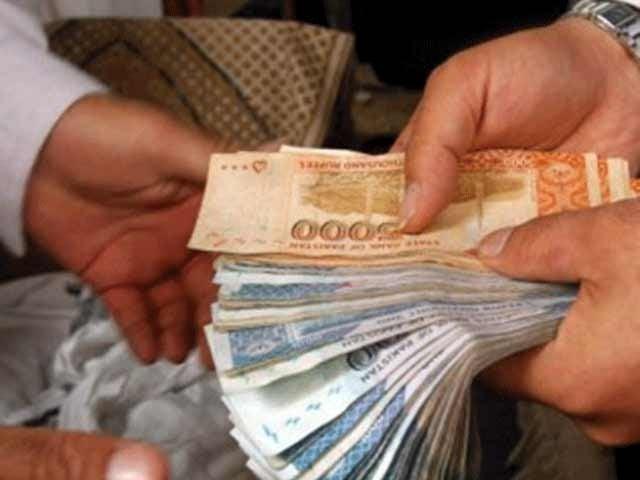
    The audit identified that an organized network allowed 419 government employees to successfully infiltrate the welfare database, unlawfully securing more than 5.3 million rupees under the guise of “subsistence allowances.”

    The revelation has severely damaged the credibility of state-run charitable institutions, highlighting an acute absence of basic verification procedures and institutional transparency.

    Stolen Charity: Across-the-Board Complicity

    The scale of the corruption was not merely confined to low-level provincial staff; it represented a coordinated, cross-provincial network of exploitation. According to the audit, the misuse of the Zakat Fund extended far beyond the borders of Khyber Pakhtunkhwa. Out of the 419 government beneficiaries, a staggering 317 were federal government employees, while 33 belonged directly to the KP provincial government. Furthermore, the web of illegal payments stretched into other administrative territories, with the report identifying six employees from Punjab, five from Sindh, and three from Balochistan as recipients of the stolen charity.

    This extensive geographical spread indicates that the embezzlement was not an isolated clerical error but a broader, systemic failure. The inability of the Zakat disbursement system to cross-reference applicants with federal and provincial payroll databases allowed public servants from all corners of Pakistan to unlawfully claim welfare funds.

    Grade-Wise Breakdown of Misappropriated Funds

    Perhaps the most alarming aspect of the scam is the involvement of well-compensated, senior public servants. The audit provides a meticulously detailed grade-wise breakdown, showing that employees from Grade 1 all the way up to Grade 17 were complicit in the illegal extraction of funds.

    In total, 15 government employees brazenly pocketed 30,000 rupees each, while the remaining 404 employees received 12,000 rupees each. The list of offenders includes officers who are strictly disqualified from receiving welfare: two employees of Grade 17, two of Grade 16, thirteen of Grade 15, nine of Grade 14, two of Grade 13, and twenty of Grade 12. Meanwhile, lower-tier public servants were also heavily involved, with 60 employees of Grade 1, 56 of Grade 2, 63 of Grade 5, and 50 of Grade 6 securing the 12,000-rupee payouts. The audit emphatically noted that neither serving nor retired government employees were eligible for Zakat, making every single transaction an illegal misappropriation of public funds.

    Unlawful Committee Appointments and Marriage Grants

    The direct theft of subsistence allowances was only one facet of the wider financial mismanagement uncovered by the auditors. The report revealed deeply rooted structural corruption, noting that government employees were unlawfully embedded into District and Local Zakat Committees.

    The Zakat Act strictly prohibits the inclusion of public servants in these oversight committees to prevent conflicts of interest, yet 111 government employees were found serving as active, decision-making members. For their unlawful participation, these individuals were paid a massive 19.5 million rupees in committee allowances. The financial bleeding did not stop there.

    The Auditor General also uncovered irregular payments totalling 19.7 million rupees disbursed as subsistence allowances to other unverified, ineligible individuals.

    Furthermore, a staggering 42 million rupees in irregularities were detected in the marriage assistance programme – a scheme specifically meant to help poor families bear the heavy costs of weddings. In total, tens of millions of rupees were diverted from their rightful, poverty-stricken recipients.

    Auditor General’s Call for Immediate Recovery

    The damning audit report has triggered immediate demands for corrective action and systemic reform across the government. The Auditor General has taken a definitive stance, directing provincial authorities to initiate the swift recovery of all illegally paid amounts directly from the implicated government employees.

    Furthermore, the report strongly recommends that strict disciplinary and criminal action be taken against the members of the Zakat committees who wilfully authorized these fraudulent payments.

    The scandal has reignited fierce debates over the need to modernize Pakistan’s welfare distribution frameworks. Experts and transparency advocates are now calling for the urgent integration of biometric verification, mandatory cross-checking with the National Database and Registration Authority (NADRA), and secure digital cell-phone disbursements to close the administrative loopholes that allowed such massive embezzlement.

    Sri Lanka’s Tea Sector Faces Existential Threat Amid Middle East Crisis and Soaring Costs

    The Planters’ Association of Ceylon urges immediate intervention as Middle Eastern conflicts, soaring production costs, and climate shocks create an unprecedented existential crisis for Sri Lanka’s tea industry.

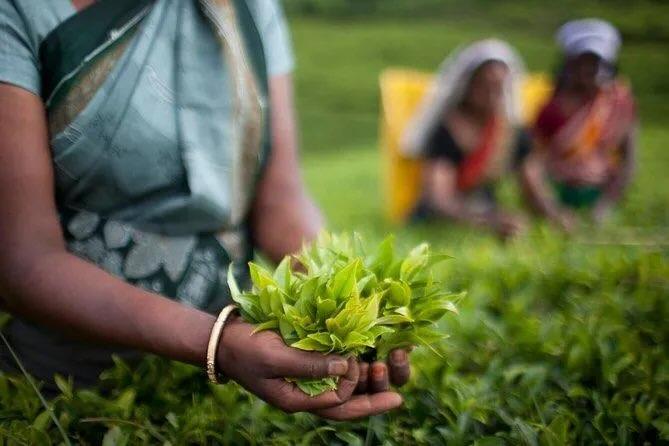
    Sri Lanka’s tea industry, globally renowned for its Pure Ceylon Tea, is standing at a critical crossroads. The Planters’ Association of Ceylon (PA), the apex body representing the island’s plantation sector, has issued a stark warning regarding the industry’s future. Facing a severe combination of global geopolitical instability and mounting domestic financial pressures, the association urgently calls for a comprehensive review and streamlining of the sector’s operational cost structures. The unprecedented crisis unfolding in West Asia and the strategic shipping route of the Strait of Hormuz has cast a dark shadow over the industry. However, external shocks are compounding a series of deeply rooted internal challenges, threatening an agricultural sector that serves as a vital economic lifeline for the nation.

    The Middle Eastern Market Shock

    The geopolitical volatility in the Middle East represents a direct threat to Sri Lanka’s export revenues. Currently, an estimated 45 per cent of Sri Lanka’s total annual tea exports are shipped to Middle Eastern markets, encompassing key importing nations such as Iran, Iraq, the UAE, and Saudi Arabia. This significant market share translates to approximately $680 million of Sri Lanka’s total $1.5 billion annual tea export revenue. With the Strait of Hormuz acting as a critical artery for shipping, the ongoing conflict threatens to disrupt vital supply lines. The PA notes with concern that this volatility creates a perfect storm of supply and demand constraints. If routes are compromised, the industry faces skyrocketing freight charges, insurance premiums, and severe logistical bottlenecks. These external pressures pose an existential threat to Regional Plantation Companies (RPCs) and smallholder farmers alike.

    The Burden of Soaring Production Costs

    While international markets falter, domestic financial pressures are squeezing the profit margins of plantation operators. According to the PA, the sheer cost of production (COP) has reached unsustainable heights. The most pressing financial burden is labour, with worker wages currently accounting for a staggering 70 per cent of the total COP in the tea and rubber sectors. In addition to labour, the industry is grappling with escalating costs of input materials. Prices of fuel, fertilizers, agricultural chemicals, firewood, packaging materials, and physical goods have surged over recent years. This relentless inflation in input costs leaves producers struggling to maintain operational efficiency. The disparity between high production costs and relatively low rates of agricultural productivity creates a structurally fragile financial model that leaves little room to absorb economic shocks.

    A History of Wage Disputes and Government Intervention

    Labour compensation has long been a contentious topic within the Sri Lankan plantation sector. Following the privatisation of estates in 1992, wages were determined through collective bargaining between RPCs, trade unions, and the Employees Federation of Ceylon. This process collapsed in 2021 when trade unions unilaterally withdrew from negotiations. They successfully lobbied the government to invoke the Wages Board Ordinance, mandating a daily wage of Rs. 1,000 from 2021 to 2023, and Rs. 1,350 in September 2024. Most recently, a new wage hike took effect on January 1, 2026, pushing daily wages to Rs. 1,750 – a net gain of Rs. 400 for workers. In a historic first, the government intervened directly to partially subsidize this increase, contributing Rs. 200 per worker per day. While the industry supports living wages, it continuously advocates for financially sustainable mechanisms tied to productivity.

    A Decade of Unrelenting Crises

    The current predicament is the culmination of a decade marred by continuous systemic shocks. The plantation industry has barely recovered from one crisis before being thrust into another. The sector’s resilience was severely tested by ad hoc government policy decisions regarding the importation of chemical fertilizers, agri-chemicals, and crop diversification initiatives, which severely reduced crop yields. Following this, the industry faced the global disruption of the COVID-19 pandemic and its lockdowns, drastically hampering processing operations. This was closely followed by the devastating economic crisis Sri Lanka faced in 2022, which saw crippling fuel shortages and hyperinflation. Most recently, the agricultural sector was battered by the severe weather impacts of Cyclone Ditwah. Each event has systematically eroded the financial reserves and operational capacity of plantations.

    A Call for Strategic and Coordinated Action

    As these immense pressures converge, the planters’ association asserts that the entire sector is experiencing an unprecedented level of strain. Even if geopolitical conflicts in the Gulf Region de-escalate immediately, secondary effects on global supply chains – particularly the availability of essential fertilizers – remain a massive concern. The disruption of global fertilizer production threatens the industry’s ambitious target of producing 300 million kilograms of tea in 2026.

    Recognising the gravity of the situation, the planters’ association urgently calls for coordinated, pre-emptive action. Priority measures include securing emergency fertilizer stocks, establishing robust working capital support mechanisms for smallholder farmers, and developing strategic plans for the management of unsold tea stocks. Furthermore, there is a desperate need for an accelerated national effort to diversify export markets, ensuring that Ceylon Tea can command the higher margins necessary to sustain this historically significant industry.

    Local Elders Broker Fragile Ceasefire on the Durand Line as Civilians Bear the Brunt of Cross-Border Strikes

    With diplomatic channels stalled and civilian casualties mounting, community leaders step into the void to negotiate a precarious halt to border hostilities. For families residing in the rugged terrain of Afghanistan’s eastern Kunar province, simply remaining in their homes has become a deadly gamble.

    A ceasefire between Taliban and Pakistan has been reached in parts of eastern Afghanistan’s Kunar province, according to local sources.

    However, the agreement was negotiated without the presence of Taliban officials, raising questions about its durability.

    Residents told reporters that the halt in fighting followed mediation by tribal elders from both sides of the border, rather than formal talks between Taliban and Pakistani officials. The agreement, they said, remains tentative and has not been finalized.

    Neither Taliban nor Pakistani officials have publicly commented on the reported ceasefire.

    Caught beneath a sudden and relentless rain of artillery shells, villagers have faced an everyday struggle for survival amid the escalating military hostilities. Homes were reduced to rubble and livelihoods were destroyed.

    It was this urgent, life-or-death reality that forced a desperate intervention this week – not by high-ranking diplomats or military commanders, but by the local tribal elders whose communities are directly caught in the crosshairs.

    On Tuesday, community leaders from both sides of the disputed border successfully brokered a tentative ceasefire in parts of Kunar province. The grassroots agreement temporarily halts a fierce wave of cross-border shelling that has defined the region over the past several weeks. This pause in the violence, negotiated without the formal presence of Taliban or Pakistani officials, raised critical questions about how long the guns will remain silent.

    A Grassroots Intervention

    The halt in fighting follows intense mediation by tribal elders representing communities from Afghanistan’s Kunar province and Pakistan’s adjacent Khyber Pakhtunkhwa province. Frustrated by the failure of state-level negotiations, local leaders from districts such as Sarkano in Kunar and Bajaur in Pakistan took matters into their own hands. Holding multiple rounds of localized talks over the past week, these tribal mediators focused on one immediate goal: securing a ceasefire to end the border clashes and halt the devastating Pakistani artillery and airstrikes inside Afghan territory.

    Residents informed independent monitors, that while the Afghan elders attended the meetings with the tacit permission of local Taliban authorities, the talks were inherently informal. The resulting agreement remains tentative and has not been formalised by state actors.

    As of Tuesday afternoon, neither the central Taliban leadership in Kabul nor Pakistani government officials in Islamabad have publicly commented on the reported ceasefire, leaving the newly established peace resting entirely on the social capital and traditional authority of the tribal elders. This grassroots diplomacy mirrors similar recent efforts in neighbouring Nuristan province, where community leaders also managed to broker temporary truces independent of state militaries.

    The Devastating Human Toll

    The urgency of the elders’ intervention is underscored by the devastating human toll of the recent flare-ups. The daily gamble for survival reached a tragic peak on Sunday, May 4, when renewed Pakistani shelling struck the Dangam district of Kunar. According to Taliban deputy spokesman Hamdullah Fitrat, the strikes targeted civilian areas near the border, killing at least three civilians and wounding 14 others, the majority of whom were women and children.

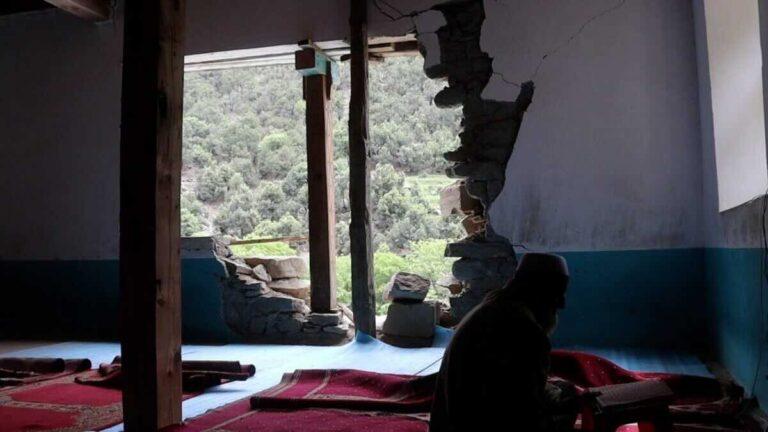
    The physical destruction was equally catastrophic. The bombardments flattened civilian infrastructure essential to community survival, destroying two schools – one for boys and one for girls – as well as a local health clinic and two mosques. Furthermore, villagers reported that up to 80 livestock animals perished in the strikes, devastating the agricultural bedrock of the local economy. For the residents who managed to survive, the destruction of their homes has forced widespread displacement, with many families seeking desperate refuge along riverbanks and in makeshift shelters far from the conflict zone. Afghanistan’s Ministry of Foreign Affairs condemned the strikes, stating they caused immense suffering to populations already grappling with severe economic and humanitarian hardships.

    A Border Defined by Mistrust

    The explanation for this localized tragedy lies in the complex and deeply disputed Durand Line. The colonial-era boundary dividing Afghanistan and Pakistan has long been a source of profound friction. While Pakistan recognizes the 2,640-kilometer frontier as an official international border, successive Afghan governments, including the current Taliban administration, have historically rejected that designation.

    This deep-seated territorial dispute has been compounded by severe security grievances. The immediate trigger for the intensified clashes, which have raged since late February 2026, is Islamabad’s assertion that armed militant groups – specifically the Tehrik-i-Taliban Pakistan (TTP) – operate from safe havens within Afghan territory to launch deadly attacks inside Pakistan. Pakistani defence officials have repeatedly accused Kabul of harbouring these proxy groups. In contrast, the Taliban leadership vehemently denies these allegations, maintaining that Afghan soil is not used to threaten other nations. Instead, Kabul accuses Pakistan of unprovoked military aggression, pointing to the artillery barrages and airstrikes that blatantly violate Afghanistan’s territorial sovereignty.

    Can the Fragile Peace Hold?

    Despite previous attempts to de-escalate the crisis – including Chinese-mediated peace talks held in Urumqi in early April – the structural tensions between the two neighbours have repeatedly caused state-level diplomacy to falter. The persistence of cross-border skirmishes following the China talks highlights a dangerous diplomatic vacuum that the tribal elders are now attempting to fill.

    Yet, the durability of this grassroots ceasefire remains highly precarious. Without structured incident management, formal counterterrorism cooperation, or official endorsement from military commanders in Kabul and Islamabad, the agreement is vulnerable to the slightest provocation. If the informal truce collapses, the region risks sliding back into a protracted military confrontation that will not only destabilize the immediate border provinces but also deepen the dire humanitarian crisis facing the displaced populations.

    Focus Keyphrase:

    Tags: