More

    Decades After Displacement, Sri Lankan Tamils Escalate Protests for the Return of Military-Occupied Ancestral Lands

    Facing continuous military occupation and the construction of a controversial Buddhist shrine, displaced Sri Lankan Tamils in Jaffna are intensifying protests to demand the immediate return of their ancestral lands.

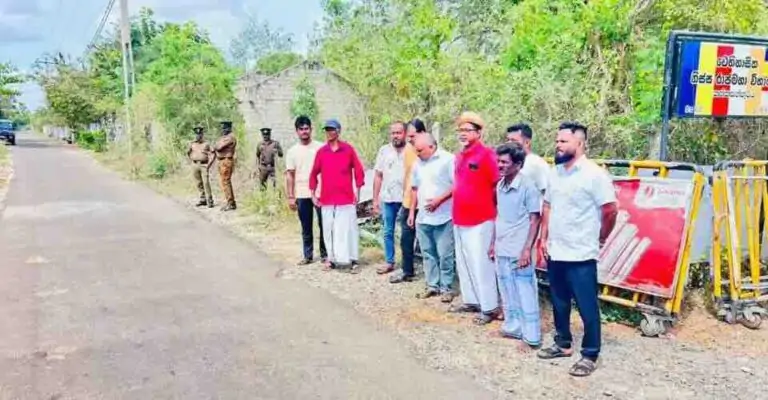
    Seventeen years following the brutal conclusion of the Sri Lankan civil war, the physical and emotional scars of the conflict remain vividly apparent in the country’s Northern Province. For decades, thousands of Tamil civilians have been barred from returning to their ancestral properties, many of which remain firmly under the jurisdiction and control of the Sri Lankan military. On May 1, 2026, a group of civilian landowners from Thaiyiddy, a village situated in the Kankesanthurai (KKS) region of the Jaffna peninsula, boldly escalated their long-standing campaign for land restitution. At least 17 landowners took to the streets, holding a protest along the road leading to their occupied properties.

    Their demand is unambiguous: the immediate and unconditional release of their civilian and farming lands that have been swallowed by military-enforced High-Security Zones (HSZs) since the mid-1990s. The demonstration underscores a broader, deeply entrenched issue in post-war Sri Lanka. Despite the government’s repeated international commitments to transitional justice and post-conflict reconciliation, progress on the ground has been agonizingly slow. For the Tamils of the North, the continuous presence of the military is not just a grim reminder of the war, but a persistent obstacle to rebuilding their fractured lives and restoring their community’s socioeconomic independence.

    The Tissa Raja Maha Vihara Controversy and Sinhalization Fears

    At the heart of the recent wave of demonstrations in Thaiyiddy is the controversial construction of a Buddhist shrine, the Tissa Raja Maha Vihara. According to the protesting Tamil landowners, this religious edifice was erected illegally on private, civilian-owned land. The temple’s construction was reportedly advanced during the height of the global COVID-19 pandemic, utilizing military labour and state resources at a time when civilian movement and public assembly were heavily restricted.

    For the local Tamil, predominantly Hindu and Christian, population, the establishment of the Tissa Raja Maha Vihara is perceived as far more than just an unauthorized building. It is widely viewed as a glaring symbol of the Sri Lankan state’s systematic “Sinhalization” efforts – a calculated attempt to alter the demographic, cultural, and religious landscape of the historically Tamil-dominated Northern Province.

    Prominent political figures have joined the civilian outcry. S. Kajendran, a former parliamentarian from the Jaffna district, has been a vocal participant in the demonstrations. He has consistently joined local residents in staging protests, particularly on full moon Poya days, when Buddhist devotees are transported from the country’s Sinhala-majority southern regions to participate in religious observances at the newly built shrine. “Why did they build a Buddhist shrine where no Buddhists live, and devotees have to be transported from the South on important occasions?” Kajendran questioned, highlighting the artificial nature of the temple’s integration into the local community.

    The Human Cost and Decades of Displacement

    The human toll of this protracted land dispute is profound and highly personal. Pathmanthan Sarujan, one of the 17 landowners currently fighting for the release of his family’s estate, vividly remembers the day his life was upended. Like thousands of others, his family was forcibly displaced from their home in 1996 as the bloody conflict between the separatist Liberation Tigers of Tamil Eelam (LTTE) and Sri Lankan government forces ravaged the Jaffna peninsula.

    “We were displaced from our home and land due to war in 1996. It was the last time we saw our homes,” Sarujan lamented. His family’s property, spanning approximately 100 perches (0.253 hectares), was absorbed into a sprawling military High-Security Zone. Today, 17 years after the guns fell silent in May 2009, Sarujan and his neighbours are still waiting to go back home.

    The landowners’ anxiety reached a boiling point in recent years with the erection of the Tissa Raja Maha Vihara, sparking fears that the temporary military occupation will soon transform into a permanent, legal acquisition of their ancestral lands. When government authorities attempted to conduct a formal land survey on April 18, 2026, the landowners fiercely resisted, blockading the officials and refusing to permit the survey to proceed. “We are suspicious of whose interests the authorities are trying to safeguard,” Sarujan remarked, reflecting a deep-seated distrust of state mechanisms that have historically marginalised Tamil grievances. The Department of Archaeology and the Ministry of Buddha Sasana have reportedly already cleared the land for the shrine, further alienating the displaced owners who hold the original deeds.

    Government Responses: Committees, Security Concerns, and Empty Promises

    In response to the mounting tension, local government administrators have attempted to mediate the crisis, albeit with limited success. Jaffna District Secretary S. Pradeepan stated that the state is actively seeking an amicable resolution to the escalating land dispute. He announced the impending formation of a multi-stakeholder committee, which will include local government officials and representatives from both the Department of Archaeology and the Ministry of Buddha Sasana. “We are trying our best, but certain elements are trying to mislead people with false information,” Pradeepan claimed, pushing back against the narrative of deliberate state land-grabbing.

    However, the promises of localized committees stand in stark contrast to the broader national security apparatus’s unwavering stance. In March 2026, Sri Lanka’s Deputy Minister of Defence, Aruna Jayasekara, explicitly dismissed rumours that the government planned to relocate or remove the massive military headquarters in Jaffna. Addressing the Parliament, Jayasekara emphasized that any decision regarding the release of occupied lands would remain strictly subject to “national security” considerations. He firmly rejected demands for a total demilitarization of the North, labelling such expectations as politically motivated manoeuvres designed to obstruct the government.

    This steadfast military posture translates into an excruciatingly slow process of land restitution. While the government occasionally coordinates highly publicized handover ceremonies – such as the release of a mere two-acre plot in the Vasavilan East area of Jaffna in March 2026 after 36 years of occupation – these gestures are widely criticized by human rights advocates as piecemeal. District secretariats have confirmed that over 2,500 acres of civilian land in the Jaffna District alone remain firmly under the grip of the armed forces, utilized for army camps, agricultural farms, and commercial ventures operated exclusively by the military.

    A Broader Geopolitical and Societal Struggle

    The situation in Thaiyiddy is a microcosm of a much larger, systemic crisis plaguing the Tamil homeland. The continued military occupation stifles economic redevelopment and limits agricultural output in a region that was once economically self-sufficient. Former fishing hubs and fertile farming lands remain cordoned off behind barbed wire fences, forcing many displaced Tamils to rely on daily wage labour or government assistance, effectively stripping them of their autonomy and heritage.

    Moreover, civil society groups continually warn that the military’s expanding footprint – ranging from the construction of religious monuments to active involvement in local administration – undermines the democratic rights of the Tamil populace. Despite constitutional provisions and intense international pressure from the UN Human Rights Council to address war crimes and facilitate transitional justice, the stark reality for families like Sarujan’s remains unchanged.

    As the civilian landowners of Thaiyiddy vow to continue their monthly protests in the shadow of the newly built vihara, their struggle illuminates the enduring resilience of the Sri Lankan Tamil community. They say that they are fighting not just for the return of dirt and soil, but for their identity, their history, and their fundamental right to exist peacefully in the lands of their ancestors.

    Bangladesh’s Billion-Dollar Carbon Credit Goal Sparks Fierce Debate Over Feasibility and Risks

    Bangladesh’s ambitious goal to earn one billion dollars annually from carbon credit trading has ignited intense debate, as experts warn that institutional gaps, volatile markets, and weak verification threaten success.

    Bangladesh’s newly articulated ambition to earn up to $1 billion annually from the global carbon credit market has triggered an intense and far-reaching debate among economists, climate scientists, policy planners, and financial experts. As the country navigates escalating climate vulnerabilities and searches for sustainable economic avenues, policymakers have increasingly focused on carbon markets as a dual solution: a mechanism to fund national climate resilience and a lucrative avenue for long-term economic growth.

    However, a growing chorus of local and international experts cautions that the stark realities of the international carbon market, coupled with the nation’s existing institutional limitations, could severely undermine these billion-dollar projections.

    The Green Blueprint: Mass Afforestation and Coastal Mangroves

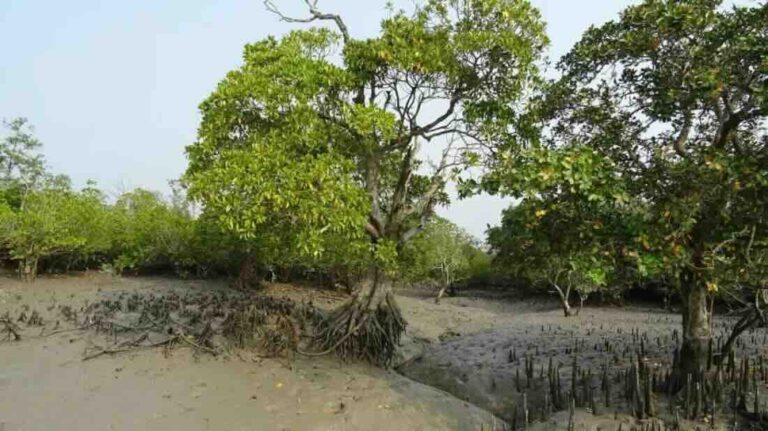
    At the heart of this high-stakes climate finance strategy lies a monumental afforestation plan. Policy planners are currently exploring large-scale environmental initiatives, highlighted by an extraordinary proposal to plant up to 2.5 billion trees over a five-year period. A massive portion of this strategy focuses on the restoration and expansion of mangrove ecosystems along Bangladesh’s highly vulnerable coastal char lands, stretching from the Meghna basin all the way to Cox’s Bazar.

    Policy advisers involved in the developmental phases of this initiative emphasize that the afforestation program is meticulously designed using phased implementation strategies. “The programme includes species selection, geographic zoning, and phased plantation systems,” noted one policy adviser. “The first phase targets 15 million mangrove trees to support coastal protection and carbon capture. However, international certification will ultimately determine whether these credits can generate reliable revenue.” While a mature tree can absorb around 20 kilograms of carbon dioxide annually, transforming this ecological sequestration into tradable financial assets remains an immensely complex bureaucratic and scientific challenge.

    The Weight of History: Modest Past Returns vs. Ambitious Targets

    Scepticism over the $1 billion projection is largely rooted in Bangladesh’s historical performance within global carbon markets, which has been remarkably modest. Over nearly two decades of participation under the Clean Development Mechanism (CDM), the country managed to reduce approximately 12.5 million tonnes of carbon dioxide equivalent, accounting for a mere 0.53 per cent of global reductions. Total historical revenue has been estimated at just over $16 million, primarily derived from improved cookstove initiatives and solar home systems managed by organizations like IDCOL.

    To jump from averaging less than $1 million annually to securing $1 billion a year requires an unprecedented scale of operation. The voluntary carbon market is notoriously volatile; prices can drastically fluctuate from less than $1 to over $10 per tonne of CO₂ equivalent, contingent upon the perceived quality of the certification and the overarching buyer demand. Such severe price volatility makes long-term revenue forecasting exceptionally difficult and highly speculative.

    Governance and the Verification Dilemma

    Experts universally agree that achieving meaningful financial returns will demand a robust domestic infrastructure that simply does not exist yet. Shaymal Barman, a carbon market expert from the private sector, observed that while Bangladesh is trying to position itself as a prominent seller, “success depends on establishing a national registry and strong verification systems.”

    Roufa Khanum, deputy director at the Centre for Climate Change and Environmental Research (C3ER) at BRAC University, stressed that governance readiness represents the steepest hurdle. “Carbon markets rely on transparent governance and strong measurement, reporting, and verification (MRV) systems,” Khanum explained. “Without skilled professionals, digital monitoring, and standardized methodologies, Bangladesh risks failing to secure certification, even if projects are technically sound.”

    A fully digitized system to track the GPS coordinates and growth of individual trees is necessary to satisfy international standards, yet implementing such technology on a massive scale remains daunting.

    Financial Viability: Market Volatility and Investor Caution

    From the banking and sustainable finance sectors, the outlook is one of measured caution. Karimul Islam Tuhin, a sustainable finance professional, highlighted the severe shortage of local expertise. “Carbon credits require accredited verification under rigorous standards such as Verra or Gold Standard,” Tuhin stated. “Bangladesh lacks local certified auditors, which increases our dependence on foreign intermediaries and raises operational costs.”

    Banks are increasingly viewing carbon projects as emerging opportunities, but they require a stable regulatory environment. Predictable regulations and credible certification systems are absolute prerequisites before financial institutions will commit to the large-scale financing required to get these massive carbon mitigation projects off the ground.

    Alternative Pathways: Methane Reduction and Carbon Taxes

    Because of the steep barriers to entry in international emissions trading, some analysts advocate for alternative approaches that might yield faster, more reliable results. Shafiqul Alam of the Institute for Energy Economics and Financial Analysis (IEEFA) suggested that Bangladesh could benefit from implementing a simpler pricing mechanism first. “A carbon tax could suit Bangladesh better than emissions trading in the initial phase,” he noted. By targeting high-emission sectors such as the heavily polluting brick manufacturing industry, policymakers could test the waters of carbon pricing, generate domestic revenue, and establish transparency without the immediate need for international validation.

    Additionally, energy sector analysts have pinpointed methane reduction as a highly lucrative, yet underexplored, opportunity. Methane has a significantly higher warming potential than carbon dioxide. Projects focused on mitigating gas leakages could rapidly generate substantial credit volumes. Generating $100 million annually through this avenue would require selling roughly 10 million tonnes of CO₂ equivalent – a more manageable, albeit challenging, target compared to pure forestry credits.

    Equity and Resilience: Community Impact and Adaptation Financing

    While the economic prospects are tantalizing, advocates argue that carbon initiatives must prioritize local communities and public health. Sk Mashrur Ishrak of Volunteer for Environment emphasized that community-based projects can generate credits while concurrently improving livelihoods. “However, revenues must be reinvested in vulnerable communities to ensure fairness and strengthen climate resilience,” he urged.

    Furthermore, Saidur Rahman, director of Brighters, issued a stark warning against treating carbon market revenue as a substitute for adaptation financing. Building disaster resilience – such as flood control and cyclone preparedness – requires dedicated financial streams that are not subjected to the unpredictable whims of voluntary market pricing. Similarly, Prof M Shaukat Anwar emphasized integrating health assessments into afforestation projects to prevent poorly planned interventions from disrupting local water systems or increasing disease risks.

    Adding to the complexity, Sohanur Rahman, Executive Coordinator of YouthNet Global, warned against a rushed, overenthusiastic entry into the market. “If Bangladesh sells too many carbon credits now, it risks future shortages as domestic emissions inevitably rise with ongoing industrialization. Climate finance must not undermine our own long-term resilience,” he warned. This perspective adds a critical layer to the debate: the need to balance immediate financial windfalls against future national emission quotas.

    The Pivotal Road Ahead

    Bangladesh undeniably possesses vast untapped potential in renewable energy, forestry, energy efficiency, and waste management. Global institutions, including the World Bank, acknowledge that the country could benefit immensely by aligning with the Paris Agreement Article 6 frameworks. Keisuke Iyadomi, a senior climate change specialist at the World Bank, noted that while carbon pricing has global momentum, “institutional transparency and governance readiness remain essential.”

    As global demand for credible, high-quality carbon credits continues to rise, Bangladesh finds itself at a critical crossroads. The government must decide whether to continue chasing astronomical targets driven by political optimism or to step back and build a resilient, highly regulated carbon market grounded in verified data, transparent governance, and disciplined policy planning. The journey to a billion-dollar carbon market is fraught with systemic hurdles, but with careful, inclusive strategy, it could ultimately transform Bangladesh’s environmental stewardship into lasting economic strength.

    India: Expensive Fuel Pushes Wholesale Inflation to 8.3 per cent in April, Highest in 42 Months

    Soaring global energy prices amid West Asia tensions drive India’s wholesale inflation to a 42-month high, raising concerns over cost pressures on industries and farmers.

    India’s wholesale price index (WPI)-based inflation surged to 8.3 per cent in April 2026, marking the highest level in 42 months. This sharp rise comes from 3.88 per cent in March and 2.26 per cent in February, according to data released by the Ministry of Commerce and Industry.

    The primary driver was a dramatic spike in fuel and power prices, which jumped to 24.71 per cent inflation in April from just 1.05 per cent in March and -3.85 per cent in February. This reflects higher global crude oil prices amid geopolitical tensions, particularly disruptions in West Asia.

    Breakdown of Key Categories

    Inflation in primary articles rose to 9.17 per cent in April from 6.36 per cent in March. Manufactured products saw inflation climb to 4.62 per cent from 3.39 per cent the previous month. Food inflation, however, remained relatively moderate at 2.31 per cent, slightly up from 1.85 per cent in March.

    Within fuels, petrol and diesel inflation both shot up to 32.40 per cent. LPG inflation stood at 10.92 per cent. Crude petroleum prices skyrocketed 88.06 per cent year-on-year, while the combined crude petroleum and natural gas basket rose 67.18 per cent. These figures contrast sharply with negative or low inflation in the same period a year earlier.

    Mixed Signals in Food Articles

    Food items, which carry a significant 24.38 per cent weight in the WPI, showed resilience despite overall pressures. Wheat prices edged up only 0.38 per cent, while pulses declined 4.03 per cent. Vegetable inflation was mild at 0.53 per cent, helped by sharp drops in potato (-30.04 per cent) and onion (-26.45 per cent) prices. Fruits recorded a slight deflation of 0.21 per cent, and milk inflation was 2.56 per cent.

    Many food commodities like pulses, potatoes, and onions have seen negative wholesale inflation for several months, indicating prices remain lower than last year and providing some buffer for consumers and food processors.

    Implications for Economy and Policy

    The steep rise in input costs, especially energy, is likely to feed into higher production expenses across manufacturing and agriculture sectors. Higher transport and logistics costs due to expensive diesel could eventually pressure retail prices, even as the government has so far shielded consumers from direct retail fuel price hikes.

    Economists warn this cost-push inflation may prompt the Reserve Bank of India to reassess its monetary policy stance. While retail CPI inflation remains within the target band, sustained WPI pressures could signal broader inflationary risks if global oil prices stay elevated.

    For farmers, higher fuel costs raise concerns over increased expenses for irrigation, machinery, and transportation of produce to markets. However, the moderate food inflation offers some relief by not immediately eroding farm incomes through depressed output prices.

    The data underscores India’s vulnerability to global energy market volatility. With crude oil prices sensitive to West Asia developments, any further escalation could intensify inflationary pressures in the coming months. Analysts expect May inflation to remain high, though a good monsoon could help moderate food prices later in the year.

    This development comes at a time when the economy is navigating multiple global headwinds. Policymakers will likely focus on balancing growth support with inflation management, while exploring ways to build energy resilience through domestic production and alternative sources.

    Image: Hippopx

    Air Pollution is Silently Driving a Global Cancer Surge, New UICC Report Warns

    A groundbreaking UICC report reveals that long-term exposure to air pollution significantly increases overall cancer risk by 11 per cent and mortality by 12 per cent, extending the threat far beyond lung cancer.

    The invisible killer lingering in the air we breathe is no longer just a respiratory or cardiovascular threat. According to a sweeping new global evidence report released by the Union for International Cancer Control (UICC), long-term exposure to polluted air is silently but aggressively driving a global cancer surge. The report, titled Clean air in cancer control: An overview of the evidence, paints a grim picture of how environmental negligence is escalating the global oncology crisis, raising both the incidence of various cancers and the likelihood of dying from the disease.

    The comprehensive review, which synthesizes data from 42 meta-analyses and systematic reviews published between 2019 and 2024, is the first of its kind to quantify the staggering scale of cancer incidence and mortality directly attributable to polluted air. While the global community has made significant strides in combating other carcinogens, this report serves as a harsh awakening: the air we breathe is a silent driver of a worsening public health emergency.

    Beyond Lung Cancer: The Widespread Impact

    Historically, both the general public and the medical community have drawn a straight line between air pollution and lung cancer. In 2013, the International Agency for Research on Cancer (IARC) classified outdoor (ambient) air pollution as a Group 1 carcinogen, recognizing its well-established link to lung malignancies. However, the latest UICC report proves that the biological devastation of toxic air extends far beyond the lungs, affecting multiple organ systems throughout the body.

    According to the findings, individuals exposed over the long term to fine particulate matter (PM2.5) – the microscopic pollutants capable of penetrating deep into the bloodstream – face an 11 per cent higher overall risk of developing any form of cancer compared to those living in cleaner environments. The data demonstrates particularly alarming associations for liver, colorectal, and breast cancers. Rising levels of PM2.5 exposure are associated with a staggering 32 per cent higher incidence of liver cancer and an 18 per cent increase in the odds of developing colorectal cancer.

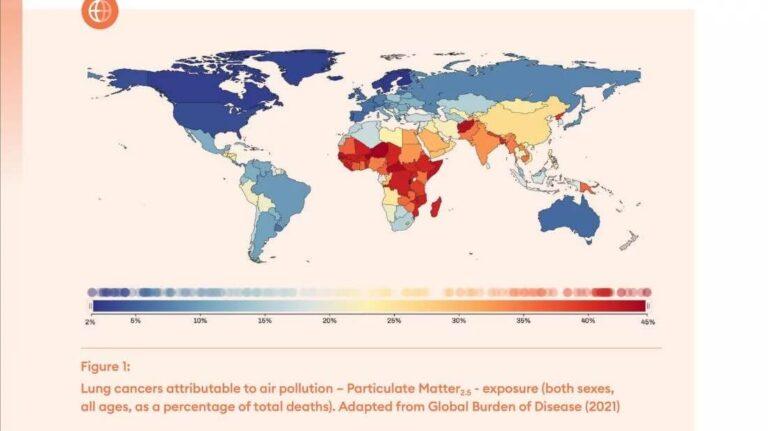
    Mortality risks follow a similarly tragic trajectory. As pollution levels rise, there is a 12 per cent higher overall risk of dying from cancer. This includes a 20 per cent higher risk of death from breast cancer, 14 per cent from liver cancer, and 12 per cent from lung cancer. Regarding the latter, recent estimates indicate that ambient air pollution contributes to roughly 434,000 related deaths each year. This staggering figure accounts for more than a quarter of preventable lung cancers in women and nearly one in six in men, cementing poor air quality as one of the most pressing oncological threats of our time. Furthermore, air pollution is now recognized as a leading factor driving an increase in lung cancer cases among people who have never smoked, including young adults.

    The Unequal Burden: Women, Children, and Low-Income Communities

    As with many global health crises, the devastating impacts of air pollution are not distributed equally. The UICC report highlights that the heaviest and most disproportionate burden falls on women, children, and low-income communities who have the fewest protections against toxic environments. This environmental injustice is particularly evident in low- and middle-income countries (LMICs), where rapid industrialization, high population density, and reliance on solid fuels create a perfect storm for pollution-driven disease.

    In regions like Bangladesh, where local news outlets such as the Dhaka Tribune continually report on the profound climate shifts, industrial contamination, and environmental degradation affecting the nation, the intersection of air pollution and health is a harsh daily reality. Developing nations often struggle with a dual burden: severe ambient air pollution in heavily congested urban centres, and dangerous household air pollution in rural areas.

    Women exposed to household air pollution – often resulting from the use of solid fuels like wood, coal, dung, and crop waste for cooking and heating – face a shocking 69 per cent higher risk of lung cancer, alongside an increased risk of cervical cancer. Children are equally vulnerable; those living near petrochemical plants have almost double the risk of developing leukaemia. Meanwhile, communities residing near cement factories face odds of developing lung cancer that are 4.8 times higher than populations located further away.

    In LMICs, the financial and systemic toll of these illnesses is immense. Patients in these regions frequently face catastrophic out-of-pocket healthcare costs that plunge entire families into poverty. Without robust central cancer registries and lacking the resources to reduce pollution at its source, millions are left without timely access to cancer prevention, diagnosis, and life-saving treatments. With global cancer cases projected to increase drastically from 20 million in 2022 to an estimated 35 million by 2050, the failure to address air quality will disproportionately devastate the world’s most vulnerable populations.

    Air Pollution: The New Tobacco?

    The stark reality presented by the UICC is that air pollution now kills more people every year than tobacco, demanding equal, if not greater, political attention from national leaders. Dr. Elisabete Weiderpass, Director of the International Agency for Research on Cancer, emphasised this paradigm shift in the report’s foreword.

    “The cancer community continues to make progress in addressing other major risk factors, including tobacco use, alcohol consumption; and viral, bacterial, or parasitic infections… that cause cervical and liver cancers,” she wrote. “It is increasingly clear that air pollution must also be recognised as a major and preventable factor that increases the risk of developing cancer and of dying from the disease.”

    Helen Clark, Former Prime Minister of New Zealand and Co-Chair of Our Common Air, echoed these vital sentiments. She noted that pollution threatens to undermine decades of hard-won progress in global oncology, where high-income countries have successfully dropped cancer mortality by 30 per cent through early detection and treatment. “These statistics are not just numbers,” Clark stated. “They represent parents lost too soon, children enduring years of illness and treatment, and communities burdened by grief and preventable costs.”

    A Call for Decisive Global Action

    The scientific evidence is irrefutable, and the required interventions are already well-established. The UICC is urgently calling on global leaders, Ministers of Health, and environmental organizations to officially integrate air quality risk reduction into national cancer control plans.

    Effective policy responses must aggressively tackle the root causes of toxic air. This involves implementing and strictly enforcing higher emissions standards for industries and vehicles, rapidly accelerating the global transition to clean energy, and subsidizing clean cooking technologies for marginalised communities. Furthermore, aligning national air-quality standards with the stringent guidelines set by the World Health Organization (WHO) is an essential, non-negotiable step in safeguarding public health.

    The report says that expanding air-quality monitoring, particularly in highly exposed and economically deprived communities, is also critical for tracking progress and identifying hazardous zones. By recognising the intrinsic link between clean air and cancer prevention, policymakers can deliver rapid health gains, save millions of lives, and drastically alleviate the escalating financial burden on global healthcare systems.

    A Perfect Storm: How Global Conflicts and Climate Threats Are Pushing Nepal Toward a Food Crisis

    Soaring fuel costs, critical fertilizer shortages, and the looming threat of a weak monsoon are converging to push Nepal to the precipice of an unprecedented and devastating food security crisis.

    When Krishna Paudel opened the P&P Brothers Food Industry in Bhangal, Kathmandu, in 2017, he established a strict business policy: sell rice at a fixed, reliable price year-round, regardless of fluctuating paddy costs. For nearly a decade, he kept his promise to his community. But today, the veteran of the food business can no longer hold the line. A sharp, unrelenting rise in fuel prices has sent transportation and raw material costs soaring, forcing him to break his long-standing commitment.

    “In just two months, transportation costs jumped by two to three rupees per kilogram, and paddy prices spiked significantly,” Paudel laments. “It is simply no longer possible to stand by the pledge we made.” The price of Basmati paddy alone has surged by Rs 700 per quintal, reaching Rs 7,900. Paudel’s predicament is not an isolated incident; it is a glaring symptom of a much larger, multifaceted crisis quietly sweeping across Nepal.

    Behind the rising price tags in local grocery stores lies a complex web of international geopolitics and environmental shifts. A new wave of global conflict – primarily the escalating war involving the US, Israel, and Iran in the Gulf region – coupled with an impending climate disaster, threatens to cripple Nepal’s domestic food production and push millions of its citizens toward hunger.

    The Ripple Effect of Global Conflict

    For Nepal, a landlocked nation heavily dependent on imports, international turmoil rarely stays outside the country’s borders. The current surge in food prices is inextricably linked to the skyrocketing cost of petroleum. Following the US and Israeli strikes on Iran in early 2026, the price of crude oil leaped past the $100 per barrel mark. With the Strait of Hormuz  – a crucial artery for 20 per cent of the world’s crude petroleum – facing blockades and disruptions, the economic shockwaves have directly hit the Nepali economy.

    In mere months, the Nepal Oil Corporation has been forced to hike fuel prices by roughly 40 per cent. Petrol in Kathmandu has skyrocketed to Rs 217 per litre, while diesel hit Rs 225. Aviation fuel, critical for supplying food to Nepal’s remote, mountainous districts, has more than doubled to Rs 269. According to economist Nishant Khanal, a 10 per cent rise in petroleum prices typically drives overall inflation in Nepal up by 2.2 per cent. With the rapid mechanization of Nepal’s agricultural sector over the past decade, machinery like tractors and threshers now rely heavily on expensive diesel, drastically inflating the cost of farming.

    Furthermore, the Gulf conflict threatens the very backbone of Nepal’s economy: remittances. An estimated 1.7 million Nepalis work in the Gulf, sending home funds that account for a third of the country’s Gross Domestic Product. Any destabilization in their employment could plunge countless dependent families into poverty, severely eroding their purchasing power just as food prices peak.

    Fertilizer Shortages Threaten Harvests

    If exorbitant fuel costs are lighting the match, a severe shortage of chemical fertilizers is fanning the flames of the crisis. Global methane gas supply disruptions sparked by international conflicts have sent urea prices soaring by 60 per cent globally. The World Bank has warned that farmers’ purchasing power for fertilizers is at its weakest since 2022.

    In Nepal, the situation is particularly dire. The country requires around 800,000 metric tons of chemical fertilizer annually but typically faces a deficit of 300,000 tons even in stable years. This year, the crisis has deepened exponentially. “Due to global supply issues, it is estimated that production could drop by up to 50 per cent,” warns food security expert Yamuna Ghale.

    While the Nepali government recently approved a government-to-government agreement to import 80,000 tons of fertilizer from India, India is battling its own severe shortages. A drop in Indian agricultural output spells double trouble for Nepal, which imported Rs 21.5 billion worth of rice and paddy from its southern neighbour last year.

    A Looming Climate Crisis: The El Niño Effect

    As if economic and supply chain hurdles were not enough, nature is also dealing a heavy blow to Nepal’s agricultural sector. The World Meteorological Organization has forecast below-normal rainfall and intense heat across South Asia for the crucial June-to-September monsoon season.

    This distressing forecast is driven by the ‘El Niño’ weather pattern, which historically triggers widespread droughts in the region. Meteorologists project that rainfall in Nepal will be 8 to 15 per cent below average, with the critical late-May to late-July window potentially seeing only half of its normal precipitation.

    This is a catastrophic projection for a country where 60 per cent of cultivable land lacks proper irrigation facilities and relies entirely on seasonal monsoon rains. Paddy, the staple crop that feeds two-thirds of the population, is grown on nearly half of Nepal’s arable land. A weak monsoon could slash domestic paddy production by an estimated 10 per cent this year, creating a gaping hole in the nation’s food supply.

    Urban Vulnerability and Long-term Impacts

    While rural farmers bear the brunt of production challenges, urban centres are entirely exposed to supply chain collapses. Provinces like Bagmati, Koshi, and Gandaki – characterized by large urban populations deeply reliant on market-bought food – are at the highest risk. “Because these provinces depend entirely on the market, a major crisis will hit as soon as there is a disruption in the supply system,” explains Ghale.

    The impending food insecurity threatens the nation’s future. Prolonged malnutrition driven by unaffordable, low-quality food will have irreversible, long-term impacts on public health and human capital development, particularly among marginalized and low-income communities.

    Moreover, severe food insecurity can compromise Nepal’s national sovereignty. In a desperate bid to secure food aid or favourable trade deals to stave off starvation, the nation could be forced to make political or economic compromises on the international stage.

    The true weight of this multifaceted crisis has yet to be fully felt, as the market is currently surviving on older food stocks. However, when the combined forces of exorbitant fuel, fertiliser scarcity, and a parched monsoon hit this year’s harvest, the crisis will move directly from the barren fields to the kitchen tables of millions of Nepalis.

    Economic Headwinds: PM Modi Leads Austerity Push as Inflation Surges and Growth Forecasts Dim

    Amid a Middle East crisis driving up global energy prices, India faces surging retail inflation, prompting PM Modi to slash his security convoy and urge nationwide austerity to protect economic growth.

    As geopolitical tensions escalate in West Asia, the economic ripple effects are hitting Indian shores with growing intensity. The ongoing conflict involving Iran has severely disrupted global supply chains, leading to a sharp surge in international crude oil, gas, and fertilizer prices. This external shock has significantly compounded India’s economic challenges, resulting in retail inflation hitting a 13-month high and prominent credit rating agencies downgrading the nation’s GDP growth forecasts.

    In response to these mounting pressures, Prime Minister Narendra Modi has taken an unprecedented step, initiating nationwide austerity measures, beginning with a call to shun gold jewellery and a drastic reduction in his own security convoy – among other measures.

    Retail Inflation Hits 13-Month High on Food and Energy Costs

    The immediate casualty of the global disruptions has been the everyday consumer, as reflected in the latest inflation figures. India’s retail inflation rose to a more than one-year high of 3.48 per cent in April 2026, up from 3.40 per cent in March. This upward trajectory is primarily driven by rising food prices, according to data released by the Ministry of Statistics and Programme Implementation. Food inflation, as measured by the Consumer Food Price Index (CFPI), accelerated to 4.20 per cent in April, indicating broader price pressures on household consumption.

    The rural populace is bearing a slightly heavier burden, with rural inflation standing at 3.74 per cent compared to 3.16 per cent in urban areas. Among major food commodities, tomato prices recorded a staggering annual increase of 35.28 per cent, followed by cauliflower at 25.58 per cent. Furthermore, precious metals and jewellery have witnessed exceptionally high inflation, with silver jewellery inflation at 144.34 per cent and gold, diamond, and platinum jewellery at 40.72 per cent.

    Dharmakirti Joshi, Chief Economist at Crisil Ltd, noted that the upside risks to consumer price index (CPI)-based inflation from the West Asia conflict are materialising slowly but surely. The persistent rise in global crude oil prices presents a distinct upside risk for domestic cooking and transportation fuel prices. Compounded by heatwaves and a likely below-normal monsoon linked to El Niño conditions, food inflation remains a critical monitorable for the current fiscal year.

    Moody’s and CRISIL Slash India’s GDP Forecasts

    The macroeconomic outlook has similarly darkened. Moody’s Ratings has slashed India’s GDP growth forecast for 2026 by a significant 0.8 percentage points, bringing it down to 6 per cent. This downward revision reflects subdued private consumption, capital formation, and industrial activity amidst tighter financial conditions and substantially higher energy costs.

    Moody’s Global Macro Outlook May update highlighted that the ongoing confrontation between the US and Iran, along with blockades in the Strait of Hormuz, has left India particularly vulnerable. The country relies heavily on imported crude and liquefied natural gas (LNG), importing about 90 per cent of its energy requirements. Nearly 60 per cent of India’s LPG consumption is imported, and an overwhelming 90 per cent of that flows through the now-closed Strait of Hormuz.

    CRISIL Intelligence echoed these concerns, projecting Brent crude prices to remain between $90 and $95 per barrel during FY 2026-27 – 32 per cent higher than the previous fiscal’s average. Consequently, CRISIL has also cut its GDP growth forecast for FY 2026-27 to 6.6 per cent and expects the current account deficit (CAD) to widen to 2.5 per cent from 0.8 per cent last year.

    PM Modi’s SPG Convoy Halved and EV Shift Mandated

    Recognizing the gravity of the economic situation and the ballooning import bills, the Prime Minister has championed a bold austerity drive. To demonstrate his commitment and set an example for the nation and his political peers, PM Modi has mandated a 50 per cent cut to his Special Protection Group (SPG) convoy.

    Sources indicate that the SPG received strict orders to reduce the Prime Minister’s motorcade size while ensuring that essential security standards are not compromised. The leaner convoys have already been observed during recent state visits to Vadodara and Guwahati. Alongside this reduction, PM Modi has directed an accelerated shift toward electric vehicles (EVs) for his motorcade, instating a strict no-purchase policy for new internal combustion engine vehicles during the transition.

    This top-down approach to austerity has triggered a ripple effect across government ranks. Central ministries are currently auditing transport needs, restricting non-essential trips, and promoting pooled travel or Metro usage. In BJP-ruled states like Madhya Pradesh and Rajasthan, chief ministers have similarly ordered their official motorcades to be scaled down. Union Minister CR Patil has even scrapped his escort vehicle entirely, symbolizing a widespread alignment with the Prime Minister’s frugal directive.

    Is the Call for Austerity a Sign of Underlying Economic Weakness?

    Before leading by example, PM Modi had already issued a direct appeal to the Indian public at rallies in Hyderabad and Vadodara. He urged citizens to reduce their consumption of petrol and diesel, adopt carpooling, utilize public transit like Metro trains, and shift freight to railways. Reminiscent of the pandemic era, he also advocated for reviving work-from-home arrangements and online classes to minimize fuel usage.

    Most notably, the Prime Minister appealed to the public to avoid foreign travel for a year, cancel overseas destination weddings, and abstain from purchasing gold jewellery – a massive contributor to India’s import bill, which saw $58.9 billion spent on gold imports in 2025 alone.

    These appeals for austerity have sparked debates regarding the underlying health of the Indian economy. Is this call for austerity a pragmatic response to an external shock, or a sign of deeper economic weakness? India’s reliance on imports is vast; apart from petroleum, the country imports significant quantities of edible oils, pulses, and chemical fertilizers. The global price of urea has surged from under $500 per tonne to nearly $700 post the conflict’s outbreak, threatening to balloon India’s fertilizer subsidy bill far beyond the budgeted Rs 1.70 lakh crore for 2026-27.

    Reducing Import Dependency

    Experts argue that while austerity measures and reduced consumption can provide short-term relief, they do not address the structural vulnerabilities of the Indian economy. Despite economic reforms, India’s dependence on imports has grown disproportionately to its domestic production capacity.

    The current crisis underscores the severe long-term risks associated with a lack of self-reliance in critical sectors. Whether it is fuel, gold, or fertilizers, external supply shocks immediately threaten India’s fiscal stability, drain foreign exchange reserves, and disrupt growth trajectories.

    India finds itself at a critical economic juncture. The Middle East crisis has exposed the fragility of global supply chains and India’s heavy reliance on imports. As inflation bites into household budgets and growth projections are dialled back, the government’s pivot to austerity serves as both a protective measure and a stark warning. The true test for the nation, however, will lie in its ability to translate these immediate cost-cutting measures into long-term policies that genuinely foster self-reliance and build resilience against future global shocks.

    Defying the Muzzle: Aurat March 2026 Takes Over Karachi Despite Draconian State Restrictions

    Despite arrests and a stringent 28-point government permit dictating clothing and slogans, Karachi’s Aurat March went ahead with fierce defiance, demanding bodily autonomy, free speech, and structural social justice.

    Karachi’s Seaview transformed into an electric battleground for civil liberties on Sunday, May 10, as the 2026 Aurat March took place against all odds. Initially delayed from its customary International Women’s Day schedule on March 8 due to the holy month of Ramadan, the organizers deliberately rescheduled the gathering for Mother’s Day. The decision was meant to challenge the commercialised exploitation of maternal labour, but the march rapidly became a flashpoint for broader human rights.

    Faced with pre-emptive police crackdowns, the brief detention of its leaders, and an unprecedented 28-point restrictive permit from the Sindh government, participants marched under the defiant slogan “March tou hoga!” (The march will take place). What was supposed to be a peaceful demonstration advocating for gender rights morphed into a sweeping movement condemning systemic oppression, state censorship, and patriarchal authoritarianism.

    The 28-Point NOC and State “Moral Policing”

    The tension leading up to the Sunday gathering was largely fuelled by a conditional No-Objection Certificate (NOC) issued by South District Deputy Commissioner. The 28-point permit, ostensibly granted to ensure security and public order, was widely lambasted as a mechanism of authoritarian control. The Sindh administration imposed deeply controversial directives, including a ban on “objectionable clothing” and the strict prohibition of any promotional activity related to the LGBTQ community. The language extended further into political suppression, barring “anti-state” and “anti-religion” slogans, banners, or speeches, as well as remarks against the armed forces or state ideology.

    Organizers immediately rejected the government’s attempts to police their bodies and political speech. Aurat March representatives publicly stated they had not signed the NOC, viewing it as a clear violation of constitutional rights. “Mera Jism, Meri Marzi [my body, my choice] is our core demand,” the collective declared. “We invite you to wear whatever you like and feel comfortable in.” Rights activists pointed out the blatant hypocrisy of a democratic state celebrating women in political rhetoric while simultaneously enforcing regressive moral policing whenever women step out to claim their constitutional rights.

    The Pre-March Crackdown and Police Suspensions

    The state’s unease was palpable long before the NOC was even issued. The week leading up to the march was marred by an aggressive pre-emptive strike against the movement’s leadership. On Tuesday, police violently disrupted a scheduled press conference outside the Karachi Press Club, manhandling and briefly arresting several key figures, including renowned classical dancer and lead organizer Sheema Kermani, transgender activist Shahzadi Rai, and other volunteers.

    The midnight knock and rough handling drew severe backlash from the Human Rights Commission of Pakistan (HRCP), which condemned the incident as part of an increasingly repressive approach to governance where dissent is treated as a threat rather than a democratic necessity. Under mounting public pressure, Sindh Home Minister Zia-ul-Hassan Lanjar ordered an investigation. Consequently, three police officials were suspended for executing the operation without approval from senior authorities. However, for the activists on the ground, the damage had been done, solidifying the state’s intent to instil an atmosphere of fear.

    A Roar of Defiance at Seaview

    If the goal of the state was intimidation, it achieved the exact opposite. By Sunday afternoon, Seaview Road was teeming with a diverse crowd. Women from all walks of life, transgender individuals, gender minorities, human rights defenders, and socio-political figures flooded the streets, refusing to be muzzled. Amidst a heavy police presence, walkthrough gates, and bomb disposal squad sweeps, the marchers reclaimed the public square. The air resonated with the beat of the dhol, chants of “Azadi” (freedom), and poignant theatrical performances illustrating domestic struggles and structural violence.

    Sheema Kermani, undeterred by her recent detention, led the charge. “The demands of the Aurat March are basic,” she stated. “We want the right to speak, an end to outdated customs like Karokari, and an end to violence against women.” Despite the NOC explicitly banning provocative slogans, the sheer presence of the marchers in their chosen attire and raising their unapproved placards served as a direct rejection of the state’s stringent conditions. It was a loud reclamation of their agency in a society that continually tries to shrink their public footprint.

    The “Digital Cage” and Broader Social Justice Demands

    The 2026 Aurat March evolved significantly from its gender-focused roots, embracing intersectional social justice and challenging the shrinking space for free expression in Pakistan. A major target of the protest was the Prevention of Electronic Crimes Act (PECA), which activists denounced as a draconian “digital cage” designed to stifle online dissent. Kermani criticized PECA as a law that heavily targets any citizen daring to express political opinions, warning that anyone can be “removed” from the public discourse at any time.

    Prominent rights activist Farieha Aziz echoed this sentiment, warning the crowd about the government’s attempt to initiate a dangerous tradition of “language restriction.” The marchers carried banners demanding the elimination of corruption, a crackdown on enforced disappearances, and justice for the marginalized working class. Highlighting the intersectionality of their struggle, the participants raised a poignant demand for the release of incarcerated lawyer and social activist Imaan Mazari and her husband, Hadi Ali Chattha, signalling that the fight for women’s rights is inextricably linked to broader civil liberties.

    As the sun set over Karachi’s coastline, the initial atmosphere of fear evaporated, replaced by a collective roar of triumph. The 2026 Aurat March proved that bureaucratic red tape, restrictive NOCs, and pre-emptive arrests cannot suppress grassroots resistance.

    HRCP leader Qazi Khizr reminded authorities that the Constitution of Pakistan guarantees every citizen the right to protest, noting that demands for protection against murder and gender-based violence can never be anti-state.

    Karnali’s Yarsagumba Season Delayed Amidst Dwindling Yields and Mounting High-Altitude Dangers

    While the annual Himalayan gold rush prepares to open in late May, climate change, declining yields, and deadly high-altitude risks cast a dark shadow over Karnali’s Yarsagumba harvesting season.

    In the highland pastures of Nepal’s Karnali province, the much-anticipated annual harvest of yarsagumba – the highly prized caterpillar fungus – is officially scheduled to commence in the final week of May. Often referred to as the “Himalayan gold rush,” this period represents the most crucial economic event of the year for local residents. Found predominantly in the Mugu, Dolpa, Jumla, and Rukum East districts, the rare fungus is renowned for its purported medicinal properties, especially its applications in Chinese medicine. However, as the season approaches, the traditional excitement is increasingly dampened by a sobering reality: shrinking yields and mounting high-altitude perils are threatening a critical way of life.

    A Deliberate Delay for Conservation

    Before the disruptions of the COVID-19 pandemic, the high-altitude pastures typically opened to harvesters as early as April. Yet, in recent years, local authorities have strategically postponed the season’s start. This year, thousands of eager villagers are currently stockpiling essential provisions – primarily ‘satu’, ghee, and warm clothing – preparing for a gruelling, month-long stay in the wilderness starting in late May.

    Jitendra Mahat, chief of the Division Forest Office in Dolpa, emphasized that this delay is a carefully calculated conservation effort designed to protect the fragile ecosystem. Opening the highlands early often means the snow hasn’t sufficiently melted and the yarsagumba hasn’t reached full maturity. Pushing the harvest to late May allows the fungus’s natural reproductive processes to progress, which is vital for its long-term ecological sustainability. Last year, the collection in Dolpa officially began on May 19. To manage the immense influx of approximately 10,000 individuals into the national forests and Shey Phoksundo National Park, authorities established nine separate entry posts, collecting Rs. 19.3 million in revenue.

    An Essential Economic Lifeline

    Despite the robust institutional management, the deeply human element of the harvest is driven by stark necessity. In Mugu, local governments collected nearly Rs. 6.4 million last year, charging residents Rs. 1,500 and outsiders Rs. 2,000 for entry. For impoverished families in the region, the season is an existential gamble. The massive upfront costs of food, specialized gear, and travel force many to take out crippling loans before the harvest even begins.

    Kaman Budha from Tripurasundari Rural Municipality in Dolpa perfectly captures the precarious nature of this livelihood. Preparing to bring his entire five-member family to the highlands, he noted that yarsagumba represents their sole source of substantial income. Without this high-risk expedition, covering household expenses for the remainder of the year would be impossible. Last year, his family’s month-long endeavour yielded Rs. 200,000, a sum that sustains them when local farm production falls woefully short. Earnings from the fungus – which can fetch up to Rs. 1,000 per piece directly on the mountain – are absolutely essential for surviving the harsh Himalayan winters.

    Shrinking Harvests and Ecological Alarm

    While the international market value of yarsagumba continues to soar – with Chinese traders in Kathmandu paying up to Rs. 3.2 million per kilogram last year – the actual harvest volumes are steadily declining. Harvesters like Purna Bahadur Devkota from Rukum West lament the dramatic drop in findings. Navigating vertical cliffs for 23 days last year yielded a meager 150 pieces for Devkota, highlighting how diminishing returns are leaving families in debt rather than prosperity.

    Botanists and environmental researchers point to a perfect storm of ecological crises. The decline is attributed to a potent combination of overharvesting, erratic rainfall, forest degradation, unregulated livestock grazing, and climate change. The life cycle of Ophiocordyceps sinensis is intrinsically tied to snow cover. With less snowfall in the lower pastures, vulnerable ghost moth larvae fail to survive.

    Furthermore, researchers have noted a highly concerning “vertical migration.” Historically flourishing between 3,000 and 5,500 meters, yarsagumba is becoming rare below 4,000 meters. Provincial data validates this grim trend, showing a continuous drop from 409 kilograms collected in the 2022-23 fiscal year to just 310 kilograms in the 2024-25 cycle.

    The Deadly Toll of the High Altitude

    The extreme physical demands of the yarsagumba harvest present perhaps the most harrowing aspect of the entire trade. Reaching the remote collection sites requires agonizing days of trekking through untamed wilderness where no established paths exist, often carrying survival loads exceeding 50 kilograms. The brutal shift to extreme altitudes can be lethal, a severe danger exponentially compounded by the lack of proper mountain safety gear among impoverished collectors.

    Tragically, the desperate pursuit of this Himalayan gold frequently demands the ultimate price. Official data from the Karnali Provincial Police Office reveals that 26 people have died on the pastures over the past three years alone. Last year, five harvesters succumbed to the harsh conditions across Dolpa, Mugu, and Jumla. Additionally, police reported 29 major injuries and 33 emergency helicopter rescues of collectors suffering from severe altitude sickness, turning a critical economic lifeline into a genuinely deadly gamble.

    Expanding Regulations and a Precarious Future

    As Karnali urgently readies for its upcoming harvest, neighbouring districts are intensely grappling with the complex logistics of the trade. In Manang, within the Gandaki province, the harvesting season has already commenced under notably stricter regulations. Governing bodies there have implemented significantly higher permit fees – up to Rs17,000 for outsiders – and have completely banned the use of alcohol and gambling within collection camps to maintain strict social order and safety.

    Looking ahead, the provincial government of Karnali is attempting to delicately balance the immediate economic needs of its vulnerable citizens with vital, long-term ecological preservation. Suresh Adhikari, the provincial Minister for Industry, Tourism, Forest, and Environment, stressed that the lucrative herbal economy is fundamentally vital to the region’s prosperity. Yet, with financial yields continuously shrinking and environmental dangers mounting higher every single year, the enduring resilience of the people who depend on yarsagumba will be severely and critically tested in the years to come.

    Sri Lanka Cracks Down on Polluters with Sweeping New Environmental Powers

    With arrests without warrants for polluters and massive fine hikes, Sri Lanka’s amended National Environmental Act arms regulators to fiercely combat plastic waste, secure drinking water, and protect vulnerable ecosystems.

    For years, Sri Lankan industries releasing untreated wastewater into vital rivers or blanketing communities in hazardous emissions faced a maximum penalty of just Rs. 10,000 – a fine so low that many businesses simply absorbed it as a minor operating cost. Today, that era of impunity is abruptly ending. Armed with sweeping new legal authority, automated surveillance technology, and a freshly bolstered enforcement team, Sri Lanka’s Central Environmental Authority (CEA) is launching an unprecedented crackdown on environmental violators. Officers will soon have the power to assist police in making arrests without a warrant for critical offenses like water and air pollution, signalling a radical shift in how the island nation safeguards its natural resources and public health.

    The catalyst for this immediate, aggressive action is the comprehensive overhaul of Sri Lanka’s National Environmental Act. For decades, the nation has grappled with the severe consequences of rapid industrialization. Plastic pollution has choked marine ecosystems, haphazard chemical disposal has threatened soil integrity, and critical waterways like the Kelani River have faced contamination levels that risk the public’s access to safe drinking water.

    The original National Environmental Act, passed in 1980 and only amended twice – most recently in 2000 – had long been criticized as an outdated, toothless relic. It was fundamentally ill-equipped to manage the complex environmental and sanitation challenges of a modernizing South Asian economy. The newly amended legislation changes the paradigm, transforming the CEA from a passive observer into a formidable regulatory watchdog equipped with the tools necessary to hold offenders accountable.

    A Shift in Power and Penalties

    “People should have a fear of the law, and we must implement it,” asserted Prof. Tilak Hewawasam, Chairman of the Central Environmental Authority. He emphasized that the previous regulatory framework offered no real deterrent. “If someone destroys the environment or carries out projects without obtaining environmental clearance… the maximum fine under the old act is only Rs. 10,000. So, people do it again and again, because it is simply cheaper to pay the fine and continue.”

    Under the new provisions, fines have been exponentially increased, and the judicial process has been streamlined. Previously, CEA officials often had to rely on the Consumer Affairs Authority to conduct joint raids. Now, specific violations – including noise, vibration, air, and water pollution – have been designated as cognizable offenses. The CEA is actively coordinating with Sri Lanka Police to establish a protocol where environmental officers conduct immediate technical inspections, allowing law enforcement to execute swift arrests based on those findings.

    The legislative upgrade also mandates Strategic Environmental Assessments (SEA) for all government plans and policies before individual projects even begin. By integrating environmental considerations at the foundational policy stage, the government aims to prevent ecologically damaging projects from ever reaching the construction phase.

    Tackling Hazardous Waste and Water Safety

    A critical focus of the new crackdown is securing public infrastructure and sanitation safety, particularly concerning the nation’s freshwater supplies. The Kelani River, a primary source of drinking water for millions, has long suffered from unchecked industrial runoff. To combat this, the CEA is rolling out a Rs. 600 million project funded by the Japan International Cooperation Agency (JICA). The initiative abandons slow, manual water sampling in favour of automated data sensors installed directly along the riverbank, providing continuous, real-time monitoring of pollution hotspots.

    Dr. Dammika Patabendi, Minister of Environment, highlighted the necessity of these systemic upgrades, noting that the act is seeing its first major amendments in over a quarter of a century. “The proposed changes take into account modern technological advancements,” Dr. Patabendi stated following the Cabinet’s approval of the amendments. “New provisions have been introduced to regulate chemical pollution and to strengthen controls on the disposal of hazardous waste. In addition, the amended legislation includes fresh measures to prevent groundwater contamination.”

    A cornerstone of this modernized approach is the introduction of Extended Producer Responsibility (EPR). The government is shifting the burden of waste management away from local municipalities and squarely onto the shoulders of manufacturers. Companies producing goods housed in PET bottles, for example, will now be legally required to track, collect, and recycle a specified percentage of the plastic they introduce into the market. This marks a vital step toward a circular economy, treating waste not as refuse to be discarded, but as a recoverable resource.

    Securing the Future Generation’s Environment

    The urgency of these regulatory reforms is felt most acutely by the communities directly impacted by climate change and unregulated development. Across Sri Lanka, severe weather events and degraded local environments have disproportionately affected vulnerable populations.

    Dilmani, a young Sri Lankan climate activist who has campaigned for immediate ecological action, stressed that holding polluters accountable is a matter of survival for her generation. “Subsidies and assistance from the government should not be extended to projects that cause climate change,” she urged. “There should be laws allowing for heavy fines to be imposed on the perpetrators. In order to protect the environment, world leaders should rethink their position on a budget for environmental protection.” Her advocacy reflects a growing consensus that robust legislation must be paired with genuine enforcement to secure a sustainable future.

    To ensure the new laws do not remain merely symbolic, the CEA has initiated a massive recruitment drive, onboarding 281 new environmental officers to fill a critical staffing void that had persisted for nearly a decade. Coupled with the digitization of the Environmental Protection Licence process and the utilization of drone and satellite imagery to monitor remote wetlands, Sri Lanka is building a regulatory infrastructure capable of meeting 21st-century threats.

    While balancing the nation’s pressing need for economic development with the absolute necessity of conservation remains a delicate act, the revamped National Environmental Act provides a clear, enforceable roadmap. “The days of treating Sri Lanka’s natural environment as a free dumping ground are over; the polluters will now inevitably pay,” says Prof. Tilak Hewawasam.

    India: G RAM G Act to Replace MGNREGA from July 1

    Replacing MGNREGA, the Viksit Bharat-G RAM G Act guarantees 125 days of rural employment, integrating digital governance, infrastructure development, and climate resilience to transform India’s rural economy by 2047.

    In a landmark policy shift designed to future-proof India’s rural economy, the Government of India has officially announced the operationalization of the Viksit Bharat – Guarantee for Rozgar and Ajeevika Mission (Gramin) Act, 2025. Widely referred to as the VB-G RAM G Act, this comprehensive legislation will come into force across all rural areas of the country with effect from 1 July 2026.

    On this historic date, the Mahatma Gandhi National Rural Employment Guarantee Act (MGNREGA), 2005, which has been the cornerstone of the country’s social protection framework for nearly two decades, will formally stand repealed. The transition marks a decisive pivot from a basic safety net toward an integrated, productivity-oriented rural development architecture that directly aligns with the national vision of Viksit Bharat @2047, the government has said through a press release carried by the Public Information Bureau (PIB).

    A New Era for Rural Livelihoods

    While MGNREGA played a crucial role in providing wage employment and stabilizing rural incomes since its inception, the structure and needs of rural India have evolved significantly over the last twenty years. Rising income aspirations, expansive digital penetration, and the diversification of rural livelihoods necessitated an upgraded framework. Monitoring challenges under MGNREGA – such as mismatches between expenditure and physical progress, ghost assets, and the bypassing of attendance systems – also underscored the need for systemic reform.

    Addressing these gaps, the PIB release says, the newly minted VB-G RAM G Act enhances the statutory wage employment guarantee from 100 days to 125 days per financial year for every eligible rural household whose adult members volunteer to undertake unskilled manual work. This 25 per cent increase in guaranteed work days is aimed at boosting rural income security, providing a more robust economic cushion for vulnerable families against macroeconomic shocks.

    Balancing Agriculture and Rural Employment

    A critical and widely welcomed structural reform introduced in the new legislation is the mandatory pause period. To ensure the uninterrupted availability of farm labour during peak agricultural seasons – a longstanding demand from the farming community – the Act empowers State Governments to notify an aggregated pause period of up to 60 days in a financial year.

    Crucially, this pause covers peak sowing and harvesting periods, ensuring that the agricultural sector does not face artificial labour shortages caused by parallel public works. Despite this two-month pause, workers are still guaranteed their full quota of 125 days of employment distributed within the remaining 305 days of the year, striking a strategic balance between rural infrastructure development and agricultural productivity.

    Tech-Driven Transparency and Accountability

    To resolve the leakages and monitoring deficits that occasionally plagued the previous system, the VB-G RAM G Act makes digital governance an intrinsic, statutory requirement rather than an optional administrative tool, the PIB press release says.

    The legislation mandates biometric authentication for all workers, completely phasing out manual muster rolls. Worksites will be rigorously monitored using mobile applications, dashboard-based systems, and geospatial tracking. Furthermore, spatial technology-enabled planning will ensure that projects are mapped and executed precisely where needed. Transparency is further fortified through weekly public disclosure systems and a dramatically strengthened, institutionalized Social Audit mechanism. A formalized grievance redressal system at different administrative tiers will ensure immediate action on worker complaints.

    Asset Creation and the Rural Infrastructure Stack

    Moving away from fragmented, localized asset creation, the new Act mandates that all employment generation must be intrinsically tied to sustainable, productive infrastructure development. Planning under the Act is deeply decentralized, originating at the grassroots level through “Viksit Gram Panchayat Plans” drawn up by local communities.

    Once approved, these localized projects are aggregated into the newly established Viksit Bharat National Rural Infrastructure Stack, which is spatially integrated with national platforms like PM Gati Shakti. The Stack focuses on four high-priority thematic domains:

    1. Water Security: Prioritizing water conservation, harvesting, and irrigation works.
    2. Core Rural Infrastructure: Building essential village assets, connectivity, and community facilities.
    3. Livelihood-Related Infrastructure: Creating assets that yield long-term economic returns for individuals and communities, especially vulnerable groups like women-headed households and Persons with Disabilities.
    4. Extreme Weather Mitigation: Developing climate-resilient structures to shield villages from the escalating impacts of climate change.

    Reforming the Financial Architecture

    One of the most profound structural shifts in the VB-G RAM G Act is its financing model. It replaces MGNREGA’s open-ended, demand-driven funding structure with a system of “normative allocation.” Under this mechanism, the Central Government will fix a spending ceiling in advance for each state based on a composite index of objective parameters. Any expenditure exceeding this approved normative allocation will become the financial responsibility of the respective State Government.

    The standard fund-sharing pattern between the Centre and the States has also been recalibrated. For the Northeastern and Himalayan States, the ratio remains highly supportive at 90:10. However, for all other States and Union Territories with a legislature, the cost-sharing pattern for the scheme will be 60:40. Recognizing the need for better on-ground management, the Act additionally increases the administrative expenditure ceiling from 6 per cent to 9 per cent, empowering states to hire better staff, improve technical capacity, and provide quality training.

    Seamless Transition and Unshakable Labor Rights

    As the 1 July 2026 deadline approaches, the Ministry of Rural Development has outlined a seamless transition plan. All ongoing works under MGNREGA as of the commencement date will be automatically migrated to the VB-G RAM G Act and prioritized for completion, ensuring no community asset is left unfinished.

    The legislation fiercely protects labourers’ legal guarantees. The Act stipulates that wages for manual work will be specifically notified by the Central Government. The disbursement of daily wages must be made directly to bank accounts within a fortnight, with strict compensation penalties for delays. Furthermore, if a household applies for work and is not provided employment within fifteen days, the state is legally bound to pay a daily unemployment allowance.

    To maintain robust institutional oversight, the government has mandated the creation of the Central Gramin Rozgar Guarantee Council and respective State Gramin Rozgar Guarantee Councils. These bodies will be responsible for the continuous review, monitoring, and effective implementation of the legislation. The Act also includes a critical “Special Relaxations” clause, enabling the Central Government to temporarily modify provisions to mount swift responses during natural calamities.

    The PIB press release argues that by expanding guaranteed employment, strictly enforcing digital accountability, and explicitly linking public works with durable, climate-resilient asset creation, the Viksit Bharat-G RAM G Act, 2025 stands as a monumental reform.