More

    Sri Lanka: Police Sound Alarm on Rising Teenage Pregnancies; Call for Stronger Family Vigilance

    Sri Lankan police have issued an urgent advisory amid rising concerns over teenage pregnancies, urging parents to strengthen family bonds and monitor children’s online activities to safeguard vulnerable youth.

    Sri Lanka Police have issued a stark public warning following a reported uptick in teenage and underage pregnancies, emphasizing the critical role of parental involvement and family support in protecting young people from exploitation and risky behaviours.

    In a strongly worded advisory, authorities highlighted how emotional distance within families can leave children, particularly girls, susceptible to seeking connections online, often leading to dangerous situations. Platforms like Facebook, Instagram, and WhatsApp were flagged as potential gateways for inappropriate contacts if not supervised properly.

    “Strong family support and parental involvement are crucial,” police stressed, warning that a lack of attention at home can drive teenagers toward behaviors that expose them to harm. Parents are urged to foster open environments for discussion, monitor for signs such as sudden behavioural changes, declining academic performance, excessive smartphone use, or social withdrawal.

    Police say that Sri Lanka’s National Child Protection Data Highlights Vulnerabilities as Social Media and Parental Neglect Fuel Risks.

    The National Child Protection Authority (NCPA) received 10,455 child-related complaints in 2025, including 545 cases of sexual harassment, 231 serious sexual abuse incidents, 38 rapes, 150 cyber abuse complaints, and 79 teenage pregnancies. Authorities are encouraging immediate reporting of concerns via hotlines 119, 118, 109, or 107.

    Broader Context: A Declining but Persistent Challenge

    While Sri Lanka has made notable progress in reducing teenage pregnancies over the past decade and a half, the issue remains a significant public health and social concern, particularly in certain regions and amid emerging trends. National data from the Family Health Bureau shows teenage pregnancies (among girls aged 10-19) declining from 6.5 per cent of all registered pregnancies in 2009 to 3.8 per cent in 2023.

    The adolescent fertility rate has fluctuated between 14 and 21 births per 1,000 adolescents aged 15-19 in recent years, standing at around 15.09 in 2023. However, recent reports indicate rises in specific categories. In 2024, child pregnancies (often referring to younger adolescents) increased from 167 in 2023 to 213, according to police data shared in media briefings.

    Regional disparities are stark. Districts like Batticaloa and Trincomalee have historically recorded higher rates – around 8-9 per cent in some years – compared to the national average, influenced by socioeconomic factors more prevalent in certain provinces.

    Studies, including one in rural areas, have found adolescent pregnancies comprising 7.5 per cent of cases in sampled pregnant women, rising to 22.4 per cent among first-time mothers. These pregnancies are linked to lower education levels, low BMI, anaemia, higher anxiety, and reduced pre-conception care.

    Causes and Contributing Factors

    Experts point to multiple interconnected drivers. Key contributors include:

    • Low education and school dropout: Early exit from schooling increases vulnerability.
    • Limited Comprehensive Sexuality Education (CSE) and contraception access: Gaps in knowledge and services persist despite national efforts.
    • Socioeconomic pressures: Poverty, limited opportunities, and family instability, including parental migration.
    • Early relationships and cultural factors: Early romantic involvements, sometimes leading to cohabitation, and varying practices across ethnic or community lines.
    • Digital risks: Unsupervised social media use, as highlighted by police.

    Research identifies additional risk factors such as lower family strictness, poor teacher support, and belonging to certain ethnic groups with higher odds in community studies (e.g., Tamil or Muslim communities in some analyses), though these must be addressed sensitively alongside universal prevention.

    Many teenage pregnancies are unplanned, with affected girls often lacking awareness of reproductive health basics. A National Youth and Health Survey noted that 45 per cent of girls were unaware pregnancy could occur after a single sexual encounter.

    Health and Social Consequences

    Teenage pregnancies carry elevated risks for both mother and child, including maternal anaemia, hypertensive disorders, low birth weight, preterm delivery, and higher infant mortality. Adolescent mothers often face interrupted education, reduced employment prospects, and long-term socioeconomic disadvantages. Their children may experience poorer developmental outcomes and perpetuate cycles of vulnerability.

    In Sri Lanka’s context, where maternal mortality is relatively low, these cases still strain healthcare resources and child protection systems. Unmarried adolescent mothers or those in unstable relationships face additional stigma and support gaps.

    Ongoing Efforts and Recommendations

    Government bodies, including the Ministry of Health, NCPA, and police, are ramping up awareness. Programmes target schools, parents, and communities on reproductive health, life skills, and digital safety. The Family Health Bureau continues tracking and providing antenatal services, though challenges remain in reaching at-risk groups early.

    UNFPA and UNICEF have supported initiatives on trends, determinants, and youth-friendly services, stressing the need for better Comprehensive Sexuality Education and addressing subnational disparities.

    Police and child protection advocates call for a multi-pronged approach: stronger parental engagement, school-based education, community vigilance, and swift law enforcement action against exploitation. Experts recommend enhancing access to confidential counselling, contraception for older adolescents within legal bounds, and support for pregnant teens to continue education where possible.

    As Sri Lanka navigates post-economic challenges and evolving social norms, addressing teenage pregnancy requires balancing cultural sensitivities with evidence-based interventions. The recent police advisory serves as a timely reminder that prevention starts at home, reinforced by societal and institutional support.
    UN Slashes India’s 2026 GDP Forecast to 6.4% Amid West Asia Crisis, But Outlook Remains Robust

    The United Nations has downgraded India’s 2026 GDP growth forecast to 6.4 per cent amid West Asia tensions and global uncertainties, yet the country retains its position as one of the world’s fastest-growing major economies.

    The United Nations has revised downward its economic growth projection for India in 2026 to 6.4 per cent from a previous estimate of 6.6 per cent, according to its mid-year update to the World Economic Situation and Prospects report. Despite the cut, India continues to stand out as one of the fastest-growing major economies globally, even as broader international headwinds intensify.

    Released on May 20, 2026, by the UN Department of Economic and Social Affairs (UN DESA), the report highlights how the ongoing West Asia crisis has delivered a significant shock to the global economy. This has slowed growth, reignited inflationary pressures, and heightened uncertainty across regions. For India, a major energy importer, the fallout includes higher import costs and tighter financial conditions, contributing to the modest downward revision.

    Ingo Pitterle, Senior Economist and Officer-in-charge of the Global Economic Monitoring Branch at UN DESA, emphasized that India is “not immune” to these global challenges. “It is a large energy importer and it is also exposed to other channels, for example, remittances, add to some vulnerability. Also, a global financial tightening will make monetary policy more complicated,” he noted.

    The West Asia shock exerts a dual impact: lowering growth while pushing up inflation, thereby constraining policy space for central banks and fiscal authorities. Pitterle pointed out that this dynamic affects India as well, raising questions about how the Reserve Bank of India and government authorities will respond.

    India’s Resilience Anchored in Domestic Drivers

    Despite the revision, the UN report paints an optimistic picture for India’s medium-term prospects. Growth is projected at 7.5 per cent in 2025 before stepping down to 6.4 per cent in 2026 and rebounding slightly to 6.6 per cent in 2027. The step-down from 2025 underscores drags from elevated energy import costs and tighter financial conditions, but core drivers remain intact.

    Pitterle highlighted the structural robustness of India’s growth, driven by strong consumer demand, public investment, and robust performance in services exports. “These main drivers will largely remain intact, so India will clearly remain one of the fastest growing economies in the world,” he affirmed.

    Shantanu Mukherjee, Director of the Economic Analysis and Policy Division at UN DESA, added context on external vulnerabilities. For export-reliant economies, rising import costs – such as freight, logistics, and industrial inputs like diesel – can ripple through to affect competitiveness. However, as a large economy, India possesses buffers to manage these shocks, provided fiscal space and inventories are handled prudently.

    Broader Global Context – Growth Slows to 2.5% in 2026

    The UN’s outlook for the world economy is more subdued. Global GDP growth is now forecast at 2.5 per cent in 2026, 0.2 percentage points below the January projection and significantly below pre-pandemic norms. A modest recovery to 2.8 per cent is expected in 2027. Solid labour markets, resilient consumer demand, and AI-driven trade and investment offer some support, but the downgrade reflects a further weakening of the global outlook.

    Energy price surges have provided windfall gains for producers but intensified cost pressures for households and businesses. Inflation is projected to rise in both developed (from 2.6 per cent to 2.9 per cent) and developing economies (from 4.2 per cent to 5.2 per cent). Fertilizer supply disruptions could further elevate food prices by impacting crop yields.

    Regional variations are stark. Growth in Western Asia is expected to plunge from 3.6 per cent to 1.4 per cent due to infrastructure damage, trade disruptions, and tourism losses. The United States is projected to grow at a steady 2.0 per cent, supported by household demand and technology investments. Europe faces greater strain from energy imports, with EU growth slowing to 1.1 per cent and the UK to 0.7 per cent. China’s growth is seen moderating to 4.6 per cent, buffered by its energy mix and policy support. In Africa, average growth eases slightly to 3.9 per cent.

    Implications for India’s Policy and Outlook

    For India, the combination of external shocks and domestic strengths presents a nuanced picture. Higher energy costs could pressure the current account and inflation, potentially complicating the RBI’s monetary policy stance. However, resilient private consumption – bolstered by rural demand recovery – and continued public investment in infrastructure provide a solid foundation. Services exports, a key growth pillar, are expected to remain buoyant.

    Economists note that India’s large domestic market and diversified economy offer insulation compared to smaller, more open nations. Prudent management of fiscal buffers will be critical to navigating near-term volatility while sustaining the growth trajectory.

    The UN report underscores India’s pivotal role in driving Asian and global growth momentum. Even with the downgrade, its projected 6.4 per cent expansion in 2026 far outpaces most major economies, reinforcing its status as a bright spot in an otherwise challenging global landscape.

    Ingo Pitterle says that as geopolitical tensions in West Asia persist, monitoring energy prices, supply chain disruptions, and global financial conditions will be essential.

    Over 13.8 Million Afghans Face Acute Food Insecurity as Humanitarian Lifelines Snap

    As economic collapse, climate shocks, and regional tensions disrupt supply chains, the UN warns that over 13.8 million Afghans – including millions of children – face a life-threatening food and malnutrition emergency.

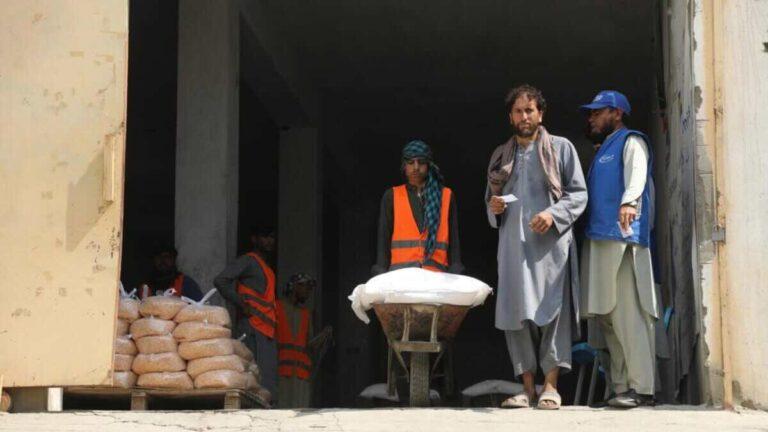
    Afghanistan is plunging deeper into a catastrophic humanitarian crisis – more than 13.8 million people across the country are currently facing acute food insecurity as a deadly combination of economic collapse, soaring unemployment, climate-related shocks, and escalating regional tensions takes its toll. According to a stark new warning issued by the United Nations World Food Programme (WFP) in May 2026, the situation has become a “silent emergency,” jeopardizing the future of millions of vulnerable families, particularly women and children.

    The WFP reports that nearly five million children, alongside pregnant and breastfeeding women, are now suffering from severe malnutrition. Aid agencies, which have long served as the ultimate safety net for the Afghan population, are buckling under the immense pressure of severe funding shortages and severely disrupted supply chains. The specialised nutritional foods required to treat the most critical cases of malnutrition are being rapidly depleted, leaving humanitarian workers with vanishing options and forcing Afghan families into impossible daily calculations for their survival.

    The Human Face of the Crisis

    For millions of Afghans, hunger is an inescapable, daily reality. In the northeastern city of Faizabad in Badakhshan province for instance, the silent emergency of malnutrition is clearly visible in the faces of children and mothers struggling to survive.

    Raqiba Ahmadi, a mother of six, represents the agonizing plight of countless women across the country. Crisis follows crisis, and with her husband currently unemployed, survival has become a heavy burden carried almost entirely on her shoulders. “The little food we can afford we give to our children, but that is not enough,” Ahmadi said in a statement shared by the United Nations. Her youngest daughter is only just beginning to recover from a severe bout of malnutrition, a recovery made possible only through previously available aid.

    Ahmadi’s situation is a tragic microcosm of a nationwide epidemic. Mothers are routinely forced to make heartbreaking decisions: deciding who in the family eats first, who must wait, and how far they can stretch their meagre daily rations. For these households, international nutrition programs are not just helpful supplements – they are the final barrier preventing starvation.

    “Essential, Not Optional”: The WFP’s Desperate Warning

    Humanitarian operations in Afghanistan are currently stretched to their absolute breaking point. Overlapping crises have drained the WFP’s resources, directly threatening the vital programs that have kept communities afloat.

    John Aylieff, the WFP Country Director for Afghanistan, has painted a grim picture of the current state of emergency. “Programmes such as nutrition assistance are essential, not optional,” Aylieff stated. “They are a lifeline for millions of women and children across Afghanistan. But unfortunately, this lifeline has already been severed, threatening the lives of hundreds of thousands of mothers and children.”

    Earlier in 2026, the WFP revealed the horrifying extent of the financial shortfall. Due to a drastic reduction in international assistance, the agency noted it could only adequately assist 2 million people per month out of the more than 17.4 million who urgently required food assistance. At current funding levels, WFP’s nutrition services can only reach one in four acutely malnourished children, and one in three pregnant or breastfeeding women. The vast majority of the population is being left unprotected against disease, deterioration, and death. “Without reliable cross-border access and sustained funding, we risk pushing thousands more mothers and children into life-threatening malnutrition,” Aylieff warned.

    The Vicious Cycle of Economic Collapse

    Afghanistan has faced mounting, relentless economic hardship since the Taliban returned to power in August 2021. The political shift triggered a sharp, immediate decline in international development funding, which previously subsidized much of the country’s public sector and infrastructure. Compounding the loss of foreign aid is the freezing of national assets and widespread, chronic unemployment that has devastated the middle and lower classes alike.

    Women and children have been disproportionately affected by the economic downturn. Humanitarian groups have repeatedly pointed out that the Taliban’s sweeping restrictions on women’s employment, education, and participation in public life have systematically eliminated vital sources of household income. Without the ability to work, countless female-led households, or families relying on dual incomes, have been pushed into extreme poverty, stripping them of the purchasing power necessary to secure basic food supplies in a volatile market.

    Regional Tensions and Severed Supply Chains

    As if domestic economic hurdles were not enough, Afghanistan’s fragile food supply has been battered by a series of geopolitical and regional shocks. The ongoing fallout from crises in the Middle East, coupled with escalating cross-border hostilities with neighbouring Pakistan, has critically disrupted trade routes.

    Earlier this year, cross-border violence and air strikes affected 52 districts across 11 provinces, displacing an estimated 20,000 families and compounding vulnerabilities in areas already classified at emergency levels of hunger. These border closures have brought trade to a grinding halt. The Afghanistan Chamber of Commerce and Investment (ACCI) reported recently that thousands of Afghanistan’s cargo containers are currently stranded in transit hubs like Dubai, unable to reach the country.

    This logistical nightmare has sparked a dramatic surge in the cost of essential goods. While everyday consumers are priced out of the market for staple foods, local producers are equally devastated. Afghan watermelon farmers, for example, have been hit hard by the sudden border closures, watching local prices plummet as their export produce rots, severing their only source of seasonal income.

    Climate Shocks Compounding the Misery

    The economic and political crises are unfolding against the backdrop of extreme environmental volatility. Afghanistan is highly vulnerable to climate change, with recurring droughts severely crippling domestic agricultural output over the past several years. When rain does fall, it frequently arrives in the form of devastating flash floods that wash away arable topsoil, destroy vital infrastructure, and ruin the limited crops that farmers manage to grow.

    These climate-related shocks mean that rural areas, where access to health services and stable employment is already limited, are disproportionately reliant on the very safety nets that are currently failing. When local harvests fail and international aid vanishes, rural communities are left entirely defenceless.

    A Critical Crossroads for the International Community

    The United Nations and its partner humanitarian agencies have repeatedly appealed for increased international support for Afghanistan, urging global donors not to turn a blind eye to the worsening catastrophe. Last year, the WFP successfully supported more than 12.4 million Afghans with food rations and nutrition assistance, nearly three-quarters of whom were women and children. Today, that reach has been drastically slashed, with remaining aid operations heavily at risk of further cuts.

    For the families navigating this crisis, the politics surrounding international aid and recognition offer little comfort. The reality on the ground is dictated by soaring market prices, empty cupboards, and children fading from preventable malnutrition. Aid agencies emphasize that treating malnutrition and supplying food are immediate, non-negotiable necessities. As the WFP and other organizations exhaust their remaining stocks, the window to prevent widespread famine in Afghanistan is closing rapidly. Without an immediate, large-scale injection of funding and a resolution to border blockades, millions of Afghans face an increasingly dark and uncertain future.

    Pakistan’s Murree Brewery Breaks a 50-Year Dry Spell; To Take its Beer to Global Markets

    Surviving decades of prohibition and strict export bans, Pakistan’s oldest and sole locally-owned brewery has officially resumed shipping alcoholic beverages to non-Islamic countries to generate foreign revenue.

    In a striking commercial pivot for a nation where alcohol consumption remains strictly prohibited for the vast majority of its population, Pakistan’s sole locally-owned brewery has begun exporting its alcoholic beverages overseas. Murree Brewery, that has quietly operated under the radar of an Islamic republic for decades, recently dispatched shipments of beer and spirits to the United Kingdom, Japan, Portugal, and Thailand.

    The move marks the end of a nearly 50-year export ban that severed the enterprise from the global market. Operating in a regulatory environment that heavily restricts domestic alcohol sales, Murree Brewery’s management is seizing a rare opportunity born out of recent policy amendments. The shift allows the company to cater to consumers outside the Organisation of Islamic Cooperation (OIC), turning a product long viewed with domestic regulatory suspicion into a viable source of foreign currency for an economy in desperate need of external revenue.

    Navigating a Restricted Market

    The reality of producing mass quantities of alcohol in a teetotaling nation involves a delicate and continuous balancing act. For almost half a century, Murree Brewery has been confined to a narrow formal market, legally permitted to sell its alcoholic products only to non-Muslim citizens and foreign visitors through heavily regulated and government-registered outlets.

    However, following a 2025 decision by the Pakistani government to grant the brewery an export license, the gates have slowly opened. The export manager for Murree Brewery, Rameez Shah, confirmed that the company is actively collaborating with its existing network of international distributors to place its alcoholic products on foreign shelves. Rather than aggressively expanding its production capacity right out of the gate, the brewery is currently focused on establishing a reliable distribution framework to gradually build its presence in a highly competitive global market. Every foreign shipment still requires a complex series of departmental clearances, ensuring the state maintains strict oversight over the outflow of the restricted goods.

    The Economic Catalyst

    The government’s decision to greenlight these exports is largely understood as a pragmatic response to severe macroeconomic pressures. Pakistan has been grappling with ongoing economic strain, making the prospect of foreign currency revenues highly attractive to policymakers. While the domestic alcohol market has little room for legal growth – given that the permitted consumer base constitutes less than four per cent of the country’s population – the international arena presents vast untapped potential.

    The easing of the ban was also preceded by sustained internal lobbying, spearheaded by Isphanyar Bhandara, the current chief executive of the company and a member of Pakistan’s National Assembly. Bhandara’s efforts gained vital traction after the government allowed a Chinese-run coastal brewery and distillery in the Balochistan province in 2021. That facility was authorized to produce alcohol to cater specifically to Chinese nationals working on the China-Pakistan Economic Corridor projects. This domestic precedent helped pave the way for Murree’s own export license, aligning corporate expansion with national financial interests. As one of the country’s most significant corporate taxpayers, Murree Brewery’s financial health is quietly recognized as a net positive for the state treasury.

    The Non-Alcoholic Lifeline

    Interestingly, Murree Brewery’s successful return to international alcohol sales is heavily subsidized by its robust portfolio of non-alcoholic products. During the decades when its signature beers and spirits were landlocked, the company survived – and thrived – by expanding into consumer goods that could easily travel through Pakistan’s mass market without ideological friction.

    Over the years, the brewery built a highly lucrative revenue stream from packaged fruit juices, mineral water, energy drinks, and fruit-flavoured malts. This diversification not only served as an economic hedge but also laid the groundwork for today’s alcohol exports. By shipping these non-alcoholic beverages to over a dozen countries, Murree Brewery forged strong relationships with overseas distributors. These same partners, already familiar with the company’s reliability, paperwork, and supply chain logistics, are now the ones stocking Murree’s alcoholic range. This existing infrastructure has allowed the brewery to bypass the typical growing pains of entering foreign markets from scratch, utilizing a Trojan-horse strategy where juice and water paved the way for beer and gin.

    A Century and a Half of Survival

    The story of Murree Brewery is inextricably linked to the complex history of the subcontinent. Founded in the 1860s by British entrepreneurs in the hill station of Murree, the facility was originally established to ensure a steady supply of beer for British troops stationed in the region. Long before the partition of British India in 1947, the enterprise was acquired by a Parsi family, whose descendants continue to run the business today.

    For its first century, the brewery freely exported its products. However, the landscape shifted dramatically in 1977 when then-Prime Minister Zulfiqar Ali Bhutto, bowing to pressure from Islamist political factions, implemented a sweeping prohibition on alcohol. The legislation dealt a massive blow to the company, instantly reducing its consumer base and halting all international shipments on the grounds that an Islamic republic should not profit from the export of vice. Through subsequent decades marked by political upheaval and shifting cultural sands, the company maintained a policy of extreme discretion.

    Cautious Optimism for the Future

    Today, the results of that long-term survival strategy are evident. In its most recent financial reports, Murree Brewery surpassed the $100 million mark in annual revenue for the first time in its 165-year history, boasting improved operating margins and heightened profits. While non-alcoholic beverages make up a larger share of the physical volume sold, the alcoholic division remains the undisputed primary driver of the company’s revenue.

    Despite this historic export milestone, the company’s leadership remains cautious. Murree Brewery has made it clear that it does not intend to draw unnecessary attention to its alcohol business within Pakistan, maintaining the low profile that has kept its operations secure for decades. Yet, for a company that has endured war, partition, and strict prohibition, the ability to finally send its core product across international borders feels less like a sudden boom and more like a hard-won victory.

    Scorching Heatwave Engulfs Delhi and North-Central India: Temperatures Hit 45°C+ as IMD Warns of Prolonged Extreme Conditions

    As temperatures soar past 44°C in Delhi and severe heatwave conditions grip northwest and central India, millions face health risks, economic strain, and daily hardships with little relief in sight until the monsoon.

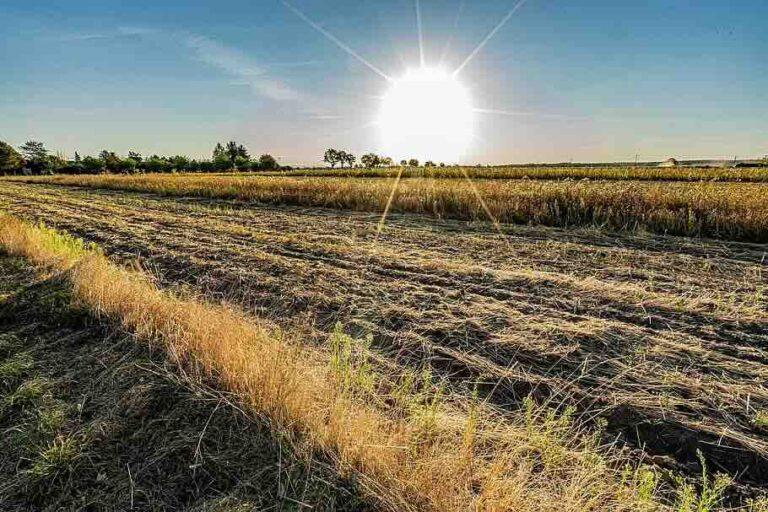
    India is baking under an intense heatwave in May 2026, with the India Meteorological Department (IMD) issuing repeated warnings for severe conditions across large swathes of the country. Maximum temperatures in the national capital have climbed to 44-45°C or higher in recent days, marking some of the hottest readings of the year so far. Parts of northwest and central India are experiencing similar or worse extremes, with isolated pockets touching 46-48°C, triggering yellow and orange alerts for heatwave to severe heatwave conditions.

    Residents of Delhi woke up to another blistering day as the mercury hovered well above normal levels. Safdarjung observatory, the city’s base station, recently recorded 44.5°C, while some automated stations reported even higher figures. Nighttime temperatures have offered scant relief, remaining in the high 20s to near 30°C, contributing to “warm night” conditions that prevent the body from cooling adequately. Clear skies, dry winds, and a persistent heat dome over central India have exacerbated the situation, with forecasts indicating little change until at least May 23-24.

    The heatwave has widened its grip. Rajasthan, Punjab, Haryana, Chandigarh, Uttar Pradesh, Madhya Pradesh, Chhattisgarh, and parts of Vidarbha in Maharashtra are all under alert. Cities and towns in these regions have reported temperatures consistently above 40-45°C, with some rural areas in Uttar Pradesh and Rajasthan pushing past 47°C. The IMD’s special press release on May 18 highlighted the likelihood of these conditions persisting over the plains of northwest and central India for much of the week.

    Delhi Swelters Under Record Heat

    In the National Capital Territory, daily life has adapted uneasily to the furnace-like conditions. Commuters say traffic signals feel like radiators, and public transports have becomes ovens during peak hours. Office-goers rush between air-conditioned spaces, while street vendors, construction workers, and delivery personnel bear the brunt outdoors. Power demand has surged as residents crank up air coolers and air conditioners, straining the grid and raising fears of outages. Water consumption has spiked, putting additional pressure on municipal supplies already stretched thin in some areas.

    Schools have adjusted timings or shifted to online modes in some cases, while authorities have urged residents to avoid outdoor activities between 12 noon and 4 PM. Parks and public spaces are seeing fewer visitors in the afternoons, with early morning and late evening walks becoming the norm for those who venture out.

    Widespread Impact Across States

    The story is similar, if not more severe, in other affected states. In Rajasthan and parts of Uttar Pradesh, farmers and agricultural labourers face challenges as standing crops and livestock suffer. High temperatures accelerate evaporation, worsening water scarcity in regions already grappling with summer shortages. Road surfaces in some cities have softened under the relentless sun, and authorities have issued advisories for vehicle maintenance and hydration.

    Coastal and peninsular areas have seen relatively milder conditions. Pockets in Gujarat, Konkan, and Goa have experienced heatwave spells. The contrast highlights the regional nature of this extreme event.

    Health Crisis and Vulnerable Populations

    Health experts warn of rising risks of heat-related illnesses, including heat exhaustion, heatstroke, and dehydration. The elderly, children, outdoor workers, and those with pre-existing conditions are particularly vulnerable. Hospitals in Delhi and other cities have reported increased footfall for heatstroke cases, with symptoms ranging from dizziness and nausea to more severe complications. The Health Ministry has activated heat action plans, stocking ORS packets and setting up heatstroke units in vulnerable districts.

    Public awareness campaigns emphasise staying hydrated, wearing loose cotton clothing, and using umbrellas or seeking shade. NGOs and community groups distribute water and electrolyte packets in slums and construction sites. Despite these efforts, the human cost remains a concern, especially among informal sector workers who cannot afford to stay indoors.

    Economic Toll and Productivity Losses

    Beyond health, the heatwave is exacting a heavy economic price. Studies indicate that extreme heat can slash worker productivity by significant margins, with outdoor labourers losing up to 40 per cent of earnings on peak heat days. For India as a whole, heat stress is linked to billions in lost productivity annually, affecting sectors from construction and agriculture to manufacturing. In Delhi, estimates suggest notable portions of economic output are impacted as reduced working hours and efficiency take a toll.

    Daily wage earners, rickshaw pullers, street vendors, and construction crews are among the hardest hit. Many report starting work before dawn and wrapping up by midday, compressing their earning window. Businesses reliant on outdoor activity or manual labour face disruptions, while higher electricity bills add to household and commercial costs.

    Government Response and Preparedness Measures

    The IMD continues to monitor the situation closely, providing district-wise warnings and extended forecasts. State governments have issued heat action plans, including rescheduling public events, ensuring shade and water at workplaces, and advising industries to protect workers. In Delhi, the administration has ramped up checks on water supply and power infrastructure.

    Experts stress the importance of long-term urban planning – more green spaces, heat-reflective materials, and better building designs – to mitigate urban heat island effects that make cities like Delhi even hotter.

    Climate Context and Future Outlook

    This heatwave arrives against a backdrop of broader climate trends. India has seen increasing frequency and intensity of extreme heat events, consistent with global warming patterns. Scientists note that heatwaves are arriving earlier and lasting longer, with above-normal heatwave days predicted for the April-June period in several regions.

    Relief may come with the arrival of the southwest monsoon, expected around late May in some southern parts and progressing northward. However, until then, millions must navigate the scorching days ahead with caution.

    As Delhi and much of India endure this punishing heat, the event serves as a stark reminder of the challenges posed by rising temperatures. Individual precautions, community support, and proactive governance will be crucial in minimizing the human and economic toll in the days and years to come. Public health messaging remains clear: stay indoors during peak heat, hydrate frequently, and look out for the most vulnerable.

    Image: Hippopx

    India: Unemployment Rate Rises to 5.2% in April 2026: Rural Joblessness and Falling Labour Participation Raise Concerns

    India’s unemployment rate climbed to 5.2% in April 2026, with rural areas seeing persistent joblessness at 4.6% and a declining labour force participation rate signalling deeper economic worries for the countryside.

    India’s unemployment rate increased to 5.2 per cent in April 2026, marking the second consecutive monthly rise and reaching a six-month high, according to data from the Ministry of Statistics and Programme Implementation (MoSPI). This uptick from 5.1 per cent in March and 4.9 per cent in February underscores emerging pressures in the labour market, particularly in rural regions where job opportunities remain scarce.

    The Periodic Labour Force Survey (PLFS) data highlights a worrying trend of rural distress amid broader economic headwinds, including global energy price surges and their impact on domestic purchasing power. While urban areas showed marginal improvement, the rural sector – home to a majority of India’s workforce – continues to grapple with structural issues.

    Rural Unemployment Climbs Steadily

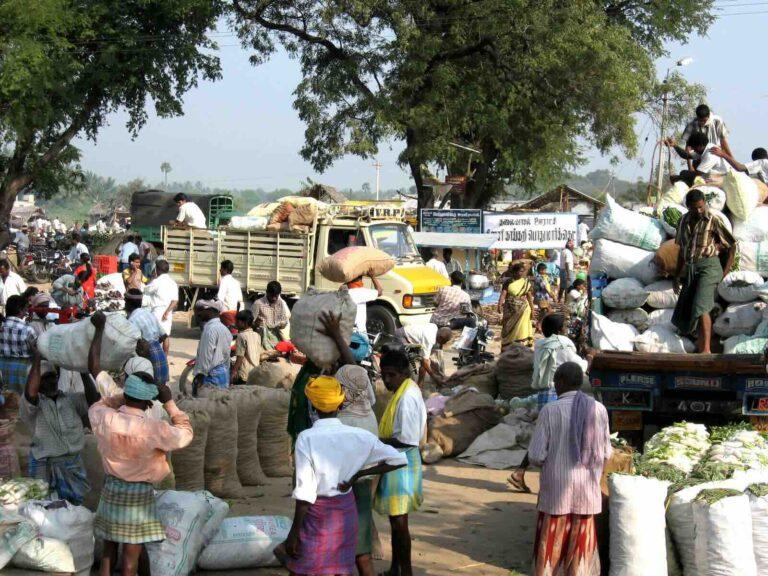
    Rural unemployment rose to 4.6 per cent in April 2026 from 4.3 per cent in March, the highest level since September 2025. This marks a consistent upward trajectory: it stood at 3.9 per cent in November and December 2025, climbed to 4.2 per cent in January and February 2026, and reached 4.3 per cent in March.

    Experts point to seasonal factors, limited non-farm employment opportunities, and agrarian challenges as key contributors. With agriculture still employing a large share of the rural population, fluctuations in weather, crop prices, and input costs exacerbate vulnerabilities.

    Data, however, reveals deeper gender and regional nuances within rural areas.

    Rural male unemployment hit 4.7 per cent, the highest since September 2025. For rural women, the rate stood at 4.4 per cent, up from earlier periods and the highest since May 2025. These figures indicate that employment generation in villages is failing to keep pace with the working-age population’s needs.

    In contrast, urban unemployment eased slightly. Urban males saw their rate decline to 5.9 per cent from 6.1 per cent in March, while urban females improved to 8.5 per cent from 9 per cent. Overall urban joblessness moderated, offering a silver lining but insufficient to offset rural declines.

    Labour Force Participation Rate Declines

    A concerning aspect of the April data is the drop in the Labour Force Participation Rate (LFPR) for those aged 15 and above, which fell to 55 per cent from 55.4 per cent in March. This decline suggests that many potential workers are exiting the labour market altogether – possibly due to discouragement from job scarcity – rather than actively seeking employment.

    Rural LFPR stood at 57.5 per cent, while urban was lower at 50.1 per cent. Compared to April 2025 (overall LFPR 55.6 per cent, rural 58 per cent), the trend points to a gradual erosion of workforce engagement, especially in villages. Women’s LFPR remains particularly low, at 33.9 per cent overall, with rural women at 38.2 per cent and urban at 25 per cent.

    The Worker Population Ratio (WPR) also reflected these pressures, standing at 52.52 per cent overall (rural 54.9 per cent, urban 46.8 per cent), down from April 2025 levels.

    Broader Economic Context and Implications

    This data release comes at a time when India faces multiple macroeconomic challenges. Global disruptions, such as tensions affecting energy supplies, have contributed to higher domestic costs and weakened sentiment. Rural economies, already sensitive to monsoon performance and agricultural output, are showing signs of strain that could impact consumption, migration patterns, and overall growth.

    Economists note that while official PLFS figures differ from private estimates like those from CMIE (which often report higher rates due to methodological variations), the directional trends align on rural concerns. Sustained rural joblessness risks widening urban-rural disparities and slowing poverty reduction efforts.

    The falling LFPR is particularly alarming. It may indicate “hidden unemployment” where individuals stop looking for work, understating the true extent of labour market slack. For a young and growing population, creating productive jobs remains a critical policy priority to harness the demographic dividend.

    Sectoral and Demographic Breakdown

    • By Gender: Overall male unemployment was 5.1 per cent (slightly up), while female stood at 5.4 per cent. Rural women and men both face elevated pressures compared to urban counterparts.
    • Youth and Education: Though detailed age breakdowns were not the focus of the latest release, historical patterns suggest educated youth in both rural and semi-urban areas struggle with skill mismatches.
    • Regional Variations: Southern and western states with stronger industrial bases may fare better, while agrarian heartlands in the north and central regions likely drive the rural uptick.

    Government initiatives like MGNREGA, skill development programmes, and rural entrepreneurship schemes (e.g., under NRLM) aim to address these gaps. However, implementation effectiveness and scale remain subjects of ongoing debate. Recent policy pushes for manufacturing and services diversification could help absorb labour if executed well.

    Monitor Upcoming Monsoon Closely

    As India navigates the 2026 economic landscape, addressing rural unemployment requires a multi-pronged approach: boosting agro-processing and allied sectors, improving rural infrastructure, and enhancing credit access for micro-enterprises. Encouraging greater female workforce participation through safe workplaces and supportive policies could significantly lift LFPR.

    Analysts suggest monitoring the upcoming monsoon closely, as agricultural performance will influence rural incomes and migration. Fiscal measures to stimulate demand and targeted employment generation schemes may be needed if trends persist into the next quarter.

    The April 2026 data serves as a cautionary note. While India’s overall growth trajectory remains resilient, inclusive job creation – especially in rural India – is essential for social stability and sustainable development. Policymakers, industry, and stakeholders must collaborate to reverse these concerning trends before they deepen.

    Image: Wikimedia

    Maldives: Three Ex-Presidents Unite Against Muizzu Administration in Bold Bid to Safeguard Democracy

    In a rare show of unity, three former Maldivian presidents join forces to defend democracy amid mounting criticism of President Muizzu’s government. The Historic Alliance is forming as political tensions escalate.

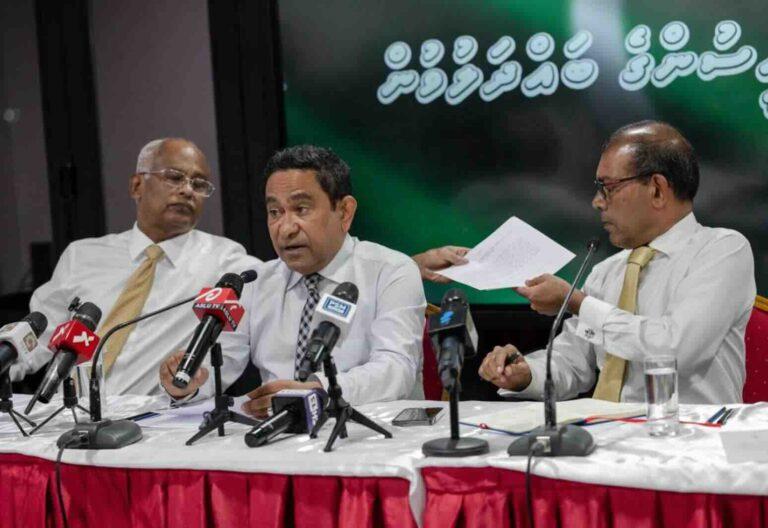
    Former Maldivian Presidents, Mohamed Nasheed, Abdulla Yameen, and Ibrahim Mohamed Solih convened for their first joint meeting, lasting approximately 30 minutes, before signing a formal agreement to collaborate in protecting democratic principles in the islands nation. The leaders, representing diverse political backgrounds, emerged to address the media, with copies of the signed document distributed widely.

    The agreement explicitly accuses present President Dr. Mohamed Muizzu’s administration of undermining constitutional rights, exerting undue influence over the judiciary, weakening parliament and other state institutions, curbing press freedom, and mismanaging the economy – resulting in higher prices, declining living standards, and eroded public trust in the handling of state funds and property.

    This unprecedented alliance marks a significant shift in Maldivian politics. Nasheed, a key figure in the 2008 democratic transition and climate advocate; Yameen, who served from 2013-2018 amid accusations of authoritarian tendencies; and Solih, who led from 2018-2023 with a focus on restoring democratic norms, have set aside past rivalries. Their joint call demands the immediate release of two journalists imprisoned for breaching a Criminal Court gag order related to the Adhadhu documentary ‘Aisha’, the freeing of protesters detained in related demonstrations, and the dropping of charges against two other journalists.

    Maldives’ Turbulent Political Landscape Under Muizzu

    President Muizzu, elected in 2023 under the People’s National Congress (PNC) banner with a “India Out” campaign emphasizing sovereignty and closer ties to countries like China and Turkey, secured a strong parliamentary majority in 2024. His government has pursued ambitious infrastructure projects, digital transformation initiatives like Maldives 2.0, and a foreign policy tilt toward the broader Muslim world.

    However, recent events signal growing disillusionment. In the April 4, 2026, local council elections, Women’s Development Committee polls, and constitutional referendum – a complex triple electoral event – the ruling PNC suffered major setbacks. Voters overwhelmingly rejected (68.7 per cent No vs. 31.3 per cent Yes) the Eighth Amendment, which sought to shorten the current parliamentary term and align presidential and parliamentary elections in 2028. The opposition Maldivian Democratic Party (MDP) swept all five city mayoral races and performed strongly in councils.

    Analysts view the referendum defeat as a de facto verdict on Muizzu’s governance. Economic headwinds compound the challenges: the Asian Development Bank projects growth slowing sharply to 1.0 per cent in 2026 due to Middle East conflicts impacting tourism, higher energy prices, and fiscal pressures, with inflation rising to around 5 per cent. Public discontent over living costs, alleged institutional overreach, and media restrictions has intensified.

    Freedom House rates the Maldives as “Partly Free” in its 2026 report, noting ongoing concerns around political rights and civil liberties despite post-2018 reforms. Transparency Maldives and other observers have highlighted legal and institutional issues ahead of the 2026 polls, including changes to local governance structures that abolish elected atoll councils.

    Press Freedom Under Scrutiny and Calls for Release

    A central pillar of the ex-presidents’ agreement is the defence of press freedom in the atoll nation. The jailed journalists’ case stems from coverage of the Adhadhu documentary, which reportedly touched on sensitive issues. Yameen, in particular, emphasized unity in protecting journalists during the press briefing.

    This development occurs against a backdrop of reported journalist detentions and gag orders, raising alarms among local and international watchdogs. The three leaders framed their intervention as essential at a time when hard-won democratic gains from the post-2008 era are perceived to be under threat.

    Implications for 2028 Elections and National Stability

    The alliance could reshape the opposition landscape heading into the 2028 presidential and parliamentary cycle. With Yameen recently polling as a popular figure in some surveys and MDP primaries underway, a coordinated front might challenge PNC dominance more effectively.

    President Muizzu has acknowledged electoral setbacks as the “people’s will” while continuing to defend his administration’s record on infrastructure, sovereignty, and economic policy. His February 2026 address to Maldives’ Parliament reaffirmed commitment to protecting Maldivian territory and advancing national interests.

    Yet, the economy remains vulnerable. Tourism, the lifeblood of the islands, faces external shocks, while public expectations for housing, services, and stability run high. The ex-presidents’ pact signals potential for broader opposition mobilization, possibly including joint strategies on key issues like judicial independence, economic recovery, and institutional reforms.

    Political observers note that while unity among former rivals is symbolically powerful, sustaining it amid historical animosities and differing ideologies will be challenging. Nasheed’s MDP roots, Solih’s recent tenure, and Yameen’s base represent a wide spectrum, united primarily by concerns over the current trajectory.

    The Maldives, a nation of roughly 524,000 people spread across atolls, has navigated turbulent democratic waters since 2008. From the 2018 political crisis under Yameen to Solih’s reformist period and Muizzu’s sovereignty-focused shift, the country continues balancing development aspirations with democratic consolidation, climate vulnerability, and geopolitical pressures between major powers.

    This latest development underscores deep polarization. As local governance evolves – with shifts in council responsibilities and women’s committees gaining prominence – the coming years will test whether unified opposition pressure can translate into tangible checks on power or if the government can regain public confidence through deliverables.

    The agreement’s emphasis on releasing detainees and dropping charges will likely face immediate government response, setting the tone for political discourse in the months ahead. For a young democracy like the Maldives, such high-level engagement could either stabilize institutions or deepen divisions, depending on how stakeholders respond.

    Nepal: Activists Push Back Against Government Bid to Lower Marriage Age to 18

    Child rights activists and experts warn that lowering Nepal’s legal marriage age from 20 to 18 could reverse hard-won gains against child marriage, harming girls’ education, health, and future prospects.

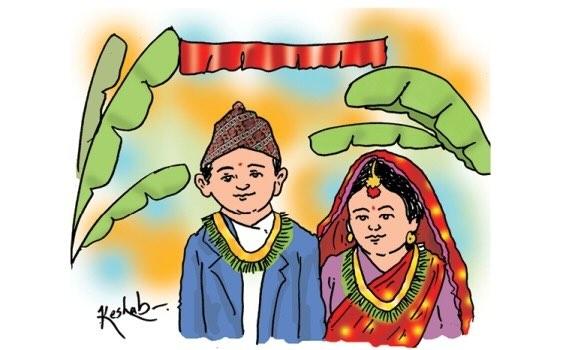
    Nepal’s child rights advocates voiced strong opposition to the Nepali government’s reported plans to reduce the legal marriage age from 20 to 18 years. Organizations like Children as Zone of Peace (CZOP) argue that the move, potentially enacted via ordinance, would undermine child protection efforts and have severe long-term consequences for education, health, and national development.

    Tilottama Poudel, president of CZOP – a non-governmental organization dedicated to children’s rights since 2001 – highlighted the lack of formal public discussion. “No one has formally discussed the issue at any event or programme, but we have received reports that the government is considering reducing the legal age of marriage,” Poudel stated. The group views the proposal as fundamentally at odds with child rights principles.

    Health, Education, and Development at Risk

    Tarak Dhital, former Executive Director of the National Council for Child Rights, presented data underscoring the dangers. He said that studies show that lowering the marriage age negatively affects educational attainment, mental health, economic opportunities, social integration, and reproductive health – pregnancy under age 20 carries a 50 per cent higher risk of stillbirth or neonatal mortality compared to ages 20-29, according to the World Health Organization, he said.

    Dhital noted that early marriage disproportionately impacts low-income and marginalized communities, potentially perpetuating cycles of poverty rather than alleviating them. He cited successful examples from countries like China, South Korea, and India, where the legal marriage age is 20 or higher. A comprehensive Nepal-specific study is essential before any changes, he emphasized.

    Data from the Nepal Demographic and Health Survey (NDHS) indicates progress: the marriage rate among women aged 15-19 has declined since the age was raised to 20 in the 2017 Civil Code amendment. This change aimed to prioritize adolescent welfare, reduce risks to children born from early unions, and mitigate broader societal harms.

    Constitutional and Legal Protections Under Threat

    Nepal’s Constitution (Article 39) explicitly protects children from forced marriage, while Section 173 of the Criminal Code 2074 BS criminalizes marriage before age 20. Activists fear that diluting these provisions could weaken enforcement and send a conflicting message amid ongoing campaigns for child-friendly communities, nutrition, and labour-free environments.

    The proposal has roots in earlier discussions. In 2025, a parliamentary subcommittee recommended lowering the age, citing “ground realities” in rural areas and alignment with voting/citizenship ages. Some lawmakers argued the current limit increased unregistered unions or related legal issues, including rape cases involving consenting teenagers. The UN CEDAW committee has also recommended setting the minimum at 18.

    However, opponents counter that such changes ignore evidence of declining child marriage trends and could reverse Nepal’s commitments under the Sustainable Development Goals to end child marriage by 2030. Nepal still faces significant prevalence – around 35-37 per cent of girls marry before 18 nationally, with higher rates in rural and disadvantaged areas – making protective laws vital.

    Broader Context and Calls for Evidence-Based Policy

    The debate occurs against a backdrop of Nepal’s efforts to combat child marriage through national strategies, community mobilization, and education. Advocates stress that early marriage correlates with higher school dropout rates, limited economic independence, increased domestic violence risks, and hindered personal development. Girls married young often face interrupted schooling, early pregnancies with health complications, and reduced decision-making power.

    Critics of the proposal argue it may prioritize easing legal complexities for existing practices over long-term societal progress. They call for strengthened enforcement of current laws, expanded access to education (especially for girls), economic opportunities, and awareness programmes rather than lowering standards. Comprehensive research on local impacts, including links to education, earnings, and HDI, should guide any reforms, they say.

    As discussions continue, civil society urges the government to engage stakeholders transparently. Maintaining or reinforcing the 20-year threshold is seen by many as crucial for empowering the next generation, particularly in a country where cultural norms in some regions still favour early unions.

    Pakistan: Gwadar University Vice Chancellor Abducted; Protests Spread

    The shocking abduction of Gwadar University’s top leadership on a Balochistan highway has ignited widespread protests, highlighting a grim pattern of targeted violence against educators in the volatile region.

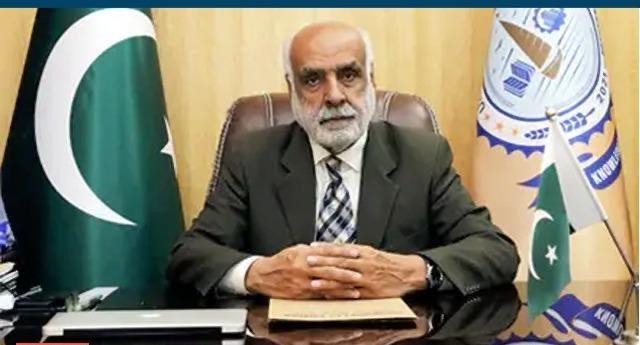
    In a stark reminder of the fragile security situation in Balochistan, four individuals, including the Vice Chancellor of the University of Gwadar, Prof. Dr. Abdul Razzaq Sabir, and Pro-Vice Chancellor Dr. Syed Manzoor Ahmed, have been missing for nearly five days. The senior academicians, accompanied by lecturer Dr. Muhammad Irshad and their driver Muhammad Hatim, were allegedly abducted by armed men on the night of Wednesday, May 13, 2026. The officials were traveling in a government vehicle from the port city of Gwadar to the provincial capital, Quetta.

    According to local authorities, contact with the group was lost shortly after they entered the Mastung district. Their vehicle was intercepted by unidentified gunmen near Khad Kocha on the N-25 Quetta-Karachi highway, approximately 18 kilometers from Mastung city. The abrupt disappearance has sent shockwaves through Pakistan’s academic circles, immediately halting the crucial administrative and educational work the officials were undertaking. Dr. Sabir, awarded the prestigious Sitara-i-Imtiaz, is a distinguished academician widely respected for expanding access to higher education in the Makran region and promoting research into Balochi literature and language.

    Search Operations and Government Response

    Law enforcement and security forces have been unable to trace the missing educationists. Mastung Deputy Commissioner Behram Saleem confirmed that an intensive, intelligence-based search operation has been launched across Mastung and the surrounding rugged terrain. Checkpoints have been erected, and multiple suspected locations have been raided, but no ransom demands or claims of responsibility have been reported by any local insurgent groups.

    The Balochistan provincial government has vowed to ensure the safe recovery of the abducted individuals. Babar Yousafzai, an aide to the provincial home minister, expressed the government’s firm commitment to finding the missing teachers. While no specific group has claimed the kidnapping, Yousafzai pointed fingers at militant outfits allegedly operating under foreign patronage. He suggested that such elements show no sympathy for innocent civilians or esteemed scholars. The investigation remains ongoing, with officials refusing to rule out any possibilities.

    Protests Erupt Across Campuses

    The academic community has refused to stay silent in the face of this brazen attack. Over the weekend, immense distress and anger boiled over into organized protests across various educational institutions in Balochistan. At the University of Gwadar campus, students and faculty organised a massive demonstration, carrying placards and marching in rallies to demand the safe return of their academic leadership.

    “This was not just an attack on individuals – it is an attack on our future,” voiced one participating student, capturing the profound anxieties felt by the youth. “Education must be protected from all forms of violence.”

    The solidarity has extended far beyond Gwadar. In Panjgur, the University of Makran hosted a seminar and a protest walk led by its Vice Chancellor, Prof. Dr. Mir Sadat Baloch. A large gathering of faculty members, administrative staff, and students roundly condemned the kidnapping. Dr. Sadat Baloch called Dr. Sabir a “guiding light” for higher education in the province, warning that such incidents severely demoralize educators striving to uplift marginalized communities.

    A Disturbing Pattern of Targeting Academics

    The disappearance of the Gwadar University officials is not an isolated incident but rather the latest episode in a deeply disturbing pattern of violence targeting academics and civil servants in Balochistan. The Human Rights Commission of Pakistan (HRCP) has sounded the alarm over the sharp deterioration in security, emphasising that citizens are increasingly caught between enforced disappearances, targeted killings, and militant attacks.

    Speaking in the provincial assembly, MPA Meena Majid Baloch recently highlighted that university staff are becoming frequent targets on the province’s dangerous highways. She recalled an incident just two months prior when armed men intercepted the Vice Chancellor of Turbat University, snatched his car, and left him stranded for hours. Furthermore, the HRCP recently condemned the tragic killing of Professor Ghamkhwar Hayat in Nushki, reminding authorities that violence against teachers yields devastating, long-term consequences for the region’s socio-economic development.

    Fears Over Regional Stability

    The motives behind the abduction remain murky, although they reflect a broader tactic of societal intimidation. Some local sources speculate that the kidnapping could be connected to Dr. Sabir’s recent initiative involving Chinese Consulate General scholarships awarded to 39 Gwadar University students. The scholarships, aimed at covering four years of full tuition, reflect the university’s commitment to accessible education but may have drawn unwanted attention from separatist factions who vehemently oppose foreign investment and international development projects in the coastal region.

    Meanwhile, the families of the abducted men are enduring an agonizing wait. They have expressed profound shock and grief, pleading with the authorities and potential captors for mercy. Family representatives have emphasized that the professors are unarmed educators dedicated solely to the betterment of Balochistan’s youth, holding no political animosity.

    As the days turn into a prolonged ordeal for the families of Dr. Sabir, Dr. Ahmed, Dr. Irshad, and their driver, Hatim, the pressure mounts on the state apparatus to deliver concrete results. The HRCP has urged the government to move beyond mere statements of condemnation and provide actionable proof that human life and public spaces can be safeguarded.

    Bangladesh:Government Moves to Deploy Retired Teachers in Non-Govt Schools to Bridge Massive Vacancies

    In a bid to tackle chronic staffing shortages disrupting classrooms, Bangladesh’s education ministry is tapping experienced retired teachers for non-government institutions.

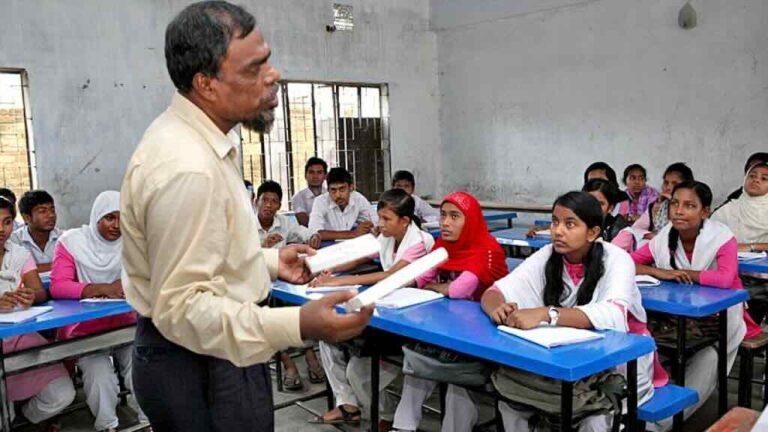
    Facing acute teacher shortages that threaten the continuity of classroom learning across thousands of private educational institutions, the Bangladesh government has decided to allow experienced and physically fit retired teachers to fill temporary positions in non-government schools and colleges.

    The Secondary and Higher Education Division issued a directive in early April 2026 instructing deputy commissioners (DCs) and Upazila Nirbahi Officers (UNOs) to create upazila-level pools of retired teachers. These educators, selected for their expertise and physical capability, will be appointed on a temporary basis by school managing committees or governing bodies on the advice of local UNOs. Their honorariums will be paid from the institutions’ own internal funds, not government coffers.

    This initiative comes amid revelations by Education Minister ANM Ehsanul Hoque Milon that approximately 60,295 teaching positions remain vacant in MPO-listed (government grant-receiving) private secondary schools and colleges. Official data indicates around 34,129 private educational institutions in the country employ nearly 600,000 teachers, yet systemic delays have left many classrooms understaffed.

    Addressing a Mounting Teacher Crisis

    Bangladesh’s secondary education sector, dominated by private institutions (over 93 per cent of secondary schools), has long struggled with staffing gaps. Recent NTRCA recruitment drives have proven inadequate. In one instance, the authority recommended only 11,713 candidates against 67,208 vacant posts, leaving over 55,000 positions unfilled across schools, madrasas, and technical institutions.

    Experts point to several factors: rapid expansion of private schools to meet growing student enrolment (over 8 million secondary students), retirements, and an insufficient number of qualified new entrants. UNESCO data highlights that Bangladesh has one of the lowest proportions of qualified secondary teachers in South Asia, with only about 55 per cent meeting minimum standards. Subject-specific shortages are particularly severe in English and mathematics.

    The teacher shortage exacerbates existing challenges, including high student-teacher ratios in many rural and semi-urban areas, contributing to learning gaps, higher dropout rates, and reliance on private coaching. National assessments have shown alarming deficiencies in foundational skills, with many students lagging in core competencies despite years of schooling.

    By re-engaging retired teachers – many with decades of classroom experience – the government aims to provide immediate relief and maintain educational continuity while longer-term reforms are pursued.

    How the Retired Teachers Pool Will Work

    According to the ministry’s letter dated April 9, 2026, district administrations must compile lists of willing retired teachers who are physically fit and capable of teaching. Appointments will be temporary, focused on ensuring “uninterrupted classroom teaching” and leveraging the “experience and expertise” of veteran educators.

    School management will handle appointments with UNO oversight, providing a localized, flexible mechanism. The Directorate General of Secondary and Higher Education (DSHE) will monitor implementation, ensuring institutions allocate necessary funds from their essential expenditure heads.

    This approach avoids straining the national budget while utilizing a readily available talent pool. Retired teachers often possess strong subject knowledge and pedagogical skills honed over years, potentially offering mentoring to younger staff.

    However, success will depend on effective screening for fitness and expertise, fair remuneration to attract quality candidates, and mechanisms to integrate them smoothly without disrupting school dynamics.

    Challenges in the NTRCA Recruitment System

    The move underscores deep-rooted issues with the Non-Government Teachers’ Registration and Certification Authority (NTRCA), the primary body for recruiting teachers in private institutions. Delays in recommendations, legal challenges, quota disputes, and allegations of irregularities have plagued the process.

    Recent reforms, including automated systems for head teacher recruitment, aim to enhance transparency and reduce corruption. Yet, backlogs persist, with thousands of certified candidates awaiting placement and institutions operating with skeleton staff. Court interventions and protests by job seekers have further highlighted systemic frustrations.

    Broader context includes pending retirement benefits for thousands of private teachers and employees, requiring substantial government funding (estimates run into thousands of crores of taka). These financial pressures complicate efforts to attract and retain new talent.

    Broader Implications for Education Quality

    Education experts and stakeholders in Bangladesh say that while the retired teachers initiative offers a pragmatic short-term solution, it does not mean that comprehensive reforms in the education sector can wait any longer. These reforms include accelerating NTRCA processes, improving teacher training, addressing qualification gaps, and enhancing incentives for postings in underserved areas.

    The policy arrives as Bangladesh grapples with post-pandemic learning losses, curriculum changes, and ambitions for a more skilled workforce. Quality education is critical for the country’s demographic dividend, with millions of young people entering the job market.

    Positive reactions have emerged from some school administrators facing immediate crises, viewing experienced retirees as stabilisers. Concerns include potential generational gaps, varying adaptability to new curricula or technology, and ensuring the measure does not delay permanent recruitments.

    Educationists urge pairing this with investments in pre-service training, continuous professional development, and better working conditions to build a robust, sustainable teaching force.

    As implementation rolls out at the upazila level, the education ministry will likely monitor outcomes closely. Success could pave the way for similar innovative approaches, while failure might intensify calls for systemic overhaul.

    This policy reflects a pragmatic acknowledgment of ground realities in Bangladesh’s education landscape: urgent action is needed to keep classrooms functioning and students learning, even as deeper structural fixes are pursued. With experienced hands returning to the blackboard, thousands of students may soon benefit from continuity and expertise that was at risk of being lost.

    Image: ADB