More

    Bot Armies March into Bangladesh Politics: Digital Tools Reshape Influence in Post-Uprising Era

    In Bangladesh’s turbulent political landscape, ‘bot armies’ are emerging as powerful weapons for influence, disinformation, and narrative control, raising alarms about the integrity of public discourse.

    Bangladesh’s political battles have increasingly moved from the streets to the screens. Following the dramatic student-led uprising in 2024 that ousted Prime Minister Sheikh Hasina, the country has witnessed a surge in the use of “bot armies” – networks of automated social media accounts designed to amplify messages, spread disinformation, and attack opponents.

    The term “bot army” has entered everyday political vocabulary in Dhaka. Politicians, celebrities, and commentators frequently accuse rivals of deploying these digital forces. During the Hasina era, pro-Awami League networks were reportedly active in manipulating online narratives. After her departure in August 2024, similar tactics have been attributed to supporters of various factions within the interim government, opposition parties like BNP and Jamaat-e-Islami, and even independent actors.

    According to fact-checking organizations and media investigations, bot armies played a significant role in shaping perceptions during the volatile transition period. Coordinated campaigns flooded platforms with manipulated content, including deepfakes and AI-generated videos, targeting political figures and inciting divisions. One investigation by The Daily Star revealed a thriving underground market for fake engagements, where political actors purchase “haha” reactions and followers to mock or bolster candidates ahead of elections.

    How Bot Armies Operate in Bangladesh’s Digital Battlefield

    Bot armies in Bangladesh typically consist of thousands of fake or compromised accounts programmed to post, like, share, and comment in synchronized waves. These operations often leverage cheap “click farms” and readily available AI tools. Investigations have uncovered networks selling services for as little as a few hundred dollars to generate tens of thousands of interactions.

    In the lead-up to the 2026 general elections, such tactics have intensified. Reports indicate that almost all major political parties have been accused of purchasing bot accounts. These digital soldiers create an illusion of widespread support or outrage, drowning out genuine voices. For instance, critics of the interim government have claimed its “bot army” has misled the public with selective information, while government allies point fingers at remnants of the Awami League or opposition groups.

    Social media platforms like Facebook – dominant in Bangladesh with millions of users – have become primary battlegrounds. Algorithmic amplification favours sensational content, allowing coordinated bot activity to trend hashtags or bury inconvenient stories rapidly. Fact-checkers documented a 52 per cent increase in misinformation incidents in 2025 compared to previous years, with political content dominating.

    AI-generated content has added a dangerous new layer. Deepfakes depicting violence, communal tensions, or fabricated statements by leaders have circulated widely, exacerbating social fractures in a country still healing from the 2024 unrest.

    Political Accusations and Real-World Consequences

    BNP leaders and other opposition figures have publicly decried bot-driven attacks. In parliamentary discussions and public statements, figures like Rumeen Farhana have dismissed insults from “bot armies” as irrelevant, while others warn that reliance on viral bot campaigns undermines genuine political engagement.

    Cricketer Tamim Iqbal even invoked the term when addressing online negativity, claiming a “bot army” targeted him amid rumours of his political ambitions. This highlights how the phenomenon extends beyond traditional politics into public life.

    The consequences are tangible. Disinformation has fuelled mob violence, polarized communities, and eroded trust in institutions. During the 2024 protests, social media played a dual role: mobilizing youth for democratic change while also spreading rumours that led to targeted attacks. Post-uprising, similar dynamics persist, threatening the interim government’s efforts to stabilize the nation ahead of elections.

    Experts worry about foreign interference as well. Narratives linked to external actors, including Indian media outlets, have been amplified through local bot networks, adding geopolitical dimensions to domestic information wars.

    A Call for Ethical Digital Politics

    Bangladesh’s interim authorities face a complex dilemma. While internet freedom improved after the fall of the Hasina regime – which had imposed strict controls and blackouts – the unchecked proliferation of bots poses new threats to fair elections.

    Calls are growing for stronger digital literacy programs, platform accountability, and potential regulations on automated accounts. However, enforcement remains challenging in a resource-constrained environment with high youth engagement on social media. Fact-checking initiatives like Rumour Scanner have ramped up efforts, but they struggle against the scale and speed of bot operations.

    Political analysts argue that bot armies reflect deeper issues: a polarized society where winning the narrative matters more than policy substance. “Politics cannot be done by going viral with bot armies,” one parliamentarian remarked, emphasizing the need for authentic engagement.

    The role of these digital tools can determine voter perceptions. With Gen Z – digitally native and influential in the 2024 uprising – forming a significant voting bloc, the battle for hearts and minds online will be decisive.

    The emergence of bot armies underscores the transformative – and disruptive – power of technology in Bangladesh’s politics. While social media empowered a revolution in 2024, its weaponization now risks undermining the very democracy protesters fought for.

    From Fuel to Food: West Asia Turmoil Sends Prices Soaring in Nepal

    West Asia conflict disrupts global oil supplies, driving sharp fuel and food price hikes in import-dependent Nepal, squeezing household budgets and stoking stagflation fears amid stagnant incomes.

    Radha Sanjel, an office assistant in Kirtipur, recently paid Rs 2,250 for a 25-kg bag of Pearl brand jeera masino rice, up Rs 250 from a month earlier. Sunflower oil now costs her around Rs 300 per litre, while mustard oil exceeds Rs 400. “Everything is expensive,” she says, as she and her husband stretch their monthly income to cover food, school fees, transport, and healthcare for their family of four.

    Sanjel’s story echoes across Nepal. As conflict in West Asia intensifies – particularly disruptions around the Strait of Hormuz – global energy markets have been thrown into turmoil. Nepal, which imports 100 per cent of its refined petroleum products and LPG via India, feels the shockwaves acutely. Diesel prices have surged by about 60 per cent and petrol by 28 per cent over the past three months, while LPG cylinder costs rose 11.5 per cent. Public transport fares jumped nearly 20 per cent, and cargo transportation costs increased by 17 per cent.

    Fuel Shockwaves Ripple Through Supply Chains

    The Nepal Oil Corporation (NOC) has repeatedly hiked prices, making Nepal one of South Asia’s costliest places to fill a tank. Petrol in Kathmandu reached around NPR 219 per litre and diesel NPR 207 in recent adjustments, driven by international crude spikes linked to attacks and blockades affecting roughly 20-40 per cent of global oil transit through the Strait of Hormuz.

    These increases extend far beyond the pump. Higher diesel costs elevate agricultural inputs, transportation, and logistics. Rice prices have climbed Rs 5-10 per kg, partly due to elevated freight and packaging expenses. Plastic packaging materials, petroleum-derived, have jumped 40-50 per cent, adding to the burden on millers and retailers.

    Vibor Agrawal of Radha Krishna Rice Mill notes that paddy imported from India rose by Rs 100 per quintal, while packaging costs surged. Nepal imported over 449,000 tonnes of paddy and 219,000 tonnes of rice from India in the first ten months of the fiscal year. Fine rice varieties saw bag prices increase by Rs 50-75 within a week. Edible oil prices followed suit: sunflower oil from Rs 265 to Rs 300 per litre, mustard oil from Rs 350-375 to Rs 460.

    Inflation surges as food prices outpace overall index

    Nepal Rastra Bank data shows consumer inflation hit 4.47 per cent in mid-April, the highest in 13 months. Food and beverage prices rose faster than the broader index, with ghee/oil up 12.87 per cent, fruits 11.67 per cent, and vegetables 9.18 per cent year-on-year in the first nine months.

    Pavitra Bajracharya, president of the Nepal Retailers Association, attributes much of the rise to transport and packaging costs. Global polymer prices climbed due to West Asia tensions, affecting everything from plastic bags to industrial wraps used for rice.

    The US dollar’s appreciation against the Nepali rupee further inflates import costs. Fertilizer supplies, with significant origins in West Asia (nearly 49 per cent of global urea exports from the region), face potential shortages and price hikes, threatening the upcoming planting season and future food production.

    Economic Vulnerability Exposed

    Nepal’s heavy reliance on imports leaves it exposed. The country sources most refined fuel and LPG from India, which itself imports much of its crude through vulnerable routes. Construction faces bitumen shortages, manufacturing costs rise, and tourism grapples with higher jet fuel prices that have doubled some ticket costs and led to cancellations.

    Economist Chandra Mani Adhikari describes the situation as stagflation: slowing growth paired with rising inflation. Nepal’s average growth over the past decade hovers around 4 per cent, now projected lower (around 2.3 per cent in some forecasts) due to external shocks. Remittances, projected at 33 per cent of GDP this year, provide a critical buffer but could falter if Gulf economies weaken and migrant opportunities shrink. Over 1.7 million Nepalis work in the Gulf, supplying a large share of overseas earnings.

    A UNDP report has warned that Nepal faces high risks of human development losses if the conflict persists, potentially worsening food security through reduced remittances and higher prices.

    Prem Lal Maharjan of the National Consumers Forum criticizes the government for insufficient market intervention. “External factors push prices up, but the government appears least concerned about supporting consumers,” he says. Over 60 per cent of household income goes to daily consumables, leaving little room for savings or discretionary spending.

    Broader implications for growth, revenue, and livelihoods

    Beyond households, government revenue faces pressure as higher costs dampen consumption and economic activity. Weak implementation of policies and political instability have long deterred foreign investment, compounding vulnerabilities.

    Analysts urge diversification, accelerated energy transition (including hydropower and EVs), and strategic reserves. Short-term measures like targeted subsidies for the poor or reduced taxes on essentials could provide relief, though fiscal space is limited.

    Traders sometimes amplify global shocks for higher margins, but the core drivers are structural: import dependence, thin domestic buffers, and exposure to volatile geopolitics.

    As West Asia turmoil drags on, Nepal’s policymakers confront a test. Without proactive steps – bolstering local production, stabilizing supply chains, and supporting vulnerable families – the cost-of-living crisis could deepen inequality and erode living standards for millions. For families like Radha Sanjel’s, the distant conflict in West Asia has become a daily kitchen-table reality.

    UNICEF Says It Warned Interim Government Repeatedly on Measles Vaccine Shortage, Sparking Deadly Outbreak

    UNICEF reveals repeated warnings ignored as Bangladesh grapples with one of its deadliest measles outbreaks in decades, claiming hundreds of young lives.

    UNICEF Bangladesh has disclosed that it issued multiple formal warnings to Bangladesh’s interim government about an impending measles vaccine shortage, sending five to six letters and holding around 10 meetings with health authorities between 2024 and 2026. Despite these alerts, critical procurement delays occurred, contributing to a massive measles outbreak that has overwhelmed hospitals and claimed hundreds of young lives across the country.

    UNICEF Representative to Bangladesh Rana Flowers emphasised that the warnings began as early as 2024. “From 2024 across 2025 into 2026, we sent letters and we had 10 different meetings signalling this was a problem and that orders for vaccines needed to be given,” Flowers stated. She noted that even Ted Chaiban, UNICEF’s deputy executive director, raised the issue during a meeting with the foreign affairs ministry last year.

    Flowers clarified that funding was not the issue; the Ministry of Finance had allocated resources, but decisions around procurement created the bottleneck. “The failure to order vaccines was not the result of no money in the Ministry of Health… It was the decision around how to procure that had created a delay,” she said, welcoming a potential investigation into the matter.

    Background: A Preventable Crisis Unfolds

    Bangladesh, once hailed as a vaccination success story with high routine immunization coverage, has faced accumulating vulnerabilities in recent years. The COVID-19 pandemic disrupted supplementary immunization activities, leaving pockets of under-vaccinated children, particularly in urban slums and hard-to-reach areas. Political upheaval following the ouster of the Sheikh Hasina government in 2024 added further instability.

    The interim government under Nobel Laureate Professor Muhammad Yunus, which took charge amid the transition, made a pivotal policy shift in September 2025. It halted vaccine procurement through UNICEF and Gavi – the established channel that ensured reliable, quality-assured supplies – and moved to an open tender system. UNICEF strongly opposed this change, warning it could disrupt supply chains and routine immunization.

    Coverage for the measles-rubella (MR) vaccine dropped alarmingly. Government figures indicated that by late March 2026, only about 59 per cent of eligible children had received their measles vaccination in 2025, well below the 95 per cent threshold needed for herd immunity. This created a large pool of susceptible children, estimated in the hundreds of thousands, including zero-dose and partially vaccinated individuals.

    The outbreak erupted in earnest in March 2026, spreading rapidly across 58 of Bangladesh’s 64 districts. By mid-April, the World Health Organization (WHO) reported over 19,000 suspected cases and nearly 3,000 laboratory-confirmed cases, with 166 suspected deaths. Children under five bore the brunt, accounting for around 79-81 per cent of cases, including many infants under nine months who are ineligible for routine vaccination and rely on community immunity.

    As of May 19, 2026, the Directorate General of Health Services (DGHS) reported a staggering 56,586 suspected cases, 7,929 confirmed cases, and 475 deaths with suspected measles symptoms (including 77 confirmed measles deaths). Hospitals, particularly in Dhaka, have been overwhelmed, with ICUs filled with paediatric patients suffering from severe complications like pneumonia and encephalitis.

    Impact on the Ground and Emergency Response

    The human toll has been devastating. Reports describe scenes of grieving parents and strained healthcare workers. The Infectious Diseases Hospital in Mohakhali, Dhaka, saw a dramatic surge – from 69 suspected cases in the entire previous year to 560 in the first three months of 2026 alone. Mortality spiked unusually, with experts noting higher-than-expected severity possibly linked to malnutrition, vitamin A deficiency, and delayed care in densely populated areas.

    In response, the post-interim government, elected in February 2026, has reversed the procurement policy, reinstated UNICEF as a key supplier, and launched emergency measles-rubella vaccination campaigns. A targeted drive began on April 5, 2026, initially covering high-risk areas and expanding nationwide. Efforts include strengthening surveillance, restoring vitamin A supplementation, and engaging communities to boost uptake.

    Private hospitals have been ordered to admit measles patients, and authorities are establishing emergency systems like ‘Pagla Ghonta’ for hospital alarms. The High Court has sought answers on vaccine supply and compensation for affected families.

    Lessons and the Path Forward

    Health experts describe the crisis as largely preventable, stemming from governance lapses, procurement delays, and missed supplementary campaigns since 2020. Subnational inequities – worse in urban slums – exacerbated the problem despite strong national averages in prior years.

    UNICEF and WHO continue to support the response, providing vaccines, technical aid, and risk communication, Flowers said, as she stressed the need for accountability while focusing on recovery: ensuring cold chains, reaching zero-dose children, and rebuilding trust in immunization programmes.

    Bangladesh’s measles tragedy underscores the fragility of public health gains amid political transitions. With over 20 million children potentially vulnerable in recent estimates, sustained investment in routine immunization, equitable coverage, and resilient procurement systems will be critical to prevent future outbreaks and protect the nation’s youngest citizens.

    As the country mourns its losses and ramps up vaccinations, the episode serves as a stark reminder that vaccine-preventable diseases can resurge rapidly when systems falter – demanding vigilance, continuity, and proactive leadership in public health governance.

    Rights Groups Demand Immediate Repeal of Taliban Regulation Accused of Legalizing Child Marriage

    Over 100 Afghan and international rights groups unite in urgent call to repeal Taliban’s new family law, condemning it as a formal endorsement of child marriage and forced unions in a nation already gripped by severe gender restrictions.

    In a stark escalation of restrictions on women and girls under Taliban rule, over 100 rights organizations have issued a forceful joint declaration demanding the “immediate, unconditional, and complete repeal” of a newly published Taliban regulation on marriage and family matters. The groups argue that the 31-article decree, titled “Principles of Separation Between Spouses” and published in Official Gazette No. 1489, effectively legalizes child marriage, normalizes forced unions, and erodes any remaining legal protections for Afghan females.

    The new “Principles of Separation Between Spouses” has sparked global outrage as critics say it institutionalizes coercion and strips girls of agency under the guise of Islamic jurisprudence.

    Approved by Taliban supreme leader Hibatullah Akhundzada and released in mid-May 2026, the regulation outlines rules governing spousal separation, annulments, child marriages, missing husbands, and accusations of adultery, all framed within the Taliban’s strict interpretation of Hanafi jurisprudence. While the Taliban present it as a codification of Islamic family law, rights advocates describe it as a regressive framework that treats girls as commodities and formalizes their lack of consent.

    Provisions Under Fire

    Central to the controversy are several articles that explicitly address marriages involving minors. Article 5, for instance, recognizes marriages of boys or girls arranged by relatives (other than father or grandfather in some cases) as legally valid if the spouse is deemed “socially compatible” and the dowry appropriate. Children may seek annulment only after reaching puberty, and only through a Taliban-controlled court. Critics say this places an insurmountable burden on young girls in a justice system dominated by male religious authorities.

    Even more alarming to advocates is the provision interpreting the “silence of a virgin girl” after reaching puberty as potential consent to marriage. In a society where girls face immense social pressure, threats, and limited education or mobility, rights groups argue that silence cannot possibly equate to genuine agreement. “In a society where girls endure immense pressure, threats, and systemic shame, silence can never equate to consent,” the joint statement declares.

    The regulation also grants significant authority to male guardians – particularly fathers and grandfathers – over marriage decisions, further diminishing the agency of girls and women. Provisions on judicial procedures for challenging marriages reportedly place the burden of proof heavily on the female party, with a husband’s oath potentially sufficient to deny annulment claims. Additional articles addressing sexual allegations within extended families have been criticized for punishing women rather than protecting them from abuse.

    Broader Context of Repression

    This latest decree arrives amid a systematic rollback of women’s rights since the Taliban’s return to power in August 2021. Girls have been banned from secondary and higher education in most cases, women face severe restrictions on employment, travel (often requiring a male mahram), and public participation. Reports of rising domestic violence, honour killings, and impunity for perpetrators have multiplied.

    Poverty and economic desperation under Taliban governance have already driven an increase in child marriages as families seek to reduce financial burdens or secure alliances. The new regulation, critics say, removes previous legal minimum ages (previously around 16 in Afghan civil law) and institutionalizes these practices, potentially accelerating the trend.

    Women’s Movement Towards Freedom, AWA, Rights and Advancement of Women and Humanity in Afghanistan, NEDA, Change Mission, Afghanistan’s Elite Women, and numerous others have signed the statement. Many operate in exile or clandestinely due to risks inside Afghanistan.

    International Reactions and Calls to Action

    The groups are urging the United Nations Human Rights Council, UNICEF, the UN Special Rapporteur on Afghanistan, and other international bodies to take “immediate, practical, and deterrent actions.” These could include targeted sanctions, enhanced support for Afghan women’s networks, and diplomatic pressure to prevent recognition of Taliban policies that violate international human rights standards, including the Convention on the Elimination of All Forms of Discrimination Against Women (CEDAW), to which Afghanistan is a party.

    Human rights organizations worldwide have echoed the concerns. Reports have highlighted the decree’s shocking elements, drawing parallels to treating girls as “sellable property.” UN experts and advocates have long warned of “gender apartheid” in Afghanistan, a term gaining traction to describe the institutionalized, systematic oppression of women and girls.

    The Taliban have historically defended such policies as aligned with their interpretation of Sharia, rejecting external criticism as interference in religious and cultural matters. However, independent journalists and civil society voices inside and outside Afghanistan continue to document the human cost, including forced returns of women to abusive marriages and the psychological trauma inflicted on child brides.

    Voices from Afghan Women

    Exiled Afghan women activists and journalists emphasize that the regulation compounds existing hardships. With girls barred from school beyond primary levels in many areas and women largely excluded from the workforce, early marriage becomes one of the few “options” available, often leading to health risks, domestic violence, and interrupted personal development. Maternal mortality and child brides facing early pregnancies remain significant concerns in a country with limited healthcare access for females.

    One anonymous activist quoted in related coverage described the decree as “a chilling step backward for basic human rights,” noting how it invalidates prior protections and reinforces patriarchal control at every level of society.

    Testing Global Resolve

    As the international community grapples with how to engage or isolate the Taliban regime – balancing humanitarian needs with accountability for rights abuses – this regulation tests global resolve. Previous calls for reversal of bans on women’s education and work have gone largely unheeded, raising questions about the effectiveness of current diplomatic strategies.

    Rights groups insist that without strong, unified action, the formalisation of child marriage will entrench a generation of Afghan girls in cycles of poverty, illiteracy, and violence. The joint statement serves as both a plea and a warning: the world cannot normalize or overlook policies that treat half the population as perpetual minors without legal voice.

    The coming weeks will likely see intensified advocacy campaigns, potential UN discussions, and continued reporting from independent Afghan media outlets operating in exile, such as Amu TV, which first highlighted the regulation’s implications. For millions of Afghan girls, the stakes could not be higher – their futures hang in the balance between imposed silence and the demand for their fundamental rights.

    The Hidden Toll of Living with Tigers – Who Speaks for the Tiger Widows of the Sundarbans?

    In the shadow of the Bengal tiger, thousands of women in Bangladesh’s Sundarbans endure not only the loss of their husbands but also deep social stigma, bureaucratic neglect, and economic despair – raising urgent questions about justice, conservation, and human-wildlife coexistence.

    Across the mangrove forests of the Sundarbans in Bangladesh, an estimated 2,000 women live as “Bagh Bidhoba” – tiger widows. Their husbands ventured into the world’s largest mangrove ecosystem for fishing, honey collection, or logging, only to be killed by Royal Bengal tigers. What followed was often worse than the initial grief: years of isolation, poverty, and systemic indifference.

    Chabiran Bibi from Maharajpur shared a harrowing account: “My father-in-law died from the grief of losing his son. I’ve struggled to support the family through day labour. I could not afford my daughter’s education and had to marry her off. People around us would constantly taunt us. Neighbours even tried to take over our small piece of land. They have even demolished our home three times.”

    These stories are not isolated. In Koyra Upazila alone, around 750 tiger widows struggle for survival, while Shyamnagar in Satkhira district reports about 1,165. Data remains incomplete for areas like Mongla, Morelganj, Sharankhola, and Dakop, where over 1,100 more are believed to face similar hardships. Many deaths go unrecorded because men often enter the forest without official permits, driven by poverty and the lack of alternative livelihoods.

    Layers of Neglect: Social, Legal, and Political

    The challenges confronting tiger widows operate on multiple interconnected levels. Socially, deep-rooted folk beliefs cast a tiger attack not as a tragic occupational hazard but as divine punishment linked to the wife’s supposed inauspiciousness. Widows are labelled “husband-eaters” (swami khejos) and face severe stigma. They are often barred from remarriage, excluded from community ceremonies, and cut off from informal economic support networks like shared labour or micro-loans. This ostracism turns stigma into a driver of poverty itself.

    Legally, the situation is equally dire. Unreported deaths mean widows cannot access state support, compensation, or secure land rights. In the eyes of the bureaucracy, if there is no official record of the husband’s death – often because the entry into the forest was “illegal” – the widow does not qualify as a victim. Even when compensation schemes exist on paper, the process is exhausting and frequently inaccessible for illiterate, remote, and resource-poor women.

    Politically, these women remain invisible. Poor, rural, and geographically isolated in the Sundarbans fringes, they lack an organised voice or political constituency. They rarely feature in conservation policies, tourism revenue discussions, or forest management plans, despite bearing the heaviest human cost of coexistence with one of the world’s most iconic predators.

    Linking Widow Support to Effective Conservation

    Civil society actors say that supporting tiger widows is not only a matter of social justice but also smart conservation strategy. The poverty that pushes men into dangerous forest activities intensifies after a breadwinner’s death. Unsupported families see sons following the same risky paths, while daughters may be married off early. This perpetuates illegal resource extraction and heightens human-tiger conflict. Material and social support for widows can break this cycle.

    As one analysis puts it, “Supporting tiger widows and protecting tigers are the same intervention, seen from different angles.” Conservation approaches that treat local communities merely as threats have repeatedly failed. True protection of the Sundarbans requires partnering with the people who live at its edge and acknowledge the sacrifices they make.

    Some positive steps are emerging. Bangladesh’s Wildlife (Conservation and Protection) Ordinance of 2026 indicates growing attention to human-wildlife conflict. The Universal Family Card programme prioritises widows and female-headed households, while the Ministry of Social Welfare runs a broader widow allowance covering millions nationwide. However, tiger widows often slip through these cracks due to stigma and lack of documentation. No dedicated policy or official enumeration specifically targets their unique plight.

    Pathways Forward: Recognition, Resources, and Revenue Sharing

    Experts and advocates outline practical solutions that need not strain public finances:

    1. Formal Recognition: Declare Bagh Bidhoba (tiger widows) as a distinct beneficiary category in law, similar to families of freedom fighters or acid-attack survivors. This would enable targeted policies instead of ad-hoc local decisions.
    2. Dedicated Support Mechanisms: Create a specific budget line under the Department of Social Services with automatic inclusion. Compensation should rely on community attestation and witness statements rather than elusive official death certificates or police reports.
    3. Stigma Reduction Campaigns: Engage local religious leaders, imams, and community elders to challenge superstitious beliefs. Civil society groups already active in the region can lead sustained awareness efforts.
    4. Ecotourism Revenue Sharing: Channel a portion of Sundarbans tourism income – generated largely by the allure of the Royal Bengal Tiger – directly back to affected families as a “conservation dividend.” This recognises the economic value of the tiger while compensating those who pay the highest price.

    Non-governmental efforts already demonstrate what is possible. Organisations like Give Bangladesh Foundation have supported over 35 widows with entrepreneurship training. Caritas Bangladesh and LEDARS provide vocational skills, self-help groups with revolving credit, and education for children in areas like Shyamnagar. YouthNet Global’s EcoMen initiative works to dismantle the “husband-eater” stigma. These initiatives offer blueprints for larger state action.

    A Call for Acknowledgment and Action

    The tiger widows of the Sundarbans have waited long enough. They possess no powerful lobby, no dedicated ministry, and no electoral weight. Their only assets are the undeniable reality of their suffering and the clear moral and practical logic for support.

    Bangladesh, home to a significant portion of the global Royal Bengal tiger population, prides itself on conservation achievements. Yet true success cannot ignore the human stories at the forest’s edge. By recognising and empowering tiger widows, the country can address deep inequalities, reduce pressure on the ecosystem, and build more resilient communities.

    The Sundarbans is not just a UNESCO World Heritage site or a tiger sanctuary – it is a living landscape where humans and wildlife have long coexisted, often at great cost. Giving voice and support to the tiger widows is essential for both justice and the long-term survival of this unique ecosystem. The question remains: who will finally speak for them?

    CIC Ruling on BCCI Sparks Fresh Transparency Debate Over RTI Coverage

    A fresh ruling by the Central Information Commission declaring the BCCI outside the ambit of the RTI Act has reignited a fierce debate over transparency, public accountability and the role of the government in shielding India’s richest sports body from scrutiny.

    The latest decision of the Central Information Commission holding that the Board of Control for Cricket in India (BCCI) is not a “public authority” under the Right to Information Act, 2005, has triggered sharp criticism from transparency advocates and legal observers who argue that the order ignores crucial judicial observations, parliamentary records and previous government positions favouring greater public accountability for Indian cricket’s governing body.

    In its order dated May 18, 2026, the CIC ruled that BCCI does not satisfy any of the criteria laid down under Section 2(h) of the RTI Act. The Commission concluded that the cricket board was neither established by the Constitution nor by any law enacted by Parliament or state legislatures, and was not substantially financed, owned or controlled by the government.

    The decision came after the Madras High Court remanded an earlier October 2018 CIC ruling that had declared BCCI a public authority under the RTI Act.

    The fresh order, however, has been criticised by RTI activist Venkatest Nayak for allegedly disregarding key observations made by the Supreme Court of India in its landmark 2016 judgement in the BCCI reforms case, as well as recommendations made by the Law Commission of India in its 275th report.

    CIC accused of selectively reading Supreme Court judgement

    Nayak argues that the CIC selectively interpreted the Supreme Court’s 2016 judgement in Board of Control for Cricket in India vs Cricket Association of Bihar & Ors., where the apex court examined allegations of corruption, betting and spot-fixing in Indian cricket.

    The Supreme Court had observed that BCCI discharged public functions and operated as a monopoly with tacit government approval, adding that citizens had a right to know about its activities and finances. The court had also asked the Law Commission to examine bringing BCCI under the RTI framework as a “possible first step”.

    Despite this, the CIC stated in its May 2026 order that the Supreme Court neither declared BCCI to be “State” under Article 12 of the Constitution nor conclusively held it to be a public authority under the RTI Act.

    The Commission further maintained that the apex court’s directions were primarily governance-oriented and focused on reforms such as conflict-of-interest rules, professional management, player representation and restrictions on political interference.

    According to the CIC, BCCI’s financial independence through media rights, sponsorships, ticketing and broadcasting revenues also weakened arguments that it was substantially financed by the government.

    Nayak, however, contend that the Commission ignored the wider constitutional and public accountability dimensions highlighted by the Supreme Court.

    Law Commission report strongly backed RTI coverage

    A major point of contention is the CIC’s treatment of the 275th report of the Law Commission submitted in April 2018.

    The report had unequivocally recommended bringing BCCI under the RTI Act, arguing that the cricket board effectively functioned as a National Sports Federation and exercised monopoly control over cricket administration in India.

    The Law Commission noted that other National Sports Federations were already subject to RTI obligations and questioned why BCCI should remain exempt.

    It also argued that BCCI performed public duties akin to those of the State, including selecting the national cricket team and representing India internationally.

    The Commission additionally pointed to indirect government financing through tax exemptions, subsidised land allotments and access to public infrastructure.

    According to the report, between 1997 and 2007 alone, BCCI received tax exemptions amounting to over Rs 2,168 crore.

    The Law Commission also cited instances where state governments provided land to cricket associations at nominal lease rates, including a Himachal Pradesh allotment of approximately 50,000 square metres for Re 1 per month.

    Critics of the CIC ruling say none of these findings received serious examination in the May 2026 order.

    2018 CIC ruling and government correspondence resurface

    The controversy has also revived scrutiny of the CIC’s own October 2018 decision, which had held BCCI to be a public authority after examining both the Law Commission report and internal government communications.

    Documents later obtained through RTI applications revealed that the Ministry of Youth Affairs and Sports had, in August 2018, agreed with the Law Commission’s recommendation that BCCI should be declared a public authority under the RTI Act.

    An official communication from the ministry reportedly stated that the proposal had received approval from the Minister of State for Youth Affairs and Sports.

    However, the ministry stopped short of formally listing BCCI as a National Sports Federation, citing potential legal and administrative complications.

    The October 2018 CIC ruling had relied on these developments in deciding that BCCI fell within the RTI regime.

    Nayak now argues that the latest CIC order treated the matter “de novo”, or as though no prior findings or institutional history existed.

    RTI interventions reveal bureaucratic reluctance

    A series of RTI applications filed in 2025 and 2026 with different ministries and departments has further fuelled allegations that parts of the Union Government were reluctant to implement the Law Commission’s recommendations.

    Applications filed with the Ministry of Law and Justice, the Sports Ministry and the Department of Personnel and Training sought records relating to action taken on the Law Commission’s report.

    While the Law Ministry supplied copies of correspondence forwarding the report for examination, the Sports Ministry largely redirected applicants to publicly available Law Commission documents.

    The Department of Personnel and Training, the nodal agency for RTI implementation, reportedly stated that it held no records regarding action on the recommendations.

    Nayak says the responses indicate a lack of institutional follow-up despite formal acknowledgement within government that BCCI could fall under RTI provisions.

    Tax disputes and public financing arguments return to forefront

    The CIC’s conclusion that BCCI was not substantially financed by the government has also come under challenge.

    Nayak points to parliamentary records showing repeated government acknowledgements of indirect public financing through tax concessions, customs duty exemptions and subsidised land allocations.

    In 2016, the Sports Ministry itself informed Parliament that BCCI received “substantial indirect funding” through revenue foregone by governments.

    The issue of BCCI’s tax liabilities has also remained contentious.

    The Central Board of Direct Taxes declined to disclose assessment-year-wise tax demands and recovery details in response to an RTI application filed in 2025, citing confidentiality provisions under the Income Tax Act and exemptions under Sections 8(1)(e) and 8(1)(j) of the RTI Act.

    Yet parliamentary responses over the years have revealed major tax disputes involving the cricket board.

    In 2019, the Finance Ministry disclosed that tax demands exceeding Rs 1,300 crore had been raised against BCCI. In 2020, additional tax demands and penalties running into hundreds of crores were also disclosed in Parliament.

    At the same time, the government has clarified that BCCI does pay taxes. Parliament was informed in 2023 that the board paid nearly Rs 4,300 crore in income tax between 2017-18 and 2021-22. In 2024, the government disclosed that BCCI contributed more than Rs 2,038 crore in GST collections during financial years 2022-24.

    Bombay High Court ruling adds new dimension

    The debate has been further complicated by a February 2025 judgement of the Bombay High Court involving BCCI’s tax exemption status.

    The court ruled in favour of BCCI in a dispute concerning the validity of its income tax exemption registration under Section 12A of the Income Tax Act.

    The High Court held that the Income Tax Appellate Tribunal erred in examining the merits of a 2009 communication questioning BCCI’s exemption status after already concluding that the communication itself did not amount to formal cancellation of registration.

    Observers say the judgement effectively eased BCCI’s immediate tax burden pending final adjudication of the exemption issue.

    Nayak notes that the CIC’s May 2026 order made no reference to this development despite its relevance to questions of indirect state support and financial status.

    Questions raised over procedural fairness

    Beyond the substance of the ruling, legal commentators have also questioned the procedural propriety of one Information Commissioner effectively overturning another Commissioner’s earlier decision without constituting a larger bench.

    Concerns have additionally been raised over the absence of the appellant during the hearing and the Commission’s alleged failure to independently examine earlier CIC findings, Supreme Court observations and Law Commission analysis.

    Transparency activists argue that, given the binding nature of CIC decisions under Section 19(7) of the RTI Act, the Commission should have adopted a broader consultative approach before issuing a ruling with far-reaching implications for public accountability in Indian sport.

    The latest order is expected to intensify legal and political debate over whether India’s most powerful sporting body – which selects the national cricket team, controls billions in revenue and operates with extensive public support – can continue to remain outside the country’s transparency regime.

    Pakistan: Fierce Backlash as Politicians Consider Raising Voting Age to 25

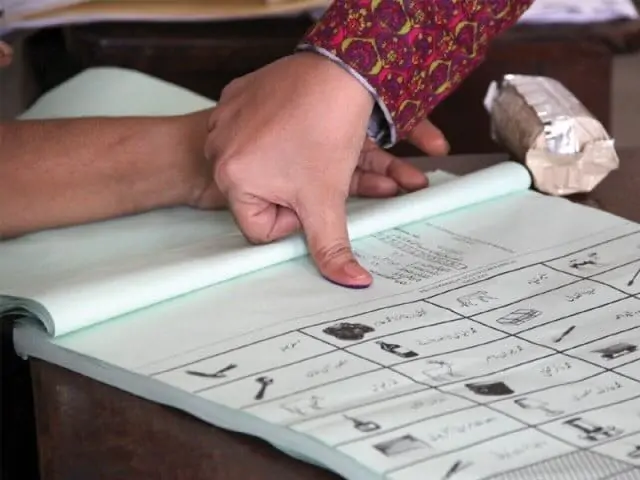
    Pakistan’s proposal to raise the voting age from 18 to 25 as part of the 28th Constitutional Amendment has ignited fierce debate, with critics accusing the government of seeking to silence millions of young voters.

    In a move that has sent shockwaves through Pakistan’s political landscape, the government is reportedly considering a significant constitutional change: increasing the minimum voting age from 18 to 25 years. The proposal forms part of broader discussions around the 28th Constitutional Amendment, which could also impact provincial autonomy and resource distribution.

    The controversy erupted after a video of Prime Minister’s Adviser on Political Affairs, Rana Sanaullah, went viral. During a television discussion, Sanaullah suggested aligning the voting age with the minimum age required to contest elections (already 25), arguing that greater maturity is needed for the “greater responsibility” of casting a vote. He clarified that the idea remains under discussion and does not yet represent finalized government policy.

    Historical Context and Constitutional Implications

    Pakistan’s voting age has evolved over time. Prior to independence and in early post-Partition elections, it stood at 21, often with additional qualifications like property ownership. The 1973 Constitution maintained 21 as the threshold. In 2002, under General Pervez Musharraf’s Legal Framework Order, it was lowered to 18 to boost youth participation. This was constitutionally entrenched via the landmark 18th Amendment in 2010.

    Reversing this would require a two-thirds majority in both the National Assembly and the Senate to amend Article 51 of the Constitution, which currently grants voting rights to Pakistani citizens aged 18 and above who are registered and not disqualified. Legal experts note that while achievable with coalition support, such a change would face intense scrutiny.

    Opposition and Civil Society React Strongly

    The proposal has drawn sharp criticism from opposition parties, particularly Pakistan Tehreek-e-Insaf (PTI), which relies heavily on youth support. PTI leaders describe it as a “politically motivated” attempt to weaken their vote bank and an attack on democratic rights. One PTI representative called it an effort to “reduce the youth vote bank” and vowed it would not be accepted.

    Civil society and rights activists have been equally vocal. Mushtaq Ahmad of the Pakistan Rights Movement labelled the move an “attack on the voting rights of youth,” warning that even raising it to 50 would not stop public rejection of failing policies on inflation and unemployment. Legal expert Ali Gohar argued that 18-year-olds are legally adults, politically aware, and capable of independent decisions in today’s era. Disenfranchising them would violate democratic principles.

    Researchers estimate that nearly 30 million Pakistanis aged 18-24 could lose their voting rights, representing almost a quarter of the electorate. Critics highlight inconsistencies: 18-year-olds can join the military, work, marry, pay taxes, and bear other adult responsibilities, yet would be deemed unfit to vote.

    Government Stance and Broader Reforms

    Government sources indicate the proposal ties into wider electoral and constitutional reforms. Law Minister Azam Nazeer Tarar has emphasised that any amendments would follow consultations with coalition partners. PPP Chairman Bilawal Bhutto-Zardari has reportedly not received a formal proposal on the voting age, though insiders confirm significant shifts are under consideration, including potential alterations to the 18th Amendment’s provisions on provincial autonomy.

    Supporters of the hike argue it could promote more “responsible” voting and political maturity. However, many view it through a partisan lens, suggesting it aims to counter the influence of younger, often more reform-minded or opposition-leaning voters in a country where youth constitute a massive demographic bulge.

    Global Comparisons and Democratic Concerns

    Pakistan would join a minority of countries with higher voting ages if the change passes. While about 86 per cent of nations, including the US, India, and Canada, maintain 18 as the standard, some like Malaysia, Singapore, and Bahrain set it at 21. A handful, such as Austria and Brazil, even allow voting at 16.

    International observers and domestic analysts worry that raising the bar could undermine Pakistan’s democratic credentials and commitments to universal suffrage principles. With a young population facing challenges like unemployment and climate impacts, excluding a large segment from electoral participation risks alienating future generations.

    Potential Political Ramifications

    The debate occurs against a backdrop of complex coalition politics and ongoing tensions between federal and provincial governments. Any push for the 28th Amendment could test alliances, particularly with parties protective of the 18th Amendment’s devolution gains.

    Youth organizations and student groups have begun mobilizing, with calls for resistance against what they see as disenfranchisement. Social media has amplified the discussion, with hashtags criticizing the proposal trending rapidly.

    As deliberations continue, the proposal highlights deeper questions about trust in Pakistan’s democratic institutions: Should the system adapt to perceived maturity levels, or does lowering barriers better reflect a modern, inclusive democracy? The coming weeks will likely see intensified lobbying, public protests, and parliamentary manoeuvring as stakeholders position themselves ahead of any formal bill.

    The outcome could reshape not just electoral dynamics but the very social contract between Pakistan’s state and its burgeoning youth population.

    Bangladesh SOEs Drain Tk882 Billion from Treasury as Losses Mount: World Bank Study

    Bangladesh’s state-owned enterprises are draining massive resources from the public purse, with losses reaching unsustainable levels and crowding out vital spending on health, education, and social protection, a new World Bank study warns.

    Bangladesh’s state-owned enterprises (SOEs) have become one of the country’s most significant fiscal burdens, costing the national exchequer nearly Tk882 billion in a single year, according to a fresh World Bank report.

    The study, titled “Financial Performance and Fiscal Risk of SOEs in Bangladesh,” paints a stark picture of deteriorating public sector finances at a time when the country grapples with falling revenue collection, slower economic growth, and rising pressure on public resources.

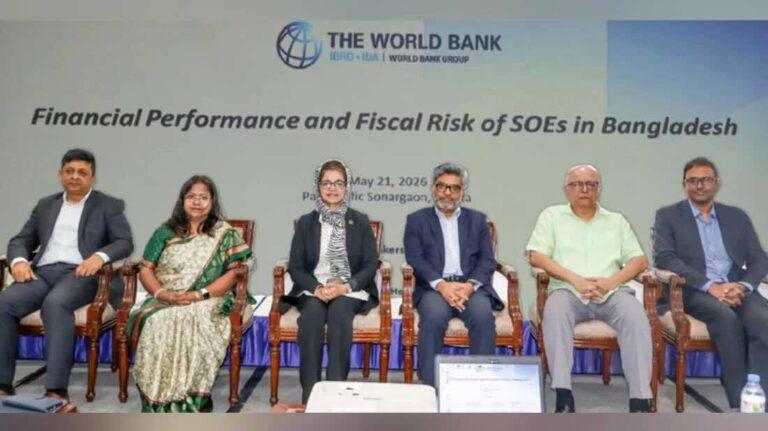
    The findings were unveiled on Thursday at a dissemination workshop. Conducted under the Strengthening Public Financial Management for Better Service (SPFMS) project with support from the Policy Research Institute (PRI) of Bangladesh, the report underscores how mounting SOE losses are diverting funds that could otherwise support essential public services like healthcare, education, and social safety nets.

    Massive Losses Concentrated in Energy Sector

    Non-financial SOEs recorded a combined adjusted loss of Tk441 billion in FY2024, while total net fiscal transfers from the government – including subsidies and development funding – reached approximately Tk882 billion, equivalent to 1.7 per cent of GDP. The energy and power sector accounted for the lion’s share of these losses.

    The Bangladesh Power Development Board (BPDB) alone posted losses exceeding Tk444 billion in FY2024. Key drivers include high power generation costs, expensive capacity payments to private power producers, and electricity tariffs deliberately kept below production costs. The report points to politically influenced investment decisions, controversial contracts with independent power producers (IPPs), and chronic weaknesses in corporate governance as major factors undermining the sector’s financial health.

    Other significant loss-makers include the Bangladesh Oil, Gas and Mineral Corporation (Petrobangla), the Bangladesh Rural Electrification Board (BREB), the Trading Corporation of Bangladesh (TCB), and various manufacturing entities in fertiliser, sugar, and jute. Notably, many of these manufacturing SOEs continue to bleed money despite operating in competitive markets where private firms manage to remain profitable.

    Poor Governance and Underperformance Compared to Peers

    The study highlights deep-rooted corporate governance deficiencies across Bangladesh’s SOE landscape. Fragmented legal frameworks, excessive bureaucratic control, weak oversight mechanisms, and a lack of financial transparency are identified as primary culprits behind the persistent poor performance.

    In a damning regional comparison, Bangladesh’s SOEs recorded a negative return on assets (ROA) of -5.2 per cent in FY2024. By contrast, India’s SOEs achieved a positive ROA of 9.7 per cent, while Vietnam’s posted around 11.9 per cent in recent years. The report estimates that if Bangladesh’s SOEs could reach a 10 per cent ROA and reduce subsidy dependence, the country could potentially unlock more than Tk1.2 trillion in additional fiscal resources.

    Tanvir Ghani, Special Assistant to the Prime Minister on Investment and Capital Market Affairs, attended the workshop as the special guest. Senior officials from the Finance Division, including Additional Secretaries Hasan Khaled Foisal and Rahima Begum, presented overviews of SOE operations, debt management, macro-fiscal scenarios, and the Public Financial Management Reform Strategy 2025-2030.

    World Bank experts also contributed. Suraiya Zannath, Lead Governance Specialist and SPFMS team leader, outlined the study’s objectives and policy implications. Henri Fortin, Lead Public Sector Specialist, shared international SOE reform experiences, while Immanuel Frank Steinhilper, Senior Governance Specialist, discussed global trends. Dr Khurshid Alam of PRI delivered the keynote address, with Nazmus Sadat Khan, WB Economist, providing closing remarks.

    Urgent Reforms Needed to Avert Crisis

    The report describes the current trajectory of SOE finances as “unsustainable.” It calls for comprehensive reforms to restore fiscal stability and improve efficiency. Recommendations include:

    • Restructuring commercially viable SOEs for better performance.
    • Establishing independent, professionally managed boards.
    • Strengthening financial disclosure and transparency requirements.
    • Reducing political interference in operations and decision-making.
    • Gradually introducing competition in sectors currently dominated by monopolies.

    For chronically loss-making enterprises that no longer serve clear strategic national interests, the study suggests eventual privatisation or orderly closure.

    These reforms come at a critical juncture for Bangladesh’s economy. With public finances already strained, unchecked SOE losses risk exacerbating fiscal deficits, limiting space for development spending, and undermining investor confidence. Successful implementation could not only stem the bleeding but also free up substantial resources for priority areas like human capital development and infrastructure.

    Experts at the workshop emphasised that addressing SOE inefficiencies is not merely a technical exercise but a governance challenge requiring strong political will. As Bangladesh navigates post-pandemic recovery and prepares for potential LDC graduation challenges, transforming the SOE sector from a fiscal liability into a productive asset will be crucial for long-term economic resilience.

    Sri Lanka Announces Sweeping Environmental Act Amendments to Mandate Corporate Plastic Recycling

    Under proposed amendments to the Environmental Act, Sri Lanka will introduce an Extended Producer Responsibility framework, legally shifting the financial and logistical burden of plastic waste management from the public directly to manufacturers.

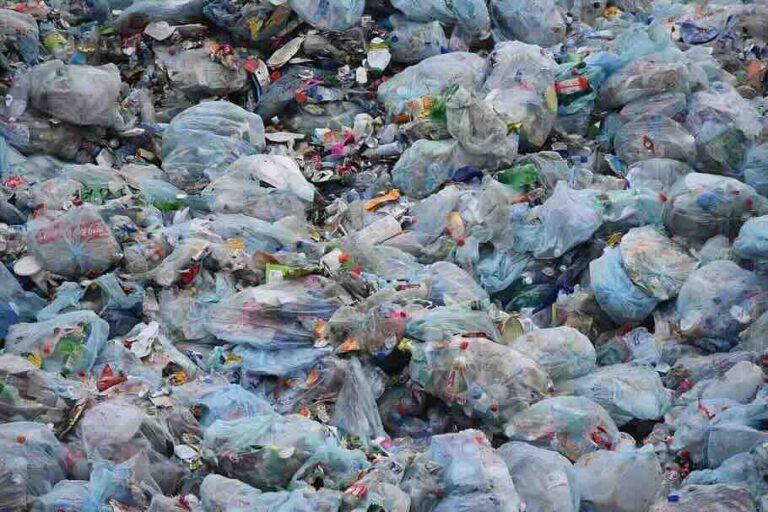
    The Sri Lankan government has unveiled plans for a landmark legislative overhaul to combat the escalating crisis of environmental pollution and municipal solid waste in the island nation. The nation’s proposed amendments to the Environmental Act are set to introduce a rigorous Extended Producer Responsibility (EPR) framework, marking a historic turning point in how the island nation manages its commercial waste. By shifting the financial and logistical burden of waste management – particularly concerning plastic and polythene packaging – away from the general public and local municipalities, the government is placing the onus squarely on the corporate entities that manufacture and distribute these materials.

    Announced by Deputy Minister of Environment Anton Jayakodi, the upcoming legal provisions are designed to fundamentally transform the domestic consumption and disposal lifecycle. Under the new bill, producers will be legally mandated to ensure that a designated portion of the packaging materials they introduce into the domestic market is systematically collected, processed, and recycled. This marks a decisive shift away from an era of voluntary corporate social responsibility, ushering in a strictly regulated environmental obligation that promises to redefine industrial operations in Sri Lanka.

    The Mechanics of Extended Producer Responsibility

    At the heart of these legislative amendments lies the concept of Extended Producer Responsibility. For decades, the life cycle of commercial products ended at the point of consumer disposal. From there, the immense financial and logistical burden of collecting, sorting, and safely disposing of plastic and polythene waste fell almost entirely upon the shoulders of the public, funded by taxpayer money and managed by resource-strained local authorities. The newly proposed Environmental Act amendments aim to sever this outdated paradigm.

    Deputy Minister Jayakodi emphasised that the EPR framework is meticulously structured to ensure the financial burden of environmental cleanup remains securely with the producer, rather than trickling down to the consumer or the state. “According to the regulations we have currently prepared, the responsibility is assigned to the producer,” Jayakodi stated during the announcement. “They are required to collect a specific portion of the plastic they produce within a given year, recycle it, and then formally notify the Central Environmental Authority.”

    Modelled heavily on successful international frameworks, the incoming law is built on transparency, strict compliance, and measurable ecological outcomes. By legally entangling the manufacturer’s operational success with their environmental footprint, the government aims to drastically reduce the sheer volume of non-biodegradable waste suffocating the island’s terrestrial and marine ecosystems.

    A Quota-Based Implementation System

    To execute this massive structural shift without paralyzing the commercial sector, the government is introducing a highly organized, quota-based implementation system. Rather than demanding a blanket recovery of all plastics overnight, regulatory bodies will impose specific, calculated percentage targets for waste retrieval.

    For instance, under the new operational guidelines, a major soft drink manufacturer distributing millions of plastic bottles annually cannot simply step away once those products reach retail shelves. Instead, that manufacturer might be required by law to produce an authenticated certificate proving that they have successfully collected and recycled 40 per cent of the total plastic volume they introduced to the market during that specific fiscal year.

    This quota system requires an unprecedented level of data tracking and reporting. Corporations will have to meticulously document their production volumes, trace their post-consumer waste, and coordinate closely with recycling facilities to obtain the necessary certifications. Once these targets are met, the data must be formally submitted to the Central Environmental Authority for verification, creating a closed-loop accountability system that leaves minimal room for regulatory evasion.

    Infrastructure Overhaul and the Three-Year Grace Period

    Policymakers acknowledge that mandating such a monumental shift requires a robust logistical foundation – one that, currently, may not exist at the required scale in Sri Lanka. The collection, transportation, sorting, and processing of thousands of metric tons of post-consumer plastic requires specialized infrastructure, vast transport networks, and substantial capital investment.

    Recognizing these logistical hurdles, the proposed bill incorporates a critical three-year grace period. This transitional window is specifically designed to provide companies with adequate time to secure financing, design strategic recovery plans, and establish the physical collection infrastructure necessary to meet their upcoming quotas before any legal action is initiated against them.

    During this period, if existing national or municipal recycling infrastructure proves insufficient to handle the mandated volumes, the burden will fall upon the manufacturers to bridge the gap. Companies will be legally obligated to invest their private capital into establishing their own proprietary collection points, dedicated transport systems, and sorting facilities. This expected surge in private investment could inadvertently spark a lucrative new sector within Sri Lanka’s green economy, creating jobs in waste management, logistics, and material sciences.

    Strict Penalties for Non-Compliance

    While the three-year grace period offers a collaborative buffer, the government has made it abundantly clear that the end of this window will usher in an era of strict enforcement. The days of relying on voluntary recycling initiatives and public awareness campaigns to offset corporate pollution are officially drawing to a close.

    Under the new amendments, failure to meet the designated collection and recycling targets within the specified timeframe will trigger severe financial repercussions. Crucially, these penalties are not static. Fines will be calculated dynamically, directly based on the exact volume of uncollected waste that a company leaves in the environment. This ensures a proportional and highly punitive response; the more a company pollutes and neglects its recovery obligations, the steeper the financial penalty.

    By calculating fines based on the deficit between the mandated quota and the actual recovered volume, the state ensures that it becomes far more cost-effective for corporations to invest in proper recycling infrastructure than to absorb the cost of non-compliance.

    Future Scope and a Sustainable Horizon

    While the initial rollout of the EPR framework will focus aggressively on the most pressing environmental culprits – plastic and polythene packaging – policymakers have engineered the law with future expansion in mind. The legislative scope is inherently flexible, designed to systematically expand to encompass a much wider array of industrial materials and commercial waste products in the coming years.

    This proposed overhaul of Sri Lanka’s Environmental Act represents one of the most ambitious and unyielding ecological policy shifts in the nation’s history. By forcing the internalisation of environmental costs and demanding direct corporate accountability, the government is not merely addressing the symptom of plastic pollution; it is fundamentally rewriting the rules of domestic commerce. As the three-year grace period begins, the eyes of the region will undoubtedly be on Sri Lanka’s corporate sector, watching as it adapts to a future where sustainability is no longer a choice, but the law.

    Taliban Reinforce Badakhshan with Elite Unit Amid Escalating Gold Mine Power Struggle

    Taliban deploy elite forces and senior commanders to Afghanistan’s mineral-rich Badakhshan province as internal rivalries over lucrative gold mines threaten to spiral out of control.

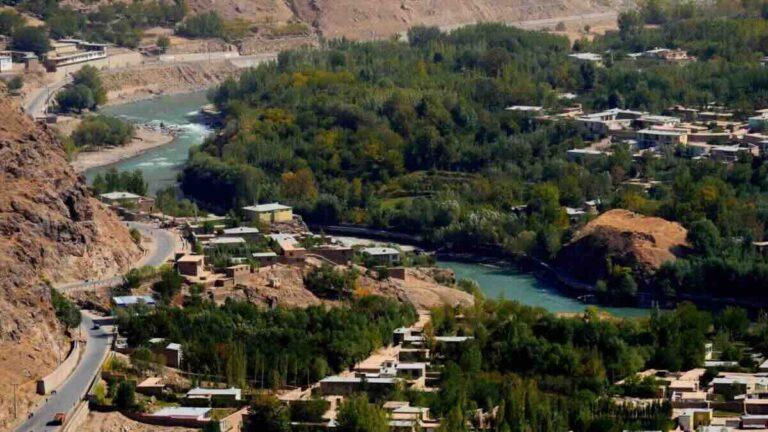
    A newly deployed Taliban military unit of approximately 150 fighters entered the district centre of Shukai in Afghanistan’s northeastern Badakhshan province on Wednesday, as tensions over control of gold mines continued to escalate, local sources said.

    Equipped with advanced weaponry, including laser-guided systems, the reinforcement highlights growing alarm in Kabul over violent disputes involving gold mines that pit local residents against Taliban-linked commanders.

    The deployment occurs against a backdrop of mounting unrest in a province renowned for its significant reserves of gold and other valuable minerals. Badakhshan borders Tajikistan, China, and Pakistan, making control over its natural resources not only an economic prize but also a strategic concern for the Taliban regime.

    Sources indicate that Fasihuddin Fitrat, the Taliban’s army chief of staff, has travelled to the region in a direct effort to de-escalate tensions. His visit underscores the seriousness with which Taliban leadership views the situation, as internal power struggles risk undermining the group’s authority in a key northern province.

    Disputes Over Mining Rights Fuel Local Resistance

    Disagreements centre on mining rights in districts including Shukai, Maymay, Nusay, and Kof Ab. Local Taliban commanders, some with ties to Juma Khan Fateh – the Taliban’s deputy governor in Zabul province – have reportedly resisted central directives and seized land containing gold deposits.

    Earlier this week, Abdul Matin Rahimzai, the Taliban’s head of mines and petroleum in Badakhshan, visited Shukai and warned local forces against interfering in mining activities. His intervention followed reports that gold extraction had been halted in parts of the province due to the escalating conflict.

    The media office of Badakhshan’s Taliban governor, Mohammad Ismail Ghaznawi, confirmed that the governor, along with mining officials and other authorities, toured the affected districts to address the crisis. Despite these efforts, sources warn that further arrests and developments are likely in the coming days.

    Arrests and Violence Highlight Factional Rivalries

    The current tensions follow the recent detention by Taliban intelligence of Musa Kaka, a commander in Nusay district and a close ally of Juma Khan Fateh. Armed groups associated with Fateh are accused of seizing gold-rich lands in Shukai, leading to direct confrontations with both local residents and other Taliban factions.

    At least two people have been killed and ten others wounded in recent clashes between residents and Taliban members over mine control. These incidents reveal deep fractures within the Taliban movement, where local commanders often prioritize personal and factional economic interests over central authority.

    Since regaining power in 2021, the Taliban have struggled to manage competition over natural resources. Badakhshan’s mineral wealth has become a flashpoint, with various commanders and allied networks seeking to monopolize extraction operations for revenue generation. Gold mining, in particular, offers substantial informal income streams that are difficult for Kabul to fully regulate or tax.

    Broader Implications for Taliban Governance and Regional Stability

    Analysts note that these resource-driven conflicts expose the limits of Taliban cohesion. While the group projects an image of unified rule, provincial dynamics frequently involve patronage networks, ethnic loyalties, and personal alliances that predate the 2021 takeover. Juma Khan Fateh’s influence, extending from Zabul in the south to operations in the northeast, illustrates how cross-regional networks complicate central control.

    The involvement of advanced military units and senior figures like Fitrat suggests Kabul fears that unchecked local rivalries could evolve into broader instability. Badakhshan’s strategic location along sensitive borders adds another layer of concern, as unrest could potentially spill over or be exploited by external actors.

    Local residents, caught between competing armed groups, have borne the brunt of the violence. Many view the mines as community resources rather than spoils for Taliban factions. The halt in gold extraction not only affects immediate livelihoods but also signals potential economic disruption in an already impoverished region.

    Taliban officials have remained silent publicly on the latest deployment, consistent with their tendency to avoid acknowledging internal divisions. However, the rapid response – including troop movements and high-level visits – indicates proactive damage control.

    Resource Curse in Post-2021 Afghanistan

    Afghanistan possesses vast untapped mineral wealth, estimated in the trillions of dollars by some assessments. Under Taliban rule, efforts to formalize mining have clashed with entrenched informal practices. In Badakhshan, as in other provinces, control of mines has become a key source of revenue and influence for local power brokers.

    The current crisis echoes similar disputes reported elsewhere in the country, where competition for emerald, lapis lazuli, and other resources has led to intra-Taliban friction. Observers warn that without effective mechanisms for equitable resource management and transparent revenue sharing, such conflicts will persist and potentially intensify.

    As the situation develops, questions remain about the long-term stability of Taliban governance in remote provinces. The deployment to Shukai may temporarily restore order, but underlying grievances over land, mining rights, and power distribution continue to simmer.

    Local sources anticipate possible additional security operations and arrests aimed at neutralizing influential commanders challenging central directives. Whether these measures will succeed in quelling tensions or merely postpone larger confrontations remains to be seen.

    The people of Badakhshan, meanwhile, continue to navigate daily life amid armed movements and uncertainty, hoping for resolution that prioritizes community welfare over factional gains. The province’s gold, once a potential source of development, has instead highlighted the challenges of resource governance in a fractured political landscape.