More

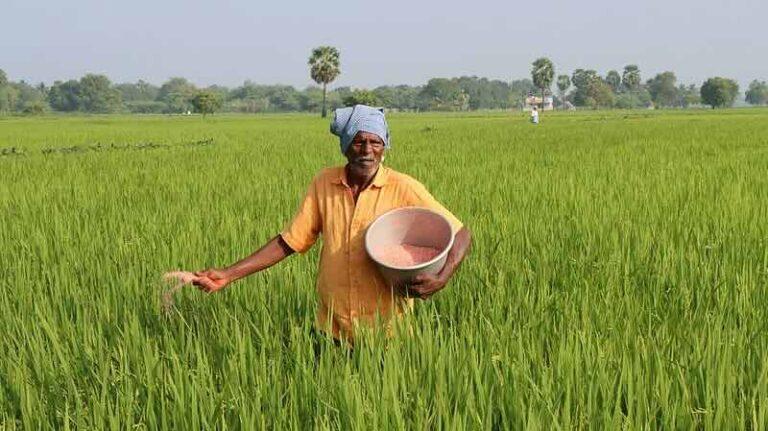
    El Niño Threatens India’s 2026 Kharif Season: Strong Buffers Offer Hope Amid Monsoon Uncertainty

    Finance Ministry and RBI warn of El Niño-driven weak monsoon risks to 2026 Kharif crops, yet robust food stocks, reservoirs, and irrigation advances offer a vital buffer against inflation and rural distress.

    India’s Ministry of Finance has sounded a note of caution regarding the potential emergence of El Niño conditions during the 2026 southwest monsoon season. In its Monthly Economic Report for May 2026, the ministry highlighted that while India begins the Kharif planting period with comfortable foodgrain stocks and above-normal reservoir levels, a deficient monsoon could rapidly impact agricultural output, food inflation, rural demand, and broader economic growth.

    The India Meteorological Department (IMD) has revised its monsoon forecast downward to 90 per cent of the Long Period Average (LPA), classifying it as below normal. This downgrade from an earlier 92 per cent projection stems from the likely transition from ENSO-neutral conditions to El Niño, which typically brings drier weather and uneven rainfall distribution across the subcontinent. The Monsoon Core Zone – covering much of India’s rainfed agricultural heartland – faces heightened risks of below-normal precipitation.

    As of late April 2026, combined rice and wheat stocks with the Food Corporation of India (FCI) and state agencies stood at approximately 817.53 lakh tonnes. Reservoir storage levels were at 123.86 per cent of the decadal average, providing a strong cushion for irrigation. Summer sowing had also progressed well, covering 83.08 lakh hectares compared to 80.01 lakh hectares in the previous year.

    Pulses, Oilseeds, and Dairy Face Greatest Vulnerability

    Historical data shows that rice production tends to remain relatively resilient during El Niño years due to better irrigation coverage in major producing states like Punjab, Haryana, and parts of Uttar Pradesh. However, pulses and oilseeds – largely grown in rainfed regions – are far more susceptible. Past episodes have led to reduced acreage, lower yields, and overall production shortfalls, potentially exacerbating import dependence and price pressures.

    The livestock and dairy sectors could also suffer. Deficient rainfall often results in fodder shortages, reduced milk output, and higher feed costs, squeezing farm incomes. With nearly 60 per cent of Indian farmers still dependent on monsoon rains, even moderate deficits could ripple through rural economies.

    A recent study by the Indian Council for Agriculture Research (ICAR) underscores these concerns, revealing that in previous El Niño years, paddy yields dropped over 10 per cent in 77 districts, while maize saw similar declines in 65 districts. Sorghum and pearl millet, often considered drought-tolerant, were not spared in vulnerable areas.

    RBI Highlights Resilience Through Irrigation and Technology

    The Reserve Bank of India (RBI), in its Annual Report 2025-26, acknowledges the downside risks but emphasizes structural improvements that have enhanced the sector’s resilience. Expanding irrigation infrastructure, better crop management practices, and adoption of advanced technologies – including drought-resistant seeds and precision farming – could help cushion the impact.

    The RBI notes that a positive Indian Ocean Dipole (IOD) in the latter half of the season might partially offset El Niño’s negative effects. It projects CPI inflation at 4.6 per cent for 2026-27, expecting adequate stocks and reservoirs to keep food price pressures broadly in check, though upside risks from global commodities and geopolitics remain.

    Agriculture Minister Shivraj Singh Chouhan has assured that the government is “fully prepared” and not in panic mode. Contingency plans include identifying districts for alternative crops, ensuring seed availability for replanting, and promoting integrated farming systems to boost self-reliance in pulses and oilseeds.

    Broader Economic and Regional Implications

    A weak monsoon could weigh on rural consumption, which drives significant domestic demand. Labour market data from the Periodic Labour Force Survey (PLFS) for April 2026 shows stability, with agriculture still employing 41.1 per cent of the workforce. However, any sharp decline in Kharif output might reverse recent gains in rural employment and incomes.

    Regionally, central and northwest India, along with parts of the south peninsula, face higher risks of below-normal rainfall. Northeast India is expected to fare relatively better. Prolonged heatwaves, already observed in states like Uttar Pradesh, Bihar, and Gujarat, could further stress crops and water resources if rains are delayed.

    Globally, El Niño concerns extend beyond India to other parts of Asia’s rice bowl, potentially affecting supply chains and international prices. India, as a major exporter of rice and other commodities, may need to balance domestic food security with export policies.

    Mitigation Measures and Long-Term Outlook

    Experts and government officials stress proactive water management, including rainwater harvesting and efficient irrigation techniques like drip and sprinkler systems. The current healthy reservoir levels (reported as high as 127 per cent of normal in some assessments) provide a critical buffer that was absent in more severe past droughts.

    Technological interventions – such as climate-resilient crop varieties developed by ICAR and private seed companies – along with timely advisories to farmers, will play a pivotal role. Economists note that India’s improved preparedness compared to events like the 2009 drought could limit GDP impact to modest levels, provided rainfall distribution remains manageable.

    Nevertheless, challenges persist. Fertilizer availability amid global supply concerns, elevated energy prices, and the need for coordinated centre-state efforts remain key variables. As the monsoon progresses from June onwards, its onset, spatial spread, and intensity will determine whether 2026 becomes a year of tested resilience or significant agricultural strain.

    The coming weeks will be crucial. While buffers exist, the interplay of El Niño with other climatic factors underscores the growing importance of climate adaptation in India’s agriculture-dependent economy.
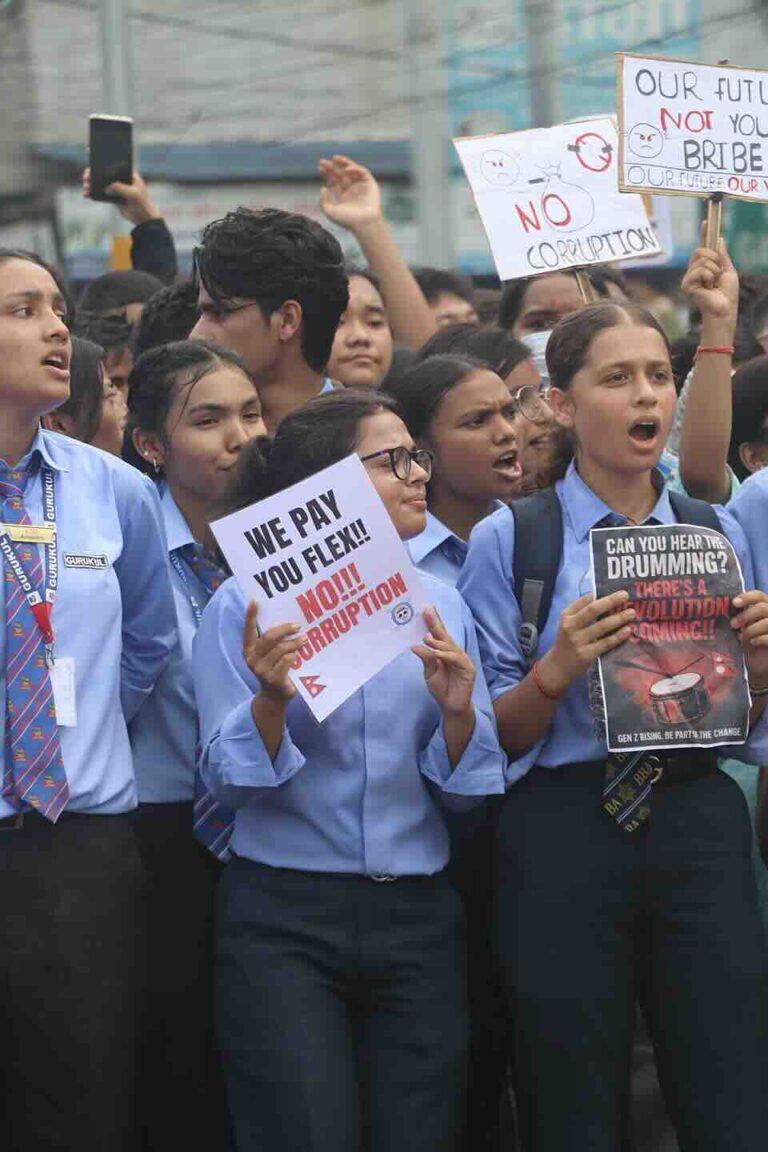

    NHRC Holds Former PM KP Sharma Oli and Ministers Responsible for Nepal’s Deadly September Gen Z Protest Violence

    The National Human Rights Commission has implicated KP Sharma Oli and top officials for the deadly September protests, demanding a special court and legal action against human rights violators.

    Nepal’s National Human Rights Commission (NHRC) has explicitly implicated former prime minister KP Sharma Oli, along with his key cabinet members and senior security chiefs, for gross human rights violations during the deadly Gen Z protests in September 2025.

    The comprehensive investigation report, prepared by a committee led by NHRC member Lily Thapa and submitted to the government on Wednesday, directly links the political leadership’s decisions to the catastrophic events of September 8 and 9. The two-day movement, which began as a youth-led demonstration, rapidly escalated into widespread violence, resulting in the deaths of 76 people, including 17 unarmed protesters shot dead near the federal Parliament in Kathmandu. Thousands of public and private buildings were looted, vandalized, and set on fire.

    Alongside Oli, the commission has held erstwhile home minister Ramesh Lekhak and former communications and information technology minister Prithvi Subba Gurung accountable. According to the NHRC, the leadership completely failed to anticipate the magnitude of the unrest and execute their constitutional responsibilities, allowing the state machinery to collapse into chaos.

    The Social Media Ban and the Weaponization of AI

    According to the NHRC report, the primary catalyst for the unprecedented youth uprising was the Oli administration’s abrupt decision to ban social media platforms. The report identifies Oli as the “main culprit” and central figure behind the escalation, noting that he persistently refused advice from his own ministers, including Gurung, to lift the restrictive ban despite rapidly deteriorating security conditions.

    What began as a peaceful demonstration on the morning of September 8 morphed into a violent confrontation due to excessive use of force by the state in the afternoon. However, the commission also uncovered a darker, organized element to the chaos. The investigation concluded that technology was systematically misused to mislead security personnel and psychologically prepare protesters for violence.

    AI-generated photos and videos falsely depicting the Parliament building, Singha Durbar, and other vital state structures engulfed in flames were circulated widely online before the physical destruction even began. The commission described this sophisticated misuse of technology as a “weapon” that actively sowed confusion, incited inflammatory activities by groups like the TOB, and fuelled the nationwide escalation of organized criminal acts.

    Constitutional Provisions and Sweeping Accountability Framework

    Invoking Article 249 (2)(c) of the Constitution, the NHRC has officially named Oli, Lekhak, and Gurung as human rights violators. Because Nepal’s existing legal framework currently lacks specific provisions to strictly penalize political leaders for such overreaches and crimes against humanity, the commission has issued a stringent 7-point recommendation urging the government to enact retrospective legislation.

    Drawing on Supreme Court precedents, the proposed legislation would establish a Special Court specifically to adjudicate these cases. The recommended penalties for the guilty include up to six months of imprisonment, a fine of up to Rs 300,000, or both.

    More significantly for the political future of the implicated leaders, the commission has proposed barring those convicted from contesting elections or holding any politically appointed positions for a minimum of six years. This measure would effectively block Oli and others from participating in the next House of Representatives elections. The framework also calls for a three-year ban on foreign travel and holding administrative responsibilities, alongside a strict rule that any public official facing such charges must be automatically suspended from office immediately upon a case being filed.

    Security Failures and the Passive Role of the Army

    In tandem with political sanctions, the rights watchdog has come down heavily on the nation’s security apparatus. The NHRC has recommended that former Inspector General of Nepal Police Chandra Kuber Khapung, former Armed Police Force chief Raju Aryal, and former National Investigation Department chief Hut Raj Thapa be placed on a “negative list,” forever barring them from public appointments. Furthermore, the commission has directed the government to initiate swift departmental action against incumbent police chiefs, including Nepal Police IG Dan Bahadur Karki and APF IG Narayan Datta Paudel, as well as several field commanders deployed in the Kathmandu Valley.

    The most glaring security critique, however, was reserved for the Nepali Army. The report raised grave concerns regarding the army’s passivity during the peak of the violence. On September 9, as mobs vandalized the presidential residence, the Supreme Court, and commercial centres, the army remained largely inactive despite requests for assistance from Kathmandu’s chief district officer.

    The military was only officially deployed at 10:00 PM on September 9, well after major structures were gutted and dozens of lives were lost. The commission condemned the army’s delayed response and criticized Chief of Army Staff Ashok Raj Sigdel for failing to provide adequate cooperation during the investigation, noting that army officials only submitted written responses through closed questionnaires after the probe was finalized.

    The RSP Connection and Prison Vandalism

    The NHRC’s sweeping investigation also extended its scrutiny to 52 other individuals, notably including Rastriya Swatantra Party (RSP) chair Rabi Lamichhane. The report highlighted the events surrounding Lamichhane’s release from Nakkhu Jail on September 9.

    According to the commission, prison officials and a large mob accompanied Lamichhane upon his release, which directly triggered subsequent, highly destructive attacks on correctional facilities across the country. The chaos facilitated the illegal release of numerous prisoners and juvenile detainees. The commission has recommended detailed criminal investigations into Lamichhane, former Nakkhu Jail chief Satya Raj Joshi, and RSP leaders Ganesh Parajuli and Hari Dhakal to establish their precise culpability in the unrest.

    Legal Reforms and International Ramifications

    The release of the NHRC’s report has sent shockwaves through Kathmandu’s legal and political circles. Under Section 17 of the NHRC Act, the sitting government has a strict three-month window to implement these recommendations.

    Human rights activists and legal experts have widely welcomed the unprecedented boldness of the report. NHRC member Mihir Thakur emphasized that this marks the first time the commission has explicitly recommended criminal prosecution and the creation of a special court for top-tier political leadership. “There has been a tendency to limit accountability to departmental action, while retired officials escape consequences entirely,” Thakur said. “The ball is now in the government’s court.”

    Advocates assert that the report carries massive international weight. Former Amnesty International Nepal chair Charan Prasai noted that if the government ignores these binding measures, it will face intense scrutiny in global forums, including the United Nations mechanisms and Nepal’s Universal Periodic Review.

    While some critics argue that implicating too many individuals might dilute targeted accountability or that retrospective laws could face constitutional hurdles, the consensus remains that the NHRC has established a historic precedent. By demanding that the highest levels of power answer for the tragedies of the Gen Z protests, the commission is actively challenging the deep-rooted culture of impunity that has long plagued Nepal.

    Monsoon Delayed Again: Kerala Onset Pushed to June 3 or Later; El Niño Raises Concerns for Below-Normal 2026 Rainfall

    India’s southwest monsoon, already delayed multiple times, is now expected to reach Kerala around June 3 or later, amid weak winds and a looming El Niño that threatens below-normal rainfall for 2026.

    The Indian Meteorological Department (IMD) has once again revised its forecast for the onset of the southwest monsoon over Kerala. Initially predicted to arrive on May 26 – earlier than the normal June 1 date – the monsoon has failed to meet successive deadlines. The latest update indicates it will not make landfall before June 3, with private forecasters like Skymet suggesting a possible arrival on June 4 or 5.

    This marks the third adjustment in recent weeks. Scattered showers have already occurred in parts of Kerala and Lakshadweep, but the official declaration requires three simultaneous conditions: sustained rainfall of at least 2.5 mm at 60 per cent of designated stations in Kerala for two consecutive days, westerly winds reaching specified speeds over the Arabian Sea, and adequate cloud cover. Currently, the westerly winds remain too weak, stalling progress, the weatherman has said.

    A cyclonic circulation over the Arabian Sea and another over the Bay of Bengal have further disrupted the organized flow needed for onset. While moisture is present and some pre-monsoon activity is visible, these systems are not yet aligned favourably.

    Impact of Weather Systems and Current Conditions

    As of June 1, 2026, the monsoon trough remains stalled in its current position. The IMD notes that conditions may improve over the next few days, with potential advancement over parts of the Arabian Sea, Bay of Bengal, and southern peninsular India. However, the exact timing remains fluid due to unsettled dynamics.

    This delay comes during one of India’s hotter periods, with severe heatwaves gripping northern and central regions, temperatures soaring up to 47.6°C in some areas. Residents in states like Delhi, Rajasthan, and Maharashtra continue to endure intense heat, heightening anticipation for the cooling relief that monsoon rains typically bring.

    Farmers, particularly those dependent on rain-fed agriculture, are closely monitoring developments. A delayed onset can shift sowing schedules for kharif crops like rice, pulses, and cotton, potentially compressing the growing season if rains arrive late and withdraw early.

    El Niño’s Shadow Over the 2026 Monsoon Season

    The delay is compounded by broader climatic concerns. The IMD has downgraded its seasonal forecast, predicting rainfall at just 90 per cent of the Long Period Average (LPA), classifying the 2026 monsoon as “below normal.” This is a further cut from the April estimate of 92 per cent.

    A strengthening El Niño – characterized by warmer-than-average sea surface temperatures in the equatorial Pacific – is the primary culprit. El Niño events typically weaken the monsoon by altering atmospheric circulation patterns, leading to suppressed rainfall, especially in central and southern India during the latter half of the season. Experts warn this could result in the lowest rainfall in over a decade, raising risks for agriculture, water reservoirs, and food inflation.

    IMD officials have confirmed El Niño’s likely persistence through the monsoon months. While northwest India may see near-normal rains, other regions face deficits. This pattern echoes historical events where El Niño correlated with drought-like conditions and economic strain.

    Private meteorologists emphasize that the immediate delay in Kerala is more tied to local systems than El Niño directly, but the larger seasonal outlook remains worrisome. An official onset after June 8 would officially mark the monsoon as “late,” though even a timely arrival now offers limited reassurance given the overall forecast.

    Implications for Economy, Agriculture, and Daily Life

    India’s economy is heavily tied to the monsoon, which accounts for about 70-80 per cent of annual rainfall and supports agriculture employing nearly half the population. A below-normal season could reduce crop yields, push up prices of essential commodities, and strain power generation reliant on hydroelectric dams.

    Water management authorities are already preparing for potential shortages. Reservoir levels in key states may need careful monitoring, with implications for irrigation and drinking water supplies extending into 2027 if deficits accumulate.

    For urban dwellers, prolonged heat combined with delayed rains exacerbates discomfort and health risks, including heat strokes and vector-borne diseases once rains eventually arrive unevenly. Meteorologists advise continued precautions against extreme weather.

    The IMD says it will continue tracking developments closely. If winds strengthen as anticipated in early June, the monsoon could progress northward rapidly after onset. However, the evolving El Niño adds layers of uncertainty, necessitating adaptive strategies from policymakers, farmers, and industries.

    Experts recommend diversified cropping, efficient water use, and insurance mechanisms to buffer against variability. Long-term, investments in climate-resilient agriculture and improved forecasting models will be crucial as such events become more frequent amid global climate change.

    Image: Hippopx

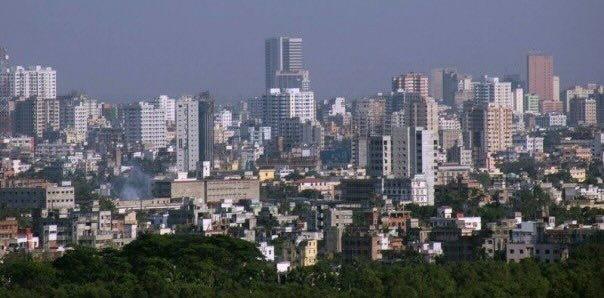
    Bangladesh Turns to IMF for Fresh Bailout Amid Iran War Fallout and Mounting Economic Pressures

    Bangladesh is seeking a new IMF bailout as the Iran war triggers an energy crisis, soaring fuel costs, and supply chain disruptions, compounding existing economic vulnerabilities in the South Asian nation.

    Bangladesh has formally requested a new financial assistance programme from the International Monetary Fund (IMF) as it grapples with the severe economic repercussions of the ongoing US-Israel war on Iran, which has disrupted global energy supplies and inflated costs across key sectors.

    The announcement came from IMF Mission Chief Ivo Krznar last week, confirming that Bangladeshi authorities are in discussions with the Fund on a reform agenda aimed at securing macroeconomic stability, strengthening resilience, and fostering inclusive growth. Neither party has disclosed the potential size of the new package, but the request underscores the depth of the crisis triggered by events in the Middle East.

    This move comes as Bangladesh continues under an existing $5.5 billion IMF programme approved in 2023 (sometimes cited as $5.7 billion), which was originally designed for a different economic reality. Finance and Planning Minister Amir Khosru Mahmud Chowdhury held a virtual meeting with IMF Deputy Managing Director Nigel Clarke last week, where both sides agreed to expedite the new arrangement.

    How the Iran War Has Devastated Bangladesh’s Energy Sector

    The war, which erupted on February 28, 2026, with strikes on Iran, has caused oil prices to surge dramatically. Brent crude has climbed toward or beyond $100 per barrel from pre-war levels around $66, exacerbated by disruptions in the Strait of Hormuz – a critical chokepoint for global oil and LNG shipments – and a US naval blockade.

    Bangladesh, with a population of over 170 million, imports nearly 95 per cent of its oil and liquefied natural gas (LNG) requirements, primarily from the Middle East. The country has responded with austerity measures, including halting production at most fertiliser factories and imposing a 10-15 per cent hike in fuel prices in April. Petrol prices rose from $0.95 to $1.10 per litre, with similar increases for diesel and kerosene.

    These steps aim to curb consumption amid summer peaks in cooling demand, but they have strained households and industries. Additional measures include limits on refuelling, early university closures to save electricity, and restrictions on non-essential travel and decorative lighting. The World Bank has approved a $350 million loan to bolster energy security and manage rising import costs.

    Analysts note that a prolonged conflict could force Bangladesh to spend an extra $1.07 billion on LNG subsidies in the April-June quarter alone. Growth projections have been downgraded, with the World Bank forecasting a slowdown to around 3.9 per cent for the fiscal year ending June 2026 in adverse scenarios.

    Ripple Effects on Garments, Manufacturing, and Debt Burden

    The ready-made garment (RMG) sector, which contributes over 80 per cent of Bangladesh’s export earnings and employs millions, faces significant headwinds. Factories rely on raw materials imported from China via disrupted Red Sea and Middle Eastern routes, driving up costs. Industry insiders predict a 20-25 per cent drop in work orders for the next season. Shipping delays have also affected garment exports to major retailers.

    Other sectors, such as plastics manufacturing, are hit by spiking resin prices – derived from crude oil – which have jumped from $900-950 per tonne to $1,500-1,600. Supply chain issues and higher input costs are eroding competitiveness.

    Bangladesh’s external debt stands at approximately $113.5 billion as of late 2025 data, representing a moderate but rising burden. The IMF and World Bank had previously assessed the country at low risk of debt distress, with debt at about 22 per cent of gross national income. However, higher borrowing costs, currency pressures, and war-induced shocks are worsening the outlook. In March 2026, the government sought around $2 billion in loans from multilateral donors specifically for energy security.

    The current $5.5 billion IMF programme has faced implementation challenges, including slow progress on revenue mobilisation, banking reforms, subsidy rationalisation, and exchange rate flexibility. Reports indicate the IMF has withheld some tranches, pushing for a more comprehensive new deal with stricter conditions.

    Broader Global Context and Regional Vulnerabilities

    The Iran war represents the latest in a series of shocks following COVID-19, the Russia-Ukraine conflict, and climate-related events. The IMF has warned that prolonged disruptions could push global government debt toward 100 per cent of GDP by 2029 – the highest since World War II – and trigger adverse scenarios with global growth falling to 2-2.5 per cent and inflation rising sharply.

    South Asian nations like Bangladesh and Pakistan are particularly exposed due to heavy reliance on Gulf energy. Similar pressures are evident regionally, with calls for diversified sourcing, renewable energy acceleration, and fiscal discipline.

    Bangladesh’s interim or current administration faces the dual task of immediate crisis management and long-term structural reforms. Key priorities include boosting domestic revenue, improving the business environment, and enhancing export diversification beyond garments.

    Economists emphasise that while external support is crucial, sustainable recovery depends on addressing governance issues, infrastructure bottlenecks, and vulnerability to global commodity swings. The country’s youthful population and growing digital economy offer potential, but these require stability to flourish.

    As negotiations with the IMF progress, Bangladesh’s request highlights the interconnectedness of geopolitics in the Middle East and economic fortunes in South Asia. An official of the country’s finance ministry said that a swift resolution could provide breathing room, but failure to implement reforms risks deeper instability.

    Image: Wikimedia

    Wheels of Care: Sri Lanka Approves of Scooters and Motorbikes for Midwives and Health Workers

    Sri Lanka’s government is set to equip thousands of public health midwives with scooters under a major World Bank-backed initiative, enhancing maternal and community care in rural areas and boosting the island’s primary healthcare system.

    Sri Lanka’s public health midwives have long been the backbone of the country’s renowned maternal and child healthcare system. Often traveling on foot or by public transport through challenging terrain, these dedicated professionals now stand to gain significant mobility support. In a major development announced in late 2025, the government approved the procurement of nearly 3,000 scooters specifically for public health midwives (PHMs) as part of a comprehensive fleet upgrade.

    This initiative forms a key component of the Sri Lanka Primary Healthcare System Enhancing Project (PHSEP), financed by a USD 150 million World Bank agreement spanning 2024 to 2028. The project aims to strengthen community-level services, improve access to care, and build resilience against health emergencies, including those linked to climate change.

    Scale of the Vehicle Procurement

    The Cabinet of Ministers greenlit the purchase of over 4,000 vehicles and support equipment. The breakdown includes:

    • 2,891 scooters for public health midwives
    • 200 scooters for public health nurses
    • 1,350 motorbikes for public health inspectors
    • Additional scooters for laboratory services, clinical waste lorries, refrigerated trucks, double cabs, vans, and buses

    This fleet will address a critical gap: the lack of reliable transport for field officers, which has hindered effective home-based care, supervision, disease surveillance, and timely medical supply distribution.

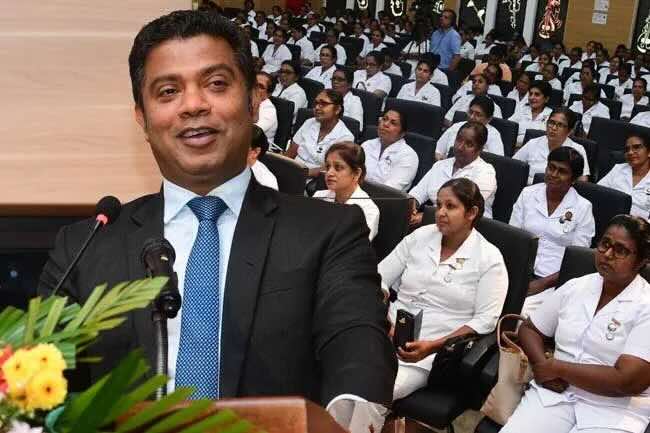
    Health Minister Dr. Nalinda Jayatissa recently reinforced the government’s commitment during a certificate-awarding ceremony for newly trained administrative public health midwives. He assured that motorbikes (or scooters) for PHMs would be provided alongside a scheduled January salary hike, highlighting the vital role these workers play in Sri Lanka’s free healthcare system, which recently received international acclaim at the World Health Assembly.

    The Unsung Heroes – Public Health Midwives in Sri Lanka

    Public Health Midwives (PHMs) have been central to Sri Lanka’s impressive maternal health outcomes since the early 20th century. Operating at the grassroots level, PHMs provide antenatal care, conduct home visits, offer health education, support safe deliveries, and monitor child nutrition and immunization in both urban and remote rural communities.

    Despite Sri Lanka’s strong track record in reducing maternal and infant mortality, challenges persist in reaching the most isolated areas, especially amid economic pressures and climate vulnerabilities. Many midwives currently rely on bicycles, public buses, or even walking long distances, which limits the number of households they can serve daily and delays emergency responses.

    Equipping them with reliable two-wheelers will dramatically expand their reach. A single scooter can enable a midwife to visit dozens more families per week, facilitate faster referrals to clinics, and improve follow-up on high-risk pregnancies. This is particularly crucial for managing non-communicable diseases (NCDs) like diabetes and hypertension in pregnant women, as well as expanding elderly and palliative care services.

    Broader Impact on Sri Lanka’s Health System

    The vehicle procurement is not an isolated measure but part of a holistic strategy to reorganize and strengthen primary healthcare. The World Bank project seeks to enhance over 1,000 Primary Medical Care Institutions (PMCIs) nationwide, shifting more services away from overcrowded tertiary hospitals toward community-based facilities.

    Key focus areas include:

    • Prevention and management of NCDs
    • Integration of mental health and geriatric care
    • Improved laboratory and diagnostic services at the primary level
    • Better data management and quality assurance
    • Enhanced emergency preparedness

    By providing transport not only to midwives but also to inspectors, nurses, and laboratory teams, the initiative creates a more coordinated and responsive health workforce. Clinical waste management vehicles and refrigerated trucks will further ensure safety and efficiency in the supply chain.

    This investment comes at a pivotal time as Sri Lanka continues its economic recovery. Strengthening primary care is expected to reduce the burden on higher-level hospitals, lower overall healthcare costs, and contribute to better population health outcomes.

    Challenges and Future Outlook

    The announcement has been widely welcomed. Procurement processes are on to ensure that vehicles are fuel-efficient, suitable for Sri Lanka’s diverse terrains (from hilly central regions to coastal and northern areas), and supported by maintenance infrastructure. Training on safe riding and vehicle management for thousands of health workers will also be provided.

    Proponents argue that the long-term returns – in lives saved, healthier communities, and reduced hospital admissions – far outweigh the costs. The project aligns with Sri Lanka’s National Health Policy and Vision for a more resilient, people-centred health and care system.

    As scooters and motorbikes hit the roads in the coming months and years, they will carry more than just health workers – they will transport hope, expertise, and care to the doorsteps of countless Sri Lankan families.

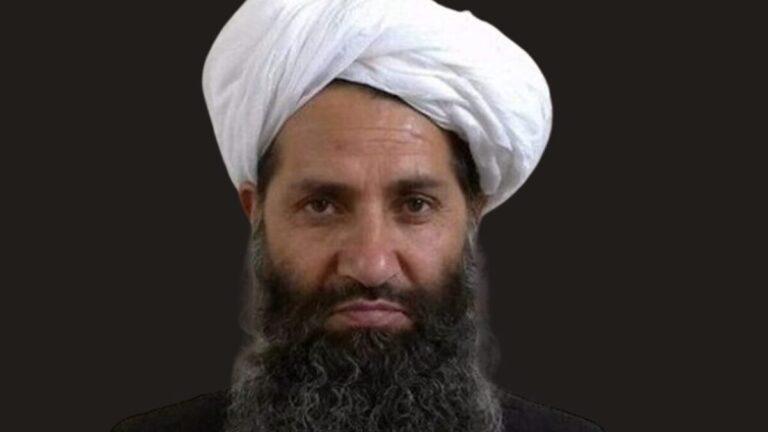
    Taliban Leader Defies ‘Infidels,’ Calls for Unity and Amnesty in Fiery Eid al-Adha Address

    Taliban Supreme Leader Hibatullah Akhundzada used his Eid al-Adha sermon to urge opponents to return home, reject foreign pressure, and pledge unwavering loyalty to the Islamic Emirate’s Sharia-based rule.

    In a roughly 50-minute sermon delivered on Wednesday at Kandahar’s grand Eidgah Mosque, Taliban Supreme Leader Sheikh Hibatullah Akhundzada delivered a robust message reinforcing the Islamic Emirate of Afghanistan’s (IEA) commitment to its interpretation of Islamic law.

    Akhundzada explicitly stated that the Taliban government would not trade its religious principles for international recognition or improved relations. “The world should no longer expect us to compromise on the religion of Allah,” he declared. “We will engage and interact within the framework of Sharia, and we will also make agreements within that framework.”

    He further emphasized, “We will never bow our heads before infidels,” signalling resilience against external economic and political pressures amid Afghanistan’s ongoing isolation. The leader asserted that Afghans are prepared to endure hardships to preserve their faith and system.

    This stance comes nearly five years after the Taliban’s return to power in August 2021 following the U.S. withdrawal. Despite limited formal recognition – only a handful of countries have engaged diplomatically – the IEA maintains control across Afghanistan while facing sanctions, frozen assets, and humanitarian challenges affecting millions.

    Appeal for Reconciliation and Return

    A significant portion of the address focused on internal reconciliation. Akhundzada extended an olive branch to former government officials, military personnel, and exiled opposition figures, urging them to lay down arms and return to Afghanistan.

    “Laying down your weapons. We have no issue with you,” he said. “We forgave you before and we forgive you now. Come back. This is your country, your land and your system.”

    He claimed there are currently “no signs of opposition” in the country and invited returnees to contribute to nation-building under Taliban rule. This amnesty appeal targets remnants of the former Republic, including members of the Afghan National Security Forces who fled in 2021, as well as political figures in exile in countries like Tajikistan, Iran, and Europe.

    Analysts view this as an attempt to consolidate power and project stability, especially as sporadic resistance from groups like the National Resistance Front (NRF) persists in pockets of the country, though largely subdued.

    Emphasis on Obedience and Unity

    Central to Akhundzada’s message was the religious obligation of obedience to a single emir (leader). He argued that Muslim unity depends on loyalty to recognized authority, citing Islamic principles: “It is obligatory for Muslims to have an emir. If a person dies without being in obedience to the emir, his death is a death of ignorance.”

    The leader warned against political divisions and discord, positioning them as threats to the hard-won peace. “I do not protect myself with the lives of the people; I protect the people with my own life,” he stated, framing his leadership as sacrificial for national harmony.

    This theme of unity aligns with previous Eid messages, where Akhundzada has repeatedly stressed implementation of decrees, enforcement of Sharia, and avoidance of internal rifts. Reports indicate the Taliban has intensified efforts to enforce social and religious policies, including restrictions on women’s education and public roles, which have drawn widespread international criticism.

    Resilience Against External Threats

    Akhundzada addressed potential military or coercive pressures, asserting the Taliban’s invincibility stems not from weapons but from faith. Echoing earlier speeches, he noted that even heavy bombardment could not break the movement, crediting divine support, unity, and brotherhood.

    This comes against the backdrop of reported cross-border tensions, including past Pakistani strikes, though the leader avoided naming specific adversaries in this address.

    Broader Context and International Implications

    The speech reflects the Taliban’s dual strategy: projecting internal strength and unyielding ideology while signalling openness to “constructive relations” with the world on their terms. Akhundzada called for political and economic ties with Islamic countries and others, provided they respect Sharia boundaries.

    However, the Islamic Emirate of Afghanistan’s governance has faced significant hurdles. Humanitarian aid remains critical, with over half the population needing assistance. Women’s rights restrictions have led to bans on most female NGO workers and secondary education for girls, exacerbating the crisis. The U.S. and allies continue to withhold full recognition pending progress on inclusive governance, counter-terrorism assurances, and human rights.

    Security-wise, while the Taliban claims improved stability, attacks by Islamic State-Khorasan Province (ISKP) persist, targeting minorities and Taliban figures. The leader’s focus on unity may aim to counter these threats and prevent factionalism within Taliban ranks.

    Experts suggest the Eid address serves multiple purposes: rallying domestic support, discouraging dissent, and messaging the international community ahead of potential future talks. With Akhundzada rarely appearing publicly and operating primarily from Kandahar, his sermons remain key vehicles for policy direction.

    As Afghanistan approaches its sixth year under Taliban rule, the supreme leader’s words underscore a regime confident in its ideological foundations but still seeking broader legitimacy. Many exiles still express deep distrust over safety and rights guarantees.

    Pakistan’s Long-Awaited Minority Rights Commission: Progress or Symbolic Gesture?

    Pakistan’s Parliament has finally established a National Commission for Minority Rights after years of delay. Yet, persistent violence, forced conversions, and blasphemy law misuse raise doubts about whether this body will deliver real protection or remain symbolic.

    Pakistan’s National Commission for Minority Rights (NCMR) finally received parliamentary approval in December 2025, more than a decade after a landmark 2014 Supreme Court directive. The bill, passed in a joint session and later approved by the President, establishes an 18-member body tasked with investigating violations, monitoring policies, and advising the government on minority welfare.

    This development comes 67 years after Pakistan’s creation, amid a history of systemic challenges for religious minorities, who constitute roughly 4 per cent of the population. Hindus and Christians each form about 1.3-1.6 per cent, with smaller communities of Sikhs, Parsis, Baha’is, and others.

    The commission’s formation is being hailed by some as a step toward fulfilling constitutional promises of equality for non-Muslims. Law Minister Azam Tarar emphasized during debates that minorities are equal citizens, stating, “Our Hindu, Christian and Parsi brothers are as good Pakistanis as we are.”

    Persistent Challenges and Violence

    Despite the legislative milestone, critics question its potential impact given the scale of ongoing issues. Religious minorities in Pakistan continue to face mob violence, blasphemy accusations, forced conversions, and discrimination. High-profile incidents include the 1997 Shanti Nagar attacks on Christians, the 2009 Gojra riots, the 2013 Joseph Colony torching, the 2023 Jaranwala violence, and clashes in Sargodha in 2024. In many cases, convictions remain rare, fostering a culture of impunity.

    Blasphemy laws remain a major concern. The Human Rights Commission of Pakistan and Centre for Social Justice documented hundreds of accusations annually, with 329 cases in 2023 and over 200 more in early 2024. Accusations often lead to extrajudicial violence regardless of legal outcomes.

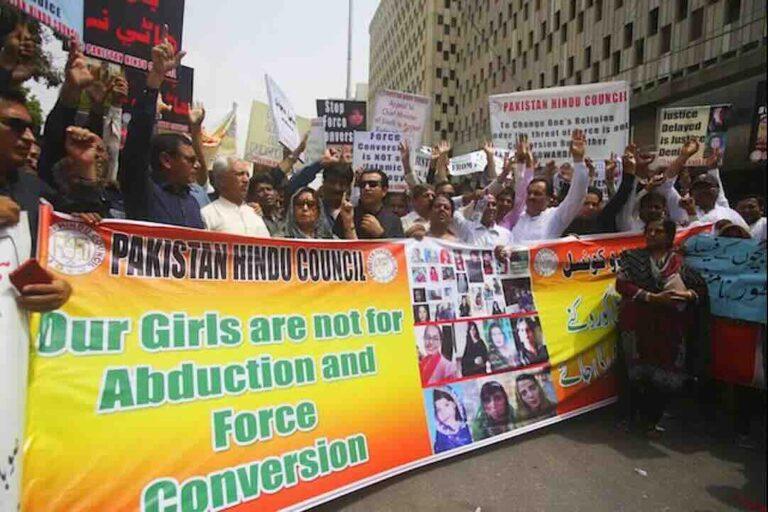
    Forced conversions disproportionately affect Hindu and Christian girls, particularly in Sindh and southern Punjab. Estimates suggest around 1,000 such cases yearly, involving abduction, coerced religious conversion, and underage marriage. The National Commission on the Rights of the Child recorded at least 136 cases in 2023 alone.

    The Centre for Social Justice also reported 193 attacks on minority persons, properties, and places of worship in 2023. Hindus, who have seen their population decline significantly since Partition due to migration driven by insecurity, remain especially vulnerable.

    Composition, Powers, and Criticisms

    The commission comprises representatives from various communities: three Hindus (including two from Scheduled Castes), three Christians, one Sikh, one Baha’i, one Parsee, and others, alongside Muslim human rights experts and provincial nominees. While this aims for inclusivity, some minority leaders like Hindu representative Jaipal Chhabria have criticized the structure, questioning the inclusion of Muslims in a minorities-focused body and the reservation of seats for lower-caste Hindus.

    Concerns extend to the commission’s limited powers. It lacks suo motu (self-initiated) authority in some interpretations and enforceable mechanisms. Delays in framing operational rules, ensuring financial independence, and guaranteeing autonomy could render it ineffective. Human rights groups argue it risks becoming another bureaucratic entity tied to the Ministry of Religious Affairs rather than an independent watchdog.

    The Human Rights Commission of Pakistan (HRCP) welcomed the law but stressed the need for equal protection without hierarchy and swift action against mob instigators. UN experts have repeatedly called for ending impunity and repealing or reforming blasphemy laws.

    International and Diplomatic Dimensions

    The commission’s creation carries diplomatic weight. Pakistan faces ongoing international scrutiny, with the U.S. Commission on International Religious Freedom recommending its designation as a “Country of Particular Concern.” The European Union has linked the law to broader commitments on tolerance under its strategic engagement with Pakistan.

    However, implementation will determine credibility. Rights organizations highlight that legislation alone has historically failed to translate into ground-level change due to political sensitivities, fear of religious backlash, and institutional inertia.

    Pakistan’s minorities have endured repeated cycles of violence and delayed justice. From temple desecrations and cemetery attacks to economic marginalisation and social discrimination, challenges persist. The commission’s success hinges on granting it genuine independence, resources, and political backing to address root causes like blasphemy law misuse and forced conversions.

    As one activist noted, the true test lies not in parliamentary approval or international praise, but in whether the state empowers the institution to function effectively. Without concrete action – swift investigations, prosecutions, and policy reforms – the commission may join a long list of symbolic gestures that fail to alter the lived reality of Pakistan’s vulnerable communities.

    For Hindus in Sindh, Christians in Punjab, and other groups nationwide, the wait for meaningful protection continues. The establishment of the NCMR offers cautious hope, but history suggests that transforming promise into protection requires sustained commitment beyond legislation.

    Khet Bachao Abhiyan: Government Pushes Balanced Fertilizer Use to Save Farms, Soil, and Farmers’ Futures

    Union Minister Shivraj Singh Chouhan will launch the ‘Khet Bachao Abhiyan’ from June 1-15 to combat imbalanced fertilizer use, restore soil health, and promote sustainable practices amid rising input costs and global supply challenges.

    In a significant move to address the growing crisis of soil degradation in Indian agriculture, Union Agriculture and Rural Development Minister Shivraj Singh Chouhan has announced a nationwide “Khet Bachao Abhiyan” (Save Farms Campaign). Scheduled from June 1 to June 15, 2026, the fortnight-long initiative aims to promote balanced fertilizer application, enhance soil health, and educate farmers on sustainable practices.

    The campaign comes at a critical juncture. Decades of imbalanced fertilizer use, particularly the over-reliance on nitrogenous fertilizers like urea, have led to nutrient deficiencies, declining soil fertility, and reduced crop response. With global fertilizer prices volatile due to geopolitical tensions in West Asia, and India’s subsidy burden projected to rise by nearly Rs 70,000 crore this year, the drive seeks to reduce excessive consumption while maintaining productivity.

    The Announcement and Its Context

    Chouhan made the announcement while inaugurating the Eastern Regional Agriculture Conference in Bhubaneswar, Odisha, alongside Chief Minister Mohan Charan Majhi. The conference brought together stakeholders from eastern states including Bihar, Jharkhand, Chhattisgarh, and West Bengal to deliberate on boosting agricultural productivity in the region.

    Chouhan emphasised that fake fertilizers, substandard seeds, and counterfeit pesticides constitute serious crimes against farmers. He called for a nationwide crackdown and stricter state-level enforcement to ensure quality inputs reach cultivators without inflating costs. The minister urged farmers to adopt soil-test-based nutrient management and integrate natural farming on at least part of their land.

    The Perils of Imbalanced Fertilizer Use

    India’s soils face widespread deficiencies in macro and micronutrients. Historical data shows the ideal N:P:K ratio of 4:2:1 has skewed dramatically, often reaching extremes like 9:3.5:1 in some regions due to heavy urea application. This imbalance has reduced the efficiency of fertilizers – from 15 kg of crop yield per kg of fertilizer in the 1960s to just 4-5 kg today – largely because of declining organic carbon in soils.

    Excessive nitrogen leads to soil acidification, compaction, nutrient runoff causing water pollution and eutrophication, and greenhouse gas emissions. Micronutrient deficiencies (zinc, sulfur, iron, etc.) have increased from one in the 1950s to nine by the mid-2000s. Nutrient mining by intensive rice-wheat systems exacerbates the problem, with annual gaps between nutrient removal and replenishment estimated at 8-10 million tonnes.

    Small and marginal farmers, who operate over 80 per cent of holdings (mostly under 2 hectares), face acute pressure. Economic constraints and lack of awareness often lead to continued imbalanced practices, raising input costs while lowering long-term productivity and resilience to climate change.

    Objectives and Implementation of the Campaign

    The “Khet Bachao Abhiyan” will focus on several key areas:

    • Soil Health Awareness: Encouraging widespread soil testing and balanced, site-specific fertilizer application.
    • Sustainable Practices: Promoting integrated nutrient management, including organic manures, biofertilizers, and natural farming techniques.
    • Technology and Schemes: Disseminating information on modern tools, government initiatives like PM PRANAM (which incentivizes states reducing chemical fertilizer use), Soil Health Cards, and farmer registries.
    • Eastern Focus: Leveraging the region’s fertile lands, water resources, and potential for pulses, oilseeds, horticulture, and integrated farming for smallholders.

    Implementation will involve Krishi Vigyan Kendras (KVKs), ICAR institutes, State Agricultural Universities, ATMA, FPOs, NGOs, and state departments. Similar awareness drives have already sensitized lakhs of farmers in states like Rajasthan and Goa.

    Broader Agricultural Vision for Eastern India

    Chouhan highlighted eastern India’s strengths – fertile soil, abundant water, diverse climate, and hardworking farmers – and positioned it as a potential growth engine for national agriculture under the “Purvodaya” vision. Discussions at the conference covered crop diversification, climate-resilient farming, marketing reforms, agricultural credit, and curbing spurious inputs.

    Odisha CM Mohan Charan Majhi noted the conference’s role in creating a shared roadmap for inclusive, sustainable development. Union Ministers of State and other dignitaries attended the event.

    Challenges and Expected Outcomes

    While the campaign promotes reduction in chemical fertilizer dependency, experts caution against abrupt cuts that could affect short-term yields. The government aims for a balanced approach: maintaining food security while transitioning to efficiency. Success depends on effective grassroots outreach, especially in high-consumption districts.

    Long-term benefits include restored soil organic carbon, better nutrient use efficiency, lower subsidy burdens, reduced environmental pollution, and higher farmer incomes through diversified, resilient systems. This aligns with national goals of Atmanirbhar Bharat in agriculture and climate-smart practices.

    A Call to Action for Farmers and Stakeholders

    The “Khet Bachao Abhiyan” is more than an awareness drive – it is a clarion call to safeguard the foundation of India’s food security: its soils. Farmers are encouraged to participate actively, test their soils, adopt balanced practices, and explore natural farming. States must strengthen enforcement against fake inputs, while scientists and extension workers scale up support.

    As Chouhan aptly framed it: “Save Farms, Save Soil, Save Farmers.” He was optimistic that with coordinated efforts, the campaign could mark a pivotal shift toward sustainable agriculture, ensuring prosperous farms for future generations.

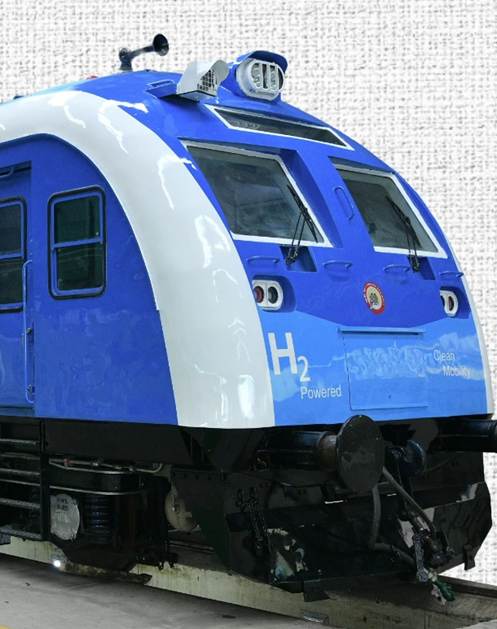
    India’s First Indigenous Hydrogen Train Poised for Launch: A Milestone in Green and Energy-Efficient Rail Mobility

    India’s first indigenous hydrogen-powered train is set to revolutionize green rail transport, offering zero-emission travel on the Jind-Sonipat route as part of the Hydrogen for Heritage initiative.

    In a landmark development towards sustainable transportation, the Indian Railways has received clearance for the operational launch of the country’s first indigenous hydrogen-powered train. The 10-coach Hydrogen Fuel Cell DEMU (Diesel Electric Multiple Unit converted to hydrogen) is designed for the 89-km Jind-Sonipat section in Haryana, marking a significant step in reducing the carbon footprint of rail transport.

    This train, with a combined power output of 2,400 kW from two 1,200 kW power cars, is claimed to be among the world’s most powerful hydrogen trainsets on broad gauge. It can carry approximately 2,600 passengers and will operate at a maximum speed of 75 kmph, connecting 12 stations on a non-electrified route. The project aligns with India’s broader goals of achieving net-zero emissions by 2070 and promoting green hydrogen as a clean fuel alternative.

    Technical Innovations and Indigenous Development

    Developed indigenously, the train represents Atmanirbhar Bharat in action, the Indian Railways has said in a press release issued by the PIB. The Integral Coach Factory (ICF) in Chennai played a key role in its manufacturing and retrofitting. The project involved converting conventional power cars into hydrogen fuel cell systems, supported by a dedicated green hydrogen production plant at Jind for refuelling.

    Hydrogen fuel cells generate electricity through an electrochemical reaction between hydrogen and oxygen, with water vapor as the only byproduct. This eliminates direct emissions of CO2, NOx, and particulate matter associated with diesel locomotives. Safety features have been rigorously incorporated, including advanced storage for high-pressure hydrogen and fail-safe mechanisms compliant with international standards.

    Trials conducted earlier this year on the Jind-Sonipat route demonstrated reliable performance, with successful runs achieving speeds up to 70-110 km/h in testing phases. The Railway Board granted final approval on May 22, 2026, paving the way for commercial operations likely within the next few months.

    Broader Context of Hydrogen for Heritage Initiative

    The hydrogen train is a flagship under the “Hydrogen for Heritage” programme, which envisions deploying 35 such trains on heritage and hill routes across India at an estimated cost of around ₹80 crore per train plus infrastructure. These routes often lack electrification, making hydrogen a viable zero-emission alternative to diesel.

    Earlier efforts included pilot projects for retrofitting DEMUs, with one on the Jind-Sonipat section costing ₹111.83 crore. The initiative supports the National Green Hydrogen Mission and complements Indian Railways’ target to become net-zero by 2030 through electrification, renewable energy, and alternative fuels.

    Union Railway Minister Ashwini Vaishnaw has highlighted the project as a transformative leap, positioning India among global leaders in hydrogen rail technology alongside countries like Germany, France, and China, which have operational hydrogen trains.

    Environmental and Economic Impact

    The deployment of hydrogen trains is expected to significantly cut diesel consumption on targeted routes. A single train operation could displace thousands of litres of diesel daily, reducing greenhouse gas emissions equivalent to hundreds of cars. Water vapour exhaust makes it environmentally superior in urban and sensitive ecological areas.

    Economically, the project boosts indigenous manufacturing, creating jobs in green technology sectors, from hydrogen production to maintenance of fuel cells. It also fosters a domestic supply chain for components like electrolyzers and storage systems. Challenges remain, including high initial costs of hydrogen production and infrastructure, but falling renewable energy prices are making green hydrogen more competitive.

    Experts note that while hydrogen offers advantages for non-electrified lines, full network electrification remains the priority for most routes. The hydrogen initiative targets niche segments where overhead wires are impractical or costly.

    Global and National Significance

    This development comes amid India’s push for energy independence and climate leadership. The country aims to produce 5 million metric tonnes of green hydrogen annually by 2030. Successful scaling of hydrogen trains could extend to freight and long-haul services, diversifying beyond battery and electric options.

    Public reaction has been enthusiastic, with social media buzzing over images and videos of the sleek, modern trainset. Environmental groups have welcomed it as a concrete action on decarbonizing transport, which accounts for a substantial share of India’s emissions.

    Railway officials are optimistic that this pilot will provide valuable data for nationwide expansion, potentially inspiring similar projects in other developing nations. They say, as the train prepares for its inaugural commercial run, it symbolizes India’s journey towards a sustainable future.

    Human Rights Body Exposes Systemic Abuse and Regulatory Failures in Pakistan’s Rehabilitation Centres

    A damning NCHR report reveals how Pakistan’s rehabilitation centres, meant to heal, have become sites of unlawful detention, forced sedation, and abuse – especially targeting women amid family disputes.

    In a stark indictment of Pakistan’s mental health and rehabilitation infrastructure, the National Commission for Human Rights (NCHR) has released a hard-hitting investigative report titled “Caged in Care: Investigating Human Rights Violations in Rehabilitation Centres.” Launched on May 19, 2026, under an EU- and UNDP-supported project, the report paints a grim picture of facilities where care has given way to captivity.

    Drawing from survivor testimonies, on-site inspections, staff interviews, and legal reviews – primarily focused on Islamabad but reflective of national trends – the document details unlawful confinements, involuntary admissions without medical justification, physical abuse, medical negligence, and a near-total absence of oversight. With hundreds of such centres operating across the country, many in converted residential buildings, the findings suggest a profit-driven industry exploiting vulnerable individuals under the pretext of treatment.

    Women as Primary Victims of Patriarchal Control

    The report highlights a disturbing pattern: rehabilitation centres are increasingly weaponised as tools of family and patriarchal control. Women challenging property disputes, resisting forced marriages, or asserting autonomy frequently find themselves institutionalised against their will.

    One harrowing case involves a practising female lawyer in Islamabad. According to the NCHR, masked men entered her home amid a property conflict with her brothers, rendered her unconscious, and transported her to a rehab facility. She remained confined until the Commission intervened following a complaint. Investigators found no medical basis for her detention.

    Testimonies reveal night-time abductions and forced sedation. A woman from Karachi described being restrained and injected after a family argument: “A man climbed on top of me. He grabbed me and injected me.” Another recounted being pulled from her bed following a dispute with her father. Such “involuntary pickups” were openly advertised by centres, with 100 per cent of those surveyed admitting they required no documentation – only a verbal request from a family member.

    NCHR Chairperson Rabiya Javeri Agha emphasised during the launch: “This is not about isolated cases. It is about a system that has allowed control to take the place of care, particularly in the lives of women.”

    Inside the Facilities – Neglect, Overcrowding, and Dehumanisation

    Conditions inside many centres fall far short of therapeutic standards. The report documents overcrowded and unhygienic rooms, expired medicines, underqualified staff, and heavy reliance on sedation and isolation rather than evidence-based psychiatric care or counselling. Some facilities emphasised religious instruction over medical treatment, with one patient reporting: “We get up at 5 a.m. and spend the whole day praying. There was no treatment for my illness.”

    Minors as young as 15 were reportedly housed with adults in certain cases, raising serious safeguarding concerns. Communication with the outside world was often restricted, and patients had little access to legal recourse or independent medical reviews.

    Regulatory failures compound the crisis. In Islamabad alone, around 300 centres operate, yet only about 25 are formally registered with the Islamabad Healthcare Regulatory Authority. Registration costs as little as Rs. 5,000, enabling minimal scrutiny. Staff reportedly told investigators: “We don’t need any tests… just let us know the address where we should pick the patient up.”

    A Legal and Institutional Vacuum

    Pakistan’s mental health framework remains fragmented, with weak enforcement of provincial laws and no robust national accountability mechanisms. The NCHR report argues that many centres function more like private detention facilities than healthcare institutions, driven by financial incentives rather than patient welfare.

    These practices violate constitutional protections of dignity, liberty, and equality, as well as Pakistan’s international human rights commitments against arbitrary detention and ill-treatment.

    UNDP Pakistan Deputy Resident Representative Van Nguyen called for stronger monitoring: “Strengthening trust in institutional care requires not only clear standards, but also effective implementation, monitoring, and accessible mechanisms for redress.”

    Broader Context and Calls for Reform

    Pakistan grapples with rising substance abuse, particularly in urban areas like Karachi, Lahore, and Islamabad, where demand for rehab services has surged. However, the lack of quality, regulated facilities has created opportunities for exploitation. While some reputable centres exist, the NCHR investigation underscores that systemic gaps allow abuse to flourish unchecked.

    The report recommends urgent reforms: stricter licensing and inspections, mandatory psychiatric evaluations and judicial oversight for involuntary admissions, independent monitoring bodies, gender-sensitive protocols, and accessible complaint mechanisms. It also urges better training for staff and integration of evidence-based mental health practices.

    Civil society and legal experts attending the launch echoed the need for immediate action to prevent rehabilitation centres from becoming instruments of suppression.

    As Pakistan confronts its mental health challenges amid social pressures and economic strain, the NCHR’s findings serve as a wake-up call. Without comprehensive reform, the promise of care risks remaining a facade for captivity, eroding public trust in institutions meant to protect the vulnerable.