More

    UN: Unexploded Ordnance Claims One Casualty Every Day in Afghanistan

    Decades of war have left Afghanistan littered with deadly remnants that kill or maim one person every day – 80 per cent of them children.

    Afghanistan ranks third in the world for casualties caused by unexploded ordnance (UXO), with more than 50 people killed or injured each month, the United Nations Assistance Mission in Afghanistan (UNAMA) has warned. The grim statistic equates to roughly one casualty per day, a deadly legacy of forty years of conflict that continues to haunt civilians long after the fighting has moved on.

    Nick Pond, head of the Mine Action Service at UNAMA, painted a sobering picture of the crisis. “Ninety per cent of these casualties are caused by UXO remnants from forty years of war,” he said. Most victims are boys who stumble upon abandoned munitions while playing or herding livestock. “They find these objects of interest and play with them or throw stones at them,” Pond explained, underscoring how everyday childhood activities in rural Afghanistan have become lethal.

    Children at Greatest Risk

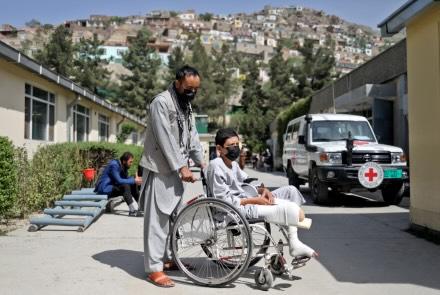
    Nearly 80 per cent of those killed or injured by explosive ordnance are children, according to UNAMA data. The youngest victims are often boys aged between four and fifteen who mistake rusty rockets, grenades, bombs or landmines for toys. In the past year alone, 87 people were killed and 333 injured in such incidents across the country.

    The human cost is devastating. Children who survive frequently lose limbs, sight or the ability to walk, facing lifelong disability in a country where medical services and rehabilitation remain severely limited. Families are left traumatised and economically crippled, as injured children can no longer attend school or help with farm work. UNMAS and its partners run daily risk-education campaigns, yet the message struggles to reach every remote village where suspicion objects lie half-buried in fields and hillsides.

    Vast Contaminated Areas Threaten Daily Life

    More than 1,000 square kilometres of Afghan land remain contaminated by explosive remnants. Nearly three million people – along with 800 educational centres and 200 health facilities – live within one kilometre of these hazardous zones. The contamination stretches from the mountains of the Hindu Kush to the plains of the south, a silent killer left behind by successive wars.

    Agricultural land, vital for a nation where most people depend on farming, is often off-limits. Farmers risk death or injury every time they plough fields or graze animals. Children are barred from playing freely or walking to school. Even roads surveyed by clearance teams can hide new threats from recent heavy fighting, including rockets and improvised munitions.

    The scale of the problem is staggering. Decades of conflict have scattered bombs, rockets, grenades and landmines across the landscape. New hazards continue to emerge from clashes, while older remnants from the Soviet era, civil war and post-2001 fighting still claim victims.

    Funding Cuts Hamper Clearance Efforts

    Despite the urgent need, mine-action efforts are shrinking dramatically. In 2011, Afghanistan had 15,000 deminers working to clear the land. Today that number has plummeted to just 1,300 – a drop of more than 90 per cent. Humanitarian funding has dried up, the de facto authorities lack international recognition, and the number of operational clearance teams has fallen by more than 40 per cent in the past year alone.

    UNMAS and its partners continue to conduct surveys, risk education sessions and clearance operations wherever possible. They also support humanitarian aid convoys by checking routes for explosive hazards. Yet the reduced capacity means many contaminated areas remain untouched. “We have significant national and international expertise in mine action in Afghanistan,” Pond noted, but without renewed funding the work cannot keep pace with the need.

    Additional pressures compound the crisis: the return of thousands of refugees, earthquakes that disturb buried ordnance, and cross-border tensions that create fresh contamination. Each new incident delays progress and costs more lives.

    Urgent Call for International Support

    Pond and UNAMA officials stress that the situation is not hopeless. Afghanistan possesses the skilled workforce and technical knowledge required to clear every mine and piece of UXO – if the international community steps up. “Increased international support for the mine action sector could enable Afghanistan to clear all mines, allowing people to return to normal life,” Pond said.

    Clearance would unlock farmland, reopen safe routes to schools and clinics, and give children back their childhood. It would also remove a major barrier to economic recovery and humanitarian assistance in one of the world’s most aid-dependent nations.

    Until then, UNMAS urges every Afghan citizen to treat any suspicious object as potentially lethal. “Do not touch it. Do not move it. Report it immediately to the authorities or demining teams,” the organisation repeats in radio broadcasts, school programmes and village meetings.
    NLUO Unveils its Internationally Indexed Flagship Journal on Rights of the Child

    Shyni S, ADG of Police, CAW & CW, flags urgent need for addressing biases while dealing with children in conflict with law at the 11th foundation day celebration of Centre for Child Rights, NLUO and unveiling of its flagship Journal

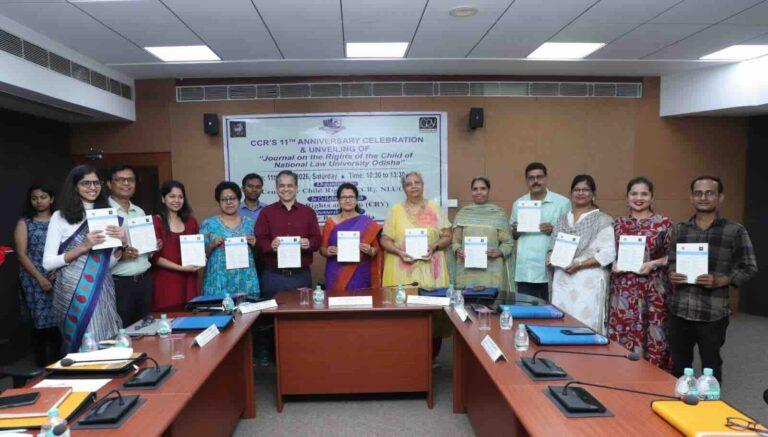
    The Centre for Child Rights (CCR) at National Law University Odisha (NLUO) celebrated its 11th anniversary on 11th April 2026 and unveiled its internationally indexed flagship journal – Journal on the rights of the child of national law university Odisha.

    The event was presided over by Babita Patro, Chairperson, Odisha State Commission for Protection of Child Rights (OSCPCR). She emphasized on the importance of addressing mental health and digital safety of children in Odisha. She underscored the need to engage directly with children in their lived environments to understand the challenges they face and to develop orders, directives, and policies that respond effectively to these realities.

    Other dignitaries present in the event were Shyni S, IPS, Additional Director General of Police, Odisha (Crime Against Women and Children Wing), Subhendu Bhattacharjee, Director of Research and Knowledge Exchange, Child Rights and You (CRY); Prof Ved Kumari, the Editor-in-Chief of the Journal on the Rights of the Child of National Law University Odisha and former Vice Chancellor of NLUO, Prof Rangin Pallav Tripathy, Vice Chancellor (I/C), NLUO and Patron-in-Chief, CCR-NLUO; Prof Biraj Swain, Chief Minister’s Chair Professor cum Director of Centre for Child Rights (CCR), NLUO.  

    Shyni S, IPS, ADGP, CAW & CW underlined the class and caste bias in dealing with children in conflict with law (CiCL), and called for self-awareness amongst child protection cadre (state and non-state) for self-awareness of inherent prejudices while handling such cases and sensitivity, keeping best interest of the child in mind, while dealing with such cases. Raising concerns about gaps in the implementation of legal frameworks, she pointed to the lack of clarity around diversion under the Juvenile Justice system and questioned certain procedural practices. She further emphasized the need to rethink approaches toward adolescents, particularly in sensitive contexts, and highlighted the importance of making law enforcement systems more child-friendly to reduce fear among children.

    Beyond Just Juvenile Justice

    Speaking of the event, Prof Rangin Pallav Tripathy talked about the importance of not just starting an initiative but sustaining and strengthening them over time, despite changes in leadership and vision and highlighted that the CCR of NLUO is one such Centre.

    Prof Ved Kumari envisioned the Chair professorship on Child Rights, the only Chair Professorship on Child Rights in the country with a focus on the entire spectrum/continuum of child rights and not just juvenile justice. She also acknowledged the support of Odisha government that is supporting not just the position of a Chair Professor but a multi-member team including two researchers and administrative support. She described the centre’s progress as “nothing short of a miracle” amidst high expectations and recalled how timely decisions and institutional support played a key role in shaping the initiative. She also emphasized the importance of integrating the Centre’s work with academic life of NLUO rather than the CCR functioning as a parallel entity without engagement with students and the university.

    Subhendu Bhattacharjee shared that Child Rights and You (CRY) focus and interventions in 22 states and 150 districts in the country, focusing on last-mile delivery. He further shared that they see a lot of value in engaging with academic institutions where buddying lawyers and journalists are being prepared to build their perspective around child rights.

    Infographic on Child Budget

    The publication of the Journal on the Rights of the Child Volume VII, Issue I, marks a significant step forward in the academic and practical pursuit of child rights in India. By combining rigorous research with lived experiences, it serves as a valuable resource for practitioners, scholars, policy makers, advocates and the judiciary. The Editorial Advisory Board of the journal Justice Madan B Lokur, Justice Gita Mittal, Prof Bernd-Dieter Meier, Prof Christopher Birbeck, and Prof Bhabani Prasad Panda. The Editorial Board led by Prof Ved Kumari (Editor in Chief), Prof Biraj Swain (Editor), Prof Ravinder Barn, Dr Frederick de Moll, Dr Damanjit Sandhu, Dr Asha Bajpai, and Dr Kalpana Purushothaman who ensure the quality, integrity and inter-disciplinary depth of the publication.

    The Journal on the Rights of the Child of National Law University Odisha, Vol -VII, Issue -I brings together 11 original contributions from across the country. The volume includes the Presidential address by Justice Savitri Ratho, Judge, Orissa High Court and Chairperson – Juvenile Justice Committee, Orissa High Court and papers on juvenile justice jurisprudence, right to education, new education policy, Protection of Children from Sexual Offences (POCSO, 2012), and mental health. It also includes an infographic on child budget in Union Budget analysis with fact sheet. It is an open access journal, it can be accessed at – https://nluo.ac.in/journal-on-the-rights-of-the-child/.

    Oldest Centre of NLUO

    The event was attended by representatives from government officials, Dr Santosh Rout, Joint Director, Odisha School Education Programme Authority (OSEPA), Dept of School and Mass Education, Pritikanta Panda – Programme Manager, Odisha State Child Protection Society (OSCPS), Pragati Mohanty, District Child Protection Officer-Cuttack, and Pamod Acharya, former Chairperson – CWC, Cuttack. Dr Sandhya Rani Pal from XIM University and Udit Narayan Mishra from KIIT School of Law also were present in the event. Eminent representatives from important civil society organizations present were Dr Avijeet Bhadra from Bal Raksha Bharat, Pratyush Panda from Schizophrenia Research Foundation (SCARF), Sneha Mishra from AIINA, Bishakha Bhanja from National Alliance for Women’s Organisation (NAWO), Mr. Anwoya Avinab from Utkal Sevak Samaj, Jitendra Kumar Nayak from WaterAid, Smt Biraj Laxmi Sarangi from PCI Global, Ms Virajitha Chimalapathi from World Resources Institute, Pradyut R Rout from PLAN International-India and selected student members of CCR i.e. Avismrita, Suraj, Kashish, Sushant, Akshat, Amit, Ashwani, Shahnaaz, Jyotirmay, Subhadra and students, staff and faculty of NLUO.

    The Centre for Child Rights is the oldest centre of NLUO, the second oldest child rights centre at any NLU, and the only Chair Professorship on child rights amongst any university in the country, law and non-law included. It is a research, teaching, advocacy and practise centre and fully integrated with NLUO. The Centre is led by the Chief Minister’s Chair Professor cum Director Prof Biraj Swain. Other faculty and staff members of the CCR are Mr M Vijay Bhaskar (Co-Director), Ms Akanksha Yadav (Co-Director), Dr Swagatika Samal (Researcher), Dr Pradipta Kumar Sarangi (Researcher), Mr Amulya Kumar Swain (Office Assistant) and Mr T Swaraaj (Member).

    The 11th anniversary celebration event of CCR was organised in collaboration with the leading child rights organisation – Child Rights and You (CRY) and the State Bank of India was the sponsorship partner.

    World Bank: Middle East Conflict to Push 1.2 Million More Bangladeshis Below Poverty Line

    The World Bank has warned that the escalating Middle East conflict, triggered by the US-Israel war on Iran, will push an additional 1.2 million Bangladeshis below the poverty line and derail the country’s fragile economic recovery.

    The World Bank has sharply revised its outlook for Bangladesh, projecting that the ongoing Middle East conflict will drive an extra 1.2 million people into poverty while slashing the country’s economic growth forecast for the current fiscal year.

    In its latest Bangladesh Development Update released on Wednesday, the multilateral lender highlighted how external shocks from the US-Israel war on Iran are compounding domestic vulnerabilities such as high inflation, weak job creation and strained public finances.

    Poverty Projections Worsen Amid Global Turmoil

    Bangladesh’s national poverty rate is now expected to have climbed for the third straight year, rising from 18.7 per cent in 2022 to 21.4 per cent in 2025. Before the Middle East conflict intensified, the World Bank had anticipated that 1.7 million people would escape poverty this year. That figure has now been slashed to just 500,000.

    At the international poverty line of $3 a day, an additional 1.4 million people are estimated to have slipped into poverty between 2022 and 2025 due to stagnant labour incomes and persistent inflation that eroded the benefits of whatever growth occurred.

    “A recovery projected for 2026 is now at risk – the Middle East conflict is expected to push an additional 1.2 million people below the poverty line, offsetting much of the projected improvement,” the report stated.

    The fresh poverty shock threatens to reverse hard-won gains made by millions of low-income households, particularly in rural areas and among daily-wage earners whose purchasing power has already been squeezed by years of elevated prices for food and essentials.

    Economic Fallout Hits Remittances, Exports and Energy Costs

    The conflict is transmitting pain through multiple channels. Higher global energy prices, disrupted shipping routes and heightened uncertainty are raising import costs for fuel and raw materials. Weaker demand in key markets is hurting garment exports, while remittances from Bangladeshi workers in the Middle East are expected to decline as regional instability affects employment and wage flows.

    These pressures will widen the current account deficit, fuel further inflation and limit the government’s fiscal space. Energy subsidies are likely to balloon, crowding out spending on social safety nets and infrastructure at a time when they are most needed.

    The World Bank noted that poverty and welfare outcomes had already deteriorated significantly between 2022 and 2025 because of limited creation of productive jobs and weak labour income growth. Elevated inflation had further blunted the poverty-reducing impact of economic expansion.

    Growth Forecast Slashed to 3.9 Per Cent

    Reflecting these headwinds, the World Bank has downgraded Bangladesh’s real GDP growth projection for FY26 to 3.9 per cent from its earlier estimate of 4.6 per cent made in January 2026. The downward revision captures both the direct effects of the Middle East conflict and lingering domestic challenges, including financial-sector weaknesses and subdued private investment.

    Inflation, while expected to ease slightly from FY25 levels, will remain stubbornly high because of costlier imports and exchange-rate volatility linked to the regional crisis, the organisation says.

    The report paints a picture of an economy caught between external shocks and internal constraints. Constrained policy space and weakened investor confidence have left Bangladesh with fewer tools to cushion the blow.

    Urgent Call for Stabilisation and Structural Reforms

    The World Bank emphasised that addressing these risks requires an urgent and coherent stabilisation strategy backed by deep structural reforms. Such measures are essential to rebuild fiscal and external buffers, restore market confidence, revive private investment and place the economy on a sustainable growth path.

    Without swift action, the lender warned, the combined impact of the Middle East conflict and domestic vulnerabilities could prolong the squeeze on poor and vulnerable households and delay Bangladesh’s progress toward upper-middle-income status.

    The findings come at a critical juncture. Bangladesh has been navigating a difficult post-pandemic recovery marked by high inflation, a balance-of-payments crunch and political transitions. The latest external shock from the Middle East has narrowed the window for corrective measures.

    Economists say the government must now prioritise prudent fiscal management, energy-price rationalisation and targeted social protection programmes to shield the poorest. At the same time, accelerating reforms in the financial sector and improving the investment climate will be vital to attract fresh capital and create jobs.

    The World Bank’s April update serves as a stark reminder that global instability can quickly unravel domestic development gains. For a country of nearly 170 million people where millions still live close to the poverty line, the margin for error has become dangerously thin.

    Policymakers, development partners and the private sector will need to work in tandem to mitigate the fallout. The coming months will test Bangladesh’s resilience and its ability to turn crisis into an opportunity for deeper reforms that can deliver inclusive and lasting growth.

    ICRC Bolsters Afghanistan’s Fragile Health System with Care for 1.2 Million Amid Soaring Humanitarian Needs

    On World Health Day, the International Committee of the Red Cross reveals how its support for primary clinics and emergency services reached 1.2 million Afghans in 2025 — even as 14.4 million more face a deepening health crisis in 2026.

    Afghanistan’s healthcare system remains under severe strain from decades of conflict, economic hardship, natural disasters and ongoing hostilities, the International Committee of the Red Cross (ICRC) has warned. In a detailed review of its work, the organisation described how its partnership with the Afghan Red Crescent Society (ARCS) has become a lifeline for vulnerable communities, delivering essential primary care and emergency support while the United Nations projects that more than 14.4 million people will need humanitarian health assistance this year.

    The ICRC’s support focuses on strengthening institutions rather than replacing the national system. By working closely with the ministry of public health and ARCS, the organisation has helped keep basic services running in some of the country’s most affected areas, where millions – especially women, children and people in remote regions – struggle to access even routine medical help.

    Primary Care Clinics Serve as First Line of Defence

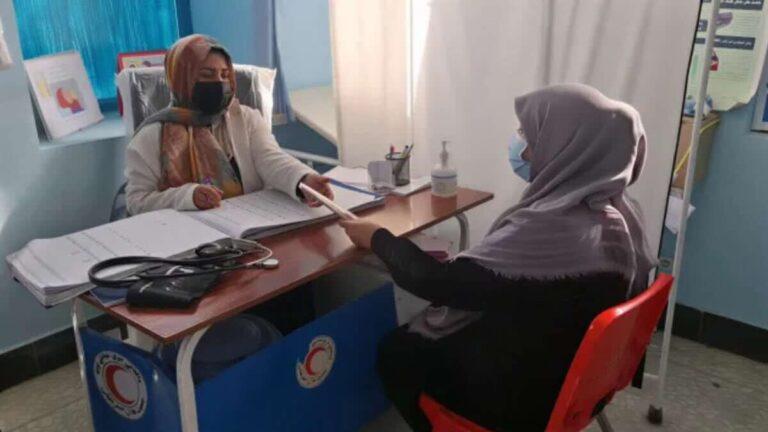
    At the heart of the ICRC’s efforts are 46 Basic Health Clinics and one district hospital operated by ARCS. In 2025 these facilities treated approximately 1.2 million patients, the vast majority women and children. The clinics provide preventive care, early treatment, vaccinations, antenatal and postnatal services and free medicines, easing the burden on overstretched secondary hospitals.

    Patients have described the clinics as lifelines. Parveen Yusofi, a pregnant woman attending Hazrat Abu Bakr Sediq Basic Health Clinic in Herat, said: “I am pregnant, and this clinic supports women like me throughout our pregnancy. The doctors provide antenatal and postnatal care and follow our health from the beginning until after the baby is born. My relatives and other family members also come here because they trust the services.”

    Akhtar Mohammad, a teacher from Kandahar who brought his young daughter for treatment after she developed flu symptoms, echoed the sentiment. “For more than two years, this clinic has been the first place I come when someone in my family is sick. I have brought all my children here. It is close to our home, the staff treat patients with great care, and the quality of the service is very good. As a teacher facing economic difficulties, I cannot always afford medical costs. Here, we receive consultations, medicines, vaccinations, and nutrition support free of charge. For families like mine, this clinic makes a real difference.”

    The emphasis on primary care is deliberate. By catching illnesses early and offering preventive services, the clinics reduce the number of patients who later require expensive hospital treatment. In a country where private care is beyond the reach of most families, these ARCS facilities often represent the only accessible healthcare option.

    Emergency Training and Hospital Upgrades Save Lives in Critical Moments

    Beyond clinics, the ICRC’s Emergency Department Support (EDS) programme has upgraded infrastructure, equipment and staff skills in selected provincial hospitals. In 2024 the programme operated in Ghazni Provincial Hospital, Ghazni Regional Hospital, Rukha District Hospital, Khost Provincial Hospital and Tirinkot Provincial Hospital. In 2025 support shifted to Paktya Regional Hospital, Baghlan Provincial Hospital and the Office of Prisons Administration 50-Bed Hospital, allowing the ICRC to adapt to changing needs.

    The organisation also delivered intensive training. Sixteen Basic Emergency Care (BEC) sessions – including four Training-of-Trainers courses – equipped 256 health professionals (115 women and 141 men) with life-saving skills. Separately, 53 First Aid training sessions across 16 provinces reached 779 responders, improving pre-hospital care and mass-casualty incident preparedness. Advanced First-Aid Training was additionally provided to Kabul Airport fire-extinguishing staff.

    Sumaya Samadi, a nurse at Baghlan Provincial Hospital, described the value of the training: “Organising such training is very beneficial because by learning basic emergency care we can improve the quality of care we provide. The knowledge that we obtained, such as intervening to respond to the health needs of critical patients, can be brought back with us to the provinces where we work.”

    ICRC Disaster and Emergency Medicine Specialist Killiam Argote-Araméndiz explained the strategic importance: “Strengthening First Aid and pre-hospital emergency care is central to our humanitarian mission, as it ensures that people affected by conflict and violence receive immediate, life-saving support before reaching health facilities. In those critical moments, every second matters. By investing in training, essential equipment, and better organisation of care, we help ensure that patients arriving in urgent need are treated quickly, safely, and with dignity. This support not only makes an immediate difference for those fighting for their lives, but also strengthens hospitals over time, enabling them to respond with resilience and compassion to both everyday emergencies and large-scale crisis.”

    Nutrition Support Targets Hidden Crisis Among Children

    In Afghanistan, malnutrition remains a silent emergency. The ICRC coordinates with UNICEF and the World Food Programme to supply ready-to-use therapeutic food to ARCS clinics outside the main UN nutrition cluster. This targeted intervention helps clinics address severe acute malnutrition among children who would otherwise go untreated.

    By integrating nutrition services into primary care, the ICRC is tackling one of the most pressing long-term consequences of Afghanistan’s protracted crisis. Early nutritional support not only saves young lives but also reduces future complications that would otherwise overwhelm hospitals.

    Partnerships and Challenges in a Fragile Context

    All ICRC activities are carried out in close coordination with the ministry of public health. The organisation also supports physical rehabilitation, first-aid programmes and trauma training, maintaining a broad institutional partnership that extends beyond immediate relief.

    Yet the challenges are stark. Decades of conflict have left the health sector heavily dependent on international aid. Economic hardship means families cannot afford private services, while natural disasters and sporadic violence continue to stretch resources. Access remains uneven, particularly for women, children and those living far from urban centres. The ICRC’s annual review makes clear that without sustained humanitarian support, the gains of recent years could quickly erode.

    The 2025 figures demonstrate both the scale of need and the tangible impact of targeted assistance. More than a million patients received care that might otherwise have been unavailable. Thousands of health workers and first responders gained skills that will serve communities for years to come. Hospitals in key provinces are now better equipped to handle both routine emergencies and sudden surges.

    The ICRC’s report serves as a reminder that in Afghanistan this right remains fragile. Primary clinics, emergency upgrades, nutrition programmes and training initiatives have kept the health system functioning for the most vulnerable.

    But with 14.4 million people projected to need assistance in 2026, the gap between needs and resources continues to widen. The ICRC’s institutional support model – working through local partners and national authorities – offers a sustainable path forward, yet it cannot substitute for broader economic recovery and lasting peace.

    UN Report: Gap Between Rich and Poor Nations Growing Even Wider

    A new United Nations report warns the economic divide between rich and poor nations is widening sharply, with development aid plunging and trade barriers rising despite last year’s Seville Commitment to close a $4 trillion financing gap.

    A hard-hitting United Nations report released on Saturday has delivered a sobering verdict: the gap between rich and poor nations is growing even wider. Titled implicitly around the theme of stalled progress, the assessment examines implementation of the Seville Commitment – a landmark blueprint unanimously adopted by leaders of many nations (excluding the United States) in Seville, Spain, in June 2025.

    The Seville Commitment was hailed as the best hope for closing an annual $4 trillion financing gap needed to lift developing countries and achieve the UN Sustainable Development Goals by 2030. It called for scaled-up investments and urgent reforms to the international financial architecture, particularly the International Monetary Fund and the World Bank. Yet, one year later, the UN report finds that promises remain largely unfulfilled.

    The report is the tenth edition in the annual series produced by the United Nations Inter-Agency Task Force on Financing for Development (IATF).

    Released just ahead of the spring meetings of the IMF and World Bank in Washington, the document paints a picture of stalled momentum. Geopolitical tensions are increasingly shaping economic relations and financial policies, making it harder for developing countries to attract financing. UN Under-Secretary-General for Economic and Social Affairs Li Junhua warned: “This is an extremely perilous time for international cooperation, as geopolitical considerations are increasingly shaping economic relations and financial policies.”

    Plummeting Aid and Surging Trade Barriers

    The statistics are stark. Development assistance to poorer countries dropped by 23 per cent overall in 2025 compared with 2024 – the largest annual contraction on record. Twenty-five countries cut aid, with the United States recording the sharpest fall at 59 per cent. Preliminary data point to a further 5.8 per cent decline in 2026.

    At the same time, trade barriers have risen sharply. Average tariffs on exports from the world’s poorest nations surged from 9 per cent to 28 per cent in 2025. For developing countries excluding China, the increase was from 2 per cent to 19 per cent, including measures linked to the previous Trump administration. These tariffs, combined with repeated climate-related shocks, have compounded the struggles of vulnerable economies already reeling from debt burdens.

    The report recalls how the COVID-19 pandemic left dozens of countries deeply indebted, with the World Bank failing in its mission during the crisis. UN Secretary-General António Guterres has repeatedly criticised the IMF for benefiting rich countries instead of poor ones and the World Bank for its shortcomings, arguing that US and European allies continue to dominate decision-making in these institutions.

    IMF Managing Director Kristalina Georgieva added to the gloom, noting that while the global economy had been prepared for upgraded growth, the Iran war has now darkened the outlook.

    Geopolitical Tensions and Climate Shocks Compound the Crisis

    The widening gap is not merely an economic story; it is deeply political. Geopolitical considerations are now overriding development priorities, the report says. Developing nations find themselves squeezed between rising debt, falling aid flows, and protectionist trade policies. Climate shocks – more frequent and severe – hit the poorest countries hardest, yet the promised reforms to make global finance more responsive have not materialised.

    The Seville Commitment had offered a rare moment of consensus. Leaders gathered in the historic Spanish city and pledged to overhaul the Bretton Woods institutions, increase concessional financing, and create new mechanisms to tackle the $4 trillion annual shortfall. The document described the Commitment as “the best hope” to bridge the divide. One year on, however, the UN assessment shows progress has been minimal.

    Critics inside and outside the UN point to structural imbalances. Voting power and leadership in the IMF and World Bank remain heavily skewed toward wealthy nations, frustrating calls from the Global South for equitable representation. The report underscores that without genuine reform, the Sustainable Development Goals – already off-track before the Seville conference – risk becoming unattainable.

    Urgent Reforms Needed to Rescue Global Development Goals

    The UN report stops short of prescribing specific new measures but leaves no doubt about the required direction. It urges member states to return to the spirit of the Seville Commitment: reform the international financial architecture, scale up investments in developing countries, and address the structural barriers that perpetuate inequality.

    As finance ministers and central bankers prepare to meet in Washington, the timing of the report is deliberate. It serves as a pointed reminder that business-as-usual is no longer an option. The $4 trillion gap remains as wide as ever, and the consequences – stalled poverty reduction, deepening debt distress, and heightened vulnerability to climate disasters – are already visible across Africa, Asia, Latin America and small island developing states.

    Li Junhua’s warning about the perils facing international cooperation resonates far beyond the pages of the report. In an era of rising great-power competition, trade fragmentation and climate emergency, the cost of inaction falls heaviest on those least responsible for the problems.

    The UN assessment ends on a note of cautious urgency. The Seville Commitment, though imperfect, still represents the clearest roadmap available. Whether world leaders choose to follow it – or allow the gap between rich and poor to widen further – will define the next decade of global development.

    IMF, World Bank and WFP Warn: Iran War to Drive Sharp Rise in Global Food Prices

    Global food security under threat as energy shocks from the Iran conflict ripple across supply chains, hitting the world’s poorest hardest.

    The heads of the International Monetary Fund, the World Bank and the World Food Programme have issued a joint warning that the ongoing Middle East conflict centred on Iran is poised to trigger a fresh surge in global food prices, deepening food insecurity for millions. In a strongly worded statement released on Thursday, the three institutions described the war as having triggered one of the largest disruptions to global energy markets in modern history, with immediate and severe consequences for food production and distribution worldwide.

    The alert comes just one day after the US and Iran agreed to a two-week ceasefire, following hostilities that erupted on 28 February when the US and Israel launched strikes on Iran over its refusal to surrender its nuclear fuel stockpile. While the temporary truce has raised cautious hopes of de-escalation, the economic fallout from nearly six weeks of fighting continues to reverberate far beyond the region.

    Energy Market Turmoil Fuels Food Crisis Fears

    The joint statement paints a grim picture of cascading effects. Sharp increases in oil, gas and fertiliser prices, combined with transport bottlenecks caused by the conflict, are already reshaping global commodity markets. Energy is the lifeblood of modern agriculture and food logistics: natural gas is a key feedstock for nitrogenous fertilisers, while diesel powers tractors, irrigation pumps and the trucks that move grain from farm to port. Any sustained spike in these costs translates directly into higher expenses for farmers and food processors, which are inevitably passed on to consumers.

    The organisations noted that the Middle East war is “upending lives and livelihoods in the region and beyond”, with impacts extending well outside the immediate conflict zone. Global energy markets have been thrown into turmoil, echoing the volatility seen during previous geopolitical shocks but with the added complexity of today’s tightly integrated supply chains. Even as markets digest the news of the ceasefire, analysts warn that the damage to shipping routes, insurance premiums and investor confidence may linger for months.

    Vulnerable Economies at Greatest Risk

    The burden of rising food prices will fall most heavily on the world’s most vulnerable populations, the statement emphasised. Low-income countries that depend heavily on food imports are particularly exposed. Many of these nations already grapple with high debt burdens and limited fiscal space, leaving governments with little room to subsidise staples or cushion households from price shocks.

    In such settings, even modest increases in the cost of bread, rice or cooking oil can push millions closer to hunger. The World Food Programme, which operates on the front lines of humanitarian crises, has repeatedly warned that food-price spikes quickly translate into deeper malnutrition, especially among children and pregnant women. The IMF and World Bank, meanwhile, highlighted the risk to macroeconomic stability: higher import bills could widen current-account deficits, weaken currencies and reignite inflation in economies still recovering from the after-effects of the COVID-19 pandemic and earlier commodity shocks.

    Limited Fiscal Buffers Exacerbate Vulnerability

    Compounding the problem is the constrained ability of many governments to respond. With public debt levels elevated and fiscal space already stretched thin, policymakers may be forced to choose between protecting the vulnerable and maintaining debt-servicing obligations. The three institutions cautioned that spikes in fuel and food prices are “especially concerning” where resources are scarce, potentially forcing cuts to social safety nets at the very moment they are most needed.

    The statement stopped short of issuing specific price forecasts or naming individual countries at highest risk, but the message was unmistakable: without swift and coordinated action, the human cost could be immense. Past episodes, such as the 2008 food-price crisis and the 2022 Ukraine-related shocks, demonstrated how quickly energy-driven cost increases can spiral into widespread unrest and long-term setbacks in poverty reduction.

    International Bodies Pledge Coordinated Response

    In response, the IMF, World Bank and WFP pledged to monitor developments closely and coordinate the use of all available tools within their mandates. This includes financial support, policy advice, humanitarian assistance and technical expertise aimed at safeguarding lives and livelihoods while laying the foundations for a resilient recovery. The focus, they said, would be on delivering stability, growth and jobs in the most affected regions.

    The joint statement reflects a growing recognition among multilateral institutions that food security is no longer a purely humanitarian issue but a core macroeconomic challenge. By working together, the organisations hope to mitigate the worst effects of the crisis and prevent a repeat of earlier food-price episodes that reversed years of development progress.

    As the two-week ceasefire takes effect, markets will be watching closely for signs of sustained de-escalation. Yet even if fighting subsides, the economic scars of the Iran war may take far longer to heal, the three organisations said, adding that for millions of families already living on the edge, the coming months could determine whether the next meal remains affordable or slips out of reach.

    India Remains Among Fastest-Growing Economies Amid Global Uncertainties: World Bank

    World Bank projects India’s economy to expand at 6.6 per cent in financial year 2027 despite Middle East conflict and global headwinds, underscoring its resilience as one of the world’s fastest-growing major economies.

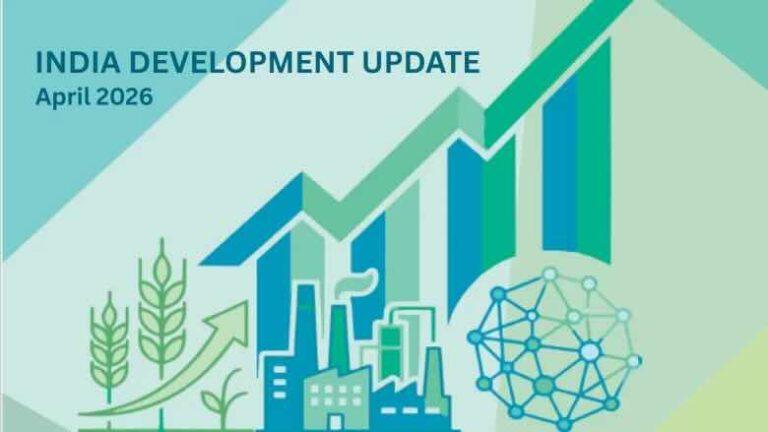
    India’s economy is projected to grow at 6.6 per cent in fiscal year 2026-27 (FY27), a moderation from the 7.6 per cent expansion expected in FY26, as higher energy prices triggered by the Middle East conflict and supply chain disruptions weigh on activity. Yet the country continues to rank among the fastest-growing major economies globally, according to the World Bank’s latest India Development Update released on Thursday.

    The update, released alongside the South Asia Economic Update titled “Working with Industrial Policy,” highlights that while external shocks pose downside risks, India’s strong domestic fundamentals provide a buffer. Growth is expected to decelerate due to elevated global energy costs and trade disruptions, but the outlook remains positive compared to other large economies.

    Resilience Built on Strong Fundamentals

    India’s macroeconomic stability offers significant insulation from external headwinds. Substantial foreign exchange reserves, persistently low inflation, predominantly rupee-denominated public debt, a healthy financial sector, and successful trade diversification efforts are key pillars supporting resilience. These factors limit the economy’s vulnerability to volatile global conditions, allowing India to maintain momentum even as many emerging markets face greater challenges.

    The World Bank notes that these policy buffers have helped the economy weather recent global uncertainties effectively. However, the report cautions that the full impact of the Middle East conflict remains highly uncertain and could further moderate growth if energy prices spike or supply chains face prolonged interruptions.

    Private Sector-Led Growth Essential for Jobs and Viksit Bharat

    “Boosting private sector-led growth will be critical to strengthening economic resilience and supporting more young people to enter the workforce,” said Paul Procee, World Bank Acting Director for India. “To achieve Viksit Bharat, a predictable, business-enabling environment will help to unlock investment and create jobs at scale in priority sectors like energy and infrastructure, manufacturing, tourism, healthcare, and agribusiness.”

    The emphasis on private investment comes as India pursues its ambitious goal of becoming a developed nation by 2047. The report underscores that sustained job creation, particularly for the country’s large youth population, depends on fostering a conducive environment for businesses. Predictable regulations, reduced bureaucratic hurdles, and targeted support in high-potential sectors are seen as vital to translating economic growth into broad-based employment opportunities.

    Analysts point out that while public investment has played a significant role in recent years, scaling up private participation will be necessary to sustain long-term momentum and address structural challenges such as informality in the labour market.

    South Asia Slows but Outpaces Peers

    The India Development Update serves as a companion to the broader South Asia Economic Update, which projects regional growth slowing to 6.3 per cent in 2026 from 7 per cent in 2025 before recovering to 6.9 percent in 2027. Despite the moderation, South Asia is expected to remain the fastest-growing region among emerging markets and developing economies.

    The regional report includes a detailed examination of industrial policy – the use of targeted government interventions to shape economic production. South Asian countries have implemented industrial policies at roughly twice the rate of other emerging economies, with a focus on manufacturing, employment-intensive activities, and higher-productivity firms. However, results have been mixed. Import restrictions have significantly reduced imports, but export promotion measures have not delivered comparable gains in exports.

    “South Asia’s mixed success on industrial policy in part reflects the region’s limited implementation capacity, fiscal space, and market size in some countries,” said Franziska Ohnsorge, World Bank Group Chief Economist for South Asia. “While broad-based reforms remain the priority, well-calibrated industrial policies could address specific market failures, including through measures such as industrial parks, skill development programs, market access assistance, and improving export quality standards.”

    The report recommends carefully designed policies in areas like urban development, tourism, and digital services, combined with improvements in the overall business environment, regulatory predictability, and state capacity. Such measures are deemed essential for accelerating job creation and enhancing competitiveness.

    Outlook Remains Vulnerable but Hopeful

    While downside risks from geopolitical tensions, global trade uncertainties, and energy price volatility persist, India’s policy buffers and domestic demand strengths position it favourably. The World Bank stresses that continued focus on private sector development and targeted reforms will be crucial to maintaining growth momentum and realising long-term development aspirations.

    As global conditions evolve, India’s ability to navigate external shocks while deepening structural reforms will determine whether it can sustain its position as a leading growth engine. The latest projections affirm that, even with a slowdown, the country’s economic trajectory remains robust relative to peers, offering cautious optimism for investors, policymakers, and citizens alike.

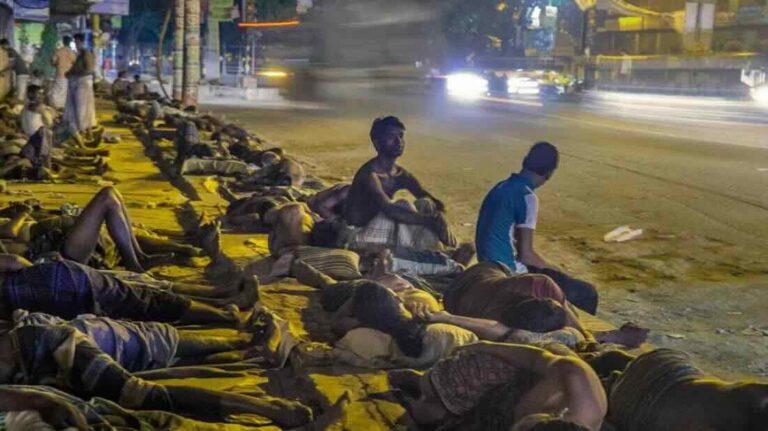
    Dhaka Water Emergency: Authority Digs Deeper into Groundwater

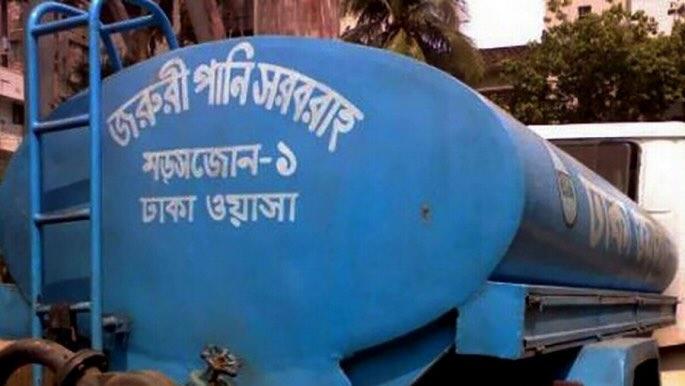
    As Bangladesh’s capital grapples with explosive urban growth, its water authority is resorting to emergency groundwater pumping while long-promised surface-water schemes remain years behind schedule.

    The Dhaka Water Supply and Sewerage Authority (Dhaka WASA) is preparing to launch a Tk 920.85 crore (roughly US$75 million) emergency project to pump an extra 57 crore litres of groundwater per day into the city’s thirsty pipes. The initiative, titled “Emergency Water Supply in Dhaka City,” is scheduled to run from January 2026 to June 2030. It has been placed before Bangladesh’s Executive Committee of the National Economic Council for approval.

    Dhaka, the bustling capital of Bangladesh, is home to more than 20 million people and one of the world’s fastest-growing megacities. Its water demand already stands at about 320 crore litres a day and is projected to climb to 360 crore litres by 2029 as the population swells and new apartment blocks and industries spring up. At present, 70 per cent of that supply comes from deep tube wells tapping underground aquifers. The new project would push that dependence even higher.

    Stalled Surface-Water Projects Create Urgent Shortfall

    The emergency measure arrives precisely because two flagship surface-water treatment plants – designed to wean Dhaka off groundwater – are behind schedule. The Gandharbpur Water Treatment Plant (Phase 1) is only about 50 per cent complete after a decade of work. The Saidabad Water Treatment Plant (Phase 3) has progressed just 20 per cent. Together, the two schemes were supposed to add nearly 95 crore litres of treated river water daily, offering a more sustainable alternative to the city’s rapidly depleting aquifers.

    Instead, chronic delays have left a widening supply gap. WASA officials argue they have no choice but to act quickly. Abdul Majid, the project’s focal person, described the initiative as “both interim and essential.” Without additional water during this transitional period, he warned, the crisis could worsen dramatically. The plan includes replacing 388 old deep tube wells, installing 62 new ones, regenerating 280 wells, rehabilitating 60 others, building 44 iron-removal plants and 250 pump houses, and expanding pipelines and electrical systems across 361 square kilometres of Dhaka North and South city corporations. A modern Supervisory Control and Data Acquisition (SCADA) system will also be introduced for real-time monitoring.

    A feasibility study conducted by the Institute of Water Modelling gives the project a benefit-cost ratio of 1.34 and an internal rate of return of 18.91 per cent, suggesting it makes economic sense in the short run. Yet the numbers mask deeper structural problems.

    Experts Slam ‘Self-Defeating’ Strategy

    Urban planners and former WASA leaders are far less optimistic. Prof Adil Mohammed Khan, an urban planner, called the move “self-defeating.” “WASA’s stated goal for years has been to reduce dependence on groundwater,” he said, “yet here we are returning to large-scale extraction while major surface-water projects languish.” He pointed out that the water table beneath Dhaka has already fallen sharply – by roughly one metre per year in recent times – driving up pumping costs and risking long-term geological damage.

    Ghulam Mostafa, former chairman of WASA, echoed the concern. He noted that warnings about over-extraction date back to 2009-10. “Public money is being wasted because of delays in the big projects,” he said. “These repeated interim fixes only increase costs and harm the environment.”

    Critics argue the emergency project merely prolongs an unsustainable cycle. By the time the new wells are operational, the surface-water plants may still not be ready, forcing yet another round of stopgap spending. The feasibility study itself acknowledges that completing the stalled projects on time would have avoided the need for such emergency intervention.

    Long-Term Water Security at Risk

    Dhaka’s water story is emblematic of a broader challenge facing many rapidly urbanising cities in the Global South. Surface water from the surrounding rivers is abundant but requires expensive treatment to remove pollutants. Groundwater, once seen as clean and convenient, is now both over-exploited and increasingly contaminated in parts of the city. The new project includes iron-removal plants precisely because many aquifers are becoming harder to treat.

    If approved, the emergency scheme will provide temporary relief to millions of households, businesses and industries. It will also generate jobs during construction and upgrade ageing infrastructure. Yet without a firm commitment to finish the Gandharbpur and Saidabad plants, Dhaka risks locking itself into ever-deeper groundwater dependence at precisely the moment climate change and population pressure are making water security more precarious.

    WASA insists the emergency project is not a replacement for surface-water schemes but a bridge until they are complete. Whether that bridge leads to genuine sustainability or simply buys more time for further delays remains an open question, experts say.

    Women in Afghanistan Nearly Four Times Less Likely Than Men to Access Formal Justice, UN Report Reveals

    New UN findings expose a stark justice gap in Afghanistan, where women are nearly four times less likely than men to reach formal courts or dispute-resolution services amid sweeping restrictions by the de facto authorities.

    Women in Afghanistan face a deepening crisis of exclusion from the justice system, with only 14 per cent reporting access to formal dispute-resolution services compared to 53 per cent of men, according to new United Nations findings. The data, drawn from nationwide consultations, paint a picture of systemic barriers that have left many Afghan women without safe avenues to resolve disputes, seek protection from abuse or hold perpetrators accountable.

    The report, jointly produced by UN Women, the UN Assistance Mission in Afghanistan (UNAMA) and the International Organization for Migration, is based on in-person and online consultations conducted in December 2025 with more than 800 Afghan women and 160 men. More than half the women consulted said their access to formal justice mechanisms had worsened over the past year.

    Alarming Gender Disparity in Formal Justice Access

    The figures reveal a justice gap of almost four to one. While just 14 per cent of women said they could reach formal institutions, 53 per cent of men reported the same access. This disparity is not abstract: it directly affects women’s ability to assert their rights, protect themselves from violence or challenge unfair treatment within their communities and families.

    Georgette Gagnon, Officer in Charge of UNAMA and Deputy Special Representative of the Secretary-General for Afghanistan, warned that the consequences extend beyond individual cases. “When large segments of society face barriers to resolving disputes or seeking protection, it weakens trust in institutions and leaves communities and individuals more vulnerable,” she said.

    Susan Ferguson, UN Women Special Representative, described access to justice as “a fundamental right and a cornerstone of women’s safety and dignity.” She added: “When women are excluded from justice institutions, it undermines their safety, autonomy and their few remaining opportunities to seek help outside of the home. This is especially important for women experiencing domestic violence.”

    Institutional Barriers and the Impact of Recent Decrees

    Participants in the consultations largely attributed the worsening situation to decisions by Afghanistan’s de facto authorities. The suspension of key bodies – including the ministry of women’s affairs and the Afghanistan independent human rights commission – has removed critical institutional support. Women professionals have been largely excluded from the legal sector, and many women-centred justice services have disappeared.

    The de facto authorities’ Decree No. 12 on discretionary punishments, which was shared with courts for implementation earlier this year, has introduced additional obstacles. Women seeking protection or accountability now face heightened risks when attempting to use the formal system. These measures compound an already restrictive environment that has curtailed women’s and girls’ rights across multiple spheres of public life.

    The findings also highlight that access to informal dispute-resolution mechanisms – such as traditional community jirgas and shuras – remains significantly lower for women than for men. These councils of elders often serve as the primary venue for settling local disputes, yet women are frequently sidelined or excluded entirely, further limiting their options.

    Women Demand Urgent Reforms

    Afghan women and men who took part in the December 2025 consultations were clear about what is needed. They called for the immediate strengthening of institutional mechanisms to safeguard women’s access to justice. Specific recommendations included the re-establishment of women-centred and women-led dispute-resolution services, the creation of women-only committees at the community level, and the provision of confidential counselling along with affordable support centres offering legal aid, psychosocial support and protection services.

    The consultations underscore that the crisis is not merely statistical. It reflects lived realities in which women are increasingly isolated within their homes, unable to seek external help when disputes arise or violence occurs. The perception-based nature of the data reflects respondents’ direct experiences rather than independent legal verification, yet the consistency of the findings across a broad sample signals a systemic failure that demands attention.

    The release of the findings explicitly urges the dismantling of discriminatory laws, weak legal protections and harmful social norms that erode women’s rights. The UN report serves as a sobering reminder that, in Afghanistan, these barriers have grown taller in recent months.

    Without swift and meaningful steps to restore women’s access to both formal and informal justice, the vulnerability of Afghan women and girls will only deepen. The de facto authorities’ policies have already stripped away many of the limited gains made over the past two decades. The UN findings now add urgent evidence that the justice system itself has become another front in the struggle for women’s basic rights.

    As Gagnon and Ferguson emphasised, restoring safe pathways to justice is not optional; it is essential for rebuilding trust, protecting the most vulnerable and ensuring that communities can function with even a baseline of fairness and security.

    Veg Thali Cost Stable in March, Non-Veg Cheaper; Tomato, Oil and Fuel Prices Offset Relief: CRISIL

    CRISIL Intelligence’s latest monthly thali tracker shows household food bills holding steady for vegetarians while non-veg meals turn marginally cheaper, as cheaper staples battle rising tomato, oil and fuel costs.

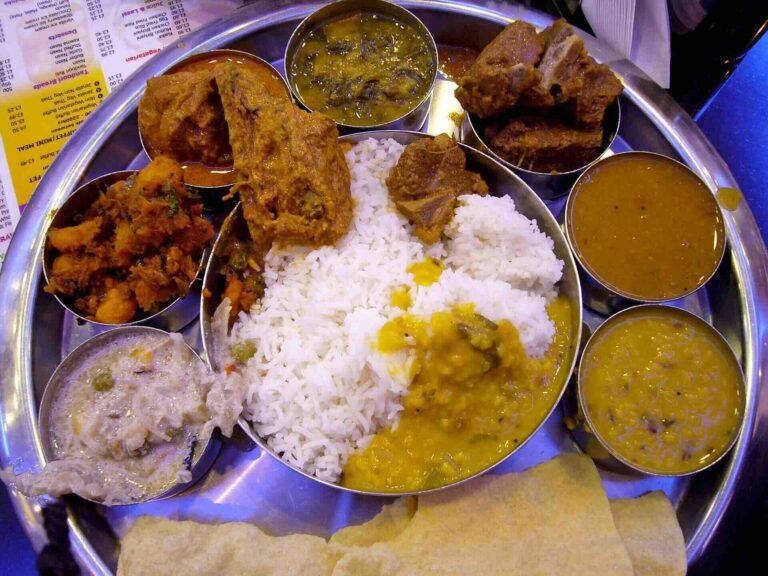
    The cost of preparing a home-cooked vegetarian thali in India remained unchanged year-on-year in March 2026, as falling prices of onions, potatoes and pulses offered some relief to households. At the same time, the non-vegetarian thali became 1 per cent cheaper, mainly because of softer broiler prices, according to a report released by CRISIL Intelligence.

    The findings, based on average input prices across north, south, east and west India, underline the mixed trends shaping everyday food expenditure for millions of Indian families. While vegetable prices provided some breathing space on a monthly basis, persistent rises in tomatoes, edible oils and cooking gas limited the overall benefit, the report noted.

    Vegetarian Thali Holds Firm Despite Sharp Declines in Staples

    The stability in vegetarian thali costs came from a classic price-offset phenomenon. Cheaper onions, potatoes and pulses pulled costs down, but these gains were neutralised by sharp increases in tomato, edible oil and fuel (LPG) prices.

    Tomato prices surged 33 per cent year-on-year to Rs 28 per kg in March, driven by delayed transplantation in major producing states such as Karnataka and Andhra Pradesh. Late arrivals and lower crop yields tightened supply, pushing up retail prices and directly affecting the common man’s kitchen budget.

    In contrast, onion prices dropped a significant 25 per cent year-on-year. Excess supply from overlapping late kharif and rabi harvests, coupled with weak export demand, led to distress sales in mandis across the country. Potato prices also eased 13 per cent, reflecting subdued demand from the hotel, restaurant and catering (HORECA) sector and active liquidation of stored stocks.

    Pulse prices fell 6 per cent year-on-year, supported by comfortable opening stocks. Tur (arhar) inventories are estimated to be 20 per cent higher than last year for the July-June marketing season, while Bengal gram stocks remain about 10 per cent higher. These comfortable buffer stocks helped keep dal prices under check.

    However, global uncertainties kept upward pressure on two critical inputs. Edible oil prices rose 6 per cent year-on-year amid supply disruptions in key producing regions, while domestic LPG cylinder prices jumped 14 per cent. Since both items form an essential part of thali preparation – oil for cooking vegetables and pulses, and LPG for the stove – their higher costs wiped out much of the relief from cheaper staples.

    Pushan Sharma, Director, CRISIL Intelligence, explained the methodology and its relevance: “The average cost of preparing a thali at home is calculated based on input prices prevailing in north, south, east and west India. The monthly change reflects the impact on the common man’s expenditure. The data also reveals the ingredients (cereals, pulses, broilers, vegetables, spices, edible oil and cooking gas) driving the change in the cost of the thali.”

    Non-Veg Thali Becomes Marginally Cheaper

    The non-vegetarian thali saw a modest 1 per cent decline in cost year-on-year. Broiler chicken, which accounts for nearly half the total cost of a non-veg thali, fell 2 per cent. This drop, along with lower prices of onions, potatoes and pulses, more than offset the rise in tomato prices.

    The easing in broiler prices was also influenced by reduced demand during Navratri, a period when many households temporarily shift away from non-vegetarian food. The combined effect of these factors made non-veg meals slightly more affordable compared with the same month last year.

    Monthly Relief from Softer Vegetable Prices

    On a month-on-month basis, both vegetarian and non-vegetarian thali costs declined noticeably in March. The veg thali became 3 per cent cheaper, while the non-veg thali fell 2 per cent. The primary driver was a broad softening in vegetable prices.

    Tomato and potato prices each dropped 6 per cent month-on-month, while onion prices fell a sharper 14 per cent. Higher arrivals in mandis and generally weak demand helped cool these prices, providing immediate relief to households after the sharp tomato spike seen earlier in the year.

    This monthly decline reflects the seasonal and supply-driven nature of vegetable prices. With rabi harvests progressing and improved logistics in some regions, the pressure on kitchen budgets eased slightly in March compared with February.

    Broader Implications for Household Food Expenditure

    The CRISIL report highlights the delicate balance in India’s food price dynamics. For vegetarian households, the year-on-year stability means food bills have not escalated despite inflation in key inputs. However, the lack of a decline also indicates that relief from cheaper staples is not reaching the kitchen fully because of rising costs elsewhere.

    For non-vegetarian families, the marginal reduction offers some comfort, especially in rural and semi-urban areas where broiler chicken is a relatively affordable source of protein. The report’s focus on regional price variations (north, south, east and west) also shows that national averages mask significant state-level differences, influenced by local production, storage and transport costs.

    Food costs remain a critical component of household budgets in India, particularly for lower- and middle-income groups. Even small fluctuations in thali costs can influence consumption patterns, savings and overall inflation perception. The mixed trends captured in the March data – cheaper staples versus dearer oils and fuel – mirror the challenges faced by policymakers in managing food inflation while supporting farmers.

    Analysts note that sustained monitoring of such thali costs provides a practical gauge of ground-level inflation that official wholesale or retail indices sometimes miss. Cereals, pulses, vegetables, spices, edible oil and cooking gas together capture the real expenditure burden on ordinary citizens.

    Looking ahead, the trajectory of tomato prices will be watched closely as the new crop cycle progresses. Any normalisation in supply from Karnataka and Andhra Pradesh could ease the current pressure. Similarly, global edible oil markets and domestic LPG pricing policies will continue to influence the final thali bill.

    In summary, March 2026 presented a picture of cautious stability for vegetarian households and modest relief for non-vegetarian ones. While cheaper onions, potatoes and pulses delivered welcome savings, the surge in tomato, oil and fuel prices ensured that the overall impact remained balanced rather than decisively downward.

    The data serves as a timely reminder of how interconnected supply chains, weather patterns, global cues and domestic demand truly shape the daily plate of the Indian consumer.