More

    Gadkari Calls for Scrapping Delhi’s ECC, Questions MCD’s Green Efforts

    The MCD, responsible for collecting and managing the ECC, has yet to respond officially to Gadkari’s queries. However, sources within the civic body defend the charge, stating it remains essential for funding anti-pollution drives amid budget constraints.

    Union road transport and highways minister Nitin Gadkari has urged the discontinuation of the Environment Compensation Charge (ECC) levied on commercial vehicles entering and exiting the national capital. Speaking at an India Today event on Wednesday, Gadkari questioned the Municipal Corporation of Delhi (MCD) on its contributions to environmental initiatives while continuing to collect the levy, which he argued may not be effectively addressing pollution. The minister’s remarks come as Delhi grapples with persistent pollution challenges, highlighting tensions between central and state authorities on funding and accountability for green projects.

    Introduced by the Supreme Court in 2015, the ECC was designed as a deterrent against polluting vehicles and a means to fund anti-pollution measures. Commercial vehicles, including trucks and smaller transporters, are required to pay between Rs 700 and Rs 1,300 per entry into Delhi, in addition to regular toll taxes. The charge aims to discourage high-emission vehicles from contributing to the city’s notorious air quality issues, which often see the Air Quality Index (AQI) soaring into hazardous levels during winter months. However, Gadkari’s intervention raises fresh doubts about the efficacy and transparency of how these funds are utilized, potentially sparking a review of the decade-old policy.

    Origins and Impact of the ECC Levy

    The ECC traces its roots to a 2015 Supreme Court directive aimed at combating Delhi’s escalating pollution crisis. At the time, the court mandated the charge to generate revenue for cleaner transport infrastructure and environmental safeguards. Since its inception, the levy has been collected by the MCD, ostensibly to support initiatives like waste management, tree planting, and pollution monitoring. Estimates suggest that the ECC brings in hundreds of crores annually, providing a significant revenue stream for the civic body.

    Large trucks face a Rs 1,300 fee per entry, while smaller commercial vehicles pay Rs 700. Industry stakeholders have long complained that the ECC, combined with other tolls, exacerbates inflation in goods transportation, particularly for essential commodities. In a city where logistics play a crucial role in daily life, these fees have drawn criticism from truckers’ unions and trade associations, who argue that the funds do not translate into visible improvements in air quality or infrastructure.

    Gadkari highlighted these concerns during his address. “In a common meeting, I asked the corporation (MCD) what is your contribution for green activities. Why are you collecting the toll?” he stated, emphasising that the levy should be scrapped if it’s not directly funding pollution mitigation. The minister also referenced the Supreme Court’s original order, noting that his ministry has instructed its advocates to approach the court for a reconsideration, aiming to alleviate the financial strain on vehicle owners and operators.

    MCD Yet To Respond

    Delhi’s pollution woes are multifaceted, involving vehicular emissions, construction dust, stubble burning from neighbouring states, and industrial activities. While the ECC was intended to target one key source – commercial vehicles – critics argue that broader systemic changes are needed. Environmental experts point out that without transparent auditing of ECC funds, it’s unclear how much has been allocated to genuine green projects. Reports from past years indicate that a portion of the revenue has been diverted to general municipal expenses, fuelling scepticism about its effectiveness.

    The MCD, responsible for collecting and managing the ECC, has yet to respond officially to Gadkari’s queries. However, sources within the civic body defend the charge, stating it remains essential for funding anti-pollution drives amid budget constraints. The ongoing debate underscores the challenges of balancing environmental goals with economic realities in one of India’s most polluted cities.

    Potential Legal and Policy Ramifications

    As Gadkari pushes for a Supreme Court review, legal experts anticipate a potential overhaul of the ECC framework. The court’s 2015 order was a landmark intervention in environmental governance, but evolving circumstances – such as the rise of electric vehicles and improved emission standards – may warrant revisions. Advocates for the trucking industry welcome the minister’s stance, hoping it leads to reduced costs and streamlined operations.

    Gadkari’s broader vision aligns with his ministry’s initiatives, including the promotion of biofuels and highway electrification. He has previously championed ethanol blending in fuels, facing criticism but defending it as a cost-saving measure for the economy. In this context, his critique of the ECC fits into a narrative of efficient, targeted environmental policies rather than blanket charges.

    If scrapped, the ECC’s removal could set a precedent for similar levies in other cities, prompting a nationwide discussion on pollution funding. Environmental groups, however, caution that alternatives must ensure continued investment in clean air strategies, lest Delhi’s AQI woes persist.

    Gadkari is known for his pro-automobile industry image – an image is constantly works on.

    Focus keyphrase: Nitin Gadkari ECC Delhi

    Tags:
    New Arrivals of Cheetahs from Botswana and Cub Births Push to Population to New Heights

    The journey has not been without setbacks. Since the program’s start, 21 cheetahs – nine adults and 12 cubs – have died at Kuno due to various causes, including health complications from the translocation stress and environmental factors.

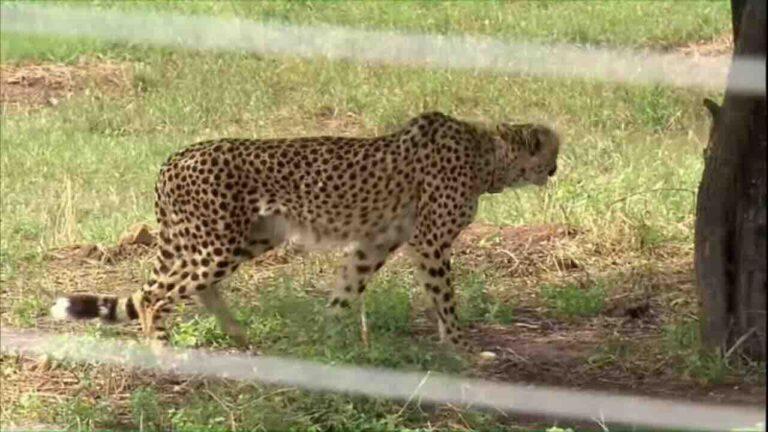
    Kuno National Park in Madhya Pradesh is set to welcome eight cheetahs from Botswana on February 28, 2026. In the meanwhile, recent births have already elevated the country’s cheetah count to 38. This development marks a pivotal moment for Project Cheetah, the world’s first inter-continental translocation of a large carnivore, aimed at reviving a species declared extinct in India in 1952. The initiative, launched with great fanfare, continues to navigate challenges but shows promising signs of success through international collaborations and natural breeding.

    Donated by Botswana during President Droupadi Murmu’s visit in November 2025, these animals represent the third African nation to contribute to the project, following Namibia and South Africa. Project Cheetah, spearheaded by the union government, seeks not only to restore ecological balance but also to foster biodiversity in India’s grasslands, where cheetahs once roamed freely before being hunted to extinction.

    Eight Cheetahs En Route from Botswana

    On February 28, 2026, an Indian Air Force cargo plane will transport the eight cheetahs – comprising six males and two females – from Botswana to Gwalior Air Base. From there, helicopters will ferry them to Kuno National Park, where they will enter a mandatory 30-day quarantine. Veterinarians and trained staff will closely monitor their health and adaptation during this period, ensuring a smooth transition to their new habitat.

    These cheetahs have been in quarantine at Botswana’s Mokolodi Nature Reserve since their symbolic handover, part of a mutual wildlife conservation agreement between the two nations. The translocation is a testament to diplomatic efforts in conservation, with Botswana joining Namibia and South Africa in supplying animals to bolster genetic diversity in India’s cheetah population. Preparations at Kuno are complete, including specialized enclosures designed to mimic the cheetahs’ natural savanna environment.

    This influx will push India’s total cheetah numbers beyond 46, including the existing 38 at Kuno and three adults relocated to Gandhi Sagar Wildlife Sanctuary in Madhya Pradesh’s Mandsaur and Neemuch districts. The strategic distribution aims to prevent overcrowding and promote sustainable growth across multiple sites.

    Gamini’s Cubs and a Surge in Births

    February 2026 has seen new births of cheetah cubs in Kuno, with eight cubs born in total, including a litter of three from South African cheetah Gamini. Announced by union environment minister Bhupender Yadav, Gamini’s delivery around February 25 marks her second successful litter, highlighting the program’s progress in natural reproduction.

    Gamini, one of the cheetahs translocated from South Africa, has become a symbol of hope for the project. Her cubs, born healthy, contribute to the 27 surviving India-born cheetah cubs recorded so far. This is the ninth successful litter in India since the project’s inception, demonstrating that the cheetahs are adapting well to their new surroundings despite initial hurdles.

    The births come at a crucial time, offsetting some of the losses experienced earlier. With these additions, India’s cheetah population stands at 38, comprising 11 translocated adults and the growing number of cubs. Conservationists attribute this success to improved management practices, including better veterinary care and habitat enrichment, which have helped the animals thrive.

    Project Cheetah: Overcoming Challenges

    Launched in September 2022, Project Cheetah began with the release of the first eight cheetahs from Namibia by Prime Minister Narendra Modi at Kuno National Park on his birthday. In total, 20 cheetahs were imported from Namibia and South Africa during 2022-23, kickstarting the reintroduction effort.

    However, the journey has not been without setbacks. Since the program’s start, 21 cheetahs – nine adults and 12 cubs – have died at Kuno due to various causes, including health complications from the translocation stress and environmental factors. Early challenges included adapting the African cheetahs to India’s monsoon climate, which differs from their native arid habitats, leading to issues like septicemia in some cases.

    Despite these obstacles, the project has evolved. Enhanced protocols, experienced staff, and international expertise have turned the tide. The current population’s stability, with a mix of adults and cubs, indicates that the cheetahs are establishing a viable breeding population. The relocation of three adults to Gandhi Sagar Sanctuary is part of a broader strategy to expand the program’s footprint, reducing risks associated with concentrating all animals in one location.

    Ecologically, cheetahs play a vital role as apex predators, controlling herbivore populations and maintaining grassland health. Their reintroduction aligns with India’s commitments under global biodiversity frameworks, such as the Convention on Biological Diversity.

    Expanding Conservation Efforts

    The arrival of the Botswana cheetahs opens new avenues for genetic diversity, crucial for long-term sustainability. Plans include potential releases into the wild once the animals acclimatize, with monitoring via radio collars to track their movements and interactions.

    Experts emphasize the need for community involvement and habitat protection to ensure the project’s success. Local communities around Kuno have been engaged through awareness programs, highlighting the economic benefits of eco-tourism that cheetahs could bring.

    India and Nepal Sign Landmark MoU to Boost Cooperation in Forests, Wildlife, and Climate Action

    One of the primary goals is the restoration of wildlife corridors and interlinking conservation areas, which are vital for allowing animals to migrate safely between habitats fragmented by human development.

    In a significant step towards enhancing environmental stewardship across borders, India and Nepal have formalised a memorandum of understanding (MoU) aimed at deepening collaboration in forests, wildlife, environment, biodiversity conservation, and climate change. The agreement, signed amid growing global concerns over ecological degradation, underscores the shared commitment of the two neighbouring nations to protect their intertwined natural heritage.

    The MoU comes at a time when transboundary environmental challenges, such as habitat loss and climate-induced disruptions, are increasingly threatening species that roam freely across the Indo-Nepal border. With a shared boundary stretching over 1,700 kilometres, including diverse ecosystems from the Terai grasslands to the Himalayan highlands, both countries recognize the urgency of joint action. This pact builds on existing bilateral ties, which have historically included cooperation in trade, energy, and cultural exchanges, now extending robustly into the realm of sustainable development.

    A New Chapter in Bilateral Relations

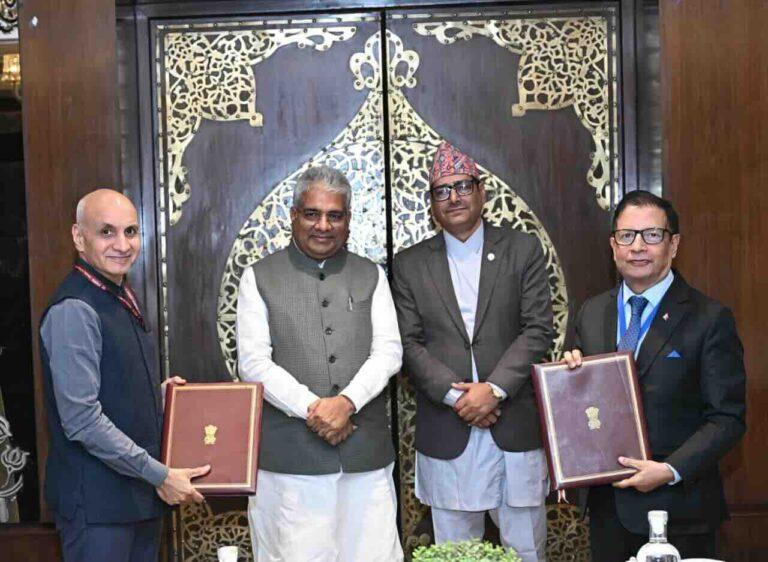
    The MoU was inked on 25 February 2026, in New Delhi, during a high-level meeting that brought together key environmental policymakers from both sides. Representing India was Bhupender Yadav, the union minister of environment, forest and climate change. On the Nepalese side, Madhav Prasad Chaulagain, the cabinet minister for forests and environment, signed the document, highlighting Nepal’s proactive stance on conservation amid its vulnerability to Himalayan climate shifts.

    The ceremony was held under the auspices of India’s ministry of environment, forest and climate change and Nepal’s counterpart ministry, symbolizing a formal pledge to transcend national boundaries for ecological benefits. Officials from both governments emphasised that this agreement is not merely symbolic but a practical framework for actionable partnerships. As neighbours sharing rivers like the Kosi and mountain ranges that host unique biodiversity, the signing reflects a mutual understanding that environmental issues do not respect political maps.

    This event follows a series of diplomatic engagements between India and Nepal, including recent discussions on hydropower and border infrastructure. By focusing on environmental cooperation, the MoU adds a green dimension to these relations, potentially paving the way for similar accords with other South Asian nations.

    From Knowledge Exchange to Corridor Restoration

    At its core, the MoU seeks to foster collaboration through the exchange of knowledge, technical expertise, and best practices in environmental management. One of the primary goals is the restoration of wildlife corridors and interlinking conservation areas, which are vital for allowing animals to migrate safely between habitats fragmented by human development. This initiative addresses longstanding issues like habitat encroachment due to agriculture, urbanization, and infrastructure projects along the border.

    The agreement outlines strategies for formulating biodiversity conservation plans at the landscape level, ensuring that efforts are holistic rather than piecemeal. It also emphasises strengthening forest and protected area management, which includes improving monitoring systems and sustainable resource utilization. By pooling resources, both countries aim to mitigate threats such as poaching, illegal logging, and invasive species that plague their shared ecosystems.

    Furthermore, the MoU commits to combating forest and wildlife crimes through enhanced enforcement mechanisms. This involves joint operations, intelligence sharing, and training programs for frontline staff, who often operate in remote and challenging terrains. Capacity building is a cornerstone, with plans to upgrade skills in areas like forensic analysis and anti-poaching technologies. Promoting “smart green infrastructure” in biodiversity hotspots is another innovative aspect, encouraging eco-friendly development that minimizes environmental impact, such as wildlife-friendly roads and bridges.

    Spotlight on Transboundary Species and Ecosystems

    A standout feature of the MoU is its focus on specific species that embody the transboundary nature of conservation challenges. Iconic animals like the Asian elephant, one-horned rhinoceros, Bengal tiger, snow leopard, Gangetic dolphin, and vultures are highlighted for targeted protection strategies. These species, many of which are endangered, frequently cross borders in search of food, water, or mates, making unilateral efforts insufficient.

    For instance, elephants in India’s Corbett National Park often venture into Nepal’s Chitwan National Park, necessitating coordinated anti-poaching patrols. Similarly, the snow leopard’s habitat in the high Himalayas spans both countries, where climate change is causing glacial melt and altering prey availability. The agreement aims to create transboundary conservation landscapes by restoring corridors, such as those in the Terai Arc Landscape, which could serve as models for global conservation.

    Addressing climate action is equally critical, given the region’s susceptibility to extreme weather events. Both nations, as parties to international treaties like the Paris Agreement and the Convention on Biological Diversity, intend to align their efforts with global goals. This includes sharing data on climate modelling, reforestation projects, and adaptation measures to build resilience against floods, droughts, and landslides that affect border communities.

    Sustainable Development and Regional Stability

    The MoU is poised to yield long-term benefits beyond immediate conservation gains, contributing to sustainable natural resource management and ecological balance in South Asia. By protecting shared ecosystems, it supports livelihoods dependent on forests and wildlife, such as eco-tourism and non-timber forest products, which are economic lifelines for border populations.

    Experts view this as a step towards regional stability, as environmental cooperation can reduce conflicts over resources like water and timber. It also aligns with India’s “Neighbourhood First” policy and Nepal’s environmental priorities, potentially inspiring multilateral frameworks under SAARC or other forums.

    Challenges remain, including funding constraints and implementation hurdles in remote areas. However, the commitment from top leadership signals optimism. As Bhupender Yadav reportedly noted during the signing, this partnership will “safeguard our common heritage for future generations.” Similarly, Chaulagain emphasised the need for “united action against climate threats.”

    Special Aadhaar Enrolment Camp for Children Organised by NLUO and Cuttack Municipal Corporation

    Substantive progress in child protection is possible only when there is consistent collaboration between community and the state instruments and children have a voice and agency in shaping their own and their community’s futures.

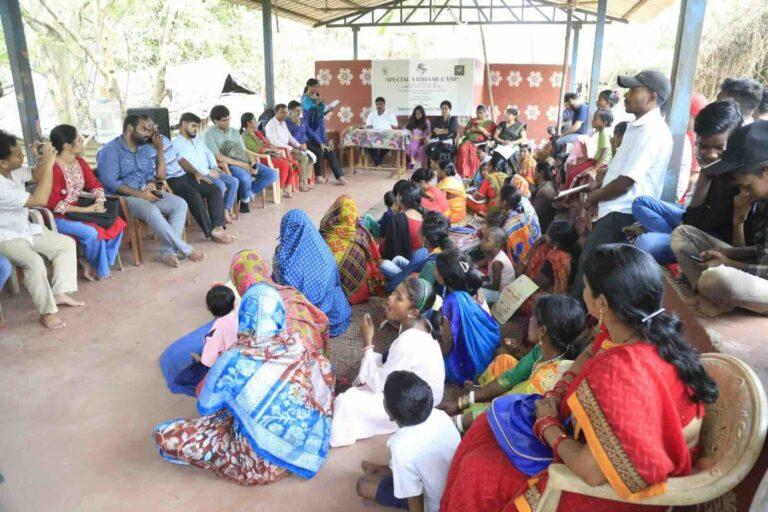
    In an important initiative to advance child rights and social inclusion, the Centre for Child Rights (CCR) of National Law University Odisha (NLUO) and the university’s flagship community outreach initiative – Project KUTUMB, jointly organised a special Aadhaar enrolment camp on 25February 2026 for children from Balmiki Nagar, Brajabiharipur, and Baba Tilkanagar urban settlements of Ward No. 3, Cuttack Municipal Corporation.

    The Special Aadhar Camp was flagged off in the presence of the Commissioner, Cuttack Municipal Corporation, Kirandeep Kaur Sahota, NLUO Vice Chancellor Professor Ved Kumari, Chief Minister’s Chair Professor cum Director, Centre for Child Rights – NLUO, Prof Biraj Swain, Additional District Education Officer, Cuttack, Abhijita Bhaskar, Social Worker – District Child Protection Unit, Cuttack, Congress Rout, and Corporator of Ward No. 3 – CMC, Pradeep Rout. The initiative was led by Dr Swagatika Samal from CCR – NLUO and Dr Akshay Verma, Coordinator – Project KUTUMB and supported by Durbadala Mantry, M Vijay Bhaskar, Pradipta Kumar Sarangi, Ankit Kumar Keshri and Amulya Kumar Swain of CCR-NLUO.

    The Camp is part of NLUO’s commitment to creating child-friendly communities per NITI Ayog mandate and the Sustainable Development Goals mandate, and it marks a milestone in Project KUTUMB’s mission to ensure social inclusion of the vulnerable children.

    Legal Identity a Gateway to Dignity

    Abhijita Bhaskar, Additional District Education Officer, Cuttack, while addressing the gathering, stressed that Aadhaar enrolment strengthens service delivery and that’s why one should be very careful about the kind of information – specifically a functional mobile number – providing during Aadhar enrolment process.

    Addressing the audience on the genesis and vision of Project KUTUMB, Prof. Ved Kumari, Vice Chancellor of NLUO and Patron-in-Chief of CCR-NLUO, who conceptualised Project KUTUMB, noted that legal identity is a gateway to dignity, citizenship, and equal opportunity for children. Substantive progress in child protection is possible only when there is consistent collaboration between community and the state instruments and children have a voice and agency in shaping their own and their community’s futures.

    Prof. Ved Kumari said: “NLUO is not just an institution to churn out legal professionals, NLUO is also committed to the agenda of justice and enabling the under-privileged children and communities in the neighbourhood for better lives and life-chances, which is a core ambition of Project KUTUMB and NLUO. Children need to be encouraged, and it would make me very happy to see some of you enrol in the NLUO one day.”

    The keynote address was delivered by Kirandeep Kaur Sahota, Commissioner, Cuttack Municipal Corporation, who formally flagged off the special Aadhaar camp by enrolling two children from the communities. She emphasised that inclusive urban governance requires proactive outreach to vulnerable populations and lauded NLUO’s sustained commitment to community engagement.

    About Project Kutumb

    Project Kutumb is NLUO’s flagship outreach programme, implemented with the shared leadership of the CCR. It seeks to transform the urban settlements – Brajabiharipur, Baba Tilkanagar, and Balmiki Nagar into aspirational communities with active citizenship and responsive state mechanisms. The project takes a rights-based and community-driven approach by empowering families, children, and local institutions to take an active role in child welfare and protection. Through a combination of awareness-building, capacity enhancement, needs assessment, and vulnerability mapping, Project KUTUMB, aims to establish sustainable, locally lead child protection systems with long-term impact.

    Founded in 2015, the centre for child rights (CCR) is the oldest research, teaching and advocacy centre at NLUO. It is also the second oldest CCR in any NLU in India and the only Chair Professorship on child rights in India. The CCR is committed to advancing child rights through teaching, legal research, policy advocacy, training and community engagement. As one of the key actors of Project KUTUMB, CCR has conducted extensive vulnerability mapping and needs assessments in the adopted settlements to ensure that interventions are data-driven and need-sensitive, keep the best interests of the children front and centre. This is per the NITI Ayog mandated indicators.

    Decade of Revival: Over 205 Lakh Indigenous Fish Seeds Released into Ganga through Scientific River Ranching

    The past decade proves that evidence-based river ranching, when grounded in scientific rigour and genetic fidelity, can deliver measurable ecological recovery.

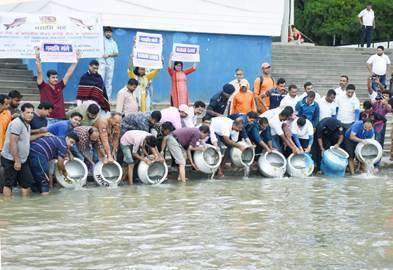
    Under the government of India’s flagship Namami Gange Programme, the ICAR–Central Inland Fisheries Research Institute (ICAR-CIFRI) has executed 169 scientific river ranching programmes between 2017 and 2025. In total, 205.5 lakh seeds of native fish species have been released across ecologically sensitive stretches of the Ganga and its major tributaries, a public information bureau (PIB) report released on Wednesday said.

    The initiative, which began with a high-profile event led by former union minister Uma Bharati at Barrackpore on 26 May 2017, has focused on reversing decades of decline caused by habitat loss, pollution, altered flows and overfishing.

    Ranching sites were strategically chosen in states where both biodiversity and fishing-dependent livelihoods are most vulnerable: West Bengal (68 per cent of programmes), Bihar (17 per cent), Uttar Pradesh (9 per cent), Jharkhand (5 per cent) and Uttarakhand (1 per cent). The concentration in the lower Ganga basin reflects the intensity of ecological pressure and the dependence of local communities on river fisheries, the PIB release said.

    Protecting Genetic Integrity with Advanced Fingerlings

    Unlike conventional stocking, ICAR-CIFRI’s approach prioritises genetic purity. Fish seeds were produced from wild brooders collected directly from the Ganga, ensuring that native gene pools remain intact. Fingerlings and advanced fingerlings measuring 10–15 cm and weighing 100–120 grams were reared in controlled hatchery and nursery conditions to boost post-release survival rates.

    The programme targeted a diverse portfolio of indigenous species, including Indian Major Carps (IMCs), Mahseer, native catfishes, Chitala and freshwater scampi. Special emphasis was placed on high-value and culturally significant species. In 2025, the institute achieved a breakthrough in artificial breeding of Hilsa using cryopreserved milt and wild brood females from the Hooghly estuary. This enabled the release of 3.82 lakh Hilsa adults upstream of the Farakka Barrage (of which 6,031 were tagged), along with 54.91 lakh fertilised eggs and 8.06 lakh spawn to strengthen natural populations.

    Measurable Gains in Fish Landings and National Leadership

    Early indicators demonstrate clear ecological and economic returns. At major riverine landing centres, Indian Major Carp catches have risen significantly: Prayagraj recorded a 24.7 per cent increase and Varanasi a 41 per cent jump. These gains are attributed to sustained ranching combined with complementary conservation measures under Namami Gange.

    Beyond the Ganga, ICAR-CIFRI conducted the country’s first comprehensive scientific estimation of annual fish catches in major rivers, documenting 15,134 tonnes in the Mahanadi and 18,902 tonnes in the Krishna. The institute’s work has contributed to India emerging as the world’s top producer of inland capture fisheries, with an annual output of 1.89 million tonnes, surpassing China.

    Additional milestones include the development of sustainable management protocols for four major estuaries (Hooghly-Matlah, Rushikulya, Mandovi-Zuari and Netravathi-Gurupur) and three brackishwater lakes. Reservoir fisheries productivity has improved dramatically – from 20 kg/ha/year to 150 kg/ha/year – while wetland productivity rose from 600 kg/ha/year to 1,600 kg/ha/year, leading to the formulation of national reservoir fisheries management policy guidelines in 2025.

    High-level participation has amplified public awareness. Union Minister Nitin Gadkari led a ranching event at Prayagraj in November 2019, while Union Minister of State Shantanu Thakur participated at Sahibganj, Jharkhand, in April 2023.

    Cutting-Edge Technologies Driving Sustainable Fisheries

    ICAR-CIFRI, established in March 1947 at Barrackpore, has evolved from a production-focused laboratory into a leader in ecosystem-based inland fisheries research. The institute has commercialised several breakthrough technologies, including the ICAR-CIFRI-GI model cage, HDPE circular cages (16 m diameter, 5 m depth, 1,005 m³ volume) and the CIFRI-CAGEGROW feed. These have enabled cage culture yields of 3 to 4 tonnes per 96 m³ cage using fast-growing species such as Pangasianodon hypophthalmus and Oreochromis niloticus.

    Three nutritionally balanced feeds – CIFRI CAGEGROW, BSF Floating Fish Feed and RESHMEEN – along with health-care products CIFRI Fish Tanavhari and CIFRI ARGCURE, are helping reduce disease losses and improve returns. The institute has also commercialised CIFRI FRP Coracle, ornamental tanks and secured two patents: one for vertical gel electrophoresis and another for a portable split-beam transducer assembly.

    Looking ahead, ICAR-CIFRI is advancing IoT-based real-time water quality monitoring (dissolved oxygen, ammonia, turbidity) and drone/ROV technologies for macrophyte mapping, fish behaviour studies and waterbody assessment. Its flagship Indian Inland Fisheries Informatics (INNF) platform integrates machine learning, geospatial analytics and Central Pollution Control Board data to create a unified web-GIS portal for nationwide aquatic suitability mapping and hypoxia risk identification.

    The past decade proves that evidence-based river ranching, when grounded in scientific rigour and genetic fidelity, can deliver measurable ecological recovery. By replenishing native stocks without compromising riverine balance, ICAR-CIFRI has strengthened both biodiversity and the livelihoods of fishing communities along the Ganga.

    Bangladesh Unveils Tk 1,268 Crore Climate Shield to Fortify Haor and Barind Against Environmental Threats

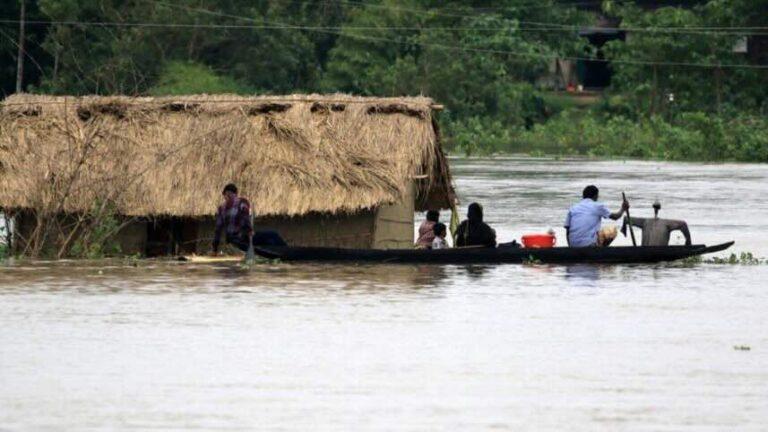
    The project’s approval comes at a critical juncture. Bangladesh, grappling with frequent flash floods, cyclones, and prolonged dry spells, has seen agricultural losses mount, displacing thousands and exacerbating food insecurity.

    In a significant stride toward combating climate change, Bangladesh has greenlit the Climate Resilient and Livelihood Enhancement Project (CRALEP), a Tk 1,268.80 crore initiative designed to safeguard vulnerable rural communities from escalating floods and droughts. Approved by the government amid rising climate-induced disasters, the project promises to uplift 1.34 million people in flood-prone haor basins and drought-hit high Barind tracts, blending resilient infrastructure with livelihood diversification. Backed by international partners, CRALEP emerges as a beacon of hope for poverty reduction and sustainable development in one of the world’s most climate-vulnerable nations.

    The project’s approval comes at a critical juncture. Bangladesh, grappling with frequent flash floods, cyclones, and prolonged dry spells, has seen agricultural losses mount, displacing thousands and exacerbating food insecurity. CRALEP, building on decades of collaboration with global agencies, aims to mitigate these shocks through targeted interventions. “This project builds on the strong and longstanding collaboration between IFAD and the government of Bangladesh,” said Valantine Achancho, International Fund for Agricultural Development (IFAD) country director for Bangladesh. “CRALEP takes that partnership further by strengthening community resilience and well-being through climate-resilient infrastructure and diversified livelihoods that integrate nature-based solutions and climate information services.”

    Funding Breakdown and International Backing

    At the heart of CRALEP is a robust funding structure totalling Tk 1,268.80 crore. The International Fund for Agricultural Development (IFAD) provides the lion’s share with a $70 million loan (Tk 854 crore), while the Bangladesh government contributes Tk 305 crore. An additional Tk 109.80 crore comes as a grant from Denmark’s development agency, DANIDA. This multi-source financing underscores global commitment to Bangladesh’s climate agenda, aligning with national strategies like the Mujib Climate Prosperity Plan and the Bangladesh Climate Change Trust Fund.

    IFAD’s approval occurred during its 144th Executive Board session in Rome on May 14, 2025, with subsequent greenlighting by Bangladesh’s Planning Commission. IFAD President Alvaro Lario commended the partnership, highlighting Bangladesh’s strong track record in project implementation. The funds will be channelled through the Local Government Engineering Department (LGED) under the Ministry of Local Government, Rural Development and Cooperatives, with oversight from the Economic Relations Division (ERD) of the Ministry of Finance. This setup ensures efficient execution, drawing on LGED’s expertise in rural infrastructure.

    Spanning from January 2026 to December 2030 – a five-year horizon – the project incorporates climate finance elements, with 78.5% of IFAD’s contribution dedicated to adaptation measures. This includes integrating nature-based solutions like vetiver grass and treated bamboo for erosion control, alongside advanced early warning systems for flash floods and droughts via the newly formed Climate Resilient Local Infrastructure Centre (CReLIC).

    Vulnerable Regions in Focus: Haor and Barind Under the Spotlight

    CRALEP zeroes in on 33 upazilas across eight districts in the Mymensingh, Dhaka, Chattogram, Sylhet, and Rajshahi divisions. The haor regions, low-lying wetlands prone to annual flooding, and the high Barind tracts, arid highlands facing water scarcity, represent Bangladesh’s climate hotspots. These areas house some of the country’s poorest communities, where agriculture dominates livelihoods but is increasingly threatened by erratic weather patterns.

    Beneficiaries number around 311,820 households, translating to 1.34 million individuals, with a strong emphasis on rural women, men, and youth. The project prioritizes underserved villages, selected based on poverty levels, vulnerability, and remoteness. “Once implemented, the project will help reduce poverty, enhance climate resilience, and address disaster-related challenges in flood-prone haor and drought-prone high Barind areas,” noted a senior Planning Commission official. It also aims to curb climate-induced migration by bolstering local economies and services.

    Infrastructure Upgrades: Building Barriers Against Nature’s Fury

    A cornerstone of CRALEP is resilient infrastructure to enhance connectivity and protect assets. LGED will construct or upgrade 334 kilometres of rural roads – 141 km in haor zones and 193 km in Barind – designed to withstand extreme weather. Additionally, 58 rural markets will be developed or rehabilitated, fostering better access to trade and social services. In flood-prone areas, 34 boat landing platforms (ghats) will improve water-based transport.

    For haor villages, the project includes internal enhancements in 240 to 320 settlements: 72 km of walkways, 480 toilets, 720 tube-wells, and common community spaces to improve sanitation and mobility. Seventy-two elevated platforms (killas) will serve as safe havens for livestock, crop storage, and human shelter during floods. Ecosystem-based protections, such as low-cost village walls combined with natural barriers, will safeguard 280 villages from wave action and erosion.

    These measures not only address immediate risks but also promote long-term sustainability. Research collaborations under CReLIC will tackle ongoing infrastructure challenges, ensuring adaptive designs for future climate scenarios.

    Empowering Youth and Diversifying Livelihoods for a Resilient Future

    Youth empowerment forms a pivotal pillar of CRALEP, with vocational skills training for 34,000 to 40,000 young people and entrepreneurship support for 10,000 to 20,150 others. Nearly 3,000 members of labour contracting societies will receive sustainable livelihood aid, shifting focus from farm-dependent incomes to diversified opportunities like non-farm employment and self-employment.

    The initiative integrates gender-sensitive approaches, prioritising women and persons with disabilities, while fostering nutrition-sensitive and youth-focused outcomes. By combining economic opportunities with risk reduction, CRALEP aims to create a ripple effect: improved market access, better health, and reduced poverty. Achancho emphasized, “Meeting the needs of vulnerable rural women, men, and youth requires coordinated and sustained efforts. Through this initiative, we will contribute to building a more secure and dignified future for the rural population in Bangladesh.”

    As Bangladesh braces for intensified climate impacts, CRALEP stands as a model of proactive adaptation. Experts hail CRALEP as a model of proactive adaptation, aligned with global sustainable development goals, potentially serving as a blueprint for other vulnerable nations.

    Sri Lanka’s Rice Industry: A Monopoly Without Reins

    Experts argue that this monopoly stems from historical consolidation, where large mills have amassed storage and processing capacities far beyond small-scale competitors.

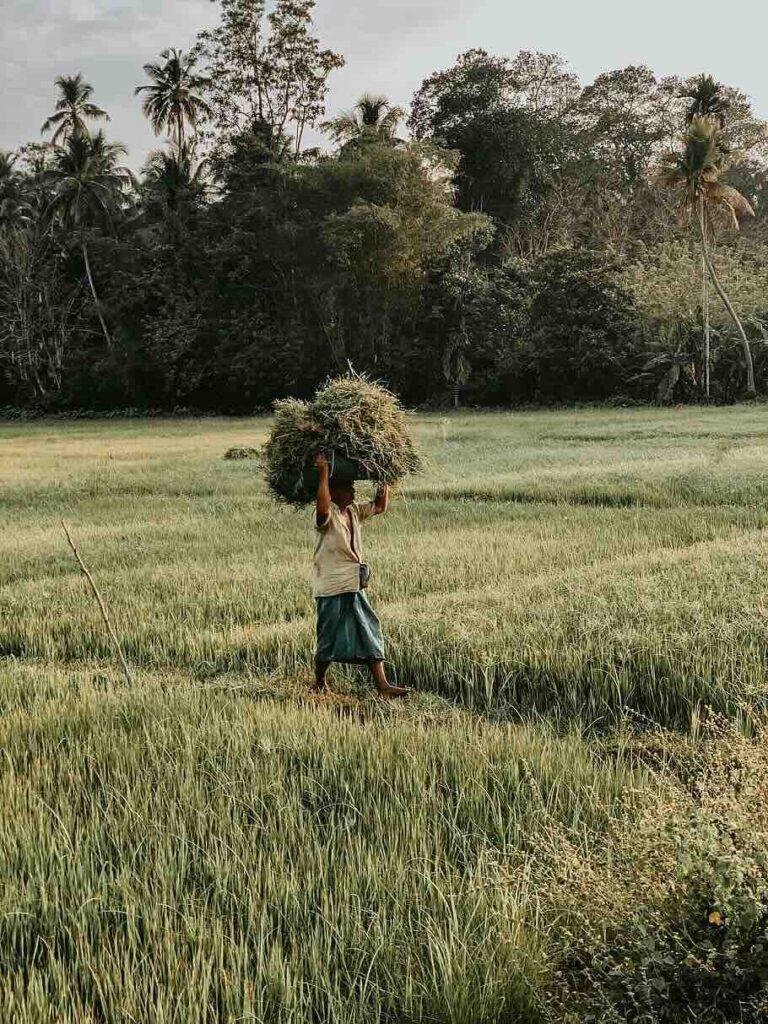
    In the heart of Sri Lanka’s agrarian economy, where rice fields stretch across every district, a silent crisis unfolds. The nation’s staple food sector, vital for feeding over 22 million people, remains plagued by a lack of effective regulation. Dominated by a handful of powerful mill owners, the industry operates in a vacuum of oversight, leading to distorted pricing, squeezed farmers, and burdensome costs for consumers. Despite promises from successive governments, meaningful reforms have yet to materialise, raising alarms about long-term food security in a country where rice is not just sustenance but a cultural cornerstone.

    The roots of this issue trace back to the post-independence era, but recent seasons have amplified the problems. With production hitting record highs – such as 2.75 million metric tons (MT) in the 2024/2025 Maha season from over 800,000 hectares – the bounty should translate to stability. Instead, the absence of robust controls allows market distortions to persist, benefiting a select few at the expense of the many.

    The Grip of Mill Owners on the Market

    At the core of the rice sector’s woes is the unchecked influence of a small cadre of mill owners, often dubbed the “rice mafia” in local parlance. These entities control the journey from paddy field to consumer plate, dictating prices with little interference. Paddy, the raw material, is purchased from farmers at depressed farmgate rates – wet paddy at around Rs. 80 per kg and dried at Rs. 95-100 per kg – despite the potential for higher returns in a fair market.

    This dominance creates an inflexible retail structure where prices are artificially inflated. For instance, a gazette notification issued on December 9, 2025, capped the maximum retail price for nadu rice at Rs. 230 per kg. Yet, this measure has done little to curb excess profits, as mill owners absorb the margins without passing savings to buyers. The system thrives on a lack of transparency, with no mandatory reporting on procurement or sales volumes, allowing these tycoons to manipulate supply chains. In the current 2025/2026 Maha season, production is estimated at 1.25 million MT, but the private sector’s hold ensures that market dynamics favour hoarders over equitable distribution.

    Experts argue that this monopoly stems from historical consolidation, where large mills have amassed storage and processing capacities far beyond small-scale competitors. Without antitrust-like regulations, smaller players are sidelined, perpetuating a cycle where the powerful grow stronger. Farmer cooperatives, once envisioned as a counterbalance, have been undermined by inadequate support, leaving individual growers vulnerable to predatory buying practices.

    Government’s Hesitant Hand

    Successive administrations have acknowledged the rice sector’s regulatory gaps, but action has been sporadic and ineffective. The current government, like its predecessors, has opted for collaboration with private stakeholders rather than assertive intervention. The ministry of agriculture has emphasised the market’s vast scale as a barrier to full control, allocating funds to the paddy marketing board (PMB) for limited purchases – covering only about 80,000 MT annually.

    In a bid to address farmer grievances, revised minimum prices were announced for the 2025/2026 Maha season: Rs. 120 per kg for nadu paddy, Rs. 130 for samba, and Rs. 140 for keeri samba. A guaranteed minimum price scheme through the PMB aims to provide a safety net. However, enforcement remains a glaring weak point. Farmer groups report that procurement capacities are insufficient, forcing most growers to sell to private buyers at below-minimum rates. Calls for a floating price mechanism, which could align costs with actual supply and demand, have gone unheeded.

    This inaction is not new. Past regimes have issued similar gazettes and pledges, only to see them falter amid political pressures and lobbying from influential millers. The result is a regulatory patchwork – price caps without monitoring, subsidies without strings – that fails to dismantle the entrenched power structures. As one agricultural economist noted, “The government is treating symptoms, not the disease. True regulation would require breaking the cartel-like hold, but that demands political will that’s been absent.”

    Farmers Caught in the Squeeze

    For Sri Lanka’s rice farmers, who cultivate across Maha (September to March) and Yala seasons with the aid of irrigation and mechanized tools, the lack of regulation translates to economic hardship. Average yields stand at an impressive 3,679 kg per hectare, bolstered by modern practices, yet profits evaporate at the farmgate. The disparity is stark: while raw material costs equate to about Rs. 150 per kg of processed rice, retail prices hover much higher, siphoning gains to intermediaries.

    Many farmers, especially in rural districts, face mounting debts from inputs like fertilizers and seeds. With government procurement limited, they have no leverage against private buyers who dictate terms. This vulnerability exacerbates rural poverty, as rice farming employs a significant portion of the workforce. In seasons of abundance, like the recent ones, oversupply should lower prices, but without regulation, it instead depresses farmer incomes while mill owners stockpile for future gains.

    Rising Costs and Food Insecurity

    The ripple effects extend to urban households, where rice constitutes up to 30 per cent of daily caloric intake. Prices have trended upward relentlessly – nadu rice at Rs. 230 per kg in early 2026, up from Rs. 220 in 2024 – with no relief in sight. This inflation hits low-income families hardest, straining budgets amid broader economic challenges.

    Food security is at stake in a nation self-sufficient in rice production. The unregulated market risks artificial shortages, where hoarding drives spikes despite ample harvests. Without intervention, experts warn of potential vulnerabilities to climate shocks or global disruptions, as the system lacks resilience. Calls for comprehensive reforms – including mandatory audits, competition laws, and expanded public procurement – grow louder, but until implemented, Sri Lanka’s rice sector remains a tale of untapped potential and unequal burdens.

    In a country where rice symbolizes prosperity, the absence of regulation undermines that very foundation. As the 2026 harvest progresses, the question lingers: Will the government finally step in, or will the status quo prevail.

    Bill Gates Issues Apology to Foundation Staff

    Gates’ candour in the town hall was praised by some as a step toward transparency, but others view it as damage control amid mounting pressure.

    In a candid town hall meeting, Microsoft co-founder and philanthropist Bill Gates addressed employees of the Bill & Melinda Gates Foundation, offering a public apology for his past association with convicted sex offender Jeffrey Epstein. The remarks, made on February 24, 2026, come in the wake of newly released Epstein files by the US Justice Department in January, which have reignited questions about Gates’ ties to the late financier. Gates described his involvement as a “huge mistake” and expressed regret for the shadow it has cast over the foundation’s work, while firmly denying any participation in illicit activities.

    The apology marks a rare moment of vulnerability for Gates, who has faced ongoing scrutiny since details of his meetings with Epstein first emerged in 2019. According to multiple reports, Gates acknowledged the personal and professional fallout, emphasising accountability while clarifying the boundaries of his interactions. The foundation, which focuses on global health, education, and poverty alleviation, has been under a microscope as these revelations threaten to undermine its credibility.

    The Town Hall Meeting

    During the biannual town hall on Tuesday, Gates spoke openly in response to staff questions, drawing from an audio recording reviewed by journalists. “It was a huge mistake to spend time with Epstein. I apologize to other people who are drawn into this because of the mistake that I made,” he stated, according to The Wall Street Journal. He reiterated that his interactions with Epstein were limited to philanthropic discussions, such as potential donations to the foundation, and insisted there were no financial transactions or illicit dealings involved. “I did nothing illicit. I saw nothing illicit,” Gates emphasised.

    Foundation spokesperson confirmed that Gates took responsibility for his actions during the session, addressing concerns head-on. This approach was seen as an effort to rebuild trust within the organization, which employs thousands and manages an endowment exceeding $50 billion. Staff members, many of whom have dedicated their careers to the foundation’s mission, had reportedly expressed discomfort over the Epstein links, fearing they could deter partners or donors. Gates’ apology aimed to mitigate this, acknowledging how his personal decisions had broader implications.

    The timing of the apology aligns with heightened media attention following the Epstein files’ release. These documents, unsealed as part of ongoing investigations into Epstein’s network, reference Gates in emails and logs, suggesting multiple meetings between 2011 and 2017. Epstein, who died in 2019 while awaiting trial on sex-trafficking charges, had cultivated relationships with high-profile figures, often under the guise of philanthropy.

    Revelations from the Epstein Files

    The newly disclosed files have painted a more detailed picture of Gates’ involvement. Reports indicate Epstein attempted to leverage his connection with Gates for personal gain, including proposals for a multibillion-dollar charitable fund that never materialised. Gates has previously admitted to regretting the meetings, telling 9News Australia in a prior interview, “Every minute I spent with him, I regret, and I apologize.”

    In the town hall, he elaborated that seeing other respected individuals interact with Epstein had “normalized” the association in his mind.

    Critics, however, argue that Gates should have heeded earlier warnings. His ex-wife, Melinda French Gates, who divorced him in 2021 after 27 years of marriage, was reportedly wary of Epstein from the outset. “Melinda was uncomfortable with Jeffrey from the beginning,” Gates acknowledged in the meeting. The divorce settlement included provisions for Melinda to step away from the foundation, though both continue to co-chair it.

    Epstein’s files also hint at broader networks, but Gates maintains his encounters were strictly business-oriented. Still, the association has fuelled conspiracy theories and public scepticism, particularly on social media platforms where users have dissected the revelations.

    Admissions of Extramarital Affairs

    In a surprising disclosure, Gates admitted to two affairs with Russian women during his marriage, which Epstein allegedly discovered and attempted to exploit. These relationships, unrelated to Epstein’s victims, were described by Gates as personal failings rather than criminal acts. “I had two affairs with Russian women that Epstein later found out about,” he said. He clarified that no blackmail occurred and reiterated his denial of any wrongdoing tied to Epstein.

    This admission adds a layer of personal scandal to the Epstein narrative, potentially complicating Gates’ public image as a global health advocate. Melinda has previously cited infidelity as a factor in their divorce, though specifics were not detailed until now. Gates’ candour in the town hall was praised by some as a step toward transparency, but others view it as damage control amid mounting pressure.

    Broader Implications for Philanthropy and Legacy

    The fallout extends beyond the foundation. Gates, worth an estimated $130 billion, has withdrawn from some public engagements, including the recent India AI Summit, citing the renewed scrutiny. Analysts suggest this could impact the foundation’s partnerships, especially in sensitive areas like vaccine distribution and climate initiatives.

    Supporters argue that Gates’ philanthropic contributions – saving millions of lives through vaccination programs – should not be overshadowed by past errors. Detractors highlight the hypocrisy in a figure promoting ethical global solutions while entangled in such controversies.

    Analysts say that Gates’ apology may serve as a pivot point – whether it restores faith in his leadership or invites further examination remains to be seen. The foundation has pledged to continue its work undeterred, but the episode underscores the challenges of separating personal missteps from institutional missions in the age of transparency.

    India Commits 200,000 Tonnes of Rice to UN’s Fight Against Global Hunger

    The initial pricing is set at INR 2,800 per quintal. The agreement spans five years from the date of signing and includes provisions for extension by mutual consent.

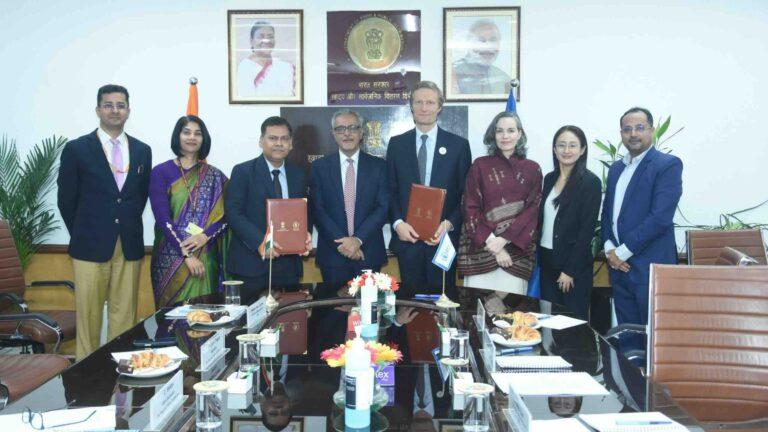
    India’s Food Corporation of India (FCI) has inked a five-year Memorandum of Understanding (MoU) with the United Nations World Food Programme (WFP). The agreement, signed on February 18, 2026, pledges the supply of up to 200,000 metric tonnes of rice to support humanitarian operations worldwide. This partnership underscores India’s growing role as a key player in global food security, especially amid escalating crises driven by conflicts, climate change, and economic instability.

    The MoU was formalized in New Delhi by Rabindra Kumar Agarwal, chairman and managing director of FCI, representing the government of India, and Carl Skau, deputy executive director of WFP. The signing ceremony took place in the presence of Sanjeev Chopra, secretary of the department of food and public distribution. This collaboration aims to provide nutritious staple food to vulnerable populations in regions plagued by hunger and malnutrition, aligning with the UN’s Sustainable Development Goal 2: Zero Hunger.

    A Milestone in Humanitarian Aid

    The agreement marks a “key milestone” in the global battle against hunger, as described by WFP’s Carl Skau. He emphasized that India’s contribution will enable WFP to more effectively deliver aid to those in dire need. “As a major agricultural nation and a proponent of global solidarity, India inspires us to turn the Zero Hunger goal into action,” Skau stated during the event. This sentiment echoes the broader impact of the pact, which positions India as a reliable supplier in the international food aid ecosystem.

    Under the terms of the MoU, FCI will supply rice with up to 25 per cent broken grains, a specification suitable for humanitarian distributions where nutritional value remains paramount over aesthetic quality. The initial pricing is set at INR 2,800 per quintal until March 31, 2026, after which rates will be mutually agreed upon annually. The agreement spans five years from the date of signing and includes provisions for extension by mutual consent, ensuring long-term predictability in supply chains.

    This initiative comes at a critical juncture. According to recent WFP reports, over 345 million people worldwide face acute food insecurity, a figure exacerbated by ongoing conflicts in regions like Ukraine, Sudan, and Gaza, as well as climate-induced disasters in parts of Africa and Asia. India’s rice supply will directly feed into WFP’s emergency response programs, providing essential calories and nutrients to refugees, internally displaced persons, and communities hit by natural calamities.

    India’s Evolving Role in Global Food Security

    Secretary Sanjeev Chopra highlighted the symbolic and practical significance of the deal. “Through our partnership with WFP, we are exporting hope, nutrition, and dignity to those facing hunger,” he said. “This agreement showcases India’s resolve to ensure no one goes hungry. India will continue to stand with the international community in combating malnutrition and food insecurity.” These words reflect India’s shift from being a recipient of food aid in the past to a major donor, leveraging its status as the world’s largest rice producer and exporter.

    India’s agricultural prowess is evident in its record rice production, which reached approximately 135 million tonnes in the 2024-25 crop year, allowing for substantial exports without compromising domestic needs. The country has already been a significant contributor to WFP, supplying wheat and other grains in recent years. This latest MoU builds on previous collaborations, such as India’s donation of 200,000 tonnes of wheat to Afghanistan in 2023 and rice shipments to African nations during the COVID-19 pandemic. Experts note that such agreements not only aid humanitarian causes but also stabilize global rice markets by channelling surplus stocks productively.

    The partnership also aligns with India’s foreign policy priorities, including its advocacy for the Global South at forums like the G20 and UN. Analysts suggest this could pave the way for broader economic engagements, such as trade agreements in agriculture and technology.

    Challenges and Future Prospects

    While the MoU is a positive development, challenges remain in executing large-scale food aid. Logistical hurdles, including transportation costs and supply chain disruptions due to geopolitical tensions, could impact delivery timelines. WFP has faced funding shortfalls in recent years, with its 2025 budget requiring over $20 billion to meet global demands. India’s fixed-price commitment for the initial period provides some stability, but fluctuating global commodity prices might necessitate adjustments in future negotiations.

    Domestically, the agreement helps FCI manage its overflowing godowns, which currently hold over 50 million tonnes of rice and wheat – far exceeding buffer stock norms. By diverting surplus to humanitarian channels, India avoids wastage and supports farmers through sustained procurement. However, critics argue that prioritizing exports could strain domestic food schemes like the public distribution system, especially if erratic monsoons affect future yields.

    Looking ahead, the MoU opens doors for expanded cooperation. WFP officials have expressed interest in sourcing other Indian staples like millets and pulses, which are nutrient-rich and climate-resilient. This could integrate with India’s promotion of millets as a “superfood” under its 2023 International Year of Millets initiative. Additionally, joint programs on nutrition education and sustainable farming could emerge, further cementing the Indo-WFP alliance.

    Broader Implications for Zero Hunger

    This rice supply pact is more than a bilateral agreement; it’s a testament to collective action against one of humanity’s oldest foes – hunger. As climate change intensifies and conflicts persist, such partnerships are vital. India’s involvement not only aids immediate relief but also contributes to long-term food system resilience. With WFP operating in over 120 countries, the ripple effects of this 200,000-tonne commitment could nourish millions, turning grains of rice into beacons of hope.

    In an era of interconnected global challenges, initiatives like this remind us that food security is a shared responsibility. As Sanjeev Chopra aptly put it, India is committed to ensuring “no one goes hungry,” a pledge that resonates far beyond its borders.

    Extortion Surged by 50% Under Interim Govt: Dhaka Chamber

    Business leaders echoed these concerns, noting that the interim government’s 18-month tenure saw no respite. Extortion rose across sectors, with informal payments required for everything from trade licenses to VAT compliance.

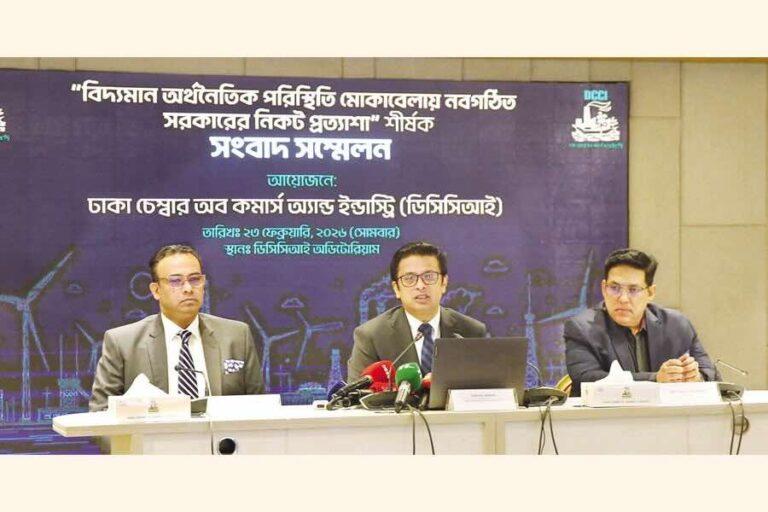
    In a stark warning to Bangladesh’s newly elected government, the Dhaka Chamber of Commerce and Industry (DCCI) has alleged a dramatic rise in extortion demands on businesses, claiming they increased by up to 50 per cent following the 2024 mass uprising that toppled the Awami League regime. DCCI President Taskeen Ahmed, speaking at a press conference yesterday, painted a grim picture of an economy crippled by rampant illegal tolls and persistent corruption, urging immediate action to prevent widespread factory closures and a potential exodus of entrepreneurs.

    The revelations come amid Bangladesh’s fragile recovery from political turmoil, with private sector credit growth hitting a 22-year low and export momentum stalling. Ahmed emphasized that without a zero-tolerance approach to these issues, the government’s ambitious goal of creating one crore new jobs would remain unattainable. The press conference, titled “Expectations from the New Government to Address the Current Economic Situation,” outlined a roadmap for revival, highlighting four priority areas to restore investor confidence.

    Extortion Spikes Post-Uprising

    According to Ahmed, extortion not only persisted but escalated after the July 2024 uprising, with businesses facing demands 20 per cent to 50 per cent higher than under the previous Awami League administration. Trucks entering or leaving factories are routinely hit with illegal tolls, while even small boats on rivers are stopped mid-route for payments. These demands often come from individuals claiming ties to the ruling party, police, or revenue officials, who solicit funds for purported events or neighbourhood activities.

    The surge has permeated the entire supply chain, from factory gates to transportation networks, driving up operational costs and fuelling inflation. Ahmed described extortion as “embedded in our blood,” warning that it is pushing companies to the brink. “If extortion is not stopped, we will have to shut down our businesses,” he stated bluntly, adding that some entrepreneurs may be forced to leave the country altogether. This comes at a time when private investment has dipped to 22.48 per cent of GDP, and export growth slowed to a mere 0.5 per cent in December 2025.

    Business leaders echoed these concerns, noting that the interim government’s 18-month tenure saw no respite. Extortion rose across sectors, with informal payments required for everything from trade licenses to VAT compliance. The DCCI’s “Road to Revival” action plan calls for suppressing these activities “overnight with a heavy hand,” arguing that economic progress will otherwise remain a “dream.”

    Persistent Corruption in Public Offices

    Corruption in government offices showed no signs of abating during the interim period, with bribes demanded at rates matching or exceeding those under the Awami League. Ahmed alleged that “not for a single day has corruption in public offices declined,” with payments increasing by up to 50 per cent in some cases. This has eroded trust, deterring both domestic and foreign investment.

    The chamber urged the new BNP-led government to make public administration transparent and corruption-free as a top priority. Full automation of the National Board of Revenue (NBR) within eight months was proposed to reduce harassment and expand the tax net, potentially raising the tax-to-GDP ratio to 8 per cent. Without these reforms, Ahmed warned, the private sector – the engine of growth – cannot function effectively.

    High non-performing loans (NPLs), now at nearly Tk 6.5 lakh crore or 36 per cent of total loans, further compound the issue. The central bank’s decision to shorten the loan classification grace period from nine to three months has artificially inflated these figures, destabilizing banks and industries. The DCCI demands support for non-wilful defaulters, such as SMEs hit by COVID-19, global conflicts, and a 41 per cent currency devaluation, including subsidized credit lines.

    Economic Recovery at Risk

    Broader structural challenges threaten Bangladesh’s trajectory, including an energy crisis with a daily gas shortfall of 925 MMSCFD and inadequate electricity generation. Gas prices for new industries stand at Tk 40 per unit, disrupting production. The chamber called for a modern energy policy – the last update was in 1996 – and offshore gas exploration to bridge the gap.

    Logistics woes add to the burden, with a 41 per cent hike in Chattogram Port tariffs despite the authority’s surplus, affecting 88 per cent of trade. The DCCI demanded an immediate reversal and implementation of the Bangladesh Single Window system for streamlined procedures. Over two million educated youth remain unemployed, posing social risks.

    The impending LDC graduation could slash exports by 5.5-7 per cent (USD 2.7 billion), per UNCTAD estimates. While praising the government’s request for a three-year deferral, the DCCI stressed preparation amid global uncertainties.

    Scrutiny of Opaque US Trade Deal

    A major red flag is the reciprocal tariff agreement signed with the US under a non-disclosure arrangement by the interim government. Ahmed criticized its lack of transparency and stakeholder input, warning it could undermine sovereignty. Provisions reportedly mandate USD 15 billion in LNG imports over 15 years from distant US suppliers, increasing costs and lead times compared to regional options like Qatar. Restrictions on subsidies might affect agriculture, while clauses could complicate other trade pacts due to US sanctions.

    The deal offers unclear benefits for Bangladesh’s RMG sector, which accounts for 13 per cent of GDP, while US trade is under 2 per cent. Ahmed urged renegotiation for a “win-win” outcome, with parliamentary scrutiny.

    Failure to act, Ahmed cautioned, could derail Bangladesh’s economic aspirations, leaving businesses vulnerable and the nation grappling with stagnation.