More

    Nepal Passes Landmark Tourism Bill with Tougher Everest Climbing Rules

    Environmental sustainability is another focus, with the bill replacing the existing $4,000 refundable garbage deposit – introduced in 2014, requiring climbers to return at least eight kilograms of waste – with a non-refundable contribution to a new Environment Protection Fund.

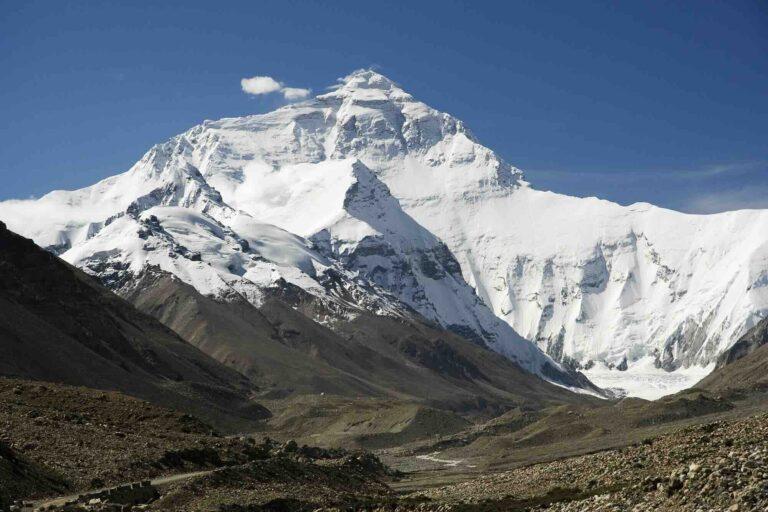
    In a move aimed at curbing risks and preserving the world’s highest peak, Nepal’s National Assembly has unanimously approved a comprehensive tourism bill that introduces stringent regulations for Mount Everest climbers. The legislation, passed on February 14, 2026, responds to growing concerns over inexperienced adventurers, environmental degradation, and safety hazards on the 8,849-metre mountain. While the bill awaits further approval in the house of representatives following the March 5 elections, it signals a significant shift in how Nepal manages its lucrative mountaineering industry, which generates millions in revenue annually. Experts hail the changes as overdue, but some worry they could deter climbers and impact local economies.

    The bill comes amid a backdrop of record-breaking crowds and fatalities on Everest. In recent years, the mountain has seen an influx of climbers, many lacking adequate preparation, leading to congestion, accidents, and strain on rescue operations. According to government data, five climbers died in the 2025 season, a decrease from previous years but still highlighting persistent dangers. The new rules emphasise experience, health, and environmental responsibility, building on earlier fee hikes implemented in September 2025. These measures are expected to take effect after presidential assent, likely missing the 2026 spring climbing season but influencing future expeditions.

    Mandatory Prior Summit on Nepali 7,000m Peaks

    A cornerstone of the bill is the requirement for all Everest aspirants to prove they have summited at least one Nepali peak exceeding 7,000 meters before obtaining a permit. This precondition, verified through a summit certificate authenticated by the department of tourism, aims to filter out novices and ensure climbers are acclimatized to high-altitude challenges. Nepal boasts 86 such peaks, including popular ones like Himlung Himal and Baruntse, with climbing royalties for foreigners ranging from $500 to $800 in spring and half that in autumn.

    Proponents argue this will reduce accidents by promoting better-prepared climbers and divert traffic to lesser-known mountains, boosting tourism in remote regions. “It’s about diversifying our mountaineering destinations and keeping revenue within Nepal,” said a tourism official quoted in local media. However, critics, including some international climbers, question the Nepal-specific mandate. Seasoned mountaineers who have conquered peaks like K2 in Pakistan may still need to climb a 7,000m Nepali mountain, potentially adding unnecessary costs and time. Expedition operators like Adventure Consultants have noted that this could reshape client preparations, with many already offering preparatory climbs on these peaks.

    The rule addresses a key issue: inexperienced climbers contributing to “traffic jams” on Everest’s death zone, where oxygen is scarce and delays can be fatal. By mandating local experience, the bill seeks to lower the fatality rate, which has averaged around 1-2 per cent in recent seasons, and ease the burden on Sherpa guides and rescue teams.

    Health Certificates and Detailed Climbing Plans

    To further prioritize safety, the bill mandates that all expedition participants – including climbers, Sherpas, guides, and liaison officers – submit a recent health certificate issued within the last month. This aims to minimize medical emergencies, such as high-altitude pulmonary edema or heart issues, which have plagued past seasons. The department of tourism can deny permits to those deemed at risk, a power that could prevent unqualified individuals from attempting the climb.

    Additionally, permit applications must now include a comprehensive mountaineering plan outlining the route, climbing style, and equipment use. This prevents last-minute changes, such as switching to supplemental oxygen without approval or deviating from declared paths. “These plans will help enforce accountability and reduce surprises on the mountain,” explained a bill supporter. Record-setting attempts must also be declared upfront, ensuring transparency for feats like fastest ascents or youngest summiteers.

    These requirements extend to staffing: All support personnel must be Nepali citizens, and trekking agencies are required to carry insurance covering emergencies, including dead body management. For peaks above 8,000 meters like Everest, expeditions must hire one guide for every two climbers, a ratio tightened from previous guidelines.

    Environmental Protection and Welfare Funds Established

    Environmental sustainability is another focus, with the bill replacing the existing $4,000 refundable garbage deposit – introduced in 2014, requiring climbers to return at least eight kilograms of waste – with a non-refundable contribution to a new Environment Protection Fund. This fund will finance cleanup efforts across Nepal’s mountains, addressing the accumulation of trash, human waste, and abandoned gear that has tarnished Everest’s image. Over 200 bodies remain on the peak, serving as grim landmarks, and the bill allows authorities to declare missing climbers dead after one year without recovery, streamlining legal processes.

    A parallel mountaineers’ welfare fund will support Sherpas and other workers, providing social security and aid in case of injury or death. Outfitters bear responsibility for coordinating search and rescue, potentially reducing reliance on government resources. These funds consolidate various fees, making administration more efficient while ensuring long-term conservation.

    Fee Hikes and Broader Industry Impacts

    Complementing the bill are permit fee increases effective since September 2025, the first in a decade. Foreign climbers now pay $15,000 for spring Everest permits via the south route, up from $11,000, with autumn fees at $7,500 and winter/monsoon at $3,750. Nepali climbers face doubled rates, starting at Rs150,000 in spring. For other 8,000m-plus peaks, fees have risen to $3,000 in spring.

    These hikes aim to generate more revenue – Everest alone brought in over $5 million in 2025 – while deterring casual climbers. Combined with the new rules, they could cap annual permits at 800-900, though no explicit limit is set. Industry insiders support the changes for promoting quality over quantity, but some fear a dip in numbers if enforcement is strict.
    Escalating AF-Pak Border Tensions Draw International Scrutiny and Mediation Offers

    This incident is not isolated. Tensions between Pakistan and the Taliban have been simmering for months, with Islamabad repeatedly accusing the Afghan government of providing safe havens to TTP fighters who launch cross-border attacks into Pakistan.

    In a rapidly unfolding crisis along the Afghanistan-Pakistan border, recent Pakistani airstrikes have resulted in significant civilian casualties, prompting condemnation from human rights groups, diplomatic interventions from the United Nations, and an offer of mediation from neighbouring Iran. The strikes, which targeted alleged militant hideouts in eastern Afghanistan, have exacerbated long-standing frictions between Islamabad and the Taliban-led government in Kabul, raising fears of broader regional instability. As accusations fly between the two nations over harbouring terrorists, international actors are stepping in to urge restraint and dialogue.

    Deadly Airstrikes Ignite Cross-Border Fury

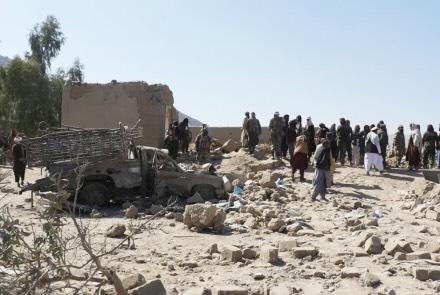
    Late on February 21 and 22, 2026, Pakistani fighter jets conducted airstrikes in the eastern Afghan provinces of Nangarhar and Paktika, specifically hitting areas in Khogyani, Ghanikhel, Behsud, and Barmal districts. Pakistani military officials claimed the operations successfully targeted compounds belonging to the Tehrik-i-Taliban Pakistan (TTP) and Daesh militants, reporting that nearly 70 “terrorists” were killed in the process. However, the strikes have drawn sharp criticism for their impact on civilians.

    The United Nations Assistance Mission in Afghanistan (UNAMA) confirmed that at least 13 civilians were killed in the attacks, a figure that underscores the human cost of the escalating conflict. Taliban authorities, meanwhile, reported a higher toll of 18 civilian deaths, denouncing the strikes as a violation of Afghan sovereignty and an act of aggression. Local reports from the affected areas paint a grim picture: families torn apart, homes destroyed, and communities left in fear. Taliban police in the region have stated that five bodies remain missing, further fuelling outrage and calls for accountability.

    This incident is not isolated. Tensions between Pakistan and the Taliban have been simmering for months, with Islamabad repeatedly accusing the Afghan government of providing safe havens to TTP fighters who launch cross-border attacks into Pakistan. The Taliban have vehemently denied these allegations, countering that Pakistan’s actions are unjustified incursions that endanger innocent lives. The border region, long a hotbed of militancy, has seen intensified clashes, including ground engagements that, according to UNAMA data from October to December 2025, resulted in 70 civilian deaths and 478 injuries attributed to Pakistani forces. These statistics highlight a pattern of collateral damage that has drawn global attention to the humanitarian implications of the dispute.

    UN Steps In with Promises of Global Advocacy

    In response to the airstrikes, the United Nations has emerged as a key player in attempting to de-escalate the situation. On February 23, 2026, UN deputy secretary-general Rosemary DiCarlo held a phone conversation with Taliban Foreign Minister Amir Khan Muttaqi, during which she expressed deep sympathy for the civilian losses. According to a statement from the Taliban’s Foreign Ministry, DiCarlo assured Muttaqi that she would raise the issue of the Pakistani airstrikes with UN member states and other relevant parties, signalling a potential for broader international involvement.

    The discussion also touched on the ongoing Doha process, a diplomatic framework aimed at addressing Afghanistan’s political and security challenges. The two sides exchanged proposals, though details remain undisclosed. The UN has yet to issue an official public comment on the call, but the Taliban’s announcement suggests a glimmer of hope for multilateral mediation. This move comes at a critical juncture, as the airstrikes have not only strained bilateral ties but also threatened to undermine regional efforts toward stability in South Asia. Analysts note that UN involvement could pressure both sides to engage in talks, preventing a slide into open conflict that might involve other stakeholders.

    Amnesty International Demands Accountability

    Human rights watchdog Amnesty International has added its voice to the chorus of concern, urging an immediate and impartial investigation into the civilian casualties caused by the airstrikes. In a statement released on February 24, 2026, the organization expressed being “deeply concerned” about reports of harm to non-combatants and called for all parties to adhere to international humanitarian law. “These reports of harm to civilians must be subjected to a thorough, independent, and impartial investigation,” Amnesty stated, emphasizing the need for transparency and justice.

    The call for a probe is particularly resonant given the history of border violence. Amnesty reiterated that protecting civilians is a fundamental obligation under international law, and failure to do so could perpetuate a cycle of retaliation and suffering. The organization’s intervention underscores the growing international spotlight on the conflict, with rights groups warning that unchecked military actions risk further alienating populations and fuelling extremism. In Afghanistan, where the Taliban government remains unrecognized by much of the world, such scrutiny could complicate their efforts to gain legitimacy while dealing with internal security challenges.

    Iran Proposes Mediation Amid Regional Ripples

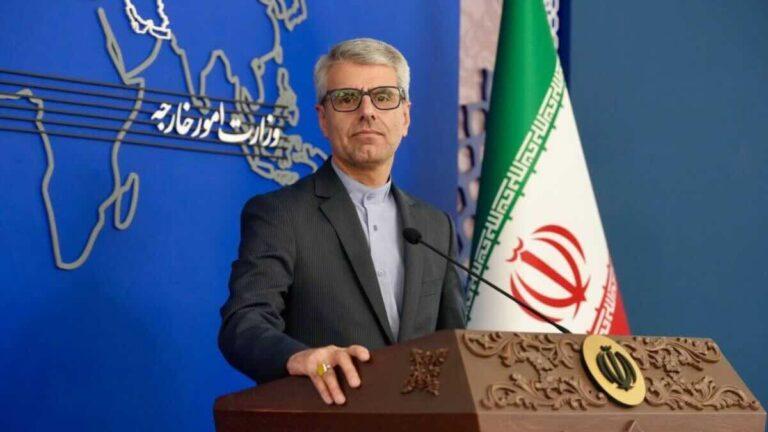
    Recognising the potential for spillover effects, Iran has positioned itself as a mediator in the dispute. At a weekly news conference on February 24, 2026, Iranian Foreign Ministry spokesman Esmail Baghaei voiced Tehran’s alarm over the deteriorating relations between its two Muslim neighbours. “We are concerned about this situation, and we have reason to be,” Baghaei said. “Any tension or escalation between them will have repercussions beyond these two countries.”

    Iran has offered its “good offices” to facilitate dialogue, recommending restraint and diplomatic resolution of differences. Baghaei expressed hope for “good-faith dialogue” to end the crisis, highlighting Tehran’s strategic interest in border stability. As a neighbour to both nations, Iran fears that prolonged hostilities could exacerbate migration flows, security threats, and economic disruptions in the region. This offer comes amid broader geopolitical dynamics, including Iran’s own tensions with Pakistan over border issues and its complex relationship with the Taliban since their 2021 takeover.

    Australia, India Unite in Space to Battle Climate Change

    The project seeks to address environmental challenges through innovative space technology, deepen Australia-India space ties, and tap into the expanding global space market.

    In a groundbreaking move to harness space technology for environmental protection, Australia has announced a new collaborative project with India aimed at tackling the pressing challenges of climate change. The initiative, revealed on Monday by Assistant Minister for Science, Technology and the Digital Economy, Dr Andrew Charlton, involves the development of an Australian-made payload for inclusion in the Indian Space Research Organisation’s (ISRO) G20 Satellite Mission for Environment and Climate Observation. This partnership underscores the growing ties between the two nations in the space sector, promising not only scientific advancements but also economic benefits through job creation and technological innovation.

    The project comes at a critical time when climate change impacts are felt globally, from rising sea levels to extreme weather events. By integrating Australian expertise into an India-led mission, the collaboration aims to provide vital data for monitoring environmental changes, aiding in the development of strategies to mitigate climate effects. Monday’s announcement highlights Australia’s commitment to international partnerships that address shared global issues.

    Deepening Bilateral Space Collaboration

    This latest venture will see an Australian industry leader, supported by multiple partners from both countries, developing cutting-edge technology. This payload will contribute to the G20 Satellite Mission, focusing on environmental and climate observations. The mission aligns with global efforts under the G20 framework to promote sustainable development and combat climate change. By participating, Australia positions itself as a key player in the international space arena, leveraging its technological strengths to foster deeper bilateral relations.

    Enrico Palermo, Head of the Australian Space Agency, emphasized the strategic importance of this partnership. “India is one of Australia’s biggest commercial partners in space and has a sector that is among the fastest growing in the world,” he stated. Palermo highlighted how such collaborations are already generating new jobs and enhancing industrial capabilities in Australia, demonstrating the tangible benefits of international teamwork on shared challenges.

    This initiative is part of a broader trend where nations are increasingly turning to space-based solutions for earthly problems. Satellites equipped with advanced sensors can monitor deforestation, track carbon emissions, and predict natural disasters with unprecedented accuracy. For Australia and India, both vulnerable to climate impacts – Australia with its bushfires and droughts, and India with monsoons and heatwaves – this project represents a proactive step toward resilience.

    Investing in a Sustainable Future

    The Australian Government is committing nearly $2.7 million to fund the development of the payload. This investment builds on previous allocations, including $18 million in 2024 for three joint space projects focused on net-zero transitions, advanced manufacturing, industrialization, and artificial intelligence. These earlier initiatives have already begun creating high-tech jobs, illustrating the economic ripple effects of such collaborations.

    The primary objectives of the new project are multifaceted. It seeks to address environmental challenges through innovative space technology, deepen Australia-India space ties, and tap into the expanding global space market. Moreover, it aims to drive technological advancements across various industries, boosting productivity and securing long-term prosperity for Australia. By breaking into new supply chains, Australian space companies can pursue commercial opportunities that stimulate economic growth and employment.

    Dr Andrew Charlton articulated the broader implications: “Australia’s relationship with India is a critical one and our space partnership is delivering great outcomes that mutually benefit our nations and region more broadly.” He added, “This project demonstrates how space addresses our biggest challenges, while also driving technology development across industries that enhance productivity and secure Australia’s future prosperity. These investments also generate opportunities for our space companies to break into new supply chains and pursue other commercial opportunities that will grow our economy and create new high-tech jobs.”

    The funding mechanism encourages Australian industries to apply for grants, with details available on the government’s business portal. This open call is expected to attract innovative proposals, ensuring the payload incorporates the latest in Australian engineering prowess.

    Broader Impacts and Future Prospects

    Beyond immediate environmental benefits, the project holds promise for lifting Australia’s industrial capabilities through strategic international alliances. As climate change accelerates, data from space missions like this will be invaluable for policymakers, scientists, and communities worldwide. The collaboration could serve as a model for other nations, promoting multilateral efforts in space for global good.

    Experts anticipate that the G20 Satellite Mission will provide high-resolution data on climate indicators, such as ocean levels, atmospheric changes, and land use patterns. This information could inform international agreements and national policies, accelerating the transition to a sustainable economy.

    For Australia, participating in such high-profile missions enhances its reputation in the global space community. With the space industry projected to grow exponentially, this partnership opens doors to further commercial ventures and technological exports.

    Officials in India say that this Australia-India space project exemplifies how international cooperation can turn the tide against climate change. “By combining resources and expertise, the two nations are not only advancing science but also paving the way for a greener, more prosperous future,” one Indian official said.

    Image: ISRO

    Deadly Bus Plunge on Nepal’s Prithvi Highway Leaves 19 Dead, 25 Injured

    The rescue operation was a testament to the coordinated response of Nepal’s emergency services, despite the remote location and adverse conditions. Divers from the armed police force scoured the river for any trapped or missing passengers.

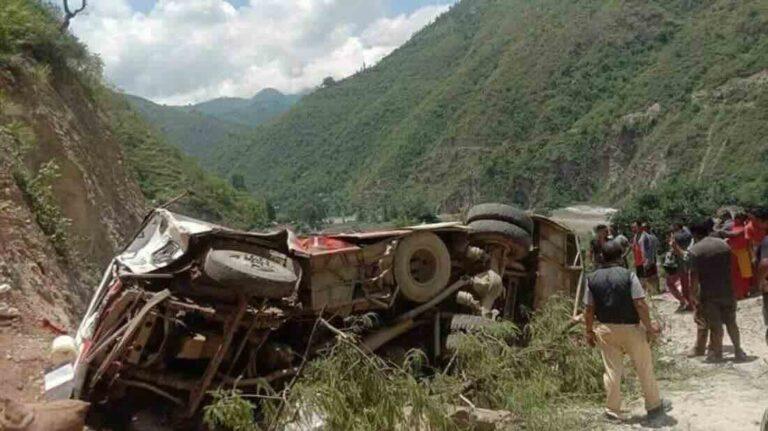
    In a harrowing overnight tragedy, a passenger bus en-route from Nepal’s scenic city of Pokhara to the capital, Kathmandu, veered off the treacherous Prithvi Highway and plummeted into the Trishuli River, claiming the lives of 19 people and leaving 25 others injured. The accident, which occurred in the early hours of Monday, February 23, 2026, has once again spotlighted the perils of road travel in Nepal’s mountainous terrain, where narrow, winding roads and inadequate infrastructure contribute to frequent disasters.

    The bus departed Pokhara’s Tourist Bus Park at around 7:00 PM on Sunday evening, carrying an estimated 44 passengers, including the driver – 29 men and 15 women. Authorities believe additional travellers may have boarded along the route, complicating efforts to verify the exact number on board. The vehicle was navigating the Prithvi Highway, a vital artery connecting western Nepal to the capital, when disaster struck approximately 80 kilometers west of Kathmandu. Eyewitness accounts and initial reports describe the bus losing control shortly after midnight, plunging about 200 meters down a steep hillside before coming to rest on the riverbanks near Charaundi in Benighat Rorang Rural Municipality-7, Dhading district – also referred to as Bhaisigauda in some reports.

    Rescue teams, including personnel from the district police office Dhading, area police office Gajuri, the nepal army’s Bhairav Battalion, and a specialized disaster management diving team from the Armed Police Force, mobilized swiftly with the aid of local residents. Their efforts focused on extracting survivors from the mangled wreckage amid the darkness and challenging terrain. Injured passengers were initially rushed to nearby facilities in Malekhu and Dhadingbesi before those in critical condition were transferred to advanced hospitals in Kathmandu, such as the National Trauma Centre and National City Hospital.

    The death toll, initially reported at 17, rose to 19 as two more victims succumbed to their injuries during treatment. Among the deceased are individuals from various regions of Nepal, as well as foreign nationals. Police have identified nine of the victims so far.

    Victims Identified Amid Growing Toll

    The identified deceased include Stewart Dominic Ethan, a 24-year-old British national. Other victims hail from across the country.

    The identities of the remaining 10 fatalities are still being confirmed through forensic processes and family notifications, a task made difficult by the severity of the crash. Among the injured, a 22-year-old Chinese national is receiving care at the National Trauma Centre, while another Chinese passenger remains missing, prompting concerns of an additional casualty. A 27-year-old woman from New Zealand sustained minor injuries and is being treated at a local hospital, adding to the international dimension of the tragedy.

    Heroic Rescue Operations in the Dead of Night

    The rescue operation was a testament to the coordinated response of Nepal’s emergency services, despite the remote location and adverse conditions. Divers from the armed police force scoured the river for any trapped or missing passengers, while ground teams used ropes and heavy equipment to access the site. Local villagers played a crucial role, providing immediate aid and guiding rescuers through familiar paths. Government administrator Mohan Prasad Neupane praised the quick arrival of teams, noting that survivors were pulled from the debris and transported to hospitals within hours.

    Spokesperson Paban Kumar Bhattarai from the Kathmandu District Range confirmed the updated casualty figures and emphasized the ongoing support for the injured. The Prithvi Highway Bus Operators’ Committee has cooperated by providing passenger manifests, aiding in the identification process. Families of the victims have begun gathering at hospitals, seeking information and closure amid the chaos.

    Investigation Underway; Road Safety Concerns Mount

    Police have launched a thorough investigation into the cause of the plunge, with preliminary theories pointing to possible driver fatigue, mechanical failure, or slippery road conditions exacerbated by recent weather. No definitive conclusions have been reached, but authorities are examining the bus’s maintenance records and the driver’s history.

    This incident is far from isolated in Nepal, a Himalayan nation where road accidents claim hundreds of lives annually. Poor infrastructure, overloaded vehicles, and inadequate enforcement of safety regulations are perennial issues. In 2024, two buses carrying 65 passengers fell into the same Trishuli River, resulting in most being killed or missing; one wreckage was only recovered this year after being buried under sand. Advocacy groups are calling for urgent reforms, including better road maintenance, stricter vehicle inspections, and improved driver training.

    Focus keyphrase:

    Pakistan’s Airstrikes on Afghan Soil Ignite Cross-Border Fury and UN Complaint

    Pakistan’s ministry of information portrayed the operation as a success, claiming nearly 70 militants were killed in strikes on TTP and ISIS-K hideouts.

    In a dramatic escalation of longstanding tensions between Islamabad and Kabul, Pakistani fighter jets launched airstrikes deep into eastern Afghanistan late on February 21, 2026, targeting alleged militant hideouts. The operation, which Pakistan defends as a necessary act of self-defence against cross-border terrorism, has drawn sharp condemnation from the Taliban-led Afghan government, which accuses its neighbour of violating sovereignty and killing innocent civilians. As diplomatic fallout intensifies, Afghanistan has lodged a formal complaint with the United Nations Security Council (UNSC), raising fears of further military confrontation in an already volatile region.

    The strikes come amid a surge in militant attacks inside Pakistan, including suicide bombings on a Shiite mosque in Islamabad and assaults in Bajaur and Bannu districts during the holy month of Ramadan. Pakistani officials claim these were orchestrated by groups like the Tehrik-i-Taliban Pakistan (TTP) and the Islamic State’s Khorasan branch (ISIS-K), which they allege operate from safe havens in Afghanistan. In response, Pakistan’s military conducted what it described as “intelligence-based operations” to neutralize these threats, marking the latest chapter in a cycle of accusations and retaliatory actions that have plagued bilateral relations since the Taliban’s return to power in 2021.

    Details of the Midnight Assault

    The airstrikes unfolded around midnight on February 21-22, 2026, striking multiple districts in Afghanistan’s Nangarhar and Paktika provinces. Pakistani jets reportedly hit targets in Khogyani, Ghani Khil, and Behsud districts of Nangarhar, as well as Barmal district in Paktika. These areas, bordering Pakistan’s restive Khyber Pakhtunkhwa province, have long been hotspots for militant activity, with porous borders facilitating cross-border movements.

    Pakistan’s ministry of information portrayed the operation as a success, claiming nearly 70 militants were killed in strikes on TTP and ISIS-K hideouts. State media later inflated the figure to 80, emphasizing the precision of the attacks to avoid civilian casualties. Deputy Interior Minister Talal Chaudhry stated, “Dozens of militants were killed in the strikes,” while army spokesperson Ahmed Sharif Chaudhry insisted, “The Pakistani military does not target civilian populations and that the operations are carried out with extreme precision.”

    In stark contrast, Afghan authorities reported devastating civilian losses. The Taliban’s defence ministry claimed more than 20 civilians, including women and children, perished in Behsud district alone, with strikes allegedly hitting a madrassa and residential homes. Taliban spokesman Zabihullah Mujahid echoed this on social media, decrying the attacks as indiscriminate and aimed at civilian and religious sites. Local residents in the affected areas described scenes of chaos, with families fleeing amid the roar of jets and explosions that lit up the night sky. Independent verification of casualties remains challenging due to restricted access in these remote, Taliban-controlled regions, but humanitarian groups have voiced concerns over potential violations of international law.

    Diplomatic Backlash and Threats of Retaliation

    The Afghan response was swift and uncompromising. Kabul summoned Pakistan’s ambassador to lodge a formal protest, with the ministry of foreign affairs warning that “Protecting Afghanistan’s sovereignty is a fundamental responsibility of the Islamic Emirate, and the Pakistani side will bear responsibility for the consequences of such actions.” The Taliban’s defense ministry labelled the strikes as “repeated acts of aggression” and vowed a “calculated response at an appropriate time,” accusing Pakistan of using the attacks to deflect from its own internal security failures.

    On the Pakistani side, President Asif Ali Zardari staunchly defended the operation, declaring it Pakistan’s “right” in self-defence. Citing a recent UNSC report on regional terrorism, he asserted, “Those responsible for bloodshed inside Pakistan will not remain beyond reach.” Officials in Islamabad have kept “all options” open, signalling readiness for further actions if militant threats persist. This rhetoric underscores Pakistan’s frustration with what it perceives as the Taliban’s unwillingness or inability to rein in groups like TTP, which have ramped up attacks since the Afghan Taliban’s takeover.

    Adding a layer of complexity, internal Afghan divisions have surfaced. The National Resistance Front (NRF), an anti-Taliban group led by figures like Fazal Ahmad Manawi, welcomed the strikes. Manawi stated, “Every action in the interest of the Afghan people should be welcomed,” describing the Taliban as a “cruel group” and expressing hope for improved regional relations. This support from opposition elements highlights the fractured political landscape in Afghanistan, where external interventions can exacerbate infighting.

    Escalation to the United Nations

    In a bid to internationalize the dispute, Afghanistan’s Permanent Mission to the UN, led by chargé d’affaires Naseer Faiq, filed a complaint with the UNSC on February 22, 2026. Faiq condemned the airstrikes as a “serious violation” that resulted in “the tragic loss of civilian lives, including women and children.” He urged the council for an immediate halt to such actions, an impartial investigation, and adherence to the UN Charter respecting territorial integrity.

    The UNSC has yet to respond formally, but the complaint could draw global scrutiny to the fragile Pakistan-Afghanistan border dynamics. Analysts warn that without mediation, the incident risks spiralling into broader conflict, potentially involving other regional players  who have their own stakes in Afghan stability.

    Long-Term Implications for Regional Security

    This latest flare-up is symptomatic of deeper issues: mutual distrust, unresolved border disputes, and the enduring legacy of the US-led war in Afghanistan. Pakistan has repeatedly accused the Taliban of harbouring militants, while Kabul counters that Islamabad’s policies have fuelled instability. The strikes also occur against a backdrop of economic woes in both nations, with Pakistan grappling with inflation and Afghanistan facing humanitarian crises under international sanctions.

    With the Taliban’s promise of retaliation hanging in the air, the region braces for uncertainty. As one Islamabad-based analyst noted, “These airstrikes might eliminate a few militants, but they sow seeds for more resentment and cycles of violence.”

    Bangladesh Formally Seeks Three-Year Deferral for LDC Graduation

    The economic relations division secretary cited rampant financial-sector irregularities, immense pressure on foreign-exchange reserves, persistent high inflation, declining foreign and domestic investment, and massive political changes following the historic mass uprising in 2024.

    In a major economic policy manoeuvre, Bangladesh’s newly elected government has formally requested a three-year extension to its preparatory period for graduating from the least developed country (LDC) category. Citing a multitude of transition-plan disruptions caused by prolonged global shocks, severe domestic economic strains, and recent political upheavals, the new administration has asked the United Nations to push the graduation date from November 2026 to November 2029.

    The move was executed remarkably swiftly, with the request being formulated and dispatched just a single day after the new administration assumed office. Having conducted a rapid reappraisal of the nation’s ground realities, the administration opted to prioritize macroeconomic stability over an immediate change in international economic status.

    The Formal Appeal to the United Nations

    Acting on behalf of the government, economic relations division (ERD) secretary Md. Shahriar Kader Siddiky formally transmitted a letter on Wednesday to José Antonio Ocampo, Chair of the United Nations committee for development policy (CDP). The central plea of the correspondence is a targeted extension of the LDC graduation preparatory period until November 24, 2029.

    To substantiate this major deferment request, Bangladesh has invoked the crisis-response provision embedded within the enhanced monitoring mechanism (EMM). Under the existing, internationally agreed-upon timeline, Bangladesh was firmly scheduled to graduate from the global LDC club on November 24, 2026, and is currently undergoing its third and final review process.

    The outgoing interim government – following widespread appeals from leading business chambers and top economists – had previously recommended pursuing a coordinated approach with other graduating nations like Nepal and Laos to secure an extension until 2030. However, the post-uprising interim administration ultimately decided to leave this monumental final decision to the newly elected government. Speaking to journalists shortly after taking charge of the commerce ministry, commerce minister Khandaker Abdul Muktadir confirmed that the government would take all necessary steps to delay the LDC graduation, coordinating closely with the ERD to advance the diplomatic process.

    Criteria Met, but Preparations Disrupted

    According to the established UN criteria, Bangladesh fundamentally remains on track to graduate on schedule. The country’s graduation was previously endorsed by the United Nations General Assembly (Resolution A/RES/76/8) following the CDP’s recommendation. This milestone was achieved after Bangladesh successfully met all three critical graduation criteria – gross national income per capita, the human assets index, and the economic vulnerability index – during both the 2018 and 2021 triennial reviews.

    However, leading analysts and government officials now warn that pushing forward with the 2026 graduation without adequate preparation could derail a smooth transition. In his communication to the UN, Siddiky emphasised that while Bangladesh continues to meet the statistical thresholds, the crucial five-year preparatory period has been “severely disrupted” by overlapping, multidimensional crises.

    Navigating Global Shocks and Domestic Strains

    The official letter highlights a cascading series of international and domestic hurdles that have derailed the country’s economic readiness. Globally, the government points to the prolonged, debilitating after-effects of the COVID-19 pandemic, the ongoing Russia-Ukraine war, and the subsequent severe spillover effects on global energy and food markets. Additionally, tightening global financial conditions and widespread disruptions to international trade have severely limited the country’s economic manoeuvring room.

    On the domestic front, the challenges are equally daunting. The ERD secretary cited rampant financial-sector irregularities, immense pressure on foreign-exchange reserves, persistent high inflation, declining foreign and domestic investment, and massive political changes following the historic mass uprising in 2024. Furthermore, the unresolved and economically draining issue of Rohingya repatriation to Myanmar continues to heavily burden the state.

    “As a result, policy focus necessarily shifted toward short-term stabilization and crisis management, diverting attention from the preparatory process,” Siddiky noted in the letter. “Consequently, the preparatory period has not functioned as originally intended.”

    Trade Concerns and the Garment Sector Vulnerability

    A primary driver behind the deferral request is the profound uncertainty surrounding post-LDC trade arrangements. The government has expressed deep concern over Bangladesh’s potential ineligibility for the European Union’s generous GSP+ scheme, which heavily benefits the country’s vital ready-made garment (RMG) sector. There are also mounting fears regarding the imposition of reciprocal tariffs by the United States.

    Given Bangladesh’s heavy and historical reliance on RMG exports, trade officials warn that a premature erosion of these international trade preferences could violently expose the economy to sudden tariff shocks before any adequate mitigation measures can be established.

    “Proceeding with graduation under the existing timeline could entail significant risks to macroeconomic stability, export performance, employment, and poverty reduction,” the government’s letter warned.

    Mohammad Hatem, President of the Bangladesh knitwear manufacturers and exporters association (BKMEA), warmly welcomed the newly elected government’s initiative. He noted that the RMG sector had previously met with the new prime minister prior to the election to express grave concerns regarding the impending graduation. Hatem claims that the previous government had not adequately prepared a transition plan to address potential macroeconomic shocks, recalling an incident where the previous administration nearly stepped back from the graduation move just a week before a major deadline.

    Expert Recommendations and Future Technical Assessments

    While the formal request has been submitted, domestic economic experts are advising the government to bolster its case. Towfiqul Islam Khan, additional director of research at the Centre for Policy Dialogue (CPD), pointed out that while Bangladesh can submit a formal request, the final, binding decision rests entirely with the UN’s CDP.

    Khan advised the new administration to adopt a formal cabinet decision on deferring the graduation to present a unified front. He also observed that while the previous interim government requested a review of the country’s status, it failed to submit a detailed, rigorous technical analysis in support of the deferral. “If we want to defer it, we should submit a technical report providing evidence to justify the request,” Khan stated.

    Bangladesh has already formulated a smooth transition strategy (STS) with vital support from the United Nations department of economic and social affairs (UN-DESA), establishing a high-level steering committee chaired by the head of government. Despite this, several foundational structural reforms – including comprehensive customs modernization, critical energy-sector reforms, and much-needed export diversification – remain drastically behind schedule due to cumulative economic shocks.

    The government’s letter also heavily references findings from an independent graduation readiness assessment commissioned by the UN office of the high representative for the least developed countries, landlocked developing countries and small island developing states (UN-OHRLLS). This independent assessment reportedly concluded that Bangladesh’s preparatory period had indeed been “severely disrupted” and strongly cautioned that graduating in November 2026 might not fully align with the fundamental UN principle of avoiding disruption to a nation’s development progress.

    By securing this requested three-year extension, Bangladesh hopes to gain the vital policy space needed to stabilize its macroeconomic environment, consolidate ongoing and upcoming reforms, and ensure that its eventual graduation from the LDC category is entirely consistent with the shared global objective of sustained, resilient, and inclusive development. The United Nations CDP is expected to deliberate on the government’s pivotal request in the months ahead.

    IIT Ropar to Lead ₹990 Crore National AI Push in Indian Agriculture

    The government has selected ANNAM.AI at the Indian Institute of Technology Ropar as the centre of excellence to scale AI-driven solutions for farmers; the initial focus will be on key grain belts with plans for nationwide roll-out.

    In a major policy push to transform India’s agricultural landscape through artificial intelligence, the government of India has entrusted Indian Institute of Technology Ropar with leading a ₹990 crore national initiative to embed AI, data analytics and digital technologies into farming systems. The move, underpinned by the launch of ANNAM.AI – a new Centre of Excellence (CoE) in AI for Agriculture – promises to accelerate innovation in precision farming, weather forecasting, crop advisory services, and digital extension systems that can reach millions of Indian farmers at scale.

    The initiative forms part of the union government’s broader strategy to harness cutting-edge technology to boost productivity, enhance climate resilience and strengthen food security while supporting the livelihoods of smallholder farmers across the country.

    National AI Strategy for Field-Level Impact

    The ₹990 crore initiative was first announced in the union budget as part of the government’s commitment to create multiple AI Centres of excellence – including in agriculture, healthcare and sustainable cities – with IIT Ropar designated as the lead institution for agriculture.

    Under this national framework, the agriculture centre of excellence will initially concentrate its efforts in key grain-producing states – Punjab, Uttar Pradesh and Haryana – before gradually extending its reach to other regions. By building modular AI tools that are adaptable to diverse agro-ecological and linguistic contexts, the programme aims to democratise access to data-driven insights for cropping decisions, soil health, climate risks and input optimisation.

    Central to this vision is ANNAM.AI (Alliance for Next-Gen Nourishment through Agriculture Modernization), a dedicated research platform at IIT Ropar that blends artificial intelligence with agronomic expertise and field data. With backing from the ministry of education and the department of science & technology, the centre of excellence is tasked with developing scalable solutions that can be deployed through mobile apps, voice-based advisory tools and multilingual systems tailored for low-connectivity rural contexts.

    AI Meets Ground Realities: Tools for Farmers

    ANNAM.AI’s portfolio of technologies includes several flagship solutions aimed at transforming on-farm decision-making:

    • Artificial intelligence-driven crop advisory engines that integrate soil and weather data with best-practice recommendations tailored to local crops and seasons.
    • Multilingual chat and voice assistants that help farmers ask practical questions about pest management, fertiliser use, weather forecasts and government schemes in regional languages.
    • Real-time weather tools and low-cost automatic weather stations that feed hyper-local forecasts into crop advisory models.
    • Digital crop twins and yield estimation models which help anticipate harvest outcomes and guide resource use.

    Officials stress that these artificial intelligence solutions are not merely experimental “pilot projects.” Instead, the emphasis is on scalable impact – ensuring that technologies are adopted by farmers in the field and directly influence farm performance and incomes.

    State Partnerships and Capacity Building

    States such as Punjab have already embraced AI integration in their agricultural strategies, aligning closely with the centre of excellence. In recent high-level meetings, Punjab’s agriculture and farmers welfare minister underscored the importance of deploying AI tools at the ground level – from automatic weather stations and soil analytics to livestock productivity platforms – to improve sustainability and farmer incomes.

    Officials from the centre of excellence are also working with state governments to develop training programmes on precision agriculture and AI applications for government officers, extension workers and young agri-professionals. The aim is to expand the pool of human resources ready to implement digital agriculture frameworks across districts.

    Additionally, IIT Ropar has initiated farmer-centric engagement models like “Farmers’ Friday”, which bring farmers, researchers and digital solution providers together to co-design tools and ensure alignment with on-farm realities.

    Challenges and the Road Ahead

    While the initiative has generated excitement among policy makers, experts note that deepening AI adoption in agriculture will require strengthened infrastructure – including rural broadband, sensor networks and interoperable data systems – as well as a focus on data privacy, inclusion, and affordability for marginal farmers.

    “Technology must translate into tangible benefits in the field,” says one agriculture technology expert. “Otherwise, investments risk remaining academic experiments rather than catalysts for rural transformation.” Analysts also point to the need for robust public-private partnerships, along with support for agritech startups and local innovation ecosystems to channel solutions into last-mile services.

    However, proponents argue that India is entering a new era of digital agri-economy – one in which AI, satellite data, Internet of Things (IoT) tools and scalable advisory systems reshape farming from reactive practice to predictive science. By anchoring this transformation at a premier research hub like IIT Ropar, they say, the country is investing in technologies that could redefine agricultural productivity, climate resilience and rural prosperity over the next decade.

    Image: ChatGPT

    Nepal on Brink of Eliminating Kala-azar as Infections Plunge

    Nepal’s success is largely credited to a multi-pronged strategy combining surveillance, treatment and vector control.

    Nepal is poised to eliminate kala-azar – a once-deadly neglected tropical disease – as a public health problem this year after decades of control efforts sharply reduced infections and deaths.

    Health authorities say the country has already achieved the key benchmark required for elimination: fewer than one case per 10,000 people at the district level, while deaths have remained under one percent for the past two years.

    “If we maintain the threshold this year, we will be eligible to achieve elimination status,” a senior vector-borne disease official said, pointing to strengthened surveillance and targeted control programmes across affected districts.

    Kala-azar – also known as visceral leishmaniasis – is transmitted through the bite of infected female sandflies and attacks internal organs such as the liver and spleen. Without treatment, the disease can be fatal in up to 95 percent of cases.

    The milestone would mark a major public-health success for the Himalayan nation, which once carried a significant disease burden in South Asia.

    Regional Commitment and Long Struggle

    Nepal’s progress stems from a regional campaign launched in 2005, when Nepal, India and Bangladesh agreed to eliminate kala-azar across the Indian subcontinent.

    The goal was initially set for 2015 but repeatedly delayed due to sporadic outbreaks and spread into new areas.

    Over time, however, aggressive interventions dramatically reduced infections:

    • Cases fell by more than 95 percent by 2021 compared to 2007 levels
    • New infections dropped to below one per 10,000 population
    • Death rates remained under one percent

    The World Health Organization defines elimination of kala-azar as reducing annual incidence below that threshold at district level.

    Bangladesh has already achieved this milestone, showing elimination is feasible in the region.

    How Nepal has Fought the Disease

    Nepal’s success is largely credited to a multi-pronged strategy combining surveillance, treatment and vector control.

    Active surveillance and early detection

    Health workers actively track fever cases in villages, particularly in vulnerable communities, enabling early diagnosis and treatment.

    Rapid diagnostic tests and improved medicines have shortened treatment time and reduced mortality.

    Vector control measures

    Authorities have targeted sandflies through:

    • Indoor residual spraying
    • Environmental sanitation
    • Public awareness campaigns

    Vector control is considered essential because the insect thrives in mud walls, cracks and damp soil common in poor housing.

    Community mobilisation

    Community health volunteers play a key role by identifying symptoms early and referring patients to health facilities, helping prevent severe disease and transmission.

    Cross-border cooperation

    Because endemic areas lie along the India-Nepal border, authorities also coordinate surveillance and investigation of cases across borders to prevent re-introduction.

    Challenges in the Last Mile

    Despite remarkable progress, officials say the fight is not over.

    The disease has appeared in unexpected places – including mountain districts – challenging earlier assumptions that sandflies cannot survive at high altitude.

    Vectors have been detected up to about 2,000 metres above sea level, and infections have occurred in districts once considered non-endemic.

    Children remain particularly vulnerable, partly because of outdoor exposure and limited protective clothing.

    Key remaining challenges include:

    • Sporadic cases in new districts
    • Post-treatment skin infections that can sustain transmission
    • Cross-border movement
    • Climate-related vector expansion

    Health authorities warn that elimination does not mean eradication – surveillance must continue to prevent resurgence.

    Beyond Elimination: Sustaining Success

    Experts say maintaining elimination status will require long-term vigilance.

    The WHO recommends countries strengthen reporting systems, improve diagnostic services and engage communities to prevent re-establishment of transmission.

    South Asia has already recorded a 95 percent decline in cases over the past decade, but remaining hotspots could reverse gains if surveillance weakens.

    For Nepal, sustaining success may depend on integrating kala-azar monitoring with broader neglected tropical disease programmes that also target dengue, filariasis and leprosy.

    A Public-Health Turning Point

    Kala-azar has historically affected the poorest communities, trapping families in cycles of illness and poverty.

    Eliminating it would therefore represent not only a medical achievement but also a major socio-economic milestone.

    If the country maintains low infection levels through the year, Nepal will join the small group of nations that have defeated one of the world’s deadliest parasitic diseases as a public-health threat.

    Health officials say the goal now is simple: ensure the disease never returns.

    Political Consulting is Changing the Face of Election Campaigns

    Political consulting is no longer simply about winning narratives. It is about understanding political ecosystems and intervening intelligently within them.

    By Ankit Jha

    Political campaigns in India have undergone a structural transformation over the past decade. What was once driven largely by party machinery, ideological mobilisation, and local networks has steadily evolved into a professionalised ecosystem. Today, data analytics teams map constituencies booth by booth. Digital advertising budgets rival corporate launches. Social media war rooms operate around the clock. Surveys, dashboards, targeted messaging, and rapid-response content have become standard instruments of electoral competition.

    Political consulting, in this context, has grown from a peripheral advisory function into a full-fledged industry, one that promises efficiency, structure, scalability, and measurable outcomes.

    The political environment today is different.

    For some time, this model has delivered visible results. Large-scale campaigns have increased visibility; micro-targeted messaging has energised segmented voter groups; technology has streamlined coordination across geographies; and strategy has become more scientific, less instinctive. Elections now appear increasingly manageable through systems and metrics.

    Voters are more informed and even more sceptical. Social media is crowded with competing narratives. Negative campaigns are routine. Viral moments are fleeting. Exaggeration is quickly exposed. Manufactured hype is often recognized for what it is. In such a climate, higher ad spends and louder messaging do not automatically translate into credibility.

    Today, political consulting is reaching an inflection point. Because noise no longer guarantees trust.

    From Narrative Domination to Problem Diagnosis: A Needed Shift in Approach

    The central question for consultants can no longer be, “How do we dominate the narrative?”

    A more urgent question is emerging: “What is the real problem that needs to be solved?” Behind every electoral challenge lies a deeper structural issue:

    • Youth voters may be drifting away, not loudly, but steadily.
    • Certain constituencies may carry silent dissatisfaction that does not show up in rallies.
    • Booth-level organizational weakness may be undermining strong top-level messaging.
    • A recent policy decision may have altered public perception in ways not immediately visible.
    • Internal factionalism may be weakening morale long before election day.

    These are not problems that mass messaging alone can fix. They demand diagnosis before prescription. They require listening before broadcasting. If the first generation of political consulting was campaign-centric, the emerging phase is reality-centric.

    The Rise of the Problem-Centric Model

    A more nuanced style of consulting is taking shape, one that begins not with scale, but with specificity. Instead of offering pre-packaged campaign templates, it frames engagements around clearly articulated political problem statements. For instance:

    • A newly formed political party seeking to build a strategic alliance with a central or dominant political force before elections.
    • A non-local candidate facing resistance rooted in identity and representation concerns.
    • A regional leader aiming to expand influence beyond a narrow caste, community, or geographic base.
    • A sitting MLA confronting silent anti-incumbency despite visible development work.
    • A party grappling with internal factional divides that weaken booth-level execution.

    Each of these situations demands a different toolkit. Alliance-building requires negotiation architecture and trust bridges. Perception management may require recalibrating outreach rather than amplifying slogans. Organizational weakness may demand cadre rebuilding and internal reform rather than external branding.

    This approach shifts political consulting from being campaign management to political diagnosis.

    A Case in Structured, Problem-First Advisory

    The professionalization of politics has undoubtedly brought efficiency. Yet efficiency alone cannot substitute for legitimacy or internal strength. As political parties increasingly rely on consultants, the real test lies not in how loudly they can communicate, but in how accurately they can interpret their own political realities.

    An example of this evolving model is dock consulting. Dock consulting operates on a structured, problem-first framework. Rather than beginning with large advertising pushes or immediate digital escalation, it starts with a careful assessment of the client’s precise political challenge. Is the issue alliance positioning? Organizational fragility? Erosion of voter trust? A perception gap between leadership intent and ground reality?

    The premise is simple but consequential: clarity precedes amplification.

    In this model, consulting is less about spectacle and more about strategy. It is not merely about managing a campaign cycle but about understanding the political ecosystem in which that campaign operates. Diagnosis informs design. Design informs execution.

    The future of political consulting will likely belong to advisory models that combine data with discernment, technology with field intelligence, and messaging with structural repair. It will reward those who can identify the invisible fault lines, before they become electoral setbacks.

    Political consulting is no longer simply about winning narratives. It is about understanding political ecosystems and intervening intelligently within them. And in that transition from campaign-centric operations to problem-driven advisory firms that prioritise structured diagnosis over surface-level amplification are beginning to shape the next chapter of political strategy.

    Image: Freepik

    • Ankit Jha is a political campaign and narrative consultant and an independent election trainer, working on grassroots strategy. With degrees in Journalism and Social Work, his work focused on land, informal workers, and housing rights through the National Campaign on Housing Rights and the Delhi Housing Rights Task Force. He now supports organisations in capacity building for organisation building initiatives.

    Sri Lankan Activists Demand Justice for 2022 Protest Victims

    The 2022 events unfolded against a backdrop of economic collapse blamed on mismanagement and corruption under the Rajapaksa administration. Protests began peacefully but faced repeated suppression, including the use of troops to disperse crowds.

    A group of prominent activists held a press conference to renew calls for accountability over the violent crackdown on peaceful protesters during Sri Lanka’s 2022 economic crisis demonstrations in Colombo last week. The protests, sparked by severe shortages of fuel, food, medicine, and other essentials, ultimately led to the resignation and flight of then-President Gotabaya Rajapaksa. Activists argue that state aggression turned largely non-violent demonstrations into scenes of chaos, with no meaningful justice delivered to those affected.

    The 2022 Aragalaya movement, centred at Colombo’s Galle Face Green, drew thousands demanding systemic change amid the island nation’s deepest economic downturn in decades. Protesters occupied public spaces, setting up makeshift communities with libraries and clinics. However, confrontations escalated when security forces and unidentified groups intervened forcefully, particularly on 9 May 2022, clearing the Galle Face site amid reports of assaults on unarmed participants.

    Father Jeewantha Peiris, who participated in the 2022 protests, addressed the gathering, asserting that the true violence stemmed from actions by a “junta” involving former leaders. He stated, “The real violence was orchestrated by the junta comprising former president Ranil Wickremesinghe and the Rajapaksa regime. No punishment for them.” Peiris demanded enforcement of the law against those responsible for attacks on peaceful demonstrators, rather than targeting protesters themselves.

    Rights activist Nuwan Bopage from the People’s Struggle Alliance described how state aggression provoked incidents nationwide. He alleged that in one case, former lawmaker Amarakeerthi Athukorala fired at citizens blocking his vehicle on 11 February 2022, resulting in one death and several injuries before Athukorala and his security officer were killed amid the unrest. Bopage emphasized evidence from photos and videos showing government-sponsored thugs assaulting unarmed people, questioning why no justice has followed.

    Calls for Release of Death-Sentenced Protesters

    A key focus of the press conference was the fate of 12 anti-government protesters sentenced to death for the murders of Athukorala and his security officer. Manoj Nanayakkara, representing Lawyers for Truth and Justice, noted an opportunity for appeal and pledged free legal services to the defendants. He urged the current government to intervene positively, saying, “These citizens struggled to change the existing system, and the government should make a positive intervention in the cases of the struggle.”

    Wasantha Mudalige, a rights defender, highlighted the broader toll, pointing out that eight people died during the protests. He questioned the lack of progress in those cases, noting no intervention from the Attorney General. “Eight people died in this struggle. What will happen to those cases now?”

    Personal testimonies underscored the human cost. P S Anuranga recounted suffering around twenty head wounds from attacks by government forces at Galle Face, illustrating the brutality faced by ordinary participants.

    Broader Context of Impunity and Ongoing Demands

    The 2022 events unfolded against a backdrop of economic collapse blamed on mismanagement and corruption under the Rajapaksa administration. Protests began peacefully but faced repeated suppression, including the use of troops to disperse crowds under Wickremesinghe, who assumed the presidency after Rajapaksa’s exit. Activists accuse authorities of shielding powerful figures while prosecuting demonstrators harshly.

    Four years later, speakers at the press conference expressed frustration over persistent impunity. They reiterated demands for:

    • Full justice for victims of the crackdown, including investigations into deaths and injuries.
    • Release or fair appeals for the 12 death-sentenced protesters.
    • Accountability for state actors involved in violence against unarmed citizens.

    The event reflects continued activism in Sri Lanka, where economic recovery has not erased memories of the struggle or resolved grievances over state responses. Participants called on the government to address these long-standing issues to foster reconciliation and prevent future escalations.