More

    How Gaming is Weaving a Digital Tapestry Across the Maldives

    Picture this: It is the height of the pandemic, and lockdown has grounded flights and ferries across the Maldives. On Laamu Atoll, 17-year-old Aminath “Ami” Hassan stares at her phone, fingers flying across the screen in a frantic Mobile Legends match.

    The Maldives has long been a mosaic of isolated paradises. Families on one atoll might never cross paths with those on another. But beneath this serene surface, a quiet revolution hums through fibre-optic cables and smartphone screens: gaming. Once dismissed as idle escapism, gaming is emerging as the archipelago’s unlikely unifier, stitching together communities separated by sea with threads of code, competition, and camaraderie. From Malé’s bustling cafes to the remote sands of Addu Atoll, pixels are forging connections that transcend geography, turning strangers into teammates and islands into a single, vibrant server.

    This digital bridge is no accident. It’s the product of technological leaps – like the ultra-low latency ushered in by 5G networks and the impending 2025 activation of the SEA-ME-WE 6 submarine cable – that are shrinking distances in ways traditional travel never could. For a nation where 80 per cent of the landmass is water, gaming offers an invisible highway, allowing a teenager in Haa Alif to squad up with a peer in Gaafu Dhaalu for a midnight raid in Valorant. It’s not just play; it’s progress, a career path, and a cultural shift that’s redefining what it means to be Maldivian in the twenty-first century.

    The Spark of Connection: From Isolated Screens to Island-Wide Clans

    Picture this: It’s 2020, the height of the pandemic, and lockdown has grounded flights and ferries across the Maldives. On Laamu Atoll, 17-year-old Aminath “Ami” Hassan stares at her phone, fingers flying across the screen in a frantic Mobile Legends match. Her opponents? A mix of avatars from Malé, Hulhumalé, and even far-flung Fuvahmulah. For the first time, the sea feels irrelevant. “Before, my world was this island – school, beach, home,” Ami recalls in a recent interview. “Now, my clan is my family, and they’re everywhere.”

    This story echoes across the atolls. Gaming’s rise here mirrors a global trend but with a uniquely Maldivian twist: it amplifies the archipelago’s innate community spirit. Shaan “Shanku” Saeed, assistant director of Marketing & Sales at KUIS eSports, the Maldives’ premier gaming organization, describes how clans often begin as hyper-local friend groups. “A bunch of kids on the same island start playing PUBG Mobile after school,” he says. “They win a few local tournaments, get inspired by pros like Faker from Korea, and suddenly they’re recruiting from Instagram – kids from Noonu, kids from Thaa. It’s organic, ambitious, and it binds us.”

    KUIS eSports, founded in 2018, has been the catalyst. Their events, like the record-shattering 2025 National Esports Championship, drew over 5,000 participants virtually from all 20 atolls. What started as a Malé-centric affair has ballooned into a nationwide phenomenon, with live streams pulling in viewers from isolated resorts to fishing villages. Shanku notes the perceptual shift: “Gaming used to be ‘wasting time.’ Now, after our biggest year yet, parents see it as a skill – like coding or sports – that can lead to scholarships or sponsorships.” This validation is crucial in a conservative society where traditional paths dominate, but gaming’s low barrier to entry – requiring just a smartphone and data – democratizes opportunity, connecting even the most remote islands to the grid.

    Tech’s Tidal Wave: Latency’s Demise and Global Gateways

    The true wizardry lies in the infrastructure. The Maldives’ geography – 99 per cent ocean – has historically choked connectivity, with lag times that turned online matches into slideshows. Enter 5G, rolled out aggressively since 2022, and the SEA-ME-WE 6 cable, set to slash latency by 50 per cent. “It’s like upgrading from a rowboat to a speedboat,” Shanku enthuses. In Valorant lobbies, Maldivian players now ping at sub-50 milliseconds, holding their own against Singaporean squads and cracking international leaderboards.

    This isn’t hyperbole. Take the story of Ibrahim “Ibra” Moosa from Shaviyani Atoll, whose Rocket League team, Atoll Aces, clinched a regional qualifier in 2024. “Before 5G, we’d drop frames mid-game – frustrating, isolating,” Ibra shares. “Now, we scrim with Aussies at dawn. It’s not just winning; it’s feeling seen.” Such feats ripple outward: top performances attract scouts, funnelling talent to KUIS bootcamps in Malé, where atoll reps train together, forging bonds that outlast tournaments.

    But the surge favours PC and console gaming, long overshadowed by mobile dominance. PUBG Mobile and Mobile Legends still rule, with 70 per cent of players on phones, per KUIS data. Transitioning requires hardware havens beyond the capital – tech shops stocking GPUs in Vaavu, repair hubs in Faafu. Shanku pushes for nationwide distribution: “Fiber to every island home, esports in school curriculums. Teach kids circuits alongside Dhivehi; it’ll spark a tech renaissance.”

    Hubs and Havens: Physical Anchors in a Virtual Sea

    To ground this ether, physical gaming hubs are sprouting like mangroves. In Addu, the Southern Gaming Lounge opened in 2025, a modest space with 20 rigs where locals without home setups grind for hours. “It’s a talent goldmine,” says lounge manager Fatima Riyaz. “A kid from Gan walks in, picks up a controller, and by week’s end, he’s repping us nationally.” These outposts – now in eight atolls – demolish barriers, scouting prodigies and hosting inter-island LAN parties that blend virtual rivalries with face-to-face feasts of traditional Maldivian food.

    KUIS’s expansion mirrors this: pop-up arenas in resorts draw tourists into casual frays, while youth programs train coaches via government-backed licenses. “We’re not just connecting players; we’re connecting cultures,” Shanku says. Seminars on online safety, sponsored by the National Gaming Guild (a proposed regulatory body), ensure these hubs foster health – mandatory breaks, counselling for burnout – guarding young “athletes” from exploitation.

    Challenges persist: uneven internet in outer atolls, gender gaps (only 20 per cent female players), and the need for third-party organisations to diversify representation. Yet, these hubs symbolize gaming’s glue: a Faresmaathoda fisherman mentors a Hithadhoo hacker, their shared headset a bridge over 200 kilometers of waves.

    Dreams on the Horizon: A Gaming Paradise by 2030

    Envision 2030: The Maldives as Asia’s esports Riviera, where luxury liners dock for championship weekends – yachts bobbing beside VR arenas, influencers live-tweeting from overwater villas. Shanku sees it vividly: “Gaming tourism. High-speed arenas on private islands, telecoms guaranteeing zero-lag streams. Government policies inviting partnerships, turning tournaments into festivals with Dhivehi dubstep and reef dives between heats.”

    In this pixelated paradise, gaming isn’t escape – it’s essence. It connects not by conquering seas but by rendering them irrelevant. From Ami’s clan chats to Ibra’s podium dreams, the Maldives’ islands pulse as one server, alive with laughter, strategy, and the soft click of victory. In a world fracturing along lines of distance, this archipelago shows how play can pull us closer – screen by screen, atoll by atoll.
    Google Unveils $15 Billion Investment to Build Full-Stack AI Hub in Visakhapatnam

    As artificial intelligence models become increasingly resource-intensive, robust digital infrastructure is an absolute necessity. Pichai cautioned the global audience that society “cannot allow the digital divide to become an AI divide.”

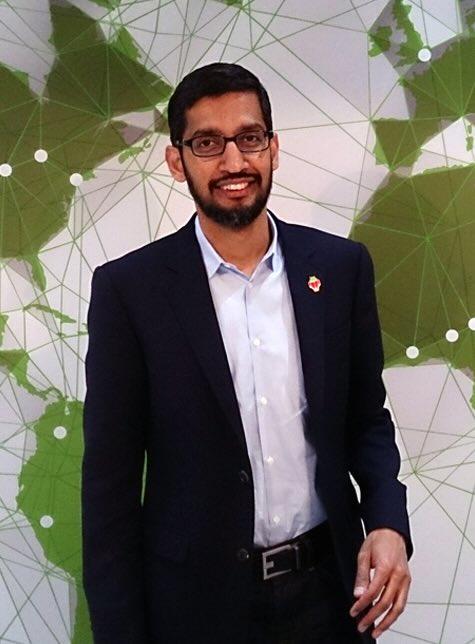
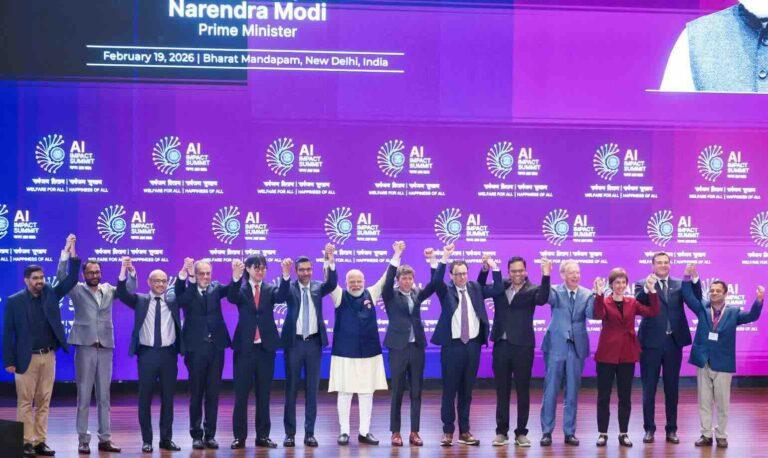
    In a landmark declaration that underscores India’s pivotal role in the future of global technology, Google and Alphabet CEO Sundar Pichai announced the establishment of a “full-stack” Artificial Intelligence (AI) hub in Visakhapatnam. Delivering a highly anticipated keynote address on Thursday at the India AI Impact Summit 2026 in New Delhi, Pichai revealed that the cutting-edge facility in the coastal city of Andhra Pradesh is part of a massive $15 billion infrastructure investment aimed at shaping India’s digital destiny.

    The sweeping announcement highlights how multinational tech behemoths increasingly view India not just as a consumer market, but as a foundational pillar for AI innovation, research, and global infrastructure. Addressing a distinguished gathering of international leaders, tech innovators, and policymakers, Pichai painted a vivid picture of a future defined by “hyper progress,” driven by equitable access to technology and bold scientific exploration.

    From a Modest Coastal City to a Global AI Epicentre

    Taking a moment to reflect on his personal journey, Pichai captivated the audience with a nostalgic anecdote that highlighted the rapid technological transformation of the Indian landscape. He recalled his days as an engineering student, regularly taking the Coromandel Express train from his hometown of Chennai up to IIT Kharagpur.

    “To get there, we passed through Visakhapatnam. I remember it being a quiet and modest coastal city brimming with potential,” Pichai reminisced. “Now, in that same city, Google is establishing a full-stack AI hub. Sitting on the train, I never imagined Vizag becoming a global AI hub.”

    When completed, this massive facility will house gigawatt-scale computing capacity and serve as a new international subsea cable gateway. The ambitious project is expected to generate significant employment opportunities and bring cutting-edge AI capabilities to businesses and communities across the country. Local developments are already underway, with Google’s Indian subsidiary, Raiden Infotech, successfully acquiring over 300 acres of land in the Visakhapatnam region to house the sprawling, clean-energy-powered data centres.

    Bridging the Digital Divide with Next-Generation Infrastructure

    A central theme of Pichai’s address was the imperative to ensure that the AI revolution remains inclusive and accessible. As artificial intelligence models become increasingly resource-intensive, robust digital infrastructure is an absolute necessity. Pichai cautioned the global audience that society “cannot allow the digital divide to become an AI divide.”

    To prevent this, Google’s $15 billion commitment extends far beyond the physical data centres in Visakhapatnam. Pichai highlighted the company’s broader efforts to expand global connectivity through the recently launched “America-India Connect” initiative. As part of this sweeping project, Google is constructing a vast network of subsea fibre-optic cables, including four new systems directly linking the United States and India.

    These strategic fibre-optic routes, which will also connect to multiple locations across the Southern Hemisphere, are designed to increase secure, high-speed AI data movement. By heavily investing in this gigawatt-scale compute infrastructure and digital connectivity, Google aims to democratize access to AI, ensuring that everyone from metropolitan tech startups to rural farmers can leverage its transformative power.

    Ushering in an Era of “Hyper Progress” and Scientific Discovery

    Describing artificial intelligence as “the biggest platform shift of our lifetimes,” Pichai expressed profound optimism about the technology’s capacity to solve some of humanity’s most intractable challenges. He noted that emerging economies like India are uniquely positioned to use AI to bypass traditional developmental stages and leapfrog legacy infrastructure gaps.

    “No technology has me dreaming bigger than AI,” the CEO stated. To illustrate this potential, he pointed to monumental scientific breakthroughs achieved by Google DeepMind. For decades, predicting protein structures was a scientific blind spot that severely stalled medical research and drug discovery. However, DeepMind CEO Demis Hassabis and his team asked an audacious question about how AI could solve this, leading to the creation of AlphaFold.

    Pichai proudly noted that this AI breakthrough, which recently won a Nobel Prize, compressed decades of arduous research into an open-source database. Today, over three million researchers across 190 countries are utilizing AlphaFold to accelerate the development of malaria vaccines, combat antibiotic resistance, and drive unprecedented medical innovation.

    Reshaping the Global Workforce and Future Mobility

    While acknowledging the monumental benefits, Pichai also addressed the inevitable disruptions AI will bring to the global economy. He stated that AI will undeniably reshape the workforce – automating certain roles, evolving others, and creating entirely new careers that are currently unimaginable. Drawing a historical parallel, he reminded the audience that two decades ago, the concept of a professional YouTube creator did not exist; today, millions around the world earn their livelihood through the platform.

    Ending his keynote on a light-hearted note, Pichai shared a story about taking his 83-year-old father for a ride in a fully autonomous Waymo vehicle in San Francisco. While the technological marvel of a driverless car is undeniable, Pichai joked about his father’s distinctly Indian reaction to the experience. “He said he’d be more impressed if it worked on India’s busy roads,” Pichai laughed. “Still working on that one, Dad.”

    As the India AI Impact Summit 2026 continues to foster multilateral collaboration, Google’s monumental investment in Visakhapatnam stands as a testament to the belief that with responsible deployment, India will not just participate in the AI revolution, but actively lead it.

    India Champions Inclusive Artificial Intelligence at Global Summit in New Delhi

    Global tech leaders converge in New Delhi to discuss how artificial intelligence can become a tool of empowerment, rather than a source of inequality.

    India stepped onto the global stage as a potential rule-setter in artificial intelligence governance this week, hosting the India AI Impact Summit 2026. It was an occasion for political leaders, industry chiefs and researchers to debate how the world should build and regulate the next generation of intelligent systems.

    Prime Minister Narendra Modi opened the summit by urging nations to adopt what he called a “human-centric” approach to AI – one that expands opportunity rather than replaces livelihoods.

    “Artificial intelligence must empower humanity,” he said, adding that technology governance should be based on trust, transparency and inclusion. “We must ensure innovation does not create new digital divides.”

    The summit, coordinated with policy backing from NITI Aayog, gathered global technology executives including Sam Altman and Sundar Pichai, alongside Indian business leaders, startup founders, academics and government officials.

    India positioned itself not merely as a consumer of AI technologies but as a country attempting to shape global norms around responsible development – particularly for emerging economies.

    Democratisation of AI Becomes Central Theme

    Altman stressed that making AI broadly accessible was essential for safety and long-term stability, warning against concentration of power in a handful of corporations or countries.

    Speaking at the summit, the head of OpenAI said the “fair path forward” was widespread availability paired with safeguards.

    “If only a few actors control AI, the risks grow,” he said. “The safest future is one where many societies benefit and participate.”

    Altman highlighted India’s importance due to its massive user base, software developer community and multilingual needs – factors that push AI systems to operate in complex real-world conditions rather than laboratory settings.

    Government officials echoed this view, arguing that global governance frameworks must include developing countries whose populations will be most affected by automation and algorithmic decision-making.

    India’s Scale Seen as Unique Advantage

    Pichai emphasised that India offers a testing ground unlike any other because of the scale of digital adoption and linguistic diversity.

    The chief executive of Google said AI development would increasingly depend on solving problems for non-English speakers and low-resource environments – areas where India’s needs align with global inclusion.

    He noted rapid progress in speech recognition and translation across Indian languages and said such technologies would expand access to services ranging from healthcare consultations to government welfare delivery.

    Officials demonstrated tools under the national AI mission, including agricultural advisory systems, disease detection software and citizen-service chatbots – applications aimed at what policymakers repeatedly called “AI for public good”.

    The government also highlighted its digital public infrastructure model – interoperable identity, payments and data-exchange frameworks – as a foundation for building accountable AI systems at scale.

    Industry Signals Investment Push

    Indian industry leaders said AI could transform productivity across sectors from telecom to manufacturing and logistics, provided computing capacity becomes affordable.

    Executives discussed plans to expand domestic data centres, build shared computing resources and create open datasets for startups, universities and other research institutions.

    Policy announcements included expanding training programs and encouraging local development of AI models tailored to Indian languages and governance requirements.

    Officials also suggested India could emerge as a global hub for applied AI – focusing less on frontier research and more on large-scale deployment in public services.

    India Seeks Leadership in AI Governance

    The broader significance of the summit lay in diplomacy as much as technology.

    India proposed deeper global cooperation on responsible AI, advocating frameworks that balance innovation with safeguards against bias, misinformation and misuse. Officials stressed that countries in the Global South must help write the rules rather than simply adopt standards set elsewhere.

    Policy discussions repeatedly emphasised five priorities:

    • inclusion and accessibility
    • multilingual AI systems
    • open innovation ecosystems
    • accountability mechanisms
    • public-sector deployment

    Analysts see this as an extension of India’s broader digital strategy – exporting governance architecture alongside technological solutions.

    A Source of Inequality or a Tool of Empowerment

    The summit concluded with commitments to expand partnerships between government, academia and industry, increase computing infrastructure and develop skilled talent.

    India’s ambition is to become both a massive AI market and a policy influencer shaping how societies deploy the technology.

    Participants said the country’s success may depend not on creating the most powerful algorithms but on demonstrating how artificial intelligence can function at population scale –  across languages, income levels and education backgrounds.

    As discussions closed, officials framed the moment as an inflection point: a chance to define whether AI becomes a source of inequality or a tool of mass empowerment.

    If India’s approach works, they argued, it could offer a model for the world – especially nations still building their digital economies – on how to integrate advanced technology without leaving citizens behind.

    Urban Disruptions Highlight Logistical Challenges

    Outside the conference halls, the summit drew attention for a different reason – traffic restrictions across parts of New Delhi.

    Security arrangements for high-profile attendees led to long diversions, forcing some delegates and media personnel to walk several kilometres to reach the venue. Social media posts from participants showed crowded pavements and delayed sessions, briefly overshadowing the policy discussions.

    Authorities defended the arrangements as necessary for international-level security but acknowledged the inconvenience.

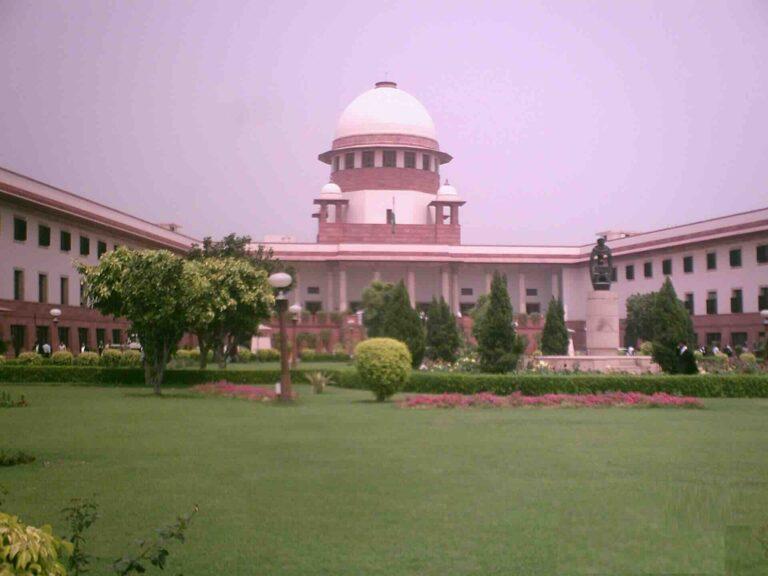
    Supreme Court Prioritizes Public Health and Environment in Landmark Ruling Against Cement Factory

    Delivering the judgement, a bench led by Justice Vikram Nath invoked Articles 14 and 21 of the Constitution, asserting that the right to a clean environment is non-negotiable.

    In a pivotal judgement, a two judge bench of the Supreme Court of India has ruled that industrial growth cannot come at the expense of public health and ecological integrity. The court quashed permissions for a proposed cement grinding unit in Punjab’s Sangrur district and struck down a recent reclassification by the Central Pollution Control Board (CPCB), emphasising that constitutional rights to life and a clean environment must prevail over unchecked industrialization.

    A Farmer’s Battle Against Industrial Encroachment

    The case originated from a challenge by 93-year-old farmer Harbinder Singh Sekhon and local residents, including Vasant Valley Public School, against Shree Cement North Private Limited’s plan to establish a standalone cement grinding unit on 47.82 acres of agricultural land in Sangrur, Punjab. The site, designated as a rural agricultural zone under the Sangrur Master Plan, is perilously close to farmlands, residential areas, and the school. Petitioners argued that the unit would emit harmful particulate dust, posing severe risks to air quality, children’s health, and local agriculture.

    In December 2021, the Punjab government granted a change of land use (CLU) for the project, followed by a ‘no objection certificate’ from the Punjab Pollution Control Board (PPCB). However, during the legal proceedings, the CPCB revised its industrial categorisation in January 2025, downgrading standalone cement grinding units without captive power plants from the highly polluting “red” category to the moderately polluting “orange” category. This change relaxed siting norms, allowing such units nearer to inhabited areas. The ministry of environment, forest and climate change (MoEF&CC) issued supporting notifications (GSR 84(E) and 85(E)) on January 29 and 30, 2025, further easing regulatory safeguards.

    Sekhon, a lifelong resident of the area, highlighted the potential for dust pollution to exacerbate respiratory issues among locals and students. Cement grinding units, while not involving clinker production, still generate fine particulate matter (PM2.5 and PM10) during raw material handling and grinding processes. Studies show these emissions can lead to chronic respiratory diseases, asthma, cardiovascular problems, and even premature death, particularly affecting vulnerable groups like children and the elderly. Noise pollution from operations also risks auditory health issues for workers and nearby communities.

    The Punjab and Haryana High Court initially upheld the CLU on February 29, 2024, citing a post-facto approval by the Punjab Regional and Town Planning and Development Board. However, the Supreme Court, overturned this, ruling the approvals invalid.

    No Trade-Off Between Economy and Ecology

    Delivering the judgement, a bench led by Justice Vikram Nath invoked Articles 14 (right to equality) and 21 (right to life) of the Constitution, asserting that the right to a clean environment is non-negotiable. The court quashed the CLU of 13 December 2021, the subsequent consents, and the CPCB’s 2025 reclassification, deeming them arbitrary and violative of preventive environmental safeguards.

    In a direct quote from the original judgement: “Economic development and industrial growth are legitimate and important objectives… However, in a constitutional framework founded on rule of law, development isn’t an abstract or absolute goal. It’s conditioned by the non-derogable obligation to protect life, health and environmental integrity. Development that undermines these foundational values ceases to be constitutionally permissible development.”

    The court criticized the CPCB’s reliance on a generic pollution index, noting it failed to account for site-specific risks like proximity to schools and habitations. The judgement also rejected ex post facto approvals under the Punjab regional and town planning and development (PRTPD) act, 1995, affirming the supremacy of statutory master plans.

    A Setback for Polluting Industries?

    Environmentalists have hailed the decision as a victory for grassroots activism. “This judgement reaffirms that communities, especially farmers and children, cannot be sacrificed for corporate gains,” said a spokesperson from the Centre for Science and Environment. Groups like Greenpeace India praised it for upholding the precautionary principle amid rising pollution levels, noting cement plants contribute significantly to air toxins like sulfur dioxide and nitrogen oxides, linked to acid rain and respiratory ailments.

    Industry bodies, however, express concern. The cement manufacturers’ association argued the reclassification was based on lower pollution potential without captive power, and its quashing could delay investments and job creation. “Balancing growth with sustainability is key, but this might deter eco-friendly upgrades,” an industry insider noted. Punjab’s economy, reliant on agriculture and emerging industries, faces scrutiny, with calls for revised master plans integrating green norms.

    Global Report Exposes Lingering Gender Disparities in Scientific Leadership Amid Slow Progress

    The report argues that such underrepresentation not only squanders talent but undermines the legitimacy of scientific advice shaping global policies.

    In a stark reminder of the challenges facing gender equity in science, a new international report reveals that women, despite comprising nearly a third of the global research workforce, remain significantly underrepresented in the elite circles of scientific organizations. Titled Toward Gender Equality in Scientific Organizations: Assessment and Recommendations, the study – released jointly by the InterAcademy Partnership (IAP), the International Science Council (ISC), and the Standing Committee for Gender Equality in Science (SCGES) – highlights modest gains over the past decade but underscores persistent institutional barriers that hinder women’s advancement to leadership roles.

    Drawing on data from over 130 national academies and international scientific unions, as well as surveys of nearly 600 scientists worldwide, the report paints a picture of uneven progress. While women’s visibility in these bodies has edged upward, deep-seated issues like biased nomination processes and a lack of dedicated funding for equality initiatives continue to perpetuate a “leaky pipeline” for female talent. The findings, based on 2025 assessments and compared to benchmarks from 2015 and 2020, come at a critical juncture as global science grapples with calls for more inclusive decision-making to address pressing challenges like climate change and pandemics.

    Modest Gains Mask Broader Stagnation

    The report documents incremental improvements in women’s membership in national academies, rising to an average of 19 per cent in 2025 from just 12 per cent a decade earlier. The report notes that this marks a welcome shift, with the proportion of academies boasting fewer than 10 per cent female members halving since 2015. Yet, the numbers vary wildly: some institutions hover below 5 per cent female membership, while a fortunate few approach 40 per cent. Leadership roles tell an even grimmer tale – only 20 per cent of national academies are presided over by women, a figure unchanged since 2020 and up only slightly from 17 per cent in 2015.

    In international scientific unions, women fare somewhat better, holding about 40 per cent of leadership positions. However, this reflects disciplinary differences rather than systemic equity; fields like biology show higher female involvement, while engineering and physics lag behind. Globally, women make up 31.1 per cent of researchers as of 2022, according to UNESCO data, and outnumber men in higher education enrolment (46 per cent vs. 40 per cent). Yet, in the top 200 universities, just 18 per cent of leadership roles are held by women, signalling a bottleneck at the apex of scientific influence.

    These disparities extend to awards and governing bodies, where women’s contributions are often overlooked. The report argues that such underrepresentation not only squanders talent but undermines the legitimacy of scientific advice shaping global policies. “Persistent underrepresentation within these bodies raises questions about inclusiveness, legitimacy, and the effective identification and use of scientific talent,” the authors note.

    Barriers Beyond the Talent Pipeline

    The study debunks the myth that gender gaps stem solely from a scarcity of qualified women entering science. Instead, it points to institutional “gatekeeping” mechanisms – nomination practices favouring informal male-dominated networks, rigid selection norms that penalize career interruptions, and a culture of microaggressions – as primary culprits. Survey respondents revealed stark lived experiences: women are three times more likely than men to cite barriers to career progression, such as caregiving responsibilities, and 4.5 times more prone to encountering harassment or exclusionary behaviours.

    A “caregiving penalty” emerges as a particularly insidious factor. Women reported missing opportunities due to family duties at rates far exceeding men’s, exacerbating what the report calls a “trust gap.” Despite being 2.5 times more likely to experience exclusion, women express significantly lower confidence in misconduct reporting systems, viewing them as opaque and retaliatory. This cultural inertia persists even as 62 per cent of academies and 64 per cent of unions adopt formal gender equality policies – policies that, in most cases, lack the budgetary muscle to drive real change. Only 10 per cent of academies and 30 per cent of unions allocate dedicated funds, rendering commitments largely symbolic.

    The report’s methodology underscores its rigor: beyond quantitative data on representation, it incorporates qualitative insights from in-depth interviews, capturing the emotional toll of these barriers. As one respondent put it, the gaps “cannot be explained by pipeline effects alone. Instead, institutional processes matter.”

    Urgent Calls for Structural Overhaul

    To bridge these divides, the report issues a blueprint for action, urging scientific bodies to embed gender equality into their DNA rather than treating it as an afterthought. Top recommendations include overhauling nomination and selection criteria to neutralize biases, mandating gender-disaggregated data collection, and bolstering monitoring systems with clear accountability metrics. Institutions should prioritize dedicated budgets for equality initiatives and redesign career timelines to accommodate caregiving from the outset, rather than offering ad-hoc flexibility.

    The authors advocate learning from success stories: organizations that have sustained progress through structural reforms, such as transparent selection panels and mentorship programs tied to governance. International unions are encouraged to collaborate with bodies like SCGES for equitable funding, while academies could form analogous committees. “Addressing gender gaps in scientific leadership is not a matter of symbolism, but of institutional effectiveness, legitimacy, and the responsible use of scientific expertise in a complex global context,” the report asserts.

    Experts echoed this imperative. “What we observe is a pattern of commitment without full operational follow-through,” said Léa Nacache, communications officer at the ISC. Professor Marie-Françoise Roy, emerita professor of mathematics at Université de Rennes and a co-author, added, “It is easier to accept the objective of gender equality in a text than to approve efficient mechanisms… which needs funding.” She emphasized the broader stakes: “Science’s vocation is to be truly universal… Having an inclusive attitude towards… women is part of the strategy.”

    A Path Forward for Inclusive Science

    As the scientific community reflects on these findings, the report serves as both diagnosis and rallying cry. With global enrolment trends favouring women, the onus is on institutions to dismantle barriers and harness diverse perspectives. “Gender equality must become a core institutional responsibility rather than an individual or symbolic effort,” Nacache concluded. Failure to act risks not just equity, but the very innovation science promises for humanity’s future.

    In regions like South Asia and sub-Saharan Africa local academies face amplified urgency amid resource constraints. Yet, the global scope offers hope: collaborative reforms could accelerate change, ensuring science reflects the world’s full ingenuity.

    Pakistan’s Christians Accuse Police of Targeting Minorities in Anti-Drug Crackdown

    Residents report being stopped and subjected to breath checks for alcohol, or accused of transporting illicit liquor when carrying water from filtration plants.

    In the industrial heartland of Faisalabad, Pakistan’s second-largest city in Punjab province, members of the Christian community have raised alarms over what they describe as a discriminatory anti-drug campaign. Community leaders allege that police are fabricating narcotics cases against Christians to inflate arrest statistics, turning a legitimate effort to combat drug abuse into a tool of harassment against religious minorities. This comes amid a broader provincial drive against narcotics, but critics say it disproportionately impacts vulnerable groups. Faisalabad, home to about 80 per cent of Pakistan’s estimated 3 million Christians, has seen a surge in such cases, sparking protests and calls for accountability.

    The accusations highlight longstanding tensions between Pakistan’s Muslim-majority population and its Christian minority, who often face social and economic marginalisation. While alcohol sales are legally permitted for non-Muslims under special licenses, community advocates argue that authorities are conflating this with illegal narcotics to justify raids and arrests. Bishop Joseph Indrias Rehmat of Faisalabad has publicly condemned the campaign as an “injustice,” noting a marked increase in cases since November last year. In a statement issued on February 5, 2026, he pointed out how police-linked social media accounts amplify these arrests, portraying Christians involved in licensed alcohol trade as “notorious” drug dealers.

    Surge in Bogus Cases Amid Anti-Drug Drive

    Over the past two months, at least 15 drug-related cases have been registered against Christians in Faisalabad, a sharp rise from the one or two cases typically seen in previous periods, according to Lala Robin Daniel, head of the Minority Rights Movement (MRM). Daniel, speaking at a press conference on February 2, 2026, at the Faisalabad Press Club, emphasised that while the community supports Punjab’s anti-drug initiatives, the current approach risks criminalising an entire religious group.

    Under Pakistan’s stringent anti-narcotics laws, possession of more than one kilogram of substances like heroin or hashish can result in up to 14 years in prison and hefty fines, while larger quantities may lead to life imprisonment. Critics like Catholic lawyer Akmal Bhatti, chairman of Minorities Alliance Pakistan, argue that provisions in these laws are being misused as a “blunt instrument” to target licensed alcohol permit holders among Christians. Bhatti described this as institutionalised profiling, where police face pressure to demonstrate results in the anti-drug operation, making minorities easy scapegoats.

    Routine police practices in Christian neighbourhoods exacerbate the issue. Residents report being stopped and subjected to breath checks for alcohol, or accused of transporting illicit liquor when carrying water from filtration plants. Such encounters often escalate into formal charges, with bail requiring around 250,000 Pakistani rupees in legal fees per accused individual. The financial burden, combined with the stigma of drug allegations, has left families devastated and communities fearful of further raids.

    High-Profile Incidents Fuel Outrage

    Several specific cases illustrate the alleged pattern of abuse. In January 2026, Asif Riaz, a member of the Salvation Army in Christian Town, was arrested on drug possession charges. His brother-in-law, Nadeem Prince, claimed Riaz was implicated by a drug addict in a police setup, despite Riaz having abandoned alcohol sales years ago to run rental shops. Riaz spent 48 days in custody before being granted bail, highlighting the protracted legal battles faced by those accused.

    Another incident involved a Christian property dealer Pervaiz Bhatti’s nephews, Robin Raja and Hannan Saleem. Already detained over an alcohol sales complaint, the pair faced additional fabricated charges on January 20, 2026, when police claimed to have recovered 1,320 grams of hashish from Raja and 1,260 grams of heroin from Saleem in a public park. Bhatti denounced this as a clear case of double jeopardy and manipulation.

    In a broader show of force, police conducted raids on Christian settlements without warrants, including a recent search in a neighbourhood housing about 4,000 residents. Although no illegal substances were found, the intrusion was described as harassing. In another event under Gulberg Police Station’s jurisdiction, two homes in Christian Town were searched based on a false tip-off. Police later apologised when nothing was discovered, and the informant failed to appear. Community leaders labelled these intelligence reports as biased and one-sided, demanding greater transparency in how such operations are initiated.

    These incidents are not isolated, according to Daniel, who accused Regional Police Officer DIG Sohail Akhtar Sukhera of overseeing biased enforcement. Efforts to reach Sukhera for comment were unsuccessful, but the allegations suggest a systemic issue where performance metrics drive discriminatory policing.

    Community Mobilizes for Justice

    In response, Christian leaders have united in protest. At the press conference, speakers decried the vilification campaign on social media. They argued that drugs like heroin, hashish, and methamphetamine (“ice”) are not produced or primarily distributed by Christians, yet the community is being falsely linked to them.

    The leaders invoked Pakistan’s Constitution, asserting that alcohol holds a place in Christian religious rituals and beliefs. Declaring it equivalent to narcotics, they said, promotes hatred and violates constitutional protections. Bishop Rehmat echoed this, calling for an end to the amplified portrayal of arrests on crime-reporting pages, which equate legal alcohol trade with hard drugs.

    Demands include the immediate withdrawal of all bogus cases within five days. If unmet, the MRM has threatened a sit-in protest outside the Punjab Assembly in Lahore. This mobilization reflects growing frustration among minorities, who feel the anti-drug drive is being weaponized against them rather than addressing root causes like poverty and lack of education in affected areas.

    Broader Implications for Religious Minorities

    The controversy in Faisalabad underscores deeper challenges for religious minorities in Pakistan, where Christians often reside in economically disadvantaged urban enclaves. Historical context reveals that drug issues in the region date back decades, but current enforcement appears selective. While international reports from the 1970s noted early patterns of narcotics abuse in South Asia, recent allegations point to modern-day discrimination amid efforts to curb a persistent problem.

    Advocates warn that such targeting could erode trust in law enforcement and exacerbate communal tensions. With Punjab’s anti-drug campaign showing no signs of slowing, the Christian community’s pushback may prompt wider scrutiny from human rights organisations. As Daniel put it, true justice requires equitable application of the law, not the scapegoating of vulnerable groups to meet quotas. The outcome of this standoff could set precedents for how minorities are treated in future security operations across Pakistan.

    Nepal and India Ink Mutual Legal Assistance Treaty to Combat Transnational Crime

    Security experts have long warned that the absence of such a treaty allowed criminals to use one country as a “safe haven” while committing offenses in the other.

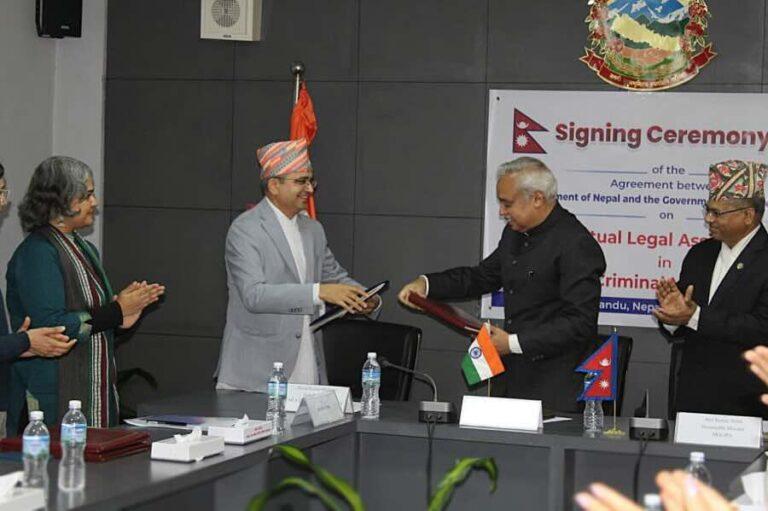
    In a landmark development for bilateral judicial cooperation, Nepal and India have formally signed a long-awaited Agreement on Mutual Legal Assistance (MLA) in Criminal Matters. The pact, signed on Wednesday in Kathmandu, marks the culmination of years of diplomatic negotiations and sets a new framework for combating transnational crime, terrorism, and financial fraud between the two neighbouring nations.

    The agreement was signed by Binod Kumar Bhattarai, Joint Secretary at Nepal’s Ministry of Law, Justice and Parliamentary Affairs, and Naveen Srivastava, the Indian Ambassador to Nepal, during a ceremony held at the Ministry in Singha Durbar. The event was witnessed by Nepal’s Minister for Law, Justice and Parliamentary Affairs, Anil Kumar Sinha, along with Ministry Secretary Parashwar Dhungana and senior officials from the foreign ministries of both countries.

    A Milestone in Judicial Cooperation

    For decades, law enforcement agencies in Nepal and India have relied on informal understandings and ad-hoc arrangements to handle cross-border criminal cases. This lack of a formal mechanism often created legal hurdles, delaying investigations and hampering the delivery of justice. The new MLA treaty effectively bridges this gap, providing a binding legal structure for cooperation.

    Speaking after the signing, Ministry Spokesperson Dal Bahadur Adhikari described the agreement as a “milestone” in the administration of justice. “This agreement will formally pave the way for the exchange of cooperation between competent authorities of both countries regarding matters such as the collection and exchange of evidence during the investigation, prosecution, and judicial proceedings of criminal cases,” Adhikari stated.

    The treaty mandates that both nations provide mutual assistance in serving judicial documents, executing searches and seizures, obtaining evidence, and tracing proceeds of crime. Officials believe this institutional coordination will significantly strengthen the rule of law in the region, ensuring that criminals can no longer exploit the open border and jurisdictional ambiguities to evade prosecution.

    Tackling Transnational Crime

    The open border between Nepal and India, while vital for people-to-people connectivity, has historically been vulnerable to misuse by criminals, say law enforcement agencies. The new agreement specifically targets the rising tide of transnational organised crime. By standardising procedures, the treaty enables faster and more efficient collaboration on cases involving human trafficking, drug smuggling, cybercrime, and terrorism-related offenses.

    One of the most critical aspects of the deal is its focus on financial crimes. With Nepal actively working to exit the Financial Action Task Force (FATF) “grey list,” this treaty signals a robust commitment to international anti-money laundering (AML) and combating the financing of terrorism (CFT) standards. “The agreement is expected to further assist in the mutual evaluation concerning the prevention of money laundering,” spokesperson Adhikari noted, highlighting that the pact will help dismantle the financial networks that sustain organized crime.

    Security experts have long warned that the absence of such a treaty allowed criminals to use one country as a “safe haven” while committing offenses in the other. The MLA treaty dismantles this possibility by ensuring that evidence gathered in one jurisdiction is legally admissible and accessible to prosecutors in the other, thereby tightening the net around fugitives and syndicates operating across the border.

    From Ad-hoc to Institutionalised

    The journey to this signature has been long and complex. While the need for an MLA treaty was recognized years ago, negotiations gained significant momentum during the home secretary-level talks held in New Delhi in July 2025. The text of the agreement was finalised, resolving outstanding differences, during those meetings.

    Following the breakthrough in New Delhi, the Government of Nepal’s Council of Ministers formally approved the decision to proceed with the agreement on October 16, 2025. The Indian side subsequently completed its internal procedures, conveying its readiness through diplomatic notes.

    Prior to this agreement, cooperation was largely discretionary, often dependent on personal rapport between officers or high-level political intervention. The new framework replaces this unpredictability with mandatory protocols. It establishes “Central Authorities” in both nations – typically the Ministry of Home Affairs – to route and process requests, ensuring that legal assistance is depoliticised and handled through established bureaucratic channels. This shift is expected to drastically reduce the turnaround time for sensitive investigations.

    The Extradition Treaty Context

    While the signing of the MLA treaty is a major success, it is distinct from the issue of extradition. Nepal and India are still operating under a 1953 Extradition Treaty, which both sides acknowledge is outdated and ill-suited for modern geopolitical realities. Negotiations for a new extradition treaty have been ongoing parallel to the MLA talks but have faced hurdles regarding specific clauses, including the extradition of third-country nationals, officials at Nepal’s law ministry say.

    However, officials are optimistic that the successful conclusion of the MLA deal will provide the necessary momentum to finalise the new extradition treaty. The MLA agreement allows for the sharing of evidence and information that can support extradition requests under the existing framework, making the current process more effective even as the new extradition text is being debated.

    As the agreement moves towards implementation, both governments are expected to issue detailed operational guidelines to their respective law enforcement agencies.

    Image: Law Ministry, Nepal

    Sri Lanka, Pakistan Agree to Dismantle Cross-Border Drug Networks

    Intelligence reports pinpoint neighbouring countries, particularly Pakistan and Afghanistan, as primary sources of heroin, cocaine, and synthetic drugs funnelled through sea consignments disguised in legitimate cargo.

    Sri Lanka and Pakistan have pledged enhanced collaboration to combat drug trafficking, illegal immigration, and emerging cyber threats. High-level talks in Colombo underscored a shared commitment to disrupt international syndicates exploiting the Indian Ocean’s vast smuggling corridors, signalling a new era of bilateral security ties.

    The agreement comes amid escalating concerns over Sri Lanka’s role as a transit hub for drugs originating from South Asia, with authorities reporting record seizures in recent months. As both nations grapple with the socioeconomic fallout of the drug trade, their partnership aims to create a robust “triple-lock” mechanism – encompassing land, air, and sea surveillance – to seal off borders.

    High-Level Dialogue Signals Renewed Resolve

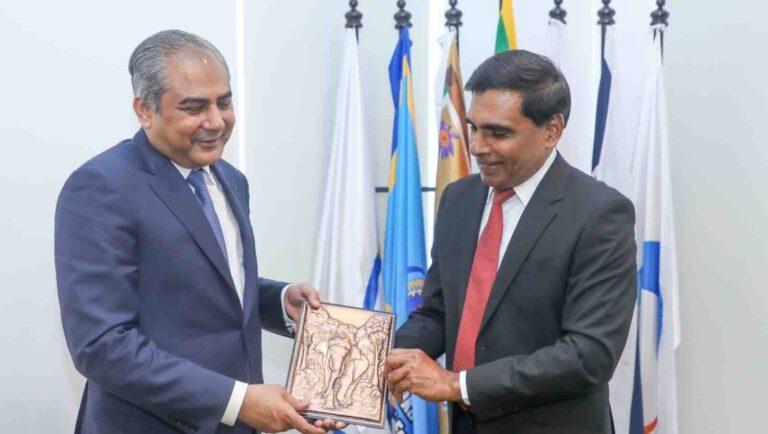
    The discussions unfolded on February 16 during a meeting between Sri Lanka’s Minister of Public Security, Ananda Wijepala, and a prominent Pakistani delegation. Leading the group was Pakistan’s Minister for Interior and Narcotics Control, Syed Mohsin Raza Naqvi, accompanied by Minister for Overseas Pakistanis and Human Resource Development, Chaudhry Salik Hussain, and Pakistan’s High Commissioner to Sri Lanka, General Faheem Ul Aziz.

    Both sides hailed the talks as a cornerstone for deeper cooperation. “We emphasized the critical need to collaborate against international drug networks,” a statement from Sri Lanka’s Ministry of Public Security read. Naqvi commended Sri Lanka’s aggressive anti-drug initiatives, noting, “Cooperation between our interior ministries will open new avenues in bilateral relations.” The Pakistani minister also extended invitations for Sri Lankan police officers to undergo specialized training at Pakistan’s National Police Academy, a gesture aimed at bolstering operational capacities on both ends.

    The agenda extended beyond narcotics, touching on counter-terrorism, illegal migration, and the rising tide of cybercrimes and financial fraud. Naqvi met separately with Sri Lanka’s Secretary of Defence, Air Vice Marshal (Retd) Samantha Thuiyakontha, where they reaffirmed commitments to regional peace and defence preparedness. “Security relations between Pakistan and Sri Lanka have always remained strong,” Naqvi affirmed, pledging Pakistan’s unwavering support in Sri Lanka’s ongoing battle against extremism.

    Wijepala reciprocated the warmth, welcoming Naqvi and highlighting the mutual benefits of joint strategies. The talks also ventured into softer diplomacy, with Naqvi – also chairman of the Pakistan Cricket Board – discussing sports collaboration with Sri Lanka’s Minister of Sports and Youth Affairs, Sunil Kumara Gamage, to promote cricket as a bridge between the nations.

    Sri Lanka’s Escalating War on Drugs: Raids, Seizures, and Rehabilitation

    Sri Lanka’s anti-narcotics drive has gained momentum under the current administration, blending aggressive enforcement with holistic interventions. The island nation, strategically positioned astride key maritime routes from the Golden Triangle to Europe and Africa, has become a focal point for smugglers. Intelligence reports pinpoint neighbouring countries, particularly Pakistan and Afghanistan, as primary sources of heroin, cocaine, and synthetic drugs funnelled through sea consignments disguised in legitimate cargo.

    In a stark illustration of the threat’s scale, Sri Lankan authorities seized over three tons (6,600 pounds) of illegal narcotics in the first half of 2025 alone, with a street value exceeding $76 million (23 billion rupees) – nearly matching the entire 2024 haul of 28 billion rupees. Most contraband originated from Pakistan and Afghanistan, arriving via fishing trawlers and shipping containers. High-seas interceptions have become routine, including a notable October 2025 bust that led to life sentences for 10 Iranian nationals caught with heroin.

    Over 1,000 individuals – ranging from street peddlers to syndicate kingpins – were arrested in connection with these operations, underscoring a zero-tolerance approach. Recent collars include a Thai woman nabbed at Colombo’s Bandaranaike International Airport in May 2025 with 10 kilograms of cocaine, and a multinational ring last month attempting to smuggle 60 kilograms of synthetic cannabis. Convictions in these cases carry potential life terms, deterring would-be traffickers.

    Beyond crackdowns, the government is investing in demand reduction. Rehabilitation centres have expanded, offering counselling and vocational training to over 5,000 users annually, while nationwide awareness campaigns target youth in vulnerable urban slums. “Paralyzing supply chains is only half the battle; we must address the root causes,” Wijepala stated during the talks. These efforts have yielded a 15 per cent dip in reported addictions in pilot districts, per preliminary health ministry data.

    Mapping the Menace: Routes, Risks, and Regional Ripples

    The drug trade’s tentacles reach deep into South Asia’s underbelly, fuelled by poverty, conflict, and lax border controls. Afghanistan’s opium fields and Pakistan’s porous western frontiers serve as breeding grounds, with Sri Lanka emerging as an unwitting waypoint en-route to lucrative markets in Australia and Europe. Smugglers exploit the island’s 1,340-kilometer coastline, often blending narcotics with tea exports or timber shipments – a tactic reminiscent of the 2016 mega-seizure of 800 kilograms of cocaine hidden in a container bound for India.

    This vulnerability exacts a heavy toll: rising crime rates, youth overdose deaths (up 20 per cent since 2023), and strained public health systems. In Pakistan, similar woes plague border provinces, where trafficking funds insurgent groups, intertwining narcotics with terrorism – a nexus both nations are keen to sever.

    By aligning with Pakistan and India, Sri Lanka envisions a fortified perimeter. The proposed triple-lock system would integrate real-time intelligence sharing via secure platforms, joint naval patrols, and aerial surveillance drones. “This collaboration will prevent our island from remaining a vulnerable endpoint for these syndicates,” officials in Colombo asserted.

    One in Three Nepali Women Wed Before 18, Reveals New National Survey

    Education emerges as a powerful protective factor. Women with no formal schooling faced a 52 per cent child marriage rate, plummeting to 5.5 per cent for those with higher education.

    In a stark revelation underscoring the enduring challenges of gender inequality and social norms in Nepal, the newly released Nepal Multiple Indicator Cluster Survey (MICS) 2024-25 has highlighted that one in three women aged 18-49 were married before turning 18.

    The comprehensive survey, conducted across all seven provinces and involving nearly 14,000 women and over 4,600 men aged 15-49, paints a picture of gradual progress amid persistent disparities. Released by the National Statistics Office in collaboration with UNICEF, the findings serve as a critical benchmark for policymakers, activists, and international organisations working to eradicate child marriage in the Himalayan nation.

    The MICS 2024-25, part of a global initiative to monitor progress on child and maternal health, education, and well-being, comes at a pivotal time as Nepal strives to meet its Sustainable Development Goals (SDGs) commitments, including ending child marriage by 2030. While the data indicates a slow decline in the practice over generations, experts warn that without accelerated interventions, child marriage could remain a widespread issue for decades. The survey’s release has sparked renewed calls for targeted programmes in high-risk areas, emphasising the need to address root causes like poverty and lack of education.

    A Generational Shift, But Slow Progress

    At the national level, the survey reveals that approximately 33 per cent of women in the 18-49 age group experienced child marriage, a figure that drops to about one in nine for men in the same cohort. This gender disparity is even more pronounced among adolescents: around 14 per cent of girls aged 15-19 are currently married, compared to fewer than 2 per cent of boys in the same age range. These statistics highlight how child marriage disproportionately affects girls, often curtailing their opportunities and perpetuating cycles of inequality.

    Comparing generational trends, the data shows encouraging signs of change. Women in their late 40s reported significantly higher rates of child marriage than those in their early 20s, with an overall reduction of about 13 percentage points over the past 25 years. This decline reflects broader societal shifts, including increased awareness campaigns, legal reforms, and improved access to education. Nepal’s legal framework, which sets the minimum marriage age at 20 for both genders, has been in place since 1963, but enforcement remains uneven. The MICS findings suggest that while younger generations are marrying later, the pace of change is insufficient to eliminate the practice entirely within the next decade.

    The survey’s methodology, which employed cluster sampling to ensure representation across urban and rural areas, provides a robust dataset for tracking these trends. It builds on previous MICS iterations, offering a longitudinal view that underscores Nepal’s progress since the 1990s, when child marriage rates were even higher. However, the persistence of the issue – affecting millions of lives – raises questions about the effectiveness of current strategies.

    Madhesh Province Bears the Brunt

    Geographical variations in child marriage rates are among the most alarming findings of the MICS 2024-25. Madhesh Province, in the southern Terai region bordering India, leads with the highest prevalence: nearly 50 per cent of women were married before 18, almost double the national average. This figure is attributed to deeply entrenched cultural practices, economic pressures, and cross-border influences, where early marriage is sometimes seen as a protective measure against social stigma or elopement.

    In contrast, Bagmati Province, home to the capital Kathmandu, records the lowest rates at around 20 per cent. Urban areas like the Kathmandu Valley show even lower figures, benefiting from better access to education, healthcare, and economic opportunities. However, the survey exposes intra-provincial divides: rural parts of Bagmati have rates nearing 39 per cent, aligning closely with the national average. These disparities illustrate how urbanization and development play key roles in reducing child marriage, yet leave rural and marginalised communities behind.

    Other provinces fall between these extremes, with higher rates in the more remote and economically challenged areas of Karnali and Sudurpashchim. The MICS data urges province-specific interventions, such as community-based awareness programmes and incentives for girls’ education, to bridge these gaps.

    Poverty and Education as Key Drivers

    The survey delves into socioeconomic determinants, revealing that child marriage is inextricably linked to wealth and education levels. Among the poorest households, 42 per cent of women were married before 18, compared to 21 per cent in the wealthiest. For currently married teenage girls, the divide is stark: over 20 per cent from the poorest families versus just 3 per cent from the richest. Men from low-income backgrounds are five times more likely to marry early than their affluent counterparts.

    Education emerges as a powerful protective factor. Women with no formal schooling faced a 52 per cent child marriage rate, plummeting to 5.5 per cent for those with higher education. The MICS highlights a vicious cycle: child marriage often forces girls to drop out of school, while lack of education increases vulnerability to early unions. More than half of currently married teenage girls have no education, perpetuating intergenerational poverty and limiting economic independence.

    These factors are compounded by cultural or patriarchal norms, where early marriage is viewed as a way to secure family honour or economic stability. In rural areas, limited job opportunities for women reinforce the practice, as families prioritize marriage over prolonged education.

    Impacts and the Path Forward

    The consequences of child marriage are profound and multifaceted. It interrupts education, exposes girls to early motherhood and health risks, and restricts life choices, often leading to domestic violence and economic dependence. The MICS 2024-25 frames child marriage not just as a statistic but as a human rights violation affecting Nepal’s future workforce and social fabric.

    In response to the survey’s release, advocates are pushing for enhanced government action. While Nepal has ratified international conventions like the Convention on the Rights of the Child, implementation lags. Proposed measures include strengthening school retention programmes, providing scholarships for girls from poor families, and enforcing anti-child marriage laws more rigorously. UNICEF, a key partner in the MICS, has called for multi-sectoral approaches involving health, education, and justice systems.

    Image: Grok

    Shivraj Singh Chouhan UnveilsBharat-Vistaar App in Jaipur; AI is to Empower Farmers, He Says

    The platform’s integration of weather information, market data, soil health insights and scheme details is expected to significantly reduce the information gap that many farmers face in rural India.

    In a major push toward digitising India’s agricultural sector, union agriculture and farmers welfare minister Shivraj Singh Chouhan on Tuesday launched the AI-powered agriculture platform “Bharat-Vistaar” from Jaipur, marking what government leaders have described as the beginning of a digital revolution for farmers nationwide.

    The launch, held at the state institute of agricultural management in Durgapura, was attended by Rajasthan chief minister Bhajanlal Sharma and senior agriculture officials, alongside virtual participation by thousands of farmers and agricultural institutions across the country. The initiative was originally announced in the Union Budget 2026-27 and represents a key plank in the government’s strategy to transform traditional farming with cutting-edge artificial intelligence.

    AI for Every Farmer: What Bharat-Vistaar Offers

    Bharat-Vistaar – short for virtually integrated system to access agricultural resources –  is designed to provide farmers with 24×7 access to critical agricultural services and information through multiple interfaces including a mobile app, chatbots, and even simple phone calls.

    Key services available at launch include:

    • Real-time weather forecasts and alerts.
    • Market price data for crops from Agmarknet.
    • Scientific cultivation advice and pest-disease warnings.
    • Details, eligibility information, application support, and grievance redressal for major government schemes such as PM-KISAN, Pradhan Mantri Fasal Bima Yojana and Soil Health Card initiatives.
    • Crop planning and recommended practices based on ICAR scientific research.

    Importantly, the platform isn’t limited to smartphone users. A voice-first AI assistant named “Bharati” allows farmers to simply dial 155261 from any phone to receive guidance in Hindi and English – with additional regional languages to be added in the coming months.

    A Digital Revolution in Agriculture

    Addressing the launch event, minister Shivraj Singh Chouhan called Bharat-Vistaar a historic step toward empowering farmers through technology. He said the platform would help make agricultural knowledge readily available, enabling farmers to make faster and more informed decisions about crop planning, farming practices, and market opportunities.

    “This initiative will not only strengthen farmers’ access to critical agricultural information, but also extend the vision of Digital India into rural India,” Chouhan told the gathering in Jaipur.

    Rajasthan chief minister Bhajanlal Sharma echoed these sentiments, describing Bharat-Vistaar as a revolution for farmers and urging them to fully utilise the platform’s services. He said the tool would offer bespoke advisory support in farmers’ own languages, enhancing crop productivity and incomes.

    From Budget Promise to Ground Reality

    Bharat-Vistaar was first outlined during the Union Budget for 2026-27, where finance minister Nirmala Sitharaman announced government plans to allocate funds to develop an integrated AI ecosystem for agriculture. The initiative aims to consolidate data from multiple agricultural databases and advisory frameworks into a single cohesive digital platform.

    “We propose to launch Bharat-Vistaar – a multilingual AI tool that will integrate AgriStack and ICAR agricultural practices with modern AI systems,” Sitharaman had said during the budget session, emphasising its role in enhancing farm productivity and risk mitigation for farmers.

    The platform’s integration of weather information, market data, soil health insights and scheme details is expected to significantly reduce the information gap that many farmers face in rural India. By centralising these services, the government hopes farmers will spend less time navigating disparate portals and more time focused on productive decision-making.

    Bridging the Digital Divide

    One of Bharat-Vistaar’s standout features is its accessibility – particularly for farmers without smartphones or internet connectivity. With voice-based AI, text chatbots, and an app interface, the platform seeks to ensure that even smallholder and marginal farmers can benefit from AI-led advisory services without technological hurdles.

    Officials also highlighted plans to expand the platform’s language support beyond Hindi and English to cover key regional languages within the next few months, further broadening its reach.

    Future Prospects and Expansion

    Alongside the platform launch, the government unveiled broader digital agriculture initiatives including an “AI for Agriculture Roadmap”, an AI Hackathon and AgriKosh – a proposed data and services repository aimed at accelerating innovation in agriculture. These efforts underscore a sustained government push to harness technology in transforming India’s farm sector.

    By bringing advanced AI tools to the fields of millions of farmers, Bharat-Vistaar could emerge as a cornerstone of India’s digital agriculture infrastructure – fostering smarter, more resilient, and more prosperous farming communities across the country.

    Image: ChatGPT