More

    Farmer Organizations Threaten Nationwide Agitation Over India-US Trade Deal

    Indian officials have not confirmed several of Trump’s claims, particularly on oil and full agricultural opening. Experts note that while India insists on protecting sensitive sectors, details remain scarce, and the absence of a publicly released text has heightened uncertainty.

    A fresh wave of protests is brewing across India as major farmer unions strongly oppose the recently announced India-US trade deal, warning it could devastate domestic agriculture and dairy sectors. While the government has repeatedly assured that sensitive areas are safeguarded, opposition parties and farmer groups remain unconvinced, citing a lack of transparency and fears of cheap US imports flooding Indian markets.

    Farmer Organizations’ Strong Opposition and Planned Agitation

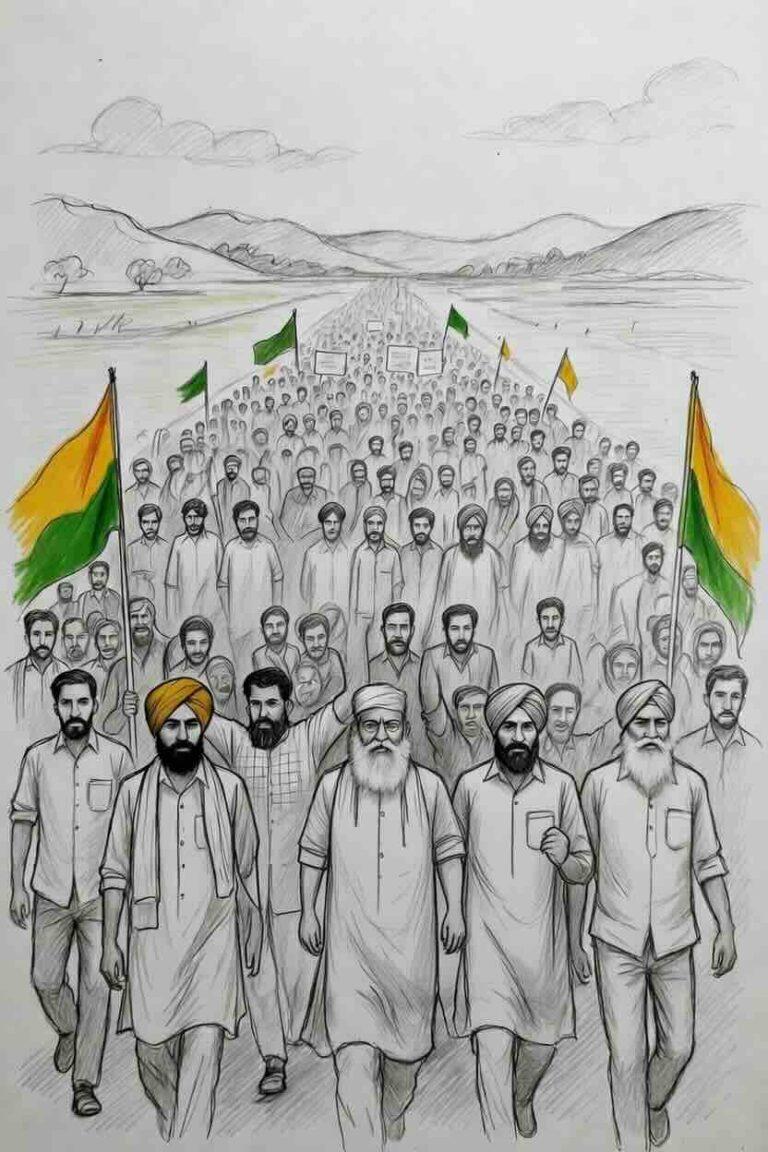
    The Samyukt Kisan Morcha (SKM) and All India Kisan Sabha (AIKS) have rejected Commerce Minister Piyush Goyal’s claims that agriculture and dairy are excluded from the deal. SKM warned that any inclusion of farm or dairy products would trigger a repeat of the massive 2020-21 farmers’ movement. The unions announced a nationwide campaign from February 4 to 11, including burning effigies of Prime Minister Narendra Modi and US President Donald Trump, culminating in a major protest on February 12.

    AIKS described the agreement as “surrender to American pressure” and a threat to national sovereignty. It argued that removing tariffs and non-tariff barriers would flood Indian markets with US goods, devastating agriculture, industry, and employment. Both organisations demanded the full text of the deal – along with similar agreements with the UK and EU – be placed before Parliament and discussed with states.

    Specific concerns include potential surges in imports of soybean, maize, cotton, and dairy products, already facing price pressures. Farmer leaders pointed to a recent example: despite PM Modi’s Independence Day assurance in 2025 to protect farmers, cotton import duties were reduced, leading to lower domestic prices and sales below MSP.

    Government Firmly Assures No Compromise on Farmers’ Interests

    Union Agriculture Minister Shivraj Singh Chouhan categorically stated that Indian agriculture and dairy sectors face “no threat whatsoever.” Addressing the media, he emphasised that staple grains, millets, fruits, major crops, and dairy products remain completely secure. “No market is being opened in a way that puts pressure on our farmers,” he said, adding that the deal will instead create new export opportunities in rice, spices, and textiles – directly benefiting cotton growers through higher textile demand.

    Chouhan dismissed opposition allegations as “misinformation” and “lies spread by a frustrated Congress,” noting India’s rice exports already stand at ₹63,000 crore. He assured no sudden influx of foreign products would disrupt the market and that small farmers’ interests are fully protected. Commerce Minister Piyush Goyal has similarly told Parliament that sensitive sectors have been ring-fenced.

    Congress Slams Deal as “Attack on Farmers” and National Surrender

    The Congress party has led sharp parliamentary protests, with Leader of Opposition Rahul Gandhi accusing prime minister Narendra Modi of “selling the sweat and blood of Indian farmers” to please Donald Trump. Gandhi alleged the deal was signed under pressure linked to the Adani case and pending Epstein file disclosures. Congress General Secretary Jairam Ramesh claimed India now learns its own policy decisions from US announcements, calling it a complete surrender.

    The party demanded the full texts of the US and EU deals be debated in Parliament and questioned any shift away from Russian oil imports.

    US Claims of Greater Market Access Fuel Indian Concerns

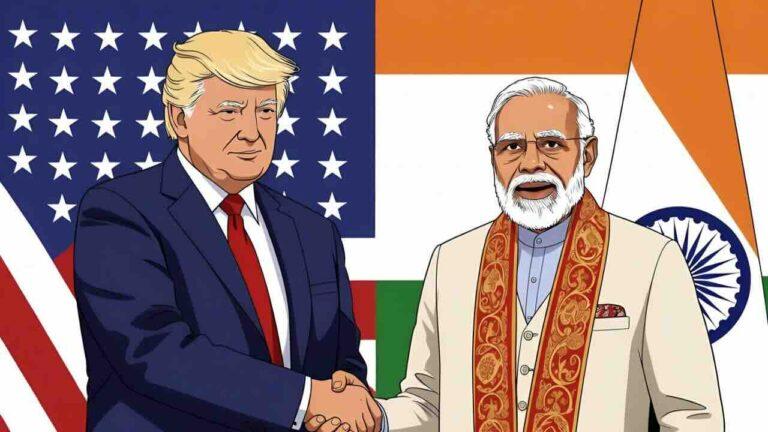
    US President Donald Trump announced the deal, claiming India would reduce tariffs and non-tariff barriers on US products to zero, stop Russian oil purchases, and increase buys from the US and Venezuela – including over $500 billion in American goods. US Agriculture Secretary Brooke Rollins stated the agreement would allow more American farm products into India, boosting rural US incomes.

    Indian officials have not confirmed several of Trump’s claims, particularly on oil and full agricultural opening. Experts note that while India insists on protecting sensitive sectors, details remain scarce, and the absence of a publicly released text has heightened uncertainty.

    Background, Trade Statistics, and Potential Impact

    Bilateral trade reached $129 billion in 2024, with India enjoying a surplus. US agricultural imports from India rose, but concerns persist over subsidised US products undercutting Indian farmers. Agriculture employs about 42 per cent of India’s population, making it politically explosive – as seen in the 2021 farm law protests.

    Analysts warn that even partial opening could depress prices for soybean, maize, cotton, and dairy, while benefits to exporters might not reach smallholders. Some view the deal as aspirational signalling rather than binding commitments, with India likely to retain safeguards amid upcoming state elections.

    As protests loom and Parliament remains disrupted, the government faces mounting pressure to release the full agreement text. Farmer unions insist they will not back down until their concerns are addressed, setting the stage for potential large-scale agitation reminiscent of past movements.

    Image: Grok

    Tags: India-US trade deal 2026, farmer agitation SKM AIKS, agriculture dairy protection, Shivraj Singh Chouhan, Congress criticism Rahul Gandhi, Modi Trump trade agreement, cotton maize soybean imports, Indian farmers interests, Piyush Goyal assurances, transparency in trade deals,
    Bangladesh Minorities Brace for Violence as February 12 Election Approaches

    With the Awami League barred from contesting and Sheikh Hasina calling for a boycott from exile in India, minority voters feel politically orphaned. Some leaders are now demanding reserved seats or special security arrangements.

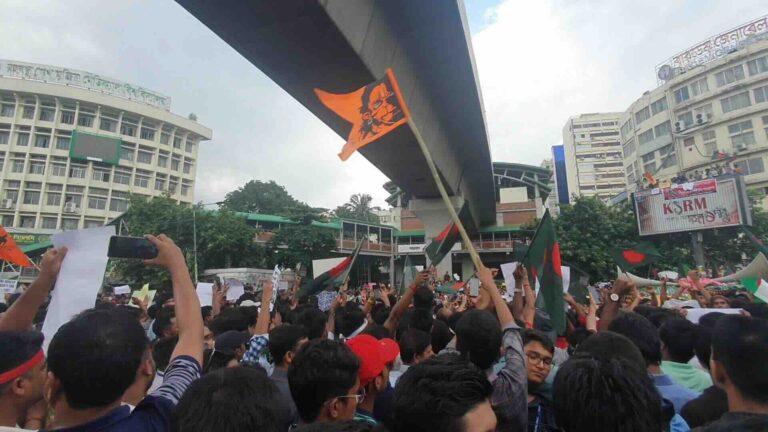
    With just days until the February 12 national election, religious minority leaders are sounding the alarm over a surge in attacks they fear will escalate into widespread violence at polling stations. Hindus, Christians, Buddhists and indigenous communities say the interim government has failed to provide adequate protection, leaving millions frightened and uncertain whether they will even be able to vote safely.

    A Nation Still Recovering from Upheaval

    The election is the first since the student-led uprising in August 2024 that forced Sheikh Hasina to flee after 15 years in power. An interim administration headed by Nobel laureate Muhammad Yunus promised reforms, justice and inclusivity. Yet for the country’s roughly 13–14 million Hindus (about 8 per cent of the population), plus smaller Christian, Buddhist and tribal groups, the “new Bangladesh” has brought renewed insecurity.

    Since Hasina’s ouster, minority homes, temples and businesses have been targeted repeatedly. The Bangladesh Hindu Buddhist Christian Unity Council (BHBCUC) documented more than 2,184 incidents in late 2024 alone and another 522 communal attacks in 2025, including murders, rapes, land grabs and arson against places of worship.

    The government’s own figures for 2025 acknowledge 645 attacks on minorities but insist only 71 were “communally charged.” Officials maintain most cases are ordinary crimes or politically motivated, not driven by religious hatred. Minority leaders reject that distinction.

    “Elections have become a kind of torture for minorities,” said Subroto Chowdhury, a Hindu Supreme Court lawyer. “Torture, harassment, threats, attacks on homes, rapes – these happen before and after every election.”

    A Killing That Shocked the Nation

    The December 2025 murder of 27-year-old Hindu garment worker Dipu Chandra Das in Gazipur crystallised the fear. Accused by Muslim colleagues of blasphemy, Das was beaten to death by a mob, his body hung from a tree and set on fire. The gruesome images circulated widely online. His parents’ anguish and subsequent protests in Dhaka underscored a broader pattern: impunity.

    Human rights groups say dozens of similar killings have occurred since 2024, with perpetrators rarely facing swift justice. Land grabbing, sexual violence against women from minority communities and destruction of temples remain daily realities for many families in rural districts.

    Jamaat’s Resurgence Deepens Anxiety

    The re-emergence of Jamaat-e-Islami – once banned under Hasina – has added to minority unease. The Islamist party, now campaigning openly and polling strongly alongside the BNP, has nominated a Hindu candidate and promised minority protection. Many Hindus, however, remember Jamaat’s historical role in 1971 atrocities and fear its growing influence could legitimise hard-line rhetoric.

    Bishop Subroto Boniface Gomes, auxiliary bishop of Dhaka, warned that the resurgence of Islamist parties “could create difficulties” for Christians and other minorities. “We have always defended the need to preserve pluralism and democracy,” he said.

    Government Rejects “Communal” Label

    Yunus administration officials insist they are taking the concerns seriously. Police have arrested suspects in high-profile cases, and the Election Commission has promised tight security at polling centres. Press secretary Shafiqul Alam has emphasised that “all communities will be able to vote freely.”

    Yet at a January 29 press conference in Dhaka, BHBCUC leaders accused the government of downplaying attacks and ignoring killings, rapes and land seizures that occur outside temples or churches. In January 2026 alone, the council recorded 42 fresh incidents.

    Holy Cross Father Liton Gomes of the Catholic Bishops’ Justice and Peace Commission described a nationwide “state of panic.” “People cannot trust everyone,” he said. “Minorities want to vote, but everything depends on the security of the polling centres.”

    Echoes of Past Elections

    Older Hindus recall similar violence in 2001 and 2008, when supporters of the BNP-Jamaat alliance targeted minority neighbourhoods after Awami League defeats. Many minorities have traditionally voted for the Awami League, making them easy targets once that party is sidelined.

    With the Awami League barred from contesting and Sheikh Hasina calling for a boycott from exile in India, minority voters feel politically orphaned. Some leaders are now demanding reserved seats or special security arrangements.

    Indigenous communities in the Chittagong Hill Tracts and elsewhere report ongoing land disputes and fear renewed clashes. Christian villages speak of churches being watched and families afraid to travel at night.

    Will Minorities Stay Away from the Polls?

    Analysts warn that fear could suppress minority turnout, undermining the election’s legitimacy. In some Hindu-majority villages, families are already discussing whether to stay indoors on election day.

    Shantu Barua, a Buddhist academic at Dhaka University, voiced a simple but profound desire: “We want to live as equal citizens, not as people permanently labelled by our identity.”

    As the countdown to February 12 continues, the question hanging over Bangladesh is whether the interim government can deliver the security and fairness it promised – or whether the country’s most vulnerable citizens will once again pay the price for political change.

    India-US Interim Trade Framework: Tariff Cuts on US Agri Imports Spark Concerns Over Rural Impact

    No genetically modified items will enter India, and no concessions have been granted on several politically sensitive commodities including soya, ethanol, tobacco and certain vegetables.

    India and the United States unveiled a framework for an interim trade agreement on February 6, committing India to eliminate or reduce tariffs on a wide range of American food and agricultural products. In exchange, the US will apply a reciprocal tariff rate of 18 per cent on many Indian exports, down sharply from the punitive levels imposed earlier under President Donald Trump’s tariff policy. While officials hail the deal as a step toward balanced trade and greater market access, analysts and farm groups warn that the agricultural openings could expose vulnerable Indian producers to subsidized US competition.

    The joint statement issued by the White House and by the Government of India explicitly lists dried distillers’ grains (DDGS), red sorghum for animal feed, tree nuts (almonds, walnuts, pistachios), fresh and processed fruits (including apples and berries), soybean oil, wine and spirits, and “additional products” as areas where India will grant duty concessions or easier market access. Non-tariff barriers on US farm goods will also be addressed, with India agreeing to review US standards and certifications within six months.

    India Commits to Tariff Cuts on Key US Farm Products

    The concessions mark one of the most significant openings of India’s farm sector to the US outside a full free-trade agreement. Tree-nut imports, already worth $1.3 billion in 2025 and up 34 per cent year-on-year, are expected to surge further with lower duties. Fresh apples and berries could intensify pressure on growers in Himachal Pradesh, Jammu and Kashmir and the Northeast. Soybean oil – currently attracting 16.5 per cent duty and accounting for roughly 4.8 million tonnes of India’s edible-oil imports – will face preferential access from a heavily subsidized US industry.

    DDGS, a corn-based ethanol by-product used in livestock and poultry feed, is perhaps the most contentious inclusion. The US exports nearly 12 million tonnes annually. Domestic soybean farmers, already struggling to realise minimum support prices because cheaper DDGS substitutes for soybean meal, fear further price depression. India grows soybeans on nearly 13 million hectares, mainly in Madhya Pradesh, Maharashtra and Rajasthan.

    Sensitive Sectors Remain Protected, Say Officials

    Commerce Minister Piyush Goyal has repeatedly assured that “core farmer interests have been safeguarded.” Staples such as wheat, rice, maize, sugar, dairy, poultry and meat are explicitly excluded. No genetically modified items will enter India, and no concessions have been granted on several politically sensitive commodities including soya, ethanol, tobacco and certain vegetables. Goyal emphasised that Indian agricultural exports will gain zero-duty access to the US in several categories, while sensitive domestic sectors remain ring-fenced.

    Finance Minister Nirmala Sitharaman and other ministers have framed the agreement as a net positive for MSMEs, textiles, pharmaceuticals, gems and jewellery and handicrafts – sectors that will benefit from the US tariff rollback to 18 per cent (and removal of the additional 25 per cent levy linked to Russian oil purchases).

    Potential Blow to Domestic Oilseed, Fruit and Cotton Growers

    Independent analysts are far less sanguine. Ajay Srivastava of the Global Trade Research Initiative (GTRI) described the agricultural opening as “one-sided.” Analysts argue that India is permanently lowering most-favoured-nation tariffs on products that directly compete with domestic producers, while the US has merely rolled back unilaterally imposed reciprocal tariffs.

    Cotton growers are another worried constituency. Domestic production has fallen from a peak of 39.8 million bales to around 30 million bales. Concessional imports of US cotton could further depress farm-gate prices. The timing is especially awkward: the Union Budget has been pushing diversification into high-value crops and oilseeds, precisely the areas now facing greater import competition.

    The national mission on edible oils and oil palm aims for self-sufficiency, yet easier access for subsidised US soybean oil runs counter to that goal. Analysts say that India already imports over 60 per cent of its edible-oil requirement; cheaper US supplies could discourage domestic oilseed cultivation.

    Trade-Off for Export Relief and Strategic Partnership

    The deal also includes India’s commitment to purchase $500 billion worth of US energy products, aircraft, technology items and coking coal over the next five years, alongside deeper alignment on economic security and supply-chain resilience. Both sides describe the framework as a stepping stone to a comprehensive Bilateral Trade Agreement.

    Bilateral farm trade currently shows India with a modest surplus ($6 billion exports vs $3 billion imports), but US imports from India in sensitive categories grew over 30 per cent in 2025 alone. Washington’s larger goal is to narrow the overall goods trade deficit, which stands at roughly $40 billion in India’s favour.

    Farm organisations have already begun voicing strong opposition. Some groups have called for nationwide protests, arguing that Indian farmers are effectively underwriting tariff relief for manufacturing and service sectors.

    As detailed tariff schedules, tariff-rate quotas and safeguard mechanisms are finalised in coming weeks, the real test will be whether the promised “calibrated” market access translates into genuine protection for rural livelihoods or merely delays an inevitable adjustment burden on Indian agriculture.

    Image: Grok

    India Set to Unlock $220 Billion Economic Windfall by 2030 by Tackling Air Pollution: Dalberg Report

    New analysis reframes clean air not as a regulatory burden but as a powerful engine for growth, job creation, and public health.

    India stands at a pivotal moment where reducing air pollution could deliver massive economic dividends. According to a new report by Dalberg Advisors in partnership with the Clean Air Fund, the country could unlock up to $220 billion in annual economic gains by achieving safe air quality levels nationwide by 2030. Even a more modest ~20% reduction in fine particulate matter (PM2.5) could avert $85 billion in business losses, avoid nearly 10 million disability-adjusted life years (DALYs) annually, and create around 1.4 million jobs over the next five years.

    The Heavy Economic Cost of Dirty Air Today

    Air pollution remains one of India’s most pressing challenges. A 2019 baseline study by the same organisations estimated that poor air quality cost Indian businesses $95 billion annually – equivalent to roughly 3 per cent of GDP at the time. These losses stem from reduced worker productivity, higher absenteeism, lower consumer footfall in polluted areas, premature deaths, and elevated healthcare spending.

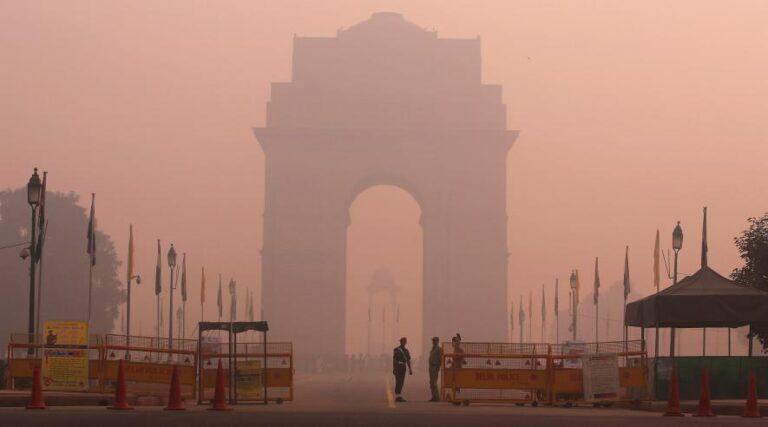
    Despite progress under the National Clean Air Programme (NCAP), average PM2.5 levels across the country still exceed national standards by more than 25 per cent. Delhi and the National Capital Region continue to experience severe smog episodes, underscoring the urgency of the issue.

    Globally, the World Bank estimates outdoor air pollution causes 5.7 million deaths per year, with 95 per cent occurring in low- and middle-income countries, and imposes economic losses equivalent to about 5 per cent of global GDP.

    Cleaner Air as an Economic Opportunity

    The Dalberg report shifts the narrative: investing in clean air solutions across key polluting sectors is not just environmentally necessary – it is economically transformative.

    Targeted interventions in transport, industry, agriculture, waste management, power, construction, road dust control, and residential combustion can collectively reduce ambient PM2.5 by approximately 20 per cent by 2030. These measures would generate over $200 billion in broader economic opportunity through three layers of impact:

    1. First-order gains (~$80 billion) from public investment and technology shifts to cleaner alternatives.
    2. Second-order gains (~$60 billion) as private capital flows into new value chains such as compressed biogas and recycling.
    3. Third-order macroeconomic gains ($80+ billion) from healthier workers, higher consumer spending, and reduced healthcare burdens.

    Achieving nationwide safe PM2.5 levels could deliver $220 billion in annual gains, supporting India’s long-term development goals, including net-zero emissions by 2070.

    Health, Productivity, and Job Creation Benefits

    A 20 per cent drop in PM2.5 would prevent millions of premature deaths and illnesses, directly translating into a healthier, more productive workforce. The report highlights that cleaner air would reduce unplanned absences, improve cognitive performance, and boost consumer activity in cities and towns currently shrouded in smog.

    On the employment front, adopting cleaner technologies and solutions is projected to create or facilitate transitions for 1.4 million jobs over five years – equivalent to about 6 per cent of India’s total unemployed population. These opportunities span green manufacturing, waste-to-energy projects, electric mobility, and sustainable agriculture practices.

    Enabling Actions for Scale

    The report outlines five critical levers to accelerate progress:

    1. Crowding in private capital through innovative financing mechanisms.
    2. Prototyping solutions in high-priority regions such as Delhi-NCR.
    3. Building a skilled green workforce.
    4. Strengthening community participation and behaviour change.
    5. Investing in digital public infrastructure for real-time monitoring and accountability.

    Jagjeet Sareen, Partner and India Head at Dalberg Advisors, emphasised: “This analysis highlights where targeted investments can deliver measurable returns for businesses, workers, and the broader economy.”

    World Bank Senior Managing Director Axel van Trotsenburg added: “Improving air quality is an urgent health and economic imperative.”

    Reframe Pollution Control as a Growth Driver

    As India pursues ambitious economic growth, the Dalberg report makes a compelling case that clean air should be embedded in national development planning rather than treated as a separate environmental issue. By reframing pollution control as a growth driver, policymakers can mobilise new coalitions, attract capital, and accelerate progress toward both healthier cities and a resilient, competitive economy.

    With the right policy signals and investments, reducing air pollution could become one of the most powerful levers for inclusive prosperity in the coming decade.

    Bangladesh Interim Government Clears Path for Victim Compensation in Enforced Disappearances Cases

    Experts warn that without inclusive elections and security sector reforms, instability may persist. The interim government has promised lasting changes, including disbanding abusive units and ensuring perpetrators face justice.

    Bangladesh’s interim government has approved the withdrawal of a longstanding reservation to a key United Nations human rights treaty, opening the door for victims of enforced disappearances and torture to seek compensation and rehabilitation. This move, announced following a meeting of the advisory council chaired by chief adviser Muhammad Yunus, marks a significant shift in the country’s approach to addressing one of its most egregious human rights issues.

    The decision targets Article 14(1) of the UN convention against torture (CAT), which Bangladesh ratified in 1998 but with a reservation that limited victims’ rights to redress. For decades, this has hindered justice for those affected by state-sponsored abuses, including families of the disappeared who lost loved ones. Human rights advocates have hailed the withdrawal as “historic,” noting it will enhance accountability, transparency, and Bangladesh’s standing in the international community.

    Legacy of Terror

    Enforced disappearances have plagued Bangladesh for years, particularly during the 15-year tenure of former Prime Minister Sheikh Hasina, who was ousted in August 2024 amid widespread protests. According to human rights organizations, these acts were systematic, often carried out by security forces like the Rapid Action Battalion (RAB), Detective Branch, and the Directorate General of Forces Intelligence (DGFI). Victims, including political opponents, activists, journalists, and academics, were abducted, held in secret detention centres, tortured, and in many cases, never seen again.

    A report by the Commission of Inquiry on Enforced Disappearances, established by the interim government in August 2024, has uncovered shocking details. Out of 1,913 complaints received, 1,569 were verified as enforced disappearances, with 287 classified as “missing and dead.” The commission estimates the total number could range from 4,000 to 6,000, describing the acts as “primarily political”. Secret facilities, such as the infamous “Aynaghar” (House of Mirrors) within DGFI headquarters, were used for prolonged detention and torture.

    Human rights groups like Odhikar documented 709 cases between 2009 and June 2024, with 155 individuals still missing. Many victims were released only after weeks or months, often facing fabricated charges, while others were extrajudicially killed. Families endured years of anguish.

    Legal Actions Gain Momentum

    The interim government’s response has been swift. The commission has released partial findings, including a documentary titled “Unfolding the Truth” that features harrowing survivor accounts. In October 2025, charges were filed against 28 individuals, including Hasina and former Home Minister Asaduzzaman Khan, for enforced disappearances, secret detention, and torture as crimes against humanity. Arrest warrants targeted high-ranking military officers, both former and serving.

    This was the first time enforced disappearances were formally recognized as a crime in Bangladesh, following the ratification of the international convention for the protection of all persons from enforced disappearance in August 2024 and amendments to the International Crimes Tribunal Act. The commission’s work has drawn over 1,850 complaints, revealing that hundreds were presumed killed in custody.

    Fortify Rights and other organizations have urged the government to provide reparations and ensure no repeat of such atrocities. The inquiry marks the first anniversary in August 2025, emphasising the need for extended mandates to achieve full truth and justice.

    Calls for Fair Trials

    The United Nations has welcomed these developments. UN human rights chief Volker Türk described the prosecutions as a “significant moment” for victims, stressing the importance of fair trials and due process. Human Rights Watch noted the charges as a step toward justice after years of impunity. Amnesty International and others have long documented the crisis, calling for the disbandment of units like RAB.

    Critics accuse the interim government of failing to protect minorities and civil rights, amid allegations of arbitrary arrests. The withdrawal of the CAT reservation is seen as a crucial reform, potentially aiding over 1,000 custody deaths and 677 disappearances reported during Hasina’s era.

    As Bangladesh navigates its post-Hasina era, the focus shifts to rehabilitation. The compensation framework could benefit dependants of those who died, providing financial and psychological support. Experts warn that without inclusive elections and security sector reforms, instability may persist. The interim government has promised lasting changes, including disbanding abusive units and ensuring perpetrators face justice.

    World Bank and ADB Confirm Over $300 Million in Funding to Boost Job Creation and Skills Development in Bangladesh

    The announcements target the persistent “skills mismatch” that leaves many graduates unprepared for the demands of a modern, technology-driven economy.

    Bangladesh took a major step toward its upper-middle-income ambitions this week as the World Bank (WB) and Asian Development Bank (ADB) confirmed combined financing of more than $300 million focused on informal-sector employment, skills training, and technical education.

    The announcements target the persistent “skills mismatch” that leaves many graduates unprepared for the demands of a modern, technology-driven economy.

    World Bank Signs Additional Financing for RAISE Project

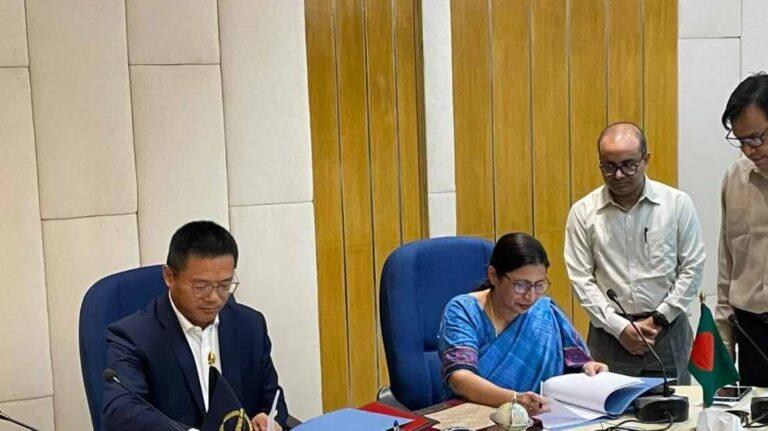
    On February 1, 2026, the government and the World Bank signed an additional $150.75 million loan and a $0.75 million grant for the Recovery and Advancement of Informal Sector Employment (RAISE) project.

    Implemented by the Palli Karma-Sahayak Foundation (PKSF), the expanded project will reach approximately 176,000 more young people with market-relevant skills training, apprenticeships, entrepreneurship development, and access to microfinance.

    Total World Bank support for RAISE now stands at $350.75 million. The project, launched in 2021, has already delivered strong results: over 80 per cent of trained apprentices found employment within three months, and more than 250,000 returning migrants have been registered for reintegration support.

    The new financing places special emphasis on women and climate-vulnerable communities, including innovative home-based childcare services to help more women enter the workforce and “climate-smart” livelihood options in flood- and cyclone-prone areas.

    “A good job can transform a life, a family, and a community,” said Gayle Martin, World Bank Acting Division Director for Bangladesh and Bhutan. “This additional financing will help more young people from low-income families access the market-relevant resources they need for better employment.”

    ADB Supports Modernization of TVET Teachers

    The ADB confirmed a $150 million loan for the TVET Teachers for the Future programme, which will train around 10,000 technical and vocational education and training (TVET) instructors in Fourth Industrial Revolution (4IR) technologies.

    The investment aims to modernise Bangladesh’s TVET system so that instructors can prepare students for high-tech industries and global competitiveness.

    Strategic Push Against Skills Mismatch

    Together, the two packages form a coordinated $300+ million push to close the gap between traditional education and the skills demanded by today’s economy.

    The Economic Relations Division (ERD) described the combined investments as a “strategic offensive” to support Bangladesh’s transition to upper-middle-income status.

    Pakistan’s Bears on the Brink as Habitat Loss and Poaching Accelerate Decline

    Experts warn sharp population fall amid deforestation, human–wildlife conflict, and illegal trade. The Balochistan black bear, particularly, faces critical risk with fewer than 50 mature individuals remaining. Conservationists call for urgent habitat protection and community-led solutions

    Pakistan’s bear populations are rapidly declining under the combined pressures of shrinking habitats, rising poaching, expanding infrastructure, and escalating human–wildlife conflict, pushing several species toward local extinction and raising alarms among conservationists.

    Wildlife experts estimate that bear numbers in Pakistan have dropped by 20–30 per cent over the past decade, although the absence of comprehensive nationwide surveys makes precise figures difficult to determine. Today, fewer than 2,500 bears are believed to remain across the country, with some subspecies facing an existential threat.

    Pakistan is home to two main bear species: the Himalayan brown bear and the Asiatic black bear. The latter is further divided into the Himalayan black bear and the Balochistan black bear, each inhabiting distinct ecological zones ranging from the temperate forests of northern Pakistan to the arid mountains of Balochistan.

    Vanishing from Traditional Habitats

    According to wildlife experts, bears have disappeared from several regions where they were once found in significant numbers, underscoring the scale of the crisis. Habitat degradation driven by deforestation, agricultural expansion, and infrastructure development has fragmented forests and pushed bears into closer contact with human settlements.

    As human populations expand into forested landscapes, bears are increasingly forced into conflict-prone areas, where they raid crops, prey on livestock, or wander into villages in search of food. These encounters often result in retaliatory killings, further accelerating population decline.

    Researchers note that the Asiatic black bear, once widespread across Asia, is now increasingly fragmented in Pakistan, with populations scattered across isolated habitats that are becoming smaller and less viable over time.

    A Subspecies on the Edge

    Among the most vulnerable is the Balochistan black bear, whose population has dwindled to fewer than 50 mature individuals, making it one of the least studied and most endangered large carnivores in the country.

    The combined population of Himalayan and Balochistan black bears is estimated at between 1,000 and 1,500 individuals. he Himalayan brown bear survives in small, isolated pockets in northern Pakistan.

    One of the most stable brown bear populations is found in Deosai National Park in Gilgit-Baltistan, where conservation initiatives have helped stabilize numbers. However, experts warn that such success stories remain rare amid broader ecological decline.

    Poaching and Illegal Trade

    Despite legal protections, poaching remains a major threat. Bear cubs are frequently targeted in early spring when dens are accessible, with poachers reportedly using fires to force bears out of their shelters before killing adults and capturing cubs. The cubs are often sold for illegal entertainment practices such as bear dancing or bear-baiting.

    In addition to entertainment-related exploitation, bears are hunted for their pelts, fat, and bile. Bear bile, used in traditional medicine for centuries, is believed to treat liver disorders and other ailments, although its extraction is widely condemned for cruelty and ecological damage.

    Conservationists argue that the continued demand for bear parts, combined with weak enforcement of wildlife laws, has created a lucrative black market that fuels poaching networks across remote regions.

    Ecological Consequences

    Experts warn that the decline of bears poses serious ecological risks because bears play a crucial role as keystone and umbrella species. Their presence supports ecosystem functions such as seed dispersal, scavenging, insect regulation, and forest regeneration.

    A reduction in bear populations could disrupt these natural processes, leading to long-term ecological imbalance and signalling broader biodiversity loss across Pakistan’s forest ecosystems.

    Calls for Urgent Conservation Action

    Wildlife specialists emphasize that reversing the decline of Pakistan’s bears will require a comprehensive strategy combining habitat protection, community engagement, and stronger law enforcement.

    Key measures proposed by experts include restoring degraded habitats, mitigating human–wildlife conflict through compensation schemes and non-lethal deterrents, protecting bear dens, and establishing long-term monitoring programs.

    Community-based conservation initiatives are also seen as critical, as local communities often live closest to bear habitats and can play a vital role in safeguarding wildlife if provided with economic incentives and awareness programs.

    “Without immediate and coordinated action, Pakistan risks losing some of its most iconic wildlife species,” conservationists warn, noting that the fate of bears reflects the broader health of the country’s ecosystems.

    Broader Environmental Challenge

    The crisis facing Pakistan’s bears is part of a wider environmental challenge confronting the country, where rapid urbanisation, climate change, and unsustainable resource use are placing unprecedented pressure on natural habitats.

    As forests shrink and ecosystems fragment, the survival of large mammals such as bears increasingly depends on political will, scientific research, and public support for conservation.

    For now, experts say the warning signs are unmistakable: without decisive intervention, Pakistan’s bears could slip irreversibly toward extinction, marking a profound loss not only for biodiversity but also for the ecological balance of the region.

    Image: Wikimedia

    Sri Lanka Embarks on Ambitious Digital Education Overhaul

    Concerns about child safety in the digital realm are also being addressed. The government is considering restricting social media access for minors due to rising incidents linked to online content.

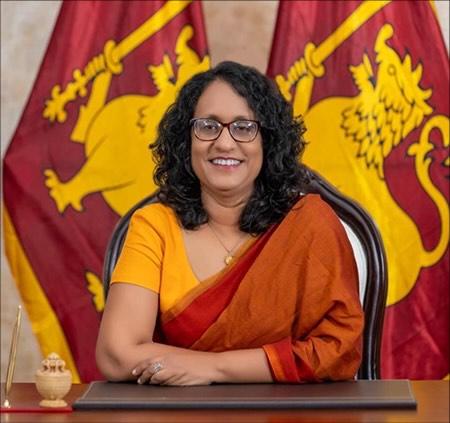
    In a significant push towards modernising Sri Lanka’s education system, Prime Minister Dr. Harini Amarasuriya has pledged to implement a safe, technology-driven digital education framework for the nation’s children. Speaking at a key discussion on education digitalization held at the ministry of education on January 27, the Prime Minister emphasised the need for a regulated system that protects young learners while harnessing the full potential of modern technology. This commitment comes amid broader educational reforms set to roll out in 2026, aiming to shift from traditional rote learning to a more interactive, student-centred approach.

    Dr. Amarasuriya highlighted the importance of human resource planning to effectively utilize advanced digital equipment in schools. She outlined plans to guide children into digital learning through a child protection-based framework, regulating device usage based on age groups and grade levels. A formal mechanism will ensure the balanced and transparent distribution of digital devices obtained through foreign assistance, guaranteeing equitable benefits for all schools, she said. Teachers, she noted, have already been equipped with necessary skills via systematic training programmes.

    The discussion involved representatives from Huawei and the UNESCO International Research and Training Centre on Rural Education (UNESCO-INRULED), where executive director Professor Zhao Shouyi briefed on priority areas for advancing digital education in Sri Lanka. China has expressed readiness to support this drive by providing interactive screens and smart classroom technologies, particularly for rural schools, alongside specialised teacher training aligned with the ministry’s reform agenda. The Prime Minister expressed gratitude for China’s ongoing support in national digitalization projects.

    Chinese Aid Fuels Nationwide Digital Infrastructure Boost

    This pledge builds on recent collaborations, including the launch of the China-Aid digital transformation project for general education. The project aims to construct an education cloud data centre, a multimedia conference centre, and a streaming media hub, while developing a software-defined network management system for the ministry of education. It includes setting up 900 smart classrooms in 500 schools across the country and providing digital resources for teaching Chinese language.

    Further enhancing this, the government has allocated 35.6 billion Sri Lankan rupees (about US$120 million) in the 2026 budget to accelerate digital transformation across sectors, including education. Initiatives include establishing an AI data centre with Rs. 750 million, tax waivers for expanding internet coverage, and broadband vouchers for children’s online learning. By December 31, 2025, all schools without internet were targeted for connectivity, and each was to receive at least one digital smart board or computer.

    UNESCO-INRULED and Huawei’s involvement extends to teacher training and rural education focus, aligning with global efforts like the UNESCO-Huawei “Technology-enabled Open Schools for All” project, which builds crisis-resilient systems connecting school and home-based learning. In October 2025, a high-level dialogue in Beijing between Sri Lankan and Chinese officials, including Huawei’s CEO in Sri Lanka, discussed reshaping education through digital technologies.

    Curriculum Reforms and Addressing Digital Risks

    The digital push is part of sweeping 2026 reforms, inaugurated by the Prime Minister at Gunasekara Vidyalaya in Athurugiriya on January 29, 2026, starting with Grade 1. Changes include a redesigned syllabus with lightweight, semester-based booklets, digital tools, and extended school time to 50-minute periods. The focus is on competency-based curricula, modular learning, and fostering balanced personalities through activity-based methods, reducing exam pressure and introducing early vocational exposure.

    Concerns about child safety in the digital realm are also being addressed. The government is considering restricting social media access for minors due to rising incidents linked to online content. Deputy Minister Eranga Weeraratne noted discussions under the ministries of mass media or education to implement such limits. This aligns with the Prime Minister’s child protection framework.

    Broader reforms emphasize digital literacy, critical thinking, and inclusivity. The “Girls in ICT for Inclusive Digital Transformation” programme, held in July 2025 at Uva National College of Education, promotes gender equality and empowers young women in tech. For vocational education, a October 2025 programme at Sri Lanka Foundation Institute aimed to strengthen digital readiness in the TVET sector.

    Challenges, Criticisms, and Future Outlook

    Despite enthusiasm, criticisms have emerged. Some argue the reforms lack proper mandate, consent, and accountability, with decisions presented as inevitable without full cabinet approval beyond establishing a task force in June 2025. The policy framework for digital transformation is expected by March 2026, but implementations like Grade 1 and 6 rollouts proceeded ahead. A recent cabinet decision postponed Grade 6 reforms to 2027, acknowledging issues with the national institute of education’s structure.

    Dr. Amarasuriya has engaged stakeholders, including Maha Nayake Theras (the senior Budhist clergy of Sri Lanka), to discuss reforms promoting digital literacy and critical thinking. She envisions a future generation compatible with the technological world, emphasising digital accessibility and automated tasks to free educators.

    Looking ahead, Sri Lanka’s “Policy for Digital Transformation of Education,” introduced in 2023, targets high-speed internet and devices in all schools by 2025. With international partnerships like UNESCO and Huawei, the nation aims for an inclusive digital economy, though balancing rapid change with safeguards remains key. As Professor Zhao commended the Prime Minister’s leadership, this initiative could position Sri Lanka as a regional leader in smart education.

    Sri Lanka Seeks $25 Million from UN Fund to Rebuild After Devastating Cyclone Ditwah

    Environmental advocates, including Greenpeace South Asia, have framed this as a demand for “loss and damage” compensation, underscoring how developing countries like Sri Lanka bear disproportionate climate burdens despite minimal emissions.

    In the wake of Cyclone Ditwah, one of the most destructive natural disasters in Sri Lanka’s recent history, the island nation is gearing up to apply for $25 million from the United Nations’ Fund for Responding to Loss and Damage (FRLD). The application is intended to support recovery efforts.

    The cyclone, which struck in late November 2025, unleashed unprecedented floods, landslides and mudflows, claiming hundreds of lives and displacing thousands. Officials announced the funding pursuit during a climate forum in Colombo, highlighting the nation’s urgent need for international assistance amid mounting economic and humanitarian challenges.

    The move comes as Sri Lanka grapples with the aftermath of the storm, which has exposed vulnerabilities in its disaster management systems and amplified calls for global climate finance. With damages estimated at $4.1 billion – equivalent to about 4 per cent of the country’s 2024 GDP – the government is rallying domestic and foreign resources to rebuild homes, infrastructure, and livelihoods.

    The Fund for Responding to Loss and Damage, established to aid climate-vulnerable developing nations, represents a critical lifeline for Sri Lanka, a country increasingly battered by extreme weather events linked to climate change.

    The Fury of Cyclone Ditwah: A Trail of Destruction

    Cyclone Ditwah made landfall on November 28, 2025, originating from the Bay of Bengal and intensifying into a severe cyclonic storm. It brought torrential rains, gale-force winds exceeding 100 km/h, and triggered widespread flooding across 18 districts, particularly in the central and eastern provinces. The Disaster Management Centre (DMC) reported that the storm affected nearly 2.3 million people – about 10 per cent of Sri Lanka’s population – with vulnerable groups such as children, the elderly, and pregnant women suffering the most.

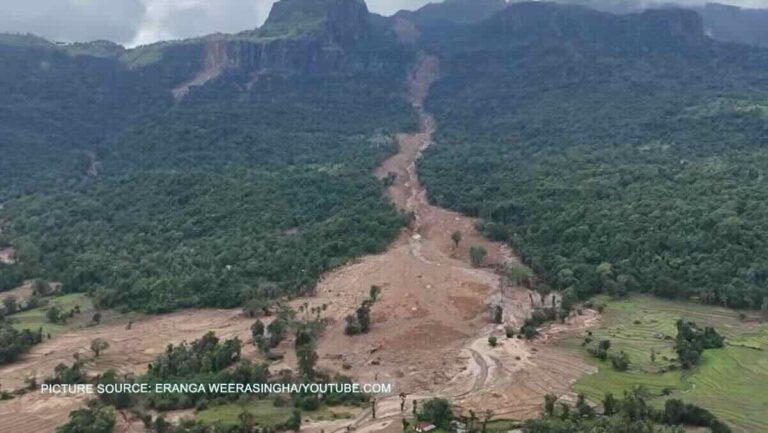
    The death toll climbed to 643 by mid-December 2025, with 183 individuals still missing. Over 6,000 homes were completely destroyed, and more than 114,000 partially damaged, forcing over 280,000 people into temporary shelters or with relatives. In the Hasalaka area of Kandy District, a catastrophic debris avalanche – described as the deadliest type of landslide in Sri Lanka – ripped through a mountainside, burying an entire village under mud and rubble five kilometers away. Agricultural losses were staggering, with floods submerging paddy fields, tea plantations, and coconut groves, totalling $814 million in damages and threatening food security for months to come.

    Infrastructure bore the brunt of the assault: roads, bridges, and power lines were severed, isolating communities and hampering rescue operations. The health sector, crucial for post-disaster response, faced $68 million in damages, including the need to relocate hospitals at a cost of LKR 7,904 million. According to a post-disaster needs assessment by the ministry of health, full recovery for healthcare facilities alone requires LKR 21,026.73 million. The United Nations Office for the Coordination of Humanitarian Affairs (OCHA) noted that the floods were the worst in decades, exacerbating existing economic woes from Sri Lanka’s 2022 financial crisis.

    Swift Humanitarian Response and International Aid

    The international community responded rapidly to the crisis. The UN launched a $35.3 million Humanitarian Priorities Plan in December 2025, focusing on immediate needs like food, clean water, and shelter. The Central Emergency Response Fund (CERF) allocated funds to partners, enabling cash assistance and sanitation support for affected families.

    Japan extended a $2.5 million emergency grant through organizations like the International Organization for Migration (IOM), World Food Programme (WFP), and UNICEF, targeting food and non-food items. The IOM separately appealed for $7.3 million to aid over 100,000 people, emphasising shelter, protection, and mental health services. Canada contributed $215,000 via the emergency disaster assistance fund to bolster the Sri Lanka Red Cross’s relief operations.

    Domestically, Sri Lanka’s recovery fund has surpassed LKR 8.5 billion (approximately $27.5 million) in foreign contributions by January 2026, as announced by a top finance ministry official. The government rolled out a $4.3 billion recovery plan, prioritizing rebuilding homes, infrastructure, and agricultural revival. UNOPS and UNESCO are supporting response efforts, with UNESCO aligning recovery with national priorities in education and cultural heritage preservation. The UNDP established a giving facility for flood relief and livelihoods, while the global facility for disaster reduction and recovery (GFDRR) is aiding in damage assessments.

    Pursuing UN Loss and Damage Funding: A Milestone Application

    Officials revealed plans to tap the FRLD for $20-25 million at a forum organized by the Slycan Trust in Colombo on February 1, 2026. Chamani Kumarasinghe, additional director at the Climate Change Secretariat, confirmed preparations for the application, emphasising the fund’s role in addressing unavoidable climate impacts. Dennis Mombaue of Slycan Trust highlighted the timeliness, noting the fund’s first call for proposals amid global advancements in climate finance.

    Rohan Cooray, a specialist with the commissioner general of essential services, projected the funding could cover critical gaps in reconstruction. This marks Sri Lanka as one of the first nations to seek FRLD support post its operationalisation at COP28 in 2023. Environmental advocates, including Greenpeace South Asia, have framed this as a demand for “loss and damage” compensation, underscoring how developing countries like Sri Lanka bear disproportionate climate burdens despite minimal emissions.

    Challenges Ahead: Building Resilience for the Future

    Recovery faces hurdles, including bureaucratic delays, funding shortfalls, and the risk of recurring disasters. The government’s disaster framework revealed gaps in early warning systems and infrastructure resilience, prompting calls for reforms. With climate change intensifying cyclones – Ditwah being the third major storm in five years – experts urge investments in sustainable agriculture, flood defences, and community-based risk management.

    The $4.1 billion damage estimate from the World Bank’s Global Rapid Post-Disaster Damage Estimation (GRADE) report underscores the economic toll, potentially derailing Sri Lanka’s fragile post-crisis recovery. As rebuilding begins, focus shifts to inclusive strategies that protect marginalised communities and integrate climate adaptation.

    In applying to the FRLD, Sri Lanka not only seeks immediate relief but also sets a precedent for global equity in climate finance. As one official put it, “This is about justice – helping nations like ours recover from disasters we didn’t cause.”

    Image: Eranga Weerasingha/Youtube.com

    Taliban Supreme Leader Endorses Penal Code Allowing Executions for Broad Range of Offenses

    As the penal code moves toward publication, its enforcement could reshape daily life in Afghanistan. While the Taliban frame it as a step toward Islamic purity, critics see it as a blueprint for authoritarian control.

    In a move that has sparked widespread alarm among human rights advocates and religious minorities, Taliban supreme leader Hibatullah Akhundzada has endorsed a new penal code that authorizes the execution of individuals in 11 distinct categories of offenses. The code, which grants Akhundzada sole authority to approve such killings in the name of “public interest,” represents a stark escalation in the Taliban’s enforcement of their interpretation of Islamic law since regaining control of Afghanistan in August 2021.

    The penal code, comprising a preamble, three sections, ten chapters, and 119 articles, is set to be published in the Taliban’s official gazette. Human rights groups have condemned the document, particularly Article 16, which outlines discretionary executions (ta’zir by death) for vaguely defined crimes. Critics argue that the provisions could be weaponized against political dissenters, religious minorities, and marginalised communities, further entrenching fear in a society already grappling with severe restrictions on freedoms.

    Article 16: A Sweeping Framework for Discretionary Executions

    At the heart of the controversy is Article 16, which lists 11 categories of people eligible for execution with the explicit approval of the Taliban leader, referred to as the “Imam.” These categories encompass a wide array of acts deemed harmful to society or contrary to the Taliban’s Sunni Islamic ideology. They include armed opposition to the Taliban regime, which could target anyone perceived as a threat to their authority.

    The code also permits the killing of individuals promoting beliefs considered contrary to Islam, such as leaders and teachers of non-Sunni Islamic sects labelled as “mubtadi” (innovators). This has raised particular concerns for Afghanistan’s Shi’ite minority, the country’s second-largest religious group, although the code does not explicitly mention Shi’ite Islam. Other categories cover sorcery, a charge that could be applied broadly in rural areas where traditional practices persist.

    Repeat offenders are heavily featured in the list. For instance, those accused of “sa’i bil-fasad” – acts causing general societal harm, such as highway robbery, sodomy, or sorcery – face death if reform is deemed impossible. The code authorizes executions for individuals who kill using a weapon, defend “false beliefs” against Islam, or are classified as “zindiq,” meaning those who outwardly appear Muslim but secretly reject the faith.

    Additional provisions target repeat offenders in sexual crimes, including sexual relations outside lawful marriage, sodomy, killing by strangulation, and theft. These are framed as discretionary punishments rather than fixed Islamic penalties (hudud), giving Taliban judges and leaders significant interpretive leeway. Legal experts warn that the ambiguity in terms like “corruption” – left undefined in the code – could enable arbitrary applications, potentially leading to a surge in state-sanctioned killings.

    The endorsement of this code comes amid the Taliban’s ongoing efforts to reshape Afghanistan’s legal system. Since their return to power, they have imposed strict edicts on women’s education, public life, and media freedom, often justifying them under Islamic law. This new penal framework deviates sharply from the pre-2021 Afghan Constitution, which incorporated elements of international human rights standards, and signals a return to the harsh judicial practices of the Taliban’s 1990s rule.

    Taliban Officials Dismiss Criticism as Infidel Objections

    Taliban leaders have swiftly defended the penal code against mounting backlash. Higher education minister Neda Mohammad Nadim, speaking at a religious graduation ceremony in Paktia province on Sunday, labelled critics as “infidels” unfit to challenge the laws. “These laws are not written for infidels to object to,” Nadim declared in an audio recording broadcast by the Taliban-run national broadcaster. “Now that the penal code has been approved, they say it is too harsh and raise their voices to distance people from Islamic law and Islam.”

    The justice ministry has echoed this stance, previously warning that protesting or criticizing Taliban legislation constitutes a crime. Officials maintain that all provisions align with Islamic principles, positioning the code as a tool to restore moral order in a nation they claim was corrupted under previous Western-backed governments.

    This rhetoric underscores the Taliban’s intolerance for dissent. Since 2021, reports from human rights organizations like Amnesty International and Human Rights Watch have documented arbitrary detentions, floggings, and executions under similar discretionary rulings. The new code formalizes these practices, potentially institutionalizing them on a national scale.

    Human Rights Concerns and Broader Implications

    Afghan activists, legal scholars, and religious figures have voiced profound concerns over the code’s implications. They argue that its vague language could be exploited to silence opposition, target ethnic and religious minorities, and perpetuate cycles of violence. For instance, the authorization to execute leaders of non-Sunni sects threatens Afghanistan’s diverse religious landscape, where Shi’ites and other groups have historically faced persecution.

    The code’s focus on repeat offenders in moral crimes also disproportionately affects vulnerable populations, including LGBTQ+ individuals and those accused of adultery or theft amid widespread poverty. Women’s rights advocates fear it could exacerbate gender-based violence, as accusations of sexual misconduct are often levelled against women in conservative societies.

    Internationally, the development has drawn condemnation, with calls for the Taliban to adhere to global human rights norms. However, the regime’s isolation – lacking formal recognition from most countries – limits external leverage. Aid-dependent Afghanistan continues to receive humanitarian support, but donors like the United Nations have urged reforms to protect civilians.

    As the penal code moves toward publication, its enforcement could reshape daily life in Afghanistan. In provinces like Paktia, where Taliban parades and public displays of authority are common, residents already live under strict surveillance.

    This latest edict from Akhundzada, who rarely appears in public and rules from Kandahar, reinforces his absolute authority. While the Taliban frame it as a step toward Islamic purity, critics see it as a blueprint for authoritarian control. As Afghanistan approaches the fifth anniversary of the Taliban’s takeover, the world watches warily, hoping for restraint but bracing for further repression.