More

    Uttarakhand Rolls Out Vocational Courses in 544 New Schools to Boost Skill Development

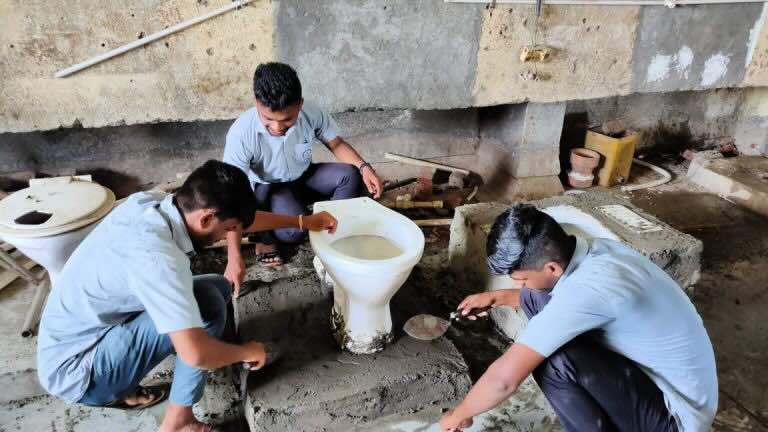
    Uttarakhand’s vocational push, with its emphasis on hands-on learning, could serve as a counterbalance by promoting offline skills and real-world engagement, helping mitigate these risks while preparing students for a digital-yet-balanced future.

    In a significant move to align education with employability, the Uttarakhand government has announced the introduction of vocational courses in 544 additional schools across the state, under the Samagra Shiksha and PM-SHRI schemes. This expansion aims to equip students with practical skills alongside traditional academics, fostering self-reliance among the youth.

    The initiative, designed in consultation with the union government, will integrate vocational education into the curriculum starting from the current academic session. Eight key sectors have been identified: Agriculture, Automotive, Beauty and Wellness, Electronics and Hardware, IT, Plumbing, Retail, and Tourism and Hospitality. These courses will be taught as part of the Uttarakhand Board and CBSE syllabi, with students earning Level-3 and Level-4 competency certificates under the national skill qualification framework (NSQF) upon completing Classes 10 and 12, respectively.

    To support this rollout, 548 laboratories have been established in line with standards set by the Pandit Sundarlal Sharma Central Institute of Vocational Education (PSSCIVE), and qualified trainers are being deployed. Proposals for operationalizing the courses have been submitted, with tenders expected soon after government orders. School education minister Dr. Dhan Singh Rawat emphasised the state’s goal: “The state government’s objective is to provide vocational education to children of the state along with traditional subjects, so that the younger generation can be made self-reliant.”

    Currently, vocational programs are already running in 531 schools, benefiting 50,903 students (including 27,561 girls and 23,342 boys). An additional 28 hub-and-spoke model schools serve 973 students. The expansion builds on recent successes, such as a state-level job fair where 146 students from the first Class 12 vocational batch secured employment offers from various companies. Newly approved sectors like aerospace and aviation, and food industry, have also been added to the Uttarakhand board curriculum.

    Alignment with National Education Policy and Economic Survey Recommendations

    This state-level push resonates with the national education policy (NEP) 2020, which advocates for blending vocational training with mainstream education from Class VI onward. The recent economic survey further endorses this approach, recommending the integration of vocational education in schools to include practical exposure and industry visits, thereby enhancing career awareness and reducing dropout rates.

    The survey highlights the urgent need to address India’s skilling gap, noting that nearly 2 crore adolescents aged 14-18 are out of school, with 44 per cent dropping out to supplement household income and over 55 per cent of girls leaving due to domestic responsibilities. It stresses that skill-based education is crucial for at-risk youth, aligning school curricula with national priorities to build a productive workforce, particularly in the service sector where over half of formally trained youth find jobs. However, it points out that only 0.97 per cent of 14-18-year-olds receive institutional skilling, underscoring the importance of initiatives like Uttarakhand’s expansion.

    Tackling Digital Addiction Risks in Modern Education

    Amid the focus on skill development, the economic survey also flags emerging challenges in the education landscape, such as digital addiction from smartphones, internet, gaming, and social media – addictive behaviour that can lead to distress, reduced academic performance, workplace distractions, sleep debt, and eroded social skills. It is strongly linked to mental health issues like anxiety, depression, low self-esteem, and cyberbullying, particularly among 15-24-year-olds, as evidenced by Indian and global studies.

    Uttarakhand’s vocational push, with its emphasis on hands-on learning, could serve as a counterbalance by promoting offline skills and real-world engagement, helping mitigate these risks while preparing students for a digital-yet-balanced future.

    US Blinks First as India Clinches Major Tariff Rollback in Landmark Trade Deal

    As negotiators return to the table, the early tariff rollback has already reshaped the balance of talks – and set the stage for what both sides hope will be a more stable and expansive Indo-US trade relationship.

    In a significant diplomatic reversal, the United States moved first to de-escalate trade tensions with India, announcing a sharp rollback of punitive tariffs before finalising a broader trade agreement that both sides now describe as a reset in bilateral economic relations. The move – cutting US duties on Indian goods to a baseline of 18 per cent – marks a clear climbdown from Washington’s earlier hardline stance and hands New Delhi a crucial early win after months of pressure.

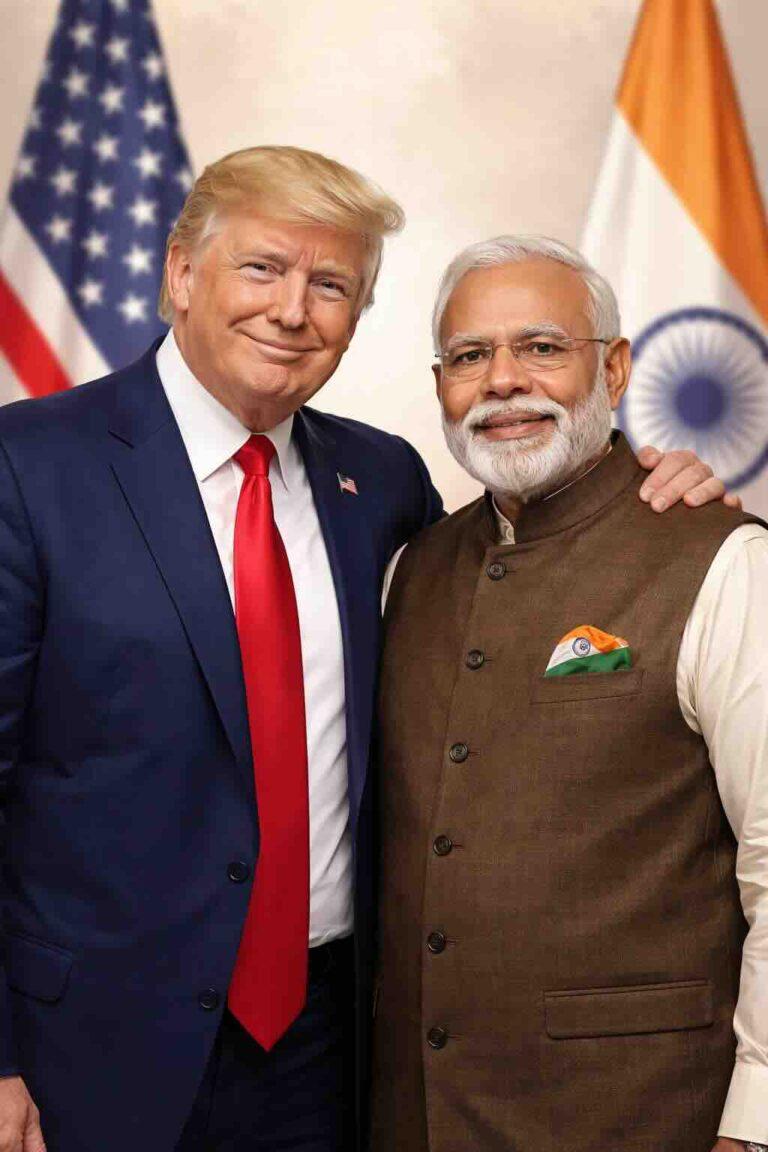
    The tariff reduction, confirmed by US President Donald Trump following talks with Prime Minister Narendra Modi, effectively withdraws additional duties that had pushed levies on some Indian exports as high as 50 per cent. Those tariffs were imposed last year amid US objections to India’s continued purchase of Russian oil. Their removal signals a recalibration in Washington’s approach, acknowledging India’s strategic importance at a time of shifting global trade and geopolitical alignments.

    Indian officials privately characterised the outcome as evidence that sustained engagement and restraint had paid off. “The US blinked first,” a senior government official said, noting that India had resisted retaliatory tariffs and instead pushed for dialogue. “This sets the tone for the rest of the negotiations.”

    The agreement, announced on Monday, is being positioned as the first phase of a larger Indo-US trade framework that could eventually expand market access, reduce non-tariff barriers and deepen cooperation across energy, defence, manufacturing and technology.

    Tariff Relief and Reciprocal Commitments

    Under the deal, Indian exports entering the US will now face a significantly lower tariff regime, restoring competitiveness that had been eroded by months of uncertainty. In return, India has committed to reducing its dependence on Russian crude over time and increasing purchases of US (and, by extension, Venezuelan) oil and gas, alongside higher imports of American defence equipment, commercial aircraft, pharmaceuticals and select agricultural products.

    Prime Minister Modi welcomed the agreement as a “milestone” in economic ties, saying it reflected “mutual respect and strategic trust.” President Trump, announcing the tariff rollback, said the deal would create “a fairer and stronger trading relationship” while opening new opportunities for US exporters.

    While the exact timelines and sector-specific concessions are still being negotiated, officials on both sides confirmed that further tariff reductions could follow if implementation proceeds smoothly.

    Strategic Edge for Indian Exporters

    The immediate tariff cut gives India a notable advantage over several of its export competitors. With US duties on Chinese goods remaining substantially higher, and tariffs on exports from Vietnam, Bangladesh and Pakistan also exceeding India’s new rate, Indian manufacturers stand to regain market share in sectors such as textiles, gems and jewellery, chemicals, engineering goods and marine products.

    Trade analysts said the move could help stabilise export growth at a time when global demand remains uneven. The US is India’s largest trading partner, with bilateral goods trade crossing $210 billion in 2024, and Indian exporters had repeatedly warned that sustained high tariffs risked long-term damage to supply chains.

    Financial markets reacted positively to the announcement. Indian equities rose, the rupee strengthened modestly, and investor sentiment improved on expectations of stronger export earnings and renewed foreign capital inflows.

    Political Reactions at Home

    Despite the upbeat government messaging, the deal has triggered political debate in India. The opposition Congress party accused the Modi government of withholding details and demanded clarity on whether sensitive sectors – particularly agriculture and small enterprises – had been adequately protected.

    Commerce and Industry Minister Piyush Goyal countered the criticism, stating that India had drawn clear red lines during negotiations. “India will not compromise the interests of its farmers, fishermen or small industries,” he said, adding that the phased nature of the agreement allows domestic sectors time to adjust.

    Senior ministers framed the agreement as part of India’s broader push to secure favourable trade terms without surrendering policy space. “This is not a one-sided deal,” a government spokesperson said. “It is balanced, strategic and forward-looking.”

    Geopolitics and Trade Convergence

    Beyond economics, analysts say the agreement underscores how trade is increasingly shaped by geopolitical calculations. Washington’s decision to ease tariffs comes amid a broader effort to deepen ties with New Delhi as supply chains shift away from China and the US seeks reliable partners in the Indo-Pacific.

    India, for its part, has been expanding its global trade footprint, concluding agreements with other major blocs while carefully managing strategic autonomy. The US decision to soften its stance suggests recognition that pressuring India too aggressively could prove counterproductive.

    The linkage between tariffs and India’s Russian oil imports also highlights the growing overlap between trade policy and foreign policy. While New Delhi has not committed to an immediate halt in Russian purchases, officials said diversification of energy imports – including increased US supplies – was already underway.

    Business Outlook and Next Steps

    Industry groups on both sides broadly welcomed the deal, calling it a step towards predictability after a period of uncertainty. Indian exporters said the tariff relief would help revive stalled orders, while US businesses are eyeing expanded access to India’s large and growing consumer market.

    However, trade experts cautioned that many details remain unresolved. Issues such as standards, regulatory barriers, digital trade and further tariff rationalisation are expected to feature in the next round of talks. Much will depend on how quickly the initial commitments are implemented and whether political momentum is sustained in both capitals.

    A Negotiated Reset

    While framed diplomatically as a mutual success, the sequence of events leaves little doubt that Washington chose de-escalation first. By cutting tariffs upfront, the US effectively acknowledged the limits of pressure and opened the door for compromise.

    For India, the outcome reinforces its strategy of patient negotiation and signals growing leverage in global trade talks. For the US, it reflects a pragmatic shift towards engagement with a partner seen as critical to long-term economic and strategic goals.

    As negotiators return to the table, the early tariff rollback has already reshaped the balance of talks – and set the stage for what both sides hope will be a more stable and expansive Indo-US trade relationship.

    Image: ChatGPT

    India’s 2026 Budget: Strategic Shifts in Foreign Aid to Neighbors

    As South Asia navigates economic recovery and geopolitical rivalries, India’s budget signals a nuanced approach, prioritising mutual benefits over unconditional support. This could reshape alliances, with potential for improved ties post-Bangladesh’s February elections.

    In a move reflecting evolving geopolitical dynamics, India’s union budget for 2026-27 has recalibrated its foreign aid allocations, prioritizing strategic partnerships while scaling back support amid tensions. Presented by Finance Minister Nirmala Sitharaman, the budget allocates approximately Rs 5,686 crore for aid to countries, a modest 4 per cent increase from the previous year. This adjustment underscores India’s ‘Neighbourhood First’ policy, focusing on infrastructure, energy, and economic stability in South Asia and beyond, even as global pressures like US sanctions influence decisions.

    The ministry of external affairs (MEA) received a total outlay of Rs 22,118 crore, up from Rs 20,516 crore in the prior budget estimate. Aid forms a critical component, supporting projects in hydropower, railways, and disaster relief. However, cuts to certain nations highlight diplomatic strains, including minority rights concerns and regional instability.

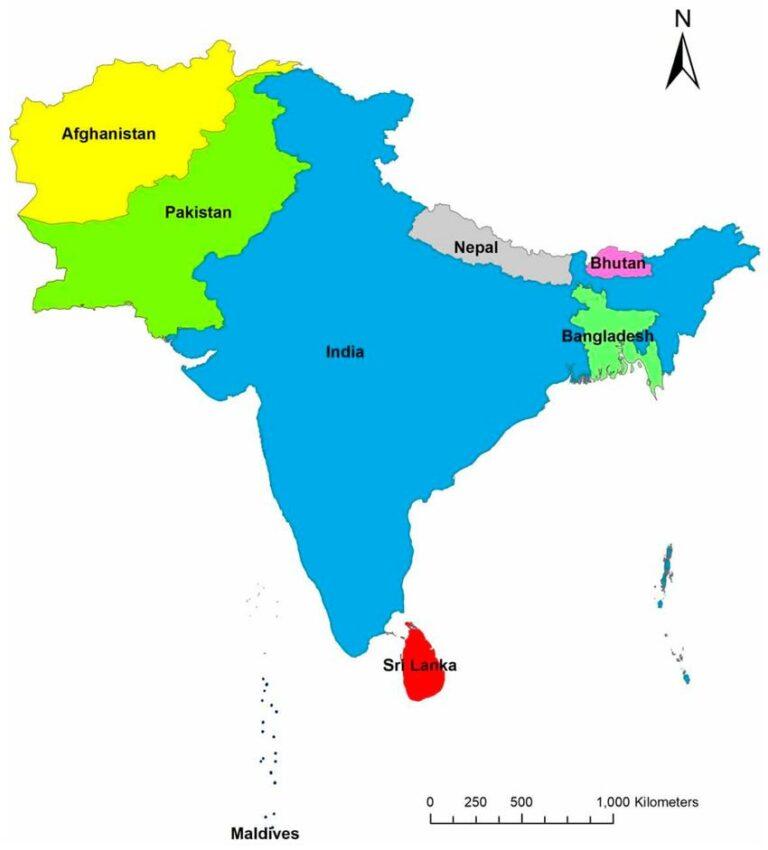
    India’s foreign aid emphasises connectivity and countering external influences, such as China’s growing footprint in the region. Bhutan remains the top recipient, followed by Nepal and Maldives. Allocations to Latin America doubled to Rs 120 crore, while African nations stayed at Rs 225 crore. No funds were set aside for Pakistan, aligning with longstanding tensions.

    Bhutan Leads

    Bhutan, India’s closest ally, saw its aid rise by Rs 138 crore to Rs 2,288 crore from Rs 2,150 crore last year. This boost supports key hydropower initiatives, including the full commissioning of the Punatsangchhu-II project in 2025, which increased power generation by 40 per cent. Plans to resume the Punatsangchhu-I project and build railway links from Banarhat to Samtse and Kokrajhar to Gelephu, costing over Rs 4,000 crore, aim to deepen economic ties. A Rs 4,000-crore Line of Credit for Bhutan’s energy sector further cements this partnership, vital for India’s energy security and border stability.

    Nepal Boosted

    Aid to Nepal increased by Rs 100 crore to Rs 800 crore, making it the second-largest recipient. This 14 per cent hike from the previous allocation reflects India’s commitment to infrastructure and people-to-people ties amid Nepal’s political turbulence in 2025. Projects include roads, railways, and energy links, helping counterbalance Chinese investments. The increase also supports disaster relief, recalling India’s aid during the COVID-19 pandemic.

    Maldives Supported

    The Maldives received Rs 550 crore, a slight reduction of Rs 50 crore in some estimates, but maintaining substantial support. This allocation focuses on infrastructure and economic stability in the Indian Ocean archipelago, where India competes with China for influence. Recent diplomatic engagements have stabilized ties after earlier strains.

    Mauritius Enhanced

    Mauritius, a key partner in the Indian Ocean, saw its aid rise to Rs 550 crore, up 10 per cent. Funds support development projects, leveraging strong cultural and economic bonds. As a hub for Indian investments, this aid reinforces maritime security cooperation.

    Sri Lanka Aided

    Sri Lanka’s allocation jumped by Rs 100 crore to Rs 400 crore, a one-third increase. This boost aids post-crisis recovery, including infrastructure and capacity building. India’s role as a first responder during Sri Lanka’s 2022 economic meltdown continues, with emphasis on ports and energy ties to foster regional stability.

    Afghanistan Engaged

    Aid to Afghanistan rose by Rs 50 crore to Rs 150 crore, signalling cautious re-engagement with the Taliban regime. After severing ties in 2021, India reopened its Kabul embassy in October 2025 and hosted diplomatic visits. Funds support humanitarian efforts, education, and health, amid concerns over terrorism and minority rights.

    Myanmar Reduced

    Myanmar’s aid was cut by 14 per cent to Rs 300 crore, due to ongoing political instability and implementation challenges. Border security issues, including refugee influxes, have strained relations. The reduction reflects a pragmatic approach, focusing on essential connectivity projects like the Kaladan Multi-Modal Transit Transport Project.

    Bangladesh Strained

    Bangladesh faced the sharpest cut, with aid halved to Rs 60 crore from Rs 120 crore. Strained ties followed the August 2024 ouster of Sheikh Hasina, violence against Hindus, and Dhaka’s warming relations with Pakistan. Revised 2025-26 spending was only Rs 34 crore. India has restricted visas and withdrawn diplomats’ families, impacting trade and sports ties, such as Bangladesh’s T20 World Cup withdrawal.

    Iran Halted

    No funds were allocated for Iran’s Chabahar port project, down from Rs 400 crore in 2025-26 revisions. US sanctions, with a waiver expiring in April 2026, prompted the zero allocation. The port, crucial for bypassing Pakistan to access Afghanistan and Central Asia, faces uncertainty despite India’s long-term lease.

    Regional Implications

    These shifts highlight India’s strategic diplomacy: bolstering allies like Bhutan and Nepal while responding to threats in Bangladesh and Myanmar. Analysts note the budget counters China’s Belt and Road Initiative through targeted aid. For Afghanistan and Iran, decisions balance humanitarian needs with international pressures. Overall, the allocations promote regional stability, trade, and security, with India positioning itself as a reliable partner amid global uncertainties.

    As South Asia navigates economic recovery and geopolitical rivalries, India’s budget signals a nuanced approach, prioritising mutual benefits over unconditional support. This could reshape alliances, with potential for improved ties post-Bangladesh’s February elections.

    1.7 Million Bangladeshi Women Underwent Unnecessary Caesarean Sections in 2025

    Weak regulation and profit-driven practices fuel the rise, experts say, pointing out that evidence-based interventions show potential to curb the trend. Experts urge urgent reforms in maternal healthcare.

    An estimated 1.7 million women in Bangladesh underwent unnecessary caesarean sections (C-sections) in 2025, exposing mothers and newborns to avoidable medical risks, financial strain, and long-term health complications, experts revealed at a national dissemination event in Dhaka. The alarming figure underscores a deepening crisis in maternal healthcare, driven by weak regulation, profit-oriented private healthcare practices, and growing fear of natural childbirth.

    The findings were presented at a programme titled “Reducing Unnecessary Caesarean Sections in Bangladesh,” organised by Ashulia Women and Children Hospital (AWCH) and attended by senior officials from the Health Services Division and the Directorate General of Health Services (DGHS). Speakers warned that unless urgent reforms are implemented, the country’s C-section rate could rise further, undermining public health goals and the pursuit of universal health coverage.

    A Growing Epidemic in Childbirth Practices

    Data presented at the event revealed that facility-based C-section rates in Bangladesh have risen sharply over the past decades – from 30 per cent in 1999 to 69 per cent in 2022. Experts cautioned that without decisive policy action, the rate could reach as high as 90 per cent by 2030.

    The surge in surgical deliveries is attributed primarily to weak oversight of private maternity facilities, poor adherence to evidence-based labour protocols, and the perception that normal vaginal delivery is risky or excessively painful. More than 70 per cent of private maternity facilities operate with minimal regulatory oversight, often lacking adequate staffing, emergency backup systems, and standard labour-room infrastructure. Many function largely as surgery-oriented centres where financial incentives outweigh patient safety considerations.

    Medical experts highlighted that normal childbirth is frequently misrepresented as dangerous, prompting premature surgical intervention even when there is no clinical indication. According to World Health Organization (WHO) guidance, prolonged latent labour alone does not justify a C-section if both mother and baby remain clinically stable.

    Health Risks and Long-Term Consequences

    Unnecessary C-sections pose significant health risks for both mothers and infants. Research indicates that surgical deliveries without medical indication are associated with higher rates of maternal complications such as infections, haemorrhage, and intensive care admission compared to vaginal births.

    Experts also noted that normal vaginal delivery plays a crucial role in immune development through the transfer of maternal microbiota, potentially reducing long-term metabolic and immune risks in children. In contrast, avoidable surgical births may deprive newborns of these benefits while increasing healthcare costs and recovery time for mothers.

    Beyond clinical risks, the economic burden of unnecessary C-sections is substantial. Families often incur high out-of-pocket expenses, especially in private hospitals where surgical deliveries are significantly costlier than vaginal births. The rising dependence on surgical childbirth also strains the healthcare system and widens inequities in maternal care access.

    Evidence that Change is Possible

    Despite the bleak outlook, experts at the event highlighted examples showing that unnecessary C-sections can be reduced through targeted interventions. AWCH data showed that its C-section rate, which ranged from 62 per cent to 72 per cent between 2008 and 2016, dropped to 42 per cent after the introduction of evidence-based measures such as antenatal counselling, strengthened labour monitoring, consultant audits, and promotion of vaginal birth after caesarean (VBAC).

    A Gates Foundation–funded initiative across eight facilities in 2022–23 yielded mixed results, demonstrating that training alone is insufficient without strong clinical governance, leadership accountability, and midwife-led care models.

    Scientific research also supports the effectiveness of comprehensive maternal health interventions. Studies suggest that improved antenatal care, health education, and diagnostic services can significantly reduce unnecessary C-sections, while broader stakeholder engagement – including policymakers, healthcare providers, and families – is essential to sustainable reform.

    Government Acknowledges Gaps

    Senior government officials acknowledged shortcomings in the implementation of national guidelines on childbirth practices. Health Services Division Secretary Md Saidur Rahman admitted that regulatory efforts have been inadequate and emphasised the need for better monitoring, licensed facilities, reliable data, and properly equipped labour rooms.

    DGHS Director General Prof Md Abu Jafor warned that the rising C-section rate threatens Bangladesh’s ambition to achieve universal health coverage by 2030. He noted that surgical deliveries are disproportionately concentrated in urban areas and private hospitals, highlighting persistent disparities in healthcare governance.

    Experts at the event called for stricter regulation of private healthcare providers, stronger enforcement of national clinical guidelines, and sustained investment in midwifery care. They also stressed the need for public awareness campaigns to counter misconceptions about natural childbirth and empower women to make informed decisions about delivery methods.

    A Broader Global Challenge

    The crisis in Bangladesh reflects a broader global trend of rising C-section rates, often driven by commercialisation of healthcare, demographic changes, and social attitudes toward childbirth. Studies across countries have shown that C-section rates frequently exceed WHO recommendations, with private healthcare systems often exhibiting the highest proportions of surgical deliveries.

    However, public health experts caution that while C-sections remain a life-saving intervention when medically necessary, their overuse undermines maternal and neonatal health outcomes. Addressing the problem requires systemic reforms, stronger accountability mechanisms, and a shift toward patient-centred, evidence-based maternity care.

    Image: Save the Children

    Sri Lanka’s Sugar Reduction Drive Fuels Artificial Sweetener Boom, Raising Health Concerns

    As the government reviews its strategies, stakeholders urge swift action. With NCDs claiming thousands of lives annually, the artificial sweetener surge serves as a wake-up call: effective regulation must evolve with industry tactics.

    In a bid to combat the rising tide of non-communicable diseases (NCDs), Sri Lanka’s government has implemented stringent sugar-reduction policies, but these measures have inadvertently triggered a surge in the use of artificial sweeteners, according to a recent analysis by the Colombo-based Institute of Policy Studies (IPS). Experts warn that while the policies aim to curb excessive sugar intake, they have created loopholes that allow manufacturers to substitute sugar with non-sugar sweeteners (NSS), potentially misleading consumers and posing long-term health risks.

    The IPS report, authored by Research Economist Priyanka Jayawardena, highlights how the country’s Traffic Light Labelling (TLL) system and sugar-based excise taxes on sugar-sweetened beverages (SSBs) have prompted beverage makers to reformulate their products. Under the TLL, drinks are color-coded based on sugar content: red for high, amber for medium, and green for low. Combined with taxes tied to sugar levels, these incentives have led to a “rapid rise” in NSS usage, with around 70 per cent of green-labelled SSBs and 50 per cent of amber-labelled ones now containing artificial sweeteners like aspartame or sucralose.

    This shift comes amid a broader health crisis in Sri Lanka, where NCDs such as diabetes and cardiovascular diseases account for nearly 75 per cent of all deaths. Unhealthy diets rich in sugar, salt, and fats are major contributors, prompting the government to act. However, IPS argues that the current framework fails to address NSS, allowing products to appear healthier than they might be. “Reformulation using artificial sweeteners should not replace genuine efforts to lower free sugar consumption,” Jayawardena noted in her analysis.

    The Hidden Risks of Non-Sugar Sweeteners

    While NSS help beverages meet sugar thresholds and avoid higher taxes, emerging evidence suggests they may not be the harmless alternative they seem. Drawing on a systematic review by the World Health Organization (WHO), IPS points to links between long-term NSS consumption and increased risks of diabetes, heart disease, obesity, and even higher mortality rates among adults. The WHO explicitly advises against using NSS for weight control or NCD prevention, except in cases of pre-existing diabetes where sugar alternatives are necessary.

    In Sri Lanka, the prevalence of these substitutes in supposedly “low-sugar” drinks could exacerbate the problem. Consumers, seeing green or amber labels, might perceive these products as healthy choices, leading to overconsumption. “These gaps highlight the need to update and strengthen SSB control policies to address all forms of sweeteners comprehensively,” the IPS report states. Without regulation, manufacturers have a clear incentive to pivot to NSS, evading taxes while maintaining product appeal through sweetness, the report suggests.

    The issue is particularly acute in a country grappling with economic challenges, where affordable beverages form a staple in many diets. Data from the IPS assessment underscores the scale: a majority of reformulated drinks now rely on NSS to achieve favourable labels, potentially undermining the original intent of the policies. Health advocates argue this creates a false sense of security, especially among vulnerable groups like children and low-income families who may not fully understand the implications.

    Policy Loopholes and Misleading Labels

    Sri Lanka’s existing regulations focus solely on added sugar, leaving NSS unregulated. The traffic light label criteria ignores artificial sweeteners, meaning a drink loaded with NSS can still earn a green label if its sugar content is low. Similarly, the excise tax on SSBs is sugar-based, excluding NSS entirely. This “tax loophole,” as described by IPS, encourages a switch that doesn’t necessarily improve nutritional outcomes.

    Jayawardena’s blog post on the IPS website emphasizes that this oversight allows misleading marketing. Products touting “low sugar” claims often hide their reliance on artificial alternatives, which could have unintended health effects. “Under the existing Front-of-Pack Labelling (FOPL) system for SSBs, TLL criteria is based only on sugar content,” she writes, noting that this can “mislead consumers into viewing them as healthier choices.”

    The problem isn’t unique to Sri Lanka, but the country’s rapid adoption of sugar-focused measures without NSS safeguards has amplified it. As manufacturers adapt, the market for artificially sweetened beverages has boomed, with little oversight on their long-term impact. Critics, including public health experts, call this a “policy blind spot” that could hinder progress against NCDs.

    Learning from Global Best Practices

    International examples offer a roadmap for Sri Lanka to plug these gaps. The Pan American Health Organization (PAHO) Nutrient Profile model, for instance, treats any amount of NSS as part of an unhealthy food profile, guiding more comprehensive regulations. Countries like Mexico have adopted mandatory FOPL systems with warning labels for NSS, using black octagons to flag products high in calories, sugars, fats, or containing artificial sweeteners and caffeine. This design helps consumers make informed choices quickly.

    Other nations have gone further by including NSS in taxation. In the Philippines, a volume-based excise tax applies to SSBs with either sugar or artificial sweeteners, discouraging excessive intake of both. Similar approaches in Chile, France, India, and Portugal have expanded taxes beyond sugar, promoting genuine reformulation toward healthier options.

    These models demonstrate that holistic policies – covering both sugar and NSS – yield better results. “International evidence shows that comprehensive measures are more effective than sugar-only measures,” the IPS report concludes.

    Charting a Path Forward for Healthier Policies

    To counter the NSS boom, IPS recommends a multi-pronged strategy. First, update fiscal policies to include NSS in SSB taxes and introduce FOPL warning labels specifically for artificial sweeteners. This would incentivize manufacturers to reduce all sweeteners, not just sugar.

    Second, boost public awareness through campaigns highlighting the risks of NSS and promoting unsweetened alternatives. Behaviour-change communication could guide consumers toward healthier diets, emphasising practical tips for daily life.

    Third, enforce stricter rules in schools, banning the sale, marketing, and advertising of NSS-containing products in canteens and events. This protects children, who are particularly susceptible to marketing tactics.

    Finally, adopt a broader nutrient profile model like PAHO’s to prevent reformulation loopholes. By closing these gaps, Sri Lanka can advance its nutrition agenda, reduce NCD burdens, and ensure policies truly promote public health.

    As the government reviews its strategies, stakeholders urge swift action. With NCDs claiming thousands of lives annually, the artificial sweetener surge serves as a wake-up call: effective regulation must evolve with industry tactics. Failure to adapt could undermine years of progress, leaving consumers exposed to hidden risks in their quest for sweeter, but not necessarily healthier, options.

    Union Budget 2026 Puts Human Development at the Centre of India’s Viksit Bharat Vision

    Together, the three duties (not rights) frame the budget as an economic roadmap while maintaining a careful balance between economic ambition, social inclusion and fiscal prudence.

    The Union Budget 2026-27, presented by finance minister Nirmala Sitharaman, places human development at the core of India’s journey towards becoming a Viksit Bharat by 2047, while maintaining a careful balance between economic ambition, social inclusion and fiscal prudence.

    Anchored in the government’s vision of Sabka Saath, Sabka Vikas, the budget is structured around three overarching “kartavyas” or duties: accelerating economic growth, building people’s capacities, and ensuring inclusive access to resources for all families, communities and regions.

    Presenting the first Budget, Sitharaman said India would continue to take “confident steps towards Viksit Bharat by balancing ambition with inclusion,” underlining the centrality of agriculture, education, labour, health, women, employment and environmental sustainability in shaping long-term growth.

    The Union Budget pegs total expenditure at ₹53.5 lakh crore, with public capital expenditure at ₹12.2 lakh crore, reaffirming the government’s commitment to infrastructure-led growth even as it deepens investments in human capital. The fiscal deficit is estimated at 4.3 per cent of GDP, signalling continuity in fiscal consolidation while accommodating development priorities.

    Three Kartavyas to Balance Growth, Inclusion and Capacity Building

    The first kartavya focuses on accelerating and sustaining economic growth by enhancing competitiveness, productivity and resilience in a volatile global environment. Measures under this pillar include a renewed push for manufacturing, infrastructure expansion and strategic technologies such as semiconductors, electronics, biopharma and rare earths.

    The second kartavya emphasises building people’s capacities through education, skills, health and innovation, recognising that India’s demographic advantage can translate into economic strength only if supported by quality human capital.

    The third kartavya seeks to ensure that the benefits of growth reach all sections of society, particularly women, small farmers, workers, persons with disabilities and vulnerable communities, with a focus on lagging regions including the North-East and Purvodaya states.

    Together, these three duties frame the Budget as an economic roadmap rather than a purely fiscal exercise.

    Agriculture and Rural Economy Get a Human-Centric Push

    Agriculture, which employs 46.1 per cent of India’s workforce according to the Periodic Labour Force Survey 2023-24, receives a major thrust with an allocation of ₹1,62,671 crore, a 7 per cent increase over the previous year’s revised estimates. The emphasis is on raising productivity, diversifying income sources and strengthening rural livelihoods, particularly for small and marginal farmers.

    A flagship announcement is Bharat VISTAAR, a multilingual, AI-powered agriculture platform that integrates AgriStack portals with ICAR’s scientific practices and artificial intelligence systems. Designed to provide farmers with real-time advisories on crop planning, weather, pest management and markets in regional languages, the tool aims to reduce climate and market risks while enabling informed decision-making at the farm level.

    The Budget also promotes diversification into high-value crops such as coconut, sandalwood, cashew, cocoa, walnuts, almonds and pine nuts. India, the world’s largest coconut producer, sustains livelihoods for nearly 30 million people through coconut farming. A dedicated coconut promotion scheme will focus on replacing senile plantations with high-yielding varieties, while targeted programmes for cashew and cocoa aim to build self-reliance, export competitiveness and premium global branding by 2030. Restoration of India’s sandalwood ecosystem, in partnership with states, seeks to balance conservation with economic returns.

    Allied sectors receive equal attention. Animal husbandry is supported through a credit-linked capital subsidy scheme for veterinary services, diagnostics and breeding infrastructure, alongside strengthened livestock, dairy and poultry value chains. Fisheries development will include integrated projects covering 500 reservoirs and water bodies, with a focus on startups, women-led enterprises and Fish Farmer Producer Organisations (FFPOs), aligning with the inclusive growth agenda of the third kartavya.

    Education, Skills and Employment to Power India’s Demographic Dividend

    Education and skill development emerge as key pillars of the Budget’s human development strategy. To address barriers faced by women in higher education, especially in STEM disciplines, the government has announced the establishment of one girls’ hostel in every district, supported by viability gap funding and capital assistance. The initiative aims to improve safety, mobility and retention of female students, enabling greater participation in advanced fields such as astrophysics and engineering.

    To nurture future-ready skills, the Budget proposes five university townships, creative and digital content labs in 15,000 secondary schools, and expanded support for artificial intelligence through a national AI mission, research fund and innovation ecosystem. National mental health institutes are also planned to address psychological well-being, reinforcing a holistic approach to education.

    Employment generation is a central objective, particularly in labour-intensive sectors. An integrated programme for textiles includes mega parks, technical textile hubs and cluster modernisation, complemented by the National Fibre Scheme aimed at self-reliance in man-made fibres. Together with support for khadi, handicrafts, footwear and leather sectors, these initiatives are expected to generate 22 lakh jobs, with significant gains in turnover and exports.

    The proposed Employment-Linked Incentive Scheme, with potential outlays of up to ₹30,000 crore, targets the creation of millions of new jobs within a short time frame, while apprenticeships and skilling initiatives in AVGC, healthcare and tourism align with services-led growth.

    Health, Women’s Empowerment and Green Transition Take Centre Stage

    Healthcare receives a strong innovation-oriented push through the Biopharma SHAKTI scheme, backed by ₹10,000 crore over five years, aimed at positioning India as a global biopharmaceutical hub. The scheme spans manufacturing, clinical research and advanced technologies, reinforcing India’s role in affordable healthcare solutions.

    Social inclusion measures form a major component of the third kartavya. For persons with disabilities, the Budget introduces the Divyang Sahara Yojana for timely access to high-quality assistive devices and the Divyangjan Kaushal Yojana for customised, industry-linked skill training in sectors such as IT, AVGC and hospitality. Geriatric caregiver training and expanded mental health and trauma care further underline the focus on dignity and well-being.

    Women’s empowerment receives a multifaceted boost. Building on the Lakhpati Didi programme, the Budget introduces SHE Marts (Self-Help Entrepreneurs Marts) — community-owned retail outlets run by self-help groups — to transition women from credit-linked livelihoods to enterprise ownership. Enhanced financing, branding and market access are expected to strengthen grassroots entrepreneurship and sustainable incomes.

    Environmental sustainability is woven into multiple sectors. The allocation for the Ministry of Environment, Forest and Climate Change rises by 8 per cent to ₹3,759.46 crore, with ₹1,091 crore earmarked for pollution control. Key initiatives include rare earth corridors critical for clean energy technologies, a ₹20,000 crore investment over five years in carbon capture, utilisation and storage, and duty exemptions for green technologies such as lithium-ion batteries and solar glass. Incentives for biogas-blended CNG further align the Budget with India’s net-zero target by 2070.

    Opposition United in Criticism: Union Budget 2026-27 Branded as Blind to Crises, Anti-People

    The opposition’s chorus underscores a deepening divide, with calls for parliamentary scrutiny and course correction. As debates unfold, the budget’s fate may hinge on addressing these critiques amid electoral pressures.

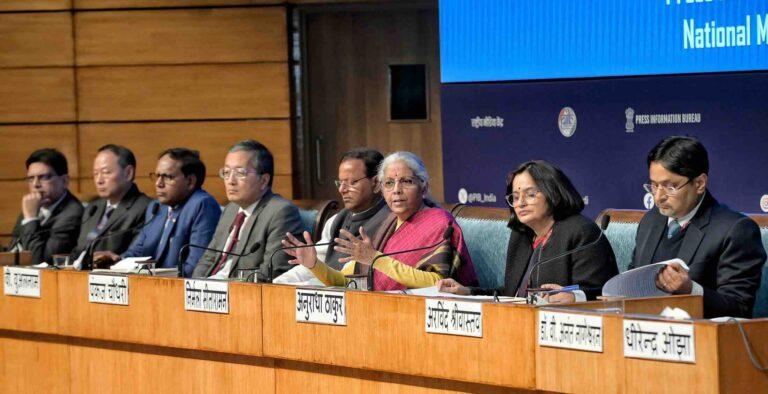
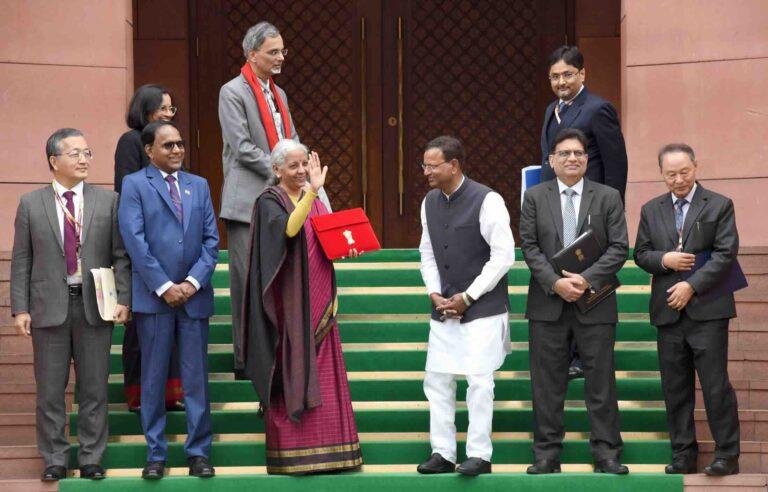
    Finance Minister Nirmala Sitharaman’s presentation of the Union Budget 2026-27 in Parliament sparked immediate and widespread condemnation from opposition parties, who described it as directionless, lacklustre, and disconnected from India’s pressing economic realities.

    Presented amid assembly elections in key states like Tamil Nadu, Kerala, West Bengal, and Assam, the budget emphasised fiscal discipline, infrastructure corridors, and a vision for ‘Viksit Bharat’ by 2047.

    However, opposition leaders across the spectrum argued it ignored unemployment, farmer distress, declining household savings, and regional disparities, while favouring corporates and the wealthy. The stock market’s sharp plunge – Sensex dropping over 1,500 points – further amplified claims of economic anxiety, with critics labelling the document a “Humpty Dumpty Budget” that offers dreams but no solutions.

    The budget pegged total expenditure at Rs 53.5 lakh crore, with a fiscal deficit target of 4.3 per cent for 2026-27, down from 4.4 per cent this year. It included allocations for critical minerals, AIIMS expansions, and subsidies, but opposition figures pointed to reduced spending on welfare schemes, education, health, and subsidies for fertilizers, food, and petroleum.

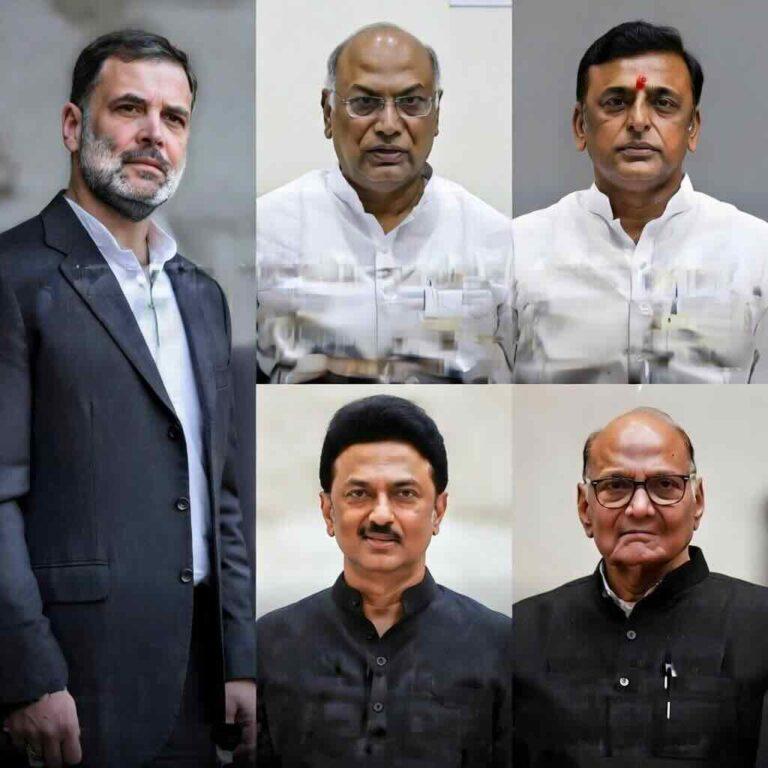
    Leaders from Congress, Trinamool Congress (TMC), Samajwadi Party (SP), Dravida Munnetra Kazhagam (DMK), the Left and the Shiv Sena (UBT) accused the Modi government of perpetuating inequality and undermining federalism. Even as NDA allies hailed it as growth-oriented, the opposition’s unified front set the stage for heated parliamentary debates, with Rahul Gandhi promising to address it in Lok Sabha.

    Congress Slams Budget as ‘Lacklustre’ and Crisis-Blind

    The Congress party led the charge, dubbing the budget “totally lacklustre” and “woefully short of hype.” Leader of Opposition Rahul Gandhi highlighted its failure to address core issues, stating on X: “Youth without jobs. Falling manufacturing. Investors pulling out capital. Household savings plummeting. Farmers in distress. Looming global shocks – all ignored. A Budget that refuses course correction, blind to India’s real crises.”

    Party president Mallikarjun Kharge echoed this, claiming the Modi government has “run out of ideas” and offers no solutions to economic, social, and political challenges. He criticised the absence of support for farmers, SC/ST/OBC/EWS/minority communities, and noted inequality surpassing British Raj levels.

    Senior leader Jairam Ramesh called the speech “non-transparent,” lacking details on allocations for key programs. Shashi Tharoor used a cricket analogy, saying Sitharaman “seems to have missed the ball,” with nothing for the middle and lower-middle classes or states’ fiscal needs. K C Venugopal termed it a “total disappointment” for Kerala, ignoring promises like AIIMS and favouring corporates. The party’s communications head, Priyanka Gandhi Vadra, said she had low expectations beforehand, reflecting broader disillusionment.

    Regional Parties Cry Foul Over State Neglect and Anti-Federal Bias

    Regional opposition parties focused on perceived discrimination against non-BJP states, especially those heading to polls. TMC chief and West Bengal CM Mamata Banerjee blasted the budget as “directionless, visionless, actionless, and anti-people,” claiming it offers nothing for common citizens, women, farmers, education, or SC/ST/OBC groups – and “not a single paisa” for Bengal. She accused the union government of blatant lies on economic corridors and destroying federalism by withholding GST funds.

    TMC MP Abhishek Banerjee called it “faceless, baseless, and visionless,” alleging Bengalis are treated as “Bangladeshis.” Saugata Roy noted the repetition of old schemes with no new benefits for states like West Bengal.

    In Uttar Pradesh, Samajwadi Party chief Akhilesh Yadav deemed the budget “beyond understanding” for the poor, ignoring villages, youth, education, and health. He called it “disappointing and deplorable,” benefiting only 5 per cent of the rich while neglecting jobs and inflation relief.

    MP Dimple Yadav added it has “nothing for women or youth,” reducing family interest in budgets. DMK in Tamil Nadu alleged Sitharaman gave “zero” to the state even in an election year, calling the budget “directionless” with no aim for MSMEs or other sectors. Spokesperson Constantine Ravindran said it shows the Centre’s disregard for southern states despite their contributions. Shiv Sena (UBT) MP Priyanka Chaturvedi rated it “four out of ten,” disappointing amid global uncertainties, with markets signalling failure.

    RJD in Bihar, ahead of the budget, demanded special category status to combat poverty and debt, but post-presentation reactions highlighted unmet expectations for flood control and industrial packages.

    AAP’s reactions were muted, though the party has historically criticized central policies on federal funding and pollution, aligning with broader opposition calls for inclusive growth.

    CPI(M) Decries Anti-People, Anti-Federal Measures

    The Communist Party of India (Marxist) (CPI(M)) issued a scathing critique, labelling the union budget 2026-27 as “thoroughly anti-people and anti-federal.” In a Polit Bureau statement, the party accused the government of prioritising big business and the wealthy over working people and oppressed sections. The party highlighted “fiscal discipline’ as a euphemism for tax concessions to corporates while slashing welfare expenditures.

    Key criticisms included a sharp decline in tax revenues for 2025-26, unacknowledged economic crises, and stagnant anticipated revenues for 2026-27, reducing the proportion of national income. Drastic cuts were noted in schemes like Rashtriya Krishi Vikas Yojana, PM POSHAN, PM-SHRI, PM-JAY, PM-MSY, PMAY (rural and urban), and crop insurance, alongside reductions in allocations for Scheduled Castes, Scheduled Tribes, North Eastern region, agriculture, rural development, education, health, social welfare, and the gender budget by Rs. 51,144 crores. Further slashes in fertilizer, food, and petroleum subsidies were described as an assault on agriculture amid deflationary conditions. Lower revised capital expenditures for 2025-26 and declining public enterprise investments were also flagged.

    On the anti-federal front, CPI(M) pointed to cuts in state transfers under centrally sponsored schemes, finance commission grants, and other transfers by Rs. 2,03,801 crores in 2025-26 and an additional Rs. 59,456 crores for 2026-27, exacerbating states’ financial crunch from poor GST revenues and shifted burdens. The statement noted the finance minister’s claims of stability, fiscal discipline, growth, and moderate inflation omitted the distress of working people, rampant unemployment, and limited earnings. It argued the budget promotes inequality and aggravates the economic crisis, inadequately responding to global issues. The party urged resistance to these measures, emphasising their detrimental impact on federalism and people’s welfare.

    The opposition’s chorus underscores a deepening divide, with calls for parliamentary scrutiny and course correction. As debates unfold, the budget’s fate may hinge on addressing these critiques amid electoral pressures.

    Image: Collage by Grok

    Union Budget 2026: Empowering Human Development for a Viksit Bharat

    The budget aligns with the government’s vision of Sabka Saath, Sabka Vikas, outlining three key “kartavyas” or duties: accelerating economic growth, building people’s capacities through education, skills, and health, and ensuring inclusive access to resources for all.

    In a landmark presentation today, finance minister Nirmala Sitharaman unveiled the union budget 2026-27, emphasising human development as a cornerstone for achieving Viksit Bharat by 2047.

    The budget aligns with the government’s vision of Sabka Saath, Sabka Vikas, outlining three key “kartavyas” or duties: accelerating economic growth, building people’s capacities through education, skills, and health, and ensuring inclusive access to resources for all families, communities, and regions. Sitharaman highlighted that “India will continue to take confident steps towards Viksit Bharat by balancing ambition with inclusion.”

    This focus on sectors like agriculture, education, labour, health, environment, livelihood, women, and employment aims to uplift vulnerable populations, boost productivity, and create sustainable opportunities. With an allocation of ₹1,62,671 crore for agriculture alone, the budget prioritizes rural and human-centric growth, addressing the needs of small and marginal farmers, women, and the differently-abled.

    Boosting Agricultural Productivity and Farmer Incomes

    Agriculture, which employs 46.1 per cent of India’s workforce according to the periodic labour force survey 2023-24, received a significant thrust in the budget. The finance minister announced an allocation of ₹1,62,671 crore for the sector, a 7 per cent increase from the previous year’s revised estimate. This funding underscores the government’s commitment to enhancing farmer incomes through productivity gains and entrepreneurship, particularly for small and marginal farmers who form the backbone of rural economies.

    A flagship initiative is Bharat VISTAAR, a multilingual AI-powered agriculture tool that integrates AgriStack portals with ICAR’s agricultural practices and AI systems. Designed to help farmers with crop planning, weather advisories, pest management, and market information in regional languages, this tool aims to boost productivity, enable better decision-making, and reduce risks. By providing customised advisory services, it addresses the challenges of climate variability and market fluctuations, potentially benefiting millions of smallholders.

    The budget also promotes diversification into high-value crops to increase incomes and create employment. Support for coconut, sandalwood, cashew, cocoa, walnuts, almonds, and pine nuts in coastal and suitable regions is a key highlight. India, the world’s largest coconut producer, coconut farming sustains livelihoods for 30 million people, including 10 million farmers. A dedicated coconut promotion scheme will enhance production through interventions like replacing non-productive trees with high-yield varieties in key states.

    Similarly, programmes for Indian cashew and cocoa aim for self-reliance, export competitiveness, and premium global branding by 2030. The union government will partner with states to restore India’s sandalwood ecosystem, balancing environmental conservation with economic gains.

    In allied sectors, animal husbandry – poised to generate quality jobs in rural and peri-urban areas – gets a boost through a credit-linked subsidy programme, scaling up and modernisation of livestock enterprises, and enhanced integrated value chains for livestock, dairy, and poultry. Encouragement for Livestock Farmer Producer Organisations (FPOs) will strengthen collective bargaining and market access. Fisheries development includes integrated projects for 500 reservoirs and water bodies, fostering market linkages via startups, women-led groups, and Fish Farmer Producer Organisations (FFPOs). These measures align with the third kartavya, focusing on the North-East and Purvodaya states for accelerated development.

    Enhancing Education and Skill Development

    Education emerges as a pillar for building human capacity, with the budget allocating resources to foster inclusive access and innovation. A notable announcement is the establishment of girls’ hostels in every district, supported by viability gap funding (VGF) and capital aid, to address barriers like long study hours in STEM courses and enhance women’s safety and mobility. This initiative aims to boost female participation in higher education and the workforce.

    To nurture talent, the government plans five university townships and content labs in 15,000 secondary schools for creative and digital skills. Focus on women in STEM and youth in technology includes an AI mission, national research fund, and innovation fund to build aspirations and capacities. National mental health institutes will address psychological well-being, complementing education’s holistic role.

    Skill development ties into employment, with programs like SAMARTH 2.0 for industry-academia collaboration in textiles. These efforts support the second kartavya, emphasizing quality education and skilling for Viksit Bharat.

    Promoting Employment in Labour-Intensive Sectors

    Employment generation is central, with a focus on labour-intensive sectors to create sustainable livelihoods. The budget proposes an integrated programme for textiles, including mega parks under challenge mode for large-scale manufacturing and technical textiles. Support for khadi and handicrafts via the Mahatma Gandhi Gram Swaraj Initiative will improve production, global linkages, branding, and training, impacting rural economies.

    The textile expansion and employment scheme aims to modernise clusters, while the national fibre scheme targets self-reliance in man-made fibres. These are expected to generate jobs for 22 lakh people, turnover of ₹4 lakh crore, and exports of ₹1.1 lakh crore. An emphasis has been placed in the footwear and leather sectors.

    Potential ₹30,000 crore for the employment linked incentive scheme targets 350 million new jobs in one-and-a-half years. Apprenticeships and skilling in animation, visual effects, gaming, and comics (AVGC), healthcare, and tourism align with services-led growth.

    Advancing Health and Well-Being

    Health allocations emphasize accessibility and innovation. The biopharma shakti scheme, with ₹10,000 crore, proposes to position India as a global bio-pharma hub, intervening in manufacturing, healthcare, and advanced technology.

    Mental health and trauma care for vulnerable groups, including national institutes, address psychosocial needs. Empowering divyangjan through divyang sahara yojana and kaushal yojana involves scaling ALIMCO’s assistive devices with AI. These support the third kartavya: inclusivity.

    Empowering Women and Vulnerable Groups

    The union budget 2026-27 delivers a comprehensive push for women’s empowerment and support to vulnerable groups, aligning with the vision of inclusive growth under Viksit Bharat. Building on the Lakhpati Didi programme – which is meant to enable millions of rural women to achieve annual incomes exceeding ₹1 lakh – the government has introduced SHE Marts (Self-Help Entrepreneurs Marts) as community-owned retail outlets within cluster-level federations of self-help groups (SHGs). These outlets, supported by enhanced and innovative financing instruments, aim to transition women from credit-linked livelihoods to enterprise ownership, improving market access, branding, and sustainable income generation for grassroots women entrepreneurs.

    Complementing this, the budget announces the establishment of one girls’ hostel in every district, with viability gap funding and capital aid, to address barriers in higher education – particularly in STEM fields where prolonged study hours and laboratory work pose challenges to safety and mobility. This infrastructure boost is expected to enhance female enrolment, retention, and participation in advanced disciplines like astrophysics and astronomy, while fostering greater workforce integration.

    For vulnerable sections, targeted measures include the divyang sahara yojana for timely access to high-quality assistive devices and the divyangjan kaushal yojana for customised, industry-relevant training in sectors like IT, AVGC, hospitality, and food and beverages – ensuring dignified livelihood opportunities and inclusion for persons with disabilities. Additional initiatives encompass mental health and trauma care access for vulnerable populations, alongside geriatric caregiver training programs, reinforcing the budget’s commitment to equitable participation and dignity for all under the third kartavya of Sabka Saath, Sabka Vikas.

    Environmental Stewardship and Climate Mitigation

    The budget’s emphasis on environment is implicit in sustainable agriculture and sandalwood restoration, promoting eco-friendly livelihoods. Overall, these measures aim for resilient, inclusive growth, with Viksit Bharat as the guiding vision.

    The union budget 2026 places a renewed emphasis on environmental sustainability, with an 8 per cent increase in allocation to the ministry of environment, forest and climate change (MoEFCC) totalling ₹3,759.46 crore. Pollution control remains a priority, receiving ₹1,091 crore to bolster pollution control boards and initiatives. Key measures include the establishment of rare earth corridors for mining, processing, and manufacturing essential for clean energy technologies, alongside a ₹20,000 crore investment over five years in carbon capture, utilisation, and storage (CCUS) to curb emissions from hard-to-abate industries.

    Incentives for green technologies, such as duty exemptions on capital goods for lithium-ion batteries and solar glass production, aim to accelerate the shift to renewables. Additionally, excluding the value of biogas in excise duty calculations for blended CNG promotes cleaner fuels, aligning with India’s net-zero ambitions by 2070.

    Image: PIB

    Union Budget 2026 Unveils Bharat Vistaar: AI-Powered Boost for Indian Farmers

    The budget’s focus on AI aligns with broader goals of Viksit Bharat, integrating cutting-edge technology for governance and economic growth.

    In a landmark announcement during the union budget 2026 presentation today, finance minister Nirmala Sitharaman introduced Bharat Vistaar, a multilingual AI platform designed to transform how Indian farmers access information and make decisions. The initiative, formally known as “Bharat Vistaar – Virtually Integrated System to Access Agricultural Resources,” integrates the AgriStack portals with the Indian Council of Agricultural Research (ICAR) package, leveraging AI to provide customized advisories. This move aims to enhance farm productivity, reduce risks, and promote sustainable livelihoods across the country.

    Sitharaman emphasized that Bharat Vistaar will serve as an open, federated public digital network for agricultural information and advisory services. Farmers will gain real-time access to soil and weather data, expert advice, and government schemes, enabling informed choices throughout the agricultural cycle – from planting to marketing. The platform supports multiple languages, starting with Hindi, Telugu, and English, with plans to expand to more regional dialects, ensuring accessibility for diverse rural populations. This inclusivity addresses long-standing barriers in information dissemination, particularly in non-English speaking regions.

    Collaborative Tech Ecosystem and Key Features

    The development of Bharat Vistaar draws on collaborations with leading organisations to build a robust ecosystem. Digital Green has contributed using Bhashini technologies for a Telegram chatbot, while Apurva.ai incorporates local farmer knowledge from Tamil Nadu. Wadhwani AI’s conversational chatbot connects directly to the Kisan Call Centre (KCC), handling over 500,000 queries from more than 100,000 farmers. EkStep Foundation expands the platform through “winrooms” for content creators, and Samagra provides agri-chatbots with text and voice advisories in Indian languages, backed by government-approved databases, large language models, and image-recognition for pest identification.

    Key features include seamless integration with KCC for immediate support, real-time weather forecasts via APIs, and streamlined processes for learning about, applying for, and tracking government schemes. Around 4,000 extension workers in states like Bihar, Madhya Pradesh, Rajasthan, and Uttar Pradesh are already using an AI-enabled Telegram chatbot for context-specific advice. The platform also deploys AI tools on AgriStack portals to contextualize crop, soil, weather, and farm-practice data, offering precise, location-specific insights on plant protection, input management, and market prices. This data-driven approach creates a predictive agriculture ecosystem, optimizing input use and delivering better incomes for cultivators.

    Enhancing Productivity and Reducing Risks

    Bharat Vistaar’s impact is poised to be profound, empowering farmers to mitigate risks associated with unpredictable weather, pests, and market fluctuations. By providing customized, actionable insights, the platform facilitates better decision-making, such as optimal timing for sowing or fertilizer application, potentially increasing yields and reducing losses. Sitharaman highlighted that this will “enhance farm productivity, enable better decisions for farmers, and reduce risk by providing customized advisory.”

    Experts and media outlets have hailed the initiative as a game-changer for India’s agrarian economy, which supports over 45 per cent of the workforce. Agro Spectrum noted its role in creating a data-driven ecosystem, while ABP Live and Firstpost underscored its potential to boost productivity and integrate AI into rural life. Social media buzz, including posts from The CSR Journal, praised it as a “tech-driven boost” for sustainable agriculture and smarter farming.

    The budget’s focus on AI aligns with broader goals of Viksit Bharat, integrating cutting-edge technology for governance and economic growth. While specific allocations for Bharat Vistaar weren’t detailed, the overall agriculture push includes pilots in multiple states, signalling a phased rollout. Challenges remain, such as digital literacy in remote areas and ensuring equitable access, but the platform’s federated model encourages ongoing contributions from startups and researchers.

    As India grapples with climate change and food security, Bharat Vistaar represents a forward-thinking step toward resilient farming. By bridging traditional practices with AI, it promises to uplift millions of farmers, fostering economic stability and innovation in the sector. With implementation underway, stakeholders anticipate measurable improvements in farmer incomes and agricultural efficiency in the coming years.

    Image: ICRISAT

    Major Reforms in Foreign Investment Rules Announced in Union Budget 2026-27

    Economically, these changes could reverse the trend of foreign outflows seen in 2025, where geopolitical concerns and high valuations led to record sell-offs.

    In a bid to revitalise foreign capital inflows amid recent market outflows, finance minister Nirmala Sitharaman unveiled significant reforms to India’s foreign investment regulations during the presentation of the union budget for the fiscal year 2026-27. The announcements, made in Parliament today, focus on simplifying and liberalising rules under the Foreign Exchange Management Act (FEMA), aiming to make India more attractive to global investors. This comes at a time when foreign portfolio investors have been net sellers in Indian equities, pressuring the rupee and stock markets.

    Sitharaman, presenting her ninth consecutive budget, emphasised the government’s commitment to structural reforms for sustained economic growth. “The Reform Express is well on its way and will maintain its momentum to help us fulfil our kartavya,” she stated, highlighting the path toward a ‘Viksit Bharat’ or developed India. The budget proposals include a comprehensive review of the Foreign Exchange Management (Non-Debt Instruments) Rules, 2019, which govern FDI, portfolio investments, and foreign ownership in Indian firms. This review is intended to modernize the framework, streamline compliance, and align it with evolving global practices, according to experts.

    The reforms are seen as timely, given the economic challenges outlined in the pre-budget Economic Survey, which flagged concerns over dwindling foreign capital and subdued private investments. With India’s economy projected to grow at around 7 per cent in the coming year, these changes aim to boost integration into global value chains, enhance ease of doing business, and support strategic sectors.

    Key Changes to Portfolio Investment Limits

    One of the standout measures is the relaxation of investment caps for Persons Resident Outside India (PROIs) in listed Indian companies. Under the portfolio investment scheme, the individual ownership limit for a single PROI has been raised from 5 per cent to 10 per cent, while the aggregate limit for all PROIs in a company will increase from 10 per cent to 24 per cent. This shift is expected to allow serious foreign individual investors to take more substantial stakes, improving price discovery and fostering long-term capital formation in the equity markets.

    Additionally, informed sources say, the government plans to permit individual persons resident outside India to directly invest in equity instruments of listed companies through this scheme, a move that could deepen shareholding patterns and attract high-net-worth global investors. To further strengthen the corporate bond market, a new market-making framework will be introduced, along with access to funds and derivatives on corporate bond indices. Total return swaps on corporate bonds are also on the anvil, aimed at enhancing liquidity and aligning foreign investments with India’s economic priorities.

    In the defence sector, easing conditions for foreign investments into units is proposed, potentially including the setup of defence-industrial corridors and an export-promotion council to meet export targets of $5.5 billion by 2029. Larger cities will receive incentives of ₹100 crore for issuing municipal bonds exceeding ₹1,000 crore, building on existing schemes to promote this market.

    Expert Reactions and Economic Implications

    Industry analysts have welcomed the reforms, viewing them as a step toward greater liberalization. Speaking to India Today, Lokesh Shah, Partner at CMS IndusLaw, noted that the 2019 rules, while consolidating the framework, have become outdated. “The review signals a move toward further liberalisation, providing legal clarity and predictability,” he said.

    Arvind Sanger of Geosphere Capital Management urged a focus on supply-side reforms, including addressing double taxation issues for foreign investors without treaties. Deloitte India’s Rumki Majumdar echoed this, stressing the need to enhance productive capacity to sustain growth and attract private investment.

    Economically, these changes could reverse the trend of foreign outflows seen in 2025, where geopolitical concerns and high valuations led to record sell-offs. The budget also maintains fiscal prudence, with the deficit targeted at 4.3-4.4 per cent of GDP and capital expenditure hiked to ₹12.2 trillion, signalling continued public investment to complement private inflows.

    However, specifics on FDI limits in sectors like defence or manufacturing remain broad, with no immediate changes announced. Implementation timelines are unclear, but the government aims to roll out these reforms swiftly to capitalise on global shifts in investment patterns.

    Overall, the budget’s foreign investment overhaul underscores India’s ambition to emerge as a manufacturing hub and export powerhouse. As markets react positively in early trading, stakeholders await detailed guidelines to assess the full impact on economic momentum.

    Image: Sansad TV