More

    India Showcases Expanding Agri-Food Strength at Gulfood 2026 with 161 Exhibitors

    Partner country status signals India’s growing role in global food trade. APEDA leads high-impact participation with focus on exports and innovation as diverse regional products and GI-tagged items highlight India’s agricultural diversity.

    India is set to project the strength and diversity of its agri-food sector at Gulfood 2026, one of the world’s largest food and beverage exhibitions, with 161 exhibitors participating from across the country. Organised in Dubai from January 26 to 30, the event marks a significant milestone for India as it participates as the Partner Country for the first time, underscoring its growing prominence in global agri-food trade and supply chains.

    The Agricultural and Processed Food Products Export Development Authority (APEDA), under the ministry of commerce and industry, is leading India’s expanded presence at the global event, which brings together exporters, farmer producer organisations (FPOs), cooperatives, startups, state government agencies, and national institutions under a unified Indian Pavilion.

    Expanded Footprint, Diverse Participation

    India’s participation at Gulfood 2026 spans an exhibition area of 1,434 square metres, nearly double the footprint recorded in the previous year. The pavilion features exhibitors across a wide range of categories, including processed foods, fresh and frozen products, pulses, grains and cereals, beverages, value-added food products, and agri-export startups.

    More than 160 exhibitors representing 25 states and regions are taking part, reflecting the vast geographical and agricultural diversity of the country. The participating states include Assam, Bihar, Chhattisgarh, Delhi, Gujarat, Haryana, Himachal Pradesh, Jammu and Kashmir, Karnataka, Kerala, West Bengal, Madhya Pradesh, Maharashtra, Meghalaya, Punjab, Rajasthan, Sikkim, Tamil Nadu, Telangana, Uttar Pradesh, and Uttarakhand, among others.

    The exhibition highlights region-specific agri-products, organic produce, GI-tagged items, and value-added food products, demonstrating India’s expanding engagement in international agri-trade and its capacity to meet evolving global demand.

    Strategic Significance of Partner Country Status

    India’s designation as the Partner Country at Gulfood 2026 signals its rising importance as a reliable sourcing destination and a key contributor to global food security and resilient supply chains. According to official statements, India’s participation aligns with emerging opportunities under the India–UAE Comprehensive Economic Partnership Agreement (CEPA), which has strengthened bilateral trade and investment flows between the two countries.

    The partner country status also provides India with a strategic platform to deepen trade relationships, showcase innovation in agri-food products, and position itself as a competitive global supplier amid growing uncertainties in international food markets.

    Showcasing the Agri-Food Ecosystem

    The Indian pavilion brings together key national institutions and government bodies, including NAFED, the National Cooperative Exports Limited, the National Horticulture Board, the Spices Board of India, the Tea Board of India, the National Turmeric Board, and various exporters’ associations and cooperatives. Their participation reflects a coordinated effort to present a comprehensive picture of India’s agri-food ecosystem and export readiness.

    A major highlight of India’s presence is the BHARATI Pavilion, APEDA’s flagship initiative aimed at promoting export-ready agri-food and agri-tech startups. The pavilion underscores India’s growing emphasis on innovation, entrepreneurship, and technology-driven solutions in agriculture and food processing.

    In addition, the Indian Pavilion features a dedicated culinary area where live demonstrations of Indian cuisine are being conducted, offering international buyers and visitors a sensory experience of India’s culinary heritage and food innovation.

    Boosting Agri-Exports and Global Visibility

    India’s participation at Gulfood 2026 is part of a broader strategy to strengthen agri-exports and enhance the country’s visibility in global markets. The exhibition provides Indian exporters with an opportunity to engage directly with international buyers, explore new markets, and build long-term trade partnerships.

    By showcasing a wide spectrum of agricultural and processed food products, India aims to position itself as a diversified and resilient supplier capable of meeting global demand across multiple categories. The event also highlights the country’s progress in value addition, branding, and quality standards, which are increasingly critical in competitive global markets.

    A Platform for Future Growth

    Gulfood 2026, being held across the Dubai World Trade Centre and the Dubai Exhibition Centre at Expo City Dubai, serves as a crucial platform for global food industry stakeholders, policymakers, and businesses. India’s enhanced participation reflects its ambition to scale up agri-exports and integrate more deeply into global value chains.

    As India continues to expand its agricultural production and processing capabilities, its strong presence at Gulfood 2026 signals a strategic push to consolidate its position as a major player in the global agri-food sector. With growing emphasis on innovation, sustainability, and export competitiveness, India’s showcase at the event is expected to strengthen its trade footprint and reinforce its role in ensuring global food security in the years ahead.


    WHO Warns US Withdrawal Will Undermine Global Health Security, Deepen Pandemic Risks

    Public health experts note that the US has been among the largest financial contributors to the WHO, providing both assessed contributions and voluntary funding for global programmes.

    The World Health Organization (WHO) has warned that the United States’ decision to withdraw from the UN health agency will make both the US and the world less safe, raising serious concerns about the future of global health cooperation and pandemic preparedness. The organization said it “regrets” the notification of withdrawal by Washington, describing the move as a setback for international efforts to tackle public health threats and respond to emergencies.

    The US is one of the founding members of the WHO and has historically played a central role in shaping global health initiatives, financing disease-control programmes, and supporting international responses to epidemics. WHO officials emphasised that the withdrawal notice will be reviewed by the executive board at its meeting beginning on February 2 and by the World Health Assembly at its annual session in May 2026.

    A Legacy of Cooperation and Achievements

    In its statement, the WHO highlighted the United States’ long-standing contributions to some of the world’s most significant public health achievements, including the eradication of smallpox and progress against diseases such as polio, HIV, Ebola, influenza, tuberculosis, malaria, and antimicrobial resistance.

    The organization argued that decades of US engagement have strengthened global surveillance systems, research collaborations, and emergency response mechanisms. These collective efforts, it said, have helped protect not only vulnerable populations in developing countries but also citizens of advanced economies, including the United States itself.

    Public health experts note that the US has been among the largest financial contributors to the WHO, providing both assessed contributions and voluntary funding for global programmes. Its withdrawal could therefore have significant implications for funding, coordination, and leadership in international health governance.

    Dispute Over COVID-19 Response

    The decision to withdraw was partly justified by US allegations that the WHO failed during the COVID-19 pandemic, including claims that the agency obstructed timely sharing of information and concealed shortcomings in its response.

    The WHO rejected these accusations, stating that while no organisation or government managed the pandemic perfectly, it acted swiftly and transparently from the earliest days of the outbreak. The agency said it alerted the world soon after reports of a cluster of pneumonia cases emerged in Wuhan on 31 December 2019, activated its emergency systems, and issued guidance to countries on protecting populations and health systems.

    By January 30, 2020, when the WHO declared COVID-19 a public health emergency of international concern – the highest level of alarm under international health law – there were fewer than 100 cases and no deaths reported outside China.

    The WHO also clarified that while it recommended measures such as masks, vaccines, and physical distancing, it never imposed mandates or lockdowns, leaving sovereign governments to make their own policy decisions based on national circumstances.

    Beyond pandemic management, the US government has accused the WHO of pursuing a politicised agenda influenced by countries hostile to American interests. The WHO dismissed this claim, reaffirming its impartiality as a specialised UN agency governed by 194 member states and committed to serving all countries without bias.

    Implications for Global Health Governance

    The US withdrawal comes at a time when the global community is attempting to strengthen international health architecture in the aftermath of COVID-19. In 2025, WHO member states adopted the WHO Pandemic Agreement, a landmark framework aimed at improving preparedness, response, and equitable access to vaccines and medical tools during future health crises.

    Negotiations are also underway on an annex to the agreement focusing on pathogen access and benefit sharing, designed to promote rapid detection of emerging threats and fair distribution of vaccines, diagnostics, and therapeutics.

    Analysts warn that the US exit could weaken these initiatives by reducing political momentum and financial resources, while also encouraging other countries to question multilateral commitments. At the same time, the move underscores broader tensions between national sovereignty and global cooperation in managing transnational threats such as pandemics, climate change, and antimicrobial resistance.

    For many developing countries, the US decision raises concerns about potential gaps in funding and technical support for health programmes. The WHO has reiterated its commitment to working with all member states and maintaining its mission of achieving the highest attainable standard of health as a fundamental human right for all people.

    Despite the setback, the organisation expressed hope that the United States might eventually return to active participation in the WHO framework. Until then, it said, it would continue to strengthen global health systems and partnerships to ensure that countries are better prepared for future emergencies.

    The episode marks a critical moment for global health diplomacy. As pandemics and health crises increasingly transcend borders, the debate over the US withdrawal from the WHO highlights the fragile balance between national interests and collective security in an interconnected world.

    UN Political Chief Visits Kabul: New Working Group Sessions Set for Kabul in Third Phase of Doha Process

    While the Taliban have hailed the decision to host future working group sessions of the Doha Process in Kabul as a milestone for their domestic legitimacy, the United Nations has remained cautious.

    In a significant step for international diplomacy in the region, Rosemary DiCarlo, the United Nations Under-Secretary-General for Political and Peacebuilding Affairs, arrived in Kabul over the weekend for high-level discussions with Taliban leadership. The visit, which began on Saturday, January 24, 2026, marks a pivotal moment in the ongoing “Doha Process,” aimed at navigating the complex relationship between the global community and the Taliban-led government.

    According to statements released by the Taliban-run interior ministry following a meeting with Sirajuddin Haqqani on Sunday, the United Nations has agreed to hold the next session of specialized working groups within Afghanistan itself. This move represents a symbolic shift in the Doha framework, which has primarily operated outside the country’s borders.

    Navigating the Third Phase of the Doha Process

    The primary objective of DiCarlo’s visit is to follow up on the progress of the third phase of the UN-led Doha talks. This phase is designed to establish a more structured and “principled” engagement with the Taliban, focusing on practical outcomes rather than purely ideological debates.

    During her meetings – which included consultations with Taliban Foreign Minister Amir Khan Muttaqi and Interior Minister Sirajuddin Haqqani – DiCarlo reportedly emphasized the UN’s commitment to ongoing humanitarian support. The discussions centred on the technicalities of the newly established working groups, which are intended to address specific sectors of concern for both the international community and the Afghan administration.

    While the Taliban have hailed the decision to host future working group sessions in Kabul as a milestone for their domestic legitimacy, the United Nations has remained cautious. In official statements, a UN spokesperson described the mission as a “pragmatic” effort to advance the interests of the Afghan people, ensuring that the dialogue remains focused on tangible improvements in the daily lives of citizens.

    Economic Stability and Counter-Narcotics Cooperation

    A central theme of the weekend’s negotiations was the stabilization of Afghanistan’s fragile economy. Since the 2021 withdrawal of international forces, the country has grappled with frozen assets, banking restrictions, and a plummeting GDP.

    According to the Taliban’s account of the meeting with Haqqani, the working groups will prioritize easing restrictions on the private sector and fostering economic growth. The Taliban leadership urged the UN to advocate for the removal of sanctions that they claim hinder the delivery of humanitarian aid and private investment.

    Furthermore, the talks addressed the issue of counter-narcotics. Following the Taliban’s ban on poppy cultivation, the international community has expressed a cautious willingness to support alternative livelihood programs for Afghan farmers. DiCarlo’s visit served as an opportunity to review the effectiveness of current measures and to discuss how the UN can coordinate international aid to support these transitions without directly funding the central administration.

    Human Rights Dilemma and International Conditions

    Despite the focus on economic and technical cooperation, the shadow of human rights – specifically the rights of women and girls – loomed large over the discussions. The Doha process has frequently come under fire from civil society activists and women’s rights groups, who argue that engaging with the Taliban without securing firm commitments on education and employment risks normalizing the current restrictions.

    International donors and several Western governments have remained steadfast in their position: progress toward full diplomatic recognition or long-term development aid is strictly conditional. The reopening of secondary schools and universities for girls, as well as the restoration of women’s right to work, remain the primary benchmarks for the international community.

    The Taliban, however, continue to describe these issues as “internal matters” rooted in their interpretation of religious and cultural values. During the meetings, DiCarlo reportedly reaffirmed that while the UN is committed to “principled engagement,” the international community’s concerns regarding human rights cannot be bypassed if the Doha process is to succeed in the long term.

    Strengthening Humanitarian Delivery Amid Poverty

    The visit comes at a critical time for the Afghan population. Recent reports from provinces like Helmand highlight a burgeoning malnutrition crisis, with families struggling to feed children amid widespread unemployment and rising fuel prices.

    DiCarlo emphasized that the effectiveness of UN humanitarian assistance must be improved to ensure aid reaches the most vulnerable populations directly. The proposed working groups are expected to create mechanisms that streamline aid delivery while maintaining the independence of humanitarian organizations.

    As DiCarlo concludes her visit, the focus shifts to the upcoming sessions in Kabul. If these working group meetings proceed as planned, they will be the first major technical talks under the Doha framework to take place on Afghan soil. While the venue change suggests a deepening of the dialogue, the success of the mission will ultimately be measured by whether “pragmatic engagement” can translate into a reprieve for the millions of Afghans living in poverty and a restoration of the fundamental rights of its female citizens.

    India Hosts Capacity-Building Programme for Sri Lankan District Court Judges

    The programme addressed issues such as judicial stress management and wellness, recognising the increasing pressures faced by judges in complex and high-volume judicial environments.

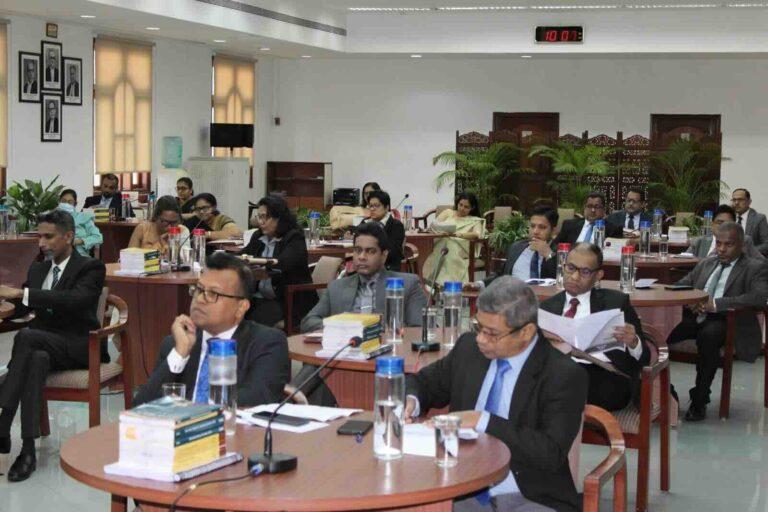
    India has organised a week-long capacity-building programme for 30 district court judges from Sri Lanka, reinforcing judicial cooperation and broader bilateral engagement between the two neighbours. The programme was held at the Indian National Judicial Academy (INJA) in Bhopal from January 12 to 16, 2026, following a request from the Supreme Court of Sri Lanka and the Sri Lanka Judges’ Institute.

    According to statements issued by the Indian High Commission in Colombo and official sources, the initiative reflects India’s growing emphasis on institutional capacity building and professional exchanges with Sri Lanka, particularly in the legal and governance sectors.

    Focus on Modern Judicial Challenges

    The training programme comprised eleven thematic sessions covering key aspects of contemporary judicial functioning. These included court and case management to improve efficiency in judicial systems, juvenile justice, judicial interventions to combat money laundering, sentencing procedures and associated challenges, environmental law jurisprudence, electronic evidence and cybercrime, and the use of forensic evidence in civil and criminal trials.

    In addition, the programme addressed issues such as judicial stress management and wellness, recognising the increasing pressures faced by judges in complex and high-volume judicial environments.

    Beyond classroom sessions, the programme also included educational and cultural visits aimed at providing participants with broader exposure to India’s legal, cultural and historical contexts.

    Part of Expanded India–Sri Lanka Capacity-Building Framework

    Officials said the initiative forms part of the enhanced capacity-building framework announced by Indian Prime Minister Narendra Modi during his state visit to Sri Lanka in April 2025. Under this framework, India has added 700 customised training slots annually for Sri Lankan professionals, over and above existing schemes such as the Indian Technical and Economic Cooperation (ITEC) programme.

    The expanded framework has significantly scaled up India’s training support for Sri Lanka. Around 300 Sri Lankan civil service officers are already trained annually under a memorandum of understanding between India’s National Centre for Good Governance and the Sri Lanka Institute of Development Administration. With the additional slots, India’s capacity-building initiatives now benefit about 1,000 Sri Lankan professionals every year.

    Strengthening Judicial and Institutional Ties

    Observers view the programme as part of a broader effort to deepen institutional collaboration between India and Sri Lanka at multiple levels, including governance, administration and the judiciary. Judicial cooperation has become an increasingly important dimension of bilateral relations, particularly as both countries confront similar challenges such as cybercrime, financial crimes, environmental litigation and evolving standards of evidence in the digital age.

    By focusing on practical judicial issues – from case management and sentencing to cybercrime and environmental law – the programme aimed to equip Sri Lankan judges with comparative perspectives and best practices from India’s judicial system. Such exchanges are expected to contribute to more efficient judicial processes and improved access to justice in Sri Lanka.

    Wider Diplomatic and Strategic Context

    The capacity-building initiative also reflects India’s broader diplomatic strategy of strengthening people-to-people and institutional ties with neighbouring countries through training, knowledge-sharing and professional exchanges. Over the past decade, India has increasingly positioned capacity building as a pillar of its regional engagement, complementing economic, security and development cooperation.

    For Sri Lanka, the programme comes at a time when the country is seeking to modernise its institutions and strengthen governance mechanisms amid economic and social challenges. Enhanced judicial capacity is seen as a key component of institutional reform, rule of law and democratic resilience.

    Officials indicated that similar programmes are likely to continue as part of India’s long-term engagement with Sri Lanka. With the expanded framework now institutionalised, legal professionals, civil servants and other stakeholders from Sri Lanka are expected to benefit from a wider range of training opportunities in India.

    IFC Injects US$166 Million to Empower Sri Lanka’s SMEs and Trade Sector

    The overall effort aligns with IFC’s long-standing engagement in Sri Lanka, including past support for financial infrastructure like the Secured Transactions Registry to improve SME credit access.

    The International Finance Corporation (IFC), a member of the World Bank Group, has committed US$166 million in loans, risk-sharing facilities, and trade finance guarantees to three leading Sri Lankan banks. This package aims to boost lending to small and medium-sized enterprises (SMEs), with particular emphasis on women-owned businesses and the agri-business sector, while enhancing trade finance capabilities to support economic recovery and inclusive growth.

    The IFC’s US$166 million financing package is for Sri Lanka’s private sector. The initiative targets three major banks: Nations Trust Bank (NTB), Commercial Bank of Ceylon (CBC), and National Development Bank (NDB). This marks IFC’s first debt investment in the country’s financial sector since the 2022 economic crisis.

    “As Sri Lanka rebuilds following multiple shocks, IFC’s collaboration with leading financial institutions is instrumental in addressing urgent needs while laying the foundation for long-term competitiveness,” said World Bank Group Country Manager for Sri Lanka and the Maldives Gevorg Sargsyan, adding that the investments send a strong signal of confidence to the market.

    The funds are designed to address persistent credit constraints faced by SMEs, which form the backbone of Sri Lanka’s economy – accounting for over 75 per cent of businesses and nearly 45 per cent of employment. By channelling capital to underserved segments, including women-led enterprises and agri-based firms, the package seeks to drive job creation, resilience, and integration into global supply chains.

    Breakdown of the US$166 Million Commitment

    The financing is structured across three main components:

    • A US$50 million loan to NTB, with US$7.5 million specifically earmarked for on-lending to women-owned SMEs.
    • US$80 million in Risk-Sharing Facilities (RSFs), where IFC shares 50% of potential losses on eligible SME loan portfolios: US$60 million allocated to CBC and US$20 million to NDB. These facilities are supported by the International Development Association’s Private Sector Window through the Small Loan Guarantee Programme.
    • US$36 million in trade finance guarantees under IFC’s Global Trade Finance Program: up to US$20 million for NTB and US$16 million for NDB.

    These tools are intended to build confidence among banks to extend more credit to SMEs and expand trade-related services.

    Focus on Inclusive Growth and Long-Term Resilience

    IFC officials highlighted the strategic importance of the investment amid Sri Lanka’s ongoing recovery from multiple shocks.

    Allen Forlemu, IFC Regional Industry Director for Financial Institutions in Asia and the Pacific, stated: “SMEs are the undisputed backbone of Sri Lanka’s economy, and their growth is essential for creating jobs. By helping banks channel capital to women-led businesses, smallholder farmers, and the sectors driving recovery, we are enabling Sri Lanka not just to rebound, but also to grow forward with greater resilience and inclusivity.”

    Imad Fakhoury, IFC Regional Division Director for South Asia, added: “In partnership with NTB, CBC and NDB, our investments aim to build a foundation that empowers SMEs and communities to plan ahead, withstand future shocks, and participate fully in the opportunities that a competitive, inclusive economy can deliver.”

    In addition to financing, IFC will provide advisory support to NDB for modernizing digital banking, supply-chain finance, and climate risk management. The overall effort aligns with IFC’s long-standing engagement in Sri Lanka, including past support for financial infrastructure like the Secured Transactions Registry to improve SME credit access.

    UN Committee on Rights of the Child Spotlights Grave Concerns Over Pakistan’s Child Rights Landscape

    A major focus was the “severe national crisis” in education. Over 25 million children aged 5-16 – roughly one-third of the school-age population – remain out of school.

    The United Nations Committee on the Rights of the Child has spotlighted grave concerns over Pakistan’s child rights landscape, declaring an “education emergency” and highlighting escalating risks of violence, including sexual abuse, as the country underwent a critical review in Geneva in January 2026.

    During the session concluding on January 16, 2026, the committee examined Pakistan’s combined sixth and seventh periodic reports under the convention on the rights of the child (CRC), along with its initial report under the optional protocol on the sale of children, child prostitution, and child pornography. Committee chair Sophie Kiladze commended Pakistan for constitutionally embedding the principle of the best interests of the child, calling it “outstanding.” However, experts emphasized stark gaps between legal frameworks and on-the-ground realities, leaving millions of children exposed to harm.

    A major focus was the “severe national crisis” in education, as described by committee expert Thuwayba Al Barwani. Over 25 million children aged 5-16 – roughly one-third of the school-age population – remain out of school. Alarmingly, 77 per cent of children aged 10 cannot read or comprehend basic texts. Questions arose about enforcement of free and compulsory education, equitable access amid poverty and disasters, and overall quality improvements.

    Violence Against Children

    Violence against children emerged as another pressing issue. The committee raised alarms over sexual violence, particularly against boys, gender-based violence, corporal punishment, and online abuse. Kiladze pointed to “alarming numbers of cases” and pressed Pakistan on addressing root causes, thorough investigations, accountability through justice systems, and robust victim support and rehabilitation.

    Pakistan’s delegation, led by minister of state for law and justice, Aqeel Malik, defended national efforts, describing child rights as a top priority. They highlighted a national strategic plan on violence against children emphasizing protection, prosecution, and rehabilitation, with district-level mechanisms, inspections, rescues, and proportionate penalties.

    On education, the government noted prime minister’s declaration of a nationwide education emergency in September 2024, linking out-of-school rates to poverty, malnutrition, and climate disasters. Initiatives include cash stipends boosting girls’ enrolment by 800,000, extensive teacher training, removal of documentation barriers, and reconstruction of over 2,000 flood-damaged schools in Sindh and Punjab.

    Recent legislative reforms were showcased, such as laws setting the minimum marriage age at 18 nationwide (including in Islamabad and Balochistan via 2025 child marriage restraint acts), criminalizing online child sexual abuse and cyberbullying, expanding maternity/paternity leave, mandating workplace daycare, strengthening anti-trafficking measures, and improving juvenile justice procedures. The zainab alert, response and recovery act (ZARRA) was cited as a key tool against abductions and exploitation, complemented by mobile apps for abuse reporting and programs like Benazir Nashounuma targeting child malnutrition.

    Persistent Child Abuse

    Despite these steps, domestic data paints a troubling picture of persistent child abuse and low accountability. A October 2025 briefing by the parliamentary caucus on child rights, led by convenor Nikhat Shakeel Khan, revealed a 220 per cent surge in reported child abuse cases from 2019-2023, with at least 5,398 child sexual abuse incidents. In 2024 alone, Punjab topped with 6,083 cases, followed by Khyber Pakhtunkhwa (1,102), Sindh (354), Islamabad (138), and Balochistan (69). Categories included sexual abuse (3,002), kidnapping (2,505), child labour (895), physical abuse (697), trafficking (588), and child marriage (59). Early 2025 data showed Punjab reporting 4,150 cases in the first half itself.

    Conviction rates remain dismal: 0.7 per cent for sexual abuse, 4.7 per cent for trafficking and 4 per cent for child labour. There have been no convictions for physical abuse, kidnapping, child marriage, and related crimes. Province-wise, Punjab had the lowest at 0.2 per cent conviction rate, while Balochistan reached 18 per cent. Experts from the sustainable social development organization (SSDO) attributed this to unreported cases, evidentiary gaps, and institutional weaknesses. Recommendations included specialized forensic units, fast-track child protection courts with 120-day resolutions, victim/witness protection laws, expanded abuse definitions (including psychological and digital), and child-sensitive procedures.

    Vulnerable groups face compounded risks. A January 20, 2026, article in The Friday Times highlighted the “invisible” plight of street-connected children in urban centers – bus terminals, railways, parks, shrines, and markets – where sexual exploitation, including transactional sex, grooming, trafficking, and tech-facilitated abuse, is rampant. Factors include poverty, family breakdown, climate displacement, lack of identity documents, and punitive policies criminalizing survival activities like begging or sleeping rough. These children are largely absent from official data, policy, and services, fearing authorities more than abusers.

    Dangers for Displaced Children

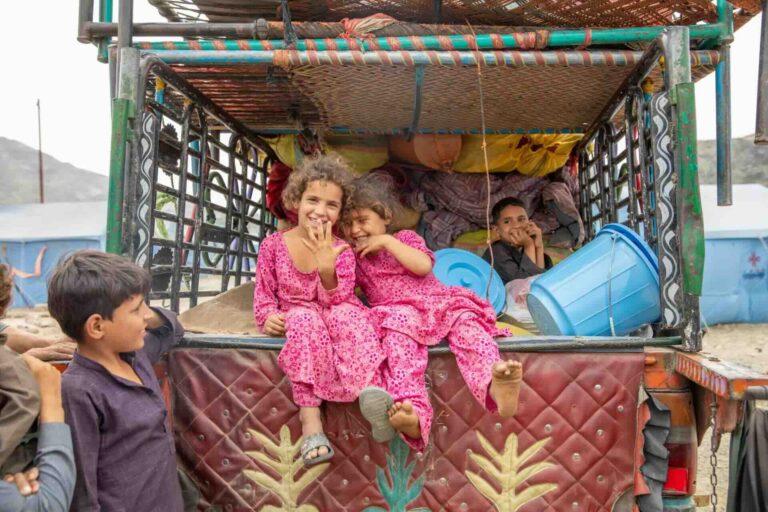
    Similarly, UNICEF’s September 2025 report, “Child Protection for Children on the Move in Pakistan,” underscores heightened dangers for internally displaced, Afghan migrant, and forcibly displaced children – nearly half of UNHCR’s population of concern. Risks include violence, family separation, trafficking, child marriage, gender-based violence, forced labour, and psychosocial distress, particularly in urban/peri-urban areas with limited services. With an estimated 3.6 million Afghans in Pakistan, evidence gaps persist, calling for inclusive, rights-based responses and better service access to foster social cohesion.

    The UN Committee is set to release detailed concluding observations on January 30, 2026, urging child-centred legislation, greater inclusion of children’s voices, and scaled-up delivery in education, protection, and justice. As Kiladze noted, “What Pakistan invests in its children today will define the country’s future 20 or 30 years from now.” Malik pledged to use the guidance for tangible improvements, recognizing children as nearly half the population and the nation’s “most treasured asset.”

    Pakistan’s challenges – poverty, disasters, insecurity, and uneven provincial implementation – underscore the urgency. While reforms signal commitment, translating them into protection for every child remains critical, especially for the most marginalized.

    Image: UNICEF

    Only 11% of Returning Afghan Migrants Find Work as Unemployment, Shelter Crises Deepen

    Without decisive action, millions of Afghan returnees risk being trapped in a cycle of poverty, homelessness and instability – undermining prospects for peace and development in one of the world’s most protracted humanitarian crises.

    A staggering majority of Afghans returning from Iran, Pakistan and other neighbouring countries are struggling to find livelihoods, shelter and basic services as they attempt to rebuild lives in a country beset by economic collapse, climate shocks and deteriorating humanitarian conditions, the United Nations and International Organization for Migration (IOM) warn.

    Latest figures show that only 11 per cent of returning Afghan migrants have secured employment, leaving millions without stable income or prospects for integration.

    The grim employment statistic, highlighted by both Afghan and international media reports, underscores how weak labour markets and limited economic opportunities are compounding an already dire humanitarian situation for returnees. Most returnees arrive with little savings, no formal documentation, and few prospects in regions where jobs are scarce and poverty is widespread.

    Returnee Numbers Soar Amid Deportations and Economic Strain

    Since 2023, millions of Afghan migrants have been returning to Afghanistan from neighbouring countries, predominantly Iran and Pakistan. According to IOM data, more than 2.3 million people returned in 2025 alone, many without any savings or possessions. A significant number of these returns are linked to increased deportations by host states tightening immigration controls, leaving many families with no choice but to come back to a homeland they left years or decades earlier.

    In 2024, Afghanistan saw close to a million returns from Iran over a three-month period, with a majority arriving undocumented. In addition, Pakistan continued to expel thousands of Afghan nationals throughout late 2025 as authorities enforced stricter measures against undocumented migrants.

    Despite these mass returns, employment opportunities remain painfully limited. With only about one in nine returnees able to find work, families are forced to rely on dwindling savings, informal labour, or humanitarian assistance just to survive. This statistic is especially stark considering Afghanistan’s broader economic breakdown: GDP has contracted, humanitarian aid has fallen sharply, and poverty rates have surged.

    A Shelter Crisis and Lack of Identity Documents

    Employment woes are mirrored by an equally troubling shelter crisis, with one in four returnees lacking adequate housing upon arrival. Many families are forced into overcrowded tents, makeshift camps or shelters that offer little protection from harsh weather conditions.

    Compounding this problem, more than half of returning Afghans do not possess official identification or civil documents – such as citizenship cards or national identities – that are required to access formal services, open bank accounts, register for jobs, or enrol children in school. Without these essential documents, reintegration becomes not only difficult but in many cases impossible.

    The lack of documentation also restricts returnees’ access to healthcare and other critical services, placing additional strain on families already reeling from displacement and poverty. A separate IOM survey found that lack of employment support and unstable work environments are among the top barriers preventing successful reintegration for returnees throughout the country.

    Women, Children and Rural Returnees Hit Hardest

    Experts and aid organisations emphasise that women, girls and rural returnees are disproportionately affected by these challenges. The UNDP’s recent report, From Return to Rebuild, highlights how settlement in already impoverished eastern and northern districts has intensified competition for scarce jobs, water, healthcare and education – especially for women and children.

    In rural areas, where about three-quarters of returnee households reside, job opportunities are often limited to subsistence farming or low-wage informal work, neither of which offer reliable income. This has driven many families into debt and forced them to adopt negative coping strategies – such as reducing meals, selling assets, and withdrawing children from school – just to survive.

    Afghan women returnees face additional barriers due to restrictions on mobility and limited legal protections. Observers warn that without targeted interventions, these women are at heightened risk of poverty, exploitation and social exclusion – factors that undermine community stability and long-term development.

    Humanitarian Response Overstretched and Underfunded

    The IOM and other humanitarian agencies have been scaling up their response at border points and reception centres, providing initial assistance such as cash support, food, and basic protection services. However, these efforts remain insufficient to meet the growing needs of returnees, particularly as international aid continues to decline.

    Foreign aid to Afghanistan has fallen by an estimated 40 per cent over the past two years, resulting in cuts to critical support programmes that could help returnees transition to independent livelihoods. The consequences are especially severe for children and women, with malnutrition rates rising and access to essential services dwindling.

    Humanitarian appeals, including IOM’s integrated response plan for Afghan returnees, call for urgent funding to scale up support for shelter, livelihoods, and protection. Yet, donor fatigue and geopolitical shifts have left many programmes under-resourced, forcing agencies to prioritise emergency needs while long-term recovery programmes languish.

    The Risk of Secondary Displacement

    Analysts warn that without sustainable employment opportunities, adequate shelter and comprehensive reintegration support, many returnees may be forced into secondary displacement – either back across borders or deeper into internal migration within Afghanistan.

    This risk is heightened by pervasive debt and persistent poverty that affect returnee households across the country. In western provinces, unemployment rates for returnees are estimated to be between 80 per cent and 95 per cent, while debt affects nearly nine in ten households nationwide.

    A Call for International and Domestic Action

    United Nations agencies, Afghan civil society and international partners are calling for a coordinated strategy that includes investment in job creation, vocational training, land access and documentation support, alongside measures to enhance women’s participation in the workforce. Such interventions could not only improve returnees’ prospects but also strengthen host communities that are struggling under the added pressures of population influx.

    “Return can become an opportunity for stronger, more resilient communities,” notes the UNDP, but only if international support is scaled up and barriers to employment and services are removed for all returnees.

    Without decisive action, millions of Afghan returnees risk being trapped in a cycle of poverty, homelessness and instability – undermining prospects for peace and development in one of the world’s most protracted humanitarian crises.

    Bangladesh’s Telecom Sector ‘Designed to Fail,’ Says Grameenphone CEO

    Industry data supports the concern. The heavy tax and fee burden effectively leaves operators with thin post-tax margins and limited capacity to reinvest. Total tax incidence is significantly higher than in neighbouring markets such as India.

    The future of Bangladesh’s telecommunications industry is at a critical juncture, with Grameenphone’s Chief Executive Officer warning that the sector is “designed to fail” unless fundamental reforms are enacted. In an interview to The Financial Express, Yasir Azman outlined a host of systemic, regulatory and fiscal challenges that he says are making the business environment commercially unviable for operators and unattractive to foreign investors.

    Azman’s blunt assessment comes amid intensifying debate over the long-term sustainability of one of the country’s most important digital infrastructure sectors. With mobile subscriber numbers near saturation and data consumption climbing, Bangladesh’s telecom industry has been viewed as a cornerstone of the government’s digital ambitions – but the current operating environment, he argues, undermines that potential.

    Tax Burden Squeezes Profits and Investment

    At the heart of the crisis is what operators describe as an exceptionally onerous tax regime. Azman said the cumulative effect of corporate tax, value-added tax (VAT), supplementary duties and spectrum fees means more than 55 per cent of consumer spending goes directly to the government – a share among the highest in the region.

    “When a customer buys a mobile pack, about 55 per cent goes straight to the government. It is a direct cut,” Azman said, adding that while other countries maintain competitive tax structures to stimulate connectivity and investment, Bangladesh’s fiscal load deters risk-taking.

    Industry data supports the concern. The heavy tax and fee burden effectively leaves operators with thin post-tax margins and limited capacity to reinvest. Total tax incidence is significantly higher than in neighbouring markets such as India, where operators face lower combined rates.

    Local reports also underscore that network upgrades and maintenance alone can consume about 20 per cent of earnings, exacerbating stress on cash flows, particularly as the Bangladesh Taka depreciates and increases equipment import costs.

    Audit Disputes and Regulatory Uncertainty

    Beyond taxation, unresolved audit disputes between operators and the Bangladesh Telecommunication Regulatory Commission (BTRC) have added layers of legal and financial uncertainty. Azman revealed that in 28 years of operations, not a single audit dispute has been conclusively resolved, leaving operators with billions of taka in tied-up disputed claims.

    “Grameenphone alone has around Tk 125 billion tied up in disputed claims,” he said, highlighting the broader industry liability that runs into tens of thousands of crores of taka. Continued litigation, he warned, could cripple the sector if left unresolved.

    Azman called for international arbitration to break the impasse, arguing that domestic legal processes have failed to deliver closure. “This door was entirely closed,” he said, referring to regulators’ resistance to arbitration.

    Competition Rules and Innovation Constraints

    Competition policy has also emerged as a contentious issue. The BTRC’s Significant Market Power (SMP) framework, intended to prevent monopolistic behaviour, has instead been criticised by operators as overly restrictive and bureaucratic. Azman said the SMP regime has slowed the launch of new products and services, with approvals dragging on for years and discouraging innovation.

    This view is echoed by industry analysts who note that while competition exists among operators, regulatory uncertainty and opaque pricing frameworks limit genuine competitive dynamics.

    Smaller operators have independently voiced concerns about market imbalance. Executives from Robi, Banglalink and state-run Teletalk have previously argued that dominant players enjoy disproportionate advantages, and called for more equitable competition and infrastructure sharing to foster a healthier market.

    Profitability Under Pressure

    Despite Bangladesh’s large subscriber base, profitability for most operators remains fragile. Market leader Grameenphone continues to post profits, but even it faces limits on reinvestment due to tax pressures, according to industry reports. Robi took more than two decades to reach consistent profitability, and Banglalink operates with narrow margins – illustrating the uneven financial health across the sector.

    These conditions have contributed to a paradox: strong subscriber growth has not translated into robust industry economics. Azman pointed out that operators were more profitable in the past with far fewer customers, implying that escalating costs, taxes and regulatory friction are eroding returns.

    Broader Implications for Bangladesh’s Digital Future

    The ramifications extend beyond telecom firms. Bangladesh’s government has ambitious plans to transform the economy through digital services, aiming for broader access to healthcare, education and financial inclusion. But unreliable connectivity and slow network expansion risk undermining these goals, industry observers say.

    High service costs and constrained investment capacity could widen the digital divide, especially in rural and underserved areas, making it harder for citizens and businesses to participate fully in the digital economy.

    “The telecom sector’s problems reflect a wider issue for foreign direct investment in Bangladesh,” Azman said. “Investors’ appetite to invest in Bangladesh is very, very low.”

    Calls for Reform Grow Louder

    Industry players and analysts are increasingly urging policymakers to rethink the sector’s structural framework. Key recommendations include tax rationalisation, expedited dispute resolution mechanisms, more flexible competition policies, and clear long-term regulatory roadmaps to restore investor confidence.

    Recent debates on new licensing policies and guidelines, however, show the complexity of reform. Some stakeholders have expressed concern that draft policies could inadvertently stifle local entrepreneurship or lead to price hikes, underscoring the need for inclusive consultations and careful design.

    For Bangladesh to achieve a digitally inclusive future, telecom reform advocates argue, the state must strike a balance between revenue generation and creating an enabling environment that attracts investment, fosters competition and delivers quality services to consumers.

    Without such changes, Azman and others warn, the telecom sector’s potential to drive economic growth and digital transformation may remain unrealised – leaving Bangladesh to face both connectivity challenges and a weaker platform for future innovation.

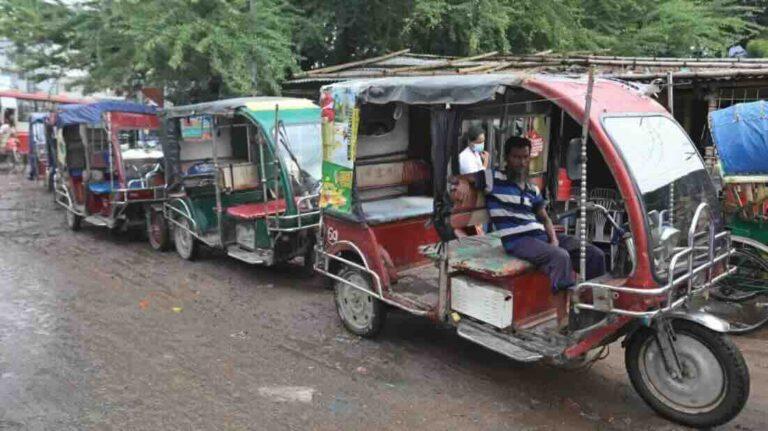
    Dhaka’s Streets Transformed: Battery Rickshaws Surge Amid Regulatory Vacuum

    Speakers across the board agreed that outright bans are neither realistic nor desirable. Instead, they urged a shift to phased, data-driven regulation that incorporates safety standards, controlled entry, mandatory training, designated routes, and clear institutional responsibilities.

    Battery-powered rickshaws, once a fringe response to congestion and physical strain, have rapidly become a defining feature of Dhaka’s urban transport landscape – reshaping short-distance mobility while exposing deep gaps in policy, safety, and environmental governance, a new study warns.

    At a multi-stakeholder event in Dhaka earlier this week, researchers from Innovision Consulting presented the findings of the Urban Mobility Study: Rickshaws in Transition, highlighting how these vehicles are proliferating without sufficient oversight, driving road safety hazards, compounding traffic disorder and raising environmental concerns.

    A Transport Revolution – and a Regulatory Lag

    What started as an informal attempt to ease congestion and reduce the physical toll on pedal rickshaw pullers has now evolved into a dominant transport mode across Dhaka’s North and South city corporations. According to the survey – covering 348 drivers, 312 passengers and 63 garage owners – battery rickshaws are replacing traditional pedal rickshaws not through government planning, but through market forces and passenger demand.

    Md Rubaiyat Sarwar, managing director of Innovision Consulting, told attendees that battery rickshaws are “no longer temporary – they are now an urban reality,” urging policymakers to shift away from episodic crackdowns toward phased, evidence-based regulation.

    Drivers, Earnings and Safety Trade-offs

    The study paints a complex picture of the drivers behind the surge. Younger operators dominate the battery rickshaw workforce, with 34 per cent aged 26-35 – double the proportion among pedal rickshaw pullers. Nearly 60 per cent of battery rickshaw drivers have fewer than two years of experience, compared with an average of 15 years among traditional pullers – a discrepancy that experts say raises serious safety concerns.

    Economic incentives are a primary driver: 57.8 per cent of battery rickshaw operators reported higher earnings after switching, against 31.8 per cent of pedal rickshaw drivers who reported comparable gains. About 40 per cent of battery operators complete 31 to 50 trips per day, far outpacing their pedal counterparts, who average far fewer trips.

    Ownership patterns reveal another layer of economic pressure: only 21 per cent of battery rickshaw drivers own their vehicles while nearly 80 per cent rent them. Renters earn far less – about Tk418 per day after paying an average daily rental of Tk414 – and more than half of vehicle owners rely on microfinance or NGO loans, introducing concerns about debt stress.

    Passenger Preferences – Speed Over Safety

    For many Dhaka residents, the appeal of battery rickshaws lies in their speed and convenience. While they primarily serve short trips – 17.3 per cent to workplaces and 13.8 per cent connecting to other public transport – a striking 74 per cent of passengers cited speed as the decisive factor in choosing these vehicles. When forced to weigh speed against safety, 93 per cent prioritized speed, even though 82 per cent acknowledged safety risks.

    The trend is especially pronounced among younger passengers earning Tk20,000-30,000 per month, with nearly 79 per cent of users in the 18-44 age group. But safety statistics underscore a worrying trend: more than 21 per cent of battery rickshaw users described accidents as “very serious,” compared with 8.5 per cent for pedal rickshaws.

    Experts caution that while battery rickshaws are often blamed for congestion, their erratic parking, road encroachment and weak traffic management play a significant role too – complicating calls for straightforward blame or simplistic solutions.

    Voices from Stakeholders

    The study’s dissemination brought together voices from civil society, government enforcement, academia and industry. Fahim Mashroor of Voice for Reform highlighted the role of battery rickshaws in plugging employment gaps, especially where rural opportunities are scarce – but warned that formalising the sector must avoid creating rent-seeking syndicates akin to those in other transport sectors.

    Dhaka Traffic Coordination Authority (DTCA) officer Md Selim Khan underscored the operational vacuum: there are no designated parking zones or enforced route disciplines for these vehicles, adding to traffic disorder. Buet Professor Mosleh Uddin Hasan highlighted the physical toll that pedal rickshaw pulling has historically exacted, suggesting that regulated, safer technology could reduce this burden if standards are put in place.

    Garage owners and pullers offered mixed perspectives: many have shifted to battery rickshaws to survive market competition, but rising costs and unclear policy frameworks have squeezed profit margins and fuelled calls for legal charging infrastructure and clearer guidelines.

    Environmental and Policy Concerns

    The study also raised alarms about environmental risks. Lead-acid batteries – still the dominant power source for many of these rickshaws – pose significant toxic hazards if recycled unsafely. An EU programme official warned that improper disposal could spread lead contamination through air, soil and even the food chain.

    While lithium batteries last significantly longer and are less environmentally harmful, high import duties have kept these safer options out of reach for most operators, entrenching the dominance of low-quality vehicles on the streets.

    Proposals emerging from the event included centralised battery-swapping systems to decouple battery ownership from drivers – potentially improving disposal practices – and calls for systematic credit linked to registration and standards.

    Speakers across the board agreed that outright bans are neither realistic nor desirable. Instead, they urged a shift to phased, data-driven regulation that incorporates safety standards, controlled entry, mandatory training, designated routes, and clear institutional responsibilities – all aimed at integrating battery rickshaws into Dhaka’s broader mobility framework without sacrificing safety or environmental health.

    US Will Stop Considering Pollution’s Cost to Health

    The EPA, which enforces federal environmental laws, said it would stop estimating the economic value of health benefits from reducing ozone and fine particulate matter. This could further expose communities to deadly pollutants.

    The United States Environmental Protection Agency (EPA) announced on January 12 that it will no longer ascribe an economic value to saving lives and improving public health when considering whether to curb harmful air pollutants. This move could weaken emissions standards and imperil communities exposed to toxic pollution. 

    The EPA, which enforces federal environmental laws, said it would stop estimating the economic value of health benefits from reducing ozone and fine particulate matter, even though it acknowledges that they contribute to pulmonary disease, heart attacks, and premature deaths. 

    The EPA has historically estimated both economic costs borne by industry to ensure compliance with a regulation as well as economic costs borne by the public in the absence of such a regulation, including lives lost, illnesses avoided, and productivity gained from reduced sick leave.  

    When the EPA limited the emission of particulate matter in 2024, it projected that the new rule would prevent 4,500 early deaths, 290,000 lost workdays, and yield up to $46 billion in net health benefits by 2032. It estimated that every $1 spent to meet the tighter standard could return up to $77 in reduced health costs. 

    Will Disproportionately Affect Black Residents

    In announcing the change, the EPA cited uncertainty about the values assigned to the economic benefits of reducing pollutants. While the EPA has used different dollar amounts for different factors since the 1990s, it has never totally done away with calculating their value. While far from perfectly capturing the full benefits of pollution controls, these calculations form a basis from which the agency has assessed benefits to people’s lives and well-being, in addition to increased costs on industry. An agency spokesperson told the New York Times that it would still consider the pollutants’ impact on health without further details. 

    Human Rights Watch has documented that fossil fuel operations in particular contribute to elevated levels of these pollutants.  

    In a Louisiana region known as Cancer Alley, nearly 90 percent of particulate matter caused by industry comes from about 200 nearby fossil fuel and petrochemical operations. These operations also emit hazardous pollutants called volatile organic compounds, which can form ozone. 

    The disproportionately Black residents living on the fencelines of these plants have faced increased risks of cancer, respiratory ailments, and reproductive health harm. Under President Donald Trump, the EPA has closed its environmental justice offices, which were set up to help these communities. 

    By calculating the economic costs of compliance without the corresponding benefits, the EPA is severely restricting its mission to protect public health and the environment.

    Source: Human Rights Watch

    Image: Hippopx