More

    Modern Slavery in India: Bonded Labour Persists Despite Decades-Old Abolition; Meagre Rehabilitation Efforts

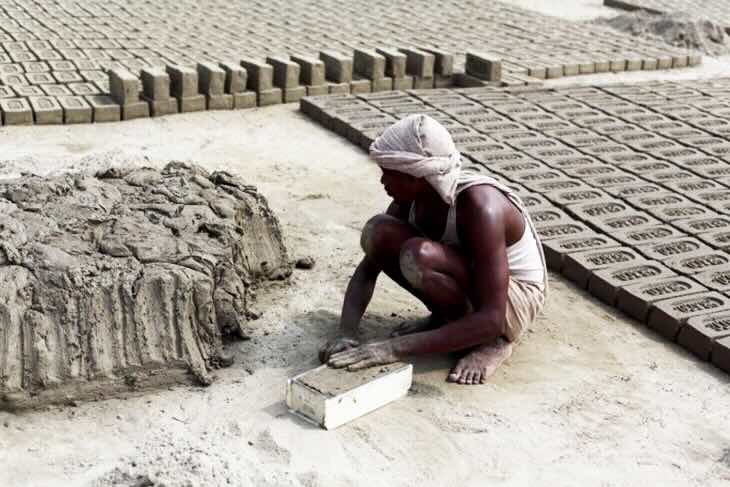
    Recent incidents have provided graphic reminders that bonded labour is not a historical relic but a present crisis. In January 2026, a 15-year-old boy from Bihar was allegedly forced into bonded labour at a dairy farm in Haryana.

    In 1976, India passed the Bonded Labour System (Abolition) Act, outlawing debt-based forced labour and making it a cognizable offence. Yet, nearly half a century later, bonded labour remains entrenched in many parts of the country, affecting millions of vulnerable workers and their families. Experts and activists argue that while the legal framework exists, implementation has been weak, with systemic inertia, bureaucratic apathy, and entrenched inequalities allowing horrors akin to modern slavery to persist.

    A report by the National Campaign Committee for Eradication of Bonded Labour (NCCEBL) notes that despite the law’s abolitionary intent, the lived reality for many is far from freedom. Exploitative arrangements rooted in debt, caste discrimination, and lack of economic opportunities trap labourers, including children, in long, unpaid service with little hope of escape.

    Bonded labour thrives not only in traditional rural settings but also in sectors like brick kilns, construction, agriculture, and manufacturing, where migrant workers are particularly vulnerable. According to labour rights organisations, these exploitative conditions are often masked as contractual work or advance payment schemes that rapidly spiral into coercion.

    Shocking Cases Highlight Persistent Exploitation

    Recent incidents have provided graphic reminders that bonded labour is not a historical relic but a present crisis. In January 2026, a 15-year-old boy from Bihar managed to run away from forced bonded labour at a dairy farm in Haryana. The teen endured harsh conditions and severe physical abuse, ultimately losing an arm while using a fodder-cutting machine. After managing to escape, the boy walked long distances before being found and receiving medical care. The employer was later arrested and charges were filed under relevant sections of Indian law.

    Such cases have drawn attention to the failure of protective mechanisms, with rights bodies noting breakdowns in monitoring and enforcement. In a separate action, the Haryana Human Rights Commission has taken suo motu cognisance of similar incidents involving child bonded labour, underscoring the gravity of these violations and the need for comprehensive investigation and rehabilitation measures.

    These individual tragedies are emblematic of a larger, largely hidden problem: widespread exploitation that often goes unreported or unnoticed by authorities, particularly in informal employment sectors where documentation is scarce and workers lack legal recourse.

    Rehabilitation Numbers Fall Dramatically Short of Targets

    Government data and independent analyses paint a stark picture of progress that is slow at best and stagnating at worst. Since 1978, around 297,038 bonded labourers have been rescued and rehabilitated, but millions more remain trapped in debt bondage.

    In 2016, the central government set an ambitious target to identify, free and rehabilitate 18.4 million bonded labourers by 2030 – a target that would require rescuing and rehabilitating over 1 million people annually. However, actual figures have been a fraction of what is needed: in 2023–24 just 468 bonded labourers were rehabilitated nationwide, far below the annual goal of 1.3 million.

    Critics argue that the rehabilitation scheme’s demand-driven nature, tied to the reporting and action of state governments, limits its effectiveness. Funds meant for rehabilitation often go unutilised, and bureaucratic delays hinder timely support for rescued workers.

    Moreover, rehabilitation is about more than issuing release certificates. Freed labourers often face economic insecurity, lack of employment, and social stigma, which can push them back into exploitative cycles if not addressed through comprehensive support, including jobs, debt relief, and education.

    Structural Roots and the Path Forward

    Analysts and rights advocates point to deep-rooted economic and social inequalities as central to the persistence of bonded labour. Poverty, caste-based discrimination, lack of access to formal work, and limited social mobility make marginalised communities disproportionately vulnerable to coercive practices.

    For many families, a small loan or advance – taken during emergencies like medical crises, marriage expenses, or food shortages – becomes a binding trap when interest and hidden costs are added, turning a short-term solution into a lifetime of indebted servitude.

    Experts argue that legal prohibition alone is insufficient without robust enforcement, social protection mechanisms, and economic opportunities that reduce vulnerability. Strengthening labour inspections, ensuring timely rehabilitation, expanding social safety nets, and improving awareness of legal rights are among the measures often recommended.

    Civil society organisations also call for greater political will and institutional reform to translate anti-bondage laws into lived freedom. Without such action, critics warn, bonded labour will continue to operate as a hidden engine of exploitation – sustained not by tradition but by structural neglect and inequality.

    A National Shame Still Unresolved

    Though illegal for nearly five decades, bonded labour in India remains a stark and shameful reality for countless men, women, and children. High-profile cases of abuse and exploitation reveal the human cost behind inadequate enforcement and policy failures. With rehabilitation figures far below targets and systemic vulnerabilities intact, activists warn that without urgent action, India’s promise of freedom from bonded labour will remain an unfinished dream for millions still trapped in modern-day servitude.


    New Study Maps Stark Resilience Gaps Across India’s Agro-Climatic Zones

    Agriculturally intensive plains, particularly Punjab and Haryana, stand among the weakest in environmental capacity due to shrinking forest cover and alarming groundwater extraction rates.

    India’s efforts to secure climate-resilient food systems have taken a significant step forward according to a new assessment by the ICAR–National Institute of Agricultural Economics and Policy Research (NIAP), which maps resilience levels across the country’s 14 agro-climatic zones. The study, based on 26 environmental, technological, socio-economic and institutional indicators, concludes that resilience to climate stress varies sharply across regions – demanding tailored interventions rather than one-size-fits-all policymaking.

    A Composite Climate Resilience Index

    Researchers compiled indicators ranging from rainfall deviations and groundwater extraction to crop diversification, literacy, farm credit and institutional access. Using district-level data, the values were standardised and aggregated using weighted scores derived from Principal Component Analysis. A Climate Resilient Agriculture (CRA) Index was constructed for each agro-climatic zone as well as 616 districts, ranking them into high, medium and low resilience categories.

    The index does not measure absolute resilience but relative capacity to withstand climate stress. This means a region classified as ‘high resilience’ is only stronger compared to other regions, not necessarily shielded from climate risks.

    Fragile Plains Versus Forested Hills

    Environmental indicators show a story of extremes. Zones with strong forest cover – such as the Eastern and Western Himalayan regions, Eastern Plateau and Hills and West Coast Plains – rank high in ecosystem resilience. Meanwhile, agriculturally intensive plains, particularly Punjab and Haryana, stand among the weakest in environmental capacity due to shrinking forest cover and alarming groundwater extraction rates.

    Rainfall volatility compounds vulnerabilities. Western and Middle Gangetic Plains recorded the highest rainfall deviations between 1991–2015, while arid western regions face expanding wastelands and depleted water tables. In contrast, north-eastern states and coastal belts benefit from natural buffers, though they are not immune to extreme weather shocks.

    Indo-Gangetic Plains Lead, Plateaus Lag

    Technology-linked indicators reveal that farming systems across the Indo-Gangetic Plains – covering Punjab, Haryana, Uttar Pradesh, Bihar and West Bengal – possess high resilience due to irrigation access, cropping intensity and food grain productivity. Fertiliser use, livestock density and cultivated area also favour these zones.

    However, this technological advantage stands in sharp contrast with plateau and hill systems, where irrigation access remains patchy and fertiliser use is constrained by terrain and farm size. The Himalayan region and Western Dry Zone are among the weakest performers technologically, underscoring a development gap that parallels environmental stress.

    Prosperous Coasts, Excluded Hinterlands

    Socio-economic indicators demonstrate that coastal states stand ahead on human development, literacy and access to non-farm income sources. The West Coast Plains and Trans-Gangetic Plains show the strongest socio-economic resilience, benefiting from diversified economies and higher literacy.

    But the picture shifts in India’s heartland. Poverty remains entrenched in many districts of the Lower and Middle Gangetic Plains and Eastern Plateau and Hills – zones where millions remain dependent on small rain-fed farms. Primary sector share in GDP is high, reflecting limited industrial growth, and population density increases exposure to climate vulnerability.

    Institutional and infrastructure indicators highlight an even deeper divide. Western and coastal regions possess better road networks, electrification, banking presence, market access and agricultural technical support. Meanwhile, parts of the Himalayan belt and Gangetic zones lag behind, with negligible crop insurance enrolment, weak market linkages and lower penetration of rural credit.

    Pockets of Strength and Alarming Blind Spots

    Combining all dimensions, the CRA Index reveals a nuanced national picture. Western coastal and Gujarat zones, southern plateau regions and the Trans-Gangetic Plains rank high overall. Central plateau and several hill regions fall in the medium category, indicating mixed resilience. The lowest composite resilience scores are concentrated in the north-east, middle Gangetic belt and western dry zone – areas where environmental stress meets weak infrastructure and limited economic buffers.

    The district-level mapping exposes further disparities. Even within ‘strong’ zones, large pockets significantly underperform, meaning resilience is unevenly distributed and cannot be addressed solely through state-level strategies.

    Policy Significance: Localised Action, Not Generic Targets

    The findings carry major implications for agricultural planning and climate adaptation financing. By identifying which zones are least equipped to absorb droughts, floods or temperature extremes, policymakers can design targeted interventions – such as insurance expansion in eastern India, irrigation investment in plateau regions, or livelihood diversification in flood-prone plains.

    The study also supports the alignment of climate adaptation with India’s Sustainable Development Goal commitments, particularly those addressing poverty, food security, and rural livelihoods. Crucially, it adds empirical clarity to a policy field often dominated by broad national averages that mask intra-regional vulnerabilities.

    Bridging Science and Farmer Realities

    Researchers underline that resilience is not static. As climate impacts intensify, even today’s high-performing zones may slip into weakness unless supported by long-term planning, technology expansion, and institutional reform. Future assessments will require better localised data and stronger monitoring systems to capture rapid changes on the ground.

    What emerges unambiguously is that India’s climate challenge is not monolithic. Resilience varies by soil, water, institutions, education and farmers’ access to economic tools. Tackling this uneven landscape will require coordinated interventions – from state governments and research bodies to markets and communities – backed by sustained investment and policy resolve.

    The study was led by Naveen P Singh and his scientist colleagues –Bhawna Ahuja, S K Srivastava, K V Rao, S K Bal and N R Kumar

    11-Year Streak of Record Global Warming Continues, Says UN Weather Agency

    According to WMO, the high temperatures on land and sea last year helped to fuel extreme weather, including heatwaves, heavy rainfall and deadly tropical cyclones, underlining the need for early warning systems.

    The World Meteorological Organization (WMO) has confirmed that 2025 ranked as one of the three warmest years on record, underscoring the relentless grip of human-driven climate change even amid natural cooling influences.

    In a press release issued by the global weather organisation, the WMO announced that global average surface temperatures in 2025 were approximately 1.44°C (± 0.13°C) above the pre-industrial baseline (1850-1900). This figure comes from a consolidated analysis of eight leading international datasets, including those from NASA, NOAA, the UK Met Office, and the European Centre for Medium-Range Weather Forecasts (ECMWF).

    Two datasets placed 2025 as the second-warmest year in the 176-year instrumental record, while the other six ranked it third. The absolute global average temperature for the year was estimated at around 15.08°C.

    This places 2025 firmly behind 2024 (the warmest on record) and in close contention with 2023, with the past three years (2023-2025) collectively the warmest trio ever observed across all datasets. The three-year average anomaly stands at 1.48°C (± 0.13°C) above pre-industrial levels – a troubling milestone that edges perilously close to the 1.5°C limit set by the 2015 Paris Agreement (measured over longer periods). Moreover, the streak shows no signs of breaking: the past 11 years (2015-2025) are the 11 warmest on record.

    Accumulation of Heat-Trapping Greenhouse Gases

    WMO Secretary-General Celeste Saulo emphasized the significance of these findings in stark terms: “The year 2025 started and ended with a cooling La Niña and yet it was still one of the warmest years on record globally because of the accumulation of heat-trapping greenhouse gases in our atmosphere. High land and ocean temperatures helped fuel extreme weather – heatwaves, heavy rainfall and intense tropical cyclones, underlining the vital need for early warning systems.”

    La Niña, a natural climate pattern associated with cooler Pacific waters, exerted a temporary dampening effect, particularly at the year’s bookends, making 2025 slightly cooler than the preceding years dominated by El Niño. Yet this natural variability proved no match for the overriding force of accumulated greenhouse gases from fossil fuel burning, deforestation, and industrial activities. The long-term warming trend – driven primarily by human emissions – continues unabated, with short-term fluctuations unable to reverse it.

    Oceans, which absorb about 90 per cent of excess heat from global warming, told an equally alarming story. Ocean heat content in the upper 2000 meters rose by roughly 23 ± 8 zettajoules from 2024 to 2025 – equivalent to about 200 times the world’s total electricity generation in 2024. Annual mean sea surface temperatures ranked as the third-warmest on record, despite the La Niña influence. Regionally, 33 per cent of the global ocean area experienced conditions among the top three warmest since 1958, while 57 per cent ranked in the top five. Key hotspots included the tropical and South Atlantic, Mediterranean Sea, North Indian Ocean, and Southern Oceans.

    These elevated ocean and land temperatures amplified extreme weather worldwide in 2025. Heatwaves scorched regions across continents, heavy rainfall triggered devastating floods, and intense tropical cyclones caused widespread destruction. The WMO stressed that such events highlight the critical importance of robust early warning systems to protect vulnerable populations.

    A Continuing Crisis

    The UN News coverage of the announcement reinforced these points, describing the 11-year streak of record warmth as a continuing crisis. It noted that ocean warming reflects the persistent buildup of heat in the climate system, with broad implications for marine ecosystems, weather patterns, and sea-level rise. While the full State of the Global Climate 2025 report – due in March 2026 – will provide deeper analysis of greenhouse gas concentrations, ice melt, and other indicators, the preliminary data already paints a picture of accelerating risks.

    Experts view these results as a clear warning. Despite the absence of a strong El Niño boost in 2025, temperatures remained extraordinarily high, demonstrating how deeply entrenched the warming trajectory has become. Projections suggest 2026 could rank similarly – potentially among the top five warmest years – depending on whether ENSO shifts back toward neutral or El Niño conditions later in the year.

    The confirmation arrives amid growing urgency for global action. With the three-year average now hovering near or at 1.5°C thresholds in some metrics, scientists warn that every fraction of a degree amplifies impacts on ecosystems, economies, and human health. The WMO called for enhanced climate monitoring, accessible data, and decisive emissions reductions to mitigate the worst outcomes.

    As Celeste Saulo noted, authoritative climate information is “more important than ever before” to make Earth’s changing conditions actionable for policymakers, communities, and individuals alike. The data from 2025 serves as both a sobering record and a pressing call: the window for meaningful intervention narrows with each passing year of exceptional heat.

    Pakistan’s Transgender Citizens Enjoy Nominal Recognition; Endure Social Forsakenness

    While progressive legal steps have offered recognition and protections on paper, deep-seated social stigma, religious opposition, and recent policy setbacks have left many vulnerable to discrimination, violence, and exclusion.

    Pakistan continues to navigate a complex and often contradictory landscape in its treatment of LGBTQ+ individuals, particularly transgender citizens and those identifying as gay. While progressive legal steps have offered recognition and protections on paper, deep-seated social stigma, religious opposition, and recent policy setbacks have left many vulnerable to discrimination, violence, and exclusion. A series of developments over the past few years illustrate this persistent tension between formal rights and lived realities.

    Pakistan’s journey toward transgender inclusion began with landmark judicial interventions. In 2009, the supreme court of Pakistan recognized transgender people as a distinct gender category, paving the way for rights such as voting and national identity cards. The transgender persons (protection of rights) act of 2018 marked a high point, allowing self-identification of gender and prohibiting discrimination in education, employment, healthcare, and inheritance. A 2 per cent job quota in the public sector was announced, and provisions extended to genderqueer identities.

    Yet, as highlighted in a July 2025 analysis by The Diplomat, these legal gains have been undermined by poor implementation. Many transgender individuals remain unaware of their rights, and the job quota is rarely enforced. In Karachi fieldwork, interviewees described systemic exclusion: denial of hospital care, public humiliation, sexual violence, and barriers to housing, transport, and education. One tragic case involved Alisha, a young transgender woman shot in Peshawar in 2016 who died after hospitals refused treatment.

    Families often disown transgender members, forcing reliance on traditional guru-chela (mentor-disciple) networks for survival. Estimated at around 500,000, the community faces ongoing abandonment, with advocacy groups like the Gender Interactive Alliance struggling for resources and influence.

    Intensified Backlash

    Positive outliers exist. In 2021, Rani Khan founded Pakistan’s first transgender-only madrasa in Islamabad, using personal savings to create a two-room space for Quran study, repentance, and skills like sewing and embroidery. The school offered a rare sanctuary for religious education and community, countering ostracism in a conservative Muslim society. It inspired similar initiatives, including a Christian transgender church in Karachi, signalling small but meaningful steps toward inclusion.

    However, backlash has intensified. In December 2025, Islamic groups gathered in Karachi to reject the transgender act, now under legal challenge. shariah courts declared parts unlawful, with the government appealing to the supreme court’s shariat appellate bench.

    Religious leaders condemned the law as a western import hijacking Islamic concepts like “khunsa” (intersex) to promote a broader LGBTQ agenda, which they labelled un-Islamic and a threat to natural gender order. They demanded the government abandon any promotion of such ideologies, framing self-identified gender as incompatible with faith.

    This opposition echoes broader regional and global trends. At an October 2025 forum at Harvard’s Institute of Politics, co-hosted with the Carr-Ryan Centre for Human Rights, activists including Nayyab Ali – Pakistan’s first legally recognized transgender National Assembly candidate – condemned rising anti-LGBTQ prejudice. In Pakistan, speakers noted rollbacks to the 2018 Act, such as struck-down clauses on gender identity and inheritance in 2023, alongside persistent murders of transgender individuals and forced disappearances elsewhere.

    Faltering External Support

    Gay individuals face even harsher realities, as same-sex relations remain criminalized under colonial-era penal code provisions, carrying up to life imprisonment. A stark case involved Preetum Giani, a 75-year-old man who attempted to open the Lorenzo Gay Club in Abbottabad as a non-sexual social space. His application, leaked online in May 2025, triggered outrage. Authorities rejected it on religious and legal grounds, and unidentified men abducted him, forcing him into a mental health facility for electroconvulsive shock treatments – despite homosexuality not being a disorder under local law. After release, protests by groups like Jamiat Ulema-e-Islam targeted the hospital, heightening threats. Giani eventually secured asylum abroad, underscoring the dangers of visibility for gay Pakistanis.

    External support has also faltered. In February 2025, a US funding freeze under the Trump-Vance administration terminated most USAID contracts, crippling LGBTQ initiatives across SouthAsia. In Pakistan, this disrupted HIV/AIDS prevention and support for transgender people and men who have sex with men, scaling back services and leaving thousands without antiretrovirals or outreach. Regional groups reported closures, layoffs, and reduced healthcare, exacerbating vulnerability in a context where governments often neglect these communities.

    Pakistan’s experience reflects a broader paradox: pioneering legal frameworks coexist with entrenched prejudice, religious pushback, and international aid disruptions. Transgender citizens enjoy nominal recognition but endure social forsakenness, while gay individuals risk severe persecution for seeking safe spaces. Activists emphasise collective action and chosen families for resilience, yet systemic change remains elusive amid conservative pressures and policy reversals.

    Image: Water for Women Fund

    Bangladesh’s Street Children Battle Cold and Neglect

    The government, in collaboration with UNICEF, operates four street children shelters or “hubs” nationwide. Each temporary, tent-based facility accommodates a maximum of 35 children, offering accommodation, food, education, and essential services.

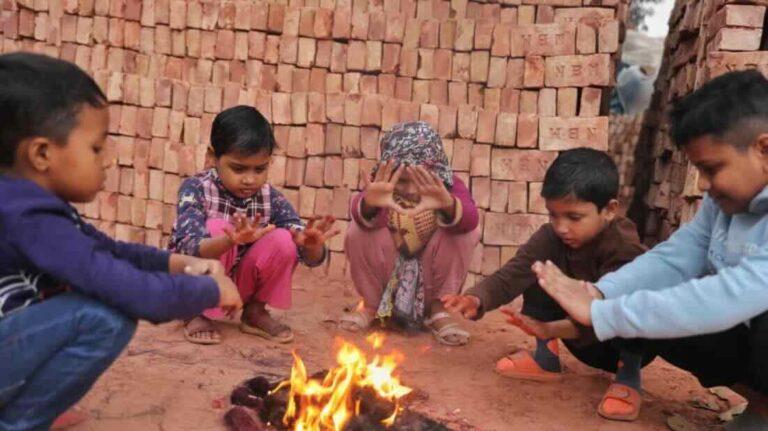
    As winter deepens in Bangladesh, with temperatures dropping and dense fog blanketing the capital, hundreds of thousands of street children face a brutal daily struggle against cold, hunger, and systemic neglect. On the streets of Dhaka, where an estimated 500,000 children live without stable homes, the season brings not just discomfort but heightened risks to health, survival, and hope for the future.

    In a country of approximately 180 million people, nearly one per cent of children are believed to live on the streets, according to recent observations. Estimates vary widely due to the absence of a comprehensive national census: human rights organizations put the figure around 1.5 million nationwide, while a 2024 qualitative study by UNICEF and partners, “The Quality Study on Children Living in Street Situations in Bangladesh,” suggests it could be as high as 3.4 million. Dhaka, the bustling megacity, bears the heaviest burden, serving as home to the majority of these vulnerable children.

    Late at night at the Khamarbari intersection, groups of nearly 40 displaced individuals –including many children – huddle around small fires made from burning scraps of wood and paper. The flickering flames offer fleeting warmth against the biting chill, but the bare pavement beneath them provides no cushion or protection. Children in thin, filthy sweaters shiver as they chat or try to sleep, their bodies pressed together for shared heat.

    No Real Help

    At landmarks like Gulistan and Kamalapur Railway Station, thousands of street children – some runaways, others orphans – scatter across the premises. Md Rabiul Islam, a 14-year-old who has never known his parents, has been sleeping there for days. “Sir, if you can, please buy me a blanket. Someone stole mine,” he quietly pleaded to a passerby.

    Seventeen-year-old Md Sabbir, originally from Naogaon, has survived on Dhaka’s streets since childhood after losing both parents in a road accident. He collects scrap materials to sell, earning just enough for two meals a day – if he’s lucky. “People come and go, but no one gives us anything. Because we live on the streets, no one cares. If I collect enough scrap, I eat twice a day. Otherwise, I go hungry,” he said.

    Under the Kawran Bazar Metro Station, families endure in makeshift shelters fashioned from whatever materials are available, often just mosquito nets and a few thin blankets. Seventeen-year-old Achal, a mother of two young children aged two years and two months, has lived there for years. “Winter is very cold, but living on the streets is even harder,” she shared. Despite promises from visitors who record videos and leave, she reports no real help: “No help so far from the government or any organisation. Many people come, record videos, and leave. No one actually helps.”

    “They Stop Dreaming”

    Health experts warn of the severe toll. Dr Alpana Jahan, an assistant professor of neonatology at Dr MR Khan Shishu Hospital, notes that these children are highly vulnerable to pneumonia, asthma, diarrhoea, and skin infections during winter, exacerbated by prolonged exposure, poor hygiene, and malnutrition. Mental health suffers too. Kazi Rumana Haque, head of the Mental Health Programme at Moner Bondhu, explains: “Children raised on the streets develop low self-esteem. Labelled as ‘tokai’, deprived of nutrition and education, they stop dreaming. This leads to depression and often involvement in crime.” Constant stress hampers brain development, she adds, leaving money as the only perceived value and increasing violent tendencies.

    The government, in collaboration with UNICEF, operates four street children shelters or “hubs” nationwide – three in Dhaka and one in Rangpur. Each temporary, tent-based facility accommodates a maximum of 35 children, offering accommodation, food, education, and essential services. Outreach teams provide immediate assistance, including emergency food, medical care, and winter clothing, with recent distributions of UNICEF-supplied items.

    Sirajum Munir Aftabi, Assistant Project Director of the Child Sensitive Social Protection in Bangladesh Phase II, emphasizes ongoing efforts: “We provide immediate assistance whenever necessary… These teams monitor children’s conditions, provide counselling, and gradually motivate them to access shelter and protection services.”

    Causes Deeply Rooted

    Yet, the scale of the crisis overwhelms these initiatives. With only 10–12 children observed in one shelter during a recent visit, capacity remains extremely limited. Many children are unaware of nearby options or face barriers like drug addiction, which complicates long-term rehabilitation.

    Md Forhad Hossain, executive director of LEEDO, questions the status quo: “Why should children still live on the streets in this era? The problem is not a lack of money; it is a lack of initiative, sincerity, and implementation.” He highlights the scarcity of basic infrastructure, asking, “There are only three tents for street children in Dhaka. Why not more? Do we even have public toilets for them?”

    Abu Ahmed Fayzul Kabir, Senior Coordinator at Ain o Salish Kendra, acknowledges positive steps but stresses the need for more: “The initiatives are positive, but their impact remains limited. A comprehensive, rights-based, long-term strategy is urgently needed… Most importantly, street children must be treated as rights-bearing citizens.”

    The causes are deeply rooted: poverty driving families to the streets, family disputes leading to runaways, orphanhood from accidents, and lack of birth certificates blocking access to services. Many children arrive seeking better opportunities, only to face exploitation, addiction, and invisibility.

    As winter grips Bangladesh, the plight of these children demands more than temporary aid. Without expanded shelters, a national database, vocational training, education access, and genuine political will, the cycle of cold, hunger, and neglect will persist, robbing yet another generation of its childhood and future. The voices of Sabbir, Achal, Rabiul, and thousands like them echo a simple, heartbreaking truth: society cannot afford to look away.

    UN World Court Begins Landmark Hearings on Rohingya Genocide Case Against Myanmar

    Speaking on behalf of Gambia, Attorney General and Minister of Justice Dawda Jallow told the court that his country brought the case “after reviewing credible reports of the most brutal and vicious violations imaginable” committed against the Rohingya.

    By Vibhu Mishra

    Public hearings opened on Monday at the International Court of Justice (ICJ) in a landmark case brought by the Gambia against Myanmar, alleging violations of the Genocide Convention over the military’s treatment of the Rohingya minority.

    The proceedings, held at the Peace Palace in The Hague, mark the start of the merits phase in the case, after years of preliminary legal arguments.

    Over the next three weeks, ICJ judges will hear oral arguments from both sides, examine witnesses and experts, and consider whether Myanmar breached its obligations under the Convention on the Prevention and Punishment of the Crime of Genocide, to which the country is a party.

    Opening the hearings, Judge Iwasawa Yuji, President of the Court, outlined a detailed schedule that includes two rounds of pleadings by Gambia and Myanmar, as well as closed sessions to hear testimony from witnesses called by the applicant State.

    Speaking on behalf of Gambia, Attorney General and Minister of Justice Dawda Jallow told the court that his country brought the case “after reviewing credible reports of the most brutal and vicious violations imaginable” committed against the Rohingya, a Muslim minority in Myanmar’s Rakhine province.

    “By all measures, this case is not about esoteric issues of international law,” Jallow said. “It is about real people, real stories, and a real group of human beings.”

    A Case Years in the Making

    Gambia filed its application in November 2019, accusing Myanmar of breaching the Genocide Convention through acts allegedly committed during so-called “clearance operations” carried out by the Myanmar military, or Tatmadaw.

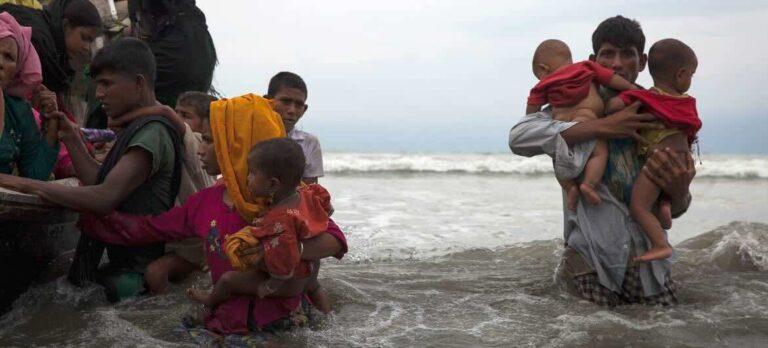
    Those operations escalated sharply in 2017, prompting more than 700,000 Rohingya to flee to neighbouring Bangladesh amid widespread killings, sexual violence, village burnings and other abuses. Zeid Ra’ad al-Hussein, the then UN High Commissioner for Human Rights, described the situation as a “textbook example of ethnic cleansing.”

    A UN Human Rights Council-mandated fact-finding mission said in 2018 that it had reasonable grounds to conclude that serious crimes under international law, including genocide, crimes against humanity and war crimes, had been committed.

    Nearly one million Rohingya remain living as refugees in camps in Bangladesh, while countless others are displaced or trapped inside Myanmar in dire conditions.

    Provisional Measures

    In January 2020, the Court unanimously ordered provisional measures, directing Myanmar to take all steps within its power to prevent genocidal acts against the Rohingya, preserve evidence, and report regularly to the Court on its compliance.

    Myanmar challenged the Court’s jurisdiction, but in July 2022 the judges ruled that they were competent to hear the case.

    Eleven States also made written submissions in support of Gambia’s interpretation of the Genocide Convention.

    Accountability and Broader Context

    Addressing the judges, Jallow said Myanmar remained trapped in “a cycle of atrocities and impunity,” noting that no one had been held accountable for crimes against the Rohingya.

    He also pointed to the February 2021 military coup, which overthrew the civilian government and plunged Myanmar into renewed nationwide conflict.

    “Accountability is imperative,” he said, warning that impunity risks the repetition of atrocity crimes.

    Myanmar’s Arguments

    Myanmar is expected to begin presenting its arguments later this week. The Court’s final judgment, which could take months or longer after the hearings conclude, will be legally binding.

    The International Court of Justice is the United Nations’ principal judicial organ. It settles legal disputes between States and gives advisory opinions on questions of international law.

    Unlike criminal courts, it does not try individuals but determines State responsibility.

    Image: UN News

    Source: UN News

    Small Private Clinics Fuel Alarming Rise in Female Foeticide in Nepal

    Enforcement of laws related to abortions is virtually non-existent – no one has been convicted or fined to date. Authorities rarely monitor clinics proactively, and complaints are scarce due to social stigma and family pressure on women.

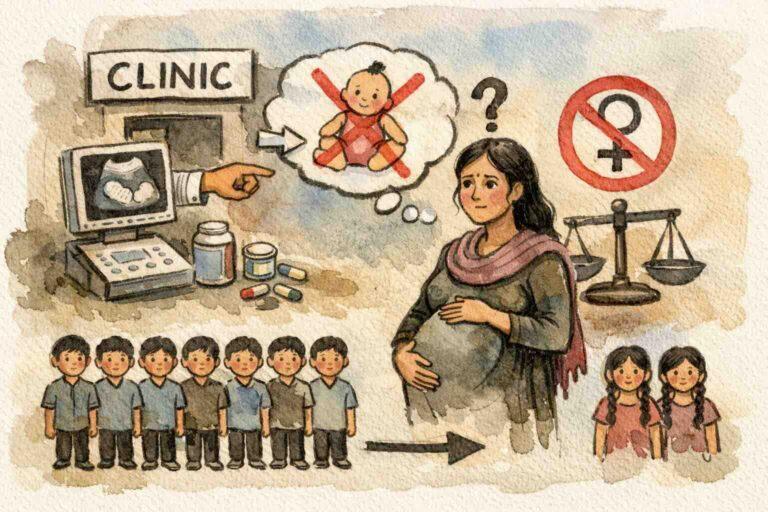
    Despite Nepal’s progressive steps toward women’s empowerment and reproductive rights, a disturbing trend is emerging: the widespread practice of sex-selective abortions targeting female foetuses. Recent data from the ministry of health and population reveal a stark gender imbalance in births, with small private clinics in urban and semi-urban areas identified as the primary facilitators of this illegal activity.

    In the fiscal year 2024-25, Nepal recorded 383,205 live births: 206,374 boys and 176,831 girls – a difference of nearly 30,000. This translates to boys outnumbering girls by 16.71 per cent, far exceeding the natural sex ratio at birth of approximately 105 boys per 100 girls. Experts warn that without urgent intervention, Nepal risks mirroring the severe gender imbalances seen in parts of India and China, leading to long-term social crises.

    The disparities are most pronounced in certain provinces. Sudurpaschim Province recorded the highest gap, with boys outnumbering girls by around 25 per cent (20,344 boys versus 16,278 girls). Madhesh Province followed closely with over 24 per cent (48,117 boys versus 38,784 girls), while Karnali stood at 17.23 per cent. Even in more developed regions like Bagmati (including Kathmandu), the gap was 13.75 per cent. Gandaki Province had the smallest imbalance at 10.64 per cent, but no region was immune.

    These figures point to unchecked sex-selective abortions, particularly in big cities and areas bordering India, where access to foetal sex determination is easier. Ultrasound technology, available after 12 weeks of pregnancy, allows radiologists to identify the foetus’s sex, often leading to abortions if it is female.

    Son Preference Deeply Entrenched

    Cultural son preference remains deeply entrenched in Nepali society. Sons are valued for carrying the family lineage, providing old-age support, performing religious rites such as lighting funeral pyres, and contributing economically. Daughters, on the other hand, are often seen as a financial burden due to marriage costs and perceptions of leaving the family. Late marriages, rising living expenses, and a shift toward smaller families exacerbate the issue: couples with a firstborn son may stop having children, while those with daughters continue pregnancies until a boy is born – or abort females.

    Dr. Pawan Sharma, professor of Obstetrics and Gynaecology at Patan Hospital, described the situation as “more serious than many imagine.” He cautioned that Nepal could face consequences similar to neighbouring countries, including bride shortages and increased crime rates. Demographer Yogendra Bahadur Gurung from Tribhuvan University echoed this, noting reports of inter-state marriages in India and marriage difficulties in China due to skewed ratios.

    The practice thrives in small private clinics, where approximately 300 radiologists and 200 gynaecologists operate outside the scrutiny of larger hospitals. These facilities, often in urban and semi-urban settings, offer discreet sex determination and abortions, which are more profitable than in government or major private institutions. Pharmacist Kabin Maleku highlighted that “these are the clinics where illegal sex-selective abortions take place,” adding that proper law enforcement could halt them immediately.

    Dr. Swyam Prakash Pandit, a radiology professor, lamented that the greed of a few tarnishes the profession, calling for strict enforcement to protect honest practitioners.

    Poor Enforcement of Laws

    Nepal legalised abortion in 2002, a landmark reform that reduced unsafe procedures and maternal deaths. Last fiscal year, over 105,000 women accessed abortions at authorized facilities. However, sex determination and sex-selective abortion remain prohibited under the Safe Maternity and Reproductive Health Rights Act of 2018 and the National Criminal Code of 2017. Penalties include 1-5 years imprisonment and fines up to Rs 50,000 for both parents and providers.

    Yet enforcement is virtually non-existent – no one has been convicted or fined to date. Authorities rarely monitor clinics proactively, and complaints are scarce due to social stigma and family pressure on women.

    Health minister Sudha Gautam, a senior gynaecologist herself, is positioned to drive change. Experts urge her to prioritise regulation, monitoring, and awareness campaigns.

    Activists stress that education alone has failed, as even urban, educated families exhibit patriarchal biases. Broader societal shifts – promoting gender equality, reducing discrimination against girls, and challenging cultural norms – are essential. If unchecked, the vanishing girls could trigger demographic disasters: a shrinking workforce, heightened violence, and social instability. As one editorial in the Kathmandu Post noted, Nepal stands at a crossroads – strict implementation of existing laws, coupled with cultural transformation, is imperative to safeguard future generations and ensure daughters are valued as much as sons.

    Image: ChatGPT

    Maldives Government Unveils Ambitious ‘Housing for All’ Policy to Tackle Chronic Overcrowding Crisis

    Recent diplomatic overtures, including strengthened ties with India through agreements on housing and climate resilience, could bolster funding.

    In a bold move to address one of Maldive’s most pressing challenges – severe housing shortages in the densely populated capital region – the Maldives government has rolled out its comprehensive ‘Housing for All’ policy. Minister of construction, housing and infrastructure, Dr. Abdulla Muththalib, recently outlined the initiative in an exclusive interview, emphasizing a segmented approach designed to cater to diverse income levels while aiming for a homelessness-free Maldives by the end of the current presidential term.

    The policy, which marks a significant shift in housing strategy, divides potential beneficiaries into four distinct categories. Luxury housing targets high-income individuals, affordable purchase options are geared toward the middle class, and social housing remains dedicated to those in genuine need. A novel fourth segment addresses extreme hardship cases, including those at risk of homelessness, with allocations based on assessments by the ministry of social and family development.

    “This multi-pronged strategy will eliminate the current misuse where individuals from all economic backgrounds apply for subsidized social housing,” Minister Muththalib explained. “Once viable alternatives exist for those who can afford them, social housing will truly serve its intended purpose.”

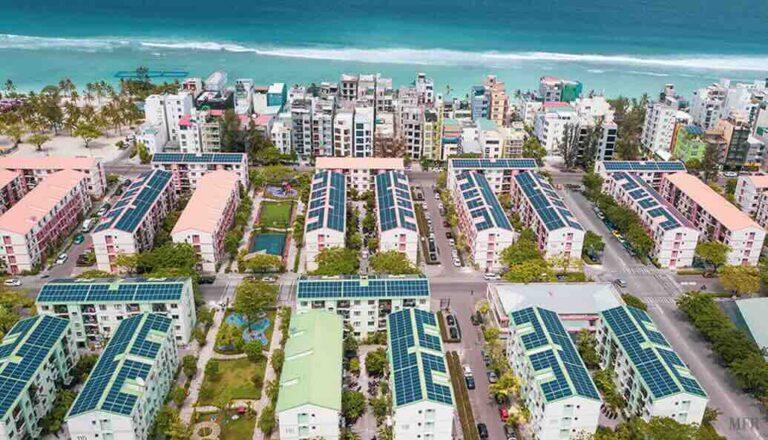
    The Maldives, an archipelago nation of over 1,200 islands with a population exceeding 500,000, has long grappled with urban congestion. Greater Malé, encompassing the capital and nearby reclaimed areas like Hulhumalé, houses nearly half the population in an area prone to overcrowding and high living costs. Rapid urbanization, driven by migration from outer atolls seeking better opportunities, has exacerbated the crisis, leading to long waiting lists for government flats and skyrocketing private rents.

    Immediate Focus on Malé Region

    Minister Muththalib highlighted the government’s immediate focus on the Malé region, where demand is most acute. However, future projects will encourage decentralized development to ease migration pressures. “We cannot forcibly prevent people from moving to Malé,” he noted, referencing decades of unsuccessful attempts to populate southern and northern atolls despite investments in infrastructure like tertiary hospitals in Addu City.

    A flagship component of the policy is the development of Rasmale’, a massive reclaimed land project envisioned as a self-sufficient “smart eco-city.” Described as “thrice the size of Hulhumalé Phases 1 and 2 combined – and even larger,” Rasmale’ aims to foster its own robust economy, complete with jobs, education, and essential services to attract residents organically.

    Past efforts, such as Hulhumalé’s Phase 2 expansion, fell short due to inadequate amenities, resulting in continued congestion in central Malé. “Just building infrastructure isn’t enough,” Muththalib stressed. “We learned from Addu, where half the population now lives in Malé despite a modern hospital. Retaining specialists requires desirable living standards, patient volumes, and a thriving local economy.”

    To support Rasmale’’s vision, the government is prioritizing advanced transportation. Plans include a comprehensive public system featuring buses and potentially a train network. The ministry of finance is currently engaging foreign consultants for feasibility studies. Additionally, a broader masterplan for the Greater Malé area will emphasize public transport over private vehicles to promote sustainability and reduce traffic.

    Connectivity between Rasmale’ and Malé remains under exploration, with options like bridges or enhanced ferry services on the table. “We’re designing a city that encourages eco-friendly mobility from the ground up,” the minister said.

    Cultural Sensitivity

    A contentious issue in Maldivian housing policy has been the tradition of allocating free land plots. Historically, governments have provided state land to families, a practice deeply ingrained in cultural norms. Minister Muththalib, while ideologically favouring market-based allocation, acknowledged the unique context. “In Maldives, land entitlement is seen as a fundamental right, embedded in our psyche and history. We cannot import foreign ideologies and ignore societal expectations.”

    This cultural sensitivity extends to social housing, where flats are subsidized and built through international loans. However, delinquency in rent payments has emerged as a growing concern. Muththalib warned that non-payment hinders the government’s ability to secure further financing. “These projects rely on loans. If rents aren’t paid, lenders view it as unfeasible, narrowing our options for new developments. This directly infringes on the rights of waiting citizens.”

    He urged residents to view timely payments as a civic duty. “We’re offering ready-made homes at rates far below market value in Malé. Fulfilling this responsibility ensures we can continue expanding access.”

    The minister expressed optimism about the policy’s potential impact. “If successful in resolving Malé’s housing woes, God willing, our goal is for no Maldivian to be without a home by the term’s end.”

    Critics, however, question the feasibility amid broader economic strains. The Maldives faces mounting debt obligations, with significant repayments due in 2026, alongside persistent USD shortages affecting imports and fiscal stability. Tourism, the economic lifeline, recorded record arrivals in 2025, surpassing two million visitors, but revenues have not fully alleviated infrastructure funding gaps.

    Environmental vulnerabilities add complexity. Rising sea levels threaten low-lying islands, making land reclamation projects like Rasmale’ both necessary and controversial. Experts emphasize the need for resilient, eco-conscious designs to align with the nation’s “smart eco-city” aspirations.

    Infrastructure-Focused Agenda

    Political observers note the policy’s alignment with President Mohamed Muizzu’s infrastructure-focused agenda. Since taking office, the administration has prioritized large-scale developments, including bridges and airports, often with international partnerships. Recent diplomatic overtures, including strengthened ties with India through agreements on housing and climate resilience, could bolster funding.

    As implementation begins, stakeholders await details on timelines, funding sources, and eligibility criteria. Public consultations are expected to refine the segmented approach, ensuring inclusivity.

    For many Maldivians enduring cramped living conditions or lengthy waits for flats, the ‘Housing for All’ promise offers hope. Yet, its success hinges on effective execution, economic recovery, and overcoming historical challenges in decentralized development.

    In a nation where homeownership is culturally synonymous with security and dignity, this policy could redefine urban living – transforming overcrowded Malé into a more equitable, sustainable archipelago hub.

    India Post and Ministry of Rural Development Sign Landmark MoU to Boost Financial Inclusion and Rural Economic Transformation

    India Post’s extensive infrastructure – including over 1.5 lakh rural post offices, the India Post Payments Bank (IPPB), and nearly 2.4 lakh Gramin Dak Sevaks – will serve as the backbone for last-mile delivery of integrated services.

    In a major push towards inclusive rural growth and the vision of a self-reliant ‘Viksit Bharat’, the ministry of rural development (MoRD) and the department of posts (DoP) have signed a memorandum of understanding (MoU) – strategic partnership that aims to harness India Post’s vast network to expand financial services, logistics support, and market access in rural areas, particularly benefiting self-help groups (SHGs), women entrepreneurs, and rural enterprises.

    The MoU was formalised in the presence of union minister for rural development and agriculture & farmers’ welfare, Shivraj Singh Chouhan, and union minister for communications and development of north eastern region, Jyotiraditya M Scindia. It builds directly on the priorities outlined in the Union Budget 2025-26, which emphasised repositioning India Post as a pivotal driver of rural economic transformation by leveraging its unparalleled reach for financial inclusion, digital empowerment, and livelihood creation.

    India Post’s extensive infrastructure – including over 1.5 lakh rural post offices, the India Post Payments Bank (IPPB), and nearly 2.4 lakh Gramin Dak Sevaks – will serve as the backbone for last-mile delivery of integrated services. This convergence brings together the grassroots network of the deendayal antyodaya yojana – national rural livelihoods mission (DAY-NRLM) under MoRD with India Post’s operational strengths.

    Comprehensive Doorstep Banking Services

    Under the agreement, DAY-NRLM will actively promote the adoption of India Post’s financial products – such as savings accounts, deposits, insurance, and pension schemes – among SHG households. In return, IPPB will provide comprehensive doorstep banking services, including savings, payments, remittances, and customised insurance solutions. SHG women will be identified, trained, certified, and deployed as business correspondents (BC Sakhis), equipped with digital tools like electronic tablets and point of sale (PoS) machines. This will enable them to facilitate seamless digital transactions, promote cashless payments, and earn additional income, potentially ranging from Rs 15,000 to Rs 30,000 per month.

    The partnership extends beyond financial services to logistics and market linkages. India Post will offer packaging, export facilitation through Dak Niryat Kendras, and promotional channels via its network to help SHG products reach wider domestic and international markets. This is expected to unlock new opportunities for women-led enterprises and rural MSMEs, enhancing their competitiveness and income potential.

    Ministers highlighted the alignment with broader government goals. Shivraj Singh Chouhan emphasized the transformative impact on rural women, noting that over 2.82 crore SHG members have already become ‘Lakhpati Didis’ under existing schemes, earning more than Rs 1 lakh annually. He expressed confidence that connecting these women to India Post’s banking ecosystem would accelerate progress toward the target of three crore such empowered women, fostering self-reliance and dignity at the grassroots level. “This collective effort reflects the prime minister’s vision of integrated governance and inclusive development,” he said, adding that coordinated inter-ministerial actions are key to achieving a developed India.

    Supports Ancillary Activities

    Jyotiraditya M. Scindia underscored India Post’s evolution into a technology-enabled, citizen-centric institution. He pointed out that with around 1.60 lakh points of presence nationwide – 1.40 lakh in rural areas – India Post represents the world’s largest distribution and logistics channel. “IPPB is strengthening last-mile delivery,” he noted, positioning the department to play a decisive role in rural prosperity.

    The MoU also supports ancillary activities, such as Aadhaar enrolment and updation in rural areas to streamline beneficiary verification for MoRD schemes, and the promotion of Postal Life Insurance (PLI) and Rural Postal Life Insurance (RPLI), including training SHG members as insurance agents.

    Experts view this collaboration as a game-changer for addressing persistent challenges in rural India, where access to formal financial services remains limited despite progress under initiatives like Jan Dhan Yojana. By integrating postal infrastructure with livelihood missions, the partnership promises deeper financial penetration, reduced dependency on informal lenders, and stronger digital adoption among rural populations.

    The initiative is poised to contribute significantly to inclusive growth, women-led development, and sustainable livelihoods. As India advances toward its ambitious development goals, such inter-departmental synergies are seen as essential for bridging urban-rural divides and ensuring equitable economic transformation.

    India’s Big Cat Census Underway: Tigers Poised for Growth, but Space and Habitat Challenges Loom Large

    When results are unveiled in 2027, they will not only shape policy and resource allocation but also inform how India confronts future ecological challenges while sustaining the momentum of its tiger revival.

    India’s sixth cycle of the All-India Tiger Estimation (AITE) 2026 – the nation’s quadrennial wildlife census – has kicked off across forests and reserves, marking another critical chapter in the country’s long-running conservation story. Once feared extinct, the tiger (Panthera tigris) now stands as a symbol of India’s ecological resurgence. But as the national survey gains momentum, scientists and forest officials warn that habitat space, prey availability and human pressures could test future gains.

    The AITE-26, which commenced in early January with the first field activities in the Thanthai Periyar Wildlife Sanctuary under the Erode Forest Division in Tamil Nadu, represents one of the world’s largest wildlife monitoring efforts. Forest staff across India are deploying camera traps, conducting systematic transect counts and collecting genetic samples to paint an updated picture of tiger populations and their habitats.

    A National Project with Global Significance

    The comprehensive AITE exercise is led by the National Tiger Conservation Authority (NTCA) in collaboration with the Wildlife Institute of India (WII) and state forest departments under the ministry of environment, forest and climate change (MoEFCC). It integrates modern scientific methods such as camera-trap surveys, DNA analysis and spatial occupancy modelling to estimate not only tiger numbers but also the status of co-predators, prey species and habitat health.

    The estimation is carried out once every four years and has become a cornerstone of India’s Project Tiger conservation programme, which has helped the country transform its tiger fortunes from severe decline in the mid-20th century to a growing population in the 21st century. While official results for AITE-26 will only be published in 2027, early field work across landscapes underscores both anticipation and intensity of effort.

    “This is more than a headcount,” said a senior NTCA official. “It is an ecological audit that reflects the health of our forests, prey species, and the complex web of life that supports tigers.” The NTCA’s database and analytical framework, supported by the Tiger Cell at WII in Dehradun, ensure scientific rigour in data management and trend analysis.

    States in Action: From Karnataka to Gujarat

    Across states, forest departments have launched ground operations. In Karnataka, where the phase I of tiger estimation began on January 5, forest officials are surveying 54 forest divisions that include reserves, sanctuaries and conservation reserves. The state currently hosts around 563 tigers according to the 2022 census – the second highest in the country after Madhya Pradesh – and local ministers have publicly expressed confidence that numbers could increase once 2026 estimates are tallied.

    Notably, Gujarat has been officially reinstated on India’s tiger map after more than 33 years, with confirmed sightings of big cats in the Ratanmahal Wildlife Sanctuary along the Gujarat–Madhya Pradesh border. Authorities announced plans for camera-trap surveys to document presence and movements, making the upcoming census an opportunity for the state to consolidate its fledgling tiger presence.

    In Maharashtra’s Pune forest division, for instance, the tiger census has yielded unexpected signs of broader biodiversity. Alongside tiger monitoring, forest teams recorded sightings of the Indian giant squirrel, locally known as Shekru, indicating robust canopy-level habitat conditions in some sectors even as the larger tiger surveys continue.

    Citizen Science and Broader Participation

    The scope of AITE-26 extends beyond professional forest staff. In Telangana, the Forest Department has invited NGOs, students and volunteers to assist in tracking tigers as part of a broader outreach to enhance monitoring efforts. Such partnerships with civil society are seen as vital in augmenting field coverage and raising public awareness about the stakes of conservation.

    Tracking India’s Conservation Success Story

    The forthcoming 2026 census follows the 2022 tiger status report, which documented 3,682 tigers nationwide – an achievement that positioned India as home to more than 70 per cent of the world’s wild tigers. Madhya Pradesh, Karnataka, Uttarakhand and Maharashtra ranked as the leading states for tiger numbers in 2022.

    Since systematic counting began in 2006, tiger populations have shown a steady annual growth rate of approximately 6 per cent, a reflection of sustained protections under Project Tiger and coordinated conservation interventions.

    Challenges Amid Success

    Yet as much as the tiger count is a success story, conservationists caution that the species is now constrained by limited space and rising human pressures. A recent analysis notes that India’s forests are becoming crowded, which can heighten human–animal conflict and strain prey resources if habitat expansion and corridor connectivity are not adequately addressed.

    Habitat fragmentation – driven by development, agricultural expansion and infrastructure projects – remains a persistent threat, particularly outside designated tiger reserves. Conservation scientists stress that connectivity between wildlife habitats and corridors that allow genetic exchange are critical to long-term viability.

    Additionally, threats from poaching, depletion of prey species, and the increasing interface between humans and wildlife continue to keep tiger conservation in a delicate balance. Targeted anti-poaching units and technological tools such as the NTCA’s M-STRIPES monitoring system are part of ongoing efforts to mitigate these risks.

    Policy and Resource Allocation

    As the field phase of AITE-26 advances through January and into February across India’s tiger landscape – from the Western Ghats and central Indian forests to the Himalayan foothills – the anticipation builds for what the data might reveal. Beyond numbers, the census will provide insights into habitat health, prey populations and the impact of conservation policies implemented over the past four years.

    When results are unveiled in 2027, they will not only shape policy and resource allocation but also inform how India confronts future ecological challenges while sustaining the momentum of its tiger revival. For now, the cameras, transects and field notebooks are rolling – capturing the pulse of the wild and counting a national icon that once teetered on the brink of disappearance.