More

    Afghan Women Launch Global Campaign to Combat ‘Gender Apartheid’

    The Coordination Association, comprising Afghan women activists many of whom operate in exile or underground due to safety risks, plans to feature weekly activities spotlighting voices and resistance efforts from various countries.

    In a bold move amid escalating concerns over women’s rights, the Coordination Association of Afghan Active Women has launched an international campaign titled “End Gender Apartheid Now.” The eight-week initiative, which began this week, aims to galvanize global action against what advocates describe as systematic oppression of women under Taliban rule in Afghanistan.

    The campaign comes more than four years after the Taliban’s return to power in August 2021, a period marked by severe restrictions on women’s freedoms. “Enough is enough. Words did not protect Afghan women. Now is the time for action,” the group declared in a statement, highlighting the failure of international condemnations to yield tangible change.

    The Coordination Association, comprising Afghan women activists many of whom operate in exile or underground due to safety risks, plans to feature weekly activities spotlighting voices and resistance efforts from various countries. This structure underscores their message: the struggle of Afghan women has transcended national borders, evolving into a worldwide call for justice.

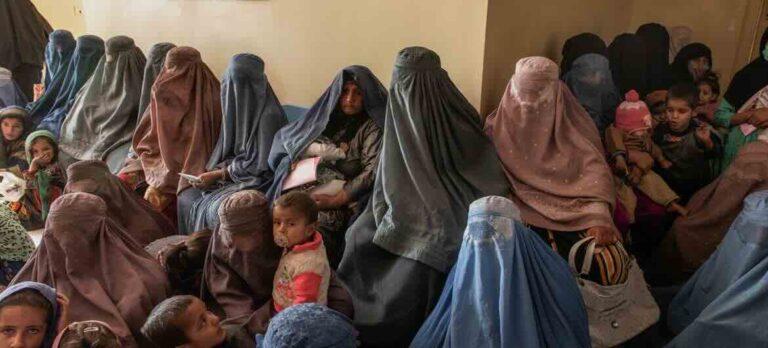
    Since the Taliban seized control following the US-led withdrawal, women and girls in Afghanistan have faced progressive erosion of rights. Girls are barred from secondary schools and universities, women are largely excluded from most employment sectors, and strict rules govern movement, dress, and public participation. These policies, often enforced through moral police units, have pushed women out of public life, confining many to their homes.

    Advocates argue that these measures constitute “gender apartheid,” a term increasingly used by human rights organizations to describe institutionalized discrimination based on gender. The Taliban has defended its policies as aligned with its interpretation of Islamic law, but critics, including United Nations experts, have condemned them as violations of international human rights standards.

    Determined and Inspiring

    The new campaign criticises the international community’s shift toward what the group calls “silence and normalization.” Despite widespread initial outrage, some countries have engaged with the Taliban on pragmatic grounds. Taliban representatives have been hosted in Europe for discussions, Russia has signalled moves toward formal recognition, and the United States has maintained certain financial channels for humanitarian aid. Yet, these engagements have not led to improvements in women’s rights, the activists say.

    “While repression intensifies, the world is moving towards silence and normalization,” the Coordination Association stated, warning that inaction risks legitimizing the Taliban’s governance model.

    Support for the campaign has emerged from international figures. Alice Macdonald, a member of Britain’s parliament, voiced strong backing, describing the situation in Afghanistan as “devastating.” In comments shared with the campaign organizers, she emphasized solidarity: “We cannot abandon them. If we turn our backs on this crisis, we are not only betraying Afghan women, but women everywhere.”

    Macdonald praised the resilience of Afghan women, noting that many continue to run clandestine businesses, educate girls in secret, or advocate remotely despite immense risks. “They are determined and inspiring,” she said, highlighting stories of women defying bans to sustain their families and communities.

    Pivotal Moment

    The “End Gender Apartheid Now” initiative builds on growing global advocacy. Human rights groups like Amnesty International and Human Rights Watch have documented the Taliban’s decrees, including bans on women working for NGOs and restrictions on travel without a male guardian. These policies have contributed to a humanitarian crisis, with women and children disproportionately affected by poverty and lack of access to education and healthcare.

    An entire generation of girls is at risk of being denied formal education, perpetuating cycles of inequality. Reports indicate that underground schools have proliferated, but they operate precariously, with teachers and students facing arrest or worse.

    The campaign’s timing coincides with renewed debates in international forums about engaging the Taliban. While some argue for dialogue to deliver aid and encourage moderation, activists insist that recognition without conditions on women’s rights would embolden further repression.

    By amplifying diverse voices weekly, the organizers hope to sustain momentum and pressure governments, the United Nations, and civil society to adopt concrete measures. These could include recognizing “gender apartheid” as a crime against humanity, imposing targeted sanctions, or conditioning aid and diplomatic ties on rights improvements.

    As the first week unfolds, participants from the Afghan diaspora and allies worldwide are sharing testimonies online and through events. The message is clear: the fight for Afghan women’s rights is not isolated but interconnected with global struggles for gender equality.

    In the words of the campaign’s leaders, this is a pivotal moment. Four years of deterioration have shown that statements alone are insufficient. With Afghan women demonstrating unyielding determination, the international community faces a choice: act decisively or risk complicity in what advocates call one of the most severe gender-based oppressions in modern history.
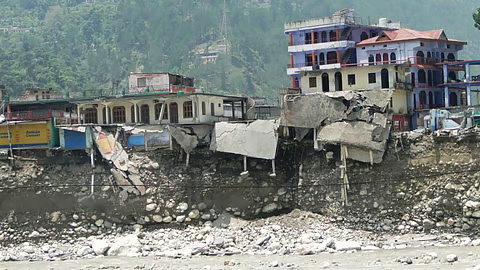
    Pakistan Bolsters Climate Resilience with ADB Financing

    The initiative focuses on integrated water resource management, flood risk reduction, and the restoration of nature-based coastal defences like mangroves.

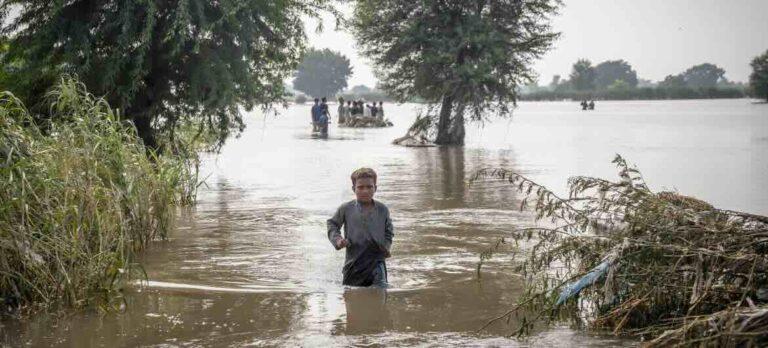
    In a significant step toward addressing escalating climate vulnerabilities, Pakistan has secured over $300 million in financing from the Asian Development Bank (ADB) for two major projects aimed at enhancing coastal defences and modernising agriculture. The agreements, signed on December 30, 2025, underscore the country’s urgent push for resilience against floods, coastal erosion, and agricultural disruptions – threats that have repeatedly devastated the nation in recent years.

    The Sindh Coastal Resilience Sector Project (SCRP), valued at approximately $180.5 million, targets the vulnerable coastal districts of Thatta, Sujawal, and Badin. Funded by a combination of $140.5 million from the ADB (including a $140 million loan and $500,000 technical assistance grant), $40 million from the Green Climate Fund, and $20 million from the Sindh government, the initiative focuses on integrated water resource management, flood risk reduction, and the restoration of nature-based coastal defences like mangroves. Officials estimate it will directly benefit more than 3.8 million people by safeguarding livelihoods, food security, and biodiversity in a region prone to cyclones and sea-level rise.

    Complementing this is the $129 million Punjab Climate-Resilient and Low-Carbon Agriculture Mechanisation Project, covering 30 districts in Pakistan’s agricultural heartland. With $120 million in ADB loans, $4 million in grants, and $5 million from the Punjab government, the project aims to boost productivity for small farmers through access to climate-smart machinery, promote circular agriculture to curb crop residue burning – a major source of air pollution – and establish training facilities. Notably, it includes targeted empowerment for 15,000 women via skills development and livelihood diversification.

    Stark Backdrop of Global Perceptions

    Economic Affairs Division Secretary Muhammad Humair Karim described the initiatives as “transformative,” praising the ADB as a trusted partner in advancing sustainable growth. ADB Country Director Emma Fan echoed this sentiment, emphasising the projects’ role in protecting communities and reducing emissions. These signings follow recent ADB commitments totalling $730 million for power transmission and state-owned enterprise reforms, highlighting ongoing multilateral support amid Pakistan’s economic recovery efforts.

    By prioritizing climate-smart infrastructure and inclusive development with ADB support, Pakistan aims to mitigate some of the very risks flagged in the global assessment.

    The Sindh project, for instance, directly addresses coastal vulnerabilities that contribute to the country’s high climate risk profile, while Punjab’s focus on low-carbon farming tackles emissions and productivity gaps.

    KPMG in India Signs Statement of Cooperation with UNDRR GETI

    KPMG in India has entered a strategic partnership with the United Nations Global Education and Training Institute for Disaster Risk Reduction (UNDRR GETI) to bolster disaster risk reduction and resilience efforts across India, combining global expertise with local implementation.

    KPMG in India has signed a Statement of Cooperation (SoC) with UNDRR GETI, an institute under the United Nations Office for Disaster Risk Reduction (UNDRR) – the UN’s lead agency for coordinating international action on disaster resilience. The agreement is aimed at embedding disaster risk reduction (DRR) principles across Indian society and governance systems, addressing growing climate and disaster challenges.

    India, one of the world’s most disaster-prone countries due to its vast and varied geography, faces frequent floods, cyclones, earthquakes and heatwaves. These events, exacerbated by climate change, threaten lives, livelihoods and economic development across the nation. Recent UN reports highlight that economic losses from disasters far exceed billions annually, with mounting human and environmental costs underscoring the urgency for effective risk mitigation and preparedness.

    Against this backdrop, the KPMG–UNDRR GETI partnership seeks to translate global DRR frameworks – notably the Sendai Framework for Disaster Risk Reduction 2015–2030 – into practical, scalable actions adapted to India’s context.

    “The collaboration with UNDRR marks a significant step in translating global disaster risk reduction frameworks into actionable programmes that strengthen resilience in line with the Sendai Framework,” said Sanjaya Bhatia, Head of UNDRR GETI.

    Building Local Expertise and Institutional Capacity

    Under the terms of the SoC, the partnership will focus on three core pillars:

    • Capacity Building: KPMG professionals will undergo UNDRR-certified training programmes, developing deep, practice-ready expertise in disaster risk reduction. This builds a cadre of trained DRR specialists embedded within India’s public and private sectors.
    • Urban Resilience Under MCR2030: The collaboration aims to support Indian cities in strengthening urban resilience using the Making Cities Resilient 2030 (MCR2030) framework, a global initiative to help local governments plan, invest and implement holistic disaster risk strategies.
    • Policy Advisory and Integrated Planning: KPMG and UNDRR GETI will advise national, state and city governments on designing and implementing robust disaster risk strategies, embedding resilience into development planning from the earliest stages of projects and policies.

    “Through our collaboration with UNDRR, KPMG in India is committed to supporting ongoing government efforts on disaster risk reduction by strengthening institutional capacity, enhancing governance frameworks, and embedding resilience into development planning,” said Nilachal Mishra, Partner and Head of Government & Public Services at KPMG in India.

    Action on the Ground and Long-Term Vision

    The SoC formalises a programme of work that includes technical advisory services, multi-stakeholder partnerships, and long-term capacity development. By integrating climate change adaptation into mainstream planning, the initiative aims to ensure that infrastructure, social services and economic programmes are built with resilience at their core – rather than as an afterthought.

    “The collaboration with UNDRR, through this Statement of Cooperation, marks the start of a long-term, action-oriented collaboration to translate global frameworks into measurable resilience outcomes on the ground,” added Sandeep Paidi, Partner and Lead for Human, Health and Social Services at KPMG in India.

    The signing of the SoC positions KPMG in India as a strategic contributor to disaster resilience efforts – not just within India, but as part of a global movement to build safer, more sustainable and better-prepared communities. The agreement also creates career pathways for professionals within the firm to become certified experts in disaster risk reduction, reflecting a commitment to institutionalize resilience skills locally.

    India’s Broader Global Commitments

    This partnership aligns with India’s broader commitments to international cooperation on disaster risk reduction. In June 2025, India’s Principal Secretary to the Prime Minister, P K Mishra, reaffirmed India’s dedication to building resilience at the 8th Global Platform for Disaster Risk Reduction in Geneva, emphasising the role of partnerships and knowledge exchange in protecting communities and development gains.

    India has also been active in global fora, strengthening collaboration through mechanisms such as the G20 Disaster Risk Reduction Working Group and the Coalition for Disaster Resilient Infrastructure (CDRI) – initiatives that enhance shared learning on early warning systems, resilient infrastructure, and financing for DRR.

    A Model for Public-Private Action

    Experts say that effective disaster risk reduction requires a multi-sectoral approach, bringing together government, civil society, international agencies and the private sector. The KPMG–UNDRR GETI partnership reflects this model, recognising that risk reduction and climate adaptation must be woven into governance systems, investment decisions and urban planning.

    As climatic threats intensify and disasters become more frequent, partnerships like this could define India’s resilience strategy – strengthening communities, safeguarding economic development, and protecting the most vulnerable.

    Image: India Water Portal

    Fight Against Malnutrition Must Become a Collective National Movement: Piyush Goyal

    The minister batted for a whole-of-government approach ensuring nutrition, affordability and last-mile delivery. He said that the root cause approach and innovation are essential to eliminate malnutrition sustainably.

    Union minister of commerce and industry, Piyush Goyal, on Tuesday emphasised that the fight against malnutrition must be pursued as a collective national responsibility, involving government, corporates, communities and individuals alike.

    Addressing a CSR Conclave on nutrition organised by the National Dairy Development Board (NDDB) in New Delhi, the minister said that eliminating malnutrition is essential for building a Viksit Bharat and securing the country’s long-term social and economic future.

    Goyal said that corporate social responsibility (CSR) provides a unique opportunity to link business with social impact, particularly in addressing malnutrition. While the law mandates companies to spend two per cent of their net profits on CSR activities, he said this should be seen as the minimum threshold and not a limitation. He described CSR not as a burden, but as a valuable opportunity to contribute meaningfully to society.

    Highlighting that the spirit of service is deeply embedded in India’s history, culture and traditions, Goyal said that many individuals and organisations voluntarily commit a portion of their profits to social causes, far exceeding the mandated CSR requirement. He said the current programme serves as a wake-up call for all stakeholders to intensify efforts against malnutrition.

    Sabka Saath, Sabka Vikas

    While addressing the conclave, minister of state for cooperation, Krishan Pal Gurjar, said that CSR has emerged as a powerful instrument for social transformation, moving beyond philanthropy to become a means of strategic social investment. He highlighted that programmes such as Shishu Sanjeevani demonstrate how the cooperative framework can effectively translate CSR resources into tangible social outcomes by ensuring local participation, transparency and impact.

    Appreciating initiatives like Gift Milk and Shishu Sanjeevani by NDDB, he said these programmes focus on aspirational districts, tribal areas, Anganwadi centres and government schools, ensuring alignment with local needs and last-mile delivery. The minister emphasised that supporting institutional platforms such as the NDDB Foundation for Nutrition through CSR is not merely a statutory requirement but an active contribution to inclusive development and nation-building, in line with the spirit of “Sabka Saath, Sabka Vikas.”

    NDDB an Umbrella Organisation

    Building on this approach of collaborative action, Piyush Goyal said that malnutrition is a complex challenge that requires coordinated action. Goyal highlighted that the programme is a strong example of inter-ministerial coordination, with the ministry of commerce and industry, the department of animal husbandry and fisheries, the ministry of cooperation, the ministry of panchayati raj, and the ministry of women and child development working together in line with the prime minister’s vision of a “whole-of-government approach”, under which all departments work in synergy to address national priorities. When the entire government moves together, programmes become more effective and impactful at the grassroots level, he added.

    Goyal said that NDDB is playing the role of an umbrella organisation in this programme, enabling collaboration between government and industry. He highlighted the critical role of the department of animal husbandry and fisheries in ensuring access to nutritious food, particularly milk and fish, which are rich sources of nutrition. Through government-supported institutions, nutritious food can be made available at affordable prices to address malnutrition, he said.

    The minister underscored the central role of the ministry of women and child development in addressing the root causes of malnutrition. He said that ensuring proper nutrition during pregnancy and early childhood is crucial, as malnutrition often begins even before birth. Adequate nutrition for pregnant women and children during their formative years significantly improves long-term health outcomes, he noted.

    Importance of Saturation

    Emphasising the importance of saturation, Goyal said that programmes must reach every village, every household and every section of society. He said this initiative connects corporates with beneficiaries and ensures that different stakeholders play their respective roles in reaching the grassroots.

    The ministry of cooperation and panchayati raj institutions are crucial in taking these initiatives to the grassroots level, ensuring reach to every village and household. The collective involvement of all five ministries reflects coordinated governance aimed at ensuring nutrition, affordability and last-mile delivery.

    Goyal said that the prime minister consistently stresses innovation and innovative financing, as the government alone cannot fight malnutrition. He described the programme as an innovative model that links CSR directly with nutrition outcomes. By connecting corporates, PSUs and industry with the fight against malnutrition, the initiative creates shared value for society and the economy, he said.

    The Minister said that addressing malnutrition also benefits farmers by increasing income through fisheries and animal husbandry. He noted that a single programme can simultaneously benefit farmers, women and children, and that large participation from these groups demonstrates the inclusive nature of the initiative.

    People’s Movement Against Malnutrition

    Calling for a people’s movement against malnutrition, Goyal said that CSR should not be confined to corporates alone. He encouraged individuals to use personal milestones and celebrations as opportunities to serve society, including feeding children in orphanages and patients in hospitals.

    As India works to lift 25 crore people out of poverty with speed and scale, Goyal said the fight against malnutrition must be pursued with the same determination. He stated that the goal should be to ensure that not a single child in the country is malnourished or born with preventable diseases. The minister assured participants that the government is keen to receive new ideas and constructive suggestions through appropriate channels, including the prime minister’s website and concerned ministries. He expressed confidence that with collective effort, innovation and active participation of society, the goal of a malnutrition-free India is achievable.

    Marginal Farmers Largely Excluded from India’s Cooperative Boom, New Report Reveals

    The FEED report serves as a reality check. It flags cooperatives as the “missing link” for marginal farmers under the new policy, warning that uneven outreach and governance gaps could undermine national goals.

    As India wraps up the International Year of Cooperatives with ambitious government reforms under the banner of “Sahkar se Samriddhi” (Prosperity through Cooperation), a stark reality emerges for the country’s most vulnerable farmers: only one in four marginal farmers is actively linked to agricultural cooperatives, according to a groundbreaking report released in December.

    The “State of Marginal Farmers in India 2025,” published by the Forum of Enterprises for Equitable Development (FEED) and launched on Kisan Diwas (December 23), paints a sobering picture. Marginal farmers – those cultivating less than one hectare of land – form the backbone of Indian agriculture, comprising 60-70 per cent of the nation’s farming households. Yet, despite the vast cooperative network spanning over 8.5 lakh societies and nearly 30 crore members, less than 25 per cent of these smallholders are active participants.

    The report, based on surveys across six diverse states – Andhra Pradesh, Bihar, Himachal Pradesh, Maharashtra, Tripura, and Uttarakhand – highlights sharp regional disparities. Awareness of Primary Agricultural Credit Societies (PACS), the grassroots-level cooperatives, is highest in Andhra Pradesh at 86.2 per cent, but plummets to a mere 2.3 per cent in Tripura. Participation is particularly low in Bihar, Tripura, and Himachal Pradesh, where structural barriers keep marginal farmers on the sidelines.

    “Primary Agricultural Credit Societies occupy a strategic position in shaping farmers’ interaction with formal institutions and state-led agricultural interventions,” the report notes. PACS provide essential services like credit, inputs, procurement, marketing, and even digital access. However, obstacles such as complex membership procedures, long distances to society offices, limited capital, and social exclusion – often along caste and gender lines – push many marginal farmers toward informal moneylenders and markets, exacerbating their vulnerability to climate shocks and price fluctuations.

    Scaling the Success

    Where cooperatives do reach these farmers, the impact is transformative. Among linked marginal farmers, 45 per cent reported increased household income, compared to just 21 per cent experiencing stagnation or decline among non-members. Nearly 49 per cent noted improved livelihood security, 67 per cent gained better access to credit and financial services, and 42 per cent saw enhancements in crop yields. States with multifunctional PACS – acting as one-stop rural hubs for inputs, procurement, and public services – showed the strongest outcomes.

    Yet, challenges persist in scaling this success. Digital adoption remains superficial and uneven: in Tripura, 77.8 per cent of cooperatives reported no use of digital tools, while in Bihar, the figure was 25 per cent. Women and older farmers face the steepest skill gaps, limiting transformational benefits.

    Gender disparities are equally glaring. Nationwide, over 21 lakh women are registered cooperative members, but only 3,355 hold director positions on boards. Restrictive social norms, limited mobility, and unpaid care burdens hinder women’s leadership, even in regions where they drive much of the agricultural labour.

    Dr. Sanjeev Chopra, FEED Chairperson, emphasised that cooperative effectiveness hinges on accessibility, transparency, and inclusivity. “While the New Cooperative Policy 2025 presents an ambitious vision, its success will depend on effective convergence across government schemes and stronger collaboration with Farmer Producer Organisations,” he said.

    The report’s timing coincides with a surge in government efforts to revitalize cooperatives. In 2025, marked by the United Nations as the International Year of Cooperatives, the Ministry of Cooperation – established in 2021 – rolled out over 55 initiatives under Prime Minister Narendra Modi’s “Sahkar se Samriddhi” vision. The National Cooperative Policy 2025, launched mid-year, aims to modernize cooperatives as technology-enabled enterprises central to agri-food transformation and inclusive growth.

    2025 a Turning Point

    Key achievements include the National Cooperative Database portal, cataloguing over 8.4 lakh societies for better planning; diversification of PACS into multi-service centres like PM Kisan Samriddhi Kendras and Jan Aushadhi outlets; White Revolution 2.0 targeting 50 per cent milk production growth; and the establishment of Tribhuvan Sahkari University, India’s first national cooperative university. New ventures extended cooperatives into urban sectors, such as Bharat Taxi for gig workers and plans for cooperative insurance services.

    India’s cooperative ecosystem already boasts impressive scale: societies contribute 31 per cent of national sugar production, 25 per cent of fertilizers, and manage 35 per cent of distribution. PACS alone have 13 crore members and procure 20 per cent of paddy and 13 per cent of wheat. Cooperative banks hold trillions in deposits, anchoring rural financial inclusion.

    Analysts hail 2025 as a turning point, with digital tools like UPI payments and online systems adopted by thousands of societies. Capacity-building programs and model bye-laws have streamlined operations, while new multipurpose societies – over 18,000 registered by early 2025 – expand into dairy, fisheries, and village-level services.

    However, the FEED report serves as a reality check. It flags cooperatives as the “missing link” for marginal farmers under the new policy, warning that uneven outreach and governance gaps could undermine national goals. Strengthening PACS as inclusive, digitally empowered hubs – while addressing gender and digital divides – is crucial for translating policy ambition into rural prosperity.

    As India eyes Viksit Bharat by 2047, experts call for targeted reforms: simplified membership, proximity enhancements, sustained digital training, and genuine gender inclusion. “Cooperatives deliver strongest outcomes as multi-service platforms,” the report concludes. It says that bridging the gap for marginal farmers could unlock resilience, income growth, and equitable transformation for the agrarian majority.

    Environment Ministry Pushes Strong Action on Air Quality in Delhi-NCR

    The union minister for environment, forest and climate change, Bhupender Yadav, today chaired a high-level meeting to undertake a detailed review of action plans of the state governments of Rajasthan and Punjab for tackling air pollution in Delhi-NCR.

    In a coordinated effort to tackle chronic air pollution in the National Capital Region (NCR), the union ministry of environment, forest and climate change has stepped up oversight of state action plans and continued on-ground enforcement to curb dust and waste accumulation. Union Environment Minister Bhupender Yadav chaired a high-level review meeting with officials from Rajasthan and Punjab, underscoring accelerated implementation of targeted measures. Meanwhile, the Commission for Air Quality Management in NCR and Adjoining Areas (CAQM) conducted extensive inspections of road stretches in Noida, reporting that the majority of areas had low or no visible dust – a positive sign under ongoing mitigation efforts.

    Monthly Ministerial Reviews to Ensure Action Plan Delivery

    Union environment minister Bhupender Yadav on Tuesday reviewed detailed action plans submitted by the state governments of Rajasthan and Punjab as part of efforts to improve the air quality of Delhi-NCR throughout the year. The meeting, the fifth in an ongoing series, focused on strengthening sector-wise targeted action plans with “fixed accountability” to ensure tangible results when the next high-pollution season arrives.

    Expressing concern that air quality issues persist year-round in the region, the minister announced that from January 2026 onwards, reviews of action plans will be held monthly at the ministerial level. The emphasis is on preparing plans eight months ahead of the next critical season and ensuring their rigorous execution.

    Officials from relevant ministries, including agriculture, housing and urban development, and heavy industries, as well as representatives of state pollution control boards, attended the meeting. The minister stressed that regular inter-state coordination would be vital to remove implementation bottlenecks and improve outcomes on the ground.

    Targeted Measures for Transport, Waste, and Emissions

    During the review of Rajasthan’s plan, Yadav highlighted gaps in public transport in several urban centres, including Alwar, Bhiwadi, Neemrana, and Bharatpur, directing that electric buses be procured on a priority basis with detailed timelines. Charging infrastructure along highways and within cities must be expanded “in a mission mode,” he said.

    Unplanned truck parking along national highways in Bhiwadi and Neemrana was identified as a key source of congestion and pollution. The minister called for designated truck parking areas with a strategic plan to reduce road blockages and emissions.

    Rajasthan city-specific plans must also include road redevelopment strategies, decongestion measures, and schemes to clear legacy waste – with mechanical road sweeping machines to be deployed where gaps are found. Around 600 locations have been identified for roadside tree plantation, emphasising community engagement in greening efforts.

    In Punjab, crop residue management was a major focus. The minister urged assurance of optimal functioning of crop residue management (CRM) machines and encouraged standard operating procedures for machine certification. He also called for innovative interventions with the agriculture ministry, including promoting pelletisation plants and the use of crop residue in power plants and brick kilns to reduce the incidence of stubble burning. Compressed bio gas (CBG) plants and drone-based surveillance to prevent burning were also encouraged.

    The minister stressed that emissions from industrial units must be curbed, with non-compliant facilities being served closure notices if they have not installed online continuous emission monitoring systems (OCEMS). Outreach campaigns will involve industry associations and resident welfare groups to boost waste segregation and processing.

    CAQM Inspections Show Progress in Noida Road Dust Control

    On the enforcement front, the CAQM carried out a broad inspection on 5 January of 142 road stretches maintained by the Noida Authority to assess the effectiveness of dust mitigation and sweeping operations under the graded response action plan (GRAP).

    Ten inspection teams comprising officials from the Uttar Pradesh pollution control board and the CAQM flying squad evaluated cleaning activities, road dust levels, and accumulation of municipal solid waste (MSW) and construction and demolition (C&D) waste. Geo-tagged and time-stamped photographic evidence was collected for consolidated reporting.

    Findings show that 66 road stretches had low dust levels and 48 had no visible dust at all. Only four stretches showed high visible dust and 24 had moderate dust – indicating broad compliance with dust control measures. The hotspots with higher dust were mainly associated with waste buildup under flyovers, along metro corridors, and on key artery segments.

    CAQM emphasised the need for continuous mechanical sweeping, prompt waste collection and scientific disposal, regular water sprinkling, and firm prevention of waste dumping and open burning. Regular “operation clean air” inspection and enforcement drives will continue throughout the NCR to uphold compliance and improve the region’s air quality.

    Commitment to Cleaner Air and Enforcement Ahead

    These twin initiatives – ministerial oversight of state action plans and on-ground inspections by CAQM – reflect an intensified government push to address chronic air pollution in the NCR. By combining strategic planning with routine enforcement, authorities aim to achieve visible improvements in air quality before the next high-pollution season. Monthly ministerial reviews, fixed accountability across sectors, and data-driven inspection regimes are central to this approach, reinforcing the government’s commitment to cleaner, healthier air for residents of Delhi and its surrounding regions.

    Image: LinkedIn

    Bangladesh Faces Complex Malaria Crisis Amid Mosquito Surge and Shifting Disease Burden

    Bangladesh’s malaria story is one of remarkable progress tempered by lingering risks and emerging challenges. While case numbers have fallen sharply and elimination appears within reach, the broader mosquito crisis demands sustained focus and expanded strategies.

    Public health officials warn that changing environmental conditions, uneven progress across regions, and competing mosquito threats could undermine Bangladesh’s gains against malaria and threaten vulnerable communities. While Bangladesh has made remarkable progress in shrinking its malaria burden over the past two decades, a complex public-health challenge looms as mosquito-borne diseases – from dengue to chikungunya and malaria – persist and evolve.

    In the first quarter of 2025, Bangladesh reported only 641 malaria cases and one death – a dramatic fall from the 13,099 cases and six deaths recorded in 2024, and a far cry from the 84,690 cases and 154 fatalities seen in 2008 at the height of the country’s malaria burden. Officials attribute this steep decline to targeted interventions, increased access to treatment, and sustained national elimination strategies.

    Progress and Persistence: A Mixed Picture

    The Directorate General of Health Services (DGHS) has prioritised a phased approach to eliminate malaria nationwide by 2030, with transmission expected to end soon in several districts including Sylhet, Chattogram, and Cox’s Bazar. “We are on track to eliminate the disease by 2030,” said Md Halimur Rashid, CDC line director at DGHS, pointing to the overall downward trend in cases.

    Yet malaria continues to be a serious public health challenge in Bangladesh’s border and hill regions. Data from 2024 showed that two southeastern districts – Bandarban and Rangamati – accounted for 88 per cent of reported malaria cases, concentrated in remote upazilas where limited health infrastructure and geographic isolation constrain prevention and treatment efforts.

    In these areas, transmission remains endemic, particularly in forested and hard-to-reach communities where the Anopheles mosquitoes – the primary malaria vectors – thrive. Local health authorities note that prolonged monsoons, reduced use of mosquito nets, and barriers to healthcare in remote villages contribute to stubborn pockets of infection.

    Mosquito Menace Beyond Malaria

    Bangladesh’s health system is also grappling with a broader mosquito crisis that extends well beyond malaria. In recent years, dengue has surged across urban and rural areas alike. Dhaka alone recorded over 101,000 dengue cases in 2024, with 575 deaths, overwhelming hospitals and straining public health resources. A prolonged monsoon season, warmer temperatures, and high mosquito densities have extended dengue transmission beyond the traditional July-October period.

    Experts warn that climate change is intensifying conditions favourable to mosquito breeding, allowing Aedes mosquitoes – carriers of dengue and chikungunya – to survive year-round. The extended breeding season increases the risk of multiple simultaneous outbreaks, complicating surveillance and control measures.

    A Strain on Public Health Resources

    While Bangladesh’s malaria control program has benefitted from long-term strategic focus and international support, efforts to manage other vector-borne diseases have faced criticism for inconsistent preparedness. Delays in pre-monsoon surveys and slow implementation of mosquito control measures have raised concerns about readiness for seasonal surges.

    Healthcare workers and entomologists point out that resources and attention have often been drawn toward dengue – the more visible urban threat – potentially at the expense of sustained malaria vigilance in remote endemic regions. This disparity, they argue, risks leaving malaria elimination goals vulnerable to setbacks, especially in areas where co-infection with dengue and chikungunya is possible.

    Experts Call for Integrated Strategy

    Public health specialists argue that an integrated, multi-disease strategy is essential to confront the range of mosquito-borne threats facing Bangladesh. This includes strengthening surveillance systems capable of detecting and responding to malaria, dengue, and chikungunya concurrently; improving vector control across urban and rural landscapes; and expanding community engagement on preventive measures such as insecticide-treated nets and reduction of stagnant water.

    International health agencies like the World Health Organization (WHO) also stress the importance of adapting malaria elimination strategies in the face of climate change, population movements, and vector behaviour shifts. Their guidance emphasises continued investment in research, vector control innovations, and health system resilience to achieve sustainable disease control.

    On the Ground: Lives in the Balance

    In the remote hill tracts where malaria persists, families often face barriers to timely diagnosis and treatment. Limited road access, few clinics, and cultural obstacles contribute to delayed care. In contrast, densely populated urban centres battle year-round mosquito exposure that burdens hospitals and clinics already stretched thin by seasonal dengue waves.

    Residents like those in Bandarban and Rangamati express mixed feelings about the national malaria campaign. Some acknowledge the decline in local cases, while others worry that the spectre of malaria remains – especially in monsoon months when mosquitoes multiply rapidly. Community leaders emphasise the need for improved infrastructure, consistent health worker outreach, and sustained vigilance as part of any long-term solution.

    As officials and health partners look toward the elimination target of 2030, there are calls to navigate a landscape in which the malaria fight cannot be isolated from the country’s larger struggle against vector-borne diseases. In this delicate balance of progress and persistence, the health of millions – from remote hill communities to bustling urban populations – hinges on a coordinated public health response that can outpace a tiny but persistent enemy.

    Pakistan’s Agriculture Sector Faces Turbulent 2025 Amid Climate Shocks and Policy Challenges

    Looking ahead to 2026, projections are cautiously optimistic. Economic outlooks forecast GDP growth in the upper range of three to four per cent, with agriculture rebounding on better inputs and incentives.

    As Pakistan enters the new year, its agriculture sector – the backbone of the economy contributing around 23 per cent to the country’s GDP and employing nearly 38 per cent of the workforce – is grappling with a turbulent 2025 marked by devastating climate shocks, subdued growth, and lingering policy shortcomings. Despite pockets of resilience in livestock and emerging initiatives for modernisation, the year underscored the urgent need for transformative reforms to safeguard food security and rural livelihoods in a nation increasingly vulnerable to extreme weather.

    Agriculture has long been central to Pakistan’s economic fabric. With over 24 million hectares of cropped area, the sector supports major staples like wheat and rice, cash crops such as cotton and sugarcane, and a robust livestock industry that accounts for more than 60 per cent of agricultural value addition. Pakistan ranks among the world’s top producers of milk, mangoes, and rice, with exports – particularly rice and textiles derived from cotton – forming a critical pillar of foreign exchange earnings. In recent years, about 70 per cent of exports have been directly or indirectly linked to agriculture.

    Yet, 2025 proved exceptionally challenging. The Economic Survey for 2024-25 recorded agricultural growth at a meagre 0.56 per cent, far below targets, driven by setbacks in the crop sector. Reduced acreage, declining yields, and market volatility plagued key provinces, especially Punjab, which produces nearly 70 per cent of the nation’s food grains. Monsoon flooding compounded the woes, inundating vast swaths of farmland and disrupting planting cycles.

    Livestock Offered Some Buoyancy

    Climate change emerged as the dominant threat. Pakistan, ranked among the top 10 most vulnerable countries despite contributing less than 1 per cent of global emissions, faced intensified extreme weather. The 2025 monsoon brought record cloudbursts in the western Himalayas, triggering floods that devastated Punjab and Sindh. Rivers overflowed, submerging crops just weeks before harvest and threatening the upcoming Rabi season’s wheat sowing – the staple providing over half the country’s calories. Farmers described the ordeal as “gambling with nature,” with alternating floods and droughts eroding soil fertility and displacing communities.

    In Sindh and Balochistan, stagnant floodwaters lingered, rotting standing crops and delaying replanting. Rice and cotton, vital for exports, suffered massive losses, echoing the catastrophic 2022 floods that affected 33 million people and destroyed millions of hectares. Heatwaves and irregular rainfall further stressed yields, with citrus production dropping sharply due to disease and water scarcity. The FAO highlighted how such disasters reduce global caloric availability while hitting vulnerable nations hardest, exacerbating Pakistan’s malnutrition challenges.

    These shocks rippled through the economy. Food imports swelled to around $9 billion annually, half for edible oils, straining foreign reserves. Rural poverty deepened as smallholders – over 90 per cent of farmers owning less than 12.5 acres – faced mounting debts from lost harvests and rising input costs. Diesel and fertilizer prices, influenced by global fluctuations and currency depreciation, added pressure, while counterfeit pesticides plagued Punjab and Sindh, causing further financial losses.

    Livestock offered some buoyancy, with Pakistan’s 225 million animals driving sustained growth and exports like leather worth nearly $1 billion. The sector’s dominance – 62 per cent of agricultural GDP – cushioned overall declines, but vulnerabilities persist, including animal diseases and feed shortages.

    Projections are Cautiously Optimistic

    Amid the crises, glimmers of hope emerged from government and international efforts. The Asian Development Bank signed a $304.5 million projects for climate resilience in Sindh and Punjab, focusing on coastal protection, climate-smart machinery, and skills training for thousands of farmers, including women. Initiatives like solar-powered irrigation and precision agriculture gained traction, promoted through agritech platforms and mobile advisories.

    The Pakistan Agricultural Research Council advanced collaborations, including public-private genomic ventures and seed potato complexes. Programs for sustainable rice management and pulses self-sufficiency aimed at reducing import dependence. The budget for 2025-26 boosted subsidies for wheat and fertilizers, expanded crop insurance, and nearly doubled climate adaptation funding to over Rs 85 billion.

    Looking ahead to 2026, projections are cautiously optimistic. USDA estimates cotton production at 4.8 million bales for 2025/26, while government targets include nearly 30 million tonnes of wheat. Economic outlooks forecast GDP growth in the upper range of three to four per cent, with agriculture rebounding on better inputs and incentives. Agricultural credit disbursements rose 18.6 per cent in late 2025, and machinery imports surged 27 per cent.

    Experts stress that sustained recovery demands bolder action: improved seeds, efficient water use (with 82 per cent of land irrigated yet facing losses), deforestation curbs, and floodplain protections. Calls grow for integrating climate adaptation into policies, enhancing early warning systems, and attracting private investment in value addition and exports.

    As one Punjab farmer put it, “We’ve survived floods before, but each one takes more from us.” With climate risks escalating, Pakistan’s agriculture stands at a crossroads. Harnessing innovation and resilience could transform it into a global powerhouse; inaction risks deeper food insecurity and economic fragility for millions.

    Image: LinkedIn

    Bangladesh: Historic Remittance Inflows in 2025 Bolster Economy Amid Global Uncertainty

    Central bank officials pointed to improved labour market conditions in key destination countries, as well as the seasonal preference of expatriate workers to send increased funds during festive and year-end periods, as critical contributors to the robust inflow.

    In a landmark economic achievement, Bangladesh has recorded its highest ever annual remittance inflows in calendar year 2025, with workers abroad sending home a staggering US $32.82 billion – a level not seen before in the nation’s history. This figure marks a significant rise from the previous year, reinforcing the critical role of expatriate earnings in shoring up the country’s external accounts and stabilising the wider economy.

    According to data released by the Bangladesh Bank, remittance inflows rose more than 8 per cent from the US $30.32 billion received in 2024, underscoring increasing reliance on overseas workers’ contributions as domestic and global economic pressures persist.

    The record inflows provided essential relief to Bangladesh’s external sector, helping bolster the current-account balance, strengthen foreign exchange reserves and bring greater stability to the foreign exchange market, even amid tightening immigration policies and global uncertainty.

    December Caps a Breakthrough Year

    The year closed on a strong note with December remittances hitting US $3.22 billion, representing a 22 per cent year-on-year increase – one of the highest monthly inflows in the nation’s history. Analysts say this surge reflects seasonal patterns as many expatriates send funds home during the year-end and holiday period.

    Economists highlight that 2025 also saw remarkable monthly highs, with several months crossing the multi-billion dollar mark. Earlier in the year, Bangladesh achieved its highest single-month remittance of approximately US $3.29 billion in March, a significant jump linked with Ramadan and Eid-ul-Fitr seasonal transfers.

    Drivers of Record Inflows

    A combination of policy incentives, digital banking expansion and stricter control over informal transfer channels has been instrumental in driving remittances through official channels. Commercial bankers and central bank officials said ongoing cash incentives for remitters – including a 2.5 per cent bonus on inward remittances – have encouraged expatriates to send money via formal banking systems rather than through informal “hundi” networks.

    “Banks have expanded digital and banking channels for overseas workers, making formal transfers cheaper, easier and more convenient,” said Syed Mahbubur Rahman, managing director and chief executive of Mutual Trust Bank PLC. He noted the broader adoption of digital platforms is helping divert funds from informal routes, improving transparency and lifting official inflow figures.

    Central bank officials pointed to improved labour market conditions in key destination countries, as well as the seasonal preference of expatriate workers to send increased funds during festive and year-end periods, as critical contributors to the robust inflow.

    A Pillar in External Stability

    Remittances now stand as the country’s single largest source of foreign currency, outpacing foreign direct investment and official development assistance, with only export earnings ahead in total inflows. This has helped ease pressure on foreign exchange reserves at a time of elevated economic stress.

    Analysts say the rise in remittances has helped transition the current account from a negative to a positive balance, cushioning the economy against import payment pressures and currency volatility that have been brewing due to high global commodity prices and inflation. Indeed, the foreign exchange reserves surged to three-year highs, reaching approximately US $33 billion – a milestone driven in part by sustained remittance growth.

    Economist Dr Zahid Hussain noted that stronger remittance inflows have placed the external sector in a more comfortable position, providing crucial cover for import payments and helping stabilise exchange rates amid continued inflationary pressures. Yet he cautioned that the sustainability of this growth depends on external labour market conditions and domestic economic stability.

    Economic Context and Labour Mobility

    According to the Bureau of Manpower, Employment and Training (BMET), more than 4 million Bangladeshis left for overseas employment over the four years leading up to fiscal 2024-25, reflecting a sustained trend of labour mobility that underpins remittance flows.

    The expanding Bangladesh diaspora – particularly in Middle Eastern and South East Asian economies – continues to be the backbone of remittance inflows. Saudi Arabia and other Gulf Cooperation Council (GCC) states have emerged as top contributors, with data showing significant growth in funds sent home from these regions in recent periods.

    Balancing Growth and Vulnerability

    While the record remittances reflect a major economic achievement, experts warn against over-dependence. A 2025 report by The Daily Star noted that although remittances provide a vital financial cushion, Bangladesh must balance this with efforts to boost domestic investment, enhance export competitiveness and strengthen the formal banking sector to ensure long-term resilience.

    Persistent inflation and structural challenges in the financial sector continue to weigh on domestic economic growth, even as the external front strengthens. The International Monetary Fund and local economists have emphasised the need for reforms that reduce reliance on remittances and diversify the economy’s foreign exchange base.

    Looking Ahead: New Targets and Challenges

    Bangladesh Bank Governor Ahsan H Mansur recently expressed optimism that remittance inflows – which surpassed the US $30 billion mark – could exceed US $35 billion in the ongoing fiscal year 2025-26, based on current trends and continued policy incentives.

    However, policymakers acknowledge that external uncertainties – including economic slowdowns in major labour markets and tighter immigration and employment policies in host countries – could pose risks to future remittance growth. They stress the need for sustained engagement with migrant communities and international cooperation to safeguard remittance channels.

    As Bangladesh closes the books on a record-breaking year for remittance earnings, the surge underscores the essential role of the overseas workforce in supporting national economic stability. While this trend has helped strengthen external accounts and foreign exchange positions, experts stress the importance of complementary reforms to ensure the gains are sustainable and inclusive, especially amid an evolving global economic landscape.

    Maldives Tightens Permanent Work Quota Rules to Curb Illegal Immigration

    Under the revised framework, foreign nationals granted permanent work quotas will face stricter documentation requirements when registering their workplace locations.

    The Government of Maldives has introduced tighter regulations on permanent work quotas for expatriate workers, a move officials say is aimed at strengthening immigration controls and cracking down on unlawful employment practices. The changes, announced by the ministry of homeland security on Friday, represent a significant shift in how foreign workers’ rights and responsibilities will be managed in the island nation.

    Under the revised framework, foreign nationals granted permanent work quotas will face stricter documentation requirements when registering their workplace locations. Previously, employers had only to list the sector and job details, but moving forward, the ministry will demand a notarised work site declaration form and an accompanying affidavit through the official Xpat system before a quota can be issued.

    In addition, authorities will have the discretion to request extra supporting documents for workplaces situated in rented premises, including copies of rental agreements signed by both employer and landowner. Officials say this expanded paperwork is meant to eliminate loopholes in the existing system that have allowed illegal work sites to proliferate.

    Enforcement and Deadlines

    Foreign workers and employers have been given until the end of January to update their work site registrations. Failure to submit the required forms within the deadline will result in suspension of work site registrations, potentially jeopardising the legal status of both employees and businesses that rely on expatriate labour.

    The government noted that 181,093 foreign nationals have already updated their biometric details in connection with the new rules – a figure that underscores the scale of the expatriate workforce in the Maldives. It also stressed that individuals who do not comply with registration requirements face enforcement actions, which could include fines or cancellation of quotas.

    The tighter regime comes as part of a broader government effort, including its ongoing “Kurangi” operation, to identify and take action against illegal immigration and unregistered foreign workers. Officials have framed the measures as necessary for both labour market integrity and national security.

    Broader Economic Context

    The tightening of permanent work quotas arrives against a backdrop of broader economic and social pressures in the Maldives. The country relies heavily on foreign labour across sectors such as tourism, construction, and services – industries that are key to economic growth but have also been the focus of public concern over wage pressures and job competition among local workers. Although the government maintains that expatriate workers are essential to the nation’s development, it has faced growing calls to ensure that immigration policies are fair, transparent, and aligned with national interests.

    Tourism officials have previously noted that foreign workers make up a significant portion of the hospitality industry’s workforce, while the construction sector – buoyed by ongoing infrastructure projects – similarly depends on migrant labour to meet project deadlines. The government’s latest move may reshape how these sectors recruit and manage foreign employees, with employers now bearing heavier burdens to prove the legitimacy of job sites and associated work permits.

    Government Rationale and Response

    In announcing the changes, the ministry of homeland security emphasised that the rules are not designed to reduce the number of expatriate workers per se, but rather to ensure that the system functions in a regulated, legal manner that reflects the realities of today’s labour market. The ministry stated that permanent quotas, which allow foreign workers to remain in the country long-term, must be aligned with verified, lawful workplaces to prevent exploitation and illegal employment.

    “For too long, gaps in documentation and weak enforcement have allowed illegal work sites to operate with impunity,” a ministry spokesperson told reporters. “These revisions will help us close those gaps and protect both expatriate workers and the local labour force.”

    Opposition figures and civil society groups have largely welcomed the intent behind the reforms, even if they remain cautious about potential implementation challenges. Some observers contend that the onus of proof should not fall entirely on foreign nationals and their employers, arguing that government monitoring must be equally robust to avoid misuse or discriminatory enforcement.

    The main opposition Maldivian Democratic Party (MDP) has, in recent months, criticised what it describes as misuse of state institutions, including immigration enforcement, against political opponents and dissenting voices. While not directly addressing the work quota changes, MDP leaders have urged the government to ensure that enforcement actions do not become a tool of intimidation or political targeting.

    Impact on Expatriate Workers

    Expatriate communities in Malé and the greater Maldives have expressed mixed reactions. Many workers worry that extra paperwork and penalties could disrupt livelihoods, especially for those in informal or small-business sectors. Advocates for migrant rights have urged the government to accompany the new rules with awareness campaigns and support mechanisms so that foreign workers can meet the requirements without falling afoul of the law.

    “We are not against regulation, but the authorities must ensure that workers know what is expected of them,” one expatriate worker, who requested anonymity, said. “There must be clarity and assistance, otherwise some families could face sudden loss of income.”

    National Debate on Immigration Policy

    The debate over immigration policy in the Maldives is not new. Analysts point to a delicate balancing act between welcoming foreign talent and protecting domestic jobs. As the Maldives continues to recover from the economic disruptions of the COVID-19 pandemic and prepare for future growth, immigration and labour policy will remain central to public discourse.

    In recent years, other government initiatives such as the Kurangi operation and biometric updates have aimed to tighten oversight. Supporters argue that such moves bolster national security and labour standards, while critics warn that overly stringent rules could undermine sectors dependent on foreign workers. The success of the new permanent quota regulations will likely depend on how effectively they are implemented, communicated, and enforced in the coming months.

    Image: The Edition