More

    Nepal PM Prepares for Landmark India Visit Amid Projects and Persistent Disputes

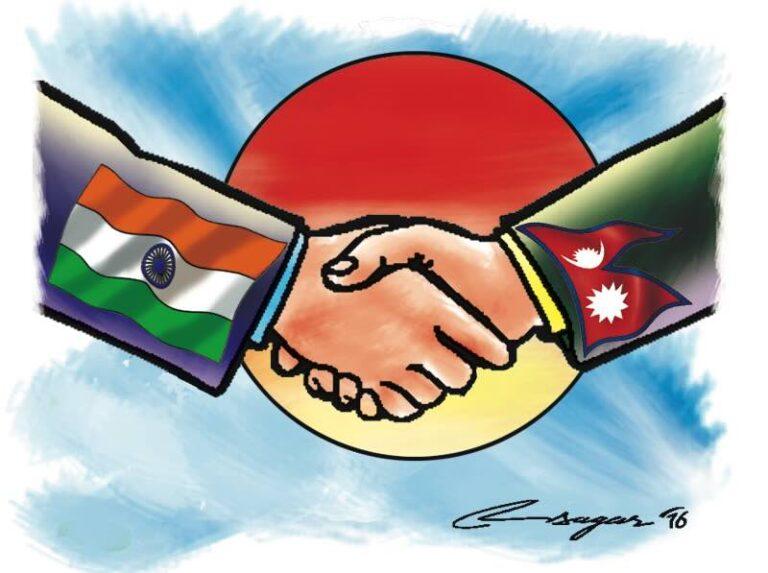
    Officials from Kathmandu and New Delhi are finalising a three-day itinerary for Balendra Shah’s first bilateral foreign trip, expected in late November, that will blend high-profile infrastructure inaugurations with talks on long-standing border, trade and air-route disagreements.

    Nepal’s Prime Minister Balendra Shah, the 36-year-old former rapper and Kathmandu mayor who rose to power after a landslide election victory earlier this year, is set to make his first official bilateral visit abroad when he travels to India in the second half of November. The trip, expected to last three days and remain confined to New Delhi, will mark a significant early test of relations between the Himalayan nation’s new leadership and its giant southern neighbour.

    Indian Prime Minister Narendra Modi had extended an invitation soon after Shah was sworn in on 27 March 2026. Shah’s only previous foreign journey was to New York in September for the United Nations General Assembly. Foreign Minister Shisir Khanal, who accompanied him, later described both sides as determined to ensure the India visit is “fruitful and result-oriented.” Dates have not been formally locked in, though some reports point to a possible window of 23–25 November. Consultations are scheduled to intensify after Nepal’s Dashain festival.

    A New Face in South Asian Diplomacy

    Shah’s ascent has been anything but conventional. Born in Kathmandu in 1990, he trained as a structural engineer, built a following as a rapper whose lyrics tackled corruption and inequality, and won the Kathmandu mayoralty as an independent in 2022. After aligning with the Rastriya Swatantra Party, he helped deliver a decisive parliamentary majority in March 2026 elections that followed widespread youth-led protests. At 36 he is currently the world’s youngest serving head of government. Choosing India rather than China for his first bilateral outing signals a pragmatic priority on economic and connectivity ties with the country that remains Nepal’s largest trading partner and source of investment.

    Ready-to-Inaugurate Projects and New Ground-Breakings

    Both sides have already exchanged lists of projects expected to feature during the visit. Several India-supported schemes are ready for formal inauguration: the Nepal Police Academy in Panauti, a bridge in Darchula district, the integrated check post at Bhairahawa near the Sunauli border crossing, and a motorable bridge across the Mahakali River. The two prime ministers are also expected to jointly mark the start of construction on the integrated check post at Dodhara Chandani, the Lower Arun hydropower project, and a petroleum pipeline running from Siliguri in India’s West Bengal to Jhapa in eastern Nepal.

    These tangible deliverables are intended to demonstrate progress on connectivity and energy cooperation. Officials note that most bilateral technical mechanisms have already completed their meetings, clearing the path for higher-level decisions on larger hydropower ventures. Among those under active consideration are the 750 MW West Seti, 480 MW Phukot Karnali and 450 MW Seti River-6 projects, all involving India’s state-owned NHPC. Additional items on the table include a Koshi River project, the proposed Ayodhya–Janakpur railway link, and possible Indian support for Nepal’s ambitions in artificial intelligence.

    Post-Flood Reconstruction High on the Agenda

    Nepal is also seeking Indian grants and concessional loans for reconstruction after the devastating Bhotekoshi flash floods of 26 August. Finance Minister Swarnim Wagle has already visited India to discuss assistance. Home Minister Sudan Gurung, who met his Indian counterpart Amit Shah on the sidelines of a BIMSTEC meeting in New Delhi last week, publicly thanked India for timely help after the disaster and recent landslides. The reconstruction request is expected to feature prominently in the prime ministerial talks.

    Thorny Issues that Refuse to Fade

    Alongside the ribbon-cutting, Nepali officials acknowledge that several “serious and thorny issues” must be addressed. Chief among them is the long-running boundary dispute centred on the Kalapani–Lipulekh–Limpiyadhura trijunction in the far west. Nepal’s official map, incorporated into its Constitution, claims the area on the basis of the 1816 Treaty of Sugauli, arguing that the Kali (Mahakali) River originates at Limpiyadhura. India administers the territory as part of Uttarakhand and maintains that historical evidence and administrative practice place it on the Indian side. A formal diplomatic note has already been sent by Kathmandu, and both governments have agreed in principle to involve historians, surveyors and local experts. Separate technical work continues on mapping cross-border land occupation elsewhere along the frontier, but the strategic Kalapani sector remains outside that process.

    Other unresolved matters include additional air-entry points for Nepal, the long-stalled Pancheshwar Multipurpose Project on the Mahakali River, and trade and transit arrangements. Nepal continues to run a substantial trade deficit with India and has sought smoother access for its products, including resolution of technical barriers such as Bureau of Indian Standards certification. Air-route requests aim to improve connectivity for Nepal’s new international airports at Bhairahawa and Pokhara.

    Balancing Optics and Outcomes

    Former Nepali ambassador to India, Shankar Sharma, has noted that several projects are ready for inauguration, construction is poised to begin on others, and fresh agreements are under discussion. Yet the visit’s success will ultimately be measured by whether the two sides can move beyond ceremonial launches to concrete progress on the harder dossiers. For Shah, the trip offers an opportunity to project competence on the international stage while managing domestic expectations that a new-generation leader will secure better terms from New Delhi. For India, it is a chance to lock in cooperation with a youthful administration whose domestic mandate is unusually strong.

    Preparations on both sides are already under way. The outcome of the November meetings will shape not only the next phase of bilateral infrastructure cooperation but also the tone of Nepal-India relations. International observers will watch closely to see whether the combination of big projects and old disputes produces genuine forward movement or simply another carefully choreographed diplomatic engagement.

    Nepal: One in Five Children in Madhesh Province Face Multiple Layers of Deprivation

    More than one-fifth of children in Nepal’s densely populated southern Madhesh Province experience overlapping deprivations in nutrition, education, health and basic services, according to a new national analysis, highlighting persistent inequalities even as the country has cut overall multidimensional poverty.

    Around 21.3 per cent of children in Madhesh Province are living in multidimensional deprivation, a National Statistics Office analysis of access to education, healthcare, nutrition and basic facilities has found. The province, home to roughly one-fifth of Nepal’s population and long regarded as the country’s agricultural “food basket,” shows relatively poorer living standards for children compared with other parts of the nation.

    The findings draw on the broader Profiling of Multidimensional Deprivation among Children in Nepal 2026, a joint effort by the National Statistics Office and UNICEF Nepal that examines data from successive rounds of the Nepal Multiple Indicator Cluster Survey (MICS). Nationally, about 21.4 per cent of children aged 0–17 are multidimensionally deprived when measured across three or more dimensions. Madhesh, however, continues to register elevated risks in several key areas.

    Alarming Nutrition Gaps Persist in the Food Basket

    According to the National Statistics Office report, 26.2 per cent of children under five in Madhesh suffer from stunting – low height-for-age that signals chronic undernutrition. Even more striking, 60.7 per cent of infants and young children aged six to 23 months do not receive an adequate and diverse diet. These figures point to serious shortfalls in the quality and variety of food available to the youngest residents of a province that accounts for a large share of Nepal’s agricultural produce.

    Stunting and dietary inadequacy in early childhood are known to impair physical growth, cognitive development and long-term earning potential. International evidence consistently shows that children who experience multiple nutritional deprivations face higher risks of poorer school performance and limited opportunities later in life. In Madhesh the problem is compounded by high rates of early marriage and adolescent fertility, which themselves correlate with poorer maternal nutrition and lower educational attainment for girls.

    Who Is Most at Risk?

    The analysis makes clear that deprivation is not evenly distributed. Children from economically disadvantaged households and those whose mothers have lower levels of education face significantly higher risks. Family economic circumstances, maternal education and the simple availability of basic services such as clean water and healthcare interact to shape a child’s daily reality.

    Provincial officials have described the situation as particularly concerning given Madhesh’s potential. Nawal Yadav, a member of the Provincial Policy and Planning Commission, called it a matter of concern that children’s conditions remain distressing in a province full of potential. He stressed that programmes related to education, healthcare, nutrition and basic services must be prioritised and that policies should place children’s needs at the centre.

    Dhundiraj Lamichhane, a statistics officer at the National Statistics Office, emphasised expanding access to education, healthcare and drinking water while prioritising digital literacy as essential steps to reduce multidimensional deprivation.

    Structural Challenges Beyond the Numbers

    Madhesh Province, the densest and second-most populous of Nepal’s seven provinces, borders India and contains fertile Terai plains. Yet it has historically lagged in human development indicators. Earlier provincial results from the MICS 2024–25 already flagged higher-than-national-average rates of under-five and neonatal mortality, elevated adolescent fertility, lower participation in early childhood education and significant numbers of out-of-school children at secondary level.

    Water quality remains an issue even where access appears high: earlier surveys noted widespread bacterial contamination in household water sources. Health insurance coverage is low, and many families still cross into India for medical care. These gaps reinforce cycles of deprivation that begin in early childhood and can stretch across generations.

    Nepal as a whole has made notable progress. The country more than halved its multidimensional poverty rate over the past decade, according to the latest Global Multidimensional Poverty Index. That national success, however, has not been uniform. Geographic and socioeconomic concentrations of deprivation – especially in Madhesh and the remote western province of Karnali – continue to demand targeted attention.

    The Case for Coordinated, Evidence-Based Action

    Stakeholders stress that isolated interventions will not suffice. Effective coordination among the provincial government, local authorities and partner organisations is considered essential to ensure children gain adequate nutrition, healthcare, education and basic facilities. The report itself calls for evidence-based plans, identification of at-risk families and implementation of targeted programmes.

    Similar challenges appear elsewhere in Nepal. In the far-western Sudurpashchim Province, recent assessments have shown roughly one in six children under five experiencing wasting, alongside significant stunting and underweight rates, illustrating that nutritional vulnerability remains a national concern even as overall poverty declines.

    Agriculture-focused development efforts offer one pathway. Initiatives supporting women farmers in Madhesh have demonstrated that improved seeds, techniques and market access can raise household incomes and potentially improve dietary diversity for children. Yet climate pressures, irregular monsoon patterns and limited irrigation continue to constrain productivity for many smallholders.

    Turning Potential into Progress

    Madhesh’s fertile land, large labour force and strategic location create genuine opportunities for faster progress. Expanding early childhood education, strengthening maternal and child nutrition programmes, improving water and sanitation quality, and raising female educational attainment are repeatedly identified as high-return investments. Digital literacy, as noted by National Statistics Office officials, can help bridge information and service gaps in an increasingly connected world.

    Madhesh’s story is a reminder that national averages can mask sharp subnational disparities. Countries that have successfully reduced overall multidimensional poverty still confront pockets of concentrated deprivation that require precise, locally informed responses. Nepal’s experience – marked by both impressive aggregate gains and stubborn provincial challenges – offers lessons for other developing nations seeking to translate economic potential into better outcomes for the next generation.

    Focus keyphrase: multidimensional child deprivation Madhes Nepal

    Tags: Madhes Province, Madhesh, child deprivation, multidimensional poverty, child stunting, nutrition, Nepal children, National Statistics Office, UNICEF Nepal, education access, early childhood development, Terai, South Asia development,

    Sri Lanka Battles Record Dengue Surge as Cases Top 100,000

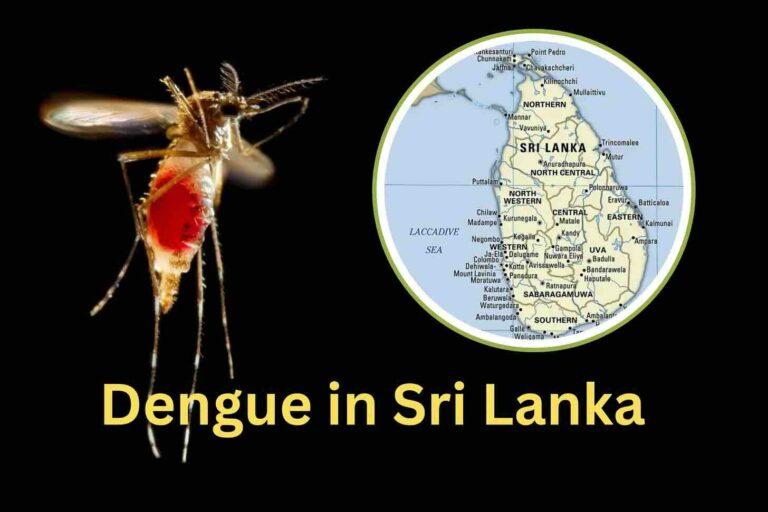
    Sri Lanka has recorded more than 102,000 dengue cases and 79 deaths in 2026, driven by monsoon rains and breeding sites, with the Western Province hardest hit and authorities intensifying inspections and public awareness drives.

    Sri Lanka is confronting one of its most significant dengue outbreaks in recent years, with official figures showing over 102,000 confirmed cases and 79 deaths by mid-October 2026. The National Dengue Control Unit (NDCU) data places the case fatality rate at approximately 0.077 per cent, reflecting improved clinical management even as infection numbers have more than doubled compared with the previous year.

    (Dengue is a mosquito-borne viral infection transmitted primarily by the Aedes aegypti mosquito. It causes high fever, severe headache, pain behind the eyes, muscle and joint pain, nausea and sometimes a rash. Most patients recover, but a minority develop severe dengue, which can involve plasma leakage, bleeding and organ impairment and requires urgent hospital care.)

    Sharp Rise After Monsoon Rains

    The surge began accelerating with the southwest monsoon. Monthly figures illustrate the pattern: January recorded about 7,866 cases, rising steadily through the first half of the year before peaking in July at nearly 30,000 infections. June alone saw more than 21,500 cases. By early October the cumulative total had crossed 100,000, with the Western Province accounting for more than half of all infections.

    Gampaha District has reported the highest number of cases, followed closely by Colombo. Other districts showing elevated transmission include Kandy, Kalutara, Matara, Galle and Ratnapura. At various points this year, between 35 and more than 50 Medical Offices of Health divisions have been classified as high-risk zones.

    Health authorities have repeatedly linked the outbreak to stagnant water left by intermittent rains, discarded containers, abandoned construction sites, tyres, refrigerator trays and poorly maintained water storage. Recent large-scale inspections covering more than 144,000 premises identified over 35,000 potential breeding sites and live larvae in more than 4,200 locations. Notices and legal action followed in thousands of cases.

    The rains that have left behind cesspools of water are mainly attributed to the monsoon, changing weather patterns and climate change and the current El Niño.

    Western Province Remains the Epicentre

    The densely populated Western Province, home to the commercial capital Colombo and surrounding suburbs, continues to shoulder the heaviest burden – roughly 52 per cent of national cases. Southern and Central provinces rank next. Urban density, construction activity and residual debris from earlier weather events have created favourable conditions for mosquito proliferation.

    Earlier in the year, the outbreak placed considerable pressure on public hospitals. A June 2026 report by OneWorld South Asia documented hospitals operating beyond capacity and the temporary deployment of military units to support breeding-site clearance and monitoring. While case numbers have moderated somewhat since the July peak, transmission remains active and authorities warn of a possible secondary rise during the northeast monsoon period later in the year.

    Government and Community Response

    Sri Lankan health officials have intensified vector-control measures. These include house-to-house inspections, fogging in high-risk areas, public education campaigns and legal enforcement against property owners who fail to eliminate breeding sites. Schools and government institutions have also been targeted for inspection, with a notable percentage found to harbour potential or actual mosquito larvae.

    President Anura Kumara Dissanayake earlier directed provincial chief secretaries and security forces to support dengue-control programmes. Armed forces and police have assisted in clean-up drives, particularly in and around Colombo. The NDCU continues to urge the public to empty and scrub water containers weekly, clear gutters, cover water storage and use mosquito repellents during daytime hours when Aedes mosquitoes are most active.

    Young adults and working-age people between 25 and 49 years appear particularly affected, according to earlier ministry analyses, partly because many delay seeking medical care for fever lasting more than two days.

    Symptoms, Warning Signs and Prevention

    The World Health Organisation notes that dengue symptoms typically last two to seven days. Warning signs of severe disease include persistent vomiting, severe abdominal pain, bleeding from gums or nose, rapid breathing, extreme fatigue and a sudden drop in temperature. Immediate medical attention is essential in such cases.

    There is still no widely available vaccine that offers complete protection against all dengue serotypes in Sri Lanka’s public health system. Prevention therefore rests on eliminating mosquito breeding opportunities and personal protection. The government advises international travellers to use effective insect repellent, wear long clothing during the day, and stay in accommodation with screened windows or air-conditioning.

    Broader Context and Challenges

    Sri Lanka has a long history with dengue. The largest recorded outbreak occurred in 2017 with more than 186,000 cases. Numbers fell during the COVID-19 period and in 2025, but 2026 has reversed that trend. Climate patterns, urbanisation, waste management difficulties and the lingering effects of previous flooding events have all contributed.

    Despite the high caseload, the relatively low case fatality rate indicates that clinical protocols and early detection systems are functioning. Training of doctors in dengue management and improved surveillance through the National Dengue Surveillance System have been credited with reducing deaths compared with earlier epidemics.

    Nevertheless, sustained community participation remains essential. Health officials emphasise that discarded items and temporary water collections continue to be the most common breeding sources. Ongoing inspections and public cooperation will determine whether the country can keep transmission under control through the remainder of the rainy season.

    Focus keyphrase: dengue outbreak Sri Lanka 2026

    Tags: dengue, Sri Lanka, mosquito-borne disease, public health, Western Province, monsoon, National Dengue Control Unit, vector control, Aedes aegypti, tropical diseases,

    UN Warns: Climate Change Could Force 40.5 Million South Asians from Their Homes by 2050

    Rising seas, floods, droughts and extreme heat are already uprooting livelihoods across South Asia, the UN migration chief says, urging technology, funding and safe pathways to prevent a mass displacement crisis.

    Climate change is rapidly eroding the foundations of life for millions across South Asia, threatening homes, farms and livestock and potentially forcing up to 40.5 million people to move by 2050 in a worst-case scenario, according to the United Nations. International Organisation for Migration (IOM) Director-General Amy Pope delivered the stark assessment during a visit to New Delhi on Friday, underscoring that displacement is increasingly becoming the first form of adaptation when communities can no longer feed themselves or their animals.

    The warning comes as the region – home to nearly a quarter of the world’s population – faces a convergence of rising seas, intensifying floods, prolonged droughts and deadly heat. Pope pointed to a recent catastrophe in Nepal as a grim illustration of the risks. On 26 August, a mountain and glacier collapse in the Himalayas triggered flash floods that killed more than 1,300 people, left thousands missing and destroyed critical infrastructure. The IOM responded with humanitarian assistance, but the event highlighted how cascading cryosphere disasters can devastate communities far downstream.

    Himalayan Disasters Signal Cascading Regional Risks

    South Asia’s mountain systems, often called the “water towers of Asia,” are warming faster than the global average. Glacier retreat, permafrost thaw and extreme precipitation are producing sudden floods that travel through shared river basins, affecting India, Nepal, Bangladesh, Pakistan and beyond. Around 270 million people depend directly on these high-mountain water sources, while nearly two billion live downstream. Events like the August disaster in Nepal’s Bhotekoshi corridor demonstrate that national borders cannot contain the consequences.

    Pope stressed that when agricultural production collapses and livestock cannot be sustained, movement becomes inevitable. “When they can’t produce food, when they can’t feed their livestock, it increases the likelihood of displacement,” she said. “The first adaptation is often for people to move.”

    Extreme Heat and Urban Pressures Compound the Crisis

    Beyond sudden disasters, slow-onset impacts are reshaping daily life. Extreme heat is already eroding the equivalent of 31 million full-time jobs a year across South Asia and could shrink the region’s economy by nearly 7 per cent by 2050, according to World Bank analysis. Cities are absorbing many of those forced to leave rural areas. In India, Pope noted, people are increasingly seeking refuge from unbearable heat in urban centres, accelerating unplanned urbanisation and placing pressure on already strained infrastructure and services.

    Bangladesh and Pakistan face parallel pressures. Low-lying deltaic areas in Bangladesh remain highly vulnerable to sea-level rise, cyclones, salinity intrusion and river erosion. Projections suggest millions of internal climate migrants by mid-century. In Pakistan, intensified monsoons have repeatedly turned summer landscapes into flood zones, displacing large populations and damaging agriculture. Coastal cities such as Dhaka and Karachi are expected to receive significant numbers of climate migrants in coming decades, according to UN assessments.

    Children and Vulnerable Groups Face Heightened Risks

    The human cost is particularly acute for the young. A UNICEF report estimates that between 2016 and 2022, some 15.6 million children across South Asia were displaced by weather-related disasters – the equivalent of more than 6,100 children every day. Looking ahead, modelling suggests more than 35 million children could face displacement over the next three decades without urgent action. Disrupted education, healthcare and protection systems leave these children exposed to greater risks of exploitation, child labour and early marriage.

    Women and informal workers also bear disproportionate burdens. Many depend on agriculture and outdoor labour, sectors highly sensitive to heat and rainfall extremes. When livelihoods vanish, families often resort to precarious migration routes that expose them to trafficking and exploitation.

    Technology, Data and Funding as Tools for Prevention

    Pope argued that technology and proactive government action can still limit the scale of forced movement. Better forecasting, early-warning systems and artificial intelligence can help identify high-risk areas before disasters strike. Investment in climate-resilient infrastructure, skills training and legal migration pathways can turn mobility into a planned adaptation strategy rather than a desperate flight.

    She criticised the current shortfall in global adaptation finance and the lack of urgency among many governments. “There’s a lack of urgency globally about the risks that vulnerable communities are facing,” Pope said. Funding gaps leave communities without the resources needed to reinforce homes, diversify livelihoods or prepare for planned relocation when necessary.

    Regional cooperation is equally critical. Shared river systems and interconnected climate risks mean that early-warning data, glacier monitoring and disaster response must cross borders. Initiatives such as the EU-backed climate mobility programme launched by Bangladesh and the IOM point toward practical steps: strengthening research, building institutional capacity and integrating mobility into national climate plans.

    Safe Migration Pathways Offer a Path Forward

    Pope emphasised that migration itself need not be a failure of adaptation. When supported by skills training, legal job opportunities and protections against exploitation, it can help families build resilience. Expanding regular pathways reduces the incentive for dangerous irregular journeys and allows remittances to support communities of origin.

    South Asia’s climate challenges are not isolated. The region contributes relatively little to historical greenhouse-gas emissions yet faces some of the most severe impacts. The decisions taken by major emitters on mitigation and by the international community on adaptation finance will directly influence whether tens of millions of people are forced from their homes.

    Time for Coordinated Global and Regional Action

    The 40.5 million figure represents a worst-case trajectory. Stronger emissions reductions, scaled-up adaptation investment and coordinated regional planning can still reduce the numbers significantly. Governments in South Asia are beginning to incorporate climate mobility into policy frameworks, but implementation lags behind the accelerating pace of change.

    For the international community, supporting South Asia’s efforts to build resilience is not only a humanitarian imperative but also a matter of global stability. Mass displacement carries risks of increased poverty, urban strain, social tension and irregular migration flows that extend far beyond the region’s borders.

    Sri Lanka Ready for New IMF Growth Deal as Stability Takes Hold, Says President

    President Anura Kumara Dissanayake signals openness to a fresh IMF arrangement focused on growth after the current programme restored macroeconomic stability, while outlining reforms to attract investment and tackle rural poverty.

    Sri Lankan President Anura Kumara Dissanayake has declared that his government is prepared to enter a new agreement with the International Monetary Fund if it supports sustained economic growth while safeguarding hard-won stability. Speaking at the Sri Lanka Economic and Investment Summit organised by the Ceylon Chamber of Commerce, he said the primary goal of the existing four-year Extended Fund Facility had been achieved and the next phase must prioritise expansion.

    The summit, held under the theme “Positioning Sri Lanka in a Changing Global Economy: Resilience, Reforms, and the Future of Economic Policy,” brought together policymakers, business leaders and international investors. Dissanayake used the platform to outline a roadmap spanning rural development, infrastructure, energy, tourism and digital skills, while stressing that any future IMF engagement would be judged by its contribution to growth without reversing stabilisation gains.

    From Crisis Recovery to Growth Ambitions

    Sri Lanka’s current IMF programme, approved in March 2023 with financing of about $3 billion, helped the country exit its deepest economic crisis in decades. After a 7.3 per cent contraction in 2022, the economy has posted consecutive years of growth, with real GDP expanding around 5 per cent in 2024 and 2025 and further quarterly gains in 2026. Reserves have risen, debt restructuring is largely complete, and the World Bank has restored upper-middle-income status.

    Dissanayake noted that stability has been secured. “The primary goal of the initial four-year Extended Fund Facility programme held with the IMF was achieving economic stability. That stability has been successfully achieved, and the next step is achieving economic growth while protecting that stability. If we can enter into a new agreement for that growth, we are ready to go,” he said.

    IMF officials have echoed the positive assessment. Deputy Director of the Asia and Pacific Department Sonali Jain-Chandra stated that the Fund stands ready to support Sri Lanka “in any way they desired, as appropriate,” highlighting strong fiscal performance and structural improvements, including in governance. A staff-level agreement on the seventh review under the current facility is expected to unlock roughly $345 million once the Executive Board approves it, with another review planned before the programme expires in March 2027.

    Discussions on post-programme options are already under way. Officials have indicated a shift from crisis-driven support towards a more sustainable, growth-oriented engagement, though no final decision has been taken. Sri Lanka has sought IMF assistance on 17 previous occasions since joining the institution.

    Tackling Rural Poverty and Expanding Opportunities

    A central challenge remains rural poverty, which a recent World Bank report placed at 16.9 per cent. Nearly five million people receive Aswesuma benefits, the government’s main social safety net. Dissanayake acknowledged that not everyone can immediately join the economic mainstream and that a vulnerable group will always require support. The larger problem, he said, is the limited economic opportunities available in rural areas – largely confined to subsistence agriculture, fishing or small retail.

    The government has launched a collateral-free loan scheme that has already disbursed nearly 18 billion rupees to rural entrepreneurs. Budget allocations this year direct almost 100 billion rupees toward rural priorities, including 35 billion for small tanks and canals, 25 billion for the Prajasakthi rural programme and 24 billion for rural roads. The 2027 budget will emphasise faster communications and better road links between villages and cities so that people can remain in their communities while accessing markets and services.

    These measures form part of a longer-term strategy rather than a quick fix. “This cannot be completed in a year or two like building a building or constructing a road. A programme with a targeted, continuous plan is required,” the President said. Broader recovery indicators show poverty has eased from its crisis peak but remains above pre-2019 levels, underscoring the need for inclusive growth.

    Speeding Approvals and Overhauling Laws

    Capital expenditure is set to rise sharply to 2 trillion rupees in the coming budget. Execution rates have improved – from 64 per cent in 2023 and 54 per cent in 2024 to 76 per cent in 2025 despite elections and disasters – but bottlenecks persist. Outdated procurement rules designed mainly for buying goods struggle with modern purchases such as software solutions or promotional campaigns. The government plans new procedures for specialised fields, early tendering once the Treasury certifies funds, e-procurement and special salary scales to retain skilled public servants.

    Key legislation is advancing. The State-Owned Enterprises management law is expected to reach the Cabinet within two weeks. The public-private partnership law has been prepared by the Legal Draftsman’s Department and sent to the Attorney General. Labour laws, currently scattered across about 12 acts, will be reviewed, and amendments to the Customs Ordinance have reached broad agreement after long consultations with the Chamber of Commerce and Customs officials. Most of these measures are expected to pass Parliament in January or February.

    Unlocking Ports, Energy and Tourism Potential

    One of the most concrete signals of private-sector openness concerns Colombo Port’s East Container Terminal. Currently handling about 500,000 containers against a capacity of 3.2 million, the facility is underutilised. Dissanayake said the Ports Authority alone cannot maximise its potential and indicated openness to private management while retaining state ownership. A related $1.4 billion breakwater investment to support West Container Terminal II has also been flagged.

    In energy, the government prioritises both reliability and lower costs. Competitive tenders have already delivered solar power at 3.74 to 3.96 US cents per unit, far below earlier feed-in tariffs. Solar capacity has expanded rapidly, with 1,500 new megawatts added in two years and agreements for another 1,100 megawatts. Floating solar projects on reservoirs such as Ibbankaduwa, Randenigala and others aim to conserve scarce land. Private investment is being invited for selected high-voltage transmission lines.

    Tourism promotion has been hampered by rigid procurement rules that struggle to “buy an idea.” The Tourism Authority plans tenders in January and is running pilot campaigns in five countries. A performance-based incentive is under consideration: operators who exceed this year’s tourist numbers could receive budget support for the excess arrivals.

    Building Skills and Digital Capacity

    Looking ahead, the government is preparing a Cabinet paper for an artificial intelligence centre in Wijerama in collaboration with Singapore, expected this week. Expanding business-process outsourcing and online work opportunities is another priority to create international linkages and higher-value employment.

    These steps come as Sri Lanka seeks to convert stability into durable competitiveness. The Ceylon Chamber of Commerce has urged both public and private leaders to become “reform champions.” International partners, including the Asian Development Bank, continue to support skills development and infrastructure that can broaden the recovery’s benefits.

    Dissanayake’s message to investors was clear: transparent rules, infrastructure development and policy predictability will underpin the next phase. Whether that phase includes a formal new IMF arrangement will depend on negotiations that balance growth ambitions with the preservation of fiscal and external buffers. For a country that has already defied expectations by stabilising after default, the test now is whether reforms can deliver inclusive expansion that reaches the rural majority and attracts the sustained capital needed for long-term transformation.

    India’s Supreme Court Urged to Expedite Contempt Case Over Alleged GM Rice Releases

    Activist Aruna Rodrigues, through lawyer Prashant Bhushan, has asked India’s Supreme Court to urgently hear claims that the government violated 2024 orders by releasing herbicide-tolerant and gene-edited rice varieties without a national policy.

    India’s Supreme Court has been pressed to list for urgent hearing a contempt petition that accuses the central government and senior officials of wilfully disobeying its own directions on genetically modified crops. The plea, brought by long-time campaigner Aruna Rodrigues, centres on the alleged commercial release of herbicide-tolerant basmati rice and gene-edited rice varieties at a time when the court had ordered the formulation of a comprehensive national policy before any such environmental releases.

    Advocate Prashant Bhushan raised the matter on Monday before a bench headed by Chief Justice Surya Kant and comprising Justices Joymalya Bagchi and V. Mohana. He told the court that approval for the cultivation of herbicide-tolerant genetically modified basmati rice had now been granted, making an early hearing essential. Bhushan stressed that the contempt proceedings arise from the court’s July 2024 judgment and are distinct from a pending reference on GM mustard that is being heard by a special three-judge bench.

    Court Directions from July 2024

    On 23 July 2024 the Supreme Court delivered a split verdict on the validity of the government’s 2022 conditional approval for the environmental release of genetically modified mustard. While the two judges disagreed on that specific approval, they were unanimous on one critical point: the Union government must formulate a comprehensive national policy covering research, cultivation, trade and commerce in genetically modified crops. The policy, the court said, must be developed through consultation with experts, state governments, farmers’ representatives and other stakeholders.

    Rodrigues’ petition alleges that this direction, along with earlier orders and government assurances given between 2016 and 2017 that no environmental release would occur until the court had addressed the issue, has been deliberately disregarded.

    Alleged Releases of Herbicide-Tolerant and Gene-Edited Varieties

    According to the petition, herbicide-tolerant basmati rice varieties marketed under the brand name RobiNOweed were commercially released in May 2024. In May 2025, gene-edited varieties including DRR Rice 100 (marketed as Kamla) and Pusa DST Rice 1 were also released. The plea names senior officials, including the secretaries of the environment and agriculture ministries and the chairperson of the Genetic Engineering Appraisal Committee, as respondents.

    Bhushan argued in court that the herbicide-tolerant basmati variety “will destroy our basmati. It will contaminate and cause havoc.” The special bench handling the GM mustard reference had earlier declined to take up the contempt petitions, prompting the request for listing before a regular contempt bench.

    Risks to Genetic Diversity and Export Markets

    India is a centre of origin and genetic diversity for rice, holding more than 80,000 accessions in its germplasm collections. The petition warns that the introduction of herbicide-tolerant varieties risks irreversible contamination of this diversity. A 2013 Technical Expert Committee appointed by the Supreme Court itself had recommended a complete ban on herbicide-tolerant crops, particularly in regions and crops associated with genetic diversity, citing both environmental and health concerns linked to the herbicides used with such crops.

    Equally significant for the international community is the potential impact on India’s non-GMO basmati export trade. India is the world’s leading exporter of basmati rice, with annual shipments in recent years exceeding 6 million tonnes and export values reaching several billion dollars. Major markets in the Middle East, Europe and elsewhere place a premium on the aromatic, long-grain rice precisely because it is produced without genetic modification. Any perception of contamination could trigger rejections, tighter testing regimes and long-term damage to a trade that supports millions of farmers in the Indo-Gangetic plains.

    Broader Context of Gene-Edited Crops in India

    The gene-edited varieties at the centre of the controversy were publicly launched by the Indian government in May 2025 as the world’s first genome-edited rice developed entirely within the country using CRISPR-Cas technology. Officials presented DRR Rice 100 (Kamla), developed from Samba Mahsuri, and Pusa DST Rice 1, developed from MTU 1010, as breakthroughs offering earlier maturity, improved salinity tolerance and higher yields without the insertion of foreign DNA.

    Critics, however, have questioned both the scientific claims and the regulatory pathway. In November 2025 the Coalition for a GM-Free India accused the Indian Council of Agricultural Research of selectively presenting trial data and overstating performance advantages for the same varieties. The group argued that official progress reports showed limited or inconsistent gains under real-world conditions.

    Regulatory Vacuum and International Implications

    India currently permits only Bt cotton as a commercially cultivated genetically modified crop. The regulatory framework for gene-edited organisms that do not contain foreign DNA remains less clearly defined than for transgenic crops, creating what critics describe as a grey zone. The Supreme Court’s 2024 insistence on a national policy was intended to close that gap by ensuring transparent, science-based and consultative decision-making.

    The case raises wider questions about how rapidly advancing biotechnologies are governed in one of the world’s largest agricultural economies and food exporters. Rice is a staple for more than half of humanity. Decisions taken in India therefore carry implications for food security, biodiversity conservation and the integrity of global supply chains that rely on non-GMO status.

    Indonesia Rejects National Disaster Status as Toxic Haze Blankets Southeast Asia

    Indonesia’s government insists it can manage the raging forest fires without declaring a national disaster, even as toxic haze blankets the region, disrupts flights, closes schools and sparks health crises across borders.

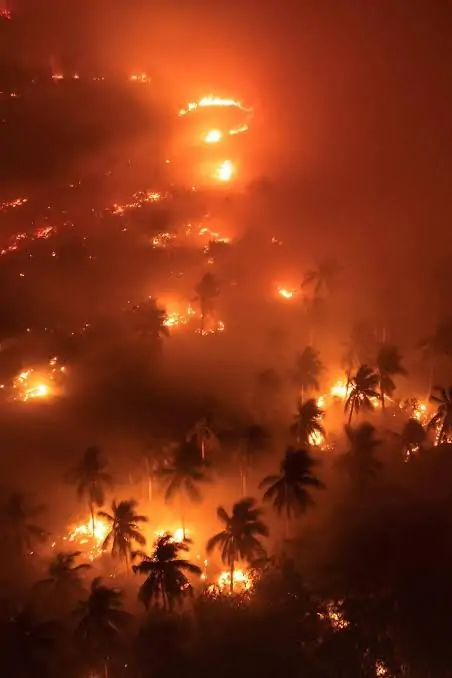
    Firefighters battled wildfires in Banjarbaru in Indonesia’s South Kalimantan province, on October 13, 2026, as thick smoke from peatland blazes continued to shroud communities on Borneo and drift across Southeast Asia. The image captured a crisis that has persisted for months, driven by prolonged drought linked to a powerful El Niño event and the annual practice of land clearing. Yet Jakarta has drawn sharp criticism for refusing to declare the fires a national disaster, a step that environmental groups and some lawmakers say would unlock greater resources and potentially open the door to international assistance.

    Government Stance Draws Criticism

    Coordinating Political and Security Affairs Minister Dudung Abdurachman stated after a limited cabinet meeting chaired by President Prabowo Subianto that Indonesia had no plans to elevate the status of the forest and land fires. “We are still capable of handling it,” Dudung told reporters, adding that the President had ordered intensified firefighting and mitigation efforts to bring the blazes under control as soon as possible. International offers of help were not discussed at the meeting, though the minister acknowledged concerns from neighbouring countries about the transboundary haze.

    The decision has faced pushback at home. Greenpeace forest campaigner Belgis Habiba argued that the scale of the crisis and its impact on communities justified a national disaster declaration. She criticised the government for failing to prevent the fires despite scientific warnings about the heightened drought risk this year. “This situation hasn’t been handled seriously, evidenced by the failure to declare the [fires and haze] a national disaster,” she said.

    The Indonesian Forum for the Environment (Walhi) similarly faulted the response and questioned the reluctance to accept foreign assistance. Campaigner Uli Arta Siagian cautioned that any disaster designation should not reframe the fires as purely natural, which could absolve companies of responsibility for blazes on their concessions. House of Representatives Commission IV member Daniel Johan, who oversees forestry matters, expressed support for the status, noting it could enable more funding and manpower. “Our top priority is the safety of the people in Kalimantan, Sumatra and other affected areas,” he said.

    Regional Fallout Intensifies

    The haze has disrupted daily life far beyond Indonesia’s borders. Malaysia Airlines cancelled flights to and from Jeddah and Madinah until mid-October, while low-cost carrier Firefly extended cancellations between Kuala Lumpur and Singapore. Schools in parts of Malaysia have closed, and air quality indices in cities such as Kuala Lumpur and Singapore have ranked among the world’s worst in recent days. Singapore reactivated health-care subsidies for haze-related illnesses for the first time since 2015.

    Malaysian Prime Minister Anwar Ibrahim contacted President Prabowo about the “alarming” levels of haze, offering assistance. Singapore’s Minister for Sustainability and the Environment Grace Fu similarly reached out to her Indonesian counterpart. The smoke has also affected East Timor, prompting a three-day nationwide school closure, and reached as far as the Philippines.

    Within Indonesia, the government has prioritised six provinces: Central Kalimantan, South Kalimantan, West Kalimantan, South Sumatra, Jambi and Riau. Particular attention has focused on Tanjung Puting National Park in Central Kalimantan, where more than 513 hectares burned recently. Persistent fires have strained volunteer firefighters, with at least four deaths reported among those battling blazes in the park. Some volunteers have withdrawn amid limited support.

    Health Impacts Mount Across Borders

    Health consequences have been severe. Respiratory illness cases linked to the haze in seven Indonesian provinces surged to 277,075 by mid-October, more than double the figure recorded a month earlier. More than 12.5 million people across affected regions have been exposed to toxic smoke. Children have been particularly vulnerable, with tens of thousands of cases involving young children. Air quality in places such as Palangka Raya in Central Kalimantan has reached levels several times above the hazardous threshold, turning skies orange and reducing visibility to mere dozens of metres.

    In South Kalimantan, Banjarbaru and surrounding areas have endured prolonged periods of thick haze from peatland fires. Visibility has dropped to as low as 10 metres in some locations, disrupting airport operations at Syamsudin Noor International Airport and forcing shifts to online learning for students. Similar disruptions have affected more than 1.4 million students across Indonesia at the height of the crisis, with thousands of schools closing or moving online.

    Neighbouring countries have recorded parallel spikes in respiratory complaints and emergency measures. Singapore’s decision to revive health subsidies underscores the cross-border nature of the public health emergency.

    Causes Rooted in Land Use and Climate

    The fires form part of Indonesia’s worst wildfire season in more than a decade. Independent monitoring has recorded hundreds of thousands of hotspots and nearly 900,000 hectares burned since the start of the year. Peatlands, once drained for agriculture and plantations, burn underground and release dense, long-lasting smoke that is difficult to extinguish. Environmental groups point to deliberate land clearing by companies and individuals as a major driver, alongside the intensified dry conditions from El Niño.

    Authorities have suspended operating licences of dozens of companies linked to the fires and launched investigations. Cloud-seeding operations, water-bombing by aircraft, and ground teams have been deployed, with the military supporting efforts in areas such as South Kalimantan. Yet critics argue that preventive measures and enforcement have fallen short, allowing the crisis to escalate.

    International Offers and Sovereignty Concerns

    Malaysia and Singapore have repeatedly offered firefighting support, including aircraft, helicopters and personnel. Japan previously provided Chinook helicopters. Indonesia has indicated it will assess offers based on effectiveness but has so far preferred to manage the response domestically. Some Malaysian politicians have suggested stronger regional mechanisms, including an ASEAN firefighting task force, or even legal avenues if cooperation remains limited.

    ASEAN foreign ministers are expected to discuss the transboundary haze at an upcoming meeting. The episode highlights longstanding regional tensions over the annual haze, which has strained diplomatic relations in previous severe seasons such as 2015.

    President Prabowo has ordered additional resources and described containing the fires as a top priority. Environment officials have expressed hope that the blazes can be controlled within weeks, though forecasts suggest dry conditions may persist into November or December in some areas. Civil society groups continue to press for stronger accountability, better peatland management and greater openness to external help when public safety is at stake.

    Sri Lanka’s Middle Class Shrinks as Nearly 400,000 Households Slide Down Income Ladder, Says Boston Consulting Group

    A new Boston Consulting Group study reveals that while average incomes and consumption have risen in nominal terms, the country’s income pyramid has thickened at the bottom, leaving more families in lower segments since the 2020 crisis.

    A new study by Boston Consulting Group (BCG), prepared with the Ceylon Chamber of Commerce, shows that roughly 0.4 million households have slipped out of the middle-income “Emerging” segment since 2020 and into the lower “Aspirer” and “Struggler” categories.

    The report, The Changing Path to Purchase in Sri Lanka: How Consumers Discover, Select and Transact Today, paints a picture of a recovery that is real in aggregate but uneven in distribution. For international readers, the findings illustrate a broader post-crisis pattern seen across emerging economies: headline growth can mask a quieter erosion of the middle class that once drove aspiration and consumption.

    Recovery in Numbers, Uneven in Reality

    Between 2020 and 2026 the number of households in Sri Lanka grew from 5.7 million to 6.7 million. Average monthly household income rose from Rs. 67,000 to Rs. 109,000. Real household consumption reached approximately Rs. 8.9 trillion in 2025 (at 2015 prices), surpassing the pre-crisis peak of Rs. 8.2 trillion in 2019, and has since approached Rs. 9 trillion. Consumption now accounts for about 67 per cent of real GDP, up from 61 per cent before the crisis.

    These figures reflect stabilisation after the severe 2022 economic collapse that triggered debt default, hyperinflation and widespread shortages. Sri Lanka regained upper-middle-income status from the World Bank in 2026 after strong growth in 2025. Yet BCG’s analysis of income distribution tells a different story. 

    Parul Bajaj, BCG India Leader for Marketing, Sales and Pricing and Managing Director and Partner, told local media that the two lowest-income segments expanded. About 400,000 households moved downward from the middle-income Emerging category.

    BCG classifies households earning less than Rs. 40,000 a month as “Strugglers” and those above Rs. 150,000 as “Established+”. The study did not adjust for inflation between 2020 and 2026, so the rise in average income is nominal. Real purchasing power has not fully recovered for large sections of the population. The result is a thicker base of the income pyramid and greater concentration of spending power higher up.

    Rural Middle Class Still Dominant, Affluent Power Concentrated

    Geography amplifies the divide. Rural Sri Lanka accounts for 56 per cent of all middle-class households and remains the backbone of national consumption. The middle class as a whole drives roughly 70 per cent of spending. Affluent households, however, are heavily concentrated in the Urban West, where they are twice as numerous as in rural areas. These households make up only about 4 per cent of the total but contribute around 11 per cent of national consumption and show the strongest intention to increase spending.

    Nishant Gupta, Managing Director and Senior Partner at BCG, noted that consumer behaviour differs sharply by income segment. “Over a period of time, economies typically move up the ladder,” he said. In Sri Lanka’s case, the movement has been uneven. Essentials absorb as much as 71 per cent of spending among Struggler and Aspirer households. Housing costs, including rent and utilities, have edged up to 22 per cent of household budgets from 21 per cent in 2020, while education’s share has slipped from 8 per cent to 7 per cent.

    Spending Intent Outpaces Income Growth

    Looking ahead, 77 per cent of consumers expect to spend more over the next six months, yet only 38 per cent expect their incomes to rise. This gap forces deliberate choices. Families plan to allocate more to essentials such as staples and personal care, maintain spending on everyday items, and cut or defer discretionary purchases, especially high-ticket items such as vehicles, large appliances and furniture.

    Higher-income households demonstrate greater resilience; their intention to cut discretionary spending is about 40 per cent lower than the national average. Lower-income groups face tighter constraints. The pattern is consistent with persistent poverty challenges that have shadowed the recovery, even as macroeconomic indicators improved.

    Digital Divide and Access to Finance Widen Gaps

    Access to finance and technology further separates income groups. Only 19 per cent of consumers overall hold credit cards, rising to 33 per cent among households earning above Rs. 150,000 a month. Digital banking is used by just 25 per cent of account holders, but the figure ranges from 8 per cent in the lowest-income segment to 47 per cent among the affluent – a sixfold difference. Awareness and use of generative AI follow a similar pattern: 71 per cent of affluent consumers are aware of it and 29 per cent use it, compared with 55 per cent awareness and 18 per cent usage across the broader population.

    Banks have left substantial demand untapped, particularly in rural areas that house the bulk of the middle class. Credit products remain concentrated among higher-income urban households, limiting the potential for credit-led consumption growth.

    Brands Must Re-earn Preference in a More Cautious Market

    Consumer discovery has also shifted. Word of mouth remains the strongest influence at 66 per cent, but digital influence has risen to 51 per cent from 32 per cent in 2020, led by YouTube and social media. Generative AI is emerging as a new tool for researching brands and products. Single-brand loyalty has weakened in several categories: among staples buyers it fell from 14 per cent to 6 per cent between 2020 and the latest survey, while consideration of two or three brands rose.

    Shiran Fernando, Secretary General and CEO of the Ceylon Chamber of Commerce, summarised the challenge for business: demand has returned in a different shape. Companies must understand where spending power now sits and how households prioritise it.

    Implications Beyond Sri Lanka’s Shores

    The BCG findings offer a cautionary note. Sri Lanka’s experience shows that rapid macroeconomic stabilisation after a deep crisis does not automatically restore the middle class that previously underpinned social mobility and domestic demand. GDP growth has moderated in recent quarters, and external risks – from global energy markets to climate events – remain elevated.

    The thickening of the lower end of the income distribution, the geographic concentration of affluence, and the deliberate shift toward essentials all suggest that consumption recovery rests on a narrower and more uneven base than the headline numbers imply. BCG says that policymakers and businesses alike will need strategies that address both the scale of the rural middle class and the constraints facing households that have slipped downward if the gains of recovery are to become more widely shared.

    India Ranks 100th on Global Hunger Index 2026 as Child Wasting Hits Highest Level in South Asia

    India remains in the “serious” hunger category with a score of 24.1, as child wasting rises to 19 per cent while stunting and undernourishment show modest gains amid a global slowdown.

    India has been ranked 100th among 122 countries in the 2026 Global Hunger Index (GHI), released by Concern Worldwide, Welthungerhilfe and Helvetas. With a score of 24.1, the country continues to fall in the “serious” category on the 100-point scale, a classification it has held since 2012. The score represents a modest improvement from 25.8 in 2018, yet the pace of progress has slowed markedly compared with the steeper gains recorded between 2006 and 2012.

    The 2026 report, titled “No Security without Food Security,” underscores that global hunger has reversed earlier declines. The worldwide GHI score stands at 18.1, higher than in 2018, reflecting the cumulative impact of conflicts, climate extremes and economic shocks. South Asia’s regional score of approximately 23.5 remains in the serious range, only slightly better than India’s national figure.

    India’s Mixed Indicators Reveal Persistent Challenges

    The GHI is calculated from four indicators: the prevalence of undernourishment, child stunting (low height for age), child wasting (low weight for height) and under-five mortality. All of the data is sourced from the FAO. India’s latest data show divergent trends. Undernourishment has declined to 9.8 per cent from 10.5 per cent in the previous reference period. Child stunting has fallen to 29.3 per cent, moving for the first time from the “very high” to the “high” public-health significance category. Under-five mortality stands at 2.7 per cent, continuing a long-term downward trajectory.

    Child wasting, however, has risen to 19.0 per cent from 16.9 per cent. This rate is the highest recorded in South Asia and among the highest globally in the 2026 assessment. The report notes that India’s child-wasting figure has remained very high across every reference year examined. The combination of improving chronic indicators and deteriorating acute ones leaves the overall score little changed and progress fragile.

    How India Compares within South Asia and Beyond

    Within the region, India performs better than Pakistan (score 25.5) and Afghanistan but trails Bangladesh (19.2), Nepal and Sri Lanka, which fall into the moderate category. Globally, India shares the 100th rank with Ethiopia. Countries with lower scores include several in Latin America and East Asia that have sustained stronger reductions in undernutrition. The report emphasises that rankings and scores cannot be directly compared with those published in earlier annual editions because of periodic revisions to underlying data and methodology. Only the scores calculated within the 2026 report itself allow valid comparisons across the reference years of 2000, 2006, 2012, 2018 and 2026.

    The absolute numbers matter: India’s population size means that even percentage-point improvements translate into tens of millions of children still affected by stunting or wasting. The country’s large-scale food safety-net programmes, including the National Food Security Act and the Pradhan Mantri Garib Kalyan Anna Yojana, have expanded grain distribution to hundreds of millions of people. Yet the GHI data indicate that access to calories alone has not fully translated into improved nutritional outcomes for young children.

    Climate Risks and the Monsoon Outlook Add Urgency

    The 2026 report highlights emerging climate pressures. The India Meteorological Department has forecast a 60 per cent probability of below-normal rainfall across the Monsoon Core Zone, which covers most of India’s rain-fed agricultural areas. An intensifying El Niño is expected to compound the risk. Such conditions threaten food production and could reverse recent gains in undernourishment if they materialise.

    These warnings align with broader findings in the report that progress against hunger has become more fragile across multiple regions. Africa south of the Sahara and South Asia continue to record serious levels of hunger, while scores have risen since 2018 in parts of West Asia and North Africa.

    Government Programmes and the Road to Nutrition Security

    Indian policy responses have centred on expanding coverage of nutrition schemes such as POSHAN Abhiyaan and Mission Poshan 2.0, strengthening the Integrated Child Development Services and improving maternal and child health services. Stunting reductions reflect cumulative investments in sanitation, immunisation, antenatal care and institutional deliveries. Independent analyses, including those drawing on National Family Health Survey data, have noted parallel improvements in several of these areas.

    Nevertheless, the rise in child wasting points to continuing difficulties with diet quality, intra-household food distribution, care practices and the affordability of diverse, nutrient-rich foods. International observers note that the cost of a healthy diet remains a barrier for large segments of the population even as staple-grain availability has improved but nutritious diets continue to elude millions despite gains in overall food availability.

    Global Context: Hunger Linked to Broader Security

    The report’s central thesis is that food and nutrition security cannot be separated from wider questions of peace and resilience. Overlapping crises – armed conflict, climate shocks and economic volatility – have interrupted nearly two decades of global progress. Governments and donors are urged to embed the right to adequate food systematically into resilience, peacebuilding and security policies. For a country of India’s scale and geopolitical weight, sustained reduction in child undernutrition carries implications not only for domestic human development but also for regional stability and the achievement of Sustainable Development Goal 2 on zero hunger.

    Earlier assessments have similarly stressed that without accelerated action, high levels of hunger could persist for generations in the most affected regions. The 2026 findings reinforce that message: incremental gains are real, yet they remain vulnerable to climatic and economic headwinds.

    From Calorie Security to Nutritional Outcomes

    India’s experience illustrates both the strengths and the limits of large-scale public food distribution. Grain production and safety-net coverage have risen substantially, contributing to lower undernourishment rates. Transforming those gains into consistent reductions in child wasting and further declines in stunting will require complementary measures focused on diet diversity, women’s nutrition, early childhood care and climate-resilient agriculture.

    International development partners continue to support technical assistance for nutrition-sensitive programmes and climate adaptation in the agricultural sector. According to the 2026 GHI, the window for accelerated progress is narrowing. With the global score already higher than in 2018 and South Asia still in the serious category, countries with large absolute burdens of child undernutrition face particular pressure to convert policy ambition into measurable results for the next generation.

    Focus keyphrase:

    Tags: Global Hunger Index 2026, India hunger ranking, child wasting India, South Asia nutrition, GHI score India, food security India, undernourishment, child stunting, POSHAN Abhiyaan, climate and hunger,