More

    India’s Wholesale Inflation Surges to 11.39% in September on Fuel and Food Price Pressures

    India’s wholesale prices accelerated sharply in September 2026, driven by higher energy costs linked to West Asia disruptions and rising food articles, the El Niño and other compounding pressures already visible in retail inflation.

    India’s wholesale price inflation climbed to 11.39 per cent in September 2026 from 9.92 per cent in August, according to provisional data released by the Ministry of Commerce and Industry on 14 October. The rise marks a clear intensification of cost pressures across primary articles, fuel and power, and manufactured products, with the All India Wholesale Price Index (WPI) increasing to 112.5 from 110.8 the previous month.

    The surge comes against a backdrop of elevated global energy prices stemming from conflict in West Asia and associated disruptions to shipping through the Strait of Hormuz, through which a significant share of India’s crude oil imports pass. Economists had expected a more moderate reading of around 10.18 per cent, according to a Reuters poll, making the actual figure a sharper-than-anticipated acceleration.

    Fuel and Power Costs Lead the Acceleration

    Fuel and power inflation rose to 25.85 per cent in September from 22.93 per cent in August, remaining the fastest-growing major component of the WPI. Within this group, mineral oils (largely petroleum products) recorded inflation of 40.02 per cent, while crude petroleum and natural gas surged to 57.32 per cent from 34.41 per cent. Coal and lignite inflation also jumped to 9.31 per cent from 1.57 per cent. Electricity, however, continued to show mild deflation at minus 0.43 per cent.

    These energy cost increases reflect the spillover from higher international crude prices, which have already pushed the Indian basket of crude oil above $100 a barrel in recent weeks. The same geopolitical factors have contributed to elevated fertiliser costs, adding pressure further along agricultural and industrial supply chains.

    Food Inflation Climbs as Agricultural Prices Firm

    The WPI Food Index, which combines primary food articles and manufactured food products and carries a weight of nearly 25 per cent in the overall basket, recorded inflation of 8.66 per cent in September, up from 7.05 per cent in August. Inflation in primary food articles accelerated more sharply, rising to 8.14 per cent from 5.67 per cent. Manufactured food products, by contrast, saw a marginal moderation to 9.44 per cent from 9.65 per cent.

    Producer prices received by farmers also increased. The Output Producer Price Index for agriculture, forestry and fishing rose to 118.7 in September from 116.5 in August, with the crop and animal production component climbing to 119.9 from 117.1. These movements indicate that higher farm-gate prices are feeding into the broader wholesale food chain.

    Cumulative figures for the first half of the financial year (April to September 2026) show food articles inflation at 5.18 per cent, a reversal from deflation of 4.28 per cent in the same period a year earlier. The cumulative food index inflation stood at 6.10 per cent against deflation of 1.26 per cent previously.

    Manufactured Products Reach Series High

    Inflation in manufactured products, which account for the largest share of the WPI basket, accelerated to a series high of 9.76 per cent in September from 8.37 per cent in August. Key contributors included basic metals, chemicals and chemical products, textiles, rubber and plastic products, and electrical equipment. These categories have been sensitive both to higher input costs for energy and raw materials and to pass-through of earlier price increases.

    Primary articles as a group recorded inflation of 8.67 per cent, up from 7.76 per cent. The overall pattern is broad-based rather than confined to a single category, suggesting that cost pressures are becoming more generalised across the production economy.

    Retail Inflation Already Elevated

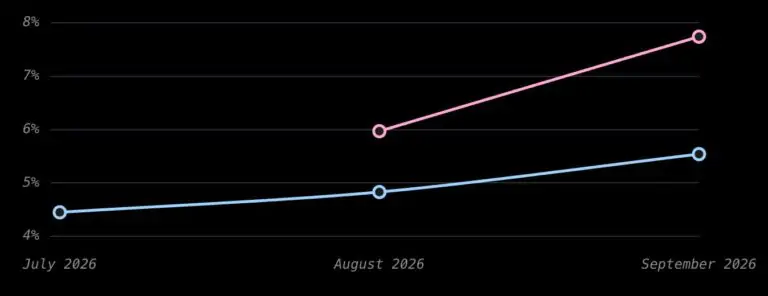
    The wholesale data arrives days after retail inflation, measured by the Consumer Price Index, rose to a 23-month high of 5.54 per cent in September from 4.83 per cent in August. Food inflation at the consumer level climbed to 7.74 per cent, driven particularly by vegetables such as onions, whose prices more than doubled year-on-year. Rural households felt the impact more sharply, with rural headline inflation reaching 6.08 per cent.

    This combination of rising wholesale and retail prices has already prompted the Reserve Bank of India to raise its key policy repo rate by 25 basis points to 5.50 per cent earlier in October – the first increase in nearly four years. The central bank has revised its inflation projections upward and flagged risks from El Niño-related monsoon uncertainty and continued volatility in international oil and commodity markets.

    Broader Implications for Growth and Policy

    For international observers, the September WPI reading underscores how geopolitical shocks in energy markets quickly transmit into emerging-market producer prices. India’s large manufacturing base and significant agricultural sector make it particularly exposed to such second-round effects. Higher wholesale costs typically feed into consumer prices with a lag, raising the prospect that retail inflation could remain elevated in the coming months.

    Cumulative wholesale inflation for April-September 2026 stood at 9.85 per cent, compared with a decline of 0.20 per cent in the corresponding period of the previous year. This reversal highlights the shift from a period of relatively benign price pressures to one of sustained upward momentum.

    Policymakers face the dual challenge of containing inflation without unduly dampening growth. India’s economy has shown resilience, yet persistent cost pressures on industry and households could affect investment and consumption. Supply-side measures, including efforts to stabilise domestic food supplies and manage energy costs, will remain important alongside monetary policy.

    Global food prices have themselves risen, with the FAO Food Price Index reaching its highest level in nearly four years in September, driven by disruptions in key export regions and weather concerns. India’s experience forms part of this wider pattern of overlapping supply shocks.

    The provisional September figures, compiled with a weighted response rate of 83.4 per cent, will be subject to revision. Even so, the direction of travel is clear: wholesale price pressures in India have intensified, fuelled by energy costs linked to West Asia tensions and firming food prices, at a time when consumer inflation is already testing the upper end of the central bank’s tolerance band.

    Image: Hippopx
    IMF Slashes Bangladesh Growth Forecast to 3.2%, Warns of Inflation Climbing to 10.9%

    International lenders paint a grim picture for South Asia’s second-largest economy as energy shortages, banking woes and weak investment prolong the slowdown into a fourth consecutive year.

    The International Monetary Fund has delivered its most pessimistic assessment yet of Bangladesh’s near-term economic prospects, cutting its growth forecast for the current fiscal year to just 3.2 per cent while projecting inflation will climb back to 10.9 per cent. The revised outlook, released on 13 October 2026 in the Fund’s World Economic Outlook during the IMF-World Bank annual meetings in Bangkok, marks the lowest growth projection among major multilateral lenders and the weakest expansion Bangladesh is expected to record in nearly four decades.

    The downgrade places the IMF below both the World Bank, which recently forecast 3.4 per cent growth for FY2026-27, and the Asian Development Bank, which trimmed its projection to 4 per cent in September. All three institutions have successively lowered their estimates as persistent structural bottlenecks refuse to ease.

    A Fourth Year of Slowing Momentum

    Bangladesh’s economy expanded by an estimated 3.6 per cent in FY2025-26 after 3.5 per cent the previous year, according to the IMF. That performance already represented a sharp deceleration from the 7.1 per cent recorded in FY2021-22. The World Bank has warned that the country is now on course for a fourth consecutive year of sub-4 per cent growth, a trajectory last seen only in the late 1980s.

    “The main exception is Bangladesh, whose forecast has been continually downgraded in recent years,” the World Bank noted in its latest Bangladesh Development Update. The lender attributed the protracted weakness to energy shortages, banking-sector vulnerabilities, subdued private credit growth and tighter fiscal constraints. Private-sector credit growth fell to a 33-year low of 4.5 per cent in June 2026, while industrial output grew by only 2 per cent in FY2025-26 and actually contracted in one quarter for the first time since the pandemic.

    Inflation Set to Reverse Recent Progress

    After consumer price inflation eased from 10 per cent in FY2024-25 to 8.7 per cent in FY2025-26, the IMF now expects the average rate to rise to 10.9 per cent in the current fiscal year. Official data showed headline inflation at 8.34 per cent in September 2026. The Fund’s earlier April projection had anticipated inflation falling to 6 per cent; the sharp upward revision underscores how sticky price pressures remain, particularly for food and energy.

    Higher inflation will further erode household purchasing power at a time when poverty has already begun to climb. The World Bank reported that the poverty rate at the international $3-a-day line rose to 10.1 per cent in FY2025-26, pushing an additional 2.1 million people below the threshold. World Bank analysis has also highlighted how poorly targeted energy and fertiliser subsidies disproportionately benefit higher-income groups while nearly half of the poorest households receive no safety-net support.

    Regional and Global Context

    Within South Asia the contrast is stark. The IMF projects India will expand by 7 per cent with inflation at 4.4 per cent. Bhutan is expected to grow 6.9 per cent, Nepal and Sri Lanka 3.7 per cent each, and the Maldives 3.8 per cent. Bangladesh’s 3.2 percent forecast leaves it near the bottom of the regional table.

    Globally, the Fund expects world growth of 3.1 per cent in 2026, rising modestly to 3.4 per cent in 2027, with average inflation declining from 4.7 per cent to 4.1 per cent. Bangladesh’s simultaneous slowdown in growth and acceleration in prices therefore stand out as a clear outlier.

    Structural Headwinds Persist

    Energy shortages continue to constrain manufacturing and private investment. Banking-sector stress remains acute: non-performing loans have risen sharply and capital adequacy has deteriorated. Government investment has fallen to historic lows amid fiscal pressures and implementation challenges. Export growth is expected to stay weak, while private investment remains subdued by uncertainty over power supplies and the health of the financial system.

    These challenges have prompted repeated calls for reform. Bangladesh has been negotiating a possible new IMF programme after deciding to exit its previous arrangement. Discussions have focused on subsidy rationalisation, banking-sector overhaul, revenue mobilisation and governance improvements. The World Bank has similarly urged urgent action on energy, finance and domestic revenue to restore growth and create jobs.

    Implications for Jobs and Poverty

    Slower growth and higher inflation together threaten job creation and living standards. Industrial activity, a traditional engine of employment, has already slowed markedly. Youth unemployment and underemployment remain pressing concerns in a country that must generate millions of new jobs each year simply to absorb new labour-force entrants.

    Analysts note that without faster progress on structural reforms, Bangladesh risks locking in a lower growth path just as it prepares for graduation from Least Developed Country status. The government has sought a three-year grace period to implement banking and tax overhauls, recognising that the transition will expose the economy to greater competitive pressures.

    Path Forward Remains Narrow

    The IMF, World Bank and ADB all stress that the outlook is not predetermined. Gradual easing of energy constraints, decisive banking-sector cleanup, improved revenue collection and more targeted social protection could still lift growth toward 4 per cent or higher in subsequent years. The World Bank currently projects a modest recovery to 3.9 per cent in FY2027-28 if reforms gather momentum.

    For now, however, the message from the major international financial institutions is consistent and sobering. Bangladesh faces another difficult year of subdued expansion and renewed inflationary pressure.

    Afghanistan: US Report Flags Persistent Child Soldier Recruitment and Trafficking Abuses in Taliban-Controlled Afghanistan

    The 2026 US Trafficking in Persons Report places Afghanistan on Tier 3, citing patterns of child soldier use by the Taliban and other armed groups alongside sexual slavery and widespread labour exploitation amid rights restrictions.

    The United States Department of State’s 2026 Trafficking in Persons Report has again ranked Afghanistan in Tier 3, its lowest category, stating that Afghan ministries and public institutions under Taliban control do not fully meet minimum standards for eliminating human trafficking and are not making significant efforts to do so. 

    The assessment, covering the period from April 2025 to March 2026, documents a clear pattern of the unlawful recruitment and use of child soldiers in both combat and support roles, as well as ongoing sexual slavery through the practice known as bacha bazi.

    References to the Taliban in the report do not imply US recognition of the group as the government of Afghanistan. The findings underscore how conflict-related practices, economic collapse, and severe restrictions on women and girls continue to heighten vulnerabilities for children and other at-risk populations across the country.

    Child Soldiers in Combat and Support Roles

    According to the report, the Taliban and other armed groups unlawfully recruit and use children through force, fraud or coercion. The Taliban recruits children from schools in Afghanistan and Pakistan and enrolls them in jihadi madrassas that reportedly provide military training. Local Taliban members have previously falsified ages on identification documents to facilitate recruitment.

    Groups such as ISIS-Khorasan (ISIS-K) and the National Resistance Front use child soldiers in direct hostilities, including planting and detonating improvised explosive devices, carrying weapons, conducting surveillance and guarding bases. The Taliban and ISIS-K also forcibly use child soldiers and imprison children associated with rival armed groups, some of whom may themselves be trafficking victims.

    An international organisation secured the release of 58 children from Taliban ranks following engagement and supported their reintegration. The Taliban maintains a commission of senior members tasked with identifying and demobilising children from its forces. However, the State Department notes that the group did not implement effective measures to prevent the unlawful recruitment or use of children in combat or support roles during the reporting period.

    Bacha Bazi and Sexual Exploitation Persist

    The report identifies a pattern of sexual slavery through bacha bazi, in which boys are exploited by men for social and sexual entertainment. Victims are typically aged between 10 and 18; some are kidnapped or sold by impoverished families. Although the practice is officially banned, it continues, with observers reporting that Taliban members have been perpetrators in some cases. Cases have been documented involving the Taliban and nearly all armed groups.

    Sex trafficking victims, including those subjected to bacha bazi, often do not report exploitation due to fear of punishment under Taliban interpretations of moral crimes and social stigma. The Taliban has not made meaningful efforts to protect victims or eliminate the practice.

    Broader Trafficking Profile and Child Labour

    Children form the majority of trafficking victims in Afghanistan. They are exploited in bonded labour, domestic servitude, carpet weaving, brick kilns, agriculture, construction, mining, begging, poppy cultivation, drug and weapons trafficking, and other sectors. Impoverished or heavily indebted families sometimes sell children to traffickers, force them into labour or begging, or marry underage daughters in exchange for dowry payments or as a means of leaving the country.

    Restrictions on women’s and girls’ movement, education and employment have significantly increased their vulnerability to exploitation. Returnees from Iran and Pakistan – particularly women, girls and families associated with the pre-August 2021 government – as well as members of ethnic and religious minorities such as Hazara Shia and Ismaili Muslims, face heightened risks. Traffickers increasingly use social media for recruitment with false promises.

    Afghan men, women and children who seek work abroad, primarily in Iran, Pakistan, Türkiye and Europe, are also vulnerable to forced labour or sex trafficking by intermediaries and employers. Fear of deportation discourages many refugees from reporting exploitation.

    Limited Prosecution and Protection Efforts

    The Taliban reported no investigations, prosecutions or convictions for trafficking offences during the reporting period and identified or provided services to no trafficking victims. Observers noted the arrest of 20 suspected traffickers in Nimroz province, but details were lacking and the cases likely involved other crimes. No investigations of Taliban members for alleged complicity were reported.

    In January 2026 the Taliban introduced a new edict framed as a criminal code that prohibits trafficking and sets prison terms of one to three years. The State Department assesses that the edict does not clearly define human trafficking, that the penalties are not sufficiently stringent, and that certain provisions contain terminology implicitly recognising slavery-related concepts. Legal experts have raised concerns about unclear definitions, the conflation of trafficking with migrant smuggling, and reliance on confessions without safeguards against coercion.

    Potential victims, including children found begging, were routinely detained without screening for trafficking indicators. Some child victims were placed in detention facilities with adults, where they faced physical and sexual abuse and conditions indicative of forced labour. Formal procedures for identifying and referring victims to protection services were absent. Restrictions on non-governmental organisations, including limits preventing Afghan women from working in most sectors, have further hindered victim services.

    Prevention Gaps and International Context

    Afghan ministries lacked an inter-agency task force or national action plan,the report says, adding that there were no reported efforts to regulate labour recruiters effectively or reduce demand for commercial sex acts. It says that a previous decree declaring trafficking illegal under Sharia and directing ministries to investigate and raise awareness was not implemented in a meaningful way.

    These findings occur against a backdrop of broader human rights concerns documented by international bodies. The International Criminal Court has issued arrest warrants for senior Taliban officials over the systematic persecution of women and girls, highlighting the continuum of rights restrictions that compound trafficking risks. United Nations reporting has also noted rising security incidents, humanitarian strain and the cumulative impact of policies limiting women’s participation in public life.

    The Tier 3 ranking places Afghanistan among a small group of countries where governments or de facto authorities demonstrate a policy or pattern of trafficking or related exploitation, including the recruitment of child soldiers. The report emphasises that true progress requires concrete investigations, prosecutions, victim identification and protection measures that meet international minimum standards.

    India Faces Every One of 17 Catastrophic Global Health Threats Identified by Landmark Lancet Commission

    A major Lancet Commission finds India confronts all 17 catastrophic threats to human health this century, from obesity and climate change to AI misuse and nuclear conflict, urging integrated long-term action.

    A sweeping new analysis by The Lancet Commission on 21st Century Global Threats to Health has issued a stark warning: India faces every one of the 17 catastrophic threats that could shape – or shatter – human health and survival through the year 2100. Launched at the World Health Summit in Berlin on 11 October 2026, the report quantifies the enormous scale of avoidable suffering and calls for a fundamental shift in how governments, including India’s, plan for the future.

    The Commission, led by Professor Christopher J L Murray of the Institute for Health Metrics and Evaluation and involving 37 experts, examined hundreds of potential risks across 204 countries and territories. It measured threats by expected cumulative amenable disability-adjusted life years (DALYs) – years of healthy life lost to illness, disability or early death – that policy action could realistically prevent between 2025 and 2100. Two threats carry extinction potential: the malicious use of artificial intelligence and nuclear conflict. The remaining 15 range from familiar burdens such as obesity, air pollution and antimicrobial resistance to emerging dangers including pandemics, conventional conflict and the collapse of development assistance for health.

    Obesity Emerges as the Single Largest Avoidable Burden

    Obesity stands out as the biggest projected threat worldwide, potentially accounting for 23.1 billion cumulative amenable DALYs by 2100 – roughly equivalent to dozens of COVID-19 pandemics in cumulative healthy life lost. It is followed by low educational attainment (16.1 billion DALYs) and income inequality (13.8 billion DALYs). Other major threats include air pollution, antimicrobial resistance (AMR), childhood malnutrition, climate change, high alcohol use, high blood pressure, poor mental health, smoking, unhealthy ageing, pandemics and the decline of international health aid.

    For India, the findings are particularly consequential. The country’s vast population, rapid urbanisation, double burden of malnutrition and exposure to severe air pollution mean that almost every listed threat is already active or rapidly intensifying. Experts note that climate change acts as a threat multiplier, worsening malnutrition, air quality, heat-related illness, mental health pressures and the spread of resistant pathogens.

    Interconnected Risks Demand Integrated Responses

    “The striking finding is not only the scale of these threats, but that humanity still has the agency to act,” Murray said. “Across all 17 catastrophic threats, the decisions made by leaders today will shape the health and wellbeing of the next generation. But delaying action will only serve to shift and increase the costs into the future.”

    Dr Soumya Swaminathan, former WHO chief scientist and a Commission member, emphasised that India cannot afford to tackle these challenges in isolation. Many of the threats – childhood malnutrition, air pollution, AMR, obesity, high blood pressure, poor mental health, income inequality, pandemics and unhealthy ageing – are exacerbated by climate change. Conversely, well-designed climate policies can deliver co-benefits across several domains.

    Limiting global warming to around 1.8°C rather than allowing it to reach 4.4°C could prevent an estimated 1.89 billion years of healthy life lost to extreme heat, air pollution and related impacts. Preventing nuclear conflict could avert 133 million deaths and 9.35 billion DALYs, while reducing the risk of malicious AI use could save 10.4 billion DALYs.

    India’s experience with air pollution illustrates the interconnected nature of the crisis. Fine particulate matter continues to drive hundreds of thousands of premature deaths annually and is increasingly linked to metabolic disorders and obesity. Similar linkages exist between untreated wastewater, antibiotic overuse and the rise of drug-resistant infections, a problem projected to claim millions of lives in India by mid-century if unchecked.

    India’s Dual Challenge: Scale and Inequality

    India’s demographic profile amplifies both opportunity and risk. A large young population offers a potential demographic dividend, yet rising childhood overweight and obesity – already affecting tens of millions of school-age children – threatens to reverse gains. At the same time, undernutrition persists in many regions, creating a classic double burden. Income inequality and uneven access to quality education further entrench health disparities, ensuring that the poorest communities will bear the heaviest share of future losses.

    The Commission stresses that these threats are not distant or abstract. Some already impose heavy burdens; others carry low-probability but catastrophic potential. Naturally occurring pandemics remain a major long-term risk even as moderate outbreaks have become somewhat less frequent. The malicious use of AI, including the potential development of novel bioweapons, and the possibility of nuclear conflict with associated famine represent existential-level dangers that demand preventive diplomacy and technological safeguards.

    Three Pillars of Action Recommended

    The Commission proposes a clear three-part strategy. First, governments should establish dedicated “threat units” within their health systems and allocate budgets according to the relative scale of each risk. Second, they must invest in long-term breakthrough innovations – oral obesity medications, multistrain vaccines, new antibiotics and climate-resilient health technologies. Third, an independent Monitor of 21st Century Global Threats to Health should be created to provide annual assessments to the G20 Joint Task Force and other international bodies.

    Dr Swaminathan urged India to assume a stronger leadership role in global negotiations on AI safety, pandemic preparedness, commercial determinants of health and the architecture of global health governance. She called for the systematic use of local data, AI-enabled risk modelling and interdisciplinary research that incorporates lived experience and ethical considerations.

    A Call for Foresight Over Short-Termism

    Richard Horton, editor-in-chief of The Lancet, noted that the Commission expands the traditional global health agenda beyond single diseases to a broader, more complex landscape of interconnected dangers. Recent shocks – COVID-19, geopolitical conflict, accelerating climate impacts and the rapid rise of powerful AI systems – have demonstrated how quickly assumptions of stability can collapse.

    The Lancet study says that India’s situation serves as both a cautionary tale and a test case. As the world’s most populous nation and a major emerging economy, its success or failure in managing these threats will reverberate far beyond its borders through migration, supply chains, disease spread and global stability. The report makes clear that the window for preventive action remains open, but it is narrowing. Decisions taken in the coming years on education, inequality, pollution control, climate ambition, antibiotic stewardship and technological governance will determine whether future generations inherit a healthier, more secure world – or one defined by cascading, preventable catastrophes.

    Focus keyphrase: Lancet Commission India faces all 17 global health threats

    Tags: Lancet Commission, global health threats, India public health, obesity epidemic, climate change health, antimicrobial resistance, air pollution India, pandemics, artificial intelligence safety, nuclear conflict risk, disability-adjusted life years, World Health Summit, Soumya Swaminathan, Christopher Murray,

    Bangladesh To Launch Year-Long Doorstep Family Planning Drive to Reverse Rising Births

    Bangladesh will begin a nationwide campaign on 1 December delivering free contraceptives and counselling to households, aiming to reverse a recent rise in fertility after decades of successful population programmes.

    Bangladesh, one of the world’s most densely populated nations with more than 178 million people, is preparing to relaunch a vigorous national family planning effort after years of declining contraceptive use and a worrying uptick in the birth rate. From 1 December 2026, a year-long campaign will run until 30 November 2027 under the slogan “No more than two children, one is better.” Prime Minister Tarique Rahman is expected to inaugurate the programme, which prioritises making contraceptives and counselling available at people’s doorsteps.

    Health Minister Sardar Sakhawat Hossain announced the initiative at a press briefing. He described family planning as “our weakest area” in recent years and said the government would combine public awareness with the physical supply of materials. “We will not just talk about it; rather, we will also supply and deliver all kinds of (contraceptive) materials such as tablets to people’s doorsteps,” the minister stated.

    A Model Programme That Lost Momentum

    For decades Bangladesh was held up as a development success story in reproductive health. Intensive family planning efforts helped cut the total fertility rate (TFR) – the average number of children a woman is expected to have – from 6.3 in 1975 to 2.3 by 2012. Modern contraceptive use rose dramatically from single digits in the 1970s to around 64 per cent.

    That progress has stalled. According to the Bangladesh Multiple Indicator Cluster Survey 2025, the contraceptive prevalence rate has fallen to 58.2 per cent from 62.7 per cent, while the TFR has edged up to 2.4. Health officials and demographers link the reversal to disruptions that began during the COVID-19 pandemic and intensified after mid-2024, when procurement of free contraceptives under the previous health sector programme effectively stopped. Stocks of condoms, oral pills and intrauterine devices (IUDs) have dwindled sharply in hundreds of upazilas (sub-districts).

    Directorate General of Family Planning (DGFP) Director General Dr Jinnat Rehana noted that door-to-door services and community awareness activities also suffered. Many rural women, accustomed to free or low-cost supplies at government facilities, were reluctant or unable to purchase contraceptives commercially. Child marriage and adolescent pregnancy have further complicated efforts.

    Staff Shortages and Supply Gaps

    A severe shortage of frontline workers compounds the problem. The DGFP faces an estimated 37 per cent staff deficit, equivalent to nearly 19,000–20,000 missing posts, particularly among family welfare assistants who conduct household visits. When one worker must cover far more households than intended, regular counselling and distribution become nearly impossible.

    Procurement under a new project is now nearing completion, with fresh supplies expected to reach the field by December. The campaign is designed to tell people that free contraceptives –  including condoms, oral pills, injectables, IUDs and implants – are available again and to guide them on where and how to obtain them. Officials plan to promote the slogan through traditional media such as jari and sari songs, sports events and community activities starting at the primary level.

    Doorstep Delivery and Broader Goals

    The core of the new drive is logistical as much as educational. Health workers will deliver contraceptives and provide advice directly to households. The minister emphasised that the programme will also offer related services such as ultrasonography where needed. This approach seeks to close the gap between stated desire for smaller families and actual access to methods.

    Experts estimate that around five million women in Bangladesh still have an unmet need for modern contraception. Meeting that need could prevent more than a million unintended pregnancies each year and substantially reduce maternal deaths. The United Nations Population Fund (UNFPA) has calculated that every dollar invested in family planning in Bangladesh can save 14 dollars in health and social costs, prevent 30 per cent of maternal deaths, and cut unintended pregnancies by two-thirds.

    The campaign aligns with Bangladesh’s National Family Planning Strategy 2025–2030, which shifts emphasis from pure population control toward a rights-based framework focused on choice, empowerment and zero unmet need by 2030. It also addresses regional disparities, low uptake of long-acting methods, and the particular vulnerabilities of adolescents and urban migrants.

    Challenges Beyond Awareness

    Demographers caution that publicity alone will not suffice. Professor Mohammad Mainul Islam of Dhaka University has stressed that awareness must be paired with reliable supplies and targeted services for groups experiencing high rates of unintended pregnancy or living in underserved areas. Urban zones with large migrant populations have historically received less attention than rural ones and will require dedicated outreach.

    Broader social factors remain critical. High rates of child marriage continue to drive adolescent fertility. Studies of female garment workers, a major segment of the formal female labour force, have shown elevated rates of early marriage and adolescent pregnancy, underscoring the need for workplace and community-level interventions. 

    Manpower recruitment and retention, consistent budgeting to avoid future stock-outs, and integration with maternal and adolescent health services will determine whether the campaign delivers lasting results. The government has already moved to secure large quantities of oral contraceptive pills, approving significant funding in early October to restore supplies.

    International Context and Stakes

    Bangladesh’s population density exceeds 1,300 people per square kilometre. Even a modest rise in fertility has long-term implications for education, employment, urbanisation, climate resilience and the quality of public services. The country’s earlier demographic transition contributed to economic growth by reducing dependency ratios and enabling greater female workforce participation. A reversal risks eroding those gains.

    The campaign offers a case study in how a middle-income country with a strong historical track record in family planning responds when systems weaken. Success will depend on restoring supply chains, filling staffing gaps, and sustaining political commitment beyond the one-year publicity window. Failure could mean higher unintended pregnancies, greater pressure on already stretched maternal health services, and slower progress toward Sustainable Development Goals related to health, gender equality and poverty reduction.

    Image: UNFPA

    World Bank Flags Persistent Child Stunting in Sri Lanka as Lasting Scar of Economic Crisis

    Persistently elevated rates of child stunting underscore the incomplete and uneven recovery from Sri Lanka’s 2022 economic collapse, with poverty and real wages still lagging pre-crisis levels despite macroeconomic stabilisation.

    The World Bank’s latest Sri Lanka Development Update, titled From Recovery to Transformation and released in early October 2026, highlights persistently high rates of child stunting as clear evidence of the lasting impact of the 2022 economic crisis on the most vulnerable.

    Sri Lanka’s economy has clawed its way back to pre-crisis output levels, yet the youngest generation continues to bear the deepest scars, the report says.

    Stunting – a condition in which children under five are significantly shorter than expected for their age due to chronic or recurrent undernutrition – rose from 7.4 per cent in 2021 to 10.1 per cent in 2025, according to the report. This reversal of earlier gains signals that the crisis’s effects on household nutrition, maternal health, and early childhood development have not fully receded even as gross domestic product has recovered.

    Economic Rebound Masks Household Hardship

    The broader picture painted by the World Bank is one of real but incomplete recovery. Poverty, measured at the $4.20-a-day line for lower-middle-income countries, is estimated at 16.9 per cent in 2025. That figure is down from a crisis peak of 20.7 per cent in 2023 but remains substantially above the 11.5 per cent recorded in 2019. Real wages are still approximately 12 per cent below pre-2019 levels, and labour force participation has only partially recovered.

    In 2026, two-fifths of Sri Lankans are either poor or live within 50 per cent of the poverty line, leaving a large share of households highly vulnerable to further shocks. Renewed inflationary pressures, partly linked to higher energy and food prices stemming from conflict in the Middle East, stalled progress in real incomes during the first half of the year. Transport costs, a significant burden for informal and low-skilled workers, rose by about 21 per cent.

    Growth itself is expected to moderate. After expanding 4.7 per cent in the first half of 2026 and returning output to 2018 levels, full-year growth is projected at 4.4 per cent in 2026 before easing to 4.2 per cent in 2027 as the post-crisis rebound fades and underlying productivity remains weak.

    Regional Disparities Deepen the Challenge

    The recovery has been highly uneven geographically. Poverty rates outside the Western Province are two to three times higher than within it, reaching 36 per cent in the estate sector in 2024. The poverty gap – the average shortfall between what poor households have and what they need – doubled nationally between 2019 and 2024 and is four times larger in the Northern Province than in the Western Province.

    These disparities are mirrored in nutrition outcomes. National Nutrition Month data from Sri Lanka’s Family Health Bureau show that while overall stunting edged down slightly from 10.5 per cent in 2024 to 10.1 per cent in 2025, the estate sector and districts such as Nuwara Eliya continue to report far higher rates – above 22 per cent in some cases. Underweight prevalence among children under five remains elevated at around 16–17 per cent, well above the lows recorded just before the crisis.

    Stunting is particularly concerning because its consequences are largely irreversible – children who experience chronic undernutrition in the critical first 1,000 days of life often never reach their full physical or cognitive potential. They face higher risks of learning difficulties, lower adult earnings, and reduced participation in society – outcomes that compound inequality across generations.

    Roots of Persistent Undernutrition

    Sri Lanka had made notable progress in reducing stunting over earlier decades, bringing rates down from more than 30 per cent in the late 1980s. Yet progress stagnated in the years before the crisis, and the sharp economic contraction of 2022 reversed hard-won gains. Low birth weight, inadequate maternal nutrition, poor dietary diversity in early childhood, and repeated infections all contribute. Socio-economic factors remain powerful predictors: children in the poorest households, those born to less-educated mothers, and those living in the plantation sector face substantially higher risks.

    The crisis intensified these pressures. Households cut back on nutritious foods, maternal health services were disrupted, and many families depleted savings. Even as macroeconomic indicators improved, the buffers that protect young children were slow to rebuild. Recent data also show that low birth weight remains a significant issue, with roughly one in five births affected in recent surveys, further elevating the risk of later stunting.

    Policy Imperatives for Lasting Recovery

    The World Bank argues that moving from recovery to genuine transformation requires shifting the growth model toward private investment, exports, and productivity gains rather than continued reliance on public spending. Strengthening social protection systems, particularly Sri Lanka’s Aswesuma social security programme, is essential so that support can scale rapidly when new shocks hit. Improving targeting and responsiveness remains a priority.

    Health officials have acknowledged that traditional approaches have not fully resolved the stunting puzzle and are exploring new measures. Multi-sectoral strategies that address maternal nutrition, promote diverse complementary feeding, improve water and sanitation, and support women’s education and economic participation are widely recognised as necessary. Health officials say that nutrition-specific interventions must also evolve. 

    Sri Lanka’s experience offers a cautionary lesson. Even countries with relatively strong public health systems and education indicators can see rapid deterioration in child development outcomes when economic shocks hit hard and social safety nets are stretched. The scars of such crises often last longest in the bodies and brains of the youngest citizens.

    India’s Retail Inflation Hits Near Two-Year High of 5.54 per cent as Food Prices Surge

    India’s consumer prices climbed to 5.54 per cent in September 2026, the highest in nearly two years, driven by a sharp jump in food inflation to 7.74 per cent, pressuring household budgets and reinforcing the central bank’s recent rate hike.

    India’s retail inflation accelerated to 5.54 per cent in September 2026, marking a near two-year high and the first time the rate has crossed 5 per cent under the revised Consumer Price Index series, provisional data from the Ministry of Statistics and Programme Implementation showed on Monday. The rise from 4.83 per cent in August was propelled primarily by food prices, which climbed to 7.74 per cent from 5.97 per cent a month earlier, according to the Consumer Food Price Index.

    The figures come days after the Reserve Bank of India raised its key policy rate for the first time in nearly four years, underscoring growing concerns over persistent price pressures. For international readers unfamiliar with India’s inflation framework, the central bank targets 4 per cent CPI inflation with a tolerance band of 2 to 6 per cent. September’s reading remains within that band but sits well above the midpoint target for a fourth consecutive month.

    Food Prices Lead the Acceleration

    Food accounts for a large share of the consumption basket in India, particularly among lower- and middle-income households. The latest surge was concentrated in vegetables and spices. Onion inflation soared to 108.09 per cent year-on-year from 48.78 per cent in August, meaning prices more than doubled compared with a year earlier. Ginger prices were 62.85 per cent higher, garlic 54.62 per cent, and lemons 36.41 per cent.

    Not all vegetables moved in the same direction. Potato prices fell 11.50 per cent and tomatoes 8.62 per cent on an annual basis, offering limited relief. The food and beverages category as a whole recorded 7.36 per cent inflation, while prices for food and beverage services rose 9.39 per cent. Transport services, which affect the movement of perishable goods, jumped 14.73 per cent, pointing to possible supply-chain cost pressures. Earlier tracking of everyday meal costs had already flagged rising kitchen expenses driven by vegetables and fuel. See related analysis on thali costs.

    Rural Households Feel the Pinch Harder

    The inflation differential between rural and urban India widened. Rural headline inflation rose to 6.08 per cent from 5.24 per cent in August, while urban inflation increased to 4.88 per cent from 4.31 per cent. Rural food inflation reached 8.06 per cent, compared with 7.18 per cent in cities.

    This gap matters because food constitutes a higher proportion of spending for rural families. Higher prices for everyday kitchen staples such as onions, ginger and garlic translate more directly into reduced real purchasing power in the countryside, where incomes are often more closely tied to agriculture and informal work. Recent surveys have already flagged softening rural income growth and cautious consumer sentiment. Read the NABARD survey findings.

    Broader Price Pressures Beyond Food

    While food dominated the headline number, other categories also contributed. Personal care and miscellaneous goods and services recorded 13.75 per cent inflation. Clothing and footwear rose 3.93 per cent, and transport 5.01 per cent. Housing, water, electricity, gas and other fuels remained relatively contained at 2.74 per cent, and health services at a modest 1.40 per cent.

    Among major states, Tamil Nadu posted the highest retail inflation at 6.81 per cent, followed by Odisha (6.70 per cent), Madhya Pradesh (6.68 per cent), Telangana (6.64 per cent) and Andhra Pradesh (6.29 per cent). These regional variations reflect differences in local supply conditions, monsoon performance and consumption patterns.

    Central Bank Responds with First Rate Hike in Years

    The September data arrived shortly after the Reserve Bank of India’s Monetary Policy Committee raised the repo rate by 25 basis points to 5.50 per cent on 7 October 2026 – the first increase in nearly three-and-a-half years. The central bank also revised its inflation forecast for the financial year 2026-27 upward to 5.2 per cent and shifted its stance toward calibrated tightening. Full details of the RBI decision.

    Governor Sanjay Malhotra and the MPC cited broadening price pressures, elevated commodity costs, and risks from deficient monsoon rainfall and global energy volatility. The central bank now expects inflation to average around 4.9 per cent in the July–September quarter before rising further in subsequent quarters. Growth projections, however, were raised, reflecting resilience in domestic demand and economic activity.

    Global and Domestic Supply Factors at Play

    India’s inflation trajectory is intertwined with global developments. Disruptions in energy markets linked to geopolitical tensions in West Asia have kept oil prices elevated, feeding into transport and input costs. At the same time, the FAO Food Price Index recently hit a near four-year high, driven by cereal, sugar and vegetable oil gains amid Black Sea shipping constraints and weather uncertainties. Global food price surge reported here.

    Domestically, uneven monsoon performance and post-monsoon weather events have affected vegetable supplies in several producing regions. While buffer stocks of cereals remain comfortable, perishable items such as onions remain vulnerable to storage losses and regional shortfalls. Continued monitoring of household meal costs shows the pressure has been building through the year. July thali cost update.

    Implications for Households and the Economy

    For ordinary Indian families, the combination of higher food prices and a tighter monetary policy environment means elevated living costs and potentially higher borrowing rates in the months ahead. Urban middle-class households may feel the impact through restaurant bills and personal-care items, while rural families confront direct pressure on daily meals.

    Policymakers face the familiar challenge of balancing price stability with growth. The government has previously used supply-side measures – including stock limits, export restrictions and imports of key commodities – to cool specific price spikes. Whether similar interventions will be expanded in the coming weeks remains to be seen as October data, due next month, will provide the next reading on whether the food-price surge is beginning to moderate.

    RBI sources maintain that India’s inflation remains moderate by historical standards and well within the RBI’s tolerance band, yet the steady upward climb since early 2026 and the sharp food contribution have returned price stability to the centre of the policy conversation.

    India Caps Trade Margins on Cancer Medicines, Aiming to Cut Patient Costs by Up to 70%

    India’s move to limit supply-chain mark-ups on non-scheduled anti-cancer drugs is projected to deliver annual savings of ₹2,500 crore (about US$300 million) for patients facing rising cancer incidence.

    India has approved a nationwide cap on trade margins for non-scheduled anti-cancer medicines, limiting them to 30 per cent of the maximum retail price (MRP). The decision, announced by the Department of Pharmaceuticals under the Ministry of Chemicals and Fertilizers on 8 October 2026, is expected to reduce the final prices patients pay by as much as 70 per cent and generate annual savings of approximately ₹2,500 crore.

    The measure extends price protection beyond the essential medicines already under strict ceiling-price regulation. An expert committee under the Directorate General of Health Services will finalise the list of covered drugs, after which the National Pharmaceutical Pricing Authority (NPPA) will issue the formal notification. The intervention applies across branded and generic, domestically produced and imported, and patented and non-patented non-scheduled anti-cancer medicines.

    Rising Cancer Burden and Financial Strain

    Cancer incidence in India continues to climb. Official estimates place the rate at roughly 60 cases per 100,000 population, with annual new cases approaching 1.57 million in recent years and projections pointing higher. Treatment costs impose a heavy out-of-pocket burden on families. NPPA market analysis found that non-scheduled anti-cancer medicines carry an average mark-up of about 170 per cent, with some reaching 700 per cent or more as products move through the supply chain. Prices also vary sharply depending on whether the medicine is purchased from a retail pharmacy, a hospital pharmacy or an online platform.

    State authorities in Maharashtra, Rajasthan and Karnataka, along with patients and civil-society groups, have repeatedly flagged the large gap between procurement prices and the MRP charged to consumers. The new margin cap is intended to curb excessive profiteering and narrow that gap.

    Building on the 2019 Precedent

    The policy builds directly on an earlier intervention. In February 2019 the NPPA, acting under Paragraph 19 of the Drugs (Prices Control) Order, 2013, capped trade margins on 42 selected non-scheduled anti-cancer drugs. That pilot reduced MRPs by up to 91 per cent and delivered reported annual savings of ₹984 crore across 526 brands. Officials say the current, broader application of the same approach is expected to multiply those gains.

    Manufacturers of the covered medicines will be required to maintain current production levels so that lower prices do not translate into shortages. The government has emphasised that the goal is simultaneous affordability and continued availability of life-saving treatments.

    How the Margin Cap Works

    Trade margin is the difference between the price at which a medicine leaves the manufacturer (price to stockist) and the final MRP printed on the pack. Capping that margin at 30 per cent of MRP effectively limits the cumulative mark-up that distributors, wholesalers and retailers can add. For many products the result is expected to be a 20–70 per cent drop in the price patients see at the point of sale, depending on the existing distribution structure of each medicine.

    Scheduled cancer medicines already on India’s National List of Essential Medicines remain under separate ceiling-price controls. The new order focuses on the larger non-scheduled segment, which accounts for the bulk of the anti-cancer market’s estimated ₹12,500 crore annual value.

    International Context and Development Implications

    The policy sits within a wider global conversation about the cost of cancer care. The World Health Organization’s Global Status Report on Cancer has repeatedly highlighted that high medicine prices remain a major barrier in low- and middle-income countries, where out-of-pocket spending still dominates health financing. India’s experience with trade-margin rationalisation offers a concrete regulatory tool that other jurisdictions facing similar mark-up distortions may examine.

    Within South Asia the decision is particularly relevant. Neighbouring countries face comparable rises in cancer incidence and similar pressures on household budgets. Transparent pricing and reduced mark-ups can strengthen regional efforts to improve access while supporting domestic pharmaceutical manufacturing – an industry in which India already plays a significant global role as a supplier of generic medicines.

    Ensuring Supply and Next Steps

    Officials have stressed that production continuity is a non-negotiable condition of the order. The expert committee’s forthcoming list will determine the precise scope of coverage; early indications suggest it will encompass a substantial number of formulations, including a significant share of patented products. Once the NPPA issues the notification, manufacturers will recalculate MRPs and communicate the revised prices through the supply chain.

    Patient advocacy groups and state regulators have broadly welcomed the direction of travel, while noting that margin caps alone cannot solve every affordability challenge – especially for the most expensive patented therapies whose base prices remain high. Complementary measures, including expanded insurance coverage under schemes such as Ayushman Bharat and continued investment in domestic production of complex oncology drugs, will remain essential.

    The decision reflects a pragmatic use of existing public-interest powers under the 2013 pricing order rather than a wholesale rewriting of the regulatory framework. By targeting the distribution mark-ups that inflate final prices without altering manufacturing costs, the government aims to deliver measurable relief to hundreds of thousands of families while preserving the commercial viability of the medicines themselves.

    As cancer continues its steady rise across India and the wider region, the success of this expanded margin cap will be measured not only in the rupees saved but in the number of patients able to complete treatment without catastrophic financial hardship.

    Image: Wikimedia

    Bangladesh: World Bank Warns Subsidies Bypass the Poorest Amid Rising Poverty and Slowing Growth

    Nearly half of Bangladesh’s poorest households receive no safety-net support while energy and fertiliser subsidies disproportionately benefit higher-income groups, according to the latest World Bank Development Update.

    Bangladesh’s hard-won gains against poverty are unravelling. A new World Bank report released this week paints a stark picture of an economy under strain, where substantial public spending on subsidies and social protection is failing to reach those who need it most. As growth stagnates at 3.4 per cent and national poverty climbs for a fourth consecutive year, the multilateral lender is calling for urgent reforms to redirect resources toward the country’s most vulnerable citizens.

    The October 2026 Bangladesh Development Update, titled Make Subsidies and Social Protection Work Better for the Poor, reveals that the government spends roughly 3.5 per cent of GDP – equivalent to about US$17.4 billion annually – on energy, fertiliser and social assistance programmes. Yet nearly half of the poorest households remain completely outside the social safety net. Meanwhile, benefits from electricity and fertiliser subsidies flow disproportionately to richer urban consumers and larger landowners.

    The findings matter far beyond Bangladesh’s borders. The country of more than 170 million people is a major global supplier of ready-made garments and a significant source of migrant labour. Its economic trajectory influences regional stability in South Asia, global supply chains, and the effectiveness of international development assistance. After decades of steady poverty reduction that lifted tens of millions out of extreme deprivation, the current reversal signals deeper structural weaknesses that demand attention from policymakers, investors and development partners alike.

    Poverty Rises as Growth Stalls

    Real GDP growth slowed to 3.4 per cent in fiscal year 2025-26, matching the projection for the current fiscal year and well below the decade-long average of around 5.6 per cent. Private investment contracted, private-sector credit growth fell to a 33-year low of 4.5 per cent, and industrial activity – especially manufacturing and construction – suffered from persistent energy shortages and weak business confidence.

    The human cost is clear. At the international poverty line of US$3 a day (2021 purchasing-power parity), the poverty rate rose by 1.1 percentage points to 10.1 per cent in FY26, pushing an additional 2.1 million people into poverty. National poverty, measured by the Bangladesh Bureau of Statistics upper poverty line, climbed to an estimated 22.5 per cent, up from 18.7 per cent in 2022. Inequality has also edged higher, with the Gini index estimated at 34.9.

    Women have been particularly affected. Female labour-force participation dropped from 42.8 per cent in 2022 to 38.4 per cent in 2024 as many who lost jobs in industry and services exited the workforce entirely. Real wages for low-paid and unskilled workers turned negative again in mid-2026, further eroding household purchasing power amid inflation that, while moderating, remained elevated at an average of 8.7 per cent.

    These trends reverse more than a decade of progress. Between 2010 and 2022, Bangladesh lifted roughly 25 million people out of moderate poverty and nine million out of extreme poverty. Today, some 62 million people live just above the poverty line, highly vulnerable to further shocks.

    How Subsidies Miss Their Mark

    The report’s special focus examines why large-scale public spending is delivering limited protection. Social protection programmes cover only 54.4 per cent of individuals in the poorest quintile, while 31 per cent of households in the richest quintile continue to receive benefits. Average annual transfers are actually higher for the wealthiest recipients (Tk 10,472) than for the poorest (Tk 7,140).

    Energy subsidies present the clearest example of misallocation. Because electricity and fuel supports are linked to consumption volume, the richest urban households capture a large share of the benefits. The richest urban quintile alone accounts for nearly half of total electricity subsidy spending, while the poorest quintile receives just over 15 per cent. Although subsidies represent a higher share of income for poorer households, the absolute amounts flowing to better-off consumers dominate the fiscal cost.

    Fertiliser subsidies show a similar pattern. The wealthiest 20 per cent of landowners receive roughly half of all fertiliser support, while the bottom 40 per cent of farmers collect only about 15 per cent. Agriculture remains central to livelihoods and food security, yet public spending is heavily skewed toward rice and away from higher-value livestock, fisheries and horticulture that now contribute the majority of agricultural GDP.

    These inefficiencies come at a time when fiscal space is shrinking. Domestic revenue remains among the lowest in the world at an estimated 8.3 per cent of GDP. The fiscal deficit widened to 3.9 per cent of GDP in FY26, driven by higher subsidy costs, interest payments, social spending and bank recapitalisation. Development spending contracted sharply, limiting the government’s ability to invest in long-term growth.

    Banking Stress and Energy Shortages Compound the Challenge

    Beyond subsidies, the report highlights two binding constraints: a fragile banking sector and an energy system under severe strain. Non-performing loans surged to 33.2 per cent in June 2026, while the capital adequacy ratio of the banking system turned negative. State-owned and Islamic banks are particularly weak. Bangladesh Bank has provided substantial uncollateralised liquidity support, yet progress on restructuring remains slow.

    Energy shortages have disrupted industrial production, raised costs and forced load-shedding. Domestic gas production has declined while reliance on imported liquefied natural gas has grown, exposing the economy to global price volatility and supply disruptions linked to Middle East conflicts. Factories have operated below capacity or temporarily closed, hitting the garment sector that remains the backbone of export earnings.

    These interconnected problems have kept private investment subdued and limited job creation. The World Bank projects growth will remain muted at 3.4 per cent in FY27 before a modest recovery to 3.9 per cent in FY28 – still far below historical averages. National poverty is expected to edge up further to 22.8 per cent in FY27.

    A Path Toward Better Targeting

    The World Bank argues that Bangladesh’s challenge is not whether to support households during economic stress, but how to do so more effectively and sustainably. It recommends phasing out broad, price-distorting energy and agricultural subsidies in favour of direct, targeted cash transfers to verified poor households.

    Key priorities include consolidating fragmented food assistance schemes, fully implementing and expanding the government’s Dynamic Social Registry for evidence-based targeting and continuous enrolment, and shifting to digital payment systems to reduce leakage and eliminate ghost beneficiaries. Analysis suggests that consolidating multiple food subsidies and combining the Family Card with better-targeted cash programmes could lift an additional 2.85 million people out of poverty.

    Instruments already exist. The Family Card, Farmers’ Card and Dynamic Social Registry provide building blocks for a more coordinated and responsive system. Coordination across programmes and careful sequencing of reforms will be essential.

    These recommendations align with broader advice from international partners. Similar calls for targeted rather than universal subsidies have featured in recent discussions with the International Monetary Fund, reflecting a growing consensus that fiscal resources must be used more precisely in an era of tighter budgets and higher vulnerability.

    Implications for Bangladesh and Beyond

    For Bangladesh, the stakes are high. The country aims to become a trillion-dollar economy by 2034 and create millions of jobs. Achieving those ambitions will require restoring banking stability, securing reliable energy, mobilising more domestic revenue and ensuring that public spending protects the poorest rather than subsidising the better-off.

    Internationally, the report serves as a cautionary case study. Many developing economies rely on untargeted subsidies that are politically popular but economically inefficient and socially regressive. Bangladesh’s experience shows how quickly hard-won development gains can erode when structural weaknesses are left unaddressed and when external shocks – such as energy price spikes from regional conflicts – hit an already fragile system.

    Development partners have already stepped up support. Earlier in 2026 the World Bank approved US$1.1 billion in emergency financing to safeguard food security and livelihoods amid global fertiliser and fuel price shocks. Yet financial assistance alone cannot substitute for domestic reform.

    The message from the latest Development Update is clear: Bangladesh has the fiscal tools and institutional foundations to protect its most vulnerable citizens more effectively. What is required now is the political will to retarget spending, strengthen delivery systems and confront the deeper constraints holding back investment, jobs and inclusive growth. For a country that once stood as a global example of rapid poverty reduction, the cost of inaction is measured not only in percentage points of GDP, but in the daily struggles of millions of families left without the support they need.

    Sri Lanka’s New Counterterrorism Bill Retains Abusive Powers, Rights Group Warns

    Human Rights Watch says Sri Lanka’s proposed Protection of the State from Terrorism Bill fails international standards and EU trade commitments, risking continued repression under a new name.

    Sri Lanka’s government has tabled legislation intended to replace its long-criticised Prevention of Terrorism Act, but Human Rights Watch warned this week that the draft retains sweeping powers that have enabled serious human rights violations for nearly five decades. The Protection of the State from Terrorism Bill, presented to Parliament on 6 October 2026, contains an overbroad definition of terrorism, limited judicial oversight of detention, and expansive authority for security forces and the executive to restrict speech, assembly, association and movement. Rights advocates say the measure falls short of United Nations benchmarks and the human rights conditions attached to Sri Lanka’s preferential trade access to the European Union.

    The warning comes as President Anura Kumara Dissanayake’s National People’s Power government seeks to fulfil a 2024 election pledge to abolish “all oppressive acts including the Prevention of Terrorism Act” and protect civil rights across the country. Yet the organisation argues the new bill largely repackages the old architecture of exceptional powers rather than dismantling it.

    Decades of Abuse Under the Prevention of Terrorism Act

    Enacted in 1979 as a temporary measure, the Prevention of Terrorism Act has been used to target Tamil and Muslim communities, journalists, human rights defenders and government critics. It has facilitated arbitrary detention, ill-treatment and torture while entrenching impunity. In 2017 Sri Lanka committed to repealing the law as a condition for the European Union to reinstate its GSP+ trade benefits, which link tariff preferences to human rights performance. Multiple reform attempts since 2018 have failed.

    Despite the current government’s manifesto commitment, authorities continued to apply the PTA. In June 2026 it was used to arrest and detain Tamil hip-hop artist Sangeethan Ganeshkumar over a music video. Data shared with the United Nations by the Human Rights Commission of Sri Lanka recorded 46 PTA-related detention cases in 2025 and a further 12 in the first three months of 2026. The law has at times been invoked in ordinary organised-crime cases that ordinary criminal statutes could address.

    Earlier coverage on OneWorld SouthAsia documented the government’s earlier promise to scrap the PTA within 2026 and replace it with more targeted legislation.

    Overbroad Definition of Terrorism Raises Free-Speech Fears

    The draft bill defines terrorism in terms that include “unduly compelling a government or an international organisation to do or to abstain from doing any act.” It also criminalises anyone who, with intention or knowledge, directly or indirectly induces others to commit or prepare for terrorism by distributing, circulating or providing access to a “terrorist publication.” Human Rights Watch notes that similar language under the PTA has been used repeatedly against journalists and social-media users.

    The text does contain limited carve-outs: protest, advocacy, dissent, industrial action, and humanitarian or medical assistance will not by themselves constitute an offence. Rights groups argue these safeguards are insufficient given the breadth of other clauses and the history of selective enforcement against minority communities and critics.

    Detention Powers and Weak Judicial Oversight

    Under the bill, police, the armed forces and the coast guard may stop, search, question, enter premises and take suspects into custody without a warrant on the basis of “reasonable suspicion.” The inspector general of police or a deputy can obtain a detention order from the defence secretary for an initial two months, extendable up to one year. A magistrate cannot overturn the order. Using different provisions, a person could be held without charge for as long as two years.

    Some procedural improvements appear. Magistrates may conduct unannounced visits to approved detention sites, interview detainees and order medical examinations if torture is suspected. An Independent Review Committee, appointed by the defence minister, must examine the necessity, legality and proportionality of a detention order within 30 days and make recommendations. Human Rights Watch questions the independence of a body appointed by the same executive branch that issues the orders.

    Executive Powers to Restrict Movement and Association

    The president would retain authority to proscribe organisations without prior judicial oversight. The defence secretary could designate any location a “prohibited place.” A deputy inspector general of police could seek a court order restricting an individual’s movement and communications for up to three months. Such powers, rights advocates say, create a chilling effect on legitimate civic activity.

    These concerns echo broader patterns of surveillance and intimidation of civil society, particularly women human rights defenders in the north and east who seek answers about enforced disappearances, HRW says.

    International Standards and Trade Implications

    In 2021 United Nations human rights experts set out five prerequisites for any counter-terrorism law: a precise definition of terrorism consistent with international norms; robust safeguards against arbitrary deprivation of liberty; measures to prevent torture and enforced disappearance; and strong due-process and fair-trial guarantees including effective judicial oversight. Human Rights Watch concludes the present bill fails to meet these standards.

    Non-compliance also puts Sri Lanka’s GSP+ status at risk. The European Union ties preferential market access to adherence to core human-rights conventions. Continued reliance on broadly framed security legislation has repeatedly drawn scrutiny at the UN Human Rights Council, where Sri Lanka has argued against indefinite country-specific mandates while facing ongoing criticism over accountability and civil liberties.

    Calls for a Moratorium and Genuine Reform

    Human Rights Watch urges the government to impose an immediate moratorium on use of the Prevention of Terrorism Act while comprehensively amending the new bill or drafting fresh legislation that meets international standards. “Sri Lanka has a grim history of misusing bad counterterrorism laws to commit serious human rights violations, and this bill would do little to stop that from happening again,” said Elaine Pearson, Asia director at the organisation. “The Sri Lankan Government should fulfil its international legal obligations and commitments to the EU and other international partners by legislating to end these abuses instead of simply repackaging the same abusive powers in new legislation.”

    The bill’s first reading in Parliament marks only the start of a legislative process that will face intense domestic and international scrutiny. Civil-society organisations, legal professionals and minority communities are expected to press for substantial revisions. Whether the final law breaks with nearly half a century of exceptional powers, or merely rebrands them, will determine both the credibility of Sri Lanka’s reform agenda and the strength of its relationships with key trading and diplomatic partners.