More

    Pakistan Launches Final Nationwide Polio Drive of 2025 to Immunise 45 Million Children

    The National Emergency Operations Centre has mobilised over 400,000 frontline polio workers who are going door-to-door across Pakistan’s provinces and regions to ensure widespread coverage.

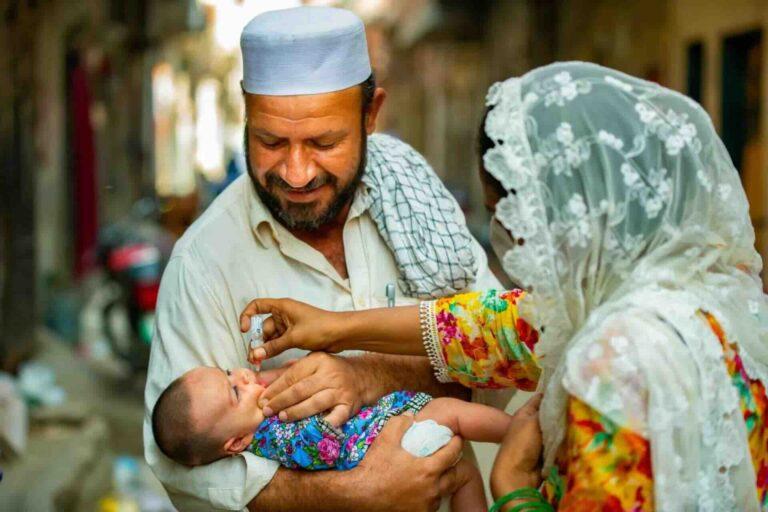
    Pakistan launched its year’s last nationwide polio vaccination campaign on Monday, aiming to immunise about 45 million children under five years of age against the crippling virus that persists in the country despite decades of eradication efforts. The week-long drive, running from December 15 to December 21, marks another critical step in the government’s fight to end polio amid a recent surge in confirmed cases and ongoing security challenges.

    Campaign Intensifies After Surge in Polio Cases

    Health officials said Pakistan has recorded 30 polio cases in 2025, a decrease from 74 cases during the same period last year, underscoring both progress and the volatility of the disease’s spread. Pakistan is one of only two countries in the world – alongside neighbouring Afghanistan – where wild poliovirus remains endemic, posing a continued threat to child health and global eradication efforts.

    Frontline health authorities stress that repeated vaccination campaigns are vital to keep the virus at bay, particularly in regions where access has historically been limited. Independent public health experts warn that any lapse in immunisation coverage can allow the virus to resurge, particularly in densely populated and hard-to-reach areas.

    Mass Mobilisation and Security Measures Deployed

    The National Emergency Operations Centre (NEOC) has mobilised over 400,000 frontline polio workers who are going door-to-door across Pakistan’s provinces and regions to ensure widespread coverage. Roughly 23.3 million children in Punjab alone will be targeted, followed by 10.6 million in Sindh, 7.3 million in Khyber Pakhtunkhwa and 2.66 million in Balochistan. Smaller populations in Islamabad, Gilgit-Baltistan and Pakistan Occupied Kashmir complete the national target.

    Pakistan’s programme remains fraught with security risks, as polio workers and their police escorts have been repeatedly targeted by militants over the years. Extremist groups have falsely propagated conspiracy theories about vaccination drives, undermining public trust and endangering health workers. Authorities have responded by deploying thousands of police officers to accompany immunisation teams in vulnerable districts.

    Community Leaders Urge Public Cooperation

    Public figures and community leaders have stepped up calls for cooperation to maximise the campaign’s impact. First Lady Bibi Aseefa Bhutto Zardari appealed to parents, caregivers and civic representatives to ensure that every eligible child receives their polio drops during this campaign. She framed the effort as a collective responsibility that requires full participation from families and communities across the country.

    Officials have also emphasised the importance of routine immunisation beyond supplementary campaigns, urging caregivers to keep up with scheduled vaccines for children from birth to 15 months of age. This is critical, they say, to strengthen overall immunity and safeguard long-term child health.

    In major urban centres like Karachi, Sindh’s Chief Minister Murad Ali Shah inaugurated the polio campaign by personally administering vaccine drops to children, and called on parents and influencers to support the drive. Citing years of struggle against the disease, he noted that Pakistan’s polio fight is not just a public health mission but a shared national cause.

    Regional Coordination to Stop Cross-Border Transmission

    This final campaign is part of a broader synchronised effort with Afghanistan, where immunisation activities are also underway. Health officials highlighted that simultaneous vaccination drives on both sides of the border are crucial to interrupting transmission routes that would otherwise enable the virus to circulate between communities in the two countries.

    Despite the obstacles, Pakistan has shown significant reductions in reported polio cases in recent years, though sporadic outbreaks serve as stark reminders of how tenuous progress can be. Public health authorities remain hopeful that sustained, concerted immunisation drives – combined with vigilant surveillance and community engagement – will bring the country closer to a polio-free future.

    Image: UNICEF Pakistan

    Sri Lanka: Cyclone Ditwah Leaves Behind an Ecological Catastrophe

    Biodiversity hotspots spanning the Royal Botanical Gardens and multiple key forest reserves and national parks have been severely disrupted, with endemic species at risk of being pushed toward local extinction.

    Sri Lanka now confronts not just a humanitarian emergency but an ecological catastrophe of unprecedented proportions following Cyclone Ditwah, which ravaged the island nation in late November. While official figures confirm extensive loss of lives and property, leading scientists warn that the cyclone’s destruction of biodiversity-rich tropical landscapes could have long-term consequences far beyond what is currently visible.

    Experts say the full scale of ecological damage remains poorly understood and, without urgent scientific assessments and coordinated recovery efforts, Sri Lanka risks losing unique natural systems that support tourism, agriculture and climate resilience.

    Ecological Devastation Unseen

    Professor Siril Wijesundara of Sri Lanka’s National Institute of Fundamental Studies sounded a stark warning that what has been documented so far – uprooted trees, shattered forest canopies and ravaged habitats – is only “a fraction of the devastation.” He called for immediate mobilisation of international scientific resources to assess and begin restoration, stressing that “unless a systematic, science-driven assessment begins immediately, we risk losing far more than we can ever restore.”

    Biodiversity hotspots spanning the Royal Botanical Gardens, Peradeniya, and multiple key forest reserves and national parks have been severely disrupted, with endemic species at risk of being pushed toward local extinction. The destruction compromises both the ecological integrity of these sites and their value as cultural and scientific assets.

    Lost Habitats, Deepening Crisis

    In the cyclone’s aftermath, entire forest structures lie in ruins across regions that were once celebrated for their ecological richness. Fallen trees and collapsed canopies now punctuate landscapes that once supported rare flora and fauna, habitat connectivity has been fractured, and fragile ecosystems remain exposed to further degradation due to soil erosion and invasive species.

    These losses are happening against a backdrop of broader environmental pressures. Studies show Sri Lanka’s forest cover has steadily declined over decades, increasing vulnerability to extreme weather events like Ditwah. Years of unregulated construction, encroachment on wetlands and weakened natural flood barriers have compounded nature’s inability to withstand intense cyclonic impacts.

    Human Toll and Economic Strain

    While biodiversity loss sparks alarm among scientists, Sri Lanka’s people are still grappling with the human toll of the cyclone. The Disaster Management Centre and UN agencies report floods and landslides affected millions nationwide, inundating about 20 percent of the country’s land area and disrupting infrastructure, homes and basic services.

    Official figures highlight a death toll in the hundreds, with hundreds more missing and displaced as communities struggle to recover. International estimates suggest more than 2.3 million people were impacted, with critical services such as water and power severely disrupted during and after the storm.

    Economically, the catastrophe threatens to deepen Sri Lanka’s fragile recovery from years of financial instability. Analysts warn that the loss of agricultural crops and infrastructure damage could push rebuilding costs into the billions of dollars, slowing growth and worsening poverty.

    Tea Country in Ruins

    The central highlands – heartland of Sri Lanka’s iconic tea industry – suffered devastating blows. Vast plantations, once the backbone of foreign exchange earnings, were torn apart by floods and landslides. Workers report uprooted gardens and obliterated homesteads, forcing communities into shelters and jeopardising livelihoods dependent on crop cycles.

    “For many of us, everything is gone – our homes, our work, our future,” said a plantation worker sheltering with his family. Their plight encapsulates the layered nature of this crisis, where environmental loss and economic despair collide.

    Calls for Coordinated Action

    Scientists and conservationists are urging the government and international partners to establish a task force that can provide both technical expertise and financial support for long-term ecological restoration. They argue that piecemeal emergency relief, while essential for human survival, does not substitute for strategies that safeguard habitats, restore soil and water systems, and reintegrate biodiversity into reconstruction plans.

    Prof. Wijesundara emphasised that transparent, accountability-driven governance is critical during recovery operations to ensure that resources are used effectively and equitably. He underscored that leading environmental bodies in Sri Lanka must take the helm, supported by global conservation networks bringing state-of-the-art tools and methodologies.

    Meanwhile, international relief efforts are underway, with neighbouring countries and agencies dispatching humanitarian aid while Sri Lanka navigates the twin challenges of human recovery and environmental rehabilitation.

    Beyond Relief to Resilience

    The catastrophe sparked by Cyclone Ditwah has laid bare vulnerabilities that extend beyond emergency response systems. Long-term challenges such as deforestation, soil degradation and climate change remain deeply woven into the narrative of this disaster.

    Experts argue that building resilience requires integrated approaches that blend disaster risk reduction with ecosystem conservation. This includes strengthening natural buffers like forests and wetlands, enforcing land-use planning rooted in scientific risk assessment, and investing in climate-adaptive infrastructure to reduce vulnerability to future extreme weather events.

    As Sri Lanka charts a path forward, its success may hinge on how effectively it can blend humanitarian recovery with ecological stewardship, ensuring that its natural heritage can be nurtured back to vitality.

    Delhi’s Air Quality Plunges Into Hazardous Levels; GRAP-4 Emergency Curbs Enforced

    While official forecasts have suggested potential weather shifts that could help disperse pollutants, scientists caution that air quality may remain poor in the coming days without sustained reductions in emissions.

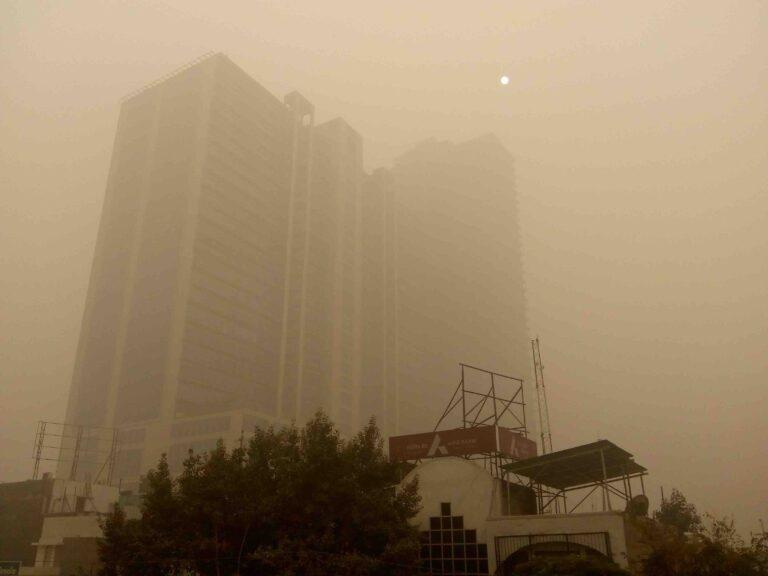
    Delhi and the wider National Capital Region (NCR) are grappling with an unprecedented air pollution crisis as dense smog blanketed the city over the weekend and into Monday, pushing the Air Quality Index (AQI) into “severe” and “severe-plus” hazard categories. With safety risks escalating across all age groups, authorities have activated Stage IV of the Graded Response Action Plan (GRAP-4) and rolled out emergency pollution control measures that are disrupting daily life, education, travel and work in the capital.

    In a letter addressed to the chief secretaries of Delhi, Haryana, Rajasthan, and Uttar Pradesh on Saturday, the Commission for Air Quality Management (CAQM) expressed concern that “some schools and institutions in Delhi-NCR were still holding outdoor sports activities” despite prior directives aligned with a Supreme Court order from November 19.

    The CAQM described this as “contrary to the spirit and intent of the apex court’s observations and the Commission’s instructions”.

    In its earlier letter dated November 19, the Commission had urged the “postponement of physical sports competitions scheduled during November and December”.

    Smog Shrouds the Capital; AQI Nears 500

    Dense smog and stagnant winter weather conditions have driven Delhi’s AQI to some of the worst levels recorded this season – hovering perilously close to 500 in multiple monitoring stations and exceeding that figure at times. In some localities such as Jahangirpuri, the index reached as high as 498, while other parts of the NCR, including Bahadurgarh in Haryana, recorded levels above 460, illustrating the crisis’s regional scale.

    The thick haze dramatically reduced visibility, hampering everyday activities and posing serious public health hazards. Hospitals and clinics across the city reported surges in patients with respiratory distress, eye discomfort and aggravated chronic conditions – especially among children, the elderly, and people with pre-existing health issues. Public health advisories strongly discouraged outdoor exposure without protective masks.

    GRAP-4 Emergency Measures: What’s Changed

    In response to the hazardous air quality, the Commission for Air Quality Management (CAQM) invoked Stage IV of the Graded Response Action Plan (GRAP) – the highest level of pollution control response. Under GRAP-4, emergency restrictions now implemented across Delhi-NCR include:

    • Bans on most construction and demolition activities to reduce dust pollution.
    • Severe limits on vehicle movement, particularly diesel and older vehicles, with exceptions only for essential or cleaner fuel-compliant transport.
    • Restrictions on truck entry into the capital, with exceptions for essential goods and vehicles powered by cleaner fuels such as CNG, LNG or electric.
    • Workplace and school adjustments, including directives for hybrid or online education and reduced in-office staffing where possible.
    • Suspension of outdoor sports and public events to minimize vulnerable populations’ exposure to toxic air.

    These measures aim to limit emissions and slow pollution accumulation at a time when weather conditions, including low wind speeds and cooler temperatures, are trapping pollutants close to the ground.

    Disruptions and Public Response

    The emergency restrictions have had immediate effects on everyday life in the region. Schools across parts of Delhi, Noida, Gurugram and other NCR districts shifted to hybrid or online learning models for younger students to reduce their health risks. Offices have been advised to adopt partial work-from-home arrangements, and residents are being urged to avoid non-essential travel.

    Transportation has also felt the strain. Airlines such as IndiGo and Air India issued travel advisories as smog and low visibility disrupted operations at Delhi airports, potentially affecting hundreds of flights and causing delays and cancellations.

    Public reaction to the pollution crisis has ranged from anger and frustration to anxiety over long-term health impacts. Many residents criticised authorities for ‘reactive’ rather than ‘preventive’ responses, arguing that temporary curbs fail to address structural causes such as vehicular emissions, industrial pollution, construction dust, and stubble burning in neighbouring regions.

    “We are finding solutions to Delhi’s pollution problem while living and working in Delhi. We are not like those who leave Delhi to its fate and run away every six months to do vipassana,” Delhi chief minister Rekha Gupta said.

    “My Delhi, my responsibility – we are working with this spirit. The problem is here, the solution will also be found here in Delhi…,” she said.

    Health and Environment Risks Escalate

    Medical experts warn that exposure to PM2.5 and other toxic airborne pollutants at these levels can have serious short- and long-term health consequences – even after air quality improves. There are heightened concerns about the cumulative impact on children’s developing lungs, cardiovascular health risks among adults, and increased vulnerability for individuals with asthma, bronchitis, heart disease, or compromised immune systems.

    Environmentalists say that short-term curbs, even at GRAP-4 severity, are a partial fix for a crisis driven by deep-rooted systemic issues. Long-term strategies, including accelerating electric mobility, reducing industrial emissions, improving public transport, and coordinated regional action on agricultural burning, will be essential to meaningfully reduce the recurring winter pollution peaks.

    Outlook: When Will Conditions Improve?

    While official forecasts have suggested potential weather shifts that could help disperse pollutants, scientists caution that air quality may remain poor in the coming days without sustained reductions in emissions. The effectiveness of emergency GRAP-4 measures will depend on strict implementation and community cooperation, particularly in adopting cleaner transport choices and minimising activities that generate pollution.

    Study Says Local Emissions, Not Transboundary Pollution Cause Pakistan’s Smog Crisis; Authorities Dispute Findings

    Pakistan’s average life expectancy is reduced by nearly four years because of air pollution, with residents in smog-choked cities such as Lahore losing up to 5.8 years of life if pollution levels were brought into compliance with global safety standards.

    A groundbreaking national assessment has for the first time mapped Pakistan’s chronic smog pollution at the city level and concluded that the majority of toxic air pollution is generated locally, not from distant dust storms or cross-border fires. The report has sparked fresh debate over how the country should tackle one of its most persistent public health emergencies.

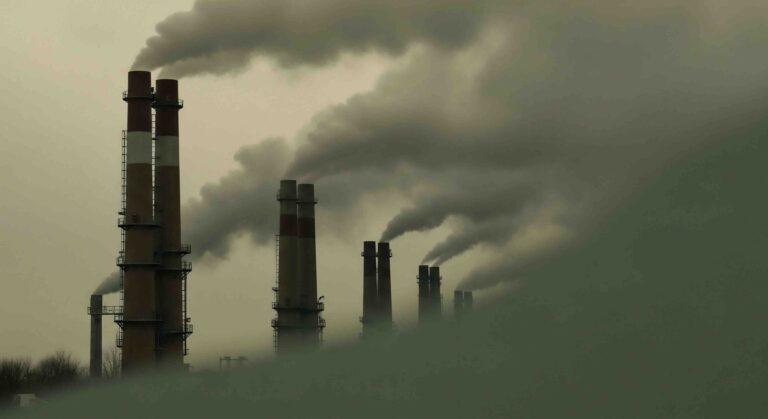
    The Pakistan Air Quality Initiative (PAQI), an independent research collective, this week released Unveiling Pakistan’s Air Pollution and National Landscape Report on Health Risks, Sources and Solutions, which finds that harmful fine particulate matter (PM2.5) from transport, industry, brick kilns, power generation and crop residue burning significantly shortens life expectancy and poses severe health, economic and governance costs.

    According to the report, Pakistan’s average life expectancy is reduced by nearly four years because of air pollution, with residents in smog-choked cities such as Lahore losing up to 5.8 years of life if pollution levels were brought into compliance with global safety standards.

    Local Sources Dominate

    For years, official narratives in Pakistan’s Punjab province have emphasised transboundary smog inflows, particularly from crop burning in neighbouring India’s states, or blamed seasonal dust storms. But the PAQI analysis disputes those claims, showing that city-specific sources – from dense traffic on congested urban roads to unregulated industrial emissions – account for the lion’s share of hazardous air in major urban centres including Lahore, Karachi, Islamabad-Rawalpindi and Peshawar.

    “Pakistan’s air quality crises are not a monolithic seasonal phenomenon, but distinct local emergencies shaped by urban design and economic activity,” the report states, emphasising the diversity of pollution profiles across different cities. In Karachi, industry is the dominant driver; in Lahore, transport and brick kilns sit atop the list of polluters; in Peshawar, topographical features trap emissions; and in the twin cities of Islamabad and Rawalpindi, sprawling urban sprawl compounds the problem.

    The PAQI findings are based on a combination of satellite aerosol data, chemical transport models and real-time air quality monitoring that the researchers say provide a more robust picture of the country’s emissions landscape than previously available.

    Pushback from Environmental Authorities

    But the report has drawn sharp criticism from the Punjab Environmental Protection Agency (EPA), which has rejected the study’s conclusions and questioned the credibility of its data and methodology. A spokesman for the EPA said the agency had taken “significant measures” to address smog and that the PAQI lacked access to official monitoring data.

    “The government has not closed educational institutions due to smog this year and continuous efforts are being carried out to improve the situation,” the EPA’s representative told the Dawn newspaper, asserting that the agency’s actions have mitigated the impact of seasonal pollution.

    Punjab’s authorities have in recent months deployed a series of anti-smog measures, from roadside water sprinkling and anti-smog guns to expanded vehicle emission testing and fines for smoke-emitting vehicles. They also insist that winds and weather have played a role in temporary improvements in air quality at times.

    A Pattern of Hazardous Air

    Residents in Punjab’s largest cities know the crisis firsthand. Throughout the autumn and early winter this year, Lahore, Faisalabad, Multan and Gujranwala have consistently recorded dangerous Air Quality Index (AQI) readings in the “hazardous” range, with parts of Lahore frequently among the world’s most polluted urban areas.

    Medical professionals warn that prolonged exposure to such air can exacerbate respiratory conditions, strain emergency services and contribute to chronic heart and lung disease. Children, the elderly and those with pre-existing health issues are seen as particularly vulnerable to the cumulative impacts of PM2.5, which penetrates deeply into the lungs and bloodstream.

    Despite short-term improvements when winds disperse pollutants, Pakistan’s larger “smog season,” which typically lasts from October through February, has become a recurring annual crisis with economic and social costs that reverberate beyond public health into education, productivity and infrastructure planning.

    Solutions and Accountability

    Experts say the crux of the policy debate now hinges on ownership of the problem. The PAQI report urges policymakers to pivot from seasonal reactionary measures, such as temporary shutdowns and symbolic anti-smog guns, to sustained emissions control, stricter industrial regulation, cleaner transport policies and comprehensive monitoring frameworks.

    Environmental advocates have also pointed out that while government initiatives such as vehicle checks and mask mandates play a role, enforcement remains patchy and uneven across districts, and broader structural challenges like unregulated brick kiln operations or lack of green urban planning persist.

    In courtrooms, judges have even weighed in. The Lahore High Court recently expressed dissatisfaction with the provincial government’s anti-smog efforts, urging more stringent action against smoke-emitting vehicles and questioning the efficacy of current measures.

    With public pressure mounting and health implications growing more visible, both researchers and officials agree that Pakistan’s smog crisis demands urgent attention – whether through consensus on the sources of pollution or robust strategies to curb them ahead of the peak winter months.

    Odisha Government Clears ₹10,000-Crore Tata Power Solar Ingot-Wafer Plant, Underlining Green Energy Push

    The plant, to be operated by Tata Power and sited in the coastal town of Gopalpur, marks a significant step forward in the state’s renewable energy strategy.

    The Odisha government has approved Tata Power’s ₹10,000-crore investment to establish a solar ingot and wafer manufacturing plant in Gopalpur. Industry sources say that this signals a decisive move to strengthen India’s renewable energy manufacturing ecosystem and accelerate the transition to cleaner power sources.

    The approval comes with an attractive package of incentives designed to catalyse both investment and environmental impact. These include a 100 per cent electricity duty waiver for 20 years, capital subsidies and power tariff support – underscoring Odisha’s ambition to become a pivotal hub in the solar supply chain.

    The plant, to be operated by Tata Power and sited in the coastal town of Gopalpur, marks a significant step forward in the state’s renewable energy strategy. Solar ingots and wafers, the raw materials used in producing solar cells and modules, are critical components of the solar value chain. By enabling domestic production of these inputs, the facility will reduce India’s dependence on imports, particularly from East Asian markets, and reinforce energy security while fuelling the expansion of solar capacity nationwide.

    Fiscal Incentives With Lasting Environmental Gains

    The Odisha government’s policy package for the project includes a 20-year exemption from electricity duty, a 30 per cent capital investment subsidy, and a ₹2-per-unit power tariff subsidy, creating a competitive framework to support long-term manufacturing viability. Sources say that such fiscal backing not only attracts industry giants like Tata Power but also signals to global investors that renewable manufacturing in India is a strategic priority.

    By facilitating local production of solar components, the plant will dramatically lower the carbon footprint associated with transporting materials from abroad, one of the hidden costs of conventional manufacturing. Additionally, expanded solar module availability in the domestic market will help drive down the installed cost of solar systems, making green power more affordable and accessible.

    Beyond the direct production benefit, this move is aligned with Odisha’s broader renewable energy policy framework aimed at decarbonising the state’s energy sector and encouraging clean energy adoption. According to the state’s renewable energy policy, incentives like electricity duty exemptions for renewable energy projects are critical to attracting investment and accelerating clean energy deployment.

    Boosting Local Solar Industry and Environmental Impact

    Setting up a domestic ingot-wafer plant has far-reaching consequences for India’s solar manufacturing landscape. Currently, a significant portion of solar raw materials, especially polysilicon-based ingots and wafers, are imported. This creates supply chain vulnerabilities and exposes the Indian solar sector to global price fluctuations. The new facility will help domesticate this portion of the supply chain, strengthening resilience and stabilising input costs – a key factor for accelerating solar adoption across urban and rural electrification programmes.

    Crucially, increased domestic output of ingots and wafers will enable faster and cheaper solar module production, advancing India’s renewable energy targets, including the national goal to reach 500 GW of non-fossil fuel capacity by 2030. Easier access to competitively priced solar modules will translate into higher rates of solar power installations, both at utility scale and for rooftop systems. This in turn reduces reliance on fossil-fuel-based power generation, cutting greenhouse gas emissions and improving air quality.

    Energy experts also highlight that broadening the solar supply chain within India directly contributes to lowering lifecycle emissions. Locally produced silicon components mean fewer containers crossing oceans, shorter freight distances, and reduced transport-related carbon emissions. Over time, this contributes to a smaller carbon footprint for every megawatt of solar energy generated in the country.

    Socio-Economic and Environmental Synergies

    The projection of environmental benefits is coupled with socio-economic dividends for Odisha. The manufacturing hub is expected to create jobs across the value chain, while fostering technical skills in high-value clean energy sectors. Local employment in manufacturing not only strengthens regional economies but also embeds community investment in renewable futures, encouraging wider societal buy-in for environmental stewardship.

    Odisha’s renewable energy sector is already showing strong momentum. Rooftop solar installations across the state have accelerated under the Utility-Led Aggregation Model, reducing electricity bills for consumers and demonstrating how solar adoption can benefit households financially while cutting emissions at the grassroots. Early data show significant reductions in monthly electricity costs for participating families, emphasising the dual economic and environmental payoff of solar energy.

    Toward a Sustainable Industrial Ecosystem

    State officials emphasise that this project is part of Odisha’s long-term vision to develop industrial capability rooted in sustainability, balancing economic growth with ecological responsibility. With abundant solar potential, including prospects for floating solar installations on reservoirs, Odisha is positioning itself as a renewable energy powerhouse, attracting both domestic and foreign investment in a sector critical to climate mitigation.

    Experts say that by enabling large-scale manufacturing of fundamental solar components, the Tata Power plant represents a strategic pivot toward greener industrialisation – one that enhances energy independence, supports climate goals and creates an enabling environment for sustainable development.

    Nepal Government and Gen Z Leaders Seal Landmark 10-Point Reform Pact

    Prime Minister Sushila Karki, speaking at the signing ceremony, described the agreement as a “milestone in bringing transformations to the country” and a blueprint for guiding future governance reforms.

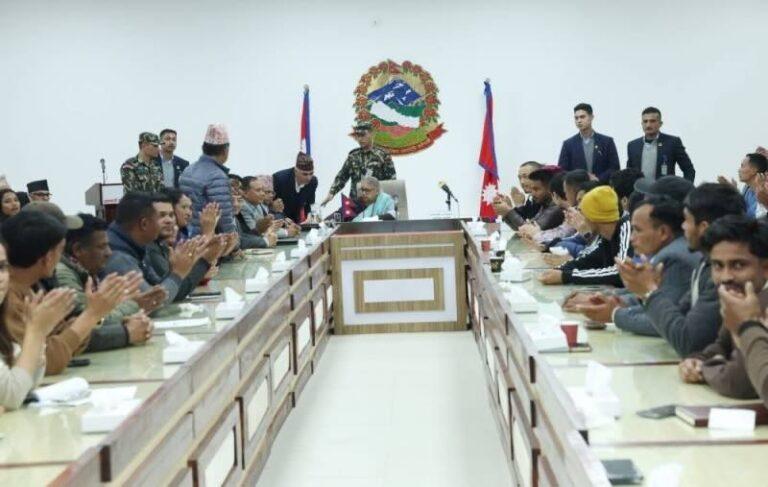
    In a major political development, Nepal’s interim government and leaders of the Gen Z movement have signed a comprehensive 10-point agreement aimed at addressing demands for deep structural reforms and recognising the September youth uprising as a legitimate national movement. The accord, signed at Singha Durbar on Wednesday, comes three months after mass protests shook the country and led to the ouster of the previous government.

    A Historic Accord

    Prime Minister Sushila Karki, speaking at the signing ceremony, described the agreement as a “milestone in bringing transformations to the country” and a blueprint for guiding future governance reforms. The document, signed by Karki on behalf of the government and Bhoj Bikram Thapa representing families of martyrs and the injured from the Gen Z movement, encapsulates a series of commitments touching on constitutional amendment, electoral reform, justice processes and governance overhaul.

    The pact formally recognises the September Gen Z movement as a “Jana Andolan” – a people’s movement – placing it alongside the historic uprisings of 1990 and 2006 in Nepal’s political narrative. For the first time, a digital-led protest driven by social media mobilisation, youth activism and cultural expression has been accorded such recognition.

    Alongside Karki and Thapa, senior government officials, ministers, and several Gen Z leaders attended the ceremony. However, not all voices within the Gen Z cohort supported the agreement, with protests breaking out immediately after the signing. Some activists argued the pact fell short of capturing the movement’s core spirit and broader aspirations.

    From Electoral Reform to Institutional Change

    The 10-point pact outlines several substantive reforms aimed at addressing long-standing grievances that fuelled the youth protests. Central to the agreement is the commitment to electoral reform and constitutional review. A task force or high-level commission will be established to recommend changes to the Constitution and overhaul the electoral system, including provisions for introducing the ‘None of the Above’ (NOTA) option on ballots.

    Compensation, rehabilitation and social support for the families of those killed and injured during the September protests are also highlighted. The pact calls for interim relief, free health treatment, education opportunities, employment support and social security benefits for affected families, reflecting a broad social welfare component.

    The agreement further mandates the creation of an independent investigation mechanism to probe alleged human rights violations and use of excessive force by security agencies during the protests. If activists or their representatives allege that individuals were prosecuted solely for participating in the movement, the commission is tasked with investigating those claims and recommending release or withdrawal of charges where appropriate.

    In line with demands for greater transparency and institutional accountability, the pact emphasizes anti-corruption measures and the dismantling of partisan influence in public institutions. A high-level commission will examine political, policy and institutional corruption, with recommendations for legal and policy reforms to strengthen autonomy and merit-based appointments in government bodies.

    Another significant provision includes reforms to the judiciary and constitutional bodies to enhance independence and ensure youth representation. The pact also outlines measures to reform public administration, decentralise governance, and promote inclusive participation in state functions.

    Additional commitments include guaranteeing voting rights for temporary residents and overseas Nepalis, a key demand among youth activists seeking greater inclusivity in Nepal’s democratic processes.

    Mixed Responses: Support and Dissent Within Gen Z Ranks

    Despite the historic nature of the accord, reactions among Gen Z activists have been mixed. While senior figures such as Purushottam Yadav, Sudan Gurung, Rakshya Bam, Tashi Lhazom, and Bhawana Raut attended and endorsed the signing, a section of the movement vocally rejected the agreement. Some protesters tore up copies of the document outside the Prime Minister’s Office, claiming it failed to reflect the spirit and demands of the September uprising.

    Ajay Soraadi, a prominent figure from Gen Z Movement Nepal, was among those who disowned the pact, escalating tensions during and after the ceremony. Another Gen Z leader, Miraj Dhungana, also condemned the agreement later in the evening, underscoring the rift within the movement’s ranks over strategy and engagement with the political establishment.

    Prime Minister Karki, for her part, appealed for unity and youth leadership in governance. In a symbolic gesture, she referred to some Gen Z representatives as her “children,” a remark that drew both praise and criticism from different segments of youth activists.

    Analysts say the pact represents a crucial step toward institutionalising the protests’ demands within the state framework, even as negotiations over implementation and broader political reforms continue. With free, fair and peaceful elections scheduled for March 5, the agreement’s success will be tested in the coming months as Nepal navigates a transformative and potentially turbulent political chapter.

    NABARD RECSS Survey Shows Broad-Based Revival in Rural Consumption and Income

    The eighth round of this bi-monthly survey, covering the period from September 2024 to November 2025, presents what officials describe as clear evidence of broad-based strengthening in rural demand and economic fundamentals.

    India’s rural economy is showing strong signs of revival, with significant increases in household consumption, rising incomes, greater optimism about future earnings, and improving access to formal credit, according to the latest findings from the National Bank for Agriculture and Rural Development’s (NABARD) Rural Economic Conditions and Sentiments Survey (RECSS). The eighth round of this bi-monthly survey, covering the period from September 2024 to November 2025, presents what officials describe as clear evidence of broad-based strengthening in rural demand and economic fundamentals.

    The Press Information Bureau (PIB) of the Government of India released the key highlights of the survey on Thursday, which showed that about 80 per cent of rural households have consistently reported higher consumption over the past year – a key marker of enhanced prosperity in the hinterland. This figure represents the highest level of sustained consumption reported in the survey’s year-long dataset and underscores robust demand in rural markets.

    According to the RECSS findings, rural households are now spending 67.3 per cent of their monthly income on consumption, the highest share recorded since the survey’s inception in September 2024. Government measures such as GST rate rationalisation have supported this trend by enhancing real purchasing power among rural consumers. The resultant increase in consumption demand, officials noted, is broad-based and not limited to specific regions or segments of the rural economy.

    Income Growth and Future Optimism

    One of the most encouraging outcomes of the survey is the improvement in rural incomes. Around 42.2 per cent of rural households reported an increase in income over the past year, the highest proportion observed across all rounds of the NABARD survey. Meanwhile, the proportion of households experiencing a decline in income has fallen to 15.7 per cent, the lowest level on record.

    Perhaps even more striking is rural sentiment about the year ahead: 75.9 per cent of surveyed households expect their incomes to rise over the next 12 months, marking the highest level of optimism since the RECSS was launched. This upbeat outlook reflects growing confidence among rural residents in their economic prospects and signals potential for sustained demand growth.

    Investment, Credit Access, and Financial Behaviour

    The survey also points to a notable increase in rural investment activity. Approximately 29.3 per cent of households reported increased capital investment in the past year – an indicator of renewed asset creation in both agricultural and non-farm sectors. Experts say this trend suggests that rising consumption and income gains are translating into productive investment rather than simply lending stress.

    Improved access to formal credit is another encouraging feature of the latest RECSS results. 58.3 per cent of rural households reported borrowing exclusively from formal financial institutions, up significantly from earlier rounds of the survey. While informal credit sources still account for around 20 per cent of rural borrowings, this shift toward formal credit reflects progress in financial inclusion and stronger rural banking outreach.

    Government Support and Price Stability

    Government welfare transfers continue to play a stabilising role in rural demand without creating dependency, the survey noted. On average, subsidies and benefits – such as subsidised food, electricity, water, cooking gas, fertilisers, pensions, and transport support – supplement around 10 per cent of a rural household’s monthly income. For some households, this support exceeds 20 per cent of total income, helping to sustain consumption even as inflation moderates.

    In fact, inflation perceptions among rural households have eased significantly over the past year. The average perceived inflation rate has declined to 3.77 per cent, dipping below 4 per cent for the first time since the survey began. A majority of respondents – approximately 84.2 per cent – believe inflation is at or below 5 per cent, and almost 90 per cent expect it to remain under 5 per cent in the near term. This moderation in price pressures has bolstered real incomes and purchasing power, contributing to stronger consumption growth.

    Infrastructure and Quality of Life Improvements

    Beyond economic indicators, the RECSS feedback suggests that rural residents are also noticing improvements in basic infrastructure and services. High levels of satisfaction were reported in areas such as roads, education, electricity, clean drinking water, and health services – essential components that support long-term well-being and sustainable rural development.

    Taken together, the survey results paint an optimistic picture of rural India’s economic trajectory. From rising consumption and income growth to stronger financial inclusion and infrastructure gains, multiple indicators point to a rural economy that is regaining momentum after recent global and domestic headwinds. Analysts suggest that sustained public investment, targeted welfare support, and stable price conditions are key drivers of this positive trend and could have broader implications for national economic growth, given the significant role rural demand plays in India’s overall economy.

    UN Sounds Alarm on Afghanistan: Taliban’s Isolation, Humanitarian Crisis Deepen, UNAMA Warns

    The coming weeks and months – as policymakers digest the UN report, debate sanctions, aid, and diplomatic recognition – will shape not just Afghanistan’s future, but the region’s – and the world’s – capacity to prevent a humanitarian disaster of historical proportions.

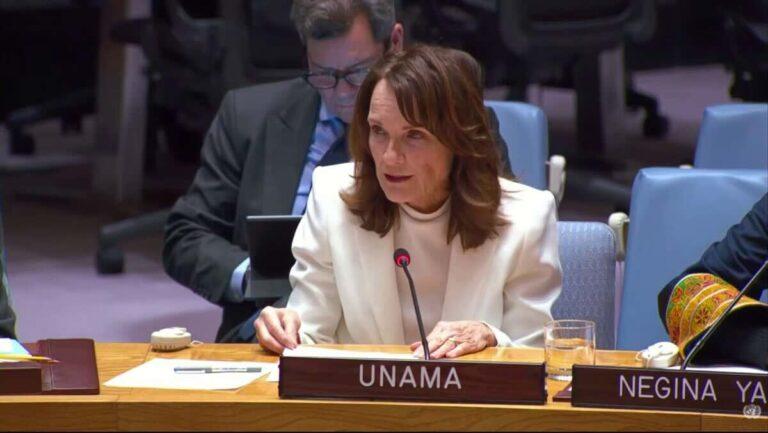
    In a stern briefing to the United Nations Security Council (UNSC) on 10 December 2025, United Nations Assistance Mission in Afghanistan (UNAMA) Deputy Special Representative Georgette Gagnon painted a stark portrait of a country slipping deeper into isolation – politically, economically, and socially – under the rule of Taliban-led authorities.

    Her address, rooted in the latest periodic report from the UN Secretary-General on Afghanistan, warns that the Taliban’s refusal to meaningfully engage with international partners is jeopardizing donor support and further entrenching a humanitarian catastrophe felt by millions of Afghans.

    Taliban’s Political Isolation Deepens

    According to the Secretary-General’s report submitted on 3 December 2025, the Taliban leadership – including the supreme leader’s inner circle – has intensified efforts to consolidate control through religious-guided governance, increased oversight, and sweeping policy changes.

    Between August and November, the Taliban leadership convened multiple high-level meetings: first a “reform seminar” with religious scholars and senior officials, followed by a comprehensive gathering of provincial and district governors, ministers, and security chiefs. The message was clear: enforce ideological conformity, align governance with strict religious principles, and appoint loyalists throughout state and local structures.

    This consolidation extended to judicial and administrative appointments: new provincial governors, deputy governors, district heads, deputy ministers across sectors, judges and court officials – deepening the regime’s grip.

    At the same time, the Taliban authorities enacted increasingly restrictive policies. Notably: a nationwide ban on Afghan women working at or even entering UN premises; tightened controls over societal norms; and reinforced gender and morality laws that virtually eliminate women’s participation in public life.

    Alarming Human Rights and Humanitarian Fallout

    In her UNSC briefing, Gagnon emphasised that the “principles of dignity, equality, and justice embedded in the Universal Declaration of Human Rights remain profoundly relevant for Afghans,” many of whom now endure “multiple crises” under mounting strain.

    Women and girls remain “systematically excluded from nearly all aspects of public life,” she said – their bans from secondary and tertiary education entering a fourth consecutive year. The result: a lost generation of potential female doctors, teachers, entrepreneurs and leaders.

    Media freedoms have similarly shrunk: journalists face intimidation, arrests, censorship; public debate and dissent are increasingly silenced.

    Meanwhile, restrictive “morality laws,” widespread societal control, and harsh enforcement have curtailed basic freedoms. This crackdown affects not just political or civil rights but everyday life, deepening a broader social crisis.

    These issues are compounded by a severe humanitarian crisis. The Secretary-General’s report notes that 2.4 million Afghans returned from neighbouring countries in 2025 (as of 15 November), many under pressure and with scant resources – a 6 per cent increase in population that stretched already fragile services and infrastructure.

    Afghanistan also faced devastating natural disasters: earthquakes in August and November strained communities further. And with just 35.7 per cent of the required US$ 2.42 billion in humanitarian funding received (as of early November), many aid programs for food, health and protection have been scaled back – leaving millions at risk of malnutrition, disease outbreaks and deprivation.

    Disruptions in Communication, Economy, and Public Services

    Among the most striking recent developments is the nationwide telecommunications blackout ordered by the Taliban leadership, part of a broader move to control information and isolate the country. The blackout lasted almost 48 hours.

    This shutdown crippled public and private services: healthcare, emergency response, financial transactions, customs, ATM operations – and even diplomatic and humanitarian communications. Commercial flights were cancelled; commerce and trade ground to a near halt.

    While services were restored after two days – reportedly due to pressure from what the report calls “a more pragmatic faction” inside the Taliban – the episode highlights the fragile balance between ideological impulses and political-economic realities.

    The economic situation remains dire. Despite a tentative overall GDP growth of 4.5 per cent noted by UNAMA, per-capita income is projected to decline by 4 per cent, marking a third consecutive year of shrinking incomes. Poverty and unemployment are rising even as remittances and aid taper off.

    Efforts to promote economic self-sufficiency – part of the Taliban’s new National Development Strategy – are undermined by policies that restrict investment, trade, and especially economic participation by women. Many skilled and qualified female returnees remain barred from working.

    UNAMA’s Call: Engagement Over Isolation – But With Conditions

    In her briefing, Gagnon criticized the Taliban for “repeatedly missing or rejecting chances to engage with the international community,” a refusal that could lead to donor fatigue and further disengagement.

    She underscored that the international community – through UNAMA and other partners – remains committed to “principled and pragmatic engagement.” That means supporting humanitarian aid, protection of civilians, human rights, and gender equality, but also pressing the de facto authorities to fulfil their obligations under international norms.

    Yet, she stressed clearly: the goal is not simply to re-integrate Afghanistan under the current Taliban authorities as they stand. Rather, any reintegration into the international community must be contingent on tangible progress in governance, human rights (especially for women and girls), and counterterrorism commitments.

    UNAMA has proposed – as part of the framework laid out by Security Council Resolution 2721 (2023) – a political roadmap through the Doha Process that addresses issues blocking Afghanistan’s reintegration: governance, human rights protections, and security sector reform.

    Regional Stability and Global Responsibility

    The crisis in Afghanistan is not confined within its borders. The destabilizing effects of mass returnees, economic collapse, humanitarian collapse and governance vacuum risk spilling beyond – straining regional capacities, driving displacement, and leaving fertile ground for extremist ideologies. UNAMA’s report warns that rising insecurity, cross-border tensions, and lack of public services could produce broader regional ripple effects.

    Moreover, UNAMA’s woes reflect broader international frustration. Donor engagement is ebbing, conditional cooperation is stalling, and the credibility of multinational institutions is being tested. As Gagnon said, “this persistent refusal [to engage] risks further disengagement, particularly from donor countries increasingly frustrated by the lack of meaningful cooperation.”

    A Crucial Juncture

    As Afghanistan enters yet another winter under Taliban rule, the country stands at a critical inflection point. The recent UN report makes clear: without urgent course correction – respect for human rights, reopening inclusive civic space, restoration of fundamental services, and meaningful engagement – the humanitarian and socio-economic spiral will deepen, and the isolation will strengthen. UNAMA says that for the international community and the UNSC, the choice is stark: sustain principled engagement to prevent further collapse – or risk watching Afghanistan devolve into a frozen, broken state, with consequences far beyond its borders.

    Health Ministry, WHO Roll Out Delhi Metro Campaign on Women’s and Girl’s Health

    India continues to strengthen women’s health and empowerment through various national initiatives such as Swasth Nari Sashakt Parivar Abhiyan, Pradhan Mantri Surakshit Matriva Abhiyan (PMSMA), Mission Shakti, the Nirbhaya Fund and Ayushman Bharat.

    The month-long campaign aims to reach millions of commuters with messages displayed on metro trains and select stations, highlighting the importance of women’s safety, health and wellbeing; reducing the digital divide; improving access to mental health support for women; PC&PNDT and TB awareness.

    Speaking on the occasion, union health secretary Punya Salila Srivastava said, “A family or a nation cannot truly progress unless women are healthy. The health and safety of women are critical issues. Through this Delhi Metro campaign, we hope to spread this message to a wide segment of the public. This is a powerful medium to take the message directly to the people.”

    She also shared that awareness messages on tuberculosis, reducing the digital divide, the PC&PNDT Act, 1994, and other key issues have been displayed both inside the coaches and on the exterior of the metro.

    Addressing the increasing ease of access to technologies used for gender determination and selection, the union health secretary noted, “Earlier, people relied on ultrasound to determine the gender of the foetus. Now, new technologies are being used for the same purpose. These practices must stop, and people need to be sensitised accordingly.”

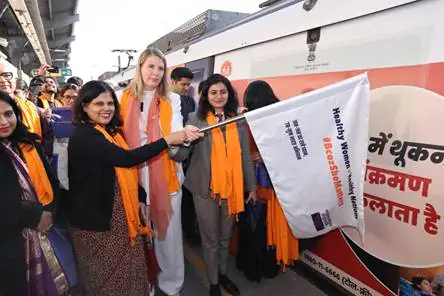
    Union health ministry in partnership with the World Health Organization rolled out a month-long Delhi Metro campaign on women’s and girl’s health and well-being at Delhi’s Sultanpur Metro Station on Wednesday.

    Strengthening Women’s Health

    Catharina Boehme, Officer-in-Charge, WHO South-East Asia stated, “Here at this metro station, some journeys end and others begin. Today marks the final day of the 16 days of Activism against gender based violence. And as that campaign ends, another begins. We are proud to launch the Delhi Metro campaign for women’s and girl’s health and well-being, rooted in two simple and enduring truths: Healthy Women=Healthy Nations, and #BecozSheMatters.”

    “Healthy women are the pillars of a healthy family, community, and a healthy nation. Health of women and girls, including their mental health, is hence important not just for their well-being, but most importantly for our well-being,” added Boehme.

    Punya Salila Srivastava said that India continues to strengthen women’s health and empowerment through various national initiatives such as Swasth Nari Sashakt Parivar Abhiyan, Pradhan Mantri Surakshit Matriva Abhiyan (PMSMA), Mission Shakti, the Nirbhaya Fund and Ayushman Bharat.

    The launch also featured a performance by WeBhor, an all women band, reflecting the collective spirit of the campaign and celebrating women’s resilience, dignity, and empowerment. Dignitaries and participants then joined the inaugural campaign ride, reflecting shared responsibility to promote safety, respect and well-being for women and girls.

    Boehme emphasised the need for collective action to take this campaign forward, “I thank you for being fellow travellers on this important journey together. Help spread this message and join forces because healthy women make healthy nations.”

    Global Solidarity Mobilises as Cyclone Ditwah Wrecks Sri Lanka

    Aid agencies and governments have begun to shift from immediate rescue to medium-term rehabilitation. The focus now is on shelter, clean water and sanitation, health services, rebuilding damaged infrastructure, and revitalising agricultural and economic livelihoods.

    In the wake of floods in Sri Lanka, following cyclone Ditwah, the world has responded with a show of cohesive humanitarian diplomacy.

    Neighbouring countries – notably India and Pakistan – dispatched rescue teams, essential relief supplies, and humanitarian assistance under regional support missions. Several other nations and international organisations also stepped forward: United Nations (UN), World Food Programme (WFP), and aid agencies from countries such as Australia, Japan and Maldives pledged emergency support.

    Cyclone Ditwah struck Sri Lanka on 28 November 2025, unleashing torrential rains, floods and landslides across much of the island – including coastal regions, low-lying river valleys and central hill districts. Early reports showed hundreds dead, many missing, and widespread destruction of homes, infrastructure, crops and livelihoods.

    The scale of destruction quickly became clear: thousands displaced, hundreds of bridges and roadways damaged or destroyed, rail networks disrupted and vast farmland flooded or ruined. Officials estimated that rebuilding the island’s homes, infrastructure and agriculture could cost up to US $7 billion.

    UN Steps Up Funding

    Recognising the urgent humanitarian needs, the UN allocated US $4.5 million from its Central Emergency Response Fund (CERF) to assist Sri Lanka’s relief and early recovery efforts.

    The funding is directed towards critical needs: emergency food distribution, clean water and sanitation services, temporary shelter, health support, and other necessities for communities hardest hit by floods and landslides. A five-member assessment team from the Office for the Coordination of Humanitarian Affairs (OCHA) has, meanwhile, flown in to map damage and prioritise aid distribution.

    From Disaster to Diplomacy

    The flurry of aid – from neighbouring countries and global institutions – reflects more than just generosity; it underscores a pattern of “disaster diplomacy.” Global responses have been rapid and coordinated, helping to plug humanitarian gaps at a time when the island is staggering under the scale of destruction.

    Beyond immediate relief, many experts believe this surge of support could reshape diplomatic relationships and foster long-term cooperation. The support comes not only through emergency funding and supplies, but also via infrastructure reconstruction, agricultural rehabilitation and economic recovery – essential to revive Sri Lanka’s battered economy.

    Road to Recovery Remains Long and Fraught

    Despite the wave of international aid, the road to recovery remains long and fraught. Flood-damaged farmland, landslides in the hill regions, and widespread destruction of roads, bridges, homes and essential infrastructure mean rebuilding will take months, if not years.

    Experts warn that without sustained support, the cyclone could aggravate poverty and lead to long-term economic trauma. The loss of crops, homes, livelihoods and access to basic services threatens the well-being of vulnerable communities, particularly in rural and remote areas.

    In a statement during a meeting with UN officials, Sri Lanka’s foreign minister Vijitha Herath emphasised that the magnitude of destruction requires continued global cooperation – not just one-time assistance – to rebuild housing, restore agriculture, revive the economy, and ultimately heal the nation.

    Aid agencies and governments have begun to shift from immediate rescue to medium-term rehabilitation. The focus now is on shelter, clean water and sanitation, health services, rebuilding damaged infrastructure, and revitalising agricultural and economic livelihoods.

    International partners and humanitarian organisations have indicated their willingness to stay engaged for the long haul. Plans are underway for coordinated rebuilding efforts, assessment of ongoing needs, and development of resilient infrastructure to withstand future disasters.

    For Sri Lanka – battered by one of the worst natural disasters in decades – the combined force of global solidarity and sustained aid may prove to be the lifeline it needs to emerge from devastation and begin rebuilding lives, homes and hope.