More

    No New Aravalli Mining Until Sustainability Study, Government Confirms Amid Regulation Row

    Centre assures strict mining controls, signals sustainability-led approach as it seeks to calm rising concerns over the future of one of India’s oldest geological formations.

    The Union Ministry of Environment, Forest and Climate Change has said that no fresh mining leases will be issued in the ecologically sensitive Aravalli Hills until a comprehensive sustainability study and management plan are completed, seeking to calm rising concerns over the future of one of India’s oldest geological formations. The comments come amid intense public debate after a November Supreme Court order accepted a revised definition of the Aravalli Hills and Ranges, prompting speculation about the potential loosening of environmental protections.

    Union Environment, Forest and Climate Change Minister Bhupender Yadav stressed that mining would be “strictly regulated” and that the government’s approach prioritises sustainability over unchecked extraction. He said that the Indian Council of Forestry Research and Education (ICFRE) will lead the preparation of a district-wise Management Plan for Sustainable Mining (MPSM) for the entire Aravalli landscape, and that no new licences will be granted until that study is completed.

    Currently, only a small fraction of the Aravalli region – a mere few hundred square kilometres out of an overall area exceeding 1.4 lakh square kilometres – is eligible for mining under existing norms. Even in these areas, operations must comply with stringent environmental safeguards.

    Supreme Court Definition Triggers Debate

    At the heart of the controversy is a Supreme Court order issued on 20 November 2025, which accepted a uniform definition of the Aravalli Hills and Ranges following recommendations by a centre-led panel. Under this legal framing, an “Aravalli Hill” is defined as any landform in designated Aravalli districts with an elevation of 100 metres or more above its local relief, while an “Aravalli Range” consists of a cluster of such hills within 500 metres of each other. Critics argue this could leave large sections of the ancient range – especially low-lying hillocks and ridges – outside formal protection.

    Environmentalists and conservationists have voiced deep unease. Many argue that the revised definition could expose ecologically vital parts of the Aravalli range – particularly smaller landforms that fall below the 100-metre threshold – to development pressures or exploitation over time. These formations, they contend, play crucial roles in groundwater recharge, biodiversity support, wind-break functions and climate regulation across the region, including urban centres like Delhi-NCR.

    Supporters of the government’s stance deny that protections have been diluted, asserting that over 90 per cent of the Aravalli region remains under environmental safeguards and that concerns over mining expansion are rooted in misinformation. According to official statements, the Supreme Court’s framework freezes new mining leases until the sustainable mining plan is finalised, further reinforcing regulatory oversight.

    Environmentalists, Experts Warn of Long-Term Ecological Risks

    Critics from environmental organisations and civil society have described the current legal interpretation as a “simplification that fails to respect the Aravallis’ complex ecology”, warning that it could gradually weaken the shield that the mountain system provides against desertification, water scarcity, and biodiversity loss. Many smaller hills – though well below the 100-metre mark – remain integral to the broader ecosystem, and their exclusion from formal protection could open them up to future mining, construction and commercial activity.

    These concerns have translated into public protests and activist campaigns in Rajasthan and Haryana, where local communities have expressed fear that re-classification might undermine longstanding conservation efforts. Grassroots groups have been particularly vocal about the potential impacts on groundwater levels and natural defences against sandstorms and dust, which affect both rural and urban populations alike.

    In response, the government and environment ministry have highlighted ongoing initiatives such as eco-sensitive zone notifications, afforestation programmes, and enhanced monitoring of mining activity – including the use of drones and other surveillance mechanisms – to ensure compliance and curb illegal extraction.

    The Supreme Court’s decision and the ensuing governmental clarifications underscore a broader tension in India’s development trajectory: balancing economic interests in mineral resources with the imperative of preserving fragile ecosystems. The direction from the apex court to prepare a sustainable mining management plan – similar to frameworks used in other mineral-rich regions – reflects an attempt to integrate environmental science into the regulatory architecture governing natural resource use.

    For now, the official position is clear: no new mining licences in the Aravallis until scientific studies chart a sustainable path forward, and existing mining operations must demonstrate adherence to strict environmental criteria.

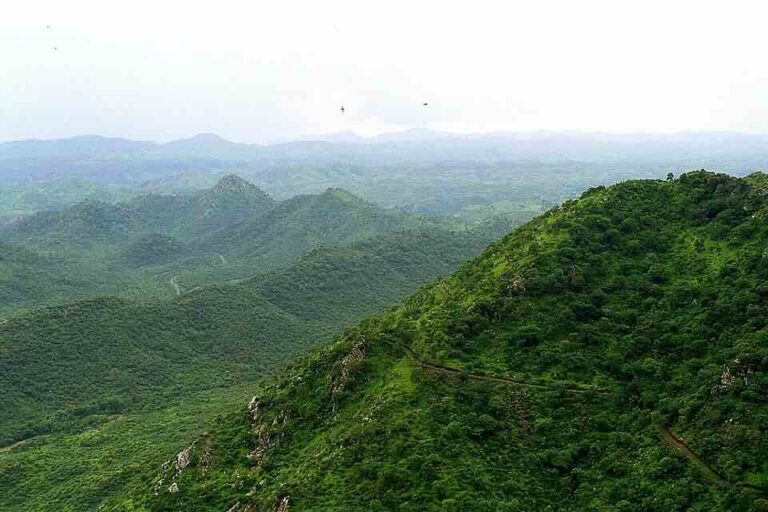
    Image: Wikimedia
    Bangladesh’s Job Market in Peril: 1.4 Million Lose Work as Industrial Stagnation and Low Private Investment Deepen Unemployment Crisis

    The crisis in Bangladesh’s job market, marked by industrial stagnation, weak private investment, and a growing pool of unemployed youth, reveals that economic growth alone cannot guarantee prosperity unless it is matched with strategic, inclusive job creation.

    Bangladesh’s once-heralded economic miracle is showing troubling signs of strain as industrial stagnation and shrinking private investment have left an estimated 1.4 million people jobless, forcing many to wander the streets in search of work, business leaders and economists warn. The alarming trend underscores a widening gap between economic growth figures and real job creation, raising fears of long-term social and economic disruption.

    Every year, about three million people enter the labour market, eager for opportunities. But only a fraction are finding them: roughly 1.2 lakh secure positions in government or semi-government posts, 8 lakh find work abroad, and about 10 lakh are absorbed by the private sector. The remainder – numbering in the lakhs – are left unemployed or underemployed, contributing to rising frustration among the country’s youth.

    With new employment failing to keep up with the pace of new entrants, Bangladesh’s unemployment challenges are stark, and growing steadily worse.

    Jobless Growth: A Deepening Paradox

    Bangladesh has maintained relatively strong GDP growth in recent years, but that expansion has not translated into proportionate job creation, especially in industry – a sector traditionally seen as a cornerstone of employment for millions. Over the past decade, while the economy expanded by more than 50 per cent, employment grew by only about 11 per cent.

    Analysts describe this disconnect as “jobless growth,” where rising output and production do not yield corresponding increases in jobs. One glaring example: despite the industry’s rising share of GDP, manufacturing employment has steadily declined, even as output continues to grow.

    Economists attribute this phenomenon in part to automation and capital-intensive techniques, which raise productivity but reduce the need for human workers. In the service sector – another potential job source – employment is creeping up at a mere one per cent per year, far behind the pace needed to accommodate the expanding workforce.

    Private Sector Investment Slump

    While government and public sector jobs offer some relief, they are far from sufficient. Private sector job creation, which historically has driven the bulk of employment in Bangladesh, has lost momentum, economists say.

    Data show credit growth to private firms has slowed sharply, reflecting tighter financing conditions and weaker investor confidence. Low credit growth – among the lowest in years – hampers business expansion, and in turn restricts hiring.

    Political uncertainties and rising operational costs have compounded the slump in investment. Many businesses are reportedly only maintaining current operations instead of expanding, leaving little room for new jobs.

    “The biggest challenge is stagnation in the private sector,” says Prof. Selim Raihan of the South Asian Network on Economic Modelling. “Many firms are not expanding – only maintaining – making it difficult to create new jobs,” he says.

    Impact on Workers and Youth

    Bangladesh’s job crunch is hitting young people particularly hard. Recent reports indicate that unemployment among educated youth — including graduates — is climbing, with fresh graduates struggling to find roles commensurate with their skills.

    Even as universities churn out thousands of qualified graduates each year, many employers demand experience that young job seekers simply do not have, creating a frustrating Catch-22 for Bangladesh’s emerging workforce.

    The lack of suitable jobs is also fuelling a reliance on overseas employment as an outlet for job seekers. Traditionally, sending workers abroad has eased domestic labour market pressures. But declines in overseas placements have been reported, further crimping opportunities for job seekers within Bangladesh.

    “Every year, 30 lakh people enter the job market. Of them, 1.2 lakh are recruited in government and semi-government agencies, eight lakh go abroad, and ten lakh get jobs in the private sector. The rest remain unemployed. New employment is not being generated as expected, which is pushing unemployment further up,” says A K Azad, a former president of the Federation of Bangladesh Chamber of Commerce and Industry (FBCCI).

    Referring to Bangladesh Bank’s bulletin published on November 23, Azad said the country’s GDP growth was 4.22 per cent last year, which is expected to decline to 3.97 per cent this year. He also pointed to rising classified loans, noting that although the central bank reports the figure at 24 per cent, “the actual number is much higher.”

    “To pay dividends to shareholders, many banks engage in window dressing. If loans are classified, the money has to be provisioned, which reduces their profits. If we consider the real figure to be around 35 per cent, we must find out where the money went and who took it. We expect the next government to investigate and bring those responsible under the law,” he added.

    Industrial Slowdown and Factory Closures

    The industrial slowdown is not just a statistic – it has human faces. Workplace closures and slow hiring have contributed to rising unemployment figures over recent years. According to labour force surveys, total employment figures have dipped as industrial jobs contract.

    “Industrial stagnation and shrinking private investment have caused 1.4 million people to lose jobs, leaving them “wandering on the streets without employment,” Azad says.

    The manufacturing sector, including the key ready-made garments (RMG) industry, has traditionally provided livelihoods to millions, particularly women. Yet employment levels in factories have stagnated or declined, even as production levels rise unevenly.

    Economists warn that unless the country revives investor confidence and stimulates business activity, many workers will remain trapped in low-income or informal jobs, unable to secure the stable employment needed to support families or pay off debts.

    Government and Expert Responses

    Government officials acknowledge the severity of the employment crisis. New initiatives, such as planned employment wings within the ministry of labour, aim to focus on job creation efforts. But experts argue that without meaningful investment incentives and a broader economic strategy to stimulate growth, such measures may have limited impact.

    Reports suggest that addressing skills mismatches through vocational training and educational reform could help align workforce capabilities with market demand. But analysts say this needs to be paired with stronger private sector engagement to unlock job growth.

    International development partners, including the World Bank, have also entered the picture with initiatives designed to boost jobs and trade, although such efforts are longer-term in nature and their impact on immediate job creation is still unfolding.

    As Bangladesh grapples with the paradox of economic growth without commensurate job creation, the consequences extend beyond mere statistics. A widening unemployment crisis could strain social stability, exacerbate inequality and dampen the country’s demographic dividend – the potential economic benefit from a large working-age population.

    With millions of young Bangladeshis entering the job market every year, the government and private sector face mounting pressure to rethink growth strategies. Economists argue that without renewed investment, industrial revival and comprehensive labour market reforms, the jobless crunch will continue to undermine Bangladesh’s development aspirations well into the next decade.

    Over Half of Nepal’s Household Biogas Systems Abandoned, Undercutting Clean-Energy Goals

    Nepal’s experience underscores the complex interplay between technology, socio-economic context and policy design in clean-energy transitions. What once seemed a straightforward path to cleaner cooking and rural development has become emblematic of broader challenges

    Once touted as a cornerstone of Nepal’s clean-energy transition and rural development, household biogas systems are increasingly falling into disuse across the Himalayan country, threatening decades of investment and undermining national climate and sustainable development targets. A new large-scale scientific study, backed by field surveys in 10 districts, reveals that more than half of Nepal’s roughly 450,000 subsidised household biogas plants are now abandoned or non-functional – a stark reversal for a technology long championed for sustainable cooking and reduced reliance on fossil fuels.

    Widespread Failure After Early Success

    Nepal rapidly embraced household biogas over the past six decades, installing nearly 450,000 small digesters nationwide to convert livestock manure and organic waste into clean cooking gas and fertiliser. These systems were heavily subsidised and positioned as a scalable, low-carbon alternative to firewood and liquefied petroleum gas (LPG).

    However, data from a comprehensive study published in Scientific Reports confirm what researchers and rural families are witnessing on the ground: 54 per cent of these biogas plants are now abandoned. Most of these systems were expected to function for up to 20 years, yet many fell into disrepair long before reaching that lifespan.

    The study’s authors – researchers from Kathmandu University, Duke University and other institutions – conducted structured interviews and visual inspections of 2,559 household biogas plants across Nepal’s Terai, middle hill and Siwalik regions. They found that malfunctioning mixers, broken valves, corroded pipes and other technical issues were the primary reasons systems ceased to operate.

    Technical Flaws and Lack of Support

    Technical failure emerged as a core driver of abandonment, with faulty mixers and key piping components common in defunct systems. Even among plants still in use, biogas output averaged just 0.4 cubic metres per day – far below designed capacity – leading many households to question the technology’s value.

    A lack of local technicians and spare parts has made household repairs difficult, and routine maintenance services are scarce. “Plant inspections reveal mechanical problems that could be fixed relatively easily,” said one co-author of the research, “yet without trained personnel or accessible components, households are left stranded.”

    Researchers also pointed to policy shortcomings. Heavy emphasis on upfront installation subsidies without long-term monitoring, maintenance funding or performance incentives has prioritised rapid rollout over sustainable operation. Although the government has earned millions from carbon credits under the Clean Development Mechanism (CDM), little of that revenue has been reinvested in supporting plant longevity.

    Socio-Economic Shifts Strain Biogas Use

    Beyond technical issues, shifting rural demographics are weakening the traditional behavioural and economic foundations of household biogas systems. Youth migration from rural areas, smaller and ageing households, and declining livestock numbers – the primary feedstock for biogas digesters – have reduced the labour and organic input required to keep systems functioning. Approximately 14 per cent of households cited insufficient manure due to livestock decline as a key reason for giving up their biogas plants.

    Households that abandoned biogas installations have mostly reverted to LPG or increased firewood use. The study estimates that this shift costs Nepalese families an additional US$5.2 million annually in LPG purchases and contributes an extra 0.66 million tonnes of carbon dioxide emissions – reversing some of the climate benefits the technology was meant to deliver.

    Environmental and Health Impacts

    The collapse of the biogas sector also carries social and environmental costs beyond greenhouse gas emissions. Increased reliance on firewood exacerbates deforestation pressures and exposes families, especially women and children who predominantly handle cooking and fuel collection, to household air pollution – a significant public health concern.

    While biogas digestate has the potential to reduce reliance on chemical fertilisers – another environmental benefit – many households perceive it as difficult to handle, limiting agricultural use and further diminishing the technology’s appeal.

    A Cautionary Tale for Clean-Energy Programmes

    Experts argue that meeting Nepal’s 2045 net-zero target and Sustainable Development Goal 7 – affordable and clean energy for all – will require a fundamental rethink of biogas policy. Instead of focusing narrowly on installation numbers, the government must adopt a lifecycle approach that includes post-installation training, robust maintenance networks, and performance-based incentives for households.

    Recommendations also include engaging local governments more deeply in selecting beneficiaries and monitoring system performance, and aligning biogas dissemination with household needs to ensure long-term viability. Some researchers suggest exploring larger, centralised biogas production models that may be more resilient to demographic changes.

    Nepal’s experience underscores the complex interplay between technology, socio-economic context and policy design in clean-energy transitions. What once seemed a straightforward path to cleaner cooking and rural development has become emblematic of broader challenges faced by many low- and middle-income countries: sustaining adoption over time, maintaining infrastructure in dispersed rural settings, and adapting programmes to evolving livelihoods.

    Nepal’s Renewed Fight Against Human Trafficking: Government Vows Stronger Action

    Nepal is a source, transit, and destination country for trafficking victims. Estimates suggest 5,000–10,000 women and girls are trafficked to India yearly, often into sexual exploitation with debt bondage.

    Nepal’s Minister for Women, Children and Senior Citizens, Shraddha Shrestha, on Saturday reiterated the government’s firm commitment to eradicating human trafficking, calling it a grave crime that demands urgent, coordinated action. The pledge came during a two-day seminar in Biratnagar focused on the challenges of trafficking along the Nepal-India border.

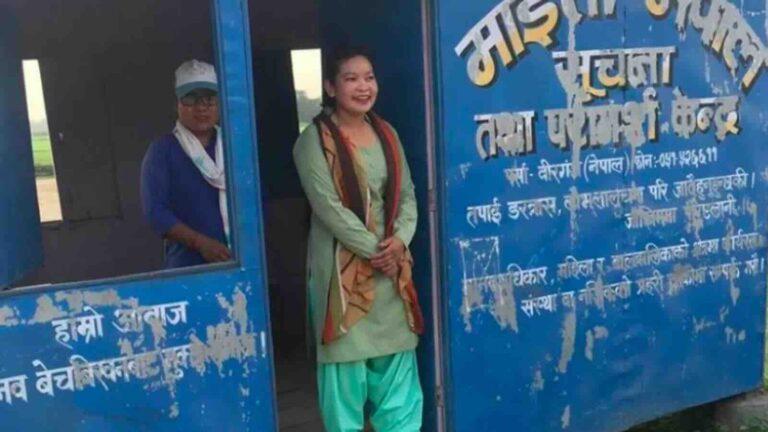
    The event, ‘Challenges of Human Trafficking and Exploitation in the Nepal–India Border Area,’ was organized by the ministry in collaboration with Maiti Nepal. It gathered officials, NGOs, and experts to address prevention, rescue, and rehabilitation strategies. Minister Shrestha stressed the need for enhanced cooperation with Indian authorities to monitor the open 1,850-kilometer border, where most cross-border trafficking occurs.

    Government Pledges and Legislative Framework

    Minister Shrestha announced upcoming initiatives for the timely rescue, protection, and rehabilitation of survivors, with a focus on preventing trafficking of women and girls. She emphasised awareness campaigns and border vigilance. Biratnagar Mayor Nagesh Koirala echoed these sentiments, describing trafficking as a major societal challenge requiring collective effort.

    Nepal’s efforts are guided by the Human Trafficking and Transportation (Control) Act of 2007, which imposes up to 20 years’ imprisonment for offenders. The government operates through the National Committee for Controlling Human Trafficking and district committees. Nepal acceded to the UN Palermo Protocol in 2020, though full implementation remains pending. Recent natural disasters and economic issues have heightened vulnerabilities, prompting calls for stronger integrated policies.

    Crucial Role of NGOs

    Maiti Nepal, led by Anuradha Koirala, has been pivotal for over 30 years, conducting rescues, awareness programs, and rehabilitation. Koirala highlighted risks to adolescent girls from illiteracy and false job promises, urging better state-community ties.

    Other NGOs like Shakti Samuha, 3 Angels Nepal, and international groups such as Destiny Rescue and ECPAT operate shelters, helplines, and border interventions. They provide medical care, legal aid, vocational training, and support post-disaster prevention, especially after the 2015 earthquake when child trafficking surged.

    Scale and Forms of Trafficking

    Nepal is a source, transit, and destination country for trafficking victims. Estimates suggest 5,000–10,000 women and girls are trafficked to India yearly, often into sexual exploitation with debt bondage. Victims also end up in forced labour across Asia, the Middle East, and Europe, contributing to a global $32 billion industry.

    The 2024 US TIP Report notes Nepal investigated 131 cases in 2022–2023, prosecuting 356 suspects and convicting 176. However, Nepal remains on Tier 2 Watch List due to insufficient efforts. Child labour impacts 1.6 million children, many in hazardous work. Sex trafficking prevails in entertainment sectors, while labour trafficking affects migrants and domestic workers. Organ trafficking is outlawed but persists. Pandemics and earthquakes have worsened the situation.

    Root Causes and Vulnerabilities

    Poverty drives the crisis, with high unemployment pushing desperate migration. The open border with India allows easy undetected movement. Marginalised communities, including Dalits and indigenous groups, face higher risks due to gender inequality, low education, and patriarchal norms.

    Traffickers exploit social media, fake jobs, or marriages. Climate disasters displace people, increasing susceptibility. Over 800,000 Nepalis migrate annually for work, often facing abusive recruitment and debt bondage abroad.

    India Faces over $200 Billion a Year in Climate Adaptation Costs by 2050, McKinsey Report Warns

    Current global spending of $190 billion annually on climate adaptation protects just 1.2 billion people at developed-economy standards. Protecting all 4.1 billion exposed today requires $540 billion yearly. At 2°C warming by ~2050, costs could rise to $1.2 trillion annually.

    India is on course to confront a staggering climate adaptation bill of more than $200 billion annually by 2050 if global temperatures rise to 2°C above pre-industrial levels, according to a landmark analysis by the McKinsey Global Institute (MGI). The report, Advancing adaptation: Mapping costs from cooling to coastal defences, highlights the immense financial and societal strain posed by rising heat, drought, flooding and other hazards – and exposes a wide gap between current protection and what will be needed in the world’s most climate-exposed regions.

    Adaptation Costs Set to Soar as Climate Hazards Intensify

    MGI’s comprehensive assessment uses granular, pixel-level geospatial data to map climate risks and the costs of adaptation across diverse regions and hazard types. It finds that the world currently spends about $190 billion annually on measures such as cooling, irrigation and flood defences – enough to protect only 1.2 billion people to standards typical of developed economies. To elevate protection for all 4.1 billion people living in places exposed to climate hazards today, annual spending would have to jump to $540 billion.

    Under a 2°C warming scenario – likely to be reached by about 2050 on current emissions trajectories – climate hazards are expected to intensify, exposing billions more people to heat stress and drought. Meeting protection at developed-economy standards in this hotter world could push annual global adaptation costs to around $1.2 trillion.

    In this future outlook, more than half of adaptation spending would be directed toward cooling (such as air conditioning and passive cooling systems) and irrigation to manage heat and drought – underscoring how chronic temperature increases will dominate costs.

    Why India’s Bill Is So High

    Despite already enduring frequent and severe climate impacts, India currently allocates only about $15 billion a year toward defending against extreme weather events – a fraction of what will be needed to protect its population. At this pace, current spending covers about 13 per cent of the cost required to safeguard the roughly 90 per cent of the population living in areas exposed to one or more major hazard types.

    India’s adaptation burden is driven partly by its large population in hazard-exposed zones, which include heat-stressed urban centres, flood-prone coastal districts and drought-vulnerable agricultural regions. The report notes that even if the country maintains today’s levels of protection under a 2°C scenario, it would still address only a limited share of the total costs needed for effective shielding.

    On a per-person basis, adaptation costs could average around $125 per person – more than a third of the Indian government’s per-capita budget allocation in its 2025 central budget – highlighting how tight public finances will be stretched further by climate demands.

    Widening the Resilience Gap

    The MGI analysis also emphasizes a persistent global resiliency gap – the difference between current levels of adaptation and what would be required to meet developed-economy protection standards everywhere. Today, roughly three billion people remain unprotected against heat, wildfires, drought and flooding, with the largest gaps seen in low-income and rural areas.

    As warming intensifies, hazards are expected to shift in intensity, frequency and duration, further complicating adaptation planning. Heat stress and drought threaten to put unprecedented pressure on water, health and labour productivity, while even rare events such as coastal floods are projected to become more frequent and costly.

    Benefits, Barriers and the Urgency of Investment

    Although the upfront price tag of adaptation appears daunting, the McKinsey report underscores that benefits outweigh costs in most cases – by as much as seven to one when measured in avoided damages. Adaptation measures yield a range of co-benefits beyond risk reduction, including improved food security, health outcomes and economic stability.

    Yet massive barriers stand in the way. Governments, companies and households must juggle adaptation spending alongside competing priorities like economic development, energy security and basic services. Political will, capacity to pay and institutional readiness will be crucial determinants of whether countries can close resiliency gaps.

    The adaptation finance gap is not unique to India. A report by the United Nations Environment Programme (UNEP) finds global adaptation needs – especially in developing countries – far exceed available finance, with a shortfall that could range from $194 billion to $366 billion annually.

    Policy Implications and Next Steps

    For India and other climate-vulnerable nations, the findings signal an urgent need to prioritise adaptation planning and finance. National and sub-national adaptation plans will need clear prioritisation frameworks, cost estimates and funding pathways if they are to be scaled effectively. Public investment in early-warning systems, water-secure infrastructure, resilient housing and coastal defences must be complemented by private capital – especially for measures like cooling technologies and agricultural resilience tools.

    Long-term climate risk, particularly heat exposure, also carries socio-economic consequences, threatening jobs, livelihoods and economic growth if unchecked. Independent assessments warn that without robust adaptation, millions could be displaced or pushed deeper into poverty due to climate impacts.

    India’s Higher Education Oversight Undergoes Major Shift with Tough Penalties and Accountability Measures

    The Bill redefines the responsibilities of higher education institutions by legally mandating public disclosure of key information. False or misleading disclosures could trigger regulatory action, with authorities obligated to act within 60 days of detecting irregularities.

    In a significant overhaul of how colleges and universities are regulated in India, the government has introduced a sweeping policy change that moves away from advisory oversight to a stringent, penalty-driven regulatory regime. The proposed Viksit Bharat Shiksha Adhishthan Bill, 2025, introduced in Parliament during the ongoing Winter Session, seeks to redefine institutional accountability, impose graded fines for violations and ensure that education standards are upheld across the country’s vast higher education landscape.

    For decades, India’s higher education regulatory architecture has been widely criticized for fragmentation, overlapping authorities and weak enforcement mechanisms. Under the current legal framework, bodies like the University Grants Commission (UGC) and professional councils could issue advisories or name so-called “fake” institutions, but had limited statutory powers to enforce corrective action when regulations were breached. The new bill aims to change that dynamic by embedding hard financial penalties, transparency mandates and performance-linked autonomy directly into law.

    At the heart of the reform is a graded penalty structure designed to deter non-compliance. According to provisions in the bill, institutions found violating regulatory standards could face fines starting at ₹10 lakh. For repeated violations, penalties escalate – with repeated non-compliance attracting fines of ₹30 lakh and persistent breaches potentially drawing penalties up to ₹75 lakh. In extreme cases, regulators can recommend suspension of an institution’s authority to award degrees, withdraw affiliation or even initiate closure proceedings.

    The new framework also draws a hard line against “illegal” institutions – entities operating without appropriate government approval. Such institutions could face a penalty of ₹2 crore and immediate shutdown upon detection. This provision is aimed squarely at combating “degree mills” and unaccredited colleges that have proliferated in recent years, often leaving students with worthless credentials and significant financial losses.

    A hallmark of the policy shift is the inclusion of safeguards to protect students enrolled in institutions that may be penalized or shut down. Regulators are mandated to ensure that academic disruption is minimized and that students can continue their programmes – either through transfer mechanisms or transitional arrangements. Officials argue that this is crucial to avoid collateral damage to learners’ academic and professional futures.

    Transparency and Accountability

    Beyond penalties, the bill redefines the responsibilities of higher education institutions by legally mandating public disclosure of key information. Colleges and universities will be required to make available – on official digital platforms – financial statements, audit reports, faculty details, infrastructure inventories, learning outcomes, accreditation status and governance structures. False or misleading disclosures could themselves trigger regulatory action, with authorities obligated to act within 60 days of detecting irregularities.

    This emphasis on transparency is intended to empower students, parents and researchers with actionable data, enabling informed decision-making and facilitating more accountable institutional behaviour. Supporters contend that open disclosure will shrink the information gap between regulators and the public, while simultaneously reducing opportunities for corruption or misrepresentation.

    Linking Autonomy to Accreditation

    Another major reform angle is the greater emphasis on accreditation-linked autonomy. Under the new law, institutions that achieve high accreditation scores and demonstrate robust quality assurance practices may be granted enhanced academic and administrative freedom. This includes the authority to grant degrees independently, without being tethered to an affiliating body – a longstanding constraint for many colleges seeking to evolve into multidisciplinary campuses.

    Education officials note that this approach aligns with the broader goals of the National Education Policy (NEP) 2020, which called for greater institutional autonomy balanced by accountability and outcomes-driven regulation. By tying autonomy to measurable performance benchmarks, the government hopes to incentivize quality enhancement while maintaining oversight.

    Regulatory Consolidation and Broader Legislative Context

    The Viksit Bharat Shiksha Adhishthan Bill also proposes the creation of a single, overarching regulator for higher education in India – replacing the current patchwork system involving the UGC, All India Council for Technical Education (AICTE) and the National Council for Teacher Education (NCTE). This unified body is designed to streamline oversight, reduce bureaucratic bottlenecks and establish consistent standards across disciplines and institutional types. Medical and legal education, however, are expected to remain outside its direct jurisdiction for the time being.

    While proponents argue that centralizing regulatory authority will enhance efficiency and clarity, critics have raised concerns about excessive centralization and potential erosion of institutional autonomy. Teachers’ associations and student bodies have urged the government to refer the bill to a Parliamentary Standing Committee to allow for wider stakeholder consultation and nuanced deliberation. They also stress the importance of preserving diversity in institutional voices and safeguarding the interests of state-run universities in the transition to a unified regulator.

    Impact and Challenges Ahead

    If passed by Parliament and eventually implemented, the reforms envisaged under the bill could reshape India’s higher education landscape fundamentally. Institutions may need to overhaul internal governance systems, invest in transparent reporting mechanisms and align their academic offerings with nationally benchmarked quality metrics. Regulatory authorities, in turn, will require robust capacity to monitor compliance, adjudicate violations and manage accreditation processes efficiently.

    Analysts note that while tougher penalties and enhanced transparency can deter malpractice and elevate quality, there are also potential challenges. Smaller colleges with limited administrative capacity may struggle to meet stringent compliance requirements, and the transition to a unified regulator could encounter operational hurdles that require careful calibration. The government has indicated that transitional arrangements will be formulated to assist institutions in adapting without compromising ongoing academic activities.

    In Rajya Sabha: Impact of US Tariffs on India’s Seafood Industry

    The minister said that the government is also pursuing new free trade agreements and working to improve the utilisation of existing FTAs.

    The government remains engaged with all stakeholders to assess the evolving impact of the US tariff measures and continues to work towards mitigating their effects on Indian exports through a comprehensive, multi‑pronged strategy, the minister of fisheries, animal husbandry and dairying Rajeev Ranjan Singh alias Lallan Singh, said in response to a question asked in the Rajya  Sabha on Wednesday.

    The minister said that the comprehensive, multi-pronged strategy included intensive engagement with the US government towards a mutually beneficial India–US bilateral trade agreement; immediate relief through RBI’s trade‑related measures and the credit guarantee scheme for exporters; enhancement of domestic demand through next‑generation GST reforms; and export‑promotion initiatives such as the new export promotion mission, which provides targeted support to exporters.

    The minister said that the government is also pursuing new free trade agreements and working to improve the utilisation of existing FTAs. Through sustained efforts, the number of listed fishery establishments approved for export to the EU and Russia has increased in recent months.

    The ministry of fisheries, animal husbandry and dairying (MoFAH&D) is implementing various schemes and programmes for the holistic development of the fisheries sector. Under the Pradhan Mantri Matsya Sampada Yojana (PMMSY), the department of fisheries, during the last five years, has approved projects with a total outlay of Rs. 21274.13 crore with a central share of Rs. 9189.74 crore for the development of fisheries and aquaculture in the country. The minister said that as a result of various well-thought-out policies and initiatives of the government, India’s seafood exports have more than doubled, from ₹30,213 crore in 2013-14 to ₹ 62,408 crore in 2024-25.

    Promoting Diversified Aquaculture

    The department of fisheries, in collaboration with the marine products export development authority (MPEDA), Department of Commerce, and other stakeholders, has organised sensitisation and awareness programmes on the India–UK Comprehensive Economic and Trade Agreement (CETA), conducted stakeholder consultations, seafood exporter meet, and Chintan Shivir on value addition. The department of fisheries has also held a series of meetings with embassies and high commissions of potential partner countries to explore avenues for collaboration; strengthen bilateral trade cooperation in the fisheries sector; promote value addition; enhance biosecurity and quality compliance; advance automation; and foster R&D partnerships, while supporting broader sustainable development initiatives.

    The minister said that the government is further promoting diversified aquaculture covering high‑value species such as seabass, cobia, pompano, mud crab, GIFT tilapia, grouper, P. monodon, scampi, and seaweed – with a focus on identifying new markets and deepening existing ones. Efforts include strengthening trade facilitation, enhancing export promotion through trade delegations and technical exposure visits, and organising buyer–seller meets.

    The minister said that the government continuously monitors India’s marine product exports and has undertaken several measures to support and enhance the sector’s performance. As reported by the directorate general of commercial intelligence and statistics (DGCIS), department of commerce, marine product exports from India have shown significant growth during the first seven months of the current financial year (April–October 2025). During this period, export value stood at ₹42,322 crore (USD 4.87 billion), reflecting a 21% increase over ₹35,107.6 crore (USD 4.20 billion) recorded in the corresponding period of the previous year. Export volumes also grew by 12%, rising from 9.62 lakh metric tonnes to 10.73 lakh metric tonnes.

    Pakistan’s Legal Community Condemns Judicial Persecution of Lawyers Critical of Military

    As the legal battle unfolds in higher courts, rights organisations and legal associations are urging authorities to uphold constitutional guarantees, ensure fair procedures, and protect the independence of the legal profession.

    Pakistan is facing mounting criticism at home and abroad over what lawyers, rights groups and civil society organisations describe as judicial persecution of human rights lawyers who have criticised the country’s powerful military establishment. The case has sparked alarm about shrinking civic space, erosion of rule of law and misuse of cybercrime legislation to criminalise dissent.

    Lawyers Targeted Under Cybercrime Law

    The controversy centres on human rights lawyer Imaan Zainab Mazari-Hazir and her husband and fellow lawyer Hadi Ali Chattha, who were formally indicted late in October under Pakistan’s Prevention of Electronic Crimes Act (PECA) 2016 for social media posts critical of the military’s conduct on issues including forced disappearances and alleged abuses in provinces such as Balochistan and Khyber Pakhtunkhwa.

    Authorities say the posts, shared on X and other platforms between 2021 and 2025, “incited linguistic divisions” and suggested the armed forces were involved in terrorism – allegations both lawyers reject.

    PECA, originally drafted to tackle cybercrime, carries penalties ranging from hefty fines to up to 14 years in prison – a sentence both face if convicted.

    Fair-Trial Concerns and Procedural Irregularities

    The prosecution’s handling of the case has drawn sharp rebukes from legal experts and rights organisations. Defence teams and international observers have pointed to serious procedural irregularities that they say undermine principles of fair trial and due process. These include courts proceeding with witness testimony in the lawyers’ absence, rapid scheduling of hearings without adequate notice, and impediments to securing independent legal representation.

    In one notable instance, defence lawyers argued that evidence was recorded without the presence of Mazari-Hazir or Chattha, a violation of Pakistan’s criminal procedure code requiring the accused to be present when evidence is taken.

    Such practices, rights bodies say, reflect broader misuse of legal tools to intimidate legal professionals and discourage criticism of powerful state institutions.

    Supreme Court Intervenes

    Responding to due-process concerns, Pakistan’s Supreme Court in December ordered a temporary halt to proceedings in the trial court, directing that the Islamabad High Court first hear the couple’s pending revision petition. The Supreme Court’s move followed arguments that lower courts had ignored basic safeguards, including requests to re-record witness statements properly.

    The stay on trial-court proceedings delays further hearings previously scheduled for mid-December and marks a rare check on the prosecution’s momentum in the case.

    Rights Groups Decry “Weaponisation” of Law

    International and domestic human rights organisations have condemned the prosecution as a form of judicial harassment. A coalition of rights bodies, including Front Line Defenders and the International Bar Association’s Human Rights Institute, issued a joint statement warning that the case represents a troubling pattern of reprisals against lawyers and activists documenting abuses and speaking out on sensitive issues.

    These groups argue that using cybercrime legislation to penalise criticism contravenes Pakistan’s obligations under the UN Basic Principles on the Role of Lawyers and international covenants protecting freedom of expression and fair trial rights. They have called on the government to withdraw all charges against the couple and to repeal or reform provisions of PECA that enable such prosecutions.

    Broader Backlash and Public Support

    The case has ignited public debate within Pakistan’s legal community and civil society. Lawyers’ associations and student groups have issued statements and solidarity messages, decrying the use of broadly framed legislation to silence legal defenders and erode democratic space. Some student organisations in Islamabad have highlighted the implications for minority rights and civic freedoms.

    Supporters of Mazari-Hazir and Chattha argue that their legal work – including advocacy for victims of state violence and representation of marginalised clients – is being unfairly targeted under the guise of cybercrime enforcement.

    A Flashpoint in Civil-Military Dynamics

    The legal case comes against a backdrop of longstanding tensions between Pakistan’s civil society and its military establishment, one of the country’s most powerful institutions. Critics have long accused the military of exerting undue influence over political and judicial affairs, a charge Islamabad authorities routinely deny.

    For civil liberties advocates, the trial of lawyers for expressing critical views raises the spectre of a chilling effect on free speech and legal advocacy, hampering efforts to hold institutions to account and defend fundamental rights.

    As the legal battle unfolds in higher courts, rights organisations and legal associations are urging authorities to uphold constitutional guarantees, ensure fair procedures, and protect the independence of the legal profession – essential tenets of democratic governance.

    Image: ChatGPT

    Winter Hunger Crisis Deepens in Afghanistan: Over 17 Million at Risk as Child Malnutrition Soars

    According to the WFP Afghanistan is spiralling into unprecedented levels of hunger this winter. Around three million more people are now classified as facing acute food insecurity or worse compared with last year.

    As Afghanistan enters the harshest months of winter, a deepening hunger crisis threatens the lives and health of millions across the country, according to two major humanitarian reports this week. The United Nations World Food Programme (WFP) warns that more than 17 million Afghans are facing acute food insecurity, while Save the Children forecasts that over 9 million children will experience critical levels of hunger by early 2026.

    The twin warnings paint a grim picture of overlapping emergencies – from drought and earthquakes to economic collapse and funding shortfalls – leaving families with dwindling food supplies and scant support.

    WFP: Acute Food Insecurity for Millions

    According to the WFP, an updated Integrated Food Security Phase Classification (IPC) report reveals that Afghanistan is spiralling into unprecedented levels of hunger this winter. Around three million more people are now classified as facing acute food insecurity or worse compared with last year.

    John Aylieff, WFP’s country director in Afghanistan, described scenes of families “skipping meals for days on end” and resorting to desperate survival strategies as food stocks run out and economic opportunities dry up. The agency stressed that funding cuts have sharply limited life-saving assistance, hindering efforts to deliver critical food aid at a time when needs are soaring.

    Afghanistan is contending with multiple shocks: prolonged drought has devastated crops and livestock; widespread job losses have pushed households into poverty; and recent earthquakes left thousands homeless. Forced returns of Afghan migrants from neighbouring countries have compounded pressure on already strained communities.

    Despite this, the WFP currently lacks the resources needed to mount a large-scale winter response while sustaining emergency food and nutrition programmes nationwide. The agency estimates a minimum of $468 million is urgently required to provide life-saving food assistance to six million of the most vulnerable through the winter months.

    Children at Severe Risk: Save the Children’s Alarm

    Adding to these warnings, Save the Children reports that more than one-third of Afghan children – over 9 million – are expected to face severe hunger by March 2026 amid steep declines in humanitarian funding.

    The organization’s analysis of the latest IPC data shows a sharp increase in child malnutrition, with nearly 3.7 million children under five suffering from acute malnutrition – a rise from last year’s figures. At the same time, pregnant and breastfeeding women are also experiencing alarming levels of food insecurity.

    Clinics run by Save the Children reported a 13 per cent increase in admissions of malnourished children and women earlier this year, underscoring the escalating crisis on the ground.

    With humanitarian funding dwindling, critical supplementary feeding programmes risk being scaled back or halted altogether. Estimates suggest that only about one million people nationwide will receive food assistance in the coming months – nearly six times fewer than in 2024.

    Families in Crisis: Stories from the Ground

    The grim statistics translate into harrowing real-world impacts for Afghan families. In southern Afghanistan, 60-year-old Khalid, a day labourer, described how drought has “destroyed our lives,” leaving him with sporadic work and barely enough to feed his family. His eight-month-old child was recently treated for malnutrition at a clinic supported by humanitarian partners.

    Every winter, malnutrition risks worsen as cold weather heightens susceptibility to disease, reduces work opportunities, and pushes up the cost of basic necessities such as food and fuel. Many families face agonizing choices – withdrawing children from school or sending them to work to secure meals.

    Humanitarian Funding Gaps Worsen the Outlook

    A shared concern among international aid agencies is the decline in humanitarian funding for Afghanistan. Both the WFP and Save the Children emphasise that reduced donor support has forced the closure of hundreds of health clinics and nutrition centres, leaving vulnerable populations without essential services.

    Currently, the number of clinics and supplementary feeding services operational across the country has dropped significantly, compounding the difficulty of reaching those most in need during winter’s peak.

    Aid experts warn that if funding is not restored urgently, the country faces a worsening cascade of hunger, malnutrition and long-term health consequences – particularly for children whose physical and cognitive development could be permanently harmed.

    Call for Renewed International Commitment

    Both reports conclude with urgent appeals for renewed global attention and financial support. The WFP’s Aylieff urged the international community to “bring Afghanistan’s crisis back into the headlines” to ensure vulnerable populations receive life-saving assistance.

    Similarly, Save the Children’s Samira Sayed Rahman called on donors to immediately restore funds for health and nutrition programmes, warning that no child should fall sick or die because there is not enough food.

    Without swift action, Afghanistan’s winter hunger crisis – driven by economic collapse, conflict, environmental shocks and dwindling aid – may push millions deeper into desperation.

    India, ADB Sign Loans Worth Over $2.2 Billion for Development Projects

    Signed projects comprise of supporting Pradhan Mantri Skilling and Employability Transformation through Upgraded Industrial Training Institutes Programme; Accelerating Affordable and Inclusive Rooftop Solar Systems Development Programme in support of Pradhan Mantri Surya Ghar: Muft Bijli Yojana.

    The Government of India and the Asian Development Bank on Monday signed agreements for five loans totalling over $2.2 billion to support various development projects in the country. The financing will advance initiatives under India’s national flagship programmes in skilling and rooftop solar deployment along with projects supporting healthcare, metro development and ecotourism promotion across three states.

    The Government of India’s engagement with ADB for the finalisation of the loans was done under the guidance of Baldeo Purushartha, Joint Secretary (ADB and Japan), Department of Economic Affairs. Accordingly, the loan agreements were signed by Saurabh Singh, Deputy Secretary, Department of Economic Affairs, Ministry of Finance, on behalf of the Government of India, and Officer-in-Charge and Deputy Country Director, India Resident Mission, Aarti Mehra, on behalf of ADB. 

    The signed projects comprise of supporting Pradhan Mantri Skilling and Employability Transformation through Upgraded Industrial Training Institutes Programme ($846 million); Accelerating Affordable and Inclusive Rooftop Solar Systems Development Programme (Subprogramme 1 – $650 million); Assam State Tertiary Health Care Augmentation Project (ASTHA- $398.8 million); Chennai Metro Rail Investment Project (Tranche 2- $240 million); and Integrated Ecotourism and Sustainable Agri-based Livelihood Development in Meghalaya Project ($77 million).  

    ADB financing for Supporting Pradhan Mantri Skilling and Employability Transformation through Upgraded Industrial Training Institutes Programme aims to create a future-ready workforce for India’s manufacturing and emerging technology sectors. This will be achieved through modernising 650 ITIs across 12 states and upgrading five National Skill Training Institutes into centres of excellence for advanced trainer development. This will help deliver demand-driven courses in high-growth sectors such as renewable energy, electric mobility and advanced manufacturing, improving employability for at least 1.3 million youth. 

    Clean, Affordable Energy

    The financing for the Accelerating Affordable and Inclusive Rooftop Solar Systems Development Programme (Subprogramme 1) will support Pradhan Mantri Surya Ghar: Muft Bijli Yojana (PMSGMBY), aiming to accelerate rooftop solar adoption across the country and expanding access to clean, affordable energy for 10 million households by 2027. The programme will speed up rooftop solar adoption by promoting reforms to develop uniform guidelines and standards for residential rooftop solar systems and facilitating mass-adoption among low-and middle-income households through collateral-free lower interest loans.  

    The Assam State Tertiary Health Care Augmentation Project aims to address critical gaps in the state’s health system and shortages in tertiary care by modernizing healthcare and medical education systems. This includes modernising medical colleges in Guwahati, Dibrugarh and Silchar to serve as centres of excellence under Srimanta Sankaradeva University of Health Sciences.

    The second tranche loan for Chennai Metro Rail Investment Project will support the expansion of metro network along key sections of three metro lines including 20 km elevated and underground corridors and 18 new stations. The new stations will be equipped with universal access features and climate-resilient infrastructure to keep passengers and services safe during extreme weather events.  

    Lastly, the financing for the Integrated Ecotourism and Sustainable Agri-based Livelihood Development in Meghalaya Project will support the state’s vision to become a top ecotourism destination while improving farmers’ incomes. By integrating nature-based tourism with climate-smart farming and forest conversation, the project will help create economic opportunities for over 8,000 local beneficiaries, including women and indigenous communities.