More

    Sri Lanka Cyclone: More Than a Million Still Need Aid Weeks After Ditwah Floods

    Cyclone Ditwah made landfall in eastern Sri Lanka on 28 November 2025, severely damaging homes and infrastructure and leaving tens of thousands of families in need of support, UN agencies say.

    By Vibhu Mishra / UN News

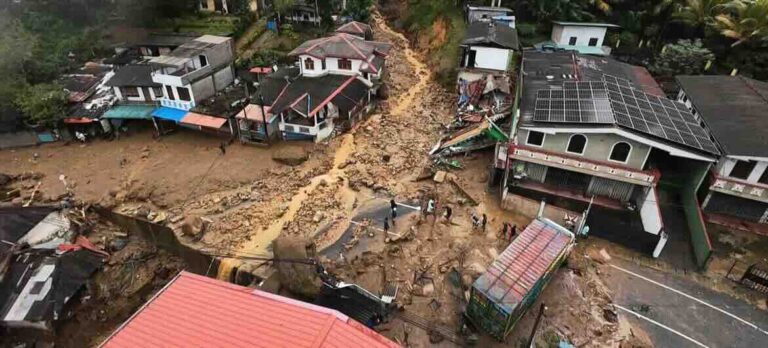
    Nearly a month after Cyclone Ditwah tore across Sri Lanka, more than a million people – including over half a million children – remain in urgent need of humanitarian assistance, as floods, landslides and renewed rainfall continue to compound one of the country’s worst disasters in decades.

    The cyclone made landfall on the island’s eastern coast on 28 November, triggering widespread flooding and deadly landslides across all 25 districts.

    While some displaced families have begun returning home, recent heavy rains caused fresh flooding, landslides and road closures, particularly in the central districts of Kandy, Nuwara Eliya and Polonnaruwa.

    According to UN assessments, nearly 1.8 million people – about 8 per cent of the island nation’s population – remain affected. Among them, more than 1.2 million people require humanitarian support, including nearly 527,000 children.

    A joint rapid needs assessment led by national authorities and humanitarian partners confirmed extensive damage across all nine provinces, with severe disruption to essential services and heightened risks for women, children and persons with disabilities.

    Hunger and food insecurity is rising, with reports that nearly one in three households is food insecure and many families resorting to “coping strategies” such as reducing meals.

    Children at Heightened Risk

    The UN Children’s Fund (UNICEF) reports critical gaps in child protection, education, nutrition, as well as water, sanitation and hygiene (WASH) services. Many children remain displaced in overcrowded centres or with host families, where inadequate lighting, privacy and sanitation increase protection risks, including gender-based violence.

    Education has been severely affected. More than 1,300 schools and six universities sustained damage, while around 500 schools continue to serve as temporary shelters.

    Authorities have begun relocating students from damaged schools to nearby functioning ones, but humanitarians warn that temporary learning spaces will be needed in several areas to prevent prolonged disruptions to education.

    Despite the challenges, UNICEF and partners have scaled up emergency assistance, reaching more than 76,000 people with WASH services, nearly 9,000 with nutrition support and over 5,600 with child protection services.

    Displacement and Destruction

    The International Organization for Migration (IOM) estimates that over 272,000 people remain displaced, most staying with host communities, while others are sheltering in schools, religious buildings and community centres.

    As of mid-December, authorities reported 643 deaths and 183 people still missing. More than 107,000 homes were damaged or destroyed, making shelter one of the most urgent needs.

    Economic Toll and Food Insecurity

    The cyclone has dealt a heavy blow to livelihoods.

    A rapid post-disaster assessment by the World Bank estimated damage at $4.1 billion – equivalent to 4 per cent of the country’s GDP.

    Agriculture losses are estimated at over $800 million, with more than 58,000 hectares of paddy land flooded in eastern districts, threatening food production and incomes for smallholder farmers.

    Funding Gap Threatens Recovery

    At the Government’s request, UN agencies and humanitarian partners launched a Humanitarian Priorities Plan this month, seeking $35.3 million to support the most vulnerable.

    UNICEF alone requires $7.8 million to sustain its emergency response for children, but as of 23 December, less than half that amount had been received or pledged.

    Humanitarian agencies warn that without sustained funding and continued support, recovery will be slow – particularly for children, whose education, safety and well-being remain at risk as Sri Lanka faces a long and difficult recovery.

    Sourced from UN News

    Image: IOM
    Iran Turns to Water Imports as Severe Drought and Mismanagement Fuel National Crisis

    While drought is a central factor, critics say Iran’s water management policies have amplified the crisis. Environmentalists and analysts point to unchecked groundwater extraction, inefficient irrigation practices, and expansive dam construction as key contributors to dwindling water supplies.

    Iran is considering importing water from neighbouring countries in an unprecedented bid to mitigate one of the worst water crises in its modern history, officials and experts say – an acknowledgment of the depth of the challenge confronting the country after years of drought, climate change impacts, and chronic water-resource mismanagement.

    Energy Minister Abbas Aliabadi announced in early December that the Iranian government is exploring agreements to buy surplus water from neighbouring states to help quench the nation’s parched rivers and reservoirs. Climatologist Nasser Karami told Iran’s Radio Farda that “a deal with Afghanistan might work best because it’s a country with a lot of rivers flowing out of it.”

    The move represents a stark break from Iran’s longstanding pursuit of agricultural self-sufficiency and internal resource autonomy. It reflects official recognition that the country’s water resources cannot meet current demand and that conventional domestic measures have proven insufficient.

    Historic Drought, Falling Reservoirs

    Iran is enduring what officials describe as the driest year in more than half a century. Nationwide rainfall has plummeted, key reservoirs are nearing critically low levels, and aquifers have been severely depleted after decades of over-extraction, according to government and independent reports. Cities such as Tehran have already introduced water rationing as pressure on distribution systems intensifies.

    Satellite imagery has shown dramatic reductions in water levels in many of Iran’s lakes and reservoirs, underscoring the severity of the crisis. Lake Urmia in the northwest, historically one of the country’s largest inland bodies of water, has shrunk dramatically over the past decade and risks disappearing altogether without urgent intervention.

    Experts link these conditions to both prolonged drought – exacerbated by climate change – and decades of poor water management. The country has seen a significant drop in average rainfall since the late 1990s, and the current situation marks several consecutive years of below-average precipitation.

    Mismanagement and Policy Failures

    While drought is a central factor, critics say Iran’s water management policies have amplified the crisis. Environmentalists and analysts point to unchecked groundwater extraction, inefficient irrigation practices, and expansive dam construction as key contributors to dwindling water supplies. Over-pump­ing of aquifers has caused land subsidence in many regions and further reduced natural groundwater recharge.

    A climate expert said that mismanagement, rather than natural shortages alone, is deepening the water crisis. He argued that without long-term reforms in how water is managed and allocated, short-term fixes will fail to address the underlying problems.

    In response, the government has announced policy shifts, including efforts to reform water consumption patterns and overhaul outdated infrastructure. The ministry of energy has placed renewed emphasis on changing national water-usage habits and investing in modern conservation technologies. However, critics maintain that these measures are too little, too late.

    The Afghanistan Factor

    One of the most contentious aspects of Iran’s new approach is the proposal to import water from neighbouring Afghanistan. Iran and Afghanistan share several transboundary rivers, including the Helmand, which historically has been governed by a 1973 water treaty. Under that accord, Afghanistan was to deliver a set volume of Helmand River water annually to Iran.

    But officials in Tehran say Kabul has repeatedly failed to meet those deliveries this year, citing both drought conditions and new dam construction upstream by the Taliban government. Tensions over the Helmand water flows have occasionally flared into diplomatic disputes and even violent clashes along border regions.

    Karami and other experts suggest that any water import agreement must carefully navigate these political and environmental realities, balancing Iran’s urgent needs with Afghanistan’s sovereign concerns and its own climate vulnerabilities.

    Virtual Water and Economic Shifts

    Iran’s water import strategy also extends beyond physical transfers of water. Officials and analysts are advocating for increased imports of water-intensive goods – a concept known as “virtual water” trade. By importing crops and products that require large amounts of water to produce, Iran could conserve scarce domestic water supplies.

    This policy marks a departure from economic and agricultural doctrines that have long emphasised self-sufficiency. For decades, Iran has sought to cultivate enough food domestically to meet national demand, despite limited water resources. Now, experts warn that maintaining that model is untenable given the current hydrological realities.

    Human and Social Impacts

    The water crisis has begun to affect everyday life for millions of Iranians. In major cities, low pressure and intermittent cuts in water supply have become commonplace. Residents report pressure drops lasting hours, and many households have resorted to installing storage tanks to cope with the unreliability of municipal systems.

    Agricultural regions face even starker challenges. Farmers contend with crop failures and power outages tied to reduced hydroelectric capacity – another consequence of declining water levels. These cascading effects threaten food security and rural livelihoods across the country.

    Some local media outlets and activists have criticised the government’s environmental policies and lack of preparedness, arguing that official rhetoric has lagged behind on-the-ground realities. Meanwhile, authorities urge citizens to conserve water and adopt more sustainable consumption habits.

    A Turning Point?

    Iran’s consideration of water imports underscores the gravity of a crisis that experts warn could have long-term demographic and economic consequences if left unaddressed. With climate models predicting continued aridity and rising temperatures across the Middle East, policymakers face mounting pressure to implement structural changes to how water – and by extension, energy and agriculture – is managed.

    For a nation of nearly 90 million people, the limits of traditional water management have been laid bare. Whether Iran’s new strategies can avert wider social and ecological breakdown remains a central question for policymakers, communities, and neighbouring countries alike.

    Image: Hippopx.com

    Sri Lanka Grapples with Escalating Drug Crisis as Record Seizures, Mass Arrests and Overcrowded Prisons Test Law Enforcement

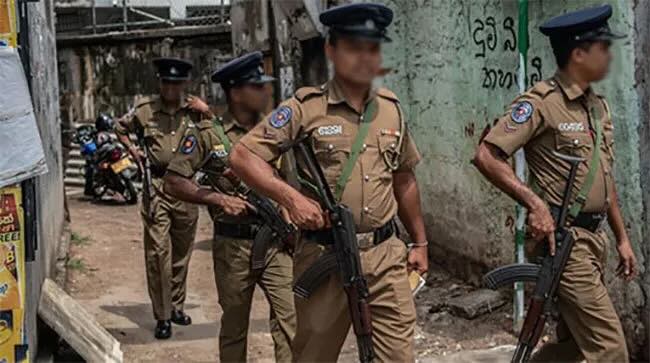
    Sri Lanka’s strategic location in the Indian Ocean makes it vulnerable to international trafficking routes. High-profile smuggling cases have brought global attention to this challenge.

    Sri Lanka’s fight against illegal drugs has reached a critical juncture in 2025, with authorities uncovering record quantities of narcotics, arresting organised traffickers and intensifying nationwide crackdowns that have strained both law enforcement and the criminal justice system. From heroin and methamphetamine to synthetic cannabis and large-scale cannabis trafficking, Sri Lanka has emerged not just as a consumer market but as a pivotal transit hub for narcotics moving across South Asia and beyond.

    In September, police unearthed the largest single drug haul in the country’s history: a cache of 705.91 kg of heroin and crystal methamphetamine, concealed in three lorries in the Tangalle area and valued at nearly Rs. 10 billion. Earlier in 2025, customs officials at Bandaranaike International Airport foiled multiple smuggling attempts of potent synthetic cannabis, detaining suspects from Britain, India and Thailand carrying nearly 60 kg of the drug.

    Beyond these seizures, the Sri Lanka Navy reported intercepting narcotics worth approximately Rs. 400 billion in maritime operations this year – a combined haul that included large quantities of crystal meth, heroin and cannabis. In Colombo’s Mattakkuliya district, major raids netted a suspect with more than 33 kg of hashish and additional heroin and narcotic pills, underscoring the breadth of illicit drug distribution networks even within urban centres.

    Nationwide Crackdowns Yield Thousands of Arrests

    Law enforcement agencies have responded with some of the largest anti-narcotics operations in recent memory. A coordinated nationwide sweep in July resulted in the detention of 1,182 individuals suspected of involvement in drug trafficking and related crimes, with over 230 g of crystal meth (‘Ice’) and more than 220 g of heroin seized during the 24-hour campaign.

    Continuing this momentum, special police operations and the “A Nation United” programme carried out hundreds of raids across the island in recent months. Nearly 850 suspects were arrested during a month-long crackdown, with authorities confiscating heroin, methamphetamine, cocaine, cannabis, narcotic pills, kush and hashish from multiple locations.

    Official statistics paint a stark picture: over 125,000 people have been arrested so far in 2025 on drug-related charges, a dramatic surge compared with earlier years, and seizures of heroin, methamphetamine and cannabis have all risen sharply.

    However, while arrests are increasing, so too are concerns about the effectiveness and sustainability of a strategy heavily focused on detention.

    Policy Strains: Overcrowded Prisons and Calls for Rehabilitation

    The dramatic rise in drug-related arrests has exacerbated longstanding issues within Sri Lanka’s prison system, which is now dangerously overcrowded. Official figures show that the island’s 36 prisons – designed to hold about 12,000 inmates – currently house nearly 34,000 people, with more than 65 per cent incarcerated for drug offences.

    Prison officials warn that overcrowding contributes to deteriorating conditions, limited access to healthcare and rising tensions among inmates. At least 400 foreign nationals are among those incarcerated, many reporting concerns about inadequate facilities and care.

    These pressures have sparked debate within law enforcement and civil society circles about the balance between punitive responses and preventive and rehabilitation approaches. Critics argue that the current emphasis on arrests and incarceration overlooks underlying addiction issues and prevents meaningful rehabilitation of users.

    In response, the government has taken steps to broaden support services. In November, the public security ministry announced the expansion of medical support for severe drug dependence by designating ten hospitals across the country to treat acute addiction and improve coordination between healthcare providers and law enforcement. Plans are also underway to establish a new National Council on Drug Control headquarters to centralise policy development and enhance multi-agency efforts.

    High-Profile Smuggling Cases Highlight International Links

    Sri Lanka’s strategic location in the Indian Ocean makes it vulnerable to international trafficking routes. High-profile smuggling cases have brought global attention to this challenge. In May, authorities detained a 21-year-old British woman at Colombo’s airport accused of transporting over 45 kg of a deadly new synthetic drug made from human bone. She now faces up to 25 years in prison under Sri Lankan law.

    Similarly, the largest cocaine seizure ever at the island’s main airport involved nearly 10 kg of the drug concealed inside children’s soft toys, with authorities calling it the biggest attempt at cocaine smuggling intercepted by customs in recent memory.

    Domestic corruption and complicity have also emerged as vulnerabilities. This year saw the arrest of a police officer, an army colonel and a former local councillor accused of aiding notorious drug lords, underscoring allegations of systemic penetration of criminal networks into government institutions.

    Broader Social and Political Implications

    Experts say Sri Lanka’s drug crisis cannot be disentangled from wider social challenges, including youth unemployment, urban poverty and gaps in social services. Patterns of drug consumption are shifting, with methamphetamine use rising sharply among urban populations and concerns growing over increased synthetic drug markets.

    Despite these tensions, many Sri Lankans express cautious optimism about the recent crackdown’s potential to disrupt entrenched trafficking networks, though some warn that without sustained investments in education, rehabilitation and community support, the cycle of addiction and crime will persist.

    Nepal Launches Five-Year Everest Cleanup Plan to Battle Mountaintop Waste Crisis

    Everest’s tourism boom boosts Nepal’s economy but fuels pollution, with tonnes of trash, abandoned gear, microplastics and 14 tonnes of human faecal waste left each season.

    Nepal has unveiled its first ever five-year Everest Cleaning Action Plan (2025–2029) in a bid to tackle the growing environmental crisis on the world’s highest peak, a problem that has long drawn concern from climbers, scientists and conservationists alike. The comprehensive strategy aims to reverse decades of pollution that have transformed parts of Mount Everest into what critics have called “the world’s highest garbage dump.”

    For years, Everest’s slopes and camps have borne the brunt of unmanaged waste – from discarded oxygen canisters and plastic bottles to human excreta and abandoned equipment left behind by climbers, guides and trek support staff. Melting snow and ice due to climate change further expose trash buried by past expeditions, compounding risks to fragile high-altitude ecosystems and downstream communities that depend on Himalayan watersheds.

    A Crisis Exposed: Waste on the Roof of the World

    Mount Everest’s popularity among climbers and adventure tourists has brought lucrative economic gains to Nepal, but also a mounting waste problem. Reports from environmental groups and scientists reveal that each climbing season generates tonnes of waste, ranging from food packaging and tents to frozen human waste at high camps that persists in the extreme cold and never decomposes naturally.

    Solid waste includes abandoned gear such as ropes, ladders and oxygen cylinders, while microplastics from synthetic clothing and equipment have been detected in snow up to elevations above 8,400 metres, underscoring how pervasively pollution has penetrated the mountain environment.

    Human waste remains one of the most intractable issues. Climbers and support crews produce an estimated around 14 tonnes of human waste per season, but only a fraction is collected and managed formally. Faecal matter that freezes in place poses health hazards and risks contaminating glacial meltwater that feeds rivers used by communities far below the high Himalayan treeline.

    Policy Shift: From Ad Hoc Cleanup to Structured Action

    Although Nepal has previously implemented measures – such as requiring climbers to carry back at least 8 kilograms of waste or forfeit a deposit – critics argue that enforcement has been inconsistent, and much trash remains untouched on the mountain’s steep slopes.

    The five-year action plan, officially rolled out by the Ministry of Culture, Tourism and Civil Aviation on December 18, marks a significant shift from episodic cleanup drives to a policy-backed, long-term approach. It responds in part to a 2024 Supreme Court order directing authorities to establish clear regulations limiting climber numbers based on carrying capacity and improving waste management provisions.

    Key elements of the plan include:

    • Feasibility studies to relocate Everest Base Camp, currently perched on unstable glacial terrain that becomes congested with tents, stoves and generators during peak seasons.
    • Mandatory accounting of ropes, ladders and other gear used above Base Camp, with expedition teams responsible for bringing back all installed equipment.
    • Biodegradability requirements for banners and prayer flags left on the mountain.
    • Temporary garbage collection points at higher camps, such as Camp II at 6,750 metres, to ensure waste from upper slopes is systematically gathered.
    • Awareness campaigns and pre-expedition briefings requiring climbers and agencies to commit in writing to waste management protocols.
    • Creation of a permanent mountain welfare fund financed by non-refundable environmental fees paid by climbers, supplementing existing deposits tied to waste returns.

    Officials are also proposing the formation of “Mountain Rangers” – trained climbers tasked with monitoring waste management practices – and exploring drone technology to remove waste from high-altitude zones.

    Challenges and Costs Ahead

    While the draft plan has outlined a budget of Nepalese Rs. 308 million for cleanup efforts, officials acknowledge that the real financial requirement could exceed Rs1 billion. Funding gaps, logistical hurdles and the sheer scale of the problem remain formidable barriers.

    Environmental advocates note that enforcement of waste rules must be significantly strengthened. Even with formal requirements, climbers sometimes abandon trash or forfeit deposits rather than carry waste back down hundreds of kilometres of treacherous terrain.

    Some proposed measures, such as raising climbing permit fees and earmarking revenue for cleanup efforts, aim to harness the economic value of Everest tourism to support environmental protection. But critics say that without robust monitoring and transparent implementation, policy alone cannot solve deep-seated waste issues.

    A Global Test Case for Sustainable Mountaineering

    Nepal’s Everest cleanup initiative comes amid growing international concern over the environmental footprint of adventure tourism. Viral images and reports of trash-choked camps – including discarded tents and human waste even near the summit – have sparked outrage and highlighted the ethical challenges of climbing at extreme altitudes.

    Experts argue that successful waste management on Everest could serve as a model for sustainable practices in high-altitude environments globally. Integrating waste minimisation, climber accountability and community engagement is seen as critical to safeguarding fragile ecosystems while preserving access for future generations.

    Image: Tourists photographing Everest. Peter West Carey. CC BY-NC-SA 3.0

    Government Data Lays Bare Surge in Child Trafficking in Sri Lanka

    The figures, drawn from state agencies tasked with overseeing child protection, law enforcement, and anti-trafficking operations, paint a troubling portrait of exploitation risk across the island.

    Newly released government figures have revealed a stark rise in suspected child trafficking in Sri Lanka this year, underscoring deepening concerns about child safety and the effectiveness of protection mechanisms. According to the latest official data, authorities recorded 49 alleged incidents of child trafficking involving at least 73 identified child victims in 2025 – prompting calls from activists, lawmakers and civil society groups for urgent policy action and enhanced protective measures.

    The figures, drawn from state agencies tasked with overseeing child protection, law enforcement, and anti-trafficking operations, paint a troubling portrait of exploitation risk across the island. Though the statistics reflect reported cases, experts caution that the real scale of child trafficking is likely higher, as many incidents remain undetected or unreported due to social stigma, fear of reprisals, and gaps in enforcement.

    Rising Numbers and Patterns of Abuse

    Of the 73 identified victims recorded in the 2025 tally, a majority are reported to be girls, highlighting gendered vulnerabilities in trafficking networks. Precise breakdowns of ages and the types of exploitation involved – whether forced labour, sexual exploitation or domestic servitude – have not yet been publicly disclosed, but rights organisations say girls and adolescents are often coerced into situations that endanger their physical and psychological welfare.

    Human trafficking experts warn the data likely underrepresents the true magnitude of the problem. A 2025 Trafficking in Persons country assessment by the US Department of State reports that Sri Lanka continues to face challenges in identifying victims, prosecuting traffickers, and protecting survivors – particularly where complicit officials are implicated or barriers prevent children from accessing support services.

    Local anti-trafficking advocates also note that internal trafficking – where children are moved within Sri Lanka for exploitative labour or sexual purposes – is a persistent concern, especially in sectors that are poorly regulated. Previous analysis by civil society groups documented similar patterns of exploitation in urban and rural contexts, suggesting systemic risks for vulnerable children.

    Government Response and Institutional Gaps

    Sri Lankan authorities have defended their efforts to combat human trafficking, pointing to strengthened legal frameworks, ongoing collaboration with international partners, and specialised units focused on child protection. However, officials have yet to outline a comprehensive response to the 2025 data, which has drawn sharp criticism for its lack of transparency.

    At the heart of the debate is whether current laws and enforcement mechanisms are sufficiently robust to deter trafficking networks and protect children once they are identified as victims. Anti-trafficking legislation in Sri Lanka criminalises trafficking and provides for prosecution, but implementation has been inconsistent, and convictions remain relatively rare, according to international monitoring bodies.

    Some rights groups have also highlighted that police and judicial responses lag behind, with limited training on handling child victims sensitively, inadequate victim support services and insufficient resources for long-term rehabilitation. These gaps, they argue, not only hamper prosecutions but also discourage families from reporting suspected trafficking.

    Civil Society and International Pressure

    Child rights organisations have seized on the new government data to press for immediate reforms. Advocacy groups such as Save the Children Sri Lanka – which has documented trafficking risks in tourism, agriculture and domestic work sectors – argue that a multisectoral strategy is needed, centred on prevention, protection, prosecution and partnership.

    International agencies have likewise urged Colombo to accelerate compliance with global anti-trafficking standards. The Trafficking in Persons Report 2025 called for stronger victim-centred approaches, better data collection, and measures to address corruption and complicity among public officials where evidence suggests law enforcement sometimes fails to act.

    Protection advocates point to promising pilot initiatives – such as community reporting systems and training for frontline officers – but insist these must be scaled up with adequate funding and political will. Without such commitments, experts warn, the cycle of exploitation will continue, particularly in under-served communities where families are vulnerable to economic pressures or coercive recruiters.

    Voices from the Frontlines

    Grassroots organisations working with families affected by trafficking have stressed that the issue is rooted not just in criminal networks, but in wider structural challenges. Poverty, lack of educational opportunities, and limited social support systems are cited as key drivers that push children into high-risk environments where traffickers can operate with impunity.

    “Children are not just statistics,” said one child rights advocate who requested anonymity due to safety concerns. “Behind each number is a young life that has been exposed to danger, fear and often abuse. We need a response that protects them before they fall through the cracks.”

    Parents and community leaders have echoed calls for proactive child protection measures – such as school-based awareness programmes, safe reporting channels, and stronger economic support for families – to counter the exploitative tactics traffickers use to lure or coerce children.

    Policy and Public Scrutiny

    The release of the 2025 child trafficking figures – though partial – has ignited public debate in Sri Lanka about the adequacy of current protections for children. Lawmakers from across the political spectrum are now under pressure to propose more robust legislative safeguards and ensure that anti-trafficking task forces are fully empowered and resourced.

    Some analysts believe that this moment could serve as a catalyst for systemic reform, paving the way for deeper cooperation between government, civil society and international partners. Yet others caution that without sustained public scrutiny and clear accountability mechanisms, the increase in identified cases may continue to reflect both a growing problem and a reporting system that still fails to capture the full picture.

    As the government prepares to publish more detailed data and possibly a national action plan, child rights activists are urging stakeholders to prioritise transparency, victim support and preventative outreach – especially in vulnerable communities where children remain at greatest risk.

    MCA-Nepal Signs USD 23.66 Million Road Maintenance Contracts Under MCC Compact

    Experts caution that timely implementation, effective supervision and coordination among agencies will be key to ensuring project success. Nepal’s road sector has historically faced challenges related to delays, cost overruns and difficult terrain.

    The Millennium Challenge Account Nepal (MCA-Nepal) has signed road maintenance and supervision contracts worth USD 23.66 million, marking a major milestone in the implementation of the Millennium Challenge Corporation (MCC) Nepal Compact and reinforcing Nepal’s efforts to modernise key national highways.

    The contracts, signed on Tuesday, will support the upgrading and maintenance of critical road corridors, including a major stretch of the East-West Highway and the Narayanghat–Muglin road, two of the country’s most heavily used transport routes. Officials say the projects will introduce advanced construction technologies aimed at improving road durability, safety and transport efficiency.

    Major Contracts Awarded for East-West Highway Upgrade

    Of the total amount, USD 20 million has been awarded to the Sharma–Kumar Joint Venture for the upgrading of the 40-kilometre Dhankhola–Lamahi section of the East-West Highway. The project will use full-depth reclamation and Superpave paving technology, both of which are being applied for the first time at this scale on Nepal’s national highways.

    Under the project, the road will be widened to 12 metres, including a 7-metre carriageway and 2.5-metre shoulders on both sides, enhancing traffic flow and road safety. MCA-Nepal officials said the upgrade is expected to significantly improve pavement strength and reduce long-term maintenance costs.

    The East-West Highway serves as Nepal’s primary transport artery, linking major commercial centres and facilitating domestic and cross-border trade. Improvements to this corridor are expected to lower vehicle operating costs and reduce travel time for freight and passenger vehicles.

    Consultancy Contract for Supervision and Maintenance

    In addition to the construction contract, MCA-Nepal signed a USD 3.66 million consultancy agreement with Intercontinental Consultants and Technocrats Pvt Ltd (ICT). The firm will provide supervision services for the Dhankhola–Lamahi upgrade and oversee periodic maintenance works on the Narayanghat–Muglin road.

    The Narayanghat–Muglin section is one of Nepal’s most congested and strategically important road segments, connecting the capital with western Nepal and serving as a gateway for trade with India. Regular maintenance under the MCC Compact is expected to enhance road performance and improve year-round connectivity, particularly during the monsoon season.

    Advanced Road Technology to Improve Durability and Safety

    According to MCA-Nepal, the use of full-depth reclamation will allow existing road materials to be recycled into a new base layer, reducing environmental impact while strengthening the pavement structure. Superpave technology, meanwhile, enables asphalt mixes to be designed based on traffic load and climate conditions, improving resistance to cracking and deformation.

    Officials said these technologies are expected to extend the lifespan of Nepal’s highways, reduce frequent repair needs and enhance road safety for users. The projects also aim to support Nepal’s broader infrastructure development goals by adopting international best practices in road engineering.

    Strengthening Nepal-US Infrastructure Partnership

    The contracts were signed in the presence of senior government officials, MCA-Nepal representatives and members of the diplomatic community. Speaking at the signing ceremony, US Ambassador to Nepal Dean Thompson said the agreements reflect the strength of the Nepal–United States development partnership under the MCC Compact.

    He said the road projects would deliver tangible benefits to the Nepali people by improving connectivity, supporting economic growth and strengthening trade corridors. MCA-Nepal Executive Director Khadga Bahadur Bisht highlighted that the projects are aligned with the compact’s objective of reducing transport costs and promoting inclusive economic development.

    The MCC Nepal Compact, which includes road maintenance and electricity transmission components, is designed to improve infrastructure reliability and create conditions for long-term economic growth.

    Economic Impact and Implementation Challenges

    Transport economists say improved highway conditions can have a multiplier effect on the economy by facilitating smoother movement of goods, supporting agricultural supply chains and boosting tourism. With road transport accounting for the majority of freight movement in Nepal, infrastructure upgrades are seen as critical to improving national competitiveness.

    However, experts also caution that timely implementation, effective supervision and coordination among agencies will be key to ensuring project success. Nepal’s road sector has historically faced challenges related to delays, cost overruns and difficult terrain.

    MCA-Nepal has said it will closely monitor project implementation to ensure compliance with technical standards, timelines and environmental safeguards.

    Delhi Makes ‘No PUC, No Fuel’ Rule Permanent as GRAP-IV Curbs Are Lifted Amid Persistent Air Crisis

    To tighten enforcement, the Delhi government has kept in place punitive measures for non-compliance. Vehicles found operating without a valid PUC certificate face a ₹10,000 fine, and fuel stations are instructed to refuse service to non-compliant vehicles.

    The Delhi government has announced that its strict ‘No PUC, No Fuel’ policy will remain in force year-round even after lifting the emergency restrictions under GRAP-IV (Graded Response Action Plan Stage IV), as the national capital continues to battle hazardous air quality levels. The decision, approved by the Delhi Cabinet on December 23, signals a shift from seasonal or emergency-driven regulation to a permanent crackdown on vehicular pollution.

    Environment Minister Manjinder Singh Sirsa said no vehicle without a valid Pollution Under Control (PUC) certificate will be allowed to refuel in the city, regardless of prevailing air quality conditions. “A vehicle driving without a valid PUC certificate is no less than committing a crime against Delhi’s air,” Sirsa told reporters, emphasising the government’s zero-tolerance stance on emissions from poorly maintained vehicles.

    The policy was first rolled out in mid-December as part of GRAP-IV measures when Delhi’s air quality plunged into the ‘severe’ category. Under the rule, petrol pumps across the capital check a vehicle’s PUC before allowing petrol, diesel or CNG – a step that saw massive compliance as motorists rushed to renew certificates.

    Why the Government Is Doubling Down

    Delhi’s air quality has remained a serious concern with winter inversions, low wind speeds and increased emissions from vehicles, industries and construction combining to trap pollutants over the city. Several monitoring stations recently recorded the Air Quality Index (AQI) in the ‘very poor’ bracket, prompting calls from health experts for sustained mitigation measures.

    By making the ‘No PUC, No Fuel’ policy permanent, the government aims to compel vehicle owners to maintain their emission compliance throughout the year, rather than only during winter emergencies. The logic is that high levels of vehicular pollution are not confined to a single season and require consistent enforcement of standards.

    Officials underscored that the stricter enforcement has already borne fruit. More than 2.12 lakh PUC certificates were issued in just four days following the initial enforcement drive, with tens of thousands of vehicles brought into compliance.

    Transport analysts noted that older and poorly managed vehicles are disproportionately responsible for emissions, and forcing regular PUC checks could reduce pollutants significantly. But they also say that for this to be successful, it must be paired with broader policy measures such as cleaner public transport and electrification.

    However, critics argue that PUC checks alone are insufficient without tackling heavy polluters and non-vehicular sources.

    Penalties, New Testing Stations and Centre Crackdown

    To tighten enforcement, the Delhi government has kept in place punitive measures for non-compliance. Vehicles found operating without a valid PUC certificate face a ₹10,000 fine, and fuel stations are instructed to refuse service to non-compliant vehicles.

    Sirsa also highlighted that inspections of PUC centres revealed irregularities in multiple facilities – including non-operational or faulty testing equipment. At least 12 centres were suspended and have been issued notices, with authorities planning ongoing verification to protect the credibility of emission certification.

    The government has approved the establishment of four new automatic vehicle emission testing facilities, along with permissions for additional commercial vehicle testing centres, to expand capacity and reduce delays for motorists seeking certificates.

    Alongside vehicle-related measures, the Delhi government proposed a ₹100 crore allocation for the rejuvenation of water bodies across the capital – an environmental initiative seen as part of broader attempts to improve overall air and urban ecosystem health.

    Public Response and Enforcement Challenges

    Motorists in the city have reported lengthy queues and delays at PUC centres amid the surge in demand since implementation of the rule. Some centres faced server overloads, slowing down issuance and prompting calls for better digital infrastructure to support expanded testing.

    While many residents have complied, expressing support for measures that may improve air quality, others are frustrated by the inconvenience and costs associated with frequent PUC renewals. The government, however, insists that strong enforcement of emission norms is critical to reducing respiratory illnesses and long-term health risks associated with poor air quality.

    Transport advocacy groups urge the government to couple PUC enforcement with enhanced public transport services, incentives for electric vehicles, and stricter checks on industrial pollution, arguing that a singular focus on certificates may only partially address Delhi’s complex pollution profile.

    What It Means Going Forward

    The transition of the ‘No PUC, No Fuel’ policy from a seasonal anti-pollution measure to a permanent, year-round mandate marks one of the most ambitious steps taken by the Delhi government in its fight against vehicular emissions. Officials say this sustained pressure on vehicle owners will drive better maintenance practices, reduce illegal emissions, and contribute to cleaner air if supported by complementary policies.

    Delhi’s environment ministry sources say that with GRAP-IV restrictions lifted, authorities will closely monitor air quality indices and adjust strategies as needed. But, they say, the message to motorists is clear: no valid PUC means no fuel and steeper penalties – anytime, any season.

    Image: Wikimedia

    UN Expert Warns Impunity at Heart of Mob Violence Against Media in Bangladesh

    Irene Khan criticised the interim government’s failure to rein in violence and punish offenders, saying this has normalised such attacks and contributed to a pervasive sense that those responsible will evade consequences.

    A United Nations special rapporteur has issued a stark warning that impunity is driving the surge in mob violence against journalists and media outlets in Bangladesh – deepening concerns over freedom of expression and the safety of independent media as the country prepares for national elections.

    Irene Khan, the UN’s special rapporteur on freedom of opinion and expression, condemned a series of targeted attacks on news organisations and cultural institutions that unfolded in recent days following the death of a prominent youth activist. She urged the Bangladeshi government to hold perpetrators accountable and address the root causes that embolden violent mobs.

    Mob Attacks After Mass Unrest

    The latest unrest erupted after the announced death of Sharif Osman Hadi, a key figure in Bangladesh’s 2024 pro-democracy student movement, who succumbed to gunshot wounds inflicted by unknown assailants – sparking nationwide demonstrations. As protests intensified, organised mobs vandalised the Dhaka offices of two of the country’s leading English-language newspapers, The Daily Star and Prothom Alo, and torched parts of the Chhayanaut cultural centre.

    Khan denounced these attacks as not isolated incidents but predictable outcomes of a sustained environment of impunity. “The weaponisation of public anger against journalists and artists is dangerous at any time, and especially now as the country prepares for elections,” she said, warning of chilling effects on media freedom and minority voices.

    Eyewitness accounts from the attacks paint a harrowing picture. Journalists were trapped on rooftops to escape smoke and flames as flames engulfed newsroom floors, and some media workers reported physical assault as they tried to protect colleagues and property. International news agencies have echoed concerns from local press associations about the unprecedented scale of these assaults on press institutions.

    Impunity and Polarisation

    Khan criticised the interim government’s failure to rein in violence and punish offenders, saying this has normalised such attacks and contributed to a pervasive sense that those responsible will evade consequences. “The mob attacks did not emerge in a vacuum but are the consequences of the failure of the interim government to address impunity and uphold media and artistic freedom,” she said.

    Her remarks come amid a broader climate of tension in Bangladesh, where the interim administration led by Muhammad Yunus following the 2024 ouster of former Prime Minister Sheikh Hasina faces the challenge of stabilising the country ahead of elections scheduled for February 2026. Analysts say prolonged political polarisation has intensified mistrust between factions, contributing to a deterioration in public order.

    Human rights advocates have also pointed to a wider pattern of violence and weak law enforcement that predates the recent media attacks. Reports from rights groups and political commentators have highlighted numerous instances in the past year where mobs engaged in “revenge violence” or acted on unverified rumours with little fear of prosecution.

    In an opinion column published this week, commentators warned that unless the justice system acts decisively, the cycle of mob justice and retaliatory attacks will continue to undermine the rule of law and strengthen extremist narratives on both sides.

    Chilling Effect on Press Freedom

    Journalists and media rights organisations are sounding alarm about the long-term impact of the recent violence. “This is not just an attack on buildings and equipment – it is an assault on the very foundations of democratic discourse,” said a representative of the Editors’ Council, echoing concerns expressed by international partners.

    The special rapporteur’s statement also noted that since August 2024, hundreds of journalists have been arrested on “politically motivated, dubious charges,” with many held for prolonged periods – further narrowing the space for independent reporting in a crucial electoral period.

    Khan called on authorities to ensure transparent investigations into the killing of Hadi and the mob attacks, to protect civil society actors, and to safeguard the rights to freedom of expression and peaceful assembly. “If the interim government is to live up to its promise to deliver safe and fair elections,” she said, “it must uphold the rights of journalists, human rights defenders, civil society leaders, political candidates, women and minorities to exercise their fundamental rights without fear of reprisals.”

    International human rights organisations have urged Dhaka to adopt urgent measures to curb hate speech, bolster protections for journalists, and prosecute individuals involved in mob violence. Failure to act, experts warn, could further erode public confidence in the state’s ability to protect its citizens and uphold democratic norms.

    The UN expert said that as Bangladesh navigates this tumultuous period, the world’s eyes remain fixed on how its leaders respond – not only to recent violence but to the deeper challenge of ending impunity and reinforcing democratic freedoms.

    India Pledges $450 Million Aid to Sri Lanka for Cyclone Ditwah Recovery Under Operation Sagar Bandhu

    India’s Financial Support for Reconstruction marks a a significant escalation of bilateral cooperation in the face of one of the island nation’s worst natural disasters in decades.

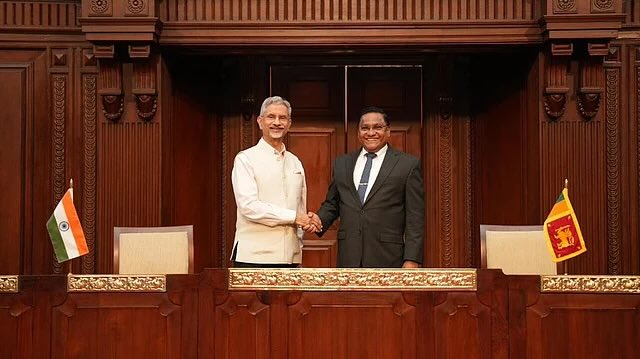
    India has formally announced a $450 million assistance package to support Sri Lanka’s recovery from the devastating impact of Cyclone Ditwah, marking a significant escalation of bilateral cooperation in the face of one of the island nation’s worst natural disasters in decades. The announcement was made on 23 December 2025, by External Affairs Minister S. Jaishankar during his two-day visit to Colombo, where he held discussions with Sri Lankan President Anura Kumara Dissanayake and Foreign Minister Vijitha Herath.

    The aid package, provided under Operation Sagar Bandhu, reflects India’s longstanding commitment to swift and sustained assistance for neighbouring countries affected by natural calamities. The total assistance includes $350 million in concessional lines of credit and $100 million in direct grants, and is tailored to Sri Lanka’s most pressing reconstruction and resilience needs.

    Under the phased plan, India will finance efforts to rebuild critical infrastructure, restore transport connectivity, rehabilitate destroyed homes, and support key sectors such as health, education and agriculture – sectors that bore the brunt of the cyclone’s wrath.

    Operation Sagar Bandhu: Rapid Response and Relief Deliveries

    India’s humanitarian response, launched under the banner of Operation Sagar Bandhu, began immediately after Cyclone Ditwah struck Sri Lanka in late November 2025. The cyclone unleashed destructive winds, torrential rainfall, flooding and landslides that ravaged communities across the country, leaving hundreds dead and thousands displaced.

    In the weeks following the cyclone’s landfall, India has dispatched more than 1,100 tonnes of relief material – including food supplies, tents, hygiene kits, water purification equipment and over 14 tonnes of medicines and medical equipment – to the hardest-hit regions.

    Complementing material aid, Indian security forces and disaster response teams have been actively engaged in relief operations, offering medical support, emergency care and logistics assistance alongside Sri Lankan authorities.

    Rebuilding Lives: From Bridges to Homes

    Alongside financial commitments, India’s support has extended to infrastructure restoration on the ground. As part of Operation Sagar Bandhu, Indian engineers airlifted and installed significant structures, such as a 120-foot Bailey bridge in Sri Lanka’s Kilinochchi district, aimed at reconnecting communities cut off by flood-damaged roads and bridges.

    Minister Jaishankar underscored the urgency of rebuilding, noting that the assistance package would be implemented in close consultation with Sri Lankan officials to ensure that funds are directed to priority areas as identified by Colombo. The sectors earmarked for support – transport, housing, agriculture, education and health care – are all critical to restoring socioeconomic stability in cyclone-affected regions.

    In his remarks, Jaishankar reiterated India’s resolve to not only assist with immediate relief, but also to help Sri Lanka recover with resilience and long-term sustainability in mind. This approach mirrors the Modi government’s broader “Neighbourhood First” and “MAHASAGAR” (Indian Ocean) policies, which prioritise regional cooperation and collective action in times of crisis.

    Strengthening Ties Amid Shared Challenges

    The timing of the $450 million package and India’s broader relief efforts has reinforced New Delhi’s role as a leading partner in Sri Lanka’s recovery trajectory, particularly as Colombo simultaneously navigates lingering post-economic-crisis vulnerabilities and the compounding impact of climate-driven disasters.

    Sri Lanka’s government has welcomed the support, stressing that the assistance arrives at a critical juncture. With key infrastructure severely damaged and communities striving to rebuild lives and livelihoods, international cooperation – particularly from neighbouring India – is widely seen as essential to a holistic recovery.

    The relief package further paves the way for deeper cooperation in areas such as tourism, trade and foreign direct investment, with Indian officials indicating a desire to bolster economic ties as part of the long-term recovery process.

    Sustainable Reconstruction; Resilience Building

    As India’s financial and material aid begins to flow into rebuilding efforts across Sri Lanka, the focus has gradually shifted from emergency response to sustainable reconstruction and resilience building. The deployment of concessional funding and strategic grants exemplifies a dual-track approach: addressing urgent humanitarian needs while also laying the foundations for enduring recovery.

    For Sri Lanka, which continues to assess the full toll of Cyclone Ditwah, international aid – led in part by India’s significant contribution – is expected to be a crucial element in navigating the long road ahead toward recovery, stability and future disaster preparedness.

    Image: Twitter

    India Ramps Up Human–Wildlife Conflict Response as Conservation Strategies Evolve

    Union Minister for Environment, Forests and Climate Change reviewed the national conservation strategy as officials examined drivers of conflict and outlined tactical approaches to reduce human–animal confrontations.

    The government placed the escalating issue of human–wildlife conflict at the centre of national conservation planning, as senior officials reviewed strategies for tiger and elephant protection while reinforcing mitigation measures for communities living alongside wildlife. The 28th meeting of the National Tiger Conservation Authority (NTCA) and the 22nd Steering Committee meeting of Project Elephant were held on Sunday at the Sundarbans Tiger Reserve in West Bengal under Environment Minister Bhupender Yadav’s chairmanship.

    Officials and experts from tiger and elephant range states discussed progress on Project Tiger and Project Elephant, examined drivers of conflict and outlined tactical approaches to reduce human–animal confrontations. Special attention was paid to the sixth cycle of the All India Tiger Estimation exercise, with preparatory surveys commencing in November 2025.

    The meetings reaffirmed the government’s commitment to science-based conservation and community engagement, endorsing landscape-level planning and inter-state coordination to ensure the long-term survival of India’s flagship species.

    Human–Wildlife Conflict Intensifies Across India

    Incidents of human–wildlife conflict – encounters between people and large mammals like tigers and elephants resulting in injury, loss of life and property damage – have emerged as a persistent challenge in India’s forest fringes and rural landscapes. Recent data indicates that certain regions have witnessed repeated fatal encounters involving big cats and elephant herds, a trend acknowledged by policymakers and conservationists alike.

    Conflict hotspots span across several states; for example, Maharashtra, Madhya Pradesh, and Uttarakhand have reported ongoing tiger-related attacks, while elephant herds entering agricultural areas have prompted distress among farming communities. In Kerala alone, human–elephant encounters have historically contributed to dozens of human and elephant fatalities annually.

    Supreme Court interventions have added momentum to policy responses, with recent directives urging states to treat severe human–wildlife conflict as a ‘natural disaster,’ which would expedite compensation and disaster management assistance to affected families.

    Field Incidents Highlight Urgency of Response

    Recent headlines reflect the intensity of this challenge: a forest guard in Bandhavgarh Tiger Reserve was severely injured in a tiger attack during routine patrols; a district in Maharashtra recorded more than 40 wildlife conflict-related human deaths this year alone; and villagers near Hosur in Tamil Nadu were placed on alert as large elephant herds migrated into farmland.

    These incidents underscore the intersection between wildlife behaviour, habitat pressures, and human activity. Forest officials have increasingly called for rapid response teams, improved monitoring, and community education to reduce surprise encounters and facilitate safer coexistence.

    Policy, Compensation, and Community Measures

    At the Sundarbans meeting, NTCA deliberations included strengthening mechanisms to address root drivers of conflict – from habitat degradation and prey scarcity to invasive species and infrastructure impacts on wildlife corridors. A new project on the management of tigers outside protected reserves was discussed, alongside technical support to states grappling with conflict hot spots.

    Compensation schemes remain a critical tool; timely payouts for loss of life and property are seen as essential to maintaining community trust in conservation programmes. The Supreme Court has underscored this point, instructing states to adopt model guidelines for conflict management and swift compensation disbursement.

    A multi-pronged approach is emerging: landscape-scale habitat management, investment in technological tools for early warning and monitoring, and community-centric interventions, such as alternate livelihood support and conflict education, aim to reduce pressures on both people and wildlife.

    Balancing Conservation with Community Safety

    Experts warn that without addressing underlying causes – including deforestation, corridor fragmentation and climate pressures – human–wildlife conflict will continue to strain India’s conservation gains. Conservation advocates argue that coexistence frameworks must align ecological priorities with local needs, fostering safe practices while safeguarding biodiversity.

    The government’s renewed emphasis on science-backed, coordinated strategies – from expanding protected habitats to synchronised wildlife estimation and compensatory support – marks a shift toward more integrated conflict mitigation. Whether these measures will curb rising encounters remains a shared focus for policymakers, conservationists and affected communities across India.

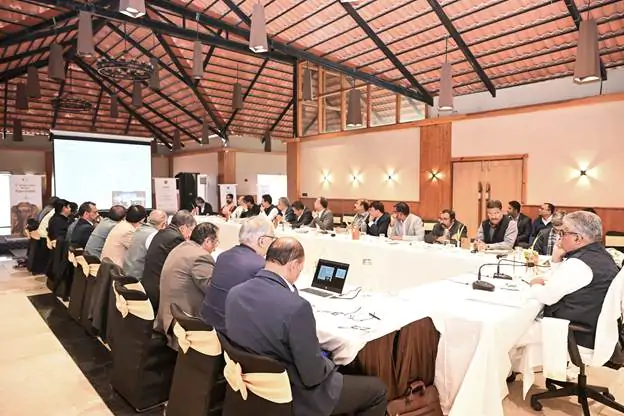
    At the Meeting

    The Steering Committee Meeting of Project Elephant commenced with the confirmation of the Action Taken Report of the 21st Steering Committee Meeting, followed by deliberations on issues raised by Steering Committee Members and Permanent Invitees.

    Presentations were made on the status of regional action plans for elephant conservation in southern India and north-eastern India, highlighting progress achieved by elephant range states and identifying priority areas for coordinated inter-state action.

    The steering committee reviewed updates on the all-India synchronized elephant estimation, a critical exercise for evidence-based planning and decision-making. Progress under the model elephant conservation plan for the Nilgiri Elephant Reserve and ongoing work on DNA profiling of captive elephants were also discussed, with emphasis on strengthening scientific management and welfare standards.

    A comprehensive review of the status of human–elephant conflict across the country was undertaken. The Committee discussed findings from ongoing studies on conflict drivers and mitigation measures, along with the status and adequacy of compensation mechanisms adopted by elephant range states.

    The meeting also deliberated on the evaluation of elephant population estimation methods, progress on integrated conservation and management strategies for the Ripu–Chirang Elephant Reserve, and future action plans. These include the conduct of management effectiveness evaluation for all Elephant Reserves with CAMPA funding support and a proposed study on elephant corridors, habitat utilisation, and conflict hotspots in the Bandhavgarh region.

    The steering committee reaffirmed the government’s commitment to science-based conservation, inter-state coordination, technological innovation, and community-centric approaches to ensure a sustainable future for elephants and the people living in elephant landscapes.

    On the occasion, Minister Yadav released six publications. These included Project Cheetah in India, highlighting the progress achieved under Project Cheetah through scientific management and international cooperation; the latest issue of STRIPES, NTCA’s outreach journal, focusing on modern technology, tiger dispersal, and the commencement of the sixth cycle of the All India Tiger Estimation (AITE); an NTCA booklet documenting India’s tiger conservation framework and institutional milestones; Tigerverse – Little-known facts from India’s Tiger Reserves, showcasing biodiversity, culture, and conservation stories from tiger reserves across the country; Best Practices in Captive Elephant Management for Elephant Handlers and the December 2025 issue of the TRUMPET Quarterly Journal.

    Image: PIB