More

    18 Dead in North Bengal as Bhutan Dam Overflows Following Incessant Rains

    Bhutan releases Tala dam water after heavy Himalayan rains, worsening floods. West Bengal warns of sudden rises in Torsha, Sankosh, Jaldhaka rivers, impacting Alipurduar and Cooch Behar.

    Continuous heavy rainfall over the past several days has unleashed landslides and flash floods across Darjeeling and neighbouring districts of North Bengal, killing at least 18 people and leaving hundreds stranded as major roads and bridges collapsed. Authorities have sounded a high alert after Bhutan’s Tala dam began overflowing, raising fears of worsening floods in downstream areas.

    The India Meteorological Department (IMD) has issued a red alert for Darjeeling, Kalimpong, Jalpaiguri, and Alipurduar districts, warning of more heavy to very heavy rainfall over the next 48 hours. Tourist movement has been halted across hill destinations as rescue and repair operations continue under difficult conditions.

    Landslides, Bridge Collapses Cut Off Key Routes

    According to officials, torrential downpours triggered multiple landslides overnight in the hills of Darjeeling and Kalimpong, damaging houses, tea garden settlements, and key roadways.

    In the worst-affected areas, including Teesta Bazar, Goke, and Peshok, entire slopes have slid onto roads, blocking the National Highway 10 – the main arterial route connecting Sikkim to the plains. Videos shared by the state disaster management department showed huge boulders and uprooted trees tumbling down as rescue teams worked in ankle-deep mud.

    In Darjeeling’s Rambi area, an iron bridge over the Teesta River was washed away by strong currents, cutting off access between several villages and making rescue efforts difficult. Harrowing visuals aired by local channels showed vehicles and debris being swept away downstream. The Border Roads Organisation (BRO) has been deployed to restore connectivity, while the National Disaster Response Force (NDRF) and state rescue units are conducting search operations.

    Flood Alert as Bhutan’s Dam Overflows

    The situation has worsened further as Bhutan began releasing water from its Tala dam following heavy rainfall in the Himalayan region. West Bengal’s irrigation department said the release could cause a sudden rise in water levels in the Torsha, Sankosh, and Jaldhaka rivers flowing into Alipurduar and Cooch Behar districts.

    Chief Minister Mamata Banerjee said the state is in close touch with Bhutanese authorities and central agencies. “We are monitoring the situation round the clock. The overflow from Bhutan is being tracked, and district administrations have been alerted to evacuate people from low-lying areas,” Banerjee said in Kolkata. She added that relief camps have been opened and arrangements made for food, water, and medical support.

    According to the latest reports from the state disaster management department, at least 800 families have been moved to safer locations in Kalimpong and Jalpaiguri. Schools and offices have been closed in several hill subdivisions. The Chief Minister is expected to visit North Bengal once weather conditions improve.

    Tourists Evacuated, Rail and Air Traffic Hit

    The peak tourist season in the Darjeeling hills has come to an abrupt halt. The Gorkhaland Territorial Administration (GTA) ordered all hotels and guesthouses to suspend new bookings and advised visitors to leave the region at the earliest. Over 200 tourists stranded in Mirik and Kurseong were rescued by the police and local volunteers on Sunday.

    Train services between New Jalpaiguri and Siliguri were temporarily suspended due to track damage, while Bagdogra airport faced flight cancellations and diversions. Power supply disruptions have also been reported across several hill towns, and communication lines remain patchy.

    Tea industry representatives have warned of heavy losses as estates remain closed and roads to Siliguri are impassable.

    IMD Warns of More Rain Under Cyclone “Shakti” Influence

    The IMD has attributed the intense rainfall to the interaction of a low-pressure system over the Bay of Bengal with moist Himalayan winds, compounded by the outer influence of Cyclone Shakti, which is currently hovering over the northeast Arabian Sea. The department said the system is expected to move eastward, causing widespread rain across Bihar, Sikkim, and northeastern India in the coming days.

    A central team is expected to assess the damage once the weather stabilises. Officials said restoring connectivity and preventing dam breaches are top priorities.

    Chief Minister Banerjee expressed condolences to the families of those who lost their lives and urged citizens to avoid unnecessary travel. “The hills are fragile; our focus is on saving lives and preventing further damage,” she said.

    As rain continues to lash North Bengal, thousands remain on edge, fearing fresh landslides and floods. The next 48 hours are being viewed as crucial for both rescue operations and the safety of downstream regions.

    Pakistan Exports First Batch of Rare Earth Minerals to US Under $500 Million Deal

    Finalized in mid-2025 after extensive talks between Pakistan’s SIFC and US agencies, the deal supports Washington’s strategy to diversify critical mineral supply chains and reduce reliance on China.

    Pakistan has dispatched its first-ever shipment of rare earth elements and critical minerals to the United States, marking a significant milestone in the country’s efforts to position itself as a player in the global supply chain for high-value strategic resources.

    The export, made under a landmark $500 million bilateral agreement, underscores the growing proximity of the two countries as also the economic and technological cooperation between Islamabad and Washington at a time of increasing global competition over critical minerals.

    According to Pakistan’s ministry of petroleum and natural resources, the initial shipment includes a mix of rare earth oxides, lithium, cobalt, and other critical elements extracted from deposits in Balochistan and Khyber Pakhtunkhwa. These minerals are vital for manufacturing advanced technologies such as electric vehicle batteries, renewable energy systems, semiconductors, and defence equipment. Officials said the dispatch represents the first phase of a long-term arrangement that aims to strengthen and diversify Pakistan’s export base and reduce its dependence on traditional commodities.

    The consignment was formally flagged off in Islamabad on Saturday in the presence of senior government representatives, officials from the US Department of State, and executives from the American strategic minerals consortium that signed the agreement earlier this year. Speaking at the ceremony, Pakistan’s petroleum minister, Dr. Musadik Malik, described the shipment as a “defining moment” for the country’s mineral sector, emphasising its potential to transform the economy through sustainable resource utilisation and foreign investment inflows.

    “This first export of rare earth and critical minerals is not just a commercial transaction – it is a strategic leap,” Malik said. “Pakistan is emerging as a credible partner in meeting the world’s growing demand for clean energy and advanced manufacturing materials. We are ensuring that our natural resources contribute directly to national growth and job creation.”

    Broader US Efforts

    The deal was finalised in mid-2025 following months of technical consultations between Pakistan’s Special Investment Facilitation Council (SIFC) and US government agencies focused on critical minerals security. The agreement is part of broader US efforts to diversify global supply chains away from China, which currently dominates the rare earths market, while helping emerging economies tap into their mineral potential responsibly.

    Under the $500 million arrangement, Pakistan will supply select quantities of rare earth concentrates and processed minerals to US partners over the next five years. The deal also provides for technology transfer, geological surveys, and capacity-building initiatives, enabling Pakistani mining firms to adopt modern extraction and processing techniques. A portion of the revenue generated will be reinvested into local infrastructure and environmental safeguards around mining zones.

    A senior official at the US embassy in Islamabad welcomed the move, calling it “a milestone in economic collaboration.” The official said the initiative aligns with Washington’s Mineral Security Partnership (MSP), which seeks to create resilient supply chains for materials critical to the global energy transition.

    “This partnership reflects our shared vision of sustainable economic growth and secure supply chains,” the US representative noted.

    Pakistan’s entry into the critical minerals export market comes amid rising global demand for lithium, cobalt, and rare earth elements driven by the clean energy transition. The International Energy Agency (IEA) estimates that demand for these resources could quadruple by 2040, spurring competition among resource-rich nations. Analysts say Pakistan’s deposits, though underexplored, could provide a modest but strategic contribution to the world market.

    Decades of Underinvestment

    The country’s mineral potential has long been recognised but remains largely untapped due to decades of underinvestment, fragmented regulations, and infrastructure bottlenecks. The government has recently accelerated reforms under the SIFC framework to attract international partners to the mining sector, particularly in Balochistan, where geological surveys have identified significant reserves of copper, gold, and lithium-bearing pegmatites.

    Industry observers view the inaugural shipment as a confidence-building measure that could attract additional investors from Europe, the Middle East, and East Asia. “This first consignment is a signal that Pakistan is open for high-value trade,” said Asad Ali Shah, an economic analyst based in Karachi. “If the government ensures transparency, environmental compliance, and local benefits, the sector could generate billions in export earnings over the next decade.”

    The US–Pakistan minerals agreement also carries strategic overtones. For Washington, deepening engagement with Pakistan’s resource sector could serve to strengthen ties with a key South Asian country at a time of shifting regional dynamics, especially with regard to a downhill in its ties with India. For Islamabad, the partnership offers a chance to balance relationships with both Western economies and traditional allies such as China, which has invested heavily in Pakistan’s infrastructure and mining projects under the China-Pakistan Economic Corridor (CPEC).

    Environmental groups, however, have urged caution, warning that rapid mineral exploitation could exacerbate ecological and social challenges if not managed responsibly. Pakistan’s government has pledged to follow international best practices and ensure that communities in mining areas receive fair compensation, employment, and environmental protections.

    “Just the Beginning”

    The first batch of minerals is expected to reach a US processing facility within the next few weeks. Once refined, the materials will enter the production supply chains of renewable energy and electronics manufacturers.

    Officials said subsequent shipments are being prepared and will expand in scale as Pakistan’s mining infrastructure and export logistics mature. The petroleum ministry has also announced plans to set up a National Minerals Development Authority to oversee regulatory standards, promote research, and coordinate future exploration activities with international partners.

    Economists say the successful execution of this export initiative could improve Pakistan’s trade balance, which has long been weighed down by energy imports, and potentially bolster foreign exchange reserves. The government projects that rare earth and critical minerals exports could contribute over $1 billion annually within five years if production scales up as planned.

    “This is just the beginning,” Malik said at the dispatch event. “Pakistan’s resources can power not only its own development but also the global clean energy future.”

    Image: Twitter

    Delhi: Two New Biomedical-Waste Plants to Replace Nilothi, with Three-Month Deadline

    Within the health sector, efforts are underway to rationalise service charges for clinics and labs, ensure better segregation and compliance training, and use recognized hospitals as mentors to improve biomedical waste practices across the city.

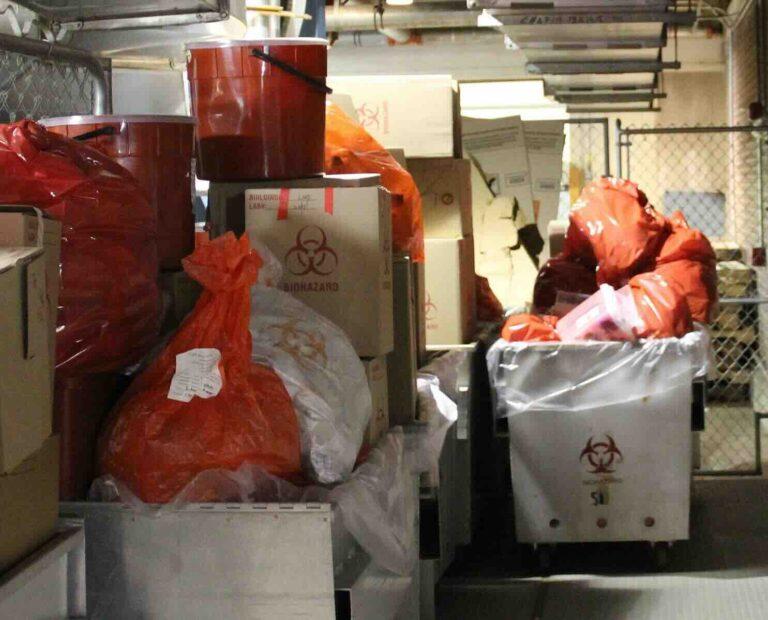
    In a decisive move to overhaul the city’s biomedical waste infrastructure, Delhi’s Environment Minister Manjinder Singh Sirsa has officially announced that the capital will soon be home to two modern Common Bio-Medical Waste Treatment and Disposal Facilities (CBWTFs). These state-of-the-art plants will replace the outdated Nilothi unit, which has been operating under repeated extensions.

    At present, Delhi’s healthcare institutions generate roughly 40 metric tonnes of biomedical waste every day. The city’s current treatment capacity – handled largely by the Nilothi unit and one more plant – is widely regarded by officials as insufficient to safely and reliably manage this load.

    Sirsa, speaking on the announcement, emphasised that the move is not just about expansion but about future-proofing Delhi’s public health and environmental safeguards. “We plan these new units to deliver durable, future-ready infrastructure that protects public health and the environment,” he said. The new plants are also expected to reduce logistical bottlenecks by bringing treatment capacity closer to health clusters across the city.

    Phasing out Nilothi

    According to officials, the two new facilities will be divided regionally: one will serve East, North East, and Shahdara districts (Region 1), while the other will cover West, South West, and Central Delhi (Region 2). Once operational, they will gradually phase out the Nilothi plant, which has been extended multiple times in the absence of better alternatives.

    The decision followed a feasibility study assessing land availability, transport logistics, technology, and capacity demands.

    Fast-track tendering, tight timeline

    To avoid delays, Sirsa has directed the Delhi Pollution Control Committee (DPCC) to issue tenders within three months. The entire process – from pre-bid submissions to evaluations and the issuance of letters of award – is expected to follow a Build–Own–Operate (BOO) model over a 10-year term.

    Ensuring transparency and technical rigor, the National Productivity Council (NPC) has also been brought on board to support oversight. Daily dashboards – tracking land readiness, clearances, tender milestones, operator mobilisation and commissioning plans – will be submitted to the minister’s office to ensure no service gap arises during the transition.

    Sirsa, underscoring the urgency, remarked: “This is about execution with discipline. We are choosing long-term solutions with clear timelines so that people see measurable, visible improvements in biomedical waste handling across the city.”

    Challenges, Expectations, Risks

    While the announcement marks a landmark shift, Delhi faces several hurdles:

    • Land and regulatory approvals: Acquiring suitable sites and obtaining environmental and statutory clearances remain critical tasks in the near future.
    • Seamless transition: As the Nilothi plant is phased out, authorities must ensure there is no disruption in biomedical waste service for hospitals, clinics, laboratories and diagnostics.
    • Technology and emissions compliance: The new plants will need to adopt modern, environment-friendly technologies that comply with norms from the Central Pollution Control Board (CPCB) and DPCC.
    • Cost and operations: The BOO model places some burden on private operators, who must manage operations efficiently while adhering to service, safety, and emission standards.

    If executed well, the benefits could be significant. Delhi will gain greater resilience, better coverage, shorter haul distances for waste transport, and a system that avoids overreliance on a single outdated plant. The announcement also signals a commitment to closing “legacy gaps” in the city’s waste infrastructure.

    Delhi’s Waste Management Push

    The push for new biomedical waste plants fits into a broader agenda by the Delhi government to modernise urban waste systems. In recent months, officials have accelerated projects around solid waste, landfill remediation, waste-to-energy plants, and biomining of legacy waste. For example, the Okhla landfill is being processed under biomining to reduce its height and environmental footprint.

    Within the health sector, efforts are underway to rationalise service charges for clinics and labs, ensure better segregation and compliance training, and use recognized hospitals as mentors to improve biomedical waste practices across the city.

    If Delhi succeeds in establishing and operationalising the two new CBWTFs within the tight deadline, it could transform how the capital handles hospital waste. A robust, regionally distributed infrastructure would protect public health, reduce environmental hazards, and enhance regulatory compliance. But the window for failure is small. Delays in approvals, missteps in tendering, or operational mismanagement could undermine public confidence.

    For now, all eyes will be on the DPCC, NPC, and municipal agencies to deliver on the ambitious three-month clock. The transition from Nilothi may mark the end of one era – but Delhi’s ability to build a cleaner, safer, sustainable biomedical waste future hinges on speed, efficiency and stricter oversight in the days ahead.

    Rohingya Refugees Test International Resolve After Mass Exodus, Limbo

    What began as a temporary response has metastasized into a protracted crisis. Few Rohingya see a safe path back to Myanmar, where the ruling military junta continues to persecute minorities and faces its own armed rebellion.

    By Vibhu Mishra

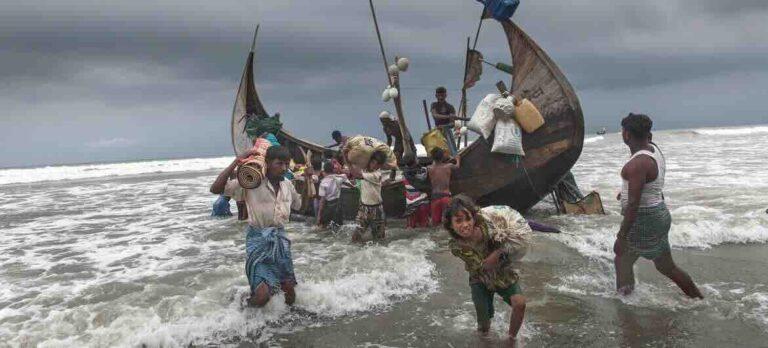
    More than eight years after over 750,000 Rohingya Muslims fled Myanmar for sprawling camps in Bangladesh, the crisis remains unresolved. On Tuesday, world leaders, UN officials and civil society groups will convene in New York for a high-level summit to confront not just the humanitarian emergency, but the geopolitical deadlock that perpetuates it.

    The stakes for the conference, part of the UN General Assemby’s annual week of high-level discussions, could hardly be higher: shrinking aid budgets and intensifying conflict inside Myanmar leave one of the world’s most persecuted minorities in limbo.

    Delegates are expected to address human rights and minority protections of Rohingya Muslims and other minorities, while exploring political, social and security measures to ensure the safe, voluntary, and dignified return of Rohingya and other refugees.

    Meanwhile, the flow of those fleeing has not ebbed. Traumatized Rohingya continue to arrive in southern Bangladesh, adding new scars to an already deep human suffering.

    Unceasing Limbo

    The Rohingya, a Muslim minority long denied citizenship and basic rights in Myanmar, fled waves of violence that culminated in 2017 with what Zeid Ra’ad al-Hussein, then UN High Commissioner for Human Rights, described as a “textbook example of ethnic cleansing.”

    Crossing into Bangladesh, they found emergency shelter in what is now arguably the world’s largest refugee settlement in Cox’s Bazar.

    But what began as a temporary response has metastasized into a protracted crisis. Few Rohingya see a safe path back to Myanmar, where the ruling military junta continues to persecute minorities and faces its own armed rebellion.

    In Bangladesh, opportunities for education and work remain limited, while security incidents, trafficking and tensions with host communities intensify the strain.

    Yunus: Warning of Collapse

    Addressing the General Assembly’s annual debate on Friday, Muhammad Yunus, Chief Adviser of Bangladesh’s interim government, issued one of the starkest warnings yet.

    “The UN World Food Programme (WFP) warns of a critical funding shortfall. Without urgent new funding, monthly rations may have to be halved to a paltry $6 per person, pushing the Rohingya deeper into hunger and forcing them to resort to desperate measures,” he said.

    He called for “enhanced contribution” from donors but stressed that the roots of the crisis lie inside Myanmar:

    “Deprivation of rights and persecution of the Rohingya, rooted in cultural identity politics, continue in Rakhine. Reversal of the process of marginalization of the Rohingya cannot wait any further,” he said.

    “There must be a political solution to the problems involving all stakeholders there, so that they become part of the Rakhine society with equal rights as equal citizens.”

    Many leaders echoed these concerns, highlighting the Rohingya plight as emblematic of broader conflicts left unresolved amid geopolitical paralysis.

    Guterres: ‘We Will Not Give Up’

    UN Secretary-General António Guterres, who visited Cox’s Bazar earlier this year, described the camps as “a stark reminder of the world’s collective failure to find solutions.”

    He stressed that the primary solution is the safe, voluntary and dignified return of Rohingya refugees to Myanmar, and called on all parties to exercise maximum restraint, protect civilians and create conditions for democracy to take root.

    These conditions, however, do not yet exist, making returns impossible for now.

    Until conflict and systematic persecution end, the UN chief urged continued international support for those in need of protection in Bangladesh.

    Myanmar’s Deepening Political Crisis

    After a military coup on 1 February 2021, Myanmar has plunged into violence and instability.

    Thousands of civilians have been killed, millions displaced and over half the population requires humanitarian assistance. Natural disasters, including floods and earthquakes, have compounded the strain on fragile infrastructure.

    Ethnic minorities – including the Rohingya, Kachin, Shan and Chin – have been disproportionately affected.

    The military is accused of systematic human rights violations, many likely amounting to crimes against humanity, including arbitrary detention, torture and extrajudicial killings. Schools, hospitals and places of worship have also faced indiscriminate attacks.

    Hope, Courage and Resilience

    Tom Andrews, UN Special Rapporteur on human rights in Myanmar, highlighted both the courage of those affected and the urgent risks they face.

    “I see it in the people of Myanmar and the great courage that they display. I am just in awe of them. They are what give me hope as an individual and trust that one day this nightmare will be over. That’s my source of hope,” he told UN News last November, after presenting his annual report to the General Assembly.

    As world leaders gather in New York, advocates say the real question is not just whether fresh funding can be secured, but whether the political will exists to resolve a crisis that has come to embody global drift and despair.

    India Must Accelerate Growth to Avert Jobs Trap, Warns Morgan Stanley

    Morgan Stanley warns that if sufficient job opportunities are not created, the dividend could quickly become a liability.

    India is at risk of falling into a “jobs trap” unless its economy grows at nearly twice the current pace, global investment bank Morgan Stanley has cautioned in a new report that evaluates the country’s medium-term economic trajectory.

    According to the investment bank, India is on course to achieve average annual GDP growth of 6 to 6.5 per cent over the next decade – one of the fastest rates globally. However, this pace may not be enough to meet the employment aspirations of the country’s rapidly expanding working-age population, which will swell by nearly 100 million over the next ten years.

    “India needs to grow almost twice as fast as it currently does in order to prevent a jobs trap,” the report said, underlining the urgency of aligning economic growth with labour market expansion.

    Demographic Opportunity, Looming Risk

    India’s demographic profile, often hailed as its biggest strength, is also its biggest challenge. With 65 per cent of its 1.4 billion population below the age of 35, India has what economists call a “demographic dividend.” But Morgan Stanley warns that if sufficient job opportunities are not created, the dividend could quickly become a liability.

    The labour force is expected to expand by nearly 10 million people annually for the next decade. Unless GDP growth accelerates to a level that can generate enough employment, the risk of widespread underemployment or joblessness could rise sharply, the bank noted.

    “This is a critical decade for India. The window to leverage its demographic dividend will not remain open forever,” the report said, adding that sluggish job creation could constrain household incomes, dent consumer demand, and limit the broader growth potential of the economy.

    Signs of Structural Strength

    Despite the cautionary tone, Morgan Stanley’s outlook is not all pessimistic. The bank reaffirmed that India remains one of the strongest structural growth stories in the global economy. It projected the country’s GDP to expand at an average 6.5 per cent through the 2030s, supported by rising investment, policy reforms, digital adoption, and a growing share of manufacturing and services exports.

    Several reforms in infrastructure, taxation, and financial inclusion over the past decade have set the stage for sustained growth, the report said. Digitalisation, in particular, has deepened market access and enabled productivity gains across multiple sectors.

    “India is set for a 6–6.5 per cent growth trajectory, which is impressive by global standards. However, this is not sufficient to absorb the surge in the labour force. The real challenge is to accelerate from here,” the report underlined.

    The Jobs Challenge

    Historically, India’s growth has been led by services and consumption, but these sectors alone may not be able to generate enough formal, high-quality jobs. According to the report, manufacturing, infrastructure, and new-age industries such as renewable energy and digital services will need to play a far greater role in absorbing the labour force.

    The report emphasized the need for labour-intensive manufacturing and the creation of mid-skill jobs, which could offer employment to millions entering the workforce. Without such expansion, the economy risks facing a “K-shaped” outcome – where growth is strong but concentrated, leaving large sections of the population behind.

    Economists note that India’s unemployment rate has hovered between 7–8 per cent in recent years, with youth unemployment significantly higher. Rising automation, global trade uncertainties, and weak private-sector hiring further complicate the challenge.

    Policy Imperatives

    Morgan Stanley argued that accelerating growth to job-generating levels will require a multi-pronged policy push. Key areas include:

    • Boosting investment in labour-intensive manufacturing and exports.
    • Enhancing skills through large-scale vocational training and education reforms.
    • Strengthening labour market flexibility to make hiring easier and more attractive for businesses.
    • Expanding infrastructure in logistics, energy, and urban housing to support industrialisation.
    • Encouraging private sector participation while maintaining policy stability.
    • The government has already launched initiatives such as ‘Make in India’, the Production Linked Incentive (PLI) scheme, and large-scale infrastructure spending to spur investment and job creation. However, Morgan Stanley suggested that these efforts must be scaled up and better aligned with labour market realities.

    Global Context

    The report also placed India’s situation in a global perspective. While developed economies are grappling with ageing populations and slowing productivity, India stands out as one of the few major economies with a young workforce and strong growth potential.

    If India succeeds in accelerating growth to 8–9 per cent annually, it could emerge as a leading driver of global demand, contributing significantly to global supply chains and becoming a hub for innovation and manufacturing. On the other hand, failure to generate adequate jobs could exacerbate income inequality and social pressures, dampening the country’s long-term prospects.

    Looking Ahead

    Economists say the warning is timely. India’s economy has rebounded strongly from the pandemic, supported by government spending and robust domestic demand. But sustaining this momentum will require deeper reforms and higher private-sector investment.

    “Morgan Stanley’s message is clear: India is well positioned, but the risk of complacency is high,” said an independent economist in New Delhi. “We must not mistake strong growth for sufficient growth. The jobs challenge is the true test of whether India can turn its demographic advantage into an economic superpower story.”

    For now, India remains one of the world’s fastest-growing major economies. The real question is whether it can turn growth into jobs – and avoid the trap that looms if it cannot.

    Image: Rawpixel

    Early Marriage, Adolescent Pregnancy, Violence a Reality Among Bangladesh’s Women Garment Workers, Says icddr,b Study

    One of the study’s most alarming findings is that two out of every three female garment workers were married before their 18th birthday. Nearly 65 per cent had their first pregnancy during adolescence.

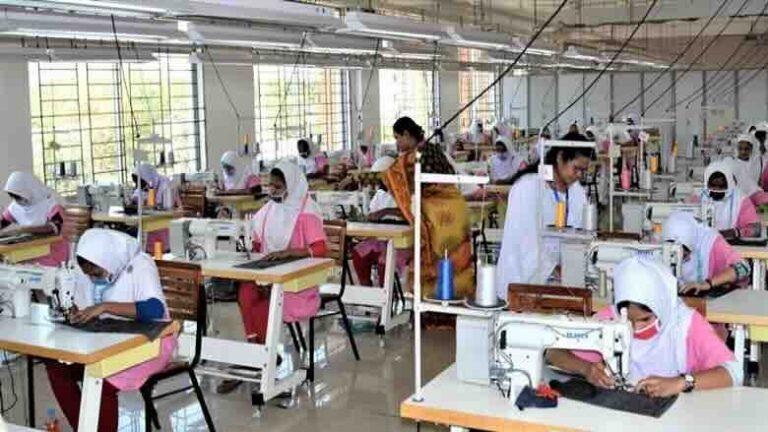
    A landmark longitudinal study released today by icddr,b has shed stark light on the sexual and reproductive health and rights (SRHR) of female garment workers in Bangladesh, revealing deeply entrenched vulnerabilities in a workforce already under strain. The 24-month cohort follow-up, conducted between August 2022 and December 2024, paints a troubling picture of early marriage, adolescent pregnancy, violence, and severe gaps in reproductive health services for some of the country’s most marginalised women.

    One of the study’s most alarming findings is that two out of every three female garment workers (approximately 66 per cent) were married before their eighteenth birthday. Nearly 65 per cent had their first pregnancy during adolescence.

    Among the cohort of 778 women aged 15 to 27 from the Korail and Mirpur areas in Dhaka and Tongi in Gazipur, nearly one-third reported at least one unintended pregnancy, while one in four said they had undergone abortion or menstrual regulation. The data suggest that many of these young women enter into motherhood under conditions of constrained choice and limited support.

    Encouragingly, use of contraceptives before the first pregnancy appeared to halve the risk of teenage pregnancy within these groups, pointing to the preventive potential of early access to family planning. But the study also shows that women experiencing spousal violence were 26 per cent more likely to become adolescent mothers, reinforcing how domestic abuse intensifies reproductive risks.

    Violence in Homes and Factories: A Double Burden

    Violence emerged as a persistent, cross-cutting thread in the women’s experiences. The study tracked psychological abuse in factories, which rose from 48 per cent to 55 per cent over the course of the study period. At the same time, spousal violence remained “alarmingly common.”

    Reporting of workplace violence was extremely rare: just 1 per cent of survivors formally reported such incidents to authorities. Informal support-seeking also plummeted, dropping from 35 per cent at baseline to 21 per cent at endline. The decline suggests rising isolation or disillusionment with support mechanisms.

    The link between violence, coercion, and adverse reproductive outcomes is clear: women with greater decision-making power and freedom of movement reported significantly lower risks of violence, sexual abuse, and forced fertility.

    Gains in Knowledge, But Gaps in Access

    Despite the challenges, the study uncovers some positive trends in awareness and attitudes. Knowledge of long-acting contraceptives climbed sharply from 49 per cent to 70 per cent, while awareness of emergency contraception increased from 15 per cent to 39 per cent. The cohort also exhibited more positive gender attitudes around family planning and decision-making.

    Yet, when it comes to actual access, the gaps are stark. Only 22 per cent of factories provided sanitary pads, and just 14 per cent offered family planning commodities for workers. Many women still face stigma when trying to purchase contraceptives in local shops, reinforcing the need for confidential and factory-based services.

    Voices from Experts and Stakeholders

    At a seminar organized by icddr,b to unveil the findings, experts underscored the urgency of policy and programmatic shifts. Dr. Ubaidur Rob, former country director of the Population Council Bangladesh, emphasized that rising female workforce participation must be matched by unintended pregnancy prevention and better SRHR support.

    Farzana Sharmin, Joint Secretary of the Bangladesh Knitwear Manufacturers and Exporters Association, called attention to the patriarchal blind spots: “Women’s voices are often overlooked … contraceptives must be made easily accessible, and awareness must be increased.” She stressed the need to align government clinic schedules with women’s work hours.

    Independent researcher Yasmin H. Ahmed highlighted how stigma constrains access: “Due to stigma, many women still cannot buy contraceptives from shops. Therefore, services and counselling must be ensured within factories.”

    Dr. Ruchira Tabassum Naved, Emeritus Scientist at icddr,b and the Principal Investigator, observed that “despite economic progress, the SRHR situation of garment workers is poorer than that of other women.” She urged a multi-stakeholder approach involving government, development partners, industry, and civil society to address the layered inequities.

    Implications and the Road Ahead

    This cohort study offers some of the most robust longitudinal data to date on how sexual and reproductive realities unfold among female garment workers – a population of millions whose labour is central to Bangladesh’s economy and export sector.

    The findings validate what many women have long known: that economic inclusion without rights and health security is incomplete.

    Key implications emerge:

    Early intervention is critical: With over half the cohort married before 18 and many entering motherhood in adolescence, delayed marriage and timely contraceptive access must be central to strategies.

    Violence and empowerment are core levers: Reducing domestic and workplace violence and strengthening women’s autonomy matter not just for safety but for reproductive autonomy and health.

    Factory-based SRHR services are essential: Given persistent stigma and some factories’ reluctance, providing confidential contraceptives, counseling, and menstrual health supplies in the workplace could bridge critical gaps.

    Coordinated policy action is necessary: Government ministries, industry associations, NGOs, and international partners must collaborate to reorient health and labour policies toward this vulnerable cohort.

    Human Rabies Deaths in Nepal Have Steadily Declined Over the Years

    In 2008, Nepal recorded 97 rabies deaths; since then, annual fatalities have ranged between 6 and 32. But experts caution that the real numbers, especially in remote areas with limited surveillance, are likely higher.

    As the world eyes the 2030 target for eliminating dog-mediated human rabies deaths, Nepal is accelerating efforts to achieve that goal. But health leaders warn that without a major boost in vaccine investment — especially for animal vaccines — the country risks falling short.

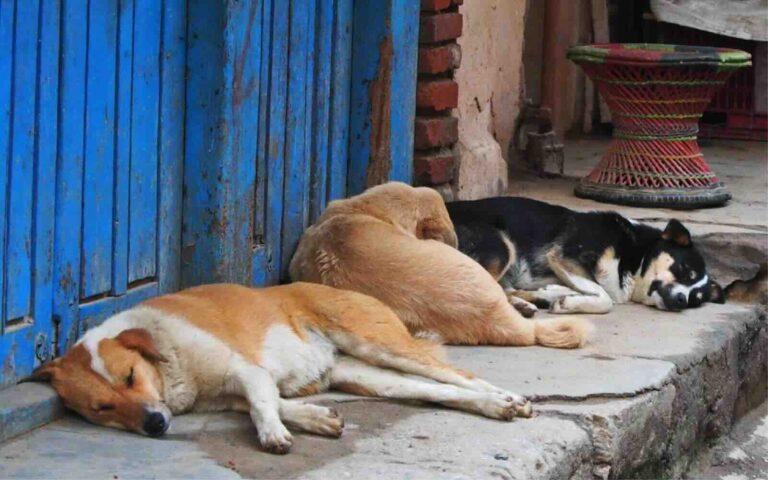
    Rabies, once contracted and symptomatic, is almost invariably fatal. While the earliest signs—tingling at the wound, fever, nausea—may seem innocuous, the disease rapidly progresses. Patients may develop extreme aggression, difficulty swallowing (hydrophobia), seizures, paralysis, and ultimately succumb to cardiac or respiratory failure, typically within two weeks.

    One harrowing case that continues to haunt medical professionals involved a 5-year-old boy from Kathmandu in 2017. The child was scratched by a roaming dog, and at first the injury seemed minor. But weeks later, he began behaving strangely. Despite hospitalization, doctors could not prevent a fatal outcome. The tragedy spurred Dr Sher Bahadur Pun, who treated the boy, to dedicate his career to raising awareness about rabies in Nepal.

    Official records show that human rabies deaths in Nepal have steadily declined over the years. In 2008, Nepal recorded 97 deaths; since then, annual fatalities have ranged between 6 and 32. But experts caution that the real numbers, especially in remote areas with limited surveillance, are likely higher.

    More than 95 percent of human rabies cases stem from dog bites, making vaccination of dogs and other animals a critical component of prevention.

    Nepal’s Roadmap Toward 2030

    Nepal has committed itself to the “Zero by 30” initiative—targeting zero human deaths from dog-mediated rabies by 2030. Its broader strategy rests on three pillars:

    1. Boosting vaccine production, especially for animals
    2. Scaling up mass immunisation campaigns
    3. Stepping up public education and awareness about prevention and post-exposure care

    Nepal’s first dog vaccination programme launched in 1983, with 22,000 pet dogs targeted in Kathmandu and another 14,000 elsewhere. Over time, Nepal shifted from older nerve-tissue vaccines to safer, cell culture–based alternatives from 2006 onwards. Since 2007, the government has also provided human anti-rabies vaccines free of cost at public hospitals and health centres.

    In recent years, the government has distributed over 200,000 vaccine doses free to people exposed to potential rabies infections. And the Department of Health Services reports that better access to post-exposure prophylaxis has played a key role in reducing deaths.

    Still, officials concede that the pace of progress is insufficient. “Until and unless we vaccinate the animals, especially free-ranging stray dogs, it’s almost impossible to completely end rabies by 2030,” asserts Dr Pun.

    A Small Outbreak and Swift Response

    In July 2025, three human rabies deaths occurred within a Chepang community in Dhading district, west of Kathmandu valley. The Chepang are a forest-dwelling indigenous group. The cluster triggered rapid action: health authorities formed a committee, visited households, and found a dog exhibiting aggressive behavior. That dog later died, confirming suspicions.

    As a precaution, all 287 residents of the community were vaccinated against rabies, and no further human cases were reported. The incident illustrates the value of a “search and vaccinate” approach—swift response to outbreaks by locating high-risk areas and delivering vaccines. But sporadic outbreaks like these also highlight gaps in routine coverage and the risk of resurgence if vigilance lapses.

    The Bottleneck: Limited Vaccine Supply

    A major constraint in Nepal’s campaign is the limited domestic production of animal rabies vaccines. The Rabies Vaccine Production Laboratory (RVPL), under the Department of Livestock Services, currently produces around 180,000 doses annually. But experts say this is inadequate to immunize Nepal’s stray dog population, free-ranging animals, and pets.

    Meanwhile, human rabies vaccines are imported, with the government allocating about 13 million Nepali rupees (NPR) annually for post-exposure vaccine procurement. Gavi Director of the Epidemiology and Disease Control Division (EDCD), Dr Chandra Bhal Jha, acknowledges that vaccine shortages are routine: last year’s stock of 377,770 vials ran out before the year ended.

    Officials argue that unless investments ramp up—especially in expanding vaccine manufacturing capacity—the 2030 target may slip away.

    What Must Happen Next

    To stay on track for 2030, health leaders and stakeholders emphasize key priorities:

    Scale production dramatically: Domestic vaccine production must be expanded manyfold so that Nepal can meet demand for animal vaccination campaigns.

    Secure consistent funding: Budget allocations must be predictable and sufficient to maintain stockpiles for humans and animals alike.

    Widen coverage to stray dogs: Vaccinating only owned pets is not enough. Free-ranging dog populations must be included in mass campaigns.

    Improve surveillance and outreach: Early detection of outbreaks, especially in rural or forested areas, is crucial, along with outreach to marginalized communities.

    Sustain public awareness: People must know what to do if bitten, including wound washing, prompt medical attention, and post-exposure prophylaxis.

    As Dr Jha puts it: “If we want to end rabies by 2030, we need to invest more in vaccines.”

    Nepal’s progress thus far offers hope: human deaths have declined, and bold initiatives like “search and vaccinate” are already in practice. But the final stretch toward 2030 requires a surge in commitment, resources, and political will.

    This story is based on reporting from VaccinesWork and information provided by Gavi.

    Violence erupts in Bangladesh’s Chittagong Hill Tracts; Three Killed, Communal Tensions Deepen

    According to local reports, the violence was triggered after a 12-year-old Marma girl was allegedly raped by three Bengali youths.

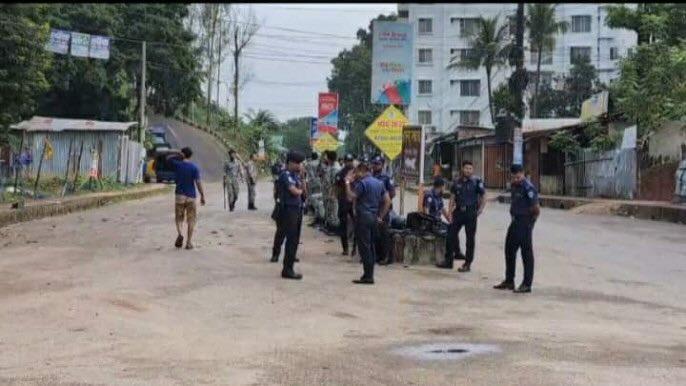
    Violence broke out over the weekend in the Chittagong Hill Tracts (CHT) region of Bangladesh, leaving at least three members of indigenous communities dead and dozens injured, as protests over a rape allegation spiralled into clashes between tribal people, Bengali settlers, and security forces.

    The unrest centered in Khagrachhari district where demonstrators protesting the alleged rape of a tribal schoolgirl clashed with law enforcement.

    Trigger: rape allegation and protest

    According to local reports, the violence was triggered after a 12-year-old Marma girl was allegedly raped by three Bengali youths on September 23 while returning home from tuition in the Singinala area. A case was filed following the incident, and the police, with army assistance, arrested one suspect, Shayan (Shoyon) Shil, who was remanded by a court soon after.

    Protesters under the banner of Jumma Chhatra Janata enforced a dawn-to-dusk road blockade, demanding justice and exemplary punishment for the perpetrators. Despite that, Section 144 (a prohibition on large gatherings) was in place in Khagrachhari Municipality of the CHT.

    Clashes, fatalities, destruction

    On September 28, violence erupted during the blockade. Gunfire and exchanges of stone-pelting were reported. At least three indigenous (tribal) people were killed and several others were wounded. The bodies were brought to Khagrachhari Sadar Hospital, where they await autopsy.

    Security forces were among the injured. The home ministry said 13 army personnel, including a major, sustained injuries, along with three policemen, including the officer-in-charge of the local police station.

    In the Ramesu Bazar area, shops, houses, vehicles, and even motorcycles – many belonging to indigenous residents – were looted and set ablaze during the unrest. Estimates suggest around 100 shops and houses were torched. Witnesses claimed attackers looted goods and used machetes, then set fire to buildings.

    Security forces and official response

    In response to the eruption of violence, the government deployed additional military and police forces to the affected hill districts. Army and Border Guard Bangladesh (BGB) units were also mobilised to contain further escalation.

    Late on Sunday night, the Bangladesh Army issued an official statement. It claimed that United People’s Democratic Front (UPDF) and affiliated organisations had been actively organizing protests and instigating communal tensions in the region. The army alleged that these groups had been trying to incite violence by coercing women and schoolchildren to participate in subversive activities, aiming to destabilize the Chittagong Hill Tracts (CHT).

    The Army also linked the present unrest to a past incident: the killing of a motorcyclist named Mamun in September 2024, and claimed that anniversary events organized by UPDF triggered renewed tensions with security forces.

    Meanwhile, Home Adviser (Retd) Lt Gen Md Jahangir Alam Chowdhury said the government was actively trying to contain the crisis. He warned that stringent legal actions would be taken against those spreading rumours via social media. He also noted that the Chittagong Hill Tracts affairs adviser convened meetings with relevant parties to deescalate the situation.

    The home ministry expressed “deep sorrow” over the incident, and vowed that those responsible would be brought to justice. In a statement, it urged affected communities to remain calm while investigations were under way.

    Rights bodies demand probe, protests intensify

    Human rights, cultural, and political organisations in Bangladesh have condemned the violence and called for immediate, impartial investigations. Transparency International Bangladesh (TIB) urged authorities to explain why local administration and police failed to prevent the eruption of violence in such a sensitive region. The Hindu Buddhist Christian Unity Council also demanded prompt arrests, compensation for victims, and protection for affected communities.

    In addition, 84 women’s rights activists under the banner “Naribadi” issued a statement demanding swift judicial action in the rape case. They pointed out that over the past year, multiple indigenous women in Khagrachhari have been victims of sexual violence, and often their demands for justice were met with reprisals.

    Protesters have said the response of state machinery raises questions of complicity or selective inaction. As one comment from TIB put it: “Attempts to normalise the rape of indigenous women are not new.”

    Crisis spreads: blockade extended to Rangamati

    The conflict has begun to spill over beyond Khagrachhari. A blockade in Khagrachhari has now been extended to the neighbouring hill district of Rangamati. All tourism in the three hill districts – Khagrachhari, Rangamati, Bandarban – has been suspended amid fear of further unrest.

    The authorities have warned that movement will be closely monitored, and efforts are underway to prevent further disruptions to transport and commerce.

    Historical fault lines, unresolved grievances

    The Chittagong Hill Tracts region has long been a flashpoint of tension between indigenous communities (often referred to as “Jumma” tribes) and Bengali settlers. Historically, land disputes, displacement, and cultural marginalization have fuelled friction. Past episodes of violence in the hills led to large-scale displacement and serious questions over the protection of minority rights.

    Observers caution that without credible, transparent justice and meaningful reconciliation, such flare-ups will recur. Rights organisations have consistently called for greater protection of indigenous rights, inclusive governance, and accountability for state actors.

    National Foundation for India brings the Constitution alive at Durgotsab Pandal

    Inspired by the original artwork of the Constitution by the Nandalal Bose, the large-scale panels give visitors a glimpse into the cultural richness that graced the original Constitution.

    The National Foundation for India (NFI) is hosting the “Constitution Curious” event at the Durgotsab, promoting constitutional literacy amongst the youth. This is for the first time that a Durgotstab event in Delhi has provided space in the midst of the festival celebrations for educating young people on the Constitution of India.

    NFI is bringing this unique celebration of India’s democratic spirit to this year’s Durgotsab at the Greater Kailash -II in New Delhi.

    “Constitution Curious” is engaging visitors to connect with the Constitution through a series of interactive activities including the screen printing of their own copy of the Preamble; online quizzes and other events. This is being organised in collaboration with Reclaim Constitution, a collaborative initiative dedicated to furthering constitutional literacy.

    To add to the experience, NFI has recreated the original art of the Constitution on canvas, hand painted by the noted artist Nilanjan Chowdhury. Inspired by the original artwork of the Constitution by the Nandalal Bose, the large-scale panels give visitors a glimpse into the cultural richness that graced the original Constitution.

    Speaking about the initiative, Sameera Ahmed, Program Director, NFI, said: “The Constitution is not just a legal document; it is the foundation of our democracy and our everyday lives. With ‘Constitution Curious,’ we want to spark curiosity, inspire conversations and make the Constitution of India accessible to everyone in a fun and memorable way.”

    By blending art, interactivity with constitutional values, the stall promises to add a distinctive dimension to the festivities at Durgotsab, offering visitors a chance to celebrate both the joy of Durga Puja and the democratic values reflected in the Constitution of India.

    National Foundation for India (NFI) is an organisation committed to enabling social justice through civic engagement, promoting and developing grassroots leadership, mobilising resources and providing platform for dialogue. It was founded in 1992 by eminent leaders such as Late Bharat Ratna C. Subramanium, Bharat Ratna Dr M S Swaminathan and Dr Kamla Chowdhry.

    Healthcare Reaches Paatalkot: Delhi Official Inaugurates First Health Centre in Remote Tribal Valley

    The inauguration of the health centre in Paatalkot is a test of whether governance can truly reach the valley’s depths, delivering not just infrastructure, but reliable, accountable services to its most vulnerable communities.

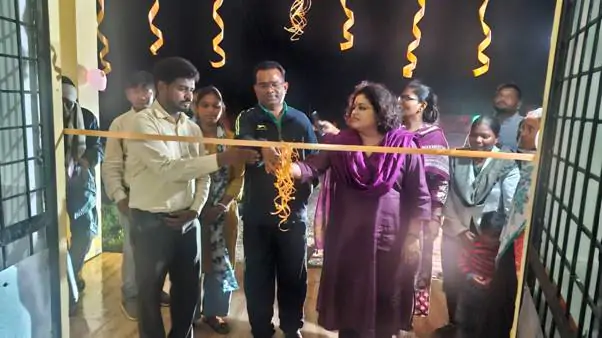
    In what residents are calling a watershed moment, Dr. Rashmi Choudhary, Assistant Commissioner at the National Education Society for Tribal Students (NESTS), New Delhi, formally inaugurated the first fully functional health centre in the remote Paatalkot valley on the evening of 27 September 2025, according to a PIB press release. The event marks a concrete step in turning long‐standing promises into on-ground services for the tribal communities of this secluded region.

    For decades, Paatalkot – a deep, forested valley tucked in Tamia block of Chhindwara district  – has hosted the Gond and Bharia tribes (the latter designated a Particularly Vulnerable Tribal Group). Its 12 scattered hamlets, with a cumulative population of nearly 4,000, have for generations lacked reliable access to health infrastructure, forcing villagers to trek long distances for even basic medical care.

    During her field visits to Paatalkot’s villages like Sindhouli and Rated, Dr. Choudhary heard firsthand from locals about the frustration of having an Ayushman Arogya Kendra in infrastructure alone, but no sustained services. She directed health officials to immediately operationalise the centre – and by dusk the same day, the facility was opened for use.

    “This is a historic day for Paatalkot. For the first time, our people will not have to walk miles for basic medical needs,” said one resident of Sindhouli, as health staff began attending patients. Officials confirmed that essential staff and medical supplies are now in place.

    From Broken Promises to New Beginnings

    The inauguration comes against a backdrop of deep scepticism born of repeated pledges left unfulfilled. In the run-up to the 2024 Lok Sabha elections, many tribal residents of Paatalkot voiced frustration that successive governments had built health centres in name only. As one former deputy sarpanch from Chimtipur put it, “They have built health centres here but only the nurses turn up regularly, not the doctors.”

    Locals also recounted that ambulances often cannot traverse the steep, narrow tracks, especially in poor visibility. Many critically ill are carried by hammock or motorcycle to hairpin bends where ambulances await. The infrastructure has been so fragile that even when solar panels were installed on schools, the batteries failed or were never supplied.

    Indeed, health has long remained a missing link even as roads, housing, electricity, and schooling saw incremental progress under central schemes like the Pradhan Mantri Janman Yojana, Dharti Abba Janjatiya Gram Utkarsh Abhiyan, and Aadi Karmayogi Abhiyan. Many children from Paatalkot now attend the Eklavya Residential School in Tamia, and homestays in Chimtipur have opened tourism income routes. But till now, no sustainable medical safety net existed.

    By contrast, at the inauguration Dr. Choudhary emphasised that this is not just a symbolic gesture: the centre will remain functional, with staff and medicines, and be integrated into the broader health network of the region.

    Challenges and Expectations

    While villagers welcomed the announcement with cautious optimism, many acknowledged that building a centre is just step one in winning public trust. Some key concerns persist:

    • Sustained staffing and accountability: Will doctors and paramedics consistently serve the centre, or lapse into absenteeism as in the past?
    • Transportation and referrals: The valley’s terrain remains hostile. Even with a local facility, serious cases will still require transport uphill to well-equipped hospitals.
    • Supply chain and infrastructure: Ensuring uninterrupted medicine supply, electricity, water, and diagnostic equipment is vital.
    • Community outreach and awareness: For health outcomes to improve, preventive and awareness work must reach deep into hamlets where traditional beliefs still influence health seeking.

    Many tribal residents said that while they welcomed the new facility, trust will take time to rebuild. “We have heard promises before,” said another villager, “but this time, we will judge by whether the doctor is present tomorrow, next month.”