More

    Afghanistan: US Maintains Ongoing Engagement with Afghan Civil Society, Former Officials to Support Rights, Education

    The report cautions that Afghanistan is facing a dire mix of economic collapse, donor fatigue, and climate-driven disasters. It notes that the new Taliban administration lacks the capacity to respond effectively to overlapping crises.

    In a recently submitted report to the US Congress, the State Department reveals that the United States is pursuing regular dialogue with former Afghan government figures, civil society activists, independent media, and non-Taliban elements inside Afghanistan as part of a strategy to sustain support for the Afghan people and promote accountability from the Taliban.

    The report, filed under Section 7044 of the foreign operations appropriations legislation, outlines multiple fronts on which Washington plans to back human rights, education, and free expression – particularly for Afghan women and girls – even as the Taliban remain in control of most of the country.

    Channels of Engagement, Strategic Aims

    According to the document, the US maintains an Afghanistan Affairs Unit based in Doha, Qatar, which serves as a liaison to non-Taliban Afghans inside the country. Through this unit, American officials periodically engage a range of stakeholders – from civil society organizations and journalists to former officials – to assess conditions on the ground, relay concerns, and coordinate support for people at risk.

    While the US treats the Taliban as an officially designated Specially Designated Global Terrorist organisation, limited interactions between US representatives and Taliban actors are permitted for narrow issues – such as counterterrorism, drug control, detainee releases, and financial transparency – when national security interests are at stake.

    Among key US priorities, the report emphasises counterterrorism, narcotics control, curbing irregular migration, and protecting US citizens. However, these national security objectives are presented as aligned with the interests of the Afghan people – particularly in fostering a more stable security environment.

    Education, Scholarships: Maintaining Lifelines

    A central pillar of the US strategy is maintaining educational access even amid Taliban governance. Rather than reestablishing large physical campuses, the US is directing support largely through online programs and by aiding Afghan students to pursue studies at institutions in South Asia and the Middle East.

    Two flagship initiatives receive special mention:

    The Women’s Scholarship Endowment, managed by Texas A&M University, has been endowed at $50 million. During the 2024–25 academic year, it helped fund 169 Afghan women to attend eight universities across seven countries.

    The Supporting Student Success in Afghanistan programme, with $20 million in funding, supported over 1,050 Afghan students enrolled via the American University of Afghanistan (AUAF) during the same period.

    These programs are being held up as vital “lifelines” for Afghan youth, particularly women whose access to higher education is under threat under Taliban policies.

    Civil Society, Media, Human Rights

    In addition to education, the US has committed to backing Afghan civil society groups, independent journalists, and media outlets – including those operating outside Afghanistan. The report argues these organizations are crucial for preserving freedom of expression, exposing rights abuses, and documenting conditions under Taliban rule.

    Washington is also channelling humanitarian, health, and basic education aid inside Afghanistan, but much of that assistance is delivered via international or regional partners rather than through direct dealings with the Taliban regime.

    At the multilateral level, the United States remains actively involved in the United Nations–led diplomatic process on Afghanistan. In instances where the Taliban fall short of commitments, Washington continues to push for accountability mechanisms.

    Challenges Ahead; Warnings

    The report cautions that Afghanistan is facing a dire mix of economic collapse, donor fatigue, and climate-driven disasters. It notes that the new Taliban administration lacks the capacity to respond effectively to overlapping crises. As such, sustained humanitarian and development assistance is framed as essential – especially for women, children, and other vulnerable populations.

    One passage starkly states: “The government’s resources can’t cope,” pointing to systemic strains on the new power structure.

    Observers Weigh In

    Foreign policy analysts suggest the US approach seeks to walk a fine line: maintaining influence and pressure on the Taliban, while avoiding de facto recognition or legitimacy for the regime. Critics warn, however, that reliance on third-party delivery may limit leverage, and that many Afghans may see external engagement as disconnected from their daily realities.

    Still, for many Afghan students cut off from domestic universities and women whose public roles have been curtailed, the scholarship and civil society support programs offer glimmers of hope.

    As the Taliban tighten control and international attention shifts elsewhere, the coming months will test Washington’s ability to remain engaged meaningfully – and Afghan resilience amid severe constraints.

    Did US Aid Cuts Hinder Afghanistan’s Earthquake Response?

    The scale‐back in assistance stretched across multiple facets of the humanitarian infrastructure. For example, the UN’s Humanitarian Air Service reduced its helicopter fleet, limiting aerial lifts for badly affected areas.

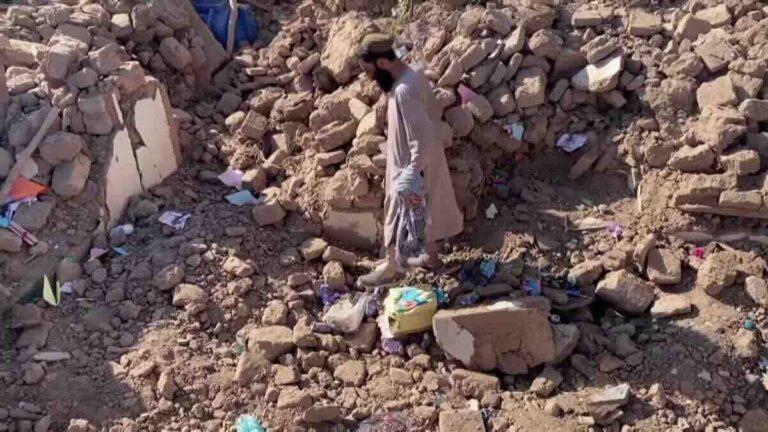
    As Afghanistan reels from deadly earthquakes that struck the country on August 31, with a magnitude of 6.0, analysts, aid workers, and health officials are warning that sharp reductions in US and international assistance have severely constrained the disaster response – leaving thousands of vulnerable people exposed and in peril.

    At least 2,200 people were killed in eastern Afghanistan during the earthquakes. This was the first major disaster to strike since the Trump administration suspended US foreign aid to Afghanistan in January. While Washington released statements of sympathy, it has made no formal pledge of direct financial assistance to quake relief.

    “We had much less of a capacity to respond”

    Abdurahman Sharif, a senior humanitarian director with Save the Children, described the response in the immediate aftermath as significantly weakened. “We had fewer teams, fewer supplies, and less flexibility to scale up quickly,” he said.

    Hospitals across the affected region were overwhelmed. In the first 72 hours after the quake, more than 950 injured people sought treatment at Nangarhar Regional Hospital across five eastern provinces. Of those, 541 were admitted for in‐patient care in a facility with only 650 beds.

    Many of the dead and injured came from remote villages with limited or no capacity to deal with catastrophic injuries caused by collapsing houses, aftershocks, and blocked roads. Clinics in those areas were often equipped only for basic care – if they functioned at all.

    Shrinking Aid, Eroded Infrastructure

    The US aid cuts are part of a broader trend. By the time the quake hit, international aid to Afghanistan had already dropped by about 50 per cent compared to earlier in the year. Decades of donor retrenchment had also taken a toll: this year alone, 422 local clinics were closed – over half of them in the two provinces hardest hit by the quake, Nangarhar and Kunar.

    The scale‐back in assistance stretched across multiple facets of the humanitarian infrastructure. For example, the UN’s Humanitarian Air Service (UNHAS) reduced its helicopter fleet, limiting aerial lifts for badly affected areas. As a result, many injured were flown in only by using fewer remaining helicopters, because road access was poor or blocked, and many areas were inaccessible at night.

    Health facilities were understocked. At Nangarhar Regional Hospital, supplies were missing: stretchers, ultrasound machines, blood pressure gauges, pulse oximeters – the basics often taken for granted in more stable settings. Health staff struggled to treat both earthquake victims and non‐quake patients, as normal hospital operations remained disrupted.

    Delays and Geographic Barriers

    Access remained a major challenge. In several districts, roads were impassable. Aid teams, both local and international, sometimes had to hike for hours to reach isolated villages. The cutbacks in aid had reduced logistical flexibility, including fewer mobile teams and limited ability to quickly deploy field clinics or search and rescue units.

    Some of the region’s remote residents received no care at all in those early crucial hours after the quake. “Families with injured relatives were receiving delays of care or none at all,” said Sharif.

    Who is Stepping In – And What’s Missing

    In the wake of reduced US engagement, others have attempted to fill the gap. Countries including Australia, Ireland, the UK, and Germany contributed aid; regional powers like Qatar, UAE, Türkiye, Iran, India, and China have also supplied material support, rescue teams, food, and shelter.

    Qatar notably sent field hospitals and large supply shipments; a ceremony on September 4, when Qatar delivered two field hospitals and relief goods for more than 11,000 affected families, drew attention because a female Arab government minister handed over aid inside Afghanistan – something seen as symbolically significant.

    Still, observers say these interventions, while helpful, are no match for the scale of the humanitarian shortfall. Many survivors want longer‐term solutions – housing, compensation for damaged crops, livelihood training – not simply food and water bottles.

    The Politics of Recognition and Aid

    A recurring theme in the reporting is that political hesitance to engage with the Taliban-led government has hampered direct aid flows. Because many Western donors prefer to funnel assistance through international agencies to avoid legitimizing the Taliban, day-to-day operations are slower and less direct. Meanwhile, regional donors are more willing to work with the Taliban, giving them more practical on-the-ground presence even if their dollar contributions are smaller.

    As one social worker from Kunar put it: “If we were recognised by the world, we would have had on-time rescuers and a lot of people would have been alive today.”

    Humanitarian and aid groups warn that without sustained funding and renewed international focus, Afghanistan will struggle to manage disaster risks. The earthquakes have laid bare how years of aid cuts weaken health systems, degrade response capacity, and leave remote populations especially exposed.

    As the death toll continues to rise, and aftershocks threaten destroyed infrastructure, many are calling for more than symbolic gestures – urgent, immediate funding, restored clinics, and logistics capacity. The gap between what is needed and what is being delivered remains wide, and for many Afghan families, time is running out.

    Bangladesh: Microplastics in Dhaleshwari River’s Water, Sediments and Insects

    The joint study, led by Jahangirnagar University’s departments of Zoology and Environmental Science, documents the presence of microplastics not only in river water but across the river ecosystem – even inside insect bodies.

    A new scientific investigation has revealed alarming levels of microplastic contamination throughout the Dhaleshwari River ecosystem, including in six species of aquatic insects – raising worries that plastic pollution is already infiltrating the food chain and threatening human health in Bangladesh.

    The joint study, led by Jahangirnagar University’s departments of Zoology and Environmental Science, documents the presence of microplastics not only in river water and sediments but also inside insect bodies. The work marks the first time such measurements have been made for aquatic insects in Bangladesh, and underscores the urgency of tackling plastic-pollution at the policy level.

    Researchers collected 100 samples in all, including 30 water samples, 30 sediment samples, and insect specimens across six species. Sampling sites were chosen by random selection, with special attention paid to pollution “hotspots” – such as areas near urban settlements, industrial discharge points, dumping sites, and agricultural runoff zones.

    In water samples, they found an average of 143 microplastics per litre. In river sediments, microplastic concentrations reached 30,153 particles per kilogram.

    Among the insects studied, the three aquatic Heteroptera species were Diplonychus annulatus, Diplonychus rusticus, and Ranatra sp. The other three belonged to the Odonata group: Brachythemis contaminata, Crocothemis servilia, and Orthetrum sabina. Notably, this study confirmed for the first time in Bangladesh the presence of D. annulatus and D. rusticus.

    The average microplastic load (particles per gram of insect tissue) varied:

    • D. rusticus recorded the highest concentration of 57.82 MPs/g,
    • B. contaminata at 38.53,
    • Ranatra sp at 34.05,
    • C. servilia at 26.99,
    • D. annulatus at 16.44,
    • O. sabina at 14.13.

    The researchers also identified eight types of plastic polymers in the river ecosystem. The microplastic particles present in insects were almost identical (in size, colour, and shape) to those found in water and sediment samples – strongly suggesting that the insects ingest these particles from their surroundings and thus act as transporters across compartments of the ecosystem.

    Ecological and human health implications

    According to lead researcher, Md. Mostafizur Rahman, the findings point to a growing spread of plastic pollution into the environment – and show how insects may play a pivotal role in transferring microplastics within aquatic systems. “The presence of microplastics in small insects proves that they play an important role in transferring microplastics within the aquatic ecosystem,” he remarked.

    He warned that the risk of these plastic particles eventually entering the human food chain is extremely high. Fish and birds that feed on these insects may accumulate microplastics, which could then pass to humans consuming fish or other aquatic animals.

    To quantify ecological risk, the researchers applied indices such as the contamination factor, Nemerow pollution index, pollution load index, and polymer hazard index. The results showed varying degrees of risk across different river segments and compartments (water, sediment, biota).

    Because freshwater-based microplastic studies are still scarce relative to marine research, this new evidence from the Dhaleshwari River is particularly significant. It highlights that rivers –  often the link between inland human activity and downstream marine systems – are also being burdened by plastic pollution.

    Expert Calls; Next Steps

    Rahman emphasised the need for wider, more systematic studies across Bangladesh’s river systems to map the scale and distribution of microplastic contamination. He urged that policy makers take the findings seriously and incorporate microplastic monitoring into environmental management plans.

    He also noted that insect species’ microplastic burden can vary depending on their size, weight, feeding habitat, and behaviours. This heterogeneity must be accounted for in future ecological risk assessments.

    Given that aquatic insects are foundational to many food webs, their contamination raises concern for biodiversity, food security, and public health alike. The researchers hope their findings will catalyse greater awareness among scientists, government agencies, industries, and civil society about the hidden but insidious menace of microplastic pollution.

    Broader Relevance

    Microplastics – defined as particles smaller than 5 millimetres – are increasingly recognized worldwide as a contaminant of serious concern. While much attention has focused on oceans, especially in coastal plastic pollution, the new study underlines that freshwater systems are also absorbing and transporting plastic residues, which can reach humans either directly or through trophic transfer.

    In Bangladesh, where rivers are lifelines for transport, agriculture, fisheries, and daily livelihood, the infiltration of microplastics into freshwater ecosystems may pose new and underappreciated threats – not only to aquatic species but also to those who rely on riverine food sources.

    As the first study of its kind in Bangladesh linking insect contamination to water and sediment microplastics, the research sets a precedent. But it is only a first step: comprehensive baselines, long-term monitoring, and regulatory integration will be essential if Bangladesh is to protect its rivers, its biodiversity, and its people from the creeping dangers of plastic pollution.

    Delhi: India’s First Artificial Rain Trial on Anvil as Pollution Plan Advances

    If the trials succeed, they could open a new front in the fight against seasonal smog. But success hinges on delicate meteorological conditions, careful execution, and a clear-eyed understanding that this is not a silver-bullet solution.

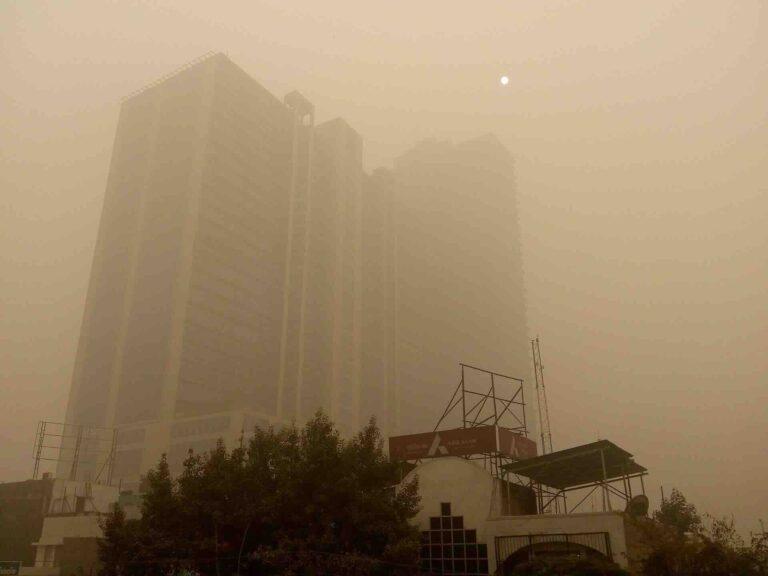
    In an unprecedented move for the country’s capital, the Delhi government has received clearance to carry out cloud seeding experiments aimed at triggering artificial rain from October through November, in the hope of providing relief amid seasonal air pollution.

    Delhi Chief Minister Rekha Gupta told reporters she was confident the state was “fully geared to fight pollution,” referencing the Centre’s approval of the cloud seeding plan.
    She challenged critics, asking how the project could be feasible now if earlier objections argued it was impossible.

    Her remarks come amid criticism from the Aam Aadmi Party (AAP), which has accused the present BJP-led government in Delhi of flip-flopping – having opposed such schemes in opposition yet embracing them in power.

    Delhi is preparing for what would be India’s first major artificial rain experiment. If the trials succeed, they could open a new front in the fight against seasonal smog. But success hinges on delicate meteorological conditions, careful execution, and a clear-eyed understanding that this is not a silver-bullet solution – merely a supplementary tool in the broader arsenal against pollution.

    Trial Window; Technical Plan

    The Directorate General of Civil Aviation (DGCA) has granted permission to IIT Kanpur to execute cloud seeding operations in the National Capital region between October 1 and November 30, 2025.

    Delhi’s Environment Minister Manjinder Singh Sirsa revealed that a tentative trial window is set for October 9–11, with the Hindon airbase serving as the launch point for flights over north Delhi.

    The authorised aircraft is VT-IIT (Cessna 206-H), and the permissions come with key constraints: flights must stick to Visual Flight Rules (VFR), avoid restricted or prohibited airspace, no aerial photography, and no foreign crew involvement.

    The DGCA’s letter also emphasizes coordination with air traffic control (ATC) and that all operations must follow approved operating manuals.

    IIT Kanpur plans up to five sorties, each covering 100 square kilometres over non-sensitive zones, to test the feasibility of inducing rain. Following each run, water sampling will be done to rule out any chemical fallout.

    Why Cloud Seeding?

    Winter in Delhi brings stagnant air, temperature inversion, and rising levels of PM₂.₅ and other pollutants. Cloud seeding is seen as a stop-gap intervention to wash out particulates and momentarily reduce smog.

    In the scheme’s budget, the Delhi cabinet had earlier approved roughly ₹3.2 crore for the project, with ₹55 lakh per trial and setup costs of approximately ₹66 lakh.

    But experts caution: cloud seeding only works under specific atmospheric conditions –  clouds need sufficient moisture, proper temperature gradients, and structural stability.
    D. Raghunandan of the Delhi Science Forum, explains that only clouds with at least 50 per cent moisture content are viable, and even then, the increase in rainfall over natural levels is often modest (3–5 per cent).

    Risks and Doubts

    While proponents see this as an innovative tool, many in the scientific community remain sceptical about its real-world efficacy and environmental implications.

    Some question whether artificially induced precipitation could disrupt existing weather patterns or trigger unintended outcomes like waterlogging or ecosystem imbalance. Others argue that resources should instead be channelled toward tackling emissions, vehicular pollution, industrial controls, and sustainable public transport.

    If cloud conditions align, as per meteorological forecasts (IMD will provide forecasts a few days in advance), the first trials could commence in early to mid-October.
    Following the trials, data will be analysed to measure pollution reduction, rainfall increase, and chemical safety. If successful, scaled-up operations may be considered during peak winter months (November–December).
    However, officials and scientists alike acknowledge that cloud seeding, if used, would be a tactical add-on – not a substitute for systemic pollution control measures.

    Public Reaction and Political Undercurrents

    In political discourse, the AAP has criticized the Delhi government’s shift, calling out earlier opposition to cloud seeding and accusing the BJP government of inconsistency.

    Many Delhi residents, fatigued by years of smog-induced health woes, have greeted the announcement with cautious hope. Yet, experts warn that expectations should remain measured: cloud seeding is not a “magic wand,” and its impact, if any, will be limited by nature’s constraints.

    Pakistan’s Mass Surveillance and Censorship Network Driven by Foreign Tech Firms, Amnesty Warns

    The Amnesty investigation traces how various international firms have contributed hardware, software, or support systems to Pakistan’s surveillance setup – often through complex supply chains designed to obscure direct links between supplier and user.

    A sweeping new investigation by Amnesty International asserts that Pakistan’s expansive surveillance and censorship apparatus is powered by a web of foreign technology providers – spanning China, Europe, the United Arab Emirates (UAE), Canada, and the United States. The report, titled “Shadows of Control,” reveals how the Pakistani government has built a sophisticated system for monitoring, filtering and intercepting citizens’ communications – all while operating largely beyond public scrutiny.

    Amnesty warns that this clandestine system seriously undermines fundamental human rights – especially freedoms of expression, privacy, and access to information. “Pakistan’s mass surveillance and censorship have been made possible through the collusion of a large number of corporate actors … This is nothing short of a vast and profitable economy of oppression,” said Agnès Callamard, Secretary General at Amnesty International.

    The Building Blocks of Control: WMS 2.0 and LIMS

    At the core of this machinery lie two key systems: the Web Monitoring System (WMS 2.0) – essentially a national firewall – and the Lawful Intercept Management System (LIMS). These tools allow authorities to block or filter online content, intercept communications, trace metadata, and employ surveillance over users with little to no transparency.

    WMS 2.0 can block both entire internet access and specific content deemed “unlawful” by the government. It also allows authorities to block Virtual Private Networks (VPNs) or individual website. Meanwhile, LIMS is mandated by the Pakistan Telecommunications Authority across telecom networks, enabling the military, intelligence agencies (including the ISI), and other state actors to tap into subscribers’ data, phone calls, text messages, and web activity.

    The report notes that LIMS, in practice, lacks adequate technical or legal safeguards. As a result, it is effectively a mechanism for broad, indiscriminate surveillance. Amnesty states that “in practice … LIMS is a tool of unlawful and indiscriminate surveillance that allows the government to spy on more than four million people at any given time.”

    Foreign Firms That Made It Possible

    The Amnesty investigation traces how various international firms have contributed hardware, software, or support systems to Pakistan’s surveillance setup – often through complex supply chains designed to obscure direct links between supplier and user.

    The original version of WMS, dubbed WMS 1.0, used technology from Sandvine (now AppLogic Networks), a Canadian company.

    After Sandvine divested in 2023, the updated WMS 2.0 was enabled through technology from Geedge Networks (China), and other components sourced from Niagara Networks (U.S.) and Thales (France).

    For LIMS, the German firm Utimaco supplied system architecture, while the UAE-based company Datafusion delivered a Monitoring Center (McNG) that grants access to intercepted data.

    Amnesty underscores that while many of these firms operate legitimately in global markets, they have not satisfied robust human rights due diligence norms. In some cases, governments and export control regimes have failed to enforce transparency or restrictions on surveillance tech with high potential to be misused.

    In its outreach to 20 companies during the investigation, Amnesty received responses only from a subset: Niagara Networks (USA), AppLogic (Canada), Utimaco (Germany), and Datafusion (UAE). Meanwhile, nine government entities – including Canada’s Trade Controls Bureau and Germany’s export control agency (BAFA) – acknowledged receipt of Amnesty’s inquiries but declined to substantively answer. The Pakistani government did not respond.

    Impact on Journalists, Civil Society, and Ordinary Citizens

    The report highlights how these systems chill free expression and place enormous pressure on journalism, human rights defenders, and ordinary citizens. Under constant threat of interception, individuals may self-censor or avoid discussing politically sensitive issues altogether.

    One journalist interviewed by Amnesty said he believed his communications were under surveillance at all times. After publishing a story on corruption, even his WhatsApp contacts were scrutinized. “Anyone I would speak to … would come under scrutiny,” he told Amnesty. He now fears contacting family or associates lest they be targeted.

    The legal framework in Pakistan offers limited protections. While laws such as the Fair Trial Act have warrant requirements on paper, they are often ignored or bypassed. Domestic courts provide little recourse, and oversight is minimal. In practice, the combination of weak laws and powerful technology is accelerating “a shrinking of civic space in the country,” Amnesty warns.

    Global Responsibility and Accountability Gaps

    A central message of the Amnesty report is that states and companies enabling repressive surveillance systems share responsibility for harms experienced by Pakistani citizens. “There are human rights limitations to the search for profit in markets, but these have all been ignored,” said Callamard.

    Amnesty calls for a more rigorous international regime governing the export of surveillance and censorship technologies – with mandatory human rights impact assessments, stronger export controls, corporate accountability mechanisms, and transparency obligations.

    The report also urges Pakistan’s government to immediately halt the use of WMS 2.0 and LIMS, suspend procurement of further surveillance equipment, publish metadata and oversight mechanisms, and allow independent, expert reviews of existing systems.

    Reaction and Outlook

    As of this writing, Islamabad has not publicly responded to the report. Historically, Pakistani authorities have defended surveillance measures as necessary for national security, law enforcement, and combating terrorism.

    However, civil society groups in Pakistan, along with media organizations and human rights defenders, are likely to amplify pressure following exposure of international supplier involvement. The findings may also stir questions in the home countries of implicated firms, especially in Europe and North America, about corporate responsibilities and export oversight.

    At a time when digital rights are becoming increasingly contested globally, Amnesty International’s report underscores a stark reality: sophisticated surveillance systems no longer require autocratic states to build them from scratch. Through private technology transfers, repressive states can outsource tyranny to companies operating in distant jurisdictions – and in doing so, mask accountability.

    Until export controls, corporate due diligence norms, and human rights safeguards catch up, many more states may follow in Pakistan’s footsteps, exposing citizens to surveillance regimes that operate entirely in the shadows.

    Households in Distress: One in Five Faces Financial Crisis as Poverty Soars in Bangladesh

    Among the most distressing indicators, 12 per cent of the poorest households reported skipping meals in the past month and 9 per cent said they passed an entire day without food.

    As Bangladesh approaches its graduation from the least developed country (LDC) status, the lived realities of millions of citizens tell a more troubling story. According to recent survey data, nearly one in five households (19.8 per cent) experienced a financial crisis between May 2024 and April 2025. Meanwhile, a wider measure of poverty shows that 27.93 per cent of the population now lives below the poverty line – up sharply from 18.7 per cent in 2022. In these conditions, food alone absorbs about 54.9 to 55 per cent of monthly household expenditures.

    These alarming findings, drawn from the survey titled “The State of the Real Economy: Household Realities and Policy Options Towards Strengthening Economic Democracy,” were released by the Power and Participation Research Centre (PPRC) and presented at a dissemination event in Dhaka.

    Financial Shocks and Their Triggers

    The figure that nearly one in five households reported a financial crisis is striking. The study presented multiple triggers: medical expenses topped the list, cited by about 67.4 per cent of those reporting distress; followed by loan repayment burdens (27 per cent); education costs (8.3 per cent); migration-related expenses (6.5 per cent); and legal or court matters (5.9 per cent).

    The disproportionate burden of medical costs is especially worrisome. Chronic disease, hospitalisation, and health shocks appear to push many families over the brink. The survey also reports that around 18 per cent of households reside in a “vulnerable zone” due to ongoing chronic illnesses such as hypertension, diabetes and heart disease.

    Because many low-income families lack adequate savings, insurance, or social safety nets, they fall back on borrowing to cover food and health needs. The survey finds that 40 per cent of households are indebted, with the bottom 4 per cent of income groups seeing a net debt increase of 7 per cent over six months.

    Among the most distressing indicators:

    • 12 per cent of the poorest households reported skipping meals in the past month;
    • 9 per cent said they passed an entire day without food.

    Such trends mark a severe erosion of food security and consumption buffers among vulnerable populations.

    Exploding Poverty and Crushed Budgets

    The report’s broader poverty measure underscores how deeply structural pressures are squeezing households. The poverty rate – nearly 28 per cent – has jumped significantly in just three years.

    Even more revealing is the share of household spending consumed by food: around 54.9 to 55 per cent of monthly expenditures now go to food. The remainder is stretched thin across medical care (7.5 per cent), education (7.29 per cent), transport (6.4 per cent), and other necessities.

    That leaves very little cushion. A major medical event, a sudden job loss or a spike in commodity prices can topple a household into crisis. Indeed, disguised unemployment, food insecurity, underemployment and income inequality are recurring themes of vulnerability in the report.

    Underemployment is particularly acute: among those deemed employed, 38 per cent are underemployed, working less than 40 hours per week. Labour market slack is evident, and opportunities – especially for women – are severely constrained.

    Female labour force participation remains stuck at only 26 per cent. In female-headed households, an outsized share falls into the poorest decile, making them doubly disadvantaged.

    Governance, Harassment, and the Limits of Reform

    The study does more than measure economic stress – it probes the social and institutional context in which people live. One of the study’s stark findings is that nearly 75 per cent of respondents believe “nothing works without money” when accessing public services. That points to pervasive harassment, bribery, and institutional dysfunction.

    About 36.4 per cent of respondents cited excessive or complicated rules, and 22.3 per cent pointed to unclear service pathways as barriers to accessing services.

    The incidence of bribe payments is also deeply embedded. Over 52 per cent of households reported paying bribes to government offices before August 2024; that number dropped modestly to about 47 per cent afterward.

    Meanwhile, the forms of harassment and corruption appear to have shifted. The study notes increases in payments to local thugs, activists, police and courts after August 2024.

    Speakers at the event, including economist Dr Hossain Zillur Rahman (PPRC), Ambassador Humayun Kabir, and analysts Altaf Parvez and Asif Bin Ali, warned that political change has yet to translate into meaningful benefits for households. They underscored frustrations over unmet expectations following the mass uprising in July 2024, when many hoped governance and accountability would improve.

    Outlook and Policy Pressure

    The survey’s authors and invited experts emphasized several urgent needs:

    • Bolster social safety nets: Expand coverage and targeting of cash transfers, subsidised health schemes, food support programs, especially for chronically ill and poorest households.
    • Address healthcare costs: A special package for chronic disease management and catastrophic medical cost support is proposed.
    • Create jobs and improve labour market access: Given the underemployment and labour slack, public–private initiatives could stimulate labour absorption, particularly for youth and women.
    • Institutional reform and anti-corruption action: Reducing bureaucracy, clarifying service paths, and rooting out petty corruption are essential to restore trust in public service delivery.
    • Focus on nutrition and food security: Given the overwhelming share of expenditure on food, interventions to stabilise food prices, improve supply chains, and subsidise staple diets are critical.

    Analysts warn that macro-level indicators such as GDP growth or fiscal stability may mask the socioeconomic distress felt at the household level. The report underscores that political transitions alone are insufficient – meaningful change must reach the daily lives of citizens. As one participant put it, many still feel the state is distant, unresponsive, or extractive.

    Bangladesh is slated to graduate from the LDC category in November 2026. But these looming credentials may ring hollow if nearly a third of the population continues to face poverty, and if a significant share of families struggle under recurrent financial shocks. The challenge now is for policymakers, civil society, and the private sector to bridge the gap between aspiration and impact – before the foundation cracks further.

    Image: IFPRI

    Delhi Smog: Trial of ‘Smog-Eating’ Coatings in Fight Against Air Pollution Gets Government Nod

    The idea is to apply such coatings to frequently used public spaces – roads, pavements, busy pedestrian pathways, markets and other high-footfall zones – so that everyday air pollution can be reduced continuously and passively.

    In a fresh effort to combat the worsening air quality in the national capital, Delhi Environment Minister Manjinder Singh Sirsa has ordered a time-bound scientific study of photocatalytic “smog-eating” coatings, including titanium dioxide-based surfaces, hoping they may offer a drawbridge between policy and technological innovation to reduce harmful pollutants like nitrogen dioxide (NO₂) and volatile hydrocarbons.

    The announcement came on September 21-22, 2025, when Sirsa directed the Environment Department of the Delhi government to initiate field trials of these self-cleaning surfaces and other related innovations.

    “Smog-Eating” Coatings?

    Photocatalytic coatings are special surfaces treated with materials such as titanium dioxide (TiO₂), which under sunlight or artificial light catalyse chemical reactions that break down certain air pollutants. Substances like NO₂ and volatile organic compounds (VOCs) can be oxidised and converted to less harmful or inert components.

    The idea is to apply such coatings to frequently used public spaces – roads, pavements, busy pedestrian pathways, markets and other high-footfall zones – so that everyday air pollution can be reduced continuously and passively.

    What the Government Plans

    Sirsa has laid out a structured roadmap with tight timelines:

    • Within 30 days, the Environment Department is to sign a Memorandum of Understanding (MoU) with a reputed scientific or research institution to kick off field trials.
    • These trials will measure not only the pollutant-reduction efficacy, but also cost, safety, sustainability, and the ease of procurement of credible suppliers.
    • Monthly progress updates will be made public. A final study report is expected within six months of the MoU signing.

    If the study confirms that these coatings are effective and economically viable, the government intends to push for citywide deployment, prioritising busy corridors, congested markets, and high-public-use open spaces. A proposal for this large-scale rollout would go before the Delhi Cabinet.

    Broader Context and Innovation Push

    The initiative is part of a larger, continuous environmental action plan being pursued by the Delhi government to tackle pollution through evidence-based and tech-driven approaches.

    Delhi is also leveraging its Innovators’ Challenge, an open initiative inviting startups, experts, students and citizens to propose practical anti-pollution solutions. Sirsa said many ideas have already been shortlisted for pilot testing. The idea is to fund what works, test rigorously, and scale up successful models swiftly.

    Potential Impacts & Challenges

    If successful, smog-eating surfaces could offer a visible and tangible improvement in air quality, particularly in hotspots. NO₂ and VOCs are major contributors to smog, respiratory illnesses, and environmental stress. Reduction of these could ease health burdens, especially for vulnerable populations.

    However, there are challenges:

    • Efficacy under real-world conditions (dust, pollution load, weather) may differ from laboratory claims.
    • Durability of coatings under wear and tear (traffic, footfall, cleaning) needs assessment.
    • Initial costs vs maintenance, and ensuring that deployment is cost-effective over time.
    • Safety of any by-products, and environmental impact of manufacturing and applying coatings.

    Sirsa emphasised that safety, value for money, and sustainability will be central criteria in evaluating whether to scale up.

    What Experts and Citizens Are Watching

    Citizens, environmentalists and health experts will be watching closely. For many Delhiites, air quality is a year-round concern, becoming particularly dire in winter months when pollutants accumulate. Technology interventions that provide continuous passive pollution reduction – without needing heavy energy inputs or drastic regulatory overhauls – could be game-changers if they prove their mettle.

    Some may view this as one among many steps: stricter vehicular emissions norms, construction site regulations, biomass and crop burning controls, waste management – all remain critical. Smog-eating coatings are unlikely to be silver bullets, but could be valuable complements.

    Over the next few months, as the MoU is signed and trials begin, Delhi government will provide monthly progress reports. By early 2026 (six months later), a fuller picture is expected: whether these coatings reduce NO₂, VOCs measurably in busy areas; whether cost and logistics allow deployment; and which types/brands of coatings offer best performance.

    If these phases are passed, one may soon see smog-eating pavements, roads and walls in Delhi – shining surfaces that silently clean the air above them, a novel front in the city’s fight against pollution.

    Triple Transgender Killings in Karachi Spark Fear, Outrage Among Pakistan’s Marginalised Community

    The gruesome killings have led to mass outrage by members of the transgender community in Karachi. On September 22, protesters took to the streets to condemn the murders and threatened to stage further demonstrations.

    The discovery of three transgender persons dead on a roadside in Karachi on the night of September 21 has sent shockwaves through Pakistan’s already vulnerable transgender community, igniting fear, anger, and renewed demands for protection and justice.

    According to police, the bullet-ridden bodies were found in the Memon Goth area of Karachi. Two of the victims had been shot in the chest, while the third had been shot in the head. All three were discovered lying by the highway late at night.

    A community leader known only by the name Zafar, prominent among transgender activists in Karachi, filed a murder case at the Memon Goth police station. The authorities have launched a manhunt for the perpetrators. However, the probe is being hindered — one official, Special Superintendent of Police Malik Abdul Khaliq Pirzada, said that no CCTV cameras were installed near where the bodies were found, limiting the potential for leads.

    A post-mortem examination conducted at the Jinnah Hospital confirmed that the three victims were biologically male, though authorities have not yet released their names.

    The gruesome killings have led to mass outrage by members of the transgender community in Karachi. On September 22, protesters took to the streets to condemn the murders and threatened to stage further demonstrations in front of the home of the Chief Minister of Sindh unless decisive action is taken.

    Voices of Fear and Grief

    Zehrish Khanzadi, a transgender rights activist and councilor from Safoora Town, described how the community is “terrified,” caught between legal recognition and everyday violence. Khanzadi said the victims lived in Bilawal Goth and Safoora Town, and often begged outside restaurants along the highway to earn a living.

    “Sadly, in Pakistan, transgender people are forced to rely on begging or sex work, whether through dance, singing, or other means, just to survive,” she said.

    While legal reforms have granted transgender persons certain rights, activists say that stigma, discrimination, abuse and sometimes worse remain widespread. According to rights groups, at least 56 transgender persons have been killed in Pakistan since 2022.

    Khanzadi also criticized religious groups for contributing to hate against LGBTQ+ individuals and highlighted structural obstacles such as lack of safe housing, stigma in families, eviction or discrimination by landlords, and problems in registering for government welfare and quota programs. She noted that many in the community are unable to access welfare, or local government quotas, especially if their families have disowned them or they do not hold a valid identity freely.

    Legal Paradoxes and Gaps

    Pakistan has taken legal steps to recognize transgender persons: a Supreme Court decision recognized third gender identity, followed by a Transgender Rights Act enacted by parliament. This law gives transgender persons the right to self-identify their gender.

    However, parts of the law have faced legal challenges. The Federal Sharia Court, which has authority over conformity of laws to Islamic regulations, struck down portions of the Transgender Rights Act.

    On a provincial level, differences persist in the support given to transgender persons. In Punjab, for example, safe centres and adult schools have been established since 2023, providing education and stipends to transgender people. In contrast, according to Khanzadi, Sindh province has offered no comparable institutional support.

    Sindh Chief Minister Murad Ali Shah publicly condemned the killings and vowed to arrest those responsible. Meanwhile, civil society groups have also called out what they say is systemic neglect and impunity for crimes against the transgender community. Shabbir Shafqat, a Christian rights activist and chair of World Human Rights International, condemned the murders as “a grave injustice,” and noted that while transgender people are “treated with dignity across the world, in Pakistan they continue to face discrimination.”

    Wider Context: Social Marginalisation and Violence

    Though transgender people are recognized legally and have constitutional protections in many respects, many still live on the margins, facing severe social exclusion. Community members report being disowned by families, refused housing, denied work, and subject to harassment and violence.

    The lack of safety, the absence of basic infrastructure – such as safe shelters – and the weak enforcement of legal protections magnify the risk. Activists urge that legal recognition must be matched by concrete social and institutional support.

    For many transgender persons, especially those who are poor, lacking funds, or isolated from families, the only means of survival are in informal sectors: begging, sex work, performance. These livelihoods themselves expose them regularly to danger.

    What remains to be seen is whether the promised police investigations will lead to arrests, and whether the public outcry will force authorities to close the gap between law and protection on the ground.

    Karachi’s transgender community has warned that if no meaningful action is taken, more protests will follow. Advocates say the government needs to commit not only to arresting the perpetrators of this recent crime, but to reforming systems – welfare, housing, law enforcement training, public awareness – that would make such crimes less likely.

    Dhaka on the Boil: Urban Heat Islands, Health Risks, and Economic Costs Mount in Bangladesh, Warns World Bank

    Dhaka, in particular, has warmed more rapidly than the national average. Over the past four decades, its maximum temperatures have increased by about 1.4°C, compared with 1.1°C nationally.

    Bangladesh is facing escalating health, environmental, and economic challenges from rising temperatures – especially in its capital, Dhaka, which has become a textbook case of urban heat island (UHI) effects. Recent analysis by the World Bank and environmental health experts points to a dangerous trend: Dhaka is warming faster than the rest of the country, and the consequences for public health, productivity, and well-being are growing.

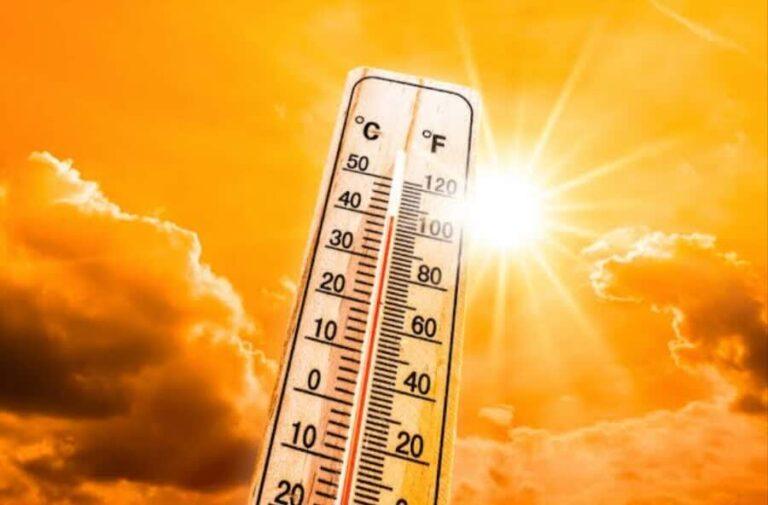
    The World Bank’s new report, “An Unsustainable Life: The Impact of Heat on Health and the Economy of Bangladesh,” shows that since about 1980, Bangladesh’s maximum temperature has risen by 1.1°C, while the apparent or “feels like” temperature – factoring in humidity – has surged by 4.5°C. These increases are already translating into serious physical and mental health burdens.

    Dhaka, in particular, has warmed more rapidly than the national average. Over the past four decades, its maximum temperatures have increased by about 1.4°C, compared with 1.1°C nationally. Between 2000 to 2019, the average maximum temperature in Dhaka increased from approximately 33.0°C to 34.6°C. The UHI effect in Dhaka means that people there are experiencing a “feels like” temperature significantly higher than surrounding rural areas.

    Health Impacts: Physical, Mental, Vulnerable Populations

    According to the World Bank, the rising heat in Bangladesh is fueling a broad spectrum of health issues. These include increases in diarrhea, persistent coughs, respiratory diseases, fatigue, and – during summer months – longer allergy seasons.

    The mental health toll is also substantial. Elevated temperatures have been associated with surging rates of depression and anxiety – especially among older populations (those 50–65 years) and women, who experience both physical and psychological vulnerabilities. Pregnant women face heightened risk of heat-induced complications, while existing chronic conditions such as diabetes may be exacerbated by heat stress.

    Economic Costs: Productivity, Losses, National Exposure

    Heat doesn’t just sicken – it also stifles economic output. In 2024 alone, heat-related illnesses – both physical and mental – led to an estimated 250 million lost workdays, costing Bangladesh approximately US$1.78 billion, which is close to 0.4 per cent of national GDP.

    Bangladesh is among the world’s most exposed countries to rising temperatures. Dhaka’s heat index increases are about 65 per cent higher than the national average, making its residents especially vulnerable.

    Causes and the Urban Heat Island Effect

    Experts say rapid urbanization, population growth, loss of vegetation and green space, and infrastructure dominated by asphalt and concrete are key drivers of Dhaka’s UHI problem. Dhaka’s built environment traps and retains heat, while fewer trees and parks reduce natural cooling.

    On top of this, energy use in homes, traffic, industrial activity, and transportation all generate heat. Combined with high humidity – which reduces the body’s ability to cool itself through sweat – the “feels like” temperature becomes much more oppressive than the ambient air temperature alone.

    What Must Be Done: Adaptation, Policy, Community Action

    Both reports call for urgent, coordinated action, including:

    • Multisectoral preparedness: Strengthening health systems to respond to heat-related illness, and building capacity for emergency response during heatwaves.
    • Urban design interventions: Increasing tree cover, restoring green spaces and parks, using heat-reflective or cooler building materials, reducing asphalt surfaces, and promoting more energy‐efficient buildings.
    • Data-driven health and weather surveillance: Collecting granular weather, humidity, and health data to identify vulnerable populations and anticipate heat-related disease outbreaks.
    • Mitigation and financing: Mobilizing both public and private investment to support infrastructural changes, and leaning on international climate finance to fill gaps.

    Jean Pesme, World Bank’s Division Director for Bangladesh and Bhutan, emphasised that extreme heat is more than a seasonal nuisance: “Its impact is far reaching. As we see in Bangladesh that the rising temperature is affecting our health and productivity, and the country’s prosperity.”

    Public health expert Sonia Angell from Johns Hopkins notes that while the urban heat island effect is a built phenomenon, “we can engineer it out” by reducing heat-generating materials, increasing tree cover, and improving energy efficiencies.

    Outlook: Danger and Opportunity

    If no action is taken, Bangladesh risks losing more workdays, seeing greater health care burdens, and slowing economic growth. Vulnerable populations – children, elderly, low-income urban residents – stand to suffer most. Yet the reports also stress that the tools to respond exist, and that with political will, planning, and international support, much of the damage can be avoided.

    Dhaka, as the city that is warming faster than most of the country, will need to be at the forefront of adaptation efforts. Its urban planners, municipal authorities, health agencies, and communities must work together to design cooler, healthier, more resilient urban environments.

    In the absence of a planned adaptation initiative, Bangladesh is now confronting a dual threat: ordinary weather turning dangerous through rising temperature trends, and urban heat amplifying those threats into public health crises and economic losses. Dhaka’s residents are now more aware than ever before that warming can be slowed, suffering reduced, and resilience built if action starts now.

    Afghanistan Greenlights New Mineral Export Policy, Seeks to Transform Natural Resource Wealth

    With the approval of the draft policy on mineral exports and the accompanying plan for border laboratory complexes, the government is signalling a shift from raw extraction toward value addition and better integration into global mineral markets.

    In a landmark decision, Afghanistan’s Islamic Emirate’s Economic Commission, chaired by Deputy Prime Minister for Economic Affairs Mullah Abdul Ghani Baradar, has officially approved a draft policy aimed at processing and exporting Afghanistan’s mineral materials under national and international standards. The policy, developed by the Ministry of Mines and Petroleum, is designed to curb the export of raw mineral resources, boost value‐addition domestically, attract investment, and open fresh export markets for the country.

    At the same time, as part of this push, the government has greenlit plans for establishing a laboratory complex at major border crossings. These facilities are intended for nine key ministries and related institutions and will sit on roughly 40 acres of land each.

    Afghanistan is richly endowed with minerals, yet for decades these resources have remained largely underdeveloped. With the approval of the draft policy on mineral exports and the accompanying plan for border laboratory complexes, the government is signalling a shift from raw extraction toward value addition and better integration into global mineral markets. The road ahead is steep—demanding improvements in infrastructure, governance, security, and technical capacity—but the gains could be transformative for Afghanistan’s economy, provided that policy translates into action rather than remaining on paper.

    Why the Policy Matters

    Afghanistan is widely recognized as a country with vast, mostly untapped mineral wealth. Geological surveys and institutional reports have long documented that the country contains rich deposits of copper, gold, iron ore, rare earth minerals (including lithium), as well as substantial reserves of aluminium, lead, zinc, and gemstones such as emeralds, rubies, and lapis lazuli.

    Estimates by experts suggest that the scale of these resources could be worth nearly US$1 trillion, if properly assessed, developed, and governed.

    Despite this, much of the value has traditionally been lost through the export of raw or minimally processed materials, rather than through value addition inside Afghanistan. Infrastructure, technical capacity, regulatory clarity, investment flows, and security have all been limiting factors.

    What the New Policy Proposes

    According to the approved draft:

    • Mineral processing inside Afghanistan will be encouraged, bringing raw materials up the value chain before export.
    • It will follow international standards, to ensure that processed minerals are competitive in foreign markets.
    • Domestic and foreign investment will be sought to support the growth of processing facilities and related industries.
    • Institutional coordination among various government entities will be strengthened, to streamline approvals, standards, and quality controls.
    • Job creation is a priority: developing mineral processing industries could spur employment across extraction, processing, logistics, research, and related sectors.

    To ensure quality and oversight, laboratory complexes will be established at border crossings and key points, enabling testing, standards verification, and potentially reducing smuggling or misclassification of mineral goods.

    Challenges Ahead

    While the policy is bold, it comes at a moment when Afghanistan faces serious obstacles in leveraging its mineral sector:

    • Infrastructure and Logistics: Many of the high‐potential mineral regions are remote, lacking transport, power, or processing capacity. Scaling up processing depends heavily on improving roads, power grids, and reliable supply chains.
    • Technology and Expertise: Mineral processing, especially to meet international quality standards, requires skilled labor, modern machinery, and technical oversight, which have been in short supply. The approved policy moves in this direction, but implementation may lag.
    • Regulatory Clarity & Governance: Investors need clarity on licenses, export regimes, royalty or tax structures, environmental safeguards, and dispute resolution. Past mining laws and policies in Afghanistan have stipulations for value addition, export of raw or processed forms, but enforcement has often been problematic.
    • Security & Political Risk: Ongoing conflict, instability, and international isolation pose risks for long‐term mining and processing investments.
    • Market Access & Export Barriers: Even with value addition, Afghanistan will need to ensure that processed minerals can meet export market requirements, both in terms of quality standards and trade logistics. Border laboratory complexes are a response to this, but trade routes, tariffs, and international recognition will matter.

    Policy in Context: Earlier Laws and Sector Potential

    Afghanistan’s National Mining Policy (from earlier administrations) included provisions that encouraged in‐country value addition, and the export of mineral commodities in both raw and processed forms, with incentives (e.g. reduced export duties or royalties) for firms that process domestically.

    Large projects like the Mes Aynak copper deposit, the vast iron ore reserve at Hajigak, the Balkhab copper prospects, and rich gemstone deposits in Badakhshan have long drawn interest from potential foreign partners. However, many of these projects have been delayed or only partially exploited.

    Possible Outcomes

    If effectively implemented, the new policy could mark a turning point for Afghanistan’s mineral sector. Some of the potential payoffs include:

    • Increased Revenues: By exporting processed rather than raw materials, the country may capture higher margins, boosting state revenues and contributing to fiscal sustainability.
    • Employment and Local Industry Growth: Processing plants, transport, laboratories, and ancillary services can generate jobs, spread economic benefits, and reduce dependence on foreign expertise.
    • Reduced Export of Raw Materials: Preventing raw mineral exports could help the country retain more value internally, both economically and in terms of industrial capacity.
    • Attracting Foreign Investment: With clear policy signals, standards, and infrastructure commitments, Afghanistan might draw more investment into mining and mineral processing, provided risk perceptions are managed.
    • Strengthening Quality Controls: Laboratory complexes could help ensure that mineral exports meet international standards, reducing rejections or penalties in trade, and discouraging illicit or under‐valued mineral flows.