More

    US Report Urges Bangladesh to Adopt Stronger Transparency Measures in Public Finance

    The US State Department’s 2025 Fiscal Transparency Report presents both a clear diagnosis and a roadmap for improving financial transparency in Bangladesh. While acknowledging reform efforts already under way, the report insists that much remains to be done.

    The United States has issued eight key recommendations to bolster financial transparency in Bangladesh, following critical findings in its 2025 Fiscal Transparency Report released by the US State Department. While the report praised some steps taken by the country’s interim government, it noted that Bangladesh, along with several peer nations, still falls short of international benchmarks for fiscal openness.

    What the Report Found

    The 2025 report examined 140 countries and entities, finding that 71 met the minimum standards for fiscal transparency, while 69 – including Bangladesh – did not. Among those 69, 26 showed significant progress toward compliance.

    In the case of Bangladesh, the report said the interim government has largely retained the budget framework and procedures of the previous administration. However, it has begun initiating reforms with the goal of improving openness in public finances.

    Some positive actions, the report noted, include:

    • The prior government had made its executive budget proposal and enacted budget publicly available, including online.
    • Debt obligations are publicly disclosed.
    • The interim government has moved to ensure transparency in natural resource extraction, pausing all prior direct procurement negotiations initiated by the former government.

    Where Bangladesh Falls Short

    Despite these steps, the report identifies several deficiencies:

    • Delayed end-of-year reporting. Bangladesh did not make its end-of-year financial report publicly available within what the US considers a reasonable time.
    • Budget documents not meeting international standards. While documents were seen as generally reliable, they did not conform to internationally accepted principles.
    • Incomplete breakdowns. Expenditures tied to the executive offices are not separately detailed, and the budget fails to present a fully complete picture of revenues and expenditures.
    • Audit institution not fully independent. The Supreme Audit Institution (SAI) lacks the full level of independence required under international norms. Additionally, it has not always had access to the entire annual executed budget, and some audits are delayed or only summarised.
    • Limited transparency in procurement and natural resource contracts. Key information – such as contracts and licences related to natural resource extraction – are disclosed only to a limited extent. Similarly, public procurement contracts are not always made visible.

    The Eight Recommendations

    To address these gaps, the US report lays out eight recommendations for Bangladesh. They are:

    1. Publish the end-of-year (year-end) financial report within a reasonable period.
    2. Prepare budget documents according to internationally accepted or recognised standards.
    3. Provide detailed breakdowns of expenditures supporting executive offices – in other words, show how much is being spent directly by the executive branch.
    4. Ensure the budget presents a substantially complete picture of both revenues and expenditures.
    5. Ensure the Supreme Audit Institution (SAI) meets international standards of independence, is well-resourced, and has timely and direct access to the annual executed budget.
    6. Publish audit reports in a timely manner – with substantive findings, recommendations, and narrative detail.
    7. Disclose basic or key information on contracts and licences for natural resource extraction.
    8. Make information on public procurement contracts publicly available.

    Why It Matters

    The report underscores that fiscal transparency is not just a technical issue – it is essential for accountability, economic confidence, and growth. When citizens, investors, and civil society can see how revenues are raised and spent, trust improves, the risk of mismanagement or corruption declines, and policy outcomes tend to be more sustainable.

    For Bangladesh, meeting international transparency standards is increasingly important as it seeks to attract foreign investment, strengthen its public institutions, and uphold good governance. Experts in Bangladesh have broadly welcomed the US recommendations, saying they address known weak spots in the country’s public finance system – especially around audits, procurement, and disclosure.

    Next Steps and Challenges

    Implementing the recommendations will require legislative, administrative, and institutional changes:

    • The legal framework may need to be updated to guarantee independence and capacity for the audit institution.
    • Administrative reforms are necessary to ensure timely publication of reports, better data practices, and full disclosure of procurement and contracts.
    • Some reforms – such as breaking down executive expenditures or aligning budget documents with global standards – may require additional technical capacity and resources.

    There is also the question of political will and continuity. While the interim government has followed many of the prior framework’s practices, ensuring that reforms survive beyond the current transitional period will be critical. Ensuring transparency in procurement and natural resource extraction is especially sensitive and may face resistance from entrenched interests.

    The US State Department’s 2025 Fiscal Transparency Report presents both a clear diagnosis and a roadmap for improving financial transparency in Bangladesh.

    While acknowledging reform efforts already under way, the report insists that much remains to be done. With international norms as a guide, implementing the eight recommendations could help Bangladesh build greater public trust, strengthen its institutions, and raise its standing in the global community. Whether the country acts on these suggestions – and how quickly – will be watched closely by domestic stakeholders, investors, and foreign partners alike.
    Four Years On, Afghan Girls Still Barred from Education, UNICEF and Rights Groups Warn

    International donors have also reduced support for development programs, citing the Taliban’s refusal to allow girls’ education. Aid analysts say this risks deepening the country’s humanitarian crisis.

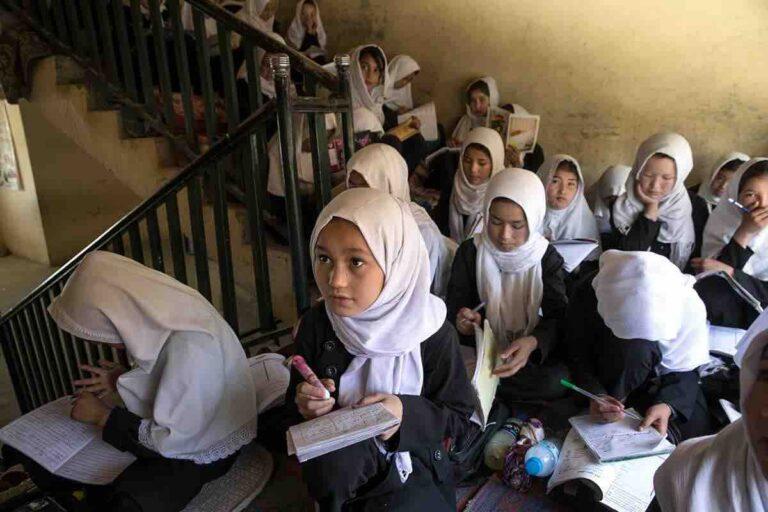
    It has been four years since the Taliban barred Afghan girls from secondary education, leaving more than two million adolescent girls out of school and drawing renewed condemnation from the United Nations and international rights groups.

    UNICEF Executive Director Catherine Russell said in a statement this week that the continued exclusion of girls from classrooms was “a tragic violation of their fundamental rights.” She warned that the ban is denying an entire generation the opportunity to learn and jeopardizing Afghanistan’s future.

    “Every day that girls remain shut out of secondary school is another day stolen from their future,” Russell said. “No society can prosper when half its population is denied education.”

    According to UNICEF estimates, over two million Afghan girls will remain out of school by the end of this year. The agency urged the Taliban to lift restrictions immediately and stressed that education is central to the country’s economic stability, public health, and long-term recovery.

    Local Impact

    Afghan media reports say the restrictions are forcing many adolescent girls into early marriages or low-paid labour. Parents and teachers told the Afghan news platform, TOLOnews, that the lack of schooling is causing despair, with some girls suffering depression and anxiety.

    An education activist in Kabul warned that the policy is robbing the country of urgently needed professionals. “This is depriving Afghanistan of doctors, engineers, and teachers it desperately needs,” he said.

    Before the Taliban seized power in 2021, female enrollment had reached significant levels. By 2020, nearly 40 percent of Afghan students were girls. The United Nations and aid agencies now fear that decades of progress have been reversed.

    Rights Groups Raise Alarm

    In an earlier report, Human Rights Watch (HRW) described the ban as “an attack on the future of Afghanistan itself.” HRW said the exclusion of girls is driving rising rates of child marriage and worsening poverty.

    “Afghanistan cannot rebuild or recover if half the population is denied the skills and knowledge to participate in society,” the group said. Researchers warned that the policy is fuelling a brain drain, as educated families seek to leave the country, further weakening institutions already under strain.

    International donors have also reduced support for development programs, citing the Taliban’s refusal to allow girls’ education. Aid analysts say this risks deepening the country’s humanitarian crisis.

    Global Condemnation

    Afghanistan remains the only country in the world where girls are systematically barred from secondary and higher education. The ban has been widely condemned by governments, aid organizations, and Muslim scholars abroad who argue that Islam encourages education for both boys and girls.

    Russell called on international partners to expand community-based education and remote learning programs, while reiterating that such alternatives are no substitute for a national education system. “Afghan girls deserve the same chance to learn and thrive as every child everywhere,” she said.

    HRW urged governments to make girls’ education a central issue in any negotiations with the Taliban. “Countries should use every diplomatic, financial, and political lever to press for the reopening of schools,” the rights group said.

    Personal Toll

    For Afghan families, the loss is personal and immediate. A 15-year-old girl in Herat told local journalists that she once dreamed of becoming a doctor. “Now I sit at home, and my books gather dust. I feel I am disappearing,” she said.

    Some families have turned to underground schools and private home classes, but these face constant risk of raids. Parents report living in fear of reprisals while trying to ensure their daughters continue learning.

    Taliban Stance

    Taliban officials have given no indication of lifting the ban. Leaders defend the restrictions as consistent with their interpretation of Islamic values and Afghan traditions, despite dissent from local clerics who argue that Islam obligates education for all.

    Aid groups warn that if the situation persists, Afghanistan risks losing an entire generation of educated women. UNICEF is continuing to support community-based programs that currently reach nearly half a million girls in remote areas, but officials say this is only a temporary measure.

    As the ban enters its fourth year, the United Nations and rights groups insist that global pressure must not ease. “Piecemeal solutions are not enough,” Russell said. “Every girl in Afghanistan has the right to a quality education, without discrimination.”

    With no sign of change from the authorities, advocates say international engagement will be critical to prevent the normalization of what they call one of the gravest rights violations in the world today.

    Bangladesh: Environment Adviser Urges End to Faulty Environmental Clearances

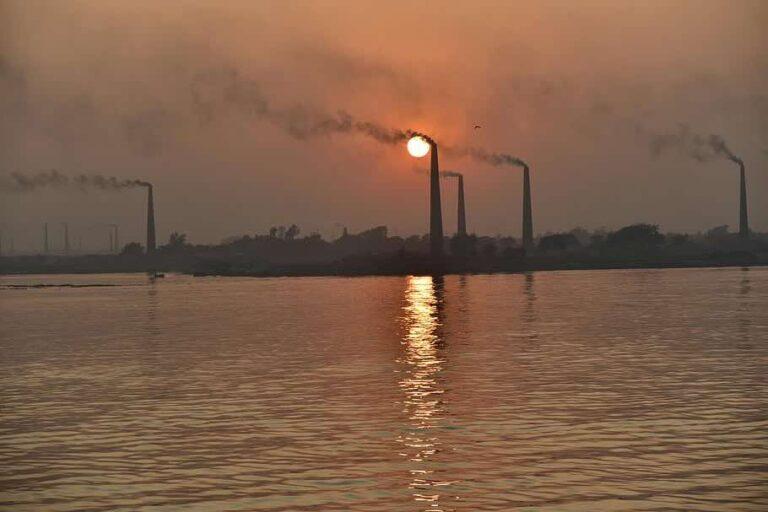
    According to government data, air pollution claims over 100,000 lives annually in the country. Industrial waste contaminates rivers that millions depend on for drinking water and fishing. At the same time, climate change intensifies the vulnerability of ecologically sensitive areas.

    Bangladesh needs a decisive shift in environmental governance, moving from weak oversight and politically influenced clearances toward a transparent and accountable system, the country’s environment adviser Syeda Rizwana Hasan has said. Speaking at a World Bank seminar on Saturday, Rizwana stressed that environmental enforcement must become fearless, data-driven, and rooted in public participation if Bangladesh is to secure a sustainable future.

    The seminar, titled “Strengthening Environmental Regulatory and Enforcement Capacity for a Sustainable Bangladesh”, brought together policymakers, civil society leaders, and World Bank officials to address deep-rooted flaws in Bangladesh’s environmental clearance system. Rizwana’s remarks drew attention to widespread malpractices, particularly the routine granting of site clearances to industries and infrastructure projects in ecologically sensitive areas, often under political or commercial pressure.

    Call to End Faulty Clearances

    Rizwana Hasan, who also serves as chief executive of the Bangladesh Environmental Lawyers Association (BELA), argued that faulty environmental clearances have become one of the country’s biggest governance failures. “Site clearances for waste dumping centres in flood flow zones are irresponsible and legally flawed,” she warned, pointing to recent cases where the Department of Environment (DoE) approved projects in areas crucial for water flow and biodiversity.

    She called on officials to resist political pressure, even if it meant transfers or career risks. “If you cannot perform your duties, then be transferred – but do not compromise the environment,” she declared.

    According to Rizwana, the clearance process is too often opaque and riddled with conflicts of interest. She proposed that Environmental Impact Assessments (EIA) of red-category industries – such as dyeing units, cement factories, and brick kilns – be published online, along with objections raised by affected communities. “Public objections must be taken seriously. Citizens have a right to know, and their concerns should influence decisions,” she said.

    Enforcement Beyond Fines

    Rizwana insisted that enforcement cannot be limited to collecting fines, which often allow polluters to continue harmful practices as long as they can afford penalties. Instead, she urged the DoE to prioritize transparency, community empowerment, and alternatives for industries. “Enforcement is not just about punishment. It is about changing behaviour and building accountability,” she said.

    She proposed digital innovations to strengthen enforcement, including an online complaint portal and a mobile app to track cases of pollution, encroachment, and clearance violations. Such tools, she argued, would allow citizens to monitor government action and reduce scope for political interference.

    Naming and Shaming Polluters

    In a bold statement, Rizwana said polluters should be publicly exposed. “Publish the names of polluters online. When information is accessible, citizens will support enforcement against political pressure,” she noted. She also criticized the practice of awarding national honors to companies with poor compliance records. She cited a ceramic factory that received a prestigious award despite repeated fines and lack of clearance, calling it a dangerous precedent. “Polluters must be exposed, not celebrated,” she said.

    Strengthening Local and Institutional Capacity

    The adviser emphasized that environmental enforcement requires coordination beyond the DoE. Local administrations, including deputy commissioners and municipal authorities, must play an active role in monitoring encroachments and curbing illegal industries. She cited forestland encroachment and unauthorized industrial activities as urgent challenges that demand stronger collaboration between central regulators and local governments.

    Her remarks also touched on the chronic underfunding and understaffing of the DoE. With just a few hundred officers overseeing thousands of industries across Bangladesh, enforcement has often been reduced to sporadic drives rather than consistent monitoring. “Proper budgeting and planning are essential if enforcement is to target hotspots like dyeing industries, brickfields, and cement plants,” she stressed.

    The seminar drew participation from senior World Bank officials and Bangladeshi experts who echoed Rizwana’s concerns. Jean Pesme, the World Bank’s division director for Bangladesh and Bhutan, emphasized that environmental sustainability is integral to the country’s economic growth strategy. “Bangladesh has made remarkable development gains, but sustaining them requires bold action on pollution control and climate resilience,” he said.

    Public Health and Climate Stakes

    The urgency of Rizwana’s call is underscored by Bangladesh’s worsening environmental indicators. According to government data, air pollution claims over 100,000 lives annually in the country. Industrial waste contaminates rivers that millions depend on for drinking water and fishing. At the same time, climate change intensifies the vulnerability of ecologically sensitive areas, where faulty clearances often open the door for further degradation.

    Experts argue that unless environmental governance is reformed, Bangladesh’s progress on sustainable development goals (SDGs) could be derailed. “This is not just an environmental issue. It is about public health, food security, and our children’s future,” Rizwana warned.

    Toward a Sustainable Bangladesh

    The seminar concluded with a set of recommendations: digitising clearance and enforcement processes, creating legal safeguards against politically motivated approvals, empowering local administrations, and ensuring public access to information. Rizwana reiterated that without accountability, the DoE risks becoming “a clearinghouse for destruction rather than a guardian of nature.”

    She urged officials to embrace bold reforms and citizens to remain vigilant. “We must change the culture of impunity. Our rivers, forests, and air are not bargaining chips. They are the foundation of life in Bangladesh,” she said.

    Jagadananda Conferred with Honorary Doctoral Degree

    At its fifth convocation held at the Bhubaneswar campus, the Asian School of Business Management University conferred the Honorary Doctoral Degree in Development Management on Shri Jagadananda, Co-founder of CYSD. 

    The Asian School of Business Management (ASBM) University has conferred the Honorary Doctoral Degree in Development Management on Jagadananda, Co-founder of CYSD, in recognition of his more than four decades of pioneering work with tribal groups, distressed migrants, the urban poor, and disaster-affected communities in Odisha.

    The honour was conferred at the fifth Convocation of ASBM University, held at its Bhubaneswar campus in the presence of Prof. Biswajeet Pattanayak, President of ASBM University, and Justice Bidyut Ranjan Sarangi, former Chief Justice of Jharkhand High Court and currently Member of the National Human Rights Commission along with Dr. Subhransu Sekhar Acharya, CMD, National Small Industries Corporation of India.

    Odisha is home to over 9 million tribal citizens (23 per cent of the state’s population), many of whom remain socially and economically marginalized. Each year, more than 1 million people migrate in distress to other states in search of livelihood. The state has also faced 15 major cyclones and countless floods over the past two decades, underscoring the urgency of disaster preparedness and resilience-building.

    Bridge Research with Grassroots

    Accepting the honour, Jagadananda said, “This degree is not just a personal recognition but a tribute to the resilience and courage of the people of Odisha. Their struggles and aspirations have been my greatest teachers, and whatever I have been able to contribute has been possible only because of the solidarity of colleagues, friends, and partners.”

    On this occasion, he called upon governments to strengthen inclusive policies for tribal empowerment, ensure safe and dignified migration, build resilient urban systems, and invest in disaster preparedness.

    “Government must deepen investments in tribal empowerment, safe migration, urban resilience, and disaster preparedness, these are not options, but urgent necessities,” he said.

    He also appealed to the academic community to bridge research with grassroots realities, nurture young leaders in development management, and foster innovation in community-driven solutions. “I dedicate this honour to the people of Odisha, their resilience, courage, and unyielding hope will continue to inspire every step of my journey,” Jagadananda said.

    Taliban Announces Possible US Prisoner Exchange After Talks in Kabul

    With key details – including who will be exchanged, how many, when, and under what conditions – still unclear and unconfirmed by Washington, it remains to be seen whether the agreement will materialise.

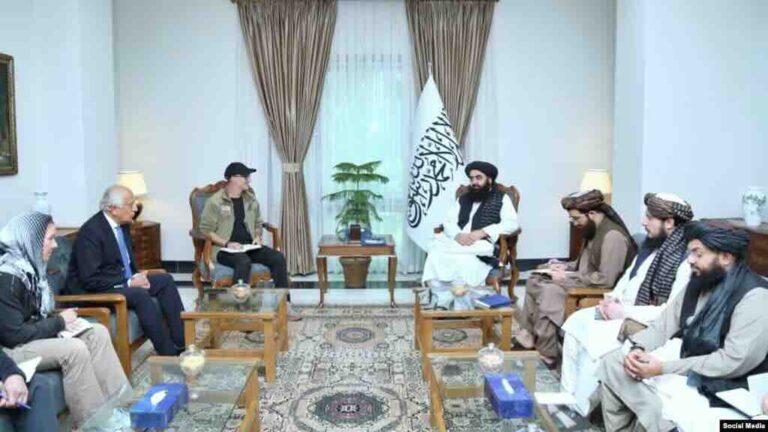
    The Taliban government in Afghanistan says it has reached an agreement in principle with the United States to carry out a prisoner swap, following a meeting in Kabul on September 13 between US officials and Taliban leaders, although Washington has not formally confirmed such a deal.

    The meeting included Adam Boehler, the US presidential special envoy for hostage affairs, and Amir Khan Muttaqi, the Taliban’s foreign minister. Taliban spokesman Abdul Ghani Baradar’s office said afterward that Boehler “referred to the issue of detained citizens between Afghanistan and the United States – said both countries will exchange prisoners.”

    However, US officials were more cautious. Secretary of State Marco Rubio said that Boehler had gone to Kabul “to explore what’s possible,” but that no definitive agreement has yet been confirmed. Rubio stressed that any exchange or trade of prisoners would only happen with the president’s approval.

    In a public statement via the Taliban’s foreign ministry, discussions were said to focus on broader bilateral relations between the two governments, with particular emphasis on the issue of prisoners held by either side. The ministry said both parties agreed to continue further talks.

    Domestic Challenges

    Among the Americans believed to be detained in Afghanistan is Mahmood Habibi, aged 37, once head of Afghanistan’s Aviation Authority under the ousted US-backed government. He was arrested in August 2022. The Taliban has denied holding him, while his family alleges he was handed over to the Al-Qaeda terror network. Washington has placed a $5 million reward for information leading to his return.

    Another American, airline mechanic George Glezmann, 66, was released in March during one of Boehler’s visits to Kabul. He had been detained for over two years.

    Zalmay Khalilzad, former US special envoy to Afghanistan, joined Boehler on the September 13 Kabul meeting. His presence underscores the serious diplomatic weight the US appears to be bringing to the table. Khalilzad did not immediately comment publicly.

    Since the Taliban seized power in August 2021, dozens of foreign nationals have been detained by the country’s de facto authorities. The Taliban has faced international criticism over its human rights record, especially regarding women and minority rights, and is under pressure to improve ties with the global community.

    For its part, the Taliban government continues to face severe domestic challenges – widespread poverty, recurring natural disasters, and internal unrest – which observers say could be pushing it toward seeking more stable diplomatic relations, not least with the United States.

    The September meeting, and the claim of an imminent prisoner exchange, represents a potentially significant development in US-Taliban relations. But with key details – including who will be exchanged, how many, when, and under what conditions – still unclear and unconfirmed by Washington, it remains to be seen whether the agreement will materialise.

    Maldives Secures Rollover of $50 Million Indian Treasury Bill, Reviews Development Ties

    The announcement followed a meeting between Maldives minister of finance and treasury, Moosa Zameer, and a senior Indian delegation led by High Commissioner G. Balasubramanian, Joint Secretary Suja K. Menon, and officials from India’s ministry of external affairs.

    The Maldives government has secured another extension on the repayment of a $50 million Treasury Bill (T-bill) owed to the State Bank of India (SBI), the Finance Ministry confirmed on Wednesday. The rollover, agreed after high-level talks in Malé, reflects India’s continued financial support to its maritime neighbour and long-standing development partner.

    The announcement followed a meeting between Maldives minister of finance and treasury, Moosa Zameer, and a senior Indian delegation led by High Commissioner G. Balasubramanian, Joint Secretary Suja K. Menon, and officials from India’s ministry of external affairs. Both sides also reviewed the status of large-scale development projects funded through Indian Lines of Credit (LoCs).

    Lifeline for Maldives’ Budget

    The $50 million T-bill, originally part of $200 million extended as budget support in 2019 during President Ibrahim Mohamed Solih’s administration, was due for repayment on Thursday. India agreed to defer repayment for another year, allowing SBI to subscribe to the bill once again on behalf of the Government of India.

    This is not the first such arrangement. In January 2024, Maldives repaid a $50 million tranche, while another $50 million due in May last year was rolled over by India. The latest extension defers the remaining $50 million obligation under the original package.

    According to the Finance Ministry, these short-term budgetary instruments have been crucial in providing immediate liquidity and easing fiscal pressure. The rollover underscores New Delhi’s trust in Maldivian fiscal management while offering breathing space for the island nation as it navigates economic recovery.

    India’s assistance comes at zero interest under a government-to-government arrangement, part of what New Delhi describes as its Neighbourhood First policy and Vision MAHASAGAR—Mutual and Holistic Advancement for Security and Growth Across Regions.

    Development Cooperation in Focus

    Beyond budgetary support, discussions also centred on progress and challenges in implementing Indian-funded development projects. Among the flagship initiatives are:

    • Hanimaadhoo International Airport redevelopment, expected to transform northern Maldives into a tourism and logistics hub.
    • Greater Malé Connectivity Project (GMCP), a landmark bridge and causeway network linking the capital with surrounding islands.
    • Island development projects, including water and sewerage systems across atolls.
    • Housing and urban development schemes to address rising demand in Malé and outer islands.

    Both governments acknowledged delays and bottlenecks in implementation but agreed to adopt proactive measures to expedite progress.

    Broader Financial Ties

    India’s support to the Maldives extends beyond Treasury Bills. A $750 million currency swap facility offered by the Reserve Bank of India remains a key component of bilateral financial cooperation. The Maldives government has already drawn $400 million from this facility and is exploring the remaining INR 30 billion available.

    India has also granted special quotas for essential commodity exports to the Maldives, further reinforcing trade and supply chain stability for the island nation.

    A Strategic Partnership

    In its official statement, the Indian High Commission in Malé emphasised that the rollover of the T-bill illustrates India’s commitment to the welfare of the Maldivian people. It described the Maldives as a “key maritime neighbour” and highlighted the importance of the bilateral relationship in promoting regional stability.

    The Finance Ministry noted that these arrangements not only provide fiscal relief but also signal a broader partnership in trade and economic growth. Both sides reiterated their commitment to expanding trade volumes, exploring new areas of cooperation, and strengthening connectivity across the Indian Ocean.

    For the Maldives, which remains vulnerable to external shocks and climate challenges, such continued financial support from India is vital. For New Delhi, the engagement reaffirms its role as the island nation’s first responder in times of economic need, anchoring ties that blend financial assistance with infrastructure-led development.

    As Malé grapples with balancing fiscal pressures and development priorities, India’s decision to once again roll over the $50 million T-bill provides much-needed stability—underscoring a partnership that has become central to both nations’ strategic and economic calculus.

    Bhutan Launches National Roadmap to Ensure Every Child Grows up Healthy and Strong

    In addition to the rising access to unhealthy food, the 2015 National Nutrition Survey showed poor dietary diversity among young children, with only 18 per cent of those aged 6–23 months meeting minimum standards.

    On September 10, the Prime Minister Tshering Tobgay of the Royal Government of Bhutan launched Nourishing Bhutan – Framework for Action, a national roadmap to ensure every child grows up healthy and strong. The launch, done together with the Ministry of Health and UNICEF in Bhutan,  coincides with UNICEF’s new global child nutrition report, which finds that overweight and obesity are rising fast among children, including in Bhutan.

    “Our future is about our children. If they are undernourished or robbed of their potential before they even turn five, all our national efforts will be for nothing,” the Prime Minister said. “Nutrition has always been a priority of the Government. Nourishing Bhutan – Framework for Action is not just another policy document, it is a bold roadmap to ensure every child grows up healthy, strong, and proud to be Bhutanese.”

    The new UNICEF report Feeding Profit: How Food Environments are Failing Children reveals that the number of children in Bhutan aged 5–19 years living with overweight and obesity has tripled in the past two decades, rising from 6 per cent in 2000 to 18 per cent in 2022. Girls are the most affected. At the same time, anaemia continues to impact nearly half of children under five and more than a third of adolescent girls. Undernutrition – stunting, wasting and underweight – also remains a challenge in some communities. Together, this triple burden of malnutrition – undernutrition, micronutrient deficiencies and overweight – threatens children’s health, learning and future.

    The report also includes findings from a 2023 UNICEF survey among young people aged 13-24 years, which shows that children and families in Bhutan are growing up in an environment saturated with cheap, ultra-processed foods, making healthier options harder to afford. Widespread consumption of sugar-sweetened drinks, salty snacks, and fast food is common, with many adolescents noting that marketing influences their food choices both inside and outside schools.

    Self-esteem, Even Bullying

    In addition to the rising access to unhealthy food, the 2015 National Nutrition Survey showed poor dietary diversity among young children, with only 18 per cent of those aged 6–23 months meeting minimum standards. Most relied heavily on rice and other starchy staples, with very little intake of vegetables, fruits, meat or fish needed for healthy growth and development.

    Bhutan has made strong progress. Stunting among children under five has nearly halved in the past decade, falling to almost 18 per cent in 2023. More than half of children under five are free from undernutrition, while 90,000 students benefit from government-supported fortified school meals. The government has strengthened feeding programmes, introduced a ‘one child one egg’ policy, expanded iron and folic acid supplements, and updated its national food and nutrition policy to drive food system transformation.

    “Too many children in Bhutan are growing up surrounded by unhealthy food that harms their bodies and their confidence. Rising obesity and overweight do not just increase the risk of diabetes or high blood pressure, they also leave children struggling with self-esteem and even bullying,” said Rushnan Murtaza, UNICEF Representative in Bhutan. “Every child deserves good nutrition so they can grow, learn and thrive. This Framework for Action is Bhutan’s promise to give children the healthy future they deserve.”

    According to UNICEF, to sustain progress, Bhutan must:

    • Invest more in children’s nutrition to ensure affordable and nutritious meals in schools and communities.
    • Enforce stronger laws to curb the marketing of unhealthy foods.
    • Promote the use of data and evidence to monitor nutrition risks and inform policies and programmes.
    • Harness innovation and technology, including digital tools and AI, to monitor, prevent and treat malnutrition while promoting dietary diversity.
    • Strengthen collaboration across ministries, UN agencies, the private sector, communities, and young people to combat malnutrition.

    Global Gender Equality Progress Stalls as 351 Million Women Remain in Extreme Poverty: UN Report

    According to the report, if current trends persist, 351 million women and girls will still be living in extreme poverty by 2030. The UN warns this outcome is not inevitable but rather “a political choice”.

    With just five years left to achieve the 2030 Sustainable Development Goals (SDGs), a new United Nations report has warned that the world is “alarmingly off-track” on gender equality, placing millions of women and girls at risk of being left behind.

    The Progress on the Sustainable Development Goals: Gender Snapshot 2025, released jointly by UN Women and the UN Department of Economic and Social Affairs (DESA) this week, highlights stark setbacks in poverty reduction, political participation, safety, and access to essential services for women and girls worldwide

    Rising Poverty and Inequality

    According to the report, if current trends persist, 351 million women and girls will still be living in extreme poverty by 2030. The UN warns this outcome is not inevitable but rather “a political choice,” shaped by systemic neglect, underinvestment, and a rollback of commitments to equality.

    While some progress has been recorded, setbacks from climate change, escalating conflicts, economic shocks, and a growing backlash against women’s rights are erasing hard-won gains. Women’s labour force participation, for example, rose slightly from 62.8 per cent in 2015 to 64.5 per cent in 2024, yet structural barriers such as pay gaps, caregiving burdens, and occupational segregation persist

    Violence and Harmful Practices Persist

    The report paints a grim picture of women’s safety. Globally, one in eight women aged 15–49 experienced physical or sexual violence by an intimate partner in the past year. In Oceania (excluding Australia and New Zealand), the rate rises to nearly one in three.

    Meanwhile, child marriage continues to affect nearly one in five young women aged 20–24, with the highest prevalence in sub-Saharan Africa and South Asia. Over 230 million girls and women worldwide have undergone female genital mutilation, with four million more at risk each year

    Limited Progress in Leadership

    Women’s representation in decision-making remains stalled. By August 2025, only 29 countries had a woman serving as head of state or government, a modest increase from 22 five years ago.

    In parliaments worldwide, women hold just 27.2 per cent of seats, and their share of managerial positions remains stuck at around 30 per cent – a pace that would take nearly a century to achieve parity.

    Gaps in Access to Basic Services

    The snapshot reveals that basic necessities remain out of reach for many women. More than one in four women and girls lack access to safely managed drinking water, while over two in five lack safe sanitation.

    Energy access also remains a critical barrier. By 2030, an estimated 321 million women will still lack electricity and 896 million women will lack clean cooking fuels and technologies. The report notes that achieving universal access to clean cooking by 2030 requires $8 billion in annual investments but would generate 24 times the return in health, productivity, and climate benefits

    Power of Energy Access – Lessons from India

    The report underscores how access to energy can transform gender outcomes. It cites research from India showing that a one-hour increase in community electricity in rural areas leads to declines in gender-based violence and a 0.6 percentage-point increase in contraceptive use

    Similar benefits are observed elsewhere: in Brazil, rural women with electricity access earn 59 per cent more income, while studies in sub-Saharan Africa link electricity to higher female school enrolment and life expectancy.

    Yet, despite these gains, women remain underrepresented in the energy sector itself, accounting for just 32 per cent of the renewable energy workforce and a mere 5 per cent of utility board members.

    Digital Divide and Data Deficits

    The digital revolution is leaving millions of women behind. Globally, 70 per cent of men use the internet compared to 65 per cent of women, with the gap especially pronounced in least developed countries

    Closing this divide could lift 30 million women and girls out of poverty by 2050 and contribute $1.5 trillion to the global economy by 2030. Yet digital access and skills training for women remain underfunded.

    The report also warns of a looming crisis in gender data. Nearly seven in ten national statistics offices reported funding cuts since January 2025, threatening the collection of sex-disaggregated data crucial for monitoring progress. Without this data, governments risk flying blind on policies for gender equality

    Conflict and Climate Pressures

    Women and girls are disproportionately affected by crises. In 2024 alone, 676 million women lived within 50 kilometres of armed conflict, the highest figure since the 1990s. Conflicts also exacerbate sexual violence, with women and girls comprising 92 per cent of victims in conflict zones

    Climate change adds another layer of vulnerability. Women often shoulder primary responsibility for water, fuel, and food collection, making them acutely exposed to resource scarcity and environmental shocks.

    Urgent Action Needed

    The report comes as the world marks 30 years since the Beijing Platform for Action, the most comprehensive global blueprint for women’s rights. It warns that without bold investments, strengthened partnerships, and systemic reforms, the 2030 goals on gender equality will be missed.

    “Gender equality is not an ideology. It is foundational for peace, development, and human rights,” the report stresses

    UN Women urges governments to prioritize six areas for accelerated action, including digital inclusion, freedom from poverty, political participation, and investment in clean energy.

    As the world enters the final stretch toward 2030, the Gender Snapshot makes clear that progress is possible – but only if commitments are matched by action.

    Sri Lanka: President’s Japan Visit to Secure 963 Million Yen Grant for Dairy Sector Development

    President Wickremesinghe’s state visit is also expected to cover broader economic cooperation, debt restructuring talks, and trade opportunities, but the dairy sector support has drawn particular attention due to its direct impact on rural communities.

    Sri Lankan President Ranil Wickremesinghe will embark on an official visit to Japan this week, where he is expected to sign two landmark agreements with the Japanese government, including a grant worth Rs. 1.94 billion (approximately 963 million yen) dedicated to boosting the country’s dairy industry. The agreements, to be inked during his meetings with Japanese Prime Minister Fumio Kishida and senior officials, underscore Tokyo’s growing role as a long-term development partner for Colombo at a time when Sri Lanka is working to revive its agricultural and rural economies.

    According to the Ministry of Foreign Affairs, the grant will be channelled primarily into strengthening Sri Lanka’s dairy sector, which is seen as a vital area for rural development, employment generation, and reducing dependence on costly milk imports. In addition to the dairy-focused assistance, Japan is also extending support to enhance Sri Lanka’s maritime security, including surveillance capacity for the Navy.

    Strengthening the Dairy Sector

    Japan’s grant for dairy development is designed to empower smallholder farmers, who form the backbone of the country’s dairy production. The funding will go towards modernising farming practices, improving milk quality and safety, and introducing sustainable methods to make dairy farming more profitable and resilient.

    Through institutions such as the Japan International Cooperation Agency (JICA), Tokyo has previously worked with Sri Lanka on genetic improvement, herd management, and training programs aimed at upgrading the skills of farmers and veterinary professionals. The new assistance is expected to build on these initiatives, placing particular emphasis on training, capacity building, and cooperative strengthening.

    Officials said part of the investment will be channelled into improving cooperative societies such as the Moolai Cooperative Hospital and the Livestock Breeding Cooperative Society (LIBCO), which play a crucial role in milk collection, processing, and distribution. By improving infrastructure and technical capabilities, these cooperatives will be better placed to support farmers and increase market access for locally produced milk.

    Economic and Social Impact

    Sri Lanka currently spends a significant amount of foreign exchange on importing powdered milk, a major staple in households. Increasing domestic milk production has long been identified as a national priority, both to cut import dependence and to enhance rural incomes. The government has set ambitious targets to meet more of its dairy demand locally, and the Japanese grant is seen as a critical step toward achieving that goal.

    “With this assistance, we aim not only to increase production but also to improve the quality and safety standards of milk available to consumers,” a senior official from the Ministry of Agriculture said. “This is also about empowering smallholder farmers, enhancing their profitability, and ensuring that dairy farming becomes a sustainable livelihood for future generations.”

    The dairy sector currently contributes significantly to rural employment, with thousands of smallholder households depending on cattle rearing for income. By introducing better farming techniques and modern processing facilities, the new Japanese-funded projects are expected to raise productivity levels and ensure farmers receive fair prices for their produce.

    Japan’s Development Partnership

    Japan has a longstanding record of supporting Sri Lanka’s development, with investments across sectors such as infrastructure, health, education, and rural livelihoods. In the dairy industry, Japanese support has consistently combined financial assistance with technical know-how, helping Sri Lanka modernise traditional farming systems while also strengthening community-based cooperatives.

    The upcoming agreements signal continuity and expansion of this partnership. Japanese officials highlighted that the grants align with Tokyo’s broader vision of promoting sustainable and inclusive growth in developing nations.

    President Wickremesinghe’s state visit is also expected to cover broader economic cooperation, debt restructuring talks, and trade opportunities, but the dairy sector support has drawn particular attention due to its direct impact on rural communities. For Colombo, the timing is significant, as the country continues its slow but steady recovery from the economic crisis that hit in 2022, leaving agriculture and food security as central pillars of its resilience strategy.

    Analysts say that by deepening ties with Japan, Sri Lanka is also diversifying its development partnerships at a time when global competition for influence in the Indian Ocean region is intensifying. For rural farmers, however, the focus remains squarely on how these grants will translate into tangible improvements in their daily livelihoods.

    As one farmer cooperative leader in the Northern Province put it: “We don’t just need money, we need knowledge, training, and reliable markets. Japan’s support gives us hope that our children can continue dairy farming with dignity and profitability.”

    President Wickremesinghe is expected to formally sign the agreements in Tokyo later this week, marking a new chapter in Sri Lanka’s dairy development journey.

    Uttarakhand’s Monsoon Woes Deepen: Heavy Rains, Misplaced Blame, and Systemic Failures

    In meteorological terms, a “cloudburst” requires rainfall of 100 millimeters or more per hour over a small area. The rainfall recorded in Dehradun was about 67 mm per hour, which while extremely heavy, falls short of the threshold.

    Uttarakhand is once again reeling under the fury of monsoon rains. Over the past week, heavy downpours in Dehradun and surrounding hill districts have led to severe flooding, landslides, and major damage to infrastructure. But beyond the immediate destruction, most prominently over Dehradun on the intervening night of Monday and Tuesday, new reports and expert commentary point to deeper systemic failures – in climate monitoring, disaster preparedness, and infrastructure planning – that are making the Himalayan state increasingly vulnerable.

    Heavy Rain, Not Cloudburst, Says IMD

    After a night of intense rainfall in Dehradun’s Sahastradhara, Tapovan, Maldevta, and IT Park areas, visuals emerged of roads washed away, houses inundated and waterlogging widespread. Many local media outlets, and social media posts, initially called the event a “cloudburst.”

    However, the India Meteorological Department (IMD) in Dehradun has been clear: this was not a cloudburst. In meteorological terms, a “cloudburst” requires rainfall of 100 millimeters or more per hour over a small area. The rainfall recorded in Dehradun was about 67 mm per hour, which while extremely heavy, falls short of the threshold.

    Officials say that the rain’s intensity came from the interaction of easterly and westerly air masses, worsened by moist monsoon flows, but that it cannot, by definition, be categorized as a cloudburst.

    Still, some damage has been severe: roads washed off, shops and hotels damaged, bridges threatened, two people reportedly missing. The Tamsa river swelled, and the Tapkeshwar Mahadev temple was flooded. Chief Minister Pushkar Singh Dhami has ordered local administrations to monitor the situation and manage relief.

    Climate, Monitoring, and the Failed Warnings

    While local authorities scramble to clean up, a much more troubling narrative has emerged from Uttarakhand’s recent disaster history and from climate scientists: many of these disasters are not “surprises,” but rather consequences of weak monitoring and lagging adaptation in a changing Himalayan climate.

    A August 2025 report from CarbonCopy argued that recent disasters in Uttarakhand expose deep failures in climate monitoring in the Himalayan region – especially in forecasting, real-time hydrological data, and early warning systems.

    Meanwhile, Uttarakhand has seen a major tragedy in Dharali village (Uttarkashi district) earlier this month, when flash floods and mudslides destroyed homes, businesses and hotels. Experts say even here, the full meteorological data to substantiate initial claims (e.g. cloudburst) is missing.

    Flash Floods Have Become a “Major Killer”

    Recent studies and government data reveal a grim fact: in the past ten years, Uttarakhand has lost 705 lives due to flash floods and landslides. Of these, flash floods alone accounted for 389 deaths, with landslides killing 316 people.

    Experts emphasize that this pattern is accelerating, driven by more intense rainfall events, glacial melt, changing monsoon dynamics, unplanned construction in fragile terrain, and inadequate disaster mitigation infrastructure.

    Dr. Akshay Deoras of the University of Reading described Uttarakhand as becoming a “monsoon graveyard.” He noted that between August 5-6, some districts saw rainfall that was 421 per cent above normal, with some places recording more than 400 mm in just a few hours.

    What Needs Fixing

    From the shifting definitions of “cloudburst” to the disjunction between extreme weather events and the warnings given to the public, several gaps stand out:

    • Clearer Meteorological Data & Communication
      The lack of fine-grained real-time rainfall measurement, especially in remote hilly regions, makes it hard to distinguish between intense rain, flash floods, and cloudbursts. Experts say these distinctions matter because responses differ. The IMD’s clarification in Dehradun shows the importance of accurate classification.
    • Early Warning Systems and Monitoring Infrastructure
      Multiple reports highlight that even when forecasts exist, communities are not always alerted timely, or warning systems are inadequate. The CarbonCopy report, and Uttarakhand’s history of disasters, show that hydrological monitoring, river discharge data, and mobile alert systems are often patchy or non-existent in key zones.
    • Preparedness and Resilience in Infrastructure Planning
      Development in ecologically fragile zones, encroachments on riverbeds, poorly built or vulnerable bridges, and lack of slope stabilization are common features of many recent disasters. The steep terrain of Uttarakhand means that when extreme rain events happen, damage is magnified.
    • Climate Change Adaptation Urgency
      As warming continues, monsoon patterns are becoming more erratic. Glacial melt, increased moisture in the atmosphere, intensification of short-duration heavy rainfall  – all increase the risk of flash floods and landslides. Experts say even the baseline – what is considered “extreme rain” – is shifting.

    The Path Forward

    There is little disagreement among experts that Uttarakhand must act swiftly to reduce its exposure:

    1. Strengthening real-time data collection: more rain gauges, river discharge stations, automatic weather stations in remote valleys.
    2. Upgrading early warning dissemination systems: ensuring that alerts reach people via mobile platforms, sirens, local networks.
    3. Implementing land-use controls to discourage construction in high-risk zones and to preserve natural drainage and forest cover.
    4. Building infrastructure (bridges, roads, retaining walls) that are climate-resilient, able to withstand heavier flows and soil movement.
    5. Integrating disaster risk assessments into development planning, especially in Himalayan districts along fault lines and steep slopes.

    Uttarakhand’s latest downpours may not have crossed the threshold of a cloudburst, but that distinction should not obscure the larger trend. The state is seeing recurrent disasters, loss of lives, and damage that are symptomatic of human vulnerability in the face of shifting climate realities.

    What happens in the coming weeks and months – whether the state builds resilient systems, improves its warning infrastructure, preserves fragile ecosystems, and plans development soberly – will determine whether Uttarakhand will continue to suffer cycles of tragedy, or begin to turn the tide.