More

    PM Modi Inaugurates ₹10-Crore Sex Sorted Cattle Semen Facility in Purnea, Bihar

    The indigenous ‘Gausort’ technology has been employed to boost the dairy sector in eastern and north-eastern India.

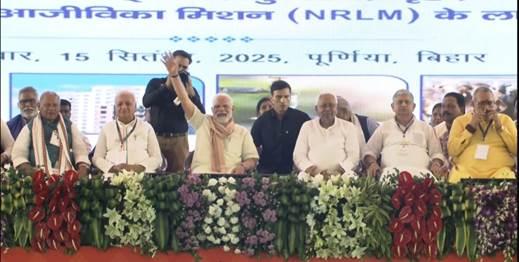
    Prime minister  Narendra Modi, on Tuesday inaugurated a sex sorted semen facility established under the “Rashtriya Gokul Mission” scheme being implemented by department of animal husbandry and dairying under the ministry  of fisheries, animal husbandry and dairying at the semen station, Purnea, Bihar. This facility has been created with central assistance of Rs.10 crore and has capacity to produce 5 lakh doses per year.

    The indigenously developed technology ‘Gausort’ was launched by the prime minister earlier on  5 October 2024 will be used in sex sorting. Through Gausort technology, Sex Sorted Semen will be available to the farmers of the eastern and north-eastern region at reasonable rates. 

    The Purnea semen station was established under the Rashtriya Gokul Mission with Central assistance of Rs. 84.27 crores. This is one of the largest semen stations in the government sector in the country and  first of its kind semen station to serve the needs of the country’s eastern and north-eastern states. The semen station is producing 50 lakh doses per annum and playing an important role in development of the dairy sector in the region.

    Semen sex-sorting is a technology that increases the likelihood of birth of female calves with about 90 per cent accuracy, thereby significantly reducing the economic burden on dairy farmers. Use of this technology offers the potential to produce more replacement heifers’ thereby increasing farmers’ income.

    The establishment of semen sex sorting facility at Purnea, Bihar will directly benefit all the farmers engaged in dairying in the region mainly small and marginal farmers and landless labours, a spokesperson of the ministry said.

    Maldives: Uproar as New Media Bill Draws Fire from Journalists, Rights Groups

    As journalists and rights groups urge retreat, the government insists the law is necessary. But given the stakes – press freedom, rule of law, and governance – the coming days could mark a significant turning point.

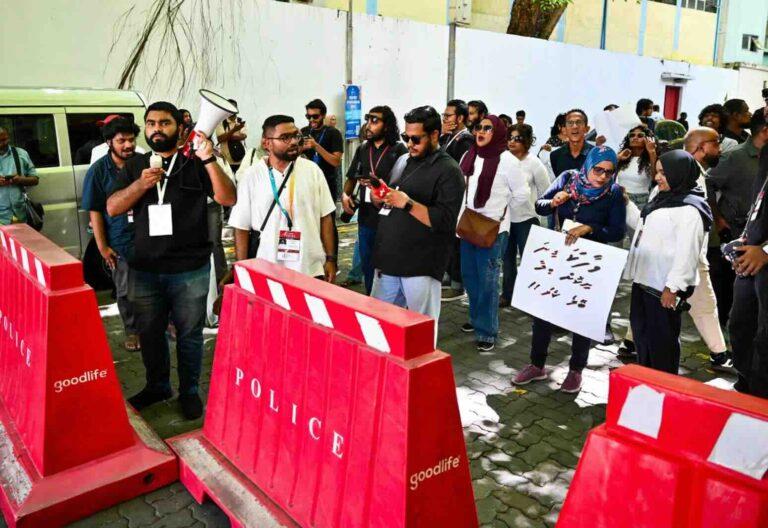
    Tensions escalated in the Maldives this week as legislators push forward with a controversial Media Regulation Bill – a draft law that media outlets, human rights organizations, and journalists warn will severely curb free expression. Outside Parliament on Tuesday, dozens of journalists engaged in protest, while authorities deployed police to block access, barricade roads, and enforce order.

    On Tuesday, journalists began gathering outside Parliament at 8:30 AM to oppose the bill. Police forcibly pushed them back from Parliament’s gates and blocked roads leading to the building.

    Parliament’s Independent Institutions Committee has reviewed the bill and its amendments and approved them. Today’s extraordinary session is expected to lead to a vote.

    What the Bill Proposes

    The bill, officially titled the Media Regulation Bill, was initiated by MP Abdul Hannan Abubakr on August 18. Although Abubakr is officially independent, he is closely tied to the ruling People’s National Congress (PNC), which holds a supermajority in Parliament.

    Key features include:

    • Dissolving the existing Maldives Media Council and Maldives Broadcasting Commission and replacing them with a single media commission of seven members. Three of those would be appointed directly by the president. Parliament would also have power to remove commission members elected by media outlets via a no-confidence vote.
    • Granting the commission powers to order media outlets to publish correction notices for online content, impose fines of MVR 5,000 to 25,000 (~US$325 to US$1,623) for non-compliance, suspend media outlets during investigations, block newspaper websites, and halt broadcasts.
    • Criminalizing vaguely defined offenses such as “spreading fake news,” which critics argue could be used to silence dissent.

    Timeline and Political Process

    • The draft law was submitted to the People’s Majlis (Parliament) on August 18, 2025.
    • On August 24, President Muizzu, in his National Day address, publicly promoted the bill. He claimed the government had no intention of controlling the media.
    • On August 27, journalists protested outside the President’s Office; some were allegedly detained and later released.
    • Parliament, after being in recess, convened an extraordinary session and voted in favour of discussing the bill. An oversight committee has since opened a 10-day window for public input, including consultations with media starting August 31.

    Opposition: Journalists, Civil Society, and Rights Groups

    The bill has sparked opposition from many quarters:

    • Journalists have staged protests, both outside Parliament and the President’s Office, arguing that the law will “dismantle free press” in the country.
    • The Maldives Journalists Association (MJA), along with 21 other organizations – including international bodies – have called for the withdrawal of the bill.
    • International rights groups such as Human Rights Watch and Reporters Without Borders have voiced alarm, saying the law undermines press freedoms and could facilitate censorship.

    Mohamed Junayd, from the MJA, said the draft legislation would roll back the self-regulatory framework established after the Maldives’ democratic transition in 2008. He described it as a tool for unchecked executive power, with the potential even to allow constitutional amendments “in a day.”

    Government’s Position

    The government claims that the bill includes amendments that address journalists’ concerns, and asserts it will not obstruct media freedom. The President said the law’s aim is not to curb free reporting.

    Nevertheless, critics say many of the bill’s terms are vague, granting wide discretion to authorities – which could lead to misuse or suppression.

    Broader Context: Signs of Democratic Backsliding

    Observers see the media bill as part of a larger shift under President Muizzu’s administration:

    • Alongside the media proposals, there are efforts to reinstate the death penalty for drug-related crimes – a move that would reverse decades of de facto moratorium.
    • Another bill would remove administrative powers from island councils, which are key to local governance. Critics say this could undermine decentralization.

    These developments come amid concern that media outlets already practice self-censorship, especially on politically sensitive issues – driven by worry of reprisals, including threats or legal action.

    Implications

    Should the bill become law in its current or even lightly revised form, analysts warn:

    • A loss of independent oversight of media and broadcasting bodies – potentially shifting control to the executive.
    • Heightened risk of censorship, legal penalties, and suppression of dissenting voices.
    • An erosion of democratic norms in the Maldives – particularly media freedom, judicial independence, and local governance.

    The Maldives stands at a crossroads. With Parliament moving rapidly to pass the Media Regulation Bill despite widespread objections, the country faces a test of its democratic institutions. As journalists and rights groups urge retreat, the government insists the law is necessary. But given the stakes – press freedom, rule of law, and governance – the coming days could mark a significant turning point.

    Andhra Pradesh: Naidu Announces Incentives to Farmers for Cutting Urea Usage

    While urea has long been the most widely used nitrogenous fertiliser in the state, experts warn that its overuse degrades soil health, contaminates groundwater, and poses risks to human health.

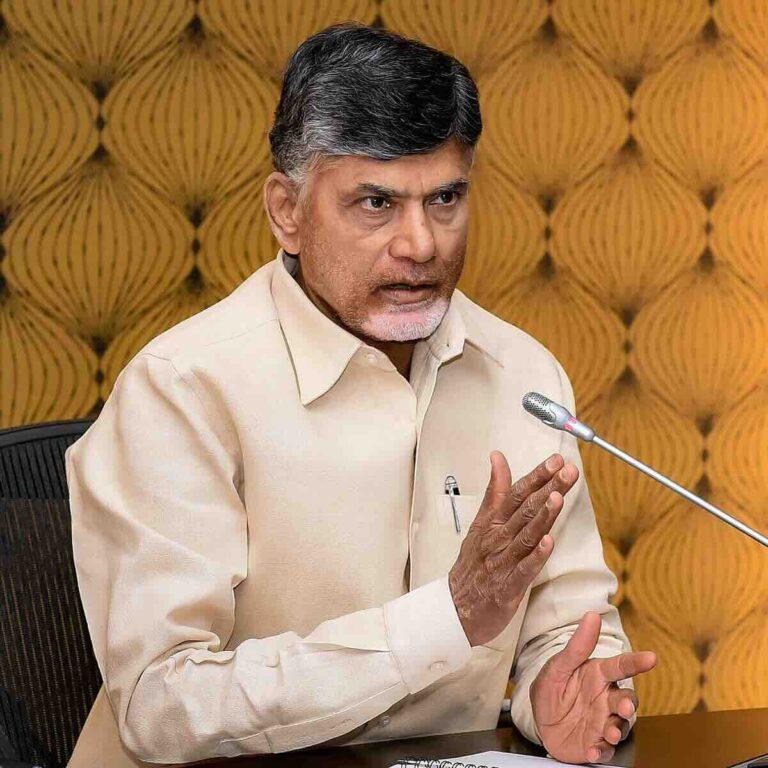
    In a move aimed at promoting sustainable agriculture and protecting public health, Andhra Pradesh Chief Minister N. Chandrababu Naidu has announced an incentive scheme for farmers who reduce their dependence on urea fertiliser. The state government will provide an incentive of ₹800 per bag of urea saved to cultivators who adopt alternative practices and minimise its use.

    The decision comes amid growing concerns over the indiscriminate use of chemical fertilisers in agriculture and its suspected links to rising cancer cases in parts of Andhra Pradesh. While urea has long been the most widely used nitrogenous fertiliser in the state, experts warn that its overuse degrades soil health, contaminates groundwater, and poses risks to human health.

    Chief Minister Naidu has directed officials to conduct a detailed study on the incidence of cancer in districts such as West Godavari, East Godavari, and Krishna, where reports have suggested unusually high cases. He emphasised the need to assess whether the overuse of fertilisers like urea is a contributing factor and said corrective measures would follow based on the findings.

    Under the new scheme, farmers will receive financial incentives to adopt natural farming practices, organic inputs, and balanced fertiliser use. The government hopes the initiative will encourage farmers to transition towards more sustainable cultivation methods without compromising productivity. Naidu stressed that the incentive should not be viewed as a subsidy but as a reward for adopting practices that safeguard both human health and the environment.

    Awareness Campaigns, Training

    The announcement has been welcomed by agricultural experts and farmer organisations, who have long highlighted the dangers of excessive chemical inputs. According to state officials, Andhra Pradesh has one of the highest rates of fertiliser consumption in India. The introduction of a cash incentive is expected to nudge farmers towards alternatives like green manures, bio-fertilisers, and natural farming, which the government has already been promoting in several districts.

    Officials also underlined that the scheme could help reduce the state’s fertiliser import burden while improving long-term soil fertility. Excessive urea use, they noted, often leads to soil nitrogen imbalance, lower crop resilience, and declining yields over time.

    Beyond the immediate incentive, the government is exploring awareness campaigns and training programmes for farmers to demonstrate the benefits of reduced chemical fertiliser use. Extension officers will work closely with farmer groups to monitor progress and ensure that the scheme achieves its intended objectives.

    Naidu stated that the government’s vision is not only to reduce harmful fertiliser usage but also to make Andhra Pradesh a pioneer in natural farming practices. He added that protecting farmer livelihoods while addressing public health concerns would remain central to his administration’s agricultural policy.

    The scheme marks a significant step towards sustainable farming in Andhra Pradesh, where balancing productivity, farmer income, and public health has become a pressing challenge. By offering direct incentives, the government is betting on behavioural change that could reshape farming practices in the state and potentially serve as a model for other regions grappling with similar issues.

    Bengaluru Scientists Develop Flexible, Safe, Eco-friendly Aluminium Battery

    The new battery uses aluminium – one of Earth’s most abundant metals – and a water-based solution. This combination makes it safer, cheaper, and much kinder to the earth’s environment.

    A novel battery technology has been developed by scientists that makes the battery flexible enough to fold like a piece of paper and also is safe enough to touch without any worry.

    Commonly used Lithium-ion batteries, are prone to overheating and explosion.

    Researchers in Bengaluru from the Centre for Nano and Soft Matter Sciences (CeNS), an autonomous institute under the Department of Science and Technology (DST), Government of India, in collaboration with the Centre for Nano Science and Engineering (CeNSE) at the Indian Institute of Science (IISc), have developed a novel battery technology that could serve as an alternative to traditional lithium-ion batteries commonly used in phones, laptops, electric vehicles, and wearable devices.

    This new battery uses aluminium – one of Earth’s most abundant metals – and a water-based solution. This combination makes it safer, cheaper, and much kinder to the earth’s environment. It could protect from battery explosions and environmental hazards, and also reduce the power requirement of everyday devices.

    Although aluminium has great potential because it can store and release energy efficiently, scientists faced problems in practically using it due to its complicated chemistry. The Bengaluru scientists solved these problems by tweaking materials at the microscopic level. They designed a unique cathode (positive part) from a special material called copper hexacyanoferrate (CuHCFe), pre-filled with aluminium ions. They paired this with an anode (negative part) made from molybdenum trioxide (MoO₃), creating a powerful battery that’s not just effective but also flexible enough to bend without breaking.

    Efficient and Reliable

    This innovative battery stores energy efficiently and reliably, maintaining 96.77 per cent of its power after 150 charge-discharge cycle limiting reduction in battery life over extended daily use.

    It stays functional even when bent or folded completely in half. To showcase this, scientists powered an LCD display continuously, even while the battery was bent at extreme angles. This could help develop gadgets in future that can be rolled up for fabricating wearable devices seamlessly integrated into clothing.

    The scientists used advanced microscopic tools, including electron microscopes and spectroscopic techniques, to ensure the battery’s components were perfectly balanced for high performance. They rigorously tested the battery to confirm its efficiency, durability, and flexibility, ensuring it can stand up to real-world use. This innovation has promising implications for everyday applications. Potential developments could include flexible smartphones, safer electric vehicles, and wearable devices integrated into clothing. Moreover, the use of aluminium, an abundant and environmentally friendly resource, supports broader sustainability goals. This work represents a significant stride in multivalent ion battery technology. With ongoing improvements, such batteries could soon become standard in many aspects of people’s daily lives, and positions the country at the forefront of developing safe, sustainable, and next-generation energy storage solutions that align with global environmental goals.

    Women’s Participation in Bangladesh’s Labour Force Sees Sharp Decline in 2024

    This drop marks the first time the country’s labour force has contracted since 2010. From 2010 to 2023, the labour force had been steadily increasing – driven in large part by rising female labour force participation.

    Bangladesh’s labour force has contracted significantly over the past year, with women bearing the brunt of the decline, according to the final Labour Force Survey 2024 conducted by the Bangladesh Bureau of Statistics (BBS). The report reveals that the total size of the labour force fell from 73.4 million in 2023 to 71.7 million in 2024 – a drop of approximately 1.7 million people.

    While male participation in the labour market remained largely steady, dipping only slightly from 48.1 million to 48.0 million, female participation plunged more markedly – from 25.3 million in 2023 to 23.7 million in 2024.

    This drop marks the first time the country’s labour force has contracted since 2010. From 2010 to 2023, the labour force had been steadily increasing – driven in large part by rising female labour force participation, which had gone up from 17.2 million in 2010 to 25.3 million in 2023.

    Why Is Female Participation Falling?

    Experts who reviewed the BBS findings point to multiple interlinked causes behind the decline in women’s participation:

    1. Jobless Growth: The overall job creation rate in Bangladesh has slowed. With fewer new employment opportunities, women’s labour force participation tends to suffer disproportionately.
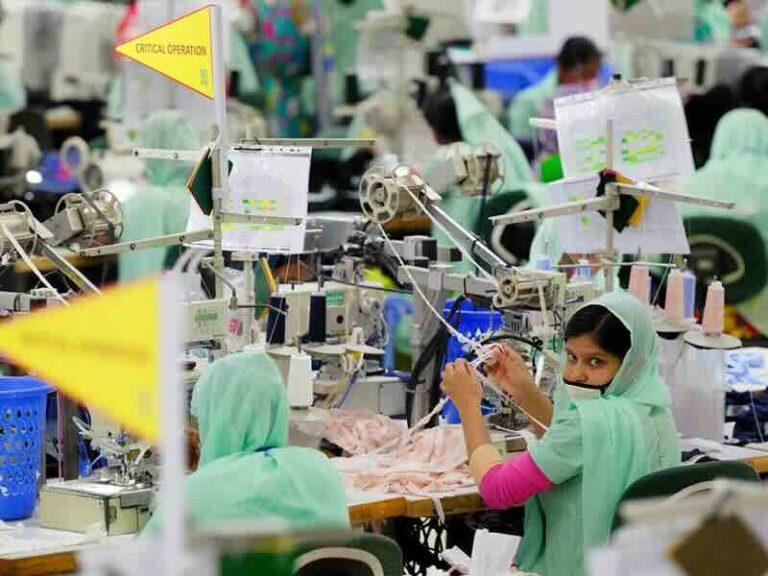
    2. Changes in Manufacturing and Automation Pressures: In particular, the garment sector — historically one of the biggest employers of women — is facing strong competition, technological change, and automation. As a consequence, fewer jobs are available for women with little or no education. Some estimates suggest women’s share in the garment industry has dropped from over 80 percent to around 65 percent.
    3. Structural Transformation without Female-Sensitive Interventions: As the economy shifts away from agriculture toward manufacturing and services, the gains in employment for women that might be expected from this transformation are not fully materializing. Urban, semi-skilled, formal sector jobs for women have not increased in the way that might match the economy’s changing structure.
    4. Barriers in Rural Non-Farm Sectors: For women in rural areas, entrepreneurial opportunities are constrained by lack of capital, inadequate market access, poor information, and insufficient policy and financial support. Much rural female employment is unpaid, informal, or temporary, and women often drop out of the labour force when their husbands return to villages after migration, or when seasonal demand declines.
    5. Education and Aspirations: Some of the decline in participation is associated with rising levels of education. As more women enrol in education, their labour force participation tends to decline in the short term. Educated women may also find that formal sector jobs that match their qualifications are scarce, or that work-enabling infrastructure (such as childcare) is lacking. Social factors and expectations also play a role.

    Urban vs Rural Patterns

    The BBS report and expert commentary suggest that much of the recent rise in female labour force participation in earlier years came from rural areas, but urban participation has remained low. The gains were not as dramatic in urban areas, both in terms of numbers and quality of employment.

    Experts warn that the decline in women’s labour force participation is not simply a statistic but has serious economic and social implications. The quality of employment matters: even when women are participating, many of the jobs are informal, unskilled, temporary, or unpaid. This limits income stability, social protection, and career progression.

    Moreover, as structural transformation in the economy (from agriculture to manufacturing and services) accelerates, there is concern that women are not reaping the benefits. Without appropriate policies, women risk being left behind as more “modern” sectors grow.

    Expert Viewpoints and Policy Suggestions

    • Rizwanul Islam, former special adviser at the International Labour Organization’s Geneva office, emphasized the “U-shaped relationship” between development level and women’s labour force participation: that is, participation often declines during intermediate stages of development (as education rises and traditional agricultural work falls), but then rises again when economies mature and formal sectors expand.
    • To reverse or mitigate the decline, Islam points to the need for creating more opportunities for women in the modern service sectors — such as education, healthcare, finance, hospitality — especially for those with higher education who are underemployed relative to their aspirations.
    • Sayema Haque Bidisha, economics professor at Dhaka University, stressed that job creation must improve overall, but also that female-specific constraints (skill training, childcare, infrastructure) must be addressed. She argued that formal, urban, skill-based employment needs to increase, not only for economic growth but for gender inclusion and equality.

    What’s at Stake

    The decline in female labour force participation threatens Bangladesh’s broader development goals. Economic growth, poverty reduction, and inclusive development depend heavily on tapping into the full potential of the workforce, including women. If large numbers of women are excluded—or withdraw—from the labour market, both households and the national economy lose out in terms of productivity, income, and social empowerment.

    Metric20232024
    Total Labour Force~ 73.4 million~ 71.7 million
    Male Labour Force~ 48.1 million~ 48.0 million
    Female Labour Force~ 25.3 million~ 23.7 million

    Bangladesh’s recent BBS labour force data reveals not just a first contraction in over a decade, but an alarming slide in women’s participation. While multiple factors are to blame  – economic structural changes, slower job growth, automation in manufacturing, urban-rural divides, and social/infrastructural barriers – the net effect is that many women are being excluded or discouraged from continuing in or entering the workforce. Policy interventions that focus on creating quality jobs, ensuring supportive infrastructure (like childcare), enhancing skill training, and facilitating women’s entry into and retention in formal sectors could help reverse this trend.

    Without such efforts, the risk is that Bangladesh’s journey toward inclusive growth will falter  –  and that millions of women who once saw labour force participation as a pathway to financial independence and societal contribution may find themselves left behind.

    Goa Court Suspends Eco-Tourism Plan to Protect Wildlife and Communities

    The court found that the sanctuaries – destined for designation as a tiger reserve – are being compromised by tourism infrastructure creeping into fragile ecosystems.

    In a landmark decision on September 10, 2025, the High Court of Goa ordered the state government to suspend all construction connected to eco-tourism in two of its most treasured wildlife sanctuaries, Mhadei and Bhagwan Mahaveer. The move threatens to undo plans that critics say have undercut conservation efforts and jeopardized the rights of forest-dwelling communities.

    The court found that the sanctuaries – destined for designation as a tiger reserve – are being compromised by tourism infrastructure creeping into fragile ecosystems. The state had proposed expansive eco-tourism development in this area, which spans over 745 square kilometers. But the court was persuaded that these activities conflicted with the need to preserve habitat, protect wildlife, and safeguard local people’s livelihoods.

    A Longstanding Tension

    The legal challenge was initiated by civil society groups who argue that while conservation is necessary, it must be balanced with human rights and ecological integrity. In July 2023, a state court had already ruled in favour of declaring the area a tiger reserve, but full implementation has been stalled. The state government has raised concerns about how the reserve’s boundaries might impinge on lands used by forest dwellers and buffer-zones where local people carry out traditional activities.

    Supreme Court intervention followed in early September 2025, directing the Goa government to maintain a status quo in the region. It also asked the Central Empowered Committee to provide a detailed report – within six weeks – on the steps being taken and the implications of designating this area as a tiger reserve.

    Voices from the Ground

    Environmentalists and activists welcomed the court’s ruling as essential. “It is significant to save tigers and wildlife in the area, which are in fact the lifeline for the forest dwellers and the people of Goa,” said Zeferino Fernandes, a green campaigner, highlighting the deep interdependence between local communities and the natural environment.

    Norma Alvares of a local nonprofit noted that though the map for the tiger reserve has been drawn without including major human settlements, the government had nonetheless begun construction of what she described as “eco-tourism resorts” and electric fences in the sanctuaries. She called this a problematic step that undermines both conservation goals and community consent.

    Activists assert that tourism interests have delayed the formal declaration of the tiger reserve for reasons tied to profit. As these developments proceeded, so did concerns over habitat loss, diversion of river waters, and unchecked deforestation.

    Protecting Biodiversity and Water Security

    A crucial facet of the ruling is its implications for biodiversity conservation. Tigers, as apex predators, require large, contiguous habitats and minimal human disturbance. Sanctuary areas, especially untouched ones like Mhadei and Bhagwan Mahaveer, are vital to maintain ecological balances.

    Water too has emerged as a central concern. The river flowing through the sanctuaries serves as a source of drinking water and supports agriculture in Goa. Some proposals had even contemplated diverting water for external business interests – an idea activists say would have severe downstream consequences.

    Legal Issues vs Administrative Delay

    Legal filings raised two main allegations. First, that the eco-tourism project was being pushed ahead despite the tiger reserve not being formally declared. Second, that the process of declaring the reserve was being delayed, allegedly to accommodate certain development schemes.

    The court’s order effectively freezes all construction in the contested areas, reinforcing the judiciary’s oversight role in safeguarding public interest. The mapping of the reserve – completed without including large human settlements – gave some reassurance, but the building of fences and facilities had raised alarms among environmentalists.

    Paths Forward

    With the Supreme Court’s directive now in place, attention turns to the forthcoming report from the Central Empowered Committee. Its findings will likely influence whether full tiger-reserve status is conferred and, if so, under what terms. Questions remain: How much of the current eco-tourism infrastructure will be dismantled? Will locals be adequately involved in decision-making? And can a sustainable balance be found between tourism, livelihoods, and wildlife protection?

    For many in Goa, the ruling is more than a legal correctness – it’s a chance to affirm that conservation, community rights, and ecological integrity are not competing goods but need to be mutually reinforcing. The stakes are high: losing intact forest habitat, compromising tiger populations, and eroding the resources on which many of Goa’s forest dwellers depend. With so much at risk, the court’s decision has been greeted by relief – and resolve.

    Nepali Political Parties Call for Parliament Reinstatement Amid Unrest

    In the weeks leading up to the ban, a viral “nepo kid” campaign had been gaining momentum on social media, exposing the lavish lifestyles of politicians’ children and highlighting widespread allegations of corruption and nepotism.

    Nepal’s political landscape is in a state of turmoil, as major political parties have united to demand the reinstatement of the Parliament, which was dissolved by President Ram Chandra Poudel following a week of deadly anti-corruption protests. In a joint statement, a coalition of eight parties, including the Nepali Congress, CPN-UML, and the Maoist Centre, have declared the president’s action unconstitutional.

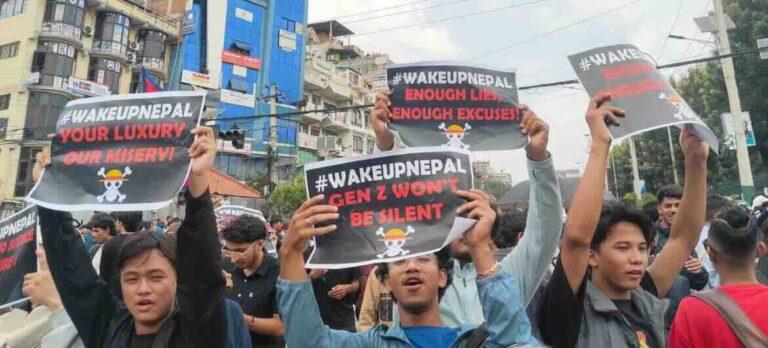
    The dramatic developments come after a period of intense civil unrest, sparked by a government ban on social media platforms that quickly escalated into a mass movement against corruption and political elites. The protests led to the resignation of then-Prime Minister KP Sharma Oli and the appointment of Sushila Karki, Nepal’s first female prime minister, to lead an interim government.

    Unconstitutional Dissolution, Claim Political Leaders

    The statement, signed by the chief whips of the eight parties, argues that the dissolution of the House of Representatives on Friday was a direct violation of Nepal’s constitution and disregarded judicial precedents. The dissolution was carried out on the recommendation of newly appointed interim Prime Minister Karki, and was a key demand of the “Gen Z” protest movement that had brought the country to a standstill.

    While the student-led protesters demanded the move, the political parties insist that any demands for reform, including the newly announced elections for March 5, 2026, must be addressed through the institution of a popularly elected parliament. The political establishment views the presidential decision as an overreach that undermines the very democratic principles the country is built upon.

    In a separate statement on Saturday, President Poudel urged all sides to maintain restraint and cooperate in holding the elections. He emphasized that the constitution, the parliamentary system, and the federal democratic republic were all “alive” and that the people had the opportunity to move towards a “more efficient democracy” through the six-month electoral process.

    Sushila Karki: New Leader; Daunting Task

    The political upheaval has thrust Sushila Karki, a 73-year-old former Supreme Court chief justice, into the role of interim prime minister. Karki, who is widely respected for her clean image and a strong anti-corruption stance during her time on the bench, was sworn in during a brief ceremony in Kathmandu. Her appointment, a first for a woman in the impoverished Himalayan nation, was a direct result of a deal with protest leaders from the “Gen Z” movement.

    However, her leadership faces formidable challenges. The new cabinet must restore law and order, which was shattered during the protests that saw angry crowds set fire to parliament and other government buildings. Another key task is the reconstruction of these damaged structures. Karki’s government must also navigate the tricky political waters of reassuring the young protesters who want fundamental change while also calming the fears of many Nepalis who are concerned about the future of their young democracy. A key priority will be to bring those responsible for the violence to justice.

    Protests Fuelled by Deeper Discontent

    The protests, which have gradually subsided, were triggered by the government’s decision last week to ban 26 social media platforms, including Facebook, WhatsApp, and Instagram. This initial act of government control quickly tapped into a much deeper well of public discontent. In the weeks leading up to the ban, a viral “nepo kid” campaign had been gaining momentum on social media, exposing the lavish lifestyles of politicians’ children and highlighting widespread allegations of corruption and nepotism.

    The government’s hasty decision to lift the ban on Monday was too little, too late. By then, the protests had already gained unstoppable momentum, culminating in the burning of government buildings and the forced resignation of Prime Minister Oli. The protests resulted in over 70 deaths, with casualties including demonstrators, police officers, and prison inmates.

    In her first address to the media, Interim Prime Minister Karki praised the “Gen Z” protesters for their role in bringing about change. She announced that those killed during the agitation would be recognized as “martyrs” and that their families would receive compensation. Karki also vowed to investigate the incidents of vandalism and provide assistance to those who suffered property damage. Acknowledging the country’s economic crisis, she stated that the interim government’s priority would be reconstruction and economic stability.

    Nepal is slowly returning to a semblance of normalcy. The soldiers who were deployed to patrol the streets of Kathmandu have returned to their bases, and police stations and government offices that were vandalized are gradually resuming operations. However, the future of the nation remains uncertain as political parties clash over the legitimacy of the dissolved parliament and the path forward under the new interim leadership. The upcoming elections will be a crucial test for Nepal’s fragile democracy and its ability to heal the deep divisions exposed by the recent unrest.

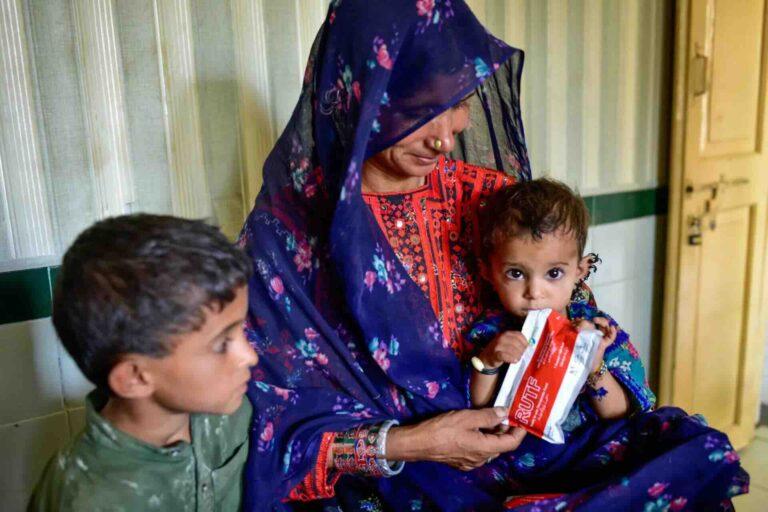
    The Unwavering Battle: Pakistani Mothers Fight Malnutrition One Spoonful at a Time

    The struggle is far from over, but in the heart of rural Sindh, Pakistani mothers are showing the world that with resilience, knowledge, and a pinch of hope, they can win the battle for their children’s future.

    In the searing heat of Pakistan’s rural Sindh province, where the land is as arid as the challenges are immense, a quiet but profound revolution is taking place. It is not a fight waged with weapons or political rhetoric, but with humble bowls of semolina and lentils, prepared by mothers determined to save their children from the silent scourge of malnutrition. In villages like Sujawal, just a few hours’ drive from the bustling, affluent port city of Karachi, the contrast is jarring and brutal. While the nation’s financial heart beats with the rhythm of commerce, in these parched lands, a different struggle unfolds – one for survival.

    Malnutrition is a devastating reality here, a blight that afflicts nearly half of all children under the age of five. According to recent surveys, a staggering 48 per cent of young children in Sindh province suffer from malnutrition, with 20 per cent battling its most severe form, known as wasting. The statistics, cold and clinical, translate to a heart-wrenching human toll: lethargic children with prominent bones and listless eyes, their tiny bodies withering in the unrelenting sun. Infant deaths due to this silent killer are not uncommon, a tragic byproduct of an ecosystem of poverty, entrenched food myths, and a lack of nutritional knowledge.

    Cooking Classes a Lifeline

    For generations, survival has dictated dietary habits. Mothers, grappling with the daily anxieties of providing for large families with limited means, often relied on the cheapest, most readily available foods. For 25-year-old Shahnaz, a mother of six, the diet was simple and repetitive: potatoes. “Before, we only gave our children potatoes because they were always available at home,” she recalls. It was a choice born not of ignorance, but of necessity. Yet, the consequences were dire – her children were frequently sick and weak, their small bodies unable to flourish on a diet lacking essential nutrients.

    Similarly, Kulsoom, a 23-year-old who is pregnant with her sixth child, all born prematurely and underweight, had a similar story, feeding her children only fried flatbread.

    The fight against this crisis has found its foot soldiers in a cohort of dedicated social workers and the mothers they teach. Through programs initiated by UNICEF, cooking classes have become a lifeline. These aren’t formal classrooms, but rather shaded courtyards or humble community spaces where women gather, clutching their hungry babies, to learn the transformative power of food. Here, social workers like Azma become educators and confidants, dispelling long-held myths and introducing new, life-saving recipes.

    Resilience, Knowledge, and Hope

    The hero of these new recipes is semolina, a simple grain found in every local market. It is cheap, easily available, and, when combined with other ingredients like lentils and a few eggs, becomes a powerhouse of nutrition. Azma, with a calm, reassuring voice, explains its value to a group of attentive mothers. “Semolina is cheap,” she says. “For 50 rupees, it can last a week if you’re feeding one to two spoonfuls daily to a six-month-old child.” The cost-effectiveness is a game-changer in a region where every penny counts. The mothers learn to prepare a porridge-like dish, a blend of grains and pulses that provides the vital proteins, carbohydrates, and fats their children’s growing bodies desperately need.

    The impact of this simple education is tangible and immediate. For Shahnaz, the change has been nothing short of miraculous. After a year of attending these classes, she has radically transformed her family’s diet. She has introduced a variety of affordable ingredients, including the life-saving semolina and lentils. The result? Her daughter, who had been struggling with malnutrition, is now on a path to recovery, her energy and vitality slowly returning. Shahnaz’s story is a powerful testament to the resilience and adaptability of these mothers, who are not merely victims of their circumstances but active agents of change.

    In a province where contraception remains a taboo topic and large families are the norm, these cooking classes offer more than just recipes; they offer hope. They represent a fundamental shift in mindset, a realization that health is not a matter of fate, but of knowledge and choice. With each mother who learns to cook a new, nutritious meal, and each spoonful of semolina porridge lovingly fed to a child, the cycle of poverty and poor health begins to break. The struggle is far from over, but in the heart of rural Sindh, Pakistani mothers are showing the world that with resilience, knowledge, and a pinch of hope, they can win the battle for their children’s future, one meal at a time.

    ADB Approves $127 Million for Climate-Resilient Tourism Development in Uttarakhand’s Tehri Lake

    The initiative, titled the Sustainable, Inclusive, and Climate-Resilient Tourism Development at Tehri Lake Area Project, aims to transform rural livelihoods in Tehri Garhwal District by balancing tourism growth with ecological protection and community resilience.

    The Asian Development Bank (ADB) has approved a $126.42 million loan along with $1 million in technical assistance to promote sustainable and climate-resilient tourism in Uttarakhand’s Tehri Lake area, one of the state’s most vulnerable and economically disadvantaged regions.

    The initiative, titled the Sustainable, Inclusive, and Climate-Resilient Tourism Development at Tehri Lake Area Project, aims to transform rural livelihoods in Tehri Garhwal District by balancing tourism growth with ecological protection and community resilience.

    Tehri Garhwal, situated in the fragile Himalayan ecosystem, is increasingly exposed to natural hazards including landslides, drought, fire, and floods. The district also faces high rates of out-migration, largely due to limited economic opportunities, even as tourist arrivals surge each year. The project aligns with ADB’s Country Partnership Strategy 2023–2027 for India, which emphasizes rural development, private sector participation, and climate-resilient infrastructure.

    “As a key development partner in India’s tourism sector, ADB is proud to support this transformative project, which showcases a model for sustainable tourism centred around a hydropower lake,” said ADB Country Director for India Mio Oka. “The project aims to benefit more than 87,000 residents and 2.7 million visitors annually through improved tourism planning, new visitor facilities, upgraded sanitation and solid waste management, and disaster preparedness.”

    The Tehri Lake is a large, man-made reservoir in the Gharwal Himalayas of Uttarakhand created by the Tehri Dam on the Bhagirathi River. It is a popular destination for adventure tourism, offering activities like boating, jet skiing, paragliding, and water zorbing, alongside stunning natural scenery and views of the surrounding mountains. The reservoir also features floating huts and offers access to the Dobra-Chanti suspension bridge. 

    Multisector Approach

    The project will adopt a comprehensive approach, combining institutional strengthening with infrastructure development and livelihood promotion. Key interventions include:

    • Transport and basic infrastructure: Enhancing road connectivity, water supply, sanitation, and waste management systems to support visitors and residents alike.
    • Tourism services: Expanding recreation facilities and tourism-related enterprises, with special focus on women, youth, and the private sector.
    • Climate resilience: Applying nature-based solutions such as slope stabilization and ecosystem restoration to mitigate risks from landslides and floods.

    In addition, a livelihood matching grant program will be launched to support micro, small, and medium enterprises (MSMEs) in tourism, particularly those led by women and youth.

    Inclusive and Community-Centred Development

    The project is designed with universal access features, ensuring that persons with disabilities can also benefit from new facilities. A women-led disaster risk management program will be piloted in villages highly exposed to landslides, drought, and fire, empowering local communities to respond effectively to climate hazards.

    By promoting local entrepreneurship, improving infrastructure, and integrating disaster preparedness, the initiative seeks to diversify incomes in Tehri Garhwal and reduce dependency on outmigration. The multisector design also highlights the importance of linking ecological conservation with economic opportunities in vulnerable hill regions.

    ADB’s Regional Role

    ADB, established in 1966, is owned by 69 members, including 50 from Asia and the Pacific. It has been a key development partner in India, supporting infrastructure, renewable energy, and social sector reforms. The Tehri Lake tourism project reflects ADB’s broader commitment to fostering sustainable, inclusive, and climate-resilient growth across Asia.

    With its focus on green infrastructure, gender empowerment, and resilient livelihoods, the project is expected to serve as a model for other Himalayan states seeking to harness tourism for sustainable rural development.

    Chronic Disease Deaths Falling Worldwide, But Rising in India

    As most of the world sees improvement in lowering the risk of dying from non-communicable diseases by age 80, India is moving in the opposite direction, particularly among women and in middle age.

    A new Lancet analysis has sounded the alarm: while most countries are seeing a decline in mortality from chronic non-communicable diseases (NCDs), India is witnessing an increase – especially among women. The study, covering the period 2010 to 2019, finds that in India deaths from heart disease, cancer, diabetes and related conditions have moved in the opposite direction of global trends.

    According to the study, India’s recent trajectory on non-communicable disease mortality marks a departure from the broader global pattern. As most of the world sees improvement in lowering the risk of dying from non-communicable diseases by age 80, India is moving in the opposite direction, particularly among women and in middle age. Addressing this will require urgent, focused action on prevention, gender equity in healthcare, early screening, and health system strengthening.

    Without decisive policy shifts, the costs – in lives, health, and economic burden – will only grow larger, the study warns.

    Globally, according to the paper “Benchmarking progress in non-communicable diseases: a global analysis of cause-specific mortality from 2001 to 2019” published in The Lancet, for the years 2010-19 the probability of dying from an NCD between birth and age 80 declined in about 82 per cent of 185 countries for females, and in slightly fewer countries for males.

    India, however, is one of the outliers: rather than seeing continued declines, India experienced an increase in that probability over the decade.

    The report identifies ischaemic heart disease and diabetes (including chronic kidney disease arising from diabetes) as leading contributors to this rise. Other chronic diseases, like certain cancers, strokes, and chronic respiratory diseases, show mixed trends. While some forms of NCDs decreased in death rates (for example, cirrhosis of the liver, and in some cases stroke or COPD), the increases in heart disease and diabetes more than offset those gains for India overall.

    Gender differences: women disproportionately affected

    One especially concerning dimension is the gender gap. The study reports:

    • The increase in probability of dying from an NCD (between birth and age 80) was larger for Indian females than for males.
    • For males, the increase over that period was only about 0.1 percentage points, while for females it was higher.
    • For females, most of the increased risk comes from deaths in age groups above 40 years, whereas for males the critical age is above 55 years. That means women are seeing elevated risk quite earlier in life than men relative to baseline.

    Why is India seeing this reversal?

    The report and Indian health experts point to several converging causes:

    1. Lifestyle shift: Rapid urbanisation, dietary changes (more processed foods, less whole grains/vegetables), reduced physical activity, rising obesity, higher stress, and other modern risk factors are widely cited.
    2. Diabetes and heart disease burden: Ischaemic heart disease and diabetes (including related kidney disease) are the major causes pulling up mortality. These are often harder to prevent, detect early, or manage in many Indian settings.
    3. Ageing population & delayed detection: As more people survive into older age, chronic health issues accumulate. However, detection and effective treatment may lag, especially for women, who may have less access to care, or may present later. The data show risk rises earlier for women (above 40) than for men.
    4. Health system & policy gaps: Preventive care, screening, and early management of conditions like hypertension, pre-diabetes, early heart disease and cancers may not be universally available or prioritized. This includes gender‐specific screening for women (e.g. breast, cervical cancer) and awareness of cardiovascular risk in women. Some experts believe that policies are catching up, but not fast enough.

    Other trends: what is improving, and what is still worrisome

    While heart disease and diabetes are rising, the study does show that some chronic disease categories are improving:

    • Mortality from cirrhosis of the liver has declined in India for both sexes.
    • Improvements in other residual categories of non-communicable disease (NCDs other than the big ones) are seen. For example, for males there are declines or slower increases in stroke, COPD, some cancers, etc.

    Yet, these gains are overshadowed by the rising mortality from NCDs that are more difficult or costly to manage (heart disease, cancers, diabetes) and by the fact that generational shifts in risk are making these diseases appear earlier. The increase in risk among age 40+ for women is especially troubling.

    What needs to be done: policy implications

    Health experts, drawing on the Lancet findings, propose several urgent priorities:

    • Strengthening prevention: Promote healthy diets, physical activity, reducing tobacco and alcohol use, tackling obesity. Public awareness campaigns, improved urban planning to encourage walking/biking, regulation of unhealthy food advertising etc., are key.
    • Early detection & screening, especially for women. Better screening for diabetes, heart disease risk factors (blood pressure, cholesterol), cancers (breast, cervical), etc., with special attention to reaching women in middle age.
    • Ensure access to treatment and care across geographies, sexes, socioeconomic groups. This includes diagnostic services, affordable medication, follow-ups, rehabilitative services.
    • Data improvement: Better quality mortality data, especially cause-of-death registration and surveillance, to reduce uncertainty in estimates and help target interventions. The Lancet paper notes limitations in Indian mortality data – quality is “very low” in many settings.
    • Gender-sensitive health policy: Recognising that women are facing rising risk at younger ages and possibly facing inequities in access and treatment. Health systems should design interventions that are accessible and appropriate for women, including considering social determinants (education, economic status, mobility, etc.).

    Why it matters: the human cost

    The rising mortality from NCDs in India implies not just more deaths, but years of life lost, disability, economic burden for families, increased demands on health infrastructure. Moreover, earlier mortality (or morbidity) means loss of productive years, often among those who are still relatively young (40-60), with effects on households and communities.

    For women, who already typically face multiple social barriers in accessing care, the rising risk above age 40 means that many may not receive adequate preventive care, may delay diagnosis, and may suffer complications that could have been mitigated.

    Image: Hippopx