More

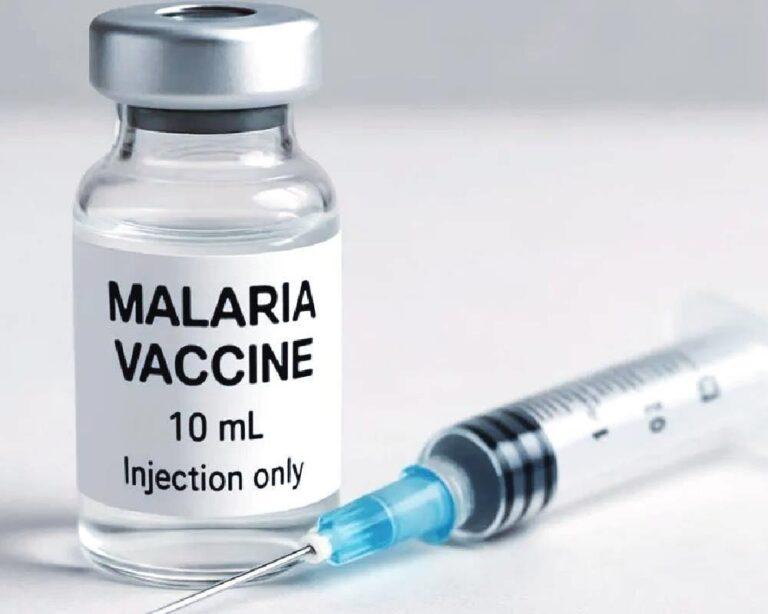
    India Licenses First Indigenous Multi-Stage Malaria Vaccine “AdFalciVax”

    Health authorities will need to plan for distribution, prioritization, and integration into immunization schedules. Monitoring and surveillance will be vital to assess impact, especially in the states and regions still reporting malaria cases.

    In a landmark move toward malaria elimination, the Indian Council of Medical Research (ICMR) has licensed its newly developed indigenous vaccine, AdFalciVax, to five domestic manufacturers. The rollout of this vaccine could prove critical in India’s ambitious goal of achieving zero indigenous malaria cases by 2027 and full elimination by 2030.

    Developed by the ICMR’s Regional Medical Research Centre (RMRC), Bhubaneswar, in collaboration with the National Institute of Malaria Research (NIMR) and the National Institute of Immunology (NII), New Delhi, AdFalciVax is a multi-stage recombinant chimeric vaccine designed to block both infection and transmission of Plasmodium falciparum — the deadliest malaria parasite.

    Its dual-antigen strategy uses PfCSP (to block the parasite before it enters the bloodstream) combined with fusion proteins Pfs230–Pfs48/45 to reduce onward transmission to mosquitoes.

    The vaccine has shown stability and effectiveness at room temperature for over nine months, an important feature for areas with weak cold-chain infrastructure.

    Pre-clinical trials have validated its safety and immunogenicity, indicating promise for future human trials and deployment.

    In July, ICMR issued an Expression of Interest (EoI) for qualified manufacturers to undertake Technology Transfer for AdFalciVax. From this, five companies have been granted non-exclusive licenses to produce the vaccine:

    1. Indian Immunologicals Ltd
    2. TechInvention Lifecare Pvt Ltd
    3. Panacea Biotec Ltd
    4. Biological E Ltd
    5. Zydus Lifesciences

    These firms will manufacture and commercialize AdFalciVax under the licensing agreement.

    Strategic and Public Health Significance

    India’s malaria burden has declined significantly in recent years. According to the World Malaria Report 2024:

    • Malaria cases fell from about 6.4 million in 2017 to about 2 million in 2023.
    • Deaths dropped from approximately 11,100 in 2017 to around 3,500 in 2023.
    • Over 122 Indian districts reported zero malaria cases in 2023.

    These gains prompted India to exit the WHO’s High Burden to High Impact category—a recognition of its progress in malaria control.

    Despite these successes, malaria hotspots persist in states such as Odisha, Chhattisgarh, Jharkhand, and in regions in the Northeast, especially among tribal populations and border-areas with limited healthcare infrastructure. Flooding and seasonal rises in vector populations have also led to outbreaks in urban peripheries, including Delhi, Noida, and Ghaziabad.

    The licensing of AdFalciVax comes at a crucial time. India’s National Framework for Malaria Elimination (2016–2030) and the updated National Strategic Plan for Malaria (2023–27) set forth the target of zero indigenous malaria cases by 2027, followed by full elimination by 2030. AdFalciVax is expected to become a vital tool in accelerating progress.

    Currently, while the vaccine has cleared pre-clinical validation and obtained the necessary licensing for commercial production, human trials and real-world deployment are still awaited. Experts believe that combining AdFalciVax with existing malaria control strategies – including Test, Treat, Track, vector control, and community awareness – will be essential.

    While the promise is high, several challenges remain:

    • Ensuring manufacturing scale-up and quality control across diverse producers.
    • Reaching remote, tribal, and border areas with limited healthcare and infrastructure.
    • Maintaining cold chain (where needed), although the vaccine’s room-temperature stability offers some relief.
    • Integrating vaccination into existing malaria control programmes without compromising other interventions.
    • Securing funding, logistical support, and policy backing for widespread rollout.

    One of the World’s Deadliest Diseases

    With AdFalciVax licensed to domestic manufacturers, India takes a critical step toward being self-reliant (aligned with Atmanirbhar Bharat) in vaccine development and production. By indigenizing technology, the country reduces dependence on imported solutions and accelerates its capacity to respond swiftly to malaria risks.

    Public health experts believe that this vaccine could help prevent outbreaks from becoming large-scale, especially in vulnerable zones. The additional layer of immunity could significantly reduce transmission and infection when used in concert with diagnostics, treatment, and vector control.

    Next steps include conducting clinical trials in humans to validate efficacy and safety, and then navigating regulatory approvals.

    Manufacturers will begin scaling up production now that they hold the licenses. Alongside, health authorities will need to plan for distribution, prioritization (which regions, populations first), and integration into immunization schedules. Monitoring and surveillance will be vital to assess impact, especially in the states and regions still reporting malaria cases.

    If successful, AdFalciVax may help India achieve its 2027 zero-cases target and eliminate malaria by 2030, transforming public health outcomes for millions. The world is watching.

    Malaria remains one of the world’s deadliest vector-borne diseases. Plasmodium falciparum causes more severe forms of malaria and is responsible for most malaria-related deaths globally. Vaccines against malaria are challenging to develop, due to the complexity of parasite biology and varying stages of infection. India’s multi-stage strategy aims to block infection and interrupt transmission.

    India, today, stands at a hopeful inflection point. The licensing of AdFalciVax is more than just a scientific achievement—it is a strategic advancement in health sovereignty and disease elimination. With determined execution, this vaccine could be the key to a malaria-free India.
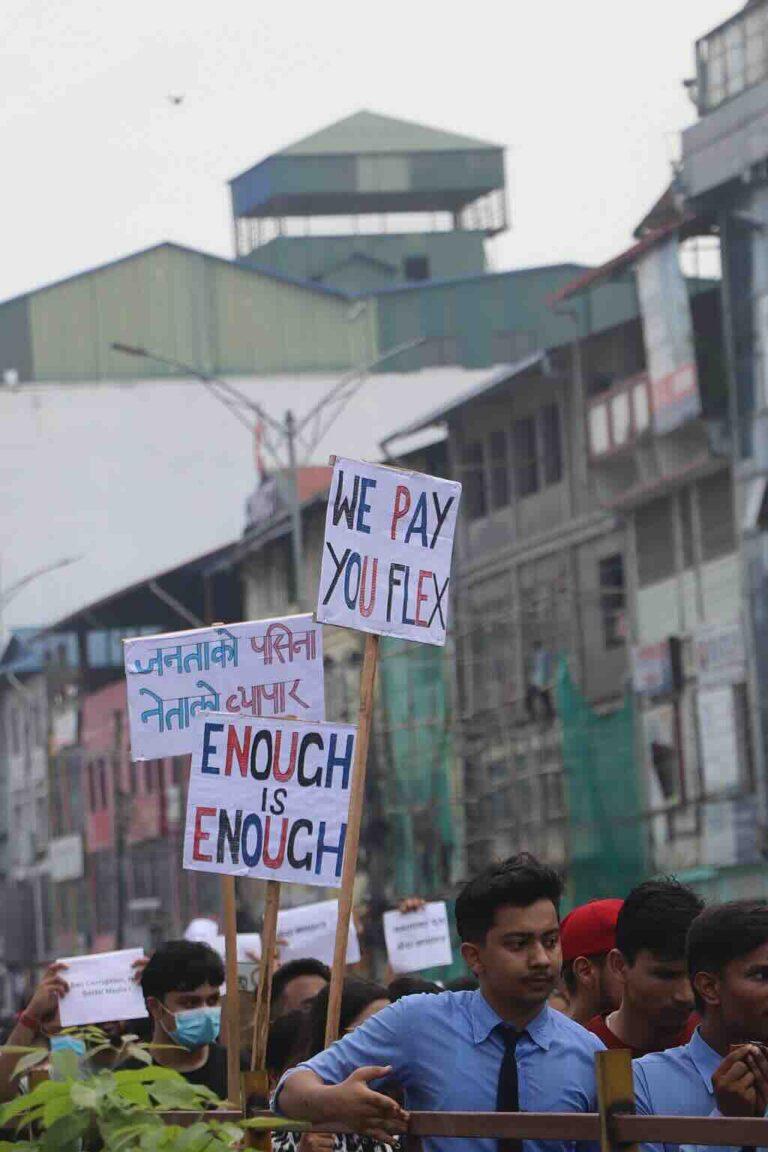
    Sushila Karki is First Choice of Gen Z Protestors to Head Government

    Now, at a crossroads, Nepal faces both peril and promise. On one hand, political paralysis and violence threaten to push the country into deeper instability. On the other, the Gen Z protests may represent a watershed moment.

    Sushila Karki, Nepal’s first female Chief Justice (2016-2017), known for her anti-corruption rulings, has been chosen by Gen Z protesters to lead an interim government post-PM Oli’s resignation. She polled 31 per cent of the votes in a virtual election among 4,000+ participants. She has been accepted for her neutrality. She has accepted the offer and said that she will focus on youth issues and development.

    Earlier, Nepal’s army stepped in late Tuesday night to impose an indefinite curfew across major cities, including the capital Kathmandu, as the country reeled from violent Gen Z-led protests that forced Prime Minister K. P. Sharma Oli to resign on Tuesday. The military deployment, accompanied by roadblocks, checkpoints and suspension of flights from Tribhuvan International Airport, signalled the state’s last-ditch effort to restore control after days of spiralling unrest.

    By Wednesday morning, the sight of armoured vehicles in Kathmandu underscored the severity of the crisis. Troops patrolled major intersections, enforced curfews in residential neighbourhoods and ordered shops, schools and offices shut. The army’s intervention followed midnight talks between Chief of Army Staff General Prabhu Ram Sharma and protest leaders, but no breakthrough was achieved. Protest organisers pledged to continue until their demands for systemic reforms are met.

    Authorities justified the clampdown as essential to prevent further violence. “The curfew is temporary but unavoidable to protect lives and infrastructure,” a government spokesperson said, while confirming that at least 19 people have been killed and more than 200 injured in clashes since the protests erupted last week.

    Flames of Rage: Social Media Ban Sparks Revolt

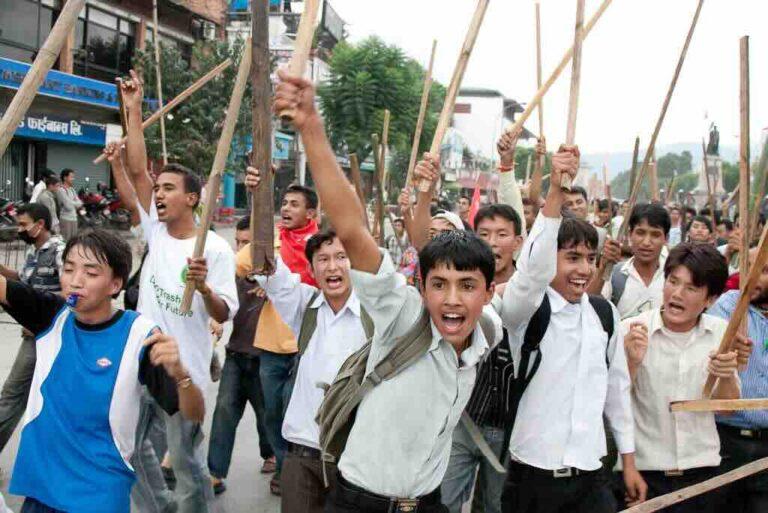
    The unrest traces its roots to the Oli government’s abrupt decision to ban Facebook, X (formerly Twitter), and YouTube, citing the need to curb fake accounts and misinformation. Instead, the ban ignited a nationwide youth uprising. Gen Z activists, adept at circumventing digital restrictions with VPNs, mobilised tens of thousands onto the streets. What began as a protest against digital curbs soon widened into a revolt against corruption, unemployment and entrenched political dynasties.

    Protesters popularised the hashtag #NepoKids, deriding political elites whose children enjoy privileged lifestyles while ordinary Nepali youth face bleak prospects at home and abroad.

    In a matter of days, the protests turned violent. Government offices, including parts of Singha Durbar and Parliament, were set ablaze. The homes of prominent politicians – including President Ram Chandra Poudel, five-time Prime Minister Sher Bahadur Deuba, and former leader Jhala Nath Khanal – were attacked.

    The violence proved deadly in some cases. Deuba and his wife were left bloodied after mobs stormed their residence. Khanal’s wife, Rajyalaxmi Chitrakar, succumbed to burn injuries after their house in Dallu was set on fire.

    Security forces responded with rubber bullets, tear gas and live ammunition in some locations. While authorities confirmed 19 deaths, rights groups warn the toll may be higher, with several protesters missing.

    Political Fallout: Who Will Lead Next?

    The scale of unrest shook Nepal’s fragile coalition government. Home Minister Ramesh Lekhak resigned, citing moral responsibility for the mounting deaths. Hours later, Oli addressed the nation and announced his resignation. Offering condolences and compensation to victims’ families, he nonetheless accused “vested interests” of exploiting the protests to destabilise the country.

    The army stepped into the vacuum as Oli’s exit left Parliament paralysed. President Poudel has begun consultations with party leaders and constitutional experts on forming a transitional government.

    The leadership vacuum has sharpened speculation about Nepal’s political future. Former Chief Justice Sushila Karki emerged as a strong contender to head a neutral interim administration, seen by many as a stabilising figure during the crisis.

    But much of the public mood is still behind Balendra “Balen” Shah, the 35-year-old rapper-turned-mayor of Kathmandu. Shah’s clean image, urban reforms and digital fluency have made him a darling of Gen Z. Protesters chant his name at rallies, and his supporters argue he embodies the break from traditional politics that Nepal’s youth are demanding.

    The protesters, while leaderless and loosely coordinated, have issued a set of demands that stretch beyond lifting the social media ban. Among them are:

    • Dissolution of Parliament and fresh elections.
    • Amendments to or replacement of the Constitution to reflect inclusivity.
    • Stronger anti-corruption measures.
    • Guaranteed job creation and opportunities for youth.
    • Full restoration of digital freedoms.

    Regional Parallels

    The crisis in Nepal echoes upheavals in neighbouring South Asia. Bangladesh’s youth-driven protests in 2024 forced Prime Minister Sheikh Hasina from power, while Sri Lanka’s mass demonstrations in 2022 toppled Gotabaya Rajapaksa. Analysts note that these movements reveal a generational shift, with young people across the region demanding accountability from ageing political classes.

    Meanwhile, the army now finds itself in a delicate position – tasked with maintaining order but wary of being seen as suppressing a youth movement. Protest organisers have stressed they do not view the army as their enemy and have urged restraint. Yet the curfew risks inflaming resentment further if enforced harshly.

    International observers, including the United Nations, have urged Nepal to respect democratic rights while seeking stability. Foreign governments have issued travel advisories as flights to Kathmandu remain suspended.

    Now, at a crossroads, Nepal today faces both peril and promise. On one hand, political paralysis and violence threaten to push the country into deeper instability. On the other, the Gen Z protests may represent a watershed moment – forcing a reckoning with corruption and nepotism that has plagued governance for decades.

    Whether Nepal veers towards reform or repression depends largely on the choices made in the coming weeks, but for now, the army’s curfew has brought a tense calm to Kathmandu’s streets. Beneath the silence, though, the voices of a restless generation continue to echo: a demand for dignity, opportunity and a new political order.

    Delhi Pollution: Sirsa Reviews 17-Point Action Plan as Winter Smog Nears

    As pollution continues to exact a heavy health toll, accelerating implementation and sustained public engagement remain critical to breathe cleaner futures into reality.

    As the Indian capital braces for another winter of choking smog, Delhi’s environment minister Manjinder Singh Sirsa on Tuesday chaired a high-level meeting to review the city’s preparedness under a 17-point winter action plan aimed at curbing air pollution.

    The minister urged officials to complete all pending measures before October, warning that delays could intensify the crisis when weather conditions trap pollutants in the city’s air. “Every department must ensure that its share of work is finished on time. Delhi cannot afford a repeat of last year’s emergency,” Sirsa said during the meeting. Senior representatives from the Delhi Pollution Control Committee, municipal bodies, transport, public works and police departments participated in the review.

    17-Point Plan to Tackle Smog

    The winter action plan revolves around 17 specific interventions to combat seasonal spikes in air pollution. These include strict dust control at construction sites, mechanised sweeping of roads, use of mist sprayers and anti-smog guns, prevention of open burning, and coordination with neighbouring states to reduce stubble burning.

    According to officials, 219 mist sprayers have been installed across pollution hotspots, while 174 anti-smog guns are being mounted on high-rise buildings and construction projects. Cloud seeding trials are also under consideration as an experimental measure. The Delhi government has further directed civic agencies to intensify checks at construction and demolition sites, often cited as major contributors to dust pollution.

    “Progress has been made, but we need to accelerate on-road dust management and waste disposal systems. Enforcement and technology have to go hand in hand,” Sirsa noted.

    Enforcement at Record Levels

    Alongside planning, enforcement against polluting vehicles and errant operators has reached its highest level in years sources said. For instance, the transport department has been issuing more than 2,500 challans daily for violations of pollution norms, largely for vehicles lacking valid Pollution Under Control (PUC) certificates. By August, authorities had logged nearly 6 lakh challans – the most in five years.

    Checks on heavy vehicles entering Delhi have also been stepped up. More than 10.8 lakh non-destined goods carriers were screened this year, with over 64,000 turned back at the borders. Parking violations and illegal encroachments have also come under strict watch, with 9.5 lakh penalties issued and more than one lakh vehicles impounded. Officials describe this as part of a “zero-tolerance” strategy towards vehicular pollution, one of the city’s biggest contributors to smog.

    At the meeting, departments also reported on the rollout of mechanised road cleaning and dust suppression machines. The city’s sanitation fleet now includes electric and CNG road sweepers, water-sprinkling units, litter pickers and dump vehicles, many fitted with GPS and air quality sensors. Demonstrations earlier this month showcased how these machines could clean up to 40 kilometres in a single shift while spraying thousands of litres of water to settle dust.

    Delhi Still the World’s Most Polluted City

    Despite these measures, Delhi remains the world’s most polluted capital, according to recent analysis by Health Policy Watch. The city recorded an average PM2.5 concentration of 88.4 micrograms per cubic metre in 2024–25, far exceeding safe limits set by the World Health Organization.

    The health impacts are staggering. Prolonged exposure to Delhi’s air pollution is estimated to cut the average resident’s life expectancy by 8.2 years, only a slight improvement from the 10-year loss calculated in 2018. Scientists warn that while India overall has seen modest improvements in air quality, Delhi continues to stand out as the most hazardous environment for breathing.

    Experts have also called for more health-focused air quality communication. Instead of relying only on the Air Quality Index (AQI), they recommend using an Air Quality Health Index (AQHI), which links pollutant levels directly to health outcomes. On ‘severe’ days in Delhi, the AQHI would indicate a potential 16 per cent surge in daily mortality, equating to around 40 additional deaths in the city.

    “Numbers like PM2.5 levels do not always resonate with the public. A health index could better convey risks and encourage people to take precautions,” said researchers behind the study.

    Mixed Progress Under National Programme

    The city’s mixed track record under the National Clean Air Programme (NCAP) has also raised concerns. Delhi has succeeded in cutting coarse PM10 levels by 15 per cent since 2017–18, but remains the worst among 130 cities identified as “non-attainment” areas where national standards are not met. Financial utilisation has also been low, with the city spending just 22 per cent of its NCAP funds so far.

    But, not all interventions have found favour with residents. A proposal to install 150 air purifiers at Nehru Park was shelved earlier this year after a survey revealed that fewer than four in ten respondents supported it. Many favoured planting more trees instead. Officials acknowledged the limited efficacy of smog towers in open areas and stressed that resources would be redirected towards broader measures such as dust suppression and vehicular checks.

    Even with an elaborate winter action plan and unprecedented enforcement, experts warn that Delhi’s battle against pollution is far from won. Cross-border crop burning, industrial emissions, household fuels, and the sheer volume of vehicles on its roads make the task formidable.

    Environment minister Manjinder Singh Sirsa, while noting the improvements in preparedness, admitted the challenge remains daunting. “Our people deserve clean air, and while we are pushing harder than ever, the cooperation of neighbouring states and the public is equally vital,” he said.

    For Delhi’s nearly 30 million residents, the coming weeks will test whether the city’s multi-pronged strategies can meaningfully reduce the haze that has become synonymous with its winters.

    Image: Wikimedia

    NCEL, APEDA Forge Strategic Alliance to Propel Cooperative-Led Agri-Exports Across India

    The success of this MoU will be measured through clear metrics: increased export volumes and values via cooperatives, successful entry into new international markets, sustained compliance with global standards, and discernible enhancement in member incomes.

    In a transformative step for India’s agricultural export sector, National Co-operative Exports Limited (NCEL) and the Agricultural and Processed Food Products Export Development Authority (APEDA) today signed a landmark Memorandum of Understanding (MoU) aimed at nurturing a robust cooperative-led export ecosystem. The pact was sealed in the presence of Dr Ashish Kumar Bhutani, Secretary in the Ministry of Cooperation, signifying coordinated intent across both the Ministry of Cooperation and the Ministry of Commerce and Industry.

    Unity of Institutional Strengths

    The agreement was executed by Abhishek Dev, Chairman of APEDA, and Unupom Kausik, Managing Director of NCEL, formalizing the collaboration. Dr Bhutani emphasized that aligning NCEL’s vast cooperative outreach with APEDA’s facilitation prowess is expected to yield higher value realization for farmers, invigorate rural livelihoods, and bolster India’s competitive standing in international markets, in line with the government’s latest National Cooperation Policy.

    According to official sources, the MoU will serve as a blueprint to:

    • Build export readiness through comprehensive training in global standards, food safety norms, compliance protocols, and meticulous export documentation.
    • Boost infrastructure support and revival, including modernization of facilities and logistics enhancement.
    • Facilitate participation in high-visibility international trade fairs, enabling cooperatives to elevate their brand presence overseas.
    • Develop global branding initiatives, underpinned by market positioning and visibility campaigns.
    • Invest in market intelligence and data analytics to deliver actionable insights and export strategy alignment.
    • Craft industry- and commodity-specific export approaches, encompassing fruits, vegetables, spices, processed foods, cereals, and animal products. The goal is to enable cooperative societies to engage with global markets professionally and ambitiously.

    This multi-pronged approach reflects a commitment to seamlessly blend APEDA’s technical expertise with NCEL’s grassroots domain reach.

    Voices from the Corridor

    Pankaj Kumar Bansal, Additional Secretary in the Ministry of Cooperation, remarked that the agreement equips NCEL with critical policy guidance and technical support – a potent mix that empowers its member cooperatives to attain export excellence, penetrate new markets, and secure premium pricing for their produce.

    Meanwhile, reports highlight the collaboration’s timing – reinforcing a synergy between cooperative networks and commerce initiatives as envisioned under Prime Minister Narendra Modi and Union Minister Amit Shah’s leadership.

    Revolutionizing Export Pathways

    This strategic alignment is more than symbolic. It acknowledges a substantial institutional leverage: NCEL, with its umbrella role over cooperative societies across Tamil Nadu and beyond, can now channel APEDA’s market access edge effectively. This could significantly reduce entry barriers for cooperatives, particularly in navigating export compliance, packaging norms, and documentation that often deter smaller players.

    By equipping cooperative members with structured training and exposure to international norms, the initiative empowers them to meet stringent global quality thresholds and certifications – a big leap from patchwork, localized interventions.

    Sectoral Focus and Opportunities Ahead

    The MoU specifically prioritizes a diversified agri-export basket – from fresh produce like fruits, vegetables, and spices to value-added processed foods, cereals, and animal products. Each segment stands to benefit from tailored export strategies – enabling cooperatives to capture emerging market niches.

    Integration of data analytics into export planning could prove especially significant. It promises data-driven targeting, pricing, and risk-mitigation frameworks to inform cooperative decision-making in real time.

    Policy Alignment and Political Context

    This collaboration dovetails with the recently launched National Cooperation Policy, which underscores the government’s vision to elevate cooperatives as key growth drivers in India’s economic journey. The MoU signals the government’s intent not just to support cooperatives – but to professionalize them for global competitiveness.

    For cooperative societies, this initiative potentially marks a paradigm shift – transitioning from subsistence-oriented operations to streamlined, export-ready entities. The MoU opens access to:

    • Training modules for compliance with global food standards.
    • Infrastructure upgrades to meet export-ready capacities.
    • Showcase opportunities through international trade events.
    • Market branding campaigns to enhance product visibility.
    • Insight-driven export strategies tailored to specific commodities and markets.

    The ripple effect could elevate farmer incomes, transform rural economies, and reposition India as a leading exporter in cooperative-driven agri-products.

    The success of this MoU will be measured through clear metrics: increased export volumes and values via cooperatives, successful entry into new international markets, sustained compliance with global standards, and discernible enhancement in member incomes.

    For now, NCEL and APEDA’s alliance stands as a pioneering step – leveraging institutional synergies to rewrite India’s cooperative export story. As training programs roll out and trade fair participation ramps up, stakeholders will be watching closely to see how quickly the promise translates into tangible results on the ground.

    Pakistan Seals Landmark $500 Million MoU with US for Critical Minerals Development

    Earlier in August, a commentary in Dawn described this as a “renaissance” of ties, driven by a transactional approach that aligns US interests with Pakistan’s resource offerings – particularly in critical minerals, energy, and even digital assets.

    Pakistan has signed a US$500 million Memorandum of Understanding (MoU) with Missouri-based US Strategic Metals (USSM) to develop, process, and export critical minerals. The agreement, inked at the Prime Minister’s House, marks a significant deepening of strategic economic cooperation between Pakistan and the US under the Trump administration.

    USSM, a firm specializing in the production and recycling of critical minerals such as cobalt, nickel, and copper – including extraction from end-of-life lithium-ion batteries – is at the heart of this deal. The US Department of Energy defines such minerals as essential for technologies across advanced manufacturing and energy production.

    Acting Deputy Chief of Mission Zach Harkenrider, alongside US Chargé d’Affaires Natalie Baker, attended the signing. Baker highlighted that this MoU exemplifies the strengthening of bilateral ties for mutual benefit, anchored in the US administration’s priority on securing access to critical mineral resources for national prosperity and security.

    This first phase of the partnership is estimated at around US$500 million in investments aimed at enhancing Pakistan’s capacity in mineral development, processing, and logistics infrastructure.

    The visit by the USSM delegation included high-level briefings with the Prime Minister, the Chief of Army Staff, the Petroleum Minister, and the Commerce Minister, drawing attention to Pakistan’s significant reserves of copper, gold, antimony, tungsten, and rare earth elements (REEs).

    Simultaneously, a second MoU was executed between Pakistan’s National Logistics Corporation and Mota-Engil Group, a global leader in engineering and construction, to develop logistics services supporting the mining and export framework.

    Economic Potential and Export Ambitions

    The agreement paves the way for immediate export activity targeting readily available mineral exports, including copper, gold, antimony, tungsten, and REEs. Such exports could unlock tremendous value, particularly through refining and value-addition measures.

    In August, Commerce Minister Jam Kamal Khan outlined Pakistan’s expectation that US investments would bolster mining infrastructure and enable the export of refined copper – a strategic commodity increasingly vital in clean energy and electronics. With Pakistan reportedly holding one of the largest copper reserves globally, the potential for leveraging that advantage remains enormous.

    Recent tariff negotiations have also strengthened Pakistan’s position. Islamabad successfully reduced US reciprocal tariffs from 29 per cent to 19 per cent, a move projected to enhance access to US markets.

    Strategic Minerals: Pakistan’s Economic Frontier

    Pakistan’s mineral sector presents a massive, largely untapped economic frontier. The Geological Survey’s 2023 estimates include custodianship of 32.6 metric tonnes of gold in Attock, and 13.1 million tonnes of copper in Reko Diq – with Reko Diq alone projected to yield up to $74 billion over time. These numbers underscore Pakistan’s potential to ignite a mining-powered economic transformation similar to what resource-rich nations like Chile and Peru have achieved, where mining contributes sizeable portions of GDP and export revenues.

    However, current limitations include low investment in modern infrastructure, weak regulatory frameworks, and lack of local value-addition capabilities. The Government’s strategy – including streamlined permitting, improved transportation infrastructure, and dedicated power access – aims to bridge this gap and attract foreign capital.

    “Renaissance” of Ties

    This MoU follows a series of strategic engagements that suggest a broader recalibration of Pakistan–US relations. Earlier in August, a commentary in Dawn described this as a “renaissance” of ties, driven by a transactional approach that aligns US interests with Pakistan’s resource offerings – particularly in critical minerals, energy, and even digital assets.

    Scholars caution, however, that while the current administration has been receptive, subsequent shifts in US policy could temper enthusiasm. Pakistan will need to carefully manage how it balances incoming investments without unsettling its other strategic partners, especially China and Iran.

    Concurrently, US Ambassador Natalie Baker has actively championed broader investment in Pakistan beyond mining – pointing to sectors like ICT, agriculture, energy, and infrastructure – and praising Pakistan’s reform efforts under Prime Minister Shehbaz Sharif.

    As the US$500 million MoU transitions from paper to tangible outcomes, key areas to watch include:

    • Implementation pace: timelines for exploration, processing, and export will test the partnership’s momentum.
    • Regulatory efficacy: consistent policies and transparent governance will be vital to maximize economic and social benefits from mineral projects.
    • Geopolitical balancing: maintaining investor confidence while navigating relationships with China and other regional stakeholders remains delicate.
    • Technological transfer: the degree to which modern extraction and processing technologies are localized will impact long-term sustainability and job creation.

    Image: Openclipart

    Prime Minister KP Sharma Oli Resigns as Gen Z Protests Shake Nepal’s Political Core; Burn Parliament

    As KP Sharma Oli exits amidst the deadliest youth uprising in Nepal’s recent history, the country’s political landscape enters an uncertain phase. Gen Z has proven it can wield real power – not through votes, but through collective dissent.

    Prime Minister KP Sharma Oli stepped down today, ending his fourth tenure amid an unprecedented wave of youth-led protests across Nepal. This dramatic resignation followed a brutal crackdown that left scores dead and hundreds injured, triggering a nationwide Gen Z uprising demanding systemic reforms.

    On Monday, the latest round of protests, driven by Gen Z youth demanding an end to corruption and authoritarian rule, spiralled into tragedy. Security forces opened fire on demonstrators, resulting in at least 19 deaths, including students, and over 400 injuries nationwide. Kathmandu accounted for 17 of those fatalities, while two more were reported in Itahari.

    Protests rapidly spread across the country, with violence escalating in multiple districts: demonstrators set ablaze party offices, blocked highways with burning tires, and even breached key governmental structures.

    In Kathmandu, protestors set ablaze the country’s Parliament building.

    Ex PM’s Wife Burnt Dead

    Rajyalaxmi Chitrakar, the wife of former Nepalese prime minister Jhalanath Khanal, died on Tuesday after protesters, reportedly led by Gen Z activists, trapped her inside the family’s Kathmandu residence and set the house ablaze, according to media reports.

    The incident occurred in the Dallu neighbourhood of the capital. Chitrakar was rushed to Kirtipur Burn Hospital but succumbed to her injuries during treatment, family sources confirmed.

    The tragedy unfolded as nationwide protests escalated against Prime Minister KP Sharma Oli’s government following a controversial but short-lived ban on social media platforms. The unrest quickly widened into a broader movement denouncing corruption and the political establishment.

    Oli, whose own residence was also targeted by arsonists, announced his resignation on Tuesday amid mounting public anger.

    In one of the most disturbing incidents captured on video, Finance Minister Bishnu Prasad Paudel, 65, was chased through the streets of Kathmandu, kicked, and beaten severely by protesters.

    The capital had already witnessed widespread demonstrations a day earlier, led largely by young people infuriated by the blocking of several social media sites. Police opened fire on crowds during those protests, leaving at least 19 people dead.

    Gen Z Takes It to the Power Seat

    On Tuesday, young protesters forced their way into the Federal Parliament building, marking a bold escalation in the movement. Eyewitnesses confirmed it was the second consecutive day that the parliamentary compound was breached. Across Nepal, demonstrations intensified – with protesters vandalizing residences of political figures and government buildings in cities like Hetauda, Malangwa, and Biratnagar.

    In Kathmandu, youth converged at New Baneshwar and Kalanki, defiantly disregarding stringent curfew orders in place since Monday. Their message was clear: this movement would not be silenced by curfews or force.

    Authorities responded by imposing curfews in multiple regions: Kathmandu Valley – including Ghantaghar, Swayambhu, Balkumari, and Balkhu – Lalitpur, Bhaktapur, and even Koshi and Parsa provinces faced sweeping restrictions.

    Meanwhile, the Nepali Army began evacuating ministers from their residences in Bhaisepati via helicopter and deployed troops to secure Parliament and other strategic facilities.

    Oli Steps Down Amid Carnage

    The death toll and mounting unrest proved politically untenable. Prime Minister Oli tendered his resignation this afternoon, confirmed by his own secretariat.

    In his resignation letter to President Ramchandra Paudel, Oli cited the “extraordinary situation prevailing in the country” and expressed a desire to “facilitate further efforts toward a constitutional political solution,” invoking Articles 76(2) and 77(1)a of the Constitution.

    Oli’s resignation marks yet another exit from power: he previously led Nepal during 2015–16, 2018–21, briefly in 2021, and most recently from July 2024. Known for his nationalist style, Oli rose to power promising order and prosperity; instead, his final chapter was defined by a brutal crackdown on peaceful youth protests.

    Youth Vow to Continue

    The resignation has not quelled the unrest. Protesters remain on the streets, eager to capitalize on their moment. In Kathmandu and beyond, demonstrations continue – despite curfews, despite increased security presence.

    One protester told The Kathmandu Post, “Yesterday’s incident exposed the government’s failure. I came here to stand with the youths.” The statement captured the sentiment of a generation demanding accountability rather than symbolic political shifts.

    Beyond the capital, the Gen Z movement surged across Nepal:

    • Hetauda and Manahari Bazaar witnessed roadblocks as protesters burned tires, disrupting East-West Highway traffic.
    • Offices of Nepali Congress and CPN-UML in Sarlahi and Malangwa were set ablaze.
    • In Koshi Province, demonstrators surrounded the Provincial Assembly Secretariat at Devkota Chowk, demanding responsibility.
    • In the Far-West Province, youth even stormed the Chief Minister’s Office and vandalised vehicles.

    The Significance of a Youth Revolt

    As Oli exits, Nepal stands at a crossroads. His resignation may reflect a forced retreat rather than a political reckoning. With Gen Z activists refusing to stand down, the country faces persistent disruption.

    Meanwhile, the army’s involvement in evacuations and security underscores the gravity of the crisis. Whether the political class will step up with real reforms – or simply shuffle power – remains to be seen.

    This is not just another political transition. It is a generational uprising. Born into the age of information, Gen Z protesters leveraged social media and solidarity to challenge institutional corruption and demand systemic change. Even as the government responded with lethal force and digital censorship, the movement’s momentum only grew – spreading from Kathmandu to provincial centres.

    Oli’s resignation is a major concession to Gen Z’s pressure – but for many participants, it may be only the beginning.

    As KP Sharma Oli exits amidst the deadliest youth uprising in Nepal’s recent history, the country’s political landscape enters an uncertain phase. Gen Z has proven it can wield real power – not through votes, but through collective dissent. Now, the challenge lies with Nepal’s leaders to respond with more than gestures: genuine reform, transparency, and political renewal – or face a persistent, energized movement that has already proven formidable.

    Updated at 7:32 PM

    Window to Prevent Famine Spreading in Gaza is ‘Closing Fast’, UN Warns

    Fletcher called again for an immediate ceasefire, the protection of civilians, the release of all hostages held inside Gaza by Hamas and other militants and the release of arbitrarily detained Palestinians.

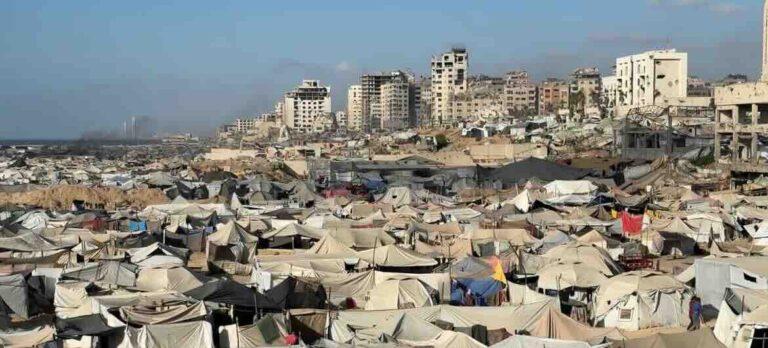
    The narrow window to prevent the spread of famine from northern Gaza to other parts of the Strip is closing fast, the UN Emergency Relief Coordinator, Tom Fletcher, said on Sunday.

    Fletcher’s statement amid what he described as “a massive military offensive” by Israeli forces against Palestinians in Gaza City, and the failure of ceasefire negotiations with Hamas militants.

    By the end of September famine will likely have spread into Deir al Balah and Khan Younis, he said, unless there is a huge influx of humanitarian aid: “Death, destruction, starvation and displacement of Palestinian civilians are the result of choices that defy international law and ignore the international community.”

    The horror can be stopped, he continued, if aid is allowed in at scale.

    Fletcher called again for an immediate ceasefire, the protection of civilians, the release of all hostages held inside Gaza by Hamas and other militants and the release of arbitrarily detained Palestinians.

    He also insisted on the implementation of the International Court of Justice’s (ICJ) provisional measures which call for prevention of genocidal acts and the immediate and effective delivery of urgent basic services to Gaza’s civilian population.

    No Money, Nowhere To Go

    Ahead of a second airstrike on a Gaza City high rise apartment block on Saturday in as many days which Israeli forces claimed was being used by Hamas – which the militant group denied – Israel reportedly dropped leaflets warning residents to relocate to the south.

    UN News’s correspondent spoke to families trying to survive in the city amid Israel’s ongoing offensive, who are facing an impossible choice over staying or fleeing.

    Abu Amer al-Sharif said, “we are at a loss,” sitting in front of what remains of his house in the city that used to be home to over one million people.

    They had salvaged some belongings – but moving again seemed a daunting task.

    “You know the financial burden, including transportation costs and rent for new housing. There are no salaries from the authorities and people have no income. Families are required to pay thousands of dollars for the places they move to, in addition to transportation costs. On top of that, our property is damaged,” Abu Amer said.

    ‘I Live on the Rubble’

    In the same neighbourhood, Hossam Madi stands amid the rubble of his home, breaking up furniture to sell as firewood.

    “We don’t have enough money to move to the southern Gaza Strip,” he said bluntly.

    “I break wood to sell it to buy a kilo of flour for breakfast or lunch. We have nothing. Look at our house, look what happened to it. I am living on the rubble, and now I will take my things and move to western Gaza.”

    Saqr Abu Sultan said he wasn’t sure where they were headed, loading his family’s belongings onto a three-wheeled cart in preparation for leaving the Sheikh Radwan neighbourhood.

    “The situation is chaotic now. We’re trying to evacuate, but we don’t know where to go, despite the constant talk of safe areas,” he said.

    Source: UN News

    Image: UN News

    Alarming Decline in Physical and Mental Wellbeing Among Sri Lankan Schoolchildren

    In terms of mental health, distressing trends are evident. The proportion of students without close friendships has risen from 5.6 per cent in 2016 to 7.5 per cent in 2024.

    A 2024 survey conducted jointly by Sri Lanka’s Ministries of Health and Education, under the auspices of the World Health Organisation, has uncovered a striking deterioration in both physical and mental health among school-going adolescents, according to the latest figures released on 4 September 2025.

    The Global Student Health Survey in Sri Lanka encompassed 2,912 students from Grades 8 to 12, aged between 13 and 17, across 40 schools nationwide. Using self-reported questionnaires, the survey assessed aspects such as alcohol and drug use, eating habits, physical activity levels, psychosocial wellbeing, injuries, exposure to violence and skipping meals due to food insufficiency.

    A comparison with data from a similar 2016 survey shows a worrying trend across multiple indicators. There has been an increase in substance use, consumption of sugar sweetened beverages, physical inactivity, sedentary habits and various psychosocial problems. Researchers report a dual burden of malnutrition, alongside elevated rates of smoking, violent injury experiences, physical fights and incidents of cyberbullying.

    Undernourishment and Depression

    Concerning nutritional data reveals that 21.4 per cent of the surveyed adolescents are underweight, while 12.1 per cent are overweight and 3 per cent are obese. Undernourishment is typically linked to chronic malnutrition, whereas overweight and obesity appear to be driven by poor diet and lack of physical exercise. Moreover, some students reported food insecurity: 4.3 per cent said they had felt hungry because there was not enough food at home in the 30 days before the survey – up from 3.1 per cent in 2016. A further 1.8 per cent said they had skipped breakfast due to food shortages in the seven days leading up to their response.

    Fruit and vegetable intake remains notably low. Nearly a quarter – 24.9 per cent – reported not having eaten any fruit in the week prior to the survey; 3.1 per cent had not eaten any vegetables. Only 26.1 per cent of students consumed vegetables three or more times a day.

    In terms of mental health, distressing trends are evident. The proportion of students without close friendships has risen from 5.6 per cent in 2016 to 7.5 per cent in 2024. Feelings of loneliness have also more than doubled – from 9 per cent to 22.4 per cent. Anxiety has taken a heavier toll too: 11.9 per cent of students reported sleep disruption caused by anxiety, compared to just 4.6 per cent in 2016.

    Depressive symptoms have surged. Overall, 18 per cent of students displayed signs of depression, with 16 to 17 year olds particularly affected, at a rate of 26.3 per cent. Self harm ideation has also increased alarmingly – 15.4 per cent of respondents said they had considered suicide, up from 9.4 per cent in 2016. Suicide attempts have similarly risen, from 6.8 per cent to 9.1 per cent. Further compounding concerns, over one third of pupils – 36.2 per cent – reported severe psychological distress, yet only a mere 2.1 per cent sought help from adolescent clinics.

    Adolescent Health

    When asked to comment on these results, a senior official from the Ministry of Health attributed much of the mental health burden to an education culture steeped in competition. The official noted that students are compelled into private tuition, leaving little to no time for rest, exercise, creative or artistic pursuits, or simply being outdoors.

    Proposed education reforms under the current government, led by the Janatha Vimukthi Peramuna and National People’s Power, aim to address this by reducing competition in schooling and expanding high quality learning opportunities without pressure. However, critics argue that the reforms risk aligning education more closely with labour market demands at the expense of subjects such as art or history, potentially undermining broader educational development.

    Compounding these challenges, survey authors call for an adolescent responsive health system. Recommendations include allocating more resources to adolescent health, ensuring that health providers are trained to serve this age group appropriately, expanding service access and promoting widespread awareness among young people.

    Yet public health funding is heading in the opposite direction. In 2024, public health expenditure stood at 410 billion rupees – roughly equivalent to US $1.27 billion – only to be trimmed to 383 billion rupees in 2025, as part of austerity measures tied to International Monetary Fund requirements.

    The survey findings also underscore how the education crisis is rooted in widening social inequality, limited university placements and shrinking job prospects – trends reinforced by decades of austerity. Education spending has persistently hovered at just one to two per cent of GDP, with projections pointing to further cuts aligned with external financial directives.

    Food insecurity

    Food insecurity plays a tragically central role in this crisis. A recent international agency report estimates that 2.3 million children in Sri Lanka currently lack enough to eat. Families face soaring living costs and diminishing access to healthcare and schooling, with public services being ever more stretched.

    Economic forecasts warn that the national poverty rate may rise to 22.7 per cent this year, a scenario made more likely by ongoing privatisation of key public enterprises and the fallout from global economic tensions including the US–China trade war. Job losses are mounting, exacerbating hardship across vulnerable communities.

    To reverse the deepening crisis, analysts argue, Sri Lanka will require substantial investment in public health, education and employment. Without such measures, many young citizens will continue to face declines in both physical and mental wellbeing – undermining the future development of the country.

    Image: UNICEF

    China Exits Pakistan’s $60 Billion CPEC Flagship; Pakistan Turns to ADB for Lifeline

    Analysts say China’s retreat highlights the risks of overdependence on a single patron for massive infrastructure funding. Financial uncertainties and rising debt concerns have made the ML-1 project less viable under Chinese terms.

    In a move signalling a profound shift in Pakistan’s infrastructure financing and geopolitical posture, China has withdrawn from financing the pivotal Main Line-1 (ML-1) railway project, a cornerstone of the China–Pakistan Economic Corridor (CPEC). Islamabad has now turned to the Asian Development Bank (ADB) to fill the void left by Beijing – and possibly redefine its strategic alignments.

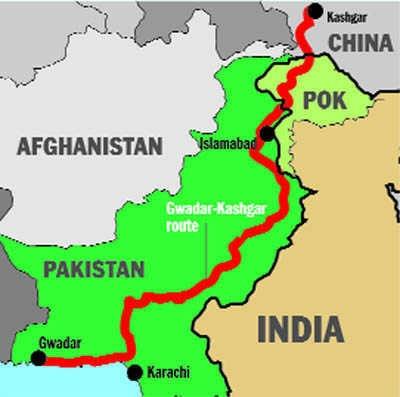
    The ML-1 railway upgrade – stretching roughly 1,800 km between Karachi and Peshawar – was long touted as the transformational heart of CPEC amid plans to inject $60 billion into Pakistan’s infrastructure under the Belt and Road Initiative. But after years of negotiations and concerns around Pakistan’s fiscal health, China has stepped back from the project entirely, redirecting the spotlight toward more manageable avenues such as agriculture, solar energy, and health, outlined in MoUs signed during Prime Minister Shehbaz Sharif’s visit to Beijing.

    ADB to the Rescue: Filling the Funding Gap

    With China sidelining the project, Pakistan urgently turned to an alternative. The ADB is now stepping in, preparing a $2 billion loan to upgrade the critical Karachi–Rohri segment – a roughly 480–500 km stretch – of ML-1. This marks the first time a multilateral lender is taking the lead on what was once CPEC’s flagship venture.

    Financial and Strategic Ramifications

    This funding is not just about tracks and trains – it’s deeply tied to Pakistan’s broader economic ambitions. The ML-1 upgrade is critical to transporting copper ore from the Reko Diq mine in Balochistan to ports for export. The mine, developed by Canada’s Barrick Gold, is expected to begin production by 2028. Without a functional and modern railway, Pakistan risks choking a major source of future export revenues. Already, the ADB has committed $410 million toward infrastructure directly linked to Reko Diq.

    Pakistan’s shift from Chinese to multilateral financing reflects a nuanced diplomatic balancing act. Army Chief Asim Munir emphasized, “We will not sacrifice one friend for the other,” signalling Beijing that the new direction isn’t an outright rejection, but a pragmatic diversification. Indeed, sources suggest the decision has been coordinated with China to avoid overt strain in their “all-weather” relationship.

    This change also comes amid renewed attention from Washington on the Reko Diq project – underscoring how Pakistan is keen to broaden its strategic relationships beyond China.

    Analysts say China’s retreat highlights the risks of overdependence on a single patron for massive infrastructure funding. Financial uncertainties and rising debt concerns have made the ML-1 project less viable under Chinese terms. The ADB loan, while potentially more expensive due to market-based lending terms, offers a lifeline – albeit with the caveat of stricter financial oversight.

    The shift is also geopolitically resonant. It signals to regional and Western partners that Pakistan is open to multilateral investment and less tied exclusively to China – possibly easing some diplomatic frictions.

    Geopolitical Recalibration

    If finalized, the ADB-led loan will likely be announced later this month, anticipated to involve international engineering firms engaged through competitive bidding procedures. Pakistan stands at a crossroads: its mining sector, especially Reko Diq, could become a jewel of its export profile – but only if infrastructure and security challenges are addressed.

    Security remains a significant concern. The Reko Diq region and the railway corridor traverse insurgency-prone areas, requiring Pakistan to ramp up protection for both infrastructure and personnel.

    Meanwhile, the broader CPEC vision of a $60 billion integrated corridor is increasingly fragmented. With the ML-1 now restructured under multilateral finance, the infrastructure corridor is evolving into a patchwork of bilateral and multilateral initiatives.

    China’s exit from Pakistan’s flagship CPEC railway project and the nation’s pivot toward the ADB represents both a financial necessity and a geopolitical recalibration. For Islamabad, the move offers a lifeline to vital infrastructure funding, greater global legitimacy, and an opportunity to hedge its strategic dependencies. For observers, it signals that CPEC is no longer just a bilateral story but one shaped increasingly by Islamabad’s efforts to navigate a more complex global landscape.

    As negotiations progress and details of the ADB loan crystallize, all eyes are on Pakistan’s capacity to deliver on this revised infrastructure roadmap – and on whether Reko Diq will indeed power the next wave of economic growth.

    Together We Have More Power, says ICIMOD on Renewable Energy Cooperation

    A new report by the ICIMOD warns that as demand for energy surges, regional cooperation will be crucial to meeting development and climate goals.

    The Hindu Kush Himalaya (HKH) region, spanning Afghanistan, Bangladesh, Bhutan, China, India, Myanmar, Nepal and Pakistan, is home to over 3.3 billion people — nearly 42 per cent of the world’s population. Despite notable economic growth, the region faces stark development challenges: 260 million people live in extreme poverty, 591 million experience multidimensional poverty, and more than 47 million still lack access to electricity .

    A new report by the International Centre for Integrated Mountain Development (ICIMOD) warns that as demand for energy surges, regional cooperation will be crucial to meeting development and climate goals. The study underscores the immense potential of renewable energy in the HKH while also flagging the pressing risks of climate change, environmental degradation, and policy fragmentation .

    Rich in Resources but Poor in Access

    The HKH is endowed with abundant hydropower, solar, and wind resources. An estimated 635 gigawatts of hydropower and nearly 3,000 gigawatts of solar and wind potential remain largely untapped . Bhutan and Nepal already generate all their electricity from renewables, while China and India are scaling up solar and wind capacity at pace. Yet the regional share of clean renewable energy in total primary energy supply is only 6.1 per cent, with coal, gas and biofuels still dominant in most countries .

    The uneven distribution of energy resources, combined with dependence on fossil fuel imports, has left several countries vulnerable. Bangladesh and Pakistan, for instance, suffer frequent blackouts lasting up to 10 hours a day, with soaring electricity generation costs worsening economic strain .

    Climate and Non-Climate Threats

    The report highlights how climate change directly threatens the energy sector. Hydropower projects face growing risks from glacial lake outburst floods, changing stream flows, and extreme weather events . Beyond climatic challenges, the sector is beset by financial, social and political obstacles: high capital costs, weak regulatory frameworks, lack of investment in research and development, and geopolitical tensions that delay cross-border projects .

    Distribution companies, especially in India, are reluctant to procure renewable power due to technical and financial constraints, further hindering integration into national grids . Meanwhile, subsidies for fossil fuels — amounting to tens of billions of dollars annually in countries such as China and India — continue to distort energy markets .

    The Case for Regional Cooperation

    Despite these hurdles, the report makes a strong case for regional collaboration. It stresses that bilateral arrangements, while useful, are no longer sufficient. To truly harness renewable potential, countries must move towards multilateral cooperation that transcends borders .

    “Energy is a complex and cross-cutting sector and needs a holistic, multidimensional approach for regional cooperation,” the report notes. This includes not just trading hydropower but also sharing technologies for solar and wind, integrating disaster risk reduction, and promoting green growth strategies .

    A prime example lies in the Koshi River Basin. Hydropower projects there could generate 10,000 MW of electricity while also irrigating vast tracts of land in Nepal and India, potentially benefiting millions of farmers and boosting food security . Similarly, joint water and energy management in the Indus Basin could deliver billions in economic gains across Pakistan, Afghanistan and India.

    Shared Gains, Shared Responsibilities

    Regional cooperation promises multiple dividends: enhanced energy security, reduced reliance on fossil fuel imports, mitigation of climate risks, and socio-economic benefits such as poverty reduction, job creation, and improved gender equity. Multipurpose reservoirs and so-called “dam equivalents” — alternative solutions that mimic large dams without their downsides — can help regulate floods, store water, and generate power .

    But the report cautions that these benefits will only materialise if local communities are included. Renewable projects can cause displacement and ecological harm if not managed responsibly. Ensuring equitable access, especially for underprivileged groups in mountain areas still reliant on biomass, is critical for both social empowerment and environmental justice .

    Policy Messages and the Road Ahead

    The study issues several urgent policy messages:

    • Increase renewable energy share: HKH countries must rapidly expand clean energy to cut greenhouse gas emissions and reduce vulnerability to global fuel price shocks .
    • Shift from bilateral to regional frameworks: Multilateral cooperation is vital for optimising energy trade, technology exchange, and disaster resilience .
    • Adopt a holistic approach: Cooperation should extend beyond hydropower to include solar, wind, and integrated water-energy-agriculture strategies.
    • Invest in governance and regulation: Harmonising policies, building institutional capacity, and incentivising utilities to integrate renewables are essential .
    • Empower local communities: Ensuring fair distribution of benefits and access to clean energy for marginalised groups will strengthen social support .

    With net-zero targets ranging from 2045 to 2070 across the region, the report concludes that collective action is indispensable. “Without regional cooperation, it will be difficult for countries to meet the growing demand for energy, particularly renewable energy, for increasing population and economic growth” .

    The HKH stands at a crossroads: abundant in natural resources yet constrained by political, economic and climatic challenges. Regional renewable energy cooperation offers a path to not only address the energy trilemma — security, equity and sustainability — but also to lift millions out of poverty and build resilience against climate change.

    The message from ICIMOD is clear: together, the HKH countries have more power.