More

    Bangladesh Confronts Alarming Surge in Rape, Violence Against Women

    The crisis has been compounded by the rise of hardline Islamist groups since the collapse of Sheikh Hasina’s long rule. Women’s rights activists warn that these groups are contributing to an atmosphere of communalism and hostility towards women, exacerbating their vulnerability.

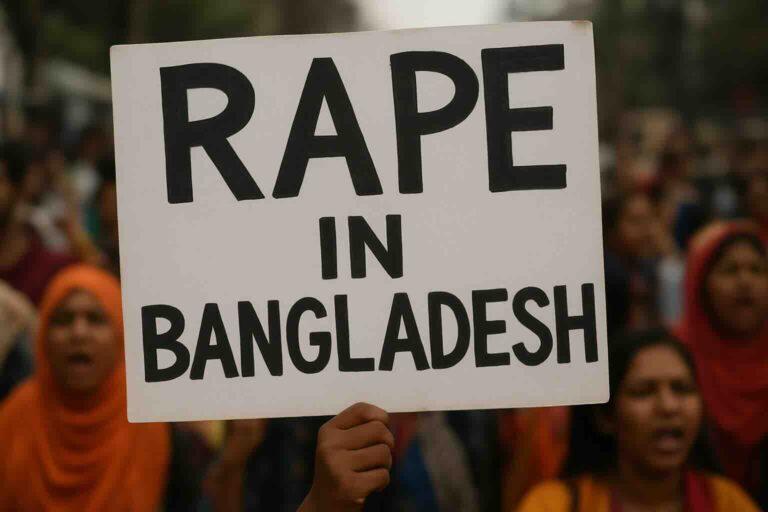
    Bangladesh is in the grip of a disturbing escalation of rape and other forms of violence against women and girls, with rights groups, police and government officials describing the situation as nothing short of a national crisis.

    Reports compiled by the Bangladesh Mahila Parishad reveal that in the last month alone more than 223 women and girls across the country were subjected to violence, with murder and rape making up the majority of cases. At least 115 women and girls were either murdered or raped during this period, underscoring the alarming scale of gender-based violence.

    The figures, disclosed in a statement signed by Mahila Parishad General Secretary Maleka Banu, were based on reports published in 15 daily newspapers. The organisation stressed that women continued to face abuse in multiple forms, from domestic violence to abduction, trafficking and forced marriage.

    Dramatic Spike in Sexual Violence

    Bangladesh’s leading women’s rights group sounded the alarm on 27 August, citing a dramatic surge in sexual assault cases and blaming worsening security conditions for the rise. Fauzia Moslem, president of the Mahila Parishad, warned that the number of rapes recorded in the first six months of 2025 had nearly matched the total for all of 2024, which itself was a year marred by political turmoil and mass protests that toppled Sheikh Hasina’s government in August.

    “Violence against women increases when there is a deterioration of law and order,” Moslem said, cautioning that there was a “deliberate attempt in society to create an anti-women atmosphere.”

    The organisation’s findings, based on newspaper monitoring, showed that 364 rapes were reported in 2024 compared with 354 cases in just the first half of 2025. Activists believe the true numbers are significantly higher, with stigma, fear of reprisals and mistrust of law enforcement deterring many victims from coming forward.

    Police statistics reinforce these warnings. More than 11,000 women and children experienced repression of various forms in the first half of 2025, up from just over 9,000 during the same period the previous year. While police did not comment specifically on the spike in sexual violence, spokesperson A H M Sahadat Hossaine admitted that the wider deterioration in security was deeply troubling. “This is a crisis situation, and the police are trying their best to rein it in,” he said.

    Widespread Alarm and Protests

    Other rights groups, including Ain O Salish Kendra (ASK), have also echoed these concerns. “The situation is undoubtedly alarming,” said ASK coordinator Abu Ahmed Faijul Kabir. “What we are seeing is very different from what we expected after a revolution overturned the governance structure.”

    The crisis has been compounded by the rise of hardline Islamist groups since the collapse of Sheikh Hasina’s long rule. Women’s rights activists warn that these groups are contributing to an atmosphere of communalism and hostility towards women, exacerbating their vulnerability. With national elections due in February 2026, the first since the mass uprising last year, fears are growing that women’s rights could be further compromised.

    Public anger reached boiling point in late June after 24 rapes were reported between 20 and 29 June alone. One of the most harrowing incidents occurred in Bhola district, where a woman was gang raped while her husband was held captive and tortured by the perpetrators, said to be linked to his third wife. In another case, attackers assaulted a Hindu minority woman in Cumilla, filmed the crime and circulated the footage online, intensifying trauma for both the victim and her community.

    Outraged by such brutality, protesters flooded the streets of Dhaka and other cities, demanding justice and accountability. Demonstrations, led by student groups, women’s collectives and civil society organisations, accused authorities of failing to protect women and allowing perpetrators to act with impunity.

    Pandemic-Level Crisis

    Senior government adviser Sharmeen S. Murshid described the escalation as a “pandemic-level crisis,” blaming systemic social decay and calling for urgent reforms. “Governments have come and gone, but none have been able to tackle the issue effectively,” she said.

    In an attempt to assuage public anger, the government announced the formation of quick response teams at the sub-district (Upazila) level. These teams, comprising police, medical staff and legal officers, are tasked with acting within 24 hours of receiving reports. Officials hope the initiative will prevent the delays that have historically allowed perpetrators to escape justice.

    However, widespread scepticism remains. Chronic staff shortages and resource constraints have plagued government efforts for years. Women’s rights defenders warn that without deeper structural reforms, quick response teams risk becoming another symbolic gesture rather than a meaningful solution.

    Systemic Failures

    Experts point to a confluence of factors behind the crisis: entrenched patriarchy, political interference shielding offenders, rampant drug abuse, the unregulated spread of mobile phones and internet pornography, and weak law enforcement. A Ministry of Women and Children Affairs survey shows the scale of the problem: between January 2020 and September 2024, a woman was raped on average every nine hours. Children made up nearly 60 per cent of victims in recent years.

    The ministry’s toll-free helpline has received more than 281,000 complaints related to violence against women and children in just the past year. Meanwhile, a national survey revealed that 70 per cent of Bangladeshi women have experienced intimate partner violence, with 41 per cent suffering such abuse in the past year alone.

    A Nation at a Crossroads

    Activists stress that prevention must accompany punishment. They are calling for expanded education campaigns on gender equality and consent, as well as specialised courts to fast-track cases of sexual violence. International organisations, including Amnesty International, have urged Bangladesh to take urgent and comprehensive measures to protect its women and girls.

    For many survivors and their families, however, justice remains elusive. Protests are set to continue until meaningful reforms are enacted. As one demonstrator in Dhaka declared, “The safety and dignity of half the population cannot be negotiable. Bangladesh must choose whether it will stand with its women or abandon them.”

    Image: Chat GPT

    GST 2.0: Catalysing Competitiveness and Sustainability in Indian Agriculture

    It is essential to consider GST 2.0 not merely as a tax relief package, but as a strategic policy change. Its economic role is in reducing the cost of farming, enhancing mechanisation, and competitiveness against imports.

    By Naveen P Singh

    The roll-out of the Goods and Services Tax (GST) on July 2017 was hailed as independent India’s most ambitious tax overhaul. Agriculture that supports close to half of the country’s labour force and contributes enormously to national food security was poised to benefit from a clean, transparent, and uniform tax regime. The assurance was of lesser cascading taxation, lower compliance barriers, and more equitable results for farmers.

    Yet, the experience of the past eight years shows that distortions persisted. For instance, while seeds were exempt from GST, pesticides carried an 18 per cent rate. Fertilisers were taxed at five per cent, but tractors were subject to 12 per cent, while GST for their tyres and hydraulic pumps went as high as 18 per cent. These abnormalities not only caused confusion but also raised the cost of cultivation between 15 to 20 per cent, lost competitiveness, and deterred mechanization.

    With the recent reform, so commonly referred to as GST 2.0, the Council has gone in for a full-scale rationalisation. The approach this time is holistic, rather than piece-meal tinkering. The package lowers tax on key inputs, incentivises sustainable agriculture, encourages mechanisation, increases food processing, and reduces logistics costs. More importantly, it marks a change of thinking: taxation is no longer perceived as a mere revenue-raising instrument, but as a tool to increase agricultural competitiveness and sustainability.

    Mechanisation for the Common Man

    Indian farm mechanisation has always been marked by paradox. While India is the world’s largest tractor market, mechanisation intensity is far below the world standard. The exorbitant prices of tractors, engines, tyres, and accessories, combined with an asymmetrical GST regime, put contemporary machinery beyond the affordability of marginal and small farmers.

    GST 2.0 addresses these directly. The duty on tractors with engines of up to 1,800 cc has been lowered from 12 to 5 per cent, equating to a price cut of around ₹50,000 to ₹70,000 per tractor. Even the GST on tractor parts like tyres, tubes, and hydraulic pumps has been cut drastically from 18 per cent to 5 per cent, reducing maintenance expenditure. A similar cut, from 12 to 5 per cent, has been imposed on diesel engines of up to 15 horsepower, sprinklers, sets of drip irrigation, threshers, and composting devices.

    These combined changes eliminate the asymmetry of the previous system and reduce mechanisation costs. The effect will be most pronounced for smallholders, who can now avail the use of machinery not only through outright purchase but also through custom hiring centres, cooperatives, and FPOs. Concurrently, the lowering of costs will lead to increased demand for rural credit and models of leasing, thus translating to the benefit of NBFCs and cooperative institutions and in turn, lessening labour drudgery and increasing productivity at the farm level.

    Fertilisers and Bio-Inputs: Balancing the Equation

    Pricing of fertiliser has remained economically as well as politically sensitive since it has a direct bearing on farm viability and food security. The sector was long under the shadow of an inverted duty structure in which raw materials like ammonia, sulphuric acid, and nitric acid levied 18 per cent GST while finished fertilisers carried only five per cent duty. This imbalance deterred domestic manufacturing and exerted upward pressure on prices.

    In GST 2.0, the levy on these vital fertiliser intermediates has been cut from 18 per cent to 5 per cent, at long last balancing the equation. This will balance supply chains, lower the cost for manufacturers, and supply farmers with cheap and timely fertilizers at the time of sowing.

    No less significant is the initiative of the government to incentivise sustainability through the budget. Bio-pesticides and micronutrients, previously taxed at 12 per cent, now find themselves at 5 per cent. This cut is expected to drive away excessive chemical use and promote green methodologies in keeping with the Natural Farming Mission. Accessible bio-inputs will simplify things for small organic growers and FPOs to go for climate-resilient farming, enhance soil health, and grow better-quality crops.

    Dairy, Apiculture, and Allied Sectors: Pillars of Rural Livelihoods

    Dairy is not just an industry but a lifeline for rural livelihoods, particularly for women and marginal farmers. The world’s largest milk producer, India, relies heavily on dairy to provide farm income supplements and nutrition security. GST 2.0 provides considerable relief to this industry by reducing the tax on butter and ghee to 5 per cent from 12 per cent. The duty on iron, steel, or aluminium milk cans has also been lowered to 5 per cent from 12 per cent, benefiting cooperatives and self-help groups that collect and distribute milk directly.

    Apiculture, which supports thousands of beekeepers and tribal people, also benefits. The GST on natural honey has been lowered from 12 per cent to 5 per cent, and beekeeping is now more profitable. Likewise, the lowering of tax on prepared and preserved fish products from 12 to 5 per cent provides much-needed support to aquaculture and pisciculture, especially in coastal states. Even tendu leaves, which are a vital source of livelihood for Odisha, Chhattisgarh, and Madhya Pradesh tribals, are now taxed at a mere 5 per cent rather than the previous 18 per cent. Taken together, these steps strengthen agriculture’s allied industries as drivers of inclusive rural prosperity.

    Food Processing: Unlocking the Value Chain

    One of the weakest links in India’s agri-food system has been food processing. Despite producing vast quantities of fruits and vegetables, only 10 to 12 per cent of this output is processed, compared with 30 to 40 per cent in many East and Southeast Asian countries. High GST rates on processed products were a major deterrent for small and medium enterprises, as well as FPOs, that sought to enter this space.

    GST 2.0 revolutionizes this sector by lowering the GST rates on prepared and preserved fruits, vegetables, and nuts from 12 to 5 per cent. This reduces entry barriers for entrepreneurs, promotes investment in supply chains and cold storage, as well as post-harvest loss savings that stand at up to 30 per cent for perishables. More significantly, it increases farmers’ participation in consumer prices and opens up prospects for value-added product exports. In the long term, it could make India a leading agri-food export base, similar to Thailand or Vietnam, and feed into the government’s vision of Atmanirbhar Bharat.

    Expanding Horizons: Renewable Energy and Logistics Reform

    Modern farming is also energy-hungry, and high energy prices frequently undercut farm profitability. This being understood, GST 2.0 cuts the duty on solar-run irrigation equipment from 12 to 5 per cent. By cutting the cost of switching to renewable energy, this step will reduce the cost of irrigation, lower reliance on subsidised power, and encourage climate-resilient agriculture.

    Simultaneously, logistics reforms eliminate one of the unseen taxes on agriculture. Indian logistics cost 13 to 14 per cent of GDP, versus 8 to 9 per cent in advanced economies. Trucks that transport almost 70 per cent of farm freight were previously taxed at 28 per cent, driving up capital expenses for carriers. With the new regime, this has been lowered to 18 per cent, substantially reducing the initial cost of vehicles. In addition, the effective GST on third-party goods carriage insurance has been brought down from 12 to 5 per cent by allowing input tax credit. Together, these reforms will reduce freight charges, improve supply chain efficiency, and make Indian agricultural exports more competitive in international markets.

    Beyond Tax Relief: A Strategic Policy Shift towards Viksit Bharat

    It is essential to consider GST 2.0 not merely as a tax relief package, but as a strategic policy change. Its economic role is in reducing the cost of farming, enhancing mechanisation, and competitiveness against imports. Its social aspect is seen through the empowerment of women-run dairy businesses, tribal bee-keepers, and small aquaculture farmers. Environmentally, the reform advocates bio-inputs, water-saving irrigation, and renewable energy, all being essential to climate resilience. Institutionally, it enhances FPOs, cooperatives, and rural NBFCs through creating new opportunities in mechanisation finance and food processing.

    Indian agriculture is at a turning point, under the double pressure of having to feed a rising population while being internationally competitive. GST 2.0, through rate rationalisation and elimination of long-standing distortions, has ushered in a growth-generating, inclusive, and sustainable tax regime. Its advantages permeate through the value chain — from farms to processing, from dairy to aquaculture, and logistics to exports.

    The success of the reform, however, is contingent on complementary enablers like timely access to affordable credit, strong infrastructure, and good extension services. If these are properly aligned, GST 2.0 can become a potent driver for agricultural transformation, propelling India’s journey towards the national vision of Viksit Bharat 2047 — a prosperous, self-reliant, and globally competitive nation.

    The author is Principal Scientist at ICAR-National Institute of Agricultural Economics & Policy Research (NIAP), Ministry of Agriculture & Farmers Welfare, New Delhi.

    Views are personal.

    Image: Wikimedia

    Union Health Ministry to Amend New Drugs and Clinical Trials Rules, 2019

    The move aims to streamline test licence and bioavailability/bioequivalence study applications.

    The Union Health Ministry is set to amend the New Drugs and Clinical Trials (NDCT) Rules, 2019. The proposed amendments were published in the Gazette of India on 28 August, 2025 seeking public comments.

    According to the ministry, the amendments aim to simplify the requirements and procedures for obtaining test licences and for submitting applications related to bioavailability/bioequivalence (BA/BE) studies.

    A press release issued by the Public Information Bureau (PIB) says that this is being done to reduce the regulatory compliance for drug companies, which, in turn promotes ease of doing business in the pharmaceutical and clinical research sectors.

    Key highlights of the proposed amendments are as under:

    1. Test Licence Applications: Under the proposed amendment, the present license system for test licenses has been converted to a notification/intimation system. Through this, the applicants need not wait for test licenses (except a small category of high risk category drugs) but will need to just intimate the Central Licensing Authority. Additionally, the overall statutory processing time for test licence applications will be reduced from 90 days to 45 days.
    2. Bioavailability/Bioequivalence (BA/BE) Study Applications: Under the proposed amendment, the existing licence requirement will be dispensed with for certain categories of BA/BE studies, which may instead be initiated upon submission of an intimation or notification to the Central Licensing Authority.

    Promote Growth of Indian ,harma Industry

    The press release says that these regulatory reforms are expected to benefit stakeholders by significantly reducing the timelines for processing applications. These proposed amendments will reduce the number of license applications being submitted by approximately 50 per cent. This will facilitate quicker initiation of BA/BE studies, testing and examination of drugs for research, and reduce delays in the drug development and approval processes.

    Moreover, the amendments will enable the Central Drugs Standard Control Organization (CDSCO) to optimise the deployment of its human resources, thereby enhancing the efficiency and effectiveness of regulatory oversight.

    This initiative underscores the Government of India’s commitment to ongoing regulatory reforms in the pharmaceutical sector, the PIB said.

    “It forms a part of the broader efforts toward ease of doing business to promote the growth of the Indian pharma industry and align domestic regulations with global best practices.”

    It further added, “these steps are expected to increase attractiveness of India for clinical research thereby strengthening India’s position as a global hub for pharmaceutical research and development.”

    Guardians of the Coast: How a Sri Lankan Community Rescued Its Wetlands

    Looking beyond defence, advocates now see opportunity. Proposals to develop the wetland as an eco-tourism destination could offer sustainable income for residents, while nurturing a culture that values conservation as much as commerce.

    Nestled along Sri Lanka’s western shoreline, the Muthurajawela wetland – spanning over 6,200 hectares of marshland, lagoon, peat bog, forest, and mangrove – once teetered on the edge of destruction. A proposed urban development threatened not only the delicate ecosystem itself, but the livelihood and heritage of some 90,000 locals. What emerged, however, was a remarkable grassroots movement – led by ordinary residents who rallied to protect the wetland. Their journey reveals the extraordinary power of collective action in the fight for ecological survival.

    A Wetland Under Siege

    The plan? Urban expansion – including homes, schools, even community institutions – threatened to uproot a centuries-old way of life that had evolved in harmony with the land. Tens of thousands faced eviction from a region deeply connected to the marsh’s ecological rhythms.

    Yet, as news of these plans surfaced, local voices grew louder. They orchestrated a non-violent “satyagraha” protest, and legal action followed. Late in 2021, an appeal led to a court order to demarcate the wetland’s boundaries – an important turning point that curbed encroachment and shifted policy away from urban sprawl.

    Community at the Helm

    At the heart of the campaign were the fishermen and residents of the Negombo lagoon region – people for whom the wetland is more than land or water; it’s the lifeblood of their daily existence. “The wetland is crucial for our survival,” reflected Joseph Anton, a longstanding community leader, whose commitment to mangrove regeneration dates back decades.

    Rather than waiting for outside help, the local community took charge. They formed 25 neighbourhood subcommittees, each acting as the first line of defence. If any illegal activity was spotted – be it dumping, deforestation, or construction – it would be reported quickly, escalating through the committee network to the central hub, and onward to authorities.

    Signs of Success

    The environmental restoration began in earnest with a year-long mangrove planting initiative. The campaign blossomed into something larger, branching out into street theatre, documentaries, posters, school programs, media outreach and partnerships with environmental groups – all designed to raise awareness and inspire action.

    Children, too, became eco-champions. Students from local schools joined in mangrove planting and participated in “Clean Sri Lanka” efforts – aimed at restoring dune ecosystems and clearing waste-filled parts of the wetland.

    Results are tangible. The planted mangroves have begun to flourish; lagoon waters are healthier, teeming with fish. Soil erosion is fading. Every newly rooted sapling is a microscopic act of coastal defence – and, when multiplied across the wetland, a powerful barrier against climate threats.

    Sri Lanka is among the globe’s most climate-vulnerable nations, regularly beset by extreme weather and worsening food insecurity. Protecting natural buffers like wetlands isn’t just eco-friendly – it’s a fight for survival.

    A Vision Beyond Conservation

    Looking beyond defence, advocates now see opportunity. Proposals to develop the wetland as an eco-tourism destination could offer sustainable income for residents, while nurturing a culture that values conservation as much as commerce.

    Across Sri Lanka, other wetlands – from Anawilundawa sanctuary to Vankalai bird haven – echo this narrative. Restoration projects bolster biodiversity, protect against storms, and even create carbon value from tragedies past. Urban areas like Colombo now rely on wetlands – its “lungs and kidneys” – to absorb floodwaters and filter pollutants, making their restoration essential for long-term survival.

    What began with a threatened ecosystem and a threatened community has blossomed into a model of resilience and collaboration. From subcommittees to schoolchildren, from planting mangroves to the courtroom, every effort has been woven into a tapestry of resistance and renewal.

    “The wetland is crucial for our survival,” Anton reminds us – a simple phrase that speaks volumes.

    In protecting Muthurajawela, this community didn’t just preserve a landscape. They safeguarded heritage, livelihoods, and a legacy of hope. Their story offers a blueprint: ecological wisdom, solidarity, and courage can defy even the most relentless threats. And when nature stands at a precipice, sometimes the greatest defenders are the voices of ordinary people, rooted in extraordinary resolve.

    Image: Wikimedia

    Jagadananda Honoured with Justice A K Patnaik National Award for Lifetime Contribution to Social Development

    Beyond his role at CYSD, Jagadananda’s public service has been far-reaching. As State Information Commissioner of Odisha, he pioneered efforts to popularise the Right to Information Act.

    Jagadananda, co-founder of the Centre for Youth and Social Development (CYSD), has been conferred the prestigious Justice A.K. Patnaik National Award in recognition of his lifelong commitment to grassroots democracy and inclusive development. The award was presented by Honorable Justice N. Kotiswar Singh in the presence of Justice A.K. Patnaik at a ceremony that celebrated his four decades of service to society.

    Hailing from an agrarian family in coastal Odisha, Jagadananda has dedicated his career to empowering marginalised communities and strengthening participatory governance. Through CYSD, which he co-founded, he has championed village-based micro-planning, youth engagement, and community-led initiatives that have transformed lives in some of the state’s most disadvantaged tribal regions. His work has played a pivotal role in advancing local self-governance and fostering inclusive growth in Odisha.

    Beyond his role at CYSD, Jagadananda’s public service has been far-reaching. As State Information Commissioner of Odisha, he pioneered efforts to popularise the Right to Information Act. He organised RTI camps, created citizen support centres, and introduced innovative tools such as tribal language resources and the Braille RTI Act to ensure transparency and accessibility for all communities, including those in remote tribal areas.

    In his capacity as a member of the State Planning Board, he promoted participatory planning methods that placed communities at the centre of decision-making. His vision of bottom-up development helped shape strategies that prioritised inclusivity and sustainability. As Convenor of the Odisha Development Initiative, he also facilitated dialogue between government, civil society, the private sector, and panchayats, bringing diverse stakeholders together for collective action on sustainable development.

    Visionary Leadership

    Jagadananda’s influence has extended beyond Odisha. At the national level, he has been instrumental in advocating for electoral reforms and transparency through the National Campaign for Electoral Reforms. Through the Social Watch Coalition, he promoted citizen-led evaluations of governance institutions, strengthening accountability and democratic engagement. His expertise was also sought on high-level task forces by both the Government of Odisha and national bodies such as the erstwhile Planning Commission and NITI Aayog, where he contributed to shaping policies on development and governance.

    His work has gained recognition on the international stage as well. Jagadananda has represented civil society in key global forums, influencing debates on pro-poor policies at the Commonwealth Ministerial Meetings, the World Summit on Social Development, the UN Conference on Financing for Development, and the Millennium Summit. He has also served as a member of the Civil Society Advisory Group of the Commonwealth Foundation and as part of the Transparency Advisory Group of the World Bank for South Asia, bringing grassroots perspectives into global policy-making.

    The Justice A.K. Patnaik National Award acknowledges his visionary leadership, unwavering advocacy for democratic empowerment, and decades of dedication to inclusive development. For over forty years, Jagadananda has been an inspiring figure whose contributions continue to resonate across local, national, and international platforms.

    Image: CYSD

    Is India’s Disaster Preparedness Inclusive Enough?

    The authors of the study say, the chasm between policy and practice is stark for PWDs who remain disproportionately impacted and under-represented.

    As India grapples with an increasing frequency of extreme weather events, a new study sheds light on a critical yet often overlooked population – people with disabilities. Titled “How inclusive is disaster risk reduction? Perceptions and predicaments of persons with disabilities during disaster in Assam, India”, the study says that though India has established disaster risk reduction frameworks, their inclusive implementation remains insufficient, raising urgent questions about whether the most vulnerable are being truly protected, the study says.

    In 2024, India experienced extreme weather on 322 days, leading to over 3 400 deaths. The first 90 days of 2025 alone saw 87 days of intense weather events – including floods and heat waves – underscoring an alarming upward trend in disasters. This intensifies the threat faced by the country’s estimated 28.6 million people with disabilities (PWDs), who are often disproportionately affected. Yet, according to the study, their needs are still overlooked across preparedness, response and recovery phases.

    Policy on Paper, Gaps in Practice

    In the last four decades, the occurrence of disasters in South Asia has quadrupled, making it one of the most disaster-affected territories in the world. The increase in the frequency and severity of natural hazards also affects the vulnerability of the 28.6 million people living with disabilities in India, the study says. In response, the Government of India has established various policies on the national level to strengthen the rights and participation of PWDs in the country.

    Over a decade ago, India adopted the United Nations Sendai Framework for Disaster Risk Reduction (2015–2030), aiming to significantly reduce disaster losses in lives, livelihoods, and health, as well as the impact on economic, physical, social, cultural and environmental assets. Complementing this, the Disaster Management Act 2005 sets out the legal and institutional architecture for effective disaster management. The National Disaster Management Plan was introduced in 2016 and revised in 2019 to include provisions for people with disabilities (PWDs).

    Yet, despite these formal inclusions, real world implementation remains uneven. The study highlights that “little is known about the status of disability inclusive policymaking and the implementation of policies on the ground.” In fact, the incorporation of disability inclusive disaster risk reduction (DIDRR) diminishes markedly as one moves from the national level down to states and districts. At these more local levels, PWDs are merely referred to “in only a few sections” of disaster management plans. In effect, they are rendered invisible in key planning documents that guide preparedness and response.

    The original paper, accessible via Wiley, reinforces these observations. In the pre disaster phase, preparedness exercises such as mock drills, early warning systems and evacuation procedures are often not inclusive or accessible. As a result, PWDs are less likely to be warned or able to respond to hazards, and frequently remain fully dependent on others to survive.

    The authors stress that, in practice, people with disabilities usually have to rely on their social capital – meaning family, friends and neighbours. While such networks can be lifesaving in times of crisis, relying on them as the only option compounds the vulnerability and uncertainty of those with disabilities.

    Why Inclusion Matters – Now More Than Ever

    One of the study’s key recommendations is that inclusive disaster strategies must draw on local knowledge and capacity building. First responders, policymakers and community members alike need to understand and plan for the specific needs of PWDs – not as an afterthought, but as a core design element in policy and practice. Without this, disaster preparedness risks remaining top-heavy and ineffectual.

    India’s growing susceptibility to disasters, from intense heat waves to floods, renders inclusive disaster planning not only ethical, but essential. Without embedding disability inclusion at every level – from national frameworks to district action plans – many continue to be left behind. This is not simply a matter of oversight; it is a profound failure of system design.

    The combination of severe weather trends and structural exclusion poses immediate risks. For example, early warning systems inaccessible to visually or hearing impaired individuals are inadequate. Evacuation procedures that do not account for mobility limitations inevitably leave some stranded. And recovery strategies that ignore disability perspectives fail to restore equitable lives in post-disaster environments.

    Building Better: Inclusive by Design

    To build resilience that truly serves all, disaster risk reduction must:

    1. Inclusively engage PWDs in planning – ensure their voices are central to policy formulation, not marginalised.
    2. Mainstream inclusion across all levels – from national to district planning documents and practices.
    3. Design accessible early warning and evacuation systems  – for example, visual and audio alerts, accessible shelters.
    4. Train first responders  – so that they recognise and can assist people with disabilities effectively during crises.
    5. Leverage local knowledge and social capital – not as a substitute, but as a complement to formal inclusive planning.

    India’s disaster management architecture – anchored by the DRR framework, legal statutes and national planning – holds promise. Yet, the authors of the study say, the chasm between policy and practice is stark for PWDs who remain disproportionately impacted and under-represented. As natural hazards intensify, the stakes are higher, and inclusivity can no longer be optional.

    At the district level, the policy framework lacks concrete measures to put the implementation of DIDRR into action, the study says.

    According to the paper, a DRR officer described the situation regarding DIDRR policies in the framework as follows: ‘We have many policies on national and state level. On the district level, we have management plans, but they are not very specific, have left a lot of room for implementation, and are in a primitive state’.

    APEDA Charts New Course: 25 Agri-Startups to Be Export-Ready by 2030

    This tiered approach underscores APEDA’s commitment to baseline outreach – casting a wide net to capture diverse innovation – and then funnelling support to ventures with the greatest capacity for export success.

    The Agricultural and Processed Food Products Export Development Authority (APEDA) has launched an ambitious new programme aimed at identifying and nurturing 25 high-potential agricultural startups across India. The goal: to transform them into “export-ready” ventures through a structured, multi-phase approach – beginning with an evaluation of some 500 firms.

    APEDA Chairman Abhishek Dev elaborated on the initiative’s rationale, design, and expected impact in an interview published in the AgroSpectrum magazine’s September issue.

    From Hundreds to Twenty-Five: A Structured Journey

    “We will first evaluate approximately 500 startups to shortlist an initial cohort of 50 promising ventures,” Dev said. “From these, we will narrow down to 25 high-potential agri-startups that will receive targeted support to become investment-ready and export-ready”.

    This tiered approach underscores APEDA’s commitment to baseline outreach – casting a wide net to capture diverse innovation – and then funnelling support to ventures with the greatest capacity for export success.

    According to Chairman Dev, “export-ready” implies more than just meeting international quality standards. APEDA plans to offer a comprehensive ecosystem of support: access to market intelligence, assistance with certification (including organic and GLOBALGAP standards), branding, packaging improvements, sea-shipping protocols, and investment matchmaking.

    The aim is for these startups to not only tap into new markets but also leverage opportunities in established destinations such as the EU, USA, UK, Oceania, Japan, and South Korea, aligning with APEDA’s broader drive toward market diversification and export growth.

    Strategic Alignment with APEDA’s $55-Billion Vision

    This startup initiative dovetails with APEDA’s wider strategy to elevate India’s agricultural and processed food exports to USD 55 billion by 2030, as part of the national target of USD 100 billion in agri-exports.

    With last year’s exports of scheduled products reaching a record USD 27.9 billion – led by non-Basmati rice (USD 6.5 b), Basmati rice (USD 5.9 b), and buffalo meat (USD 4.0 b) – APEDA sees agri-startups as vital drivers of the next growth phase.

    Filling Gaps: Infrastructure, Traceability, and Logistics

    The interview highlights key obstacles to India’s export ambitions. Dev candidly noted that infrastructure deficits – particularly cold-chain weaknesses and limited on-farm processing – disproportionately inflate costs and reduce shelf life, hindering competitiveness.

    Furthermore, APEDA’s collaboration with ICRIER is helping shape end-to-end value-chain analyses for 20 key products, enabling region- and country-specific action plans.

    Innovations such as sea-shipping protocols for perishables are aimed at lowering logistics costs for items like bananas, mangoes, and pomegranates. APEDA has also launched a Market Intelligence Cell with CRISIL to provide stakeholders with timely data on global trends.

    Quality assurance remains central. APEDA promotes adoption of Good Agricultural Practices (GAP), GLOBALGAP certification, and traceability systems – such as ANARNET – to boost confidence in Indian produce abroad.

    The Chairman highlighted strong momentum in organic and GI-tagged exports. India’s organic exports have grown steadily, and APEDA targets a four-fold increase within five years, he said. Current GI exports include Basmati rice, renowned mango varieties, Sangli grapes, Joha and Black rice, and Mithila makhana – heading to markets like the USA, UK, UAE, Belgium, Germany, Switzerland, and Iran.

    Broader Impact: Farmers, FPOs, Cooperatives, Innovation

    Dev emphasised that the focus on startups complements broader efforts to empower Farmer Producer Organizations (FPOs) and cooperatives. Cluster-based export plans and technology-led innovation are part of APEDA’s inclusive growth pathway.

    The startup programme, therefore, is not just about nurturing businesses – it’s about strengthening the entire agri-export ecosystem and elevating rural livelihoods, he said.

    APEDA’s initiative reflects a strategic shift: from broad-brush export promotion to precision support for scalable, high-impact enterprises. By shepherding 25 well-chosen startups into the global arena, APEDA expects to seed innovation, generate export value, and pave sustainable pathways for the agri-sector at large.

    As Dev notes, “By investing in tomorrow’s agri-leaders today, we are seeding India’s future in global trade.”

    Image: ChatGPT

    Sexual Harassment Tops Concerns of Rohingya Women in Bangladesh Camps: ActionAid Study

    The proliferation of armed groups and drug trafficking within the camps has deepened insecurity, the study found. Many women reported low trust in law enforcement and religious leaders, saying they had nowhere to turn when facing abuse.

    Sexual harassment has emerged as the most pressing concern for Rohingya women and adolescent girls living in the crowded refugee camps of Cox’s Bazar, Bangladesh, according to a new study by ActionAid Bangladesh. The research, released on August 31 in Dhaka, paints a stark picture of insecurity, gender-based violence, and limited future options for a community now in its eighth year of displacement from Myanmar’s Rakhine state.

    The study, titled “Äarar Héfazot (Our Protection): Echoing the Voices of Rohingya Women and Girls in the Face of Protection Risks,” was carried out in partnership with local organisation Agrajattra and supported by ActionAid UK and the People’s Postcode Lottery. It engaged 96 women and adolescent girls (66 from three refugee camps (1E, 8E, and 5) and 30 from the host community in Ukhiya) with most participants aged between 16 and 30. Rohingya and local women were trained as co-researchers to ensure their perspectives were authentically represented.

    Rising Threats Inside the Camps

    “Sexual harassment is the biggest concern,” said Tamazer Ahmed, manager of policy research and advocacy at ActionAid Bangladesh, while presenting the findings. Girls as young as six were reported to be at risk of harassment, particularly near latrines, bathing spaces, schools, and food distribution centres. The study noted that harassment and violence came not only from within the community but also allegedly from members of the Armed Police Battalion (APBN), the special force deployed by Bangladesh to oversee camp security.

    “Now, Rohingya women and adolescents often fall victim to molestation, rape, trafficking, poverty, educational exclusion, and even death,” Ahmed said, adding that risks had shifted over the years from lack of basic shelter to more systemic forms of violence.

    The research also documented the normalisation of child marriage and polygamy within the camps. Nearly half of respondents (48 per cent) urged for counselling programmes targeting men and boys to address behavioural change and reduce gender-based violence. Alarmingly, only 7 per cent of women surveyed reported any access to legal aid.

    Voices of Women and Girls

    Most women – between 50 per cent and 82 per cent across camps – expressed a strong desire to return to Myanmar if safe conditions for repatriation could be guaranteed. Many cited deep cultural, emotional, and economic ties to their homeland. However, younger women showed more interest in migrating to third countries such as Malaysia, Saudi Arabia, or the United States. None of the respondents expressed willingness to move to Bhashan Char, a remote island relocation site, citing isolation and lack of opportunities.

    “These women have been here for nearly eight years after fleeing persecution in Myanmar,” said Farah Kabir, country director of ActionAid Bangladesh. “At the beginning, there was no shelter. Some improvements have been made since then; yet violence against them has not diminished – only changed in form. The research clearly shows they face multiple risks. Strategic change is essential, and we must adopt long-term, rights-based, and gender-sensitive measures to ensure their protection.”

    Kabir stressed that the study was participatory: “Our research sought to amplify the voices of Rohingya women themselves. These findings are not just data points – they are lived realities.”

    Protection Needs

    The report urged urgent gender-sensitive protection measures, including improved lighting in camps, safe sanitation facilities, the deployment of more female security personnel, and the establishment of women-led protection committees. It also called for stronger law enforcement against armed groups, improved access to legal aid, and expanded education and livelihood opportunities for women and girls.

    Juliette Murekeyisoni, deputy country representative at UNHCR, warned that patriarchal barriers and women’s economic dependency continue to undermine safety. “The perspectives of affected women and girls must directly inform programmes and policy decisions,” she said.

    Gitanjali Singh, country representative of UN Women, added that protection should extend beyond women and girls to include transgender and gender-diverse communities. She cautioned against funding cuts that disproportionately harm women in crisis contexts.

    Hasina Rahman, country director of the International Rescue Committee (IRC), underlined the importance of education in empowerment, warning that the recent withdrawal of US funding could fuel an increase in gender-based and intimate partner violence. “We must monitor the consequences closely,” she said.

    Insecurity and Law Enforcement

    The proliferation of armed groups and drug trafficking within the camps has deepened insecurity, the study found. Many women reported low trust in law enforcement and religious leaders, saying they had nowhere to turn when facing abuse. Some participants suggested replacing APBN officers with army personnel to restore a sense of safety.

    However, APBN officials denied the allegations. “We are not aware of any such complaints,” said commanding officer Kausar Sikdar, dismissing claims of harassment by camp security forces.

    Crisis in its Ninth Year

    Cox’s Bazar is now home to nearly one million Rohingya Muslims, most of whom fled the 2017 military crackdown in Myanmar’s Rakhine state, which the United Nations has described as ethnic cleansing. The influx has continued in 2024 and 2025, with an additional 150,000 people crossing the border since early this year, further straining Bangladesh’s resources.

    Despite international attention, solutions remain elusive. The study urged that the Rohingya crisis not be seen in isolation but as a social, economic, and humanitarian challenge requiring integrated responses that combine humanitarian action, climate resilience, and peace-building.

    “Rohingya women and girls have spoken clearly,” said Kabir. “They want protection, dignity, and a future free of violence. The world must listen.”

    Image: IOM

    Sri Lanka’s Anti-Corruption Drive Intensifies Amid Political Promises and Mounting Pressure

    Among those arrested are former President Ranil Wickremesinghe – a six-time prime minister and president from 2022 to 2024 – as well as numerous ex-ministers and provincial leaders implicated in alleged misdeeds.

    Sri Lanka’s government, under President Anura Kumara Dissanayake and his National People’s Power (NPP) alliance, has ignited a sweeping wave of high-profile arrests targeting political figures from past administrations. The move comes amid growing criticism over delays in fulfilling the administration’s ambitious anti-corruption and economic promises made during last year’s presidential campaign.

    EconomyNext reports that at least 15 former politicians have been detained in recent months, marking the most concentrated enforcement of accountability in recent memory. Among those arrested are former President Ranil Wickremesinghe – a six-time prime minister and president from 2022 to 2024 – as well as numerous ex-ministers and provincial leaders implicated in alleged misdeeds.

    Wickremesinghe’s Arrest: A Historical Milestone

    On August 22, the Criminal Investigation Department (CID) apprehended Ranil Wickremesinghe, marking the first time a former Sri Lankan head of state was arrested. He stands accused of misusing approximately Rs. 16.9 million (around USD 50,000) in public funds to finance what authorities characterize as a “private” visit to London in September 2023 for his wife’s PhD graduation – an itinerary appended to official travel to Cuba and the US.

    Wickremesinghe was remanded until August 26, when he was granted bail. His party, the United National Party (UNP), condemned the arrest as politically motivated, accusing the NPP government of weaponizing justice for partisan ends. Observers, however, view the move as emblematic of a broader shift: whether Sri Lanka is entering an era of genuine accountability – or merely staging headline-grabbing gestures.

    Oxford scholar Dr. Thiruni Kelegama called the arrest “a watershed moment,” potentially puncturing the long-standing impunity enjoyed by elite political figures and serving as a litmus test for institutional reform in Sri Lanka.

    A Broader Sweep

    EconomyNext’s breakdown of the 15 high-profile arrests reveals a wide spectrum of allegations:

    Rajitha Senaratne, former cabinet minister, arrested for allegedly causing losses exceeding Rs. 20 million through a sand-mining tender deal; he is remanded until early September.

    Other figures, including ex-ministers and legislators, were arrested for offences ranging from misuse of state land and property, illicit procurement of goods, electoral fraud, and abduction. Several are implicated in schemes that led to multi-million-rupee losses to the government.

    State investigators also targeted those involved in supply irregularities, such as purchases of sports equipment intended for public distribution that were allegedly diverted or misused.

    Political Backdrop: Promises, Delays, and Discontent

    The arrests unfold against a backdrop of public frustration. The NPP government, elected on a promise of accountability and prosperity, has faced mounting criticism for slow progress in delivering economic reforms and addressing long-standing grievances.

    Critics argue the arrests may be diversionary, intended to redirect public attention away from unfulfilled economic promises. Yet analysts counter that this crackdown – especially if pursued with transparency and due process – could catalyse long-overdue structural changes.

    Earlier in 2025, President Dissanayake emphasized restoring public trust in the judiciary and prosecuting unresolved high-profile cases – including the 2019 Easter Sunday attacks and alleged misconduct by powerful political dynasties.

    Human Rights and Governance Concerns Remain

    Amid the anti-corruption drive, watchdogs caution that civic freedoms must not be sacrificed in pursuit of political score-settling. Sri Lanka’s civic space remains under international scrutiny; recent reports signal limited protests and arrests of dissenters, with organizations like CIVICUS rating the environment as “repressed.”

    The United Nations and local human rights groups continue to urge the government to align its accountability efforts with broader human rights obligations.

    Looking Ahead: Change or Theatre?

    Sri Lanka has arrived at a crossroads. The arrest of a former head of state is unprecedented and signals a defiance of entrenched norms. As Dr. Kelegama noted, the question looms large: Is this the beginning of genuine reform – or just another headline?

    The government’s true test will lie in its transparency, judicial integrity, and its ability to balance reform with civil liberties. With at least 15 arrests already underway, and public expectations soaring, the NPP government must tread carefully to ensure its anti-corruption pledge evolves into systemic transformation, not a fleeting political spectacle.

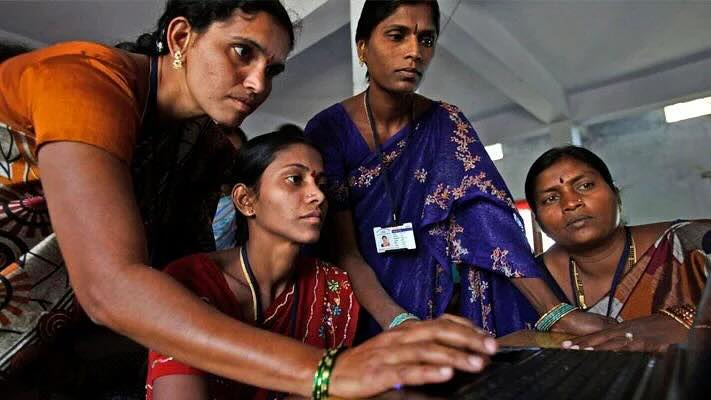
    Women’s Employment in India Nearly Doubles in Seven Years: A Quiet Revolution Unfolding

    Rural India has seen particularly explosive growth: female employment rose by 96 per cent, underscoring a significant expansion in rural workforce participation.

    In a dramatic sign of progress, India has witnessed a near doubling of its women’s employment rate between 2017-18 and 2023-24 – rising from 22 per cent to 40.3 per cent, according to recent data from the Periodic Labour Force Survey (PLFS) cited by the Ministry of Labour & Employment.

    This surge is accompanied by a sharp drop in female unemployment – from 5.6 per cent in 2017-18 to just 3.2 per cent in 2023-24 – indicating not just more women seeking jobs, but more women gaining them.

    Growth Across the Spectrum

    Rural India has seen particularly explosive growth: female employment rose by 96 per cent, underscoring a significant expansion in rural workforce participation. Urban areas too registered solid growth, with a 43 per cent rise in women’s employment over the same period.

    A large chunk of this growth emerges from formal sector participation. Over the past seven years, approximately 1.56 crore women have entered the formal workforce, as evidenced by EPFO payroll additions. Meanwhile, the e-Shram portal has registered over 16 crore women unorganized workers, connecting them to social welfare schemes.

    Entrepreneurship is also booming. Female-led micro, small, and medium enterprises (MSMEs) jumped from 1 crore in 2010-11 to about 1.92 crore in 2023-24, signalling that nearly twice as many women now head such ventures. Nearly half of DPIIT-registered startups (around 74,410 of 154,000+) include at least one woman director, revealing a shift towards inclusive leadership.

    Policy support plays a decisive role. About 70 central schemes across 15 ministries and over 400 state-level schemes target female entrepreneurship. Schemes like PM Mudra Yojana have channelled 68 per cent of loans to women, while 44 per cent of PM SVANidhi beneficiaries are women, helping to sustain self-employment and street vendor empowerment.

    Skills, Education, and Self-Reliance Rising

    Enhanced access to education and employability are gaining traction: employability among female graduates improved from 42 per cent in 2013 to 47.53 per cent in 2024. Postgraduate women’s employment rate climbed from 34.5 per cent in 2017-18 to 40 per cent in 2023-24. Moreover, self-employment for women rose from 51.9 per cent to 67.4 per cent over the same period – bolstering the Atmanirbhar (self-reliant) narrative.

    The central government has increased its gender-focused budget by 429 per cent over the past decade – from ₹0.85 lakh crore in FY 2013-14 to ₹4.49 lakh crore in FY 2025-26 – shifting from women’s development to women-led development.

    A Roadmap for Inclusion

    Against this backdrop, India’s ‘Viksit Bharat 2047’ vision envisions 70 per cent female workforce participation. Policy deliberations are already underway, focused on expanding affordable care services, promoting skills aligned with growth sectors, ensuring workplace safety, and leveraging AI and digital platforms to widen access.

    The data paints a powerful narrative: India’s women are no longer sidelined – across rural villages and urban centres alike, they are entering, transforming, and leading the economy. With job opportunities rising, more women entering formal employment and entrepreneurship, bolstered by supportive policies and budgets, India is edging closer to its goal of gender-inclusive growth. If sustained, this momentum can rewrite the economic and social fabric of the nation – anchored in women’s empowerment.

    Image: BehanBox