More

    Maldives: Media Bill Faces Growing Opposition; Rights Groups Warn of Threat to Free Expression

    The bill was accepted during an extraordinary sitting while the legislature was officially in recess, fuelling suspicion about the intent behind its rushed passage.

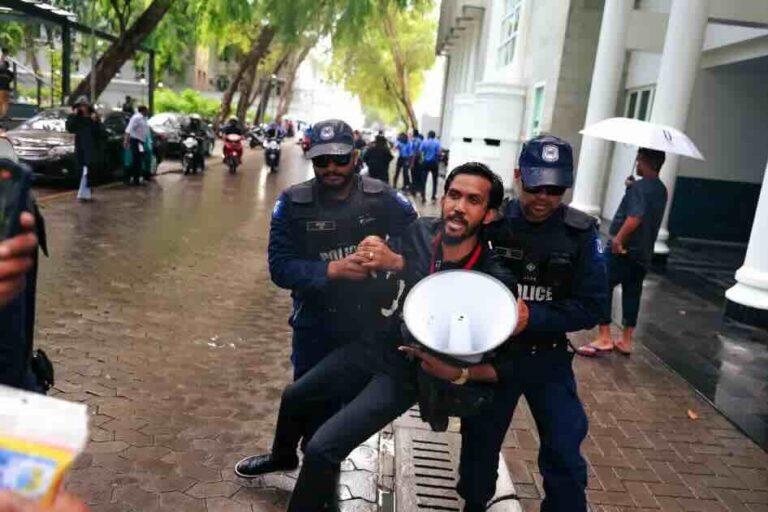
    The government of the Maldives is facing mounting criticism at home and abroad over a controversial ‘media regulation bill’ that critics say threatens to undermine freedom of expression and place unprecedented powers in the hands of a politically influenced body.

    The bill, submitted by Thulhaadhoo parliamentarian Abdul Hannan AbuBakuru, was accepted during an extraordinary sitting while the legislature was officially in recess, fuelling suspicion about the intent behind its rushed passage. It has since been forwarded to the Parliamentary Committee on Independent Institutions for review.

    At a rare intervention on Thursday, the Maldives Broadcasting Commission, commonly known as BroadCom, broke its silence to voice strong opposition to the proposed legislation. Commission President Safa Shafeeq told lawmakers that the bill, in its current form, is unenforceable and risks violating international treaties to which the Maldives is a signatory.

    “It is deeply concerning that such a bill was submitted without consultation with relevant bodies or proper research,” Shafeeq said. She revealed that BroadCom had written three separate times to request participation in the drafting process, but the commission’s appeals were ignored.

    Shafeeq argued that because the legislation aims to cover all forms of media, from traditional broadcasters to online platforms, a proper national study was required to assess whether the Maldives should pursue a self-regulatory or co-regulatory model. Without such groundwork, she warned, the country risks creating a blanket system that would be almost impossible to administer.

    The commission president also underscored the practical difficulties of enforcement. “Even at present, BroadCom does not have the resources, including human resources, for monitoring. A law on paper alone cannot be implemented unless the necessary resources are provided,” she told the committee. She added that the new framework would demand an excessive number of regulations and policies, creating an administrative burden that would stall implementation.

    Stifling Dissent

    All six other members of the commission, including Vice President Shifla Ibrahim, backed Shafeeq’s concerns. They described the draft bill as an obstacle to the work of journalists and editors rather than a framework that strengthens accountability. Yet lawmakers declined to question the commissioners during the session, abruptly closing the meeting after their statements.

    Supporters of the bill within government and parliament insist that the legislation will be refined at the committee stage and that sufficient discussion will be permitted. But that assurance has not quelled fears among independent watchdogs and rights advocates.

    The global rights organisation, Human Rights Watch said that the proposed Media and Broadcasting Regulation Bill would abolish the existing Maldives Media Council and the Maldives Broadcasting Commission, replacing them with a single seven member body. According to the draft text, three members would be directly appointed by the president and the remaining members could be removed by parliament through a vote of no confidence. Critics say such provisions would all but eliminate institutional independence.

    Elaine Pearson, Asia Director at Human Rights Watch, said the plan is designed to stifle dissent. “The Maldives government should withdraw the media bill that threatens the rights of journalists and undermines freedom of expression,” she said. “By creating a new commission that is beholden to the president, the authorities are seeking to silence critical voices at a time when greater accountability is needed.”

    The group noted that the bill is part of a wider authoritarian shift under President Mohamed Muizzu, whose administration has advanced legislation that would reinstate the death penalty for certain drug offences and reduce the powers of island councils. Rights defenders argue that the cumulative effect is the concentration of power in the executive and a narrowing of democratic space.

    Democratic Backsliding

    The concerns come as the Maldives has slipped in global press freedom rankings. In 2021 the country stood at seventy second in the World Press Freedom Index compiled by Reporters Without Borders. By 2025 it had dropped to one hundred and fourth, reflecting growing constraints on media activity, intimidation of reporters and the absence of institutional safeguards.

    Local journalist associations, including the Maldives Media Council and the Maldives Journalists Association, have issued statements echoing BroadCom’s warnings. They contend that the absence of consultation betrays the democratic principles that successive governments pledged to uphold after years of political turbulence.

    Analysts also point out that the extraordinary circumstances of the bill’s acceptance, while parliament was on recess, highlight the determination of the government to advance it with limited scrutiny. The speed of the process has raised alarm among civil society organisations that fear the bill will be rushed into law before proper amendments are introduced.

    For BroadCom’s Shafeeq, the debate is not about whether media requires oversight, but about the manner in which oversight is designed. She stressed that any new law must emerge from open consultation and evidence based policy making. “Consultation with media and relevant institutions will lead to better acceptance of a bill that governs media,” she told lawmakers.

    International observers have urged parliament to halt deliberations until such consultations are held. Human Rights Watch warned that failure to do so would deepen the democratic backsliding evident since Muizzu assumed office.

    As the parliamentary committee continues to review the draft, it faces a growing test of whether it can balance government priorities with international obligations and the rights of citizens. For journalists in the Maldives, the outcome may decide whether their work remains protected under an independent framework or becomes subject to direct political control.

    Born into Crisis: Afghan Infant Delivered Under a Tent Amid Pakistan’s Refugee Visa Freeze

    The Babar family’s suffering is rooted in a policy collapse: the Pakistani government has halted visa renewals for Afghan nationals, leaving countless families undocumented despite having previously paid renewal fees.

    In the midst of monsoon rains and uncertainty, baby Daniyal Babar entered the world under a threadbare tent – not in a hospital, not in his family’s home – but in the open air after his mother was evicted on the very night of his birth.

    Daniyal’s arrival is not a miracle story – it’s a chilling symbol of the desperate circumstances confronting Afghan refugees in Pakistan today. His mother, fresh from a surgical delivery, expected rest and care. Instead, she said, “After the operation, I expected to rest in my home and care for my baby. But on the same day, our landlord forced us out of the house. With my body still in pain and a newborn in my arms, we had nowhere to go but under an old, torn tent.”

    Visa Freeze, Forced Displacement

    The Babar family’s suffering is rooted in a policy collapse: the Pakistani government has halted visa renewals for Afghan nationals, leaving countless families undocumented despite having previously paid renewal fees. As Haseeb Babar, the infant’s father, lamented: “We were required to renew our visas every month. … But now, the government has stopped extending visas for Afghans. Even though we already paid, our visas are not renewed. Without legal documents, we have no rights here.”

    Without legal status, families like the Babars cannot work legally, access healthcare, or afford secure housing. The combination of legal limbo and unchecked evictions has created a humanitarian flashpoint – with mothers recovering from childbirth forced to shelter in tents, exposed to the elements and disease.

    Life Under a Leaking Tent

    In Pakistan’s monsoon season, torrential rainfall turns makeshift tents into death traps. Haseeb describes the peril vividly: “Water comes from every direction into the tent. My wife is sick after surgery, burning with fever. My baby cries endlessly in my arms. I don’t know what tomorrow will bring.”

    This isn’t a remote crisis; such scenes are repeating across Pakistan. In Islamabad, hundreds of Afghan families – some with valid refugee documentation – have been evicted from homes and now survive in parks beneath plastic sheets, with minimal access to food, shelter, or medical aid. The UNHCR has urged Pakistani authorities not to forcibly return refugees and to establish an effective registration mechanism to protect those at risk of persecution.

    On the national level, Pakistan has resumed forced deportations of some 1.4 million Afghan refugees, whose Proof of Registration (PoR) cards expired at the end of June 2025. The government declined international calls to extend the deadline and has maintained a house-to-house enforcement policy. The UNHCR decried the move as a violation of international obligations, warning of its “potential humanitarian and regional security risks”.

    What Can Change

    • Resume visa renewals, at least temporarily, for Afghan nationals to avoid forcing families into invisibility and destitution.
    • Deploy emergency aid: mobile clinics, maternal care units, shelter support, especially in monsoon-impacted areas.
    • Implement humane registration: a functioning, inclusive system to allow refugees and asylum-seekers to remain safely while documentation is processed.
    • Mobilize international actors, such as UNHCR and IOM, to protect rights, coordinate aid, and advocate for legal safeguards.

    For the Babar family, the birth of a child – a universal symbol of hope – has instead become a moment of desperation. Daniyal’s earliest hours were marked not by warmth and welcome, but by exposure and vulnerability.

    Pakistan has hosted Afghan refugees for more than four decades. Many have built lives here, contributed to commerce, culture, and the social fabric of cities and towns. Now, rolling back protections and rejecting responsibility risks unravelling peerless community bonds.

    Afghanistan Applauds China’s Initiative to Link Kabul to CPEC

    This is seen as a “boost” not just for a struggling Taliban-led government in need of international legitimacy, but also for Beijing’s regional positioning.

    In a significant diplomatic breakthrough, Afghanistan has warmly welcomed China’s decision to integrate it into the China–Pakistan Economic Corridor (CPEC), viewing the move as a transformative step toward regional development, enhanced connectivity, and economic revitalisation.

    At the Sixth Trilateral Foreign Ministers’ Dialogue held in Kabul on 20 August 2025, Afghan Acting Foreign Minister Amir Khan Muttaqi, Chinese Foreign Minister Wang Yi, and Pakistan’s Deputy Prime Minister and Foreign Minister Ishaq Dar reached a landmark agreement to extend CPEC into Afghanistan.

    From Kabul’s perspective, this development is both timely and welcome. Afghanistan’s Ministry of Economy, under Deputy Minister Abdul Latif Nazari, hailed the agreement as “a beneficial step” for the country, reinforcing hopes for robust regional economic growth, reports the Kabul-based media platform, Tolo News. Nazari emphasized that joint efforts between the three nations can unlock new pathways to development – a sentiment that reflects optimism in the corridors of Kabul and beyond.

    Pakistan’s Ishaq Dar elaborated on the nature of the accord, explaining that during a May 20 bilateral meeting in China, Afghanistan proposed two infrastructure priorities: the Pakistan–Afghanistan–Uzbekistan railway line and the Peshawar–Kabul highway. He stated that China “basically agreed” to these proposals.

    Economic analysts in Afghanistan underscored that this inclusion is more than symbolic. Mir Shakir Yaqubi, a noted affairs analyst, cautioned that the success of such initiatives hinges on Pakistan fulfilling its obligations in trade and transit. He noted, “If Pakistan’s intentions are not genuine, changes will inevitably occur”.

    Afghanistan already participates in a suite of regional projects: the Afghan Transit transport project, CASA-1000 energy corridor, TAPI (Turkmenistan–Afghanistan–Pakistan–India pipeline), and TAP projects. (Officials in Kabul say that all of these stand to gain momentum from enhanced CPEC integration.)

    Beijing’s Regional Positioning

    From a broader geopolitical vantage, this trilateral accord is emblematic of China’s growing diplomatic influence in South Asia. The Radio Free Europe/Radio Liberty (RFE/RL) characterized the extension of CPEC into Afghanistan as a “boost” not just for a struggling Taliban-led government in need of international legitimacy, but also for Beijing’s regional positioning.

    As RFE/RL notes, “Obtaining a formal deal to extend CPEC to Afghanistan would not only be a boost for a cash-strapped Taliban searching for international legitimacy, it would also mark a diplomatic win for Beijing as it steps up its engagement and adapts to new shifts across the region.

    The meeting in Kabul was part of a larger strategic push by Beijing. China, while still not formally recognizing the Taliban government, has increasingly engaged with it behind the scenes, using forums like the trilateral dialogue to weave Afghanistan deeper into the Belt and Road Initiative (BRI) network. The corridor’s transfer into Afghanistan would not just elevate Kabul’s connectivity to Pakistan and Central Asia but also anchor China’s long-term geopolitical leverage in the region.

    Analysts note the past difficulties implementing CPEC due to security and governance challenges. Still, the symbolic weight of this decision offers hope. As observers point out, the verbal commitment to include Afghanistan – amid Beijing’s cautious approach to large-scale infrastructural investments – signals both confidence and calculated intent.

    China’s overtures may also offer a stabilizing counterweight amid persistent regional volatility. The Washington Post emphasized that Afghanistan’s drive for investment, along with Pakistan’s security concerns and China’s fear of militant threats to BRI assets, form a convergence of interests conducive to cooperation. The Post described China as emerging “as a strategic winner” through this mediation, reflecting Beijing’s deeper diplomatic entrenchment.

    Not limited to Afghanistan

    Local media also chronicled the trilateral meeting, noting that beyond CPEC’s extension, the three nations affirmed deeper collaboration in trade, transit, regional development, healthcare, education, cultural exchanges, and counter-drug trafficking efforts.

    Moreover, China’s engagement is not limited to Afghanistan. Its broader push to accelerate CPEC 2.0, which now envisions an expanded corridor encompassing Afghanistan, underscores how Beijing is scaling its regional role amid shifting geopolitical tides.

    For Afghanistan, this moment carries profound significance: it promises tangible economic opportunities – new transport routes, railway links, and road infrastructure – potentially rejuvenating trade. Strategically, the move situates Afghanistan as a vital intersection in a broader South and Central Asian corridor, deepening its connectivity and regional relevance.

    Nevertheless, Afghan experts remain cautiously optimistic, stressing that implementation integrity, regional stability, and genuine partnerships will be the real test of whether this welcome development yields meaningful dividends.

    Key Highlights

    • Agreement Date and Context: The extension was agreed upon during the Sixth Trilateral Dialogue in Kabul on 20 August 2025.
    • Proposed Projects: Afghanistan proposed key infrastructure like the Peshawar–Kabul highway and Pakistan–Afghanistan–Uzbekistan railway; China expressed basic agreement.
    • Economic Momentum: Kabul’s Ministry of Economy and analysts praised the move, while urging follow-through.
    • Regional Integration: The extension dovetails with existing regional projects like CASA-1000 and TAPI.
    • Strategic Benefits for China: Analysts view China as reinforcing its regional foothold and diplomacy through this mechanism.
    • Broader Cooperation: The dialogue reaffirmed commitments across trade, education, healthcare, anti-terrorism, and drug control.

    This development signals a potentially transformative era for Afghanistan, one in which enhanced ties with China and Pakistan could chart a path toward regional integration, economic resilience, and renewed relevance on the Silk Road of the 21st century.

    Malnutrition and Malaria Collide in India’s Tribal Heartland

    Statistics are grim: in 2023, children under five accounted for a staggering 73.7 per cent of malaria-related deaths, while nutritional issues continue to contribute to nearly 50 per cent of global under-five mortality.

    By Bijoy Patro

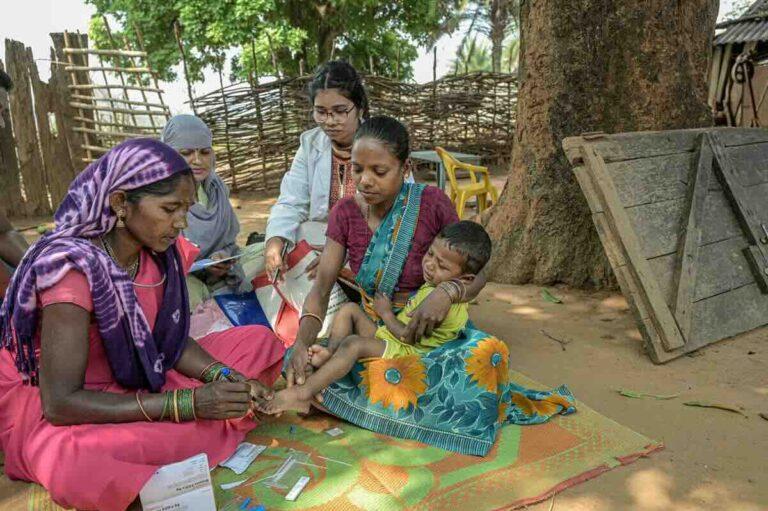
    In the remote, forested regions of central and eastern India – where the rhythm of life is dictated by the seasons and the forest canopy – the health of children tells a haunting tale. Here, where tribal communities make up a minority nationally but bear a crushing majority of malaria’s burden, two silent enemies – malnutrition and malaria – collide in a lethal embrace.

    India’s tribal population accounts for roughly 8.6 per cent of its citizens, yet, in a cruel irony, they shoulder over 80 per cent of all malaria cases in the country. Predominantly residing in states such as Odisha, Jharkhand, Chhattisgarh, and Maharashtra – and spreading across the northeastern region – their geographic isolation and under-resourced living conditions create fertile ground for disease.

    By 2024, these tribal-majority states accounted for approximately 84.5 per cent of national malaria cases, a figure that underscores just how skewed the burden is.

    At the other end of the spectrum lies malnutrition, a broader scourge globally and an especially acute crisis down India’s tribal corridors. Across the globe, nearly half of all deaths in children under five are linked to nutritional deficiencies – but in these tribal zones, the situation is direr: 44 per cent of children are stunted, 45 per cent underweight, and 27 per cent wasted, per national survey data.

    Combined, malaria and malnutrition constitute a “double health burden” that traps the most vulnerable – especially children under five years of age – in a deadly cycle.

    Children: The Most Vulnerable Victims

    Statistics are grim: in 2023, children under five accounted for a staggering 73.7 per cent of malaria-related deaths globally, while nutritional issues continue to contribute to nearly 50 per cent of global under-five mortality. Among these children, malnutrition doesn’t simply weaken the body; it erodes immunity – T-cell dysfunction, reduced neutrophil activity, decreased dendritic cells, impaired antigen presentation, and lower complement proteins all make young bodies easy targets for infections like pneumonia, diarrhoea, and malaria.

    This weakened immunity leaves malnourished children both more susceptible to malaria infection and less able to mount a robust defence. Anaemia is common among malaria-stricken children, further confounding disease progression – creating a dangerous feedback loop where malnutrition primes children for malaria, and malaria deepens malnutrition.

    Sanitation, WASH, and the Vicious Cycle

    Malnutrition doesn’t start at the plate alone. Inadequate Water, Sanitation, and Hygiene (WASH) conditions – such as contaminated water supplies, poor sanitation, and open defecation – are rampant in tribal settlements and contribute to frequent intestinal infections.

    Chronic WASH-related infections can damage the gut – causing villus blunting, mucosal inflammation, dysbiosis, and malabsorption. This leads to a weakened ability to extract nutrients from food, perpetuating undernutrition.

    Adding another layer of complexity, researchers suggest that malaria itself may alter gut microbiota – profoundly disturbing the delicate balance of gut flora and further impairing nutritional recovery in these children.

    Moreover, severely malnourished children may not exhibit classic malaria symptoms like fever, making cases easy to miss and allowing undetected transmission – a silent reservoir that perpetuates infection cycles. Even when treatment is provided, the risk of delayed parasite clearance, treatment failure, and re-infection increases in the malnourished population.

    Why Tribal Communities Stay on the Frontline

    The tribal populations are often among the poorest and most isolated in India, living far from quality healthcare, education, and infrastructure. They face economic deprivation, food insecurity, and systemic neglect. These structural disadvantages converge with ecological vulnerabilities – dense forests, mosquito breeding environments, and limited WASH systems – to cement their disproportionate exposure to disease.

    Adding to this is the misalignment of typical malaria interventions, which may overlook the nuanced interplay of nutrition, sanitation, and access in these communities.

    Where Science Meets Policy: Toward an Integrated Solution

    The mini-review ends on a clarion call: malaria cannot be eliminated from tribal regions through antimalarial strategies alone. An integrated, holistic approach is essential – one that blends nutritional support, WASH improvements, and tailored malaria control strategies.

    Possible interventions include:

    • Nutritional supplementation for children and pregnant women to interrupt cycles of undernutrition.
    • Improved WASH infrastructure, including clean water access and sanitation services to reduce infection risks.
    • Enhanced malaria surveillance and treatment, including community-based detection that accounts for asymptomatic and delayed-onset cases among malnourished children.
    • Education and community engagement to build trust and uptake of interventions.

    Epilogue: Beyond the Numbers

    This dual burden is not destiny. India’s removal from the WHO’s list of High-Burden High-Impact (HBHI) malaria countries in 2024 illustrates that progress is achievable when interventions align with local needs.

    If policy and public health planning begin to fully integrate nutritional, environmental, and medical elements, tribal communities – long sidelined – could emerge with healthier children, fewer infections, and brighter futures.

    Imagine a village in Chhattisgarh’s forested land: a mother, her children, the simple act of eating – a bowl of rice with jaggery – can become a matter of life or death. Ensuring that bowl fills a child’s stomach and strengthens their immune system could mean the difference between survival and reinfection. It’s not just a medical challenge – it’s one of equity, social justice, and public commitment.

    As India moves forward in its fight against malaria, the choices made today will determine whether its most vulnerable – its tribal children – are forgotten or saved.

    Inaction on Human Trafficking Allegations Against Bangladeshi Recruiters Sparks Outcry

    Civil society groups argue that as Bangladesh’s interim government response to this situation could define its legacy – either as a defender of migrants’ rights or as a complicit enabler of trafficking syndicates.

    Labour rights activists and civil society groups have sharply condemned the Criminal Investigation Department’s (CID) decision to drop human trafficking and money laundering charges against a prominent labour recruitment network in Bangladesh. This move, they say, undermines migrants’ rights and accountability.

    Last week, the Bangladesh Civil Society for Migrants (BCSM) – a coalition of 23 migrant-rights organisations – issued a joint statement on August 12 criticising the CID’s dismissal of charges against key figures, including Imran Ahmad, the former expatriates’ welfare minister, Munirus Saleheen, a former secretary, and 101 recruitment agents, which included three former lawmakers.

    The decision has drawn fire not only for protecting the accused, but also for potentially emboldening malicious actors. “Those involved in such syndicates must face justice and should under no circumstances be allowed to send workers abroad again,” the statement asserted. BCSM chairperson Dr. Tasneem Siddiqui and co-chair Syed Saiful Haque voiced alarm at the decision, decrying it as a step backward for migrant protection.

    Charges Dropped Amid Malaysia’s Intervention

    The charges had been initiated last year, based on a complaint filed by Altab Khan, owner of Afia Overseas, who alleged that a syndicate extorted enormous sums from migrant workers bound for Malaysia – some paying between Tk 400,000 to 500,000 (USD 4,000–5,000), despite official documentation showing payments of only Tk 78,900. Investigations suggested the group embezzled approximately Tk 24 billion, operating through forced over-charging, job scams, and deception.

    However, the CID, in a report submitted on July 15, said prosecutors were unable to substantiate the allegations. CID Inspector Mohammad Rasel noted that the case could not proceed in the absence of formal complaints from victims. “If they paid more, they themselves must lodge complaints,” he said. “So far, not a single victim has done so.”

    The agency also highlighted an official April 23 request from Malaysia, where human resources authorities contended that the remaining allegations were largely unsubstantiated and that pursuing the case would harm Malaysia’s image. Following this diplomatic nudge, Bangladesh’s CID dropped the charges.

    Civil Society’s Call for Reform

    Rights advocates see the CID’s move as a failure to hold power to account – and an opening for continued exploitation of vulnerable migrant workers. Adrian Pereira, executive director of the North South Initiative (a Kuala Lumpur-based rights group), demanded “zero tolerance” for corruption in labour recruitment, urging firm action against fraudulent recruiters, intermediaries, and syndicates.

    The BCSM echoed this demand, calling on the interim government – led by Muhammad Yunus – to urgently institute reforms in the nation’s overseas employment and migration framework, which has long been tainted by malpractice and exploitation.

    Yunus, the Nobel laureate, now trying his hands at politics and heading an interim government tasked with navigating a crisis where migration management and migrant welfare are deeply entwined. Optimists argue that this administration can usher in better governance; sceptics warn that without substantial reform, corruption and exploitation may persist.

    Broader Context: A Long-Standing Crisis

    This case is by no means isolated. The Bangladesh–Malaysia migration corridor has long been marred by syndicates that coerce exorbitant recruitment fees, often resulting in debt bondage for workers deployed there. Between August 2022 and May 2024, approximately 480,000 workers were sent to Malaysia under the Bangladesh–Malaysia agreement. Though the MoU capped recruitment costs at Tk 78,990, many migrants reportedly paid ₹$4,500 to $6,000 – up to six times the official limit.

    In March 2024, a group of four UN experts alerted Dhaka and Kuala Lumpur to networks employing criminal tactics – bribery, falsified quotas, fake employers – to extract wealth from hopeful workers. The UN warned that these practices pushed migrants into debt bondage.

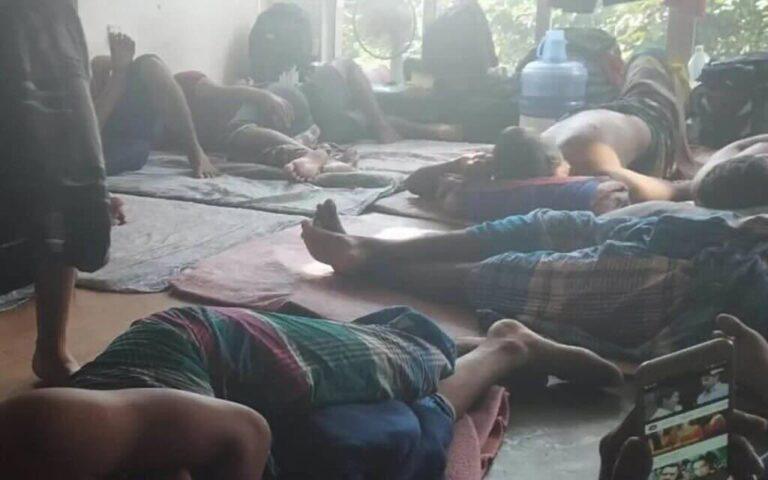
    A 2025 study by US-based nonprofit Verité found that 96% of Bangladeshi migrants in Malaysia were at high risk of exploitation due to recruitment debt. Estimates suggest that between 100,000 and 200,000 Bangladeshi workers remain stranded, underpaid, or unpaid – often with employers confiscating passports, providing poor living conditions, and withholding wages.

    Calls have grown for shifts toward an employer-pays model, where recruitment costs are borne by employers – not workers – and for dismantling syndicates controlling recruitment. Some have pointed to South Korea’s Employment Permit System – an agent-free model ensuring worker protection – as a possible blueprint.

    What Comes Next?

    With charges dropped against prominent figures and agents, civil society warns that unless accountability is restored, exploitation will continue unchecked. The CID’s decision raises concerns about political interference in prosecuting trafficking networks and reflects the broader challenge of ending syndicate-driven labour migration.

    Activists now demand:

    • Revival of the investigation and prosecution.
    • Structural reforms to eliminate intermediaries.
    • Adoption of fair recruitment standards aligning with ILO conventions.
    • Greater support and protection mechanisms for migrant workers.

    Civil society groups argue that as Bangladesh’s interim government response to this situation could define its legacy – either as a defender of migrants’ rights or as a complicit enabler of trafficking syndicates.

    India Climate Governance: National Designated Authority Set Up Ahead of Carbon Market Launch

    India’s proactive launch of an NDA comes amid accelerating preparations for its much-anticipated domestic carbon market, expected to go live by mid-2026.

    In a significant step toward bolstering India’s climate infrastructure, the Ministry of Environment, Forest and Climate Change (MoEF&CC) has officially established a National Designated Authority (NDA) to streamline participation in global carbon trading mechanisms. Announced on August 27, this 21-member committee, chaired by the Secretary of MoEF&CC, is mandated to align India’s domestic efforts with Article 6.4 of the Paris Agreement – facilitating international cooperation through emission reductions projects.

    The new NDA will recommend and authorise projects under Article 6.4, including activities ranging from renewable energy and green hydrogen to green ammonia and carbon capture, utilization, and storage (CCUS).

    Timely Move Ahead of the Carbon Market Launch

    India’s proactive launch of an NDA comes amid accelerating preparations for its much-anticipated domestic carbon market, expected to go live by mid-2026. The government has delineated a structured pathway: the Power Ministry and Bureau of Energy Efficiency (BEE) will release emissions-intensity targets for nine “hard-to-abate” sectors – including iron & steel, aluminium, cement, fertilisers, petrochemicals, refineries, pulp & paper, and textiles – and these form the backbone of the carbon offset trading framework.

    Previously, India established a draft framework under the Carbon Credit Trading Scheme (CCTS), which outlined roles for central regulators such as the Central Electricity Regulatory Commission (CERC) and Grid-India, along with the steering committee co-chaired by the Secretary, MoEF&CC.

    Experts estimate that India’s national emissions trading system could eventually represent up to 15 percent of the country’s total emissions by 2030, particularly targeting fossil fuel–dependent heavy industries.

    Why the NDA Matters

    The NDA plays a critical role in India’s climate strategy, functioning as both a gatekeeper and enabler:

    1. Project Validation & Authorization – Ensuring that emission-reduction initiatives align with international standards.
    2. Credibility & Oversight – Enhancing transparency and governance in project accreditation.
    3. Global Integration – Allowing India to participate in Article 6.4 markets and potentially attract international investment.

    This strategic setup provides a governance backbone for both domestic carbon trading and international trade – positioning India to contribute to global decarbonization while upholding its nationally determined contributions (NDCs).

    At the Nexus of Policy, Markets, and Climate Action

    India’s climate finance architecture is gaining momentum on multiple fronts.

    • The Finance Ministry’s Climate Finance Taxonomy, unveiled in May 2025, is seen as a structural tool to channel capital toward climate-compatible investments with built-for-purpose criteria tailored to India’s transition pathways.
    • Additionally, India’s submission of its Fourth Biennial Update Report (BUR-4) to the UNFCCC demonstrates measurable progress: a 7.9 percent reduction in GHG emissions in 2020 over 2019, a 36 percent decline in GDP emission intensity since 2005, and creation of an additional carbon sink amounting to 2.29 billion tonnes CO₂ through forest expansion and tree cover since 2005.
    • India also continues to set an example in corporate climate leadership. BCG and CO2 AI found that 24 percent of Indian companies have established emission reduction targets – this is substantially higher than the 16 percent global average.

    These initiatives converge to reinforce a robust climate ecosystem – complementing governance (NDA), regulation (CCTS, emission trajectories), finance (climate taxonomy), and evidence of impact (BUR-4, corporate action).

    Despite encouraging progress, substantial challenges remain:

    • Complexity of Carbon Markets: Experts caution that India must balance compliance-driven mandates with voluntary mechanisms to ensure flexibility and participation across diverse entities.
    • Capacity Building: Preparing businesses – particularly MSMEs – to measure, report, and verify emission reductions remains vital.
    • Market Design Nuances: Crafting credits that are credible, transparent, and attract global investment while fair to domestic stakeholders is key.
    • Scaling Up: Initial trading may cover limited sectors; expanding scope and participation over time will determine impact.

    Global Integration & COP Ambitions

    India’s establishment of the NDA aligns it with international climate frameworks and may support future global ambitions – such as hosting COP33 in 2028, an idea floated to elevate India’s leadership on climate diplomacy.

    Together with domestic decarbonization strides and international cooperation roadmaps, India is positioning itself as a pivotal player in global climate governance.

    India’s creation of a National Designated Authority underscores a strategic shift – from policy intent to institutional readiness – for carbon market participation. With the NDA now operational, the stage is set for a phased rollout of a domestic carbon trading system, integrated into global frameworks under the Paris Agreement. Early actions, including emission-intensity regulation, climate finance frameworks, and reporting transparency, enhance India’s credibility. Yet, the real test lies in smooth implementation, inclusive participation, and effective scaling.

    As India stands on the cusp of launching one of its most impactful climate instruments, establishing the NDA signals a maturation of climate governance – from ambition to action.

    India: Fisheries Sector Doubles Output in a Decade, Says Department of Fisheries

    By July 2025, projects worth ₹21,274.16 crore had been approved, with ₹5,587.57 crore already disbursed. These investments span pond systems, hatcheries, cold chains, markets, and processing units.

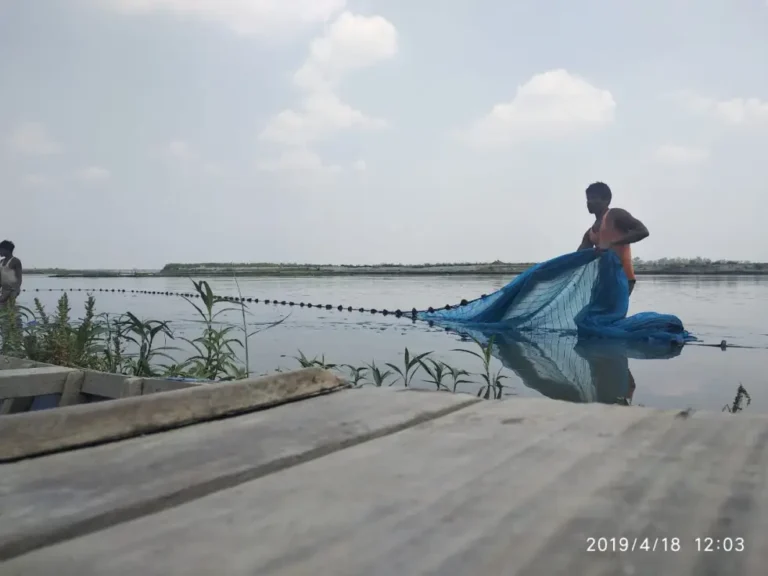
    India’s fisheries sector has scripted a success story over the past decade, with total fish production soaring by 104 per cent from 96 lakh tonnes in 2013–14 to 195 lakh tonnes in 2024–25, according to the latest figures from the Department of Fisheries. This surge cements India’s position as the world’s second-largest fish producer, contributing nearly 8 per cent of global output.

    Much of the momentum has come from inland fisheries, which recorded a staggering 142 per cent growth to reach 147.37 lakh tonnes. This shift underscores how aquaculture, once limited in scope, has become a backbone of rural livelihoods and nutrition security.

    A Decade of Transformation

    The sector’s transformation has been driven by sustained government support, modern aquaculture practices, and improved infrastructure. “From the shores to the hinterland, the sector has embraced new technology, better value chains, and stronger institutional support, which has enabled fishers to produce more and earn more,” an official from the Fisheries Department noted.

    The turnaround is reflected in the lives of individuals like Navkishar Gope, a displaced villager from Jharkhand’s Gangudih Punarwas. With training and financial support under the Pradhan Mantri Matsya Sampada Yojana (PMMSY), Gope adopted cage culture, cut mortality rates, and scaled up production. He now owns a modest home and a two-wheeler, and dreams of further expansion. His story reflects how fisheries growth is not just about statistics but about resilience and empowerment.

    From Blue Revolution to PMMSY

    The modern journey began with the Blue Revolution of 2015, aimed at raising productivity and modernising infrastructure in marine and inland fisheries. Yet gaps in post-harvest handling, traceability, and fisher welfare persisted. To bridge these, the government launched the PMMSY in 2020 with an outlay of ₹20,050 crore, extended till 2025–26.

    By July 2025, projects worth ₹21,274.16 crore had been approved, with ₹5,587.57 crore already disbursed. These investments span pond systems, hatcheries, cold chains, markets, and processing units. The scheme has generated thousands of direct and indirect jobs in aquaculture, transport, and marketing.

    Infrastructure and Innovation

    The sector’s growth is increasingly supported by dedicated hubs. The Department of Fisheries has notified 34 fisheries clusters, including organic ones in Sikkim and Meghalaya, and sanctioned 11 Integrated Aquaparks worth ₹682.60 crore. These aquaparks act as “farm-to-fork” ecosystems, reducing post-harvest losses and ensuring higher incomes through value addition.

    Technology-driven practices are central to the growth push. As of March 2025, 12,000 Recirculatory Aquaculture Systems (RAS) and 4,205 Biofloc units had been approved. Both methods enable high-density fish farming while conserving water and maintaining quality. The sector is also embracing digital transformation – the National Fisheries Digital Platform (NFDP) launched in 2024 has already registered over 26 lakh stakeholders, linking them to credit, insurance, and training.

    Innovation has also been nurtured through entrepreneurship. Under PMMSY, 39 startups have received subsidies worth ₹31.22 crore for seed funding and incubation, bringing fresh ideas into the sector.

    Complementary Schemes and Financial Inclusion

    To strengthen the momentum, the Pradhan Mantri Matsya Kisan Samridhi Sah-Yojana (PM-MKSSY) was introduced in 2024 with a ₹6,000 crore outlay. It aims to formalise the sector, expand insurance coverage, and provide easier access to finance. By April 2025, ₹11.84 crore had been sanctioned under this scheme.

    Financial inclusion is being reinforced through the Fisheries and Aquaculture Infrastructure Development Fund (FIDF) with a ₹7,522.48 crore corpus extended till 2026. It offers up to 3 per cent interest subvention and a credit guarantee facility of ₹12.50 crore. Meanwhile, the Kisan Credit Card (KCC) scheme has been extended to fisheries, with 4.76 lakh cards issued by June 2025, disbursing ₹3,214.32 crore.

    Inclusivity is another hallmark. The Dharti Aaba Janjatiya Gram Utkarsh Abhiyan is supporting fish culture among 10,000 tribal groups and one lakh individuals with ₹375 crore. Women have also been major beneficiaries, with projects worth nearly ₹3,973 crore dedicated to them.

    Modern Harbours and Global Links

    On the marine side, the government is modernising coastal infrastructure with three smart fishing harbours in Diu, Puducherry, and Gujarat at a cost of ₹369.8 crore. Equipped with AI, IoT, solar power and eco-friendly systems, these align with the FAO’s Blue Port Initiative. India has also deepened international cooperation, including with the French Development Bank and the UN Food and Agriculture Organisation.

    Towards a Blue Economy

    The Union Budget 2025–26 has earmarked the highest-ever allocation of ₹2,703.67 crore for the fisheries sector. Officials say this funding will further boost employment, sustainability, and export potential.

    For policymakers, India’s fisheries growth is more than a story of production. It reflects the country’s growing stake in the Blue Economy – leveraging ocean and aquatic resources for sustainable growth, jobs, and food security. “The challenge now is not just to increase output, but to ensure quality, traceability, and sustainability so that India’s fisheries remain competitive globally,” said a senior fisheries expert.

    For millions of fishers and farmers, however, the transformation is tangible – from better incomes to improved access to markets, credit, and technology. The doubling of production over a decade signals both resilience and ambition, charting India’s course towards becoming a true fisheries powerhouse.

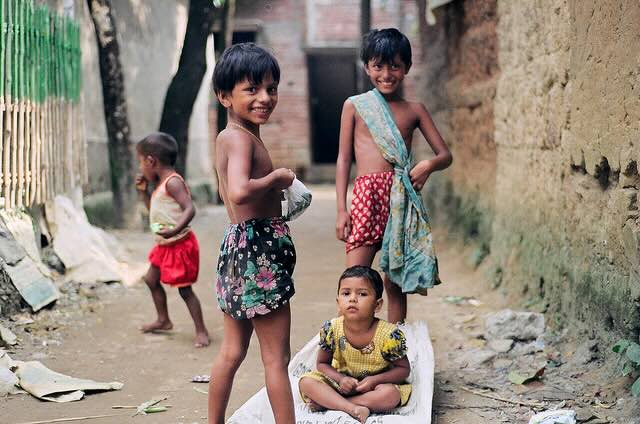
    27.93 Per Cent of Bangladesh’s Population Lives in Poverty, National Survey Warns

    According to the survey, 27.93 per cent of Bangladesh’s population now lives below the upper poverty line, a sharp rise from 18.7 per cent in 2022. Extreme poverty has also escalated.

    Poverty in Bangladesh has surged to alarming levels, with more than one in four citizens now living below the poverty line and inequality at its steepest point in decades, according to a new nationwide survey released by the Power and Participation Research Centre (PPRC) on Monday.

    The findings were presented at a dissemination event for the study, “State of the Real Economy: Household Realities and Policy Options Towards Strengthening Economic Democracy”. Commissioned by the finance ministry through a competitive process, the survey covered 8,067 households across all 64 districts of the country.

    “This is not just a story of poverty returning but of vulnerabilities multiplying,” said Dr. Hossain Zillur Rahman, Executive Chairman of PPRC and lead author of the study. “Focusing only on macroeconomics is not enough – we need to focus on people’s wellbeing, on ground realities, on equitable allocation.”

    Poverty and Inequality Deepen

    According to the survey, 27.93 per cent of Bangladesh’s population now lives below the upper poverty line, a sharp rise from 18.7 per cent in 2022. Extreme poverty has also escalated, jumping from 5.6 per cent to 9.35 per cent over the same period.

    Rural Bangladesh has borne the brunt of this reversal. Some 31.6 percent of rural households were found to be below the upper poverty line, compared to 19.7 percent in urban areas. The middle class, often seen as an engine of stability and growth, has become increasingly fragile, with families reporting dwindling savings, mounting debt, and difficult trade-offs in spending on education and healthcare.

    “The poor are not just poor in income – they are poor in resilience,” Dr. Rahman noted.

    The national expenditure Gini coefficient – a widely used measure of inequality – jumped to 0.436 in 2025 from 0.334 in 2022. Inequality is most severe in urban areas, where the Gini index has reached 0.532. “The steep rise in inequality in just three years is deeply concerning and underscores a recovery skewed towards the better-off,” Dr. Rahman warned.

    Multiple Vulnerabilities Emerge

    The study identifies five interlocking vulnerabilities shaping household struggles. More than half of households (51.3 percent) have at least one member suffering from a chronic illness, and female-headed households remain disproportionately disadvantaged. Debt burdens are mounting: the bottom 40 percent of households carry debt at least twice the size of their savings, indicating growing financial fragility.

    Food insecurity has also become acute. Among the poorest households surveyed, 12 percent reported having to skip meals in the previous week, while 9 percent said they went an entire day without food. Progress in sanitation appears to have stalled, with 36 percent of households still relying on non-sanitary toilets.

    The report also highlights harassment, or hoirani, as a significant household burden. Nearly half of families reported negative experiences in health services, 42 percent faced harassment in markets, and significant proportions also reported mistreatment in schools, workplaces, and government offices. Although reported bribe payments have declined since August 2024, harassment remains widespread, with police accounting for 39.4 percent of reported bribe recipients.

    “A bribe may be Tk 10, but the week lost in delays and hassles costs much more,” the report observed.

    Employment: The Central Fault Line

    Employment emerged as the key “fault line” behind the distress. Just over half of adults surveyed reported some form of work, but 37.7 percent were underemployed, working fewer than 40 hours a week. Women were disproportionately affected: 65.5 percent of women were underemployed, and female labour force participation remains stuck at 25.5 percent. Nearly half of all workers are self-employed, reflecting both resilience and precarity in the labour market.

    Despite widespread hardship, the survey found signs of adaptation and resilience. About 15 percent of households receive remittances averaging Tk 29,762 per month, though this benefit is concentrated among higher-income groups. Smartphone penetration now stands at 74 per cent – rising to 80 per cent among households with youth – and nearly half of households have shifted to cylinder gas use to cope with rising costs.

    The domestic consumer market is estimated at US$211 billion, underscoring untapped economic potential even amid mounting distress. “People are coping, but these are fragile adaptations, not substitutes for structural policy action,” Dr. Rahman cautioned.

    A Nation Divided by Class

    The report also paints a portrait of a nation divided by class one year after the July Uprising. While 62 percent of wealthier households said they were optimistic about the future, only 17.7 percent of the poorest expressed the same sentiment. Overall, however, 54 percent of households described themselves as at least “somewhat optimistic.”

    High prices were identified as the top concern for 69.6 percent of respondents, followed by corruption (55.9 percent) and governance failures (52 percent). Across income groups, aspirations converged on education, secure jobs, good health, and a corruption-free society.

    Policy Recommendations

    To address the crisis, the PPRC recommends several urgent measures. These include an emergency family assistance package for vulnerable households, education continuity grants to prevent school dropouts, expansion of open market sales of essential commodities, and a new safety net for families burdened by chronic illness.

    For the medium term, the report calls for participatory policymaking, transparent reform reporting, and the creation of a Household Resilience Task Force. Longer-term reforms include establishing a Household Economic Monitoring Cell within the Bangladesh Bureau of Statistics, ensuring equitable regional allocation, and embedding a “people’s lens” in all national planning.

    “Strengthening economic democracy begins when we put the people’s lens at the heart of policymaking,” Dr. Rahman emphasized. “The challenge is not GDP growth alone. The challenge is whether the economy delivers equity, resilience, and dignity for its citizens.”

    The report serves as a sobering reminder that headline economic growth figures often mask underlying hardship. As Bangladesh grapples with rising poverty and inequality, experts warn that structural reforms, not just coping strategies, are essential to prevent further deepening of social and economic divides.

    Image: The Borgan Project

    Elephant Deaths Spiral as Sri Lanka Battles Poaching Threat

    The elephant’s fate is intertwined with the rural communities who live alongside them. For conservation to succeed, Sri Lanka must craft solutions that protect lives and mend the spiritual and cultural bond that has long defined this island.

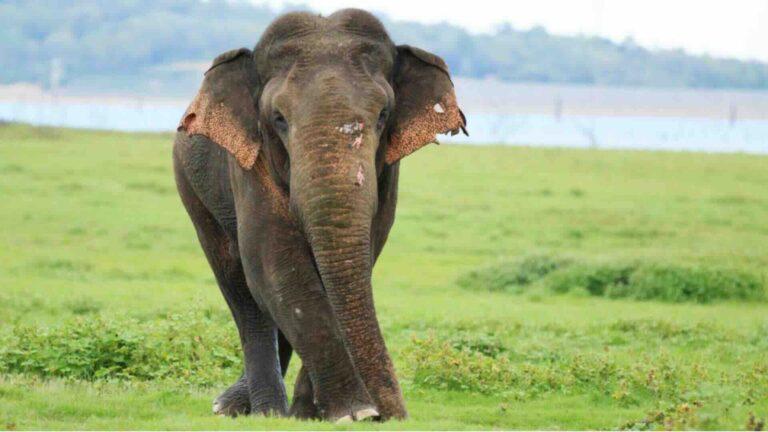
    Sri Lanka’s gentle giants are under siege. Across the island, majestic elephants – the living embodiment of national heritage – are being brutally killed for their tusks, weapons like jaw-breaker bombs (hakka patas), poisoned bait, and homemade traps. The crisis is not only ecological but cultural, symbolizing the collapse of protection strategies and the fragility of coexistence in a land where these pachyderms once roamed freely.

    A Grim Toll in Numbers

    Mid-July this year, the Department of Wildlife Conservation (DWC) confirmed a staggering 219 elephant deaths, including 37 fatally shot – many suspected to have died at the hands of poachers or retaliatory attacks. In 2024, Sri Lanka recorded 388 elephant fatalities, of which 17 were tuskers – animals with prominent tusks coveted by poachers.

    Between 2020 and 2024, a total of 2,018 elephants were killed, with an alarming 67 more falling victim to train collisions between 2020 and February 2025.

    With 62 per cent of Sri Lanka’s land inhabited by elephants, but only 18 per cent designated as strictly elephant habitat, many deaths go unrecorded – especially those occurring outside official ranges. Natural deaths are rare; elephants rarely live to their typical 80-year lifespan, often dying tragically between ages 45 and 65.

    Beyond Numbers: Drivers of Destruction

    Poaching methods are extreme, cruel, and varied. Poachers deploy hakka patas – explosive devices designed to maim and kill – as well as poisoned baits and improvised weapons like Badina Thuwakku. Even electric fences installed by farmers, purportedly for protection, have become death traps when improperly wired.

    Underlying these brutal tactics is a complex web of human-elephant conflict (HEC). As swathes of forest vanish under the advance of agriculture, elephants encroach on farmland for food. Farmers – already under economic strain – sometimes respond with lethal force. As one conservationist put it, Sri Lanka’s failure to protect elephants goes beyond neglect: it reflects broken policy, unfulfilled political promises, and systemic flaws.

    Promises Broken, Strategies Failed

    For years, successive governments pledged solutions: national action plans, expanded protected zones, and community-based fences. In 2024 alone, about 300 community-based electric fences were installed, intended to reduce crop raids and avoid chasing elephants. Yet their implementation often fell short, with poorly maintained fences turning lethal.

    The government’s current repositioning continues to yield little change. Public pledges have failed to translate into measurable reductions in elephant deaths, provoking criticism from conservationists and the wider public alike.

    Counting the Costs: Human Lives, Economic Woe

    The story of elephant deaths is inseparable from that of human suffering. In the first half of 2024, 198 elephants and 63 people died in HEC incidents. The methods ranged from gunshots to electrocutions and even explosives disguised as food.

    By July, the combined toll – 261 lives lost, both animal and human – was a grim reminder of the shared vulnerability of communities and wildlife.

    Legal Action and Official Response

    Authorities are finally talking tough. In mid-July 2025, the Environment Ministry directed the DWC to pursue maximum legal action against elephant shooters, and pledged to strengthen penalties and regulations. The ministry also announced plans to crack down on illegal electric fences, push for stronger laws, and improve patrols with multi-tasking officers and assistance from the Civil Defence Force.

    Meanwhile, a separate appeal from late July called on the Criminal Investigation Department (CID) and the Special Task Force (STF) to launch inquiries into elephant killings and to locate illegal firearms, particularly near elephant‐range areas such as Digampathaha and Galgamuwa – where several elephants were found shot dead.

    The Threat Ranking and a Clash of Priorities

    Sri Lanka now holds the grim distinction of being the world leader in elephant deaths. Some experts warn that unless urgent, paradigmatic changes are made, both conservation and national identity hang by a thread.

    Despite the heightened visibility of elephants in public discourse, the broader crisis of wildlife poaching remains largely ignored. A recent op-ed described the wider epidemic of silent slaughter – poachers using snares, weapons, and other cruel tactics to kill not only elephants but countless other species, all while enforcement remains weak.

    What Lies Ahead: Path to Prevention?

    Sri Lanka stands at a crossroads. The elephant crisis is a clarion call – highlighting the urgent need for:

    • Robust, enforceable legislation with real deterrents
    • Community involvement in conservation, not just top-down directives
    • Humane, evidence-based HEC mitigation such as early-warning collars, travel corridors, and compensated farming
    • Crackdowns on illegal firearms, traps, and poorly installed fencing

    The elephant’s fate is intertwined with the rural communities who live alongside them. For conservation to succeed, Sri Lanka must craft solutions that protect lives – both animal and human – and mend the spiritual and cultural bond that has long defined this island.

    Climate Change: Nepal, China Unite to Tackle Growing Threat of Glacial Lake Outbursts

    Nepal and China have reached a pivotal juncture. The agreement to exchange critical glacial data and establish early-warning systems marks a shift from reactive disaster response to proactive joint adaptation.

    In a significant diplomatic shift prompted by mounting climate risk, Nepal and China have agreed to begin sharing critical cross-border intelligence on glacial lake outburst floods (GLOFs) that threaten lives and livelihoods in the fragile Himalayan region. This landmark decision comes on the heels of devastating recent disasters and reflects a turning point in how these two mountainous neighbours jointly address the perils of rapid glacial melt.

    Calamity That Catalysed Action

    Just over a month ago, on July 8, 2025, a catastrophic GLOF occurred when a lake formed atop China’s Supra Glacier burst approximately 35 km upstream from the Rasuwagadhi border crossing. The torrent surged down the Bhotekoshi River, wreaking havoc across both China and Nepal. Nepali officials confirmed 11 fatalities and 18 missing persons, while Chinese authorities reported 11 individuals swept away. Damages – from destroyed roads and homes to a hydropower substation and a crucial Friendship Bridge – are estimated at a staggering US $100 million, crippling trade and mobility along the high-altitude corridor.

    Within this context, Nepal’s National Disaster Risk Reduction and Management Authority (NDRRMA) quickly ordered a comprehensive investigation into the disaster, instructing all concerned agencies to enhance coordination with Chinese counterparts and step up flood early-warning measures.

    Forging a Cross-Border Ice Pact

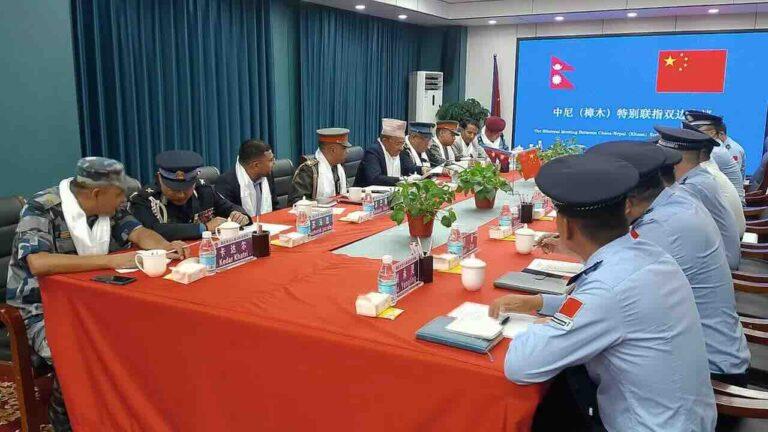
    On August 1, officials from Tibet’s Nyalam County and Nepal’s Sindhupalchok District convened in Lhasa. Chinese local authorities promised to share real-time information on glacial lakes and potential flood risks with Nepali officials via channels like WeChat and phone alerts. Nepalese lawmakers, such as Bishwa Prakash Sharma – general secretary of Nepali Congress – have urged that this cooperation be expanded to include India, given the broader regional consequences possible from GLOFs.

    Mohan Bahadur Chand, a glaciologist at Kathmandu University, emphasized that effective monitoring is the key to saving lives as climate change accelerates glacial melt across the Himalayas.

    Monsoon Misery and Infrastructure Collapse

    The urgency of such cooperation was underscored just weeks earlier. In early July, an alarming environmental emergency occurred when monsoon rains combined with a glacial breach in Tibet to unleash floods and landslides across the Nepal–China border zone, devastating the critically important trade and transit lifeline between the two countries.

    At least eight Nepali citizens lost their lives, over two dozen were reported missing, and military-led rescue efforts were underway as Prime Minister Khadga Prasad Oli visited the affected location. The iconic Miteri Friendship Bridge was swept away, and ten major Nepalese highways were blocked, pushing trade flows to reroute through India.

    This earlier catastrophe lent further momentum to the push for structured cross-border collaboration – bridging an urgent need for prevention with mounting evidence of severe consequences.

    Climate Signals and Mounting Risks

    These calamities are emblematic of a grim pattern. In just the first half of 2025, Nepal has endured three GLOFs, including the one in July tied to lake formation and burst near the Supra Glacier. A 2020 UN-backed assessment had already flagged 47 potentially hazardous glacial lakes across Nepal, Tibet, and India – but notably, none of the ones that have since burst were on that list – signalling a worrying acceleration of risk.

    In previous years, Nepal had publicly criticized China’s reticence in sharing data on glacial lakes, calling such information “essential” for preparedness and risk reduction. Experts have long underscored the importance of transboundary collaboration for climate resilience across the Hindu Kush–Himalaya region.

    A Roadmap for Shared Protection

    Nepal is now advocating for a formal, multi-tiered early-warning infrastructure, including automatic monitoring stations and enhanced satellite and ground-based observation capacity – especially in upstream, Chinese territory. While Nepal has previously deployed rudimentary early-warning systems (like hand-phone alerts relayed via loudspeakers) that proved lifesaving, the scale and unpredictability of GLOFs now demand far more sophisticated integration.

    Nepali officials hope to elevate the information-sharing mechanism to a national level, involving both China and India, and aim to leverage upcoming high-level diplomatic forums – such as trilateral leader meetings – to seal binding arrangements.

    Taking Collective Action

    The Himalayas, often called the “water towers of Asia,” are under siege from rising temperatures that destabilize glaciers and form explosive lakes. These geographic realities, combined with changing weather patterns, tragically amplify the threat to downstream communities, economies, and infrastructure.

    Through these painful lessons – the July 8 GLOF, earlier mid-July monsoon breach, and repeated structural losses – Nepal and China have reached a pivotal juncture. The agreement to exchange critical glacial data and establish early-warning systems marks a shift from reactive disaster response to proactive joint adaptation.

    As an Nepalese official says, “As Himalayan melt accelerates, so too must cooperation. The safeguarding of high-mountain communities, regional trade, and sustainable development depends on whether these plans evolve into robust practice.”

    The official says that this emerging alliance could serve as a regional model for addressing shared climate threats – before they swallow infrastructure, disrupt lives, and sever borders between more than just nations, but fundamental resilience on the world’s “Third Pole” of ice.