More

    Sri Lanka: Police Continue to Harass Families of Disappeared People

    Efforts to seek justice have repeatedly faltered. Domestic institutions like the Office on Missing Persons, created in 2017 to resolve disappearance cases, have made limited progress.

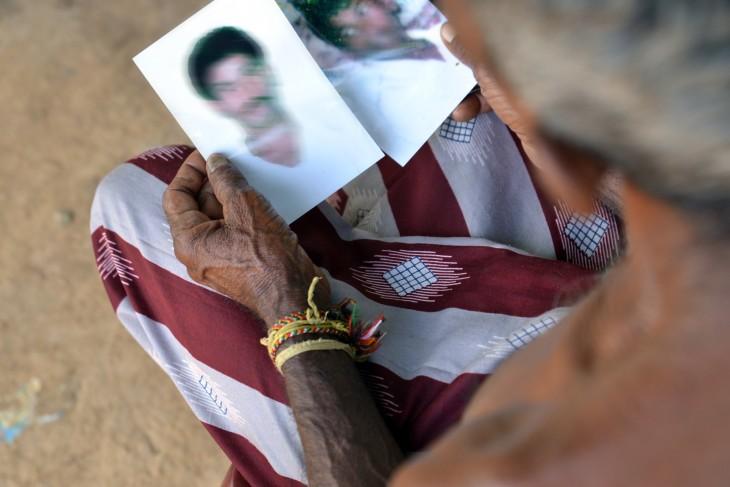
    Families of those who disappeared during Sri Lanka’s decades of conflict continue to face relentless surveillance, intimidation, and legal persecution under the guise of counterterrorism, Human Rights Watch (HRW) warned last week.

    Nearly a year after President Anura Kumara Dissanayake assumed office on promises to repeal oppressive legislation and foster national reconciliation, activists say the reality on the ground remains grim.

    Dissanayake’s 2024 campaign included pledges to overhaul Sri Lanka’s draconian Prevention of Terrorism Act (PTA), amend the sweeping Online Safety Act, and establish an independent prosecutor to bolster accountability. But critics point to continued arbitrary detentions and institutionalised opacity, especially in Tamil-majority regions.

    Under the PTA, 38 individuals were arrested in 2024; by April 2025, that number had risen to 49 – a troubling indicator that the law remains a favoured tool of suppression.

    Families Under Fire

    Human Rights Watch highlights disturbing patterns of state interference targeting families of the disappeared – many of whom mobilise to learn the fates of loved ones lost during the civil war from 1983 to 2009 or the earlier JVP insurrection.

    In numerous cases, relatives who file complaints, attend commemorations, or cooperate with international bodies are met with intimidation. In Tamil-majority northern and eastern provinces, activists say they face police surveillance, questioning, and even pressure aimed at their children.

    Dissanayake’s campaign promises have failed to avert such tactics. According to Meenakshi Ganguly, HRW’s Deputy Asia Director, “the families of the disappeared continue to face threats, including for engaging with the UN, while prospects for justice in Sri Lanka are as remote as ever.”

    Citing a woman whose son was forcibly disappeared while in army custody in 2008, HRW said that police officers from the Terrorism Investigation Division questioned her in June at her home for three hours.

    The officers allegedly asked her about her visits to Geneva, where she has engaged with the Sri Lanka Accountability Project and the Human Rights Council.

    “Many mothers [of the disappeared] are mentally affected by the [police] inquiries, monitoring, and intimidation,” the unnamed mother alleged while claiming that the surveillance, including by the police Criminal Investigation Department (CID), has increased.

    “The monitoring by the CID is tighter now,” she said. “Sometimes they approach our children to get information about us. That is a type of threat.”

    Mass Graves and the Quest for Truth

    Recently uncovered mass graves in Chemmani near Jaffna have become grim symbols of Sri Lanka’s unresolved past. Excavations earlier this year found more than 140 skeletons – including children – and personal items like schoolbags and baby bottles, highlighting the brutal reality of wartime disappearances.

    In June, UN High Commissioner for Human Rights Volker Türk visited the site and called for “robust investigations by independent experts with forensic expertise”.

    Despite such international attention, domestic investigations remain slow, with many mass grave sites still unexamined – fuelling concern over lack of transparency or accountability.

    HRW and UN bodies argue that sustained global engagement is critical. The UN Sri Lanka Accountability Project, established in 2021, collects and preserves evidence of human rights violations and war crimes. HRW emphasizes that the UN Human Rights Council must renew its mandate for the project, alongside ongoing monitoring and reporting during its upcoming 60th session beginning September 8, 2025.

    “The Sri Lankan government should immediately and publicly direct security agencies to end the surveillance and harassment of victims’ families and activists, and announce a complete moratorium on the use of the PTA,” HRW demands.

    A Legacy of Impunity

    Efforts to seek justice have repeatedly faltered. Domestic institutions like the Office on Missing Persons (OMP), created in 2017 to resolve disappearance cases, have made limited progress – many families describe being pressured into accepting compensation that amounts to a relinquishment of truth and accountability.

    Critics point to a broader trend of “white van abductions” and state-led disappearances stretching back decades, with high numbers of unresolved cases and minimal prosecutions.

    As Sri Lanka hurtles toward another UN Human Rights Council session, the fate of the disappeared and their families remains emblematic of the island’s unaddressed wartime wounds. Despite the passage of nearly two decades since the civil war’s end, the recurrence of repression under the guise of national security underscores a persistent failure in delivering justice or reconciliation.

    Human rights advocates warn that without decisive domestic reforms and sustained international oversight, Sri Lanka risks leaving an entire generation of victims without the truth, and without hope.
    Water Is No Longer a Passive Backdrop to Our Challenges.

    We must ensure that communities are at the heart of water governance. Especially women, who bear the burden when water is scarce, and Indigenous people, whose wisdom reminds us that water is sacred, not simply a resource to be consumed.

    By Pema Gyamtsho

    As the world gathers in Stockholm for World Water Week, we do so in the shadow of a paradox: WATER, the substance that sustains all life, is becoming increasingly scarce and destructive.

    In one part of the world, floods inundate entire cities. In another, droughts silently wither crops. Glaciers, which took centuries to form, are disappearing in decades. Groundwater, hidden and unseen, is being depleted faster than it can be replenished. The systems we built to manage water – reservoirs, canals, dams, treaties – were designed for another century. Today, they are buckling under the combined weight of climate change, ecological degradation, and unsustainable growth.

    A Wake-Up Call

    Water is no longer a passive backdrop to our challenges. It is the frontline indicator of a planet in distress and perhaps our greatest lever for healing it.

    Too often, we speak of water only in the language of crisis: scarcity, contamination, conflict. These are real and urgent. But they cannot be the whole story. If we only react to water emergencies, we will always be behind the curve. What we need now is a deeper rethinking.

    We must ask: How did we arrive at a point where the most abundant resource on Earth is among the least protected? Why have we failed to see water as finite and fragile – a system that binds geographies, generations, and ecosystems? And perhaps most importantly: how do we rebuild our relationship with water, so it is not just about managing supply, but about restoring balance?

    In the Hindu Kush Himalaya, where I work, these questions are not abstract. This region is home to ten great rivers, sustaining nearly two billion people. Yet the cryosphere is melting, rainfall patterns are erratic, groundwater recharge is shrinking, floods and droughts are becoming more intense, putting lives, livelihoods, and ecosystems at risk and springs that flowed for centuries have now fallen silent. It is now time to think beyond watershed or catchment areas and river basins. What we need is an integrated approach at the regional level. 

    This is not tomorrow’s challenge. It is today’s reality. And it reminds us of a simple truth: water security is climate and ecological security, development and economic security, and human and societal security.

    The Way Forward

    We must put water at the very centre of climate action because every flood, every drought, every melting glacier is in truth a water crisis.

    We must strengthen transboundary cooperation – for rivers do not stop at borders, and neither should our solutions. True resilience will only come when nations work together, guided by science, trust, and shared responsibility.

    We must mobilise finance at scale – not just for megaprojects, but for the everyday realities of people: from reviving dying springs in mountain villages, to safeguarding cities from devastating floods.

    We must restore the natural systems that store and regulate water – glaciers, forests, soils, and wetlands. These are not passive landscapes; they are living water infrastructure that has sustained us for millennia.

    And above all, we must ensure that communities are at the heart of water governance. Especially women, who bear the burden when water is scarce, and Indigenous people, whose wisdom reminds us that water is sacred, not simply a resource to be consumed.

    Because water security is not only about access to safe drinking water. It is about sustaining peace, as history shows us that water can be both a source of conflict and of cooperation.

    It is about sustaining biodiversity – for every species, from the snow leopard in the Himalaya to the farmer in the plains, depends on healthy water systems.

    And ultimately, it is about sustaining life itself.

    A Moral and Strategic Imperative

    The global water cycle is being reshaped before our eyes. But so too is our opportunity to reshape how we value, manage, and govern water.

    This is a moment that demands both humility and courage. Humility to accept that our existing approaches have failed too many, especially the poorest and most vulnerable. Courage to chart a new course grounded in integration, innovation, and inclusion.

    The Hindu Kush Himalaya, like other vulnerable regions, is both a warning and a wellspring of solutions. What happens in our mountains will shape the water futures of billions. And it is here, on these edges of ecological fragility, that some of the most transformative thinking must and can emerge.

    Let us ask: What legacy will we leave behind? Will we be the generation that watched rivers dry and glaciers vanish? Or the generation that reimagined its relationship with water and acted before it was too late?

    Let World Water Week be more than a platform for discussion. Let it be a catalyst for reimagining how humanity values water. 

    Because if we get water right, we get everything else right.

    The author is Director General, International Centre for Integrated Mountain Development (ICIMOD).

    Image: ICIMOD

    Tariffs: US Consumer spending Slows as Inflation Rises, says Fitch Ratings

    Increased trade policy uncertainty around tariffs has led to lower household spending by American consumers in the first half of 2025, according to Fitch Ratings’ latest US Consumer Health Monitor.

    Fitch Ratings’ latest US Consumer Health Monitor reports that American consumer spending slowed in early 2025 amid rising trade policy uncertainty and tariff pressures. Higher costs from tariffs are fuelling inflation risks, raising fears of potential stagflation later this year, said Olu Sonola, Head of US Economic Research at Fitch.

    The report says that US consumer spending slowed significantly in the first half of 2025, decelerating from the robust pace seen in late 2024. The report said that increased trade policy uncertainty and equity market volatility weakened consumer sentiment and confidence, leading to lower household spending. A cooling labour market further constrained household income.

    “As tariff-related cost pass-throughs to goods increase inflationary pressure, the economy could take a stagflationary turn later this year,” Olu Sonola said.  “Higher prices are expected to hit goods categories first, likely weakening consumer spending ahead of the holiday season.”

    Fitch also warned that a cooling labour market could curb further gains in consumer confidence, compounding the spending slowdown. These factors suggest households may remain cautious, with broader economic growth facing headwinds as inflation and weaker job prospects weigh on sentiment and purchasing power in the months ahead.

    Cooling Labour Market

    According to Fitch, consumer spending growth dropped to 0.5 per cent in 1Q25 and 1.4 per cent in 2Q25, down from 3.7 per cent in 3Q24 and 4.0 per cent in 4Q24. Services spending slowed, rising just 0.6 per cent in 1Q25 and 1.1 per cent in 2Q25. Durable goods spending declined by an annualized 3.7 per cent in 1Q25. Goods spending has remains volatile due to the tariff shock. Fitch expects consumer spending growth to average 1.8 per cent in 2025–2026, a significant drop from 2.8 per cent in 2024.

    The report says that consumer net worth fell by 0.9 per cent in 1Q25 as tariff concerns weakened equity market performance. However, U.S. Federal Reserve data shows consumers maintained steady liquidity despite tariff-driven market turbulence, with deposits accounting for roughly 10 per cent of total assets.

    According to the Fitch report, US household real estate equity declined after peaking in 2025 as home prices softened. “The US housing market has cooled due to elevated mortgage rates and ongoing affordability constraints,” it says.

    And though consumer confidence and sentiment bounced back in May after a steady decline from December 2024 to April 2025, a cooling labour market will likely limit further gains in consumer confidence, Fitch warned.

    Climate Shocks and Imports Threaten India’s Tea Industry

    Chai deserves nothing less than coordinated action, research, and public awareness so that India can navigate this crisis.

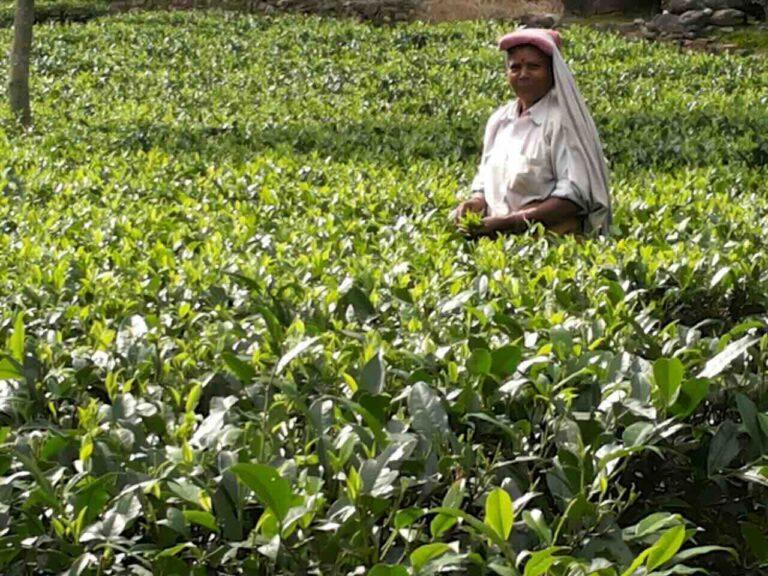
    For millions of Indians and tea lovers worldwide, a day without chai is unimaginable. Yet, the very industry that sustains this ritual is now confronting its sharpest crisis in decades. India’s tea sector – integral to the country’s economy, culture, and export reputation – is grappling with a severe decline in output driven by erratic weather patterns, pest infestations, and rising imports.

    According to the Tea Board of India, production in June 2025 fell 9 per cent year-on-year, dropping from 146.72 million kilograms in June 2024 to just 133.5 million kilograms. The decline has been widespread, affecting all major tea-growing belts across North and South India.

    A Pan-India Production Slump

    In the northeastern states of Assam and West Bengal, home to India’s most celebrated tea estates, output fell from 121.52 million kilograms to 112.51 million kilograms. Southern regions, including Kerala, Tamil Nadu, and Karnataka, experienced an even sharper fall – from 25.20 million kilograms last June to only 20.99 million kilograms this year.

    The pain is felt across the board. Large plantations produced 55.21 million kilograms in June 2025, compared to 68.38 million kilograms last year. Small growers, who account for a significant share of India’s tea supply, saw their output drop from 78.34 million kilograms to 68.28 million kilograms over the same period. This represents a major blow for the hundreds of thousands of smallholders who depend on tea as their primary livelihood.

    Climate and Pests: A Double Blow

    Industry leaders and scientists attribute the decline to the increasingly erratic monsoon and rising temperatures that are wreaking havoc on tea gardens. Tea bushes thrive on stable rainfall and moderate weather. But the 2025 monsoon has been anything but steady. Some areas faced rainfall deficits, leaving plants parched, while others were hit by intense downpours that damaged tender leaves and made plucking difficult.

    “Tea cultivation is extremely climate-sensitive. Prolonged droughts and sudden excessive rains are destabilizing the crop cycle,” an official from the Indian Tea Association (ITA) said. This volatility has delayed plucking seasons, reduced the quality of harvested leaves, and lowered yields.

    Worsening the crisis, pest infestations have surged in recent months. Rising temperatures create ideal conditions for pests like red spider mites and various fungal diseases. These not only damage crops but also force farmers to spend more on pesticides and plant protection measures – expenses that eat into already thin margins without guaranteeing recovery.

    Smallholders Hit Hardest

    While large estates have more resources to manage weather and pest-related challenges, small tea growers are in a precarious position. Operating mostly on marginal lands, with limited access to modern technology, irrigation, and credit, smallholders are highly vulnerable. The decline in harvests directly translates into reduced incomes, pushing many towards financial distress.

    Tea is also a critical source of rural employment, particularly in Assam and the Nilgiris. When production falters, it triggers ripple effects – wage cuts, fewer workdays for plantation workers, and broader economic hardships for communities built around tea.

    Price Pressures and Import Surge

    One would expect a supply shortage to push up prices. Yet, paradoxically, auction prices for popular varieties like CTC (Crush, Tear, Curl) tea have fallen by 7 to 9.5 percent in key markets such as Assam and West Bengal.

    This unexpected price slump is partly due to a surge in tea imports. India imported 82 percent more tea in 2024 than in 2023, primarily from Nepal and Kenya. These cheaper imports are flooding the domestic market, undercutting local producers and eroding their profitability. “It’s a perfect storm for the industry – declining production at home and intensified competition from imports,” said an ITA member.

    A Threat to India’s Tea Heritage

    The broader consequences are alarming. India is not only one of the world’s largest tea producers but also a leading exporter. Any sustained drop in output threatens export earnings and risks ceding market share to competitors like Kenya and Sri Lanka.

    Domestically, India’s unwavering tea culture could also feel the impact. Reduced supply or declining quality could affect the daily cup cherished by hundreds of millions. For a country where chai is deeply embedded in cultural and social life, such changes would be far more than an economic issue.

    The Path Forward: Adaptation and Policy Support

    Experts and industry stakeholders stress the urgent need for climate adaptation strategies tailored to India’s diverse tea-growing regions. Proposed measures include developing drought- and pest-resistant tea varieties, investing in better irrigation and rainwater harvesting, and implementing integrated pest management systems to reduce chemical pesticide use.

    “There is no silver bullet,” said an agricultural scientist working with tea growers in Assam. “We need region-specific research, technological interventions, and strong collaboration between government, industry, and farmers.”

    Policy support is equally critical. Stakeholders are urging the government to introduce incentives that promote climate-resilient agriculture and modernization of tea gardens. Better credit facilities for smallholders, regulation of imports to prevent market distortion, and support for branding and marketing Indian tea globally could stabilize the sector.

    A Call to Protect an Iconic Industry

    At this critical juncture, the future of India’s tea industry hangs in the balance. The picturesque tea plantations of Assam’s Brahmaputra Valley and Kerala’s rolling Nilgiri Hills are more than just economic assets – they are cultural landmarks and lifelines for millions.

    Protecting them from the ravages of climate change and unfair competition is essential not just for production numbers but for safeguarding a heritage. The story of India’s chai is deeply intertwined with its history and identity. To lose ground in this arena would be to erode a piece of the nation’s soul.

    Minority Prisoners Face Harsh Discrimination in Pakistani Jails, Says Bishops’ Report

    Without urgent reform, the NCJP warns, Pakistan’s prisons will remain a microcosm of wider societal discrimination. “Minority prisoners deserve dignity, equality and hope,” the report concludes – a plea that echoes far beyond prison walls.

    Religious minority prisoners in Pakistan are subjected to systemic discrimination, harsh treatment and denial of basic rights compared to their Muslim counterparts, according to a new report by the Catholic bishops’ human rights body.

    The study, Hope Behind Bars, was released on Aug. 15 by the National Commission for Justice and Peace (NCJP), a human rights arm of Pakistan’s Catholic bishops. Based on fieldwork carried out between May 2023 and March 2025, the report draws on testimonies of prisoners and prison data to expose discriminatory practices across 128 jails in six regions – Punjab, Khyber Pakhtunkhwa, Sindh, Balochistan, Pakistan-administered Kashmir, and Gilgit-Baltistan.

    According to official data cited in the report, Pakistan’s prison population stands at about 102,026 inmates, including 1,748 prisoners from minority faiths. Most are held in Punjab, the country’s most populous province, which accounts for 1,588 minority inmates. The rest are held in Sindh and Khyber Pakhtunkhwa.

    The NCJP said that once jail authorities discover the religious identity of prisoners, especially Hindus and Christians, they are routinely subjected to humiliation and given the most degrading work assignments. Christian prisoners are often labelled “untouchables,” forced to clean toilets and sewers, and denied opportunities available to Muslim inmates. “Despite injustice, they pursue dignity, faith and education,” the report noted, describing their resilience under adversity.

    Discriminatory Remission Policy

    One area of major concern is the discriminatory remission policy. Between 2022 and 2025, authorities in Punjab and Khyber Pakhtunkhwa granted sentence reductions to 1,937 Muslim prisoners for memorizing the Quran or observing Ramadan. Christian, Hindu, and Sikh prisoners were not offered similar concessions, the NCJP said.

    The report also highlights how prisoners accused of blasphemy face the harshest conditions. Blasphemy is a highly sensitive offense in Pakistan, where accusations often trigger mob violence and social ostracism. Data from the National Commission for Human Rights shows that as of June 2025, at least 705 prisoners – both Muslims and non-Muslims – were jailed in Punjab and Khyber Pakhtunkhwa on blasphemy charges.

    The NCJP report includes testimonies from ten prisoners: eight Christians, one Hindu and one Ahmadi. Their stories reveal abuse from prison staff and fellow inmates, denial of basic legal rights, and psychological torment. One of the most harrowing cases cited is that of Nadeem James, a Christian sentenced to death in 2016 for allegedly sharing a “blasphemous” poem on WhatsApp. His elder brother, Faryad Masih, recounted how police detained and beat eight members of their family for four days to coerce James into surrendering. “He was beaten in custody and taken to solitary confinement every night,” Masih said. James’ appeals have since been rejected by the Lahore High Court.

    Mob Pressure

    Christian rights activist Joseph Jansen called James’ case “a grave injustice,” blaming mob pressure and religious extremism. “This was not justice; it was coercion,” he said, urging the international community to pressure Pakistan for reforms and compliance with UN human rights conventions.

    The NCJP’s report calls for wide-ranging reforms, framing the issue as both a human tragedy and a systemic failure. It urges authorities to improve mental health services, particularly for inmates on death row, strengthen safeguards against torture with confidential complaint mechanisms, and provide equal access to religious programs. It also advocates literacy and vocational training, enhanced legal aid, and transparent data collection to ensure accountability.

    Without urgent reform, the NCJP warns, Pakistan’s prisons will remain a microcosm of wider societal discrimination. “Minority prisoners deserve dignity, equality and hope,” the report concludes – a plea that echoes far beyond prison walls.

    Image: ChatGPT.

    Bangladesh Rejects Pakistan Foreign Minister’s Claim That 1971 Issues Were ‘Settled Twice’

    Pakistan’s Foreign Minister and Deputy Prime Minister Ishaq Dar, who visited Dhaka on Sunday for the first ministerial-level talks between the neighbours in over a decade, told reporters that the disputes had been addressed “twice”.

    Bangladesh has dismissed Pakistan’s assertion that all outstanding issues stemming from the 1971 Liberation War were resolved decades ago, saying key matters remain unsettled despite renewed diplomatic engagement.

    Pakistan’s Foreign Minister and Deputy Prime Minister Ishaq Dar, who visited Dhaka on Sunday for the first ministerial-level talks between the neighbours in over a decade, told reporters that the disputes had been addressed “twice” — first in 1974 and later during then-President Gen Pervez Musharraf’s visit to Dhaka in the early 2000s.

    “In 1974, the issue was resolved in writing. The document is historic and both countries have it,” Dar said. “And later, when General Musharraf came here, he addressed the issue in a very open and candid manner. So the issue was resolved twice. Between brothers, once something is resolved, it is done, even if others may tell us to clean our hearts. Our religion tells us to make a clean start and move forward together.”

    Bangladesh flatly disagreed. Speaking after the talks, Foreign Affairs Adviser Touhid Hossain told reporters, “Of course I don’t agree. If we agreed, the problem would have been resolved in the way they claim, right? We stated our position, they stated theirs.”

    Dhaka has for decades pressed Islamabad for three key steps: a formal apology for the atrocities committed by the Pakistani military during the 1971 war, repayment of an estimated USD 4.5 billion owed to Bangladesh since independence, and the repatriation of thousands of Pakistanis stranded in the country.

    Historians estimate that about 3 million people were killed and some 300,000 women raped during the nine-month war that ended with Bangladesh’s independence. Successive governments in Dhaka have raised the issues at various bilateral forums, but no breakthrough has been achieved.

    Symbolic Gestures

    Touhid confirmed that these matters were reiterated in Sunday’s meeting despite Dar’s calls for a “clean slate.” “You surely don’t expect that a problem that has lasted 54 years will be solved in a one-hour meeting,” he said. “But both sides agreed that these issues need to be discussed and eventually resolved so they do not hinder relations.”

    While the legacy of 1971 continues to cast a shadow over ties, the Dhaka talks produced some tangible outcomes. The two sides signed one agreement abolishing visas for holders of diplomatic and official passports and concluded five memoranda of understanding. These cover cooperation in trade and investment, cultural exchanges, links between their foreign service academies, collaboration between state-run news agencies BSS and APP, and partnerships between the think tanks BIISS in Dhaka and ISSI in Islamabad.

    Dar hailed the discussions as “a great beginning,” stressing the “tremendous potential” for deeper economic and trade engagement between Bangladesh and Pakistan. However, analysts caution that without meaningful progress on historic grievances, normalization of relations will remain incomplete. For now, Dhaka appears firm that reconciliation requires more than symbolic gestures. As Touhid underscored, “These issues need to be discussed and resolved so they do not hinder relations.”

    Sri Lanka: Former President Wickremesinghe Arrested, Hospitalized; Political Backlash Mounts

    Sri Lanka’s Criminal Investigation Department charged Ranil Wickremesinghe with misusing public funds – specifically allegations that he diverted state money during a September 2023 stopover in London.

    Sri Lanka finds itself embroiled in a political and legal storm following the dramatic arrest and subsequent hospitalization of former President Ranil Wickremesinghe, as widespread criticism erupts from across the political spectrum.

    Ranil Wickremesinghe, 76, was arrested on August 22, ushering in the highest-profile detention amid President Anura Kumara Dissanayake’s sweeping anti-corruption campaign. The Criminal Investigation Department (CID) charged him with misusing public funds – specifically allegations that he diverted state money during a September 2023 stopover in London. This trip, occurring during Wickremesinghe’s return from the G77 summit in Havana and the UN General Assembly in New York, has been scrutinized as a non-official detour allegedly financed by the state. Prosecutors estimate the cost at approximately 16.9 million Sri Lankan rupees, including expenses for a 10-person entourage and security detail. Wickremesinghe has consistently denied wrongdoing, asserting that his wife, Maithree, covered all expenses personally.

    Health Crisis and Hospitalisation

    Shortly after being remanded in custody by the Colombo Fort Magistrate’s Court until August 26, Wickremesinghe was admitted to a prison hospital. However, deteriorating health – a combination of severe dehydration, high blood pressure, and acute diabetes – led to his transfer to Colombo National Hospital’s emergency treatment unit, with doctors considering ICU care if his condition worsened. By Saturday, he had been moved to the ICU, where medical staff described his condition as “stable” but continued to require close observation.

    Hospital officials noted that Wickremesinghe had spent over ten hours in court before suffering dehydration. As he remained in ICU, his next court appearance, scheduled for Tuesday, appeared unlikely.

    Political Fallout: “A Calculated Assault on Democracy”

    Across Sri Lanka, opposition figures and former presidents condemned the arrest, labeling it a politically motivated attempt to silence dissent.

    Chandrika Kumaratunga, 80, called the jailing a “calculated onslaught on the very essence of our democratic values,” warning of broader implications for civil rights.

    Mahinda Rajapaksa, 79, also voiced support and visited Wickremesinghe in prison before he was transferred to the ICU.

    Maithripala Sirisena, former president from 2015 to 2019, described the imprisonment as a “witch hunt,” accusing the government of silencing opposition through intimidation. He emphasized, “Our country is used to very open democratic practices. These sorts of actions go against those basic principles”.

    SLPP General Secretary Sagara Kariyawasam echoed the sentiment, condemning the arrest despite differing politically with Wickremesinghe – arguing that no leader should be muzzled by the state’s heavy hand.

    The United National Party (UNP) framed the arrest as fear-driven, citing Wickremesinghe’s continued political influence and potential return to power as the underlying motive.

    Legal Precedent and Wider Context

    Analysts view Wickremesinghe’s arrest as part of a broader shift in Sri Lanka’s political culture. As the most senior opposition figure to face legal consequences in decades, his detainment signifies an assertive new direction under President Dissanayake’s administration, despite it raising serious concerns about political impartiality.

    The case is one among several high-profile prosecutions launched by the JVP-led government; members of the Rajapaksa family have also been prosecuted, and even the police chief and prisons chief have faced legal action for corruption-related charges. Meanwhile, the revived Batalanda torture case – dating back to accusations of human rights abuses during the late 1980s insurgency – adds further complexity to Wickremesinghe’s political and legal challenges.

    Wickremesinghe’s immediate future hinges on his health and upcoming legal proceedings. With ICU care likely delaying his court appearance, the trial timeline remains uncertain. Meanwhile, political allies remain vocal, and civil liberties organizations are expected to closely monitor judicial fairness. International observers may also weigh in on the precedent this case sets – for both accountability and misuse of state power in democratic governance.

    From Kilns to Fields: How Nepal’s Brick Workers Are Recrafting Lives

    Nepal’s brick workers – rooted in remote, rugged districts – navigate livelihoods that have long hinged on seasonality. The COVID-19 shock showed their remarkable adaptability: moving toward agricultural work when bricks ceased to burn.

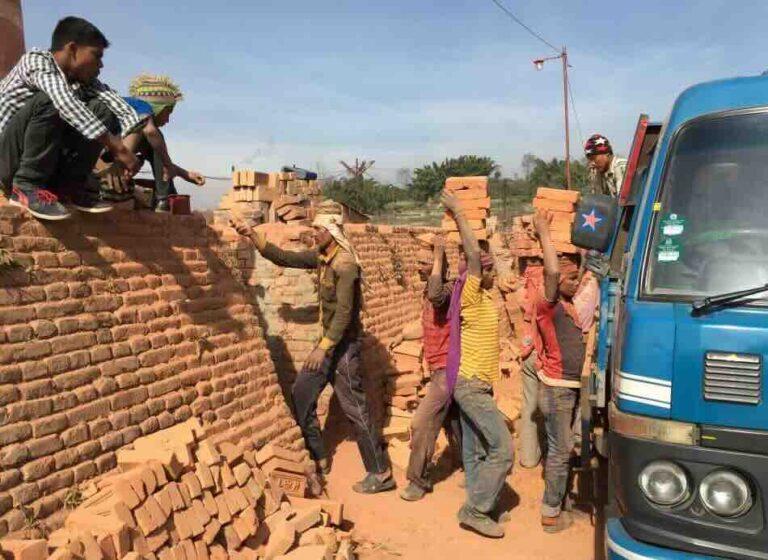
    In the shadow of roaring brick kilns, a quieter but transformative story is unfolding across Nepal’s remote hills. In their recent paper published in Frontiers in Sociology, researchers Sugat B. Bajracharya, Kamala Gurung, and Simran Silpakar delve into how brick workers from the districts of Rolpa, Salyan, and Dang are increasingly turning to agriculture – amid seasons of uncertainty and pandemics – as a mainstay for survival.

    Nepal’s brick industry – valued at several million dollars and employing approximately 300,000 workers – thrives during its limited work season. But that very seasonality forces workers into a cycle of migration: to the kilns during high season, and back home when demand wanes.

    Driven by these seasonal fluctuations, brick workers – and their households – often stitch together multiple forms of income. Many migrate to India, engage in construction, farm labour, or subsistence agriculture to bridge the lean months.

    Mapping Livelihood Determinants

    The research team deployed a sustainable livelihood framework, analysing four types of “capital” that shape livelihood decisions: natural (land, livestock), financial (access to institutions), physical (market proximity), and human (education, training, household labour). The model tracked 500 households across the three study areas and revealed compelling patterns:

    • A rise in household size, cultivable land, livestock, local markets, and education correlated with higher odds of choosing agriculture as a primary income source – respectively increasing likelihoods by 2 per cent, 15 per cent, 5 per cent, and 26 per cent.

    Still, agriculture remained largely a fallback – not a fully viable livelihood – due to limited landholdings and challenging terrain.

    COVID-19: A Turning Point

    The COVID-19 pandemic and associated lockdowns (March–July 2020 and April–August 2021) dealt a sharp blow – but also triggered a form of survival innovation. During the first lockdown, 65 per cent of workers remained in kilns amid uncertainty; only 15 per cent engaged in agriculture, while 10 per cent were unemployed.

    Between lockdowns, workers mostly returned to their villages. Agriculture uptake rose to 39 per cent, while only 14 per cent continued kiln work – and 15 per cent were out of work. During the second lockdown, agricultural work remained strong at 30 per cent, supplemented by non-farm labour at 37 per cent and kiln employment down to 18 per cent.

    These shifts underscore how crises like COVID can push marginalized workers toward local, available options – even when those options are barely viable.

    Challenges and Opportunities

    The terrain and land fragmentation in Rolpa, Salyan, and Dang present structural barriers: fragmented small holdings make commercial farming difficult, and lack of reliable markets further restricts value realization.

    Still, interventions offer hope. The GOAL project, backed by Australian Aid, promotes vegetable and goat farming in Runtigadhi, Rolpa, in collaboration with local government and NGOs. Meanwhile, the Holeri Collection Centre – revived through USAID’s KISAN project – intends to connect farmers with markets, though consistent operations remain elusive due to management challenges.

    Building Resilience Through Diversification

    The study’s key argument: livelihood resilience hinges on expanding viable, non-seasonal opportunities. Workers need skills – in agriculture, livestock, and beyond – and infrastructural support to transition from diversification borne of necessity to purposeful, stable incomes.

    Vocational training, land leasing arrangements with cooperatives, and sustainable market mechanisms are among the proposed solutions to bolster long-term capacity.

    Limitations and Next Steps

    The authors note certain constraints: livestock counts weren’t analysed by animal type or standardized units, informal financial access wasn’t deeply explored, and findings may not extend to all informal worker groups. These gaps offer directions for future research into intersecting vulnerabilities and livelihood dynamics.

    Nepal’s brick workers – rooted in remote, rugged districts – navigate livelihoods that have long hinged on seasonality. The COVID-19 shock showed their remarkable adaptability: moving toward agricultural work when bricks ceased to burn. But enduring transformation demands more than resilience; it requires structural support – land access, market systems, skill development – to shift from precarious survival strategies to sustainable livelihoods.

    As Bajracharya and colleagues conclude, building a resilient future for brick workers means empowering them to diversify with dignity – not just out of necessity, but with viable choices.

    Sri Lanka Grants First-Ever Licences for Cannabis Cultivation for Export

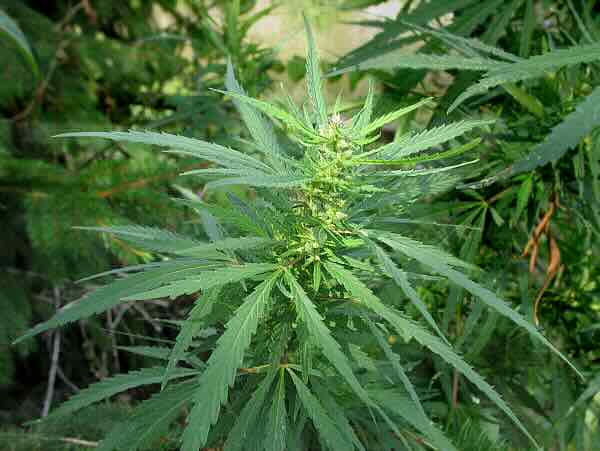
    Cannabis has a deep cultural and medicinal history in Sri Lanka. Locally known as kansa, for the plant, and Ganja, for the flowering head, it is valued in Ayurvedic medicine for its therapeutic properties.

    In a landmark move aimed at boosting foreign exchange earnings, the Sri Lankan government has for the first time approved foreign investment in cannabis cultivation under strict legal and regulatory conditions, officials announced this week.

    Former Commissioner General of the Ayurveda Department, Dr. Dhammika Abeygunawardena, confirmed that seven foreign investors have been granted permission to legally cultivate cannabis in Sri Lanka for export purposes only. The approvals were issued under the Board of Investment (BoI) framework after a rigorous selection process that shortlisted the applicants from a pool of 37 proposals.

    “This is the first time such an initiative has been authorised,” Dr. Abeygunawardena said, adding that the licences come with stringent controls to ensure compliance with local laws and international export regulations. Each investor has been issued a temporary six-month licence, with the possibility of renewal depending on progress reports and adherence to guidelines.

    High Investment Threshold and Security Requirements

    Under the project’s terms, each investor is required to make a minimum capital investment of USD 5 million and deposit a USD 2 million bond with the Central Bank of Sri Lanka as a performance guarantee. A total of 64 acres of BoI-controlled land in Mirigama has been allocated for the initial phase of cultivation.

    To prevent diversion into the domestic market, all cannabis grown must be exported exclusively for pharmaceutical production and testing. None of the crop, including seeds, leaves, or roots, can enter the local supply chain.

    The cultivation sites will be surrounded by secure fencing, and investors are obligated to arrange protection from the Special Task Force (STF) and local police. The BoI, Ministry of Public Security and Parliamentary Affairs, Ministry of Environment, and Department of Ayurveda will jointly oversee operations.

    “We have placed the highest emphasis on security, traceability, and the lawful end-use of the product,” Dr. Abeygunawardena stressed. “There is zero tolerance for leakage into the domestic market.”

    Economic Opportunity Amid Crisis

    Cabinet Spokesman and Media Minister Nalinda Jayatissa described the decision as part of a broader push to leverage niche agricultural exports for economic recovery. Sri Lanka continues to face acute foreign currency shortages following its 2022 debt default and ongoing balance-of-payments pressures.

    “This process began in 2004 and has now reached the implementation stage,” Jayatissa, who also serves as Health Minister, told reporters at the weekly Cabinet briefing. “Strict safety procedures are in place, and this initiative offers an opportunity for the country to earn valuable foreign exchange.”

    The licences must be renewed every six months, a condition intended to ensure constant oversight and accountability.

    Targeting Lucrative Global Markets

    Medicinal cannabis is a fast-growing global industry, particularly in Europe and North America, where legalisation for therapeutic use has created significant demand. Authorities believe Sri Lanka’s tropical climate, agricultural expertise, and Ayurvedic tradition could give it a competitive advantage in supplying high-quality medical cannabis to international markets.

    The previous government had already proposed regulated cultivation of medical-grade cannabis for export, but the idea had stalled due to regulatory hurdles and public debate over potential social and ethical impacts.

    “This is not about promoting drug use,” Dr. Abeygunawardena said. “It is about producing a controlled, pharmaceutical-grade product for legal markets abroad.”

    Cannabis in Sri Lanka: A Complex History

    Cannabis has a deep cultural and medicinal history in Sri Lanka. Locally known as kansa (for the plant) and ganja (for the flowering head), it is valued in Ayurvedic medicine for its therapeutic properties. Ancient Sanskrit and Sinhalese terms such as virapati (“hero-leaved”) and ananda (“bliss”) reflect its traditional uses for pain relief, mood enhancement, and other medicinal applications.

    The plant was criminalised under the Poisons, Opium and Dangerous Drugs Ordinance of 1935, but subsequent amendments allowed its use for medical purposes under licence from the Ministry of Health. The Ayurveda Act enables licensed practitioners to obtain cannabis for manufacturing approved remedies.

    At present, the state-owned Ayurvedic Drugs Corporation is the only legal supplier on the island, sourcing most of its cannabis from police seizures of illegal shipments. With an estimated 16,000 registered Ayurvedic practitioners, demand for fresh, high-quality cannabis far outstrips the available legal supply, which is often old and degraded by the time it reaches them.

    Balancing Opportunity and Regulation

    The move to permit foreign-invested cultivation is expected to be closely monitored by both regulators and the public. While supporters argue it can open a valuable export stream and position Sri Lanka as a global medicinal cannabis supplier, critics caution against potential risks, including regulatory lapses and domestic misuse.

    Sri Lanka’s law enforcement agencies have historically prioritised preventing sales to minors and cracking down on vendors operating near schools. Possession of less than 5 kg is treated as a minor offence, but trafficking and unauthorised cultivation remain criminal acts.

    The government insists the new scheme will not weaken these protections. “This cultivation is exclusively for export under strict BOI and Department of Ayurveda control,” Minister Jayatissa reiterated. “There will be no local consumption from these projects.”

    A Step into the Future

    For Sri Lanka, the initiative marks both a break with colonial-era prohibitions and a modern economic experiment. From the 17th-century trade observed by Portuguese chroniclers, to Dutch and British restrictions in the 18th and 19th centuries, to today’s tightly regulated medicinal framework, cannabis in Sri Lanka has been shaped by a long interplay of culture, commerce, and law.

    With the first licences now issued, the country steps into uncharted territory — one where ancient Ayurvedic traditions meet the modern pharmaceutical export market, and where the challenge will be balancing economic ambition with public health and security.

    If successful, officials believe the project could expand, drawing more investment and making medicinal cannabis a significant niche export alongside tea, spices, and rubber.

    “This is about innovation within our legal and cultural frameworks,” Dr. Abeygunawardena said. “It is a chance to show the world that Sri Lanka can produce the highest-quality medicinal cannabis while upholding the strictest standards of control.”

    From Fodder Scarcity to Surplus: Bihar’s Goat Farmers Lead 1,000-Acre Green Mission

    To make the Green Fodder Mission climate-resilient, farmers turned to technology, improved seed varieties, legume-based soil enrichment, water-efficient irrigation, and fodder processing machines for silage and hay. And the output has been remarkable.

    By Anamika Priyadarshini, Karunesh Shukla and Sonmani Choudhary

    Sudha Devi, a small goat farmer in Panadol block of Madhubani district in Bihar, always wished to expand her herd as she knew it would not only increase her income but also help her cope with financial shocks, including those triggered by climate risks. Sudha’s struggle reflects a severe crisis of farm sector that is acknowledged by the Government of India as well. As per data shared by the Government in Rajya Sabha, the upper house of the Parliament, India has a green fodder deficit of 11.24 to 32 per cent and a dry fodder deficit of 23 per cent. These statistics show the acute shortage of fodder, often manifested in survival crises for livestock and livelihood crises for livestock-farmers in India, where 45 per cent population still depends on agriculture for livelihoods. Almost 90 per cent of Indian farmers own less than two hectares land, and for most of them, livestock not only helps diversify incomes but also mitigate climate and market-induced risks.

    The Government of India has often expressed concern over the fodder crisis and has undertaken multiple initiatives to address it. For instance, the National Livestock Mission’s Sub-Mission on Fodder and Feed Development provides financial assistance for establishing fodder nurseries; promoting high-yield and drought-tolerant fodder varieties; and supporting silage-making units. Special efforts are being made to boost seed production, ensure timely distribution, and help farmers overcome seasonal shortages. Along with the Government, some stakeholders are actively engaged in addressing this crisis. In this context, the Green Fodder Mission (GFM) under the Bihar Sustainable Livelihood Development (BSLD) project, an initiative of Heifer International, stands out. Sudha Devi, Madhuri Devi and several other women farmers associated with BSLD have been leading this Mission.

    From Goats to Green Fields: A Story of Transformation

    In 2021, BSLD began to promote locally led sustainable development with 70,000 women farmers, comprising 46 per cent landless and 53 per cent owning less than 0.44 hectare. Most of them were sharecroppers, with limited control over resources and income. Goats were an integral part of these farming households, often among their very few assets. Recognizing this, BSLD set out to explore whether meaningful transformation could begin with the smallest assets like goat. Women farmers were trained in better feeding, mineral mixes, housing, and preventive healthcare, along with support to access finance and markets. Gradually, goat mortality dropped from 53 per cent in 2022 to just 9.6 per cent in 2025. The average herd size grew from 1.67 to 5.33 goats. Livestock, once a small sideline, now contributes nearly a quarter of annual household income. In just four years, it rose from INR 72,715 in 2022 to INR 240,262 in 2025.

    Launch of the Green Fodder Mission

    The growing herds soon outpaced available fodder, forcing farmers to seek lasting feed solutions. Determined to ensure year-round nutritious feed, BSLD farmers launched GFM in 2024. The Mission aims at cultivating 1000 acres of nutritious and climate-resilient fodder in Bihar. Women farmers’ collectives, especially Self-Help Groups (SHGs), Farmer Producer Companies (FPCs) and the Farmer Field Schools (FFSs), have been instrumental in accelerating GFM. Being implemented through FFSs and SHGs, the Mission is leveraging common lands, bunds, leased plots, homestead land, and privately owned fields.

    Technology Inputs from Expert Institutions

    Another challenge for the Mission was identifying climate-resilient fodder. BSLD works closely with the local Krishi Vigyan Kendras (KVKs) and agriculture universities like Bihar Agriculture University (BAU) Sabour. Along with the BAU and KVK experts, BSLD facilitates farmers to develop scientifically planned crop mix, as mentioned below, to ensure year-round supply.

    SeasonsCrops
    Kharif CropsMaize, Sorghum, Cowpea, Pearl millet, Cluster Bean, Napier
    Rabi CropsEgyptian clover, Sudan, Mustard, Oats, Pea
    Summer CropsMoringa, Hybrid Napier, Summer Pearl Millet, Guinea grass
    Perennial CropsMoringa, Leucaena, Mulberry and Napier

    KVK and BAU scientists/experts have also trained farmers in modern agronomy, mechanized planting, precision harvesting, silage making, and storage. To make GFM climate-resilient, farmers turned to technology, improved seed varieties, legume-based soil enrichment, water-efficient irrigation, and fodder processing machines for silage and hay. And the output has been remarkable. On an average, farmers now produce 500 to 1,800 quintals of fodder per hectare each year, at a cost of ₹20,000–30,000 per hectare. For many, this has meant lower feed costs, healthier animals, and higher returns from goat rearing. Speaking of the GFM’s progress, Dr Anand Kumar Jain, a Senior Scientist and Associate Professor of Agronomy at BAU Sabour, said:

    “This [GFM] is more than an agricultural drive- it’s a technological and community-led transformation. By integrating scientific fodder cultivation practices with decentralized participation, we are ensuring sustainable, year-round feed availability for livestock owners across Bihar.”

    Approaching the 1,000-acre milestone

    So far, the BSLD farmers have cultivated green fodder in 830 acres. Sudha Devi now recalls the days when she and many other farmers of her village were apprehensive about livestock rearing because of the fodder shortage. Fodder scarcity meant constant worry and low milk yields. It was this concern that encouraged Sudha Devi, Nrimala Devi and several other BSLD farmers to initiate the Green Fodder Mission. Sudha and her family began growing hybrid Napier grass on their homestead. Their house, perched on a slope, gave them a natural advantage. The fodder not only fed their goats but also held back soil erosion. Soon, Sudha, Nirmala and other farmers expanded to the bunds, planting Australian hybrid Napier that stretched across 1000 meters and yielded rich dry biomass. While reflecting on the Mission’s journey, Sudha shares enthusiastically:

    “We have planted Napier grass in 10 dhur (about 680 sq ft) land and getting about 1 quintal fodder per week. All this happened in a year…we are discussing about fodder bank now.”

    As the GFM approaches the 1,000-acre cultivation milestone, the focus is shifting toward long-term sustainability and market integration. Farmers are planning to establish decentralized fodder banks and silage units to store surplus fodder during peak seasons and ensure a steady supply for lean periods. They are working to link fodder producers with organized markets through FPCs and to forge partnerships with large-scale buyers. Farmers believe transparent pricing, forward contracts, and aggregation centers will support better price realization.

    FPCs are emerging as hubs for fodder production, processing, and marketing. The Mission links fodder cultivation with the goat value chain, aligning feed supply with breeding, health, and marketing. This approach creates a self-sustaining model for goat-farmers. The GFM now meets actual needs and has drawn attention from policymakers and scientists as a potential replicable model. The Mission’s success merits celebration on International Goat Day as proof that targeted interventions can uplift livelihoods, transform value chains, and advance sustainable goat farming worldwide.

    Mr. S K Gangwar, a KVK Senior Scientist, who has been observing the Mission’s journey, notes:

    “The Heifer project [GFM] is not just growing fodder — it is cultivating rural prosperity. By integrating modern technology, practical training, and community ownership, the initiative in Bihar is creating a replicable model for sustainable, livestock-based livelihoods that strengthen both income and food security for farming families.”

    Image: Hippopx