More

    Most Sri Lankan Doctors Show Poor Knowledge of Medical Ethics, Study Finds

    54 per cent never accepted gifts from pharmaceutical companies; however, 37.7 per cent admitted to accepting such gifts “sometimes,” and 8 per cent did so “often”.

    A recently published cross-sectional study conducted across three teaching hospitals in the Kandy district of Sri Lanka reveals troubling gaps in doctors’ understanding and application of medical ethics, despite an overwhelming willingness to learn.

    The research surveyed 313 doctors using anonymous, self-administered questionnaires. Results are stark: 81.2 per cent of participants scored below the acceptable threshold for knowledge of medical ethics – defined as less than 60 out of 100 – for routine clinical ethical guidelines.

    Key Findings at a Glance

    • Knowledge: The average score was 49.8 (±13.6), with postgraduate trainees significantly outperforming others – 60.7 per cent achieved “good” knowledge, compared to 44.4% among their non-trainee peers (p = 0.02).
    • Institutional Variations: Knowledge levels also differed significantly among the three hospitals (p = 0.008), suggesting disparities in training or institutional culture.
    • Attitude: A resounding 95 per cent of doctors expressed that in-service training on medical ethics is essential, and 91 per cent believed undergraduate medical ethics education is currently inadequate.
    • Self-Reported Practice:
      • 69.3 per cent thought current levels of ethical practice among doctors are unsatisfactory.
      • Only 33.9 per cent always used a chaperone during patient examinations; 3.5 per cent never did – concerns surface around potential misconduct or patient discomfort.
      • 54 per cent never accepted gifts from pharmaceutical companies; however, 37.7 per cent admitted to accepting such gifts “sometimes,” and 8% did so “often”.
      • Generic name prescription was inconsistently applied: only 17.9 per cent always included generic names alongside brand names, while 40.6 per cent “sometimes” did, and 6.7 per cent never did.

    Interpretation and Implications

    The study highlights a troubling trend: simple distribution of ethical guidelines – often given to doctors upon registration – is insufficient. Without structured, ongoing education, these resources remain underutilized.

    Moreover, gaps in ethical knowledge and practice were not isolated to Sri Lanka. Similar findings have been reported in other South Asian countries, including India and Pakistan, where the majority still demonstrate inadequate ethics knowledge despite awareness.

    Compromised prescription habits, reluctance to involve chaperones, and acceptance of pharmaceutical incentives underscore the real-life ethical dilemmas and pressures faced by medical professionals.

    Role models

    Researchers strongly advocate for integrating regular, in-service medical ethics training – potentially through Continuous Medical Education (CME) programmes, regional academic forums, or professional bodies. Such initiatives could enhance both knowledge and ethical behaviour.

    In addition, medical seniors and consultants serve as de facto role models. Their attitudes heavily influence junior doctors, suggesting that ethics training should also address mentorship and the “hidden curriculum” embedded in clinical culture.

    According to the study, while Sri Lankan doctors show a positive attitude toward learning, a significant mismatch remains between ethical knowledge and everyday practice. To safeguard patient trust and professional integrity, healthcare systems must embed ethics more deeply into training and institutional culture.

    Laws in Captivity: Study Reveals Rampant Denial of Social Security Benefits to Morbi’s Workers

    The average wage among respondents was ₹15,943, but women earned consistently less. Twenty-two per cent of workers earned below ₹13,500 – less than Gujarat’s current minimum wage for even unskilled labour.

    A first-of-its-kind systematic study into the enforcement of key labour laws in Morbi, Gujarat’s ceramic hub, has laid bare widespread violations that have left the overwhelming majority of workers without the social security benefits they are entitled to under law. Conducted by the People’s Training and Research Centre (PTRC), the report – titled Laws in Captivity – paints a grim picture of non-compliance with the Employees’ State Insurance (ESI) Act, the Provident Fund (PF) Act, and basic wage documentation rules.

    According to the study, which surveyed 2,000 workers from 290 units, 93 per cent of workers’ ESI contributions are not deducted, 92 per cent are excluded from PF benefits, and 90 per cent are not issued salary receipts. All units surveyed met the ESI Act’s applicability criteria – located in notified areas, employing more than 10 workers, and paying wages of ₹21,000 or less – yet compliance remains abysmally low.

    The research found entrenched discrimination against women and migrant workers. Out of 1,121 migrant respondents, only 40 (3.57 per cent) were covered under ESI, compared to 107 (12.17 per cent) of 879 local workers. Women earned less on average than men despite performing similar work, in violation of the Equal Remuneration Act.

    Ceramics, Dust, and Disease

    Morbi accounts for 90 per cent of India’s ceramic production, employing over four lakh workers, many of whom face hazardous exposure to silica dust – a known cause of silicosis, tuberculosis (TB), and other respiratory diseases. Despite this, the study revealed that out of 1729 ceramic workers surveyed, 97 per cent were not covered under ESI, and only 3.47 per cent received PF benefits.

    The health risks are not theoretical. The survey found five workers with confirmed silicosis – none of whom were covered under either ESI or PF – and 63 workers who had undergone TB treatment, 62 of them from the ceramic sector. Silica exposure rates were stark: 28.95 per cent of ceramic workers were directly exposed, and another 47.7 per cent indirectly exposed.

    A Legal Obligation Ignored for 58 Years

    Parts of Morbi were brought under ESI Act coverage in 1967, yet nearly six decades later, enforcement remains negligible. “Neither the industries are ready to implement the law, nor can the government enforce it,” the report observes. The absence of workers’ unions in Morbi’s ceramic belt has further weakened collective bargaining power, allowing employers to bypass legal obligations with impunity.

    RTI responses obtained by PTRC underscore the enforcement gap. As of October 2023, 554 units were registered under ESI in Morbi, but no data was provided on the number of workers covered. In 2019, 5,019 workers were registered under ESI; by 2023, new registrations had plummeted to just 54 for the year. Meanwhile, Morbi’s ESI dispensary had four sanctioned medical officer posts – all vacant.

    Benefits Denied Despite Deductions

    Even among the 147 workers whose wages saw ESI deductions, most were denied identity cards – essential for accessing benefits. None had contributions deducted from their first day of employment, another violation of the Act. Some workers were sent to private hospitals by employers, mistaking this for ESI coverage, but had no official ESI number or documentation.

    The lack of wage receipts – reported by 89.9 per cent of respondents – deprives workers of proof of employment, making it impossible to claim compensation in cases of workplace injury or occupational disease. Some workers mistook informal work logs for payslips; others produced slips without a company stamp or signature.

    Wage Gaps and Below-Minimum Pay

    The average wage among respondents was ₹15,943, but women earned consistently less. Twenty-two percent of workers earned below ₹13,500 – less than Gujarat’s current minimum wage for even unskilled labour. Female workers were overrepresented in the lowest wage brackets; 55.47 per cent of those earning below ₹10,000 were women.

    Selective Compliance and Discrimination

    Only 27 units partially implemented the ESI Act, and 37 partially implemented the PF Act. Even in compliant units, benefits were often extended to select workers – sometimes only one or two per factory – with no clear rationale. Workers reported a perception that only “permanent” employees were entitled to social security benefits, despite the law making no such distinction.

    Service sector units (such as hospitals and malls) showed the highest compliance, with 86.96 per cent ESI coverage, compared to 2.66 per cent in ceramics and 0.64 per cent in other manufacturing.

    A Call for Accountability

    The report calls the findings “shocking” and a “shame” for both industry and government. It urges the Union Ministry of Labour and the Employees’ State Insurance Corporation to take immediate steps to cover all eligible workers, including those hired through contractors or on piece-rate terms. It also recommends:

    • Allowing workers to self-register for ESI coverage, as proposed by the Parliamentary Standing Committee in 2018 and 2019.
    • Extending immediate benefits to workers suffering from silicosis.
    • Strict enforcement of PF and wage documentation laws.
    • Banning the practice of workers employing “helpers” informally.
    • Educating workers about their rights and the benefits available under social security laws.

    For industry bodies, PTRC recommends collective action to ensure member compliance with ESI, PF, and wage laws, noting that global market access increasingly depends on adherence to human rights and sustainability standards.

    “Development at the Expense of Many”

    The report concludes with a sobering reflection: “If industrial development means the prosperity of a few at the cost of many, it is not real development.” Without enforcement of basic protections, Morbi’s workers – the backbone of its globally competitive ceramic industry – remain trapped in what the study calls “laws in captivity,” where rights exist on paper but vanish at the factory gate.

    Bangladesh Rights Group Accuses Government of Ignoring Over 2,000 Crimes Against Religious Minorities

    The council also criticized the government for excluding minorities from all reform commissions, which were set up to recommend measures aimed at combating discrimination and promoting social justice.

    A leading rights group in Bangladesh has accused the interim government of failing to address more than 2,000 violent incidents targeting religious minorities, raising concerns of widespread impunity and systemic exclusion.

    The Hindu–Buddhist–Christian Unity Council revealed on Wednesday that it had documented 2,442 attacks against minority communities between August 4 last year and June 30 this year. These incidents, according to the council, include murders, rapes, gang rapes, and vandalism of temples, homes, and businesses.

    Monindra Kumar Nath, the council’s general secretary, said at a press conference that these attacks began in the wake of former Prime Minister Sheikh Hasina’s ouster and have continued under the current interim administration led by Nobel Peace Prize winner Muhammad Yunus.

    “Instead of giving due attention to our concerns, the government chose to label them as false, fabricated, and exaggerated,” Nath said, accusing authorities of allowing perpetrators to act with impunity.

    The council also criticized the government for excluding minorities from all reform commissions, which were set up to recommend measures aimed at combating discrimination and promoting social justice.

    “Though at least 10 per cent of the population belongs to minority groups, the government has neither formed a separate commission for religious minorities nor included a representative from the community in any of the commissions,” Nath added.

    Council member Kajal Debnath pointed to a long history of discrimination, dating back to the country’s independence in 1971. “The first attack during Durga Puja happened in 1972,” he said. “But this time, we hoped for better since we have a Nobel Peace Prize winner at the helm.”

    The administration of Yunus, who assumed office after a political crisis last year, has dismissed many of the allegations as politically motivated, claiming the violence targets individuals perceived to be supporters of the Awami League, the party formerly led by Hasina.

    Yunus’ press office has acknowledged 88 incidents of violence against minorities and reported 70 arrests, but the council contends that there has been no progress in prosecuting the alleged offenders.

    “We are not demanding special treatment,” Nath said, “just equal protection and a voice in shaping a more inclusive future.”

    ECI Faces Transparency Questions After Dodging RTI Queries

    Nayak is intrigued that denial of the existence of even basic information has become a policy matter. In his view, the Commission appears to prefer opacity over transparency, despite its constitutional mandate and repeated Supreme Court backing.

    The Election Commission of India (ECI) has come under renewed scrutiny for its handling of recent Right to Information (RTI) applications that sought to probe accountability mechanisms for electoral officials and details of nationwide consultations with political parties. According to documents shared by Venkatesh Nayak, Director of the Commonwealth Human Rights Initiative, the Commission’s replies were delayed, evasive, and in some cases denied the very existence of information the ECI had publicly claimed to collect.

    RTI 1: Accountability of Electoral Officers in Bihar Roll Revision

    The first RTI intervention, filed on June 27, 2025, came in the backdrop of the Special Intensive Revision (SIR) of Bihar’s electoral rolls ordered on June 24, 2025, ahead of state assembly elections.

    The SIR aimed to remove ineligible voters – especially those suspected to be foreign nationals – and ensure no eligible citizen was excluded. Under the Representation of the People Act, 1950 and the Registration of Electors Rules, 1960, Electoral Registration Officers (EROs) and Assistant EROs (AEROs) are legally responsible for verifying voter eligibility before adding names to rolls.

    Nayak’s RTI sought:

    1. The legal provisions for initiating action against EROs/AEROs who wrongly add suspected foreign nationals.
    2. The authority competent to initiate such action.
    3. A state- and UT-wise list of officers proceeded against since January 2015 for such violations.

    The ECI’s reply, arriving five days beyond the statutory 30-day limit, cited Section 32 of the RPA 1950 but refused to interpret laws, calling the request “hypothetical.” For the other two queries, the Commission claimed it had no such data and speculated it might be available with Chief Electoral Officers or District Election Officers – yet refused to transfer the RTI to them, citing “multiple public authorities.”

    Nayak argues the response is problematic on multiple fronts. Section 32, he says, is a weak, omnibus penal clause covering breach of official duty but does not specifically address wrongful inclusion of ineligible voters. More serious provisions, such as fraud or falsification under the Bharatiya Nyaya Sanhita (or its IPC predecessors), could apply – but the ECI made no mention of them.

    Critically, Section 32(3) requires ECI or CEO approval before prosecution of errant officers. The Commission’s claim of having no record of action under this provision since 2015 raises the question: has it never been invoked despite public acknowledgments – such as in the Bihar SIR order – of wrongful inclusions?

    RTI 2: Details of Political Party Consultations

    The second RTI, filed April 25, 2025, referred to the ECI’s own April 1 press note announcing its “biggest engagement drive” with political parties – 4,719 meetings nationwide over 25 days, involving more than 28,000 party representatives.

    The meetings, ordered by Chief Election Commissioner Gyanesh Kumar, aimed to resolve pending electoral process issues within existing laws. CEOs were instructed to submit action taken reports (ATRs) so unresolved matters could be escalated to the Commission.

    Nayak’s RTI asked for:

    • Meeting dates, agendas, and durations.
    • Lists of participating political parties.
    • Copies of ATRs from all CEOs, DEOs, and EROs.
    • Correspondence or notings on unresolved issues.

    The reply was swift – within 30 days – but stark: the ECI said it had none of the requested information and advised approaching state and UT CEOs directly, again refusing to transfer the RTI due to “separate public authorities.”

    This, Nayak says, strains credibility. The Commission’s own press note stated ATRs were being sought from CEOs, implying central collation. If the CPIO’s claim is accurate, it suggests either non-compliance by CEOs or a breakdown in record-keeping. Either way, political parties themselves may need to disclose what they raised and what remains unresolved.

    Opacity as Policy?

    Nayak, a veteran transparency advocate, says appeals against such evasive replies rarely succeed – the ECI’s first appellate authority “invariably” upholds them, while the Central Information Commission’s backlog means a year-long wait for second appeals.

    Nayak is intrigued that denial of the existence of even basic information has become a policy matter. In his view, the Commission appears to prefer opacity over transparency, despite its constitutional mandate and repeated Supreme Court backing.

    The stakes, he warns, are institutional credibility. “With enormous power comes enormous responsibility. The ECI would do well to introspect and change its preference for opacity because such a policy amounts to putting an axe to the roots of its own credibility.”

    Context: Bihar’s SIR and the Political Climate

    The Bihar SIR is the first intensive revision in the state since 2003. The process involves house-to-house enumeration, new declaration forms for out-of-state applicants, and strict verification to prevent duplicate or fraudulent entries. Political parties have been given a formal role, with Booth Level Agents allowed to submit bulk applications under conditions.

    The ECI has framed the exercise as a constitutional necessity to safeguard roll integrity in the face of migration, urbanisation, and suspected enrolment of non-citizens. Yet the RTI responses suggest a reluctance to discuss accountability for officers overseeing this process.

    Similarly, the large-scale party consultations were touted as a step toward collaborative problem-solving. The lack of transparency about their outcomes raises concerns about whether such exercises are more symbolic than substantive.

    What Next?

    Civil society groups and opposition parties may now press the ECI to disclose:

    • Whether Section 32 or other legal provisions have ever been used against EROs/AEROs.
    • The fate of ATRs from the March 2025 consultations.
    • Measures to ensure errant officers are held accountable.

    With assembly elections looming in Bihar and several other states, the tension between electoral integrity and institutional transparency is likely to intensify.

    For now, Nayak’s interventions have put the ball squarely in the Commission’s court. Whether it chooses to play it, or keep it behind closed doors, will shape public trust in one of India’s most powerful constitutional bodies.

    [This report is based on RTI applications and related documents shared by Venkatesh Nayak, Commonwealth Human Rights Initiative.]

    In Rajya Sabha: Bihar Sees Major Boost in Food Processing Sector Through Central Schemes

    With robust participation from local enterprises and national players, Bihar’s food processing ecosystem is poised for transformation – creating jobs, reducing food wastage, and improving farmers’ income in the long run.

    In a significant move to enhance the food processing sector in Bihar, the Ministry of Food Processing Industries (MoFPI) has revealed substantial investments and project approvals under three central government schemes: Pradhan Mantri Kisan SAMPADA Yojana (PMKSY), PM Formalization of Micro Food Processing Enterprises (PMFME), and the Production Linked Incentive Scheme for Food Processing Industry (PLISFPI). These schemes aim to support private companies, startups, and cooperatives in setting up and expanding infrastructure in the food processing industry.

    The details were shared by Union Minister of State for Food Processing Industries, Shri Ravneet Singh, in a written reply in the Rajya Sabha on Friday.

    Investments Under PMKSY

    While the Mega Food Park Scheme – a key component under PMKSY – was discontinued in April 2021, its impact in Bihar remains significant. Two major projects under the scheme were approved: Pristine Mega Food Park Pvt. Ltd. in Khagaria, with a project cost of ₹120.13 crore and ₹34.8 crore released as grant-in-aid, and a newer initiative by the Bihar Industrial Area Development Authority (BIADA) in Muzaffarpur with a ₹180.57 crore project cost.

    The Integrated Cold Chain and Value Addition Infrastructure Scheme has supported companies such as Ganga Dairy Ltd. (Begusarai), RK Agri Biz LLP (Muzaffarpur), and ABZ Agro Pvt Ltd (Kishanganj), among others. The total approved grants range from ₹3.05 crore to ₹10 crore for these ventures.

    Additionally, several infrastructure and capacity expansion projects – such as Shreekangan Food Park in Begusarai and Anmol Industries in Kishanganj – received financial backing, promoting storage, processing, and value addition capabilities across the state.

    Empowering Micro Enterprises Through PMFME

    The PMFME scheme, launched to support micro food processors and Self Help Groups (SHGs), has seen widespread implementation across all 38 districts of Bihar. Over 28,000 micro enterprises have received approval for credit-linked loans, amounting to nearly ₹1,400 crore.

    The highest number of sanctions was recorded in Patna (2,185), followed by Muzaffarpur (1,217) and Samastipur (1,317). These approvals reflect the rising entrepreneurial activity in rural and semi-urban Bihar.

    SHGs have also received significant seed capital support. Darbhanga led the chart with 1,431 SHG members approved, while Nalanda and Gaya followed closely. A total of over 25,000 SHG members have been supported, with sanctioned seed capital exceeding ₹90 crore across districts.

    Industry Giants Invest Under PLISFPI

    The Production Linked Incentive Scheme for Food Processing Industry (PLISFPI) has attracted notable investments from some of India’s largest FMCG players. Seven major projects have been approved in Bihar, bringing in high-value investments and promising job creation.

    Among them:

    • Britannia Industries invested ₹151.51 crore in Patna and received an incentive of ₹204.54 crore.
    • Varun Beverages Ltd. committed ₹113 crore in Begusarai, receiving ₹49.28 crore in incentives.
    • Hindustan Unilever Ltd. invested ₹122.53 crore in Vaishali, with ₹56.06 crore released as incentives.
    • Anmol Industries contributed ₹194.96 crore in Kishanganj.
    • Bikaji Foods, with projects in Muzaffarpur and Patna, and Tata Consumer Products Ltd. in Vaishali, also featured prominently.

    These investments reflect Bihar’s growing attractiveness as a food processing hub, driven by infrastructure, financial incentives, and skilled local workforce.

    A Demand-Driven Approach

    The MoFPI clarified that these schemes are not region-specific but demand-driven, meaning projects are approved based on proposals submitted by eligible entities – including private firms, cooperatives, and startups – across the country. Bihar’s active participation underlines the state’s proactive approach in leveraging these schemes to spur economic growth.

    With robust participation from local enterprises and national players, Bihar’s food processing ecosystem is poised for transformation – creating jobs, reducing food wastage, and improving farmers’ income in the long run.

    Diabetes Crisis in South India: One in Three Adults Affected, Lancet Study Finds

    Higher income, better education, and obesity were all linked to increased diabetes risk. Diabetes prevalence among obese individuals was 34.6 per cent, compared to just 7.3 per cent among the underweight.

    A new nationwide study has revealed a startling picture of the diabetes epidemic gripping South India, where nearly one in three adults aged 45 and older are living with the disease. Published in The Lancet Global Health, the study is the most detailed mapping of diabetes prevalence in India to date and warns of a growing health crisis driven by economic growth, ageing demographics, and serious gaps in healthcare delivery.

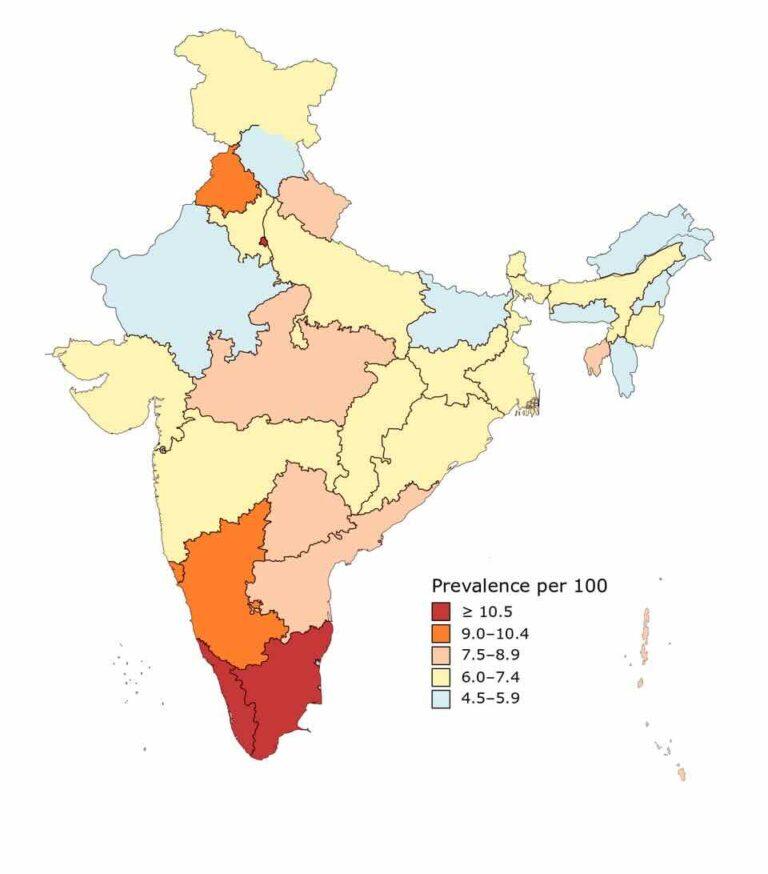
    Drawing on data from nearly 58,000 individuals across India as part of the Longitudinal Ageing Study in India (LASI), the research shows that diabetes prevalence is particularly severe in the southern states of Kerala, Puducherry, Tamil Nadu, and Karnataka.

    South India’s Burden

    Kerala and Puducherry top the chart with an age-adjusted diabetes prevalence of 36 per cent, closely followed by Tamil Nadu and Karnataka. Tamil Nadu alone accounts for over 6 million people aged 45 and older living with diabetes.

    Nationally, the study estimates that 19.8 per cent of Indians aged 45 and above –  approximately 5.04 crore people – have diabetes. But in urban areas, the figures are even more worrying: prevalence stands at 30 per cent, double the rate in rural India (15 per cent).

    “These numbers are deeply concerning,” said the study’s lead authors. “They reflect a broader pattern where economic and lifestyle transitions are fuelling a rise in chronic diseases like diabetes, particularly in wealthier and more urbanised regions.”

    The ‘Prosperity Paradox’

    Perhaps the most striking aspect of the study is what researchers call the “prosperity paradox” – a strong positive correlation between a state’s economic development and diabetes prevalence. In simple terms, the more economically advanced a state, the higher its diabetes burden.

    Higher income, better education, and obesity were all linked to increased diabetes risk. Among obese individuals (those with a BMI of 25 kg/m² or more), diabetes prevalence was 34.6 per cent, compared to just 7.3 per cent among the underweight. Similarly, those with secondary education or higher had nearly double the diabetes prevalence (29.2 per cent) of individuals with no formal education (15.1 per cent).

    “India’s states are in very different phases of the nutrition and health transition,” the authors said. “We see a consistent pattern where higher socioeconomic groups are currently at greater risk, due to more sedentary lifestyles and increased consumption of calorie-rich foods.”

    A Hidden Epidemic

    One of the most alarming findings is the lack of awareness among people living with diabetes. The study found that 40 per cent of individuals with the disease – about 20 million people – don’t know they have it.

    Even among those who are aware of their condition, disease management is poor. Only 46–60 per cent achieve glycaemic control, 28–59 per cent have their blood pressure under control, and just 6–7 per cent take lipid-lowering medications such as statins.

    “This shortfall in awareness and treatment leaves millions at risk of devastating complications, including kidney failure, heart disease, and blindness,” the researchers noted.

    The findings are a setback to India’s progress toward the World Health Organization’s Global Diabetes Compact targets for 2030, which aim for at least 80 per cent of diabetes cases to be diagnosed, and 80 per cent of those diagnosed to achieve glycaemic control.

    As of now, only one state – Arunachal Pradesh – has met even one of the WHO’s four recommended targets, and only for glycaemic control (HbA1c <8.0 per cent) among diagnosed cases.

    Ageing India, Growing Crisis

    The LASI study focused specifically on middle-aged and older adults, highlighting the looming risk India faces as its population continues to age. With rising life expectancy and declining birth rates, the number of older adults with chronic conditions is set to surge.

    “India is rapidly ageing, and with that, the burden of non-communicable diseases like diabetes will increase,” the researchers warned. “Even if we halt the rise in age-specific prevalence, the sheer growth in the number of older adults will drive up total cases.”

    This demographic shift has serious implications not just for health systems but for India’s economy. The researchers warn that untreated or poorly managed diabetes among working-age adults can lead to shortened life expectancy, increased disability, and reduced economic productivity.

    Better Data, Better Policies

    A key strength of the study lies in its methodology: it used HbA1c measurements – a reliable marker of long-term blood glucose levels – rather than relying on self-reported diagnoses. This allows for a more accurate picture of the true scale of diabetes in India.

    The researchers also emphasise the need for state-specific policy responses, given the wide variation in prevalence and care across states. With health largely managed at the state level in India, national coordination will be crucial to ensuring equitable access to care.

    “The Indian health system is decentralised,” the study notes, “so tailored policies for each state, coupled with effective coordination mechanisms, are vital.”

    The report underscores the importance of regular, population-based health surveys to track progress and ensure accountability. The LASI data was collected between 2017 and 2019, immediately before and during the COVID-19 pandemic – a period that significantly disrupted healthcare services.

    “Future studies are needed to understand the impact of the pandemic on diabetes care in India,” the authors said.

    Growing Diabetes Epidemic

    India’s growing diabetes epidemic is not just a medical issue – it’s a national development challenge. The researchers urge policymakers to treat diabetes as a public health emergency requiring improved screening, public awareness, better access to treatment, and preventive lifestyle interventions.

    “This is a crucial opportunity,” they said. “If India acts now, it can avoid the worst outcomes of this epidemic. But delay will come at a high cost – for individuals, communities, and the nation as a whole.”

    Key Facts at a Glance:

    • 19.8 per cent of Indians aged 45+ have diabetes
    • Kerala & Puducherry: Highest prevalence at 36 per cent
    • 40 per cent of diabetes cases are undiagnosed
    • Only 6 to 7 per cent of diagnosed patients use lipid-lowering medication
    • Obese adults: Diabetes prevalence at 34.6 per cent
    • Urban prevalence: 30 per cent, compared to 15 per cent in rural areas
    • WHO 2030 targets unmet in nearly all states

    As India stands at a crossroads of economic advancement and public health, this study serves as a wake-up call – one that can’t be ignored.

    Image: Wikimedia

    Afghanistan: Relentless Repression Four Years into Taliban Rule

    The Taliban have harshly enforced a draconian 2024 law on the “propagation of virtue and prevention of vice” that stipulates rules on dress and behaviour. Enforcement committees at the local level have carried out raids on workplaces.

    The Taliban have deepened their repression since taking over Afghanistan on August 15, 2021, by intensifying restrictions on the rights of women and girls, detaining journalists, and silencing all dissent, says Human Rights Watch.

    The global human rights watchdog said that Afghanistan now faces one of the world’s worst humanitarian crises, exacerbated by donor governments’ aid cuts and the return of 1.9 million refugees expelled from Iran and Pakistan. 

    The Taliban have continued to bar girls from education beyond the sixth grade and women from universities. Women also face severe restrictions on employment, freedom of movement, and access to public spaces and services. These rights violations have limited their access to humanitarian aid and health care. On July 8, 2025, the International Criminal Court issued arrest warrants for the Taliban leader, Haibatullah Akhundzada, and the chief justice, Abdul Hakim Haqqani, on a charge of the crime against humanity of gender persecution.

    “The fourth anniversary of the Taliban takeover is a grim reminder of the gravity of the Taliban’s abuses, particularly against women and girls,” said Fereshta Abbasi, Afghanistan researcher at Human Rights Watch. “The Taliban’s abhorrent acts should compel governments to support efforts to hold the Taliban leadership and all those responsible for serious crimes in Afghanistan to account.”

    The Taliban have harshly enforced a draconian 2024 law on the “propagation of virtue and prevention of vice” that stipulates rules on dress and behaviour. Enforcement committees at the local level have carried out raids on workplaces, monitored public spaces, and established checkpoints to inspect mobile phones and question vehicle occupants and pedestrians. 

    Grave Violations

    Taliban officials have detained people for alleged infractions of the law, such as playing music, wearing inappropriate hijabs, or failing to separate women from men in work environments. Strict enforcement of the requirement for women to be accompanied by a male relative has added to women’s daily hardships and restrictions, while further impeding their access to humanitarian assistance and public services like health care. 

    A coalition of Afghan and international human rights organizations renewed their appeal in September 2024. They urged the United Nations Human Rights Council to establish an independent international accountability mechanism for Afghanistan, with a mandate to investigate and collect, preserve, and analyze evidence of grave violations and abuses in Afghanistan. 

    UN member countries have for four years failed to take effective action to end the egregious rights violations occurring in Afghanistan, Human Rights Watch said. The European Union should propose the creation of a comprehensive accountability mechanism for Afghanistan in the annual resolution it will present to the UN Human Rights Council for adoption in September.

    Iran and Pakistan have expelled nearly two million Afghans as part of government crackdowns on immigrants and refugees. Among those being forced back are Afghans who fled to Iran and Pakistan out of fear of persecution after the Taliban takeover. Many of those deported or forced to leave had lived outside Afghanistan for decades, or in some cases their entire lives. The numbers have added to the millions who have been internally displaced in Afghanistan and have severely strained humanitarian support. 

    Strict Media Regulations

    In addition, on July 18, Germany deported 81 Afghans to Kabul, the first deportations to Afghanistan under the government of Chancellor Friedrich Merz, in what the government said would be continuing deportations. In the United States, the Trump administration has terminated temporary protected status for Afghan nationals, severely restricted the humanitarian parole program for Afghans, indefinitely suspended all refugee admissions, and included Afghanistan on the list of travel ban countries, making thousands of Afghan nationals deportable, including their removal to third countries. 

    Domestic media outlets have had to comply with strict regulations limiting content, including prohibitions on images of people and vague requirements against publishing anything against Islam. Journalists have said they increasingly self-censor to avoid retaliation by the authorities. 

    Trump administration cuts to US aid programs – which had made up more than 40 percent of Afghanistan’s humanitarian assistance until January 2025 – have devastated food assistance efforts that were essential for ensuring access to food, disproportionately harming women and girls. Half of Afghanistan’s population or about 23 million require food aid. As of July, the UN Office for the Coordination of Humanitarian Affairs (OCHA) reported that more than 400 health facilities have closed due to lack of funds, much of which had come from donor governments’ official development assistance. 

    The loss of foreign assistance has exacerbated malnutrition, particularly among children. Cuts to aid have also jeopardized critical online education programs for girls and women.

    “The global implications of the Taliban’s takeover have become increasingly clear over the past four years,” Abbasi said. “Governments need to press the Taliban to end their abuses while also alleviating Afghanistan’s humanitarian crisis. No country should be forcibly returning any Afghans.”

    Pakistan: Minority Children Face Systemic Abuse, Says UNICEF Report

    From January 2021 to December 2024, at least 421 cases were reported, according to the Centre for Social Justice. Of these, 282 victims were Hindu girls, 137 were Christians, and two were Sikhs.

    Children from religious minority communities in Pakistan face deeply entrenched discrimination, abuse, and marginalisation, according to a report released by the UNICEF in Pakistan and the country’s National Commission on the Rights of Child (NCRC).

    The report, titled “Situation Analysis of Children from Minority Religions in Pakistan”, funded by UNICEF and published on 1 August, paints a stark picture of the challenges faced by minority children in a country where non-Muslims make up just 3.72 per cent of the population.

    Between April 2023 and December 2024, the NCRC documented 27 complaints relating to serious violations against minority children, including abductions, murders, forced religious conversions, and underage marriages. The data, drawn from official sources and verified complaints, points to a pervasive climate of exclusion and neglect.

    “Children from religious minorities suffer multi-layered discrimination. They face exclusion based on religion, poverty, age, caste, and gender,” said Nabila Feroz Bhatti, a Catholic and a member of the NCRC’s Working Group. “This analysis highlights the intersectionality of these vulnerabilities and calls for urgent action.”

    Terming forced religious conversion and forced marriage of Christian and Hindu minor girls to older Muslim men as the most concerning issue, the report notes that there are few legal options available to the victims.

    “Such practices persist despite existing legal protections because of institutional biases, public pressure, and the poor role of law enforcement agencies,” it said.

    According to the report, between April 2023 and Dec. 2024, the NCRC received 27 complaints related to the oppression of minority children, including cases of abduction, murder, forced conversion, and underage marriages.

    Alarming Trends in Punjab

    Punjab, Pakistan’s most populous province, recorded the highest number of reported violent incidents against minority children. Police data cited in the report reveal that from January 2022 to September 2024, a staggering 40 per cent of such cases originated in the province. Victims included 547 Christians, 32 Hindus, two Ahmadis, two Sikhs, and 99 children from other religious groups.

    Among the most disturbing findings is the scale of forced conversions, particularly targeting girls from Hindu and Christian backgrounds. From January 2021 to December 2024, at least 421 cases were reported, according to the Centre for Social Justice. Of these, 282 victims were Hindu girls, 137 were Christians, and two were Sikhs.

    The report notes that forced conversions often coincide with child marriage and sexual violence, with legal recourse either unavailable or obstructed by systemic bias. Victims and their families frequently face threats, coercion, or a lack of cooperation from authorities.

    Child Labour and Education Deprivation

    Child labour emerged as the most prevalent form of exploitation, driven by poverty and limited access to education. According to the Institute of Development and Economic Alternatives, minority children are 1.6 times more likely to drop out of school than their peers from majority communities.

    Many minority children work in hazardous or exploitative environments, often to support families trapped in poverty. This cycle of deprivation, the report argues, is fuelled by social marginalisation and institutional neglect.

    “Inclusive education policies must be prioritised,” the NCRC report states. “Religious minority children must be guaranteed safe, equitable, and stigma-free access to schooling.”

    Caste-Based Exclusion: A Missing Piece?

    While the NCRC report addresses religion and gender-based inequalities, experts have criticised it for glossing over the role of caste in shaping discriminatory practices.

    “The report mentions caste and gender intersectionality but doesn’t explain how caste shapes daily discrimination,” said Mary James Gill, a Christian politician and founder of the Centre for Law and Justice. “For Dalits and Christians, caste marginalisation is the first layer of exclusion – even before religion.”

    Gill noted that children of sanitation workers, who often come from lower-caste Christian or Hindu backgrounds, face routine stigmatisation. These children are frequently shunned by classmates, teachers, and communities because of their parents’ occupations.

    A joint study released by Amnesty International and the Centre for Law and Justice on 30 July supports these claims. Based on focus group discussions with 231 sanitation workers across six districts, the study found that many of their children experienced discriminatory behaviour in schools.

    “One participant from Lahore shared how a classmate used the derogatory term chuhra to refer to her daughter,” the study stated. The term is a pejorative slur used in many parts of Pakistan to demean non-Muslim sanitation workers and their families.

    Calls for Policy Reform

    In response to the findings, the NCRC has urged the Pakistani government to implement wide-ranging reforms. Recommendations include:

    • Strengthening legal protections for minority children;
    • Expanding social safety nets for vulnerable families;
    • Enforcing laws against child labour and underage marriage;
    • Developing inclusive and non-discriminatory education policies;
    • Creating specific legal frameworks to address forced conversions.

    However, activists argue that these recommendations will be ineffective without addressing caste dynamics and ingrained societal biases.

    “The state must confront the full spectrum of discrimination – not just in legal terms but in cultural and institutional contexts,” Gill said. “Without that, minority children will continue to fall through the cracks.”

    As Pakistan grapples with its human rights obligations, the NCRC’s report offers a sobering reminder of the country’s unfinished business in protecting its most vulnerable citizens –  children born into communities that face systemic neglect, and often, silent suffering.

    A Quiet Storm: Japanese Encephalitis Re‑Emerges Across Nepal

    What was once considered a disease limited to lowland Terai communities is now reaching higher elevations – including the Kathmandu Valley – where cases were reported in 2024, according to the Kathmandu Post newspaper. Experts link this shift to climate change.

    A virus long regarded as confined to the rural fringes of Nepal is back – and appearing in unexpected places. Japanese Encephalitis (JE), a mosquito‑borne flavivirus notorious for causing brain inflammation and high fatality rates, has already claimed two lives and infected eleven others across nine districts since January 2025.

    Human Toll Mounts

    The latest casualties include a 49‑year‑old man from Kanepokhari in Morang district and a 17‑year‑old male from Bara district’s Devtal Rural Municipality. Of the eleven infected, four have recovered, while the remaining seven remain hospitalized. Notably, five of the infected are children, and data show that those aged 15 and above face a higher mortality risk—especially if unvaccinated.

    This year’s cases span Morang, Bara, Jhapa, Saptari, Siraha, Sarlahi, Parsa, Nawalparasi West, and Chitwan districts – underscoring JE’s growing geographic reach, beyond the long‑established hotspots in the Terai region. Health experts caution that official counts are likely an underestimation, given that testing focuses largely on patients with severe symptoms.

    In 2024, a wider outbreak had already unfolded – 23 fatalities and over 80 infections were registered across 30 districts, including one case in Kathmandu Valley.

    Vaccination Gaps Exposed

    Nepal incorporated the JE vaccine into its routine immunization program in 2015, but vaccination rates remain troublingly low. The data for 2025 reveal that only one of the infected was previously inoculated, four had not received the vaccine, and the vaccination status of the others remains unknown. Health professionals argue that, despite its limited impact on immediate outbreak control, vaccination builds vital immunity against future episodes.

    JE is transmitted by infected Culex mosquitoes that thrive in rice paddies and standing water. Pigs and ducks act as natural amplifiers, while humans are dead‑end hosts – they don’t transmit the virus further.

    The virus can kill up to a third of those who fall severely ill, and survivors often face lifelong neurological impairments. Symptoms include high fever, headaches, seizures, and loss of consciousness, usually emerging 5–15 days after infection.

    Climate Change – Higher Ground, Higher Risk

    What was once considered a disease limited to lowland Terai communities is now reaching higher elevations – including the Kathmandu Valley – where cases were reported in 2024, according to the Kathmandu Post newspaper. Experts link this shift to climate change, urban expansion, intensified agriculture, and evolving vector patterns.

    Public health voices urge broadening vaccination campaigns – especially to cover older children and adults in emerging high‑risk zones like the hills and urban centres. Enhanced surveillance, improved laboratory access, and consistent awareness programs are equally vital.

    Preventive measures – using repellents, wearing long sleeves, installing mosquito screens, and removing stagnant water – also remain key defences in the absence of specific treatment.

    International Response Lags

    Despite repeated appeals, international partners – including the World Health Organization and vaccine alliances – have not prioritized JE vaccine donations over the past year. With resource constraints, Nepal now looks to ramp up self-driven immunization campaigns, environmental controls, and public education drives.

    As monsoon waters recede, the risk of JE may subside somewhat – but the shifts in geography, rising case counts, and persistent vaccine gaps signal a worrying trend. Without decisive action, JE could become entrenched in new regions and populations across Nepal.

    Enhanced vaccination outreach, proactive surveillance, and community engagement will be the keys to curbing this creeping crisis – and protecting the country’s most vulnerable citizens.

    Sri Lanka Sets Stage for Sweeping Education Reforms

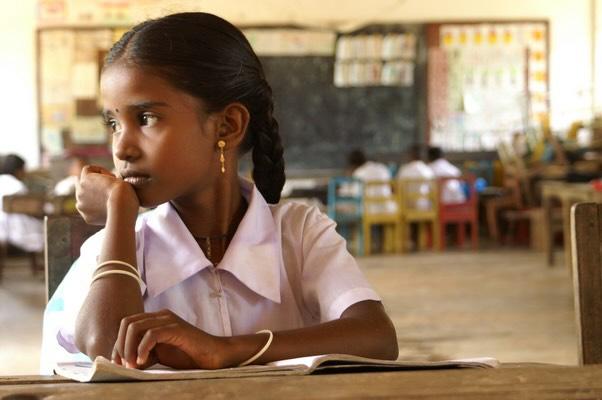
    The Parliamentary Sub-Committee on Education Reforms has called upon all Members of Parliament to submit ideas and proposals to ensure that reform measures reflect the diverse perspectives of Sri Lanka’s lawmakers and the communities they represent.

    Sri Lanka is preparing to embark on a comprehensive new phase of education reforms, with the government emphasizing transparency, inclusivity, and stakeholder engagement ahead of its official launch in 2026. The initiative, spearheaded by Prime Minister and Minister of Education Dr. Harini Amarasuriya, aims to overhaul the country’s education system to meet the demands of a rapidly evolving global landscape, while addressing long-standing structural, resource, and equity issues.

    At a recent meeting of the Ministerial Consultative Committee on Education, Higher Education, and Vocational Education, Prime Minister Amarasuriya announced that the 2026 reforms will be structured around five key pillars: the introduction of a new syllabus, human resource development, infrastructure improvements, public awareness, and improved assessment and evaluation systems.

    According to a statement issued by Parliament, the Sub-Committee on Education Reforms – one of six newly formed sub-committees under the Consultative Committee – has called upon all Members of Parliament to submit ideas and proposals. The intention is to ensure that reform measures reflect the diverse perspectives of Sri Lanka’s lawmakers and the communities they represent.

    The process of reform development will continue throughout 2025. Once the Sub-Committee has reviewed the Ministry of Education’s draft report, the general public will be invited to share their views and suggestions in an open consultation phase. This marks a deliberate attempt to democratize education policymaking and foster a more participatory approach to national development.

    Prime Minister Amarasuriya also revealed that a nationwide public awareness campaign is being prepared to provide clarity on the purpose and impact of the reforms. Education officials in eight of Sri Lanka’s nine provinces have already been briefed on the plans, with the Uva Province set to receive its briefing in the coming weeks.

    Focus on Quality and Inclusivity

    The upcoming reforms will be introduced initially in Grades 1 and 6, signalling a phased implementation designed to manage systemic change effectively. The Prime Minister emphasized that the initiative goes beyond curriculum updates and addresses the full spectrum of education delivery.

    Key areas of discussion at the sub-committee meeting included teacher training programs aligned with the new curriculum, strategic teacher deployment, and long-overdue investments in school infrastructure. Priority has been placed on minimizing disparities between schools, particularly between urban centres and underserved rural areas.

    “The funds allocated in this year’s national budget will be used to identify and bridge resource gaps in schools,” Dr. Amarasuriya stated. “Physical inspections will be carried out, and we will resume stalled construction projects and renovate unsafe school premises.”

    A Legacy of Reforms

    Sri Lanka’s education system has undergone multiple waves of reform since the 1970s, with initiatives aimed at expanding access, improving quality, and adapting to shifting societal needs. Among the most notable historical milestones are the introduction of the 10+2+3 structure (signifying ten years of schooling, two years of advanced level education, and three years of higher education), the decentralization of curriculum development, and the creation of new universities out of the formerly centralized University of Ceylon system.

    There has also been a concerted focus on inclusivity, particularly in the North and East of the country, and on promoting education for women and marginalized groups. The Mahapola Fund, established by the late Lalith Athulathmudali, has played a critical role in expanding access to higher education through scholarships and institutional support.

    Ongoing efforts include formalizing preschool education nationwide, standardizing curricula in private and international schools, and upgrading school infrastructure in post-conflict regions.

    Addressing Systemic Challenges

    Despite these efforts, Sri Lanka’s education sector still grapples with complex challenges. These include the regulation of private institutions, persistent corruption in school admissions, and unequal access to quality education across regions. Public opinion has increasingly skewed toward employment-oriented education, particularly in STEM and English, often at the expense of broader learning objectives.

    Dr. Amarasuriya acknowledged these systemic issues, stating that meaningful reform must involve all stakeholders: “To truly transform our education system, we must reimagine its values, delivery mechanisms, institutions, and overall purpose. This is not just an administrative task—it is a social mission.”

    Tackling Critical Areas

    To operationalize these goals, six sub-committees have been established under the Ministerial Consultative Committee. Each will focus on a specific domain:

    1. Education Reforms
    2. Human and Physical Resource Gaps in Schools
    3. Admission Policies for Intermediate Grades
    4. Establishment of the Education Council
    5. Higher Education Sector
    6. Skills and Vocational Education

    These sub-committees are expected to work closely with national and provincial education authorities to ensure that reforms are contextually appropriate and address local needs.

    The Ministry of Education has outlined its vision to “reach excellence in global society through competent citizens who share the Sri Lankan identity.” Its mission focuses on developing globally competitive citizens using innovative, efficient, and equitable approaches to education that ensure stakeholder satisfaction.

    As Sri Lanka prepares to launch its most ambitious education reforms in decades, the government is positioning the initiative not just as a policy shift, but as a nation-building endeavour.

    “We are building a future where every child – regardless of their background – has access to quality education that empowers them to contribute meaningfully to society,” said Prime Minister Amarasuriya. “That begins with listening to the people, and designing a system that reflects both national values and global realities.”