More

    Pet trade driving disappearance of India’s most beautiful tortoise

    Despite a ban on international sales, persistent smuggling of the threatened Indian star tortoise flags gaps in global wildlife trade controls.

    By Rebecca L Root

    Stuffed into suitcases, bundled into shopping bags and trapped in cool boxes: every year, thousands of Indian star tortoises are forced to endure horrific conditions as they are trafficked from their native India and Sri Lanka. The majority are destined for life as an exotic pet in places as far afield as Southeast Asia, Europe and the United States.

    Regarded as one of the world’s most beautiful tortoises, Indian star tortoises are so named due to the yellow and black star-shaped patterns on their shells. They are found only in parts of India, Pakistan and Sri Lanka, where they inhabit dry grasslands and scrub.

    They’re attractive, easy to care for and have a long lifespan, Jose Louies, joint director of the wildlife conservation charity Wildlife Trust of India, told The Third Pole. There’s a belief in parts of Southeast Asia that tortoises bring luck, he added.

    It is these qualities that make the Indian star tortoise sought after as a pet. Against a backdrop of habitat loss and degradation, collection for the international pet trade has reached such a scale that the species’ survival in the wild is under threat. Research in 2016 found that the Indian star tortoise is seized from illegal trade more than any other tortoise species. These threats have led the International Union for Conservation of Nature (IUCN) to categorise the Indian star tortoise as “vulnerable” – one step away from endangered – on its Red List of Threatened Species.

    Despite CITES

    In 2019, international commercial trade in Indian star tortoises was banned when the species was added to Appendix I of the United Nations Convention on International Trade in Endangered Species of Wild Fauna and Flora, or CITES, following advocacy efforts from India, Sri Lanka, Bangladesh and Senegal.

    The Indian star tortoise had previously been on Appendix II, meaning regulated trade was allowed with export permits. But according to the CITES trade database, no permits for the commercial export of Indian star tortoises collected from the wild had been issued by India, Sri Lanka or Pakistan since 1999. Yet star tortoises continued to be traded illegally in their thousands. In 2017 alone, 6,040 Indian star tortoises were seized in 11 incidents across India, Sri Lanka, Cambodia, Malaysia, Singapore and Thailand.

    The successful proposal to uplist the species to Appendix I highlighted a significant population decline and a sharp increase in illegal trade. In one example, over 55,000 star tortoises are reported to have been illegally collected from a single area in the Indian state of Andhra Pradesh during 2014.

    An Appendix I listing can lead to stronger action to control commercial trade in the species, explained Kanitha Krishnasamy, director for conservation NGO TRAFFIC in Southeast Asia, in an email to The Third Pole.

    “In most countries, targeting crimes involving Appendix I species is prioritised, and penalties are commensurately higher, in the hopes of creating a deterrent effect. Unfortunately, this hasn’t quite happened in most consumer states [of the Indian star tortoise], resulting in India’s population of the species continuing to face immense pressure,” said Krishnasamy.

    Star tortoise trade continues

    In India, data collated by the non-profit the Wildlife Protection Society of India and shared with The Third Pole shows that authorities seized 3,500 star tortoises in 24 incidents across 2020 and 2021 – after the CITES ban came into effect. In 2022 so far, there have been two reported seizures in the country, involving a total of 1,498 star tortoises. Given that only a small proportion of smuggling attempts are likely intercepted by authorities, the true number of tortoises in ongoing illegal trade is likely far higher.

    Their journey usually begins, according to Louies who has worked undercover identifying star tortoise trade routes, with a local person spotting the tortoise in the wild and passing it on to a collector in exchange for a small finder’s fee. It is then given to an exporter who packs numerous tortoises together, hiding them in vegetable cartons, suitcases, or cargo. Tape is wrapped around the star tortoises’ legs to limit movement before they are flown out of the country, most often to a destination in Southeast Asia.

    Airport staff, trained to look for narcotics or metal objects rather than reptiles, tend to miss the tortoises, Louies explained.

    Once landed, traders might sell them locally. Alternatively, they might be sent on to another country further afield for higher prices. New owners of star tortoises on Facebook groups list locations from Glenrothes in Scotland to Davao City in the Philippines. “Hong Kong and Thailand act as gateways,” said Neil D’Cruze, head of animal welfare and research at the NGO World Animal Protection, which has conducted research on Indian star tortoise trade.

    But many don’t make it to their final destination. “When taped up or packed too tightly, they can’t move their heads and their limbs. With the kind of distress, disease and respiratory problems [they experience], can come cracked shells and suffocation,” D’Cruze said.

    The eventual owners will be likely unaware of their new pet’s backstory, Louies said. “It’s like a camera or mobile phone. You purchase but you don’t worry about whether your iPhone is manufactured in a sweatshop in China or Vietnam or Bangladesh,” he added.

    Law enforcement fails

    In India, where the star tortoise is protected under Schedule IV of the Wildlife (Protection) Act 1972, anyone found in possession of the species could face criminal charges, with sentences of up to six months’ imprisonment. But in reality, the punishment is likely to be only a small fine and a shorter jail sentence, even for those who are known to be seasoned smugglers, Louies said. One man in particular, he said, flew between Chennai and Bangkok with star tortoises in his possession over 34 times in two years before he was caught. While his case is still ongoing, Louies believes he is unlikely to receive a sentence longer than three to six months.

    The lack of clear punishment for illegal trade of the star tortoise means there isn’t enough of a deterrent for traders, according to Louies. “It boils down to intelligence-led investigations to crack down on criminal networks and enforcement of regulations and laws,” Krishnasamy said.

    Another challenge is the fact that in many countries, legal protections are limited to native species. While the act of smuggling an Indian star tortoise into a country itself is illegal thanks to CITES, once a star tortoise has entered many countries – including Thailand and Indonesia – it is not protected. This means authorities may be unable to investigate and prosecute buying, selling and possession of the smuggled animals.

    In Indonesia, loopholes mean “if you make it past customs you’re basically home free and can sell them openly in the shops”, said Chris Shepherd, executive director at Monitor Conservation Research Society, a non-profit dedicated to preventing a decline in species impacted by wildlife trade through research.

    Tortoises for fish

    NGOs such as TRAFFIC have encouraged Thailand to expand its laws to cover non-native species. Campaigners have also urged the European Union to follow the example of the United States, where the Lacey Act makes it illegal to buy or sell any species that was collected in violation of laws in its native country.

    Malaysia’s listing of the star tortoise as a protected species under its Wildlife Conservation Act 2010 has meant its removal from pet shops. Yet even when laws do exist to protect species like the star tortoise, Shepherd warned in many places they are “almost a bad joke”. He called for countries failing to enforce CITES to be penalised.

    Trade sanctions are supposed to be enforced on countries if they don’t fulfil their duties under CITES, but in practice these have been few and far between, said Alice Hughes, professor at the Chinese Academy of Sciences, focusing on Southeast Asian conservation science. “Even the tools it [CITES] does have are not being used,” said Hughes.

    Embedding heavy fines or year-long prison sentences into national frameworks alongside proper investigations into supply chains could help tackle persistent illegal trade in Indian star tortoises, said Louies.

    Investigations that tackle players higher up the trade chain – rather than simply penalising often vulnerable (and replaceable) smaller players – have been repeatedly emphasised by wildlife trafficking experts as a key missing piece of the enforcement puzzle. But following the money to unearth such groups can be difficult, Louies said, as traders often negotiate in terms of product rather than any money being exchanged. “I send you star tortoises, you give me fish.”


    Illustration: Kabini Amin / The Third Pole

    This piece has been sourced from The Third Pole
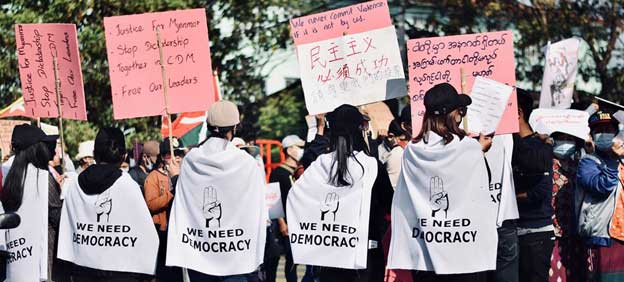
    Women demand peace and justice on the streets of Myanmar

    The coming Tuesday 8 March will be the second international women’s day since the brutal coup erupted in Myanmar – and women remain fiercely in the lead in demanding justice and peace in the streets and behind closed doors.

    By May Sabe Phyu

    Last February, the military coup threw Myanmar into further chaos and violence. The military used excessive force, indiscriminate killings, arbitrary arrests, forced disappearances, limits on civic space, nightly raids, and more.

    With this complete upheaval, combined with the COVID-19 pandemic, we are in the midst of a set of complex emergencies. The world watched in horror, but as usual, the situation quickly faded from the headlines, the public conscious, and policy priorities.

    Under these circumstances, the people of Myanmar have held steadfast. With the onset of the coup, people expressed their dissent and opposition against the seizure of political power. Everyday sheroes and heroes shunned the security of their secure jobs and pensions to join the civil disobedience movement.

    Myanmar has seen protracted civil war for 70 years, but what makes this time difference is the scope of the conflicts. There are new armed clashes across the country with local forces standing up to defend their lives and their communities.

    Meanwhile, old conflicts have also re-emerged due to the military’s crackdown of the pro-democracy movement. There is widespread violence against the civilian population and on humanitarian workers. The junta has committed atrocities., prompting the UN General Assembly to declare the army’s actions as crimes against humanity.

    Gender violence

    This year, the women activists of Myanmar will be campaigning with the themes of “Break the Bias, End Discrimination” and “Break the Bias, End Dictatorship.” It takes a lot to keep the women of Myanmar off the streets, but escalating threats are forcing many to raise their voices and awareness through different means.

    In addition to some public protests, social media and digital campaigns are sharing women’s stories of discrimination. Any act of resistance under the military rule brings risk, but we will not be silenced.

    Women account for more than half of those participating in the protests and aid response, and they face heightened risks for violence and more. Women peacebuilders and girls in the community face gender-based violence without warning, and we must protect them from these risks before and after they develop.

    Women often need to flee without notice, but the current system does not meet their specific needs. We would like to develop a special fund for women who are forced to leave their communities abruptly.

    Access to funds

    More than the very real threats of physical violence, NGOs and civil society organizations face other challenges that block the assistance they aim to provide – many organizations cannot access their funds and are unable to formally register their organizations because the Central Bank of Myanmar is controlling the foreign money coming into the country.

    Despite these hurdles in all directions and threats to themselves and their families, first responders continue to jump into the fray, scrambling to find resources necessary for their work.

    Even after many countries condemned the SAC’s egregious acts against their own people, we have seen little concrete action or improvement in the situation. It feels like many in the international community are overwhelmed and therefore paralyzed, but international solidarity and pressure makes a difference at all levels and is needed more than ever.

    Release political prisoners

    We appeal for leaders to listen to the people on the ground and to be willing to support for women’s human rights organizations with the creativity and flexibility that is necessary to meet our specific and changing needs.

    The United States has tools at their disposal to support the people of Myanmar and bring accountability to those committing atrocities – and one in particular that could move the needle:

    The Burma Act is an important piece of legislation that provides urgently-needed resources to civil society, pro-democracy organizations, and humanitarian agencies. It also calls for the United States to exert pressure on the UN to take decisive actions on Burma.

    The Burma Act also outlines the unconditional release of all political prisoners and prisoners of conscience in Myanmar. The Burma Act is very much in line with what the people of Myanmar have been calling for. I and my fellow activists urge Congress to pass this legislation urgently.

    The Burma Act would be a vital step, but it’s one of many we need to see real and lasting progress: The United Nations, the international community, and leaders must do all in their power to support the women-led movement for peace and democracy in Myanmar.

    Activists – with women at the forefront – continue to bravely flash the three-finger salute, wave the sarong flags, and tell their stories. The international community must match their bold acts to make sure their insistent dream of democracy, human rights, and peace can be realized.


    May Sabe Phyu is a Kachin social worker and activist from Burma. She is the director of the Gender Equality Network and founded the Kachin Women’s Peace Network and the Kachin Peace Network to promote the rights of Kachin women.

    Lack of early warning systems ‘leave millions at risk’

    A damning climate report shows billions in the global South are highly vulnerable. The report’s authors call for urgent investment in adaptation, such as early warning systems and warn that the window for global action to address crisis is ‘rapidly closing’.

    By Fiona Broom

    A lack of extreme weather early warning systems means millions of lives are at risk in climate-vulnerable communities in the global South, climate scientists warn in a landmark report.

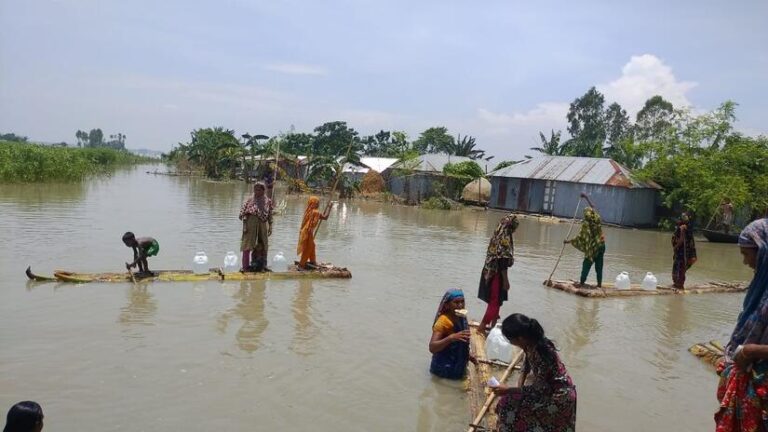
    Billions of people are living in hotspots of high climate vulnerability in Africa, South Asia, Central and South America, and small island developing states, warns the latest adaptation assessment report from the Intergovernmental Panel on Climate Change (IPCC).

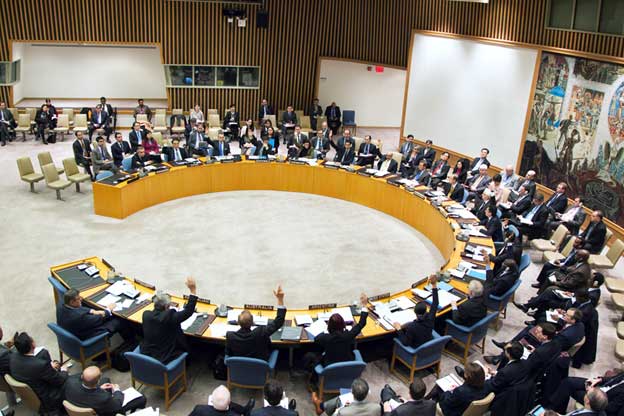
    Petteri Taalas, secretary-general of the World Meteorological Organization (WMO), said during the launch of the report’s summary for policymakers that it was critical to increase attention on adaptation, as extreme weather events continue to get worse in the coming decades.

    “One of the powerful ways to adapt is to invest in early warning services. But the basic weather and climate observing networks have severe gaps in Africa and island states,” Taalas said. Only half of the 193 members of the WMO had these services, resulting in higher human and economic losses, he added.

    Increasingly frequent and intense global weather events have reduced food and water security and hindered efforts to meet the Sustainable Development Goals, the report found.

    “The scientific evidence is unequivocal: climate change is a threat to human wellbeing and the health of the planet. Any further delay in concerted global action will miss a brief and rapidly closing window to secure a liveable future,” said Hans-Otto Pörtner, co-chair of the IPCC’s Working Group II that produced the report.

    UN secretary-general Antonio Guterres said that the assessment report was like no other scientific report he had ever seen, calling it an “atlas of human suffering and a damning indictment of failed climate leadership”.

    The document examines the risks posed by global warming, while offering ways that communities in different regions can adapt to the impacts of climate change.

    Urgent adaptation

    Small islands present the most urgent need for investment in capacity building and adaptation strategies, the report found, while Asia is facing increasingly severe heatwaves, monsoons and glacier melting.

    Impacts on rural livelihoods and food security, particularly for small and medium-sized farmers and indigenous peoples in the mountains, are projected to worsen in Central and South America.

    Working Group II co-chair Debra Roberts said that current global finance for adaptation was insufficient, especially for developing countries.

    The “overwhelming majority” of global climate finance was targeted at emissions reductions, said Roberts, head of the sustainable and resilient city initiatives unit at South Africa’s eThekwini municipality, which includes the city of Durban.

    Climate finance for adaptation in Africa is billions of dollars short of what it needs to be to reach even the lowest adaptation cost estimates, according to the report.

    Analysis released last week (25 February) by Power Shift Africa, a think tank led by founding director Mohamed Adow, found that governments in Africa are spending up to US$90 million a year on climate adaptation, despite contributing the least to global greenhouse gas emissions.

    Meanwhile, small island developing states lack access to data for climate modelling, the report says, which impedes their abilities to plan for and adapt to future extreme weather.

    “This report shows that the rich world needs to radically increase adaptation support to those on the front lines of this emergency,” said Adow. “With 2022 seeing the UN climate summit COP27 taking place in Africa, this is the perfect year to address the adaptation crisis.”

    Mami Mizutori, special representative of the UN secretary-general for disaster risk reduction, said: “The IPCC report points to many solutions on improving regional and local information, providing sound data and knowledge for decision-makers. This does work. Countries have succeeded in saving many lives through improved early warning systems and preparedness.”

    Mizutori said that more investment in disaster prevention and risk reduction was needed for the world’s most vulnerable countries.

    The report identified 127 risks covering a wide range of sectors, including agriculture, economies, infrastructure, and ecosystems. However, it suggests there are adaption measures that are feasible and effective and can reduce risks to people and nature.

    Ecosystem restoration is a powerful tool for improving adaptation, the report says, while flood risks can be met by enhancing natural water retention by restoring wetlands and rivers, or upstream forest management.

    Effective adaptation strategies and supportive public policies can enhance food availability and stability, and reduce climate risk for food systems while increasing their sustainability, the report says.


    This piece has been sourced from SciDev.Net

    Image: Jessie F. Delos Reyes, Public Domain.

    Indian economy: Growth slows down; Ukraine crisis triggers inflation fears

    The Ukraine crisis will have serious repercussions for the Indian economy, which is still struggling with post-COVID-19 recovery.

    The Indian economy expanded 5.4 per cent in the October-December quarter, much slower than in the previous two quarters, forcing the National Statistical Office to cut its growth forecast for the financial year ending March to 8.9 per cent from the earlier projection of 9.2 per cent.

    While the economy has managed to notch up decent growth numbers, it is still troubled by slack demand and rising prices. The Reserve Bank of India had pegged GDP growth rate at 9.2 per cent for the current financial year, while projecting a lower 7.8 per cent for 2022-23. The RBI left key policy rates unchanged to support economic recovery despite inflation testing its tolerance limit. The economy grew 8.4 per cent in the September quarter, sharply lower than the 20.1 per cent in the June quarter.

    The NSO puts the real GDP for the current financial year (2011-12 prices) at Rs 147.72 lakh crore, compared with the first revised estimate of Rs 135.58 lakh crore. The GDP for the December quarter stood at Rs 38.22 lakh crore, compared with Rs 36.26 lakh crore in the same quarter of the previous year.

    Slow growth to hurt Indian economy

    Slow growth may hurt investment and employment creation in the economy. The biggest worry for the government is persistently low consumption demand which is yet to regain pre-pandemic levels. The pandemic and lockdown measures hit sectors such as travel, tourism, restaurants and small businesses, resulting in the loss of a large number of jobs.

    Rising crude prices in the aftermath of the Russian invasion of Ukraine could further cause problems for the Indian economy. The country imports close to 80 per cent of its oil needs. The rising prices of crude oil may fuel inflation and hit the rupee further. A 10 per cent increase in crude prices could pare the growth rate by 0.2 percentage points.

    Inflation based on the consumer price index stood at 6.01 per cent in January 2022, higher than the 5.66 per cent in the previous month. While the rate is just above the RBI’s comfort level, it masks the problem of rising food inflation which soared to 5.4 per cent in January from sub-1 per cent levels in October 2021. This spike is on account of a 24 per cent increase in edible oil prices during the period, while costlier fruits, vegetables and cereals accentuated the problem.

    Inflation in the category of cereals is perplexing. India’s foodgrain policy has contributed largely to this new phenomenon. The country’s foodgrain stock as of February 1 was 87 million tonne, more than four times the required buffer stock. By keeping such huge stocks in its godowns, India is stifling the availability of cereals in the domestic market, thus fuelling inflation.

    Moody’s Investors Service had raised its growth projection for the financial year 2022-2023 to 8.4 per cent from 7.9 per cent, while cautioning of the rising oil prices and supply disruptions. Moody’s higher growth projection is based on the speed of the recovery from the COVID-19 pandemic. Fitch Ratings, however, kept its earlier projection of 10.3 per cent unchanged.


    This piece has been sourced from Policy Circle — www.policycircle.org/ 

    CIC Information commission annual report shows data mismatches, discrepancies

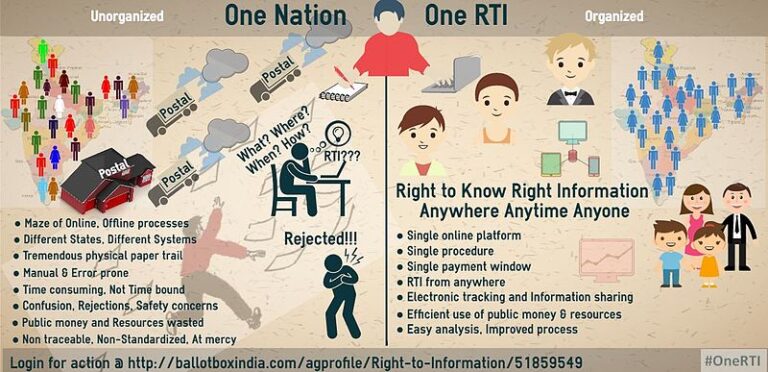
    The trends of submissions and disposals of RTI applications, as conveyed by the annual report of the central information commission, suggests that the data submitted public authorities, ministries and departments has not been examined adequately.

    By Venkatesh Nayak

    The central information commission’s 2020-21 annual report, prepared in accordance with the mandate under Section 25 of the Right to Information (RTI) Act, contains a wealth of statistics, all of which require a detailed analysis and comparison with the data published in the previous year’s annual report.

    Is there a pattern to the disposal of RTI applications across key ministries, departments and public authorities and the performance of the various union territories administrations?

    2,182 of the 2,275 central level public authorities registered with the central information commissioner (CIC) submitted their RTI statistics for preparing the latest annual report. According to the CIC, this amounts to 95.91 per cent compliance. While the number of registered public authorities increased by 82 over the figure of 2019-20, this figure is much lesser than the 2,333 public authorities which had registered with the CIC in 2012-13.

    Further, according to the RTI online facility set up for electronic submission of RTI applications, there are 2,464 public authorities at the Central level. Despite 16 years of implementation of the RTI Act, all public authorities are not dutifully registering themselves with the CIC for filing RTI-related returns and even among those registered, over 200 of these do not comply with the reporting requirement. This is cause for concern.

    Downward trend

    According to the annual report, 13,33,802 (13.33 million) RTI applications were received across the reporting public authorities in 2020-21. This is 2.95 per cent fewer RTI applications than the 2019-20 figure (13,74,315 or 13.74 million). It appears that there was only a marginal decline in the number of RTI applications filed during the first year of the pandemic as compared with the previous year which recorded the highest number of RTI applications filed with central public authorities since the enforcement of the law in 2005.

    The total figures presented in the annual report include the RTI application statistics from the union territories administration as well. So, if the figure of 1.25 lakh (125,000) RTI applications filed with the union territories is deducted, the total figure for the central level public authorities, the number of RTI applications filed with them falls to 12.08 lakhs (1.20 million) for 2020-21. Central level public authorities (minus union territories) received 12.39 lakh (1.23 million) RTI applications in 2019-20. So the reduction in the number of RTIs files in 2020-21 is only 2.48 per cent. This suggests that the pandemic did not prove to be a dampener. Instead, people continued to seek information from various ministries much like before;

    The biggest fall in the number of RTI applications received during the pandemic year was reported by the Ministry of Finance (including banks, insurance companies and other finance and tax related public authorities) with 21,657 fewer RTI applications coming its way in 2020-21 followed by the Ministry of Corporate Affairs reporting a shortfall of 20,269 RTI applications as compared with the 2019-20 figure.

    Upward Trend

    While the downward trend in the number of RTI applications filed in 2020-21 is noticeable across several ministries and departments, some of them reported a rising trend as well when compared with 2019-20. For example, the ministry of health and family welfare reported a 79.09 per cent increase in RTI applications during the pandemic year (60,423) as compared to that in 2019-20 (33,738 RTIs). The ministry of steel reported an increase of 149.40 per cent and the ministry of textiles 54.64 per cent.

    Ministries and public authorities which reported  up to 50 per cent increase in RTIs during the pandemic year are: the ministry of external affairs (48.11 per cent), the ministry of labour and employment (46.90 per cent), the ministry of rural development (41.18 per cent), ministry of electronics and information technology (39.61 per cent), the ministry of civil aviation (33.94 per cent), the ministry of home affairs (33.37 per cent), ministry of information and broadcasting (13.95 per cent), ministry of panchayati raj (13.54 per cent), ministry of ayush (13.27 per cent), ministry of women and child development (10.90 per cent), ministry of personnel, public grievances and pensions (10.30 per cent), ministry of law and justice (5.67 per cent), ministry of coal (3.09 per cent), ministry of power (2.41 per cent), ministry of social justice and empowerment (2.40 per cent), ministry of housing and urban affairs (2.12 per cent), and the ministry of science and technology (2.01 per cent).

    It is clear from the above figures is that both line ministries which were involved in coordinating relief efforts (health, labour, home etc.) and several ministries looking after infrastructure reported a hike.

    Trends with regard to fees collected

    According to the annual report, a total of Rs. 66.87 lakhs was collected by way of application and additional fee (reproduction charges) from RTI applicants in 2020-21. This is a short fall of more than a quarter (26.62 per cent) of the amount collected in 2019-20 (Rs. 91.13 lakhs or Rs. 9.11 million);

    As regards the breakups, the pandemic year accounted for Rs. 45.53 lakhs (Rs. 4.55 million) collected in the form of application fees – a shortfall of 20.38 per cent over the previous year’s total of Rs. 57.18 lakhs (Rs. 5.71 million).

    The shortfall in the collection of additional fees (Rs. 21.34 lakhs or 2.13 million) was more than a third (37.15 per cent) as compared to the additional fees collected for reproducing information in 2019-20 (Rs. 33.95 lakhs or 3.39 million).

    The trends with regard to the collection of application fees raise two important issues. First, as explained above, the shortfall in the number of RTI applications was only 2.95 per cent across the over 2,000 central level public authorities including the union territory administrations during the pandemic year. If the number of RTI applications submitted in the union territories is deducted, the decline in the number of RTI applications during the pandemic year is only 2.48 per cent. This ought to have corresponded with the shortfall in the collection of application fees. However, the shortfall in application fees collected is ten times higher than the shortfall in the number of RTI applications filed. The annual report does not contain any observation or comment about this mismatch.

    Damn statistics

    More importantly, if the total amount of application fee collected is only Rs. 45.53 lakhs, this can account for only 4,55,300.09 applications submitted during the pandemic year. Were the remaining 8.78 lakh (878,502) RTI applications (out of 13.33 lakhs or 1.33 million) submitted and processed without the accompanying application fees? According to the RTI rules notified in 2012, an RTI applicant who does not belong to below the poverty line family is required to pay Rs. 10 per RTI application for it to even be processed. Under Section 7(6) of the RTI Act, only BPL applicants are exempted from paying both application fee and additional fees (reproduction charges). It is highly unlikely that such a large majority of RTI applications were submitted by BPL applicants. This mismatch between the number of RTI applications received and the quantum of application fee collected is mysterious;

    Perhaps the discrepancy between the number of RTI applications clocked and the amount of applications fees collected during the pandemic year might be due to the transfer of RTI applications between public authorities where every public authority which receives an RTI application by way of transfer under Section 6(3) of the RTI Act as a fresh application and adds it to its total. In other words, the same RTI application might be accounted for multiple times depending on how many times it was transferred between public authorities. An additional factor could also be the double counting of RTI applications which are forwarded by one CPIO to another within the same public authority as is common practice. If this is true the total number of RTI applications filed uniquely i.e., after deducting the number of times they were transferred or forwarded might be much lower than the total figure reported in the annual report.

    Transfer of RTI applications

    According to the annual report, a total of 1.95 lakh RTI applications were transferred between public authorities during the pandemic year. This is 6.78 per cent more than the number of RTI applications transferred in 2019-20 (1.82 lakh or 182,988).

    Even after accounting for the number of RTI applications, officially recognised as having been transferred between public authorities, the mystery about the mismatch between the number of RTI applications filed and the quantum of application fee collected during the pandemic year does not clear up. A similar mismatch is noticeable in the comparative figures in the annual report for previous years. Even if this is just a case of oversight, it has a glaring connotation to the Central Information Commission’s work of ensuring that the narrative part of its annual report matches with the data. Or is there more to it?

    Macro-level rejection trends

    According to the annual report, a total of 51,390 RTI applications were rejected by public authorities during the pandemic year. This is 11.9 per cent fewer RTI applications rejected than what was done in 2019-20 (58,364 rejections). According to the annual report, the proportion of RTI applications rejected during the pandemic year was 3.85 per cent, a tad lesser than the 4 per cent reported in 2019-20.

    However, there is a discrepancy between the total number of rejections and percentage as calculated at row #7 of the data-tables contained in Annexure I of the annual report on the one hand, and the total displayed at the bottom of the data-tables on the other hand, after the clause-wise rejections are accounted for. The figure mentioned at the bottom of the data-table is 53,537 instances of rejection. This is a discrepancy of more than 2,147. In some cases, the totals in row #7 and the total at the bottom of the data table tally with each other. How can this happen in this era of computerised tables?

    The CIC has not elected to comment on this discrepancy. If 53,537 rejections are taken as the correct figure because it is backed up by clause-wise data, the total rejections amount to 3 per cent of the total number of RTI applications that were available for processing (backlog from 2019-20 plus fresh receipts during the pandemic year). If the rejections are taken to be a proportion of only the fresh receipts during the pandemic year, the figure is 4.01 per cent. i.e., a tad more than the rejections reported in 2019-20. So how did the CIC arrive at the figure of 3.85 per cent is yet another mystery.

    Dubious others

    Almost two-thirds of the RTI applications appear to have been rejected for reasons other than permissible grounds contained in Sections 8, 9, 11 and 24 of the RTI Act. The rejection under the dubious “Others” category accounts for 32.29 per cent (17,286 instances) of the total number of rejections. It might be just a consolation that this figure has reduced since previous year when the number of rejections recorded under the “Others” category was 38.69 per cent.

    An end note

    Does all of this inspire confidence? It must be pointed out that the CIC does not appear to have examined the data submitted by public authorities, ministries and departments adequately. After 16 years of enforcement of the RTI Act, the CIC must make the effort to redefine its role from being a mere accountant of RTI statistics to that of an auditor of the performance of ministries, departments and public authorities.


    Venkatesh Nayak is an RTI activist and he works for the Commonwealth Human Rights Institute. The views expressed here are his personal views. 


    Imaga: Wikimedia  /  Author: Saachith

    How to communicate with women entrepreneurs

    A project launched to identify the right communication strategies to reach out to women entrepreneurs of rural Bihar suggests such campaigns should focus on vocational training, credit facilities, grants, financial inclusion and empowerment programmes.

    Rony Bannerjee

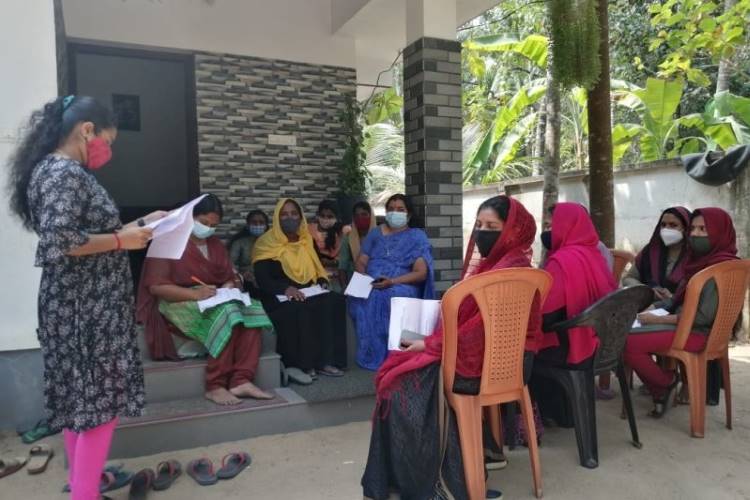
    The socio-economic empowerment of women is still a challenge in the hinterlands of Bihar due to a severe lack of skill development, proper education, and employment opportunities. Reaching out to the beneficiaries of projects calls for a robust communication strategy.

    I took up a pilot project during the period that followed the first wave of COVID-19 in the districts of Gaya and Nalanda in Bihar to gather specific information to figure out which communication tool works best with young women wishing to establish their own enterprises. The questions were designed around issues of gender parity, social practices, and sensitivities in the context of access to information and communication systems influencing livelihood options. The findings also revealed media habits, media consumption patterns and popular media channels. The indicators and conclusions for propounding a robust communication strategy were drawn up on the basis of the study.

    Communication strategy indicators

    The overall information, education and communication strategy indicators were identified to provide a framework for determining logical communication goals and expected deliverables.

    It was suggested that communications should be focused on a people-oriented developmental approach where the target beneficiaries would have access to information in the easiest possible manner. The study can begin with a mass awareness drive about the legal, social, educational and economic opportunities available to women.

    Such generic activities should be followed up with steps for universal inclusion which could include the creation of village-level enterprise clubs, akin to the urban business clubs, though simpler and more informal in scope. Youth facilitators at such clubs can help women entrepreneurs avail finance, mobilise resources, understand policies and government schemes, and gain awareness of their rights and protections. In the future, such clubs could merge with emerging community-level business centres.

    Messaging for women entrepreneurs

    The success of any communication strategy is dependent on the response of the audience. However, a pre-defined messaging structure is what serves as the guiding principle. The key objectives for the communication campaigns were identified and segregated under various heads such as awareness generation, universal inclusion, and knowledge management and extension of education for employability and livelihood. A set of appropriate messaging ideas were identified under an audience-specific approach matrix for enabling the required IEC strategy.

    Information about the project and all other related programs have to be disseminated to the girls and women and their parents, in-laws, spouses and siblings. The involvement of local communities, community-level influencers, village/panchayat-level functionaries, anganwadi workers, lady supervisors, self-help group members and teachers is essential. Endorsements by Child Development Project Officers, NGOs, district administration and local media are also extremely important.

    The generic messages will have to align with the new journey from the very beginning. The strategic inclusion of information on gender norms, rights, resistance to atrocities, domestic violence, mass media and its strengths, women-centric issues, and its varied challenges are important.

    Messages for universal inclusion should be indicative of the importance of coming together as a club. Influencers, mobilisers, facilitators and endorsers shall be advised to communicate around human rights, social security, gender equality and inclusion in community-level socio-political activities. Family-based livelihood initiatives and livelihood opportunities beyond household work should also be included. During such messaging activities, encouraging husbands, brothers and male family members to support girls/women in their participation in the club activities would be essential. Promoting supportive information and sharing success stories of similar initiatives would be desirable.

    Knowledge management

    The knowledge management denominator during the communication process will have to focus on the recognition of women as vital contributors in families and the immediate community. Social issues such as early marriage, unwanted pregnancy, and violent family environments should be highlighted among women and in the immediate community. Women should also be made aware and urged to break their silence on domestic violence. It should also help in accessing legal, administrative and public services and in the overall development of their aspirations.

    The impactful and conclusive messages should take the first step towards highlighting the importance of education for women, interspersed with examples of the adverse impact of lack of education.

    Women and their family members should be sensitized about the importance of women’s education, besides being made aware of the avenues for enrolment in National Institute of Open Schooling for completion of education. Information on available financing for non-formal education should also be disseminated simultaneously. Facilitators and influencers should be advised to create campaigns for enrolment in education, skill training and livelihood programs. The campaigns should essentially highlight avenues for vocational training, credit facilities, grants, soft loans, benefits of financial inclusion avenues and empowerment programmes.


    This piece has been sourced from Policy Circle

    The author has over two decades of experience and exposure in project management, strategic business development and operations, majorly impacting livelihoods, non-mainstream rural/ urban transformations, and development initiatives.

    The precarity of urban households: demand of livelihood safety nets

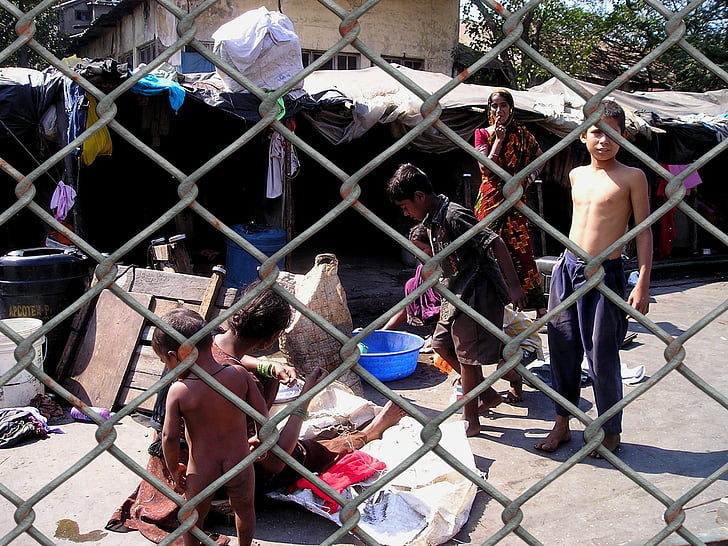
    In comparison to rural India which consists of safety nets such as MGNREGA and larger PDS coverage, urban India lacks the crucial livelihood safety nets in the form of employment guarantees and extensive food security coverage.

    By Raj Shekhar

    The COVID-19 pandemic has exposed the existing informality and crisis-like conditions of millions of households in India. The crippling impact of the pandemic, particularly on the informal sector has been pointed out in numerous studies over the past two years. As the State of Working India Report, 2021 says, an additional 23 crore households have fallen below the daily wage threshold of Rs.375 per day and there has been an increase in the informality among salaried workers. Despite the contribution of nearly 50 per cent of the country’s GDP with the presence of 86 per cent of the total workforce, the conditions of the workforce have worsened over the last two years.

    The second Hunger Watch survey conducted by the Right to Food Campaign in 14 states across the country reflects a grim reality among large sections of India’s population. The level of food insecurity and a decline in income level post-COVID-19 pandemic has increased at a much staggering rate in the present times. Two-thirds of the respondents experienced a decline in income as compared to the pre-pandemic period. Another concerning situation is food insecurity which tells us that close to 80 per cent of the household reported some form of food insecurity in the month preceding the survey and 25 per cent reported severe food insecurity. The dietary diversity in terms of the quality and quantity of food intake has also been affected badly where 41 per cent of households’ consumption deteriorated to a great extent.

    Less food

    One of the important findings from the Hunger Watch survey conducted over 6,500 people is the continued distress in the urban households and compared to rural, urban India seems to be experiencing the brunt of the COVID-19 pandemic disproportionately. The mass exodus of migrant workers from big cities of the country during the first national lockdown showcased the government’s failure to reduce inequality and ensure minimum wage to a large section of urban informal workers.

    Families residing in urban areas under residential, social, and occupational vulnerability are experiencing precarity under the uncertainty of job and income loss over the past two years. A greater proportion of urban households (69 per cent) reported that their total monthly income at the time of the survey had declined compared to the pre-pandemic period. In urban areas, 40 per cent of the respondents lived in rented accommodation and of those 56 per cent had unpaid rent during the survey.

    The catastrophic second wave had added to the miseries due to the rise in out-of-pocket health expenditures and overall livelihood crisis due to lockdowns. In urban areas close to 45 per cent of the households had some outstanding debt in which unpaid rent and major health expenditures were the major reasons. Compared to the pre-pandemic period, urban households have experienced a severe decline in the nutritional quality and quantity of food consumption. Consumption of milk, meat products, and fruits has declined whereas many families even reported not consuming these food items for months.

    No safety nets in urban India

    In this scenario, an increase in public spending is the immediate cure to the existing economic slowdown. The poor budgetary allocation in the social sector will prove to be disastrous. That is the situation thrown up by the union budget 2022-23. In comparison to rural India which consists of safety nets such as MGNREGA and larger PDS coverage, urban India lacks the crucial livelihood safety nets in the form of employment guarantees and extensive food security coverage.

    Millions of households in urban areas with almost no social security provisions are surviving on the verge of sustenance. The need for urban employment guarantees to counter the existing informality is felt the most at present. An MGNREGA-like programme in urban areas operating in a more decentralised form under local urban governance bodies can alleviate the barriers in this path by covering a large pool of casual informal workforce with more employment opportunities.

    Similarly, strengthening and expansion of the public distribution system coverage in urban areas is a critical requirement to deal with food insecurity. PDS entitlements with an additional five kilos of rations under PMGKAY (Pradhan Mantri Garib Kalyan Yojana) to the ration cardholders have been the only safety measures towards food security by the government that has performed well. Extension of PMGKAY till the time pandemic continues is necessary based on present conditions.

    Tale of deprivation

    The universalisation of the PDS would solve the problem of exclusion of vulnerable communities from the food security net. Expansion of the PDS to provide millets and other nutritious commodities such as oil and pulses while procuring these at minimum support price (MSP) is a demand being raised for the past few years. Revival of hot cooked meals under ICDS and midday meals should be done immediately to improve the nutritional status among women and children. Cash transfers with the help of available databases must be mobilized for income support to workers, indexed to the state minimum wage.

    A survey like Hunger Watch tells a tale of deprivation of the majority of households across the country in similar situations. With growing inequality and slow economic growth over the last few years, the government’s foremost responsibility should be to ensure necessities to enable people live a dignified life. Urbanisation in the present form rejects the majority of the population from the mainstream and violates the constitutional obligations under a democratic structure. Allocation to various social sector provisions and their wider coverage must be ensured for us to move towards a more equitable society.


    Raj Shekhar is a researcher, currently working with the secretariat of the Right to Food Campaign.


    Image: Hippopx, licensed to use Creative Commons Zero – CC0

    Russian military blunderings and the global democratic deficit

    Putin is a vocal proponent of ongoing hybrid militarized ‘foreign policy’ aggressions that aim to reclaim Russia’s sphere of influence in former Soviet Republics, as well as further afield.

    By Purnaka L. de Silva

    Russian President and former intelligence officer Vladimir Vladimirovich Putin has been at the helm of power since 1999, promoting jingoistic nationalism to keep his hold on power and creating a democratic deficit on the home front.

    In a long list of extrajudicial crimes under the aegis of Putin, it is alleged that critics and potential rivals generally meet an untimely demise – ranging from helicopter crashes (e.g., LTG Alexander Lebed), murdered in elevators (e.g., in the high profile case of investigative journalist Anna Politkovskaya), falling out of windows (e.g., former third secretary of Russia’s delegation to the United Nations in Vienna found at the bottom of the Russian Embassy in Berlin) to Polonium poisoning (e.g., Alexander Litvinenko) or getting incarcerated on trumped up charges like Russian opposition leader Alexie Navalny.

    Throwback to totalitarian times

    Putin is a vocal proponent of ongoing hybrid militarized ‘foreign policy’ aggressions that aim to reclaim Russia’s sphere of influence in former Soviet Republics, as well as further afield, primarily in the continent of Africa.

    Kremlin-controlled Spetsnaz mercenaries from the Wagner Group, who it is alleged hold Russian diplomatic passports, conduct military spearhead operations on behalf of the Kremlin and maintain bureaus in all 55 member states of the African Union.

    The antecedents of this hybrid militarized ‘foreign policy’ stratagem follow a trajectory that begins in Chechnya with the Second Battle of Grozny from 25 December 1999 to 6 February 2000 during the premiership of Putin – where the world’s democratic powers were silent witnesses to the devastation of a city of almost 400,000, which led to a practically halving of the population through an exodus of internally displaced persons.

    In 2003, the United Nations called Grozny “the most destroyed city on earth”. It could be speculated that at the time democratic Western powers were largely silent given that the Chechens were perceived as Islamist terrorists.

    After ‘success’ in Chechnya, in November 2007 Putin next withdrew Russia’s participation in the 1990 Conventional Armed Forces in Europe Treaty, which limited the deployment of heavy military equipment across Europe. It enabled Putin and the Kremlin to thereafter experiment with a hybrid militarized ‘foreign policy’ adventure in the 5-day, 2008 August War in Georgia.

    Russian troops invaded and established control over the occupied Tskhinvali region (now called South Ossetia) and Abkhazia constituting over 20 per cent of Georgian territory. Once again, the world’s democratic powers were little more than passive bystanders.

    Timeline of silence

    While the world’s leading democratic powers stayed silent, a timeline of notable hybrid militarized ‘foreign policy’ aggressions orchestrated by Putin and the Kremlin, demonstrating their global reach, includes:

        • Invasion and annexation of the Crimean Peninsula in southern Ukraine (February-March 2014) – successful.
        • Invasion and occupation of Donetsk and Luhansk in the Donbas region in eastern Ukraine (March-November 2014) – successful.
          (NB: Russia’s Wagner Group mercenaries made their first overseas combat appearance in the Donbas region in 2014).
        • Military intervention in Syria to support President Assad and winning the civil war for the regime (in September 2015-2019) – successful.
        • Military intervention in the Libyan civil war in support of renegade eastern Libyan warlord Khalifa Haftar by Kremlin-controlled Russian mercenaries from the Wagner group (April 2019-October 2020) – failure.
          (NB: followed by smaller, inconclusive Wagner Group interventions in Mozambique, Sudan, and the Central African Republic).
        • Invasion of Ukraine (February 24, 2022) – ongoing – with Putin and the Kremlin looking at long-term occupation and subjugation of the Ukrainian people in a carefully orchestrated military campaign that was planned for at least 8-10 years.
          NB: in the case of Ukraine, Putin and the Kremlin orchestrated a non-stop war of attrition in the Donbas and Crimea since February 2014, and the Wagner Group has been redeployed in Ukraine in February 2022 after withdrawing mercenaries from Africa.

    Since November 2007 the slippery slope towards a global democratic deficit – attempting to prove that might is right – was taking shape and gathering momentum, harbingers of the return of authoritarianism, imperialism, and possibly totalitarianism.

    A democratic deficit occurs when seemingly democratic governments fail to fulfill the principles of democratic governance for the benefit of their citizenry. When that happens in many countries worldwide it becomes a global democratic deficit with the rise to power of authoritarian and antidemocratic political leaders.

    Not exactly Sun Tzu

    This is the case of Russia, North Korea, China, Hong Kong, The Philippines, Saudi Arabia, Iran, Turkey, Syria, Egypt, Sudan, Eritrea, Nicaragua, Venezuela, Cuba, Kazakhstan, Afghanistan under the Taliban, and most recently in West Africa – Burkina Faso, Mali, Guinea.

    All countries are susceptible, including countries like Brazil, and the United States of America, as was the case during the Trump presidency from 2016-2020.

    The biggest fear of authoritarians of Putin’s ilk is that the common people will be able to exercise their democratic rights through free and fair elections, and popular protests to repudiate the corruption and misgovernance of political leaders, as was the case in Ukraine when pro-Kremlin president Viktor Yanukovych abandoned his country and fled in 2014.

    A similar fate was reversed in Belarus with the reinstatement of Alexander Lukashenko, and its tacit occupation in plain sight by the Russian military in January-February 2022.

    To the thus-far silent democratic powers it must strongly be pointed out that parallels can be drawn to Putin’s extrajudicial hybrid military ‘foreign policy’ actions to the 1946 post-war confessional prose by the German Lutheran pastor Martin Niemöller, First, they came for the Socialists, and I did not speak out….

    Having noted the above in all its gory detail, it must be pointed out to Putin and the Kremlin that their perceived ‘successful’ hybrid militarized ‘foreign policy’ blunderings will only further weaken Russia’s economic and political standing in the 21 century – especially once draconian long-term sanctions start to bite with alacrity, and deeply.

    It all depends on the sleeping giant of democratic world powers waking up, uniting in common purpose, and responding to an existential threat to peace, security, and democracy. Sun Tzu was right all along Putin – “The supreme art of war is to subdue the enemy without fighting”.


    This piece has been sourced from Inter Press Service

    Image: UNAMA

    IPCC adaptation report indicts global leadership

    Human-induced climate change is causing dangerous and widespread disruption in nature and affecting billions of lives all over the world, says the report of the second working group of the Intergovernmental Panel on Climate Change (IPCC).

    Scientists today delivered a stark warning about the impact of climate change on people and the planet, saying that ecosystem collapse, species extinction, deadly heatwaves and floods are among the “unavoidable multiple climate hazards” the world will face over the next two decades due to global warming.

    “This report is a dire warning about the consequences of inaction,” said Hoesung Lee, Chair of the Intergovernmental Panel on Climate Change (IPCC).

    “It shows that climate change is a grave and mounting threat to our wellbeing and a healthy planet. Our actions today will shape how people adapt and nature responds to increasing climate risks,” he said, adding: “Half measures are no longer an option.”

    According to the report, human-induced climate change is causing dangerous and widespread disruption in nature and affecting billions of lives all over the world, despite efforts to reduce the risks, with people and ecosystems least able to cope being hardest hit.

    This is the second in a series of three reports from the UN’s top climate scientists and its launch comes just over 100 days since the UN climate action summit in Glasgow, COP26, agreed to step up action to limit global warming to 1.5°C and stave off the worst effects of climate change.

    Clobbered by climate change

    UN Secretary-General António Guterres had called the first report, issued last August, a “code red for humanity”, and said that “If we combine forces now, we can avert climate catastrophe.”

    Guterres’ take on the latest report is equally stark: he laments that the evidence detailed by IPCC is unlike anything he has ever seen, calling it an “atlas of human suffering and a damning indictment of failed climate leadership.”

    With fact upon fact, the report, focusing on impacts, adaptation and vulnerability, reveals how people, and the planet, are getting “clobbered” by climate change.

    “Nearly half of humanity is living in the danger zone – now. Many ecosystems are at the point of no return – now. Unchecked carbon pollution is forcing the world’s most vulnerable on a frog march to destruction – now,” he declared, adding that the world’s biggest polluters are guilty of arson of our only home.

    In the face of such dire evidence, it is essential to meet the goal of limiting global temperature rise to 1.5 degrees, and the science shows that will require the world to cut emissions by 45 percent by 2030 and achieve net zero emissions by 2050.

    According to current commitments, global emissions are set to increase almost 14 per cent over the current decade.

    Urgent action to tackle increasing risks

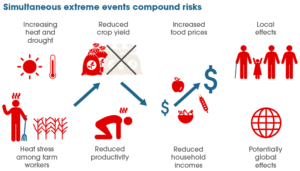
    The IPCC says that increased heatwaves, droughts and floods are already exceeding plants’ and animals’ tolerance thresholds, driving mass mortalities in species such as trees and corals. These weather extremes are occurring simultaneously, causing cascading impacts that are increasingly difficult to manage.

    They have exposed millions of people to acute food and water insecurity, especially in Africa, Asia, Central and South America, on Small Islands and in the Arctic.

    To avoid mounting loss of life, biodiversity and infrastructure, ambitious, accelerated action is required to adapt to climate change, at the same time as making rapid, deep cuts in greenhouse gas emissions.

    So far, progress on adaptation is uneven and there are increasing gaps between action taken and what is needed to deal with the increasing risks, the new report finds. These gaps are largest among lower-income populations.

    “This report recognizes the interdependence of climate, biodiversity and people and integrates natural, social and economic sciences more strongly than earlier IPCC assessments,” said Hoesung Lee.

    Protecting nature is key

    There are options to adapt to a changing climate. The report provides new insights into nature’s potential not only to reduce climate risks but also to improve people’s lives.

    “Healthy ecosystems are more resilient to climate change and provide life-critical services such as food and clean water”, said IPCC Working Group II Co-Chair Hans-Otto Pörtner.

    “By restoring degraded ecosystems and effectively and equitably conserving 30 to 50 per cent of Earth’s land, freshwater and ocean habitats, society can benefit from nature’s capacity to absorb and store carbon, and we can accelerate progress towards sustainable development, but adequate finance and political support are essential.”

    Scientists point out that climate change interacts with global trends such as unsustainable use of natural resources, growing urbanization, social inequalities, losses and damages from extreme events and a pandemic, jeopardizing future development.

    “Our assessment clearly shows that tackling all these different challenges involves everyone – governments, the private sector, civil society – working together to prioritize risk reduction, as well as equity and justice, in decision-making and investment,” said IPCC Working Group II Co-Chair Debra Roberts.

    Cities: Hotspots of climate risks

    The report provides a detailed assessment of climate change impacts, risks and adaptation in cities, and urban areas, where more than half the world’s population lives.

    “Together, growing urbanization and climate change create complex risks, especially for those cities that already experience poorly planned urban growth, high levels of poverty and unemployment, and a lack of basic services,” Ms. Roberts said.

    “But cities also provide opportunities for climate action – green buildings, reliable supplies of clean water and renewable energy, and sustainable transport systems that connect urban and rural areas can all lead to a more inclusive, fairer society.”

    Equity and justice

    Overall, the report, which provides extensive regional information to enable Climate Resilient Development, underlines the urgency for climate action, focusing on equity and justice.

    Adequate funding, technology transfer, political commitment and partnership lead to more effective climate change adaptation and emissions reductions.

    “The scientific evidence is unequivocal: climate change is a threat to human wellbeing and the health of the planet. Any further delay in concerted global action will miss a brief and rapidly closing window to secure a liveable future,” said Hans-Otto Pörtner.

    Six in seven people experience ‘high levels of insecurity’ – Why?

    The latest report from the UNDP, Why we don’t feel safe, says that people all over the world — including in the wealthiest countries — were experiencing high levels of insecurity even before the COVID-19 pandemic.

    Baher Kamal / Inter Press Service

    Safety and security are at the base of the ‘hierarchy of needs’ pyramid, second in importance only to life’s absolute necessities—air, water, food and shelter, warns a new report.

    The report “Why we don’t feel safe,” elaborated by the UN Development Programme (UNDP)  says that in the years leading up to the COVID-19 pandemic, people were on average living healthier, more prosperous and better lives than ever.

    “Yet still a growing sense of unease has taken root and is flourishing,” it says.

    Insecurity is everywhere, among the poor and the rich

    It says that six out of seven people all over the world — including in the wealthiest countries — were experiencing high levels of insecurity even before the pandemic.

    COVID-19 may have supercharged this feeling. Unlike any other recent crisis, it has laid waste to many dimensions of our well-being and set human development back.

    “As well as the appalling health consequences, the pandemic has upended the global economy, interrupted education and life plans, disrupted livelihoods and stirred political division over masks and vaccines.”

    Even with the distribution of vaccines and the partial economic recovery that began in 2021, the crisis has been marked by a drop in life expectancy of about one and a half years, UNDP further goes on.

    Unequal level of suffering

    But this latest report from the UNDP is not alone in quantifying the insecurities people face.  Indeed, there are other recent reports from the UN stable that point to human insecurity. Just take the Sahel region as an example. Africa’s Sahel region is facing ‘horrendous food crisis,’ warned an earlier report released on 16 February by the World Food Programme (WFP).

    As the Sahel region “stares down a horrendous food crisis”, the UN emergency food relief chief warned that the number of people on the brink of starvation has “increased almost tenfold” over the past three years and “displacement by nearly 400 percent.”

    The vast Sahel, which runs nearly the breadth of the continent, south of the Sahara Desert, is experiencing some of its “driest conditions” in years.

    “In just three years, the number of people facing starvation has skyrocketed from 3.6 to 10.5 million, in the Sahelian nations of Burkina Faso, Chad, Mali, Mauritania and Niger.”

    And insecurity, COVID-induced poverty, dramatic food cost increases and other compounding factors, have put those countries and others in the region, on a trajectory that would surpass any previous crises, according to WFP.

    “I’ve been talking with families who have been through more than you can possibly imagine”, Beasley said. “They have been chased from their homes by extremist groups, starved by drought and plunged into despair by COVID’s economic ripple effects”.

    On the brink of starvation

    The number of people on the brink of starvation across Africa’s Sahel region is ten times higher than it was in 2019, the World Food Programme warns, while the number of people who are displaced is up by 400 percent.

    The combined effects of conflict, the COVID-19 pandemic, climate, and rising costs are putting basic meals out of reach for millions.

    Afghanistan tragedy

    Let alone Afghanistan, where conflict last year (2021) had forced more than 700,000 Afghans to leave their homes and added to the 5.5 million people already displaced over past years, the International Organization for Migration (IOM) on 8 February 2002 reported.

    “The ongoing crisis in Afghanistan is intensifying humanitarian needs and increasing displacement risks both inside the country, as well as across borders to countries in the region”, according to a statement issued by Ugochi Daniels, the IOM Deputy Director-General for Operations.

    Growing distrust

    Back to the UNDP special report on unsafety and insecurity, it also warned that in tandem with this comes a growing distrust in each other and in the institutions which are, in theory, designed to protect us.

    “The world has always been in flux, but the challenges we face today as technology advances, and we experience inequality and conflict, are playing out on a different stage.

    “Because we are now in the Anthropocene, the era in which humans are changing the planet in dangerous ways that our species has never seen.”

    A deadly dance

    It’s a deadly dance and no-one is immune from its consequences, UNDP warns.

    “Despite global wealth being higher than ever before, a majority of people are feeling apprehensive about the future and this feeling has likely been exacerbated by the pandemic.”

    “In our quest for unbridled economic growth, we continue to destroy our natural world while inequalities are widening both within and between countries,” said Achim Steiner, UNDP Administrator.

    Climate change is likely to become a leading cause of death. With a moderate decline in carbon emissions, it could still cause 40 million deaths before the end of the century.

    “The Anthropocene era is adding fuel to conflict, as human lives become more precarious. Conflicts involving the state—raging in 37 countries—are the highest since the end of World War II.”

    Violence, normalised

    According to the UNDP report, violence is becoming normalised in many places, and the number of people forcibly displaced due to conflict or disaster has risen over the past decade, reaching more than 80 million in 2020.

    “About 1.2 billion people live in areas affected by conflict — almost half of them in countries not considered to be fragile.”

    Old inequalities, new realities

    “Old inequalities are still with us despite advances in wealth and living standards. And a new generation of inequalities is opening up. These include the ability to flourish in a modern economy, and access to now-necessary technology such as broadband internet.”

    Technology is a two-edged sword—bringing vast opportunities and potentially catastrophic risks, says the UNDP report.

    “At the same time as digitalization can connect communities, encourage new skills and education, and promote human security, social media is spreading misinformation and fueling polarisation.”

    Cybersecurity in Africa, below “poverty line”

    In 2017, an estimated 95 percent of companies in Africa were rated on or below the cybersecurity ‘poverty line’, unable to protect themselves from malicious attacks, the report adds.

    “The damage of cybercrime was estimated to cost about US$6 trillion in 2021, a 600 percent increase since the beginning of the pandemic in 2020.”


    This piece has been sourced from the Inter Press Service.

    Image: UNICEF / Parvez Ahmad