More

    People’s tribunal castigates Delhi Police for riots

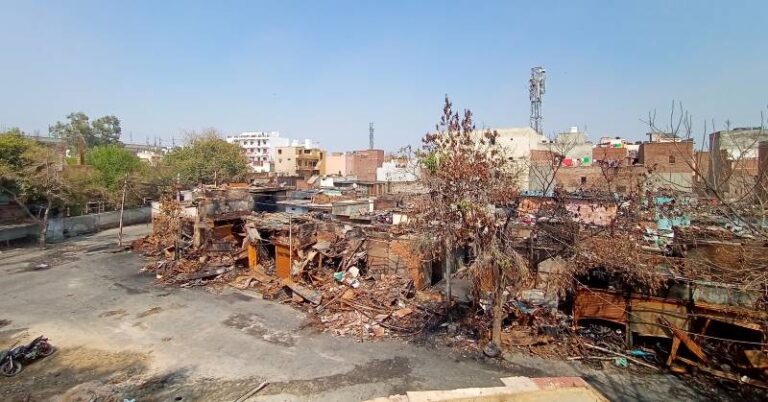
    “Once the violence broke out, the Delhi Police along with acts of omission and commission, allowed the riots to continue for a longer period,” a people’s tribunal convened on the second year since riots happened in North East Delhi has concluded.

    A people’s tribunal hearing survivor families and individuals from Northeast Delhi together with field experts and lawyers two years after the riots in North East Delhi has concluded that the Delhi Police failed to take adequate measures to prevent the spreading of the riots in spite of adequate intelligence and warning indicators of heightened tensions and threats.

    “Once the violence broke out, the Delhi Police along with acts of omission and commission, allowed the riots to continue for a longer period,” the tribunal said in its report released to the media today.

    The 2020 Delhi riots, or North East Delhi riots saw multiple waves of bloodshed, destruction of property and rioting. The riots began on 23 February 2020 and left 53 people killed.

    Further elaborating on the role of the Delhi Police, the tribunal said in its findings that the police took no action against the mobs perpetrating the violence and let the victims fend for themselves. “More often than not, this only resulted in larger casualties, more suffering and harassment and greater property damages.”

    Adverse judicial comments

    The people’s tribunal was organised to mark the completion of two years since the carnage, and take forward the much-needed discourse on the lives of the victims. It comprised of the National Federation of Indian Women, All India Democratic Women’s Association, the Constitutional Conduct Group, People’s Union of Civil Liberties, United Against Hate, and Karwan -e –Mohabbat.

    The day-long, closed-door event saw a series of discussions on key themes, including the impact of State apathy in North East Delhi, gathering the testimonies of affected families, an examination of medical cases and State response, the investigation of the Delhi Police into the Riots and the issue of access to compensation.  The jury comprised former Indian ambassador Deb Mukharji, former union home secretary Gopal Pillai, historian Mridula Mukharji, senior journalist and researcher Pamela Philipose and former member of Planning Commission of India and writer Syeda Hameed.

    The riots were followed by apprehensions about the role of the police and media reports cited instances of police inaction. “There has been a lack of proper and transparent investigation, and a biased approach leading to lack of credibility in the overall investigative process,” the people’s tribunal has said. “These were also brought out by innumerable adverse comments of the Courts during this period.” Hundreds of innocent people, including victims, have been in jail on what seem to be completely trumped-up charges, the Tribunal says in its report.

    Need for judicial commission

    The people’s tribunal noted widespread instances of police misconduct – from harassing victims and innocent citizens by various means, including large-scale arrests, refusing to arrest and take action against ‘powerful’ people implicated in inciting violence, corruption and attempts at extortion; misusing of technology to frame people, to biased and unjust chargesheets.

    “The police have been even more complicit in the violence. And this has not been highlighted by the media – especially those mainstream – over the past two years,” its statement reads.

    It has recommended the setting up of a judicial commission of enquiry headed by a retired judge of the Supreme Court. It has argued that the impunity enjoyed by the state and non-state actors can only be challenged through setting up of such a commission of enquiry with members who have stature and credibility among the affected communities.

    It has said that the Delhi government must set up an empowered group to look into all cases of inadequate and delayed compensation.

    It has suggested bringing predictive policing under a regulatory framework. “A sharp rise in the use of predictive policing including facial recognition technology which was used by the Delhi Police to round up those they framed as instigators of violence is based on a fallacious assumption that the algorithms ensured bias-free investigations,” the tribunal said in its statement released to the press.


    Image: Wikimedia

    UN General Assembly session today on Russia’s ‘war of choice’ on Ukraine.

    The UN Security Council has called for a rare emergency special session of the UN General Assembly on Russia’s military operation in Ukraine to will be held on Monday. There are calls for accountability and Russia has said that there is an information war happening out there while Ukraine has made reference to the convention on the prevention of genocide.

    India, China and United Aram Emirates abstained from the vote while Russia voted against the vote to convene the UN General Assembly session. 11 countries have voted in favour of convening the General Assembly session.

    The request for the Assembly to urgently convene a meeting comes after Russia vetoed on Friday a US-led draft Security Council resolution that would have ‘deplored in the strongest terms the Russian Federation’s aggression against Ukraine’.

    Since the text acted on today was procedural, none of the five permanent Council members – China France, Russia, United Kingdom and the United States – could use their vetoes. The measure needed just nine votes in favour to pass.

    This is seen as a rare move for peace. Only 10 such emergency special sessions of the General Assembly have been convened since 1950, following the adoption of resolution 377A(V), widely known as ‘uniting for peace.’

    That text gives the Assembly the power to take up matters of international peace and security when the Security Council is unable to act because of the lack of unanimity among its five veto-wielding permanent members.

    Next steps

    Following statements by countries in the emergency special session, the General Assembly is expected to vote on a resolution similar to the one taken up Friday by the Security Council. While Assembly resolutions are non-binding, they are considered to carry political weight as they express the will of the wider UN membership.

    The Security Council’s latest steps to end the Ukraine crisis cap a week of activity at the United Nations seeking a diplomatic off-ramp to Russian military action in the country, including near daily press stakeouts by the Secretary-General, four emergency Council sessions, and one meeting of General Assembly, which saw speaker after speaker call for de-escalation.

    On Saturday, amid reports of casualties and people fleeing their homes to seek safety as Russian military operations in the country intensified, the Secretary-General announced that the UN will launch an appeal to fund its humanitarian operations in Ukraine.

    A readout issued by a UN spokesperson said that UN chief António Guterres had spoken on the phone with President Volodymyr Zelenskyy and conveyed “the… determination of the United Nations to enhance humanitarian assistance to the people of Ukraine.”

    The Secretary-General’s phone call and the announcement of a humanitarian appeal followed his decision this past Thursday to release $20 million from the UN emergency relief fund, known as CERF, to meet urgent needs in Ukraine.

    In addition, the Secretary-General has announced the appointment of Amin Awad as UN Crisis Coordinator for Ukraine to lead the coordination of all UN efforts, including its humanitarian response, on both sides of the contact line.

    Accountability for a ‘war of choice’

    Speaking after the vote, Ambassador Linda Thomas-Greenfield, of the United States, one of the countries that had requested the meeting, said the Security Council had today taken an important step towards holding Russia accountable for its aggression against Ukraine.

    “By calling for an emergency special session of the General Assembly… [we] have recognized that this is no ordinary moment and that we need to take extraordinary steps to confront this threat to our international system,” she said, stressing that such a meeting of the wider UN membership was important to make their voices heard on “Russia’s war of choice.”

    While noting that all UN Member States would have the ability to participate in the special emergency session, Ms. Thomas-Greenfield said that she understood that this would take courage for some.

    But for inspiration and strength, she called on the wider UN membership to look no further than the Ukrainian people, “who are standing bravely…to defend democracy, while continuing to express willingness to participate in negotiations. So let us do everything we can to help the people of Ukraine as they stand up for themselves, their sovereign country and their children.”

    UN Charter: small nation’s best friend

    Ambassador Ferit Hoxha of Albania, which had also called for today’s meeting, said that while the vote had been purely procedural, the text itself was one of “historical proportions. One which would open the big doors of the General Assembly, the place where all the world meets” and could speak out against an unprovoked war and in favour of the UN Charter, “including Russian citizens who need to listen to the world and hear what it is saying.”

    “All Member States, including small ones like mine, must remember that the UN Charter is our best friend, our best army and best defence,” he said. Russia could at any moment come back to its senses and stop the war and pull back its troops and “go back to talks – real talks for peace, not for surrender and capitulation. But this needs lucidity, courage and wisdom, not threats for apocalypse.”

    “As we said last Friday, this is not a time to stay idle or look away. It is time to stand up. Ukraine and Ukrainians are resisting,” he concluded.

    Primacy of international law

    French Ambassador Nicolas de Rivière, said that Russia had stood alone Friday in blocking a resolution that would have called for an end to its aggression against Ukraine. “This special session is a necessary new step intended to defend the UN Charter and international law and put an end to the aggression against Ukraine,” he said.

    He noted that President Macron had called for another meeting the Security Council on Monday at which France along with Mexico would submit a resolution to demand the end of hostilities, protection of civilians, a safe and unhindered humanitarian access to meet the urgent needs of the population. The international community had a duty to stand up for unity and the primacy of international law, he said.

    Council’s failure to face the truth

    Vadim Nebenzya, Ambassador of the Russian Federation, said that he had voted against the submitted draft because its authors would note that the Security Council had been unable to carry out its primary duty to maintain international peace and security.

    “Yet, at the same time, we did not see even a hint of an attempt to find a constructive solution in the Council. After all, two days ago we blocked one text for the very reason that it was one-sided and unbalanced. We have not seen any new initiatives,” he stressed.

    He also denounced attempts by the draft’s sponsors to use their position on the Security Council to push through decisions against other members. “That is why the Council provides for the right to block decisions for permanent members. This is not a privilege, but a tool to ensure the balance of interests so necessary for the whole world, and through it, global stability.”

    “Now there is a need to focus on resolving the roots of the crisis with which we are grappling,” he continued, stressing that it was not the launch of the ‘special military operation’, but the fact that the Council had for eight years turned a blind eye to the actions of Ukrainian nationalists in the Donbas.

    He said that an “information war” was now being unleased against Russia and that social networks were rife with lies about what was happening in Ukraine. “I urge our colleagues not to contribute to the spread of such misinformation, although I am afraid these calls will not be heard again.”

    Air raids, aggression and ‘absurd claims’

    Ukraine’s Ambassador Sergiy Kyslytsya said that the most frequently heard warning in Ukraine today was ‘Attention. Air raids. Please proceed to shelters.’

    He also asked those that had not supported the text to please look at videos and pictures of the damage circulating in the media. The truth of what was happening on the ground due to Russia’s aggression could be found there.

    He went on to say that Ukraine had issued an order to the International Court of Justice (ICJ) to undertake provisional measures against Russia and was seeking an emergency hearing. The Court had jurisdiction to hear the case, owing to international obligations under the Convention on the Prevention of Genocide.

    “The Genocide Convention is one of the most important international treaties, drafted in response to the horrors of World War II and the Holocaust. Russia, however, has twisted the concept of genocide, and perverted the solemn treaty obligation to prevent and punish genocide,” the Ambassador explained.

    He went on to note that Russia had made an “absurd and unfounded claim” of alleged genocide as a justification and pretext for its own aggression against Ukraine and violation of the sovereignty and human rights of the Ukrainian People.  “Ukraine’s case before the ICJ will establish that Russia’s aggression against Ukraine is based on a lie and a gross violation of international law and must be stopped.,” he declared.

    Can men contribute to women’s empowerment?

    Women are expected to manage the home, while men are expected to be providers and usually have more roles outside the home. These roles are however changing. Women are now increasingly joining the workforce, are seen in public spaces.

    By Abhijit Das

    Women’s development and gender equality have been important elements of the global development agenda since the international women’s year in 1975. Over the years many laws and policies have been introduced in India and there have been significant improvements the status of women and girls. However, gender-based discrimination is still widespread. According to the gender inequality index, India was ranked 127 out of 160 countries of the world in 2018. Women’s empowerment is at the centre of achieving gender equality. But what is the role of men? This issue remains unaddressed.

    Gender equality is about relationships within society. Patriarchy is a commonly used term to indicate the existing situation where women and men have specific roles and responsibilities in society. Women are expected to manage the home, while men are expected to be providers and usually have more roles outside the home. These roles are however changing. Women are now increasingly joining the workforce, are seen in public spaces and men are also challenging themselves with domestic tasks like cooking. But somehow most domestic chores remain the responsibility of women with men playing a secondary role at best. Similarly, it is often seen that among working couples’, women leave their careers to raise the children while men continue their professional journey. Despite many improvements, women’s literacy still lags that of men, the sex ratio indicates that less girls are born or survive and violence against women in different forms continues to be common and are often reported in the press.

    Confronting societal compulsions

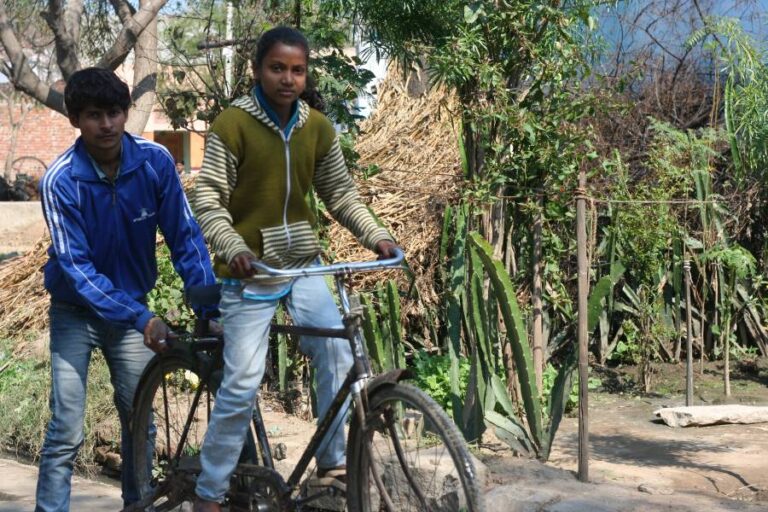
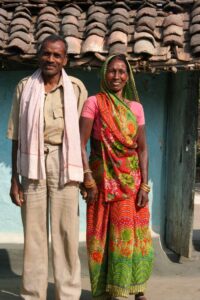
    Several efforts are ongoing in India to explore how men and boys can become partners within the larger frame of gender equality in society. In one instance, men’s groups formed in rural areas in the states of Uttar Pradesh, Madhya Pradesh, Rajasthan, Jharkhand, Uttarakhand and West Bengal. In some places boys’ groups were also formed. The men in these groups were trained to recognize the differences in the circumstances around the lives of women and men and girls and boys. They understood how existing social norms created compulsions or provided opportunities in our lives. The men realized how they themselves became agents of these conditions which created more barriers for women and girls they loved and cherished like their wives, daughters, mothers, and sisters. They also understood how these societal compulsions created pressures for men and boys to behave in certain ways. They could express anger and violence, but the same rules limited their expressions of care, concern, or love. They understood the value of a family and a society where all could aspire and get opportunities as well as support to achieve their best.

    New roles

    Several interesting changes have been noted among the men in these communities. It has been observed from programmes implemented in several states of India over two decades now, that community level interventions provide very important insights about the process of change towards gender equality. In all places men had started performing many domestic chores like cooking, cleaning, bringing water, firewood, washing clothes and utensils, and so on. Fathers had become very engaged and active in the care of their infants and young children. In several places men started taking on more contraceptive responsibility, usually seen as a women’s burden, by using condoms regularly and an increase in the overall usage of contraceptives was observed.

    Gender women empowerment domestic work

    In Maharashtra, it was noted that many families went in for joint registration of their residence. Women in Madhya Pradesh said that their husbands were now providing much more care during their pregnancy and after delivery than they had done in earlier pregnancies. In West Bengal women who earlier found it difficult managing domestic chores and small income generation work reported that they were now earning much more as a family as the men not only took care of some of the domestic work, but also contributed to the home-based income generation work. Youth in Rajasthan and Madhya Pradesh got together to ensure that the education of young girls could continue and campaigned successfully against early marriage. In Maharashtra, men’s groups supported women panchayat leaders to effectively play their leadership roles. In Uttar Pradesh men supported women to join employment programmes like the MNREGA. In all these places women said that they now felt more respected, included in family decision making processes and reported that their relationship with their spouse had improved. They also reported that their mobility had increased – they could go out to earn and they also decided how they would spend their money. Some women also indicated better trust, communication, and affection between spouses.

    Strains following the pandemic

    The pandemic has forced many changes in the lives of people through several rounds of lockdown and other restrictions. It is understood that as pressures and constraints increased within a family in lockdown, women have been facing many additional challenges. There have been many reports of increasing violence against women and forced and early marriage from many places.

    Early in the lockdown, social media groups were developed and connected with members of the men’s groups around the country to build their confidence on how best to approach this crisis. They were encouraged to the reach of social media to build local support networks, identify families in need of any help and link them to public services. The men’s groups were also asked to monitor cases of violence against women and other forms of gender discrimination in their communities. Around 7,000 such members of men’s groups in over 500 villages in these states were connected in this process.

    Actions of about 2,000 among them from over 133 villages in 27 districts in the three states of Uttar Pradesh, Uttarakhand and Madhya Pradesh were tracked. Findings from the information compiled showed that these men were individually and collectively taking many steps to deal with the different problems that were emerging every day in their communities. They met ASHA and Anganwadi workers to enquire whether they needed any support and when necessary, joined in the COVID-19 prevention campaigns. They connected with the panchayat leaders and ration shop owners to facilitate delivery of rations. They helped women to get MNREGA job cards, assisted pregnant women to get necessary health care services, supported women to file complaints on cases of violence faced by them and several other cases. In a short period of three months in 2020, these men had helped over 400 women in different ways in these villages. Many cases were also referred to the district and state authorities for further actions.

    Shifting gender relations

    A nation-wide study was conducted in 2020-2021 to understand how other organisations who were involving men and boys in their work around gender equality perceived the effectiveness of this approach. Over 65 organisations in 15 states were included in the study and an overwhelming majority found that involving men and boys improved the effectiveness of their interventions. The results they had achieved were very similar to the results that CHSJ had seen in its own work. The study also provided some additional insights. Work with men and boys is most effective after work on women’s empowerment had already been started in the area earlier. This created a fertile ground for change because women welcomed the change. Younger men were more ready to accept change. However, this study also noted that organisations found it more difficult to approach and work with men compared to women. Men were hesitant to meet in public, they also needed more encouragement appreciation to continue.

    A consensus is emerging that work with men and boys is extremely important to strengthen work on women’s empowerment. This approach provides clear examples how gender relations can shift in the family and community levels as well as in public institutions within a framework of collaboration. It also provides men an opportunity to understand how social norms get shaped and how they are themselves affected by these gendered social norms. As we move towards the Sustainable Development Goals this approach can be integrated into work on women’s empowerment, violence prevention, empowerment of adolescent girls as well as child rights protection. Hopefully by providing men and boys a very positive role in achieving the larger social goals, we can achieve more lasting results.


    Abhijit Das is Managing Trustee, Centre for Health and Social Justice, New Delhi and Clinical Associate Professor, University of Washington, Seattle, USA.

    Sri Lanka: UN rights chief welcomes reform but concerns remain

    Sri Lanka has taken steps towards legal, institutional and security sector reforms, but more action is still needed, according to a report issued on Friday by the UN human rights office which examines developments over the past year. 

    In a new report on Sri Lanka released on Friday, UN Human Rights High Commissioner Michelle Bachelet recognised recent steps to initiate reforms.  But she has also expressed concern over a number of human rights trends in the country.

    “While we recognize the renewed willingness of the Government of Sri Lanka to engage constructively with our Office, including in the preparation of the report, we urge the Government to go much further with the legal, institutional and security sector reforms necessary to comply with Sri Lanka’s international human rights obligations,” the human rights body said in a press statement.

    Setbacks to accountability 

    OHCHR noted setbacks to accountability for past human rights violations and the recognition of victims’ rights, Spokesperson Ravina Shamdasani told journalists in Geneva.

    “The High Commissioner highlights particularly the continuing precarious situation of the families of the disappeared – the majority of whom are represented by women,” she said.

    “We urge the Government to acknowledge their sufferings, urgently determine the fate or whereabouts of victims, provide reparations, and bring perpetrators to justice.”

    Surveillance and harassment

    The report, which was prepared for the UN Human Rights Council, also makes note of continuing trends toward militarization and ethno-religious nationalism that “undermine democratic institutions, increase the anxiety of minorities, and impede reconciliation.”

    Additionally, the pattern of surveillance and harassment by security forces of civil society organizations, human rights defenders, journalists and victims, highlighted in previous reports, has also continued, particularly in the north and east.

    Ms. Shamdasani said the Prevention of Terrorism Act (PTA) Amendment Bill, presented to Parliament earlier this month, is an important initial step.

    “The High Commissioner welcomes the proposed increase of magistrates’ powers to visit places of detention, the speeding up of trials and the repeal of section 14, which imposes serious limitations on publications,” she added.

    Towards peace and reconciliation

    However, Ms. Shamdasani said that other proposed amendments do not comply fully with Sri Lanka’s international human rights obligations, leaving some of the most “problematic” provisions of the PTA intact.

    This has led to alleged human rights violations, including arbitrary detention and torture.

    Since June, more than 80 suspects detained under the PTA have been released.  OHCHR has welcomed this development, while urging the authorities to impose a moratorium on continued use of the law.

    “Sri Lanka will only achieve sustainable development and peace and lasting reconciliation if it ensures civic space, independent and inclusive institutions, and puts an end to systemic impunity,” said Ms. Shamdasani.

    A fresh start?

    Friday’s report is a huge development from a previous assessment on March 2019. Then, the Human Rights High Commissioner had publicly confronted the Sri Lankan government for putting out a misleading version of her assessment.

    “I am deeply disappointed by the spin that has been put on my discussion with the Sri Lankan Government delegation,” Bachelet had said, adding, “Either the newspaper misunderstood the Governor, or the Governor misunderstood – or misquoted – me.”

    Then, Sri Lanka’s Northern Province Governor, Dr. Suren Raghaven had conveyed an impression to the media that there was disagreement within the OHCHR of its assessment of the rights situation in the island nation.

    According to the governor, the High Commissioner had “admitted that certain facts incorporated in the UNHRC (UN Human Rights Council) report against Sri Lanka could not be condoned whatsoever.”

    It was an ugly spat. The UNFRC put out an official statement saying that the Sri Lankan official had misrepresented the discussion on UN human rights report to the media.

    A tweet was also put out quoting Bachelet as saying, “I am deeply disappointed by the spin that has been put on my discussion with the Sri Lankan government delegation.”

    She also highlighted concerns about the appointment of military officers who were implicated in alleged serious rights violations and the “lack of progress” in setting up a special tribunal to deal with the worst crimes after a brutal civil war that ended in 2009.


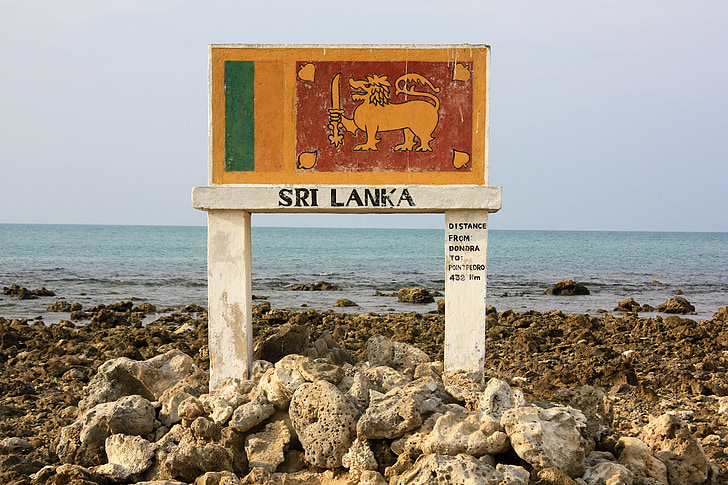
    Image: Hippopx. Licensed to use Creative Commons Zero – CC0 

    IPCC working group II to release its report on Monday

    The IPCC report put together by scientists and government representatives is expected to add pressure to address issues like finance, adaptation and loss and damage, underpinning equity and climate justice.

    The Inter-governmental Panel Climate Change will, on Monday, release the next part of its 6th assessment report.

    The Working Group II report on impacts, adaptation and vulnerability is scheduled to be made public on 28 February after a virtual approval session. It will summarise the latest scientific understanding on impacts, adaptation and vulnerability, outlining how climatic hazards and risks will increase with warming, with considerations of sustainable development, aspects of justice and equity, and the action needed to take to build resilience.

    This will be the second of three major reports from IPCC and is expected to provide an assessment of how life on earth is affected by rising temperatures.

    Since their previous assessment in 2014, the situation has, in many ways, become worse. Earlier this month, NOAA warned the years 2013-2021 all rank among the ten-warmest years on record.

    “The reality of the climate crisis has become more personal and political than ever, while the reality of inequities has become more blatant too,” said Greenpeace Climate Expert, Kaisa Kosonen.

    “We expect the report to show the extent to which warming has increased climatic hazards, and how limits to adaptation are already being reached, which disproportionately impacts communities in already vulnerable situations who are also the least responsible for the crisis,” Kosonen added.

    For activists like Kosonen, the report will make the lack of action and commitment from high-emitters more evident. Greenpeace, among other global environment groups, has often referred to the need for urgent emission cuts and climate justice, together with investments in adaptation, building equity, compensating for and insuring against losses and damages and fostering resilient development pathways where everyone can participate.

    Social justice, equity

    The IPCC report put together by scientists and government representatives is expected to add pressure to address issues like finance, adaptation and loss and damage, underpinning equity and climate justice.

    It will add to the discourse following the 1.5°C warming limit from the Paris Agreement and can frame the narrative towards COP 27 in Sharm El-Sheikh, Egypt later in 2022.

    The report is expected to address, among other things:

        • How warming is already impacting us and the world we live in, including ecosystems and their services, with current and committed levels of warming and sea-level rise.
        • How climate impacts and risks will increase with further warming, and how different development pathways exacerbate or mitigate those risks.
        • How and to what extent impacts and risks can be managed and reduced, acknowledging limits to adaptation, and the loss and damage that occurs beyond those limits.
        • Who are particularly vulnerable to climate impacts and risks and why, and how those vulnerabilities can be reduced and resilience built.
        • Solution frameworks with a specific focus on climate resilient development pathways.
        • The role of social justice, equity and different forms of expertise in climate-resilient development, with broadened attention given to aspects of climate justice.
        • The particular situation of coastal communities; cities and settlements by the sea.

    Working Group II report will be followed by another IPCC report in April, Working Group III contribution to the 6th Assessment Report, that will assess ways to mitigate climate change.

    A synthesis report (SYR) of the work done by Working Groups I, II and III and the previous special reports will be published in October. It will provide an overview of the state of knowledge on the science of climate change.

    Citizen science can help track illegal wildlife trade in the Himalayas

    Citizen reporting tools can provide crucial data on the status of species and track illegal wildlife trade. There are several such citizen apps, some of which work in tandem with scientific institutions.

    By TV Padma

    Citizen apps that help residents collect data, usually with smartphones, could help plug information gaps and track illegal wildlife trade in the biodiversity-rich Himalayas, a new paper says.

    Investments in citizen reporting tools could provide crucial data on the status of species and trade of their commercial products, a report by scientists from Kumaon University in the Himalayan state of Uttarakhand and the University of Sydney, in the journal Trees, Forests and People says.

    The ecologically-rich Himalayas are “particularly susceptible to biodiversity loss” because of their vulnerability to climate change and natural hazards and a fragmented system of governance across multiple boundaries within and outside the countries that form part of the mountain chain, the report says.

    Citizen reporting tools could help share information on wildlife and improve management of wildlife trade, it says. noting that, “Investment in citizen reporting tools could improve the availability of data on the status of existing species’ populations and trade of their commercial product.”

    The new paper “makes a very strong and cogent case. The authors are also very realistic in highlighting the challenges in using the apps,” Kamal Bawa, president of Bengaluru-based Ashoka Trust for Research in Ecology and the Environment (ATREE) and distinguished professor emeritus at the University of Massachusetts, Boston, told Mongabay-India. “Apps are needed to benefit people for nature-based livelihoods and heal our planet,” he says.

    Citizen scientists use the ubiquitous smartphone to record visual, audio, and geographical information precisely. While citizens’ efforts to gather data are voluntary and unpaid, they often record the unusual, and professional researchers oversee and analyse the data.

    This arrangement enables researchers to collect large volumes of data at a low cost while also engaging the public in science-related issues. Several such citizen apps exist, some working in tandem with scientific institutions. For example, the Plantix app, which enables farmers to identify crop diseases, enlisted the help of Indian agronomists to build its initial image database and train the app’s deep neural network.

    Meanwhile, the iNaturalist app’s data goes into the Global Biodiversity Information Facility.

    Other popular dedicated apps include iSpot, CitSci, Cybertracker and eBird, but postings to social media apps can also be mined via their metadata. eBird became the world’s largest citizen science community, in which bird migrations are traced across continents

    The iBats app monitors bat calls, while Leafsnap tracks leaves of trees.

    Wildlife trafficking in the Himalayas

    India is making efforts to curb wildlife crime. In March 2021, the Wildlife Institute of India, Wildlife Crime Control Bureau and TRAFFIC conducted training sessions for wildlife enforcement agency officials to stop wildlife trafficking across the Himalayas.

    The biodiversity-rich Himalayas account for nearly half (50%) of India’s flowering plants and birds; and almost two-thirds (65%) of the mammalian species; more than a third of the country’s reptiles (35%) and amphibians (36%) and 17% fishes.

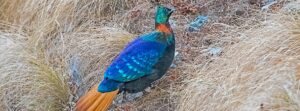
    The skin, bones, and body parts of the snow leopard and common leopard; gall bladder of the Himalayan brown bear and Asiatic black bear; musk pods of various species of musk deer, the fur of wolves and leopards; as well as various pheasants such as the Western tragopan and the Himalayan monal are some of the commonly illegally trafficked items from the Himalayas.

    In 2019 the United Nations Environment Programme (UNEP) reported that in India, illegal wildlife trade is “expanding rapidly, driven by demand for rare species – headed for the pet market – as well as for species believed to have medicinal properties.” It says that the main consumer markets are China and South East Asia, but live animals or their parts are also smuggled to the Gulf, Europe and Northern America. Beyond India, the main transit countries are Nepal, Bangladesh, Bhutan, Sri Lanka and Myanmar, the UNEP report says.

    According to the UNEP, Indian wildlife species and products commonly smuggled out include tiger and leopard skins, their bones and other body parts, rhino horns and ivory. Turtles and tortoises, sea horses, snake venom, mongoose hair, snake skins, tokay gecko, sea cucumber, chiru fleece, musk pods, bear bile, medicinal plants, red sanders timber and caged birds such as parakeets, and mynas are also smuggled out.

    Citizen science new

    The 2020 World Wildlife Crime Report found that along with threatening endangered species, wildlife crimes and exploitation of nature can promote climate change as well as negatively impact public health because of zoonotic disease transmissions.


    The new report on citizen apps says that better data will help identify complicit communities and links to illegal trade. For the app to be viable, data collection must be multilingual, adaptive to different trade structures across communities, and relevant to different ecological biomes.

    Citizen science is not new, per se, says Rahul Kaul, director of Wildlife Trust of India, Noida, Uttar Pradesh. UK-based organisations have been using citizens to count common bird species for a few decades now, says Kaul. “It was done manually then, but now there is perhaps an app where you put in your information.”

    India too has several citizen science initiatives, he points out. For example, mid-winter waterfowl count was a sort of a countrywide citizen science-based estimate, but which was coordinated by a few ground-based people using a larger group of people.

    “With this being online now, great possibilities have opened up,” says Kaul. “We already see the use of eBird where users can log in their information and the information appears alongside the information provided by a multitude of users. Of course, the content is verified to the best extent possible, so this large data pool becomes usable. This can transcend political boundaries, and one can see real-time movements and distributions etc.”

    Many citizen science projects have commenced in Asian countries too, and some include data from the Himalayan region, the report’s authors says.  “However, to our knowledge, there is no project aimed at documenting the trade of endangered Himalayan species,” they says.

    Several Indian projects monitor Himalayan biodiversity. The Wildlife Institute of India’s Wildlife Watch in the Indian Himalayan Region improves community awareness of ecologically and socio-economically important species.

    The report also cites the example of the World Wildlife Fund (WWF)’s training of Nepalese volunteers by providing them with basic data collection equipment such as GPS receivers. The WWF and the Nepalese government also set up a project ‘Cyber Tracker,’ to monitor Himalayan snow leopards. The project is developing simple computers for local people to use alongside mobile phones to monitor snow leopards, their prey, and their habitat.

    In China, the Shan Shui’s China Nature Watch project gained community support for wildlife protection and has helped introduce more stringent laws. China Watch engages individuals and social organizations via WeChat (a social network) to share wildlife sightings.

    App potential

    Bawa and Kaul see the immense future potential of such apps.

    Several groups are active in collaborating on e-platforms, Kaul points out. “Campaigns can take the form of the ones on social media and not necessarily in this form, but yes, this is a very convenient medium to reach out to a large number of people and get your message across.”

    Volunteers are also getting together to track the sale of illegal wildlife trade on the internet. So citizens are collaborating to spend their time tracking wildlife sale offers and recording these for further action. This way, the movement of illegal wildlife goods can be tracked across borders.

    Bawa offers several ideas to take the concept of citizen apps forward. He says that one could develop apps for wildlife trade and other conservation and environmental issues, including agriculture and public health.

    He adds that one could also have additional features on the app for wildlife trade. For example, the wildlife trade is associated with the emergence of infectious diseases, and hence, an app that combines surveillance for zoonotic diseases could be beneficial.

    One would need a platform to host the data, synthesise it, and add additional features, Bawa suggests, which would require collaboration with entities that have such platforms. The India Biodiversity Portal is one such platform, but many others exist for agriculture, water, and various socio-environmental parameters.

    More investments need to be made in these platforms and generally in digital infrastructure for the environment and sustainability and in creating collaborative networks to develop and promote apps. “We have made this case in a roadmap for a potential National Mission on Biodiversity and Human Wellbeing which integrates biodiversity, ecosystem services, climate change, agriculture, health, bio-economy and capacity building in biodiversity science. With the widespread use of cell phones and the urgent need for data, the possibilities are endless,” says Bawa. India, “with its vast capacity in information technology and severe environmental challenges, has the potential to be a global leader in this area.”


    This story was first published on Mongabay.com

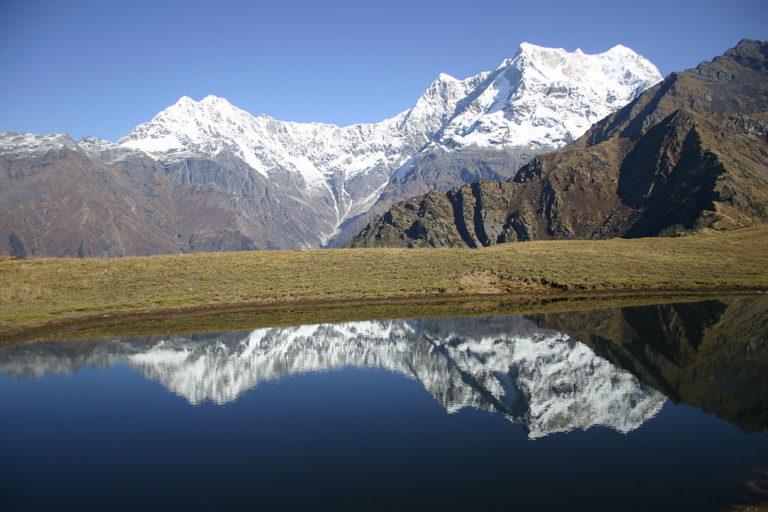
    Banner image: The Himalayas by Ishwari Rai / Wikimedia Commons  

    Image inset: The Himalayan monal is illegally trafficked from the Himalayas. 
    Photo by Koshy Koshy / Wikimedia Commons

    Firm, unified response needed to russia’s aggression

    In the context of conflict, there’s a need to monitor and collect evidence of human rights violations – with the aim of one day holding the perpetrators and commissioners of crimes to account in the international justice system.

    By Andrew Firmin

    It is now clear diplomacy matters little to Vladimir Putin. Despite the efforts of a string of presidents and prime ministers to prevent conflict, on 24 February, Putin started the war he’d been itching for.

    What now seems evident is that Putin expects to maintain a Cold War-style sphere of influence around Russia’s borders. It isn’t only his treatment of Ukraine, seemingly punished for orienting a little more towards the west and entertaining a vague idea of joining NATO, that shows this.

    Putin intervened decisively to prop up a fraudulently elected dictator in Belarus; in return, Belarus became Russia’s client state, the launching point for forces now heading towards Kyiv.

    In January Russian troops were despatched to suppress a protest movement for political and economic change in Kazakhstan. It’s now established that demands for democracy or even displays of autonomy will not be allowed in what Putin sees as Russia’s buffer zone, and force will be used if required.

    Power without accountability

    The invasion began with Putin’s recognition of two areas of Donetsk and Luhansk, which have been Russian-controlled and Russian-aligned since the 2014 conflict. Russian troops were despatched to those regions shortly after, even though they remain part of Ukraine’s sovereign territory.

    That was the prelude to the bigger invasion now under way.

    This decisive move was preceded by a bizarre televised ceremony of statesmanship in which one by one members of Putin’s security council lined up to give an opinion that coincided with his, in scenes reminiscent of a Soviet-era show trial.

    The staged discussion began with the delivery of an angry speech from Putin, not for the first time, in which he denied Ukraine’s right to an existence separate from Russia.

    This is what untrammelled, unaccountable power looks like, and this is where it leads: to the making of erratic, emotional and possibly catastrophic decisions. Putin has eliminated all real political opposition. He’s changed the rules to stay in power as long as he likes, won elections that weren’t remotely free or fair and jailed opponents – or even ordered them killed.

    He’s crushed independent civil society and media, ordering organisations to close, smearing them as foreign agents and making virtually all forms of protest illegal. Even solo protests by brave Russian citizens against the law have been brought to a quick end.

    Bad for Russia too

    The disastrous results offer a powerful reminder of the value of democracy, accountability and independent scrutiny of power. The cost of Putin’s unchecked, unpredictable rule is clear: this conflict will bring death and human rights violations on a large scale.

    At a time when the world should be fighting climate change, conflict zones will see further environmental devastation. Unimaginable resources will be spent not on addressing climate change, developing essential infrastructure or improving the lives of local communities but on destruction and immiseration.

    This has costs for Russia too. Putin’s aggression will cause his country immense diplomatic and economic harm. Having extracted some potential concessions, he’s thrown them away. The conflict has potential to become an extended one.

    Although Russia has far superior forces, it could still incur heavy losses. Conflict could even revivify NATO and encourage more countries to join – the opposite of what Putin might have been trying to achieve.

    Conflict in short, is bad not just for Ukraine but also for Russia. But there’s no one left who can tell Putin that. This is terrible news for Russians, and it’s increasingly endangering the world.

    Need for an international response

    A response of international censure must follow, and it must be a unified response. As Russia’s neighbours, the 27 states of the European Union (EU) and other European states such as the UK must hold a strong common line. States that have previously kept on friendly terms with Putin, such as Germany and Hungary, should get on board.

    This means the cessation of trade that benefits Putin’s military machinery and his inner circle. As part of this, Nord Stream 2, a gas pipeline from Russia to Germany, must stay offline whatever the short-term pain for Europe’s gas supplies; Germany acted commendably fast on this and now must stick to its position.

    The UK, long a safe haven for the fortunes of Russian oligarchs and Putin allies, must finally get tough on Russian money laundered in London. Not nearly enough has been done here so far.

    Putin moved to buffer himself from sanctions by reaching new trade and energy deals with China on the eve of the Winter Olympics, but these would not be sufficient to mitigate economic pressure exerted by unified action by democratic states.

    EU countries also have a responsibility to accept and respect the rights of refugees who may be driven from Ukraine by conflict. They must respond with empathy and compassion – something they have rarely shown so far.

    At the global level, it must be recognised that Russia’s invasion is a clear violation of Ukraine’s sovereignty – ironically from a state that is quick to rebuff any international questioning of its appalling human rights record as intrusive foreign interference in its sovereign affairs.

    Reform Security Council

    Since China’s international representatives always push a public position of respect for sovereignty and non-interference, it should face sustained diplomatic pressure to distance itself from its ally.

    Given the disparity between the military strength of the two countries and Russia’s evident determination to go to war, it should be clear that this is a war of aggression – a conflict without the justification of self-defence – which is one of the most serious crimes in international human rights law.

    No one is buying Putin’s lame attempts to somehow position Ukraine, a country that has repeatedly made clear it does not want war, as the aggressor.

    This act threatens to undermine the international order – and it is coming not just from a permanent member of the United Nations Security Council, but one that signalled its contempt by launching its invasion even as the Security Council was meeting.

    There are signs that Russia is already losing friends at the UN. Current Security Council member Kenya, which previously abstained on a vote on Ukraine, spoke out powerfully against Russia’s latest imperial action.

    Russia’s status as a Security Council permanent member means the body can do nothing. This sorry state of affairs only strengthens civil society’s longstanding calls for Security Council reform.

    But at the very least more states – and more global south states – should follow Kenya’s lead and condemn Russia’s aggression, on the basis that Putin’s trampling of international norms endangers us all. There should be no path back to respectability for Putin.

    Vital role of civil society

    In the context of conflict, there’s a need to monitor and collect evidence of human rights violations – with the aim of one day holding the perpetrators and commissioners of crimes to account in the international justice system.

    Civil society can play a vital part here – not only in defending human rights and monitoring violations, but also in building peace at the local level and providing essential humanitarian help to people left bereft by conflict.

    As Russia’s propaganda machine goes into full effect there’s a need to build links of mutual understanding and dialogue between Russian and Ukrainian citizens. To do this, alongside their other efforts, democratic states should invest in local civil society, which in these bleak times is needed more than ever.


    This piece has been sourced from Inter Press Service.

    Image: A woman stands in an abandoned school, damaged after a shell strike, in Krasnohorivka, Donetsk Oblast, Ukraine. The world is facing “a moment of peril,” UN Secretary-General António Guterres told a General Assembly session, 23 February, dedicated to the temporarily occupied territories of Ukraine.

    Credit: UNICEF/Ashley Gilbertson

    Ukraine crisis: terrified families seek shelter underground in capital

    0

    Two days since Russia launched military operations inside Ukraine, the UN rights office confirmed that confirmed that many civilians have already been killed and injured.

    UN News

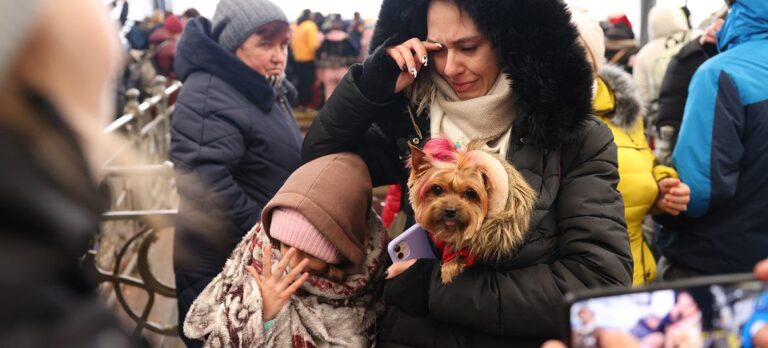
    Amid reported deadly missile attacks from Russia’s so-called “special military operation” in Ukraine, including the capital Kiev and other cities, terrified families have been forced to seek shelter underground, the UN said on Friday, adding that at least 100,000 people have likely been displaced by the violence.

    “There have been major attacks in Kiev that have created greater fear and panic among the population, with families really scared, moving alongside their children into subways and shelters, and this is clearly a terrifying moment for children across the country,” said Afshan Khan, UN Children’s Fund (UNICEF) Regional Director, Europe and Central Asia, speaking in Geneva.

    Wrong but ‘not irreversible’ 

    The development follows renewed condemnation for the Russian move by UN Secretary-General António Guterres, who on Thursday appealed for peace and allocated $20 million from the Central Emergency Response Fund (CERF) to meet urgent needs.

    The use of force by one country against another is “the repudiation of the principles that every country has committed to uphold,” which applied to the military offensive in Ukraine, Mr. Guterres insisted.

    “It is wrong. It is against the Charter. It is unacceptable. But it is not irreversible.”

    Civilian deaths confirmed 

    Two days since Russia launched military operations inside Ukraine, the UN rights office, OHCHR, confirmed that confirmed that many civilians have already been killed and injured.

    “We’ve received reports of at least 127 civilian casualties; this includes 25 killed and 102 injured in Ukraine, caused by shelling and airstrikes…this is very likely to be an underestimate,” said Ravina Shamdasani, OHCHR spokesperson.

    Communities are already in need of aid relief, too, UN humanitarians warned.
    Fuel, cash, medical supply shortages

    “When we look at shortages, we’re talking about fuel, which has been well reported in the media, we’re talking about cash, because often in humanitarian situations, cash assistance would be our first support to families, so obviously there’s been a drawdown on banks,” said UNICEF’s Ms. Khan.

    Echoing that message and in an appeal for guaranteed humanitarian access to the most vulnerable individuals, the World Health Organization (WHO) highlighted concerns that medical teams face being overwhelmed.

    “We don’t have reports yet from the hospitals, when we look to particular injuries and the details of medical,” said Jarno Habicht, WHO Representative in Ukraine.

    “Where our focus has been now, is that the prepositioned medical kits. We will run out of them soon, so what is important currently…is how to ensure new supplies to come and…[that] there are humanitarian corridors from the neighbouring countries available.”

    Priority needs

    UN agencies have been active in Ukraine for many years, particularly since Russia’s annexation of Crimea in 2014 – a move in large part rejected by the international community.

    Immediate priorities include assessing what already vulnerable communities need in eastern regions of Donetsk, Luhansk and other oblasts.

    “We are still trying to monitor what the situation is vis-à-vis civilian infrastructure,” said UNICEF’s Ms. Khan.

    “As you know, there has been hits of critical infrastructure in the east, particularly in Donbass for some years and they have been cut off, hence the UNICEF water trucking [operations]. In the current scenario we are still trying to see which civilian infrastructure has been hit [and] where.”

    Announcing the $20 million emergency funding allocation for the Ukraine crisis, Mr. Guterres underscored that the UN and its humanitarian partners are “committed to staying and delivering, to support people in Ukraine in their time of need.”

    Lives shattered

    Forced mass displacement has also begun, the UN refugee agency (UNHCR) confirmed.

    “There are more than 100,000 who we estimate have lost their homes and are displaced inside [the] country and we are also aware of several thousand who have crossed international borders in the region, and we’ve seen those really just happening since the onset of the situation,” said UNHCR spokesperson Shabia Mantoo.

    “We’re seeing these reports and we’ve seen for instance yesterday that there were about 5,000 refugee arrivals in Moldova already, but the other movements are being reported in Poland, Romania, Slovakia and the Russian Federation.”

    Russian protesters warned off

    While the UN Human Rights Office (OHCHR) warned that Ukraine’s people were “terrified of further escalation,” agency spokesperson Ravina Shamdasani flagged concerns inside of Russia.

    “Reportedly more than 1,800 were arrested…it’s impossible at this point to know to know exactly how many people there were,” Ms. Shamdasani said referring to anti-war protesters.

    “It is unclear whether some of them have now been released. What we understand is that among those who were arrested were also some journalists, and they were arrested in over 50 cities across Russia.”


    Image: On 6 February 2022, a nine-year-old girl stands in front of the conflict-damaged exterior of her home in eastern Ukraine.
    By Aleksey Filippov / UNICEF


    India, Nepal agree on further hydropower development, electricity trade

    Formed under the aegis of the Nepal-India electricity trade agreement in 2014, the committee has settled on the issues of under-development and proposed cross-border transmission lines.

    The 10th gathering of the joint steering committee (JSC) of energy secretaries of India and Nepal met in Kathmandu on Thursday to arrive at an agreement for electricity trade through cross-border transmission and power trade to make hydropower availability and distribution improvements.

    Formed under the aegis of the Nepal-India electricity trade agreement in 2014, the committee has settled on the issues of under-development and proposed cross-border transmission lines, the Arun III hydropower and export and import of power electricity.

    A press statement following the meeting said that Nepal and India have consented to build mega hydropower projects through a joint venture. According to the understanding, a joint specialized group representing both countries will review the hydropower potential.

    The two sided agreed to increase the export and import capacities of the first cross-border Dhalkebar-Muzaffarpur 400 KV transmission line from 350 MW to 600 MW.

    There is also consent to an additional expansion of the limit of import and export once the Hetauda-Dhalkewar-Inaruwa 400 kV transmission line is operational in December 2023.

    Extra transmission line

    India will assist in developing the new Butwal-Gorakhpur 400 kV transmission line, the subsequent cross-border transmission line.

    Nepal’s electricity authority will organize investments for the project. The gathering also consented to set up a joint venture company to be promotd by the Nepal electricity authority and the Power Grid Corporation (Powergrid) of India by April 2022.

    The meeting also agreed to explore the possibility of building a cross-border power transmission line between Nepal and West Bengal in India by a joint specialized group.

    Nepal attaches much significance to this infrastructure, especially because it will enable trading power with Bangladesh as well.

    Untapped hydropower potential

    Nepal remains one of the largest untapped hydropower potential in the world. Yet, but the country figures among the 10 countries with the world’s lowest electricity consumption rates, according to the World Bank. An Indian government supported USD 250 million line of credit to Nepal has been financing infrastructure projects such as highways, airports, bridges and irrigation projects.

    The Solu hydro electricity generating project is an example of Indian investment helping both, India and Nepal. The run-of-river hydroelectric power plant built with Indian aid on the Solu River in north-east Nepal has increased the country’s generation capacity of clean power. It has also improved the reliability of the energy system. India built the 132 KV transmission line to feed the electricity generated by the six hydropower projects (called the Super Six) into the national grid.

    The Solu corridor transmission line project built with Indian aid is helping light up the region. The project provides electricity to an estimated 3 million people, helping to alleviate the current power shortages in the country. And, when Nepal has excess of power, often coinciding with periods of power drought in vast parts of India, India imports power from Nepal.


    Image: Hippopx image, licensed to use under Creative Commons Zero – CC0


    Decapitating terrorist organisations won’t end terror

    Killing terrorist organisations’ leaders is no effective way of fighting terrorism — terrorism feeds on political and economic crises.

    By Mohammad Abu Rumman

    At the start of February 2022, US President Joe Biden announced the killing of Islamic State (IS) leader Abu Ibrahim al-Qurashi in Syria. The ensuing euphoria, however, failed to disguise the fact that this operation was merely a modest setback for jihadist groups.

    It was probably more important for President Biden, who may hope – in anticipation of the midterm elections in November – that such actions will boost his popularity. After all, didn’t his predecessor Donald Trump celebrate the killing of the then IS leader Abu Bakr al-Baghdadi two years ago, and Barack Obama before him that of Osama bin Laden?

    A brief look at the career of al-Qurashi shows clearly what is happening in the ongoing field of terrorism and counter-terrorism. The emir, on whose head the US administration had placed a bounty of millions of dollars, was once an ordinary unknown officer in the Iraqi army.

    He comes from a village in the Tal Afar district, which lies in north-western Iraq in the border region with Syria. His father was a muezzin at the local mosque. Al-Qurashi’s life – like that of most IS leadership figures – only started to derail when the Americans invaded Iraq.

    Al-Qurashi joined al-Qaida and was then arrested. After his release, he rose up the ranks of the IS and eventually became a ‘hidden caliph’.

    Let us imagine that Iraq was never invaded, and all the ensuing sectarian violence, with thousands dead and millions displaced, never happened. Instead, a political solution was found for Iraq. Would this officer’s life have been so profoundly transformed then? And even if he had become radicalised, would this not have remained at worst an internal Iraqi issue?

    Decapitating the IS doesn’t work

    The example of al-Qurashi is hardly different from the career of dozens of other Islamist leaders. They all have a turning point in common that arrived with the devastating crises in the Arab and Islamic world.

    Their rise as terrorist leaders was the result of state failure, misguided security policies, conflicts between opposing ethnic, religious and sectarian groups, as well as failed development policies and adverse socio-economic conditions.

    The ensuing violence became a global threat as the international political community responded with military interventions, drones, and bounty campaigns – a game that seems to be far from over.

    How dangerous is the IS

    In Iraq and Syria, the IS may be less dangerous today than it was in its heyday.

    The spiritual father of the IS in Iraq, Abu Musab al-Zarqawi, was killed by an American air strike in 2006. A whole series of other leaders followed, all more or less equally dangerous. In 2011, Osama bin Laden was killed in a US military operation at his hideout in Pakistan.

    Numerous other terrorist leaders were killed in similar fashion both before and after that. But has the danger from extremism and terrorism diminished as a result?

    In Iraq and Syria, the IS may be less dangerous today than it was in its heyday. It is certainly no longer able to attract tens of thousands of fighters from all over the world. That time of magic, and the associated opportunities for propaganda, recruitment, and terrorist attacks, are in the past.

    But the IS has not disappeared from Iraq and Syria either and still feeds on the crises there – notwithstanding the US’s declaration that the militia has been defeated. Nothing could illustrate this better than the complex and daring operation against a prison in Kurdish-controlled Hassakeh in Syria carried out by the IS just a few days before its leader was eliminated.

    It ended with the deaths of hundreds of IS fighters and dozens of Kurdish militiamen – but only after nearly a week of fighting.

    How the IS has globalized

    The IS may be under pressure in Iraq and Syria, but it is not in the process of disappearing. Rather, it has become a global brand, maintaining dozens of bases around the world. In Africa in particular, it has been able to spread like a bushfire in recent years.

    Africa is rife with religious and ethnic conflicts. Many states are fragile. Their land areas are often so large that IS offshoots have safe areas where they can retreat and spread out. Their conduct there is sometimes even worse than in the original caliphate in Iraq and Syria.

    Just as the IS has succeeded in spreading its ideology in Africa, this has also happened in East Asia.

    Since 2019, there have been dozens of terrorist attacks in about 15 African countries, with thousands of deaths. IS jihadists are active in central, western, and eastern Africa, from the Sahara to Congo, Uganda, and Mozambique. There are also cells in North Africa.

    So far, the African terrorism problem is confined to the continent and is linked to regional crises. But the more joint international action is taken against it, and the more the local crises become entrenched, the greater is the concern that the African variant of IS terrorism could be exported around the world.

    A foothold in Asia

    Just as the IS has succeeded in spreading its ideology in Africa, this has also happened in East Asia, especially against the backdrop of splits within the Taliban in Pakistan and Afghanistan. Since the withdrawal of NATO troops from Afghanistan, there have already been large-scale attacks carried out by the IS offshoot ‘Khorasan’.

    Among other recruitment sources, this organisation has received an influx of jihadists who have had to flee Iraq and Syria with their families and whose countries of origin no longer want to take them back. But fighters from Central Asia are also flocking to it.

    For now, the ‘Khorasan’ is still fighting against the Taliban, who want to rule Afghanistan and to prove to the world that they are capable of doing so. To that end, they are also trying to avoid the scenario from their first rule, when they offered shelter to al-Qaida and suffered a huge backlash following the attacks of 11 September 2001.

    To be successful, then, the fight against terrorism must first and foremost address the root causes of the respective crises. The billions of dollars spent on military operations and bounties should be used for projects to strengthen state institutions, political integration, and economic development. Governments should be supported through projects that aim to build up their societies, integrate citizens into public life, and strengthen democracy and civil culture.


    Mohammad Abu Rumman is a political scientist and director of the Politics and Society Institute in Amman. He was Minister of Culture and Youth in Jordan from 2018 to 2019 and is the author of numerous books, including I am a Salafist.

    Source: International Politics and Society (IPS), published by the Global and European Policy Unit of the Friedrich-Ebert-Stiftung, Hiroshimastrasse 28, D-10785 Berlin. Obtained from Inter Press Service

    Image: UN News