More

    People are hungry, says hunger watch survey

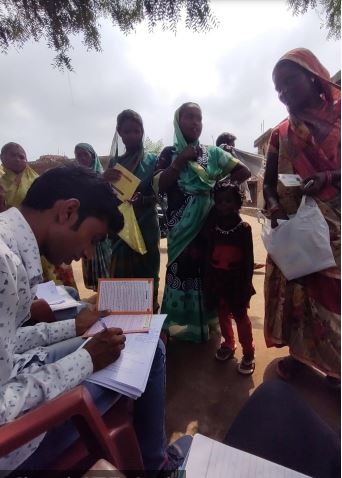
    Many households had to go to sleep without eating. 41 per cent of general caste households surveyed reported that they had to sleep without eating in the month preceding the survey.

    Findings from the second hunger watch survey conducted by the Right to Food Campaign and Centre for Equity Studies along with other partners shared today painted a grim picture.

    The survey covering over 6500 people from across 14 states showcased an alarming situation of food insecurity in the country and the need for greater investments in food entitlement and social protection schemes.

    The findings from the survey suggest that the average outstanding household debts are as high as Rs 15,000 and that 66 per cent reported that their incomes fell by over 50 per cent during the pandemic. 69 per cent of urban households reported significant drop in income due to COVID-19.

    23 per cent of the households had incurred a health expenditure. 13 per cent reported a health expenditure of Rs. 50,000 or more. Close to three per cent of all respondents reported losing a family member to the COVID-19 pandemic and over 45 per cent said they had not received any compensation.

    84 per cent of respondents had access to PDS through a ration card and 81 per cent of those with ration cards got the free food grains under the Pradhan Mantri Garib Kalyan Yojana (PMGKY).

    Hungry to bed

    People had to go to sleep without eating. 41 per cent of general caste households surveyed reported that they had to sleep without eating in the month preceding the survey. It was lowest at 25 per cent among tribal families.

    As one of the surveyed respondents said, “Over the last few months, the food consumption of the family has fallen to a great extent.”

    The respondent, also the family’s sole breadwinner said that she used to earn between Rs 3,000 and 4000 a month, but that income has halved since the lockdown

    “There have been days when the whole family had to sleep without eating in the night due to lack of all ration in the household and the family was unable to afford. We have not consumed eggs, non-veg or fruits in the last one and half months.

    28 per cent of urban households experienced severe food insecurity, the hunger watch survey revealed, while 87 per cent of Muslim households experienced food insecurity.

    77 per cent of Hindu households too reported food insecurity, while 23 per cent reported severe food insecurity. 81 per cent of general caste households experienced some form of food insecurity as well.

    What should I cook?

    Over 60 per cent of the surveyed population was unable to eat healthy or nutritious foods when seen in the context of the FAO’s food insecurity scale. Nationally 80 per cent of the sample reported any form of food insecurity with a greater proportion lying in urban areas.

    Nationally, 41 per cent of households reported that their household consumption of cereals in the month preceding the survey was not sufficient. Cereal insufficiency was higher in urban areas (46 per cent) than in rural areas (38 per cent).

    Less than a third of the respondents had green, leafy vegetables and up to 60 per cent of households had not eaten eggs, meat, fruits or any nutritionally rich food more than three times in the month preceding the survey. The analysis reveals that dietary quality poorer in urban households than in rural households.

    The right to food campaign that conducted the survey quoted a Delhi home-maker as saying this: “What should I cook? We did not have any gas. So, I gathered stone and sticks and survived on khichdi for two months. Our condition has not changed much from that time. Sometimes there is food and other times there is no food.”

    The woman, who is a resident of Delhi’s Shivaji Nagar said “Bhaji (vegetables) has become a privilege. We have it once every five to seven days, that too without onion. We just mix it in khichdi and eat.”

    Imperatives for food security

    78 per cent of households eligible for maternity benefits and 36 per cent of the households eligible for pensions did not receive any transfers from these programmes.

    The survey was conducted by activists associated with the Right to Food campaign across the country. A number of students and volunteers also contributed to the data collection, cleaning, analysis and report writing.

    According to the earlier hunger watch survey conducted six months after the national lockdown was imposed in 2020, food consumption and incomes had not recovered. Over two-thirds of the respondents had then reported a decline in quality and quantity of food consumed.

    The right to food campaign has demanded that the public distribution system (PDS) must be universalised and include pulses, millets and oils.

    It also said that the Pradhan Mantri Garib Kalyan Anna Yojana (PMGKAY) must be extended till such time that the pandemic continues and that mid-day meals and nutrition given in anganwadis must be revived fully and they must be improved to include eggs, milk and fruits.

    The campaign also demanded an increase in social security pensions, maternity entitlements and allocations for MGNREGA.
    Budget 2022 a roadmap for saturation of development schemes, says PM Modi

    “Financial inclusion has ensured better participation of women in the financial decisions of the families. There is a need to push this participation of women further through self-help groups,” the prime minister said.

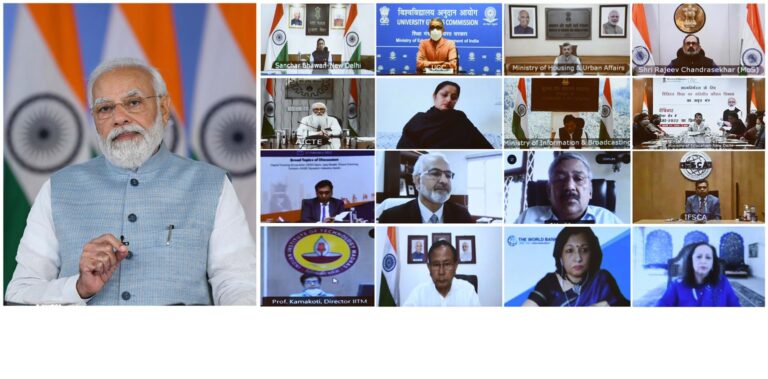
    Prime Minister Narendra Modi today stressed on the positive impact of Budget 2022 on rural development. He was addressing a webinar, the second in a series on the union budget.

    The Prime Minister began by reiterating the mantra of Sabka Saath, Sabka Vikas, Sabka Vishwas and Sabka Prayas as the inspiration behind all the policies and actions of the government.

    “Our pledges for the Azadi Ka Amrit kaal will be realized only with the efforts of everyone and everyone will be able to make that effort only when every individual, section and region gets the full benefit of development”, he said.

    He explained that the budget has given clear road map for achieving the goal of saturation of government development measures and schemes and how basic amenities can reach to the entire population.

    “The Budget has made essential allocations for every scheme like PM Awas Yojana, Gramin Sadak Yojana, Jal Jeevan Mission, connectivity of North-East, broadband in villages,” he said, adding, “similarly, (the) vibrant village programme announced in the budget is very important for the border villages.”

    Water governance

    He also spoke of the government’s target of 4 crore water connections under the jal jeevan mission and appealed to state governments to be vigilant about the quality of the pipelines and water. “One of the key features of this scheme is that there should be a sense of ownership at the village level and ‘water governance’ is strengthened. Keeping all this in mind, we have to take tap water to every household by 2024,” the prime minister said.

    The Prime Minister elaborated on the priorities of the government and spoke of the prime minister’s development initiative for North East Region (PM-DevINE) as a step to ensure saturation of basic amenities in the North-East region. Similarly, he said, the Svamitva Scheme is helping demarcate residences and land in villages using new technologies.

    “We have to ensure that the dependence of the rural people on the revenue department is minimized.”

    Broadband to inclusion

    The prime minister pointed out that rural digital connectivity is no longer mere aspiration but has become a necessity. “Broadband will not only provide facilities in the villages but will also create a big pool of skilled youth in the villages”, he said. Broadband, he said, will expand the service sector to increase capabilities in the country. He also emphasised on the need for proper awareness regarding proper use of the broadband capabilities where the work is already completed.

    The prime minister underlined the role of woman power as the foundation of rural economy. “Financial inclusion has ensured better participation of women in the financial decisions of the families. There is a need to push this participation of women further through self-help groups,” he added.

    In conclusion, the Prime Minister suggested that it will be helpful if the various agencies responsible for rural issues should sit together on regular intervals to ensure synergy and coordination. “More than availability of money, it is the presence of silos and lack of convergence that is the problem,” he said.

    ‘Plant for Pakistan’ initiative to reverse deforestation, combat climate change

    Pakistan’s billion trees afforestation project focuses on forestry, protected areas, national parks, clean energy, climate resilience, sanitation and water management. It is presently in full swing in the Khyber Pakhtunkhwa province.

    By Fakhar Alam

    Like many other developing countries, Pakistan too is confronted by the monster-like challenge of deforestation and climate change. About 27,000 hectares of forests are vanishing every year due to excessive demands for wood and the vulnerabilities of the weather, besides socioeconomic reasons.

    According to the national forest policy of 2015, Pakistan has only five per cent area under forests against an internationally accepted requirement of 25 per cent. This low area under forests is also threatened as the country is losing about 27,000 hectares of forests every year, mostly in community and private owned lands due to climate change susceptibility, encroachment and a growing population.

    The policy forest further revealed that forests in private and community lands in Khyber Pakhtunkhwa and Gilgit-Baltistan are also under tremendous pressures due to climate change and population explosion.

    Pakistan is highly vulnerable to climate change due to its geographical placement, deforestation and highest population growing at two percent rate annually.

    The negative effects of climate change and deforestation were evident during the recent snow storm in Murree where 22 people had lost battle for lives besides worst drought conditions during 1999-2003, the devastating of 2010 floods, the formation of glacial lakes in the mountainous regions and cyclones on coasts of Karachi and Gwadar in 2008.

    Billion trees afforestation project

    In view of deforestation and climate change vulnerabilities, the government devised a green growth initiative focusing on forestry, protected areas, national parks, clean energy, climate resilience, sanitation and water management. Subsequently, the billion trees afforestation project (BTAP) was launched in Khyber Pakhtunkhwa in November 2014. It entails raising a record 1.208 billion saplings at an estimated cost of Rs. 14.363 billion.

    BTAP is the world’s fourth biggest plantation project successfully implemented by Pakistan after China, India and Ethiopia. The project has increased Khyber Pakhtunkhwa’s forest covered area to 26.6 percent in 2018 against 20 percent in 2013, thus surpassing the 25 per cent international forests standards. Satellite images show an 85 per cent positive change detection in forest cover area of Khyber Pakhtunkhwa. The world-wide fund for nature, WWF, attested to an 88 per cent survival rate of BTAP plantations.

    Such has been the success of BTAP that Prime Minister Imran Khan announced the launch of a 10 billion tree afforestation project, or 10BTAP on 2 September 2018. The government undertakes to plant 10 billion trees in the country including, providing an additional one billion seedlings in Khyber Pakhtunkhwa by 2023. Work on 10BTAP is successfully underway in the province where 505 million saplings were planted through farm forestry, enclosures and general public till 31 January 2022.

    270 million plants were raised through man-made plantations, 30 million through sowing and dibbling while over 200 million trees were planted voluntarily by citizens. The target of additional one billion saplings will be achieved through natural regeneration in 6,259 enclosures, including 2,000 enclosures in merged areas spreading over an area of 250,000 hectares and raising of new plantation on 111, 314 hectares besides the establishment of biodiversity knowledge parks and others forests initiatives.

    New forests and green jobs

    Work is in full flow. In the Khyber Pakhtunkhwa province, for instance, the recently launched spring plantation will see the planting of almost 105 million saplings with assistance of stakeholders under conventional plantation. Of this, as many as 13 million seedlings would be sown in southern circle comprising Peshawar, Kohat, Nowshera, Charsadda, Swabi, Kohat, Bannu, Dera Ismail Khan, Karak, Hangu and 22 million in merged tribal districts. Besides, 42 million saplings will be planted in the northern forest region covering the Abbottabad of Hazara divisions and 26 million will be planted in the Malakand division.

    Of these, 63 million plants will be planted through departmental plantation and over a million more through mass planting in urban and peri-urban plantation. Another 29 million will be planted through a farm forestry initiative while 1.7 million trees will be planted by roping in village development committees. School children will plant more than 2.5 million trees.

    10BTAP includes fruits and ornamental plants and also flora for beekeeping. Close to 200 million seedlings including, 2.8 million fruits plants and three million ornamental plants will be distributed free to citizens, various organisations and farmers. Civil society organisations will be planting 24 million trees. About a berry million saplings will be distributed and sown in southern districts of Khyber Pakhtunkhwa to promote apiculture.

    In terms of immediate human impacts, this exercise entails creating 2.840 million green jobs during the project.

    Recognized by BONN Challenge, Conference of Parties (Cop-21), World Economic Forum, WWF and IUCN, he said the project has greatly helped in raising of 10 new jungles including Ghari Chandan and Azakhel Mathani on 3,000 hectares with 3.2 million plants in Peshawar.


    Image: Hippopx, licensed to use under Creative Commons Zero – CC0

    MIT astronomers reveal “Hot Jupiter’s” dark side

    The planet’s night side likely hosts iron clouds, titanium rain, and winds that dwarf Earth’s jetstream.

    Jennifer Chu     |     MIT News Office

    MIT astronomers have obtained the clearest view yet of the perpetual dark side of an exoplanet that is “tidally locked” to its star. Their observations, combined with measurements of the planet’s permanent day side, provide the first detailed view of an exoplanet’s global atmosphere.

    “We’re now moving beyond taking isolated snapshots of specific regions of exoplanet atmospheres, to study them as the 3D systems they truly are,” says Thomas Mikal-Evans, who led the study as a postdoc in MIT’s Kavli Institute for Astrophysics and Space Research.

    The planet at the center of the new study, which appears today in Nature Astronomy, is WASP-121b, a massive gas giant nearly twice the size of Jupiter. The planet is an ultrahot Jupiter and was discovered in 2015 orbiting a star about 850 light years from Earth. WASP-121b has one of the shortest orbits detected to date, circling its star in just 30 hours. It is also tidally locked, such that its star-facing “day” side is permanently roasting, while its “night” side is turned forever toward space.

    “Hot Jupiters are famous for having very bright day sides, but the night side is a different beast. WASP-121b’s night side is about 10 times fainter than its day side,” says Tansu Daylan, an MIT postdoc working on NASA’s MIT-led mission, TESS, who co-authored the study.

    Intense water cycles

    Astronomers had previously detected water vapor and studied how the atmospheric temperature changes with altitude on the planet’s day side.

    The new study captures a much more detailed picture. The researchers were able to map the dramatic temperature changes from the day to the night side, and to see how these temperatures change with altitude. They also tracked the presence of water through the atmosphere to show, for the first time, how water circulates between a planet’s day and night sides.

    While on Earth, water cycles by first evaporating, then condensing into clouds, then raining out, on WASP-121b, the water cycle is far more intense: On the day side, the atoms that make up water are ripped apart at temperatures over 3,000 kelvins. These atoms are blown around to the night side, where colder temperatures allow hydrogen and oxygen atoms to recombine into water molecules, which then blow back to the day side, where the cycle starts again.

    The team calculates that the planet’s water cycle is sustained by winds that whip the atoms around the planet at speeds of up to 5 kilometers per second, or more than 11,000 miles per hour.

    It also appears that water isn’t alone in circulating around the planet. The astronomers found that the night side is cold enough to host exotic clouds of iron and corundum — a mineral that makes up rubies and sapphires. These clouds, like water vapor, may whip around to the day side, where high temperatures vaporize the metals into gas form. On the way, exotic rain might be produced, such as liquid gems from the corundum clouds.

    “With this observation, we’re really getting a global view of an exoplanet’s meteorology,” Mikal-Evans says.

    Breaking down light

    The team observed WASP-121b using a spectroscopic camera aboard NASA’s Hubble Space Telescope. The instrument observes the light from a planet and its star, and breaks that light down into its constituent wavelengths, the intensities of which give astronomers clues to an atmosphere’s temperature and composition.

    Through spectroscopic studies, scientists have observed atmospheric details on the day sides of many exoplanets. But doing the same for the night side is far trickier, as it requires watching for tiny changes in the planet’s entire spectrum as it circles its star.

    For the new study, the team observed WASP-121b throughout two full orbits — one in 2018, and the other in 2019. For both observations, the researchers looked through the light data for a specific line, or spectral feature, that indicated the presence of water vapor.

    “We saw this water feature and mapped how it changed at different parts of the planet’s orbit,” Mikal-Evans says. “That encodes information about what the temperature of the planet’s atmosphere is doing as a function of altitude.”

    Fast winds

    The changing water feature helped the team map the temperature profile of both the day and night side. They found the day side ranges from 2,500 kelvins at its deepest observable layer, to 3,500 K in its topmost layers. The night side ranged from 1,800 K at its deepest layer, to 1,500 K in its upper atmosphere. Interestingly, temperature profiles appeared to flip-flop, rising with altitude on the day side — a “thermal inversion,” in meteorological terms — and dropping with altitude on the night side.

    The researchers then passed the temperature maps through various models to identify chemicals that are likely to exist in the planet’s atmosphere, given specific altitudes and temperatures. This modeling revealed the potential for metal clouds, such as iron, corundum, and titanium on the night side.

    From their temperature mapping, the team also observed that the planet’s hottest region is shifted to the east of the “substellar” region directly below the star. They deduced that this shift is due to extreme winds.

    “The gas gets heated up at the substellar point but is getting blown eastward before it can reradiate to space,” Mikal-Evans explains.

    From the size of the shift, the team estimates that the wind speeds clock in at around 5 kilometers per second.

    “These winds are much faster than our jet stream, and can probably move clouds across the entire planet in about 20 hours,” says Daylan, who led previous work on the planet using TESS.

    The astronomers have reserved time on the James Webb Space Telescope to observe WASP-121b later this year, and hope to map changes in not just water vapor but also carbon monoxide, which scientists suspect should reside in the atmosphere.

    “That would be the first time we could measure a carbon-bearing molecule in this planet’s atmosphere,” Mikal-Evans says. “The amount of carbon and oxygen in the atmosphere provides clues on where these kinds of planet form.”


    Reprinted with permission of MIT News 

    Image: Courtesy MIT

    The new world wonder: a 100 million hectares wall to protect Africa

    The ambition is to restore 100 million hectares of currently degraded land and sequester 250 million tons of carbon by 2030.

    By Baher Kamal  /  Inter Press Service

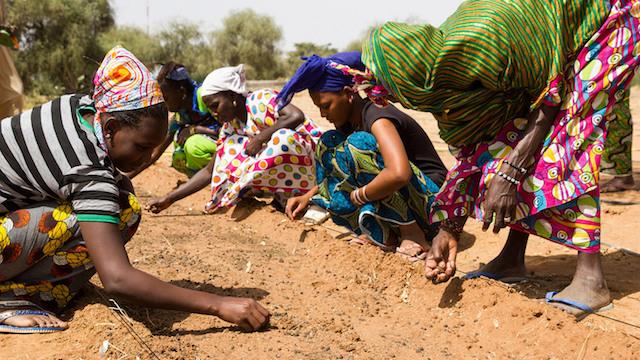
    Once completed in 2030, it could well be considered the world’s eighth wonder, albeit, a natural one. It is the African-led Great Green Wall or the largest living structure coming up on the planet – an 8,000 kilometres natural hit stretching across the entire width of the continent.

    It is a symbol of hope in the face of one of the biggest challenges of our time – desertification, the UN Convention to Combat Desertification (UNCCD) informs. And it aims at restoring Africa’s degraded landscapes and transforming millions of lives in one of the world’s poorest regions, the Sahel.

    Launched in 2007 by the African Union, the Great Green Wall Initiative is being implemented in more than 20 countries across Africa.

    The UN Convention adds that the initiative brings together African countries and international partners under the leadership of the African Union Commission and the Pan-African Agency of the Great Green Wall.

    Its implementation coincides with the UN Decade on Ecosystem Restoration 2021-2030.

    What for?

    On this, the UNCCD also reports that, by 2030, the ambition of the initiative is to restore 100 million hectares of currently degraded land; sequester 250 million tons of carbon and create 10 million green jobs.

    This will support communities living along the Wall to the following five ‘grows’:

      • Grow fertile land, one of humanity’s most precious natural assets
      • Grow economic opportunities for the world’s youngest population
      • Grow food security for the millions that go hungry every day
      • Grow climate resilience in a region where temperatures are rising faster than anywhere else on Earth
      • Grow a new world wonder spanning 8.000 km across Africa

    Another challenge facing the African nations which will benefit from the Great Green Wall is the rapid advance of desert dunes on cultivated areas and entire villages and towns, which the Wall will help reduce.

    From Senegal to Djibouti, from West to East

    The Great Green Wall snakes the Sahel region from Senegal in the West to Djibouti in the East of Africa, explains UNCCD.

    The 11 countries selected as intervention zones for the Great Green Wall are: Burkina Faso, Chad, Djibouti, Eritrea, Ethiopia, Mali, Mauritania, Niger, Nigeria, Senegal, and Sudan.

    The total area of the Great Green Wall initiative extends to 156 million hectares, with the largest intervention zones located in Niger, Mali, Ethiopia and Eritrea. Since its launch, major progress has been made in restoring the fertility of Sahelian lands.

    The big race

    The race to restore 100 million hectares of Africa’s Great Green Wall now begins, the world Convention to Combat Desertification reported, as the ministers of Environment, Finance and Planning from Africa’s Great Green Wall countries and the partners active in the initiative met by the end of last October to discuss new arrangements to help countries in the Sahel Region in this giant effort.

    Meeting for the first time since the Great Green Wall Accelerator was announced in January 2021, the partners reviewed proposals to overcome bottlenecks. Pledges have so far reached 19 billion US dollars.

    According to Ibrahim Thiaw, Executive Secretary of the UNCCD: “In a world that looks at the Sahel region and sees only despair, the Great Green Wall offers hope. In a world struggling to work out what ‘build back better’ or climate resilience or sustainable development really looks like, the Great Green Wall makes tangible and practical sense.”

    The restoration of 100 million hectares of land by 2030 in the Sahel would create an estimated 10 million jobs and lock away 250 million tonnes of Carbon dioxide from the atmosphere into the soil.

    Worth investing

    Africa’s Great Green Wall initiative to combat desertification in the Sahel region is not only crucial to the battle against climate change but also makes commercial sense for investors, a recent study led by the Food and Agriculture Organisation of the United Nations (FAO) and published in Nature Sustainability shows.

    For every US dollar put into the massive effort to halt land degradation across the African continent from Senegal in the west to Djibouti in the east, investors can expect an average return of 1.2 US dollars, with outcomes ranging between 1.1 US dollars and 4.4 US dollars, the study finds.

    “The greening and land restoration along this belt stretching 8,000 km across the continent is already underway. Communities are planting resilient and hardy tree species such as the Acacia senegal, providing gum arabic, widely used as an emulsifier in food and drinks and the Gao tree or Faidherbia albida, which helps to fertilise soil for the cultivation of such staples as millet, and for animal fodder.”

    Growing a World Wonder

    The UNCCD has launched a public awareness campaign on the Great Green Wall, called “Growing a World Wonder.”

    The campaign aims at boosting global awareness of the initiative in public spheres, policy debates, as well as media and cultural sectors with a clear view towards inspiring long-term public and private investment in the initiative.

    As importantly, the Great Green Wall places local populations and national institutions at the center, making traditional knowledge and capacities the entry points, taking a holistic approach and putting in place effective governance and accountability systems.

    History tells that in the so-called ‘Black Continent’ — home to nearly 1,4 billion people–, the region covered by the Great Green Wall was, once upon a time, a huge green valley.


    This piece has been sourced from Inter Press Service

    Image: Greatgreenwall.org

    India’s free pass on civil rights

    The attempt to censor criticism on Twitter illustrated the government’s most notable anti-democratic practice of pressuring social media companies to police criticism of the government. In domestic politics, the jury is still out on the BJP.

    By Arun R Swamy    /    University of Guam

    For India, 2021 was a year of trauma and portent. Alongside the continuing COVID-19 crisis — despite an ostensibly successful vaccination drive — the ruling Bharatiya Janata Party’s (BJP) anti-democratic tendencies intensified. A year-long protest by farmers eventually resulted in the government withdrawing a bill to liberalise agricultural trade. State elections heralded the strength of regional parties. Yet despite domestic setbacks, India raised its profile regionally and globally.

    India’s COVID-19 surge between March and June 2021 was exceptionally high and sharp. By the end of the year, the country had recorded nearly 40 million positive tests, totalling 3 per cent of the population and 500,000 deaths. Both numbers are likely gross underestimates, given the lack of reporting and testing in rural areas. By mid-year, the economy was reeling and the crisis took a toll on Prime Minister Narendra Modi’s popularity. This led the government to lash out at critics — including ordering Twitter to shut down criticism of the government’s handling of COVID-19.

    The attempt to censor criticism on Twitter illustrated the government’s most notable anti-democratic practice of pressuring social media companies to police criticism of the government. It asked Twitter to shut down hundreds of accounts critical of the government — including news organisations and supporters of the farmers’ protests — and investigated Twitter for labelling a BJP spokesman’s tweet misleading. Facebook dithered over-policing hate speech in India for fear of alienating the government and initially blocked a hashtag calling for Modi to resign, while WhatsApp took legal action to prevent the Indian government from tracing accounts.

    Plaudits abroad; muzzling freedom at home

    The attacks on social media are an extension of years of effort by the Modi government to control information on the internet, resulting in a low and declining Freedom on the Net ranking. The attempts to intimidate and muzzle journalists also produced a low rank of 142 in the World Press Freedom Index. While elections remain free and fair, the decline of civil liberties and increasingly open attacks on religious minorities are eroding India’s democracy, with watchdog group Freedom House dropping India’s democracy status to ‘partially free’ for the first time.

    These crackdowns are notable for their brazen disregard for international opinion, even at a time when India is becoming more assertive internationally. In Asia, the term Indo-Pacific is replacing the old ‘Asia Pacific’ as the Quadrilateral Security Dialogue — composed of the United States, Japan, Australia and India — more actively seeks common ground. And nothing in India’s recent democratic setbacks got in the way of Modi being given a prime speaking slot at US President Joe Biden’s Summit for Democracy.

    Globally, Modi won plaudits at the COP26 climate summit in Glasgow for committing to a distant deadline for capping greenhouse emissions. At the same time, India’s decades-old security cooperation with Russia, most notably on weapons systems, received a major boost during Russian President Vladimir Putin’s high-profile visit despite US disapproval. This partnership has resulted in the first major sale, to the Philippines, of a jointly developed Indian–Russian missile system.

    Jury still out on the BJP

    It seems that Modi, in his eighth year in office, has learned that democracy activists and editorialists count for little in the halls of diplomacy, and is making the most of India’s strategic location and flexibility.

    In domestic politics, the jury is still out on the BJP. Elections in various states in May 2021 showed it is yet to penetrate much beyond its core regions in the north and west, but also demonstrated the continued weakness of the main opposition Indian National Congress. Many BJP-ruled states are currently holding elections, including the largest state in the country, Uttar Pradesh.

    While opinion polls show the BJP ahead in Uttar Pradesh, other states show a tight contest — often between two or three opposition parties. There are also signs that the BJP’s position is eroding in Uttar Pradesh and a defeat there would provide a catalyst for opposition parties to come together for the national elections in 2024.

    Poor are suffering

    The BJP’s prospects of becoming the first party in over 50 years to win a third consecutive term will depend on the performance of the economy, which is still suffering from the effects of the pandemic. To this end, the government has undertaken a massive stimulus that has taken the fiscal deficit to 9.5 per cent of GDP but eschewed any direct relief for the poor. Various liberalisation measures should also be seen in this light, from the privatisation of Air India to the attempted agricultural liberalisation bills.

    India’s stock market boomed over the last year with tech start-ups taking off led by mobile payment apps, but US automaker Ford exited the market, India’s 5G rollout was ‘bumpy’ and agricultural reforms were withdrawn. The poor are suffering the most in the COVID-19 recession.

    Above all, 2021 was a year in which Modi and the BJP implemented their authoritarian vision of a resurgent Hindu India. Despite a setback at the hands of the farmers’ movements, domestic opposition is divided and international attention is focussed on India’s usefulness in emerging geopolitical alignments. There is little reason to think that the trajectory of Indian politics or foreign policy will change in 2022.


    Arun R Swamy is Professor of Political Science at the University of Guam.

    This piece has been sourced from the East Asia Forum of the Australian National University. This article is part of an EAF special feature series on 2021 in review and the year ahead.

    Over half of parents and pregnant women exposed to aggressive formula milk marketing: WHO, UNICEF

    A new report details exploitative practices employed by the US$55 billion formula industry, compromising child nutrition, violating international commitments.

    More than half of parents and pregnant women (51 per cent) surveyed for a new WHO/UNICEF report say they have been targeted with marketing from formula milk companies, much of which is in breach of international standards on infant feeding practices.

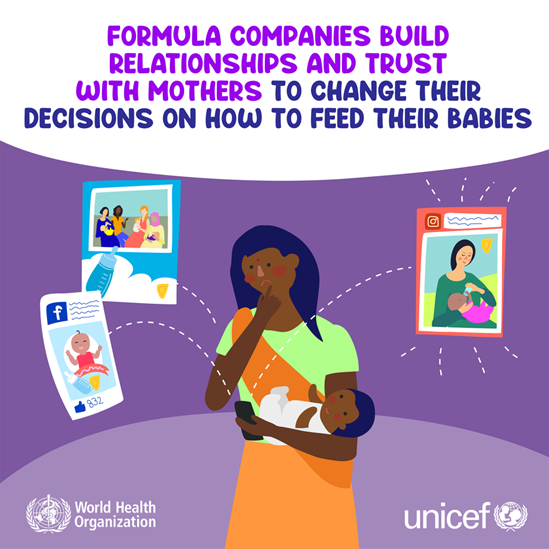
    The report, How marketing of formula milk influences our decisions on infant feeding, draws on interviews with parents, pregnant women and health workers in eight countries. It uncovers systematic and unethical marketing strategies used by the formula milk industry – now worth a staggering US$55 billion – to influence parents’ infant feeding decisions.

    The report finds that industry marketing techniques include unregulated and invasive online targeting; sponsored advice networks and helplines; promotions and free gifts; and practices to influence training and recommendations among health workers. The messages that parents and health workers receive are often misleading, scientifically unsubstantiated, and violate the international code of marketing of breast-milk substitutes – a landmark public health agreement passed by the world health assembly in 1981 to protect mothers from aggressive marketing practices by the baby food industry.

    “This report shows very clearly that formula milk marketing remains unacceptably pervasive, misleading and aggressive,” said Dr. Tedros Adhanom Ghebreyesus, WHO Director-General. “Regulations on exploitative marketing must be urgently adopted and enforced to protect children’s health.”

    The report surveyed 8,500 parents and pregnant women, and 300 health workers in cities across Bangladesh, China, Mexico, Morocco, Nigeria, South Africa, the United Kingdom and Viet Nam. According to it, exposure to formula milk marketing reaches 84 per cent of all women surveyed in the United Kingdom; 92 per cent of women surveyed in Viet Nam and 97 per cent of women surveyed in China, increasing their likelihood of choosing formula feeding.

    Misleading marketing messages

    “False and misleading messages about formula feeding are a substantial barrier to breastfeeding, which we know is best for babies and mothers,” said UNICEF Executive Director Catherine Russell. “We need robust policies, legislation and investments in breastfeeding to ensure that women are protected from unethical marketing practices — and have access to the information and support they need to raise their families.”

    Across all countries included in the survey, women expressed a strong desire to breastfeed exclusively, ranging from 49 per cent of women in Morocco to 98 per cent in Bangladesh. Yet the report details how a sustained flow of misleading marketing messages is reinforcing myths about breastfeeding and breast-milk, and undermining women’s confidence in their ability to breastfeed successfully. These myths include the necessity of formula in the first days after birth, the inadequacy of breast-milk for infant nutrition, that specific infant formula ingredients are proven to improve child development or immunity, the perception that formula keeps infants fuller for longer, and that the quality of breast-milk declines with time.

    Breastfeeding within the first hour of birth, followed by exclusive breastfeeding for six months and continued breastfeeding for up to two years or beyond, offers a powerful line of defense against all forms of child malnutrition, including wasting and obesity. Breastfeeding also acts as babies’ first vaccine, protecting them against many common childhood illnesses. It also reduces women’s future risk of diabetes, obesity and some forms of cancer. Yet globally, only 44 per cent of babies less than 6 months old are exclusively breastfed. Global breastfeeding rates have increased very little in the past two decades, while sales of formula milk have more than doubled in roughly the same time.

    Pass, monitor and enforce laws

    Alarmingly, the report notes that large numbers of health workers in all countries had been approached by the baby feeding industry to influence their recommendations to new mothers through promotional gifts, free samples, funding for research, paid meetings, events and conferences, and even commissions from sales, directly impacting parents’ feeding choices. More than one third of women surveyed said a health worker had recommended a specific brand of formula to them.

    To address these challenges, WHO, UNICEF and partners are calling on governments, health workers, and the baby food industry to end exploitative formula milk marketing and fully implement and abide by the requirements of the international code of marketing of breast-milk substitutes.

    This includes passing, monitoring and enforcing laws to prevent the promotion of formula milk, in line with the international code, including prohibiting nutrition and health claims made by the formula milk industry.

    WHO also has called on stakeholders to invest in policies and programmes to support breastfeeding, including adequate paid parental leave in line with international standards, and ensuring high quality breastfeeding support.

    It has simultaneously requested industry to publicly commit to full compliance with the international code of marketing of breast-milk substitutes and other world health assembly resolutions while also banning health workers from accepting sponsorship from companies that market foods for infants and young children for scholarships, awards, grants, meetings, or events.

    The humble hijab courts an unnecessary controversy

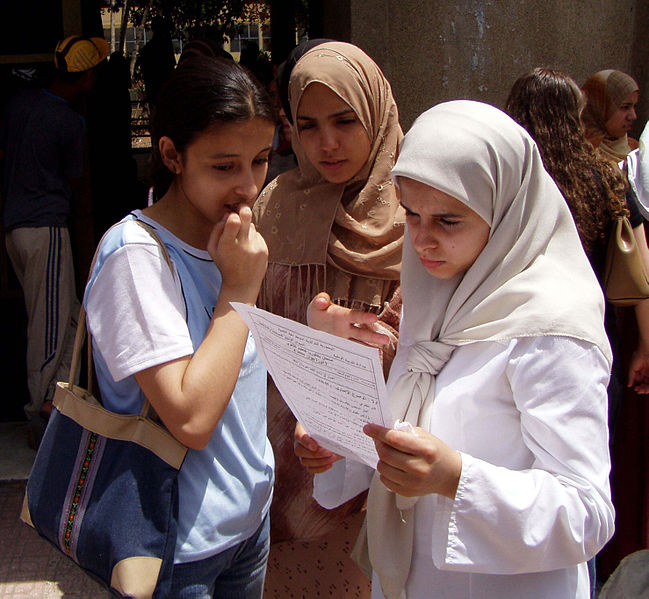
    Many Muslim girls chose to wear hijabs. That choice cannot be denied unless they are violating any law or accepted norms of decency in the country. That, the hijab or burqa or naqab certainly do not.

    The hijab controversy is an example of some particular sections of our society being targeted by others. This is particularly evident in the manner in which this has unfolded.

    First, it is not as if girls have only now started wearing hijabs to college. They have been doing so for long. The question to be asked then is why the people on the premises of the Karnataka college started objecting to it now, almost as if the hijab penetrated their consciousness overnight.

    Elections are going on in several states with a lot at stake for all contestants in some of these places. The history of our country, including the elections held recently, has shown that religion is a greater mobilizing force for people. One can thus surmise, however tenuous the link may be, that this unseemly row was created to polarize support for a particular party.

    Second, what one person wears cannot affect another. Thus, there should be no ground for anyone to even comment on it. Eminent politician Shashi Tharoor has rightly asked how a girl wearing a hijab, or a person sporting a turban, a crucifix or a saffron shawl affects others. If it does not, why is anyone protesting about it or even talking about it, he asked. These are pertinent questions. Those who want to don a saffron shawl, please do so. However, do not say that you are doing it because someone is wearing a hijab. That does not hold water. No one seems to protest about religious identity in educational institutions when people attend classes with foreheads smeared after morning prayers or with tilak.

    One reason for objecting to a particular attire worn by someone in college or a public place can be on the ground that it violates that accepted norms of decency in the country. That the hijab or burqa or naqab certainly do not. To the contrary, they are at the opposite side of the spectrum. Another reason can be if there is a uniform to be worn. However, in the institution where this controversy flared up, no uniform was mandated.

    Some media channels are, instead of airing news or the opinions of experts, themselves taking a stand against the wearing of the hijab. Several of these panels do not have any person who will take a stand for the wearing of the hijab but had more than one person arguing against the hijab. This goes against the ethics of journalism. One moderator of a panel even said that the girls wearing a hijab to college are “using the Constitution to do something unconstitutional”. To say that this is ridiculous is an understatement. Wearing a hijab to a college cannot be termed unconstitutional or even wrong unless a particular uniform is meant to be worn.

    Many Muslim girls wear hijabs out of choice. That choice is something that they cannot be denied unless they are violating any law.

    The wearing of a hijab has also contributed to the greater enrolment of Muslim girls in educational institutions. Many Muslim girls, especially those from families that are not very well to do, attend college in hijab to ensure that their cultural identity is not compromised. It would be a tragedy if the enrolment of Muslim girls in higher educational institutions takes a hit because they are forced out of state-run institutions for wearing a hijab.

    This also brings to the fore the question of secularism, which governments can practice in two ways. One, members of the government can ensure that they stay well away from religion in public life. Two, they can involve themselves in religious activities in public life while trying to give equal importance to all religions. In our country, the latter approach is ostensibly taken. However, the problem with this is that there are so many religions that it becomes extremely difficult to cater to all of them in this respect. Besides, the people in governance do not even make a pretence of giving equal importance to all religions. Rather, they cater unabashedly to the majority religion. This makes the others feel like second-class citizens, who are wooed only during election time.

    The thing to do would be to rein in the unruly elements who gather in hordes to intimidate young girls wearing hijabs. If this is not done, the situation will surely get out of hand.


    The author is a senior journalist who has chosen to write under the pen name Gypsy Scholar.

    Image: Wikimedia commons – Algerian baccalaureate students cram before an examination; By Magharebia

    Accelerating melt rate makes Greenland ice sheet world’s largest ‘dam’

    Researchers estimate the power produced by the falling water during peak melt periods was comparable to the power produced by the Three Gorges Dam in China, the world’s largest hydroelectric power station.

    By Sarah Collins /  University of Cambridge

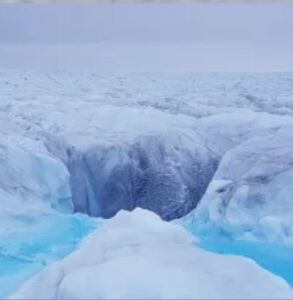
    Researchers say they have observed extremely high rates of melting at the bottom of the Greenland ice sheet, caused by huge quantities of meltwater falling from the surface to the base. As the meltwater falls, energy is converted into heat in a process like the hydroelectric power generated by large dams.

    An international team of scientists, led by the University of Cambridge, found that the effect of meltwater descending from the surface of the ice sheet to the bed—a kilometre or more below—is by far the largest heat source beneath the world’s second-largest ice sheet, leading to phenomenally high rates of melting at its base.

    The lubricating effect of meltwater has a strong effect on the movement of glaciers and the quantity of ice discharged into the ocean, but directly measuring conditions beneath a kilometre of ice is a challenge, especially in Greenland where glaciers are among the world’s fastest moving.

    Climate change Greenland meltwater glacial lakes arctic ice polar melting

    This lack of direct measurements makes it difficult to understand the dynamic behaviour of the Greenland ice sheet and predict future changes. With ice losses tied to both melting and discharge, the Greenland Ice Sheet is now the largest single contributor to global sea level rise.

    Now, in a study published in the Proceedings of the National Academy of Sciences, the Cambridge-led team has found that the gravitational energy of meltwater forming at the surface is converted to heat when it is transferred to the base through large cracks in the ice.


    Lakes drain fast

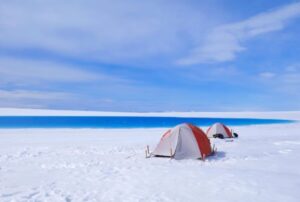
    Each summer, thousands of meltwater lakes and streams form on the surface of the Greenland ice sheet as temperatures rise and daily sunlight increases. Many of these lakes quickly drain to the bottom of the ice sheet, falling through cracks and large fractures which form in the ice. With a continued supply of water from streams and rivers, connections between surface and bed often remain open.

    As part of the EU-funded RESPONDER project, Professor Poul Christoffersen from Cambridge’s Scott Polar Research Institute has been studying these meltwater lakes. Together with his team, he is trying to understand how and why these lakes drain so quickly, and the effect that they have on the overall behaviour of the ice sheet as global temperatures continue to rise.

    The current work, which includes researchers from Aberystwyth University, is the culmination of a seven-year study focused on Store Glacier, one of the largest outlets from the Greenland ice sheet.

    Climate change science Greenland meltwater glacial lakes arctic ice polar melting Cambridge University

    “When studying basal melting of ice sheets and glaciers, we look at sources of heat like friction, geothermal energy, latent heat released where water freezes and heat losses into the ice above,” said Christoffersen. “But what we hadn’t really looked at was the heat generated by the draining meltwater itself. There’s a lot of gravitational energy stored in the water that forms on the surface and when it falls, the energy has to go somewhere.”

    To measure basal melt rates, the researchers used phase-sensitive radio-echo sounding, a technique developed at the British Antarctic Survey and used previously on floating ice sheets in Antarctica.

    Million square kilometres

    “We weren’t sure that the technique would also work on a fast-flowing glacier in Greenland,” said first author Dr. Tun Jan Young, who installed the radar system on Store Glacier as part of his Ph.D. at Cambridge. “Compared to Antarctica, the ice deforms really fast and there is a lot of meltwater in summer, which complicates the work.”

    The basal melt rates observed with radar were often as high as the melt rates measured on the surface with a weather station: however, the surface receives energy from the sun while the base does not. To explain the results, the Cambridge researchers teamed up with scientists at the University of California Santa Cruz and the Geological Survey of Denmark and Greenland.

    The researchers calculated that as much as 82 million cubic meters of meltwater was transferred to the bed of Store Glacier every day during the summer of 2014. They estimate the power produced by the falling water during peak melt periods was comparable to the power produced by the Three Gorges Dam in China, the world’s largest hydroelectric power station. With a melt area that expands to nearly a million square kilometres at the height of summer, the Greenland ice sheet produces more hydropower than the world’s ten largest hydroelectric power stations combined.

    “Given what we are witnessing at the high latitudes in terms of climate change, this form of hydropower could easily double or triple, and we’re still not even including these numbers when we estimate the ice sheet’s contribution to sea level rise,” said Christoffersen.

    Climate change science Greenland meltwater glacial lakes arctic ice polar melting Cambridge university Cambridge University

    Concrete evidence

    To verify the high basal melt rates recorded by the radar system, the team integrated independent temperature measurements from sensors installed in a nearby borehole. At the base, they found the temperature of water to be as high as +0.88 degrees Celsius, which is unexpectedly warm for an ice sheet base with a melting point of -0.40 degrees.

    “The borehole observations confirmed that the meltwater heats up when it hits the bed,” said Christoffersen. “The reason is that the basal drainage system is a lot less efficient than the fractures and conduits that bring the water through the ice. The reduced drainage efficiency causes frictional heating within the water itself. When we took this heat source out of our calculations, the theoretical melt rate estimates were a full two orders of magnitude out. The heat generated by the falling water is melting the ice from the bottom up, and the melt rate we are reporting is completely unprecedented.”

    The study presents the first concrete evidence of an ice-sheet mass-loss mechanism, which is not yet included in projections of global sea level rise. While the high melt rates are specific to heat produced in subglacial drainage paths carrying surface water, the volume of surface water produced in Greenland is huge and growing, and nearly all of it drains to the bed.

    Will Pakistan’s blasphemy laws ever be amended?

    Pakistan’s human rights activists have renewed calls to revisit the country’s blasphemy laws following the latest instance of mob lynching. They want to government to summon political will to curb the blasphemy laws.

    Javed Mazher

    Pakistan’s latest victim lynch mob victim Muhammad Mushtaq had been diagnosed with chronic schizophrenia years ago, was unstable and unpredictable and had abandoned his family. His siblings sold their farmland in the Khanewal district of Punjab Province to afford his treatment, without success.

    Nobody in the village, save his family, liked Mushstaq.

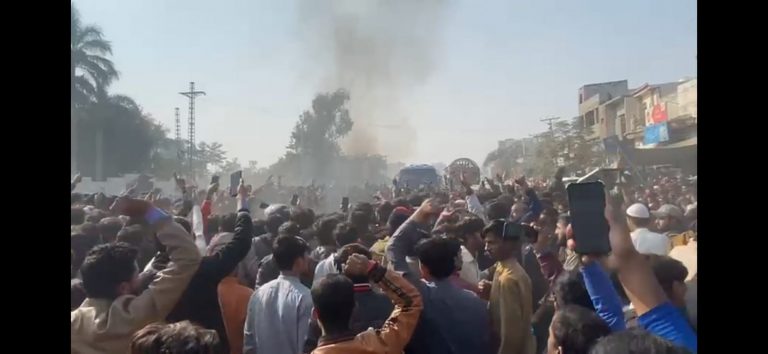
    On 12 Februry, a mob tied him to a tree and then stoned him to death after the son of a local prayer leader incited villagers, telling them that Mushtaq had burnt the Koran kept in the mosque.

    Desecrating the Koran, the most-oft cited instance of blasphemy is an explosive issue in the Muslim-majority country, capable of stirring instantaneous violence. A local police team explained their helplessness as they were outnumbered by the mob of several hundreds.

    Two months earlier, on 3 December, an angry mob in the district of Sialkot, also in Punjab, lynched to death Priyantha Kumara Diyawadanage, a Sri Lankan Christian who worked in the district as a factory manager. His lifeless body was then set on fire. The allegations? Ordering removal of posters of a far-right Islamist party in the premises of the factory. This, the mob chanted, was blasphemous.

    Indeed, Punjab province governor, Salam Taseer, was assassinated by his police guard in 2011 for criticising the blasphemy laws.

    Law much abused

    Not all cases of blasphemy were settled by murders. Most of the accused went through prolonged trials.

    According to the Islamabad-based think tank, Centre for Research and Security Studies, Pakistan has witnessed 90 civilian deaths since it became a homeland for SouthAsia’s Muslims in 1947.

    A report issued last month by the organization says that over 1,200 of the 1,400-plus cases of blasphemy happened during the past decade alone, marking a notable increase.

    The old laws written by the British colonial rulers had outlined punishments for offenses related to religion. But the “Islamization” drive during the reign of military ruler Muhammad Zia-ul-Haq in the 1980s added to the pain. Newly added clauses imposed severe penalties and even a death sentence for insulting Islam.

    The floodgates opened thereafter, with the law being used to settle scores by anyone in power in Pakistan’s poor, dusty countrysides. Notably, the law has been the first option to harass the country’s religious minorities.

    Prime minister Imran Khan had, in the wake of the killing of the Sri Lankan factory manager, tweeted his dismay.

    He did the same after Mushtaq was murdered last week. His tweet read: “We have zero tolerance for anyone taking the law into their own hands,” Prime Minister Imran Khan tweeted on February 13. “Mob lynching will be dealt with full severity of the law,” the tween read further.

    Religious Radicalism

    Islamic cleric and the prime minister’s adviser, Tahir Ashrafi has said that Pakistanis are united against mob lynching.

    “What they did has brought notoriety to Islam and Pakistan,” Radio Mashaal quoted Ashrafi as saying.

    But many activists aren’t impressed. They say that the prime minister would do well to walk the talk and repeal the laws and also ensure that these aren’t abused.

    Indeed, activists ask why Ashrafi, the prime minister’s advisor had to say that the law, in its current form, has provisions of the blasphemy laws that include punishment by death. This, they say, points to the lack of willingness on the part of the government to seize the bull by the horn.

    Instead, Ashrafi spoke about a code of conduct adopted by various Islamist political parties and sects in 2018.

    Human rights campaigners and activists point to Pakistan’s failure to rein in hard-line Islamist factions and repeal or reform the blasphemy laws enacted in the 1980s.

    Journalist Sabookh Syed who reports on religious affairs in Pakistan was quoted by Radio Mashaal as saying, “The Islamic clergy have formed a narrative that justifies compulsory punishment for blasphemy accusations.”

    “In their view, an accused hanged by a court or killed by a mob are the same,” he added. “They preach this view from the mosque’s pulpit and in religious gatherings, which encourages people to participate in such acts.”

    “Everyone knows that blasphemy laws are abused to settle scores and this is also what happened with the Sri Lankan manager,” Zohra Yousuf, former head of the Human Rights Commission of Pakistan told Radio Mashaal. “If we must have such laws, they should be reformed in ways that are not abused.”