More

    Global trade likely to be subdued in 2022, after record $28.5 trillion in 2021

    Global trade reached a record high in 2021, but it is expected to slow this year for many reasons including continuing delays in global supply chains, UN economists said on Thursday. Trade can significantly reduce poverty.

    First, the good news. Worldwide commerce amounted to around $28.5 trillion in the year gone past. According to the UN Conference on Trade and Development (UNCTAD), this represents an increase of almost 13 per cent compared to the pre-pandemic level of 2019.

    “Global trade growth remained strong during 2021, as its value continued to increase through each quarter of 2021, UNCTAD said, in its Global Trade Update 2022. “Trade growth was not only limited to goods. Trade in services also grew substantially through 2021, to finally reach pre-pandemic levels during Q4 2021.”

    The fourth quarter of 2021 saw trade in goods and services finally returning to pre-pandemic levels

    Now the sad part: The growth in global trade in 2022 will be lower than it was last year.

    Earlier, the International Monetary Fund too had cut its world economic growth forecast for 2022 by 0.5 points (from 4.9 to 4.4.) due to inflation in the US and concerns related to China’s real estate sector.

    Trade has been integral to economic development for centuries as it can significantly reduce poverty by spurring economic growth, creating more remunerative jobs, broadening choices for consumption and enabling innovations and acquisition of technologies. This is why UNCTAD’s report is important.

    Quarter measures

    The UN body pointed to data showing that trade in services finally returned to its pre-pandemic levels in the fourth quarter (Q4) of 2021, while trade in goods remained strong, increasing by almost $200 billion, to about $5.8 trillion, a new record.

    A growth in services is what emerging economies like India are banking on, especially because the service sector took a knock in the wake of the lockdowns following COVID-19 and many were rendered without a job.

    UNCTAD also noted that poorer nations’ exports outpaced their richer counterparts in the last quarter of 2021, compared with Q4 2020 (by 30 per cent versus 15 per cent).

    Yearly outlook

    But last year’s economic drivers are likely to “abate”, the UN body, which offers technical advice to developing countries to access the globalized economy, said. This is the reason why it feels that 2022 is set to see less growth than what was seen in 2021.

    This means that “trade growth will continue to slow during Q1 2022” and then “normalize during 2022”, UNCTAD said, before pointing to “persistent inflation” in the US and “concerns” over China’s real estate sector.

    Global supply chains – one of the key elements of the worldwide trade puzzle – will also continue to face negative pressures created by the COVID-19 pandemic, according to UNCTAD.


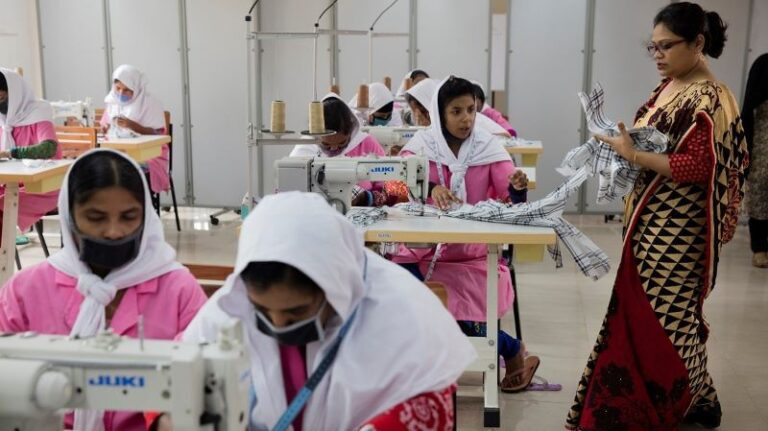
    Image:  World Bank / Dominic Chavez


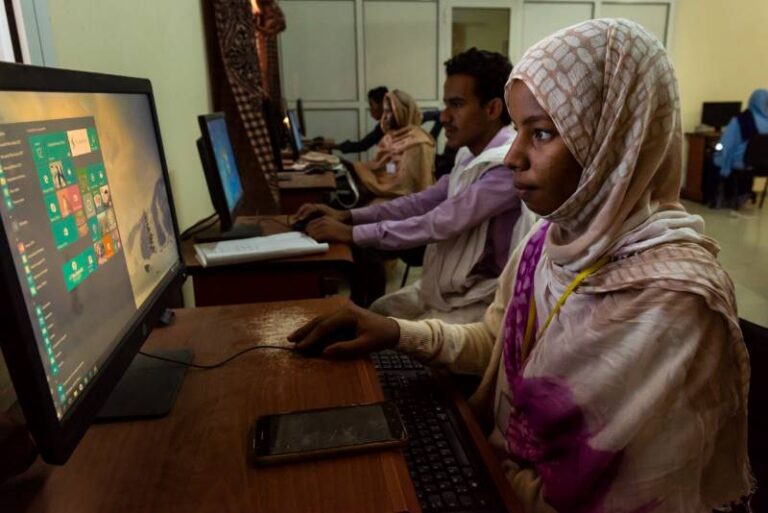
    Digital education push welcome, but not at the cost of institutions

    There is no denying that digital education is the need of the hour. But it should supplement the existing system, not substitute it.

    By Krishnakumar S

    The various lockdown measures announced after the COVID-19 outbreak resulted in an increase in learning deficits across the world. Research by Azim Premji University, survey of Annual State of Education Report, as well as the field observations in the Oxfam report provide empirical evidence which testify this. The asymmetry in access to digital gadgets has resulted in serious learning deficits in different parts of the developing world including India. It needs immediate correction, lest it would lead to a big reversal of some of the milestones that have been achieved towards the Sustainable Development Goals over the years.

    The online learning process has emerged as a short-term solution during the pandemic. This was pushed through as a panacea for all the ills in the field of education. The big digital push announced in the Union Budget 2022 towards addressing the problems in the sector gives the impression that the policymakers are totally unaware of the realities on the ground.

    The announcements included a proposal to set up a national digital university with an outlay of Rs 460 crore and the setting up of a number of education channels. Will the technology fixes work? Shouldn’t they take into confidence the students and teachers who have been experiencing the digital mode in the last two years to understand the associated problems before making such big plans?

    Digital education, a supplement or substitute

    It would be foolish to deny the need for the digital focus. However, people who have experienced digital education during the pandemic will vouch that it should be supplementary, rather than a substitute. To begin with, should there be a national digital university? The Rs 460 crore could have been spent across institutions to create proper digital laboratories that could supplement the mainstream learning environment. The model of OpenCourseWare from MIT is a good example to emulate. Quality assessment of digital resources produced by organisations like NPTEL and upscaling it through soliciting content from scholars could be a useful exercise.

    Such exercises alone would be able to serve as a countervailing power to the EdTech players. It would be in the best interest of the country to take a leaf out of the Chinese policies regulating EdTech players, lest the whole sector would be full of start-ups guided least by the larger social interest.

    Setting up libraries of digital gadgets that students could borrow and creation of information kiosks would be good initiatives towards last mile connectivity. It is also important to mobilise resources towards setting up National Mathematics Mission, National Storytelling and Reading Missions and National Literary Missions that would harness youth power and address the learning deficits. All this could work under NCERT for which Budget 2022 did not allocate any additional fund on the capital expenditure front.

    There is no dearth of talent in the country. There are people who have worked in literacy missions in the past. Rectification of learning deficit in primary, secondary and college levels should be treated as a national priority.

    The current preoccupation to create new institutions when institutions with due mandate are ignored is not desirable. For instance, when all this digital upscaling is being planned, the national resource centre for school education, NCERT, is largely neglected. Other than an increase of the establishment expenses on the investment grant front, there is no extra amount allocated. The preoccupation with new institutions would serve no purpose in the long run. The government should reassure and restore confidence in its own institutions. Institutions like NCERT should be scaled up in such a manner that they could act as countervailing power to private players and EdTechs.

    Another example worth emulating is Hillary Clinton’s initiatives to upscaling science and math education in rural Arkansas through the Arkansas School of Mathematics and Sciences with public boarding school facilities. Could India think in terms of giving a new direction to the Navodaya schools started in mid-1980s? Through infusion of funds, the schools should have monthly camps which cater to aspiring rural school and college learners. Enhancing refresher courses for teachers in this dynamically evolving world should be given priority.

    The country needs to create effective digital resources, but not by demeaning the roles of school. There is no substitute to the ecosystem of support provided by these institutions and their role in nurturing a conscientious generation that dares to think, experiment, disagree and question. And that’s what education is all about.


    Krishnakumar S is a New Delhi-based economist. He teaches economics at Sri Venkateswara College, University of Delhi.

    This piece has been sourced from Policy Circle — policycircle.org


    Image: IBEF

    Noise pollution, wildfires and disruptive timing of life cycles looming environmental threats: UN report

    The Frontiers Report speaks of a ‘triple planetary crisis’ comprising of urban noise, wildfires and disturbed biological life cycle timings among other looming environmental threats capable of causing widespread ecological damage.

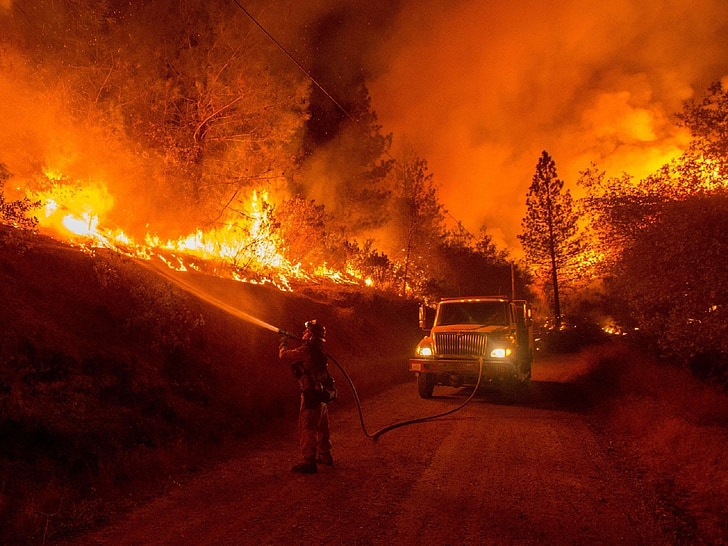
    Wildfires are burning more severely and more often, urban noise pollution is growing into a global public health menace, and phenological mismatches – disruptions in the timing of life-cycle stages in natural systems – are causing ecological consequences.

    These critical environmental issues, requiring greater attention, are highlighted in the fourth edition of the Frontiers Report  Noise, Blazes and Mismatches: Emerging Issues of Environmental Concern, released by the UN Environment Programme (UNEP) on Thursday in the run-up to resuming the fifth session of the UN Environment Assembly on 28 February.

    Noise pollution a growing public health hazard

    Unwanted, prolonged and high-level sounds from road traffic, railways, or leisure activities impair human health and well-being. This includes chronic annoyance and sleep disturbance, resulting in severe heart diseases and metabolic disorders such as diabetes, hearing impairment, and poorer mental health, the report says.

    Noise pollution already leads to 12,000 premature deaths each year in the EU. Acceptable noise levels are surpassed in many cities worldwide, including Algiers, Bangkok, Damascus, Dhaka, Ho Chi Minh City Ibadan, Islamabad and New York.

    According to the report, the very young, the elderly and marginalized communities near high traffic roads, and industrial areas and far from green spaces are particularly affected. It calls on urban planners to prioritize the reduction of noise at the source.

    At the same time, the report conveys, natural sounds can offer diverse health benefits.

    The report points out that the lockdowns in the wake of COVID-19 brought a new appreciation for green spaces and the reduction of urban traffic noise. Programmes meant to ‘build back better’ represent an under-utilized opportunity for policymakers, urban planners and communities to create additional green spaces for all.

    Wildfires might get worse

    Each year, between 2002 and 2016, an average of about 423 million hectares or 4.23 million square km of the Earth’s land surface burned, becoming more common in mixed forest and savannah ecosystems. To put it in context, this India’s area measures 3.287 million square km.

    Dangerous wildfire weather conditions are projected to become more frequent and intense and to last longer, including in areas previously unaffected by fires. Extremely intense wildfires can trigger thunderstorms in smoke flumes that aggravate fires through erratic wind speeds and generate lightning that ignites other fires far beyond the fire front, a hazardous feedback loop.

    This is due to climate change, including hotter temperatures and drier conditions with more frequent droughts. Land-use change is another risk factor, including commercial logging and deforestation for farms, grazing land, and expanding cities. A further cause for the proliferation of wildfires is the aggressive suppression of natural fire, which is essential in some natural systems to limit the amounts of combustible material, and inappropriate fire management policies that exclude traditional fire management practices and indigenous knowledge.

    Besides long-term effects on human health, changes in fire regimes are also expected to lead to massive biodiversity loss, endangering over 4,400 terrestrial and freshwater species.

    Wildfires generate black carbon and other pollutants that can pollute water sources, enhance the melting of glaciers, cause landslides and large-scale algal blooms in oceans, and turn carbon sinks such as rainforests into carbon sources.

    Climate change disrupts natural rhythms in plants and animals

    Phenology is the timing of recurring life cycle stages, driven by environmental forces, and how, within an ecosystem, interacting species respond to the changing conditions. Plants and animals in terrestrial, aquatic and marine ecosystems use temperature, day-length or rainfall as cues for when to unfold leaf, flower, bear fruit, breed, nestle, pollinate, migrate or transform in other ways.

    Phenological shifts occur when species shift the timing of life cycle stages in response to changing environmental conditions altered by climate change. The concern is that interacting species in an ecosystem do not always shift the timing in the same direction or at the same rate.

    These phenological shifts are increasingly disturbed by climate change, pushing plants and animals out of sync with their natural rhythms and leading to mismatches, such as when plants shift life cycle stages faster than herbivores.

    Long-distance migrants are particularly vulnerable to phenological change. Local climatic cues that normally trigger migration may no longer accurately predict conditions at their destination and resting sites along the route.

    Phenological shifts in crops in response to seasonal variations will be challenging for food production in the face of climate change.  Similarly, shifts in the phenology of commercially important marine species and their prey have significant consequences for stock and fisheries productivity.

    “The Frontiers Report identifies and offers solutions to three environmental issues that merit attention and action from governments and the public at large,” said Inger Andersen, Executive Director of UNEP. “Urban noise pollution, wildfires and phenological shifts – the three topics of this Frontiers Report – are issues that highlight the urgent need to address the triple planetary crisis of climate change, pollution and biodiversity loss.”


    Image: Hippopx / Licensed to use under Creative Commons Zero – CC0

    Health ministry dismisses research reports of undercounting COVID-19 deaths

    The health ministry has refuted media reports claiming that India’s COVID-19 mortality is higher than official counts. It called the reports ill-informed and speculative and said that India has a transparent and robust system of recording COVID-19 deaths.

    The union health ministry today refuted reports about India’s COVID-19 mortality count being much higher than the official figures given out by the government.

    The report cites a research paper according to which actual numbers have been under-counted. The study estimates that people between 3.2 million to 3.7 million have died from COVID19 by early Nov 2021 in the country, as compared to official figures of November 2021 of 0.46 million.

    “India has a robust system of reporting deaths including COVID-19 deaths that is compiled regularly at different levels of governance starting from the level of the village local government to the district-level and state level,” the health ministry said, adding that the reporting of deaths is regularly done in a transparent manner.

    In its statement released today, the ministry said that all deaths are compiled by the centre after being independently reported by the state governments. It says that the government has a comprehensive definition to classify COVID-19 deaths based on globally acceptable categorization.

    Saying that projecting COVID-19 deaths have been under-reported is without basis and devoid of justification, the health ministry says.

    The study quoted in the media reports has taken four distinct sub-populations — the population of Kerala, Indian Railways employees, legislators, parliamentarians and school teachers in Karnataka. It uses a triangulation process to estimate nationwide deaths.

    “Any such projections based on limited data sets and certain specific assumptions must be treated with extreme care before extrapolating the numbers by putting all states and country of the size of India in a single envelope,” the health ministry said.

    Robust system

    In its statement, the health ministry has argued, “This exercise runs the risk of mapping skewed data of outliers together and is bound to give wrong estimations thereby leading to fallacious conclusions.” It says that the justification that the study has credence since its findings/estimates are in convergence with another study defies logic and highlights bias on the part of the study’s authors.

    The health ministry says that the whole process is being continuously monitored by the country’s supreme court and, so, the “likelihood of under-reporting of COVID-19 deaths in the country is significantly less.”

    The ministry has dismissed the conclusion of the research authors that the “undercount” is due to reluctance or inability of families and local authorities. It says that this is “fallacious and far from the truth.”

    To the media reports claiming that “experts believe India’s civil registration system is vulnerable to gaps. The current civil registration system has little interoperability with health information systems, there is potential for gaps in recording of deaths,” the ministry claims that the government has followed a transparent approach regarding COVID-19 data management that is based on a robust system of recording all COVID-19 related deaths.

    The government iterated that the date of cases and deaths due to COVID-19 are being put in public domain on a daily basis since start of the pandemic, and similarly all states, including districts, are releasing regular bulletins with all details on a daily basis which is also in public domain.

    Further, it says that there is added push in India to capture and report all COVID-19 deaths due to the entitlement to monetary compensation to the next of kin of each and every person dying of COVID-19.

    Crime in Islamabad blamed on its weakest residents

    The police’s statement on zero robberies in Islamabad must be taken with a pinch of salt. After all, even a lawmaker’s home robbed at gunpoint in November 2021.

    Is Islamabad SouthAsia’s safest capital city?

    Islamabad’s inspector general of police, Muhammad Ahsan Younas, mentioned to a national assembly standing committee of interior affairs on Wednesday that “not a single house robbery case has been reported since December 18, 2021 in the capital.”

    Briefing the committee about the law and order situation in the Pakistani capital city, Younas said that the city had witnessed a drop of 70 per cent in street crimes and car lifting incidents.

    The senators were enquiring about the status of security since November 2021 when a senator’s home was robbed. Newspapers had reported how a gang of robbers conducted a daring robbery in broad daylight at the house of a senator in a well-appointed Islamabad locality. The armed robbers tied up the senator’s spouse and guards and looted cash and jewellery.

    The incident left the small city with a yet smaller and highly secured population shocked.

    Islamabad is home to about 1,164,000 people – less than a twenty-seventh of Delhi’s or an eighteenth of Dhaka’s population.

    And, while the capital city of Maldives, Male, has about a tenth of Islamabad’s population, it would be a folly to forget that it is the world’s most densely populated capital city. By contrast, Islamabad has been more silent than New York’s graveyard.

    According to the police, Islamabad has witnessed an upward crime trend over three years until 2020. A total of 9,465 cases had been registered in 2018, another 9,748 cases were registered in 2019 and the numbers jumped to 10,539 in 2020.

    In 2021, the capital city’s police told a separate legislative committee that the city witnessed 130 murders, 585 thefts, 954 robberies and 47 cases of rape.

    All hunky-dory?

    But the November 2021 incident seems to have faded into the recess of memory of the city’s residents.

    In a conversation with OWSA, a resident of the city seemed to concur with the top cop’s claim of zero robbery cases for two months now. “It is nothing to be surprised about,” she said. “Islamabad is Pakistan’s capital city and has lot of security.”

    The Islamabad resident who wished not to be named said that she had not heard of instances of robbery in the recent past. “It is very safe, small city,” she said. “I cannot recall when I last heard of an instance of robbery.”

    There are, however, some issues about security in the city of Pakistan’s elites. According to the police boss, two police officials were killed and 11 sustained injuries in incidents (described as “terrorist incidents”) over the past two months.

    The weakest take the blame

    The police blame residents of the katchi abadi for crime. Islamabad’s 52 katch abadis, or informal, unregulated settlements, are home to over 100,000 people, mainly Punjabi Christians who comprise roughly 35 per cent of the population, besides Pakhtuns and Afghan Hazaras.

    The vast majority of katchi abadi residents are work-hands, sanitary workers and domestic workers who serve the labour needs of the city.

    For policemen across the world, refugees become easy fall guys. This is also the case with the Afghan refugees in the city and the Islamabad police that has undertaken a drive to register Afghans in the city. So far the police have registered over 4,000 Afghans.

    But the Islamabad resident OWSA spoke to didn’t feel that Afghans were a problem. “There a lots of Afghans in Islamabad,” she said. “They are very hard working people. They run restaurants here.”

    Like anywhere else, Islamabad’s police too has its black sheep and abuse of power is not unknown. The senior police official said that an “FIR has already been registered against four officials of Islamabad police who opened fire at three students.” The accused men are in the police’s custody and are also facing a departmental inquiry.


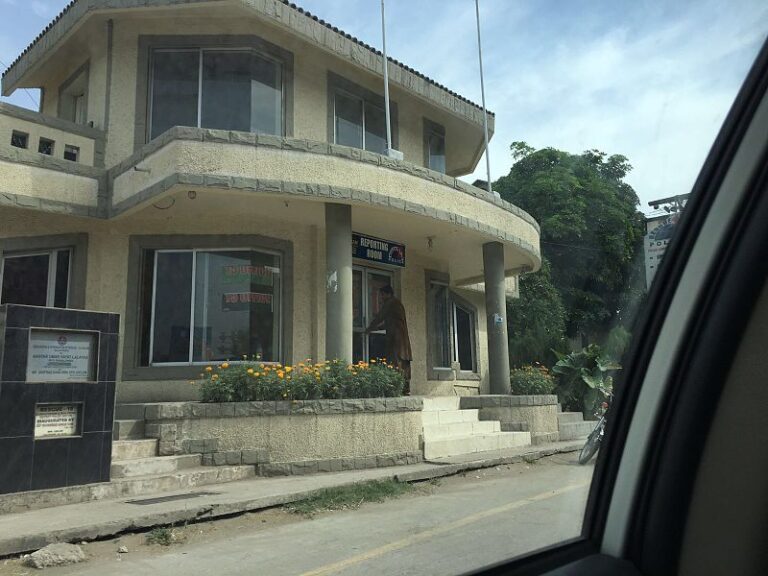
    Image: Wikimedia – A police station in Islamabad

    What will a UNDP digital strategy to achieve the SDGs look like?

    Aimed at ensuring an equitable digital future and with the experience of managing a range of development solutions from communities of practice, UNDP announced the launch of an ambitious digital strategy.

    UNDP launched on Tuesday, its new  digital strategy 2022-2025 to support countries and communities in their use of digital technologies as a lever to help drive down inequality, support inclusivity, tackle climate change, and open-up economic opportunities. The strategy is being undertaken “to get ahead of the ever-evolving digital reality to accelerate work towards achieving the sustainable development goals (SDGs).

    The digital strategy is one of the three enablers of UNDP’s strategic plan. It rests on the belief that digitalization will help UNDP meet its ambitious goals, primarily, supporting 100 million people to escape poverty and assisting 500 million people to gain access to clean energy.

    “Digital technology can advance democracy and human rights by boosting civic engagement and political participation, for instance,” UNDP says. For instance, the UN organisation says, artificial intelligence and digital technology could bring a 10-20 per cent reduction in global carbon dioxide emissions by 2030.

    UNDP says that it is already supporting communities to develop and use digital technology to surface a wide range of much-needed development solutions. For example, UNDP assisted 82 countries to adopt over 580 digital solutions in response to the COVID-19 pandemic.

    “Over the past year, demand has grown among our partners to provide strategic support on national-level digital transformation,” says Robert Opp, UNDP’s Chief Digital Officer. “At present, UNDP is supporting 35 countries on their digital transformation journey – a strong signal in the trust and confidence placed in our organization to provide the cutting-edge support needed.”

    Digital equity

    The strategy will also help guide the organization in its efforts to tackle the emerging challenges associated with our new digital world. If left unchecked, digital technology can exacerbate existing inequalities and reinforce biases.

    While some progress has been made in closing the digital divide, UNDP says that 2.9 billion people – mostly in developing countries, and mostly women, remain without access to the Internet. “We’re committed to a rights-based, whole-of-society approach to digital transformation that leaves no one behind. We want to make digital work for everyone, everywhere – this generation, and future ones,” added Robert Opp.

    The strategy outlines how UNDP will assist countries in reaping the benefits of digital technology with a three-pronged approach – experimenting and scaling up to amplify outcomes; supporting societies create more inclusive resilient digital ecosystems; and, transforming itself to “future proof the organisation.”

    UNDP also plans to engage with global and local businesses and entrepreneurs, academics, researchers, young people, and policymakers to foster collaboration around the responsible and sustainable use of technology. This necessary conversation will feed into the work of the UNDP accelerator labs network as it surfaces and scales up local development solutions – many of which are digital.

    Anchored in the UN roadmap for digital cooperation and the framework presented in the Our Common Agenda report, the strategy complements the UN’s global efforts to expand access to affordable broadband and enhance the digital capacity of key groups including women and people with disabilities – ultimately creating new opportunities like jobs while boosting human development.


    Image: UNDP

    Peasants marginalized by big farmers

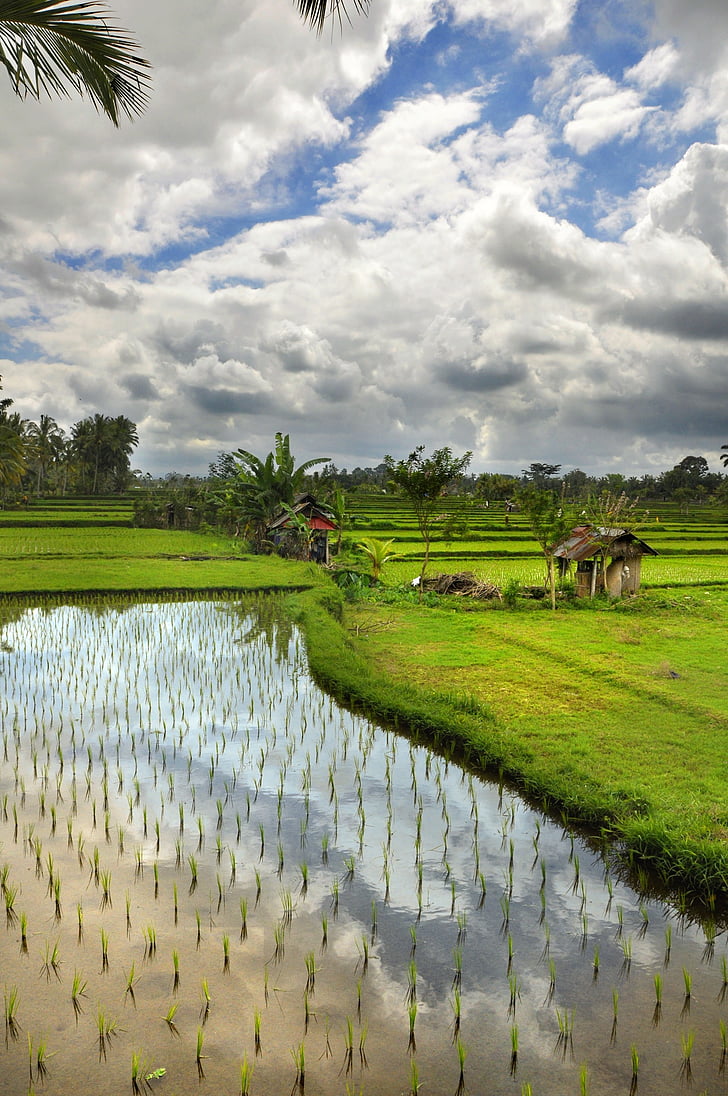
    Changing inequalities in farmland ownership and cultivation have reduced the smallholder or peasant share of food production. ‘Land grabs’, new laws and policies have enabled large farmers, agribusiness corporations and other commercial entities to control most of the world’s farmland.

    By Vikas Rawal and Jomo Kwame Sundaram

    A recent Food and Agriculture Organization (FAO) study shows the largest farms cultivate a high and increasing share of agricultural land in much of the world.

    Farm size concentration

    World Agricultural Census data for 129 countries show about 40 per cent of the world’s farmland is operated by farms over 1000 hectares (ha) in size. About 70 per cent is operated by the top one per cent of farms, all bigger than 50 ha each.

    A rising share of farmland is in larger farms. But farm sizes in developed and developing countries seem quite different. Farms smaller than 5 ha accounted for 63 per cent of land in low and lower middle-income countries. But such farms covered only 8 per cent of farmland in upper middle and high-income countries.

    The “share of farmland farmed on the largest holdings has increased in … several European countries (France, Germany and the United Kingdom of Great Britain and Northern Ireland) and in the United States of America.” Similarly, in recent decades, more land in many Latin American and sub-Saharan African countries is in larger farms.

    Data coverage uneven

    Most agricultural censuses in developing countries do not cover large scale farms well. Official agricultural statistics in many developing countries focus on farm households, often ignoring corporate farms.

    Agricultural censuses typically rely on land records, usually neither up to date nor complete. Large farms often have land registered to different persons and entities, typically to avoid taxes and bypass land ownership ceilings and regulations.

    Government surveys in India have not comprehensively covered large farms, understating inequality. Other data from India suggest the top fifth of farms account for 83 per cent of land.

    Even where large farms are legally recognised as commercial entities, land is often held via subsidiaries in complex arrangements. For such reasons, the extent of concentration is probably greater than what the study suggests.

    Ominous trends

    Despite its limitations, the study findings are ominous. Changing inequalities in farmland ownership and cultivation have reduced the smallholder or peasant share of food production.

    The study suggests that ‘land grabs’, new laws and policies have enabled large (capitalist) farmers, agribusiness corporations and other commercial entities to control most of the world’s farmland.

    Disparities in government support allowed by World Trade Organization and other trade agreements have enabled large farms in developed countries, like the US, to gain more advantages over relatively uninfluential peasants in the South.

    More advantages to big farm capital in recent decades, particularly to large-scale commercial agriculture in the global North, have enhanced their edge. More peasant distress has pushed many deeper into debt. Many of the most vulnerable have had to migrate, seeking precarious employment elsewhere.

    Under various pressures not to protect food agriculture, developing countries have cut support for peasants. Withdrawal of such assistance has forced farmers to buy inputs at commercial prices. Meanwhile, many have to sell their produce cheap to those providing credit or other facilities.

    By enabling easier land takeovers, commercial farming has quickly spread in ecologically fragile areas such as the Brazilian Cerrado, various parts of sub-Saharan Africa and steep slopes subject to deforestation.

    Small farms, world food

    The study has triggered a controversy by asserting that ‘family farms’ is a broader category than smallholdings. These would include large family-owned or run farms.

    Hence, family farms account for 80 per cent of the total value of food produced in the world, while smallholdings account for only 35 per cent. These estimates have been contested by several civil society organizations who have protested to the FAO Director General.

    Most agricultural censuses do not provide data on production by farm size. Instead, the study divides the total market value of a country’s food output by its total farmland. It then assumes a constant food output value per hectare. But this ignores significant differences in crop output among farms of different types.

    Commercial bias

    In many countries, large farms produce more commercial crops, not necessarily food. These may be for manufacturing (e.g., rubber, cotton), animal feed, or to be industrially processed for consumption (e.g., sugar, palm oil, coffee).

    Many smallholder peasants consume significant shares of their own farm outputs. They typically work on limited land and need to meet their own food needs, rather than maximize cash incomes. Hence, their priorities may be rather different from those of commercial farms.

    More fertile regions (e.g., river deltas) tend to have greater population densities, smaller farm sizes and higher productivity. Such smaller farms often grow multiple crops yearly, while larger farms with harsher agro-climatic conditions (e.g., higher temperatures, more snow or less water availability) often only have a single crop annually.

    Although not universal, and often overstated, there is evidence of smallholders having higher land productivity, inversely related to farm size, owing to differences in the way factor inputs are used by various types of farms.

    By assuming constant food output value per hectare, the study ignores many important variations, and probably under-estimates the contributions of small farms to world food supply.

    Peasants marginalised

    The study shows how various systemic advantages and biases have enabled big capitalist farms to control more of the world’s farmland and food supplies. But the share of food supply produced by smallholder producers is far from settled.

    While more pronounced in rich countries, large corporate farms have also been growing in many developing countries. Even where family farming is predominant, increasing farm sizes have been apparent.

    The study rightly notes the need to consider different types of farms in making appropriate policies for family farms of various sizes. This is necessary to better formulate policies to address poverty and livelihoods, especially for smallholder producers in distress.

    It even suggests the need to “hold large scale and corporate agriculture accountable for the negative externalities of their production (for example on the environment)”. Besides better farming data, farmland concentration and its many implications in various parts of the world should be more appropriately addressed.


    This piece has been sourced from Inter Press Service

    Vikas Rawal is Professor of Economics at the Centre for Economic Studies and Planning, Jawaharlal Nehru University, New Delhi. He has conducted field research on agrarian relations in different parts of India for three decades, and works on global agricultural development challenges.

    Jomo Kwame Sundaram, a former economics professor, was United Nations Assistant Secretary-General for Economic Development. He is a recipient of the Wassily Leontief Prize for Advancing the Frontiers of Economic Thought.


    Image: Hippopx, licensed to use Creative Commons Zero – CC0

     

    Nation state or state-sponsored group behind ICRC cyber-attack?

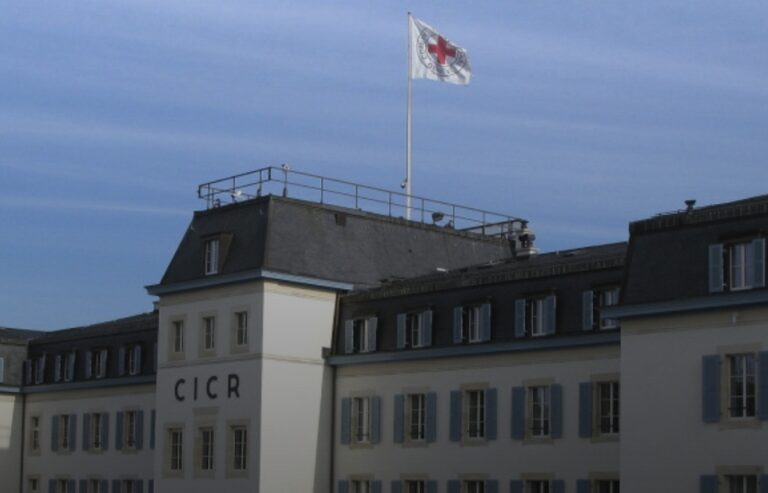
    A month has passed since the International Committee of the Red Cross (ICRC) determined that servers hosting personal data belonging to more than 515,000 people worldwide had been hacked.

    The International Committee of the Red Cross today shared an open letter penned by its director general, Robert Mardini. The ICRC boss said that the organisation has been working to understand how this attack happened, its ramifications, how the organisation can improve its security systems, and how to communicate the facts to the people whom ICRC assists.

    Nearly a month since the International Committee of the Red Cross (ICRC) determined that servers hosting personal data belonging to more than 515,000 people worldwide had been hacked, ICRC has shared some details on what happened and how hackers got access to confidential data, particularly concerning its ‘Restoring Family Links’ programme.

    According to the ICRC, the hackers made use of considerable resources to access its systems and used tactics that most detection tools would not have picked up.

    Related: Sophisticated cyber-attack targets Red Cross data on 500,000 people

    ICRC says that the attackers used a very specific set of advanced hacking tools designed for offensive security. These tools are primarily used by advanced persistent threat groups, are not available publicly and therefore out of reach to other actors. An advanced persistent threat group is typically a nation state or state-sponsored group, which gains unauthorized access to a computer network and remains undetected for an extended period. In recent times, the term may also refer to non-state-sponsored groups conducting large-scale targeted intrusions for specific goals.

    Hackers deployed offensive security tools

    The ICRC says that the attackers used sophisticated obfuscation techniques to hide and protect their malicious programs – techniques that require a high level of skills only available to a limited number of actors.

    “We determined the attack to be targeted because the attackers created a piece of code designed purely for execution on the targeted ICRC servers. The tools used by the attacker explicitly referred to a unique identifier on the targeted servers (its MAC address),” a statement released by the humanitarian group says.

    Though installed anti-malware tools were active and did detect and block some of the files used by the attackers, yet most of the malicious files deployed were specifically crafted to bypass the anti-malware solutions. The intrusion was detected only when ICRC installed advanced endpoint detection and response agents as part of a planned enhancement programme.

    An anomaly was detected in the system within 70 days of the breach occurring, leading experts to initiate a deep dive. On 18 January, ICRC’s technical team determined that servers had been compromised. “Our analysis shows that the breach occurred on 9 November 2021.”

    Related: ICRC still clueless on data breach 

    The hackers were able to enter the network and access its systems by exploiting an unpatched critical vulnerability that allows malicious cyber actors to place web shells and conduct post-exploitation activities such as compromising administrator credentials, conducting lateral movement, and exfiltrating registry hives and Active Directory files.

    “Once inside our network, the hackers were able to deploy offensive security tools which allowed them to disguise themselves as legitimate users or administrators,” says ICRC in its statement, adding, “This in turn allowed them to access the data, despite this data being encrypted.”

    Willing to communicate

    Elaborating on What went wrong with its defences, the ICRC statement says, “Annually, we implement tens of thousands of patches across all our systems. The timely application of critical patches is essential to our cybersecurity, but unfortunately, we did not apply this patch in time before the attack took place.”

    Candidly, ICRC says that it cannot ascertain who was behind the attack or why it was carried out and that it has not had any contact with the hackers and neither has any ransom ask been made.

    “In line with our standing practice to engage with any actor who can facilitate or impede our humanitarian work, we are willing to communicate directly and confidentially with whoever may be responsible for this operation to impress upon them the need to respect our humanitarian action,” it says, reiterating its call to the hackers not to share, sell, leak or otherwise use this data.

    ICRC says that it presumes that data sets copied and exported, knowing that the hackers were inside the systems and therefore had the capacity to copy and export it. But the organisation is certain at the moment that none of the data was deleted.

    ICRC says that it does not have any conclusive evidence of the data being made available to others, including on the dark web.

    Afghanistan: A health system is on the brink of collapse

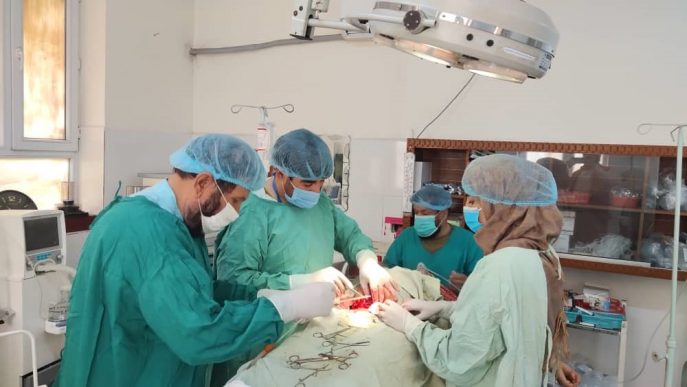
    Over two decades, Afghanistan witnessed an increase in life expectancy. Maternal, new-born and child deaths, too, reduced dramatically. All that seems to have been turned on its head today, as the withdrawn funding for health and care has seriously jeopardised the gains of previous decades.

    Ayesha, 29, is a midwife in a rural health facility in Afghanistan. She graduated from the provincial midwifery school supported by the government’s Sehatmandi programme, which provides essential primary care services including for maternal, new-born and child health.

    “I was born in a very remote district where health facilities were not available. I witnessed many pregnant mothers dying because there was no health care facility at my village or on the way to hospitals, located more than 50 km away” Ayesha said. “I decided to become a midwife and serve the women and children in the villages. I love my job and attend numerous institutional deliveries, and have contributed to the reduction of maternal mortality.”

    However, life-saving health services have come under severe threat in recent months. The Sehatmandi programme, for instance, has been the backbone of Afghanistan’s health system, providing care for millions of people through 2,331 health facilities. But major funding for the programme has been withdrawn since the Taliban gained power in August 2021. The country has received only minimal funding to help cover immediate needs for the early part of the year. Gaps remain in the country’s health system’s ability to sustain the delivery of essential services.

    The primary care facility in the village is vital, serving 58,000 people including 13,340 women of childbearing age and 11,600 children under-five. Importantly, it provides emergency obstetric care, including caesarean section services. Without this, women would have to travel far, and put themselves and their babies at risk.

    Primary health care under threat

    The lack of funds has crippled the health facilities that the community desperately needs – staff have not received their salaries for months and the clinic short of medicines and supplies. There is fear of the inevitable – more illness and people dying. The facility’s struggles are not unique.

    The situation is replicated across the country because the Sehatmandi programme is no longer able to receive appropriate financial support due to the change in Afghanistan’s government. Donors find it impossible to provide financing through the new regime and major funding has been withdrawn. Previously funded by the World Bank, the European Commission and USAID, there are now serious challenges to continuing these vital primary health care services.

    The population is also suffering due to a recent drought that has affected crops and livestock. This, combined with rising food prices and the collapse of public services, has led to an acute shortage of food.

    Urgent call for international support

    Over two decades, Afghanistan witnessed an increase in life expectancy. Maternal, new-born and child deaths, too, reduced dramatically. All that has been turned on its head today, as the withdrawn funding has seriously jeopardised the gains of previous decades.

    “The recent funding pause by key donors to the country’s biggest health programme will cause the majority of the public health facilities to close,” says Dr Luo Dapeng, WHO Representative in Afghanistan. “As a result, more mothers, infants and children will die of reduced access to essential health care.”

    While it may be challenging to find alternative and innovative ways to support the Sehatmandi programme, it is essential for the health and lives of the population of one of the poorest countries in the world and for health security globally.


    Image: WHO/Obiadullah Sidiqi

    ‘Our common agenda’: Guterres’ open door to corporate capture of the UN

    UN member states need to reject multistake-holderism that reinforces the role of problematic exclusive membership clubs (OECD, G20 etc) and enables corporate capture of intergovernmental decision-making and to instead uphold the democratic potential of the United Nations.

    By Emilia Reyes, Iolanda Fresnillo, Neth Dano and Pooja Rangaprasad

    On 10 September 2021, UN Secretary-General (SG) Antonio Guterres released the “Our Common Agenda” (OCA) report. This report was in response to a request from UN member states to “report back before the end of the seventy-fifth session of the General Assembly with recommendations to advance our common agenda and to respond to current and future challenges”.

    UN member states are currently meeting, as part of a consultation process on the OCA report, to discuss these proposals. The report contains many concerning recommendations in relation to the global economic and financial architecture and has larger implications for democratic global governance.

    Rather than reaffirming the role of inclusive member state led processes, the proposals made by the Secretary General rely on new multi-stakeholder approaches, termed ‘networked multilateralism’ in the report.

    This would bring to the decision-making table global corporate monopolies and international financial actors that have concentrated wealth and power, subsumed regions into debt and austerity, eroded environmental integrity, exacerbated poverty and human rights violations, actively undermined equal and just access to vaccines, and profited from disasters.

    This modality of operation undermines the United Nations’ role in international decision-making as well as the related accountability and transparency that is central to its legitimacy.

    Multistake-holderism or corporate capture of the UN?

    Multistake-holderism conflates duty-bearers (governments), rights holders (people) and corporations as equal stakeholders, under the illusion that all of them are equal in their rights, responsibilities, and capacities. Such processes would also embed the UN in extreme conflict of interests.

    For instance, the SG proposes a multi-stakeholder digital technology track in preparation for a ‘Summit of the Future’ to agree on a ‘Global Digital Compact’. The proposal echoes the recommendation of the UNSG’s High Level Panel of Experts on Digital Cooperation which was co-chaired by key personalities in global technology platforms (Big Tech).

    Instead of enabling the self-serving push from Big Tech, the UN should support inclusive, member state led processes to address the development divide that underpins the digital divide, to regulate and curb the growing powers and wealth of Big Tech and ensure that human rights are respected.

    The extent to which the OCA report and its “solutions” rely on multi-stakeholder approaches, reinforcing the role of problematic exclusive membership clubs and giving a seat at the table to those who have preyed on disaster, is worrisome.

    The UN should be the normative space for making decisions on critical global challenges which has increasingly been captured by global north led spaces such as the OECD and G20 instead. The UN should indeed be addressing all those substantive issues included in the agenda.

    But it should be done through strengthening inclusive member state led processes. Not by surrendering to the corporate capture and undermining even more the possibility to regain global democracy.

    Eroding existing inclusive, multilateral processes

    The OCA report proposes to establish a multistakeholder ‘emergency platform’ as well as a Biennial Summit between G20, ECOSOC, SG and IFIs noting that “we still lack pre-negotiated ways to convene relevant actors in the event of a global economic crisis”. This is incorrect.

    The UN’s Financing for Development (FfD) process already has the mandate to convene and make decisions in the event of a global economic crisis with a legitimacy spanning 20 years. In fact, an FfD crisis conference titled “UN conference on the world economic crisis and its effects on developing countries” was convened in 2009 in direct response to the global economic crisis.

    The FfD process is already mandated to address urgent global systemic challenges on debt, international tax, private finance, ODA, trade, technology and financial regulation. The modalities of the FfD process already recognises civil society and the private sector as stakeholders for inputs, in addition to IFIs, WTO and UNCTAD, while ensuring that negotiations are clearly intergovernmental with member states as decision-makers.

    The challenge is not the lack of existing processes to convene but the need to overcome the obstinate blocking from a handful of member states in the UN who prefer such decision-making to happen in undemocratic forums rather than the UN. Establishing multi-stakeholder initiatives will not resolve this political economy challenge and will only further delay decision-making by strengthening the status quo.

    Recommendations to member states

    UN member states should urgently agree on the next FfD Conference to respond to the multiple crises we face and move towards a new global economic architecture that works for the people and planet.

    We need leadership from UN member states to reinforce existing member state led processes rather than inventing new forums and summits that only delay decision-making.

    Multilateral reforms are urgently needed to ensure the democratisation of global economic governance such as the need for a global debt workout mechanism at the UN, establishing a universal UN intergovernmental tax commission and a global technology assessment mechanism at the UN.

    UN member states need to reject multistake-holderism that reinforces the role of problematic exclusive membership clubs (OECD, G20 etc) and enables corporate capture of intergovernmental decision-making and to instead uphold the democratic potential of the United Nations.


    Emilia Reyes is co-convener of the Women’s Working Group on FfD; 
    Iolanda Fresnillo is Debt Justice Manager at European Network on Debt and Development (Eurodad); 
    Neth Dano is Asia Director of Action Group on Erosion, Technology and Concentration (ETC Group);
    Pooja Rangaprasad is Policy Director, FfD at Society for International Development (SID).


    This article is based on Civil Society FfD Group’s response to the OCA report and has been sourced from Inter Press Service

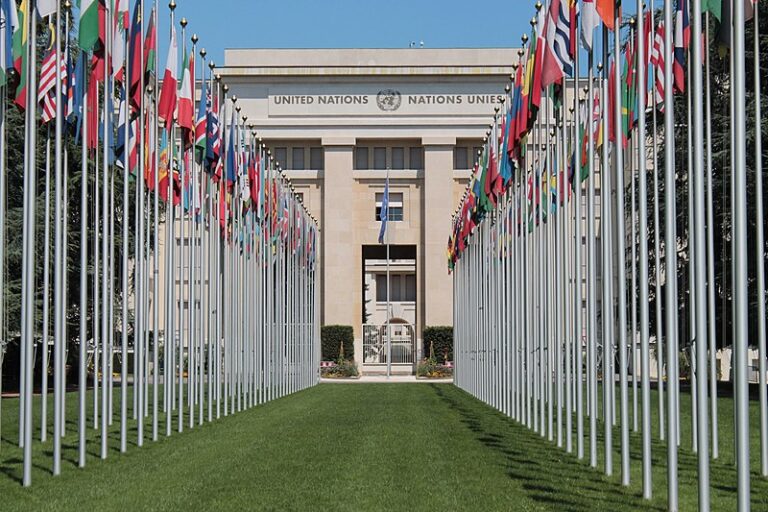
    Image: Wikimedia, United Nations Headquarters, Geneva by John Samuel