More

    Centre Cracks Down on Anomaly in Crop-Insurance Claims

    At the meeting, the minister cited specific examples: in one case, a farmer from Madhya Pradesh whose crop was insured under PMFBY had the loss shown as “zero” despite claiming compensation, yet received a payout of only ₹1.

    In a stern message to administrators and insurers managing the Pradhan Mantri Fasal Bima Yojana (PMFBY), union Agriculture and Farmers Welfare Minister Shivraj Singh Chouhan today convened a high-level meeting in Delhi and summoned state officials and insurance company heads after farmers reported receiving token claim amounts of ₹1, ₹3, ₹5 or ₹21 under the scheme.

    Taking virtual testimony from farmers in Maharashtra and a district in Madhya Pradesh, the minister expressed serious concern at what he called a “mockery” of the insurance scheme designed to protect farmers from crop losses.

    “Receiving ₹1, ₹3 or ₹5…. is farmers being treated as a joke; the government will not allow this,” Chouhan told officials.

    Faulty Claims Trigger Action

    At the meeting, the minister cited specific examples: in one case, a farmer from Madhya Pradesh whose crop was insured under PMFBY had the loss shown as “zero” despite claiming compensation, yet received a payout of only ₹1. In another, loss was recorded at 0.004806 per cent and the payout again was just ₹1.

    These anomalies prompted Chouhan to instruct a full field-investigation into how such paltry payments were sanctioned. He directed the PMFBY CEO to dig into every case where such minimal payouts were made, to confer with local collectors and verify the systems used, including remote-sensing technology for assessing crop damage.

    Calls for Systemic Fixes

    Beyond individual payouts, the minister directed that:

    • insurers must ensure their representatives are present during damage surveys so that fraud or mistakes do not slip through.
    • claims must be processed “quickly and together” to avoid delays and confusion among farmers.
    • states must immediately pay their share of subsidies to enable timely claim disbursement – otherwise, the Centre may recover 12 per cent interest from defaulting states.
    • the damage-assessment methodology needs an audit: are remote-sensing systems calibrated and accurate? Do guidelines need revision given the prevalence of tiny payouts?

    Why the uproar?

    The PMFBY is one of the flagship initiatives of the government, intended as a protection cover for farmers. Yet, according to the minister, “some things have happened that have tarnished this important scheme and provided fodder for propaganda.”

    Farmers in both Maharashtra and Madhya Pradesh logged complaints that despite taking insurance cover, their payout was negligible – raising questions of fairness, transparency and the integrity of the process. The minister underscored that “this is not a joke” and pledged to pursue the matter thoroughly.

    States Under Scrutiny

    The meeting brought together senior agricultural officers from Maharashtra, district officials from Madhya Pradesh (in the minister’s home region), and top executives of all crop-insurance companies.

    Chouhan drew attention to role of states in delays – if subsidy contributions are withheld or delayed, claim payouts get stalled, and the blame may fall on the Centre. He asked officials to explain why states were lagging in their commitments, and warned of administrative action if the problem persisted.

    Technology and Transparency Emphasised

    Highlighting the need for clearer systems and farmer empowerment, the minister said that farmers must be “connected with technology” so that the process remains transparent and errors or manipulations are minimised. He said that though remote sensing is used, its authenticity and calibration should be checked thoroughly.

    Officials present were told to propose necessary amendments to the scheme guidelines to address tiny payouts and ensure timely, meaningful compensation. A timeline for the investigation and corrective action was ordered, with the minister warning that he would follow up personally and will not tolerate such irregularities.

    Officials acknowledged the shortcomings in the PMFBY. They said that they understand that for farmers who depend on claims to recover from crop loss induced by adverse conditions, this intervention signals the government’s resolve – but only effective follow-through will rebuild trust.

    “If payouts begin to reflect actual losses quickly and transparently, the PMFBY can regain its credibility; if not, the minister’s tough words may soon turn into reforms,” one official said.

    India Plans New AI Law Based on IT Act Framework

    The government will table a Bill embedding AI law in statutes, expanding its mandate and enabling flexible regulation as technology evolves, after public consultation ends on November 6.

    India’s Ministry of Electronics & Information Technology (MeitY) is moving to introduce a stand-alone law governing artificial intelligence (AI) — modelled closely on the existing Information Technology Act, 2000 (IT Act). The push follows draft rules this year aimed at tackling deepfakes and synthetic content, but officials say those rules may be vulnerable to legal challenge because their parent statute does not explicitly address AI.

    This move to anchor AI regulation in a full-law built on the IT Act framework represents a significant shift in digital governance. It signals recognition that the age of generative AI requires statutory clarity, platform accountability and a governance architecture that evolves alongside technology.

    Why a Full Law?

    Under current arrangements, the draft rules on identifying, labelling and regulating synthetically generated content are framed under the IT (Intermediary Guidelines and Digital Media Ethics Code) Rules, 2021 — which derive their powers from the IT Act. But because the IT Act does not specifically deal with AI technologies, cyber-law experts warn that the rules could be struck down in court for exceeding the parent law’s remit.

    Official sources say that following the close of public consultation (which ends November 6) the government plans to table a Bill in Parliament that will embed an AI-law into the statute book, giving it a wider mandate, and making it possible to evolve the regulatory regime as the technology advances.

    Key Obligations on Platforms

    Under the proposed rules, platforms and intermediaries that allow creation, modification or sharing of synthetically generated content will face fresh obligations:

    • Any publicly-shared synthetic audio, video or image must carry a visible, non-removable label or embedded metadata identifying it as artificial. For visual content, the label must cover at least 10% of the screen. For audio, the label must be stated within the first 10% of playtime.
    • Major social media intermediaries with over five million users will have additional burdens: At upload time they must seek user declarations on whether the content is AI-generated, and they must deploy proportionate technical tools to verify the claim. If the content is found to be synthetic, it must carry the appropriate labelling.
    • The rules apply only to publicly-shared content, not to private or unpublished communications, ensuring that safe-harbour protections under Section 79(2) of the IT Act continue to apply to platforms for user-generated content.

    India’s AI Governance Move

    India already is advancing its broader AI governance agenda. A national AI governance framework is under development, intended to take a less-prescriptive, more voluntary stance aimed at spurring innovation rather than rigid compliance.

    In September 2025, the National Cyber and AI Center (NCAIC) published a draft “AI Governance Framework for India 2025-26” which lays out a risk-based taxonomy for AI, lifecycle controls, assurance mechanisms and alignment with global norms.
    In August 2025 a committee of the Reserve Bank of India proposed a framework for AI in the financial sector, emphasising innovation and risk management in tandem.

    What’s Driving Urgency?

    The rapid rise of generative AI, deepfakes and manipulated media has raised serious concerns globally — and India’s large and diverse internet-user base makes it particularly vulnerable to misuse via disinformation, impersonation and harm to public trust. The draft rules on labelling thus seek to address that via clear obligations for platforms.
    Legal experts note that having a full-bodied law rather than just subordinate rules would give regulators stronger powers and make the regime more robust and future-proof. One expert remarked: “Rules are secondary in nature and cannot exceed the ambit of the parent law.”

    What Lies Ahead

    After the closure of the public consultation period, MeitY will finalise the rules and announce next steps for bringing the full Bill. Officials say the new law will be introduced in Parliament, create a statutory basis for AI regulation, allow expansion via rules as tech evolves and provide clarity for intermediaries and platforms.

    Industry players and platforms are now monitoring how obligations will be structured — particularly around labelling, user disclosures and verification tools. Some express concern about compliance burden while others note that clear rules provide certainty for developing safe and trusted AI services.

    Meanwhile, the governance framework being developed aims to provide a guiding architecture for how AI should be assessed, controlled and deployed across sectors — including public, private and financial services.

    Challenges and Questions

    Some of the unresolved questions include: How will the labelling mechanism work in practice for smaller platforms? Will the law cover AI models or only synthetic content? How will enforceability and penalties be structured? And how can innovation be balanced with regulation so India remains globally competitive in AI while safeguarding against harm?

    As one commentator observed, the key is striking “the right balance, making sure that society stands to gain from what this technology has to offer, while mitigating its risks”.

    Image: Hippopx

    Sri Lanka enters a new demographic chapter as children decline and elders increase

    Sri Lanka’s census reveals rapid ageing: fewer children, more elders dependent on a shrinking workforce. Policymakers must ease economic-social strains, empower workers, and secure growth, cohesion, and future welfare.

    The latest nationwide survey reveals a seismic shift in the age profile of Sri Lanka, with the share of children shrinking and the elderly proportion growing – signalling a departure from decades of youthful-growth to one of rapid ageing and dependency pressures.

    According to the 2024 Census of Population and Housing, conducted by the Department of Census and Statistics Sri Lanka (DCS), the island’s total population stands at 21.78 million. Those aged under 15 now make up just 20.7 per cent, down from 25.2 per cent in 2012 – a drop of 4.5 percentage points. Meanwhile, individuals aged 65 and above have risen to 12.6 per cent, from 7.9 per cent in 2012 – a 4.7 point increase. The working-age group (15-64 years) stands at 66.7 per cent, marginally lower than the 66.9 per cent recorded in 2012.

    As a result, the dependency ratio – that is, the number of dependents per 100 working-age persons – has risen from 49.4 per cent in 2012 to 49.8 per cent in 2024. In short, fewer young people are entering the workforce at the very time the number of older dependents is climbing.

    Narrow Window for Demographic Dividend

    For much of its modern history Sri Lanka benefited from a demographic dividend: a large working-age cohort supporting children and older persons, which helped drive growth. That window is now closing. As one local commentator put it: “The island is greying faster than expected, and the economic implications are beginning to surface.” With labour migration, limited growth in productivity and fewer young entrants into the workforce, the engine of growth is losing steam.

    Particularly concerning is that the ageing is uneven. Urban centres such as Colombo show lower dependency ratios (around 43 per cent), while districts in the south and hill country have reached up to 55 per cent, meaning more than one dependent for every two working-age persons.

    The implications are significant: lower tax bases, rising public spending on pensions and health, and a shrinking pool of workers in sectors such as agriculture, garments, services and construction.

    Policy Strain and Social Support Gaps

    Sri Lanka is facing growing pressures on its social protection systems. The share of older persons means demands on pensions, health-care and informal care are increasing rapidly. One analyst noted that public pensions now absorb close to 10 per cent of government spending, despite the fact they cover a minority of the workforce. At the same time, health spending hovers around 1.5 per cent of GDP – among the lowest in Asia.

    Household sizes are shrinking (from 4.3 persons a decade ago to about 3.5 now), fewer children are available to care for ageing parents, and most care is delivered at home, often by women who thus drop out of the formal labour force.

    Fertility, Migration and Structural Risks

    The decline in child population reflects multiple causes: fewer births, delayed marriages, and large-scale migration of young workers – many of the most likely to have children themselves. The slow growth rate puts Sri Lanka in the category of “growing old before growing rich” – a common challenge in ageing low-income countries.

    Unless addressed, the combination of a shrinking labour pool and rising dependency will press key sectors and public finances. For example, the 2024 census showed a sex ratio of 93.3 males per 100 females, reflecting female-dominated demographics across most regions.

    Experts argue this is a turning point for Sri Lanka’s economy and society. A senior lecturer at the University of Colombo noted that older persons should be regarded as an asset – but only if their skills are utilised and productivity lifted.

    Policy implications are wide ranging: retirement ages may need to increase; female labour force participation must rise; productivity improvements and automation will become essential; and migration policies may need readjustment.

    On the social side, expanding health-care capacity for chronic conditions, scaling up geriatric care, and reforming pensions to cover informal workers are urgent tasks. The census data show that regions where young people leave for the cities are already showing accelerated ageing patterns.

    Activists Accuse ICAR of Scientific Fraud in Genome Edited Rice Trials

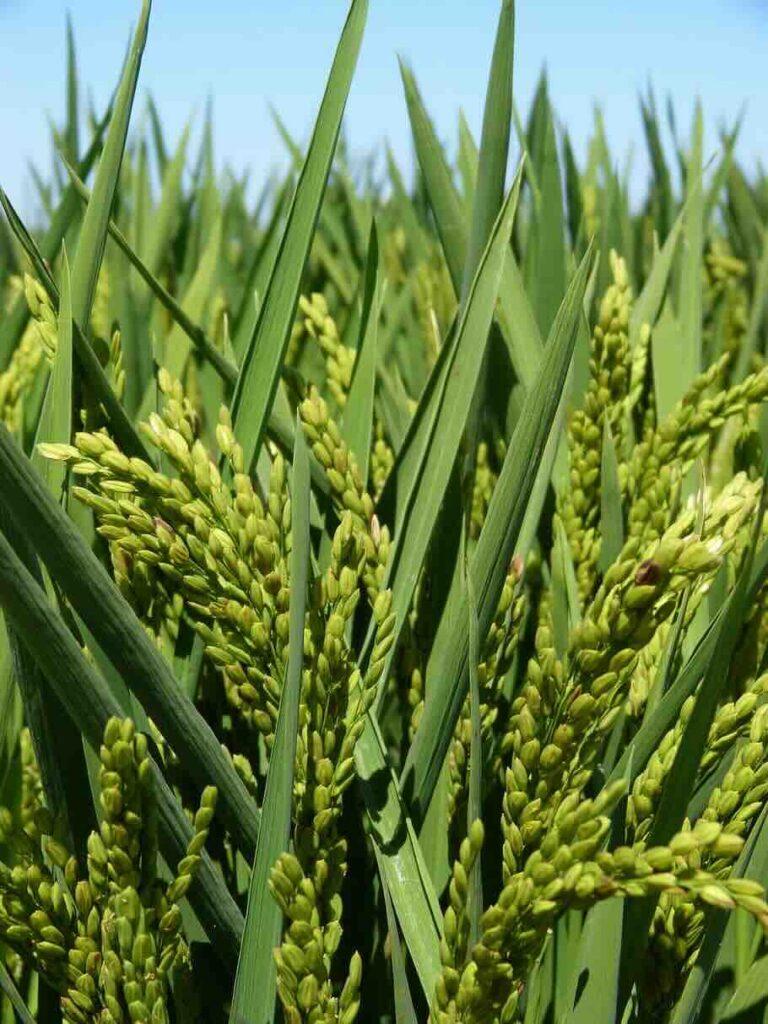
    Coalition alleges rigged data and unsafe technology push; demands independent review. It accused the institutions of “rigging results, hiding adverse findings, and manufacturing hype” to present the genome edited varieties as a scientific breakthrough.

    A fresh controversy has erupted over the government’s push for genome edited crops, with the Coalition for a GM Free India alleging a “scientific fraud” in the trials of two genome edited rice varieties developed by the Indian Council of Agricultural Research and promoted by the Ministry of Agriculture. At a press conference on Thursday, the Coalition accused the institutions of “rigging results, hiding adverse findings, and manufacturing hype” to present the genome edited varieties as a scientific breakthrough despite contradictory trial data.

    Presenting evidence extracted from official Annual Progress Reports of ICAR’s All India Coordinated Research Project on Rice for 2023 and 2024, the Coalition claimed that the government’s claims around Pusa DST 1 and DRR Dhan 100 Kamala do not stand up to scrutiny. The activists alleged that data was selectively used, negative trial results ignored, and unsubstantiated performance claims amplified in order to push the technology into Indian farms without adequate scientific basis or regulatory rigour.

    The allegations strike at the heart of India’s agricultural research apparatus and raise fresh concerns about scientific integrity amid government efforts to promote gene editing as a faster route to crop improvement than traditional genetic modification.

    Coalition: Hype Masks Absence of Evidence

    According to the Coalition, the genome edited rice lines have been promoted as global firsts and miracle seeds that will sustain yields under saline soils, ensure early maturity, and enhance nitrogen use efficiency. Yet, the activists said, ICAR’s own data contradicts these claims.

    They pointed to the official introduction of the varieties in May this year, when union agriculture minister Shivraj Singh Chauhan declared them as breakthrough innovations and credited Indian scientists for pioneering gene editing in food crops. The announcement triggered widespread media coverage and interviews in which scientists celebrated the developments.

    “But behind the orchestrated media blitz, there is neither rigorous testing nor credible evidence,” the Coalition said. According to the Coalition, the hype far exceeds the data –India is being misled by compromised science and hundreds of crore rupees are being poured into risky and unproven technologies, and this becomes a matter of public accountability.

    The group referenced earlier controversies surrounding genetically modified brinjal and mustard, saying this episode represents a pattern of scientific manipulation to push contentious biotech products into Indian agriculture.

    Trial Data Shows Underperformance, say Activists

    The Coalition detailed numerous examples where official findings allegedly contradict the claims made by ICAR.

    For Pusa DST 1, the activists said trial data reveals:

    • No testing for drought or salinity tolerance in 2023 due to lack of seed.
    • Yield performance equal or up to nearly five per cent lower than the parent variety in 2023.
    • Underperformance in 12 out of 20 trial sites.
    • Only marginal improvement of around one per cent in alkaline soils in 2024 and no benefit in coastal or inland salinity zones.

    Yet, the summary table in the ICAR report claims a 30 per cent yield advantage by selectively citing just eight sites in one zone. The Coalition alleged that this was data manipulation and that the report itself states clearly that there was no yield superiority in coastal salinity, yet concludes the variety is promising.

    Similarly, for DRR Dhan 100 Kamala, the Coalition charged that the data does not support claims of 17 per cent higher yield and early maturity. They said Kamala underperformed in eight of 19 sites in 2023, and in some zones performed significantly worse than the parent Samba Mahsuri. In 2024, multiple trial sites were reportedly excluded without explanation, and a positive claim was derived from only six sites despite overall yield being lower than the parent.

    On maturity, the activists noted that trial data shows only two to seven days variance in most zones, and in some zones Kamala matured later than the parent. “Against this data, how were claims of 20 days early maturity and lower water and fertiliser use made,” the Coalition asked.

    Activists Warn of Erosion of Public Trust

    The Coalition said the issue goes beyond the two rice varieties and signals a dangerous erosion of scientific integrity in public institutions. “If gene editing is truly safe and effective, why avoid rigorous testing, why hide data, why jump to conclusions that the results do not support,” the activists asked.

    Independent researcher Soumik Banerjee said the matter is serious because the public sector has a responsibility to uphold scientific ethics. “Bad science has real consequences for farmers,” he cautioned.

    Activist and Coalition member Kavitha Kuruganti described the episode as a “fundamental human rights issue.” She accused ICAR of allowing political slogans to influence scientific decisions. “Jumla culture cannot enter scientific institutions. It is time for honest scientists to speak out before the credibility of Indian research collapses,” she said.

    The Coalition said pushing questionable genome edited crops undermines public confidence in science and risks endangering farmers’ livelihoods. They also reiterated that gene editing is genetic engineering, both technically and in law, and must therefore be subject to stringent biosafety regulations.

    Demands for Accountability

    The Coalition has called for:

    • Withdrawal of all promotional claims about genome edited rice.
    • An independent scientific review of ICAR trial data and methodology.
    • Public accountability of ICAR and the Agriculture Ministry.
    • A moratorium on genome edited crop releases until proper regulatory systems are established.
    • Mandatory public disclosure of all research and trial data related to genome edited crops.

    Emphasising that technology cannot be advanced through what they called “junk science”, the activists urged policymakers to prioritise transparency, farmer safety, and scientific credibility over prestige announcements. “India’s food systems cannot be used as laboratories for untested hype,” they said.

    ICAR has denied the allegations in separate statements, calling them baseless and motivated. However, activists insist that only a transparent external investigation can restore public trust.

    Nepal: Top Court Holds Off Interim Order as Government and Gen Z Forge Agreement on Timely Polls

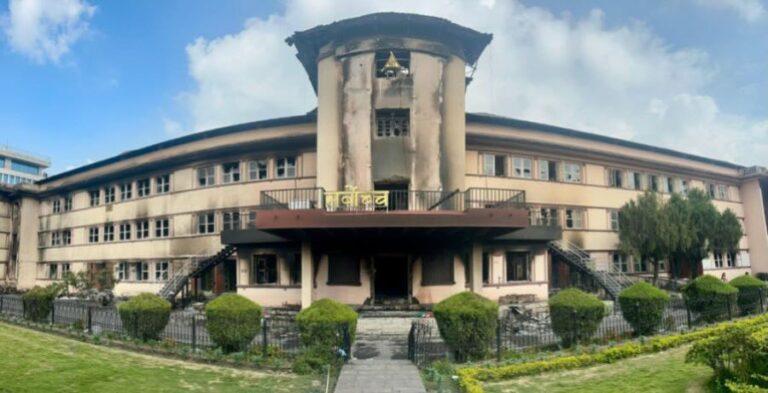
    In a parallel development, the Supreme Court of Nepal declined to issue an interim stay against the appointment of the Karki government and the dissolution of the House of Representatives, a move challenged in 16 separate writ petitions.

    In a high-stakes political session in Kathmandu on Wednesday, the government, seven political parties and representatives of the Gen Z anti-corruption movement reached a broad consensus to schedule mid-term elections for 5 March next year. The session – convened at the official residence of Prime Minister Sushila Karki in Baluwatar – marked an unprecedented tripartite dialogue between government, political parties and youth leaders.

    Most of the parties represented in the now-dissolved House of Representatives voiced their commitment to proceed with the polls, signalling a shared desire for political renewal. However, the Communist Party of Nepal (Unified Marxist Leninist) (UML) remained the only major holdout, maintaining that the lower-house’s dissolution was unconstitutional and that elections should follow reinstatement of Parliament.

    Gen Z representatives endorsed the existing constitutional order and reiterated their support for timely elections, while raising concerns about corruption, governance and the rights of Nepalis living abroad.

    Court Defers Decision

    Meanwhile, in a parallel development, the Supreme Court of Nepal declined to issue an interim stay against the appointment of the Karki government and the dissolution of the House of Representatives – a move challenged in 16 separate writ petitions. A five-member bench led by Chief Justice Prakash Man Singh Raut concluded that the petitions would be heard at a final hearing and that an interim order was not necessary at this stage.

    Nonetheless, the court directed the offices of the President and the Prime Minister and Council of Ministers to submit written clarifications within seven days regarding their decisions on government formation and dissolution of Parliament – halving the standard timeline amid what it described as the urgency of the matter.

    Mounting Tensions; Trust Deficit

    The backdrop to both developments is the dramatic upheaval triggered by the Gen Z protest movement on 8-9 September that toppled the previous Prime Minister K P Sharma Oli-led UML government, followed by the appointment of Karki and the dissolution of the House.

    During Wednesday’s tripartite meeting, the Gen Z cohort sought assurances for electoral integrity, diaspora voting rights and institutional reforms. They met with scepticism from political parties at first but the meeting ended on a note of cautious optimism. “Today’s dialogue between the government, political parties and Gen Z leaders has created new trust and positive energy,” Prime Minister Karki said afterwards.

    However the UML’s resistance remains a major fault-line. The party insists the dissolution was illegal, that sufficient time has not been given for elections and that conditions remain unsafe in the upper hills and mountainous areas.

    What Lies Ahead

    With the Supreme Court yet to rule on the constitutional validity of the government formation and House dissolution, the election timeline remains under legal and political pressure. Whether the March date holds will depend not just on logistics but on settlement of outstanding constitutional questions.

    The government and majority parties now face the task of converting the broad agreement into concrete preparations: finalising the voters list, securing polling infrastructure in remote areas, addressing raised concerns of security and ensuring adequate arrangements for Nepali expatriates to vote. The Gen Z leaders have emphasised that elections must go hand-in-hand with improved governance and anti-corruption measures.

    Why it Matters

    A timely election offers a way out of the prolonged political uncertainty that followed the September uprising. If held smoothly, it could reset constitutional democratisation and give political legitimacy to the interim government. Conversely, failure to deliver polls on schedule would deepen instability, risking the trust newly built between youth protesters and mainstream parties.

    The court’s demand for clarifications adds weight to the constitutional stakes. A judgment favouring the petitions could invalidate the interim government’s actions and reset the political calendar. One opposing outcome could be further delays, or even a reinstatement of the dissolved House – exactly the outcome the UML has been pressing for.

    As the clock ticks toward March the actors must navigate multiple fault-lines: legal validity, electoral readiness, geographic accessibility and youth expectations. The next seven days will see clarifications filed with the court. The interaction of judicial outcomes with political commitments will determine whether Nepal stays on track for timely elections or veers into deeper uncertainty.

    Richest 0.1% Emit More Carbon in a Day Than Poorest Half Do in a Year, Warns Oxfam

    For countries like India, Nepal and Bangladesh, the report’s message carries particular weight. Low- and middle-income nations, which contribute a small fraction of global emissions, are already bearing the brunt of extreme weather, sea-level rise and food-insecurity.

    In a stark new warning ahead of COP30 in Brazil, Oxfam International has laid bare the scale of climate injustice: one person in the world’s richest 0.1 per cent emits more CO₂ in a single day than someone from the poorest half of humanity emits in an entire year.

    The report “Climate Plunder: How a Powerful Few Are Locking the World into Disaster” finds that a member of the richest 0.1 per cent produces on average over 800 kg of CO₂ per day, compared with around 2 kg per day for someone in the poorest 50 per cent of the global population.

    If everyone in the world emitted at that richest-0.1 per cent level, the planet’s remaining “carbon budget” – the limit of CO₂ we can emit while still aiming for the 1.5 °C warming threshold – would be exhausted in less than three weeks.

    Since 1990, the share of global emissions attributable to the richest 0.1 per cent has increased by 32 per cent, while that of the poorest half has fallen by 3 per cent.

    Human and Economic Toll

    Oxfam points to two main channels: luxurious consumption and high-carbon investment. According to the report:

    • The super-rich are deeply embedded in high-emission sectors via investment portfolios (oil, gas, mining etc).
    • Their lifestyles – private jets, mega yachts, multiple homes – amplify the per-capita emissions enormously.

    For example, the report states that the average billionaire emits around 1.9 million tonnes of CO₂ equivalent per year through their investments alone.

    The consequences of this carbon inequality are not academic. Oxfam estimates:

    • The emissions of the richest 1 per cent will contribute to 1.3 million heat-related deaths by the end of the century, mostly in low- and middle-income countries.
    • By 2050, economic damages borne by less wealthy countries from these emissions are projected to reach US $44 trillion.
    • Crop losses triggered by the rich-emissions also translate into food insecurity: enough calories have already been lost to have fed at least 10 million people a year in Eastern and Southern Asia.

    This is the bitter irony: those who emit the least are suffering the most. As Oxfam puts it: “the climate crisis is an inequality crisis.”

    Policy and Redress: What Oxfam Demands

    In light of these findings, Oxfam calls for a raft of structural changes:

    • Wealth and income taxation targeted at the richest 1 per cent and above, especially taxing income, extreme wealth and excess profits from fossil-fuel sectors.
    • A ban or levy on carbon-intensive luxury consumptions – private jets, mega-yachts, multiple mansions – that enable extreme per-capita emissions.
    • Curtailing the political and lobbying influence of high-emissions industries and super-rich individuals in climate policy, so that the agenda shifts from their interests to those of vulnerable communities.
    • Stronger climate finance commitments from rich countries, following the logic that those who have burned the most carbon should support those who are most impacted and least responsible.

    For countries like India, Nepal and Bangladesh, the report’s message carries particular weight. Low- and middle-income nations, which contribute a small fraction of global emissions, are already bearing the brunt of extreme weather, sea-level rise and food-insecurity. Yet the emissions drivers are far removed: luxury consumption and high-carbon investment patterns in affluent countries and among the global elite.
    This localization of a global issue means two things:

    • First, climate policy must integrate inequality and justice dimensions; cutting emissions alone isn’t enough if the burden is shouldered by the already vulnerable.
    • Second, there’s a policy imperative for wealthy emitters to be held accountable – both within rich-country borders and through global governance mechanisms – so that finance and technology can flow to those on the frontlines of climate impacts.

    Window of Opportunity

    The report warns that the world is running out of time. With the richest 0.1 per cent already eating into the carbon budget at such a rate, the chance of keeping warming to 1.5 °C narrows further. As one of its stark statements says: if everyone emitted like the richest 0.1 per cent, the budget would vanish in less than three weeks.

    In short: delaying action by or on the high-emitters is not just costly — it is a direct betrayal of climate justice and of the vulnerable populations who have done the least to cause this crisis.

    The new Oxfam findings shatter any comfort in narratives that “we’re all equally responsible” for climate change. The data, chilling though it is, make it unmistakably clear: a tiny minority of the global population is disproportionately responsible for carbon emissions – and thereby for locking in catastrophic climate outcomes for billions more.

    For policymakers, the message is urgent: hold the affluent accountable, shift the direction of climate finance and action, and embed fairness and justice at the heart of every emissions-cutting strategy.

    Image: Freepik

    India Gifts Mahatma Gandhi Model Village in Ampara, Sri Lanka

    In the model-village handover, families gratefully received new homes, security, and dignity. Many noted India’s funding enabled first-time homeownership over renting.

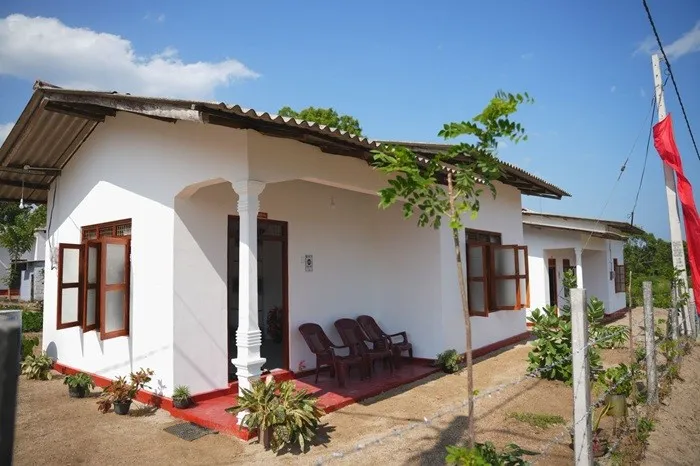
    In a significant display of bilateral cooperation, the High Commission of India, Colombo and Sri Lanka’s Ministry of Housing, Construction and Water Supply inaugurated two major development projects in the Eastern Province’s Ampara District on Wednesday. The two projects include a model housing village under the “Mahatma Gandhi Model Village Housing Project” and key infrastructure in the village of Komari including an RO water-plant and bus shelter.

    The Mahatma Gandhi Model Village project was formally handed over on 29 October to 24 beneficiary families in Ampara.

    Launched under a 2017 Memorandum of Understanding between the governments of India and Sri Lanka, the scheme envisages 600 houses – one “model village” of 24 homes per district across Sri Lanka.

    At the ceremony, India’s High Commissioner to Sri Lanka, Santosh Jha, and Sri Lanka’s Minister of Housing, Construction & Water Supply, Susil Ranasinghe, jointly presided over the hand-over.

    The project has already been completed in 16 districts, and overall progress is reported at about 98 per cent.

    This initiative targets low-income families selected by each district’s housing committee, offering secure housing and reinforcing rural development goals.

    Infrastructure Boost in Komari Village

    On 28 October, the Indian High Commissioner inaugurated a brand-new Reverse Osmosis (RO) water-treatment plant and a bus shelter at Komari village in the Pottuvil Division of Ampara District.

    The water-plant is expected to benefit about 1,000 persons in and around the village, while the bus shelter is intended to serve the entire local community.

    Also present were the Member of Parliament Abdul Washith, the Divisional Secretary of Pottuvil, Mr Ahamed Nazeel, and the Vice-Chairman of Pottuvil Pradeshiya Sabha.

    According to the press-release, this outreach by the High Commission forms part of its ongoing engagement with the Eastern Province from 28–30 October 2025, which also includes support for schools in Kalmunai and a scholarship scheme for meritorious students from economically-backward sections.

    Local Impact

    These twin initiatives underscore India’s sustained development cooperation with Sri Lanka, especially directed at the Eastern Province – a region that has faced challenges in post-conflict reconstruction, infrastructure deficit and economic inclusion.

    For the residents of Komari and the selected families in the model village, the tangible benefits – clean drinking water, improved transport waiting facilities, and new homes – could translate into improved quality of life, better health outcomes, and stronger livelihoods.

    The government of Sri Lanka and Indian diplomatic mission have signalled that such projects not only help with immediate infrastructure and housing needs but also reinforce long-term bilateral ties, regional stability and people-to-people connectivity.

    Moreover, by selecting low-income families and previously underserved villages, the housing project aligns with broader goals of equity, rural revitalisation, and resilient development.

    While nearly all districts have seen the housing-project rollout, the remaining few are expected to be handed over soon as the programme approaches full completion.

    For Komari and similar villages, follow-up will be important: ensuring the RO-plant is properly maintained, transport access is enhanced, and that local stakeholders can maximise the benefit of the new infrastructure.

    The high-level presence in the inauguration (India’s High Commissioner, Sri Lanka’s Minister) also signals that future projects may follow – possibly in education, health or further rural infrastructure – as part of India’s outreach in the Eastern Province’s recovery and development journey.

    What People Say

    One local leader in Komari described the RO-plant as “a lifeline” for the village, where water-borne ailments have long been a challenge. The bus shelter, though modest, is hailed as a step towards safer, more reliable transport access for women, children and the elderly waiting in the open.

    In the model-village hand-over, families expressed gratitude at getting not only a new home but a sense of security and dignity. Several underscored that the money from India made the difference between remaining renters or entering home-ownership for the first time.

    Officials from both sides emphasised that these are not “one-off” charity gestures but part of a systematic bilateral humanitarian and development cooperation framework  –  which Sri Lanka hopes to leverage further in years ahead.

    With the inauguration of the Mahatma Gandhi Model Village and the RO-plant/bus shelter package in Komari, India and Sri Lanka advance a practical, local-impact facet of their bilateral relationship. While the headline is about bricks, water and transport, the deeper narrative is about empowerment, rural inclusion and regional partnership  –  one village and one family at a time.

    As India and Sri Lanka track the performance and sustainability of these interventions, their success could set a template for future cross-border development cooperation in the region – especially in communities that must “catch up” after years of structural neglect or conflict.

    Pakistan’s Deportations of Afghans Follow Collapse of Istanbul Talks with Kabul

    Pakistan’s mass deportation of Afghan refugees has drawn rights groups’ condemnation for violating humanitarian norms. The UN warns of returns to Afghanistan’s economic collapse, drought, and women’s rights curbs, urging a halt until conditions improve.

    The latest round of dialogue between Pakistan and Afghanistan in Istanbul has ended without progress, deepening mistrust and triggering renewed tensions across the region. The talks, mediated by Turkish officials, were expected to break the deadlock over cross-border security and terrorism concerns. But after three days of negotiations, both sides left without a joint declaration or a clear path forward.

    Officials familiar with the discussions said Pakistan demanded guarantees from Kabul to act against groups allegedly involved in attacks on Pakistani soil. The Afghan side, however, urged Islamabad to share verifiable intelligence and stop using security accusations as a pretext for internal political gain. According to Afghan negotiators, Pakistan’s military and intelligence agencies have repeatedly blamed Afghanistan for its domestic instability, while failing to address the root causes of militancy within its borders.

    The third round of the Istanbul talks concluded with both delegations accusing each other of intransigence. Pakistani Defence Minister Khawaja Asif warned that “if dialogue does not work, action will continue against terrorists and their facilitators.” Afghan representatives called the remarks “unconstructive” and said Pakistan’s approach risked undermining regional cooperation.

    Despite mediation efforts by Turkish officials, the meeting ended in a stalemate – a development that observers say has directly influenced Pakistan’s decision to accelerate the expulsion of Afghan nationals living within its borders.

    Deportations Seen as Pressure Tactic Against Kabul

    Shortly after the talks collapsed, Islamabad announced a renewed campaign to deport Afghan citizens from Pakistan, linking the move to national security concerns. Officials in Pakistan framed the crackdown as part of a broader effort to protect its territory from militants allegedly operating out of Afghanistan.

    But for many in Kabul and international circles, the timing of the mass deportations suggests that Pakistan is using human displacement as leverage. The ‘Illegal Foreigners Repatriation Plan’, revived earlier this year, has targeted both undocumented and registered Afghan refugees. Local reports and human rights monitors say that arrests have intensified since the Istanbul talks failed.

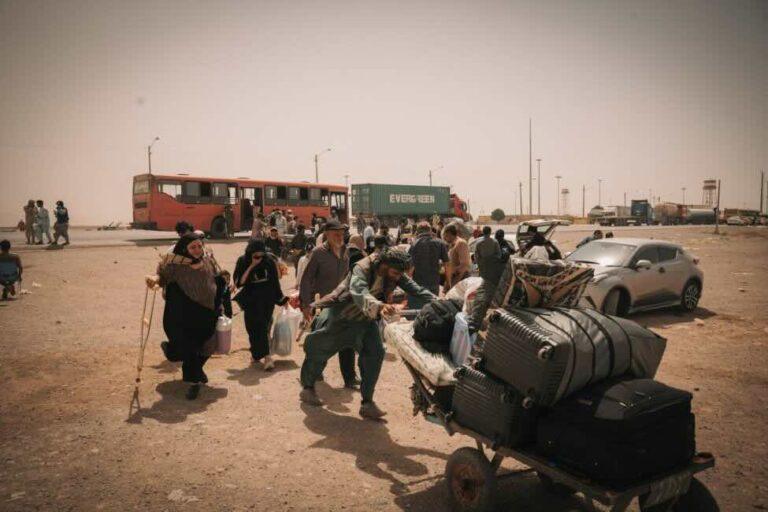
    In Punjab’s Jhelum district and parts of Khyber Pakhtunkhwa, police have been conducting raids and detentions of Afghans, with thousands facing imminent deportation. The United Nations High Commissioner for Refugees confirmed that Pakistan was forcing return of registered refugees, despite international protection agreements.

    Afghan officials and humanitarian organisations view this as collective punishment. A senior Afghan diplomat in Ankara said, “Pakistan could not secure what it wanted through talks, so it has turned its frustration against Afghan refugees. This will not bring security or stability – only more suffering.”

    Afghans Bear the Brunt of Diplomatic Breakdown

    The mass deportations have drawn condemnation from rights groups, who argue that Pakistan’s policy violates basic humanitarian norms, especially the right to non-refoulement. The UN human rights office warned in August that Afghan refugees are being forced back into a country still reeling from economic collapse, drought and restrictions on women’s rights. This is happening as the window opens to a harsh winter. The United Nations and several aid agencies urged Pakistan to halt deportations until conditions in Afghanistan improve.

    For decades, millions of Afghans have lived in Pakistan, many since the Soviet invasion of Afghanistan in 1979. Although some have integrated into local communities, the political and security climate has shifted sharply since the Taliban’s return to power in 2021. Pakistan now portrays the refugee population as a potential security threat, even as most have no links to militant groups.

    Afghan analysts argue that Islamabad’s decision to tie refugee policy to failed diplomacy is counterproductive. “Pakistan’s mass deportations are not a security solution. They are a political message – a way to pressure Kabul after talks fell apart,” said a Kabul-based academic who studies regional relations.

    Meanwhile, Afghan citizens expelled from Pakistan face uncertainty and hardship upon return. Many report losing livelihoods, education and property accumulated over decades. Aid agencies say Afghanistan lacks the capacity to absorb tens of thousands of returnees, warning of a potential humanitarian crisis.

    Regional Stability at Stake

    The breakdown of the Istanbul talks and the ensuing deportations underscore the fragile state of Pakistan-Afghanistan relations. While Islamabad insists it is acting in self-defence, critics say its policies risk alienating the very neighbour it needs for border security and trade cooperation.

    Kabul has urged Pakistan to resume dialogue and separate humanitarian issues from counter-terrorism concerns. So far, however, Islamabad appears to be pursuing unilateral action rather than reconciliation.

    As thousands of Afghans are loaded onto trucks for forced return, the crisis reflects not just the failure of diplomacy but also the erosion of trust between two interdependent nations. Unless talks resume on a more equal footing, analysts warn, South Asia may face yet another cycle of displacement, resentment and instability.

    Image: IOM 2025/Mohammad Osman Azizi

    Low Taxes, High Costs: How Sri Lanka’s Education Is Paying the Price

    The report traces the decline to the late 1970s, when tax-revenues began shrinking as a share of GDP and successive governments increasingly relied on indirect taxes and broad corporate tax exemptions.

    A newly released report by Human Rights Watch (HRW) argues that decades of tax cuts and incentive-driven corporate giveaways left Sri Lanka with one of the lowest tax-to-GDP ratios in the world and sent its public finances into crisis. At the heart of the crisis lies a sharp drop in the government’s capacity to fund essential public services such as education, health and social protection.

    The report traces the decline to the late 1970s, when tax-revenues began shrinking as a share of GDP and successive governments increasingly relied on indirect taxes and broad corporate tax exemptions. By March 2022, the tax-to-GDP ratio had slumped to 7.4 per cent – among the very bottom for any country at Sri Lanka’s income level.

    The consequences were dramatic when the economy collapsed in April 2022: foreign reserves tumbled to around US$1.9 billion; debt‐to‐GDP soared to 114 per cent. As the government scrambled under a bailout with the International Monetary Fund (IMF) and austerity loomed, spending on public services was squeezed even further.

    Education under strain

    The tax collapse has had cascading effects on the country’s once-strong education system. Though public education is free in law, in practice students and families are still paying – via “development” fees, exam fees and levies for basic supplies – because government funding is insufficient.

    In 2022, education spending was only about 1.5 per cent of GDP – placing Sri Lanka third lowest globally (behind only Laos and Haiti). HRW warns that such low investment is incompatible with international benchmarks, which suggest 4-6 per cent of GDP for education is required to meet human-rights obligations.

    The shortfall shows up in classrooms: teachers say labs, smart boards and other infrastructure often rely on fees or alumni donations rather than government budget lines. A teacher in Colombo noted: “The government isn’t providing this, it’s paid for by alumni donations and fees.” Meanwhile, a surge in private tuition classes is emerging – driven in part by gaps in public schooling capacity.

    Compounding the problem, the budget for the Ministry of Education, Higher Education and Vocational Training rose by only 3.5 per cent in 2025 compared to 2024 – a modest increase in the face of pledges to lift spending to 6 per cent of GDP.

    Budget moment of truth

    As the government prepares a new budget, HRW calls this a “make-or-break” moment for Sri Lanka’s education sector. The organisation emphasises that the budget must reverse years of neglect, ensure progressive tax measures and prioritise spending on rights‐essential services.

    A key task ahead: curbing the sweeping corporate tax incentives that cost the state an estimated US$2.7 billion in 2022 alone – equivalent to nearly three times the education budget. HRW urges the government to shift away from regressive consumption taxation (such as VAT hikes on food staples and school-stationery) and instead raise revenues through direct taxes on income, assets and wealth of high earners.

    For children, families and teachers across Sri Lanka the stakes are clear: without robust funding the country risks losing decades of hard-won education gains. According to the report, the gap in learning outcomes between wealthier and poorer students is widening – even as the nation slips in its global standings.

    In this context the coming budget is not just a line in the fiscal calendar – it may determine whether Sri Lanka restores its promise of equal access to quality education or continues on a path of under-resourcing and inequality.

    According to the HRW report, the government has a historic opportunity – to move tax policy from giveaways and exemptions to fairness and adequacy – and to align public spending with the fundamental right of every child to learn.

    Image: www.globalpartnership.org

    Delhi’s Ambitious “Artificial Rain” Bid Stalls as Conditions Fall Short

    Delhi’s cloud-seeding experiment reveals artificial rain’s limits in polluted, dry winters. Costly with marginal air-quality gains, it’s paused amid ongoing political and scientific debate.

    The National Capital Territory of Delhi government’s first major attempt to seed clouds and induce rainfall to curb winter smog has stalled. While the programme, executed by the Indian Institute of Technology Kanpur (IIT Kanpur) in collaboration with the city administration, was launched with high hopes, both scientific and political doubts have surfaced.

    On Tuesday, two cloud-seeding flights were conducted over parts of Delhi and its outskirts, during which aircraft fired silver-iodide and salt-based flares into clouds. The action was part of a pilot scheme approved in May this year to carry out five such experiments at a total cost of around ₹3.21 crore.

    However, the trials did not result in any measurable rainfall over Delhi itself. The official reason given: the atmospheric moisture in the target clouds was too low – around 15 – 20 per cent – well below the 50 per cent typically deemed favourable for rainfall-generation.

    On Wednesday the government announced that no further seeding attempts would be made “for the day”, citing insufficient moisture.

    Cost, Expectations and Measured Impact

    The cost of Tuesday’s two flights alone is estimated at ₹1.2 crore (approximately) as part of the pilot. While rainfall did not materialise, IIT Kanpur reported modest reductions in particulate matter (PM₂.₅ and PM₁₀) at test locations, roughly 6 to 10 per cent lower concentrations.

    Environment Minister Manjinder Singh Sirsa described the exercise as a “science-first step” in Delhi’s fight against air-pollution.

    AAP Versus BJP; and Scepticism

    The trial has rapidly turned into a political flashpoint. The opposition Aam Aadmi Party (AAP) accused the government of squandering taxpayer money on a gimmick and questioned whether the experiment was meaningful in conditions where success was unlikely. Party leader Saurabh Bharadwaj dubbed it a “mega-fraud” and quipped if even Lord Indra would need to descend to declare if rain was “artificial or natural”.

    On the other side, the ruling Bharatiya Janata Party (BJP) government argues that the initiative was delayed for years under the previous regime and that patience is required for such experimental technologies.

    Scientific Caveats; Bigger Picture

    Experts caution that cloud seeding is not a silver bullet for Delhi’s entrenched pollution problem. The method’s efficacy is unpredictable and highly contingent on favourable meteorological conditions – abundant cloud cover and sufficient moisture being key.

    As one scientist put it: “Even if it rains, pollution will rise again because the source has not gone.” Even though the pilot registered small improvements in air-quality where monitoring stations were placed, the reductions are modest and possibly short-term.

    With further seeding flights on hold pending better atmospheric conditions, the government says it will wait for suitable clouds before carrying out more trials. IIT Kanpur says it will use the data from this round – especially on moisture levels and pollutant behaviour – to refine future operations.

    However, many analysts say that while the pilot might provide useful technical insight, the main thrust of Delhi’s air-quality strategy must remain on reducing emissions from vehicles, industry, construction and crop-burning, rather than relying on weather modification alone.

    Delhi’s bold and high-profile cloud-seeding experiment has exposed the limitations of artificial rain in highly polluted and dry winter conditions. The high cost and lack of immediate rainfall success add to the scrutiny. While some air-quality gains were logged, they remain marginal and insufficient to replace systemic pollution controls. With conditions currently unfavourable, the experiment is paused, but the political and scientific debate looks set to continue.

    Image: IIT Kanpur media cell