More

    Dispute Deepens Over Gen Z Crackdown, As Security Chiefs Urge Caution on Arrests of Former Leaders

    As Nepal nears March elections, the Gen Z crackdown’s handling will test whether the Karki government can ensure accountability without repression or further deepen post-September political divisions.

    A fierce tug-of-war has broken out at the heart of Nepal’s government over how to respond to the violent fallout from the Gen Z protests, as tensions intensify over whether to pursue criminal action immediately – and whether to detain prominent figures implicated by the inquiry process.

    The split between the home ministry and the judicial commission led by former judge Gauri Bahadur Karki has become increasingly public, reflecting a deeper dilemma: to move swiftly with criminal probes, or to hold back until the commission delivers its findings. Meanwhile, Prime Minister Sushila Karki is under mounting pressure – both from civil society and political quarters – to arrest former prime minister KP Sharma Oli and former home minister Ramesh Lekhak, names recently flagged by the commission. Yet security chiefs advising the prime minister have cautioned against precipitous action, warning of dire repercussions for political stability.

    Ministry and Commission Clash

    The home ministry has maintained a posture of restraint, insisting that law enforcement should await the commission’s final report before launching criminal proceedings. That position was formalized in a circular issued on 25 September instructing district authorities not to detain Gen Z protesters while the commission’s work is ongoing.

    But the commission has pushed back forcefully. In a statement on Tuesday, commission member Bigyan Raj Sharma asserted that “the relevant authorities need not wait for the commission’s report” before invoking criminal investigations via the regular legal process.

    That contradiction has left police officers in a bind. “A number of suspects had to be freed after the ministry’s order, but now the commission says there is no bar to action – so we’re caught in confusion,” said a police officer in Kathmandu Valley.

    A senior ministry official said their earlier statement was “misinterpreted” – the intent was not to impose a blanket freeze on investigations, but to caution against hasty arrests based solely on footage or unverified protest incidents.

    Meanwhile, former Additional IGP Rajendra Singh Bhandari emphasised that the roles of judicial inquiry and criminal investigation are distinct. The commission is meant to analyse the facts and recommend, not to substitute the criminal justice mechanism. “Serious offences must still be investigated under the established framework,” he said.

    The commission itself was formed in the third week of September in response to the September 8–9 protests, which spiralled into violence after police opened fire, reportedly killing 21 people on the first day alone. Over two days, the clashes left the country reeling, and the official death toll has since climbed to 75 in total.

    On 28 September, the commission requested travel bans for former prime minister Oli, ex–home minister Lekhak, the home secretary, the head of the National Investigation Department, and a former Kathmandu district chief. The commission also instructed that these figures not leave Kathmandu Valley without its approval.

    Pressure to Arrest, but Calls for Caution

    In parallel with the ministry-commission dispute, the prime minister convened a marathon security meeting Monday night, from 10 PM to 3 AM, to assess whether to arrest Oli and Lekhak. Participants included Home Minister Om Prakash Aryal, Army Chief Ashok Raj Sigdel, IGP Chandrakuber Khapung, Armed Police Force head Raju Aryal, and the head of the National Investigation Department Tekendra Karki.

    Officials say the meeting discussed not only the legal merits of arresting these leaders, but also the risks of renewed unrest, communal tension, and the looming parliamentary elections due 5 March 2026.

    Heads of security across agencies reportedly advised the prime minister to act strictly within legal bounds and avoid overreach. They warned that premature or politically motivated detentions could destabilise fragile social calm.

    Home minister Aryal reportedly voiced concerns that “action outside the legal framework could trigger more bloodshed and disrupt the election climate.”

    The police leadership echoed the caution, pointing out that arrests of powerful political figures may invite counter-complaints and retaliatory legal challenges. Army chief Sigdel highlighted the risk that divisive actors could exploit public polarisation, especially in the backdrop of recent religious tensions in Dhanusha’s Janakpurdham and communal sensitivities reported in Nepalgunj.

    Officials reportedly warned the prime minister that both arrest and non-arrest carry risks: detentions could prompt mass mobilisation by the CPN-UML or the Nepali Congress, while inaction might embolden critics demanding accountability for state violence during the protests.

    In the end, the meeting yielded no firm resolution. Instead, the consensus leaned toward a “wait-and-see” posture. Meanwhile, police declined to register a complaint filed by Gen Z activists against Oli and Lekhak, forwarding it instead to the judicial commission led by Gauri Bahadur Karki.

    Political and Legal Crossroads

    The tug-of-war between the home ministry’s cautious restraint and the commission’s push for immediate legal action underscores the broader tensions in Nepal’s response to mass protest and accountability. The question now is whether justice will be delayed in the interest of stability – or whether pushing too hard too soon will spark an even greater backlash.

    At stake is not only the legal fate of Oli and Lekhak, but deeper questions about the separation of powers, the independence of law enforcement, and the ability of the State to hold powerful actors to account while preserving public order in a politically polarised climate.

    As Nepal hurtles toward elections in March, the handling of the Gen Z crackdown case may become a litmus test for whether the Karki government can deliver accountability without descending into repression – or whether unresolved rifts will magnify rather than heal the fissures opened by September’s violence.

    Two Decades On, Pakistan Still Rebuilding from 2005 Earthquake’s Ruins

    Despite billions invested in reconstruction and ongoing government promises, thousands still reside in temporary shelters, and numerous public buildings, particularly schools and hospitals, remain unrebuilt.

    Twenty years after one of Pakistan’s deadliest natural disasters, the scars of the 2005 earthquake that devastated Pakistan occupied Kashmir (POK) and Khyber Pakhtunkhwa (K-P) remain deeply etched in both the land and the lives of survivors. Despite billions spent on reconstruction and repeated pledges by successive governments, thousands continue to live in makeshift shelters, while hundreds of public buildings, especially schools and hospitals, remain un-rebuilt.

    At 8:52 AM on October 8, 2005, a powerful 7.6-magnitude quake struck northern Pakistan, flattening entire towns across Muzaffarabad, Bagh, Balakot, and Mansehra. The disaster claimed over 80,000 lives, left more than 3.5 million people homeless, and destroyed an estimated 600,000 homes and 6,000 schools. Two decades later, the ruins still tell a story of unfinished recovery.

    Lingering Scars and Unfulfilled Promises

    The physical and emotional wounds of that morning are far from healed. In Muzaffarabad, residents of some of the worst-hit neighbourhoods say life has never truly returned to normal. “We lost everything – our homes, our schools, our memories,” says 65-year-old Muhammad Ashraf, a survivor who still lives in temporary housing. “Governments came and went, but promises of rebuilding never fully materialised.”

    According to the Earthquake Reconstruction and Rehabilitation Authority (ERRA), nearly 90 per cent of the planned reconstruction projects have been completed. Yet, local reports indicate that over 1,000 schools in Khyber Pakhtunkhwa are still awaiting rebuilding, forcing children to study in unsafe or makeshift classrooms. Dozens of public hospitals also remain partially functional, lacking the modern facilities envisioned in the post-quake master plans.

    In its latest statement, ERRA acknowledged delays caused by “funding constraints, administrative hurdles, and natural calamities.” However, local civil society groups argue that bureaucratic inefficiency and political neglect have been the real obstacles. “Rehabilitation was never treated as a long-term national priority,” says development activist Sanaullah Khan from Balakot. “The momentum faded after the initial aid dried up.”

    Government Vows Resilience and Preparedness

    On the twentieth anniversary of the disaster, Pakistan’s President Asif Ali Zardari and Prime Minister Shehbaz Sharif led solemn commemorations, paying tribute to victims and vowing to strengthen disaster preparedness. In separate messages, both leaders stressed the need to build a “resilient Pakistan” capable of withstanding future calamities in an era of intensifying climate risks.

    “The 2005 earthquake was a turning point that taught us the importance of national resilience,” the prime minister said. “We have made progress, but much remains to be done to ensure that every school, hospital, and home is built to withstand disasters.”

    Officials also highlighted the role of early warning systems, updated building codes, and community awareness campaigns. The National Disaster Management Authority (NDMA) announced plans to expand digital monitoring networks and enhance coordination among provincial disaster management agencies.

    Yet for many survivors, such pledges ring hollow. “Every year, we hear about new projects and new plans,” says 50-year-old widow Rukhsana Bibi from Bagh. “But when rain leaks into our tents, when our children study without walls, we realise that resilience remains only a slogan.”

    A Tale of Two Recoveries

    The reconstruction experience has been uneven. While urban areas such as Muzaffarabad’s city centre now feature new government buildings, bridges, and roads, remote mountain villages tell a different story. In Neelum Valley, many families rebuilt their homes using their own limited resources, often without adherence to quake-resistant standards. Aid agencies warn that such structures remain highly vulnerable to future tremors.

    Education infrastructure has been among the hardest hit. The Khyber Pakhtunkhwa education department recently confirmed that nearly 1,000 schools affected by the earthquake still lack permanent structures. Many are run in tents or temporary sheds, exposing children to extreme weather. “Two decades is too long for children to wait for safe classrooms,” said a senior education official quoted in The Express Tribune.

    Similarly, hundreds of health facilities that were meant to be rebuilt with international assistance remain incomplete. Doctors Without Borders and other NGOs that once operated temporary clinics have since withdrawn, leaving residents dependent on under-equipped local centres.

    Voices of Resilience

    Despite the long struggle, stories of courage and community rebuilding abound. In Balakot, volunteers who lost families in the quake now lead disaster preparedness training for local youth. “We don’t want another generation to suffer as we did,” says trainer Khalid Mehmood. “Awareness and preparedness are our best defence.”

    In Muzaffarabad, women-led groups have taken charge of reconstruction in their neighbourhoods, building quake-resistant homes with technical guidance from NGOs. Their work has inspired a new culture of self-reliance. “If we wait for the government, nothing moves,” says Fatima Noor, a community leader. “So we decided to rebuild our future with our own hands.” Experts say Pakistan must learn from the unfinished lessons of 2005 as it faces more frequent natural disasters linked to climate change. “Earthquake resilience is not just about rebuilding structures – it’s about building systems that endure,” says Dr. Aisha Qureshi, a disaster management specialist. “The gap between policy and practice remains Pakistan’s biggest vulnerability.”

    Violence in Pakistan Escalates Sharply in Q3 2025, Nearing All-Time Highs

    Violence across Pakistan has surged sharply in 2025, with militant attacks and counter-terrorism operations intensifying. Fatalities in the first nine months nearly match the total toll recorded in 2024.

    Violence in Pakistan surged dramatically during the third quarter of 2025, according to a report by the Center for Research and Security Studies (CRSS), with fatalities rising nearly to the levels seen in all of 2024. The increase is driven by militant attacks and intensified counter-terrorism operations, particularly in the provinces of Khyber Pakhtunkhwa (KP) and Balochistan.

    In Q3 of 2025 (July-September), Pakistan recorded 901 fatalities and 599 injuries in at least 329 violent incidents involving terrorists, militants, counter-terror operations and related conflict.

    When compared with the second quarter, this is an over 46 per cent rise in violence.

    2025 Approaches 2024 Toll

    Through the first three quarters of 2025, the country suffered 2,414 deaths, almost matching the 2,546 fatalities recorded during the entire year of 2024. With one quarter still remaining in 2025, CRSS warns that this year could become one of the deadliest in Pakistan in over a decade.

    Notably, the nature of the violence has shifted. While terror attacks in 2024 claimed the majority of deaths, in 2025 security operations have become far more lethal. In the first nine months of 2024, security forces operations caused 505 deaths (around 33 per cent of the total), but by 2025, operations accounted for 1,265 deaths, more than half the total fatalities.

    Geographic Hotspots: KP and Balochistan

    Over 96 per cent of the violence in Q3 2025 was concentrated in two provinces bordering Afghanistan:

    Khyber Pakhtunkhwa (KP): Nearly 71 per cent of the total fatalities (≈ 638 deaths) and over 67 per cent of the incidents of violence occurred here.

    Balochistan: Over 25 per cent of fatalities (~230) and of the incidents were in this province.

    Other provinces also saw increases – for example, Sindh recorded a fatality increase of 162 per cent relative to Q2 – but from much lower absolute numbers.

    Who is Being Killed – Civilians, Security Forces, Militants

    The breakdown of fatalities shows that militants (“outlaws” in CRSS parlance) sustained the largest number of deaths, but civilians and security forces also suffered heavily.

    Militants: 516 out of 901 deaths (~57 per cent)

    Civilians: ~219 (~24 per cent)

    Security Forces: ~166 (~18 per cent)

    Interestingly, even though security operations were fewer in number compared to terrorist attacks, the lethality of those operations was high, leading to a comparable number of deaths. Civilians were the most frequently targeted among non-militant victims, suffering the most injuries and being subject to more attacks.

    Causes and Underlying Trends

    CRSS and other analysts point to several contributing factors:

    • An expanded scale of counter-terrorism operations, which are being carried out more aggressively and broadly.
    • Increasing militant activity, especially from groups like the Pakistani Taliban (TTP) in KP and Baloch separatist insurgents in Balochistan.
    • Spillover effects from regional instability, especially following the withdrawal of US-led forces from Afghanistan in 2021, which Pakistan’s government has linked to increased militant safe havens – though these claims are denied by Taliban authorities.

    Human Cost and Civilian Concerns

    The rise in violence has taken a heavy toll on civilians. Village councils and civil society have warned that sweeping counter-terrorism operations often risk harming non-combatants. There are also reports of air raids and operations that allegedly killed children. Despite denials or lack of comment from official sources, these incidents fuel tensions and calls for more precise, accountable operations.

    With Q4 still ahead, the trend suggests that 2025 will surpass 2024 in terms of fatalities, making it a record year of violence in recent memory. CRSS and others are urging the government to review its counter-terrorism strategies, improve civilian protections, and address the root causes of militancy – such as governance gaps, regional instability, and socio-economic grievances.

    The escalating violence in Pakistan presents a complex challenge: balancing the imperative to neutralize militant threats with the equally urgent need to protect civilians and uphold human rights. As security forces intensify operations, the risk of collateral damage rises, as does the potential for local backlash or recruitment into militant ranks. Meanwhile, the provinces of KP and Balochistan remain frontline zones where much of the fighting is concentrated, and where both the security situation and civilian hardship are most acute.

    The report suggests that unless Pakistan finds ways to combine more effective targeting, better intelligence, stronger community engagement, and political solutions, the death toll may continue to rise – and with it, the challenges to peace, stability, and governance.

    Sri Lanka Debates Proposed Ban on Corporal Punishment; Buddhist Monks Resist Change

    Sri Lanka’s debate over corporal punishment is not merely legalistic – it reflects deeper tensions between modern human rights frameworks and entrenched cultural, religious, and familial practices.

    Sri Lanka is witnessing a heated national debate over proposed amendments to the island nation’s penal code that would criminalise corporal punishment and broader forms of physical and psychological abuse of children in homes, schools, and detention centres. While proponents argue the changes are long overdue to protect children’s rights, critics – most notably prominent Buddhist clergy – warn the move threatens parental authority, undermines discipline, and clashes with cultural values.

    On September 24, the government tabled an amendment aimed at strengthening child protection by explicitly banning all forms of physical and psychological punishment, including practices such as shaving a child’s head or untying a school uniform. The measure also encompasses threats, intimidation, or other degrading treatment of children. Offenders would face penalties of up to six months’ imprisonment, a fine of up to Rs. 100,000 (about US$333), or both.

    Speaking to The Sunday Morning, Attorney-at-Law and Director – Law Enforcement at the National Child Protection Authority, Sajeewani Abeykoon, said plans were afoot to amend Section 308A of the Penal Code. The existing provisions criminalise cruelty against children – assault, ill-treatment, neglect, and abandonment of children causing them suffering or injury to health.

    “The NCPA appointed an expert committee a few years ago to expand the law on corporal punishment. The previous government gave cabinet approval for a new law. The new Government has also stated its intentions to do so and the Justice Ministry has informed us that it will be an amendment to the existing provisions in the Penal Code. The amendment aims to tackle the challenges that arise when we implement the law against corporal punishment,” said Abeykoon.

    Clerical Backlash: Preserving Discipline or Opposing Reform?

    In a forceful joint letter addressed to President Anura Kumara Dissanayake on September 30, the chief prelates of Sri Lanka’s Buddhist chapters publicly rejected the proposed law. They argue it would erode time-honoured practices in family and school life, and weaken the “mutual understanding, trust, and goodwill of parents, children, educators, and learners.” They warned of “stern public outcry and criticism” if the amendments move ahead unchanged.

    The monks contend that Sri Lanka’s existing penal code already contains sufficient safeguards to deal with abuse, and that new legislation is unnecessary and overly idealistic. They argue that disciplining children without physical or psychological means would lead to chaos in homes and classrooms alike. In their view, the bill amounts to an overreach of the state into parental and educational domains.

    Many in the Buddhist clergy see this as a sovereignty issue  –  defending what they consider traditional moral and ethical systems rooted in the island’s Buddhist heritage. They caution that without firm disciplinary mechanisms, young people could grow unaccustomed to respect, authority and social order.

    Opposition Beyond the Sangha

    The clerical resistance has been echoed by teachers’ unions and some parent groups. Joseph Stalin, general secretary of the Sri Lanka Teachers’ Union, warned that the amendment could be used to harass teachers for even mild disciplinary actions. A Catholic priest (speaking anonymously) expressed concern that the amendment would give children “unlimited freedom” and weaken school discipline.

    Meanwhile, some parents and educators support the bill, seeing it as an overdue correction in a country where disciplinary punishments are sometimes imposed for seemingly trivial infractions  –  such as wearing shorter skirts, using certain footwear, or applying bright nail polish. Jayani Serasinghe, a teacher and mother, told UCA News: “It is imperative not to criminalise physical and mental abuse of children for such silly things.”

    She added that punishments that are genuinely “inhumane” in the name of discipline should be punished.

    In defence of the bill, Prime Minister Harini Amarasuriya (also serving as Education Minister) has said that children can be corrected without resorting to physical or psychological abuse – and that if society regards abuse as necessary for discipline, then much more public dialogue is required. Women and Child Affairs Minister Saroja Savitri Paulraj says the amendment, which has already been debated twice in Parliament, will be passed soon.

    Rights, Culture and the Law

    Supporters of the amendment position it as a straightforward alignment with global human rights norms, aimed at safeguarding children from all forms of abuse. They argue that corporal punishment and psychological abuse are inherently harmful and incompatible with a modern, rights-based society.

    Yet, critics contend that such sweeping legal reform fails to account for socioeconomic realities: crowded classrooms, resource-strapped schools, authoritarian teaching traditions, and settings where parental authority remains deeply entrenched. Some suggest that instead of criminalising common disciplinary practices, the government should emphasise awareness campaigns, training for parents and teachers, and more responsive child protection systems.

    Another central fault line is interpretive: what counts as “abuse” versus what is “reasonable” discipline? The Buddhist monastic critics argue that the bill blurs this line, granting too much state control over family life.

    What Happens Next?

    At present, the amendment is under parliamentary consideration. Though the Education and Women and Child Affairs ministries seem committed to pushing it through, resistance from the clergy, teachers, and parts of the public might force changes or concessions.

    Observers suggest the government may need to accommodate amendments that clarify definitions of discipline vs. abuse, insert exceptions or allowances, or phase in the new rules more gradually. They may also need to undertake outreach programmes to religious and community leaders to build legitimacy and acceptance.

    If passed, Sri Lanka would join a growing number of countries that prohibit all corporal punishment of children in all settings  – a move seen by global children’s rights organisations as a benchmark of legal maturity. But in a deeply religious society where Buddhist monasteries hold moral influence, the resistance to change makes implementation and enforcement especially fraught.

    Sri Lanka’s debate over corporal punishment is not merely legalistic – it reflects deeper tensions between modern human rights frameworks and entrenched cultural, religious, and familial practices. The opposition from Buddhist monks underscores how sensitive questions of discipline, authority, and state intervention resonate in societies where religious norms are intertwined with social life. Whether Sri Lanka can reconcile respect for children’s rights with respect for parental and educational authority may determine not only the fate of the bill, but the shape of social values to come.

    Image: Chatgpt

    Rs. 707.97 Crore Additional Central Assistance to Assam and Gujarat, Affected by 2024 Flood

    High-Level committee has also approved Rs. 903.67 crore to Haryana, Madhya Pradesh and Rajasthan under NDRF for expansion and modernisation of fire services.

    A high-level committee (HLC), under the chairmanship of union home minister and minister of cooperation, Amit Shah, has approved Rs. 707.97 crore of additional central assistance to the states of Assam and Gujarat that were affected by flood and landslides in 2024.

    This central assistance has been provided from the National Disaster Response Fund (NDRF), subject to an adjustment of 50 per cent of the opening balance for the year available in the State Disaster Response Fund (SDRF). Out of the total amount of Rs. 707.97 crore, Rs 313.69 crore has been approved for Assam and Rs 394.28 crore for Gujarat.

    The high-level committee has also approved Rs. 903.67 crore to Haryana, Madhya Pradesh and Rajasthan under NDRF for expansion and modernization of fire services.

    A total outlay of Rs. 903.67 crore will have Rs. 676.33 crore as assistance from the union government. Out of the total amount of Rs. 903.67 crore, Rs 117.19 crore has been approved for Haryana, Rs. 397.54 crore for Madhya Pradesh and Rs 388.94 crore for Rajasthan.

    This additional assistance is over and above the funds released by the union government to the states in the State Disaster Response Fund (SDRF), already placed at the disposal of the states. During the financial year 2025-26, the union government has released Rs. 13,603.20 crore to 27 states under SDRF and Rs. 2,024.04 crore under NDRF to 12 states. 

    Additionally, Rs. 4,571.30 crore has also been released from the State Disaster Mitigation Fund (SDMF) to 21 States and Rs. 372.09 crore from National Disaster Mitigation Fund (NDMF) to nine states.

    US War Crimes in Afghanistan: Allegations of Impunity and Double Standards

    As the international community weighs its response, many in Afghanistan hope that this renewed attention may lead to some measure of justice – long overdue for victims whose voices were too often drowned out in the fog of war.

    A sweeping New York Times investigation has reignited scrutiny over alleged war crimes committed by US forces in Afghanistan. It has also reignited scrutiny over the apparent disparity in how those cases are handled. The revelations lay bare a deeply troubling pattern: some service members face vigorous prosecution, while others – even when evidence appears compelling – evade accountability.

    Central to the New York Times’ report is the case of Matthew Golsteyn, a former Green Beret who admitted that during a 2010 deployment he released a bomb-making suspect and later killed him, then burned his body. Though the case has been opened and closed multiple times over the years, Golsteyn was intensively pursued by military prosecutors.

    In stark contrast stands a case in the Nerkh district of Kunduz province, in which an Operational Detachment Alpha (ODA) team is accused of the killing and torture of nine Afghan detainees. Despite extensive evidence suggesting misconduct, the investigation was quietly dropped and no US service members were charged.

    Analysts say the juxtaposition of these two outcomes illustrates a “culture of immunity” within certain sectors of US Special Operations. “There has been a completely double-standard approach,” said political analyst Ruhullah Hotak.

    A Culture of Silence, Cover-Ups, and Promotions

    According to the Times, the US Special Operations Command (USSOCOM) has repeatedly favoured obfuscation, inaction, and even career advancement for accused personnel – rather than full, transparent investigations.

    One oft-cited example is the 2015 airstrike on a Doctors Without Borders hospital in Kunduz, which killed 42 civilians. Although accountability was promised, no senior US official was ever held to account.

    Wahid Faqiri, an expert in international relations, told Afghan news platform, TOLOnews, that several recent New York Times reports “expose a culture of impunity” – a system in which wrongdoing by US soldiers in Afghanistan is insufficiently pursued.

    A Broader Pattern of Allegations

    The Golsteyn and Nerkh cases are not anomalies. Over the course of the US presence in Afghanistan, accusations of war crimes have repeatedly emerged – many unresolved or downgraded to administrative matters.

    Bagram Detention Abuses: In 2005, two Afghan detainees, Habibullah and Dilawar, died after being chained to the ceiling and beaten. Autopsy reports determined their deaths were homicides. Seven soldiers were charged.

    Kandahar Massacre (2012): Staff Sergeant Robert Bales walked from his base into nearby villages and slaughtered 16 Afghan civilians, including women and children. After admitting guilt, Bales was sentenced to life without parole.

    Maywand (Kill Team) Murders: In 2010 in Kandahar, a group of US infantrymen (self-dubbed the “Kill Team”) murdered Afghan civilians in staged combat settings. Several soldiers were convicted, but critics say the case’s handling underscores how rare it is for frontline units to face accountability.

    Shinwar Shooting (2007): After a car bomb attack near a US convoy, Marines returning fire were accused of killing up to 19 civilians along a highway. Though US investigators later reduced the estimated fatalities, charges were never filed.

    These and other instances suggest structural obstacles to transparency – from buried evidence to internal resistance to investigation, or the framing of incidents as unavoidable in combat.

    Reactions from Kabul and Beyond

    Afghan authorities and analysts have long decried what they describe as US disregard for accountability. The Afghan government has repeatedly demanded that countries and individuals responsible for wartime violations in Afghanistan pay reparations and face justice.

    Within Kabul and among the country’s political elite, the new New York Times report is being seen as vindication of longstanding claims that the US exercised impunity, especially during its two decades of military involvement. Some view it as an opportunity to press for renewed international investigations or even prosecutions in international fora.

    International human rights groups are also calling for independent scrutiny. They argue that without credible external oversight, internal US military processes will continue to shield alleged perpetrators – particularly those in elite units.

    The Challenge of Accountability in War

    Observers emphasize that investigating alleged war crimes is a forbidding task, especially in conflict zones. Security, access to evidence, witness protection, and political will all present enormous hurdles. Yet for critics, these are precisely the reasons why strong, transparent mechanisms must be institutionalized – to ensure fair treatment regardless of rank or unit.

    In the wake of the New York Times’ revelations, key questions arise: Why was Golsteyn targeted so aggressively while the Nerkh case was quashed? Which decisions were taken higher up the chain of command? And what reforms, if any, will emerge to prevent recurrence?

    Image: CHATGPT

    India’s Farmer Skill Revolution: Crores Trained to Become Agri-Entrepreneurs

    The ATMA scheme has achieved significant scale, reaching approximately 1.27 Crore farmers between 2021 and early 2025. This decentralised model ensures the latest agricultural technologies and good practices are widely disseminated across different thematic areas.

    According to a comprehensive review released by the government’s Public Information Bureau (PIB) on last week, a vast network of national and sector-specific programs has provided extensive training and capacity building, directly benefiting crores of farmers and rural youth across the country.

    According to the PIB press statement, the Indian government has successfully transitioned its agricultural policy focus from mere subsidies and credit access to holistic skill development, transforming millions of farmers into innovators and agri-business leaders.

    The data put out by PIB confirms that farmer empowerment, aimed at building a resilient and self-reliant agricultural sector, has become a core element of India’s strategy for inclusive growth. Recognising that modern farming challenges include adapting to climate change, managing soil health scientifically, and navigating complex markets, the government has established robust institutional platforms to deliver vocational skills and technological exposure directly to the ground level, the PIB release says.

    The Institutional Backbone: KVKs and ATMA

    The government’s publicity office says that at the forefront of this capacity building drive are the Krishi Vigyan Kendras (KVKs), established by the Indian Council of Agricultural Research (ICAR). These frontline extension centres, which bridge the gap between research and practical application through hands-on training and demonstrations, have shown remarkable outreach.

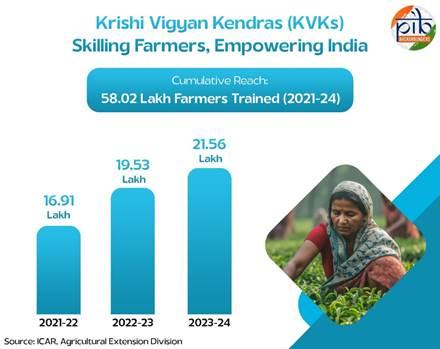
    Between 2021 and 2024, KVKs successfully trained an impressive 58.02 lakh farmers. The consistent growth in participation underscores the efficacy of KVKs in translating scientific knowledge into field-level improvements, with training focusing on crop management, animal husbandry, and soil health, all tailored to local agro-climatic realities.

    Complementing this effort is the Agricultural Technology Management Agency (ATMA), a Centrally Sponsored Scheme focused on revitalising state extension systems and promoting decentralised, farmer-friendly approaches. Through interventions like farmer training, demonstrations, and Kisan Melas, the ATMA scheme has achieved significant scale, reaching approximately 1.27 Crore farmers between 2021 and early 2025. This decentralised model ensures the latest agricultural technologies and good practices are widely disseminated across different thematic areas.

    Skilling the Next Generation and Mechanisation Push

    Special attention has been directed towards equipping the younger generation to capitalise on emerging opportunities in agriculture. The Skill Training of Rural Youth (STRY) programme, now integrated under the ATMA framework, offers short-term, skill-based vocational training across allied sectors like horticulture, dairy, and fisheries. Designed to promote wage and self-employment among rural youth aged 18 and above, STRY has trained over 43,000 youth between 2021 and 2024, creating a vital pool of skilled manpower ready to strengthen rural economies.

    Concurrently, the government has focused heavily on reducing the cost and labour intensity of farming through the Sub-Mission on Agricultural Mechanisation (SMAM). This scheme aims to expand the reach of farm mechanisation, particularly among small and marginal farmers, by promoting Custom Hiring Services. In the four-year period from 2021 to 2025, SMAM successfully trained a total of 57,139 farmers in the use, maintenance, and operation of modern farm equipment, along with quality assurance practices.

    Focus on Sustainability and Value Chains

    Sustainability has been a key theme, with the Soil Health Card Scheme proving critical in guiding farmers towards informed decisions regarding crop planning and balanced nutrient management. As of July 24, 2025, the scheme reported distributing over 25.17 crore soil health cards nationwide, supported by more than 93,000 farmer trainings and 6.8 lakh demonstrations, leading to demonstrably improved soil health and productivity.

    The strengthening of Farmer Producer Organisations (FPOs) is also fostering collective capacity. With 10,000 FPOs registered, farmers are now receiving regular training in critical areas such as agri-business management, market linkages, and accessing digital platforms like e-NAM and GeM, effectively turning collective action into commercial success.

    Integrating Skills into National Missions

    Skill development has been deeply embedded within India’s broader national skilling framework. The Pradhan Mantri Kaushal Vikas Yojana (PMKVY 4.0), which runs from 2022–2026, has adopted agriculture as a priority sector. Since the PMKVY’s inception in 2015, over 1.64 Crore people have been trained and more than 1.29 Crore certified across various trades, demonstrating the massive national scope of vocational training, including specialised agriculture courses.

    Sector-specific schemes have further ensured targeted capacity building:

    The Mission for Integrated Development of Horticulture (MIDH) trained 9.73 lakh farmers between 2014-15 and 2023-24.

    The Rashtriya Gokul Mission (RGM) has trained and equipped 38,736 Multi-purpose Artificial Insemination Technicians in Rural India (MAITRIs) to deliver doorstep livestock services.

    The Pradhan Mantri Kisan SAMPADA Yojana (PMKSY), which focuses on developing modern food processing infrastructure, has seen 1,133 projects completed as of June 30, 2025, directly benefiting more than 34 lakh farmers by creating sector-specific skilled workforces.

    How Many Have Been Reached?

    The cumulative figure of those trained is actually in the tens of millions, based on the specific programmes detailed in the PIB release:

    • The Agricultural Technology Management Agency (ATMA) alone has reached approximately 12.7 million farmers (1.27 Crore).
    • The Krishi Vigyan Kendras (KVKs) trained over 5.8 million farmers (58.02 lakh).
    • The broader Pradhan Mantri Kaushal Vikas Yojana (PMKVY) has trained over 16.4 million people (1.64 Crore) since its inception, including those in the agriculture sector.

    Cumulatively, the three largest direct training programs mentioned account for over 34.9 million people trained or reached.

    The PIB release also notes that the Soil Health Card Scheme has had an even wider reach, distributing over 251.7 million cards (25.17 crore) nationwide, showing the massive scale of the overall farmer empowerment initiative.

    These concerted efforts spanning training, mechanisation, soil science, and value chain integration are setting the stage for a digitally enabled, entrepreneurial, and resilient farming community, firmly aligning the agricultural sector’s growth trajectory with the national vision of a ‘Viksit Bharat’.

    Torrential Rains Unleash Deadly Floods Across India and Nepal, Dozens Killed

    The Indian Meteorological Department (IMD) attributed the deluge to a slow-moving monsoon trough combined with a western disturbance – a rare convergence that has amplified rainfall intensity over the eastern Himalayas.

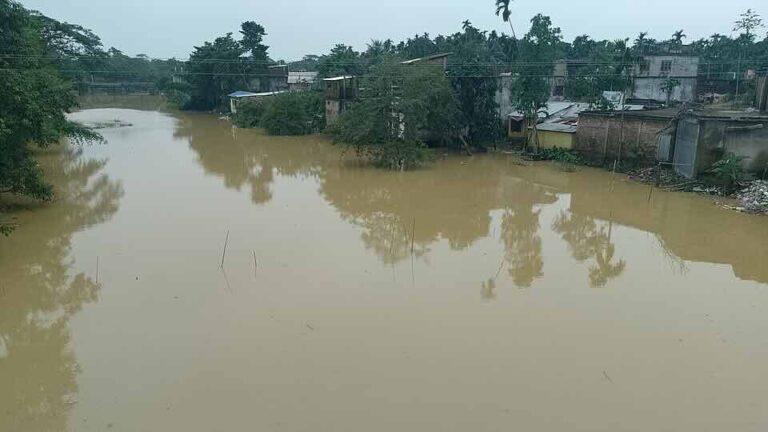
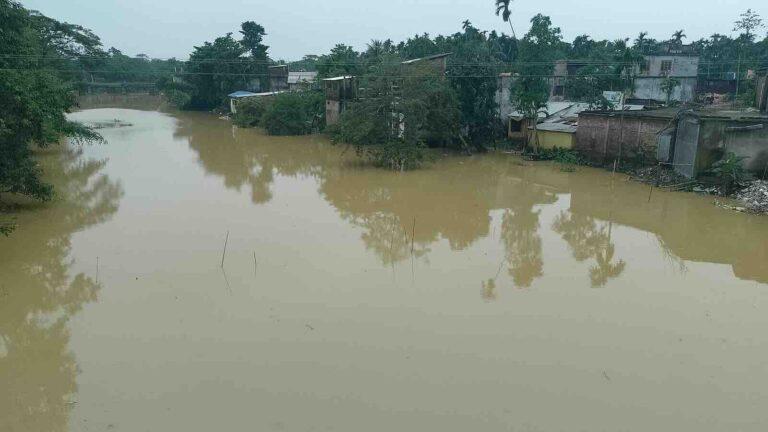
    Widespread floods and landslides triggered by relentless monsoon rains have killed at least 52 people in Nepal and 18 in India’s Darjeeling district, while displacing thousands and cutting off key transport routes across the Himalayan region. Officials said heavy downpours over the past several days have caused rivers to burst their banks, inundating settlements and blocking highways, as rescue teams struggle to reach remote areas.

    In Nepal, torrential rains battered much of the country’s hilly and mountainous regions, triggering flash floods and landslides that swept away homes, bridges, and farmland. The Karnali, Koshi, and Narayani river basins saw water levels rise to their highest in years, submerging several low-lying villages.

    “The rains have been continuous since Thursday. Roads are blocked, electricity is out, and communication lines are down in many districts,” said an official from Nepal’s Disaster Risk Reduction and Management Authority. He added that more than 1,500 people had been evacuated from flood-prone areas, while the army and police were deployed to assist with rescue efforts in the western provinces of Surkhet, Dailekh, and Pyuthan.

    Footage shared on social media showed vehicles being washed away in fast-moving waters and residents wading through waist-deep floods in Kathmandu’s outskirts. The Department of Hydrology and Meteorology warned that more rainfall was expected through mid-week, urging residents along riverbanks to remain alert.

    Multiple Landslides

    In India, the eastern Himalayan state of West Bengal has been hit hard, particularly in Darjeeling and Kalimpong, where heavy rainfall triggered multiple landslides. The National Disaster Response Force (NDRF) said at least 18 people have died, including several tea estate workers whose houses were buried under debris. Roads connecting the hill towns were blocked, stranding tourists and residents alike, while the famous Toy Train service was suspended indefinitely.

    “The slopes are saturated and unstable. We are seeing one of the worst landslide situations in recent years,” said a local official in Darjeeling district. Rescue teams have been working around the clock to clear debris and reopen access routes, though persistent rain has hampered operations. In neighbouring Sikkim and Assam, rivers such as the Teesta and Brahmaputra have also swelled dangerously close to flood levels.

    Indian Prime Minister Narendra Modi expressed solidarity with Nepal and offered humanitarian assistance to support rescue operations and relief efforts.

    “The loss of lives and damage caused by heavy rains in Nepal is distressing. India stands with the people and Government of Nepal in this difficult time. As a friendly neighbour and first responder, India remains committed to providing any assistance that may be required,” the Indian Prime Minister said in a post on X (formerly Twitter), adding that the National Disaster Management Authority (NDMA) was coordinating with its Nepali counterpart to facilitate aid deliveries.

    The Indian Meteorological Department (IMD) attributed the deluge to a slow-moving monsoon trough combined with a western disturbance – a rare convergence that has amplified rainfall intensity over the eastern Himalayas. In Delhi, downpours led to waterlogging in parts of the capital, though the situation was under control by Monday morning.

    Stark Reminder of Vulnerability

    Environmental experts warned that the increasing frequency and intensity of extreme weather events across South Asia reflect the deepening impacts of climate change. Satellite data from the India Meteorological Department and NASA’s Global Precipitation Measurement (GPM) mission indicated that both India and Nepal received over 200 mm of rainfall within 72 hours – nearly double the October average. Scientists said the trend of erratic monsoons, coupled with rapid urbanisation and deforestation, is worsening flood risks in cities like Kathmandu, Delhi, and Guwahati.

    Across Nepal, hospitals reported a surge in injuries and waterborne diseases, while hundreds of people sought shelter in makeshift camps. Local authorities in Kathmandu Valley closed schools and offices as flash floods swept through the city’s outskirts, inundating parts of Bhaktapur and Lalitpur. Power outages were reported in several districts, and mobile networks were intermittently down.

    In northern India, officials in Bihar and Uttar Pradesh said they were monitoring river levels as floodwaters from Nepal flow downstream. Early estimates from state disaster management departments suggest that more than 70,000 people could be affected if water levels continue to rise.

    The United Nations Office for the Coordination of Humanitarian Affairs (OCHA) said it was monitoring the situation closely and was prepared to assist both governments if the humanitarian toll escalates.

    For both countries, the floods come as a stark reminder of the vulnerability of South Asia’s monsoon-dependent economies to climate shocks. Despite decades of investment in flood control and early warning systems, experts say infrastructure remains inadequate to cope with the scale of recent disasters.

    Taliban Supreme Leader’s Shadow Looms Over Crucial Diplomatic Outreach to India and Russia

    Muttaqi’s trips under Akhundzada’s shadow may crack Taliban’s pariah status – no Muslim nation recognizes them – yet without accountability, they legitimise his unseen, stifling rule.

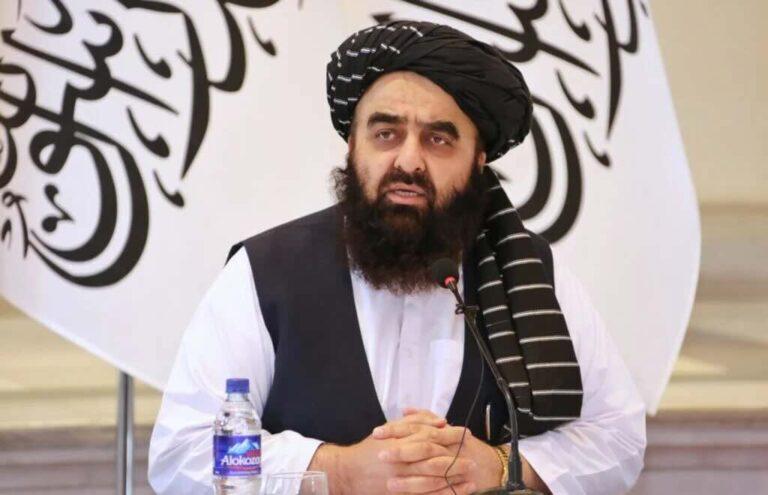
    In a rare glimpse into the opaque machinery of Taliban governance, Foreign Minister Amir Khan Muttaqi has received “special directives” from the group’s reclusive supreme leader, Hibatullah Akhundzada, just ahead of planned diplomatic visits to India and Russia. The clandestine meeting in Kandahar on Friday afternoon underscores Akhundzada’s iron grip on the Islamic Emirate’s foreign policy, even as the regime seeks to thaw its frozen international relations amid deepening isolation and humanitarian crises.

    Muttaqi, a key architect of the Taliban’s post-2021 takeover diplomacy, travelled to the southern province of Kandahar on Friday for the audience with Akhundzada, who has ruled from there since the group’s return to power. Details of the discussions remain shrouded in secrecy, but sources close to the Taliban indicate the directives focused on navigating sensitive bilateral ties during the upcoming trips. Akhundzada, believed to be in his 70s and holed up in an undisclosed compound, wields unchecked authority over all major decisions, from ministerial appointments to land sales in Kabul. His edicts carry the weight of divine law, enforced without a constitution or institutional checks.

    The India visit, slated for October 9 to 16 in New Delhi, marks a potential milestone: Muttaqi’s first trip there since the Taliban’s 2021 resurgence. The United Nations Security Council, under Resolution 1988, granted him a temporary travel waiver, citing the need for “meaningful engagement” on regional issues. India, a former bulwark of the ousted Afghan republic, has tread cautiously, balancing humanitarian aid with concerns over cross-border militancy and its rivalry with Pakistan, the Taliban’s longtime patron. Analysts suggest New Delhi’s overture reflects pragmatic security calculations, including countering Beijing’s growing sway in Kabul.

    An Enigma

    A parallel invitation from Russia for the “Moscow Format” talks – envisioned for early or mid-October – adds another layer. The Taliban Foreign Ministry touted the summons as a nod to Afghanistan’s stabilising role in Central Asia, though UN exemptions for this leg remain pending. These engagements come after a string of aborted trips to Pakistan, scuttled by Akhundzada’s vetoes or logistical snags, highlighting the leader’s micromanagement of even routine diplomacy.

    For Afghans, Akhundzada remains an enigma – a “ghost” in the words of one anonymous Kabul University lecturer, who spoke on condition of anonymity due to security fears. His image – a grainy 1990 passport photo showing a man with a long black beard and white turban, circulates unverified in media circles. No videos or public appearances exist; his existence is affirmed only by a cadre of loyal clerics and officials. Akhundzada ascended in 2016 via bay’ah – a traditional Islamic pledge of allegiance – from an all-male council of ulema, following the US drone strike that felled his predecessor, Akhtar Mohammad Mansour. This ritual, once a consultative process requiring communal approval, now serves as a veneer for autocracy.

    Land Deals

    Taliban Mines Minister Shahabudin Dilawar extols Akhundzada as “fearful of Allah,” a master of hadiths and Quranic interpretation, and a jurist whose piety is unassailable. Yet critics decry his regime’s legitimacy. “He decides everything,” the lecturer added, from judges to district chiefs, including a recent decree halting public land transactions without his personal nod – a move that gutted Kabul’s bureaucracy overnight. Women’s rights, frozen since secondary schools shuttered for girls in 2021, hinge solely on his whim, as do prospects for female employment. The decree in haircuts and shaving are also his alone.

    This godlike centrality mirrors authoritarian playbooks worldwide, from Pyongyang to Riyadh, but Akhundzada’s seclusion amplifies the mystique. With two rumoured wives and 11 children – one son a suicide bomber in the Taliban’s insurgency – Akhundzada enforces a theocracy that has dissolved parliaments, human rights commissions, and electoral bodies.

    Fostering Existential Threats

    Afghanistan’s plunge into poverty is stark: over half of its 38 million people require aid, per UN estimates, and a 2022 Gallup poll found near-universal despair. Taliban boasts of “peace and security” ring hollow against their insurgency’s legacy of thousands of bombings and assassinations from 2002 to 2021.

    Human rights advocates warn that superficial diplomacy risks emboldening the regime. “Superficial engagement risks granting the Taliban undeserved legitimacy,” said Afghan rights activist Seema Noori. “When international pressure drops, Taliban leaders feel less accountable for their actions toward women, minorities, and civil freedoms.

    Taliban Foreign Minister Muttaqi, defending the absence of elections, quipped to the BBC: “Not every country holds elections, and Afghanistan is just one among them.” Yet Islamic jurist Imam Feisal Abdul Rauf counters that modern bay’ah equates to democratic consent, demanding justice and piety from rulers – qualities Akhundzada’s bans on media, dissent, and women’s education sorely lack.

    Experts like Peter Harms, a University of Alabama management professor, attribute such opacity to survival tactics. He says that it is important for the Taliban to keep their own people ignorant of better lives elsewhere, while fostering existential threats to justify control. Freedom House analyst Cathryn Grothe notes authoritarian regimes’ savvy in “co-opting norms meant to support basic rights,” a trend ensnaring 39 per cent of the global population in curtailed freedoms.

    As Muttaqi jets off, Akhundzada’s shadow endures. These trips could signal cracks in the Taliban’s pariah status – no Muslim-majority nation recognizes the regime outright – but without accountability, they risk legitimizing a leader whose unseen hand stifles a nation. For now, Kandahar’s emir rules as if ordained, his directives a reminder that in the Islamic Emirate, power is absolute, and visibility optional.

    Dozens Dead as Torrential Rains Trigger Floods, Landslides Across Eastern Nepal

    As weather cleared briefly Sunday, rescue teams reached cut-off areas, airlifting aid to Sankhuwasabha and Dhankuta. Volunteers retrieved bodies as aid agencies coordinated emergency relief and logistical support.

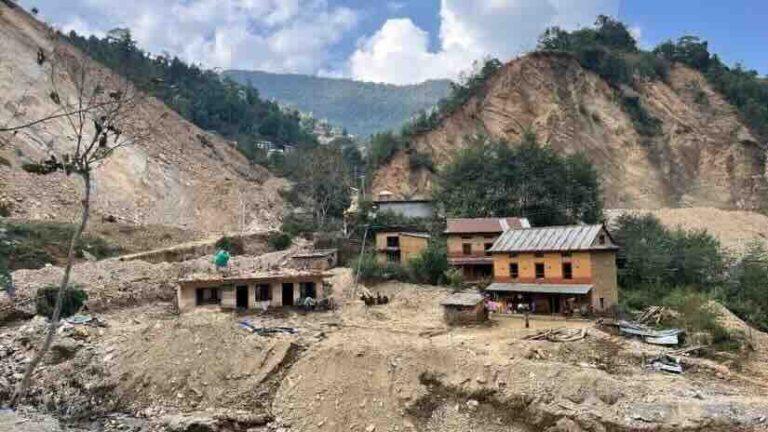
    Days of relentless monsoon rain have unleashed devastating floods and landslides across eastern Nepal, killing dozens of people and leaving many more missing or displaced. Authorities have launched urgent rescue operations as forecasters warn of continuing heavy rainfall in the coming days.

    According to Nepal’s Ministry of Home Affairs, at least 63 people have been confirmed dead and dozens remain missing after intense downpours triggered landslides and flash floods across several eastern districts including Ilam, Panchthar, Taplejung, Sankhuwasabha, and Dhankuta. The death toll is expected to rise as rescue teams struggle to reach isolated communities cut off by blocked roads and damaged bridges.

    “The rain has been relentless, and the situation in several hill districts is critical,” said the home ministry spokesperson, Narayan Prasad Bhattarai. “Search and rescue teams are on the ground, but access remains a major challenge due to continued rainfall and blocked roads.”

    The eastern hills have borne the brunt. In Ilam district, one of the worst-hit areas, multiple villages have been buried by landslides that struck in the early hours of Sunday morning. Local officials reported at least 18 deaths in Ilam alone. Rescuers are working through the debris to find survivors, though persistent rain has made the operation perilous.

    Similar scenes unfolded in Panchthar and Taplejung, where swollen rivers overflowed their banks, sweeping away houses, livestock, and farmland. The Koshi and Arun rivers, swollen by days of rain, have inundated low-lying settlements and threatened embankments downstream.

    Footage broadcast on Nepali television showed villagers wading through chest-deep waters carrying children and elderly relatives to safety. Entire stretches of the Mechi Highway and Mid-Hill Highway have been blocked by mudslides, isolating several towns from the rest of the country. Helicopters were deployed where possible to airlift the injured and deliver relief materials.

    Infrastructure and Transport Hit Hard

    Nepal’s Department of Hydrology and Meteorology has issued a high alert for flash floods and landslides across the eastern and central hill regions. “We have recorded rainfall exceeding 200 millimetres in 24 hours in parts of Province 1,” meteorologist Sarita Shrestha told media. “The system is expected to persist for at least another day, so we urge people in vulnerable areas to move to safer ground.”

    Authorities have evacuated hundreds of families from flood-prone settlements near the banks of the Tamor and Kabeli rivers. Local schools and community halls have been converted into temporary shelters, though officials admit relief efforts are struggling to keep up with demand.

    “We are short on tents, food, and medical supplies,” said Ilam’s chief district officer, Tek Bahadur Rai. “Some of the shelters are overcrowded, and many of those rescued have lost everything.”

    The floods and landslides have severely disrupted transportation and power supply across eastern Nepal. Major highways connecting Kathmandu to Biratnagar and Dharan have been blocked at multiple points, and electricity lines have been damaged in several hill districts.

    Air traffic to eastern regions has also been affected, with flights to Taplejung and Tumlingtar suspended due to poor visibility and slippery runways. Mobile and internet connectivity remain intermittent in rural areas, hampering communication between local authorities and emergency teams.

    Road clearance operations are underway with support from the Nepal Army, Armed Police Force, and Nepal Police, though officials warn that continuing rainfall could trigger further landslides. The army has deployed excavators and bulldozers to reopen critical routes and restore access to isolated areas.

    Regional Impacts and Cross-Border Concerns

    Heavy rains have also affected northeastern India, particularly the Darjeeling and Sikkim regions bordering Nepal, where landslides have blocked highways and displaced hundreds. West Bengal has been affected by the release of water from the Tala Dam in Bhutan. Authorities have issued flood alerts in parts of Bihar and West Bengal, where rivers fed by Nepal’s runoff are swelling rapidly.

    The Koshi Barrage, a key flood-control structure shared between Nepal and India, is being closely monitored. Officials from both sides have been coordinating to regulate water flow and prevent breaches downstream.

    Nepal, one of the world’s most disaster-prone mountain nations, faces deadly floods and landslides each monsoon season. Environmental experts say deforestation, unplanned road construction, and climate change are amplifying the scale of destruction.

    “This is becoming a yearly tragedy,” said climatologist Dr. Nirmal Koirala of Tribhuvan University. “Rains are becoming more intense and unpredictable due to climate change, while fragile mountain slopes are weakened by haphazard development. Without better land management and early-warning systems, such disasters will continue to claim lives.”

    In 2023 and 2024, monsoon-related disasters killed more than 250 people across Nepal. This year’s toll is already rising sharply as the monsoon season extends longer than usual.

    Rescue Efforts Continue

    As skies briefly cleared on Sunday afternoon, rescue teams managed to reach several previously cut-off areas. Helicopters ferried food packets, drinking water, and medicines to remote villages in Sankhuwasabha and Dhankuta, while local volunteers helped retrieve bodies and assist the injured.

    International aid agencies have also mobilised emergency response teams and are coordinating with local authorities. The United Nations Office for the Coordination of Humanitarian Affairs (OCHA) said it is monitoring the situation and is ready to provide logistical support if needed.

    Meteorologists have warned that the monsoon system may linger over eastern Nepal for another 48 hours. “The risk of further landslides remains extremely high,” said Shrestha. “Residents should remain vigilant and avoid riverbanks and unstable slopes.”

    For now, as rescue teams battle time and terrain, survivors cling to hope. “The rain took everything – our home, our cattle, our fields,” said 45-year-old farmer Mina Rai from Ilam. “All we can do is pray it stops.”