More

    Sri Lanka: Government Intensifies Focus on Tackling Corruption, Revising Stolen Asset Recovery Bill

    By intensifying efforts to recover stolen assets and ensuring justice in unresolved corruption cases, Sri Lanka seeks to position itself as a nation committed to governance reform and equitable economic recovery.

    The Sri Lankan government is taking notable steps to address corruption, signalled by recent developments involving legislation and scrutiny of past anti-corruption measures. These efforts underscore a renewed commitment to enhancing transparency and accountability in governance, amid growing public concern over integrity in public administration.

    Sri Lanka plans to revise the draft bill on stolen asset recovery, a move aimed at strengthening mechanisms to retrieve illicitly acquired funds hidden domestically and abroad. This bill is expected to facilitate the recovery of assets linked to corruption while aligning with international best practices. A revised version of the bill, ensuring robust enforcement measures, will soon be presented to Parliament for approval. The government has emphasized that this legislation is part of broader efforts to restore public trust and mitigate financial mismanagement in key sectors.

    Addressing Past Irregularities

    President Ranil Wickremesinghe recently questioned the abrupt withdrawal of 85 bribery and corruption cases during 2021 and 2022. These cases, some linked to high-profile individuals and institutions, were reportedly abandoned without substantial justification. The president has called for a comprehensive review of the circumstances surrounding these withdrawals, with an eye toward ensuring accountability and revisiting cases where necessary.

    The International Monetary Fund had made several observations on the draft bill, which was gazetted in August by the previous government, a cabinet statement said.

    The then Justice Minister had appointed a committee headed by a supreme court judge to study these observations.

    The committee recommended several provisions be incorporated into the draft bill.

    “The bill will include provisions for prohibiting keeping assets earned through crime, profiting from illegal activities, and the seizure of assets earned through crime,” Media Minister Nalinda Jayatissa told reporters.

    Renewed Public Expectations

    These measures come at a time when public demand for justice and transparency is at an all-time high. Sri Lanka has faced significant economic challenges recently, exacerbated by poor governance and mismanagement. Combatting corruption has become a critical aspect of rebuilding the economy, regaining international confidence, and fostering sustainable development. Strengthened anti-corruption frameworks are viewed as pivotal to addressing systemic issues that hinder progress.

    The government’s attention to revising legal frameworks and reevaluating dismissed cases signifies an acknowledgment of past lapses and a determination to chart a new path forward. As new legislation progresses and past actions are scrutinized, Sri Lanka aims to signal its readiness to hold wrongdoers accountable and uphold the rule of law.

    By intensifying efforts to recover stolen assets and ensuring justice in unresolved corruption cases, Sri Lanka seeks to position itself as a nation committed to governance reform and equitable economic recovery. However, sustained political will and effective implementation will be key to translating these commitments into tangible outcomes.

    Withdrawal of Cases

    Simultaneously, Sri Lankan President, Anura Kumara Dissanayake highlighted that corruption and fraud have worsened year by year, stressing that tangible progress must be made in reducing these issues by next year.

    He described corruption and bribery as a social tragedy and questioned the relevance of celebrating International Anti-Corruption Day, given Sri Lanka’s decline in rankings from 79th in the international index in 2013 to 115th in 2023.

    The President also noted the performance of the Commission to Investigate Allegations of Bribery or Corruption (CIABOC), revealing that 69 cases were filed in 2021, of which 40 were later withdrawn. Similarly, in 2022, 89 cases were filed, and 45 were subsequently withdrawn.

    This renewed focus on anti-corruption efforts reflects Sri Lanka’s aspiration to rebuild its institutions and restore public trust, crucial steps for ensuring a stable and prosperous future.


    Bangladesh Bank, UNDP MoU to Advance Climate Resilient Financing

    This partnership will focus on strengthening climate vulnerability modelling for enhanced financial planning, creating innovative financial instruments to promote climate resilience and supporting the financial sector in adopting global environmental, social, and governance standards.

    Bangladesh Bank and the United Nations Development Programme (UNDP) signed a Memorandum of Understanding (MoU) on Monday to strengthen climate-resilient financing frameworks in Bangladesh. The agreement underscores a shared commitment to address the economic impacts of climate change through sustainable financing and effective resource management.

    The collaboration seeks to integrate climate-focused policies into financial systems, aligning them with Bangladesh’s Climate Fiscal Framework (CFF). The initiative emphasises transparency, accountability, and capacity building to maximise the mobilisation and utilisation of both domestic and international climate funds. This comprehensive approach aims to safeguard the nation’s economic and environmental stability.

    MoU aimed at bolstering climate-resilient financing to address the challenges posed by climate change in Bangladesh. This collaboration will facilitate sustainable economic solutions, enhance financial systems, and integrate climate considerations into public financial management. By promoting transparency and building capacity, the initiative seeks to mobilise both domestic and international funds for climate adaptation and mitigation. It aligns with the national Climate Fiscal Framework to ensure effective use of resources for combating climate vulnerabilities

    By embedding sustainable finance practices, the collaboration aims to bolster the nation’s adaptation and climate mitigation strategies.

    Private Banks and Finance Companies

    The MoU was signed by Chowdhury Liakat Ali, Director of the Sustainable Finance Department at Bangladesh Bank, and Stefan Liller, UNDP Bangladesh’s Resident Representative, a UNDP press release said.

    Dr. Ahsan H. Mansur, Governor of Bangladesh Bank, Nurun Nahar, Deputy Governor, and UNDP representatives were present on the occasion.

    Speaking at the event, Stefan Liller highlighted the significance of the partnership.

    “This collaboration will support Bangladesh in building financial resilience. By working with Bangladesh Bank and other partners, we aim to integrate climate considerations into financial policies”, he said.

    “UNDP will also work alongside private banks and finance companies to enhance climate-related financial disclosure and help them identify the risks and opportunities associated with climate change,” he added.

    Chowdhury Liakat Ali highlighted key aspects of the agreement, noting, “Through this MoU, UNDP and Bangladesh Bank will jointly work on developing a climate damage function for financial assets, assessing the impact of climate-related physical risks using the Climate Vulnerability Index (CVI) methodology in targeted unions.”

    This partnership will focus on strengthening climate vulnerability modelling for enhanced financial planning, creating innovative financial instruments to promote climate resilience and supporting the financial sector in adopting global environmental, social, and governance (ESG) standards. This collaboration will ensure Bangladesh is better equipped to face climate challenges and build a sustainable future.

    Indian Carbon Market: Decarbonization through Innovation

    Union Minister of State for Environment, Forest, and Climate Change Kirti Vardhan Singh emphasized these initiatives in a written reply to the Lok Sabha, highlighting the government’s dedication to a greener future.

    Union Minister of State for Environment, Forest, and Climate Change Kirti Vardhan Singh said that India has made significant strides in addressing the multifaceted challenges of climate change, forest conservation, and air quality improvement. Singh said this in response to questions raised on the subject in the Lok Sabha on Monday.

    He provided an in-depth look at the measures being undertaken by the country to balance development with environmental sustainability.

    Forest Cover Trends and Climate Impact

    The Forest Survey of India (FSI) has reported an increase of 1,540 sq km in the country’s forest cover since 2019, bringing the total to 713,789 sq km as per the India State of Forest Report (ISFR) 2021. This growth is attributed to afforestation drives, conservation efforts, and restoration of degraded lands. While some states witnessed localized losses due to natural calamities and human activities, the national trend remains positive.

    To further bolster forest management and tackle climate change, India’s National Action Plan on Climate Change (NAPCC) outlines missions on renewable energy, water conservation, sustainable agriculture, and ecosystem preservation. The Green India Mission, a critical component of NAPCC, aims to enhance carbon sinks and protect biodiversity.

    Transition to Renewable Energy

    India is progressing toward its ambitious goal of sourcing 50 per cent of its electricity from non-fossil fuel-based energy by 2030. As of October 2024, the share of renewable and non-fossil energy stands at 46.52 per cent. This transition underscores India’s commitment to reducing dependence on coal and aligning with its climate goals under the Paris Agreement.

    Indian Carbon Market

    India has introduced the Carbon Credit Trading Scheme (CCTS) under the Energy Conservation Amendment Act, 2022, to incentivize greenhouse gas (GHG) emission reductions. The CCTS operates via compliance and offset mechanisms, enabling energy-intensive industries to trade carbon credits. The government has identified nine sectors, including steel, cement, and textiles, for inclusion in this market-based framework.

    The Perform, Achieve, and Trade (PAT) Scheme, launched in 2012, is transitioning into the CCTS to streamline efforts and avoid duplication of targets. A robust Measurement, Reporting, and Verification (MRV) framework has been established to ensure transparency and credibility in carbon credit trading.

    Ground-Level Ozone Pollution

    Ground-level ozone (O3), a secondary pollutant formed by atmospheric reactions involving oxides of nitrogen (NOx) and volatile organic compounds (VOCs), remains a pressing environmental issue. Key sources include vehicular emissions, industrial activities, and waste burning. The government has implemented several measures to curb these emissions, including:

    • Introducing BS-VI-compliant vehicles, reducing NOx emissions significantly.
    • Promoting electric mobility and cleaner fuels like CNG and LPG.
    • Enforcing stricter industrial emission norms and banning biomass burning.

    Additionally, under the National Clean Air Programme (NCAP), 130 non-attainment cities have developed specific action plans to address localized air pollution challenges. Measures like transitioning public transport to CNG or electric modes and phasing out older vehicles aim to reduce NOx levels.

    Impacts and Mitigation of Ground-Level Ozone

    Exposure to ground-level ozone poses severe health risks, including respiratory problems and permanent lung damage. To address this, the government monitors ozone levels as part of the National Air Quality Monitoring Programme (NAMP) and enforces compliance with ambient air quality standards set by the Central Pollution Control Board (CPCB).

    International Cooperation and Funding Challenges

    India actively engages with global mechanisms under the United Nations Framework Convention on Climate Change (UNFCCC) to finance its climate initiatives. However, international funding remains limited. Despite this, India has effectively decoupled economic growth from greenhouse gas emissions, as highlighted in the Third National Communication (TNC) submitted to the UNFCCC in December 2023.

    Looking Ahead

    India’s integrated approach to tackling climate change involves strengthening forest conservation, expanding renewable energy, fostering carbon trading markets, and addressing urban air quality. These efforts are instrumental in meeting its climate commitments while fostering sustainable development.

    In the Lok Sabha: Measures for Forest and Wildlife Conservation

    India’s comprehensive framework for forest and wildlife conservation reflects a balance between developmental needs and ecological preservation. Collaborative efforts across legal, administrative, and enforcement levels are pivotal in ensuring the sustainability of the country’s rich biodiversity.

    The Union Minister of State for Environment, Forest, and Climate Change, Kirti Vardhan Singh, addressed the Lok Sabha on Monday, detailing ongoing efforts to protect India’s forests and wildlife. His written reply outlined the legal, administrative, and strategic frameworks in place, emphasizing state and central government collaboration.

    Legal Framework for Conservation

    The primary responsibility for managing forests and wildlife rests with state governments and Union Territory administrations. Legal protections include the Indian Forest Act of 1927, the Wildlife (Protection) Act of 1972, and various state-level acts. Development projects are governed by the Van (Sanrakshan Evam Samvardhan) Adhiniyam, 1980, which mandates minimizing tree felling and prescribing compensatory plantations.

    The Environmental Protection Act of 1986 further requires clearance from State Environment Impact Assessment Authorities (SEIAA) for projects impacting forests, ensuring ecological concerns are addressed.

    Efforts to Combat Illegal Activities

    Incidents of illegal deforestation, logging, and wildlife crimes are prosecuted under relevant laws, with offenders brought to justice by competent courts. The Wildlife Crime Control Bureau (WCCB) plays a critical role in curbing wildlife offenses. Between 2019 and 2023, 166 joint operations in the North Eastern Region resulted in the arrest of 375 wildlife offenders. These efforts included the species-specific operation “LESKNOW,” which targeted lesser-known wildlife involved in illegal trade.

    Alerts and advisories issued by the WCCB further empower state and central agencies to take preventive measures against poaching and wildlife trafficking.

    Protected Areas and Endangered Species

    India has established an extensive network of protected areas, including 106 national parks, 573 wildlife sanctuaries, 123 conservation reserves, and 220 community reserves, covering approximately 1,78,640.69 square kilometers. These zones protect endangered species such as tigers, elephants, and snow leopards, listed under Schedule-I of the Wildlife (Protection) Act, 1972.

    The North Eastern Region alone has 17 national parks, 59 wildlife sanctuaries, one conservation reserve, and 134 community reserves, reflecting focused conservation efforts.

    State and Central Collaborative Schemes

    The Ministry supports states and UTs through centrally sponsored schemes like the Integrated Development of Wildlife Habitats, Project Tiger and Elephant, the Green India Mission, and Forest Fire Prevention and Management programs. These initiatives are funded through annual plans of operation submitted by states and CAMPA (Compensatory Afforestation Fund Management and Planning Authority) resources.

    Elephant Corridors and Management

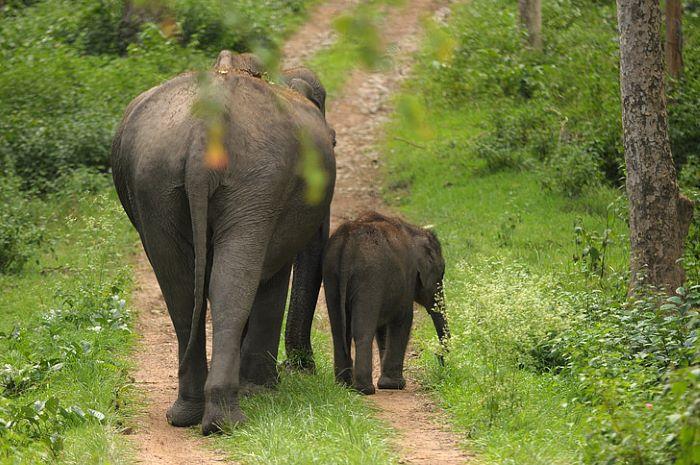
    A notable initiative is the identification of 150 elephant corridors across 15 states, including Tamil Nadu, Karnataka, and Assam. These corridors ensure safe passage for elephants, mitigating human-wildlife conflict. In Tamil Nadu’s Segur Elephant Corridor, the state government sealed illegal resorts obstructing elephant movement, following a Supreme Court order.

    Commitment to Sustainability

    India’s comprehensive framework for forest and wildlife conservation reflects a balance between developmental needs and ecological preservation. Collaborative efforts across legal, administrative, and enforcement levels are pivotal in ensuring the sustainability of the country’s rich biodiversity.

    Government Addresses Crop Damage by Wild Animals

    Minister Kirti Vardhan Singh also briefed the Lok Sabha on measures to mitigate crop damage caused by wild animals. He said that while the ministry does not compile data on crop losses, it oversees initiatives under state and central schemes to address human-wildlife conflict.

    The government implements centrally sponsored schemes like the Integrated Development of Wildlife Habitats, Project Tiger, and Project Elephant. These programmes include constructing barriers such as solar-powered fences and bio-fencing, improving forest habitats to reduce wildlife migration into farmland, and forming anti-depredation squads.

    He gave data on this as well. In December 2023, he said, ex-gratia relief amounts were increased to support victims of wild animal attacks. Current compensations include ₹10 lakh for death or permanent incapacitation, ₹2 lakh for grievous injuries, and up to ₹25,000 for minor injuries. For crop or property damage, state governments follow their prescribed cost norms. The Wildlife (Protection) Act empowers authorities to capture and relocate problematic animals scientifically to safeguard affected communities. This multi-faceted approach aims to balance conservation efforts with agricultural protection.

    Syrians Now Have ‘Historic Opportunity’ to Build a Peaceful Future, Says Guterres

    After 14 years of brutal war and the fall of the dictatorial regime, today the people of Syria can seize an historic opportunity to build a stable and peaceful future, UN Secretary-General António Guterres said on Sunday.

    As reports continued to emerge from the Syrian capital, Damascus, where opposition forces declared victory overnight on State television, the UN chief said in a statement: The future of Syria is a matter for the Syrians to determine.

    There is much work to be done to ensure an orderly political transition to renewed institutions, Guterres, and noted that his Special Envoy, Geir Pedersen, will be working with all Syrians to this end.

    Pedersen, who has been attending a high-level meeting of Arab States in Doha this weekend, has called for “urgent political talks” in Geneva to secure a peaceful future for Syria.

    There was widespread backing for his appeal, he said on Saturday, from Iran, Russia and Türkiye along with the United States, France, Great Britain, Germany and the European Union.

    Renewed call to avoid violence

    In the meantime, the Secretary-General renewed his call for calm and avoiding violence at this sensitive time, while protecting the rights of all Syrians, without distinction. He also noted that the inviolability of diplomatic and consular premises and personnel must be respected in all cases in accordance with international law.

    “We will need the support of the international community to ensure that any political transition is inclusive and comprehensive and that it meets the legitimate aspirations of the people of Syria, in all their diversity,” Guterres said and underscored that: “Syria’s sovereignty, unity, independence and territorial integrity must be restored.” 

    The UN, he said, will honour the memory of those who have borne the brunt of the 14-year conflict.

    “We remain committed to helping Syrians build a country where reconciliation, justice, freedom, and prosperity are shared realities for all. This is the path to sustainable peace in Syria,” concluded the Secretary-General.

    UN will support all those in need

    The dramatic development in the Syrian capital follows a lightning advance by armed opposition forces, Hayat Tahrir al-Sham (HTS), on 27 November from their stronghold in the country’s northwest into Government-controlled areas, reportedly supported by rebel groups joining from the south.

    “We will respond wherever, whenever, however we can to support people in need, including reception centres – food, water, fuel, tents, blankets,” said Tom Fletcher, Emergency Relief Coordinator and head of the UN aid coordination office, OCHA.

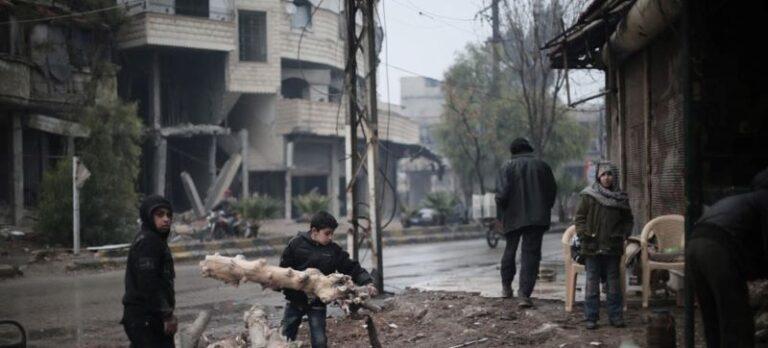
    The hostilities have uprooted more than 370,000 people inside Syria, according to OCHA, “with many seeking refuge in the northeast and others trapped in front-line areas, unable to escape”, the UN’s top aid official in Syria, Adam Abdelmoula, said on Saturday. 

    “Civilian casualties, including women and children, continue to rise, underscoring the urgent need for coordinated humanitarian action,” he added.

    After sweeping into Syria’s second city, Aleppo, Hama, Homs and now Damascus have fallen in quick succession, despite suggestions that the Security Council-designated terrorist group lacked the means to sustain their stunning gains.

    On Sunday, Pedersen highlighted the “14 years of relentless suffering and unspeakable loss” that Syrians had suffered, as their country was torn apart in a conflict that began as a peaceful protest against the Government, only to draw in regional and international forces which have stymied the efforts of the Security Council to end the fighting.

    “This dark chapter has left deep scars, but today we look forward with cautious hope to the opening of a new one – one of peace, reconciliation, dignity, and inclusion for all Syrians,” he said in a statement.

    Transfer of power  

    The UN negotiator also issued an appeal for the new rulers in Damascus to ensure a stable transfer of power and to maintain the country’s institutions.

    This was the “clear desire” of millions of Syrians, Pedersen insisted, so that they can ultimately see their “legitimate aspirations” fulfilled “and restore a unified Syria, with its sovereignty, independence and territorial integrity, in a way that can receive the support and engagement of the entire international community”.

    In the immediate aftermath of HTS’s reported victory and declaration to the millions of Syrians displaced by the conflict that “a free Syria awaits you”, news reports indicated that opposition forces met little resistance in taking Damascus, while President Bashar Al-Assad was believed to have flown out of the capital to an unknown destination.

    Years of fighting between Government troops reinforced foreign State-backed fighters against opposition forces including ISIL extremists – now essentially pushed out of Syria – have devastated Syria, despite repeated calls for peace via several rounds of UN-led negotiations in Geneva.

    Insisting that Sunday’s developments marked “a watershed moment in Syria’s history”, UN Special Envoy Pedersen stressed the need to “prioritize dialogue, unity and respect for international humanitarian law and human rights” as the Syrians “rebuild their society”.

    Arab States, Russia urge end to fighting

    On the sidelines of his official visit to the Doha Forum, Pedersen also spoke to the representatives of Turkey, Iran and Russia – the so-called Astana Group – who had gathered to discuss the opposition forces’ rapid gains in Syria.

    In a joint statement issued ahead of the fall of Damascus by the Astana members and the Foreign Ministers of Qatar, Saudi Arabia, Jordan Egypt and Iraq, they urged an end to the fighting and expressed their support for UN-led efforts to reach a political solution to the Syrian crisis, based on Security Council resolution 2254.

    As events in Syria continued to unfold, the UN’s top aid official, Tom Fletcher, stressed the need to uphold international humanitarian law “to protect civilians, including aid workers”.

    That appeal followed reports of a deadly airstrike at Syria’s Ad Dabousiyah border crossing with Lebanon on 27 November in which a Syrian Arab Red Crescent (SARC) volunteer was killed, along with multiple civilians. The incident led to the suspension of all UN humanitarian convoys into Syria.

    Although “essential” humanitarian operations have been maintained inside Syria, the UN has begun to relocate “non-critical staff” from the country as a precautionary step, the UN’s top aid official in the country has said.

    “This is not an evacuation and our dedication to supporting the people of Syria remains unwavering,” and stressed that “rumours suggesting that the United Nations is evacuating all staff from Syria are false,” insisted Adam Abdelmoula.

    Words must match deeds on human rights

    Meanwhile, in the wake of reports that a coalition of forces has seized the Syrian capital and freed prisoners from Sednaya and other detention facilities, the UN human rights probe on the situation called today “a historic new beginning for the Syrian people who have suffered unspeakable violence and atrocities over the past 14 years.’

    “It is time to finally put Syrians’ own aspirations first and place the country on a path toward a stable, prosperous and just future that guarantees the human rights and dignity its people have so long been denied,” said the UN Commission of Inquiry on Syria said in a statement.

    For decades, Sednaya and other infamous detention facilities have been synonymous with fear, loss, suffering and cruelty. The cells where detainees were ill-treated are now open, as are the interrogation chambers where they were tortured using cruel methods that the Commission has documented for years.

    The Commission called on all parties in Syria to facilitate access for independent humanitarian and human rights actors, including the Commission, to the country, including detention facilities. It stresses the importance of ensuring that all evidence is protected.

    Both opposition and Government leadership have made initial statements indicating their commitment to maintaining good conduct and protecting civilians, which is encouraging. Their deeds must now match their words, stated the Commission. 

    Global Food Prices Edge Up in November Amid Mixed Trends

    The November data underscore a delicate balance in global food markets. While gains in oils and dairy show robust demand, declines in other categories hint at stabilizing trends. With the next FAO Food Price Index set for release in January 2025, analysts will closely watch market dynamics to gauge how supply, demand, and external factors will shape food security worldwide.

    Global food prices saw a modest increase in November 2024, continuing a year-long trend influenced by fluctuating markets, extreme weather, and rising logistical costs. The United Nations Food and Agriculture Organization (FAO) Food Price Index, which tracks international prices for a basket of food commodities, rose 0.5 per cent, reaching its highest level since April 2023. However, the overall rate of growth slowed compared to previous months, reflecting mixed trends across food categories.

    Vegetable Oil Prices Surge

    Vegetable oils drove the November increase, with prices soaring 7.5 per cent, marking their highest level in over two years. The FAO attributed this surge to supply concerns stemming from intense rains in Southeast Asia that affected palm oil production, combined with robust global demand for rapeseed, sunflower, and soybean oils. Tightening global supply and heightened import demand further exacerbated the price spike, raising concerns about the availability of essential cooking oils.

    Dairy Prices Maintain an Upward Trajectory

    Dairy prices also inched higher, up by 0.6 per cent from October. Increased global demand for milk powders and strong consumption of butter contributed to the rise, alongside limited inventories in Western Europe. Export restrictions in major dairy-producing regions further pressured the market, pushing up prices.

    Declines in Cereals, Sugar, and Meat Prices

    In contrast, prices for cereals, sugar, and meat fell in November, offsetting some of the increases in oils and dairy.

    Cereal Prices: The FAO Cereal Price Index dropped 2.7 per cent, driven by reduced wheat prices due to ample supply from Southern Hemisphere harvests and declining demand. Rice prices fell by 4 per cent, reflecting increased market competition and favourable harvest conditions, while maize prices remained stable amid strong domestic demand in Brazil and the United States.

    Sugar Prices: Sugar saw a 2.4 per cent decline, as improved weather conditions in Brazil eased earlier supply concerns. The start of harvesting in India and Thailand further contributed to price reductions.

    Meat Prices: The FAO Meat Price Index fell by 0.8 per cent. Lower demand for pig meat in the European Union and stable bovine meat prices highlighted an ongoing imbalance between supply and global consumption trends.

    Global Stocks and Trade Projections

    Updated forecasts in the FAO’s Cereal Supply and Demand Brief showed that global cereal production is expected to decline by 0.6 per cent in 2024, yet remain the second-largest harvest on record. Wheat production is projected to stay stable, while maize output may decrease due to unfavourable yields in the European Union and the United States. Rice production is predicted to hit a record high, up 0.8 per cent year-on-year.

    The global cereal stock-to-use ratio is estimated to dip slightly to 30.1per cent, a manageable level that suggests sufficient supplies despite declining production. However, international cereal trade is forecast to shrink by 4.6 per cent in 2024/25, with reduced wheat and maize exports offset by an expected rise in rice trade.

    Market Volatility and Future Concerns

    The year has been marked by volatile food markets, with prices influenced by extreme weather, geopolitical tensions, and rising fuel and transportation costs. FAO experts warn that these uncertainties could persist into 2025, affecting production and trade dynamics. The Agricultural Market Information System (AMIS) highlighted challenges such as weather anomalies and policy shifts that could further destabilize global markets in the coming year.

    Taliban Ban Women from Education in Private Medical Institutes

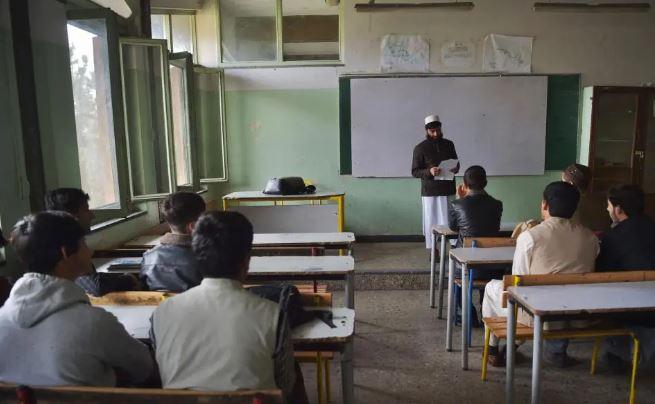
    The UN human rights office, OHCHR, has condemned the ban imposed by the Taliban in Afghanistan preventing women and girls from attending private medical institutions, warning that it will have devastating consequences for healthcare – especially the future availability of midwives and nurses.

    In a move that has sparked international condemnation, the Taliban government in Afghanistan has reportedly issued a directive barring women and girls from studying in private medical institutions. This alarming decision intensifies restrictions on women’s rights and education under Taliban rule and raises critical concerns about the future of healthcare and gender equality in the war-torn country.

    A Staggering Setback for Women’s Rights

    Since regaining control of Afghanistan in August 2021, the Taliban have re-imposed several draconian measures that have steadily stripped Afghan women of their fundamental rights. Women are no longer permitted to attend universities, work in most sectors, or move freely without a male guardian. The latest decision to block medical education further narrows the already bleak opportunities available to Afghan women, denying them a pathway to meaningful careers and independence.

    Education and health advocacy groups have condemned this action, citing its devastating impact on Afghanistan’s socio-economic development. For many women, becoming a doctor represented one of the few viable routes to self-reliance and an opportunity to contribute to their communities in a country where female healthcare professionals are critically needed.

    Healthcare in Crisis

    The ban on women pursuing medical education threatens to exacerbate Afghanistan’s healthcare crisis. The country already grapples with a severe shortage of female medical professionals, a gap that this decision will only widen. In Afghan society, cultural norms often prevent women from consulting male doctors, making female doctors essential to providing equitable healthcare services.

    Organizations like the United Nations Assistance Mission in Afghanistan (UNAMA) have expressed deep concern over this policy, warning of its long-term consequences. “This directive will not only undermine women’s rights but also jeopardize the healthcare system that relies on female practitioners to cater to women and children,” said a UNAMA spokesperson.

    Global and Domestic Backlash

    International human rights organizations, including Amnesty International, have condemned the Taliban’s continued erosion of women’s rights. They have called on the global community to increase pressure on the regime to reverse its policies and uphold Afghanistan’s international commitments, including the Universal Declaration of Human Rights.

    Domestically, Afghan women have shown remarkable courage, organizing small-scale protests despite the risks of retaliation. “This is not just an issue of education; this is about our survival, our identity,” said one Kabul resident, who requested anonymity due to safety concerns.

    Amnesty International has said that severe restrictions on right to freedom of expression, peaceful assembly, and political participation of women have gone unchecked in Afghanistan under Taliban rule. The return of corporal punishment and absence of an independent judiciary further exacerbates these issues, leaving victims without any recourse to justice.

    Tarina Wodod, a human rights defender in Afghanistan said, “It surprises me how international community still expect that the Taliban will respect human rights.”

    The UN human rights office, OHCHR, has condemned the ban imposed by the Taliban in Afghanistan preventing women and girls from attending private medical institutions, warning that it will have devastating consequences for healthcare – especially the future availability of midwives and nurses.

    OHCHR Spokesperson Ravina Shamdasani described the new directive, which reportedly took effect on Tuesday, as “yet another direct blow” by the de facto authorities against Afghan women and girls.

    “It is profoundly discriminatory, short-sighted and puts the lives of women and girls at risk in multiple ways,” she said.

    Broader Implications

    This ban has far-reaching implications beyond education and healthcare. Denying women the right to participate in critical fields like medicine undermines Afghanistan’s progress toward sustainable development and stability. Analysts warn that the continued marginalization of half the population will have ripple effects on the economy, governance, and social cohesion.

    The international community’s response has been mixed. While many nations have condemned the Taliban’s policies, tangible actions – such as diplomatic pressure or targeted sanctions – have yet to yield significant change. Critics argue that a stronger, unified response is needed to hold the Taliban accountable for their systematic violations of human rights.

    Hope Amid Uncertainty

    Despite the grim circumstances, Afghan women continue to inspire hope. Underground networks are emerging to provide secret education for girls, while activists and diaspora communities are amplifying their voices on global platforms. These efforts, though small in scale, reflect the resilience and determination of Afghan women to reclaim their rights.

    The Taliban’s latest move underscores the urgent need for international solidarity and intervention. Afghanistan stands at a crossroads, and the choices made by its rulers – and the global community’s response – will shape the future of millions of women and the nation itself.

    Earth Has Enough Land to Fight Climate Change and Feed the World, But Bold Policies Are Essential, Says MIT Study

    Researchers identified critical strategies, including incentivising afforestation, encouraging dietary shifts, and improving agricultural productivity. The findings offer a roadmap for balancing competing land-use demands while addressing pressing global challenges.

    A recent study by the MIT Center for Sustainability Science and Strategy (CS3), published in Frontiers in Environmental Science, reveals that the planet has sufficient land to address climate change and ensure food security – if policymakers implement bold, transformative strategies. The research, led by CS3 Principal Research Scientist Angelo Gurgel, analysed the competition between agricultural, bioenergy, and natural land under scenarios aimed at limiting global warming to 1.5°C by 2100.

    Using the MIT Integrated Global System Modelling framework, the team evaluated the pressures on land resources in a future where climate stabilisation, food production, and biodiversity preservation coexist. Central to the study was the exploration of land-use policies, which emphasised sustainable agricultural practices, afforestation, and dietary shifts. The findings indicate that Earth’s finite land can meet the dual challenge of food security and climate action, but only if coordinated policies are enacted globally to balance competing demands.

    Dual Crises of Land-Use and Climate

    The study highlights the growing tension between using land for carbon sequestration and bioenergy production versus food cultivation and ecosystem conservation. As the global population is projected to surpass 9 billion by 2050, agricultural expansion may conflict with the urgent need to reforest and restore degraded landscapes. Without intervention, this competition risks exacerbating both food insecurity and environmental degradation.

    The research underscores the importance of prioritising the preservation of natural ecosystems. Gurgel explained: “Efforts to fight climate change and ensure food security must focus on protecting ecosystems, adopting sustainable agricultural practices, reducing food waste, and preventing overconsumption. Without these efforts, even with enough land, we may fail to achieve either goal.”

    Strategies for Balance

    Researchers identified critical strategies, including incentivising afforestation, encouraging dietary shifts, and improving agricultural productivity. The findings offer a roadmap for balancing competing land-use demands while addressing pressing global challenges. To achieve climate and food goals simultaneously, the study calls for a multi-pronged approach:

    1. Afforestation and Reforestation: Increasing forest cover is vital for carbon sequestration. By integrating afforestation with agricultural practices, policymakers can mitigate climate change while enhancing soil health.
    2. Dietary Shifts: Reducing meat consumption and increasing plant-based diets could lower the pressure on agricultural land. Livestock farming is resource-intensive and contributes significantly to greenhouse gas emissions.
    3. Agricultural Innovation: Investments in sustainable farming techniques, such as precision agriculture and crop diversification, can boost yields while conserving resources. Improved irrigation and soil management also play a crucial role.
    4. Waste Reduction: Approximately one-third of food produced globally is wasted, straining land and resources unnecessarily. Policies targeting food waste reduction could alleviate these pressures while addressing hunger.
    5. Bioenergy Optimisation: While bioenergy is essential for decarbonising energy systems, its land requirements must not undermine food production. Integrating bioenergy crops with existing agricultural systems can reduce conflict.

    Policy Implications

    The study calls for comprehensive policies at local, national, and international levels to manage land-use conflicts effectively. Carbon pricing, subsidies for sustainable practices, and global agreements on land use are some of the measures proposed to drive change.

    International cooperation is particularly important, as land-use policies in one region can have cascading effects globally. For instance, deforestation in tropical regions not only reduces biodiversity but also limits global carbon sequestration potential, impacting climate goals worldwide.

    Challenges and Opportunities

    While the study provides a roadmap for balancing land-use demands, it acknowledges significant challenges. Transitioning to sustainable systems requires substantial investment and coordinated effort across sectors. Additionally, achieving these goals hinges on overcoming resistance from vested interests, such as industrial agriculture and fossil fuel industries.

    Despite these challenges, the researchers remain optimistic. Advances in technology and a growing global awareness of climate and food crises provide a unique opportunity for transformative change.

    The MIT-led study offers a hopeful yet urgent message: Earth’s land resources are sufficient to tackle climate change and feed a growing population, but time is of the essence. As Gurgel emphasised, achieving this delicate balance requires “immediate and bold action at multiple levels of governance.” The findings highlight the critical role of sustainable practices, policy innovation, and international cooperation in navigating the complex interplay of land use, food security, and climate stabilisation.

    A Generation in Peril: How Taliban Policies Are Failing Afghan Boys’ Education

    The report underscores the need for global action to mitigate its impacts. Without intervention, the consequences will be profound: a generation left uneducated, a weakened economy, and a society ill-prepared for the challenges of the modern world.

    As Afghanistan grapples with a collapsing education system under Taliban rule, the plight of Afghan boys is becoming increasingly dire, according to a December 2023 report by Human Rights Watch titled “Schools Are Failing Boys Too: The Taliban’s Impact on Boys’ Education in Afghanistan.” While much of the global attention has rightly focused on the Taliban’s ban on secondary and higher education for girls, this report underscores that boys, too, are facing systemic barriers that could result in a “lost generation.”

    Decline in Education Quality

    Since taking over in August 2021, the Taliban have imposed sweeping changes to Afghanistan’s education system, significantly diminishing its quality. One of their most controversial moves was the dismissal of female teachers from boys’ schools, a decision rooted in their ultra-conservative interpretation of Islamic law. As a result, classrooms are increasingly staffed by unqualified male teachers or left teacher-less.

    Parents have reported paying for private lessons in critical subjects such as physics and biology, as many schools no longer provide competent instruction. “The quality of education has drastically declined, and our sons are no longer learning anything meaningful,” one parent told Human Rights Watch.

    The curriculum has been narrowed to emphasise Islamic studies, while key subjects like arts, sports, English, and civic education have been eliminated. The removal of these subjects deprives students of a well-rounded education and fails to prepare them for the modern workforce. “This kind of education is not equipping Afghan boys with the skills they need for the future,” the report notes.

    The Impact of Corporal Punishment

    Adding to these challenges is the pervasive use of corporal punishment in schools. Boys have reported being publicly beaten for minor infractions, such as wearing a hairstyle deemed inappropriate by Taliban officials or possessing a mobile phone.

    “The punishments are humiliating and brutal. It feels like the school is more about control than learning,” said one student interviewed for the report. Such measures foster fear rather than discipline, further alienating children from the education system.

    Economic Pressures and School Dropouts

    Afghanistan’s humanitarian and economic crises have compounded these issues. With millions of families struggling to make ends meet, boys are increasingly being pulled out of school to work and support their households. This trend is particularly pronounced in rural areas, where economic opportunities are scarce and the cost of education – both in terms of time and money – is often seen as unaffordable.

    The report highlights that education has become a lower priority for many families under these conditions. “My son had to leave school to help me sell goods at the market,” one father explained. “We cannot survive without his contribution.”

    Mental Health Challenges

    The cumulative stress of these changes – diminished education quality, corporal punishment, and economic pressures – is taking a toll on boys’ mental health. Anxiety and depression are on the rise among Afghan children, yet mental health services remain virtually non-existent.

    Boys interviewed for the report described feeling hopeless about their futures. “I don’t see the point in studying anymore,” said one student. “There is no job for me, and everything feels pointless.”

    A “Lost Generation”

    Human Rights Watch warns that these policies and circumstances risk creating a “lost generation” of Afghan boys and girls. While boys are not explicitly barred from education as girls are, the barriers they face are equally detrimental. The report emphasises that Afghanistan’s development and stability hinge on educating its youth, regardless of gender.

    “The Taliban’s actions are not only violating children’s rights to education but are also undermining the country’s future,” the report states. The systematic exclusion of female teachers and regressive curriculum changes also perpetuate harmful gender norms, reinforcing inequality at all levels of society.

    Calls for International Action

    The report concludes with a call to action for the international community. It urges governments, UN agencies, and NGOs to hold the Taliban accountable for their violations of children’s rights and to increase humanitarian aid targeting education.

    Recommendations include reinstating female teachers, reforming the curriculum to include a broader range of subjects, and eliminating corporal punishment in schools. Moreover, the report calls for targeted programs to support families economically, ensuring that children are not forced to choose between education and survival.

    “Education is a fundamental human right, and its denial is a tragedy not only for the children affected but for the entire nation of Afghanistan,” Human Rights Watch argues.

    While the Taliban bears primary responsibility for the crisis, the report underscores the need for global action to mitigate its impacts. Without intervention, the consequences will be profound: a generation left uneducated, a weakened economy, and a society ill-prepared for the challenges of the modern world.

    Another Tsunami Sweeps Sri Lanka

    Those who read some of the Indian media and western news reports will not forget how they came to name the NPP as the country’s Marxist government, and continue to do so. However, over 60 per cent of Sri Lankan voters turned their backs on these nightmare visions.

    By Neville de Silva

    On 26 December 2004 a powerful Asian tsunami swept over many of Sri Lanka’s coastal provinces, killing thousands of people and wildlife, devastating habitats and even washing away a trainload of passengers far from the rail tracks.

    Almost 20 years later, on November 14 this year, another tsunami struck, sweeping across the country in an unprecedented wave that mesmerised many of the 22 million population.

    But this was a tsunami of a different kind. It took much of the nation by surprise, causing a tectonic shift in the country’s post-independence political landscape and traditional ways of governance as it dispensed with the corrupt old guard.

    The November 14 parliamentary election uprooted the long surviving ruling class and the comprador capitalism of the old political parties that had dominated Sri Lanka’s politics since independence in 1948.

    If the 2004 tsunami was geological and physical in nature, and the damage it wreaked was within the country, this one was essentially political and its impact was felt not only in neighbouring nations but far beyond, particularly in the western world, though for different reasons.

    November’s election was won by a political alliance formed just a few years earlier, which swept aside Sri Lanka’s major parties that had dominated politics for over 60 years. And on its way to gaining power, it made history.

    This is not only because the alliance won 159 seats, an unprecedented majority of over two-thirds of the seats in a 225-member legislature – the first time this has happened since the introduction of proportional representation decades ago.

    3 per cent

    Nor is it because it won 21 of the country’s 22 district constituencies; nor even because it was the first Sinhala-Buddhist party from the country’s south to win parliamentary seats in the predominantly minority-Tamil constituencies in the north, including the Tamil heartland of Jaffna, the east and the mainly Tamil plantation areas in the central hills, defeating long-established Tamil political parties that perpetuated Tamil nationalist politics.

    This nascent election king-maker that made political history in November was a Left-leaning alliance of small political parties, trade unions, civil society organisations and activists named the National People’s Power (NPP). It threatened to oust the decaying and corruption-ridden politics of the past and implant an entirely new political and governance system.

    Today, for the first time in its history, Sri Lanka has a government led solely by a Leftist alliance.

    The NPP that emerged as a political party in 2019, led by Anura Kumara Dissanayake, (popularly called AKD), a member of one-time Marxist party Janata Vimukthi Peramuna (JVP- People’s Liberation Front), which he had joined as a student, contested the presidential election that year but gained a paltry 3 per cent of the vote. The following year, the NPP managed to scrape together 3 seats in the 225-member legislature.

    It was scornfully named by its rightist parliamentary opponents and critics as ‘3 per cent’ for its poor electoral showing at both elections, which swept the Rajapaksa clan into power, the country’s most powerful political family, with one sibling as president, another as prime minister and still another as finance minister.

    Yet in a remarkable change of events that shook the country’s political establishment, a party that only five years earlier had been derided and dismissed as a minor nuisance has risen to the pinnacle of power.

    Violent Marxists?

    Its capturing of executive and legislative power with relative ease in an unforeseen peaceful democratic transformation has resonated in nearby countries, some of which face civil turmoil and upheavals at home.

    It is this transmogrification of an alliance virtually discarded by voters five years earlier as a political nonentity which has reduced to virtually zero long surviving parties with seasoned leaders and politicians. When the nation awoke the next morning to the news, it seemed like a fairytale.

    But history intervened between the elections of 2019 and 2024. This helped the NPP’s slowly gathering public support to transform the one-time Marxist party into a democratic socialist progressive political entity, despite the fact that the earlier JVP had been involved in armed insurrections, the second in the late 1980s, which was virtually forced on it by a pro-western rightist government determined to crush democratic dissent.

    Although the JVP was the hardcore party at the centre of the now emerging NPP led by Dissanayake, a progressive socialist determined to transform Sri Lanka into a people-centred democracy, 20-odd other organisations that formed the NPP were more inclined to follow the Dissanayake ideology.

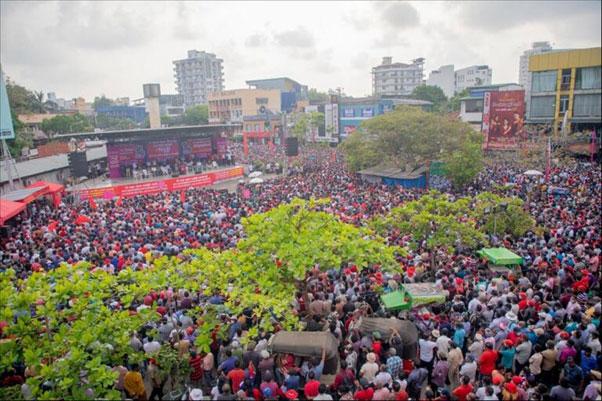
    In 2022, public protests against the then Gotabaya Rajapaksa presidency began to spread, due to his unbelievably incongruous and inconceivable policies, which led to shortages of food and domestic essentials like fuel. Mass protests erupted in Colombo and protestors camped opposite the presidential secretariat in their thousands for months.

    It was a grand opportunity for the progressive democratic NPP, which has been calling for the abolition of the executive presidency and a return to the parliamentary system, to join the ‘Aragalaya’ protest movement and establish its credentials as a people’s movement determined to dispel the old order and build a new Sri Lanka.

    High-handed policies

    Unable to quell the public protests, President Rajapaksa fled the country, having earlier appointed a political opponent but still one of the ruling class, Ranil Wickremesinghe, as prime minister. Wickremesinghe was later elected president by the Rajapaksa-family led parliamentary majority, as the constitution allowed it.

    Wickremesinghe’s high-handed policies, backed by the military and police to crush public dissent, and his deal with the IMF that led to more austerity and increasing poverty, promising economic prosperity only in future years, drove the people increasingly to oppose his policies and authoritarianism.

    Hailing from a remote village in rural Sri Lanka and from a poor family living in a hamlet, Anura Kumara Dissanayake, like many of his comrades from the JVP and later the NPP, is a genuine man of the soil, the first such leader Sri Lanka has ever had.

    Having struggled to educate himself in village schools and later at a provincial government school, AKD nevertheless managed to enter university and graduated with a bachelor’s degree in physics – a rare achievement for a boy of his background.

    Had President Wickremesinghe had an opportunity to postpone national elections, he would have done so, just as he did the local government elections during his interim presidency, fearing public defeat. But the constitution stood in his way.

    Seeing the massive attendance at the NPP’s public rallies, the Wickremesinghe government, and others expecting victory at parliamentary elections, panicked. They started branding the NPP as Marxists and insurrectionists who had engaged in armed violence and were likely to do so again. They demonised the NPP and created a nightmare image of a country under an authoritarian regime.

    Nightmare visions

    But such attempts to scare-monger the Sri Lankan people and potential foreign investors failed, due to Sri Lanka’s important geopolitical position in the busy Indian Ocean.

    Yet this has not stopped the NPP’s opponents labelling them as violent Marxists, even as they forget their own past running armed paramilitary groups responsible for the killing and torture of hundreds of civilians in the late 1980s.

    Those who read some of the Indian media and western news reports will not forget how they came to name the NPP as the country’s Marxist government, and continue to do so. However, over 60 per cent of Sri Lankan voters turned their backs on these nightmare visions, whether they came from local political leaders and their loyal press, the Indian or western media, which was likely hoping for a return of pro-western politicians and the continuation of corrupt regimes.

    They now fear that the NPP will pursue the corrupt and bring them to justice for robbing state assets, as it has promised to do.

    While the NPP’s immediate priorities are to continue dealing with the IMF to rescue the economy and other domestic issues, foreign policy does not appear to be at the top of its list. But, caught between India and China as ever, major issues lie ahead in this regard, which the NPP cannot afford to ignore for long.

    Neville de Silva is a veteran Sri Lankan journalist who held senior roles in Hong Kong at The Standard and worked in London for Gemini News Service. He has been a correspondent for the foreign media including the New York Times and Le Monde. More recently he was Sri Lanka’s Deputy High Commissioner in London

    This piece has been sourced from IPS