More

    The Future of Motorcycles could be Hydrogen

    MIT Electric Vehicle Team builds a unique hydrogen fuel cell–powered electric motorcycle.

    MIT Energy Initiative

    MIT’s Electric Vehicle Team, which has a long record of building and racing innovative electric vehicles, including cars and motorcycles, in international professional-level competitions, is trying something very different this year: The team is building a hydrogen-powered electric motorcycle, using a fuel cell system, as a testbed for new hydrogen-based transportation.

    The motorcycle successfully underwent its first full test-track demonstration in October. It is designed as an open-source platform that should make it possible to swap out and test a variety of different components, and for others to try their own versions based on plans the team is making freely available online.

    Aditya Mehrotra, who is spearheading the project, is a graduate student working with mechanical engineering professor Alex Slocum, the Walter M. May and A. Hazel May Chair in Emerging Technologies. Mehrotra was studying energy systems and happened to also really like motorcycles, he says, “so we came up with the idea of a hydrogen-powered bike. We did an evaluation study, and we thought that this could actually work. We [decided to] try to build it.”

    Team members say that while battery-powered cars are a boon for the environment, they still face limitations in range and have issues associated with the mining of lithium and resulting emissions. So, the team was interested in exploring hydrogen-powered vehicles as a clean alternative, allowing for vehicles that could be quickly refilled just like gasoline-powered vehicles.

    Unlike past projects by the team, which has been part of MIT since 2005, this vehicle will not be entering races or competitions but will be presented at a variety of conferences. The team, consisting of about a dozen students, has been working on building the prototype since January 2023. In October they presented the bike at the Hydrogen Americas Summit, and in May they will travel to the Netherlands to present it at the World Hydrogen Summit. In addition to the two hydrogen summits, the team plans to show its bike at the Consumer Electronics Show in Las Vegas this month.

    “We’re hoping to use this project as a chance to start conversations around ‘small hydrogen’ systems that could increase demand, which could lead to the development of more infrastructure,” Mehrotra says. “We hope the project can help find new and creative applications for hydrogen.” In addition to these demonstrations and the online information the team will provide, he adds, they are also working toward publishing papers in academic journals describing their project and lessons learned from it, in hopes of making “an impact on the energy industry.”

    The motorcycle took shape over the course of the year piece by piece. “We got a couple of industry sponsors to donate components like the fuel cell and a lot of the major components of the system,” he says. They also received support from the MIT Energy Initiative, the departments of Mechanical Engineering and Electrical Engineering and Computer Science, and the MIT Edgerton Center.

    Initial tests were conducted on a dynamometer, a kind of instrumented treadmill Mehrotra describes as “basically a mock road.” The vehicle used battery power during its development, until the fuel cell, provided by South Korean company Doosan, could be delivered and installed. The space the group has used to design and build the prototype, the home of the Electric Vehicle Team, is in MIT’s Building N51 and is well set up to do detailed testing of each of the bike’s components as it is developed and integrated.

    Elizabeth Brennan, a senior in mechanical engineering, says she joined the team in January 2023 because she wanted to gain more electrical engineering experience, “and I really fell in love with it.” She says group members “really care and are very excited to be here and work on this bike and believe in the project.”

    Brennan, who is the team’s safety lead, has been learning about the safe handling methods required for the bike’s hydrogen fuel, including the special tanks and connectors needed. The team initially used a commercially available electric motor for the prototype but is now working on an improved version, designed from scratch, she says, “which gives us a lot more flexibility.”

    As part of the project, team members are developing a kind of textbook describing what they did and how they carried out each step in the process of designing and fabricating this hydrogen electric fuel-cell bike. No such motorcycle yet exists as a commercial product, though a few prototypes have been built.

    That kind of guidebook to the process “just doesn’t exist,” Brennan says. She adds that “a lot of the technology development for hydrogen is either done in simulation or is still in the prototype stages, because developing it is expensive, and it’s difficult to test these kinds of systems.” One of the team’s goals for the project is to make everything available as an open-source design, and “we want to provide this bike as a platform for researchers and for education, where researchers can test ideas in both space- and funding-constrained environments.”

    Unlike a design built as a commercial product, Mehrotra says, “our vehicle is fully designed for research, so you can swap components in and out, and get real hardware data on how good your designs are.” That can help people work on implementing their new design ideas and help push the industry forward, he says.

    The few prototypes developed previously by some companies were inefficient and expensive, he says. “So far as we know, we are the first fully open-source, rigorously documented, tested and released-as-a-platform, [fuel cell] motorcycle in the world. No one else has made a motorcycle and tested it to the level that we have, and documented to the point that someone might actually be able to take this and scale it in the future, or use it in research.”

    He adds that “at the moment, this vehicle is affordable for research, but it’s not affordable yet for commercial production because the fuel cell is a very big, expensive component.” Doosan Fuel Cell, which provided the fuel cell for the prototype bike, produces relatively small and lightweight fuel cells mostly for use in drones. The company also produces hydrogen storage and delivery systems.

    The project will continue to evolve, says team member Annika Marschner, a sophomore in mechanical engineering. “It’s sort of an ongoing thing, and as we develop it and make changes, make it a stronger, better bike, it will just continue to grow over the years, hopefully,” she says.

    While the Electric Vehicle Team has until now focused on battery-powered vehicles, Marschner says, “Right now we’re looking at hydrogen because it seems like something that’s been less explored than other technologies for making sustainable transportation. So, it seemed like an exciting thing for us to offer our time and effort to.”

    Making it all work has been a long process. The team is using a frame from a 1999 motorcycle, with many custom-made parts added to support the electric motor, the hydrogen tank, the fuel cell, and the drive train. “Making everything fit in the frame of the bike is definitely something we’ve had to think about a lot because there’s such limited space there. So, it required trying to figure out how to mount things in clever ways so that there are not conflicts,” she says.

    Marschner says, “A lot of people don’t really imagine hydrogen energy being something that’s out there being used on the roads, but the technology does exist.” She points out that Toyota and Hyundai have hydrogen-fueled vehicles on the market, and that some hydrogen fuel stations exist, mostly in California, Japan, and some European countries. But getting access to hydrogen, “for your average consumer on the East Coast, is a huge, huge challenge. Infrastructure is definitely the biggest challenge right now to hydrogen vehicles,” she says.

    She sees a bright future for hydrogen as a clean fuel to replace fossil fuels over time. “I think it has a huge amount of potential,” she says. “I think one of the biggest challenges with moving hydrogen energy forward is getting these demonstration projects actually developed and showing that these things can work and that they can work well. So, we’re really excited to bring it along further.”

    Image: Aditya Mehrotra performs a “shakedown” test — running the hydrogen-powered electric motorcycle at high speeds to ensure that the mechanical and electrical systems hold up.
    Credits:Photo: Adam Glanzman

    Reprinted with permission of MIT News
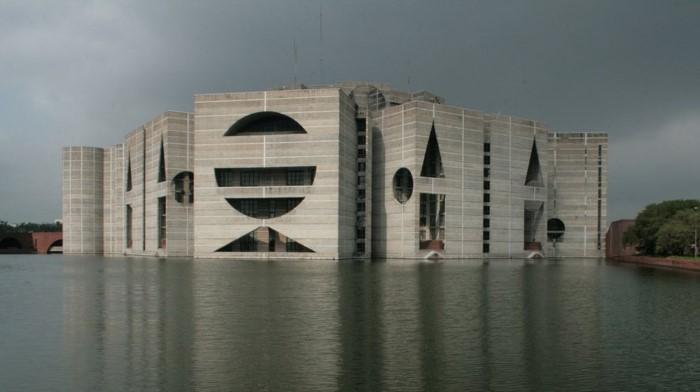
    UN Human Rights Chief Urges Bangladesh to Renew Commitment to Democracy

    At least 10 opposition supporters reportedly died – or were killed – in custody in the last two months, raising serious concerns about possible torture or harsh conditions of detention, the UN Human Rights Chief said.

    UN Human Rights Chief Volker Türk today called on Bangladesh’s newly elected government to take steps to renew the country’s commitment to democracy and human rights, voicing distress that the environment for Sunday’s poll was marred by violence and repression of opposition candidates and supporters.

    “In the months leading up to the vote, thousands of opposition supporters have been detained arbitrarily or subjected to intimidation. Such tactics are not conducive to a truly genuine process,” said Türk.

    “I implore the Government to take the necessary steps to ensure that the human rights of all Bangladeshis are fully taken into account, and to strengthen the underpinnings of a truly inclusive democracy in the country.”

    Mass arrests, threats, enforced disappearances, blackmailing and surveillance were all methods reportedly used by law enforcement officials prior to the ballot, which was boycotted by the main opposition Bangladesh Nationalist Party. Acts of political violence, including arson attacks allegedly committed by opposition groups, have also been reported.

    Around 25,000 opposition supporters have been arrested, including key party leaders, since 28 October. At least 10 opposition supporters reportedly died – or were killed – in custody in the last two months, raising serious concerns about possible torture or harsh conditions of detention, the UN Human Rights Chief said.

    Many human rights defenders have been forced to go into hiding, and some have fled the country, while dozens of suspected enforced disappearance cases have been reported, mostly in November.

    “These incidents must be independently investigated, and those responsible must be brought to justice in fair and transparent trials,” Türk said. “Violations and irregularities during the campaign and on election day itself should also be thoroughly and effectively investigated.”

    “Democracy was hard won in Bangladesh and must not become cosmetic,” said the High Commissioner. “Bangladesh has been a role model of development, and I fervently hope this will translate into the political and institutional spheres too. The future of all Bangladeshis is at stake.”

    Image: Wikimedia

    Emptying Villages, Crowded Towns

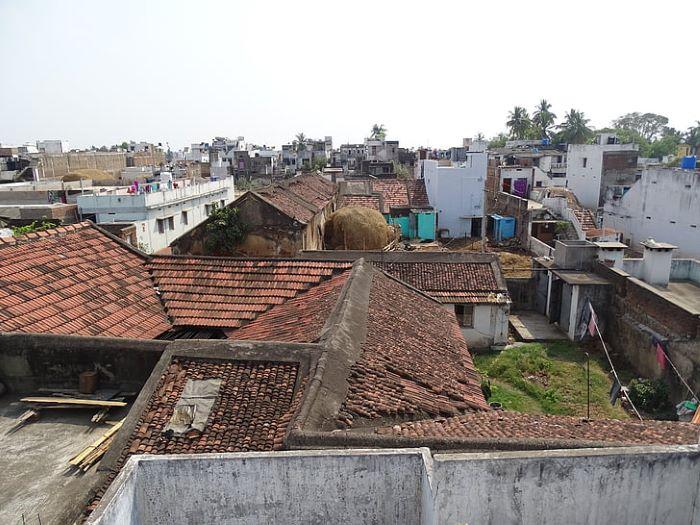
    For centuries, across all continents, the villager has been put up as a simple bumpkin, while the town guys seemed to be both clever and empowered. The villager left for the town to acquire occupations, but in the process acquired knowledge too.

    Alok Sinha

    Migration from villages to towns has been happening for more than a century, not just in India but all over the world. That, indeed, is how urban habitats are set up. But such transition, for the villager migrants, also leads to huge domestic upheavals. Old homes stagnate and ultimately wither away, well before new ones are comfortably set up, which gives rise to a rootless existence in urban slums and shanties. And rural memories then remain merely remembered, they are never dynamically lived.

    Why do villagers then do it? That is, get away from their centuries old legacy habitat to plunge into unknown towns?

    Let me then initiate some simple, seemingly innocent questions for you….

    What drives out villagers? How are urban spaces filled up? Indeed, how are town shanties and posh habitat created?

    Is rural out-migration unavoidable? Inevitable? Maybe even required?

    And if required, can the movement of villagers towards the urbanised world be regulated ? By whom ? And for whose benefit ?

    Finally, a fully loaded question…do the rich and empowered in villages ever abandon their rural habitat for the towns?

    The question of what ails the villages is in fact closely intertwined with each of the questions listed out above. Indeed, “ailing villages” could be the package answer to these questions.

    In human terms, it is the control over land, capital and labour that decides who will stay on, who will leave the villages. As noted sociologist Andre Beteille put it way back in 1969, this control determines who will or can avail of the opportunities that arise in the villages itself.

    Facts and figures of the rural-urban sectors tell us something specific about migration from the villages to the towns. While urban population since Independence grew from 60 million to 377 million by 2011, a huge six fold jump., the rural population’s rise, from 298 million to 742 million, was less than a three fold jump. Similarly, while urban settlements jumped from 2843 to 7,935, a little over double in this period, the number of rural settlements in this period creeped up from around 6 lakhs to only 640,867.

    Impatience with rural problems

    Clearly, while the urban economy, due to various degrees of modernisation and industrialisation, was showing positive signs of growth, benefits of such urban growth indisputably kept trickling down to villagers-turned-workers, and thus preventing them from sliding down to a beggarly existence in their new, urban habitat.

    Resultantly, rural backwardness also became a crystallised intellectual and popular perception. For centuries, across all continents, the villager has been put up as a simple bumpkin, while the town guys seemed to be both clever and empowered. The villager left for the town to acquire occupations, but in the process acquired knowledge too.

    As noted educationist Prof Krishna Kumar said it so well in the EPW in 2014, “for the village, there is just one way to liberate …and that is to develop into a town, according to the agenda of evolutionist modernity”. What is more, he further lamented that “many well-placed modernisers today convey an unmistakable impatience with rural problems”.

    What then are the rural problems that lead to out-migration? Primary amongst such problems would be financial. If rural jobs outside agriculture are almost nil, and if the rural economy itself (populated by two-thirds of the national population) has a very low growth rate (less than 4 per cent, and hence contributing to less than one-fifth of our national GDP), it is but natural to see such an inevitable and endless journey towards towns. The most blunt example is the Garhwal region, where villages first saw women taking to holding the plough (historically, a man’s burdensome privilege) to now villages emptying themselves, to turn into “ghost” villages.

    Secondly, for decades, we have seen and felt how infrastructural facilities like healthcare and schools in villages compare abysmally with towns largely because the urban lure is irresistible for good teachers, doctors, engineers etc.

    As a shiny example, the IRMA (Institute of Rural Management at Anand) was started by Gujarat Dairy Federation/AMUL/National Dairy Development Board largely because village issues were quite outside the horizons of the famous and much-vaunted IIMs and IITs.

    The success of IRMA also signifies the key to rural problems. And that is if the best of teaching facilities are created in villages to focus on rural issues, then rural economy can indeed grow well (look at the success of AMUL.

    Modernising, diversifying, reforming

    So to return to the questions outlined at the beginning. If infrastructure is created by factories in rural areas, if facilities are available in villages to provide adequate health care and schools, unplanned rural out-migration can surely be managed well. Thereby even the villages where two-thirds of India lives can catch up with the towns and increase its share of the national GDP.

    Modernising, diversifying, reforming agriculture, horticulture, aquaculture, dairying through a good mixture of gradation awareness and improved marketing, buttressed by infusion of much-needed capital, can do wonders to improve the rural economy. That, along with a policy of incentivising both rural industries as well as locating modern industries in rural areas, would surely keep the villager happily tied to his much loved and totally familiar village world. Such rural development would automatically lead to creation of better health care and teaching facilities.

    One modern industry which will succeed in villages is food processing, because the raw materiel is already there. Further, other non-agricultural industries would get a boost because the work force is already there.

    In a simple, catch-all phrase, a policy of “village first” approach to future development would help the rural economy, would give villagers a dignified way out of unplanned, unfocused, and a “blind” movement towards towns. If the rural economy grows in a positive way, national GDP and national income would both grow, with a per capita improvement for all.

    Of course, such a good turn would first need a “village look” to future planning and governmental action. Above all, it would also require all stakeholders to look upon villages with pride, not a place to flee from.

    Alok Sinha is a former Additional Secretary Agriculture, Government of India, and retired CMD of the gargantuan Food Corporation of India. He has spent more than half his IAS career in various rural sectors.
    As a Founder of VillageNama, he can be contacted at:
    [email protected]
    alok.sinha@ VillageNama.com

    Aloe Vera Peels Could Fight Staple Food Crop Pests

    Aloe peels have bioactive compounds that can ward off bugs. These findings may offer new use for peels that are usually discarded as waste and the findings can be catalyst for organic farming and traditional medicine.

    Sanjeet Bagcchi

    The discarded peels of aloe vera can be used as a natural pesticide, helping farmers protect staple food crops from harmful insects, research suggests.

    Globally, between 20 and 40 per cent of crop yields are lost to pests, which has a direct impact on food security and nutrition, according to CABI (the parent organisation of SciDev.Net).

    Aloe vera is a stemless, cactus-like plant that is widely cultivated in Australia, China, India, Jamaica, Mexico, South Africa, Tanzania and the US. Its gel-like substance is used to heal wounds, sunburns, and skin diseases, and to prevent baldness.

    However, aloe vera peels or rinds are considered worthless and usually disposed of as agricultural waste.

    “It’s likely that millions of tonnes of aloe peels are disposed of globally every year,” says Debasish Bandyopadhyay, an assistant professor in chemistry at the University of Texas Rio Grande Valley, US, and principal investigator on a study to find ways to add value to aloe while reducing waste.

    At a meeting of the American Chemical Society this month (17 August), Bandyopadhyay and his colleagues showed how aloe vera peels can act as a natural insecticide, staving off insects from crops such as maize or millet.

    “We proved that [aloe] vera rinds’ derived extracts act as a feeding deterrent and eventually kill agricultural pests,” Bandyopadhyay tells SciDev.Net.

    He explains that insects do not like aloe vera peels as it contains phytochemicals (chemicals produced by plants) that are toxic for them.

    “Insects may be harmed or killed by natural substances contained in aloe peels,” he adds.

    “Exposure to these compounds can cause discomfort, illness or even disruptions in an insect’s ability to travel, eat and reproduce.”

    The researchers became interested in the potential use of aloe peels as insecticide after visiting a site where they noticed that insects left aloe leaves alone while attacking the leaves of other plants. They hypothesised that aloe peels have specific defence chemicals.

    To investigate, they collected and dried out the peels and then produced extracts from the peels with substances such as dichloromethane (DCM), hexane and methanol.

    Univera’s aloe farm in Tampico, Mexico. Researchers have become interested in the potential use of aloe peels in insecticide production. Photo by UNIVERA (CC BY-SA 4.0)
    Univera’s aloe farm in Tampico, Mexico. Researchers have become interested in the potential use of aloe peels in insecticide production. Photo by UNIVERA (CC BY-SA 4.0).

    Their experiments showed that the DCM extract of aloe peels had substantial insect-killing properties against farm pests, as did six other compounds from the peels.

    Significantly, the compounds did not show toxic properties, suggesting that aloe-peel-based insecticide wouldn’t have significant safety concerns for people.

    “By repurposing the leftover aloe peels that are currently discarded, aloe production can be made more sustainable and contribute to achieving the UN Sustainable Development Goals,” Bandyopadhyay tells SciDev.Net, citing Zero Hunger as an example.

    Economic potential

    Chiranjib Chakraborty, a professor at the School of Life Science and Biotechnology, Adamas University in Kolkata, India, believes the findings have huge economic potential and could help promote organic farming and traditional plant medicines.

    “The world is now looking at organic farming,” he tells SciDev.Net.

    He believes the research findings could support a shift to a more sustainable farming and replacement of chemical-based practice in millions of farms devoted to rice, wheat, maize and millet.

    According to a 2021 review published in the journal Molecules, indiscriminate and prolonged use of synthetic pesticides leads to human health issues, water, air and soil contamination, and pest resistance.

    Plant-derived pesticides, which are cheap and eco-friendly, are an important alternative to synthetic pesticides, protecting the environment and human health and enhancing crop production.

    Chakraborty believes the study opens up avenues for research on other traditional medicinal plants to find scientific evidence of the purported beneficial properties.

    This piece has been sourced from SciDev.Net

    Image: Copyright-Marco Verch (CC BY 2.0)

    Military Influence and Political Peril in Pakistan

    The economy and the Pakistani rupee struggled as a result of profligate spending by the Khan government. The slow-footed and inept handling of the exchange rate by the subsequent coalition government compounded these economic woes.

    By Shuja Nawaz/Atlantic Council

    Pakistan found itself in an economic crisis in 2023. Inflation raged around 40 per cent, power shortages were frequent, while exports, remittances and foreign direct investments all dwindled. Political conflict intensified and the military increased its involvement in both economic and political affairs.

    Pakistan also remains in the throes of a constitutional crisis, with Punjab and Khyber-Pakhtunkhwa — two major provinces — failing to hold elections within the stipulated 90-day period after their assemblies were dissolved. Former prime minister Shehbaz Sharif’s national coalition, which assumed power after ousting former prime minister Imran Khan through a no-confidence vote, decided to call fresh elections in February 2024.

    Anwar ul Haq Kakar — a minor and novice politician from Balochistan reportedly favoured by the military for publicly defending military actions against Baloch nationalists — was selected to lead the central caretaker government.

    The economy and the Pakistani rupee struggled as a result of profligate spending by the Khan government. The slow-footed and inept handling of the exchange rate by the subsequent coalition government compounded these economic woes. The absence of strong fiscal policy and budget discipline resulted in a delayed agreement with the International Monetary Fund (IMF) for a new economic recovery program.

    Annual remittance flows to Pakistan dropped by nearly US$4 billion. Even the promised US$10 billion flood relief failed to materialise as donors questioned Pakistan’s ability to surmount its self-created obstacles to economic growth

    Special Investment Facilitation Council

    To bolster the Sharif and later the caretaker government’s efforts to revive the economy, the Chief of Army Staff, General Asim Munir was inducted into a new central body — the Special Investment Facilitation Council — in June 2023. This body was tasked with identifying external financial sources and their allocation for development through strategic investments.

    The Special Investment Facilitation Council also included provincial chiefs. But without domestic policy changes and institutional reforms, such initiatives typically fail to produce rapid or sustainable results. But, surprisingly, the IMF agreed to release the second tranche of its new $3 billion loan. Questions arise as to whether the renewed transactional relationship with the United States was a key factor in the agreement.

    The economy and investment flows were hindered in part by a surge in terrorist incidents in Pakistan. The increased terrorist activity was fuelled in part by dissatisfaction with the lack of economic and political development in the former Federally Administered Tribal Areas. In 2023, Pakistan witnessed 124 major attacks, prompting the government to conduct a massive expulsion of Afghan refugees deemed ‘undocumented’. Many of the expelled were children with Pakistani citizenship by birthright.

    Political unrest in the country triggered nationwide protests by followers of Khan’s Pakistan Tehreek-e-Insaf party (PTI) in May after his arrest by paramilitary rangers. Unprecedented protest demonstrations targeted military installations. In response to the attacks, the coalition government and the army arrested up to 10,000 people and called for military trials of civilians. This led to more protests against the infringement of civilians’ constitutional rights.

    The removal of a large number of serving and retired military officers — with limited details being shared about the proceedings against them — fuelled rumours of divisions within the military. Amid the upheaval, a new alliance seemed to have emerged between the military and the Pakistan Muslim League (Nawaz) party.

    Pre-election day interference likely

    Senior leaders of the PTI have been sent to jail. Major office bearers disappeared then reemerged only to deliver public statements, resignations and written denunciations of the PTI and its protests. Those compliant with this approach were spared jail, while those that refused to follow this script remained in jail, facing seriatim charges even after securing bail from higher courts.

    Political arrests and disappearances persisted, despite protests from international human rights organisations and US lawmakers. By the end of November 2023, the push to eliminate the political presence of the PTI picked up steam and the Election Commission of Pakistan urged the party to conduct intra-party elections or risk having to forfeit its election symbol, a cricket bat associated with Khan’s sporting career. The Election Commission of Pakistan then proceeded to annul the subsequent intra-party elections and took away Khan’s bat symbol.

    Even if the February 2024 elections in Pakistan proceed without a hitch and under tight military observation, past experience suggests that pre-election day interference is likely. Changing the rules for intra-party elections, assigning compliant officials to oversee the electoral process and discreet persuasion by intelligence agencies all help guide an election before the votes are cast. A less than fair election might result in a hung parliament, allowing the dominant military to engineer Pakistan’s politics and economy.

    Two contrasting scenarios may emerge. The first involves a deeper economic and political crisis — akin to the situation in Indonesia after the 1998–99 financial collapse — leading to a reduction of the military’s power. The second scenario would be a revival of the coup culture that leads to another period of military rule. The latter may be avoided if the military finds a reliable political partner. If not, then uncertainty will continue to wrack Pakistan, with its attendant economic costs.

    Shuja Nawaz is Distinguished Fellow at the South Asia Center at the Atlantic Council, Washington DC and Author of ‘The Battle for Pakistan: The Bitter US Friendship and a Tough Neighborhood’.

    This piece has been sourced from the East Asia Forum of the Australian National University.

    Sri Lanka to Resolve Missing Persons’ Issue by 2025: President Ranil Wickremesinghe

    The Office of Missing Persons (OMP), established in 2017, remains central to the government’s purported intention to establish the fate of thousands of victims of enforced disappearance.

    Sri Lanka is in the process of resolving an issue of missing persons by 2025, President Ranil Wickremesinghe said during a visit to the North-Eastern district of Mullaitivu, according to his media office.

    Mullaitivu is the site of the discovery of a mass grave in July last year. Families believe these graves might contain the remains of their loved ones who were victims of enforced disappearance.

    “We are committed to resolving the land issue in the North and addressing the missing persons’ matter before the conclusion of 2025,” President Wickremesinghe was quoted as saying in a statement.

    Tens of thousands of people have disappeared in Sri Lanka since war with the LTTE began in the 1980s. A 1999 study by the United Nations found that Sri Lanka had the second highest number of disappearances in the world and that 12,000 Sri Lankans had disappeared after being detained by Sri Lankan security forces.

    Sri Lanka’s ratifications of the human rights conventions are to be brought under scrutiny when the island nation participates in the 55th session of the UN Human Rights Council in Geneva in February this year.

    Last month, the country’s Justice Minister Wijeyadasa Rajapakshe had said that Sri Lanka was saddled with more than 14,000 cases related to persons who went “missing” during civil conflicts in the country, including the the internal conflict in the Northern and Eastern Provinces. He had then pledged for the quick resolution of the thorny issue.

    The Office of Missing Persons (OMP), established in 2017, remains central to the government’s purported intention to establish the fate of thousands of victims of enforced disappearance.

    Human rights

    Resolving the matter of the missing persons is a thorny issue in the island nation that has witnessed a bitter conflict with the LTTE. The Council of the European Union had, in a Joint Staff Working document on the progress of Sri Lanka, highlighted concerns regarding the independence and effectiveness of the Office on Missing Persons and the Office of Reparations, after the introduction of the 20th amendment of the Sri Lankan Constitution in October 2020.

    The European Union is an important trading partner for Sri Lanka and the matter of the missing persons is important for Sri Lanka as the island nation grapples with the economic crisis of last year. Sri Lanka is preparing for a renewal of its trade with the European Union trade bloc. The renewal will place Sri Lanka in a preferential position for concessional trade with the block.

    But the EU has a carrot and stick approach to the issue — it will enable tariff-free access for Sri Lankan exports if the country complies with international human rights conventions, and the matter of missing persons from the Tamil-dominated North is central to this.

    The Office of Missing Persons (OMP), a special office set up for determining the status of all missing persons, has so far finalised investigations on nearly 4,800 cases, Justice Minister Wijeyadasa Rajapakshe had said.

    “All outstanding complaints lodged with the Office of Missing Persons are expected to be resolved by the coming year,” he said, adding that to ensure the efficiency of the judicial process, a comprehensive set of eight new bills is set to be submitted to Parliament.

    In August 2023, the International Committee of the Red Cross (ICRC) said in a press release that thousands of families of missing persons from all communities across Sri Lanka continue to suffer due to the uncertainty surrounding the fate of their missing loved ones. The ICRC urged for a quick resolution of the issue.

    Members of Tamil communities continue to face harassment, intimidation and at times arrest for conducting events to memorialize victims of the conflict, or for staging protests demanding accountability for abuses.

    Flagship Economic Report Highlights why Global Cooperation is Key

    The UN’s World Economic Situation and Prospects report for 2024 projects a slowdown in global growth from an estimated 2.7 per cent in 2023 to 2.4 per cent in 2024.

    The flagship forecast launched in New York on Thursday indicates that last year’s stronger-than-expected GDP growth coming out of the COVID-19 pandemic masked short-term risks and structural vulnerabilities in the world economy.

    The sombre short-term outlook is based on persistently high interest rates, further escalation of conflicts, sluggish international trade, and increasing climate disasters, which all pose significant challenges to global growth.

    It points to a prolonged period of tighter credit conditions and higher borrowing costs, presenting strong headwinds for a world economy saddled with debt and in need of more investments to resuscitate growth, fight climate change and accelerate progress towards the Sustainable Development Goals (SDGs).

    Escape the quagmire: Guterres

    “2024 must be the year when we break out of this quagmire. By unlocking big, bold investments we can drive sustainable development and climate action and put the global economy on a stronger growth path for all,” said UN chief António Guterres.

    “We must build on the progress made in the past year towards an SDG Stimulus of at least $500 billion per year in affordable long-term financing for investments in sustainable development and climate action.”

    So how do the numbers breakdown? We’ll begin our analysis with the scourge of rising prices that continues to bedevil economies large and small:

    Inflation

    Global inflation is projected to decline further, from an estimated 5.7 per cent in 2023 to 3.9 per cent in 2024. But price pressures are still elevated in many countries and any further escalation of geopolitical conflict will add to that.

    In about a quarter of all developing countries, annual inflation is projected to exceed 10 per cent in 2024, the report highlights.

    Since January 2021, consumer prices in developing economies have increased by a cumulative 21.1 per cent, significantly eroding the economic gains made following the COVID-19 recovery.

    “Persistently high inflation has further set back progress in poverty eradication, with especially severe impacts in the least developed countries,” said Li Junhua, Head of the UN’s Department of Economic and Social Affairs (DESA).

    “It is absolutely imperative that we strengthen global cooperation and the multilateral trading system, reform development finance, address debt challenges and scale up climate financing to help vulnerable countries accelerate towards a path of sustainable and inclusive growth.”

    Regional disparities

    The United States, the world’s largest economy, is expected to see a drop in GDP growth from 2.5 per cent in 2023 to 1.4 per cent in 2024. Consumer spending, a key driver of its economy, is likely to weaken due to various factors, including high interest rates and a softening labour market the report says.

    Meanwhile China, facing domestic and international headwinds, is projected to experience a moderate slowdown with growth estimated at 4.7 per cent in 2024, down from 5.3 last year.

    Europe and Japan also face challenges with growth rates forecasted at 1.2 per cent for both regions in 2024.

    Africa’s growth rate is projected to slightly increase from 3.3 per cent in 2023 to 3.5 in 2024.

    The report notes that the least developed countries (LDCs) are projected to grow by 5 per cent in 2024, yet this falls short of the 7 per cent growth target under the SDGs

    Labour markets

    The global labour market presents a mixed post-pandemic picture. Developed countries experienced a robust recovery with low unemployment rates, notably 3.7 per cent in the US and 6 per cent in the EU in 2023, coupled with rising nominal wages and narrowing wage inequality.

    However, real income losses and labour shortages pose challenges.

    Developing countries show mixed progress; while nations like China, Brazil, Türkiye, and Russia report declining unemployment, gender gaps, and high youth unemployment persist.

    Globally, the decline in women’s labor force participation to 47.2 per cent in 2023 (compared to 48.1 in 2013) and the high NEET rate (not in employment, education or training) of 23.5 per cent among youth highlight enduring challenges.

    Global Investment

    There is a noted slowdown in investment growth across both developed and developing economies.

    While developed countries have continued to channel investments into sustainable and technology-driven sectors like green energy and digital infrastructure, developing countries face challenges such as capital flight and reduced foreign direct investment.

    Global investment growth is expected to remain low due to economic uncertainties, high debt burdens, and rising interest rates.

    Investment in the energy sector, especially in clean energy, is growing but not at a pace sufficient to meet the net-zero-emissions goal by 2050.

    International trade

    International trade is losing steam as a growth driver, with global trade growth weakening to 0.6 per cent in 2023, recovering to 2.4 per cent in 2024.

    The report points to a shift in consumer spending from goods to services, rising geopolitical tensions, supply chain disruptions, and the lingering effects of the pandemic as factors impeding trade growth.

    Furthermore, the shift towards protectionist policies in some countries has also influenced trade dynamics, leading to a reevaluation of global supply chains and trade agreements.

    International finance and debt

    Developing countries face high levels of external debt and rising interest rates, making access to international capital markets difficult. There’s a decline in official development assistance and foreign direct investment for low-income countries.

    Debt sustainability has emerged as a critical challenge, especially for developing countries, in the wake of rising debt levels and changing global financial conditions.

    The increase in global interest rates, a consequence of monetary policy tightening by central banks like the Federal Reserve and the European Central Bank, has escalated debt servicing costs, particularly for countries with foreign currency-denominated debts.

    As a result, many countries are grappling with the need for debt restructuring.

    Climate change

    2023 saw extreme weather condition worsen, including the hottest summer on record since 1880 leading to devastating wildfires, floods and droughts worldwide.

    These events have direct economic impacts, such as damage to infrastructure, agriculture and livelihoods.

    Studies have predicted substantial losses to the global economy due to climate change. For instance, some estimates suggest a potential reduction of about 10 per cent in global GDP by 2100, considering events like the collapse of the Greenland ice shelf.

    Other models indicate that without mitigation of global warming, average global incomes could be 23 per cent lower by 2100.

    Multilateralism: Blueprint for action

    The 2024 WESP report calls for urgent action to address these diverse challenges.

    It emphasizes the need for strengthened global cooperation, particularly in areas like climate action, sustainable development financing, and addressing the debt sustainability challenges of low and middle-income countries. Enhanced global cooperation is essential.

    Image: Hippopx — Creative Commons Zero – CC0

    World Food Price Index Falls in December

    The United Nations Food Agency’s World Price Index ended last year about 10 per cent below its 2022 mark, with values in December also down from the previous month, helping further ease concerns over global food price inflation.

    The Rome-based Food and Agriculture Organization’s (FAO) price index, which tracks the most globally traded food commodities, averaged 118.5 points in December, down 1.5 per cent from November and 10.1% below December 2022 levels.

    For 2023 as a whole, the index averaged 13.7 per cent below year-earlier levels, with only sugar prices higher over the period. The FAO’s sugar price index did, however, decline 16.6 per cent in December from November.

    The FAO Cereal Price Index increased 1.5 per cent from November, as wheat, maize, rice, and barley prices all rose, partly reflecting logistical disruptions that hindered shipments from major exporting countries.

    For the year as a whole, the index was 15.4 per cent below the 2022 average, reflecting well-supplied global markets, although FAO’s All Rice Price Index (part of the FAO Cereal Price Index) registered a 21 per cent increase, largely owing to concerns about the impact of El Niño on rice production and in the aftermath of restrictions on rice exports imposed by India.

    The FAO Vegetable Oil Price Index by contrast, declined by 1.4 per cent from November, reflecting subdued purchases of palm, soy, rapeseed, and sunflower seed oil, with soy oil in particular impacted by a slowdown in demand from the biodiesel sector as well as improving weather conditions in major growing areas of Brazil.

    For 2023 as a whole, this index was 32.7 per cent below the previous year’s level. The FAO Sugar Price Index declined 16.6 per cent from November, hitting a nine-month low although still up 14. 9 per cent from December 2022. The plunge in sugar quotations was mainly driven by the strong pace of production in Brazil, along with the reduced use of sugarcane for ethanol production.

    The FAO Meat Price Index dipped 1.0 per cent from November, reaching a level 1.8 per cent below that of December 2022, impacted by persistent weak import demand from Asia for pork. Regional buying interest also slowed for bovine and poultry meat despite ample exportable supplies in large producing regions.

    Ovine meat prices by contrast rose ahead of holidays. Bucking the trend, the FAO Dairy Price Index increased by 1.6 per cent from November, although still standing 16.1 per cent below its December 2022 value. The monthly increase was led by higher price quotations for butter and cheese, underpinned by strong internal sales in Western Europe ahead of the holiday season. At the same time, strong global import demand led international whole milk powders to rise.

    Nepal and India Agree on Strengthening Power Transmission System

    Nepal and India have held important discussions and agreed on eight various topics on energy sector.

    The eleventh meeting of Nepal-India Energy Secretary level Joint Steering Committee that concluded in Chitwan today has agreed on especially the topic of strengthening the electricity transmission system. Nabin Raj Singh, Joint Secretary at the Ministry of Energy, Water Resources and Irrigation, said the meeting discussed various agenda prepared by the Joint-secretary level Joint Taskforce.

    Secretary at the Ministry of Energy, Water Resources and Irrigation, Gopal Prasad Sigdel, and Secretary at India’s Ministry of Energy, Pankaj Agrawal, co-chaired the meeting.

    Before this, the 11th meeting of Nepal-India Energy Joint Taskforce co-chaired by Joint-Secretary Singh and Joint-Secretary of India’s Ministry of Power, Dr D Saibaba, held necessary discussions on the existing, under-construction and proposed inter-country power transmission lines, various projects having Indian investment and the related transmission line projects, among other topics. The taskforce meeting also made recommendation to the Secretary-level meeting on these topics after discussing them.

    However, it is said that most of the topics agreed upon this time shall be finalized by the technical groups, as these agreements are concerned more with technical topics.

    The meeting made decision on principle only since most of the topics are more technical-related, according to the Nepali high officials participating in the meeting.

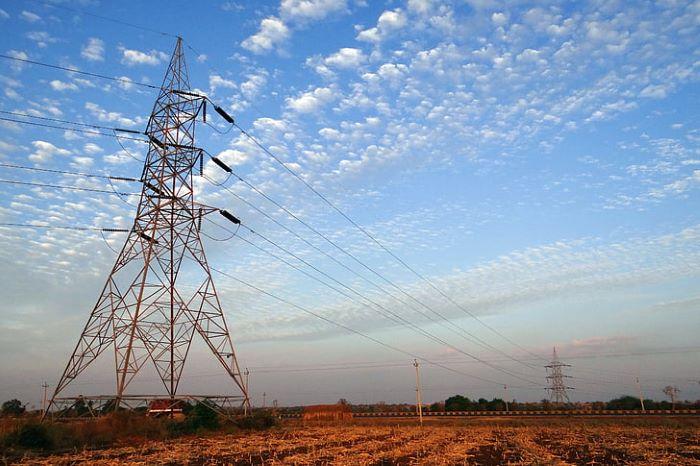
    Both sides have agreed on expanding the capacity of the Dhalkebar-Mujaffarpur Inter-country Transmission Line to 1,000 megawatts. Required infrastructures would be constructed at Dhalkebar sub-station for this purpose. At present, the export and import of 800 megawatts electricity is taking place from this transmission line.

    Joint Technical Committee

    The Joint Technical Committee will study and make necessary decision on the topic of utilizing this transmission line in its maximum capacity. Nepal has also been paying the transmission fees for utilizing the full capacity of this transmission line.

    The high officials of the Ministry of Energy who attended the meeting said that important agreement has been made regarding utilization of the maximum capacity of the first inter-country transmission line linking Nepal and India.

    Similarly, the Joint Technical Committee shall also take the necessary decision regarding determining the capacity of electricity that can be transmitted via the Dhalkebar-Sitamadhi 400-kV transmission line being constructed by the Indian company, Satluj Vidhyut Nigam. The Indian company is constructing this transmission line for exporting electricity to be produced from the Arun III Hydropower Project.

    This company, which is constructing the Arun-III project, has also taken responsibility for constructing other projects as well. It will take long until these projects are completed.

    Likewise, the meeting has agreed that the Joint Technical Committee will conduct a study on the feasibility of exporting power up to 200 megawatts through the 132 kV Tanakpur Mahendranagar transmission line or other high-voltage capacity transmission lines.

    The meeting has approved the process and procedure on electricity export and import between Nepal and India during the monsoon via the existing transmission lines of 132 kV capacity or less by using the power transmission system of the neighbouring Indian states. These process and procedure were prepared by the Central Electricity Authority of India in coordination with Nepal Electricity Authority (NEA) and other agencies of India.

    Separate tripartite agreement

    The meeting has also given the responsibility to the Joint Working Group for construction of additional two transmission lines of higher capacity. The 400-kV Yanrupa-Purnia transmission line and the New Lamki (Dododhara)-Bareily transmission line will be constructed between Nepal and India. The objective is to construct these two transmission lines until 2028. The modality of these transmission lines will also be finalized by the Joint Working Group.

    The taskforce led by the Joint-Secretary of the Energy Ministry of the two countries will prepare the necessary modality for this.

    Discussions have also been held in principle on having soon a separate tripartite agreement, in accordance with the Power Import and Export Guidelines of India, among NEA, the NTPC Vidhyut Vyapar Nigam of India and the Power Development Board of Bangladesh for export of 40 megawatts electricity from Nepal to Bangladesh by using India’s transmission system.

    Based on this discussion, the necessary mechanism would be established for the three-nation partnership. This mechanism will make the necessary decisions, it is said.

    These agreements related to transmission line and energy sector were reached in the context of Minister of External Affairs of India Dr Subrahmanyam Jaishankar’s visit to Nepal on January 4 and 5.

    The Agreement Between the Government of Nepal and the Government of India on Long Term Power Trade was signed during the visit of Minister of External Affairs of India, opening the door for the export of 10,000 megawatts electricity to India from Nepal in 10 years.

    The Minister for Foreign Affairs of Nepal and the Minister of External Affairs of India remotely inaugurated the 132 kV cross-border transmission lines between Nepal and India, namely the second circuit of Raxaul- Parwanipur line, the second circuit of Kataiya- Kusaha line and the New Nautanwa-Mainhiya lines.

    Image: Hippopx — Creative Commons Zero – CC0

    Women’s Shelters in Sri Lanka Support Survivors of Gender-Based Violence

    Nearly half of the women who experienced sexual violence by a partner did not seek formal help due to shame, embarrassment, fear of being blamed or not being believed, or thinking the violence was normal or not serious enough to seek help.

    “In our society, there is a belief that domestic violence should be kept behind closed doors and not discussed openly”, says Anoja Makawita, a social worker and counsellor with the Sri Lankan group Women in Need (WIN).

    “Violence within families has far-reaching consequences, and it is women and girls who suffer the most”, she said. “It is not just an issue within individual households; it has an impact on entire communities.”

    Makawita was part of the group that founded WIN in 1987, and the organization has worked ever since to provide survivors of gender-based violence with legal aid, counseling, and even housing support.

    Women’s shelters in Sri Lanka support survivors of gender-based violence

    One in five Sri Lankan women have experienced physical and/or sexual violence by an intimate partner according to a 2019 survey. Nearly half of the women who experienced sexual violence by a partner did not seek formal help due to shame, embarrassment, fear of being blamed or not being believed, or thinking the violence was normal or not serious enough to seek help.

    UN Women’s Empowering Women in Crisis project, funded by the government of Japan, has provided relief and support to 11 women’s shelters throughout Sri Lanka, including those run by WIN.

    “Helping these women reintegrate into society is however one of the most challenging aspects of our work”, Makawita said, noting that many women who escape domestic violence are unable to return to their old home or afford to rent a new one. WIN works with such women to connect with other organizations and find housing for up to six months, during which time they can seek employment.

    Largely unaware

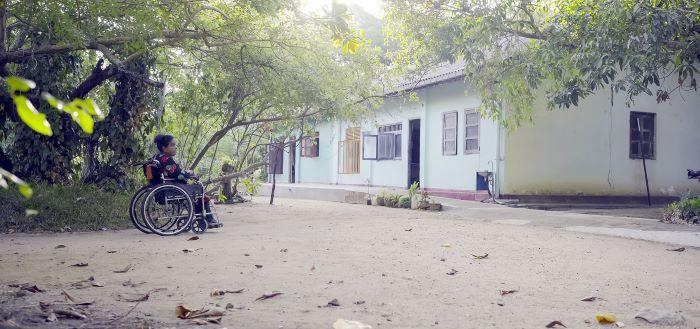
    WIN is not the only organization in Sri Lanka devoted to helping survivors of gender-based violence. In the country’s North Central province, the Association for Women with Disabilities, or AKASA, operates as a network of self-help groups dedicated to creating opportunities and empowering women to live with dignity and independence.

    The organization’s safe house in the town of Thalawa specializes in helping women and girls with disabilities who have faced abuse.

    AKASA Chairperson N.G. Kamalawathie described the case of a 21-year-old woman who suffers from a disability in her spine. She identified her as Lilanthi, a pseudonym, and told how she found peace at AKASA after many years of struggle.

    After being abused by her mother’s husband and his friend as a child, Lilanthi went to the police. Authorities arrested her abusers, and then placed Lilanthi in an orphanage. She was forced to leave that facility at 18, but could not find a stable home — until she finally found AKASA.

    “I am so happy to see the women in this house improving day-by-day, working towards a sense of normalcy in life, and we always support them with whatever guidance they need”, Kamalawathie said.

    Another organization, the Jaffna Social Action Centre (JSAC), supports women and children in Sri Lanka’s Northern province. Run by Nadarajah Sukirtharaj, JSAC has developed a host of programming for survivors of violence.

    “When we first started JSAC, our community was largely unaware of the significance of safe houses for survivors of violence”, Sukirtharaj said. “To address this, we initiated several awareness programmes and even established women’s groups in villages to spread the word. We have seen a shift in perception since then.”

    JSAC has similarly received support through the Empowering Women in Crisis project.

    “I must express my deep appreciation for the invaluable support provided by UN Women”, said Sukirtharaj. Founded in 2003, JSAC now operates across eight districts in Sri Lanka.

    Makawita, of WIN, echoed Sukirtharaj’s message.

    “Although we provide legal and counseling support, we often need assistance in helping these women find jobs or providing self-employment opportunities”, she said. “I want to express my deep gratitude to UN Women for their invaluable support, especially during times of economic hardship.”

    Image: UN Women/Ravindra Rohana