More

    Jail Term for Bangladeshi Nobel Laureate Muhammad Yunus

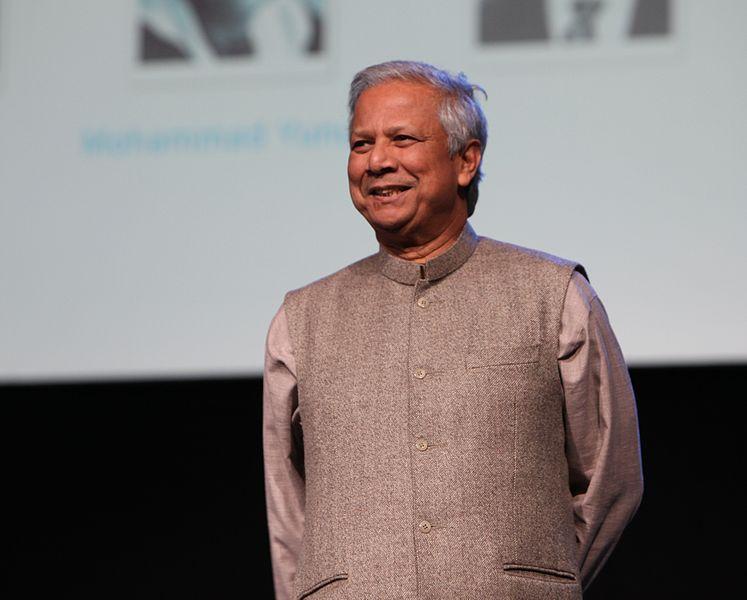
    Embroiled in a protracted row with the government, Muhammad Yunus has got a jail term for violations of the country’s labour laws. He is out on conditional bail.

    A Bangladeshi labour court on Monday sentenced the country’s only Nobel Peace Prize winner, Muhammad Yunus and three of his colleagues to six months in prison on Monday for violating the country’s labor laws. Yunus and his three colleagues from Grameen Telecom, one of the firms he founded, are accused of violating labour laws when they failed to create a workers’ welfare fund in the company.

    Sheikh Merina Sultana, head of Dhaka’s Third Labour Court, delivered the verdict. The court also fined Yunus 30,000 takas ($272).

    The court recorded evidence in the case filed by labor officials of the government in the space of four months. Yunus’s lawyers allege that the case’s proceedings were completed in a tearing haste.

    The 83-year-old Bangladeshi social entrepreneur, banker, economist and civil society leader, who said he would appeal the decision told reporters, “I have been punished for a sin I did not commit. If you want to call it justice, you can.”

    The court gave the founder of the Grameen Bank and his colleagues 30 days to appeal the verdict and sentence. It simultaneously granted them bail as well.

    Taking note of the government’s reletless actions against the Nobel laureate, 40 world leaders and Nobel laureates had written appealed to Bangladesh Prime Minister Sheikh Hasina over her government’s treatment of Yunus. They said that he had been unfairly attacked and repeatedly harassed.

    Sucking poors’ blood?

    Muhammad Yunus was awarded Nobel Peace Prize in 2006 for founding Grameen Bank and the pioneering the concepts of microcredit and microfinance. He showed the worth of lending to entrepreneurs from the poorest sections of Bangaldeshi society who were cast aside by the conventional banking system.

    But Yunus also earned the ire of Prime Minister Sheikh Hasina, who accused him of “sucking blood” from the poor. Prime Minster Hasina made several scathing verbal attacks against him, and political observers say that she feared he would become her political rival.

    He was removed from the post of managing director in 2011 in a row over his retirement age. This, his supporters say, was done at the behest of the government.

    Muhammad Yunus has been embroiled in a longstanding row with the government. He is battling at least 168 cases, including alleged tax evasion and misappropriation of profits. The latest decision acrues from his role as chairman of Grameen Telecom, a nonprofit company.

    Image: Wikimedia Commons

    What’s in Store for Indian Farmers After COP 28’s Conclusion in Dubai?

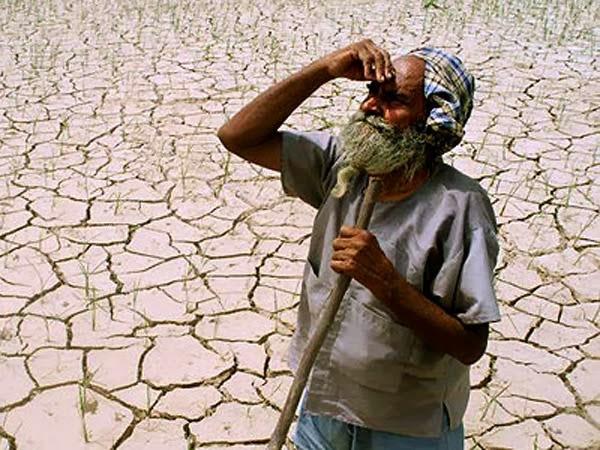
    During the 14-day period when COP-28 was being held in the opulent Dubai, more than 380 farmers are likely to have killed themselves in India. Underneath this crisis lurks the prime reason for all these deaths — climate change and the havoc it has been wrecking upon the poor.

    By Umar Manzoor Shah

    Durga Das*, a 59-year-old farmer from the Indian state of Maharashtra, committed suicide last year by ingesting a poisonous substance. He was unable to repay the loan he had taken from the bank for the renovation of his single-story house.

    This year, his 32-year-old son, Pradeep Das, a father of two children, is equally desperate. The family owns half an acre of cultivated land where they grow cotton. The harvest has been devastated due to intense heat waves, leaving farmers like Dass and his son Pradeep in dire straits. The loan the family had taken is yet to be paid, and the land they had mortgaged in the bank is about to be confiscated. This means no crops, no cultivation, no business, and no food.

    “I would have ended my life long ago, but my kids,” sighs Pradeep.

    This family is not alone in such a predicament. About 10,000 farmers in India commit suicide every year. This means 27 every day and about one every hour. Suicides in agricultural communities have been a long-standing issue in the country since the 1970s as farmers face an increasing debt crisis.

    “Every day, we are inching closer to death. The summers are getting hotter, extremely hot, and there are no rains. We were hoping to repay the bank the entire amount. Our house was in dire need of repair. The monsoon rain penetrated our home and made us all ill—my kids as well as my mother. We decided to repair it and took out a loan against the land we have. But heaven had something else in store for us,” Pradeep told IPS, explaining the recent uncertain weather patterns.

    Based on statistical modeling, researchers predict that if there was a 25 percent deficit in rainfall, the number of farmers dying by suicide in a year would increase to 1,188 individuals; 2023 is already confirmed to emerge as the hottest year ever. Several months this year set new temperature records. More than 80 days this year happened to be at least 1.5 degrees Celsius warmer than pre-industrial times. “Climate change is making agriculture an extremely risky, potentially dangerous, and loss-making endeavor for farmers, and it’s increasing their risk of suicide,” said Ritu Bharadwaj, a principal researcher at the International Institute for Environment and Development (IIED), which conducted the research.

    COP 28

    From November 29 to December 13 this year, world leaders, climate experts, scientists, and policymakers hailing from 200 countries congregated in Dubai to discuss, debate, and negotiate over the measures needed to be taken to bring down global temperatures and make the earth fit for human habitation.

    Despite being the world’s most populous country, India is also anticipated to be the largest contributor to the increased demand for fossil fuels in the next decade. While affluent nations have reduced their emissions by approximately 16 percent since 2007, and China is expected to reach peak emissions before 2030, India’s emissions are poised to surpass those of the European Union. By 2030, India’s emissions are projected to exceed the combined pollution levels of Europe and Japan.

    The COP28 climate meeting delivered some important outcomes—a first-time acknowledgment of the need to move away from fossil fuels, a first promise to reduce methane emissions, operationalization and capitalization of the Loss and Damage Fund, and an agreement on a framework for the global adaptation goals.

    However, like all previous COPs, it remained an underachiever, unable to measure up to expectations, particularly in galvanizing more ambitious climate action in the immediate term. The main agenda at COP28 was to carry out a Global Stocktake (GST), a comprehensive assessment of where the world was in its fight against climate change and what more needed to be done to meet the climate objectives.

    A global financial package

    Meanwhile, millions of farmers like Pradeep in India seem to have no hope of any respite in the times to come. With the recently concluded COP preferring to play a proverbial ostrich in terms of taking a final call on fossil fuel reduction — the prime culprit for the global heat wave—there seems to be no light at the end of the tunnel for India’s crisis-torn farming community. This means more heat waves, a surge in temperatures, and the late arrival of monsoons.

    “We could plant good seeds, use quality fertilizer, and make the best human efforts for a profitable harvest, but it is weather that always plays a spoilsport. We cannot escape from its wrath. A farmer would toil for the entire year, and just one single heat wave is enough to dash all his hopes. This is it,” Pradeep said.

    Will the Loss and Damage Fund help farmers like Pradeep?

    The COP28 climate conference in Dubai marked the official launch of a Loss and Damage Fund designed to assist vulnerable countries in dealing with the consequences of climate change. The initial funding for this initiative is approximately USD 475 million, with the UAE committing USD 100 million, the European Union pledging USD 275 million, the US contributing USD 17.5 million, and Japan offering USD 10 million.

    The fund itself represents a global financial package aimed at facilitating the rescue and rehabilitation of countries grappling with the cascading impacts of climate change. Specifically, it involves compensation from wealthy nations, responsible for the industrial growth leading to global warming and the climate crisis, to less industrialized nations. These nations, despite having a low carbon footprint, bear the brunt of rising sea levels, floods, severe droughts, intense cyclones, and other climate-related challenges. The evolving climate has profoundly affected lives, livelihoods, biodiversity, cultural traditions, and identities.

    Although the Fund was initially introduced during COP27 in Sharm el-Sheikh, Egypt, it wasn’t until a few weeks before COP28 that rich and poor nations were able to resolve some of their differences and reach agreements on crucial aspects of it.

    Highlighting the limitations of the traditional project cycle, Dr Anand Patwardhan, Professor at the University of Maryland, asserts that it is insufficient for addressing the impacts of loss and damage. Emphasizing the importance of recognizing that the ongoing discussion primarily focuses on nations, he underscores the critical need for funds to directly benefit individuals who have undergone loss and damage. He stresses the significance of ensuring access to delivery in this context.

    Comprehensive insurance policies

    Dr Benito Muller, Managing Director, Oxford Climate Policy, says he doesn’t see this as a fund that spends USD 150 billion annually. “It is very difficult to spend this annually. What this fund should do is not only pilot new funding arrangements but also identify new ways of spending the money, for example, the new insurance schemes.”

    Anita Gosh, a New Delhi-based climate activist, says there seem to be no immediate benefits for Indian farmers, even though the Loss and Damage Fund was announced.

    “The farmers should be offered comprehensive insurance policies in case of drought-like situations or massive crop damages. The fund should also provide some financial help to the farming communities if they are in distress, like less harvest, marriage ceremonies, or house repairs. The entire idea should be that we must adopt a humane approach towards this community, which is at the receiving end of climate change,” Anita said.

    However, she believes the plan for how the fund should be spent is yet to be devised and that she fears it could be shelved for years, as has been the procedure in the past.

    “If the past recommendations had been implemented, the situation would have been different today. Now is the time to say enough is enough; we need action on the ground,” Anita told IPS News.

    Postscript

    During the 14-day period when COP-28 was being held in the opulent Dubai, more than 380 farmers are likely to have killed themselves in India — some for failing to repay the loans, some for failing to pay dowry for their daughter’s marriage, and some for losing hope of giving a good life to their families. But underneath this crisis lurks the prime reason for all these deaths—climate change and the havoc it has been wrecking upon the poor.

    Note: The names of the suicide victim and his family have been changed.

    This piece has been sourced from Inter Press Service.

    Image: Creative Commons Wikimedia image By Ranjith_66Earth_in_Farmer

    Rural Diabetes Prevention and Control Campaign launched in Varanasi Village

    Spread of Type 2 Diabetes Mellitus is assuming epidemic proportions in India, Dr Jitendra Singh said while launching the campaign. He said that Type 2 Diabetes was earlier confined to the affluent people in cities.

    Union Minister Dr Jitendra Singh, who is also a Professor of Medicine and a Diabetologist, today said the spread of Type 2 Diabetes Mellitus is assuming epidemic proportions in India. Earlier this disease was confined to the affluent and in cities, but now its prevalence in rural areas is alarming, he said.

    The Union Minister of State was addressing the gathering after launching the Rural Diabetes Prevention and Control Campaign in village Purana Ramnagar of Varanasi district, a Village Adoption Program under the aegis of Research Society for Study of Diabetes in India (RSSDI) – Uttar Pradesh Chapter.

    Terming the fast spread of diabetes in the villages as a matter of grave concern, Dr Jitendra Singh said this has prompted a mass campaign for prevention of the disease in rural areas.

    “It was found most appropriate to make a beginning from the auspicious city of ancient and holy place of Varanasi,” he said.

    The disease was hitherto identified as afflicting mostly the rich and elite due to their sedentary lifestyle and a phenomenon prevalent largely in cities, Dr Jitendra Singh said. The probable causes of its upsurge in rural India is a result of commonality of eating habits such as rising penchant for fast foods, more automation in agriculture and a resultant lack of physical activity, he added.

    Surge in Type 2 Diabetes Mellitus

    Lauding the efforts of RSSDI for taking this initiative towards diabetes prevention and management in rural India, he applauded the efforts quoting ICMR-INDIAB Study which says UP has 18 per cent of its population in pre-diabetes stage.

    “Such a large population, on the verge of being diabetic, can only be prevented if we start working for prevention in villages in the vicinity of big cities and progressing fast to urbanization. The idea of choosing Ramnagar for this initiative seems appropriate,” he said.

    Dr Jitendra Singh also appreciated the efforts done by RSSDI UP Chapter by adopting four villages in Barabanki in 2019 where people’s lives are better and diabetes control is improved.

    “This encourages us to continue efforts in the same direction, in fact in more intensive manner,” he said.

    Dr Jitendra Singh said, over the last two decades, India has seen a surge in Type 2 Diabetes Mellitus, which has now acquired pan-Indian proportions. He said, Type 2 Diabetes, which was till two decades ago prevalent mostly in South India, is today equally rampant in North India and at the same time, it has also moved from metros, cities and urban areas to rural hinterland.

    Quoting from the Indian Council of Medical Research Guidelines, Dr Jitendra Singh said, the past three decades witnessed a 150 per cent increase in the number of people with diabetes in the country. He said, the main concern is the progressive lowering of the age at which Type 2 Diabetes is being diagnosed, with the disease prevalence becoming apparent in the age group of 25-34 years in both urban and rural areas.

    Indian phenotype different

    Dr Jitendra Singh noted that the central government is working at different levels to meet this challenge like, for example, free blood sugar testing campaign at national level, general health insurance policy, Ayushman Bharat, Wellness Clinics, kidney dialysis facility in all district government hospitals, promotion of Yoga, etc. But, at the same time, the non-governmental agencies and the civil society in general also have to take a call, he said.

    Dr Jitendra Singh said, lifestyle management plays an essential role in managing Type 2 Diabetes, and understanding the effect of diet and physical activity on glycemia is essential for optimal management of the disease.

    Dr Jitendra Singh said, this is also important because the Indian phenotype is different from the Westerners and the genetic preponderance is also quite different. As a result, the pathogenesis and progress of Type 2 Diabetes Mellitus and other related metabolic disorders is not the same as in the Western populations.

    Citing research evidence, Dr Jitendra Singh said it has now been proven beyond doubt that Indian origin diaspora living in European countries for several generations still continue to have higher preponderance to develop Type 2 Diabetes Mellitus even though they were no longer living in India and the environmental conditions they are living in is different.

    Referring to some of the important risk factors prevalent in Indians, Dr Jitendra Singh said that our central obesity profile is also different from others. For example, in India, prevalence of central obesity is high and almost equal in both males and females whereas in the Western population, the individual may be apparently looking obese but has general visceral fat, he said.

    Develop Indian treatment regimens

    Dr Jitendra Singh said, it’s heartening to note that new breakthroughs are being reported in the diagnosis and treatment of the “Killer Number One Disease of our time globally,” and added that in times to come, India is all set to lead the Diabetes research in the world.

    “India has a huge resource pool of patients with different manifestations of diseases at different stages and at the same time there is no dearth of calibre, capacity and acumen on the part of our researchers. It is therefore the right time to generate as much Indian data as possible because the goal should be to develop Indian treatment regimens for Indian patients, Indian solutions for Indian problems,” he said.

    Millets

    Referring to PM Modi’s support to indigenous medical research, Dr Jitendra Singh said that even during the pre-COVID era, it had been proven with evidence that in the treatment of non-communicable diseases, like for example, Diabetes-Mellitus, the dose of insulin or oral anti-diabetic drugs could be brought down with the adjuvant practice of certain Yoga Asana and lifestyle modifications available in Naturopathy.

    He said that traditional millets diet is beneficial in diabetes, obesity and host of other disorders. Millets are rich in essential vitamins, minerals, protein and fibre, adding that after Prime Minister Narendra Modi popularised Yoga globally, it’s now time to do so for Millets. He said, 10 of the 12 known types of millets are grown in India. These consist of complex carbohydrates, slow to digest and hence low glycemic index beneficial for blood sugar levels.

    He added that the prevention of diabetes is not only our duty towards healthcare but also our duty towards nation building because this is a country with 70 per cent population below the age of 40.

    “A large section of our population still resides in the villages, comprising majority of farmers and farming community. We cannot afford to let their energy go waste in incapacitating complications occurring as a result of Type 2 Diabetes and other related disorders,” he said.

    Fixing Baloch Issue with State Atrocities?

    The Baloch protesters took a discouraging message from Islamabad’s brutishness against peaceful marchers

    By Ali Jan Maqsood

    Islamabad’s brutishness against peaceful Baloch marchers resembled the capital’s approach towards Balochistan from Day One. Where peaceful protests are deemed a right of every citizen under the banner of human rights across the globe, including Pakistan, Baloch have always had to face resistance for the peaceful exercise of that right. If not a colony, what can we term Balochistan?The Baloch are less likely to travel back to the Pakistani capital city for the attainment of their rights and recording their voices.

    What shocks an ordinary and prudent person, excluding Baloch, is sending a committee of ministers for negotiations on one hand, while denying their legal status as equal citizens, on the other. If not hypocrisy, what does one’s dictionary term it? The state has been very unfair towards the Baloch, but consistently asking the Baloch to be fair to them. One cannot clap with only one hand.

    In the Baloch case, the state institutions – including Islamabad police and its masters – have no regard for the superior courts either. When the Islamabad High Court issued orders of releasing the arrested Baloch marchers, including women, children and old-ages, the IGP Islamabad, on record, said they were being released. The very same night, the Islamabad Police’s official Twitter Account handler tweeted that they were released, on which a committee of federal ministers also held a media conference claiming the same. But it was fake. They were not released then. In fact, they were being pushed inside buses for deportation to Quetta.

    Lies in court

    As a prominent journalist commented, “With this deportation, the state is sending a message to Balochistan that they are a different country.”

    When summoned back in the IHC, with witnesses including the journalist, the IG had to release the given persons the other day – that too very late in the night. But what amazes even more is, the IGP told lies to the superior court, and so did the federal ministers in the conference, but there was no punishment or strict accountability for any of them. Seems like they have an extra bit of privilege owing to their identity. Or perhaps the courts are hapless. If the courts are hapless, why should Baloch protesters demand to produce their loved ones before the courts? Balach was also produced before a court in Turbat, but was killed in a fake encounter later on. How can one believe in courts now?

    However, such behaviour is less shocking for Balochistan as these are common things which happen in the Baloch areas routinely. But what has led the world – and the Pakistanis – to close their eyes over all this? Apart from very few, the majority have still closed their eyes towards the Baloch grievances. Let all the rest that happen back in Balochistan, what actually happened in Islamabad only, they have turned a blind eye towards that as well. When they have no reason to own Balochistan, what pushes the Baloch to do so?

    A war zone

    Balochistan, on the other hand, had a belief – somehow – that Islamabad was the city where they could be directly listened to. But after how the city has responded towards the Baloch, they are less likely to travel back to the Pakistani capital for the attainment of their rights and recording their voices. But still you will find several people from the country asking: “What is the problem of the Baloch?”

    Each time the Baloch get to face this question. But never do they get an answer. Or perhaps posing the question is what is asked only. When unheard peacefully, they, more likely the youth, choose other ways to record their protests. When that is done, the state machinery will have no right to even question the youth joining the militancy. Because it is the state which is reluctant to negotiate when they are peaceful. Using water-cannons in the freezing weather, tear gas, and arresting with baton-charges are what Baloch have been facing in the country for a long time. They are not new, neither successful, attempts to break the Baloch courage, but they contribute to further strengthen the Baloch resistance.

    No doubt, Balochistan is presently a war zone. A war between state institutions and “Baloch militants” is underway on power and control of the region. Amidst the war, state institutions are involved in fuelling enforced disappearances of the Baloch, particularly the students. They are then labelled with charges of ‘terrorism’ and are never produced in a court of law. They are sometimes killed extra-judicially as is the recent case of Balach Mola Bakhsh, first abducted for years, as is the case with Zakir Majeed, Dr Deen Mobammad Baloch, Zahid Kurd Baloch, Shabbir Baloch, Asad Baloch and several other Baloch. Apart from stimulating the insurgency and building a sense of hatred for the state, enforced disappearances and killings in fake encounters have contributed no better.

    This piece first appeared in PakistanToday

    Nepal: Business, Government at Loggerheads on Electricity Dues

    The industrialists complain they are suffering losses worth millions of rupees daily and have warned of a shortage of products in the market in the coming days, unless the dispute is resolved and the halt on electricity supply is lifted.

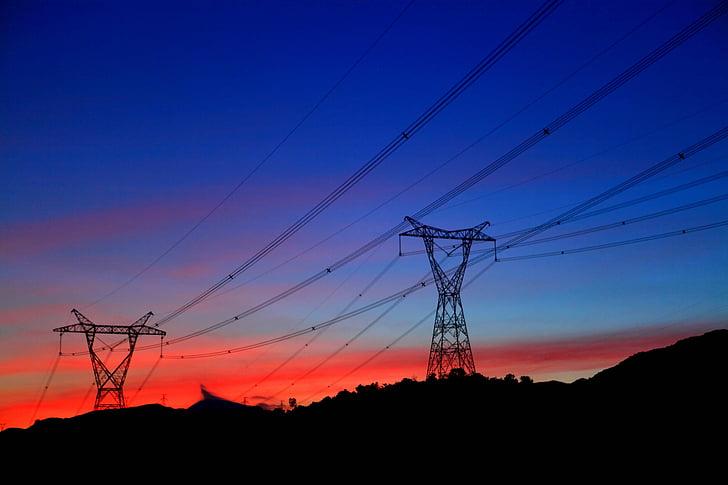
    Even as the Asian Development Bank has committed to invest in the 635 megawatts Dudh Koshi Project and even as the country’s power transmission lines have been expanded by 3,100 circuit kilometers over the past decade, the Nepal Electricity Authority (NEA) is at a loss on recovery of dues from its largest consumers – a bunch of nine industrial units for defaulting on the payment of dues for the use of electricity through dedicated feeders and trunk lines.

    The NEA has urged the industrial consumers to clear their dues and has said that this alone will help NEA resume power supply, making it clear that there is no other option for the consumers but to clear the dues, albiet on an installment basis.

    At a press conference on Thursday, NEA Executive Director Kulman Ghising insisted that the NEA cannot waive the dues as the government has already issued a directive to recover the dues from the users of dedicated feeder and trunk line by cutting off the electricity supply line.

    Nepali Prime Minister Pushpa Kamal Dahal had instructed the NEA to collect the electricity tariff dues. “The NEA cannot do anything in this regard as exemption is not possible,” Ghising said, urging the industrialists to come forward and deposit certain amount in the review committee under the NEA.

    Following the PM’s directives, the NEA has cut off electricity lines to some of the Himalayan country’s iconic industries. The business and industry community has expressed concern following the disruption of electricity line. The industrialists say that they are ready to pay the dues if the NEA provides the Time of Day (TOD) meter data. However, the NEA has said it cannot provide such data.

    The NEA started cutting off electricity supply line since last December 26 as per the electricity transmission and electricity tariff regulations after the consumers did not pay the dues despite repeated requests by the NEA.

    Industry losses

    The industrialists complain they are suffering losses worth millions of rupees daily and have warned of a shortage of products in the market in the coming days, unless the dispute is resolved and the halt on electricity supply is lifted.

    The New Business Age news portal quotee Sahil Agarwal, chairman of Jagdamba Steel, one of the companies on notice, as saying that the company is incurring a daily loss of around Rs 25 million after the NEA stopped the power supply.

    “Our industry consumes 40 megawatts of electricity on a daily basis. We have 3,500 workers. About 2,000 tons of steel is produced daily,” the New Business Age quoted Agarwal as saying.

    “Steel production has stopped. If the dispute between the NEA and industrialists continues, there may be a shortage of industrial products in the future. Therefore, this dispute should be resolved soon.”

    Others say that thousands will be rendered jobless if the government does not come up with a solution.

    “We have clearly said that we are ready to pay the bill provided that the NEA gives us the time of day (TOD) meter data. However, the NEA officials are reluctant to give the details. Either they should provide us the proof with the bill if they want us to pay the electricity tariff, or they should resume power supply to the industries,” another industrialist, Shashikant Agarwal, said.

    Although there is no reliable data on the daily losses in all the industries where electricity supply has been stopped, the industrialists claim that all the industries are suffering huge financial losses. Although the industrialist asked for TOD meter data, the authority is saying that it cannot provide such data.

    On a Facebook post, Nepal’s former finance minister, Janardan Sharma termed the recent development as unfortunate. “The authority should be able to refute the allegation of the industrialists that the authority has issued fake bills. Earning non-existent income by generating bills that are not in the TOD meter is wrong,” he said. “After months of discussions, debates, and court proceedings, the production of cement, corrugated zinc sheets, etc, which are being exported, has come to a grinding halt. Therefore, the data of TOD meter should be made public immediately.”

    Image: Hippopx Creative Commons Zero – CC0

    Have Nordic Countries Surrendered their Historic Neutrality by Signing Military Deals with the United States?

    In less than a month, the US has signed three separate defense agreements with countries like Sweden, Finland, and Denmark, to ramp up the militarization in the Nordic region.

    Peace activists, together with local and regional communist groups have protested the recent move by the governments of Denmark, Finland, and Sweden to sign military deals with the United States government. The say this completely reverses their traditional policy of military neutrality. The agreements will give the US unrestricted military access to many bases in these countries and permission to the US to station military personnel, vehicles, and armaments.

    Denmark

    On December 19, Danish Prime Minister Mette Frederiksen announced that the US and Denmark reached an agreement on defense cooperation intended to strengthen “security collaboration” and “deepen partnership ties.” On December 20, the Danish communist publication Dagbladet Arbejderen accused that the defense agreement is “irrevocable for ten years” and gives the US military exclusive access to selected locations in Denmark where Danish authorities will be barred.

    The Communist Party of Denmark (DKP) pointed out that through the agreement the US will get access and control of the Danish bases including Skrydstrup, Karup, and Aalborg airports and the US will now be able to wage war directly from Danish territory and “create insecurity in Denmark and for the Danish people.”

    The DKP called on the people to protest the agreement and to make sure that the agreement gets defeated in the parliament as it had to be ratified by the Danish parliament.

    Finland

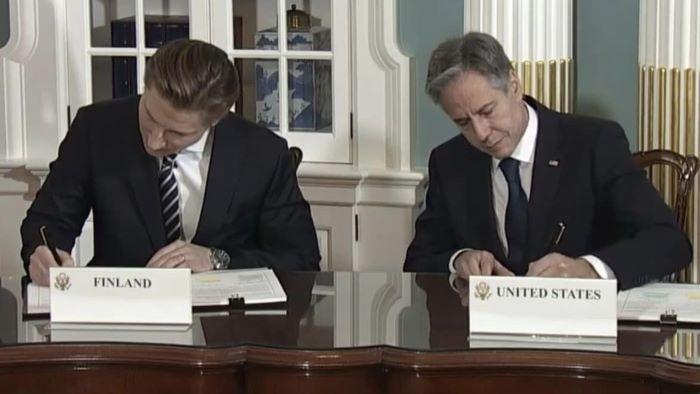
    Meanwhile, Finland also boosted its ties with the US, as Minister of Defense Antti Häkkänen and US Secretary of State Antony Blinken signed a defense cooperation agreement in Washington DC on December 18.

    As per the agreement, around 15 strategic sites will now become accessible to the US military which includes barrack areas of the Finnish Border Guard in Ivalo, along with air bases in Karelia in Kuopio-Rissala, Lapland in Rovaniemi, Satakunta in Tampere-Pirkkala and the Air War College Air Base in Jyväskylä-Tikkakoski, the Upinniemi naval base, and the garrison area in Kirkkonummi, among other places.

    On December 20, the Communist Party of Finland (SKP) accused that the US bases would bring problems, not security to Finland. The party has stated that “the agreement sets no limits or restrictions on the number and type of troops and weapons the US can deploy in Finland. It does not even contain any restrictions on nuclear weapons. The stationing of US troops, weapons systems, and bases in Finland, close to strategically important Russian centers, does not increase Finland’s security but increases tensions in the region.”

    “This is particularly the case because Finland and the US do not want to impose any restrictions on the number of troops, weapons, or even nuclear weapons. It is, therefore, above all an attempt by the US to involve Finland and the other Nordic countries in its superpower strategy and to militarize the Nordic area.”

    Earlier, citing the “security threats emanated by the Russian invasion of Ukraine” in 2022, Finland applied for NATO membership and joined the US-led war alliance on April 4, 2023, as a full member, abandoning their decades-long policy of military neutrality. Finland became the 31st member of NATO, which was formed as a military alliance in 1951 in the context of the Cold War to counter the rising influence of the USSR in Europe and elsewhere.

    NATO has expanded consistently even after the dissolution of the USSR and the end of the Cold War in the early 1990s. Russia, the successor state of the USSR, objects to NATO’s eastward expansion especially at its borders because it threatens its national security.

    In response to NATO’s increasing footprint in Finland, Russian president Vladimir Putin announced on December 17 that Russia would revive the “Leningrad Military District” on the Finnish border in northwest Russia and would transfer and station a significant number of troops there.

    On December 20, the Communist Workers’ Party (KTP) in Finland stated that “The mission of the United States Armed Forces is not defensive in Finland either. Their task, together with the Finnish army, is to harass Russia in every way. An official statement from the Russian administration was already received about this task, according to which Russia considers the Defense Cooperation Agreement (DCA) a threat to the country.”

    “The agreement will still go to Parliament, but its rejection is unlikely, as all parliamentary parties are NATO parties and are floundering in the United States. The next move of the conspiracy to drive Finland and Finns to war is the introduction of US B-52 bombers and nuclear weapons to Finnish soil. Finland’s independence has been lost in just a few years. The new hosts now come from the United States and the military alliance NATO,” the KTP added.

    Last month, on November 25, the Helsinki Peace Action Group organized a demonstration in the Finnish capital against the opening of Finnish military bases to foreign powers.

    Sweden

    Earlier in the month, on December 5, Sweden also signed a defense cooperation agreement with the US, bolstering its bid for NATO membership which is yet to be endorsed by NATO member state Turkey. Communists in Sweden have also criticized the likely accession of Sweden to the US-led NATO war alliance as its 32nd member.

    On December 13, Swedish communist publication Proletären stated that through the defense cooperation agreement “United States will be able to station personnel and weapon systems in 17 locations from north to south in Sweden.”

    The Communist Party of Sweden slammed the signing of the defense cooperation agreement by Swedish Defense Minister Pål Jonsson, together with his American counterpart, Lloyd Austin, as treason, because “without any discussions, the Swedish government puts its people in danger by connecting with the country that started most wars after World War II.”

    On December 24, Andreas Sörensen from the Communist Party of Sweden (SKP) told Peoples Dispatch that “the complete integration of Sweden into the Euro-Atlantic imperialist bloc is a sign of the sharpening contradictions within the imperialist system, in which the bourgeoisie of all countries seek to defend and expand their positions even more aggressively.”

    “This policy of the Swedish bourgeoisie, to openly align with US imperialism poses a real danger to the working people of not only Sweden but of the region, as it escalates the contradictions in the area,” Sörensen added. “However, the solution is not found in ideas of national sovereignty, but in the class struggle against the bourgeoisie, whose aggressive policy is being fulfilled.”

    Norway led the way

    Back in 2022, the Norwegian Parliament, the Storting, dominated by the ruling coalition of Labor Party and Center Party, approved the Supplementary Defense Cooperation Agreement (SDCA) between Norway and the US, which was finalized earlier by the conservative government led by Erna Solberg in April 2021.

    With the agreement signed on June 3, 2022, the US armed forces got exclusive rights to use parts of military air stations and airfields at Rygge, Sola, and Evenes, along with the Ramsund Naval Station. The agreement allows the US unhindered access to the areas as well as permitting them to build military infrastructure.

    The Rødt (Red) Party and Communist Party of Norway (NKP) opposed the defense agreement and organized protests.

    Scandinavia’s historic neutrality

    Most of the Scandinavian countries especially Sweden and Finland had pursued a policy of neutrality towards the US and the erstwhile Soviet Union, and later Russia, since the onset of the Cold War.

    Despite significant pressure from centrist and center-right sections to join NATO, Finland and Sweden had been committed to formal neutrality for a long time. However the ongoing war in Ukraine has led to a rise in militarism and Russophobia in the region, and sections within the social democratic parties called for NATO membership and an enhanced defense cooperation with the US.

    NATO has already increased its military footprint in the Baltic region in the garb of aiding Ukraine in the war against Russia. Such military brinkmanship from the US and the expansionist maneuvers of NATO are meant to militarily encircle Russia and drain Russia’s resources in a prolonged conflict in Ukraine.

    Image: Photo: Antti Hakkanen / Facebook

    South Asian Women, Girls Need Responsive Legal System to Gender Violence

    Long delays in medical examinations, police investigations, prosecutions, and trials are widespread. Survivors often have difficulties filing cases with the police and face community pressure to withdraw criminal complaints and accept informal mediation.

    By Ranjit Devraj

    Criminal justice systems in South Asia are failing women, despite stark statistics on the prevalence of violence. WHO estimates translate to one in every two women and girls in the region experiencing violence daily.

    Nawmi Naz Chowdhury, a Global Legal Advisor at Equality Now, told a webinar titled ‘Future of Legal Aid in South Asia for Sexual Violence Offenses Against Women and Girls: Lessons from the Past Five Years’ that women and girls experience indifference and neglect at all levels, and there are gaps in legal protections that leave them vulnerable to sexual violence. Where laws do exist, common failures in implementation effectively prevent survivors from accessing justice.

    Research by Equality Now, Dignity Alliance International, and partners has revealed that sexual violence laws in South Asian countries are insufficient, inconsistent, and not systematically enforced, leading to extremely low conviction rates for rape.

    Long delays in medical examinations, police investigations, prosecutions, and trials are widespread. Survivors often have difficulties filing cases with the police and face community pressure to withdraw criminal complaints and accept informal mediation. Other protection gaps in legal systems include overly burdensome or discriminatory evidence requirements in rape cases and the failure to fully criminalize marital or intimate partner rape.

    To bring about change, more needs to be done by governments, and this requires an increase in budgeting and strategizing on a national level, taking lessons derived from best practices in the region and elsewhere.

    Rape as a weapon of suppression

    Training and raising awareness must go hand in hand with giving the police the tools to operate and upgrade their role to better meet society’s needs. This could include being trained in sign language interpretation, using technology to offer services and information, understanding communities and their intersectionality, and including women and girls from various backgrounds and diversities within the police force.

    Chowdhury spoke about how women from excluded groups are frequently targeted. “Women and girls from socially excluded communities are often at higher risk of being subjected to sexual violence as compared to other communities due to the use of rape as a weapon of suppression.

    “This is accompanied by a general culture of impunity for sexual violence and particular impunity for those from dominant classes, castes, or religions, which often leads to a denial of justice,” she said, with Dalit women and girls and those from indigenous communities encountering even greater obstacles to accessing justice.

    Legal weak spots also make young and adolescent girls more vulnerable to sexual violence and, in some circumstances, enable perpetrators of rape to avoid punishment, typically by marrying the victim or obtaining ‘forgiveness’ from the victim, says Choudhury. “Victims of crime have a right to free legal aid, but in countries where these protection gaps exist, access to legal aid for women and girls seeking justice for sexual violence is hindered.”

    Choudhury pointed to the high levels of stigma attached to rape in South Asian societies that often lead to the non-reporting or withdrawal of cases or settlements outside the court. Other factors that impede the reporting of sexual violence include fear of repercussions, such as violence, threats to life, or social ostracization.

    “How much support are women and girls in South Asia getting?” she asked. “While accessing the criminal justice system, they are met with indifference and neglect at all levels, and this often results in the withdrawal of cases or long delays in adjudication—despite the pervasiveness of sexual violence in the region.”

    Public interest litigation

    Governments in the area rarely provide psychosocial care. While India, Nepal, and Sri Lanka have schemes for the payment of compensation to rape survivors, practical barriers often make compensation inaccessible for survivors, Choudhury explained.

    Participants in the webinar from various countries in the region offered insights into how access to justice rights functions on a practical level and shared methods by which civil society organizations nudge criminal justice systems to bring about progressive change.

    Sushama Gautam, at the Forum for Women, Law, and Development (FWLD) in Nepal, said that legal aid provided by her organization went beyond assisting individuals and included advocacy with key players and institutions like the police and the courts through public interest litigation.

    A significant achievement of FWLD was filing public interest litigation in 2001 to get the Supreme Court of Nepal to declare in 2002 that marital sex without the wife’s consent should be considered rape. Nepal’s parliament adopted in 2018 a new criminal code that increased punishment for marital rape but made it a lesser offense than non-marital rape.

    Nepal’s constitution guarantees legal aid as a fundamental right, said Gautam, explaining, “The national policy on legal aid and the policy on unified legal aid have also been formulated. These policies promote victim-centered legal aid, and there are digital mechanisms to ensure that legal aid has been established.”

    FWLD has an app that provides people with legal information on various violations and helps them contact legal aid providers. The organization also runs a Legal Clinic and Information Center that extends services to survivors of sexual violence, such as legal counseling, and helps take care of their immediate needs.

    Underfunded NGOs

    Manisha Biswas, senior advocacy officer at the Bangladesh Legal Aid Services Trust (BLAST), says that while Bangladesh has made progress in ensuring access to justice for rape victims, estimates show that only one in 90 cases of sexual violence reaches the stage where the victim gets compensation.

    Leading the Rape Law Reform Coalition, comprising 17 rights organizations, BLAST was instrumental in getting the Bangladesh Parliament to amend evidence laws to disallow ‘character assassination’ of rape victims by questioning during prosecution.

    BLAST offers a range of legal support, including providing information, advice, and free legal representation, underpinned by a network of paralegal workers, many of whom are recruited from different law colleges. Other activities include public interest litigation and advocacy campaigns to increase awareness and understanding of legal rights, remedies, and services.

    “BLAST enjoys a good reputation that helps us to act as a guiding force and use our expertise in providing services such as training paralegal volunteers in police and court procedures and in proactively rehabilitating rape victims,” she said.

    Biswas reflected that much remains to be done. Bangladesh has one of the highest rates of child marriage in the world, with more than half of women marrying before reaching the minimum legal marriage age of 18. Bangladeshi laws also permit marital rape.

    Overall, says Choudhury, the reality in South Asia is that “the burden of supporting survivors of sexual violence falls on underfunded NGOs, predominantly legal aid organizations that may not have adequate resources.”

    This is particularly true for NGOs and CSOs that operate at the grassroots level, which affects access to justice rights for women and girls who have disabilities, indigenous women and girls, and women and girls from minority groups.

    This piece has been sourced from Inter Press Service.

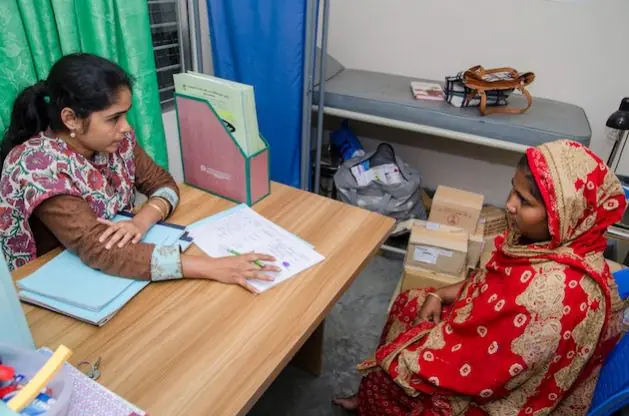
    Image: A woman is advised by a BLAST counsellor. The organization offers legal support, including providing information, advice, and free legal representation. Credit: BLAST

    NCDC to Create 1,100 New FPO: Amit Shah

    Against the target of 10,000 FPOs, 7,597 FPOs have been registered so far in 34 States and Union territories according to the Ministry of Agriculture and Farmers’ Welfare.

    Union Minister of Cooperation, Mr Amit Shah informed the Rajya Sabha in a written reply today that the Government has allocated a target of 1,100 new Farmer Producer Organizations (FPOs) to National Cooperative Development Corporation (NCDC). These will help form and promote FPOs in cooperative sector, through strengthening of Primary Agricultural Cooperative Credit Societies (PACS), he said.

    Against the target of 1,100 FPOs, selection and allocation of 645 blocks, for formation and promotion of FPOs, has been completed. Further, selection and allocation of remaining 455 blocks is under consideration, the minister said.

    The Scheme has a total budget outlay of Rs.6,865.00 crore.

    Against the target of 10,000 FPOs, 7,597 FPOs have been registered so far in 34 States and Union territories according to the Ministry of Agriculture and Farmers’ Welfare.

    Under the scheme, funds are released to Implementing Agencies by Central Nodal Agency, the Small Farmers’ Agri-Business Consortium (SFAC). So far, Rs.1,024.59 crore have been released to Implementing Agencies.

    Computerisation of functional PACS

    To increase the viability of Primary Agricultural Credit Societies (PACS) and diversify their business activities to make them vibrant economic entities, Model Byelaws for PACS have been prepared to enable PACS to diversify their business activities by undertaking more than 25 business activities, including dairy, fishery, floriculture, setting up godowns, procurement of foodgrains, fertilizers, seeds, LPG/CNG/Petrol/Diesel distributorship, short-term and long-term credit, custom hiring centers, common service centers, Fair Price Shops (FPS), community irrigation, Business Correspondent activities, etc.

    Further, in order to strengthen PACS, project for Computerisation of 63,000 functional PACS with a total financial outlay of ₹2,516 Crore has also been approved by the Government. This entails bringing all the functional PACS onto an ERP (Enterprise Resource Planning) based common national software, linking them with NABARD through State Cooperative Banks (StCBs) and District Central Cooperative Banks (DCCBs).

    The minister said that the government has also approved a proposal to set up new multi-purpose PACS or primary dairy/ fisheries cooperatives covering every Panchayat/ village in the next five years, with support of National Bank for Agriculture and Rural Development (NABARD), National Dairy Development Board (NDDB), National Fisheries Development Board (NFDB), National Cooperative Development Corporation (NCDC) and other National level Federations.

    He said that the Ministry of Cooperation has taken various other initiatives which aim at providing cooperatives with requisite forward and backward linkages to market agri produce, obtain credit and other services at the Panchayat/ village level itself, generate multiple and stable revenue streams for them, thus making them self-reliant. A list of 54 initiatives taken by the Ministry of Cooperation for development of Cooperative Sector was provided to the Rajya Sabha.

    99.8 Per Cent Ration Cards Seeded with Aadhaar

    Due to Aadhaar seeding and installation of ePoS devices at the FPSs, at present, around 97 per cent of the transactions in the country are done in a transparent manner through biometric authentication by use of ePoS devices on a monthly basis, minister Sadhvi Niranjan Jyoti said.

    Around 99.8 per cent of ration cards have been seeded with Aadhaar for the rightful targeting of Public Distribution System (PDS) beneficiaries in the country, the the Union Minister of State for Consumer Affairs, Food and Public Distribution, Ms. Sadhvi Niranjan Jyoti informed the Lok Sabha in a written reply in the Lok Sabha today.

    The One Nation One Ration Card (ONORC) plan has already been implemented by all 36 States/UTs, across the country. Since its inception around 124 Crore portability transactions have been recorded under the ONORC plan, which includes both inter-State and intra-State transactions ensuring the food security of around 80 Crore beneficiaries in the country.

    ONORC plan is proving to be especially beneficial to the migrant labourers, internally displaced persons (IDPs) etc. who frequently change their place of dwelling in search of temporary employment. The minister said that under the plan, the beneficiaries are empowered to lift their entitled foodgrain from any Fair Price Shop (FPS) of their choice, anywhere in the country, by using their existing ration card/Aadhaar card with biometric authentication on an electronic Point of Sale (ePoS) device.

    Timeline extended

    The minister said that ONORC also enables the family members of such migrant beneficiaries back home (in the village/hometown) to lift the part / balance foodgrains on the same ration card. ONORC has also facilitated the migrant beneficiaries/ family members to choose any FPS of their choice without being dependent on visiting only the tagged FPS in their ration cards. Such flexibility was not available earlier under the traditional PDS.

    Due to Aadhaar seeding and installation of ePoS devices at the FPSs, at present, around 97 per cent of the transactions in the country are done in a transparent manner through biometric authentication by use of ePoS devices on a monthly basis, the minister said. She added that the ministry has extended the timeline given to the States/UTs for completing the Aadhaar seeding of ration cards up to 31 March 2024. Until then, all States/UTs have been advised that no genuine beneficiary/household shall be deleted from the list of eligible ration cards/ beneficiaries and shall not be denied their entitled quota of foodgrains to Pradhan Mantri Garib Kalyan Anna Yojana (PMGKAY) beneficiaries only for want of Aadhaar number or only on the ground of not possessing an Aadhaar number, failure of biometric authentication due to network/ connectivity/ linking issues or any other technical reasons etc.

    Pakistan to Deport Afghan Refugees by February 29

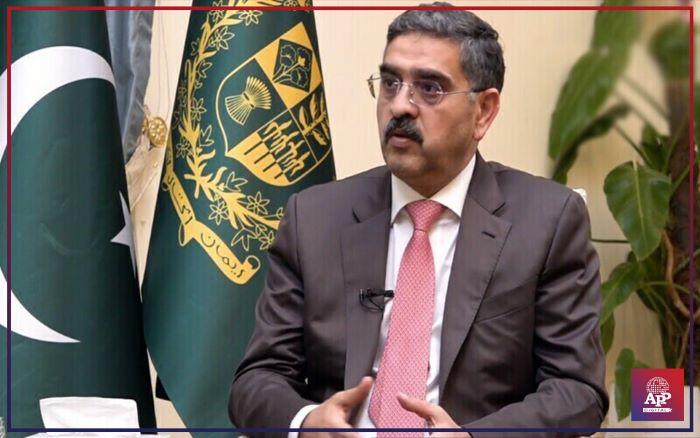
    Pakistan’s Caretaker Prime Minister Anwaar-ul-Haq Kakar said that Pakistan can no longer compromise its national security by accommodating huge number of undocumented immigrants.

    Pakistan’s Caretaker Prime Minister Anwaar-ul-Haq Kakar on Monday said that Pakistan can no longer compromise its national security by accommodating huge number of undocumented immigrants. He explained the decision, saying that Pakistan stood at the crossroads of history and that the governments across the world were adapting to a new era of mass migration linked to conflict, climate change, and economic opportunism.

    Kakar said this in a signed article published in The Telegraph on Sunday. He also cited the UK’s plan to deport illegal Rawandan immigrants as a sign of pressure.

    Similarly, he said, France was also struggling, while Italy had expressed fears that it might become “Europe’s refugee camp”. After opening its arms to several million refugees in recent years, Germany was also feeling the strain, prompting the announcement of tough new deportation measures. The situation in the United States was no easier, he remarked in his article.

    “Pakistan’s problem is of a different magnitude altogether. Over the last three to four decades, between four and five million migrants (roughly the population of Ireland) have arrived. Many have no right to remain. Despite being a non-signatory to 1951 Convention on Refugees (and its 1967 Protocol), we have generously accommodated the single largest caseload of refugees,” Kakar wrote.

    The Pakistani care-taker Prime Minister’s statement comes close on the heels of a deadly suidcide attack on 15 December carried out by a lesser-known Taliban group in Pakistan on a regional police headquarters and two military posts in northwest Pakistan. The attack further inflamed tensions between Pakistan and the Afghan Taliban.

    On the following day, the Pakistan government, through a cabinet decision, informed that it had extended a deadline to allow tens of thousands of Afghans waiting to be resettled in a third nation to stay in the country for two more months.

    Finalize Evacuation Agreements

    The extension will allow for Afghan refugees to stay on in Pakistan until February 29, instead of the earlier end-December deadline for them to leave the country.

    “These measures are aimed at encouraging Afghans residing illegally in Pakistan to obtain legal documents or finalize evacuation agreements as soon as possible in a third country,” Pakistan’s Information Minister Murtaza Solangi told journalists.

    A fine of US$100 will be imposed on those staying on in the country beyond the 29 February deadline.

    The United Nations refugee agency (UNHCR) says that up to half a million Afghans have returned to their country since Pakistan announced early October that it would deport more than 1.7 million “undocumented foreigners,” most of whom are Afghans.

    There is evidence of American pressure on Pakistan to announce the extension, as it came days after the visit to Pakistan by Thomas West, the US Special Representative for Afghanistan. He is known to have spoken to Pakistani officials about “the need to protect Afghan refugees,” nearly 20.000 of whom are due to be resettled in the United States.