Plan are afoot for the union government and the state governments to work to promote private sector participation in the state research and development programmes by putting in place a long term centre-state coordination and monitoring mechanism in science and technology innovations.
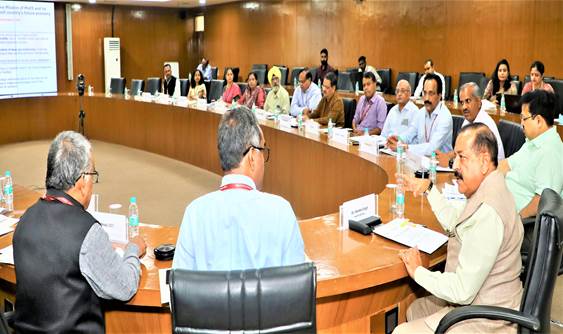
Prime Minister Narendra Modi will inaugurate the two-day science conclave of Science and Technology Ministers from all states and union territories at Ahmedabad’s Science City on 10 September.
This was announced by Dr Jitendra Singh, Minister of State for science and technology on Wednesday. The minister said that this year’s conference is being given a different format with focus on new technologies relevant to each of the different states and union territories and their optimum application for “ease of living”.
The minister said that the meet will also help break silos between the union government and the states, while strengthening science technology and innovation (STI) ecosystem through greater synergy across the country.
Science and Technology ministers of all 28 states, the administrators of eight union territories and key officials from states, including chief secretaries, principal secretaries in-charge of science and technology in the states and CEOs of over 100 start ups and industries are expected to take part in the two-day science conclave.
Dwelling on the broad agenda of the conclave, Dr Jitendra Singh said, it will aim at fostering proactive engagements between the union government and the state government in the area of science and technology. It will also work to creating a mechanism to facilitate the flow of STI information and data between the centre and the state governments and foster the capacity building of scientists, technologists and professionals from states in key technology areas.
Private sector
Dr Jitendra Singh opined that only a few state and union territory governments are working proactively and therefore the need was felt to enhance STI engagements with states beyond the level of the S&T council. He informed that the DST made an attempt to develop a ‘system framework’ for mapping the STI ecosystem of the States.
The minister spoke of plans for the union government and the state governments to work to promote private sector participation in the state research and development programmes by putting in place a long term centre-state coordination and monitoring mechanism in STI at the highest level.
The minister informed that the two-day science and technology conclave will have a new dimension as several action-oriented decisions will be taken and all states and union territories will be asked to have individual STI policy on the lines of National STI policy. The minister said, in the true spirit of cooperative federalism, the union government will assist states in formulating their state STI policies. He said, the union government will also work jointly with states to address their specific STI needs, challenges and gap areas and evolve solutions.
Dr Jitendra Singh said that there is a need for states to be proactive in aligning their policies towards the larger goal of strengthening centre-state coordination and collaboration mechanism to strengthen STI ecosystem in the states by promoting R&D, innovation and entrepreneurship. He said, states must be able to explore solutions to their local problems through S&T interventions and promised all help by the centre in exploring such solutions by connecting them to knowledge institutions and experts.
The minister pointed out that some of the states and union territories have weak science and technology base and institutional strength and therefore they must connect their institutions with central government research and development and academic institutions.
Bangladesh’s financial intelligence boss told the court that little has come out of 983 intelligence reports his office shared with the country’s anti-corruption commission way back in 2017.
The head of Bangladesh’s financial intelligence unit (BFIU) submitted a statement to the Dhaka High Court on Wednesday detailing the money deposited by Bangladeshi individuals and organisations to Swiss banks.
The BFIU boss said that 983 intelligence reports had been submitted to the country’s anti-corruption commission way back in 2017, but little has come out of it. Similarly, the financial intelligence office had also shared the list of money launderers with the national board of revenue and other law enforcement agencies for taking action. All these correspondences have been sitting with the departments since 2017.
He also told the court that the BFIU has made 644 requests to different international organizations seeking information about Bangladeshi money launderers and memorandums of understanding (MoUs) have been signed with 79 countries over the issues.
The BFIU sought information from the Switzerland Financial Intelligent Unit (SFIU) about 67 persons and entities since 2013 when the organisation got membership of Egmont Group on 14 August.
The High Court bench asked the BFIU chief to form a research cell on the money laundering issue. It also directed him to submit a detailed report by October 26 on the steps taken to recover the money deposited by Bangladeshi individuals and entities to the banks of different countries.
The court said, “Issuing letters to different organizations and the countries is not enough for recovering the laundered money. You have to monitor it regularly. Do something and show the people. Money laundering has to be reduced at any cost.”
The court asked the BFIU chief to read up an order of the Indian Supreme Court on money laundering.
Image: Hippopx, licensed to use under Creative Commons Zero – CC0
Officials say that the exports are to replenish reserves and cool domestic prices. The country anticipates a fall in the production of rice following floods in large parts of the delta nation in recent months.
In a major decision to import foodgrains, Bangladesh has decided to import a total of 330,000 tonnes of rice Vietnam and India. Alongside a parallel deal is being settled with Russia for the import of 500,000 tonnes of wheat.
The announcement came Wednesday afternoon, after a meeting of the cabinet committee on public purchases. The committee gave the in-principle go-ahead for finalising the purchases.
Import duties on the foodgrains too have been slashed from 25 per cent to 15 per cent, again with a view to rein in rising prices.
Officials say that this is being done to replenish reserves and cool domestic prices. The country anticipates a fall in the production of rice following floods in large parts of the delta nation in recent months.
The country of 165 million people is seeing food prices soar and the government, wary of the political repercussions of inflation, plans to expand the distribution of subsidized or “cut-price” rice to help people hard-hit by high costs.
230,000 tonnes of rice will come from Vietnam. Another 100,000 tonnes of rice will be sourced from India. Officials are still negotiating the price with Vietnam because the cost of Indian rice is much less. from India is costing less.
Besides importing rice from Vietnam and India, Bangladesh is also negotiating rice imports from neighbouring Myanmar. Relations between Bangladesh and Myanmar have been frosty over the Rohingya refugees in Bangladesh.
Bangladesh is itself a leading producer of rice, producing about 35 million tonnes annually, all of which provides for its own population. 5 million Bangladeshis live on subsidized rice rations.
Russian wheat in US Dollars
The wheat will be purchased against US dollars and cost the government US$ 430 for a tonne of wheat (Bangladesh has been guarded in its use of foreign exchange ever since the Sri Lankan economic crisis).
It has been agreed that a Russian company will handle the procurement of the wheat.
The decision to import wheat from Russia has been a difficult one for Bangladesh, an official explained, considering a possible backlash from the US and European capitals. Russia had much earlier offered Bangladesh wheat and petrol.
Speaking in Parliament on Wednesday, Prime Minister Sheikh Hasina said that the COVID-19 pandemic and the war between Russia and Ukraine have created fears of a negative impact on Bangladesh’s balance of payments.
She was responding to questions from MPs. She noted COVID-19 and the war have slowed down global economic growth, disrupted the supply chain and led to a hike in the prices of fuel oil and other commodities and impacted freight charges globally.
Besides, she said, Bangladesh’s exports too have also slowed down while incoming remittances by Bangladesh workers have declined.
According to data from the Pentagon and the Veterans Affairs Department, black service members are less likely to become officers. As a result, they are more prone to being injured while serving their country than their white counterparts.
By Chandler Blythe
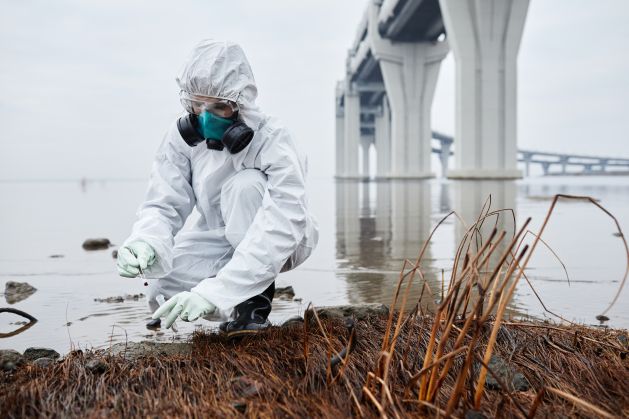
Built in 1942 and still operating today, Camp Lejeune is a military base covering over 153,000 acres in Jacksonville, North Carolina. Shortly after it was founded, it became heavily contaminated with toxic chemicals like perchloroethylene, benzene, trichloroethylene, vinyl chloride, and later on PFAS. However, the military only realized the severity of the issue in 1982, when the Marine Corps discovered volatile organic compounds on base.
Perchloroethylene is a colorless liquid used for the dry cleaning of fabrics. The source of the perchloroethylene contamination was a dry-cleaning firm ABC One-Hour Cleaners, situated off-base. The benzene and trichloroethylene contamination, both industrial solvents, came from years of improper use and disposal of chemicals on Camp Lejeune employed for cleaning weapons and equipment.
Black Americans breathe in 56 per cent more polluted air than they produce, while Latinos inhale 63 per cent more. In comparison, white people breathe in 17 per cent less toxic air than they release.
PFAS, a group of dangerous chemicals that may take over a thousand years to break down in the environment, is found in firefighting foam (AFFF). As a result of firefighters using and training with AFFF on base, PFAS ended up polluting at least 14 sites of the military base. AFFF, a fire suppressant, contains between 50 per cent and 98 per cent PFAS and was used regularly at Camp Lejeune.
The level of perchloroethylene detected at the military base was 43 times higher than the safe limit, while the level of trichloroethylene exceeded the safe limit by 280 times. PFAS were found at Camp Lejeune in a concentration over 2,450 times higher than the safe limit. Exposure to such a hazardous mix of chemicals may result in debilitating health problems such as lung cancer, Parkinson’s disease, kidney cancer, leukemia, multiple myeloma, and ovarian cancer.
How black service members are impacted by toxic exposure to a greater extent than their white counterparts
More than one million people lived at Camp Lejeune between 1953 and 1987 when toxic exposure on the military base was most extreme. During this time over 20,000 men trained on a racially segregated Marine base known as Montford Point, which is now part of Camp Lejeune, in preparation for World War II.
The living conditions at Montford Point were inferior compared to Camp Lejeune. The Marines stationed at Montford endured racism and were not permitted to enter Camp Lejeune without being accompanied by a white service member.
The military used Montford Point until approximately seven years before the federal government prohibited racial segregation. Although this military base was not part of Camp Lejeune at the time, it was also heavily contaminated with some of the same toxic agents.
According to data from the Pentagon and the Veterans Affairs Department, black service members are less likely to become officers. As a result, they are more prone to being injured while serving their country than their white counterparts.
Some black military members became injured by being exposed to toxic chemicals daily on military bases such as Camp Lejeune. Since most have a lower rank, they must spend time on contaminated military installations, unlike most officers, lieutenants, and generals. Therefore, the risk of toxic exposure among black service members as a whole, is considerably higher.
Toxic exposure, significantly more prevalent among communities living near polluted military bases
In the United States, race is the number one indicator of whether or not you live near potential toxic exposures. There is a consistent pattern in this country of placing hazardous waste and hazardous industry in disenfranchised areas, often predominantly neighborhoods of color.
The availability of affordable land, poverty, historical discrimination, and lack of political power to fight corporations all contribute to environmental racism. Consequently, minority neighborhoods are clustered around industrial sites, military bases, truck routes, ports, and other air pollution hotspots.
Right now, the population of Jacksonville, North Carolina, is 74,313. An additional 170,000 people live at Camp Lejeune. Half of the city’s population inhabits the military base, which places the civilian community at high risk of toxic exposure. Consequently, 37,156 individuals may come to struggle with awful, life-threatening diseases in the near future. This is not uncommon, as there are civilian communities living on or near the 679 contaminated military bases in the United States.
Alarmingly, the military ordered the clandestine burning of over 20 million pounds of AFFF and AFFF waste between 2016 and 2020, despite no evidence that incineration can destroy PFAS. The largest amounts of AFFF remains were burnt in New York, near Plattsburgh Air Force Base, Niagara Falls Air Reserve Station, and Griffiss Air Force Base. By burning this fire suppressant and the waste it left behind on military bases such as Camp Lejeune, the communities that live nearby, will inevitably be affected by the toxins emitted into the air by this reckless process.
How can we combat environmental racism?
To combat environmental racism, we must attempt to curb environmental crime and seek justice for its harm. Approximately a third of the total burden of disease worldwide can be attributed to environmental hazards. Black Americans breathe in 56 per cent more polluted air than they produce, while Latinos inhale 63 per cent more. In comparison, white people breathe in 17 per cent less toxic air than they release.
When industry creates an environmental hazard that harms communities, legislative efforts and criminal conviction can sometimes be an effective deterrent. However, efforts to restrict environmental crime in this way have often been met with opposition from professional organizations who see policy as a hindrance to economic interest.
If the state turns a blind eye private law can aid disenfranchised, harmed communities through toxic tort and class action lawsuits. Grassroots efforts and coalitions with legal groups and private firms can be a successful option for redress.
Chandler Blythe Duncan is a lawyer and MPH at Environmental Litigation Group P.C., whose main practice area is toxic tort law. Chandler’s expertise is providing quality legal assistance in cases involving water contamination and toxic exposure. She is also a member of the American Bar Association, the Birmingham Bar Association, and the Birmingham Volunteer Lawyers Program.
“We found that ecological intensification can partly replace fertilizers to support crop yields, because both ecological intensification and fertilizers increase soil nutrients. So farmers could use ecological intensification to reduce fertilizer use while maintaining the same yields. Farmers who already used low or no fertilizer could increase their yields.”
Agriculture involves a difficult balance between food production and environmental impact. For example, fertilizers can help to achieve good crop yields, but over-using them produces greenhouse gas emissions and pollution.
Some of these impacts also threaten future agricultural production. Greenhouse gas emissions, for instance, contribute to climate change and increase the likelihood of extreme weather events.
To sustain agriculture, then, it is necessary to minimize the use of inputs like fertilizers, and support crop growth in other ways. One approach is through increasing ecological functioning within farms. This means enhancing relationships between different on-farm organisms, including crops, livestock, microbes, and wild plants and animals. Using these relationships to support crop yields is called “ecological intensification“.
Previous research has shown that ecological intensification can be effective. But studies have only been done over short timescales of just a few years, whereas the effects of agricultural practices often take longer to become clear. Variation in weather between years can obscure effects in the short term, and some ecological processes take several years to stabilize.
In a recent study, my colleagues and I explored whether long-term studies also support ecological intensification. To answer this, we sought out 30 long-term experiments from around Europe and Africa. We used these experiments to look at whether ecological intensification could reduce the need for two inputs: nitrogen fertilizer and tillage.
We found that ecological intensification can partly replace fertilizers to support crop yields, because both ecological intensification and fertilizers increase soil nutrients. So farmers could use ecological intensification to reduce fertilizer use while maintaining the same yields. Farmers who already used low or no fertilizer could increase their yields.
Ecological intensification could also increase yields whether farmers were plowing or using no-till farming. This was because tillage and the ecological practices we tested had different functions, and contributed to crop yields in different ways.
Overall, ecological intensification can help balance food production and environmental impacts by reducing high fertilizer use without reducing yields. And it can supplement low inputs to boost yields in poor, remote communities where inputs are expensive or hard to access.
What we measured
We selected experiments that had been running for 10 years or more. We made an exception to include two nine-year-old experiments to increase representation of smallholder farming practices in our dataset.
The 30 experiments in our study tested different practices in a diverse range of climates, soil types and farming systems. We looked for common trends across experiments. In particular, we wanted to know how ecological practices and input use interacted. Was it better to combine multiple ecological practices and inputs, or were they most effective when used independently?
Within our dataset, there were three classes of ecological practices and two types of inputs tested frequently enough to include in our analysis.
The ecological practices were:
crop diversification—rotating crops or planting different crops close to each other
including fertility crops such as forage or ground covers rather than staple food crops
organic matter management—like using compost or manure to fertilize crops, and retaining crop residues on the field to cycle nutrients.
Ecological intensification entails replacing or augmenting inputs. So we compared the effects on crop yields of increasing the three ecological practices against the effects of decreasing two inputs: synthetic nitrogen fertilizer and tillage intensity. Fertilizer provides the nitrogen that crops need to grow, but can also cause pollution. Intensive tillage (or plowing) removes weeds but can increase soil erosion.
What we found
Our results showed that ecological practices usually increased yields when added to a farming system. However, the benefits of crop diversification, fertility crops and adding organic matter were typically high when synthetic nitrogen fertilizer use was low. Often there was no benefit when nitrogen fertilizer use was high.
This showed us that you can use either an ecological practice or a nitrogen fertilizer to increase yields. But if you use both together, the effect is the same as using either one.
We deduced that this is because the practices and the fertilizer have the same main function: all provide nitrogen to the crop. Crop diversification and fertility crops often involve adding legumes to the system. Plants such as beans, peas and clovers fix atmospheric nitrogen and add it to the soil. Manures and composts release nitrogen from decomposing plant material or livestock wastes.
Sometimes we observed small extra benefits of using an ecological practice alongside high nitrogen. For example, adding manures and composts still increased yields when nitrogen was high. Other research has shown that these organic matter additions help to improve soil structure and microbial activity. They can also contribute to soil water retention and the cycling of other nutrients.
Using two ecological practices together was generally beneficial, because each provides different functions.
Similarly, using ecological practices together with inputs can increase yields when their functions do not overlap. This can be achieved, for example, by using fertilizer in small amounts to top up the nutrients provided by ecological practices.
We also found that diversifying with non-legume crops under high nitrogen had a yield benefit. It is likely due to the interruption of weed, pest and disease cycles.
In our study, tillage did not strongly interact with ecological practices, suggesting that each had different functions. This means that farmers can adapt their tillage practices to their environment independently from their decisions on using diversification, fertility crops and organic matter.
The net effect
Ecological intensification could be a way to distribute fertilizer more equitably to improve global food security while minimizing environmental impacts. Currently, average fertilizer rates in Africa are a small fraction of those in Europe. Smallholders in particular use much less than their fair share. Too much fertilizer causes environmental impacts, but too little fertilizer makes it difficult to produce enough food.
Other studies have suggested that if fertilizer use is reduced where it is currently high (such as large commercial farms in developed countries), then fertilizer use could be increased where it is currently very low (smallholder farmers in developing countries), without overloading global ecosystems with nitrogen pollution.
Our study shows how ecological intensification could help to achieve this.
The monsoon season hit Pakistan this year in June, earlier than usual. Torrential rains continued well into July, with 181 per cent above average rainfall. The Pakistan Meteorological Department said it rained 177.5mm against its normal of 63.1mm, making this July the wettest since 1961.
By Zofeen Ebrahim
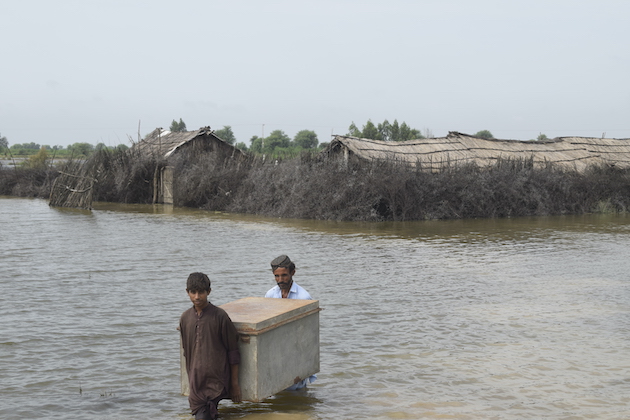
The heavy and incessant monsoon downpours across Pakistan in the last two months have triggered floods wreaking havoc across the country, submerging entire villages and vast tracts of land and entrapping people. Anything coming in the way of the relentless water is being destroyed, including roads, bridges, and standing crops.
The Pakistani government has declared a national emergency with more than 30 million without shelter. According to the UN Office for the Coordination of Humanitarian Affairs (OCHA), 66 districts have officially been declared ‘calamity hit’ by the government of Pakistan – 31 in Balochistan, 23 in Sindh, nine in Khyber Pakhtunkhwa (KP), and three in Punjab. Many have likened the destruction to the 2010 super floods.
With government resources stretched and communications networks disrupted, flood survivors complain that help is scarce.
Saeeda Khatoon, 28, likened her village of Zakaria Mahesar to the famous 3rd millennium BC Moenjodaro ruins of the ancient Indus civilization, in her district of Larkana, in Sindh province, after the rains destroyed over 200 houses, some made of mud and straw and others, like hers, of brick. She, along with 11 members of her family, has found temporary shelter on higher ground, on the outskirts of the village, under the open sky, unprotected from the vagaries of the unpredictable monsoon rains.
“The water gushed into our home suddenly, and we rushed out just moments before the roof caved in,” she said, rendering them homeless. With water still waist deep, she said there was no way of retrieving their belongings from under the debris.
Havoc across Pakistan
The monsoon season hit Pakistan this year in June, earlier than usual. Torrential rains continued well into July, with 181per cent above average rainfall. The Pakistan Meteorological Department (PMD) said it rained 177.5mm against its normal of 63.1mm, making this July the wettest since 1961.
“July 2022 rainfall was excessively above average over Balochistan (+450 per cent) and Sindh (+307 per cent), both rank as the wettest ever during past 62 years,” said the PMD’s monthly summary. And the rains continue to batter the country well into the end of August, spreading more destruction across the provinces of Punjab, KP, and the mountainous region of Gilgit-Baltistan, after annihilating Balochistan and Sindh.
According to the National Disaster Management Authority, the rains have caused havoc across Pakistan, claiming nearly 1,000 lives and more than 1400 rain-related injuries since June. More than half the casualties are from Balochistan and Sindh province.
Families take refuge on higher ground.
Volunteers to the rescue
Over 3,000 km of road network has been damaged, of which over 2,300 km is in Sindh, making it difficult for the government and non-governmental organizations to reach and rescue. “The whole province is inundated with flood water, and roads are battered; it is difficult to reach and provide relief,” said Inayatullah Ismail, senior manager, coordination at the non-profit Al Khidmat Welfare Society. “We are providing tents to the displaced people and will be setting up kitchens on the highways where people are seeking refuge.”
“Giving cooked meals is best as it is difficult for the displaced to cook having lost everything,” said Aqsa Iqbal, who volunteers with Serve Humanity Together. She suggested: “All those who are providing cooked food to affectees may also want to add drinking water bottles, packed snacks or biscuits, juices and fruits (dates) as well, so that they could have something that does not get spoiled, and they can consume over the next few days.” She also said most people urgently needed tents, plastic sheets, and medical aid.
Further, she said, rescue and relief workers were finding it difficult to reach people stuck in remote villages, surrounded by stagnant rainwater.
“Many of these people are young volunteers with a lot of zeal but not professionally trained. Wading through water, even shallow, was difficult, and there is always the fear that they could be bitten by snakes or fall in open potholes,” said Iqbal. That is why, she said, it would be best to bring the flood affectees to dry land, where it is easier to provide them with food, water, and medicines.
Where is the government?
So far, the NDMA has recorded nearly 680,000 houses affected, of which over 58,000 are in Sindh alone. Up to 19,000 of these homes in Sindh have been destroyed.
“I have never seen a greater catastrophe in my life,” said Sindh chief minister Murad Ali Shah after visiting various flood-affected districts of Sindh. He said his government was stretched for funds and had run out of tents and food. Over 10 million people in Sindh have been rendered homeless.
The government of Sindh has formally reached out to NGOs requesting help with rescue and relief work.
Rani Malukhani, a social activist from Khuda Baksh Marri, a village in Sanghar district, said they were starving and sitting on the roadside with nothing to protect them from the lashing rain. “Where is the government; where are the NGOs?” she said over a WhatsApp video phone call, showing how her community was sitting stranded on the roadside.
“Our homes and standing crops have been destroyed,” she cried in distress.
“There are close to 700 people in this village, and all are sitting on both sides of the 2-3 km long road under the sky,” confirmed Azra Gandehi, who works with the NGO, Research and Development Foundation (RDF). She was visiting the village for a preliminary survey and assessment of the damage so she could return with assistance. “The water is chest deep, and all had to evacuate along with their livestock.”
Escaping the flood waters is a family with their livestock. The family was caught in devastating flows in the Taluka Jhudo, District Mirpurkhas.
Water all around
In the neighbouring Mirpur Khas district, things are no better. Motan Bheel, 52, and her five children and two goats, belonging to Jhudo village, had to wade through waist-deep water to reach the safety of the bank of Puraan (a sub-drain that collects saline water, agricultural effluent, and floodwater to the Arabian Sea). “There is water all around us, but not a drop to drink,” she said. “We have not received any help from the government, NGOs or philanthropists.”
Irfan Hussain, working with RDF and helping the district government in Mirpur Khas with rescue work, explained: “They have to walk nearly three kilometres to fetch water, but because they don’t have enough vessels to carry water and big containers to store, they have to keep going back and forth.”
Bheel said her 14-year-old was running a high fever for the last two days and fears it may be malaria. “There is nowhere to go to seek help, and I don’t have the money,” she said.
Hussain said she and half the villagers (from 250 households) staying on either side of the bank urgently need tents, mosquito nets and healthcare to fight malaria, diarrhoea, and scabies.
The government has turned schools and factories into relief camps, but Gandehi, who visited some, found them “too crowded”.
Indus Resource Centre, an NGO, has been running 17 schools, managing five government schools and 25 non-formal post-primary centres, in Khairpur district, for the last 22 years. Sadiqa Salahuddin, heading IRC, sent an appeal for help. She said ten IRC schools, including five government schools, have been turned into camps housing nearly 7,000 internally displaced persons (IDPs), and the number was increasing daily.
International appeal
The Larkana district administration has set up around 290 camps where around 28,500 people have been shifted. But people are unhappy with the lack of facilities saying they spend sleepless nights “owing to the huge swarm of mosquitos”. The government has registered nearly 184,061 people in camps set up in 117 districts across the country.
The RDF is also helping the livestock department vaccinate animals to reduce the threat of an outbreak of diseases.
Over 17,600 animals were vaccinated and 8,000 dewormed in the last two days in Tando Allahyar, Matiari, Mipur Khas, Thatta and Tharparkar districts during the floods,” said Ashfaque Soomro, executive director of RDF. “The campaign will continue, and we will increase our outreach in ten other districts.”
The government has launched an international appeal for relief and rehabilitation. The European Union announced €350,000 as crucial humanitarian assistance focusing on addressing the urgent needs of the hardest-hit districts of Jhal Magsi and Lasbela in Balochistan.
Prime Minister Shehbaz Sharif also appealed to the nation for Rs 80 billion needed for carrying out relief work in addition to “hundreds of billions of rupees” to rehabilitate the victims.
This piece has been sourced from Inter Press Service.
A new study reported that Nepal had the highest reported death rate from chronic obstructive pulmonary disease in 2019, primarily due to air pollution. Pollution in the country is linked to burning garbage, the use of biomass fuels and road traffic
By Sanjeet Bagcchi
Nepal has the world’s highest age-adjusted death rate for chronic lung disease at 182.5 per 100,000 population, with more than 3,000 years lost to ill health or disability from the condition, according to an international study.
Nearly all cases of chronic obstructive pulmonary disease (COPD) are environmental in origin, says Jay Kaufman, an author of the study and professor at the Department of Epidemiology, Biostatistics and Occupational Health at McGill University in Montréal, Canada.
Chronic obstructive pulmonary disease (COPD) is a group of diseases that lead to blockage in airflow and problems relating to breathing. It includes conditions like chronic bronchitis and emphysema.
In the context of poorer Asian countries, the main causes of chronic obstructive pulmonary disease are smoking, indoor air pollution from cooking and heating, and outdoor air pollution, Kaufman tells SciDev.Net. “The very high COPD death rates in these countries also speak to the limited access to medical interventions that might improve survival of those with COPD,” he says.
Tip of an iceberg
According to the study, in 2019, the national age-standardised death and disability-adjusted life years (DALY) rate of COPD ranged from 178 to 3,318 patients per 100, 000. DALY is a time-based measure that combines years of life lost due to premature mortality and years of healthy life lost due to disability.
The highest rates were seen in Nepal (3,318), Papua New Guinea (2,903), and the Solomon Islands (2,179) whereas the lowest rates were in Barbados (178), Antigua and Barbuda (178) and Peru (190).
The authors found that Nepal had the highest death rate from COPD caused by air pollution with 26 per cent of COPD deaths caused by exposure to this risk factor. With Nepal’s rapid urbanisation, the use of motorised vehicles increased from nearly 224,000 in 1990 to 1.3 million in 2012. The country has failed to effectively regulate air pollutants and implement air quality control measures, the authors said.
Published in The BMJ, the study looked at data related to COPD from 204 countries and territories between 1990 and 2019.
“In 2019, 212.3 million prevalent cases of COPD were reported globally, with COPD accounting for 3.3 million deaths,” the study said. “The burden of COPD reaches its peak in older adults.”
The overall incidence of COPD is likely to be just the tip of an iceberg as most patients seek medical help only when they have substantial symptoms, says Sushmita Roychowdhury, director of pulmonology at the Fortis Hospital in Kolkata, India.
Primary prevention
To tackle COPD in developing countries such as Nepal, Roychowdhury recommends annual mandatory spirometry test [a common test used to assess how well the lungs are working] for all above the age of 40. “It will not only unearth many more cases but help diagnose and treat early.”
“Given the expense and complexity of medical interventions, the best hope for [poorer Asian] countries lies in primary prevention, which means reducing tobacco use and replacing dangerous indoor combustion sources with safer, less polluting modern stoves,” says Kaufman.
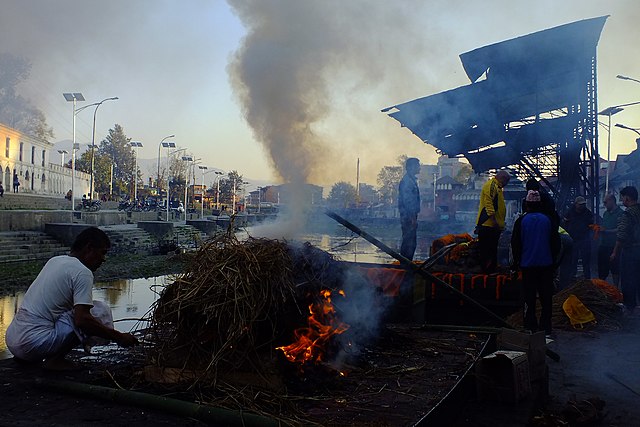
“Although Nepal generates much of its electricity from clean hydroelectric sources, it suffers from high levels of air pollution from the burning of garbage and biomass and from road traffic. This contributes to the high burden of COPD and must be reduced.”
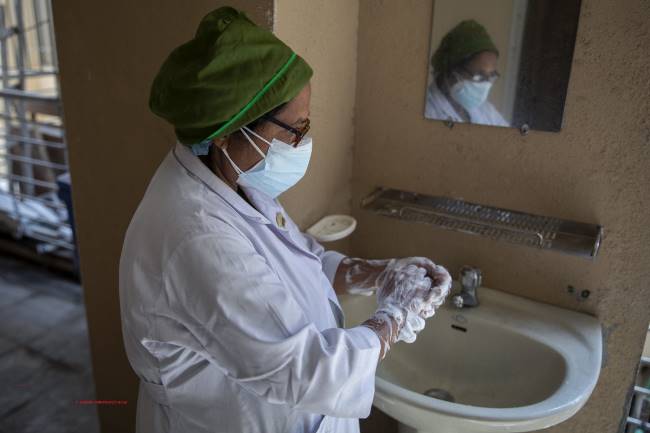
Interventions to increase access to handwashing with water and soap and environmental cleaning form the cornerstone of infection prevention and control programmes and are crucial to providing quality care, particularly for safe childbirth, the report says.
A UNICEF report on water, sanitation and hygiene (WASH) says that 62 per cent of Bangladesh’s healthcare facilities lacked basic hygiene service. The figure includes both the government and the non-government health care facilities taken together, says the report released on Tuesday.
The report says that there is a significant difference between government and non-government facilities with 32 per cent of government facilities having basic hygiene services compared to 69 per cent of the non-government facilities.
There are geographical disparities too, the report says, pointing out that access to safe water sources in health care facilities is more common in urban areas (90 per cent) than in rural areas (67 per cent).
At the global level, half of the world’s health care facilities lack basic hygiene services with water and soap or alcohol-based hand-rub where patients receive care and at toilets in these facilities. The latest joint monitoring programme report by WHO and UNICEF reveals that 688 million people receive care at facilities with no hygiene service at all.
Kelly Ann Naylor, UNICEF Director of WASH and climate, environment, energy, and disaster risk reduction (ceed) said that hospitals and clinics without safe water and basic hygiene and sanitation services are a potential death trap for pregnant mothers, newborns, and children. Every year, around 670,000 newborns lose their lives to sepsis, Naylor says, describing it as a travesty – even more so as their deaths are preventable.
The report notes that contaminated hands and environments play a significant role in pathogen transmission in health care facilities and the spread of antimicrobial resistance. Interventions to increase access to handwashing with water and soap and environmental cleaning form the cornerstone of infection prevention and control programmes and are crucial to providing quality care, particularly for safe childbirth.
This greening initiatives of the coal sector support India’s Nationally Determined Contributions commitment to create additional carbon sink of 2.5 to 3 billion tonnes of CO2 equivalent through additional forest and tree cover by 2030.
The ministry of coal today announced an ambitious target for coal companies to bring more than 2,400 hectare of land in and around coalfields under green cover with plantation of more than 50 lakh saplings during 2022-23.
The coal ministry says that the identified areas include reclaimed mined out areas of coal companies and areas outside of leasehold. These land stretches are amenable for plantation and are made available by state government agencies.
As of now, greening drive is in full swing in coal mining areas and about 1,000 hectares of land has already been covered through block plantation, avenue plantation, grassland creation, bamboo plantation and high-tech cultivation and coal companies are confident of surpassing this year’s greening targets.
This greening initiatives of the coal sector support India’s Nationally Determined Contributions (NDC) commitment to create additional carbon sink of 2.5 to 3 billion tonnes of CO2 equivalent through additional forest and tree cover by 2030.
The coal ministry, speaking for the coal industry, said that the sector strives to promote a sustainable model of development in which coal production concurs with steps to protect the environment, conserve natural resources, care for society and measures to protect our forests and wildlife.
“Coal companies have not only effectively met the rising energy demand of the country at the current time of global energy crisis, but have also shown their sensitivity and carefulness towards environment by adopting various mitigation measures including extensive plantation in and around coal bearing areas and reclamation of mined out lands,” the ministry said in a press release.
“Afforestation is a proven way of restoration of lands damaged by anthropogenic activities and must for achieving satisfactory rehabilitation of a mined landscape,” the release reads. “It helps in minimizing the footprints of coal mining, prevents soil erosion, stabilises the climate, preserves wild life and enhances quality of air and watersheds”.
On a global scale, it mitigates climate change through carbon sequestration and also results in economic growth of the region, the ministry claimed, adding that the goal of Indian coal industry is to secure availability of coal to meet the demand of various sectors of the economy while minimising the impact of mining on the environment and to improve the quality of life for local residents.
The tea workers had thrust the ball in the court of prime minister Sheikh Hasina – but the settlement comes for a pittance. The wages have been increased by a mere 50 Bangladeshi Takas, from 120 to 170 Bangladeshi Takas.
Bangladesh’s tea-workers resumed work after agitating for a hike in their wages for 18 days. The workers were demanding a daily wage of Taka 300 in place of the current Taka 120 per day.
Bangladesh Prime Minister Sheikh Hasina brokered an agreement between the workers and the Tea Garden Owners Association. Management representatives from 13 tea-gardens were present at the meeting. The tea workers of 167 tea plantations were represented by leaders of the Bangladesh Tea Workers Union.
The tea workers had thrust the ball in the court of prime minister Sheikh Hasina – but the settlement comes for a pittance. The wages have been increased by a mere 50 Bangladeshi Takas, from 120 to 170 Bangladeshi Takas.
The newly settled wages ensure that Bangladesh’s tea workers will continue to live well below the international extreme poverty line of $1.90 a day. (170 Bangladeshi Taka translates to USD 1.79.)
Workers are unhappy with the meagre increase in wages. The anger is palpable and they are expressing dissatisfaction, though their union leaders have accepted the decision. The tea workers say that the unions have let them down and accuse the leaders of a sell-out. Some of the union workers are associated with the ruling party, the Awami League.
The tea garden owners’ association argued that they were providing tea workers with other benefits as well like housing. The tea garden owners’ association is powerful and is many association members have connections with the Awami League party as well.
Poverty
Labour researchers have documented the lives of tea garden workers and the tales are a litany of hunger.
A 2016 ILO study says that tea-estate workers are among the lowest paid workers plagued by illiteracy, lack of medical facilities among other problems. More than 64 percent of the tea-workers are female.
The tea garden owners said that the workers get annual leave allowance, festival leave with pay, sick leave, plucking bonus along with their daily wages. The workers say that these are exceptions. Some say that they have not got a paid leave in their lifetimes. Tea-garden owners argue that, on an average, the workers were getting approximately Taka 500 per day as wages – an amount that the workers vehemently deny ever having received.
The Prime Minister’s Principal Secretary, Dr. Ahmad Kaikaus said that employer’s contribution to provident fund and annual festival allowance as per the attendance in work will also increase proportionally.
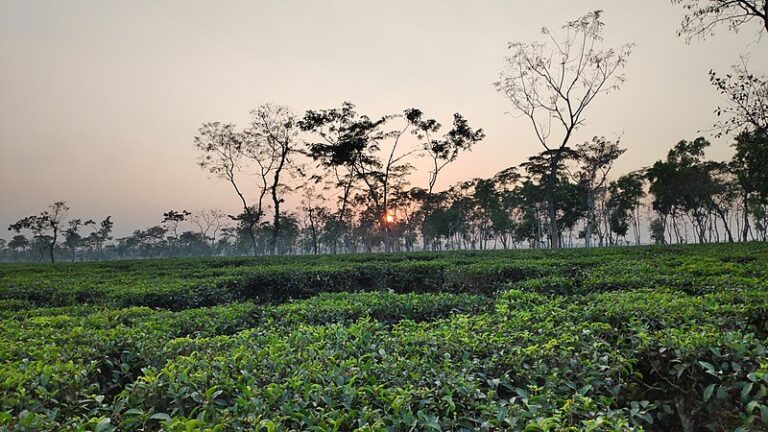
Bangladesh employs more than 1.5 lakh workers spread over the 167 plantations in MoulviBazar and Sylhet districts. Commercial tea cultivation in the region was started in 1854 by the British who brought workers from Orissa, Assam, Bihar and from other part of India to work in the plantations. Most of the workers belong to the Dalit Hindu communities.