More

    Will the Diplomat, Accused of Rape, be Prosecuted at Home?

    The status of an individual — regardless of whether they are a diplomat, a head of state, royalty, or a UN employee — should not be an excuse for impunity or misused to shield someone from facing justice if they have committed an act of sexual violence or other serious crime

    By Thalif Deen

    When UN diplomats are charged with civil or criminal offenses – from traffic violations to sexual abuse — they avoid prosecution and civil law suits under cover of diplomatic immunity.

    It’s a privilege exercised by diplomats worldwide—including US diplomats in overseas postings.

    In the 1970s and 80s, there were diplomats from several financially-ailing member states, who were cut-off from their cash-starved home countries, and unable to pay their rents and phone and electricity bills — plus their UN membership dues.

    The landlords who had bitter experiences fighting tenants over unpaid rents and damages to their apartments avoided diplomats as tenants because they were protected by diplomatic immunity and couldn’t be dragged into Small Claims Court.

    So, at least in one New York City apartment building, the landlord had a sign which read: “Dogs and Diplomats Not Welcome.”

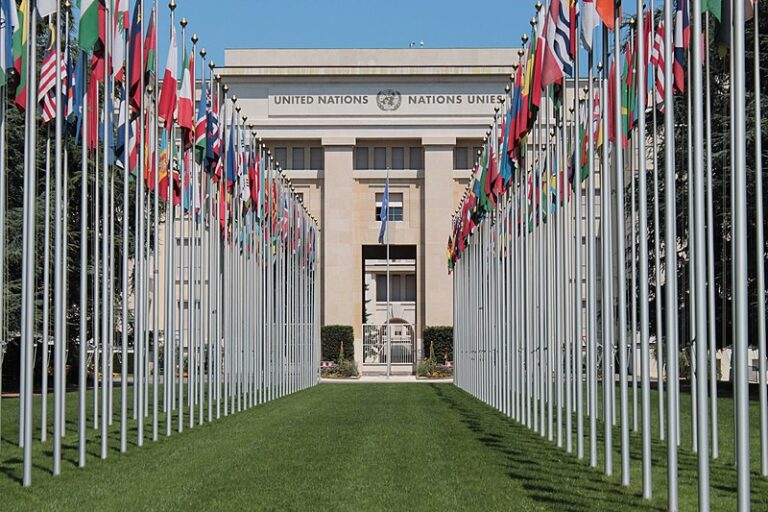
    But last week it was a more serious offense—by an envoy from South Sudan, accredited to the UN, who was accused of rape, an allegation made by a neighbour in a Manhattan apartment building.

    But he claimed diplomatic immunity to avoid prosecution by New York City police.

    The immunity can be waived only by the country which accredited the diplomat to the UN — or in the alternative, the US could declare the diplomat persona non grata (PNG).

    In international diplomacy, PNG is a status applied by a host country to foreign diplomats to remove their protection of diplomatic immunity from arrest and prosecution.

    The case of the South Sudanese diplomat

    But South Sudan went one better: it recalled its ambassador.

    A letter, dated August 25, from South Sudan’s Ministry of Foreign Affairs and International Cooperation, a copy of which was obtained by IPS, says “It is with regret that our diplomat was involved in an alleged rape incident with one of New York City residents”.

    “The leadership of the Ministry of Foreign Affairs and International Cooperation took the decision to immediately recall the diplomat in question, pending a full investigation from a specialised committee. The. The diplomat in question is now back in South Sudan and has been suspended from his duties, awaiting the outcome of this investigation.”

    The letter also says the Ministry of Foreign Affairs “would like to take this opportunity to reiterate the government of South Sudan’s, and indeed the Ministry of Foreign Affairs’ position that sexual misconduct in any shape or form is heinous end wholly unacceptable.”

    “As a government, we have worked tirelessly since our inception to ensure that the rights of women and girls are protected. The Ministry of Public Service has worked with civil servants across the country to carry out sensitivity trainings”.

    An acknowledgment

    Beyond ratifying regional and international instruments for the protection of women and girls, the letter says, “we have also worked to receive direction from our gender and youth cluster to practically implement these instruments across the country. because it is our belief that living a life devoid of gender-based violence and indeed the threat of it, is a right for all.”

    “The mandate of our foreign missions is two-fold. To both protect the interests of South Sudanese citizens abroad and to promote strong bilateral relations with our host countries. It is regretful that in this alleged instance, the latter has been jeopardized. We are committed to working closely with the relevant US authorities to take appropriate action, following the outcome of all investigations,“ says the letter, in an attempt at damage control.

    “The Ministry of Foreign Affairs, and indeed the extended government of South Sudan stands with victims of pf sexual assault everywhere and is committed to continuing to safeguard all those at risk of sexual violence”, the letter adds.

    Antonia Kirkland, Global Lead, Legal Equality and Access to Justice at Equality Now, told IPS: “We welcome South Sudan’s acknowledgment of the seriousness of these rape allegations against one if its UN diplomats”.

    Rule of law

    The status of an individual — regardless of whether they are a diplomat, a head of state, royalty, or a UN employee — should not be an excuse for impunity or misused to shield someone from facing justice if they have committed an act of sexual violence or other serious crime, she pointed out.

    “In cases involving sexual violence, diplomatic immunity should not be invoked and allegations must be effectively investigated and prosecuted, and convicted perpetrators punished. It is also vital that victims are fully supported and receive the justice they deserve and to which they are entitled”.

    “Consistent with its stated internal commitment to survivors of criminal sexual harassment by its own employees and intention to waive immunity in such cases, we hope the UN is encouraging South Sudan to cooperate closely with the US and authorities in New York to ensure the case is fully investigated,” said Kirkland.

    If the findings indicate that the rape allegations are credible, South Sudan should uphold the rule of law and ensure the case goes to court, and if he is found guilty, ensure he is punished accordingly, she declared.

    Asked about the accusations, UN Spokesperson Stephane Dujarric told reporters August 23: “We’re aware of this. We’ve seen the press reports. I think this is an issue having to do, as you said, — I think there had been some early misreporting on it — not with anyone who is working for the United Nations but a member of the diplomatic corps.”

    “I think any alleged rape or sexual assault needs to be fully investigated. This is a particular issue between the Member State and the US Government, but we’ll keep an eye on it’, he added.


    This piece has been sourced from the Inter Press Service.


    Democracy Express Political Leadership Programme Set to Roll Out

    In its third avatar, the initiative will offer 40 young political leaders a nine-day political leadership journey through West Bengal, Bihar and Jharkhand. A key feature of the programme is the interaction it offers with senior political leaders across parties.

    The Indian School of Democracy (ISD) is set to hold a third reiteration of its Democracy Express programme. The initiative is aimed at upholding value based and principled politics and strengthening democratic processes to empower democracy through an immersive learning journey where participants meet with diverse political actors.

    This is a continuation of ISD’s work over four years with over 150 young political leaders from 20 states involving participants from an array of political parties and marginalized communities and including sarpanches, councilors, and spokespersons in parties – all forming a vibrant community of young politicians working towards principled politics.

    A key feature of the programme is the interaction it offers with senior political leaders across parties. Past speakers have included Dr Sanjay Paswan of the BJP, Atishi of AAP, Anandiben Patel, present Governor of Uttar Pradesh and former Gujarat chief minister), DMK Member of Parliament Kanimozhi and Krishna Allavaru of the Congress Party.

    In its third avatar, the initiative will offer 40 young political leaders a nine-day political leadership journey through West Bengal, Bihar and Jharkhand.

    Participants will be exposed to inspiring political leadership while traveling to understand the political canvas across these states through skill based sessions, interaction with senior political leaders and grassroots immersions. The application window will close on 4th September 2022 for this program.

    In the first edition, participants traveled through four north Indian states. Participants of the second edition travelled through four South Indian states of Telangana, Andhra Pradesh, Karnataka and Tamil Nadu.

    ISD is a non-partisan organization with a mission to nurture principled public leaders with moral courage and imagination, to work on strengthening Indian politics. ISD runs three programs across the year – the She Represents, a seven-day immersive online learning experience for women political leaders; The Good Politician, a nine-month experiential program; and the Democracy Express; a nine-day experiential programme to explore regional politics.


    Image: ISD

    The Journey to Defend Human Rights Never Ends

    Vigilance against roll-backs of rights is vital. I honour all those who, in their own ways, are working to defend human rights. As a woman and a lifelong feminist, I want to pay particular tribute to women human rights defenders, who have been at the forefront of social movements that have benefitted all of us.

    By Michelle Bachelet

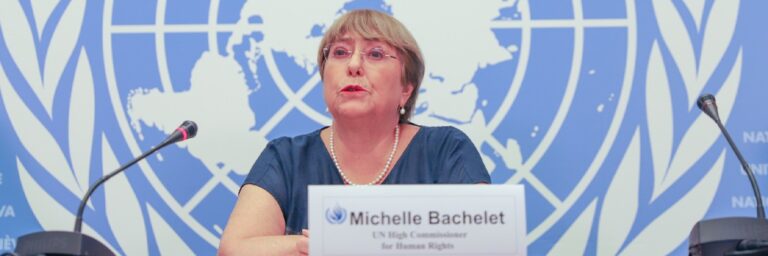
    As you know, after four years as the UN High Commissioner for Human Rights, my mandate ends on 31 August.

    The world has changed fundamentally over the course of my mandate.

    I would say the profound impact of the COVID-19 pandemic, the ever-increasing effects of climate change, and the reverberating shocks of the food, fuel and finance crisis resulting from the war against Ukraine have been the three major issues.

    Polarization within and among States has reached extraordinary levels and multilateralism is under pressure.

    Important protest movements occurred in every region of the world demanding an end to structural racism, respect for economic and social rights, and against corruption, governance deficits and abuse of power – in many instances accompanied by violence, threats and attacks against protesters and human rights defenders, and at some times against journalists.

    Some led to real change in the country. In other cases, rather than listening to the voices of the people, governments responded by shrinking the space for debate and dissent.

    Over the past few months – once the COVID situation allowed me to resume official country visits – I have been to Burkina Faso, Niger, Afghanistan, China, Bosnia, Peru and Bangladesh. I have been able to see first-hand the impact of climate change, armed conflict, the food-fuel-finance crisis, hateful rhetoric, systematic discrimination, and the human rights challenges around migration, among other issues.

    The UN Human Rights Office has worked, in a myriad of ways, to help monitor, engage and advocate for the protection and promotion of human rights. As I have said before, at the UN, dialogue, engagement, cooperation, monitoring, reporting and public advocacy must all be part of our DNA.

    We have worked to try to help bridge the gap between government and civil society, to support national implementation of human rights obligations and advise on reforms to bring laws and policies into compliance with international standards, to expand our presences in-country so we are a in a better position to work closely with the people on the ground. We have spoken out in private and public on country-specific and broader issues. And we have seen some progress.

    The recognition of the human right to a clean, healthy and sustainable environment by the UN General Assembly last month marked the culmination of many years of advocacy by civil society. I am proud of my Office’s support and strong backing of this movement throughout the course of my mandate.

    The extreme weather events of the past few months have again driven home, powerfully, the existential need for urgent action to protect our planet for current and future generations. Meeting this need is the greatest human rights challenge of this era – and all States have an obligation to work together on this, and to walk the talk, to fully implement the right to a healthy environment.

    The response to the triple planetary crisis of pollution, climate change and biodiversity loss must be centred in human rights, including the rights to participation, access to information and justice, and by addressing the disproportionate impact of environmental harms on the most marginalized and disadvantaged.

    Death penalty

    There has also been steady progress towards abolition of the death penalty – some 170 States have abolished or introduced a moratorium, in law or in practice, or suspended executions for more than 10 years. The Central African Republic, Chad, Kazakhstan, Sierra Leone and Papua New Guinea are among those who have taken steps to fully abolish the death penalty.

    Other States, including Liberia and Zambia are also actively considering abolition. Malaysia announced that it will abolish the country’s mandatory death penalty, including for drug related offences. As of today, 90 States have ratified the Second Optional Protocol to the International Covenant on Civil and Political Rights, the key international treaty prohibiting the use of the death penalty.

    Concerns remain, however, about the increased use or resumption of capital punishment in other countries, including Iran, Saudi Arabia, Myanmar and Singapore, and others like China and Viet Nam continue to classify data on its use as a state secret, limiting the possibility of scrutiny.

    I have – from the beginning of my mandate – pushed for greater recognition of the indivisibility and interdependence of economic, social and cultural rights with civil and political rights. The effects of the pandemic and the war in Ukraine have brought into stark focus this interdependence.

    States must draw lessons from the pandemic and the current food-fuel-finance crisis by designing long-term measures to build better and stronger universal public health and social protection systems.

    Social protection coverage must facilitate access to health care, protect people against poverty and ensure essential economic and social rights, including food, water, housing, health and education. I also call on States to adopt proactive measures, including food, agriculture and fuel subsidies, to mitigate the impact of the crises.

    All of this needs to be designed with people as part of the solution, through investment in inclusive, safe and meaningful channels for debate and participation at all levels.

    Governing is tough – I know because I have twice been President of my country, Chile. There are always many pressing demands, challenges and problems to address. But governing is about prioritizing – and human rights must always be a priority. In many situations my Office has been covering, there is a lack of political will to take the necessary steps to really tackle a situation head on. Political will is key – and where there is a will, there is a way.

    States often invoke their own particular context when faced with allegations of human rights violations and when called upon to take steps to address them. Context is indeed important – but context must never be used to justify human rights violations.

    In many instances, sustained advocacy on key human rights issues, grounded in international human rights laws and standards, bears fruit. In Colombia this month, the incoming administration has pledged a shift in its approach on drug policy – from a punitive to a more social and public health approach.

    By addressing one of the deep-rooted causes of violence in Colombia, this approach could be instrumental to better protect the rights of peasants, indigenous and Afro-Colombian communities and of people who use drugs, both in Colombia and globally.

    My Office has been advocating – globally – for a human rights-based approach on drug policy, and is ready to assist.

    Racial justice

    The worldwide mobilization of people for racial justice, notably in 2020, has forced a long-delayed reckoning with racial discrimination and shifted debates towards a focus on systemic racism and the institutions that perpetrate it.

    I call on all States to seize this moment to achieve a turning point for racial equality and justice. My Office is working on its second report to the UN Human Rights Council on this issue, to be presented next month.

    I have always sought – even on the most challenging issues – to encourage dialogue, to open the door for further exchanges. This means listening as well as speaking, keeping our eyes and ears to the context, identifying entry points and roadblocks, and trying to build trust incrementally, even when it seems unlikely.

    During my four years as High Commissioner, I had the privilege of speaking to so many courageous, spirited, extraordinary human rights defenders:

    The brave, indomitable women human rights defenders in Afghanistan;

    The determined mothers of the disappeared in Mexico;

    The inspirational staff working at a health centre in Bunia in the Democratic Republic of the Congo, serving victims of sexual violence;

    The wisdom and strength of indigenous peoples in Peru, who are on the frontlines of the impact of climate change, illegal mining and logging, and defend their rights in the face of serious risks;

    And the empathy and generosity of communities hosting internally displaced people in Burkina Faso.

    I found allies in traditional village leaders in Niger, who were working in their own ways to advance human rights in their communities; I met young people from Malaysia, Sweden, Australia, Costa Rica and elsewhere whose resourcefulness, creativity and ambition was palpable;

    I shared the pain of the father in Venezuela who showed me the sports medals his teenage son had won, before he was killed during protests in 2017;

    And I shared the tears of the mother I met in Srebrenica who carried hope that 27 years after her son disappeared, she will one day find his remains and lay him to rest next to his father’s grave.

    Rohingya refugees

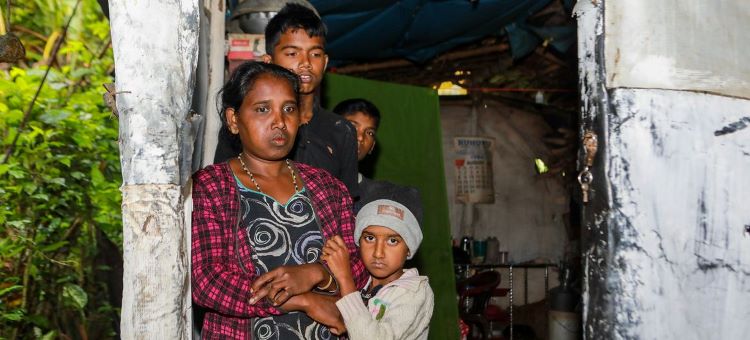
    Last week, I spoke with Rohingya refugees in Cox’s Bazar.

    One teacher I met told me he had earned distinctions in all his classes at school in Myanmar and had dreamed of being a doctor. Instead, he has spent the past five years in a refugee camp, having had to flee his country – because he is Rohingya. “I still cry at night sometimes when I remember my dream,” he told me, adding that “my Buddhist friends are now doctors in Myanmar.”

    My own experience as a refugee was much more comfortable, with the means to continue my education and with a good standard of living – but the yearning for one’s homeland, the desire of so many of the Rohingya to return home resonated deeply with me. Sadly, the conditions needed for them to be able to return to their homes in a voluntary, dignified and sustainable way are not there yet.

    Today marks five years since more than 700,000 Rohingya women, children and men were forced to flee Myanmar for Bangladesh – and Myanmar’s human rights catastrophe continues to worsen, with the military (the Tatmadaw) maintaining military operations in Kayah and Kayin in the southeast; Chin state in the northwest; and Sagaing and Magway regions in the Bamar heartland.

    The use of air power and artillery against villages and residential areas has intensified. Recent spikes in violence in Rakhine State also seemed to indicate that the last fairly stable area of the country may not avoid a resurgence of armed conflict. Rohingya communities have frequently been caught between the Tatmadaw and Arakan Army fighters or have been targeted directly in operations. Over 14 million need humanitarian assistance.

    We continue to document gross human rights violations and serious violations of international humanitarian law on a daily basis, including repression against protesters and attacks against civilians that may amount to crimes against humanity and war crimes.

    I urge the international community to intensify pressure on the military to stop its campaign of violence against the people of Myanmar, to insist on prompt restoration of civilian rule, and accountability for violations committed by security forces.

    Russia-Ukraine war

    Yesterday marked six months since Russia’s armed attack. Six unimaginably terrifying months for the people of Ukraine, 6.8 million of whom have had to flee their country. Millions of others have been internally displaced. We have documented at least 5,587 civilians killed and 7,890 injured. Of these casualties, nearly 1,000 are children.

    Six months on, the fighting continues, amid almost unthinkable risks posed to civilians and the environment as hostilities are conducted close to the Zaporizhzhia Nuclear Power Plant.

    I call on the Russian President to halt armed attack against Ukraine. The Zaporizhzhia plant needs to be immediately demilitarized.

    Both parties must respect, at all times and in all circumstances, international human rights law and international humanitarian law.

    The international community must insist on accountability for the many serious violations documented, some of which may amount to war crimes.

    Forgotten crises

    I am alarmed by the resumption of hostilities in northern Ethiopia. Civilians have suffered enough – and this will only exacerbate the suffering of civilians already in desperate need. I implore the Government of Ethiopia and the Tigray People’s Liberation Front to work to de-escalate the situation and immediately cease hostilities.

    I also urge a renewed focus by the international community on protracted – often forgotten – crises including the situation in Yemen, Syria, the Sahel and Haiti.

    And I urge continued support for the UN Human Rights Office, the UN human rights treaty bodies, and the UN Special Procedures mechanism, all of which work tirelessly in defence of international human rights laws and standards.

    The journey to defend human rights never ends – and vigilance against roll-backs of rights is vital. I honour all those who, in their own ways, are working to defend human rights. As a woman and a lifelong feminist, I want to pay particular tribute to women human rights defenders, who have been at the forefront of social movements that have benefitted all of us. They have often been the ones bringing to the table the unheard voices of the most vulnerable. I will continue to stand with you as I return home to Chile.

    To end, I would like to thank you journalists, based here in Geneva and across the globe, for the indispensable work that you do. When we in the UN Human Rights Office raise the alarm, it is crucial that it rings loudly, and this is only possible when the world’s media gets the stories out there.


    This article is based on Michelle Bachelet’s address to reporters on August 25. 

    These Neurons Have Food On the Brain

    MIT scientists have discovered a population of neurons that light up whenever we see images of food.

    Anne Trafton | MIT News Office

    A gooey slice of pizza. A pile of crispy French fries. Ice cream dripping down a cone on a hot summer day. When you look at any of these foods, a specialized part of your visual cortex lights up, according to a new study from MIT neuroscientists.

    This newly discovered population of food-responsive neurons is located in the ventral visual stream, alongside populations that respond specifically to faces, bodies, places, and words. The unexpected finding may reflect the special significance of food in human culture, the researchers say.

    “Food is central to human social interactions and cultural practices. It’s not just sustenance,” says Nancy Kanwisher, the Walter A. Rosenblith Professor of Cognitive Neuroscience and a member of MIT’s McGovern Institute for Brain Research and Center for Brains, Minds, and Machines. “Food is core to so many elements of our cultural identity, religious practice, and social interactions, and many other things that humans do.”

    The findings, based on an analysis of a large public database of human brain responses to a set of 10,000 images, raise many additional questions about how and why this neural population develops. In future studies, the researchers hope to explore how people’s responses to certain foods might differ depending on their likes and dislikes, or their familiarity with certain types of food.

    MIT postdoc Meenakshi Khosla is the lead author of the paper, along with MIT research scientist N. Apurva Ratan Murty. The study appears today in the journal Current Biology.

    Visual categories

    More than 20 years ago, while studying the ventral visual stream, the part of the brain that recognizes objects, Kanwisher discovered cortical regions that respond selectively to faces. Later, she and other scientists discovered other regions that respond selectively to places, bodies, or words. Most of those areas were discovered when researchers specifically set out to look for them. However, that hypothesis-driven approach can limit what you end up finding, Kanwisher says.

    “There could be other things that we might not think to look for,” she says. “And even when we find something, how do we know that that’s actually part of the basic dominant structure of that pathway, and not something we found just because we were looking for it?”

    To try to uncover the fundamental structure of the ventral visual stream, Kanwisher and Khosla decided to analyze a large, publicly available dataset of full-brain functional magnetic resonance imaging (fMRI) responses from eight human subjects as they viewed thousands of images.

    “We wanted to see when we apply a data-driven, hypothesis-free strategy, what kinds of selectivities pop up, and whether those are consistent with what had been discovered before. A second goal was to see if we could discover novel selectivities that either haven’t been hypothesized before, or that have remained hidden due to the lower spatial resolution of fMRI data,” Khosla says.

    To do that, the researchers applied a mathematical method that allows them to discover neural populations that can’t be identified from traditional fMRI data. An fMRI image is made up of many voxels — three-dimensional units that represent a cube of brain tissue. Each voxel contains hundreds of thousands of neurons, and if some of those neurons belong to smaller populations that respond to one type of visual input, their responses may be drowned out by other populations within the same voxel.

    The new analytical method, which Kanwisher’s lab has previously used on fMRI data from the auditory cortex, can tease out responses of neural populations within each voxel of fMRI data.

    Using this approach, the researchers found four populations that corresponded to previously identified clusters that respond to faces, places, bodies, and words. “That tells us that this method works, and it tells us that the things that we found before are not just obscure properties of that pathway, but major, dominant properties,” Kanwisher says.

    Intriguingly, a fifth population also emerged, and this one appeared to be selective for images of food.

    “We were first quite puzzled by this because food is not a visually homogenous category,” Khosla says. “Things like apples and corn and pasta all look so unlike each other, yet we found a single population that responds similarly to all these diverse food items.”

    The food-specific population, which the researchers call the ventral food component (VFC), appears to be spread across two clusters of neurons, located on either side of the FFA. The fact that the food-specific populations are spread out between other category-specific populations may help explain why they have not been seen before, the researchers say.

    “We think that food selectivity had been harder to characterize before because the populations that are selective for food are intermingled with other nearby populations that have distinct responses to other stimulus attributes. The low spatial resolution of fMRI prevents us from seeing this selectivity because the responses of different neural population get mixed in a voxel,” Khosla says.

    “The technique which the researchers used to identify category-sensitive cells or areas is impressive, and it recovered known category-sensitive systems, making the food category findings most impressive,” says Paul Rozin, a professor of psychology at the University of Pennsylvania, who was not involved in the study. “I can’t imagine a way for the brain to reliably identify the diversity of foods based on sensory features. That makes this all the more fascinating, and likely to clue us in about something really new.”

    Food vs non-food

    The researchers also used the data to train a computational model of the VFC, based on previous models Murty had developed for the brain’s face and place recognition areas. This allowed the researchers to run additional experiments and predict the responses of the VFC. In one experiment, they fed the model matched images of food and non-food items that looked very similar — for example, a banana and a yellow crescent moon.

    “Those matched stimuli have very similar visual properties, but the main attribute in which they differ is edible versus inedible,” Khosla says. “We could feed those arbitrary stimuli through the predictive model and see whether it would still respond more to food than non-food, without having to collect the fMRI data.”

    They could also use the computational model to analyze much larger datasets, consisting of millions of images. Those simulations helped to confirm that the VFC is highly selective for images of food.

    From their analysis of the human fMRI data, the researchers found that in some subjects, the VFC responded slightly more to processed foods such as pizza than unprocessed foods like apples. In the future they hope to explore how factors such as familiarity and like or dislike of a particular food might affect individuals’ responses to that food.

    They also hope to study when and how this region becomes specialized during early childhood, and what other parts of the brain it communicates with. Another question is whether this food-selective population will be seen in other animals such as monkeys, who do not attach the cultural significance to food that humans do.

    The research was funded by the National Institutes of Health, the National Eye Institute, and the National Science Foundation through the MIT Center for Brains, Minds, and Machines.


    Reprinted with permission of MIT News 

    Image: Courtesy MIT

    The Crisis for Sri Lankan Children Is a Cautionary Tale for SouthAsia

    More reports are already emerging of an increase in abuse, exploitation and violence against children due to the mounting economic pressure. There are already over 10,000 children in institutional care in Sri Lanka, mainly as a result of poverty.

    By George Laryea-Adjei

    As the economic crisis continues to rattle Sri Lanka, it is the poorest, most vulnerable girls and boys who are paying the steepest price.

    Sri Lanka, a country normally known for its rapid economic growth and booming tourism, is experiencing its worst economic crisis since independence in 1948. Families are skipping regular meals as staple foods become unaffordable. Children are going to bed hungry, unsure of where their next meal will come from – in a country which already had South Asia’s second highest rate of severe acute malnutrition.

    Almost half of children in Sri Lanka already require some form of emergency assistance. The education of 4.8 million children, already severely hampered by two years of interrupted learning, is at risk as school attendance continues to be jeopardized. Children’s education is being hindered by the current crisis in many ways — children no longer get the warm and nutritious school meal that they used to have before the crisis, they lack basic stationery, and their teachers struggle with transportation.

    More reports are already emerging of an increase in abuse, exploitation and violence against children due to the mounting economic pressure. There are already over 10,000 children in institutional care in Sri Lanka, mainly as a result of poverty. Such institutions are not the best place for a child to grow up in, as they lack the bond of a family. Unfortunately, the current crisis is pushing more and more families to take their children to these institutions as they cannot afford to provide for them, including feeding.

    If the current trend continues, hard-earned progress for children in Sri Lanka is at risk of being reversed and in some cases, erased permanently.

    UNICEF has been in Sri Lanka for over 50 years. With the support of partners, we are distributing education supplies, providing meals to pre-school children and badly needed cash transfers to pregnant and breastfeeding mothers.

    More needs to be done

    But as the crisis persists, much more is needed.

    Children need to be placed squarely at the heart of the solution as the country works to resolve the crisis. Continuity of learning must be ensured for girls and boys of all ages, so they can prepare for their future and are shielded from the threats of child labour, exploitation and gender-based violence. Central and primary health services must be prioritized, to protect women and children against life-threatening diseases and malnutrition.

    Caution for SouthAsia

    What I saw in Sri Lanka is a caution for other countries in SouthAsia.

    Acute economic precarity and inflation across South Asia is poised to further threaten the lives of children – in a region which was already home to one-fifth of the world’s extreme poor and profound hardships and inequities impacting children’s health, learning and safety, and in a region which was severely impacted by COVID-19.

    If we do not act now to protect children against the worst effects of the global economic downturn, the children of the world’s most populated region will be plunged further into poverty – and their health, nutrition, learning and safety compromised.

    We cannot let children pay the price for crises not of their making. We must act today to secure their futures tomorrow.”


    George Laryea-Adjei is UNICEF Regional Director for South Asia.

    Image: Chameera Laknath / UNICEF

    Pakistan Reaches Out to ‘Friendly Countries’, Donors, as Floods affect 33 Million

    Pakistan’s National Disaster Management Authority and the Economic Affairs Division also briefed ambassadors on the current status of the flood. The Foreign Office and NDMA is also communicating with the UN Resident Coordinator in Islamabad to launch a UN Flash Appeal on 30 August.

    Pakistan Prime Minister Shehbaz Sharif on Friday convened a meeting of select Islamabad-based ambassadors, high commissioners and other senior members of the diplomatic corps, to brief them on flood situation, said the ongoing monsoon spell has caused unprecedented damage and devastation in Pakistan.

    Prime Minister Sharif said that considering the urgency of the challenge, the government had decided to reach out to “friendly countries” and donors as flash floods and the torrential rains had badly hit around 33 million people across the country.

    The prime minister underlined that 33 million people had been badly affected by the flash floods and torrential rainfalls.

    He said all provinces of the country were now badly affected by the current spell of torrential rains that had led to flooding, resulting in the loss of over 900 lives, including 300 children. He said that as per the initial damage assessment, the losses caused by the floods were comparable to those Pakistan suffered during the flash floods of 2010-11.

    “The ongoing rain spell has caused devastation across the country,” the Prime Minister tweeted after the meeting. “The losses, though yet to be documented, are comparable to flash floods of 2010. Grateful to the international community for their sympathies, condolences and pledges of support. Together we will build back better.”
    UN Appeal in the offing

    Pakistan’s National Disaster Management Authority and the Economic Affairs Division also briefed ambassadors on the current status of the flood and the rescue, and relief efforts as well as the need for immediate assistance.

    The Foreign Office and NDMA is also communicating with the United Nations Resident Coordinator in Islamabad to launch a UN Flash Appeal on 30 August.

    Shehbaz Sharif highlighted that he had already issued instructions to the federal and provincial governments to provide people with tents, drinking water, mosquito nets, food items, medicines and other equipment.

    Noting that the climate change has made flooding worse, the prime minister emphasized rehabilitation and reconstruction of climate resilient infrastructure in Pakistan. He said that Pakistan’s carbon emission footprint was negligible but it was ranked at the eighth position among the countries exposed to the horrors of climate change.

    Do also read: Pakistan Needs International Aid to Deliver Flood Relief

    The meeting was attended by ambassadors and high commissioners of Australia, Canada, China, Japan, Kuwait, UAE, Turkey, South Korea, USA, Germany and senior diplomats of Bahrain, European Union, France, Oman, Qatar, UK, and Saudi Arabia. The country representative of World Food Programme was also present.

    The prime minister mentioned that given the urgency of the challenge, the government had decided to reach out to the friendly countries, donors and the international financial institutions for their continued cooperation at this difficult time.

    Pakistan appeals for funds after floods
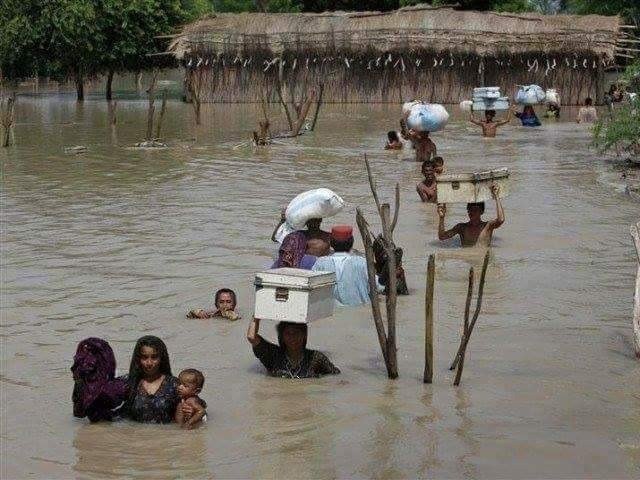
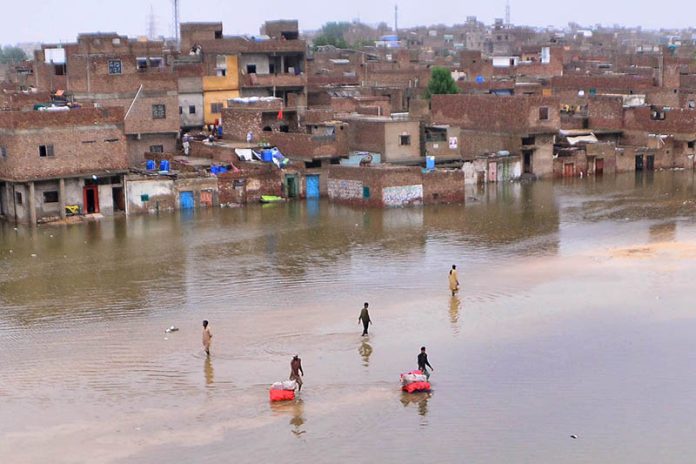
    People in flood effected regions moving to safer grounds. Pakistan has been lashed by rain over the past month and the country is seeking foreign aid.
    Climate change minister speaks up

    Speaking on the occasion, foreign diplomats expressed condolences and sympathies to the people and the government of Pakistan on the loss of precious lives and damage to infrastructure in the disaster.

    They assured the Government of Pakistan of their respective governments’ continued support to meet the requirements of the rescue and relief operations across the country.

    Addressing the meeting of the National Assembly Standing Committee on Climate Change earlier in the day, Minister for Climate Change Sherry Rehman said that the abnormal monsoon torrential rains caused the heaviest floods in the country’s history.

    She said the situation was bad as rains has not been taking any breaks with up to 1,100 millimetres rains in many disaster-hit areas, adding, “30 districts of Sindh have been submerged and this committee should take notice of that.”

    On Thursday, Rehman had expressed the need for international aid agencies to provide Pakistan further support for providing relief and rebuilding infrastructure destroyed by the floods.

    She said it was now time for donors and the world to support Pakistan, and in this light, asked the media to highlight the plight of flood victims, the rescue and relief efforts, and damages to life and property so that the stakeholders could manage a well-coordinated response with the public support.

    She had said that it was not possible for a government or a province to solely handle such massive flooding and heavy rains.

    Shocked to The Core: The Bilkis Bano Case 

    Such things are only to be expected as such heinous crimes are being committed with unfailing regularity and the culprits walking free with equally unfailing regularity. For this to change, it must be ensured that such criminals are not allowed to walk free to commit further crimes.

    The Gujarat riots of 2002 haunts all sane people to this day. Twenty years after the riots, the three-day dance of death mostly targeted at one particular community still makes us wonder how people can be so inhuman. The initial mayhem was followed by more violence against the minority community in the state for about a year in places including Ahmedabad. The riots left more than one thousand dead, close to 800 of who were of the targeted community.

    What has shocked the nation to the core is that justice has been elusive. This has been highlighted yet again recently with the rapists of Bilkis Bano walking free. The irony is that they were released even as India was celebrating 75 years of Independence, giving a very sinister twist to the meaning of independence. No matter what the circumstances, should these people walk out of jail. They caught a hapless woman and gangraped her as she fled her village fearing violence and also killed her three-and-a-half-year old daughter by smashing her head with a stone. Of the 17 people who were fleeing Radhikpur village in Dahod district of Gujarat, eight were killed, while Bilkis Bano and two others were alive. The other six were missing. The Independence that the nation celebrates is not meant to free those who have committed heinous crimes. Independence Day marks the country’s freedom from British rule and the beginning of a chapter where we, the citizens of India, come together to ensure a brighter future where all of us live as one. To quote a line from John Lennon’s Imagine, “Imagine all the people living life in peace…”

    This is the reason that it is shocking that Bilkis Bano is still looking for justice while those accused of raping her, her mother and three other women, brutally killing her daughter, and killing several others not only walk free but are garlanded on their release in the manner of soldiers returning victorious from war.

    Justice for Bilkis Bano and what remains of her family was doomed from the very beginning, though there was a ray of hope after some time. The then 21-year-old, who was unconscious for several hours after the attack, reached Limkheda police station in Dahod on regaining consciousness and filed a complaint with head constable Somabhai Gori. This is the first instance of the tragedy getting compounded. Gori, it was later found, distorted the complaint and suppressed crucial facts.

    The second indicator that justice would be elusive was that the gangrape victim was taken for medical examination only after she reached the Godhra relief camp. Immense crucial time was lost in this manner and that would have impacted the investigation.

    The other clincher that people were going all out to subvert justice was that the Central Bureau of Investigation, when it examined the case, found that none of the bodies of the people who were killed in the ghastly attack on the hapless group had skulls. It concluded that the post mortem and investigation had been conducted shoddily.

    However, one person who was part of the Gujarat government panel that decided on the remission of the 11 men found guilty in the case takes the cake, indeed the whole bakery. This person, a member of the Legislative Assembly from the ruling party in the state has reportedly said that the panel had been told by the jailer that the behaviour of the 11 convicts was good. He is also reported to have said that these people are men with values as they belong to a particular community. These are the reasons that this MLA gives for the panel having decided on the remission of the sentences of these rapists and murderers.

    If such reasoning is not offensive to people’s sensitivities, nothing would be. However, such things are only to be expected as such heinous crimes are being committed with unfailing regularity and the culprits walking free with equally unfailing regularity. For this to change, it must be ensured that such criminals are not allowed to walk free to commit further crimes. Only then can people live “life in peace”.


    The author is a senior journalist who has chosen to write under the pen name Gypsy Scholar.


    Image: This is a representative image.

    Chinese Fleet Threatens Latin America’s Fish Stocks

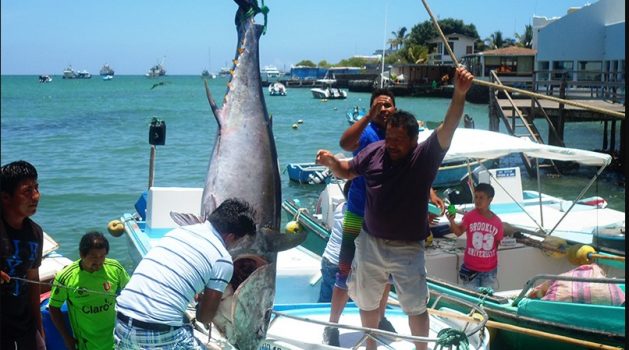
    Only artisanal fishing is allowed in the waters surrounding the Galapagos Islands, where it is possible to catch large, valuable fish. The area is a marine reserve, a nursery of species for the eastern Pacific and is off-limits to industrial fishing. But its continental shelf is increasingly under siege by the Chinese fleet.

    By Humberto Márquez

    Illegal and excessive fishing, mainly attributed to Chinese fleets, remains a threat to marine resources in the eastern Pacific and southwest Atlantic, as well as to that sector of the economy in Latin American countries bathed by either ocean.

    Worldwide, “one out of every five fish consumed has been caught illegally, 20 per cent of the nearly 100 million tons of fish consumed each year, and generally in areas closed to fishing,” says veteran Venezuelan oceanographer Juan José Cárdenas.

    An emblematic case, said the researcher from the Simón Bolívar University in Caracas, is the Galapagos Islands, 1,000 kilometres west of the coast of Ecuador, surrounded by a 193,000-square-kilometer protected marine area, a hotbed of species in great demand for human consumption.

    Galapagos, an archipelago totalling 8,000 square kilometres, is famous for its unique biodiversity and as a natural laboratory used by the English naturalist Charles Darwin (1809-1882) for his theories on evolution.

    The Ecuadorian Navy indicated that in June they maintained surveillance of 180 foreign vessels, including fishing boats, tankers and reefers, fishing near the 200 nautical mile (370 kilometres) limit of the Galapagos Exclusive Economic Zone (EEZ), also known as the continental shelf.

    In 2017, 297 vessels were detected, 300 in 2018, 245 in 2019, and 350 in 2020. At the beginning of each summer they fish off Ecuador and Peru, then off of Chile, before crossing the Strait of Magellan and heading up the southwest Atlantic off Argentina, Uruguay and Brazil.

    In the Pacific they have fished intensively for giant squid (Dosidicus gigas). According to the satellite tracking platform Global Fishing Watch, 615 vessels did so in 2021, 584 of which were Chinese.

    Alfonso Miranda, president of the Committee for the Sustainable Management of the South Pacific Giant Squid (CALAMASUR), made up of businesspersons and fishers from Chile, Ecuador, Mexico and Peru, said that this year 631 Chinese-flagged vessels have entered Ecuadorian and Peruvian Pacific waters.

    Miranda says that Peruvian fishermen report incursions by Chinese ships in Peru’s EEZ, and he does the math: if Peruvian squid production reaches 500,000 tons, with revenues of 860 million dollars a year, some 50,000 tons taken by the foreign fleet means the loss of 85 million dollars a year.

    Accumulated problems

    Cárdenas the oceanographer pointed out that the area is rich in tuna, of which more than 600,000 tons are caught annually (10 per cent of the world total), but posing a serious threat to sustainability, for example with the use of fish aggregating devices or FADs that alter even the migratory habits of this species.

    According to the Food and Agriculture Organization (FAO), 34 per cent of tuna stocks in the seven most widely used tuna species are exploited at biologically unsustainable levels.

    For several species in the eastern Pacific, including some whose fishing is banned such as sharks, “we are already at the edge of the environmental precipice with legal fishing; a small additional fishing effort, illegal fishing, is enough to affect the sustainability and food security that these species provide,” said Cárdenas.

    Pedro Díaz, a fisherman in northern Peru, told the Diálogo Chino news platform in the port of Paita that “we don’t just want to fish and catch. We want to allow the giant squid to breed and grow so that it can generate employment and foreign currency for the State.

    “We also want the giant squid to have a sustainable season, and what will those who come after us, the young people who take up fishing, find?” he added.

    FAO fisheries officer Alicia Mosteiro Cabanelas told from the U.N. agency’s regional headquarters in Santiago, Chile that “it is not always possible to measure the impact of a given fleet operating in areas adjacent to the exclusive economic zone of coastal nations.”

    This is because “there is not always a stock assessment of the target species, nor is there information available on retained, discarded and incidental catch, or on the number of vessels authorized to operate by the respective flag States and unauthorized vessels.”

    Mosteiro Cabanelas noted that “overfishing always has a direct impact on the sustainability of resources, generating a decrease in income for the fishing sector and in the availability of fishery products for local communities and consumers in general. Latin America is no exception.”

    And for FAO it is clear that “illegal, unreported and unregulated (IUU) fishing is a global problem that compromises the conservation and sustainable use of fishery resources,” said the expert.

    It also “harms fishers’ livelihoods and related activities, and aggravates malnutrition, poverty and food insecurity.”

    Fish aggregating devices
    Fish aggregating devices or FADs are used in the eastern Pacific to facilitate and increase tuna catches, aggravating the threat of overfishing and even posing a risk of altering the migratory habits of the species. CREDIT: WWF

    The media in coastal countries also report that fishers in Latin America – citing cases from Brazil, Chile and Mexico – are violating bans and extracting valuable species whose fishing is not permitted. Ecuadorians have exported large quantities of shark fins, after declaring the sharks as bycatch.

    Shark fins are highly sought after in places like Hong Kong – where shark fin soup can cost up to 200 dollars – and the World Wildlife Fund (WWF) estimates the global trade in shark and ray meat at 2.6 billion dollars.

    Keeping an eye on poachers

    Last year, some 350 Chinese-flagged vessels fished during the first half of the year off Argentina’s territorial waters, where there is a wealth of another kind of squid, the Argentine shortfin squid (Illex argentines), as well as Argentine hake, prawns and other prized species.

    It is a fleet that, according to Argentine ship captains, commits IUU with unreported trans-shipments that camouflage illegal fishing, transferring fish between vessels and turning off the transponders that indicate the ships’ location.

    A report published in June by Oceana, an international non-governmental organization that tracks IUU fishing, claimed that more than 400 Chinese-flagged vessels fished for about 621,000 hours along the Argentine EEZ between 2018 and 2021, and disappeared from tracking systems more than 4,000 times.

    The Argentine government has reported that, in contrast to the 400,000 tons per year of Argentine shortfin squid that landed in its ports at the end of the 20th century, since 2015 less than 100,000 tons per year are caught, with just 60,000 in 2016.

    Argentine Navy surveillance Chinese fishing vessel
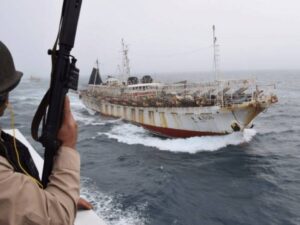
    The Argentine Navy carries out surveillance of a Chinese fishing vessel at the limits of the country’s Exclusive Economic Zone, which is rich in squid, hake and prawns. CREDIT: Argentine Naval Prefecture

    Industry reports in the local media indicate that foreign vessels (Chinese, South Korean, Taiwanese or Spanish) have caught up to 500,000 tons of squid annually, near or within its EEZ – a volume that can represent between five and 14 billion dollars a year.

    And the problem is not only seen in Argentina: last Jul. 4, the Uruguayan Navy captured in its territorial waters, 280 kilometers from the Punta del Este beach resort, a Chinese-flagged vessel, the “Lu Rong Yuan Yu 606”, dedicated to squid fishing, which was apparently fishing furtively at night in that area.

    As the holds were empty, it could not be established with certainty that it was fishing in the Uruguayan EEZ, and the ship was released after payment of a fine for contravening other navigation regulations.

    There was no repeat of the 2017 experience in Ecuador with the “Fu Yuan Yu Leng 999”, a vessel that functioned as a large refrigerator to store the catch of other vessels, which was operating illegally in the Galapagos Marine Reserve.

    About 500 tons of fish, including vulnerable and protected species, were found on the ship, especially some 6,000 hammerhead sharks.

    The Ecuadorian justice system handed prison sentences to the captain of the ship and three crew members for the crime of fishing for protected species, and fined them 6.1 million dollars. As the payment was not made, the vessel became the property of the Ecuadorian Navy.

    China has formally banned its fleet from operating in prohibited waters and warned captains that it will withdraw licenses from those who violate these rules, and President Xi Jinping gave assurances to that effect to his Ecuadorian counterpart Guillermo Lasso when the latter visited Beijing in February.

    Far from the shores of Latin America, on May 24 in Tokyo, Australian Prime Minister Anthony Albanese, U.S. President Joe Biden, Prime Minister Narendra Modi of India, and Japanese Prime Minister Fumio Kishida, of the Quadrilateral Security Dialogue (QSD) bloc, agreed on new surveillance mechanisms for the Chinese fishing fleet.

    At the same time, Washington is working with countries such as Colombia, Costa Rica, Ecuador, Mexico and Panama on agreements to help monitor the Chinese fleet, the largest in the world, which has 17,000 ships catching 15 million tons a year in the world’s seas.

    The U.S. initiative is part of its renewed global confrontation with the Asian giant, the so-called new cold war.

    This piece has been sourced from Inter Press Service.

    Pakistan Needs International Aid to Deliver Flood Relief

    The Prime Minister’s Relief Fund account is active to accept donations for disaster-hit masses whereas tents have been ordered by the NDMA and the provincial disaster management authorities.

    Pakistan’s minister for climate change, Sherry Rehman on Thursday said Pakistan was going through a climate-induced humanitarian disaster. She was referring to the unprecedented floods following monsoon rains over the past two months across the country.

    The minister wanted international aid agencies to provide Pakistan further support for the flood-hit country. She said it was now time for donors and the world to support Pakistan, and in this light, asked the media to highlight the plight of flood victims, the rescue and relief efforts, and damages to life and property so that the stakeholders could manage a well-coordinated response with the public support.

    “Almost 30 million people are without shelter, thousands of them displaced and have no food,” she said. “As needs assessment is underway and will be completed soon, which will help in approaching donor agencies for relief and rescue as the crisis has surpassed the capacity of the government.”

    The minister was addressing a press conference where she said that the country had so far received average 166 millimetres of rainfall during August, 241 per cent above normal, whereas its southern parts particularly Sindh, got 784 per cent more than normal average rain of the season.

    The met office statistics were startling, she said, adding the flash floods caused by massive rains had swept away bridges and communication infrastructure in various areas of the provinces.

    Pakistan floods climate change

    The minister underlined that there was forecast of extended monsoon activity in September, which was again alarming one. The current deluge in the Indus River was even more than the super flood of 2010, she remarked.

    She reiterated that it was not possible for a government or a province to solely handle such massive flooding and heavy rains.

    “The Prime Minister’s Relief Fund account is active to accept donations for disaster-hit masses whereas tents have been ordered by the NDMA and the provincial disaster management authorities. The prime minister has also opened a war room at the NDMA to spearhead and monitor rescue and relief efforts.”

    Some 913 people had perished in flood-related incidents. Many among the deaths were children from the north-western province of Khyber Pakhtunkhwa.

    Emergency Credit Guarantee Scheme Saved 1.5 Crore Jobs During Pandemic: Prime Minister Modi

    The government is abolishing laws from the period of slavery and labour laws are being simplified, the Prime Minister said, adding that 29 labour laws have been converted into four simple labour codes to ensure the empowerment of workers via minimum wages, job security, social security, and health security.

    Addressing the national conference of labour ministers of all states and union territories via video conferencing today, Prime Minister Narendra Modi emphasised that India’s labour force has a huge role to play in realizing India’s dreams and aspirations to build a developed nation in the Amrit Kaal.

    Prime Minister Modi reiterated various government initiatives, including the Pradhan Mantri Shram-Yogi Maandhan Yojana, Pradhan Mantri Suraksha Bima Yojana and the Pradhan Mantri Jeevan Jyoti Bima Yojana meant to provide security cover to workers. These schemes have assured the labourers of the recognition of their hard work and contribution.

    The Prime Minister said that, “the emergency credit guarantee scheme, according to a study, saved 1.5 crore jobs during the pandemic.” He added, “We are seeing that just as the country supported its workers in their time of need, in the same way, the workers have put their full strength into recovering from this epidemic.”

    The Prime Minister credited workers for India once again attaining the position of the fastest growing economy in the world.

    “A lot of credit goes to our workers for making India one of the fastest growing countries once again,” he said.

    Simplifying labour laws

    He pointed out that the e-Shram portal is one of the key initiatives to bring the labour force into the ambit of social security. In just one year, about 28 crore workers from 400 areas have been registered on the portal. This has especially benefited construction workers, migrant labourers, and domestic workers. He requested all the ministers to integrate state portals with the e-Shram portal.

    While highlighting the role of construction workers, the Prime Minister lamented that the ‘cess’ meant for their welfare has not been used to the fullest. “I have been told that out of this cess, about Rs 38,000 crore has still not been utilized by the states,” he said, urging authorities to pay attention to how ESIC together with the Ayushman Bharat scheme can benefit workers.

    He further added that over the last eight years, the government has taken the initiative to abolish the laws from the period of slavery that reflect a mentality of slavery. “The country is now changing, reforming, simplifying such labour laws.”, the Prime Minister said. “With this in mind, 29 labour laws have been converted into four simple labour codes”. This will ensure the empowerment of workers via minimum wages, job security, social security, and health security, he added.

    Women power

    The Prime Minister reiterated the need to change as per the changing scenario. He emphasised the need to take full advantage of the fourth industrial revolution by taking quick decisions and implementing them rapidly. In the light of platform and gig economy and online facilities, Narendra Modi stressed the need to be alive towards the emerging dimensions of work. “Right policies and efforts in this area will help in making India a global leader”, he said.

    Reiterating that the future needs flexible workplaces, a work-from-home ecosystem, and flexible work hours, he said that systems like flexible workplaces can be used as opportunities for women’s labour force participation.

    Recalling his address to the nation on the 15 August from the ramparts of the Red Fort, he said that he has called for the full participation of the nation’s women power. He added, “By making the right use of women power, India can achieve its goals faster.”

    He also emphasised the need to think in the direction of what can be done for women in the newly emerging sectors in the country.

    Dwelling on India’s demographic dividend, Prime Minister Modi said, “We can take advantage of global opportunities by creating a high-quality skilled workforce.” He also highlighted that India is set to sign migration and mobility partnership agreements with many countries and urged all the states to take advantage of these opportunities. “We have to increase our efforts, learn from each other”, he said.


    Image: Hippopx.