More

    The World Owes the Rohingyas their Right to Human Dignity

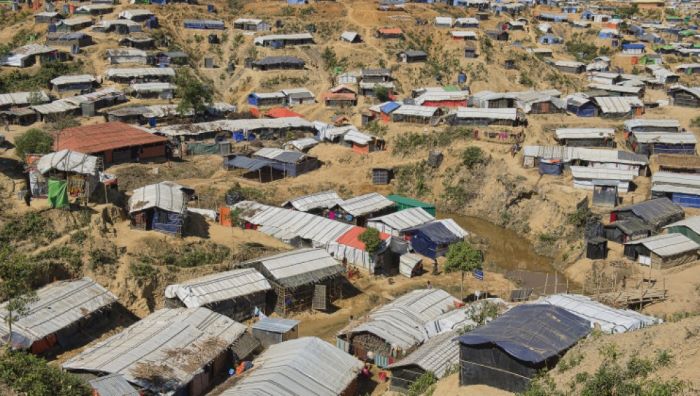
    For the hundreds and thousands of Rohingya refugees who entered southern Bangladesh through beaches and paddy fields in 2017, “they brought with them accounts of the unspeakable violence and brutality that had forced them to flee.”

    By Sania Farooqui

    It has been five years since the forced exodus of the Rohingyas from Myanmar, and their plea for justice and accountability continues.

    On August 25, 2017, “Myanmar military began a sweeping campaign of massacres, rape, and arson in northern Rakhine State”, said Human Rights Watch in its latest report, Myanmar: No Justice, No Freedom for Rohingya 5 Years On: Anniversary of Atrocities Highlights International Inaction.

    Today, this day is marked as Rohingya Genocide Remembrance Day, the day that forced almost 750,000 Rohingyas to flee to Bangladesh, while about 600,000 remain under “oppressive rule” in Myanmar.

    “No one has been held accountable for the crimes against humanity and acts of genocide committed against the Rohingya population. This anniversary should prompt concerned governments to take concrete action to hold the Myanmar military to account and secure justice and safety for the Rohingya in Bangladesh, Myanmar, and across the region,” the report said.

    For the hundreds and thousands of Rohingya refugees who entered southern Bangladesh through beaches and paddy fields in 2017, “they brought with them accounts of the unspeakable violence and brutality that had forced them to flee,” UNICEF said in this report.

    Tortured. Gang-raped

    Dr Mohsina Chaklader, a doctor with Humanity Auxilium, in an exclusive interview with IPS, said: “Rohingya refugees arrived with physical and mental trauma that were directly attributable to the offenses from the Myanmar army – which includes physical violence, deaths of loved ones, many days of journey with no food.”

    Humanity Auxilium is a health-based NGO that provides health care and training to the world’s most marginalized communities. Chaklader said she treated visible wounds and deep psychological trauma.

    “The conditions I witnessed included fractures, deep wounds, malnutrition, infections, and post-traumatic stress disorders. Rohingya women and girls comprised more than 50 percent of the population that came to these camps. They faced unique challenges as many were tortured and gang-raped during the genocide, and many gave birth to children as a result of those rapes. These victims were also rejected by their husbands due to the rape and assault. These days women are worried about the future of their children who are born in these camps.”

    While there have been improvements, the Rohingya refugees’ conditions are still dire.

    “From my very recent visits, I saw greater structural organization, but camps still continue to lack infrastructure – proper drainage systems, toilets, safe, clean water supply, and mudslides across the camps hinder mobility. The challenges are still enormous. Medical care is not sufficient to meet the demands of a population living in cramped and unhealthy conditions,” Chaklader said.

    About half a million Rohingya refugee children are exiled from their home country. Many born into this limbo today have little access to education.

    No legal identity

    According to a study by the Norwegian Refugee Council, approximately 96 percent of surveyed youth aged 18 to 24 are currently unemployed, and 9 out of 10 aged 18-24 are in debt, having borrowed money within the last six months. Ninety-nine percent of women aged 18 to 24 are unemployed.

    “In the absence of a political solution and resettlement of refugees in third countries, it will be important to develop economic self-sufficiency within the camps,” says Chaklader.

    “While Bangladesh has been generous in receiving the refugees, the government can do more to provide educational and economic opportunities to the people in the refugee camps. Bangladesh, being a developing country, needs more urgent cooperation and funding from the international community in order to deliver to the needs of the refugees,” said Chaklader

    Earlier this year, UN High Commissioner for Human Rights Michelle Bachelet met with religious leaders and women and visited camps in Cox’s Bazar housing Rohingya refugees during her first visit to Bangladesh.

    The High Commissioner reiterated the importance of ensuring that “safe and sustainable conditions exist for any returns and that they be conducted in a voluntary and dignified way. The UN is doing the best we can to support them, we will continue doing that, but we also need to deal with the profound roots of the problem. We need to deal with that and ensure that they can go back to Myanmar –  when there are conditions for safety and voluntary return”.

    In Myanmar, however, most Rohingyas have no legal identity or citizenship, and statelessness remains a significant concern. Rohingya children in Rakhine State, meanwhile, “have been hemmed in by violence, forced displacement and restrictions on freedom of movement”.

    Looming evidence

    Until the conditions are in place in Myanmar that would allow Rohingya families to return, they continue to remain refugees or internally displaced persons living in overcrowded and sometimes dangerous conditions.

    With looming evidence of human rights violations committed by Myanmar security forces against ethnic minorities in Myanmar, in November 2019, the Gambia initiated proceedings against Myanmar based on the Genocide Convention, invoking state responsibility for Myanmar’s self-described “clearance operations” in 2016 and 2017 against the Rohingya, an ethnic Muslim minority in Myanmar.

    Based on this application filed in the International Court of Justice (ICJ), in 2020, the court issued a provisional measures order pursuant to Article 41 of the ICJ Statute ordering Myanmar to prevent the commission of genocidal acts; to ensure its military, police, or any other irregular force supported or directed by it or under its control not commit genocidal acts, and to submit a status report every six months until a final judgment by the Court.

    In February 2022, court hearings were held to consider Myanmar’s objections to the jurisdiction of the ICJ and the admissibility of the case filed in January 2021. The court rejected Myanmar’s four contentions prima facie in the 2020 provisional measures order.

    Welcoming the progress at the ICJ despite concerns regarding the military representing Myanmar at the ICJ, Asia Justice Coalition, in a press statement, said: “The case provides an opportunity to see the junta respond to allegations of genocide before an international legal forum and to fight against entrenched impunity in Myanmar. The proceedings before the ICJ are a significant means to hold Myanmar accountable for the mass atrocities against Rohingya.”

    Crimes against humanity

    Garnering some momentum for justice and to end the rampant culture of impunity in Myanmar, in March 2022, the United States government formally determined that the Myanmar military committed crimes of genocide and crimes against humanity against ethnic Rohingya Muslims in Rakhine State.

    While human rights groups have welcomed these efforts, there is still a rising concern about the migrant flow into South Asian and Southeast Asian countries, as these regions continue to see an increase either in anti-Muslimism, anti-refugee, or uneven refugee protection sentiments. It would also be necessary for governments to adhere to international conventions regarding refugees when addressing these ongoing migration and mass humanitarian crises.

    With Myanmar’s unstable state since the military seized power in February 2021, conditions for safe repatriation to this region are not yet an option. On the fifth anniversary of the Rohingya Genocide Remembrance Day, any further delay in international justice processes for genocide, reporting of gross human rights violations, or lack of the much-needed humanitarian support from neighbouring countries, funding, and international community support, we are only going to continue prolonging the plight of the most persecuted minority in the world.

    They have already lost their homes, they have been unable to claim citizenship in a country as it refuses to recognize them, are living in camps, fleeing on boats, and have been beaten, raped, abused, displaced, and many killed. In any international legal discourse, human dignity always performs a central role. It is time the world gives the Rohingya the one thing that has been stripped off them: their right to human dignity.


    This piece has been sourced from Inter Press Service
    Afghan Refugees, Medical Visitors Bemoan Treatment in Pakistan

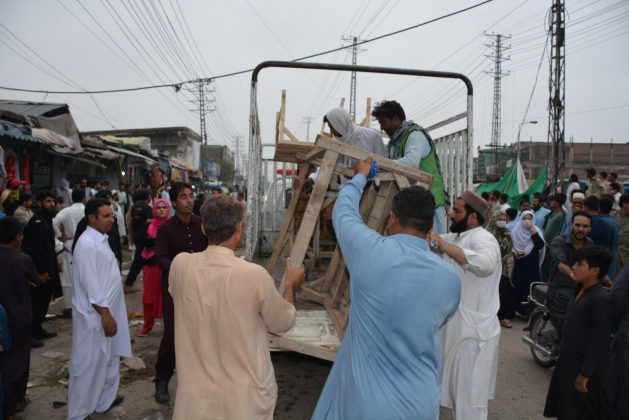
    Many Afghans prefer to visit Peshawar to seek treatment in private hospitals as facilities in Afghanistan don’t offer quality treatment. Afghans living in Pakistan and those seeking treatment and who want to visit Pakistan aren’t satisfied with how they are handled at the border and in the country.

    By Ashfaq Yusufzai

    Afghan refugees living in Pakistan face a host of problems, ranging from seeking medical treatment to shelter, business, police harassment and violence. Many of those affected have been there for four decades.

    “Whenever we go to the local hospitals for treatment, we don’t get good services. As a result, we bank on unqualified doctors who charge a lower fee, but the treatment they provide us isn’t up to the mark,” said Jamila Bibi, 48. She lives in the Khyber district near the Torkham border with Afghanistan.

    Bibi says she developed a gynaecological problem, but the local hospital denied her treatment.

    “Later, we took a loan from our relative and went to a private hospital, but my condition had worsened. Doctors removed my uterus and sent a specimen to exclude cancer as the cause of the complications,” the bed-ridden mother of three said.

    Most wealthy Afghans prefer to visit Peshawar, the capital of Khyber Pakhtunkhwa, one of Pakistan’s four provinces, to seek treatment in private hospitals. Many facilities in their home country don’t offer quality treatment because of ongoing conflicts that have plagued the area since 1979.

    Afghans living in Pakistan and those seeking treatment and who want to visit Pakistan aren’t satisfied with how they are handled at the border and in the country.

    “We reached the border on June 15 to undergo surgery for bilateral kidney stones in Peshawar, but the police kept us waiting for three days. When they cleared our documents and we reached the hospital, we were told that both (of my wife’s) kidneys had been infected and we had to stay for a month to cure the infection,” Muhammad Sattar, a Kabul resident, said.

    Sattar, a carpet dealer, says doctors said his wife could have been operated on sooner had she arrived earlier, preventing the spread of the infection.

    No other option

    Dr Umar Amir, who deals with Afghan patients at the border, said that on an average day, 120 patients were allowed to come to Pakistan after checking their medical documents. “There is no delay in processing their documents,” he told IPS.

    Pakistan is home to 3.3 million registered refugees, most of who arrived after the Soviet Union’s invasion in 1979.

    “One million (32 per cent reside in 54 refugees village, and 68 per cent in urban areas across Pakistan,” UNHCR’s spokesman Qaisar Khan Afridi told IPS. In addition to its dedicated refugee programmes, UNHCR has been supporting the Refugee Affected and Hosting Areas (RAHA) initiative, which aims to mitigate the impact of the protracted refugee presence and promote social cohesion between Afghan refugees and their Pakistani host communities.

    Since its launch in 2009, the programme has helped over 12 million people (85 per cent of beneficiaries are Pakistanis) across the country through some 4,300 projects worth more than USD 200 million.

    Through RAHA, UNHCR has been strengthening the capacity of existing government hospitals and educational institutes.

    “We don’t have any option except staying in Pakistan as Afghanistan is in ruins. We cannot go back due to extreme violence, lawlessness, and lack of economic activities,” said Muhammad Suhail (34). A scrap collector in Peshawar’s Karkhano Bazzar (Industrial Market), he says they were looked down upon by host communities.

    Most of the refugees do odd jobs. He said they work as vendors, in tandoors (bread baking), rickshaw-driving, fruit, and vegetable-selling.

    Hostility. Difficulties

    Only a few wealthy refugees, who own shops dealing in gold, crockery, grocery, cloth and general stores, are happy, and they even send money back home to support their relatives.

    “We arrived here in 1988 and have a well-established business of cloth. We have employed 33 Afghans and have no issues with local police and host community,” Said Rehman (62) said. “My three sons and two daughters are married, and their children study in Pakistani educational institutions on seats allocated for Afghan refugees.”

    Rehman disagreed with the impression that Pakistani were hostile towards Afghans. “Some residents were friendly, and others weren’t, but can we blame all the local people for disrupting the Afghan’s lives? Many of our relatives have married local men and women,” he said.

    In Refugees Bazaar in Peshawar, Afghans say they face harassment from municipal authorities.

    “Every day, the officials come and arrest our shopkeepers, which has badly harmed our businesses,” Ghulam Rasool, a cloth merchant, told IPS. Afghans own 95 percent of the shops at the bazaar which specialise in Afghan cultural goods.

    “We purchase clothes from the market and get them stitched in Afghan style. We feel convenient in negotiating prices with the Afghan shopkeepers selling cosmetics, foot wears, fruits, meats and so on,” Shaheen Begum, a house woman, told IPS.

    “In Pakistani shops, we face difficulties due to language barriers,” she said. “We often find the market closed due to raids by local authorities.”

    Municipal officer Javid Khan said that many Afghan shopkeepers and vendors encroach on roads and were arrested for violating the laws. But the vendors were freed when they assured the authorities they would abide by the regulations.


    This piece has been sourced from the Inter Press Service.

    R&D in Agriculture and Food Declining, Experts Say

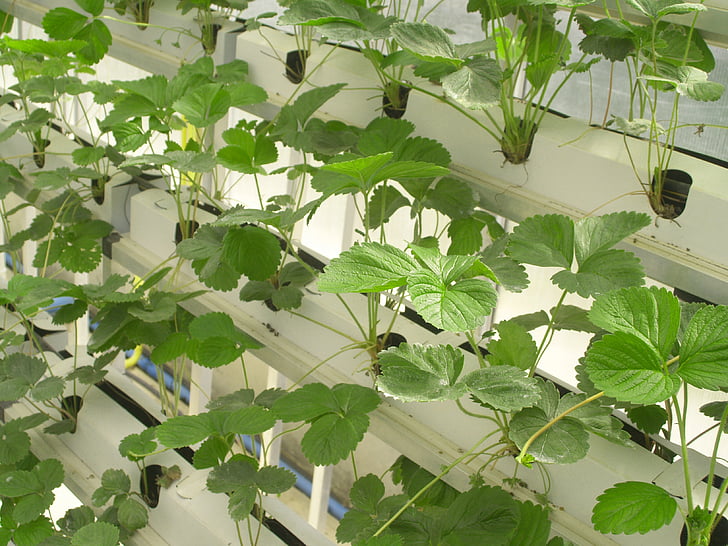
    Experts are concerned that R&D investments in food and agriculture are declining, even as interesting patterns appear to mark the investments. The Asia Pacific region now accounts for almost half of world spending on agri-food research and development while China accounts for around 23 per cent of global agri-food R&D spending.

    By Neena Bhandari

    Investments in agriculture and food research are declining at a time when these sectors are facing significant risks arising from climate change, biodiversity loss and the spread of pests and diseases that affect plants, animals and humans, an international conference heard.

    “As a single and sobering example of the shift in investment in agricultural research, the spending of CGIAR, the world’s largest global agricultural innovation network, has declined in inflation-adjusted terms by almost 40 per cent since 2014,” said Philip Pardey, co-director of the GEMS agro-informatics initiative and director of global research strategy at the University of Minnesota’s College of Food, Agricultural and Natural Resource Sciences.

    Speaking at The Crawford Fund annual conference held in Canberra, Australia on 15 and 16 August, Pardey said that all available evidence supports a doubling of agri-food R&D spending. “For every dollar invested in agricultural R&D, there is a return of US$10 in social benefit, and this level of return has been consistent over many years,” he said. “Yet, agri-food R&D spending is a declining share of total R&D spending.”

    A concerning trend, he pointed out, is that just 10 countries account for almost two thirds of the total food and agriculture R&D spending worldwide.

    Pardey noted that currently, on average, only three per cent of the total R&D spent in high-income countries is directed towards agriculture, whereas about a fifth of the total R&D spending in low-income countries is focused on food. The geography of food and agriculture R&D, just like the geography of agricultural production, has shifted heavily over the Asia Pacific region.

    Private funding for R&D

    “The Asia Pacific region [including developed and developing countries], now accounts for almost half the world’s spending on agri-food R&D,” Pardey said. “China is now outspending the US in both public and private agri-food R&D, accounting for around 23 per cent of global agri-food R&D spending.

    “In terms of sharing knowledge, the private sector now outspends the public sector in agri-food R&D worldwide, at a time when almost 90 per cent of the research in the low-income countries still takes place within the public sector. This has really big implications for how public policy is formulated and how public research is done in terms of its potential.”

    For the research to translate into evidence-based policy decisions that would benefit all stakeholders, Regina Bi Nukundj, senior food security policy officer in Papua New Guinea’s  Department of Agriculture and Livestock, suggested including policy officers during the design phase of a research project.

    “We have a lot of funding poured into doing the research projects. The collaboration, objectives and outcome of the research is very good, but it is limited to the research panels or the capacity building of individual researchers in the country,” Nukundj said.

    Factors important for the success of collaborative projects in the Asia Pacific region are, first, the quality of collaboration with partners and, secondly, the ownership of the beneficiary, said Ravi Khetarpal, executive secretary of the Asia Pacific Association of Agricultural Research Institutions and chair of The Global Forum on Agricultural Research and Innovation.

    Speakers stressed the need for more, better and sustained investment in agricultural research to realise its full potential. Kylie Walker, CEO at the Australian Academy of Technology and Engineering, said: “There is no reason why we cannot commit to 10- or 20-year research programmes and give that stability to our system.

    Social benefits from agri research

    “We’re losing so many excellent people because they don’t have the job security. They’re spending up to a third of their working year applying for grants and justifying their existence.”

    Agricultural research brings a whole range of social benefits — including improving equity for women and ethnic minorities, developing more diverse and resilient production systems that benefit the natural environment, improving nutrition. This should motivate governments to support it, said Jenny Gordon, former chief economist at Australia’s Department of Foreign Affairs and Trade.

    Emphasising the benefits of research for development, Jean Balié, CGIAR regional director for South-East Asia and the Pacific and director-general of the International Rice Research Institute, said that while the Green Revolution [of the 1950s and 60s] was characterised by producing cheap and abundant food, the goal now should shift to delivering nutritious, diversified food from sustainable ecosystems.

    Underscoring the critical importance of weaving traditional knowledge of Pacific Island countries with modern science and technology, Audrey Aumua, member of the policy advisory council of the Australian Centre for International Agricultural Research and chief of the Fred Hollows Foundation, New Zealand, in her keynote address asked, “Why is our aid lagging and our agricultural models outdated?”

    Calling for a broader regional research agenda that not only provides support, but builds capacity for agricultural research, she said: “The uniqueness of our agricultural challenges can and should lead to unique scientific breakthroughs, but these breakthroughs will not happen if our small island nations do not collaborate and receive support from our large regional partners.”


    This piece has been sourced from SciDev.Net.

    Image: Hippopx. Licensed to use under Creative Commons Zero – CC0

    In Nepal, Farmers Are Cutting Paddy to Feed Their Cattle

    Nepal’s Department of Hydrology and Meteorology (DHM) on Wednesday announced that most parts of the country have thus far received below-average rains during this year’s monsoon. Ponds and lakes used by farmers for irrigation too have dried up and farmers have now given up on hope.

    Nepal’s Southern Terrai region, the country’s food bowl, is facing a drought and there is little attention to the needs of desperate farmers as political leaders wrangle over seats they must contest in elections later this year.

    Rupandehi is one such district. It borders the Indian state of Uttar Pradesh. Young men have begun migrating across the border in search for jobs – of which there are few on the Indian side as well.

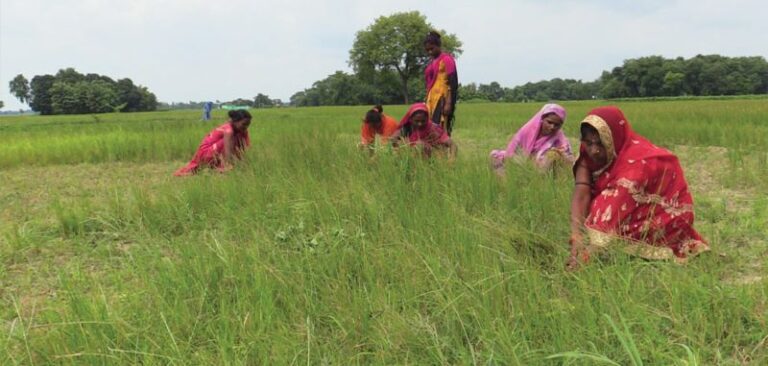
    The yellowing paddy fields have a tale to tell. A tale of the lack of water and no rain in over a month. And, with the monsoon nearing its end and the rains remaining uncertain, farmers of Rupandehi foresee trouble. As a result, the farmers have started cutting the paddy crop so that they can feed their cattle. This is grass, not a harvest. The crop was destined to perish in the drought. They say that this way, the paddy plants can at least be used as fodder for feeding animals.

    Earlier, in absence of timely rains, farmers bought fuel at high prices to water their lands so that they could transplant the paddy. Now the lack of rain has added more problems for the farmers who have been cultivating paddy due to lack of fertiliser and water. Now the fields are cracking up due to lack of rain.

    No hope

    The ponds and lakes used by the farmers for irrigation too have dried up now. The underground water too seems to have vanished and farmers have now given up on spending money on fuel to pump out water from underground boring using pump sets.

    In short, there is no hope of water from anywhere.

    Nepalese daily, The Rising Nepal, quoted farmer Radha Koharang of Rupandehi’s Marchawari block saying this is a drought in the Terai and all hope of seeing the rice crop bear grains have vanished. She explained that this is why her family has started cutting paddy plants to feed the buffaloes.

    “Weeds have grown in the fields with no rains, there is still no likelihood of rain,” she said.  “The crops planted are not useful for us; at least we can feed the buffaloes.”

    Another Marchawari farmer, Ram Naresh Koharang, said that due to the high cost of fuel, they could not irrigate water to the fields.

    He said that the money he had was spent on planting paddy and now it is difficult to manage the expenses of feeding and educating the children.

    Farmers who do not have access to irrigated areas are mostly affected by the drought. Farmers in Marchawari, Dhakdhai and Lumbini blocks have very little access to irrigation and farming in the region is mainly rainfed.

    Awaiting government assistance

    It is double whammy for many of the farmers as they were hit by heavy rains last year. On the other hand, they are facing a drought situation this year.

    According to farmer Duniyapati Yadav, there is no hope of rain and the paddy crop is certain to fail. He demands that the government should declare the district as drought-affected and announce a relief package.

    “I appeal to the federal, province and local governments to declare drought-affected areas and distribute relief,” said Yadav.

    Yadav said that the local government should take initiative in this regard.

    “The local government is a body that understands our problems. So now we should start protecting our people from this immediate problem,” he said.

    According to Rupandehi’s Agriculture Knowledge Centre, around 270,782 tonnes of paddy was produced in the district last year with a productivity rate of 4.2 tonnes per hectare.

    Around 58,337 hectares of land of 82,622 hectares of total cultivable land in Rupandehi is under paddy cultivation this year and only 57,989 hectares have irrigation facilities.

    Anil Baniya, information officer of the Agricultural Knowledge Centre says that the productivity could shrink by 15 per cent this year due to shrinkage in the area of paddy plantation and present drought.

    Nepal’s Department of Hydrology and Meteorology (DHM) on Wednesday announced that most parts of the country have thus far received below-average rains during this year’s monsoon.

    The Madhes Province that covers the Terai region stands out among the regions that saw below-average rains.

    Gender Equality and Women’s Rights Wiped out Under the Taliban

    Afghan women and girls are fighting every day for their right to live free and equal lives. Their fight is our fight. What happens to women and girls in Afghanistan is our global responsibility.

    By Sima Bahous

    In the year that has passed since the Taliban’s takeover in Afghanistan we have seen daily and continuous deterioration in the situation of Afghan women and girls. This has spanned every aspect of their human rights, from living standards to social and political status.

    It has been a year of increasing disrespect for their right to live free and equal lives, denying them opportunity to livelihoods, access to health care and education, and escape from situations of violence.

    The Taliban’s meticulously constructed policies of inequality set Afghanistan apart. It is the only country in the world where girls are banned from going to high school. There are no women in the Taliban’s cabinet, no Ministry of Women’s Affairs, thereby effectively removing women’s right to political participation.

    Women are, for the most part, also restricted from working outside the home, and are required to cover their faces in public and to have a male chaperone when they travel. Furthermore, they continue to be subjected to multiple forms of Gender Based Violence.

    This deliberate slew of measures of discrimination against Afghanistan’s women and girls is also a terrible act of self-sabotage for a country experiencing huge challenges including from climate-related and natural disasters to exposure to global economic headwinds that leave some 25 million Afghan people in poverty and many hungry.

    The exclusion of women from all aspects of life robs the people of Afghanistan of half their talent and energies. It prevents women from leading efforts to build resilient communities and shrinks Afghanistan’s ability to recover from crisis.

    Open schools for all girls

    There is a clear lesson from humanity’s all too extensive experience of crisis. Without the full participation of women and girls in all aspects of public life there is little chance of achieving lasting peace, stability and economic development.

    That is why we urge the de facto authorities to open schools for all girls, to remove constraints on women’s employment and their participation in the politics of their nation, and to revoke all decisions and policies that strip women of their rights. We call for ending all forms of violence against women and girls.

    We urge the de facto authorities to ensure that women journalists, human rights defenders, and civil society actors enjoy freedom of expression, have access to information and can work freely and independently, without fear of reprisal or attack.

    The international community’s support for women’s rights and its investment in women themselves are more important than ever: in services for women, in jobs and women-led businesses, and in women leaders and women’s organizations.

    This includes not only support to the provision of humanitarian assistance but also continued and unceasing efforts at the political level to bring about change.

    UN Women has remained in country throughout this crisis and will continue to do so. We are steadfast in our support to Afghan women and girls alongside our partners and donors.

    We are scaling up the provision of life-saving services for women, by women, to meet overwhelming needs. We are supporting women-led businesses and employment opportunities across all sectors to help lift the country out of poverty.

    Investing in women-led CSOs

    We are also investing in women-led civil society organizations to support the rebuilding of the women’s movement. As everywhere in the world, civil society is a key driver of progress and accountability on women’s rights and gender equality.

    Every day, we advocate for restoring, protecting, and promoting the full spectrum of women’s and girls’ rights. We are also creating spaces for Afghan women themselves to advocate for their right to live free and equal lives.

    One year on, with women’s visibility so diminished and rights so severely impacted, it is vital to direct targeted, substantial, and systematic funding to address and reverse this situation and to facilitate women’s meaningful participation in all stakeholder engagement on Afghanistan, including in delegations that meet with Taliban officials.

    Decades of progress on gender equality and women’s rights have been wiped out in mere months. We must continue to act together, united in our insistence on guarantees of respect for the full spectrum of women’s rights, including to education, work, and participation in public and political life.

    We must continue to make a collective and continuous call on the Taliban leadership to fully comply with the binding obligations under international treaties to which Afghanistan is a party.

    And we must continue to elevate the voices of Afghan women and girls who are fighting every day for their right to live free and equal lives. Their fight is our fight. What happens to women and girls in Afghanistan is our global responsibility.


    This piece has been sourced from Inter Press Service.

    The writer is UN Under-Secretary-General and Executive Director of UN Women.

    Image:   Sayed Bidel / UNICEF

    Women Have Always Trailed Men in Research Output: How COVID Made the Situation Worse

    Academic mothers were caught up in the demands of competing roles. These included teaching online, nurturing vulnerable students, comforting anxious children, taking care of toddlers, and finding time to do research and writing.

    By Cyrill Walters, Armand Bam, and Patrizio Piraino

    The under-representation of women in research is well documented. Emerging evidence suggests that the COVID-19 pandemic has exacerbated this inequality and disrupted the research enterprise globally.

    But none of these studies, mainly from the global north, provide detailed explanations for the scale of this decline.

    Our research offers the first comprehensive study to shed light on the complex reasons for the decline in research during the pandemic-enforced lockdown.

    We surveyed 2,029 women academics drawn from 26 public universities in South Africa. Other studies have shown that there are heightened expectations that women take on the role of primary care giver in families and sacrifice parts of their careers due to this role. Similarly, women in the academy are expected to fulfill this role in caring for students, taking on greater teaching and learning responsibilities compared to men.

    Overall our findings showed that having younger or multiple dependants at various educational stages and the demands of home schooling had a negative impact on the outputs of women academics. Competing roles such as teaching online and caring for students, together with the sharp increase in teaching time, placed a massive burden on female academics. Their research outputs suffered.

    Women also acknowledged the lack of emotional support they got as working academics.

    What we found

    The single most important factor affecting the academic work of female academics appears to be having younger or multiple dependants in the home. Overall, the pandemic has most affected academic work among women with children. Of the respondents in our study, 54 per cent indicated they had children living at home with them.

    From our study, it’s evident that the age and educational stage of the children was a significant contributor to the decline in productivity among female academics. The demands of caring for toddlers and the schools’ expectations of homeschooling took their toll. Academic mothers were caught up in the demands of competing roles. These included teaching online, nurturing vulnerable students, comforting anxious children, taking care of toddlers, and finding time to do research and writing.

    A key finding in our survey was the sharp increase in the demands on teaching time during lockdown. This took up time that female academics would have spent on research. Academics perform many different roles, including teaching, research, grant-proposal writing, administrative duties, and other tasks depending on their rank and discipline. Our survey showed that the distribution of teaching and research was not at all even.

    Our study suggested that the pandemic affected researchers differently according to their disciplines. Those in the “bench sciences”, such as chemistry, biological sciences and biochemistry, were explicit in stating that the closure of laboratories or facilities affected their research productivity. Disciplines that are less lab and equipment-intensive were also affected. But these cases were often related to individual circumstances such as the ability to do fieldwork in particular social science fields.

    Most women (75.1 per cent) indicated that doing their academic work (teaching and research) was “somewhat” to “extremely” difficult during the lockdown. About 16% reported that it was easier. In further analysis of participants who indicated that work was easier, it became evident that these perceptions were correlated to the following factors: having children, and their ages; career stages; commuting conditions; and work arrangements prior to lockdown.

    Overall, a total of 40.5 per cent of the participants indicated they needed much more – or significantly more – emotional support as working academics to cope with the demands of the job. Several respondents expressed feelings of unending exhaustion. This reduced their ability to focus and to be productive. The feeling of despair and a sense of the unfairness of workload distribution was a key theme that emerged from our data.

    The lockdown has had a profound effect on women’s academic productivity – 31.6% reported having made “no progress”. Over a fifth indicated they’d made “some progress” towards completing a significant academic product. This will likely affect the prospects of academics for promotion and advancement.

    Career prospects

    A large number of women in our study (48.1 per cent) indicated that the lockdown would negatively affect their academic career prospects. This points to the need for institutions to track the effects of the pandemic, and provide support.

    Leaders in academic institutions need to be aware that female academic staff view the lockdown as yet another barrier to equity. They also need to consider the effects of the pandemic on career challenges in recruitment and promotion decisions.

    A major theme that emerged was how women academics’ role as nurturers played a critical part in the intersecting functions of caring for their students and their families during the pandemic. Our study showed how the emotional, psychological and educational needs of students drew academic women into extensive nurturing roles, beyond caring for their families. This had a negative impact on academic work.

    It also showed the workings of the symbiotic relationship of giving care (by women academics) and requiring care (by students) in a pandemic. Furthermore, the study highlighted the precarity of academic women’s work under pandemic conditions.

    Going forward

    Although the respondents in this study were based in South Africa, it’s evident from this – and prior research – that the pandemic has had an effect on the academic enterprise globally.

    The pandemic poses a lasting threat to gender equality in academia. We call on institutional leaders, science councils, academic societies and funding bodies to implement policies to mitigate the career risks that female academics encountered during the enforced lockdown.

    It’s not only the introduction of new policies but the attitudes towards those policies that needs attention. Achieving gender equality in the academic enterprise requires institutional commitment, as well as knowledge and competence to achieve organisational change.


    Cyrill Walters, Research fellow, Stellenbosch University; Armand Bam, Head of Social Impact and Senior Lecturer, Business School, Stellenbosch University, and Patrizio Piraino, Economist, University of Notre Dame


    This article is republished from The Conversation under a Creative Commons license. Read the original article.

    Image: Hippopx. Licensed to use under Creative Commons Zero – CC0

    ‘Truly Scary’, Says Climate Change Diseases Study

    58 per cent of diseases made worse by climate change and heatwaves can enhance power of viruses, says a study published in the Nature Climate Change journal. Researchers believe that the warming could release a ‘Pandora’s box’ of ancient diseases frozen under permafrost.

    By Claudia Mazzeo

    Most infectious diseases are getting worse as a result of climate change, according to a study branded “truly scary” and “terrifying” by researchers.

    The study, published on Monday in Nature Climate Change, shows that 58 per cent of infectious diseases have been exacerbated by climate change, including dengue, hepatitis, pneumonia, malaria and Zika.

    The findings come as many regions of the world struggle with droughts and record-breaking heatwaves, and follow the devastating COVID-19 pandemic of 2020-2021.

    “Given the extensive and pervasive consequences of the COVID-19 pandemic, it was truly scary to discover the massive health vulnerability resulting as a consequence of greenhouse gas emissions,” Camilo Mora, lead author of the study, and professor of the Department of Geography and Environment at the University of Hawaii, told SciDev.Net.

    Researchers from the University of Hawaii at Manoa systematically searched through published research for proven cases of infections affected by climate change, such as warming, floods, droughts, storms, natural land cover change and ocean climate change.

    They worked out the impact of diseases by bringing together three previously unrelated factors: what type of agent made people sick – for example was it a bacteria or a virus, how people caught the disease, and any climate change event that could have impacted, such as rainfall, droughts or warming.

    Terrifying to know

    The team reviewed more than 70,000 articles, and from 375 infectious diseases they found 218 that had been exacerbated by climatic change.

    “We knew beforehand that there was a link between climate change and disease caused by pathogens, but our motivation was to quantify that effect, to know how big it was,” Mora said.

    “It was almost a shock to see how the database that we assembled with those connections grew; it is terrifying to know that 58 percent of diseases have the capacity to be affected by climate change.”

    They found rising temperatures increased the area over which disease-causing organisms – often insect-borne – are active, impacting on illnesses like dengue, chikungunya, Lyme disease, West Nile Virus, Zika, trypanosomiasis, echinococcosis, and malaria.

    Virus, Bacteria, dengue, chikungunya, Lyme disease, West Nile Virus, Zika, trypanosomiasis, echinococcosis, malaria

    Pandora’s box

    Genetic analysis of an anthrax outbreak in the Arctic suggests that the bacterial strain may have emerged from an animal carcass unearthed when the frozen ground thawed, and the researchers fear that melting permafrost could open a ‘Pandora’s box’ of ancient diseases.

    They also found that viruses can be enhanced after exposure to heatwaves, as they lowered the effectiveness of the body’s defence mechanism – fever.

    Silvina Goenaga, professor of ecology of zoonoses at the National University of the Northwest of the Province of Buenos Aires, who didn’t participate in the study, said: “The authors highlight that increases in global temperatures generate a geographical expansion of arthropods such as mosquitoes and ticks, which act as vectors [disease carriers] for viral agents, bacteria, and parasites.

    “It is imperative to intensify vector control programmes and vigilance in public healthcare systems.”


    This piece has been sourced from SciDev.Net.

    Image:  Arie Basuki, (CC BY-SA 4.0)

    A Second Chance: Released from Juvenile Detention and Back in School

    Advocates and defenders of child rights are advocating for virtual courts to become a permanent fixture of the justice system. The say that virtual courts create a child-friendly justice system.

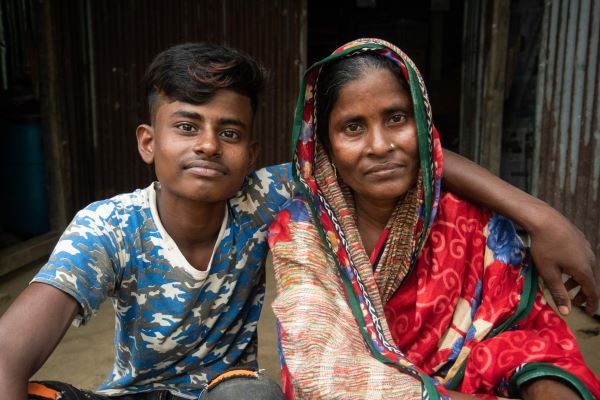
    Mohammad Al-Amin was 14 years old when he was arrested. He had been accused of vandalism and was transferred to a child detention centre in the outskirts of Bangladesh’s capital, Dhaka. He was terrified. Al-Amin had no idea what the conditions would be in a place that was far from his home. He arrived at a noisy facility, that was crowded with other young boys and girls.

    More than 150 kilometres away, in the village of Baniyachang, his mother, Jafura Begum, sat at home and wept. She was fearful of what might happen to her son.

    Al-Amin would go on to spend nine months in detention. He got to know some of the other detained children, who like him, had waited months and sometimes even years to get their cases resolved in court.

    He was eventually released through a virtual court system that had been established by Bangladesh’s Supreme Court. The virtual court system had been introduced in May 2020, as the COVID-19 pandemic had ground regular court proceedings to a halt.

    Over 5,000 children reunited with their families

    The virtual children’s courts were developed to help expedite the backlog of cases involving children. Many had been detained after being accused of minor offences. The courts also helped to alleviate health concerns, with crowded conditions at the detention facilities putting young people at increased risk of contracting COVID-19.

    “When I started seeing that other children were being released, I slowly began hoping that maybe I would be released too,” Al-Amin remembers. “The girls got released first, then we began to see some hope. Very soon, I got released and came home to my mother.”

    Al-Amin recalls receiving the good news at the detention centre where a room had been converted into a makeshift courthouse. There was a video link to the judge and a probation officer in the facility presented the petition of bail.

    Since Bangladesh’s first virtual children’s court was set up, more than 5,000 children have been granted bail and released from detention. The majority have been reunited with their families and so far, only two children have reoffended.

    Call for virtual children’s courts to become permanent

    The virtual courts were suspended in July 2021, after COVID-related restrictions were lifted in Bangladesh. International organisations like the UNICEF are advocating for these courts to become a permanent fixture of the justice system in the country.

    These virtual courts would allow for children to remain in school pending their court hearings. It would also help to avoid the logistical and financial hardships that are often endured when traveling long distances to appear before court in person.

    UNICEF supports detention centres in Bangladesh to manage the release process and is also working with the Department of Social Services in Bangladesh to reunite children with their families, and ensure they’re accompanied on their journeys home. The organisation also helps released children access health care and education services, in addition to legal and psychosocial support. Those are all pivotal in ensuring successful reintegration into society.

    Return to normality and school

    On his release from detention, Al-Amin was assigned a probation officer to take care of the case proceedings, and two social workers to help with his return.

    “Rana bhai and Redwan bhai [the social workers] look after me now and visit me every now and then to see what I am up to – whether I’m studying or not, whether I’m on the right path or not,” he says.

    Al-Amin’s mother, Jafura, received a financial grant to ease her son’s transition home. She invested the money in a tea stall which he helps to run with his uncle.

    As Jafura thinks about her son’s second chance, she reflects: “I pray all the other children stuck in detention centres also get the chance to go back to their parents and loved ones.”


    Image: UNICEF Bangladesh

    Climate Change Conclusion: Time for Bold Action

    Besides displacement and migration of people, climate change’s worsening of air and water quality is expected to contribute to the spread of certain diseases and human illnesses accompanied by increased malnourishment, hunger, and mortality, as well as the deteriorating ecosystems impacting plants and animals.

    By Joseph Chamie

    With climate change bringing about increasing numbers of human deaths and untold suffering, and rising economic, social, and environmental consequences worldwide, it’s time for governments to take bold action to address the climate change emergency.

    Climate scientists have warned that there is only a dozen years for global warming to be kept to a maximum of 1.5 Celsius. Beyond that level, even half a degree, will significantly worsen the risks of drought, floods, extreme heat, and poverty for hundreds of millions of people.

    In November the 27th session of the Conference of the Parties (COP27) to the UN Framework Convention to Climate Change is scheduled to take place in Sharm El-Sheikh, Egypt. Government representatives from some 200 countries and other parties will focus on securing the 1.5°C goal and adapting to the negative impacts of climate change through the implementation of the Paris Agreement provisions.

    At the time of COP27, world population is expected to reach 8,000,000,000. That figure is an increase of more than 2 billion humans on the planet since the first COP conference held in Berlin, Germany, in 1995.

    The 8 billion milestone is double the size of world population in 1974 and quadruple its size in 1927. With the growth of the world’s population, annual CO2 emissions from fossil fuels and industry have grown enormously over the past century, increasing more than nine-fold since 1927 and doubling since 1974.

    Downplayed by governments

    The growth of world population has slowed down from its peak levels in the second half of the 20th century. It continues to increase, currently at about 70 million annually and projected to reach 9 billion by 2037 and 10 billion by 2058.

    If annual CO2 emissions from fossil fuels and industry continue to increase as they have during the past several decades, their annual level of emissions in 2058 when the world’s population is expected to reach 10 billion would be more than 50 per cent higher than it is today, or approximately 60 billion tonnes.

    Up until relatively recently, warnings of a climate change emergency by thousands of scientists have been downplayed by most governments. Frustrated by government responses, many scientists are increasingly feeling like climate change Cassandras.

    Warnings that rising carbon emissions are dangerously heating the earth have been clearly conveyed to governments. In particular, scientists have emphasized that the burning of fossil fuels is already heating up the planet faster than anything the world has seen in 2,000 years.

    In 2020 five countries produced approximately 60 per cent of the world’s annual CO2 emissions. In first place was China with nearly one-third of the annual CO2 emissions. China also has the greatest number of coal-fired power stations of any country in 2022, or approximately 1,110 operational stations.

    The United States is in second place accounting for 14 per cent of the annual CO2 emissions in 2020. The percentages for the other three countries, India, Russia, and Japan, were 7, 5 and 3 per cent, respectively.

    In addition to warnings of a climate change emergency, scientists have spelled out some of the likely consequences for life on the planet if the increase in global warming were to exceed 1.5 Celsius.

    Sustainable GDP growth

    Those likely consequences include warmer temperatures with increased frequency, intensity, and duration, impacting oceans, seas levels, coral reefs, fish levels, glaciers and ice and snow cover. Also, changes in patterns and amount of rainfall are expected to result in increased droughts and desertification as well as flooding.

    Climate change’s worsening of air and water quality is expected to contribute to the spread of certain diseases and human illnesses accompanied by increased malnourishment, hunger, and mortality, as well as the deteriorating ecosystems impacting numerous plant and animal species. Climate change will also likely contribute to the increased displacement of people as well as illegal migration as millions of men, women, and children seek to escape the consequences of global warming and environmental degradation.

    Due to the increasingly visible consequences of climate change, governments are finding it difficult to downplay the warnings of scientists. Among the weather consequences of the climate change emergency are worldwide record-breaking high temperatures as well as droughts, floods, wildfires, storms, and hurricanes.

    Global surveys also report that the majority of the world’s population is worried about climate change. In January 2021, for example, the global climate survey by the United Nations Development Programme across 50 countries found that nearly two-thirds of the respondents consider climate change as an emergency and represents a clear call for governments to take the needed action to address it.

    Various measures have been recommended to address the climate change emergency. Among those measures are stabilizing or reducing the size of human populations, eliminating the use of fossil fuels, moving to renewable energies, reducing air pollutants, restoring ecosystems, shifting from meat to mainly plant based diets, and transitioning to sustainable GDP growth.

    12-year window

    The upcoming November COP27 conference in Egypt is expected to follow the usual pattern of previous sessions with an adoption of a negotiated final report. However, that outcome is unlikely to be sufficient to achieve the internationally established goal of limiting the increase in global warming to a maximum of 1.5 Celsius.

    Despite more than two dozen annual COP sessions, various international agreements, and enumerated goals, a binding international agreement to address the climate change emergency is lacking. In addition, an authority that would impose climate change policies is not likely to be established, particularly given the supremacy of national sovereignty.

    Nevertheless, progress to address climate change has been achieved over the past several decades. The international community of nations adopted the UN Framework Convention on Climate Change in 1992, the Kyoto Protocol in 2005, and the Paris Agreement in 2015.

    Also, governments have agreed on the science behind climate change, acknowledged the likely consequences of inaction, and have set emission reduction pledges to slow down CO2 emissions. Recently adopted policies have enhanced energy efficiency, slowed deforestation rates, and accelerated the use of renewable energy.

    In addition, scores of governments are adopting additional commitments to address climate change. The United States, for example, recently passed historic legislation aimed at addressing climate change and clean energy that includes a budget of U.S. $369 billion.

    As stated above, climate scientists have warned that there is only a dozen years for global warming to be kept to a maximum of 1.5 Celsius. Given that 12-year window to address the global warming goal, there is little time to waste.

    It is time for governments, especially the major contributors to global warming, to implement bold actions to address the climate change emergency.


    Joseph Chamie is a consulting demographer, a former director of the United Nations Population Division and author of numerous publications on population issues, including his recent book, “Births, Deaths, Migrations and Other Important Population Matters.”


    This piece has been sourced from Inter Press Service.

    Monsoon ‘Pulls’ Climate-Changing Chemicals Into Atmosphere

    Scientists are studying how monsoon winds impact climate change as pollutants drawn into the upper atmosphere disrupt the Asian monsoon. Scientists are now sampling pollutants in the worst affected regions. The Indo-Gangetic plain is both severely polluted and monsoon-dependent.

    By Papiya Bhattacharya

    While the Asian monsoon brings rain that is vital for the agricultural economy of the vast region, it is also known to suck up into the upper atmosphere chemical pollutants that accelerate climate change.

    Scientists are eagerly awaiting the results of a US-led international project that seeks to confirm earlier findings that pollutants generated by human activity get transported upwards by the monsoon system and impact atmospheric chemistry and, in turn, change climate.

    Atmospheric chemistry is the study of the components of planetary atmospheres, which includes the troposphere – the layer of the atmosphere closest to the Earth – the stratosphere and other upper atmosphere layers.

    Laura Pan is a principal investigator on the project and a scientist at the US National Center for Atmospheric Research, which is leading the Asian Summer Monsoon Chemical and Climate Impact Project (ACCLIP) along with the National Aeronautics and Space Administration (NASA).

    ACCLIP is investigating how gas and aerosol emissions affect global chemistry and climate.

    “In recent decades, satellites have revealed that the monsoon creates a distinct layer of chemicals about 16 kilometres above the Earth, but we know very little about its composition and evolution,” Pan told SciDev.Net.

    “ACCLIP will give us an opportunity to sample what’s there, but we know that whatever its composition, it connects to the climate.”

    Studying the skies

    The month-long project involves scientists from Korea, Japan, Italy and Germany, who will focus on the powerful circulation of the monsoon and sample the chemical pollutants that are pulled upwards into the higher atmosphere where they affect rainfall over Asia in different ways — leading to both floods and droughts.

    Researchers, using aircraft based at the US air base in South Korea, will fly through areas with the worst air quality — which happen to be where the Asian monsoon occurs. Scientists believe that while rain pours downwards a wide range of chemical pollutants get sucked by wind systems into the upper atmosphere and that their reactions with one another are linked to climate change.

    Evidence that the South Asian monsoon transports pollutants as high as the stratosphere was first available in 2015 when a similar experiment, using research aircraft flying into pollution hotspots, was carried out by the Germany-based Max Planck Institute for Chemistry, the Karlsruhe Institute of Technology and the German Aerospace Centre.

    The lifted air contains various chemicals and aerosols produced by industry, agriculture, vehicle emissions and other human-related activities, along with natural biological processes.

    “Research conducted until now shows that the Asian summer monsoon lifts pollutant gases and aerosols from the boundary layer of Asia to the upper atmosphere. A part of these pollutants are transported higher into the stratosphere and horizontally to the Western Pacific and West Africa in the form of eddies,” Suvarna Fadnavis, from the Indian Institute of Tropical Meteorology in Pune, tells SciDev.Net.

    “These pollutant gases and aerosols affect the radiative balance and chemical composition of the upper troposphere and lower stratosphere (upper atmosphere).”

    Measuring monsoons

    Lockdowns during the COVID-19 pandemic brought industrial and road traffic to a temporary halt, reducing the generation of pollutants and affecting the monsoon, according to a 2021 study. Researchers found that rainfall increased over South Asia, which has been facing water scarcity over recent decades.

    In South Asia, East Asia and West Africa, increases in monsoon rains due to global warming have been counteracted by decreases in monsoon rains due to cooling from human-caused aerosol emissions during the 20th century, according to a report from the UN Intergovernmental Panel on Climate Change (IPCC).

    “Scientists have been interested to know if the pollutants at the surface reach the stratosphere during the strong ascent that occurs during the monsoon and this project may prove helpful,” says Jayaraman Srinivasan, a distinguished scientist at the Divecha Centre for Climate Change and honorary professor at the Indian Institute of Science, Bangalore’s Centre for Atmospheric and Oceanic Sciences.

    Fadnavis says that the ACCLIP project may help understand the “linkages of the unknown pattern of Asian summer monsoon with chemical changes occurring at higher altitudes over the Asia-Pacific region and the implications on the monsoon precipitation, extreme or drought, ice clouds, temperature changes etc.”.

    Jayanarayanan Kuttippurath, climate scientist at the Centre for Oceans, Rivers, Atmosphere and Land Sciences, Indian Institute of Technology, Kharagpur says that wind systems that transport pollutants and moisture are a concern for East Asian and South Asian countries.

    “This is particularly important for regions such as the Indo-Gangetic Plain, where atmospheric pollution is very high — the urban regions are already big heat islands and additional warming would make life in the cities more miserable,” he says.

    Monsoon-aerosol link

    Recent studies identified a region of high aerosol loading near the tropopause – the boundary between the troposphere and the stratosphere – called the Asian Tropopause Aerosol Layer. This also serves to move aerosols to the upper atmospheric layers where high aerosol concentrations can impact ‘radiative forcing’ and cool the Earth’s surface.

    Radiative forcing is a measure of the energy balance change in the atmosphere that results from a ‘forcing agent’ – such as greenhouse gases and aerosols.

    The Asian Summer Monsoon Chemical and Climate Impact Project will study the outflow – the wind generated by a storm – of the Asian monsoonal circulation, which occurs primarily in the upper troposphere and stratosphere, says Kenneth Jucks, manager for the Upper Atmosphere Research Programme at NASA.

    “Because we are looking at the outflow, being deployed on the coast of Asia to observe over the Pacific is ideal,” Jucks said. “The outflow is influenced by processes that occur throughout much of Asia, including China, the Himalayas, northern India, and even South-East Asia.”

    Kuttippurath says that reliable measurements from the upper troposphere and lower stratosphere have been hard to come by, adding: “This type of campaign would definitely help scientists to better understand the chemistry and dynamics of the region.”


    This piece has been sourced from SciDev.Net.

    Image: Hippopx. Licensed to use under Creative Commons Zero – CC0