More

    Firefighters Arrive from across Europe to Battle Massive Wildfire

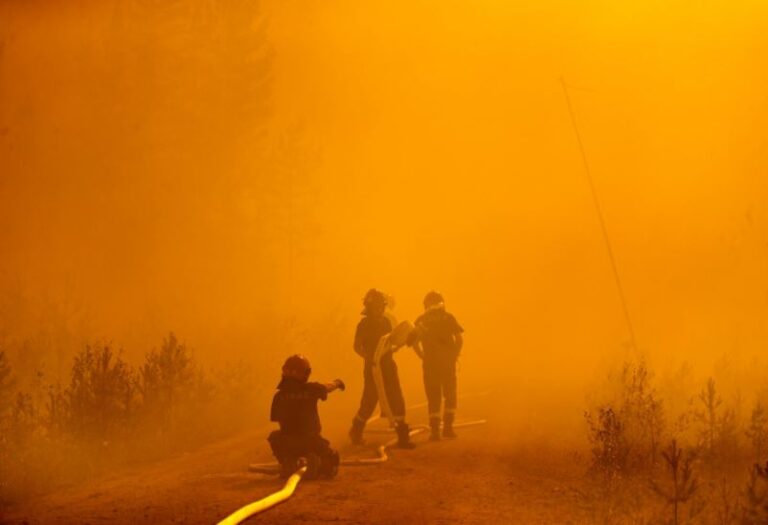
    French firefighters, together with firefighters from other European countries, managed to contain the spread of a “monster” fire that broke out on Tuesday night in the Gironde region of southwestern France.

    French firefighters, together with firefighters from other European countries, managed to contain the spread of a “monster” fire that broke out on Tuesday night in the Gironde region of southwestern France. A stretch of the highway was also opened to traffic. The massive wildfire had displaced thousands of people who had to be evacuated.

    Major forest fires have broken out in the South and South-West of France since July 12, 2022. More than 6500 ha has already been burnt in the Landiras forest fire with already over 3100 ha being burnt in the La Teste de Buch forest in or close to the Gironde département. With the forecast for the next days of moderate winds Gironde, extremely low vegetation humidity levels (<10%) and high temperatures, the situation is worrying.

    France also activated a European Union civil protection mechanism put in place earlier to fight forest fires. The EU dispatched four airplanes to work with the firefighting teams.

    “The fire did not advance overnight thanks to the significant means employed,” the local prefect said in a tweet Saturday.

    Reinforcements from across Europe helped local firefighters tackle the blaze which has ravaged forests in France’s Gironde region since Tuesday and forced 10,000 people to evacuate their homes. The fire has been fanned by wind and scorching temperatures of up to 40 Celsius (104 Fahrenheit) in recent days.

    In addition, the EU’s Copernicus satellite has been activated by France to collect data vital to first responders on the burned areas.

    Elsewhere in Europe

    European Commissioner for Crisis Management Janez Lenarčič said, “This fire season is particularly fierce on our continent. When a disaster puts a strain on national response capacities, countries affected can activate the EU Civil Protection Mechanism to receive European support.”

    Meanwhile, fire also raged in Portugal and parts of England faced a severe drought. The French officials said that high temperatures and a worsening drought brought a high risk of new fires breaking out in Gironde, in the country’s south-western region.

    As the media reported, much of Europe has faced weeks of baking temperatures that have also depleted water levels of the Rhine River in Germany. Earlier on Wednesday, the French officials told that a fire that destroyed thousands of hectares of tinder-dry forest in the southwest part of the country has flared again amid a fierce drought and the summer’s latest wave of extreme heat.

    The local media also reported that an additional 6,000 hectares of pine forest have burned in the Landiras blaze since Tuesday afternoon. It also forced the evacuation of around 6,000 people.
    140 Aid Workers Died in 2021, says OCHA

    According to data from the non-governmental organization Humanitarian Outcomes, more than 140 aid workers were killed in the line of duty last year – the highest number of fatalities since 2013.

    To mark World Humanitarian Day, commemorated annually on 19 August, Martin Griffiths, the UN Emergency Relief Coordinator and Under-Secretary-General for Humanitarian Affairs issued a statement on Friday paying tribute to “all humanitarian workers who often work in dangerous conditions to help others in need” while commemorating “those who have lost their lives in the line of duty”.

    In the lead-up to the day, the United Nations humanitarian agency (OCHA) has launched a week-long campaign to honour humanitarian workers under the theme “It takes a village,” which spotlights how aid workers come together in a collective effort to alleviate extreme need.

    “Just like the saying ‘It takes a village to raise a child,’ it takes a ‘village’ of humanitarians working with affected communities to bring help and hope to people caught up in crises,” said the OCHA chief.

    “This year’s World Humanitarian Day builds on this metaphor of collective endeavour and asks people everywhere to show appreciation for humanitarian work, whoever carries it out”.

    The public are invited to follow the #ItTakesAVillage hashtag on social media, to share, like and comment on the posting, to show solidarity with people who need aid and appreciation for those who work to deliver it.

    The UN General Assembly designated the annual event in 2008 to commemorate the anniversary of the 2003 bombing of the UN headquarters in Baghdad, Iraq, which killed 22 aid workers.

    The day has evolved to highlight different aspects of humanitarian action and mobilize people globally to advocate for the broader humanitarian cause.

    140 aid workers killed in 2021

    According to data from the non-governmental organization Humanitarian Outcomes, more than 140 aid workers were killed in the line of duty last year – the highest number of fatalities since 2013.

    All but two of the aid workers who died were national staff, “highlighting the perils that national aid workers often face,” said OCHA spokesperson Jens Laerke, who added that another 203 aid workers were injured and 117 kidnapped last year.

    The OCHA spokesperson explained that “the most violent countries for aid workers continue to be South Sudan, followed by Afghanistan and Syria.” According to Humanitarian Outcomes, 168 aid workers have been attacked so far this year, leading to 44 fatalities.

    “Most of the over 140 fatalities in 2021 were killed by small weapons and shooting incidents, with the second highest cause of death being airstrikes and shelling, most of them in Syria,” Laerke said.


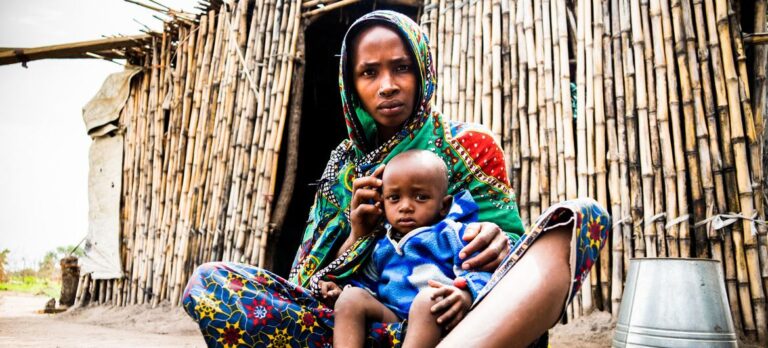
    Image: Alliah / UNICEF Chad

    Need to Re-strategize to Take Cooperatives to Panchayats, Says Amit Shah

    Shah said that a five-year strategy is required to reach primary agricultural credit societies to each panchayat as two lakh panchayats are yet to have PACS.

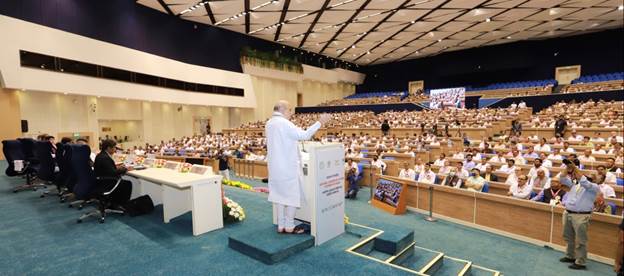
    Union home and cooperation minister Amit Shah today stressed the need for a different strategy to take cooperatives to every panchayat of the country. The minister for cooperation said this in his inaugural address to the day-long national conference of rural cooperative banks in New Delhi today.

    Speaking on the occasion, Amit Shah said that the cooperative movement will only expand when everyone’s thrust area will be common.

    For this, Shah spoke of the need of a five-year strategy to reach primary agricultural credit societies (PACS) to each panchayat as two lakh panchayats are yet to have PACS. He said that government has approved the computerization of PACS with the objective of increasing their efficiency and bringing transparency and accountability to their operations.

    Every district cooperative bank should have a five-year strategy on how PACS can be formed in their areas, in every panchayat and every state cooperative bank should monitor this strategy and NABARD should also confirm this strategy with its various schemes.

    The Union Minister of Cooperation said the scope of work of PACS will have to be increased, efforts will have to be made to bring more farmers under the purview of PACS. PACS work with the philosophy of providing finance to farmers through a humane approach, therefore there should be an effort to increasingly connect farmers with PACS.

    Computerisation, transparency

    He said many banks, district cooperative banks and PACSs are working in different ways on the basis of cooperative principle in different sectors. But, he said, proper results will not be visible if there is no commonality in the focus of these cooperative banks and PACSs, especially to expand the cooperative sector and also its reach and to increase farmers’ prosperity and that of the agriculture sector and the Nation, then proper results will not be visible.

    Computerization of PACS will automatically upgrade their human resource, prudential norms of finance will automatically be applied to PACS, audit arrangements will be automatically integrated into the accounting system and alerts will be issued automatically. Computerization can be successful only when District Cooperative Banks take it to the very bottom most level. He said many States have completed computerization, but there is no uniformity. It is very important to bring the agriculture credit system in the country under a common software. He said reforms have to start from within cooperatives and if there is improvement and transparency in their administration, then there will be no injustice done to cooperative banks or PACS.

    He said that along with strengthening the agriculture credit framework, there is also a need to reform it. There is need to work on taking cooperatives to every sector and agricultural credit should only be available through this.

    Illustrious history

    The minister of cooperation said that the cooperative movement in India has many achievements to its credit during its almost 120 years old history. While in some states the cooperative movement has progressed in every field, in some other states the cooperative movement is struggling, while in yet in some other states the cooperative movement has remained only in the books. He said that if the cooperative movement is to develop uniformly and increase its scope, then a different strategy will have to be devised.

    He said that rural cooperative banks have played a significant role in connecting rural India with the country’s economy that by stressing on cooperatives, the government is providing a golden opportunity for the cooperative sector.

    On the occasion, Amit Shah presented the performance awards to select state cooperative banks, district central cooperative banks (DCCBs or PACS) and felicitated a handful of short-term cooperative credit institutions for their services over 100 years.

    Afghanistan: A Catastrophic Year Under Taliban Rule

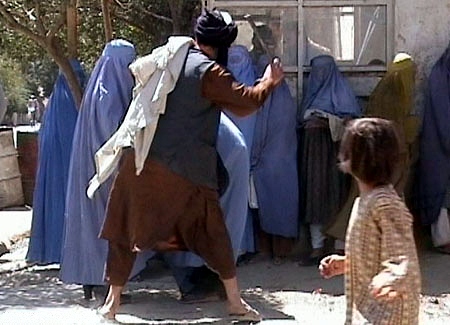
    After capturing Kabul on 15 August 2021, the Taliban have done little to address chronic hunger conditions in the country. Instead, they have imposed severe restrictions on women’s and girls’, suppressed media, and arbitrarily detained, tortured, and summarily executed critics and perceived opponents.

    Taliban human rights abuses have brought widespread condemnation and imperilled international efforts to address the country’s dire humanitarian situation, the global rights organisation, Human Rights Watch has said.

    The economy has collapsed, largely because governments have cut foreign assistance and restricted international economic transactions. More than 90 per cent of Afghans have been food insecure for almost a year, causing millions of children to suffer from acute malnutrition and threatening serious long-term health problems.

    “The Afghan people are living a human rights nightmare, victims of both Taliban cruelty and international apathy,” said Fereshta Abbasi, Afghanistan researcher at Human Rights Watch. “Afghanistan’s future will remain bleak unless foreign governments engage more actively with Taliban authorities while pressuring them vigorously on their rights record.”

    The Taliban’s horrendous human rights record and their unwillingness to meaningfully engage with international financial institutions have furthered their isolation, Human Rights Watch said. Foreign governments should ease restrictions on the country’s banking sector to facilitate legitimate economic activity and humanitarian aid, but the Taliban also need to curtail rights abuses and hold those responsible for abuses to account.

    Misogynistic

    Since taking power, the Taliban have imposed rules that comprehensively prevent women and girls from exercising their most fundamental rights to expression, movement, and education, and affect their other basic rights to life, livelihood, health care, food, and water. They have prohibited women from traveling or going to their workplace without a male family member accompanying them – an impossible requirement for almost all families – and barred them from many jobs. The Taliban have denied almost all girls access to secondary school.

    “The Taliban should urgently reverse their horrifying and misogynistic decision to bar girls and women from secondary school,” Abbasi said. “This would send a message that the Taliban are willing to reconsider their most egregious actions.”

    Many governments have denounced or criticized the Taliban’s decision to restrict girls’ education, including the entire United Nations Security Council and almost all members of the G7 and G20. No government has defended or sought to justify the Taliban’s position.

    The US air strike on July 30 that killed the al-Qaeda leader Ayman al-Zawahri does not appear to have derailed ongoing negotiations between the US and the Taliban. Each should act with urgency to reach a settlement to address the country’s economic crisis.

    Catastrophe

    Acute hunger is pervasive across Afghanistan, even though food and basic supplies are available in markets throughout the country, Human Rights Watch said. Almost 20 million people – half the population – are suffering either level-3 “crisis” or level-4 “emergency” levels of food insecurity under the assessment system of the World Food Programme (WFP). Over one million children under 5 – especially at risk of dying when deprived of food – are suffering from prolonged acute malnutrition. The WFP reported in June that tens of thousands of people in one province, Ghor, had slipped into level-5 “catastrophic” acute food insecurity, a precursor to famine.

    Overall, Afghans have been suffering from some form of food insecurity since last August, skipping meals or whole days of eating and engaging in extreme coping mechanisms to pay for food, including sending children to work.

    The impact of the economic crisis on women and girls is especially severe, as women and girls have increasing difficulties accessing assistance and health care.

    The humanitarian situation would be even worse had the UN and other aid providers not substantially increased their operations in 2022, Human Rights Watch said.

    “After a year in power, Taliban leaders should recognize the catastrophe they have created and reverse course on rights, before more Afghans suffer and more lives are lost,” Abbasi said.

    Rice Fortification – One Year On

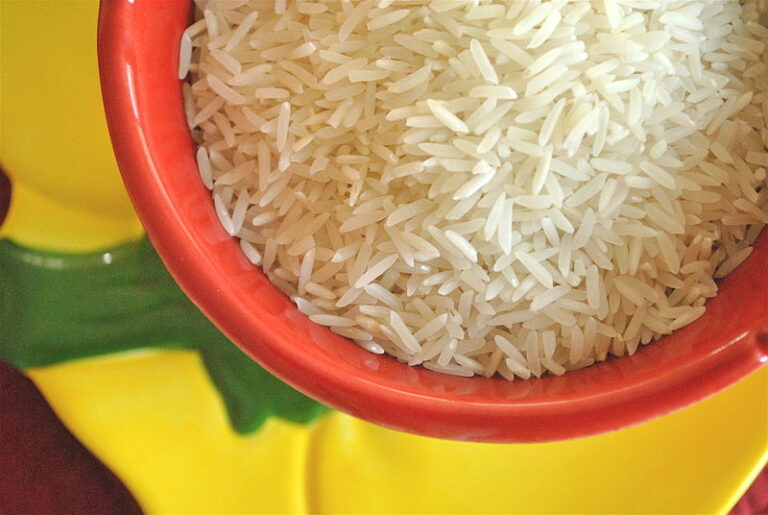
    151 districts in 24 states lifted fortified rice the government has said, adding that the number of rice mills having blending infrastructure for fortified rice increased from 2,690 to 9,000 within a year.

    A total of 151 districts across 24 states have already lifted fortified rice under Targeted Public Distribution System (TPDS) in Phase II of Rice Fortification Programme, the union ministry of consumer affairs, food and public distribution announced through a press release on Thursday. This accounts for 52 per cent of the districts lifting fortified foodgrains in the second phase of the food fortification programme.

    Nearly 6.83 lakh metric tonnes (LMT) have been distributed by the states and union territories under the phase beginning 1 April 2022. Nearly 7.36 LMT have been lifted by the states and union territories under the ICDS and PM POSHAN schemes so far.

    The government has argued that fortification of rice is found to be a cost-effective and complementary strategy to increase vitamin and mineral content in diets with low turnaround time and a step towards nutritional security and helps in fighting anaemia and malnutrition in the country and that this strategy is implemented in many geographies in the world.

    However, food rights groups have demanded a stop to the distribution of fortified rice in the absence of an independent evaluation. They have argued that better results can be achieved by diversifying the food basket. Many food rights activists have argued for access to land and forests to the targeted population, who incidentally also happen to be the groups being targeted by the government’s rice fortification programme. Access to food from land ownership and access to forests and other traditional sources of food will ensure nutrition security and help in the fight against anaemia and malnutrition, they say.

    Enhanced capacities

    In his address on Independence Day last year, prime minister Narendra Modi had announced the supply of fortified rice in every government scheme in a phased manner by 2024. The initiative has made good progress during the last one year, the government has claimed.

    Phase-I covering ICDS and PM POSHAN had been implemented during 2021-22 and nearly 17.51 LMT had been distributed in the targeted states and union territories.

    At the time of the prime minister’s announcement, there were 2,690 rice mills with blending infrastructure with a cumulative blending capacity of around 13.67 LMT in the country. This number now exceeds 9000 rice mills across the country that have an installed blending infrastructure for producing more than four times the amount of fortified rice produced last year. The present cumulative monthly production capacity is around 60 LMT.

    Phase-II includes all districts covered under phase I as well as all aspirational districts and high burden districts (291 districts) under targeted public distribution system and other welfare schemes in all the states and union territories that will be covered by March, 2023, distributing a total quantity of about 175 LMT of fortified rice.

    The ministry press release says that compared to last year’s cumulative annual fortified rice kernel (FRK) manufacturing capacity of 0.9 LMT, this year’s manufacturing capacity has swelled by four times to 3.5 LMT. FCI and state agencies have been procuring fortified rice since 2020-21 and nearly 145.93 LMT of fortified rice have been procured so far.

    Simultaneously, NABL accredited labs for testing of fortificants have been increased to 30 from 20 in August, 2021.

    Institutional push

    FSSAI the regulatory/licensing authority for food fortification, has drafted standards for fortified rice kernels (FRK), pre-mix and provided the direction to all the stakeholders for operationalization of draft standards with immediate effect.  The Bureau of Indian Standards has also notified the standards for FRK, pre-mix (vitamins and minerals) and machineries (Blenders, Extruders and other allied machineries etc.) to be used in the production of fortified rice.

    The ministry also said that NITI Aayog is also working with the Indian Council of Medical Research, the National Institute of Nutrition and the Ministry of Health and Family Welfare besides other stakeholders for concurrent evaluation on impact of rice fortification initiative and efforts are being made to educate the public about the nutritional benefits of fortified rice through IEC campaigns, involving FSSAI, experts and development partners.

    Food Rights Group Says Buying Tricolour for Food Entitlements a Matter of Concern

    Imposition of any kind of compulsion to buy flags to receive food grains is inhuman and a dangerous step against those struggling to survive,” the food rights group said.

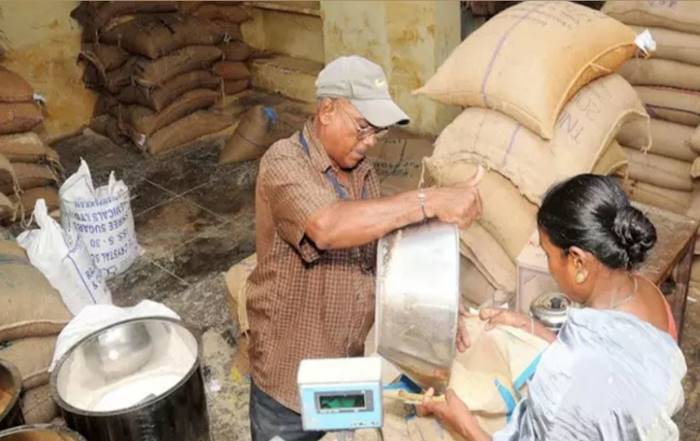
    The Right to Food Campaign has expressed its concern over media reports coming from different parts of the country regarding denial of rations to people if they do not purchase the tiranga (national flag) under the Har Ghar Tiranga Abhiyan initiative of the union government on the occasion of 75th year of Independence.

    The food rights group said that such denial of ration is patently illegal, in violation of the fundamental right to food guaranteed by the Constitution and reiterated multiple times by the Supreme Court and also the provisions of the National Food Security Act, the food rights group says. “We are alarmed that this reported denial is coming at a time when people are in any case facing extreme economic hardships.”

    On Wednesday, a video of a fair price shop owner from Dadupur village in Haryana’s Karnal district forcing customers to buy a flag for Rs. 20 each to obtain their rations under the public distribution system (PDS) had gone viral over cyberspace. The shopkeeper said that he was doing so under instructions from officials.

    The union culture ministry immediately stepped in saying that buying the flag was “purely voluntary” and there was “no coercion”.

    The culture ministry said it had not issued instructions to state governments to make provision of foodgrains conditional upon purchase of the tricolour.

    Congress leader Rahul Gandhi too stepped in saying that nationalism could never be sold. He said it was shameful that the poor were being made to buy flags for Rs. 20 so that they could get their rations

    Food a fundamental right

    The Right to Food campaign said that unorganised sector workers, people from marginalised and vulnerable economic backgrounds are facing grave difficulties in affording even two meals a day due to the twin factors of income shock faced by them during COVID-19 lockdowns and the runaway inflation wherein today a gas cylinder is priced at more than Rs. 1,000 and prices of food items have gone up due to imposition of GST.

    “The recent Global Nutrition Report 2021 also shows that 71 per cent of Indians cannot afford a healthy diet,” the campaign pointed out in a press release, further saying that “Even the latest State of Food Security and Nutrition report shows that the world is moving backward in efforts to eliminate hunger and malnutrition.”

    According to the rights group, the public distribution system and Pradhan Mantri Garib Kalyan Anna Yojana (PMGKAY) under it contributed to keeping many Indians away from the brink of starvation during the COVID-19 pandemic.

    “Food is a fundamental right of every individual in this country and must not be distorted or denied under any circumstances. Imposition of any kind of compulsion to buy flags to receive food grains is inhuman and a dangerous step against those struggling to survive,” the food rights group said.

    It demanded that the government order an enquiry into the reports of denial of rations and taking action against any dealer or official found to be denying ration.

    Expand PDS coverage

    The food rights group has also demanded widening the coverage of PDS. It said, “In the present scenario, the crucial need is to widen the coverage under the food security net to include non-ration cardholders who are excluded from the ration list but need subsidised or free food grains,” the group said through its press release.

    The coverage of the food security net has not been revised since the 2011 census despite the Supreme Court directions in the case of the migrant workers, leading to exclusion of more than 10 crore people from the public distribution system.

    All That Glitter Is Not Gold – UN Trade Body Calls for Halting Cryptocurrency Rise in Developing Countries

    A series of policy briefs brought out by UNCTAD call curbing cryptocurrencies in developing nations as these come with financial challenges, from challenging countries’ monetary sovereignty to impacting taxes. 

    In a first in a series of briefs on the subject of cryptocurrency, the UN trade agency UNCTD has said that cryptocurrencies could jeopardise the “monetary sovereignty” of countries if cryptocurrencies continue to grow as a means of payment, and even replace domestic currencies unofficially.

    The trade organisation says that cryptocurrencies have become a new channel for undermining domestic resource mobilization in developing countries, and warns of the dangers of doing too little, too late.

    UNTACD’s report – All that glitters is not gold: The high cost of leaving cryptocurrencies unregulated – examines the reasons behind the rapid uptake of cryptocurrencies in developing countries, including facilitation of remittances and as a hedge against currency and inflation risks.

    “Recent digital currency shocks in the market suggest that there are private risks to holding crypto, but if the central bank steps in to protect financial stability, then the problem becomes a public one,” UNCTAD said.

    UNCTAD also highlighted the particular risk that stablecoins pose in developing countries with unmet demand for reserve currencies.  As their name implies, stablecoins are designed to maintain stability as their value is pegged to another currency, commodity or financial instrument.

    “For some of these reasons, the International Monetary Fund has expressed the view that cryptocurrencies pose risks as legal tender,” the agency said.

    Digital divide

    The second policy brief focuses on the implications of cryptocurrencies for the stability and security of monetary systems, and to financial stability in general.

    “It is argued that a domestic digital payment system that serves as a public good could fulfil at least some of the reasons for crypto use and limit the expansion of cryptocurrencies in developing countries,” said UNCTAD.

    For example, monetary authorities could provide a central bank digital currency or a fast retail payment system, though measures will depend on national capacities and needs.

    However, UNCTAD has urged governments “to maintain the issuance and distribution of cash”, given the risk of deepening the digital divide in developed countries.

    Tax evasion fears 

    The final policy brief discusses how cryptocurrencies have become a new channel for undermining domestic resource mobilization in developing countries, and warns of the dangers of doing too little, too late.

    While cryptocurrencies can facilitate remittances, UNCTAD warned that they may also enable tax evasion and avoidance through illicit financial flows – similar to a tax haven, where ownership is not easily identifiable.

    “In this way, cryptocurrencies may also curb the effectiveness of capital controls, a key instrument for developing countries to preserve their policy space and macroeconomic stability,” the agency added.

    Curbing crypto 

    UNCTAD has outlined several actions aimed at halting cryptocurrency expansion in developing countries.

    The agency urged authorities to regulate crypto exchanges, digital wallets and decentralized finance to ensure the comprehensive financial regulation of cryptocurrencies.

    Furthermore, regulated financial institutions should be banned from holding cryptocurrencies, including stablecoins, or offering related products to their clients.

    Advertising related to cryptocurrencies also should be regulated, as is the case with other high-risk financial assets.

    Governments are advised to provide a safe, reliable and affordable public payment system adapted to the digital era.

    UNCTAD also advocates for global tax coordination regarding cryptocurrency tax treatments, regulation and information sharing.

    Additionally, capital controls should be redesigned to take account of what the agency described as “the decentralized, borderless and pseudonymous features of cryptocurrencies”, UNCTAD said.

    Rise of crypto 

    Cryptocurrencies are an alternative form of payment. Transactions are done digitally through encrypted technology known as blockchain.

    The use of cryptocurrency rose globally at an unprecedented rate during the COVID-19 pandemic, reinforcing a trend that was already in motion. Some 19,000 are currently in existence.

    Although private digital currencies have rewarded some individuals and institutions, they are an unstable financial asset that can bring social risks and costs, the agency warned.

    UNCTAD said their benefits to some are overshadowed by the threats they pose to financial stability, domestic resource mobilization, and the security of monetary systems.

    In 2021, developing countries accounted for 15 of the top 20 economies when it comes to the share of the population that owns cryptocurrencies.

    Ukraine topped the list with 12.7 per cent, followed by Russia and Venezuela, with 11.9 per cent and 10.3 per cent, respectively.


    Image: Hippopx. Licensed to use under Creative Commons Zero – CC0


    Union Cabinet Approves PMAY-U Housing for All Mission till End-2024

    The ability of the urban housing construction sector to generate employment is also a reason behind the decision to extend the scheme. On the other hand, many housing companies are saddled with a huge inventory of houses and few takers.

    The union cabinet has approved continuation of the Pradhan Mantri Awas Yojana-Urban (PMAY-U) – Housing for All Mission up to 31 December 2024.

    Financial assistance is being provided for the completion of over 122 lakh houses till 31st March 2022. These housing projects had been sanctioned earlier. The scheme is one of the major flagship programmes being implemented by the union government to provide all-weather pucca houses to all eligible beneficiaries in urban areas of the country through states, union territories, and central nodal agencies.

    The continuation of the scheme is based on requests received by the union government States and union territories for its continuation until 31 December 2024. It is felt that this will help in completion of already sanctioned houses under the beneficiary led construction facet of the scheme. Besides, it will also help in achieving wider coverage of the schemes on affordable housing in partnerships, and the in-situ slum redevelopment verticals.

    Central assistance approved since 2015 on the scheme is Rs 2.03000 crores against 20 thousand crore rupees in 2004-2014.

    The ability of the urban housing construction sector to generate employment is also a reason behind the decision to extend the scheme. On the other hand, many housing companies are saddled with a huge inventory of houses and few takers.

    Wearing Masks in Public Places Now Mandatory in Delhi, Violators to be Fined

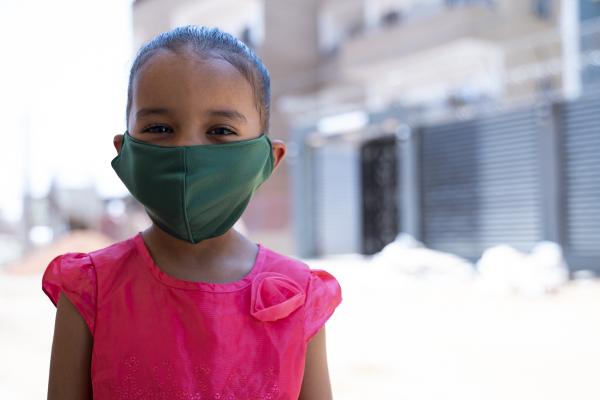
    The Delhi government has mandated wearing face masks in public places following a surge in the numbers of COVID-19 cases. Health officials say that the new sub-variant is highly transmissible and can also infect people with antibodies.

    The Delhi government has made face mask wearing mandatory in public places to arrest the spread of coronavirus. Those found violating the rule will be liable to pay a fine of Rs. 500. However, it is not applicable while travelling in a private car.

    The Delhi government’s decision mandating the wearing of face masks in public places follows a surge in the numbers of COVID-19 cases being reported in the national capital.

    The national capital reported 2,146 COVID-19 cases in the last 24 hours as against 2,495 reported on Tuesday. A health bulletin said as many as eight people lost their lives due to the virus. The COVID positivity rate in the city has risen to 17.83 per cent, and the number of active cases stands at 8,205, out of which 5,549 patients are being treated in home isolation.

    The latest order has been issued after a new sub-variant of COVID-19’s Omicron variant was detected in New Delhi. Identified as BA-2.75, the new sub-variant was detected in a study report of 90 samples sent for genome sequencing. Officials of the LNJP Hospital in the capital said the new sub-variant is highly transmissible and can also infect people with antibodies.

    Dr Suresh Kumara, medical director of the LNJP Hospital said that the Omicron subvariant BA-2.75 also infects people who have taken the COVID-19 vaccines.


    Image: UNICEF

    Maharashtra Doubles Compensation for Farmers Following Excessive Rain

    Currently prevailing ‘National Disaster Response Fund’ norms stipulate a compensation of Rs. 6,800 per hectare for farmers’ land affected by a disaster. The cabinet decided to double the amount to Rs. 13,600.

    At its first meeting held this morning, the newly sworn-in cabinet of the Maharashtra government cabinet decided to double the amount of compensation for farmers affected by last month’s excessive rains.

    Currently prevailing ‘National Disaster Response Fund’ norms stipulate a compensation of Rs. 6,800 per hectare for farmers’ land affected by a disaster. The cabinet decided to double the amount to Rs. 13,600.

    In addition, the cabinet enhanced the maximum crop area for compensation to three hectares. According to earlier NDRF norms, compensation was limited to crop damage over a maximum of two hectares.

    The cabinet has approved the establishment of a new government medical college with an admission capacity of 100 students and a 430-bed district hospital by upgrading the district general hospital attached to the college at Ratnagiri.

    The Maharashtra cabinet also approved the revised proposal for Mumbai Metro – 3 projects. The original cost of this project was Rs 23,136 crores. This has now increased by around Rs. 10,000 crores to Rs. 33,405.82 crores. The total length of the underground Mumbai Metro Route 3 is 33.5 km and the route has 27 stations, including 26 subways and one overground and it is estimated that 17 lakh passengers will travel daily by the year 2031.

    Chief Minister Eknath Shinde presided over the cabinet meeting.


    Image: Oxfam