More

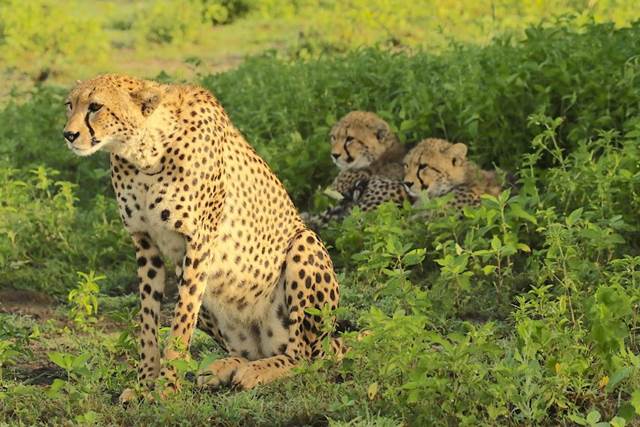
    India Draws Up Action Plan for Introducing New Cheetahs

    The project will establish breeding cheetah populations in safe habitats across its historical range and manage them as a metapopulation, according to the action plan drawn up to implement a Memorandum of Understanding signed between India, Namibia and South Africa.

    India’s plans to restore the only large carnivore, the Cheetah, that has become extinct in independent India rest on establishing a viable cheetah meta-population in the country. Being implemented by the National Tiger Conservation Authority, this translocation project will allow the cheetah to perform its functional role as a top predator and provide space for the expansion of the cheetah within its historical range thereby contributing to its global conservation efforts.

    Eight to 10 cheetahs will be brought to India from Namibia and South Africa and will be introduced in the Kuno National Park in Madhya Pradesh under the terms of a MoU between India and Namibia on wildlife conservation and sustainable biodiversity utilization – especially for obtaining and establishing the cheetah into the historical range in India.

    The MoU entails sourcing and flying into India a population of eight to 10 cheetahs from Namibia and South Africa to be introduced at Madhya Pradesh’s Kuno National Park.

    The project will work to establish breeding cheetah populations in safe habitats across its historical range and manage them as a metapopulation, according to the action plan drawn up to implement the MoU. This will be accompanied with using the cheetah as a charismatic flagship and umbrella species to garner resources for restoring open forest and savanna systems that will benefit biodiversity and ecosystem services from these ecosystems.

    Larger Environmental Goals

    On the larger environmental goals, the project will work to enhance India’s capacity to sequester carbon through ecosystem restoration activities in cheetah conservation areas and thereby contribute towards the global climate change mitigation goals.

    An important objective of the project is to manage any conflict by cheetah or other wildlife with local communities within cheetah conservation areas expediently through compensation, awareness, and management actions to win community support.

    This will also be accompanied with eco-development and eco-tourism to enhance local community livelihoods.

    The introduction of the cheetah is not only a species recovery program but an effort to restore ecosystems with a lost element that has played a significant role in their evolutionary history, allow ecosystems to provide services to their full potential, and use the cheetah as an umbrella species for conserving the biodiversity of grasslands, savanna and open forest systems.

    For the success of the conservation introductions, the National Tiger Conservation Authority is working to blend the best of science, technology, sociological aspects and commitment of financial resources. The action plan is made in consonance with modern scientific approaches recommended by the International Union for Conservation of Nature (IUCN) guidelines for reintroduction and other conservation translocations.

    The four-year project is being funded by Indian Oil as part of its CSR initiatives and entails introducing the cheetah; the management of its habitat and it protection; eco-development; and, staff training and veterinary healthcare.

    Bangladesh Finance Minister Warns Against Chinese Loans Through BRI Projects

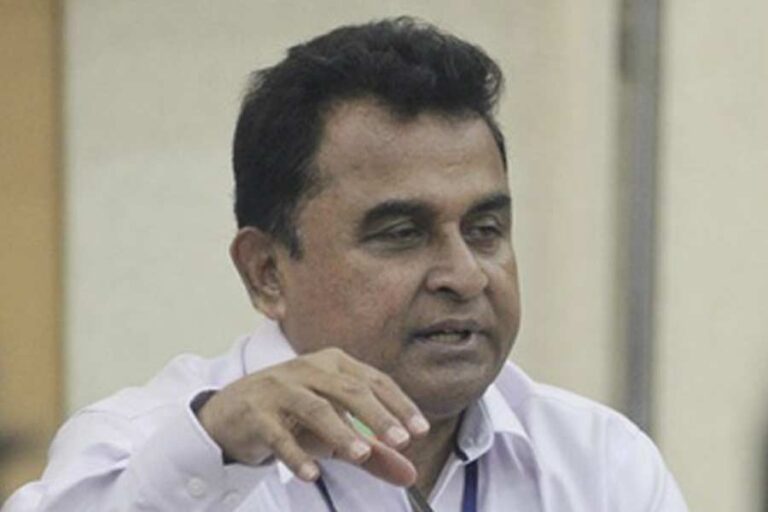
    Finance Minister AHM Mustafa Kamal pointed out the case of Sri Lanka where an economic crisis was exacerbated due to infrastructure projects funded by Chinese debt that failed to generate adequate returns.

    Bangladesh’s finance minister, AHM Mustafa Kamal sounded a warning to developing countries about a lurking Chinese debt trap sugar coated as a Belt and Road Initiative (BRI) loan. In an interview to a local business newspaper, the finance minister said that developing countries must think twice before taking BRI loans, bearing in mind global inflation and slowing growth which add to the debt burden of the emerging economies that most developing nations are.

    “Whatever the situation [that] is going on worldwide, everybody will be thinking twice to agree to this project,” Kamal said, suggesting a more rigorous evaluation of the loans by Chinese authorities as the poorer countries risk falling into debt trap. “Everybody is blaming China. China cannot disagree. It’s their responsibility.”

    He pointed out the case of Sri Lanka where an economic crisis was exacerbated due to infrastructure projects funded by Chinese debt that failed to generate adequate returns. He said the Sri Lanka crisis highlighted that China had not been rigorous enough in deciding the loans. It needs to “make a thorough study” before lending to a project, he said. “After Sri Lanka . . . we felt that Chinese authorities are not taking care of this particular aspect, which is very, very important.”

    Wang Yi’s weekend visit

    Kamal’s comments came within days of China’s foreign minister Wang Yi weekend visit to Bangladesh to meet with prime minister Sheikh Hasina and Bangladeshi foreign officials. In a statement, China called itself “Bangladesh’s most reliable long-term strategic partner” and said the pair agreed to strengthen “co-operation in infrastructure”.

    Prior to this Yi’s visit, Bangladesh Foreign Secretary Masud Bin Momen had emphatically denied any talk of fresh loans from China. Briefing the media after the visit of Chinese Foreign Minister Wang Yi,

    Bangladesh foreign minister Dr A K Abdul Momen too said that Chinese funding was coming in dribbles. He said that while 27 projects are currently being implemented in partnership with China, Bangladesh had received less than a fifth of the US$ 20 billion slated for disbursal.

    Bangladesh became a part of the China-led BRI in 2016 when Chinese President Xi Jinping announced a US$ 40 billion package –  US$ 26 billion for BRI projects and another US$ 14 billion on joint ventures. The BRI projects included the Padma bridge rail link for US$ 2.6 billion, the Dhaka-Sylhet four lane highway project for US$ 2.1 billion, the construction of a tunnel under the Karnaphuli river that was budgeted for US$ 705 million, besides several other projects.

    Government e Marketplace Portal Launched for Cooperatives

    The government has to expand cooperatives but there is no database, Amit Shah said, adding that the ministry too is creating a national level database of different categories of cooperatives.

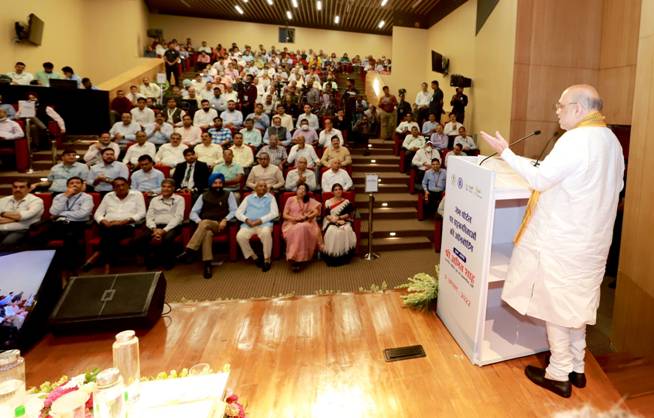
    Union home and cooperation minister, Amit Shah today launched the onboarding of cooperatives on the Government e-Marketplace (GeM) portal, today in New Delhi. The program was organised by the Ministry of Cooperation, the National Cooperative Union of India (NCUI) and GeM was also attended by union minister of commerce and industry Piyush Goyal, union minister of state for cooperation and North East Region Development B L Verma and the NCUI President Dilip Sanghani.

    Amit Shah said that the launch of the GeM for cooperatives coincides with the start of the Quit India Movement in 1942. He spoke of the potential of the cooperative sector and of the usefulness of the GeM portal for the expansion of Indian cooperatives.

    Shah argued for cooperatives to begin preparing for registration for supply on GeM to increase their market as most government procurements take place through the GeM. So far, 589 cooperatives have been shortlisted as eligible for onboarding on GeM, he said, simultaneously appealing to the National Cooperative Union of India (NCUI) to expand marketing of cooperatives and for this there can be no better way than the GeM.

    The cooperation minister said that the cooperatives sector has been neglected since Independence. But, he said, the present government is accelerating its expansion with historic reforms and modernization through some 25 to 30 initiatives.

    The expansion that GeM has achieved is unimaginable, Amit Shah said. There are about 62,000 government buyers available on GeM and around 49 lakh sellers.

    Lack of database

    The government has to expand cooperatives but there is no database, Amit Shah said, adding that the ministry too is creating a national level database of different categories of cooperatives. Additionally, arrangements for training will also be made available.

    Moreover, registration of an export house for cooperatives is also under way and this will provide a platform for export from cooperatives across the country. He hinted at radical changes are also being made in the Multistate Cooperative Act and spoke of the government’s decision to computerize all PACS.

    Amit Shah said population size is a great advantage in an economy, because ultimately the population is also the market. He said that till 2014, India’s population was 130 crores and yet, the market was limited to 60 crore people, as 70 crore people did not have any purchasing capacity. 60 crore people worried about their next meal and other basic needs and generations went through the same ordeal. But the opening of bank accounts and the provision of gas cylinders, toilets, electricity, pure drinking water and food grains free of cost to the poor has, as a result, awakened the aspirations of these 60 crore people by fulfilling their basic needs and cooperatives have the potential to fulfil all these aspirations, he said.

    “Today after fulfilling their primary needs, these people have ambitions to move ahead in life by earning more money and through cooperatives they can fulfil these ambitions,” the government agency, PIB quoted the minister as saying, adding that “if these 60 crore people have just Rs. 5,000, they can run the biggest of cooperatives.”

    Second class treatment no longer

    The cooperation minister said the cooperative model allows people with even limited capital to come together and undertake large tasks.  He gave the example of Amul that has crossed a turnover of Rs. 60,000 crore and 20 lakh women members are not only running the cooperative, but have also been making profits for many years.

    He said if a system does not change itself with the times, then it becomes outdated, and therefore it is necessary to improve the cooperative system for the expansion of the sector. India’s cooperative system is 115 years old, the laws are also very old, and though small changes have taken place from time to time, radical changes and modernisation have taken a backseat.

    The cooperative sector can no longer be given second class treatment, he said, though, he also spoke of the need to bring about change and to move in the direction of bringing transparency and for cooperatives to prepare themselves for change. The GeM portal will be very useful in bringing in transparency in the cooperative sector and when there is transparency, the trust of farmers and milk producers will also increase on the committees and their members.

    He said he government brought in transparency in government procurement by introducing the GeM portal. In the same breath, he spoke of the need for transparency in three areas within cooperatives – elections, recruitment and purchase. He said that there can be no better medium than the GeM to bring transparency in procurement, saying that the world will recognise this successful model of transparent government procurement in the next five years.

    Inter-Ministerial Meeting to Reconfigure Pedagogical Structure for New Curriculum Framework

    It was decided that all ministries would send written inputs for the National Steering Committee and NCERT. The ministries were also requested to whole-heartedly participate in and disseminate the web-app based citizen survey being undertaken by NCERT.

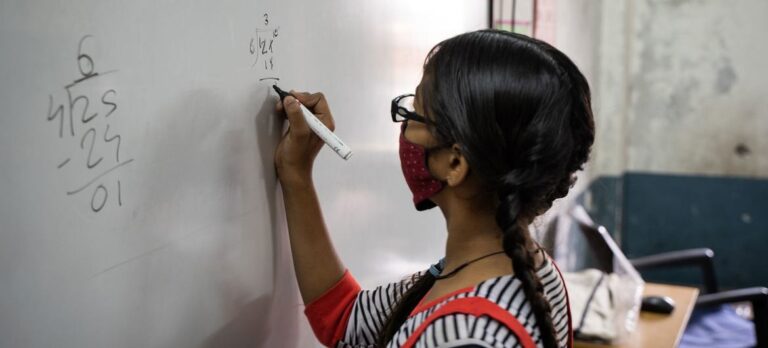
    Officials of the ministry of education today met held a meeting with senior officials and representatives of all ministries and government departments, including NCERT, the election commission, ICAR and DRDO to take forward the process of widespread consultation for the development of the new national curriculum framework (NCF) arising out of the new education policy.

    The meeting focused on how ministries and organisations can contribute in developing a curriculum framework that is responsive and relevant to the developmental needs and interests of learners at different stages of their development.

    Officials were given a glimpse of the process of preparing a curriculum framework and the expected deliverables and discussed areas of contribution, such as the rapidly changing technology, need for innovation and generation of new ideas, need to focus on crucial areas like climate change, future skill requirements and crucial factors for agricultural growth.

    Another set of areas pertained to the knowledge of India, especially in areas where India is at the forefront. This, officials said, was to instil a sense of pride. Assistive technology for inclusion, enriching subject knowledge with real-life information, promoting multilingualism, integration of sports, fitness and arts too figure among the priorities set out for the development of the national curriculum framework.

    The inputs from ministries would help in identifying and integrating several pertinent areas, skills and competencies in the NCF at relevant stages. It was also discussed that it would be very helpful if the ministries also point out their own role in taking certain ideas forward by partnering with school education ecosystem.

    Key deliverables

    Among its key deliverables, NCF has enlisted early childhood care and education, foundational literacy and numeracy, competency based education, flexibility in choice of subjects in secondary classes, reduction of curriculum to core essentials, reimagining vocational education, identification of core skills and content, inclusive education, multilingualism.

    Again, integrating knowledge of India, citizenship, values like-appreciation of national heritage, respect for public property, care for elders and a spirit of service too are listed among the deliverables. The NCF will also emphasise on the needs of gifted children, experiential learning, integration of arts and craft, toys, health and well-being, sports and physical education guidance and counselling, community involvement etc.

    Participants shared their ideas on how they would be able to contribute to the process. Ideas such as leveraging the innovation ecosystem of the department of science and technology, understanding the efforts that go into agriculture to bring food on the table, the huge role of gram panchayats in ensuring enrolment and retention in schools, the importance of imbibing volunteerism in early years, the need for every child to participate in activities related to physical health and well-being, focus on Divyang children, exposure to new technology from a young age, etc. were discussed.

    It was decided that all ministries would soon send written inputs for the National Steering Committee and NCERT. The ministries were also requested to whole-heartedly participate in and disseminate the web-app based citizen survey being undertaken by NCERT.

    Making Hydropower Plants More Sustainable

    Natel Energy, founded by sibling MIT alumni, is deploying hydropower systems with fish-safe turbines and other features that mimic natural river conditions.

    Zach Winn | MIT News Office

    Growing up on a farm in Texas, there was always something for siblings Gia Schneider ’99 and Abe Schneider ’02, SM ’03 to do. But every Saturday at 2 p.m., no matter what, the family would go down to a local creek to fish, build rock dams and rope swings, and enjoy nature.

    Eventually the family began going to a remote river in Colorado each summer. The river forked in two; one side was managed by ranchers who destroyed natural features like beaver dams, while the other side remained untouched. The family noticed the fishing was better on the preserved side, which led Abe to try measuring the health of the two river ecosystems. In high school, he co-authored a study showing there were more beneficial insects in the bed of the river with the beaver dams.

    The experience taught both siblings a lesson that has stuck. Today they are the co-founders of Natel Energy, a company attempting to mimic natural river ecosystems with hydropower systems that are more sustainable than conventional hydro plants.

    Mimicking natural river conditions

    “The big takeaway for us, and what we’ve been doing all this time, is thinking of ways that infrastructure can help increase the health of our environment — and beaver dams are a good example of infrastructure that wouldn’t otherwise be there that supports other populations of animals,” Abe says. “It’s a motivator for the idea that hydropower can help improve the environment rather than destroy the environment.”

    Through new, fish-safe turbines and other features designed to mimic natural river conditions, the founders say their plants can bridge the gap between power-plant efficiency and environmental sustainability. By retrofitting existing hydropower plants and developing new projects, the founders believe they can supercharge a hydropower industry that is by far the largest source of renewable electricity in the world but has not grown in energy generation as much as wind and solar in recent years.

    “Hydropower plants are built today with only power output in mind, as opposed to the idea that if we want to unlock growth, we have to solve for both efficiency and river sustainability,” Gia says.

    A life’s mission

    The origins of Natel came not from a single event but from a lifetime of events. Abe and Gia’s father was an inventor and renewable energy enthusiast who designed and built the log cabin they grew up in. With no television, the kids’ preferred entertainment was reading books or being outside. The water in their house was pumped by power generated using a mechanical windmill on the north side of the house.

    “We grew up hanging clothes on a line, and it wasn’t because we were too poor to own a dryer, but because everything about our existence and our use of energy was driven by the idea that we needed to make conscious decisions about sustainability,” Abe says.

    One of the things that fascinated both siblings was hydropower. In high school, Abe recalls bugging his friend who was good at math to help him with designs for new hydro turbines.

    Both siblings admit coming to MIT was a major culture shock, but they loved the atmosphere of problem solving and entrepreneurship that permeated the campus. Gia came to MIT in 1995 and majored in chemical engineering while Abe followed three years later and majored in mechanical engineering for both his bachelor’s and master’s degrees.

    All the while, they never lost sight of hydropower. In the 1998 MIT $100K Entrepreneurship Competitions (which was the $50K at the time), they pitched an idea for hydropower plants based on a linear turbine design. They were named finalists in the competition, but still wanted more industry experience before starting a company. After graduation, Abe worked as a mechanical engineer and did some consulting work with the operators of small hydropower plants while Gia worked at the energy desks of a few large finance companies.

    Natel Hydropower turbines sustainable river electricity power

    Allow fish to pass through safely

    In 2009, the siblings, along with their late father, Daniel, received a small business grant of $200,000 and formally launched Natel Energy.

    Between 2009 and 2019, the founders worked on a linear turbine design that Abe describes as turbines on a conveyor belt. They patented and deployed the system on a few sites, but the problem of ensuring safe fish passage remained.

    Then the founders were doing some modelling that suggested they could achieve high power plant efficiency using an extremely rounded edge on a turbine blade — as opposed to the sharp blades typically used for hydropower turbines. The insight made them realize if they didn’t need sharp blades, perhaps they didn’t need a complex new turbine.

    “It’s so counter-intuitive, but we said maybe we can achieve the same results with a propeller turbine, which is the most common kind,” Abe says. “It started out as a joke — or a challenge — and I did some modelling and rapidly realized, ‘Holy cow, this actually could work!’ Instead of having a powertrain with a decade’s worth of complexity, you have a powertrain that has one moving part, and almost no change in loading, in a form factor that the whole industry is used to.”

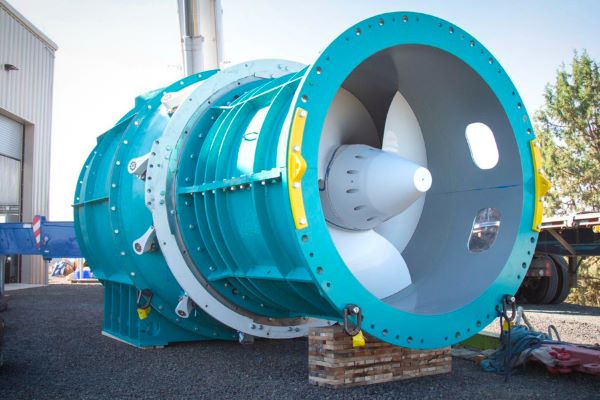
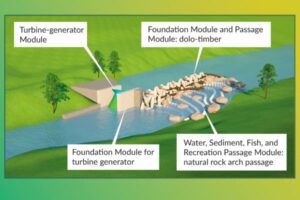
    The turbine Natel developed features thick blades that allow more than 99 per cent of fish to pass through safely, according to third-party tests. Natel’s turbines also allow for the passage of important river sediment and can be coupled with structures that mimic natural features of rivers like log jams, beaver dams, and rock arches.

    “We want the most efficient machine possible, but we also want the most fish-safe machine possible, and that intersection has led to our unique intellectual property,” Gia says.

    Supercharging hydropower

    Natel has already installed two versions of its latest turbine, what it calls the Restoration Hydro Turbine, at existing plants in Maine and Oregon. The company hopes that by the end of this year, two more will be deployed, including one in Europe, a key market for Natel because of its stronger environmental regulations for hydropower plants.

    Since their installation, the founders say the first two turbines have converted more than 90 per cent of the energy available in the water into energy at the turbine, a comparable efficiency to conventional turbines.

    Looking forward, Natel believes its systems have a significant role to play in boosting the hydropower industry, which is facing increasing scrutiny and environmental regulation that could otherwise close down many existing plants. For example, the founders say that hydropower plants the company could potentially retrofit across the U.S. and Europe have a total capacity of about 30 gigawatts, enough to power millions of homes.

    Zero-carbon grid transition

    Natel also has ambitions to build entirely new plants on the many nonpowered dams around the U.S. and Europe. (Currently only three per cent of the United States’ 80,000 dams are powered.) The founders estimate their systems could generate about 48 gigawatts of new electricity across the U.S. and Europe — the equivalent of more than 100 million solar panels.

    “We’re looking at numbers that are pretty meaningful,” Gia says. “We could substantially add to the existing installed base while also modernizing the existing base to continue to be productive while meeting modern environmental requirements.”

    Overall, the founders see hydropower as a key technology in our transition to sustainable energy, a sentiment echoed by recent MIT research.

    “Hydro today supplies the bulk of electricity reliability services in a lot of these areas — things like voltage regulation, frequency regulation, storage,” Gia says. “That’s key to understand: As we transition to a zero-carbon grid, we need a reliable grid, and hydro has a very important role in supporting that. Particularly as we think about making this transition as quickly as we can, we’re going to need every bit of zero-emission resources we can get.”


    Image: Courtesy of Natel Energy.

    Nepal’s Wild Tiger Population Triples Over 12 Years

    The Nepal government announced that the nation’s tiger population had increased from the baseline established in 2009 – an increase of over 190 per cent. These results are from Nepal’s National Tiger and Prey Survey 2022.

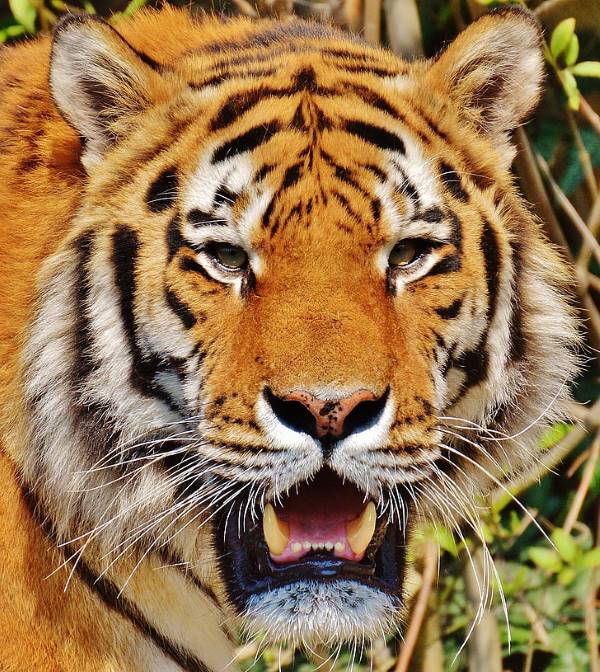
    Nepal has nearly tripled its tiger population in the wild to 355 individuals, the country’s National Tiger and Prey Survey says.

    The 190 per cent increase since 2009 is a result of the protection of key tiger habitats and corridors, partnership with local communities and cracking down on poaching and illegal wildlife trade, said WWF Nepal.

    13 Tiger range countries are meeting in Russia in September on the occasion of the twelfth International Tiger Day and will begin discussions on the next 12-year commitments for tiger conservation under the Global Tiger Recovery Program.

    The Nepal government announced that the nation’s tiger population had increased from the baseline established in 2009 – an increase of over 190 per cent. These results are from Nepal’s National Tiger and Prey Survey 2022.

    With this announcement Nepal is the first country to release updated tiger numbers during the Year of the Tiger. Tiger range countries are meeting next month to begin discussions on the next 12-year commitments for tiger conservation under the Global Tiger Recovery Program.

    The jump in the number of the wild cat and Nepal’s journey to increase its count of tigers highlights the importance of maintaining and rigorously protecting core habitats, partnering with communities to integrate conservation and development needs, and expanding conservation interventions to include corridors and habitats beyond existing protected areas.

    Extensive effort

    The target to double wild tigers, also known as Tx2, was set by governments in 2010 at the St. Petersburg International summit on tiger conservation.

    “The doubling of Nepal’s tiger population is an extraordinary achievement and is the result of sustained conservation effort over many years,” said Stuart Chapman, WWF’s Tigers Alive Initiative Leader. “Nepal has demonstrated the highest conservation standards in reaching this historic milestone. There is clearly much to learn from Nepal’s tiger population recovery over the last 12 years.”

    An extensive effort covering 18,928 sq. km – over 12 per cent of the country – and 16,811 days of field staff time was invested to complete the survey. “The results bring both great hope and reassurance about tigers’ long-term future in Nepal,” says WWF-Nepal, an implementing partner in the survey led by the Department of National Park and Wildlife Conservation with support also from other conservation organizations (National Trust for Nature Conservation and ZSL Nepal).

    “This conservation win is a result of political will and concerted efforts of local communities, youth, enforcement agencies, and conservation partners under the leadership of Government of Nepal,” said Ghana S Gurung, Country Director, WWF- Nepal.


    Image: Hippopx, licensed to use Creative Commons Zero – CC0

    India, Pakistan Fight Child Vaccination Backslide

    COVID-19 restrictions caused backslide in child immunisations worldwide, but India and Pakistan saw the greatest drop in vaccinations – a backslide that both countries have successfully arrested.

    By Ranjit Devraj

    India and other South Asian countries must deal with a dangerous backslide in routine infant vaccinations during 2019—2021 brought on by the COVID-19 pandemic and restrictions imposed to counter its spread, say UNICEF officials.

    “Immunisation coverage has fallen for nearly all vaccines in the routine schedule between 2019 and 2021,” Rene Ekpini, regional advisor for health at the United Nations Children’s Fund (UNICEF) South Asia told SciDev.Net.

    Across the world, some 25 million children missed out on one or more doses of the combined diphtheria-tetanus-pertussis (DTP3) vaccine, according to data released in July by the World Health Organization and UNICEF. “Of the children who missed out, five million were from South Asia,” said Ekpini.

    Diphtheria, tetanus and pertussis are serious bacterial infections that can be prevented in children with the combined DPT vaccine that has been part of universal immunisation programmes since 1948.

    According to the UNICEF/WHO data, 3.4 million of the unvaccinated or under-vaccinated children were from India. The country also accounted for 15 per cent of all children who did not receive even a single dose of the DTP3 vaccine — considered a marker for immunisation coverage.

    Ekpini said that the impact of the drop in coverage would be different and dependent on the contagiousness of a particular disease. “A five percentage point drop in measles coverage may not sound high, but because of its extreme contagiousness it can affect all children who lack protection against it, resulting in large outbreaks,” he said.

    Inadequate coverage has already resulted in outbreaks of measles and polio over the past 12 months, underscoring the need to immunise children, adolescents and adults against preventable diseases and keep societies healthy, Ekpini said.

    Pakistan’s fight back

    While vaccine coverage dropped in every region, the East Asia and Pacific region recorded the steepest reversal in DTP3 coverage, falling by nine percentage points in two years, with the highest numbers coming from India, Pakistan, the Philippines and Indonesia, according to UNICEF/WHO.

    Globally, DTP3 coverage was set back to its lowest level since 2008 which, along with declines in coverage for other basic vaccines, pushed the world off-track to meet global goals, including the immunisation indicator for the UN’s Sustainable Development Goals.

    The decline was attributed to several factors, including increased misinformation, COVID-19 related issues such as service and supply chain disruptions, resource diversion to pandemic response efforts, and containment measures that limited immunisation service access and availability.

    “This historic backsliding in rates of immunisation is happening against a backdrop of rapidly rising rates of severe acute malnutrition. A malnourished child already has weakened immunity and missed vaccinations can mean common childhood illnesses quickly become lethal to them,” a UNICEF/WHO statement said.

    While India and Pakistan topped the list of countries that saw the greatest increase in children not receiving a first dose of DTP between 2019 and 2020, they were also quick to bounce back.

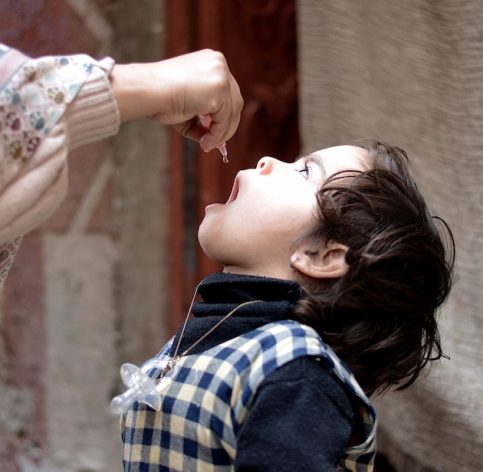
    Pakistan now figures among countries that successfully fought back declines to return to pre-pandemic levels of coverage “thanks to high-level government commitment and significant catch-up immunisation efforts”, UNICEF/WHO said.

    India’s special drives

    In India, progress towards reducing the number of zero-dose children was impacted by the pandemic and the number of children who did not receive the first dose of the DTP vaccine was estimated to have increased to three million in 2020, up from 1.4 million in 2019, according to Mainak Chatterjee, health specialist at UNICEF India.

    “Despite having the largest birth cohort in the world, India was able to prevent a further backslide through special drives such as the Intensified Mission Indradhanush, which enabled the country to bring down zero-dose to 2.7 million in 2021,” Chatterjee told SciDev.Net.

    In February, the government launched what it described as “the largest vaccination drive globally”, reaching out to missed children and pregnant women. India already vaccinates more than 30 million pregnant women and 26 million children through its Universal Immunisation Programme.

    India not only managed to prevent a decline in routine coverage, it also ensured continued focus on COVID-19 vaccination, said Chatterjee. “A rapid resumption of routine immunisation services coupled with evidence-based catch-up campaigns enabled India to limit the backslide,” he said.

    “Unvaccinated or ‘zero-dose’ children tend to live in the most vulnerable communities within countries and they suffer the most when hurdles to vaccination increase — the number of zero-dose children was actually found [to be] higher than the number who had received partial vaccination,” Ekpini said.

    Families of zero-dose children are more likely to be deprived of other essential health services as well, Ekpini said, adding: “For this reason, efforts for strengthening immunisation need to be directed to strengthening overall health and community systems rather than immunisation in isolation.”

    This piece has been sourced from SciDev.Net.

    Image: Emergency Operating Centre – Khyber Pakhtunkhwa

    Hydropower and South Asia’s Energy Future: Three Key Issues to Ponder Upon

    There are concerns that hydropower projects benefit cities and downstream populations more than the local people who bear the direct social and environmental costs. Transitioning to sustainable hydropower development is critical for climate resilience and meeting future energy needs.

    By Nisha Wagle and Chimi Seldon

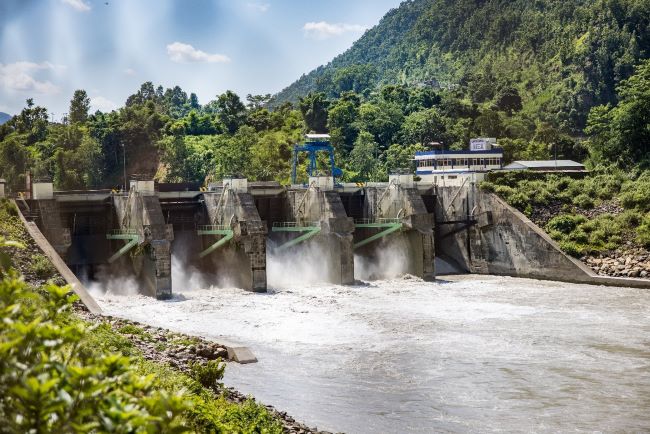
    Hydropower will play a significant role in SouthAsia’s energy future, and demand is higher now than ever before. Since the vast potential of the region’s mighty and fast-flowing rivers is yet to be fully exploited, now is the time to focus on environmentally, socially and financially sustainable hydropower development.

    Hydropower projects are complex. They are often large-scale, require high initial investment, are subject to market risks, and involve numerous stakeholders. Multiple environmental and social challenges require navigating during both construction and operation, and investors expect high rates of return.

    When looking at the environmental, socioeconomic, financial, and technical domains in relation to achieving sustainable hydropower in the future, two key questions emerge: Are efforts being made (and plans being put in place) to mitigate potential negative impacts? Are these mitigation measures cost-effective?

    We know that the environmental costs can be significant, and some of the environmental risks may be exacerbated by climate change. The social equity of hydropower development is also to be considered – there are concerns that hydropower projects benefit cities and downstream populations more than the local people who bear the direct social and environmental costs. Then there is the issue of cost competitiveness (compared to solar and wind), the ramifications of which should not be ignored. These should be considered together with the technical components – the design, site, and operational plan.

    Environmental sustainability

    Despite hydroelectricity being relatively clean energy, the construction and operation of hydropower projects can present several environmental challenges, and conversely, environmental and climate risks could hamper projects. Changes in land-use, modification of river flow regimes, and disruption of aquatic and terrestrial ecosystems are a few common impacts of hydropower development projects. On the other hand, multiple hazards prevalent in South Asia can impact project infrastructure and power production. The environmental risks are further exacerbated by climate change which brings with it increased extreme weather events as well as greate risks for glacial lake outburst other types of floods, landslides, sedimentation, and changes in the hydrological regime.

    The disasters in Melamchi, Nepal and Uttarakhand, India in 2021 were wake-up calls and showed that we need to consider not just single but multiple hazards. Crucially, they showed that multiple hazards and cascading impacts, which are challenging to understand and predict, are becoming common in South Asia.

    Environmental sustainability depends on how well the associated risks are identified and mitigated. Strict adherence to environmental impact assessment (EIA), including environmental risk assessment during the feasibility study and effective implementation of preventive measures and plans as well as compliance monitoring are prerequisites. There are proven measures from international and regional practices – through reliable climate and weather services and flow forecasting systems, for instance – towards a project’s sustainability, longevity, and optimised power production. Such practices enable analysing future environmental and climate risks. Likewise, watershed and land use management plans, installation of early warning systems, availability and effective implementation of policies and guidelines, and institutional arrangements and capacity building can be instrumental. Mitigation measures such as lowering reservoir levels and changing operation rules for sediment passage during flood season, for instance, can prevent downstream flooding and reduce sedimentation. Similarly, stringent rules for maintaining environmental flows and encouraging developers to construct fish ladders will allow aquatic species to sustain. There is a crucial need for the hydropower industry to work with environmental scientists to develop more solutions, including nature-based ones.

    Social sustainability

    Social justice is a critical concern in the development of large-scale water infrastructure. Though the benefits of hydropower are large, local communities – who bear the social costs in terms of resettlement and changes in their cultural landscape and the environmental costs in terms of land degradation, water quality issues, and pollution – may not necessarily reap the rewards.

    It is imperative that hydropower developers and stakeholders take local needs into consideration. The adoption of a royalty mechanism, which would ensure locals receive a cut of the monetary profits; equity securities, which would ensure ownership in the concerned hydropower project; rural electrification; and employment opportunities are some means to address social concerns. Additionally, facilities such as road access and drinking water availability, job opportunities, and capacity-building initiatives help local communities.

    Financial sustainability

    The financial sustainability of hydropower is often considered only in terms of revenue generation. The environmental and social risks and their cost implications are seldom taken into account. And while hydropower is currently cheaper than other renewable energy sources, this scenario is changing. By 2040, solar energy is projected to overtake coal to become the biggest energy generator globally. To compensate for the variability in energy generation, at least 50 per cent of the energy share in South Asia (where 75 per cent of hydropower potential remains unexploited) can come from hydroelectricity. While hydroelectricity is not subject to diurnal variations and can be stored, ensuring its competitiveness with other reliable energy sources will require the minimisation of environmental and social risks as well.

    Thorough feasibility studies for each project would help identify and manage these risks, reduce project life cycle costs, increase returns, and optimise results overall. For this, we would need fit-for-purpose institutional, market, and financing arrangements; power purchase agreements; and buy-in and participation from state and other relevant governing bodies for effective policy implementation. Mandatory compliance monitoring of mitigation measures could also ensure that risk mitigation is achieved for maximum benefit. Additionally, policies and institutions that promote long-term loans matching the life span of hydropower plants could reduce the unit cost of production.

    What next?

    As the demand for electricity in South Asia increases, the challenge will be to fulfil demand without compromising future needs. While hydropower is a promising alternative energy source, its success depends on how well the associated risks and concerns – social, economic, environmental, and technical – are addressed.

    Sustainable hydropower is the only acceptable way for the region to meet its future energy needs Improved coordination and collaboration among stakeholders will be a prerequisite for this. There is a need for greater cross-border electricity trade, which promotes system efficiency and flexibility, and takes advantage of geographical, seasonal, and daily complementarities in demand and supply. The BBIN (Bangladesh, Bhutan, India, and Nepal) subregion is a good example where further grid-based development would enable Bhutan and Nepal to sell the electricity produced by their fast-flowing rivers to India and Bangladesh respectively.

    There is also scope to customise international sustainability protocols covering social, environmental, and economic practices with proven records to suit South Asia’s needs.


    Nisha Wagle and Chimi Seldon are associated with the International Centre for Integrated Mountain Development’s (ICIMOD) Water and Air theme and Knowledge Management and Communication unit respectively.

    Image: Marsyangdi Hydropower Station in Nepal by Jitendra Bajracharya / ICMOD.

    2022 State of Food Security and Nutrition in the World Report: Repurpose Subsidies to Reduce Rising Hunger

    The report projects that if current trends continue, nearly 670 million people or eight per cent of the world population will still be undernourished and facing hunger in 2030 — same as the 2015 levels when the 2030 Agenda was launched.

    By Swati Malhotra

    The world continues to lose ground in its efforts to end hunger, food insecurity, and malnutrition in all its forms by 2030, according to the recently-released 2022 State of Food Security and Nutrition in the World (SOFI) report. As many as 828 million people were affected by hunger globally in 2021 (around 10.5 per cent of the world population)—an increase of 46 million since the end of 2020 and of 150 million since the COVID-19 pandemic began a year earlier. The rise reflects continuing post-pandemic inequalities across and within countries due to uneven patterns of economic recovery and unrecovered income losses among those hit hardest.

    The combination of pandemic fallout, conflict, and climate shocks has reversed previous progress, according to the report, a joint publication by the UN Food and Agriculture Organization (FAO), International Fund for Agricultural Development (IFAD), UNICEF, World Food Programme, and World Health Organization (WHO).

    In particular, the report says, COVID-19 highlighted the fragilities of agrifood systems and inequalities within societies while driving up food insecurity and global hunger. Meanwhile, the ongoing war in Ukraine has further exacerbated food crises by disrupting international supply chains and pushing up the prices of grains, fertilizer, and energy.

    Increased costs

    All of these problems have contributed to an increased average cost of a healthy diets in all regions of the world, and has also undone previous progress in increasing food security and reducing malnutrition among children. Nearly 3.1 billion people globally were unable to afford a healthy diet in 2020, a jump of 112 million from 2019 due to the continuing stresses of pandemic and war. (The SOFI report employs a suite of new indicators developed by the Food Prices for Nutrition project, a partnership of IFPRI, Tufts University, and the World Bank that measures access to healthy diets around the world.)

    Pandemic fallout, conflict, and climate-related shocks such as extreme weather continue to impede food supply chains, especially in low income countries and among vulnerable populations in different parts of the world. Africa bears the heaviest regional burden, with one in five people or 20.2 per cent of the population undernourished compared to 9.1 per cent in Asia, 8.6 per cent in Latin America and the Caribbean, 5.8 per cent in Oceania, and 2.5 per cent in Northern America and Europe combined.

    The report projects that if current trends continue—with only eight years remaining to achieve all the Sustainable Development Goals (SDGs)—nearly 670 million people or 8 per cent of the world population will still be undernourished and facing hunger in 2030, same as the 2015 levels when the 2030 Agenda was launched, and 78 million more than in a scenario in which the pandemic had not occurred. In addition, the war in Ukraine continues to impact the trajectory of global food security and disrupt global agricultural markets, a sign of alarm for many countries in the near future.

    Invest in nutritious foods

    Despite hopes that the world would recover quickly from the effects of the COVID-19 pandemic, global economic growth prospects for 2022 are significantly lower than previously expected, leaving many countries with limited financial resources to invest in agrifood systems. To meet the targets of SDG 2 (Zero Hunger), the report suggests reducing the costs of healthy diets by investing in production of more nutritious foods; efforts should also be made to influence consumer preferences towards them.

    A key potential source of funds for these efforts, the report says, is repurposing the various types of public support for agriculture, which currently total almost $630 billion per year globally. Much of that is in the form of subsidies that distort market prices, contribute towards environment degradation and climate change, and hurt rural income generation prospects.

    Along with the report, recent research by IFPRI in collaboration with the World Bank suggests that repurposing this support would achieve triple wins for people, planet, and the global prosperity. Investing instead in certain high-priority and nutritious foods for a healthy diet can reduce their costs while generating higher incomes for producers. Support for sustainable production methods will also help lower greenhouse gas emissions and reduce the overall carbon footprint of the agriculture sector.

    Need sustainable, multi-sectoral reforms

    International development support and public-private partnerships will be key to ease this transition in agriculture-dependent and low-income countries — helping them to implement necessary policies to create employment, improve rural livelihoods, and strengthen the overall economy. Altering existing trade policies and fiscal subsidies will require weighing countries’ commitments and flexibilities under the current WTO rules as well as in ongoing negotiations.

    This transformation must be accompanied by policies that promote shifts in consumer behaviours toward heathier foods, along with improved social protection policies to safeguard vulnerable populations from any unintended consequences, the report says. It is crucial that these reforms be sustainable ⁠— they must be multi-sectoral and encompass health, environment, transportation, and energy policies ⁠— to benefit both the current and future generations.


    Swati Malhotra is a Communications Specialist with IFPRI’s Markets, Trade, and Institutions Division.

    This piece has been sourced from IFPRI

    Technology Helps Traffickers Hunt Their Victims, Enslave Them, Sell Their Organs

    Internet and digital platforms are used by criminal gangs to recruit, exploit and control the victims of their human trafficking lucrative business. Among other crimes, victims of trafficking are also targeted for “organ harvesting.

    By Baher Kamal

    Human beings have proved to be capable of producing innumerable practical inventions while much too often making the worst use of them. Take the case, per example, of how criminal groups heavily rely on digital platforms to trap and enslave their victims also for extracting and selling their organs.

    Yes, technology now dominates most of human activities and, surprisingly enough, it is now presented as the perfect life-saving solution for the smallest and poorest households worldwide. Simply, it has replaced the precious human knowledge, which has been acquired over thousands of years.

    And technology is now utilised by the world’s biggest ‘warlords’ to bomb unarmed civilians with drones, also carrying nuclear heads.

    Meanwhile, internet and digital platforms are used by criminal gangs to recruit, exploit and control the victims of their human trafficking lucrative business. Among other crimes, victims of trafficking are also targeted for “organ harvesting.”

    No wonder then that the 2022 World Day Against Trafficking in Persons observed on 30 July focused on the use and abuse of technology as a tool that can both enable and impede human trafficking.

    What’s behind human trafficking?

    “Conflicts, forced displacement, climate change, inequality and poverty, have left tens of millions of people around the world destitute, isolated and vulnerable,” said UN Secretary-General António Guterres ahead of World Day.

    The COVID-19 pandemic has separated children and young people in general from their friends and peers, pushing them into spending more time alone and online, said Guterres.

    “Human traffickers are taking advantage of these vulnerabilities, using sophisticated technology to identify, track, control and exploit victims.”

    Slave markets, also in refugee camps

    Obviously, given the clandestinity of these inhuman operations–and the negligent complicity of official authorities–, the number of victims is practically impossible to calculate.

    The International Organization for Migration (IOM) estimates that the number of “detected” trafficked persons amounts to over 150,000. Other estimates talk about as many as one million.

    More than 60 per cent of known human trafficking victims over the last 15 years have been women and girls, most of them trafficked for sexual exploitation.

    Meanwhile, the criminal gangs’ operations have been extended everywhere, even in refugee camps.

    In the article: Slave Markets Open 24/7: Refugee Babies, Boys, Girls, Women, Men…, IPS reported that, in addition to slave selling and buying deals in public squares, as reported time ago in ‘liberated’ Libya, a widespread exploitation of men, women, and children has been carried out for years at refugee camps worldwide.

    One of them is a Malawi refugee camp, where such inhumane practice has been reported by the UN Office of Drugs and Crime (UNODC) and the Malawian Police Service.

    “I even witnessed a kind of Sunday market, where people come to buy children who were then exploited in situations of forced labour and prostitution,” said UNODC’s Maxwell Matewere.

    The camp is also being used as a hub for the processing of victims of human trafficking. Traffickers recruit victims in their home country under false pretences, arrange for them to cross the border into Malawi and enter the camp.

    Many other refugee camps, as it is the case of the Za’atari camp in Jordan, where tens of thousands of Syrian refugees are located once they had to flee the 11-years long devastating war on their country, are also suspected of being stage for human trafficking. And the list goes on.

    The Dark Web

    Often using the so-called “dark web”, online platforms allow criminals to recruit people with false promises, informs the UN, adding that technology anonymously allows dangerous and degrading content that fuels human trafficking, including the sexual exploitation of children.

    On this, the UNODC explains that as the world continues to transform digitally, internet technologies are increasingly being used for the facilitation of trafficking in persons.

    With the rise of new technologies, some traffickers have adapted their modus operandi for cyberspace by integrating technology and taking advantage of digital platforms to advertise, recruit and exploit victims.

    Recruited through social media

    Everyday, digital platforms are used by traffickers to advertise deceptive job offers and to market exploitative services to potential paying customers, explains UNODC.

    “Victims are recruited through social media, with traffickers taking advantage of publicly available personal information and the anonymity of online spaces to contact victims.”

    Patterns of exploitation have been transformed by digital platforms, as webcams and live streams have created new forms of exploitation and reduced the need for transportation and transfer of victims.

    Trafficking in armed conflicts

    A group of UN-appointed independent human rights experts, known as Special Rapporteurs, has recently underscored that the international community must “strengthen prevention and accountability for trafficking in persons in conflict situations”.

    Women and girls, particularly those who are displaced, are disproportionately affected by trafficking in persons for the purpose of sexual exploitation, forced and child marriage, forced labour and domestic servitude, they warned.

    “These risks of exploitation, occurring in times of crisis, are not new. They are linked to and stem from existing, structural inequalities, often based on intersectional identities, gender-based discrimination and violence, racism, poverty and weaknesses in child protection systems,” the experts said.

    Structural inequalities

    According to the independent human rights experts, refugees, migrants, internally displaced and Stateless persons are particularly at risk of attacks and abductions that lead to trafficking.

    And the dangers are increased by continued restrictions on protection and assistance, limited resettlement and family reunification, inadequate labour safeguards and restrictive migration policies.

    “Such structural inequalities are exacerbated in the periods before, during and after conflicts, and disproportionately affect children”, they added.

    Targeting schools

    Despite links between armed group activities and human trafficking – particularly targeting children – accountability “remains low and prevention is weak,” the UN Special Rapporteurs underlined.

    Child trafficking – with schools often targeted – is linked to the grave violations against children in situations of armed conflict, including recruitment and use, abductions and sexual violence, they said.

    “Sexual violence against children persists, and often leads to trafficking for purposes of sexual exploitation, sexual slavery, forced pregnancy and forced marriage, as well as forced labour and domestic servitude”.

    Organ harvesting

    The independent human rights experts also highlighted that in conflict situations, organ harvesting trafficking is another concern, along with law enforcement’s inability to regulate and control armed groups and other traffickers’ finances – domestically and across borders.

    “We have seen what can be achieved through coordinated action and a political will to prevent trafficking in conflict situations,” said the group of Special Rapporteurs, advocating for international protection, family reunification and expanded resettlement and planned relocation opportunities.

    Special Rapporteurs and independent experts are appointed by the Geneva-based UN Human Rights Council to examine and report back on a specific human rights theme or a country’s situation. The positions are honorary, and the experts are not paid for their work.

    Protection services ‘severely lacking’

    The UN refugee agency, UNHCR, on 29 July warned that protection services for refugees and migrants making perilous journeys from the Sahel and Horn of Africa towards North Africa and Europe, including survivors of human trafficking, are “severely lacking”.

    “Some victims are left to die in the desert, others suffer repeated sexual and gender-based violence, kidnappings for ransom, torture, and many forms of physical and psychological abuse.”

    All the above is just another tragic evidence of how big is the ‘dark web’ of the world’s so-called decision-makers.


    This piece has been sourced from Inter Press Service.

    Image: IOM Port of Spain