More

    Monkeypox Concern Heightened Only After it Became A ‘Northern’ Disease, Says WHO 

    Castigating developed countries for not paying heed to diseases prevalent in the global south until these hit home, the WHO has urged developed nations to invest in diseases prevalent in developing countries, “no matter the nationality, skin colour or religion of the affected population.”

    The WHO has called on nations work together to stop the rapidly spreading outbreak of monkeypox. On 23 July, the WHO declared the spread of the virus to be a public health emergency of international concern – the organization’s highest level of alert.

    Castigating developed countries for not paying heed to diseases prevalent in the global south until these hit home, the WHO has urged developed nations to invest in diseases prevalent in developing countries, “no matter the nationality, skin colour or religion of the affected population.”

    Speaking from Dakar, Senegal, WHO Assistant Director-General for Emergencies Ibrahima Soce Fall said that “we have been working on monkeypox in Africa for several years, but nobody was interested”.

    Once referred to as a “neglected tropical disease,” he said that WHO had been working on Monkeypox with very few resources.

    However, once northern countries began getting affected by the disease “the world reacted”.

    “It was the same with the Zika virus and we have to stop this discrimination,” said Dr. Fall.

    Public Health Emergency

    On 23 July, the WHO declared the spread of the virus to be a public health emergency of international concern – the organization’s highest level of alert.

    In this way, WHO aims to enhance coordination, the cooperation of nations, and global solidarity.

    “The world must be involved to protect these populations, no matter their nationality, their skin colour, or their religion,” said Dr. Fall,

    “I think it is extremely important and now that more than 70 countries are affected in the world, everyone is getting active”.

    Resources for Africa

    Until this year, the virus that causes Monkeypox has rarely spread outside Africa, where it is endemic.

    But reports of a handful of cases in Britain in early May signalled that the outbreak had moved into Europe.

    “It is important, and we have already been doing so, to accelerate the research and development agenda on Monkeypox so that the most affected African countries can have the resources to prevent and fight against Monkeypox,” upheld Dr Fall.

    Time for global investment

    Although a vaccine to prevent Monkeypox was approved in 2019, availability remains limited at the moment.

    “We have had many cases in the Democratic Republic of Congo, Nigeria, Central African Republic, Cameroon, and some sporadic cases in countries such as Ghana, Benin etc. “, Dr. Fall said. “I think it is time that the world invests so that these populations that are living in rural areas and in forest areas, can be protected”.

    According to Dr Fall, “if we only treat what is happening in Europe and America, we will only treat the symptoms of Monkeypox, but not the real disease.  It is important that the world gets mobilized to this kind of disease”.

    First Person: Surviving Bali’s COVID Tourism Crash

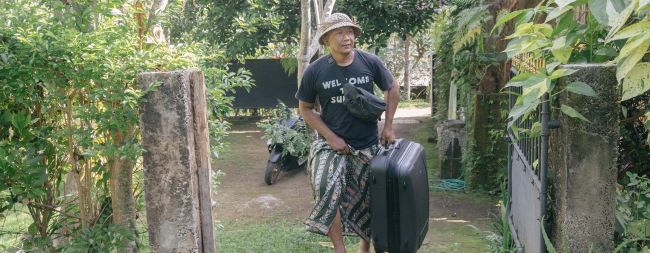
    Dekha Dewandana ran a thriving ‘homestay’ tourism property in Bali, and received UN-supported training which has helped him to maintain a high standard of hospitality. When COVID-19 hit Indonesia, his business was pushed to the verge of collapse and, after a bruising two-year period, it’s now slowly recovering.

    Dekha Dewandana is a beneficiary of ILO’s SCORE HoCo Programme, an ILO global programme that improves productivity and working conditions in small and medium enterprises. 

    “When my parents passed away, I followed their wish for me to take care of our family home in Sudaji Village.

    At that time, the village was already known as a tourism destination thanks to its cultural traditions and scenery and, in 2014 I started to realise my dream to develop homestays, where tourists stay with local families, in my village.

    I was fully confident that I could succeed, based on my tourism and hotel background. I observed the operations of homestays and learnt how to transform my house into one.

    It was a success; my homestay, Esa di Kubu, was chosen by the Bali Tourism Office to represent Sudaju Village in a national tourism award, and was awarded second prize.

    Afterwards, the Bali Tourism Office recommended that I take part in the International Labour Organisation’s Sustaining Competitive and Responsible Enterprises (SCORE) hospitality coaching programme.

    The programme helped us to ensure that our facilities and equipment reached accepted ASEAN (Association of Southeast Asian Nations) regional standards. We learnt about professional bedding, toiletries, food presentation, guest services and so forth. Every month, the trainer would coach us, and evaluate our progress.

    The training also taught us the importance of digitalization and digital marketing, and I began promoting my homestay online. As a result, sales and visitor numbers increased, and I received high ratings on online tourism platforms.

    ‘We were all panicked and worried’

    Then, at the end of 2019, COVID-19 hit. From January 2020, foreign guests began cancelling, and by March, when the Indonesian government declared a pandemic in the country, we had only five guests left, all of whom had found themselves trapped in Bali.

    At the beginning of the pandemic, we received health protocol training from the ILO: we were taught how to protect ourselves by observing measures such as maintaining physical distance, using masks, and washing our hands. We maintained the protocols with the trapped guests, who continued to stay while finding ways to be repatriated.

    Due to the global and national lockdown and mobility restrictions we had no guests and no income. We were all panicked and worried. I used my savings to buy daily needs, particularly food: I bought as much rice and instant noodles as possible, because the stores and markets were closed down.

    I was contacted by my former overseas guests, asking about my condition and offering some help, which I felt grateful for. Their support helped my family to survive until the end of the 2020.

    The first seven months of 2021 were the most difficult. We were planting vegetables to survive, but my fellow villagers and I barely ate during that period, and I began to lose hope.

    ‘My homestay has become alive again’

    Eventually, conditions improved, restrictions were lifted, and we received assistance from the government. I never forgot about my homestay dream during this period, during which I repainted and fixed up the house.

    Foreign visitors began to return, and in January 2022 I received a group of tourists from Denmark and Switzerland.

    I’m glad that my homestay has become alive again.

    As well as running my business, I am one of the founders of Sudaji Homestay, a group for homestay owners who have completed the ILO hospitality coaching programme.

    Not all the homestay owners can speak English or have an understanding about marketing and digital marketing, and the group is there to share knowledge, and help members to maintain standards for their homestays.

    I share my skills and knowledge so that we can continue to maintain our reputation as one of Indonesia’s leading tourism village, so that my fellow villagers do not have to find jobs elsewhere.”

    Image: Putu Sayoga / ILO

    Shrinking Job Market Deepens Economic Crisis in Myanmar

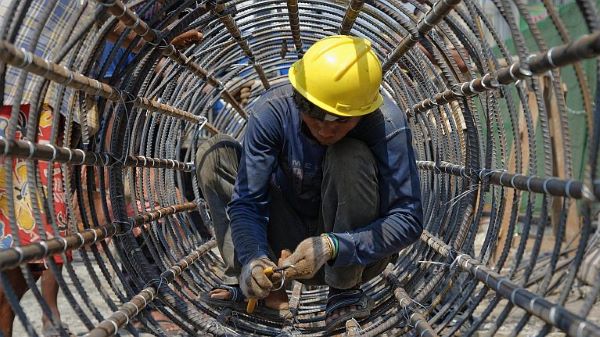
    New ILO estimates shows that Myanmar remains deeply affected by job losses in first half of 2022 as employment remains well below 2020 levels while productivity levels contract further and job quality deteriorates.

    Myanmar remains deeply affected by heavy job losses 18 months after the military takeover on 1 February 2021 and two and a half years into the global pandemic, according to new estimates released by the International Labour Organization (ILO).

    The ILO estimates that 1.1 million fewer women and men are employed compared to 2020, which indicates a small recovery in jobs in the first half of 2022. However, employment remains well below 2020 levels while the quality of jobs is deteriorating. Women are also more affected than men overall.

    In the first half of 2022, labour productivity contracted a further 2 per cent, adding to an 8 per cent contraction in 2021, reversing the strong gains that had been made in years prior to the military takeover.

    Labour conditions are deteriorating for many workers with serious violations of labour rights as referred to in decisions of the ILO Committee on Freedom of Association, ILO Governing Body and in the International Labour Conference Resolution of 2021.

    The situation has taken a toll on enterprises and workers in key sectors. In the garment industry, evidence points to an increase in casual or daily labour, irregular working hours and workers receiving lower pay. ILO research also shows that more widely, entitlements such as severance pay when workers’ jobs are terminated are also often not granted.

    “Eighteen months on from the military takeover, the employment situation in Myanmar remains very difficult. While there are limited signs of job growth, the ongoing erosion of labour conditions and the decrease in job quality is deeply concerning,” says Mr Donglin Li, ILO Myanmar Liaison Officer.


    Image: M Crozet / ILO

    42 out of 56 Koshi Barrage Sluices Opened

    The sluices were opened after the flow of water measured 243,180 cusecs per second and the surge in the water levels in the river panicked residents of Udaypur, Saptari, and Sunsari districts in Nepal.

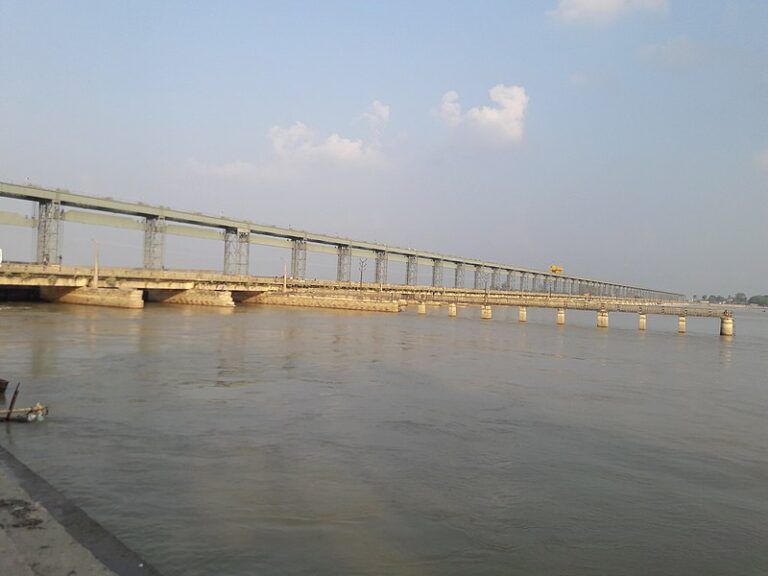
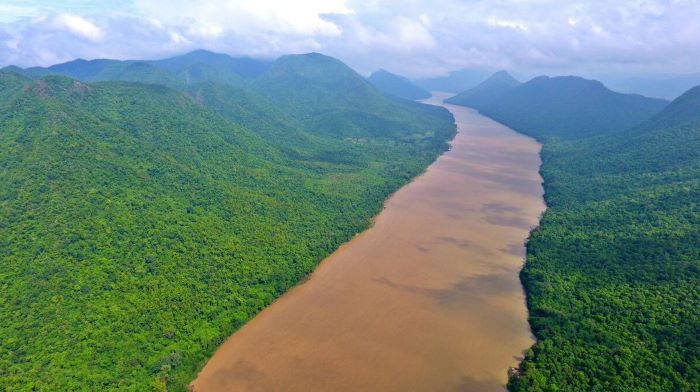
    Incessant rains in the upper reaches of the Koshi river in Nepal has led to surging water levels and authorities at the Koshi river barrage in Nepal have opened 46 of the 56 sluices of the Saptakoshi barrage to avoid a disaster on their side.

    The sluices were opened after the flow of water measured 243,180 cusecs per second and the surge in the water levels in the river panicked residents of Udaypur, Saptari, and Sunsari districts in Nepal.

    The river has changed course to flow where it flowed almost 35 years ago. Homes of people settled in the municipal town of Belka in Udaypur have been swept away and over 20,000 people have been displaced.

    This has led to an alert being sounded in Bihar. India’s Central Water Commission tweeted that the Koshi river “continues to flow in severe situation” in the districts of Birpur and Saupal in Bihar.

    Land erosion

    People in Nepal are angry. One resident of Belka-3 complained, “Even though Koshi has been eroding lands for a few days, the government did not take action.”

    Local people panicked as the river eroded land for two days. The mayor of Belka municipality, Ashok Karki, too said that no measures were effective to control the erosion. Flooding and erosion started around the rural areas of Dumribote and Sisaulighat after the flood of Koshi breached the embankment and entered settlement. “Sisaulighat became an island after Koshi broke the embankment and entered the settlements. I have come here by boat,” the mayor said, “Sisaulighat is at the highest risk. Here more than 150 households are at risk.”

    Stating that efforts are currently being made to prevent loss of property due to flooding and erosion, he said the rapid river currents have swept away the old embankment rebuilt by the Indian government only last year.

    Rescue and relief

    The Nepal Red Cross Society has been approached by the chief district officer of Udayapur for immediate relief, mainly shelter and the National Disaster Risk Reduction and Management Authority is coordinating the rescue and relief operations.

    Saptari Superintendent of Police Abhinarayan Kafle said that although the Koshi River has moved towards the western settlement of Dumribote in Belaka Municipality of Udaypur, the flow of water from the barrage has not decreased yet.

    He said that more than 2,500 people were displaced in Udaypur, while community buildings and school buildings in Hanumannagar Kankalini Municipality-13, Saptari have been washed away due to incessant and rapid flow.


    Image: Wikimedia.

    Lessons from a Life Well Lived

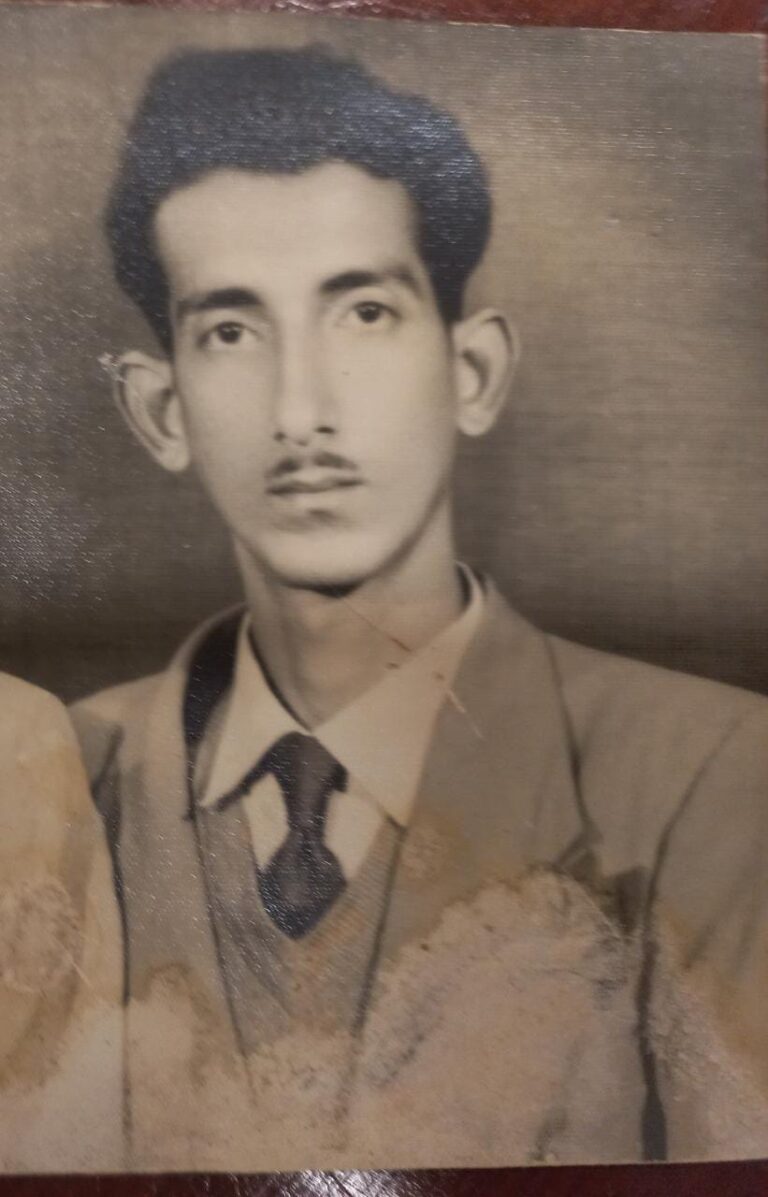
    This is the last part of my series of columns about my father – M Rashad Mahmood – who was born in Bombay in 1932 and completed 90 years of his life this July. Since Dr Jaffar Ahmed is compiling his old comrade’s biography that the Institute of Historical and Social Research will soon publish, I am not going to give more details here.

    Naazir Mahmood

    I would like to conclude this series by outlining some lessons I have learnt from my father. Having lost both his parents while still a teenager, he has always kept himself busy. From doing various odd jobs as a child labourer to being an employee at various glass shops and factories in Bombay, Calcutta, Lahore, and Karachi he has been a hardworking man all along. When he opened his own shops and then set up a small home-based factory of glass, mirrors, and picture framing in Lahore and Karachi, he made them a success.

    This is the first lesson: keep oneself busy. At times he suffered losses, especially in the 1970s when he fell on hard times – but he always bounced back. My three brothers and I were required to be present at the shop and work with him after school time. He made sure that his sons could earn their livelihood with their own skills rather than relying on somebody else. The lesson we learnt was to never be lazy or just lounge around wasting time.

    Love for Reading

    Love for reading is the second lesson I received from my father. In Bombay he used to frequent Shahid Free Library in Madan Pura, and numerous other book banks, apart from receiving books, magazines, and newspapers from his senior comrades living and working in various areas of Bombay. From our childhood we have seen him reading at least a couple of newspapers daily. He always kept himself abreast of what is happening in the country and around the world. He was not able to complete his school education but his interest in reading on various disciplines instilled a similar streak in me.

    I learnt from him to read intently current affairs, history, literature, political science, psychology, sociology, philosophy, and many other disciplines. He bought me books from old book venders and even during my school years prompted me to read Urdu literature and translations of world literature in Urdu. Thanks to him, I was able to develop a reasonable understanding of political and social issues and the literary trends of the past and the present. The lesson was to be interested in everything that is happening around us. He is a curious man and tried to make us so too, with varying degrees of success.

    Shun chauvinism

    His commitment to and understanding of Marxist philosophy is exemplary. Even after the collapse of the Soviet Union and disappearance of the socialist bloc from the scene, he remains a Marxist, and still believes in the fundamental ideas propounded by Karl Marx. I have learned from him that dialectical and historical materialism are useful tools for understanding intricacies of social development anywhere in the world. Though I have reservations about any universal applicability of Marxism with all its determinism and inevitability of a socialist revolution, what I have learnt from him is still valuable to me.

    The next lesson from him is to remain above all bigotry and prejudices in life. He has had friends from all ethnic and religious groups; never allowing any chauvinist or jingoist to enter his inner circle. His advice is clear: make friends from all orientations and never be swayed by denominational considerations. He gave us a lesson in secularism that has stood us in good stead. There are many who have retracted their earlier secular inclinations, especially in their old age, he has not.

    His love for art and culture has been another major lesson for us. Films have been his passion and he has remained a movie buff from his early years in Bombay. He recalls with vivid description nearly all the movies he saw in his youth and later. You name a movie of the 1940s and 50s, and he will be able to tell you about its actors, director, musicians, and lyricists. You recite a line from a song of that period and he is likely to recite the entire composition with the names of composers and singers.

    Arts and the activist

    He taught us that good films are a fairly beneficial source to learn about different societies and their problems. Appreciation of dance and drama is also something we learnt from him, coupled with a clear and even academic level of understanding of poetry. He still remembers the ghazals and poems by Kaifi Azami, Sardar Jafri, Niaz Haider, Majrooh Sultanpuri, Arif Jalali, and many others that he listened to in his younger days in Bombay. Ghalib is his favourite and thanks to my father’s explanation of couplets, I am able to enjoy even hard to understand poetry.

    Involving oneself in literary and political activities is also a lesson to learn. He took us to literary sittings and political gatherings from our childhood. In Malir, there was a ‘Bazm-iIlm-o-Danish’ that he frequented and took us along. There were also various programmes that the PMA, PWA, and Irtiqa organized in Karachi that we attended. They were informative and interesting – some we found boring too – but they taught us a lot and developed our sense of appreciation.

    Simple life

    Another lesson that I have learned from him is his lack of all sorts of pretensions in life. He has remained an open book – warts and all – for all to see. Living a simple life, even when his sons managed to own cars and homes, living reasonably better lives, he never cherished or enjoyed material luxuries. Once, one of my brothers took him to a big departmental store in Karachi where his family spent a considerable amount of money on shopping, from groceries to many necessary and unnecessary items. They bought different types of breads and cereals, beef and mutton, prawns and fish, numerous bakery items and flavoured yogurts and what not.

    My brother told me later that on their way back, my father had tears in his eyes. When asked, he said he remembered the days after his father died and his mother was unable to give three square meals to her children. He missed his mother and added that he was so happy that his children and grandchildren were able to afford that much. This was all possible thanks to my father’s tireless struggle in life and proper guidance to us. His mother died of tuberculosis; now his grandson is an MD (doctor of medicine) and owns a private hospital in Karachi.

    The last lesson is about him being conscious of his health. He attributes his good health and longevity to his habit of not eating much. We have always seen him eat a little. We don’t remember him filling his stomach ever. Just a small roti or chapati, or a small portion of rice. What he ate aplenty was fruit; from apricots, mangoes, and oranges to papayas, peaches, and melons – of course in small quantities, but frequently. He refrained from drinking alcohol and smoking, so none of his children or grandchildren ever smoked. My father loved to walk long distances and also cycled in his youth. And that pretty much sums up his life in a nutshell.

    Concluded

    The writer holds a PhD from the University of Birmingham, UK. He tweets @NaazirMahmood and can be reached at:  [email protected]


    India Adds 10 More Wetlands Designated as Ramsar Sites

    So far 64 Indian wetlands covering an area of 12,50,361 hectares have been designated as Ramsar Sites of International Importance – the 10 new sites accounting for 1,51,842.41 hectares.

    India has added 10 more wetlands to the list of Ramsar designated sites. With this, India has a total of 64 Ramsar sites covering an area of 12,50,361 hectares in the country. Six of these 10 new sites are in Tamil Nadu and one each in Goa, Karnataka, Madhya Pradesh and Odisha. Designation of wetland ecosystems as Ramsar sites will help in conservation and management of wetlands and wise use of their resources.

    India has the highest area of wetlands designated as Ramsar sites in SouthAsia.

    The new sites were designated as Ramsar sites between November 2021 and June this year.

    The inclusion of wetlands among Ramsar sites aims to target conservation efforts through wise use and management in order to halt the loss of wetlands with international cooperation, policy making, capacity building and technology transfer.

    India is one of the Contracting Parties to Ramsar Convention, signed in Ramsar, Iran, in 1971. So far 64 Indian wetlands covering an area of 12,50,361 hectares have been designated as Ramsar Sites of International Importance – the 10 new sites accounting for 1,51,842.41 hectares.

    Ramsar sites

    Ramsar sites are wetlands like lakes, floodplains, swamps and marshes and are designated so due to their important role in their ecosystem. They need to meet at least one of a set of nine criteria set by the Ramsar Convention. The Ramsar Convention also links wetlands to community action and to this end, it says that Ramsar sites need not be natural, as in the case of Madhya Pradesh’s Madhav National Park.


    Image: Wikimedia – The Satkosia Gorge in Odisha, now declared a Ramsar site.

    The Politics of the Hangman’s Noose: Judge, Jury and Executioner

    The death penalty is inconsistent with the right to life and the right to be free from torture or cruel, inhuman or degrading treatment or punishment and there is growing consensus for its universal abolition – more than 170 States have so far abolished or introduced a moratorium on the death penalty either in law or in practice.

    By Thalif Deen

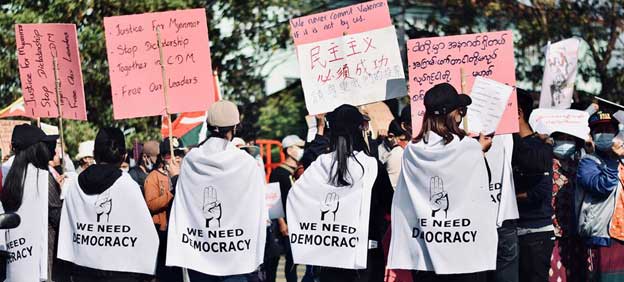
    A spike in state-sanctioned executions worldwide – including in Iran, Singapore, Saudi Arabia, and more recently Myanmar – has triggered strong condemnations from the United Nations and several civil rights and human rights organizations.

    As COVID-19 restrictions that had previously delayed judicial processes were steadily lifted in many parts of the world, says Amnesty International (AI), judges last year handed down at least 2,052 death sentences in 56 countries—a close to 40 per cent increase over 2020—with big spikes seen in several countries including Bangladesh (at least 181, from at least 113), India (144, from 77) and Pakistan (at least 129, from at least 49).

    Other countries enforcing the death penalty, according to AI, include Egypt, Iraq, Somalia, South Sudan, Belarus, Japan, the United Arab Emirates, the Democratic Republic of Congo (DRC), China, North Korea, Viet Nam and Yemen.

    In military regimes, such as Myanmar, the armed forces play a triple role: judge, jury and hangman.

    Dr Simon Adams, President of the Center for Victims of Torture, the world’s biggest organization that works with torture survivors and advocates for an end to torture worldwide, told IPS the recent execution of four pro-democracy activists by Myanmar’s military junta represents a sickening return to the “politics of the hangman’s noose”.

    Arbitrary detention and torture have also been committed on an industrial scale, he said.

    World’s most prolific executioners

    The military regime has detained over 14,000 people and sentenced more than 100 to death since the (February 2021) coup. While many governments around the world have condemned the recent hangings, it is going to take more than words to end atrocities in Myanmar, he pointed out.

    “People are crying out for targeted sanctions on the Generals, for an arms embargo, and for Myanmar’s torturers and executioners to be held accountable under international law”, said Dr Adams, who also helped initiate the case at the International Court of Justice (ICJ) in The Hague, where The Gambia is trying to hold Myanmar accountable for the genocide against the Rohingya.

    The London-based Amnesty International (AI) said last May that 2021 “saw a worrying rise in executions and death sentences as some of the world’s most prolific executioners returned to business as usual and courts were unshackled from COVID-19 restrictions.”

    Iran accounted for the biggest portion of this rise, executing at least 314 people (up from at least 246 in 2020), its highest execution total since 2017.

    This was due in part to a marked increase in drug-related executions—a flagrant violation of international law which prohibits use of the death penalty for crimes other than those involving intentional killing, said AI.

    Violence against its own

    Antony J. Blinken, US Secretary of State, said last week the United States condemns in the strongest terms the Burma military regime’s executions of pro-democracy activists and elected leaders Ko Jimmy, Phyo Zeya Thaw, Hla Myo Aung, and Aung Thura Zaw for the exercise of their fundamental freedoms.

    “These reprehensible acts of violence further exemplify the regime’s complete disregard for human rights and the rule of law.’

    Since the February 2021 coup, he pointed out, the regime has perpetuated violence against its own people, killing more than 2,100, displacing more than 700,000, and detaining thousands of innocent people, including members of civil society and journalists.

    The regime’s sham trials and these executions are blatant attempts to extinguish democracy; these actions will never suppress the spirit of the brave people of Burma, (Myanmar), he added.

    “The United States joins the people of Burma in their pursuit of freedom and democracy and calls on the regime to respect the democratic aspirations of the people who have shown they do not want to live one more day under the tyranny of military rule,” Blinken declared.

    Release political prisoners

    Condemning the execution of the four democracy activists by the military regime in Myanmar, UN High Commissioner for Human Rights Michelle Bachelet said last week: “I am dismayed that despite appeals from across the world, the military conducted these executions with no regard for human rights. This cruel and regressive step is an extension of the military’s ongoing repressive campaign against its own people.”

    “These executions – the first in Myanmar in decades – are cruel violations of the rights to life, liberty and security of a person, and fair trial guarantees. For the military to widen its killing will only deepen its entanglement in the crisis it has itself created,” she warned.

    The High Commissioner also called for the immediate release of all political prisoners and others arbitrarily detained, and urged the country to reinstate its de-facto moratorium on the use of the death penalty, as a step towards eventual abolition.

    Commute death sentences

    Meanwhile, in a statement released August 2, Liz Throssell, a Spokesperson for the UN Human Rights Office in Geneva said : “We deplore the hanging today of two men in Singapore and are deeply troubled by the planned execution of two others on 5 August.

    The two, a Malaysian and a Singaporean, were hanged at Changi Prison this morning after they were convicted in May 2015 of drug trafficking and their appeals subsequently rejected.

    Two other men, Abdul Rahim bin Shapiee and his co-accused Ong Seow Ping, are currently expected to be executed on Friday after Bin Shapiee’s family was notified of his fate on 29 July.

    They were both convicted in 2018 of possession of drugs for the purpose of trafficking and their sentences upheld on appeal. In the past, co-accused persons have almost always been executed on the same day.

    “We urge the Singapore authorities to halt all scheduled executions, including those of Abdul Rahim bin Shapiee and Ong Seow Ping. We also call on the Government of Singapore to end the use of mandatory death sentences for drug offences, commute all death sentences to a sentence of imprisonment and immediately put in place a moratorium on all executions, with a view to abolishing the death penalty”, the statement said.

    “The death penalty is inconsistent with the right to life and the right to be free from torture or cruel, inhuman or degrading treatment or punishment and there is growing consensus for its universal abolition. More than 170 States have so far abolished or introduced a moratorium on the death penalty either in law or in practice,” she noted.

    Instrument of state repression

    Agnes Callamard, AI Secretary-General, said that “China, North Korea and Viet Nam continued to shroud their use of the death penalty behind layers of secrecy, but, as ever, the little we saw is cause for great alarm.”

    The known number of women executed also rose from nine to 14, while the Iranian authorities continued their abhorrent assault on children’s rights by executing three people who were under the age of 18 at the time of the crime, contrary to their obligations under international law.

    Meanwhile, Saudi Arabia more than doubled its number of executions, a grim trend that continued in 2022 with the execution of 81 people in a single day in March, according to AI

    As well as the rise in executions seen in Saudi Arabia (65, from 27 in 2020), significant increases on 2020 were seen in Somalia (at least 21, from at least 11) South Sudan (at least 9, from at least 2) and Yemen (at least 14, from at least 5). Belarus (at least 1), Japan (3) and UAE (at least 1) also carried out executions, having not done so in 2020.

    Significant increases in death sentences compared to 2020 were recorded in the Democratic Republic of the Congo (at least 81, from at least 20), Egypt (at least 356, from at least 264), Iraq (at least 91, from at least 27), Myanmar (at least 86, from at least 1), Viet Nam (at least 119 from at least 54), and Yemen (at least 298, from at least 269), AI said.

    In several countries in 2021, AI said, the death penalty was deployed as an instrument of state repression against minorities and protestors, with governments showing an utter disregard for safeguards and restrictions on the death penalty established under international human rights law and standards.


    This piece has been sourced from Inter Press Service.


    Image:  Unsplash / Pyae Sone Young 

    Indian Oil, National Tiger Conservation Authority to Bring Cheetah Back to India

    This project will also have important conservation ramifications as cheetah restoration is significant for ethos, especially after the last of the Indian cheetahs died in the Delhi zoo in 1994.

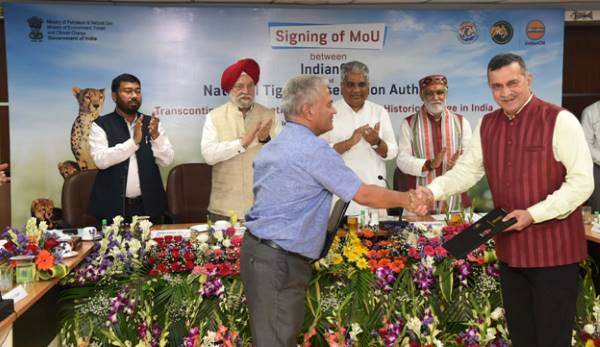
    Indian Oil has entered into a memorandum of understanding (MoU) with National Tiger Conservation Authority (NTCA) to undertake a transcontinental relocation of ‘Cheetah’ in its historical range in India. The MoU was signed on Tuesday by S M Vaidya, chairman, Indian Oil and S P Yadav from Project Tiger and member secretary of the NTCA.

    This follows a previous MoU between the Indian and the Namibian government on wildlife conservation and sustainable biodiversity utilization – especially for obtaining and establishing the cheetah into the historical range in India. Indian Oil will be contributing Rs.50.22 crore in 4 years for the project components – introducing the cheetah; the management of its habitat and it protection; eco-development; and, staff training and veterinary healthcare.

    The MoU entails sourcing and flying into India a population of eight to 10 cheetahs from Namibia and South Africa to be introduced at Madhya Pradesh’s Kuno National Park.

    The cheetah introduction project in Kuno National Park involves creating a 500-hectare predator proof enclosure for a ‘soft release’ of the feline. Introduction would commence in a phased manner with few individuals after construction of the soft release enclosure and augmentation of protection, while other actions are under way. The first batch of Cheetah would be soft released in the enclosure with GPS and satellite transmitters.

    Similar to extinct Indian cheetah

    This project will also have important conservation ramifications as cheetah restoration will be part of a prototype for restoration of original cheetah habitats and their biodiversity, helping to stem the degradation and rapid loss of biodiversity and is also essential for balancing the ecosystem. The introduction of cheetahs is significant for national conservation and ethos, especially after the last of the Indian cheetahs died in the Delhi zoo in 1994.

    The Asiatic Cheetah (Acinonyx jubatus venaticus), a subspecies of India’s extinct cheetah was will, however be replaced with the African cheetah (Acinonyx jubatus jubatus). One argument for this is the similar genes of these two subspecies.

    Earlier last year, Indian Oil had adopted the Indian single horned rhino as its mascot, putting the company at the forefront of India’s Rhino conservation endeavours.

    As the nodal agency authorised by the ministry of environment and forests and climate change, the NCTA will work with the union government and the government of Madhya Pradesh as well as the governments of Namibia and South Africa. It will also facilitate the capacity building and hand-holding of forest officials and functionaries.

    The Tragedy of Pakistan: Feudalism Camouflaged as Democracy

    Limit the vote to those who have had at least 10 years of schooling. People who are educated have minds of their own. They understand the issues. And they are usually, in my experience, not slaves of any feudal master.

    By Nadeem Qureshi

    In recent days, as Pakistan’s economic woes have intensified, a veritable cottage industry has developed to suggest ways of putting the country back on track.

    The latest entrant in this field is the eminent Harvard Economics professor Asim Khwaja. In a long and widely circulated tweet he outlines his analysis of the problem. He argues that the way out is to work to increase productivity. He is not wrong. Indeed, increased productivity is a useful and necessary objective.

    The problem however, is that Dr. Khawja and all the other illustrious academics who have contributed to the debate of what has to be done, are missing the point. There is really no dispute about what has to be done. It has been clear for some time.

    I outlined the main elements some three years ago in a piece for Daily Times: “Slash imports, boost exports, invest in vital infrastructure, rejuvenate local industry by sharply raising tariff barriers, work on aligning the education system with the job market, the list goes on and on.” This prescription is just as valid, possibly more so, today than it was three years ago.

    The point that the academics are missing is not “what has to be done” rather it is “who will do it”. In normal countries, the responsibility would fall on the elected representative of those countries. But in our case, the people who sit in our assemblies simply do not have the ability or desire to do what is necessary.

    Widespread illiteracy

    Sadly, our problem is that whenever there are elections, we succeed brilliantly in putting the worst of our people in parliament. This is the exact opposite of what successful democracies do, or at least endeavour to do, which is to send the best of their people to parliament. And this is why they are successful.

    So, why do we in Pakistan get this so wrong? Genuine democracy is conditioned on two important precepts. One, that voters understand the issues. And two, that they are free to vote for the candidates of their choosing. Neither condition obtains in Pakistan.

    Feudal control of the levers of power has ensured widespread illiteracy. And vast swathes of the population are obliged to vote the way they are told to vote by their feudal lords. So, voters do not understand the issues and they cannot vote the way they want to.

    What we have is not democracy. It is feudalism camouflaged as democracy. This is why the same people or their ilk – the feudal lords and their families – always get elected. And by and large they tend to be corrupt and incompetent. They get elected to parliament to plunder the state not to build it.

    Limit the vote

    And until such time as we replace these “representatives” arguably the worst of our people, with the best nothing, in terms of our economic reality will change. We will continue to decline rather than progress.

    So, the challenge for all the well-meaning people, academics and others, is to shift their focus from what needs to be done to the central issue of how do we get genuine democracy in the country.

    In previous articles I have suggested a possible solution: Limit the vote to those who have had at least 10 years of schooling. People who are educated have minds of their own. They understand the issues. And they are usually, in my experience, not slaves of any feudal master.

    This is a simple change. It will lead to genuine democracy. And, if enacted, it will change our destiny by truly empowering people and opening the doors of parliament to those who have the competence, energy, desire and will to build the country.


    Nadeem Qureshi is founding chairman of the political party Mustaqbil Pakistan and has had a long career in business, mainly in the Middle East. He studied engineering at MIT, and business at Harvard Business School, is fluent in classical Arabic and has published a translation from Arabic to English of a book entitled: Why Muslims Lagged Behind and Others Progressed.


    This piece has been sourced from Inter Press Service.

    Violence, Unsafe Water ‘World’s Biggest Risks’, Says Global Survey

    World Risk Poll says that a third of the 125,000 people it surveyed across 121 countries said that they felt ‘less safe’. Globally, the number of people who felt ‘less safe’ increased to 34 per cent in 2021, from 30 per cent in 2019, according to the survey.

    By Dann Okoth

    A third of the world’s population feels less safe than they did five years ago, according to a new poll that identifies crime and violence as the greatest perceived source of risk in many lower-income communities.

    About four in ten people in Latin America and the Caribbean, and southern Africa, cited crime or violence as the greatest threat to their safety, according to the 2021 World Risk Poll, which interviewed 125,000 people in 121 countries.

    Weak institutions, conflict and insecurity pose a major threat to sustainable development, according to the United Nations.

    Globally, the number of people who felt ‘less safe’ increased to 34 per cent from 30 per cent in a 2019 survey. Those that felt ‘more safe’ remained unchanged at 27 per cent.

    Despite the world living through a pandemic, fewer than one in ten people globally cited COVID-19 as posing the greatest threat to their safety, according to the report.

    Sarah Cumbers, lead author of the analysis and director of evidence and insight at Lloyd’s Register Foundation, an engineering and research charity that commissioned the study, said that for much of the world’s population throughout the COVID-19 pandemic, there remained everyday risks such as road crashes, violent crime and other health conditions that were more visible and just as likely to cause harm, particularly in low- and middle-income countries.

    “In such context, it is perhaps not surprising that these things ranked higher in people’s risk perceptions,” she told SciDev.Net.

    Rising violent extremism

    The survey results are an important reminder for policymakers and public health officials that strategies to control pandemic threats must be constructed in collaboration with communities, to avoid asking people to do things that put them at greater risk of harm from existing threats, Cumbers said.

    In Latin America, 60 per cent of Venezuelans cited crime and violence as their most immediate risk, along with about 50 per cent of people surveyed in Ecuador, Argentina, Colombia and Mexico.

    Widespread concerns about violence and a lack of job opportunities likely contributed to the high number of people looking to emigrate, according to the poll.

    More than 35 per cent of Latin Americans said they would move permanently to another country if they had the opportunity — more than double the 16 per cent globally who said the same.

    “Younger Latin Americans were particularly likely to name crime and violence as the greatest threat to their safety: 57 per cent of those aged 15-29 did so, against 35 per cent of those 65 and older,” the report says.

    In Sub-Saharan Africa, 42 per cent of people in southern Africa felt unsafe due to crime and violence, with 22 per of people in central and west Africa and 18 per of east Africans expressing concern over their safety from crime and violence.

    Jeremiah Owiti, executive director at the Center for Independent Research, a private research and policy think-tank based in Nairobi, Kenya, said authorities and development partners must address rising crime and insecurity.

    “There is concern particularly around rising violent extremism in places like Nigeria, the Sahel and even Somalia,” he said. “Such violence has the potential to disrupt development by scaring away investment.”

    Needed to invest

    Owiti said governments in the global South, and particularly in Africa, needed to invest in social sectors, education and public infrastructure to reduce the risk of serious harm from unsafe food or water. One in five people cited safety concerns relating to water and food in countries such as Sierra Leone, India and Afghanistan.

    “Many of the common diseases can be tackled by vaccination campaigns and disease awareness, which comes through adequate education,” Owiti tells SciDev.Net. “There is need for a radical policy shift to commit resources in the right places to cushion our people from such risks.”

    Tracey Brown, a director of the UK-based Sense About Science non-profit organisation, which worked with the research team and is making the results of the poll accessible to communities, said extreme events and economic and political instability are sources of worry for communities.

    “There are many risks in the world that got very little attention in the last couple of years that people clearly were concerned about,” she told SciDev.Net.

    Wandi Bruine de Bruin, a professor of public policy, psychology, and behavioural science at the University of Southern California’s Sol Price School of Public Policy, said people did not always view risk in the same way as experts.

    “The psychology of risk suggests that people’s worries about risk are affected more by how bad a risk is than by how common it is,” said Bruine, who did not participate in the research.


    This piece has been sourced from SciDev.Net.