More

    Nepal: Oli and Dahal Eye Renewed Left Alliance Amid Election Losses and Corruption Probes

    Battered by recent electoral defeats and facing asset probes, Nepal’s veteran communist leaders KP Sharma Oli and Pushpa Kamal Dahal signal a pragmatic reunion to reclaim influence ahead of local polls.

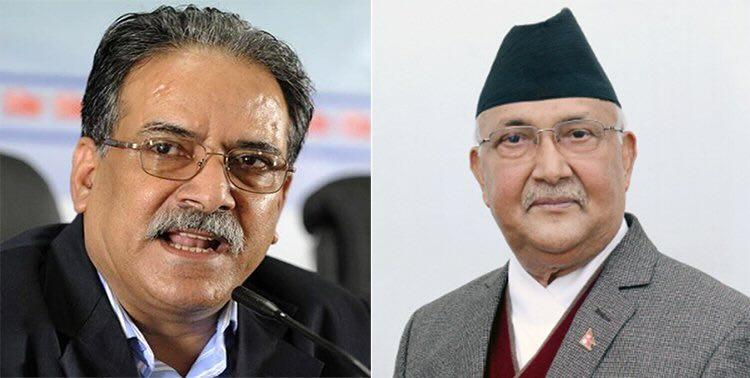
    In a notable development in Nepal’s volatile politics, CPN-UML Chairman KP Sharma Oli and Nepal Communist Party (NCP) Coordinator Pushpa Kamal Dahal (Prachanda) are actively pursuing fresh cooperation. Insiders report ongoing dialogues aimed at joint action in Parliament, on the streets, and in provincial governments. The two leaders, who have a history of opportunistic alliances followed by bitter splits, appeared together publicly on Sunday at a seminar marking the 75th birth anniversary of late UML leader Madan Bhandari.

    Political observers say that the shared stage signals a thaw in their longstanding rivalry.

    This marks their first joint platform since the Gen Z protests disrupted the political landscape. Former President Bidhya Devi Bhandari, recently returned to active UML politics, will be the chief guest.

    Electoral setbacks drive reassessment

    The impetus for reconciliation stems from poor performances in the March 5, 2026, parliamentary elections. Both parties suffered significant losses – with fragmented left-wing votes benefiting rivals – including, emerging forces led by figures like Balendra Shah (Balen). UML holds 25 seats in the House of Representatives, while NCP has 17. Together, they believe a united front could mount stronger opposition.

    An NCP post-election review highlighted that nine separate communist parties collectively garnered over four million proportional votes. Unified, analysts suggest they could have dominated. NCP leader Devendra Paudel emphasised urgency ahead of next year’s local and provincial elections: “If the left-wing parties do not unite now, we have no future.” Local cadres reportedly favour merger or deep cooperation, urging leaders to set aside egos.

    At a recent UML office-bearers’ meeting, Oli stressed collaboration with the NCP and like-minded parties, citing government pressure. UML Deputy General Secretary Lekhraj Bhatta confirmed discussions on provincial coalitions, national sovereignty, and constitutional defence. “KP Oli and Dahal are discussing… standing together against government overreach,” he said.

    Probes heighten sense of vulnerability

    Compounding electoral woes are government investigations into assets of senior leaders from both parties. The arrest of UML Vice-Chairman Bishnu Prasad Paudel has been labelled a “political vendetta” by his party. These probes have spooked both camps, accelerating talks.

    The parties are already aligned against certain government moves, such as proposals related to trade unions and squatter displacements. Backchannel discussions involve second-tier leaders like UML’s Shankar Pokharel, Prithvi Subba Gurung, and Lekhraj Bhatta, alongside NCP’s Narayan Kaji Shrestha and Barshaman Pun.

    A history of fragile partnerships

    Oli and Dahal’s partnership dates to 2017, when their alliance secured a near two-thirds majority. The 2018 merger formed the Nepal Communist Party, with them as co-chairs, but internal power struggles – centred on who would lead government versus party – led to collapse after two years and ten months. A post-2022 election pact lasted just two months. The Supreme Court dissolved the formal merger in 2021 amid naming disputes.

    Earlier tensions included differing stances on the Gen Z movement: Dahal offered support, while Oli viewed it as a “serious conspiracy.” Post-election realities appear to have bridged some divides, with both now positioning themselves as “architects of Nepal’s Constitution” open to amendments aligned with its original spirit.

    The NCP’s recent merger with other factions, including Unified Socialists, remains organisationally incomplete, but plans for broader left coordination are advancing once restructuring finishes.

    Analyst scepticism and potential impact

    Political observers remain cautious. Some independent observers have noted a pattern: Oli and Dahal join hands whenever they are in trouble or need to serve immediate political interests. History shows they split the moment they gain power.

    The post-election squeeze has evidently driven them together again.

    Yet, the move could reshape opposition dynamics. A stronger left bloc might pressure the current government more effectively and influence upcoming elections. Coordination on national issues could also stabilise certain policy areas, though critics argue it prioritises survival over genuine ideological renewal or addressing youth demands for jobs, anti-corruption, and better governance that fuelled recent upheavals.

    Broader context includes Nepal’s shifting politics after Gen Z protests and the rise of non-traditional forces. Old-guard leaders face anti-incumbency, corruption scrutiny, and demands for accountability. Whether this latest Oli-Dahal thaw leads to durable unity or another short-lived pact remains uncertain, but it underscores the resilience of Nepal’s traditional power brokers amid challenges.

    As the seminar approaches, all eyes will be on the messaging from Oli and Dahal. Their ability to project unity while navigating internal party differences and external pressures will test the viability of left-wing resurgence in Nepal’s fragmented democracy.
    World Bank Injects $1.1 Billion to Shield Bangladesh’s Food Security and Livelihoods from Global Shocks

    World Bank approves $1.1 billion in emergency aid to bolster Bangladesh’s food security amid global fertilizer and fuel price shocks triggered by Middle East conflicts, ensuring vital rice production and protecting vulnerable livelihoods.

    In a timely boost to Bangladesh’s crisis-hit economy, the World Bank has approved $1.1 billion in emergency financing across projects to safeguard food security, stabilize agricultural production, and support rapid response to economic volatility. Announced on June 26, 2026, the package addresses surging costs of fertilizers, fuel, and food exacerbated by ongoing conflicts in the Middle East, which have strained global supply chains and Bangladesh’s already tight fiscal space.

    This intervention comes at a critical juncture. Bangladesh, a nation where rice is not just a staple but the backbone of food security and rural employment, faces mounting pressures from imported inflation and climate vulnerabilities. With agriculture employing nearly half the population and rice accounting for a dominant share of caloric intake, disruptions in input supplies threaten to deepen poverty and undermine recent developmental gains.

    Fertilizer lifeline for rice seasons

    The $300 million ‘Emergency Support for Food Security Project’ forms the core of immediate agricultural relief. It will finance the import of 600,000 metric tons of critical fertilizers, including 300,000 tons of urea, to cover approximately 1.4 million hectares of rice cultivation during the upcoming Aman (July–October 2026) and Boro (October 2026–April 2027) seasons.

    Bangladesh imports over 85 per cent of its fertilizer requirements, making it highly susceptible to global price fluctuations. The Aman and Boro seasons together contribute about 90 per cent of the country’s total rice output, with Boro rice – grown in the dry season under irrigation – being particularly input-intensive. Any shortfall in fertilizers could slash yields, spike food prices, and jeopardize jobs for millions of smallholder farmers.

    World Bank Lead Economist Souleymane Coulibaly emphasized the stakes: disruptions would not only threaten food security but also deepen poverty and cost jobs in a sector that supports half the population. Jean Pesme, World Bank Division Director for Bangladesh and Bhutan, noted that rising food, fertilizer, and fuel prices from the Middle East conflict have hit smallholder farmers and vulnerable households hardest.

    This funding ensures timely availability of inputs for the critical planting windows, helping maintain production levels close to self-sufficiency targets. Rice remains central to Bangladesh’s agricultural miracle, which has transformed the country from famine-prone to a near-net exporter in good years. However, dependency on imports for fertilizers and energy underscores underlying vulnerabilities in the food system.

    Contingent response for broader resilience

    The larger $713 million ‘Contingent Emergency Response Project’ provides flexible, quick-disbursing funds for emergency expenditures. These include cash transfers and livelihood assistance to affected households and micro, small, and medium enterprises (MSMEs), aimed at stabilizing incomes and preserving jobs during crises.

    Funds will also support fuel and energy supplies to sustain essential services – food distribution, medicines, medical equipment, energy, and water. Disbursement is targeted by June 30, 2026, leveraging repurposed unutilized financing from existing projects under the World Bank’s crisis preparedness toolkit.

    Lesley Jeanne Yu Cordero, Lead Disaster Risk Management Specialist, highlighted how this mechanism allows rapid redirection of resources to where they are most needed, protecting people, businesses, and jobs from shocks.

    Broader economic context

    Bangladesh’s economy has shown resilience over decades but faces compounded challenges in 2026. Growth has slowed, poverty rates have edged up, inflation persists (with food prices particularly sticky), and the banking sector grapples with high non-performing loans. External shocks from the Middle East have worsened import costs for energy and inputs, squeezing fiscal space and foreign exchange reserves.

    Earlier in 2026, the government had already repurposed over $1.1 billion from existing World Bank and Asian Infrastructure Investment Bank (AIIB) loans for food and energy security, signalling proactive but stretched responses. This new approval builds on those efforts, providing dedicated, targeted support rather than broad reallocations.

    Agriculture’s role cannot be overstated. Beyond direct employment, robust rice production keeps consumer prices stable, supports downstream industries, and contributes to export earnings indirectly through value chains. Climate change adds another layer: frequent floods, cyclones, and erratic rainfall threaten yields, making input security and emergency buffers even more vital.

    Experts note that while short-term financing addresses immediate gaps, long-term solutions require diversifying fertilizer sources, investing in domestic production capacity, improving irrigation efficiency, and promoting climate-smart agriculture. Storage infrastructure upgrades and better supply chain logistics could further reduce post-harvest losses and enhance resilience.

    Impacts on vulnerable populations

    The benefits are expected to ripple through rural economies. Smallholder farmers, who cultivate most of the targeted hectares, stand to gain from stable input supplies and potential yield protection. Cash transfers and MSME support will help urban and peri-urban poor weather price spikes, preventing deeper distress migration or asset sales that often trap families in poverty cycles.

    Women, who play significant roles in post-harvest activities and household food management, are likely to benefit indirectly through stabilized family incomes. In a country where undernutrition still affects millions, particularly children, safeguarding rice output is a direct investment in human capital.

    Positive signal to markets

    The World Bank says that this $1.1 billion package underscores the Bank’s ongoing partnership with Bangladesh. It provides breathing room for the government to implement structural reforms – strengthening revenue mobilization, improving the business environment, and addressing financial sector weaknesses – while mitigating immediate humanitarian risks.

    As Bangladesh navigates LDC graduation and global uncertainties, such support highlights the importance of multilateral cooperation. Sustained focus on agricultural productivity, diversification into high-value crops, and resilience-building will be key to transforming this emergency aid into lasting progress.

    The approval sends a positive signal to markets and development partners amid global turbulence. For millions of Bangladeshis reliant on timely rains, affordable inputs, and stable prices, it offers reassurance that food security remains a national and international priority.

    Farmers Unite Against India-US Trade Deal, Vow Nationwide Agitation

    Farmer organisations across India set aside differences to launch a united front against the proposed India-US trade deal, citing threats to agriculture, food security, and rural livelihoods.

    Farmer organisations across India are up in arms against the proposed India-US trade deal. They have jointly announced their opposition to the proposed India-US trade deal, setting aside their differences to oppose the agreement. At a meeting of farmer organisations held at Kisan Bhawan in Chandigarh last week, farmer organisation leaders expressed unity and warned the government of an agitation if their concerns are ignored.

    Farm leaders say that under the agreement, the U.S. reduced reciprocal tariffs on a wide range of Indian exports from higher levels (previously escalated) to 18 per cent, covering sectors like textiles, apparel, gems, diamonds, pharmaceuticals, and aircraft parts. In return, India committed to eliminating or substantially reducing tariffs on US industrial goods and various agricultural products, including dried distillers’ grains (DDGs) used for animal feed, red sorghum, tree nuts, fresh and processed fruits, soybean oil, wine, and spirits.

    While proponents view the deal as a step toward boosting bilateral trade, enhancing market access, and strengthening economic ties amid global uncertainties, critics argue it exposes Indian agriculture to subsidized U.S. imports that could depress domestic prices and undermine local producers.

    Historic unity among farmer groups

    In a significant show of solidarity, farmer organisations from across India convened at Kisan Bhawan in Chandigarh on June 25, 2026. More than 100 leaders, transcending usual political and regional divides, participated in the meeting. Prominent figures included Gurnam Singh Charuni, Balbir Singh Rajewal, VM Singh, Sarwan Singh Pandher, Surjit Singh Phool, and Abhimanyu Kohar.

    Representatives from key platforms such as SKM (Non-Political), AKMM (Non-Political), Azad Kisan Morcha, Kisan Mazdoor Sangharsh Morcha Haryana, Rashtriya Kisan Mahasangh, and the All India MSP Morcha attended the meeting. Labour and social organisations also joined, underscoring the broader implications beyond just farming communities.

    Speakers emphasised that the proposed deal poses a “serious threat” to the interests of farmers, livestock rearers, workers, small traders, and the general public. They resolved to launch a nationwide joint campaign, putting aside differences to fight unitedly for the protection of India’s agriculture, livestock sector, employment, food security, and economic sovereignty.

    Key Concerns Driving the Opposition

    Farmers fear that opening Indian markets to U.S. agricultural products – many of which benefit from heavy subsidies in the United States – will lead to a flood of cheap imports. This could drive down prices for Indian crops like soybeans, cotton, and feed grains, directly impacting the incomes of millions of small and marginal farmers who already operate on thin margins.

    Opposition leaders, including Rahul Gandhi and other Congress figures, have echoed these sentiments, accusing the government of a “betrayal” of Indian farmers. They argue the deal prioritizes export gains in non-agricultural sectors at the expense of rural economies and food security. Concerns also extend to potential effects on dairy, poultry, and related livestock sectors due to increased competition from U.S. products.

    Earlier protests in February 2026, following the initial framework announcement, saw nationwide demonstrations, tractor rallies, and calls for the removal of Commerce Minister Piyush Goyal, who is leading the trade talks from the Indian side. The current mobilisation builds on that momentum, highlighting ongoing dissatisfaction despite government assurances that core staples are protected.

    Planned Actions and Future Strategy

    The meeting concluded with a unanimous decision to intensify efforts. A follow-up meeting is scheduled for July 1, 2026, at the same venue in Chandigarh, where five key representatives from each participating organisation will finalise a detailed strategy and action plan.

    Organisers plan to invite additional farmers’, labour, and social groups to broaden the platform. A key component will be a nationwide public outreach campaign to educate farmers, workers, youth, traders, and the public about the potential adverse impacts of the deal. Leaders warned that if the government ignores these concerns, a full-scale nationwide agitation will be inevitable.

    This unity is notable given the historical fragmentation among Indian farmer groups. Past movements, such as those demanding legal guarantees for Minimum Support Price (MSP), have shown the power of collective action, but sustaining it across ideological lines remains a challenge.

    Government and Broader Economic Context

    The Indian government has defended the trade framework, stating it safeguards farmers’ interests while opening opportunities for exports and economic growth. Bilateral trade with the U.S. is significant, and the deal is seen as part of efforts to diversify partnerships and reduce dependencies.

    However, critics point to structural asymmetries. Indian agriculture is dominated by small holdings, rain-fed farming, and limited mechanisation compared to the highly industrialized U.S. farm sector. Without adequate safeguards, increased imports could exacerbate distress in rural areas, where agriculture employs a large portion of the population.

    The deal also comes against the backdrop of other challenges facing Indian farmers, including climate variability, input costs, and market volatility. Protests in Punjab and other states have linked the trade concerns with issues like fertilizer shortages.

    Implications for India’s Agricultural Future

    The opposition to the India-US trade deal reflects deeper anxieties about globalization’s impact on India’s agrarian economy. Farmers argue that while trade can bring benefits, it must not come at the cost of self-reliance in food production or the viability of rural livelihoods.

    As the July 1 meeting approaches, all eyes will be on whether this unified platform translates into sustained pressure on policymakers. The outcome could influence not only the final shape of the bilateral trade agreement but also the political dynamics around agricultural policy in India.

    Experts suggest that any resolution would require transparent consultations with stakeholders, robust safeguard mechanisms (such as tariff rate quotas or anti-dumping measures), and investments in making Indian agriculture more competitive through technology, irrigation, and value addition.

    Bangladesh Grapples with Eroding Purchasing Power and Inflation Challenges

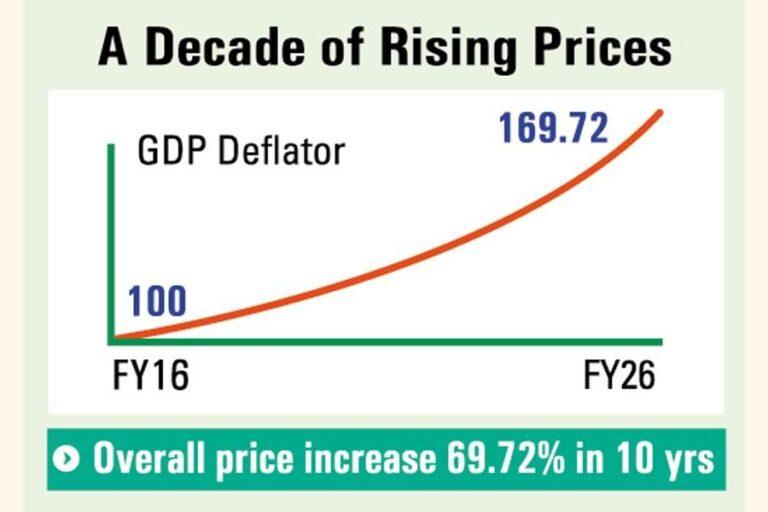
    Bangladesh’s overall prices have surged nearly 70 per cent over the past decade, eroding purchasing power and intensifying economic pressures on households amid persistent high inflation and external shocks.

    According to the latest GDP deflator data, Bangladesh’s overall price level has risen by almost 70 per cent over the past decade ending in FY 2025-26. The GDP deflator, which measures the average price level of all goods and services produced in the economy by comparing nominal and real GDP, provides a broad indicator of economy-wide inflation beyond just consumer baskets.

    This cumulative increase reflects compounded annual pressures, with average GDP deflator growth hovering around 6-7 per cent in recent years. Financial experts say that while nominal GDP growth has been notable, much of it has been offset by these rising prices, limiting real gains in living standards.

    Persistent CPI Inflation Compounds the Burden

    Complementing the GDP deflator trend, consumer price index (CPI) inflation has remained stubbornly high. In May 2026, headline inflation reached 9.42 per cent, up from 9.04 per cent the previous month, with food and non-alcoholic beverages at 9.06 per cent and transport costs accelerating. Food inflation has been a particular driver, often exceeding overall rates due to global commodity volatility, domestic supply disruptions, and currency depreciation.

    Over the longer term, inflation averaged around 6-7 per cent annually in recent decades but spiked higher post-2022 amid the Russia-Ukraine conflict, which drove up import costs for fuel and essentials in this energy-dependent economy. By 2024, annual CPI inflation hit approximately 10.47 per cent, making Bangladesh one of the highest in South Asia at times.

    Experts point to multiple factors: monetary expansion, exchange rate depreciation (with the Taka losing significant value against the USD since 2021), supply chain issues, and administered price adjustments. Cartels in essential markets and inflation expectations have further entrenched the problem, defying monetary tightening efforts by Bangladesh Bank.

    Impacts on Households and the Poor

    The price surge has hit vulnerable groups hardest. Low-income households spend a larger share of their income on food, amplifying the effective inflation they face. Studies show that food price volatility disproportionately affects the poor, potentially pushing more into poverty or deepening existing hardships. With poverty rates around 19.2 per cent nationally in recent estimates, sustained high prices risk reversing development gains.

    Real wages have been eroded, and purchasing power diminished. For middle-class families, rising costs of housing, utilities, and transport add to the strain. Broader economic slowdown – with GDP growth projected to dip to around 3.9 per cent in FY2026 – exacerbates the challenge, as private investment contracts and external pressures mount.

    Policy Responses and Structural Issues

    The government and Bangladesh Bank have targeted inflation in the 5-6 per cent range for years, but outcomes have consistently overshot. Recent policy measures include tighter monetary stances, yet inflation has proven resilient. International organizations like the IMF, World Bank, and ADB have highlighted the need for stronger fiscal discipline, revenue mobilization, financial sector reforms, and supply-side interventions to stabilise prices.

    Challenges persist from global factors, including energy supply disruptions and commodity prices. Domestically, improving agricultural productivity, reducing import dependence, and addressing market distortions could help. The transition to a middle-income economy has brought growth, but without controlling inflation, benefits remain uneven.

    Outlook and Long-Term Implications

    Looking ahead, forecasts suggest inflation may hover around 8.5-9 per cent in 2026-27, posing risks to macroeconomic stability. A depreciated currency and high import bills continue to feed cost-push pressures. Sustained high prices could dampen investment, consumption, and growth momentum that Bangladesh built over previous decades.

    Economists emphasise the need for coordinated fiscal-monetary policy, better inflation targeting, and structural reforms. Pro-poor measures, such as targeted subsidies or social safety nets, could mitigate immediate hardships while long-term productivity enhancements address root causes.

    The 70 per cent decade-long price rise underscores a critical juncture. As Bangladesh navigates post-upheaval recovery and global uncertainties, taming inflation is essential to safeguarding living standards and sustaining inclusive growth. Failure to do so risks widening inequality and stalling progress toward higher-income status, say economists.

    Sri Lanka to Abolish Controversial Prevention of Terrorism Act Within Months

    In a landmark announcement, Sri Lanka’s President Anura Kumara Dissanayake signals the end of a decades-old law long criticized for enabling human rights abuses, paving the way for reformed counter-terrorism measures.

    Sri Lankan President Anura Kumara Dissanayake has declared that the Prevention of Terrorism Act (PTA) will be abolished in the coming months, with new legislation set to be introduced within 2026. The announcement, made in Parliament on Thursday during an adjournment debate on combating the drug menace, marks a significant policy shift for the National People’s Power (NPP) government.

    Speaking in the House, the President stated that legislation to repeal the PTA is being finalized by the Minister of Justice. This fulfils a long-standing electoral promise from the NPP’s 2024 manifesto, which explicitly called for the abolition of all oppressive acts, including the PTA, to safeguard civil rights across the country.

    Decades of Controversy: The PTA’s Legacy

    Enacted in 1979 as a temporary measure during the escalating conflict with the Liberation Tigers of Tamil Eelam (LTTE) and made permanent in 1982, the PTA granted Sri Lankan authorities sweeping powers. These included warrantless arrests, detention without charge for up to 18 months, and the admissibility of confessions obtained in custody – provisions widely criticised for facilitating torture, arbitrary detention, and enforced disappearances.

    Human rights organizations, including Human Rights Watch, Amnesty International, and the UN, have documented extensive abuses under the PTA. It has disproportionately targeted Tamil and Muslim communities, political opponents, journalists, activists, and protesters. Notable cases include the prolonged detention of individuals for social media posts, participation in commemorative events, or peaceful dissent. In 2025 alone, authorities reported 49 arrests under the PTA in the first five months, often for organized crime or drug-related offenses rather than terrorism.

    Critics argue the law created a “legal black hole,” undermining due process and fair trial rights. Confessions extracted under duress were admissible in court, and detainees faced limited judicial oversight. International bodies, including the UN Human Rights Council, repeatedly urged its repeal or suspension, linking it to Sri Lanka’s commitments under the International Covenant on Civil and Political Rights and conditions for EU trade preferences (GSP+).

    During the 2019 Easter Sunday attacks and subsequent political turmoil, including the 2022 Aragalaya protests, the PTA’s use intensified. Successive governments, including under Gotabaya Rajapaksa and Ranil Wickremesinghe, faced accusations of weaponizing it against dissent. The NPP, rooted in the Janatha Vimukthi Peramuna (JVP) tradition, campaigned heavily on dismantling such repressive tools as part of broader democratic reforms.

    Path to Reform: From PSTA Draft to Full Repeal

    The road to abolition has not been straightforward. In late 2025, the government published a draft Protection of the State from Terrorism Act (PSTA) intended to replace the PTA. However, the proposal drew sharp criticism from human rights groups for retaining overly broad definitions of terrorism, extensive executive and military powers, prolonged detention without charge (up to one year in some scenarios), and insufficient safeguards against abuse.

    Organizations like Human Rights Watch warned that the PSTA risked “repackaging” the PTA’s disastrous provisions, potentially allowing continued repression of civic space, freedom of expression, assembly, and association. The UN Office of the High Commissioner for Human Rights (OHCHR) highlighted concerns over over-criminalization, risks of torture, and inadequate judicial oversight in comments on the draft.

    President Dissanayake’s latest announcement appears to address these concerns by committing to full repeal rather than a mere rebrand. He has also spoken of a new law focused on preventing organized crime while safeguarding public rights, aligning with broader efforts against drug trafficking and financial crimes. Recent government actions include strengthened extradition mechanisms and remote witness testimony provisions.

    Reactions and Expectations

    Civil society and minority communities have welcomed the news cautiously, viewing it as a potential step toward reconciliation and the rule of law, particularly in the North and East. Tamil and Muslim leaders, along with activists, have long demanded PTA repeal as essential for addressing post-war grievances and preventing future misuse.

    International observers, including the EU, are likely to monitor the process closely, given its linkage to trade benefits and Sri Lanka’s human rights record. Successful reform could bolster the government’s standing amid ongoing economic challenges and IMF programme adherence.

    However, scepticism remains. Past governments made similar pledges without delivery. Human rights organisation demand that the transition must involve transparent, inclusive consultations with stakeholders, including human rights defenders, legal experts, and affected communities, to ensure the replacement legislation meets international standards: narrow definitions of terrorism, robust due process, independent oversight, and prohibitions on torture-derived evidence.

    Legal analysts emphasize that any new framework should prioritize intelligence reform, community-based counter-terrorism, and accountability mechanisms over expansive executive powers. The government’s handling of this will test its commitment to the “prosperous country and beautiful life” vision outlined in its manifesto.

    Broader Implications for Sri Lanka’s Democracy

    The PTA’s abolition, if realised promptly, could represent a pivotal moment in Sri Lanka’s post-conflict journey. It addresses a core grievance that has fuelled distrust between the State and citizens, especially minorities, for nearly half a century. Combined with other reforms – such as addressing enforced disappearances, land returns, and devolution – it could strengthen national unity and democratic institutions.

    Economically, improved human rights credentials may attract investment and sustain international support. Politically, it signals the NPP government’s willingness to evolve beyond initial hesitations on repeal reported in late 2024.

    Challenges persist: balancing security needs with rights, combating rising organized crime and drug issues without draconian tools, and ensuring implementation does not lag. The minister of justice’s finalisation process will be under scrutiny.

    As Sri Lanka navigates this transition, the focus remains on delivering meaningful change. President Dissanayake’s parliamentary statement offers hope that the era of the PTA – a symbol of state overreach for many – is drawing to a close, potentially ushering in a more rights-respecting approach to national security.

    Image: Amnesty

    NAFED and NCCF Set to Procure Every Grain of Pulses Directly from Farmers Within Two Years: Amit Shah

    Union Cooperation Minister Amit Shah announces ambitious plan to eliminate middlemen in pulses trade, empowering farmers with direct procurement and timely payments through NAFED and NCCF.

    In a significant boost to India’s agricultural cooperatives and farming community, Union Home Minister and Minister of Cooperation, Amit Shah, has declared that the National Agricultural Cooperative Marketing Federation of India (NAFED) and the National Cooperative Consumers’ Federation of India (NCCF) will procure every single grain of pulses directly from farmers within the next two years. This move aims to dismantle the long-standing network of middlemen, ensure remunerative prices reach cultivators, and accelerate India’s journey towards self-sufficiency in the production of pulses.

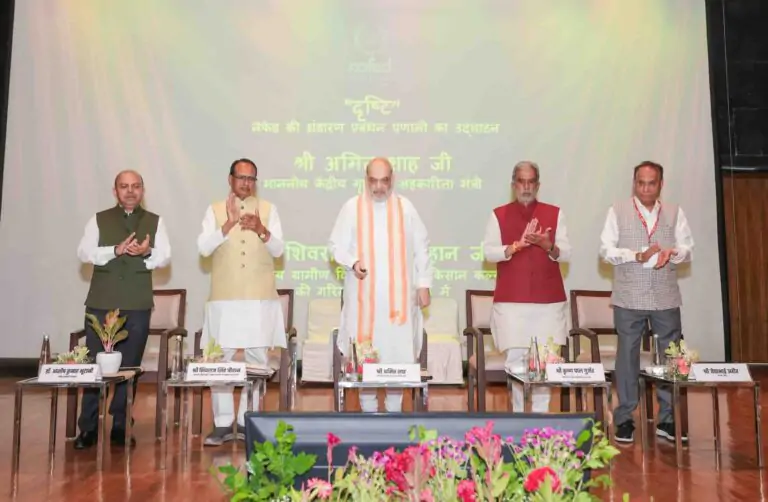
    Speaking at the launch of NAFED’s new e-auction portal, NAFEX.in, in New Delhi on June 23, Shah emphasised the transformative potential of this initiative. “The time has now come for NAFED and NCCF to procure pulses and oilseeds directly from farmers to ensure benefits reach them,” he stated, underscoring the government’s commitment to transparency and efficiency in agricultural marketing.

    Strengthening Cooperatives for Direct Farmer Benefits

    The announcement comes amid ongoing efforts to reform India’s agricultural marketing system. Traditionally, farmers have faced challenges in accessing Minimum Support Prices (MSP) due to intermediaries who often skim profits, leaving growers with suboptimal returns. By routing procurement through robust cooperative networks like NAFED and NCCF, the government intends to streamline the supply chain, guarantee payments directly into farmers’ bank accounts within 48 hours, and promote cultivation of pulses on a larger scale.

    Shah highlighted that infrastructure for direct procurement of pulses, maize, and other crops has been significantly developed over the past three years. The focus now shifts to expanding this network to the grassroots level, enabling seamless direct sales from farmers to cooperatives. This is expected not only to eliminate middlemen but also to encourage farmers to diversify into pulses, contributing to national food security.

    NAFED, which has turned around from financial difficulties a decade ago, now boasts a turnover of approximately Rs 30,000 crore and annual profits of around Rs 500 crore. Serving over 74 lakh farmers, the organization has diversified into organic farming, seed production, retail, bio-fertilizers, food security, and international trade. Shah expressed confidence that NAFED’s turnover could exceed Rs 50,000 crore in the coming two years under these reforms.

    New Digital Initiatives for Transparency and Efficiency

    The launch of NAFEX.in represents a cornerstone of these reforms. This digital auction platform will facilitate transparent bidding for pulses and oilseeds, replacing reliance on private platforms. Alongside NAFEX.in, NAFED introduced three other major initiatives: DRISHTI (an inventory management system), an Enterprise Resource Planning (ERP) Solution, and NAFED Kalyan.

    These tools are designed to enhance operational efficiency, improve farmer outreach, and ensure greater accountability. Shah noted that modern technology is key to transparent procurement, allowing farmers to register, sell produce, and receive fair prices without exploitation.

    The event was attended by prominent figures including Union Agriculture and Farmers Welfare Minister Shivraj Singh Chouhan, Minister of State for Cooperation Krishan Pal Gurjar, Cooperation Secretary Ashish Kumar Bhutani, and NAFED Chairman Jethabhai Ahir, signalling strong inter-ministerial support for the cooperative sector.

    Addressing Pulses Self-Sufficiency and Import Dependence

    India has made strides in increasing pulses production, yet achieving full self-sufficiency remains elusive partly because MSP benefits often fail to reach farmers effectively. Pulses like tur (arhar), masoor, and urad are critical for dietary protein needs, but the country still relies on imports to bridge demand-supply gaps.

    Shah specifically mentioned plans for 100 per cent procurement of certain pulses such as tur, masoor, and urad. By ensuring MSP reaches farmers directly, the policy is expected to incentivize higher production, reduce import bills, and stabilize domestic prices. This aligns with broader government goals, including earlier initiatives like dedicated procurement portals for tur dal aimed at self-reliance by 2027.

    Experts view this as a timely intervention. Direct procurement can minimize post-harvest losses, improve price discovery, and build farmer confidence. With expanding cooperative networks, even small and marginal farmers in remote areas could benefit, potentially transforming rural economies.

    Social Welfare Component: Investing in Farmers’ Future

    In a notable welfare announcement, Shah revealed that NAFED would allocate 1 per cent of its profits towards scholarships and career development for children from farming families. This initiative under NAFED Kalyan aims to break the cycle of generational farming challenges by supporting higher education and professional opportunities.

    “This will help children of farmers pursue better careers,” Shah remarked, positioning cooperatives not just as economic entities but as vehicles for social upliftment.

    Challenges and Road Ahead

    While the vision is ambitious, implementation will require overcoming logistical hurdles. Expanding procurement infrastructure to thousands of villages, training cooperative staff, integrating digital tools across regions, and ensuring seamless payment systems are key challenges. Coordination between NAFED, NCCF, state governments, and farmer producer organizations (FPOs) will be crucial.

    Climate variability, such as recent concerns over El Niño impacts on monsoon, also underscores the need for resilient pulses varieties and robust procurement during both good and lean harvests.

    Nevertheless, the government’s track record with cooperative reforms, including the National Cooperative Policy, provides a strong foundation, officials say, adding that budgetary support, such as allocations to entities like NCEL, further bolsters the ecosystem.

    Broader Impact on Indian Agriculture

    Shah’s announcements signal a new era where farmers are at the centre of value chains. With direct procurement, digital transparency, and welfare measures, India’s cooperative movement is poised for significant growth, promising higher incomes for millions and greater food security for the nation.

    Super El Niño Threatens Pakistan: Climate, Economic, and Human Security Risks Escalate

    As a potential Super El Niño looms in 2026-27, Pakistan – already among the world’s most climate-vulnerable nations – faces heightened risks of erratic monsoons, severe heatwaves, water scarcity, and economic strain that could threaten food security and human livelihoods.

    Pakistan stands at the precipice of another major climate challenge as meteorological experts warn of a developing Super El Niño – a potent phase of the El Niño-Southern Oscillation (ENSO) cycle that could rank among the strongest on record. With sea surface temperatures in the central and eastern Pacific projected to rise significantly, potentially exceeding 2°C above average, this event threatens to disrupt global weather patterns, amplifying extremes in an already warmer world due to climate change.

    For Pakistan, ranked among the top climate-vulnerable countries, the implications extend far beyond weather forecasts. The phenomenon could suppress the southwest monsoon, intensify heatwaves, strain water resources, and trigger cascading effects on agriculture, energy, public health, and economic stability. Recent experiences with devastating floods (like 2010 and 2022) and prolonged droughts underscore the nation’s precarious position.

    Understanding Super El Niño

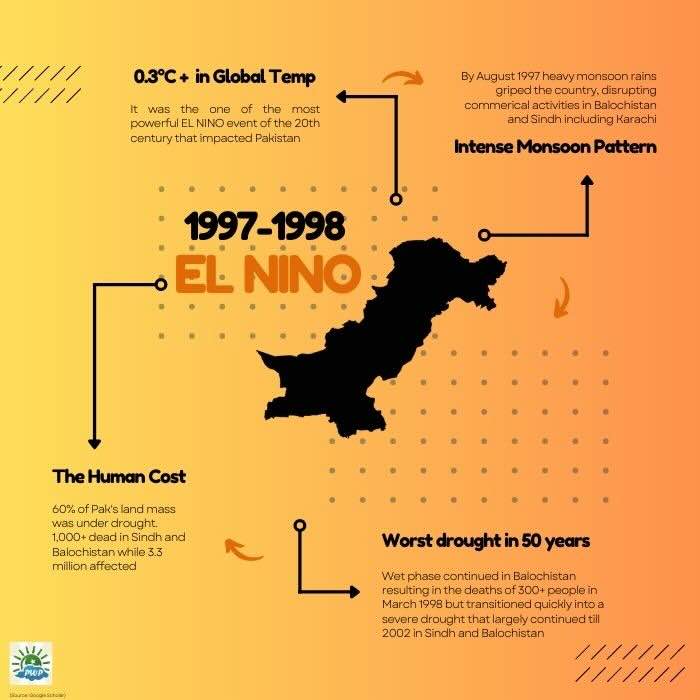
    El Niño occurs when unusually warm waters in the Pacific alter atmospheric circulation, leading to droughts in some regions and floods in others. A “Super” El Niño refers to exceptionally strong events, such as those in 1982-83, 1997-98, and 2015-16, which caused widespread agricultural losses, economic disruption, and humanitarian crises.

    Forecasts from NOAA, the World Meteorological Organization (WMO), and Pakistan Meteorological Department (PMD) indicate a high probability – around 80 per cent or more – of El Niño developing in 2026 and strengthening into winter 2026-27, with a substantial chance of it becoming very strong. Climate change is amplifying these risks, as warmer baseline ocean and atmospheric temperatures can intensify extremes. Projections suggest 2027 could vie for the warmest year on record.

    Implications for Pakistan’s Monsoon and Water Security

    One of the primary concerns for Pakistan is the likely weakening and increased unpredictability of the 2026 southwest monsoon. PMD has forecasted below-normal rainfall across much of South Asia, including Pakistan, alongside above-normal temperatures. This could lower reservoir levels, reduce river flows, limit groundwater recharge, and exacerbate water scarcity in a country already nearing stress thresholds.

    Agriculture, which employs a large portion of the population and contributes significantly to GDP, is highly vulnerable. Major crops like wheat, rice, cotton, sugarcane, and maize could suffer from reduced irrigation and prolonged dry spells. Livestock in arid regions such as Balochistan may face fodder shortages and higher mortality. Historical precedents, including droughts following the 1998 El Niño, highlight the potential for multi-year impacts.

    While overall rainfall may decline, irregular patterns could still produce intense bursts leading to flash floods, urban flooding, and landslides, particularly in northern and mountainous areas like Khyber Pakhtunkhwa. The National Disaster Management Authority (NDMA) has already issued cautions.

    Heatwaves, Health, and Human Security Risks

    Rising temperatures compound these threats. Pakistan has endured increasingly severe heatwaves, with cities like Jacobabad and Sukkur frequently surpassing 45°C. A Super El Niño could push these higher, especially in southern regions, heightening heat stress in humid coastal areas like Karachi. Vulnerable groups – children, the elderly, outdoor workers, and those with pre-existing conditions – face elevated risks of heat-related illnesses and mortality.

    Public health systems may strain under combined pressures of heat, potential disease outbreaks (such as dengue, favoured by erratic weather), and food insecurity. Broader human security concerns include displacement, livelihood losses, and social instability from rising food and energy prices.

    Economic and Energy Sector Vulnerabilities

    The economic toll could be substantial. Reduced agricultural output would drive up food prices, while damaged infrastructure from floods or droughts disrupts supply chains and productivity. Hydropower generation, a key part of Pakistan’s energy mix, could decline with lower reservoir levels, increasing reliance on costly imported fuels amid potential global market volatility.

    Broader analyses suggest El Niño events can shave percentage points off GDP growth in affected regions through inflation, lower yields, and recovery costs. For Pakistan, already navigating economic challenges, this adds another layer of pressure on fiscal resources and development goals.

    Global Context and Interconnected Risks

    The Super El Niño is not isolated to Pakistan. Across Asia, it threatens food security through drought and heat impacts on rice and other staples, potentially fuelling inflation and social pressures. In other parts of the world, it may bring contrasting extremes – wetter conditions in some areas, severe dryness in others. The interaction with ongoing climate change and geopolitical factors (such as energy supply disruptions) heightens systemic risks.

    Policy Recommendations and Preparedness

    Experts emphasise proactive measures. Enhancing forecasting and early warning systems through PMD and NDMA is critical. Investments in water infrastructure – reservoirs, efficient irrigation (drip and sprinkler systems), rainwater harvesting, and canal modernization – can build resilience.

    Agriculture needs a shift toward drought-resistant, heat-tolerant crop varieties, climate-smart practices, and insurance schemes. Urban heat action plans, including cooling centres and better drainage, alongside ecosystem restoration and renewable energy expansion, are vital. Initiatives like Recharge Pakistan exemplify nature-based solutions.

    International cooperation on climate adaptation, technology transfer, and finance will be essential for a country bearing disproportionate impacts despite low historical emissions.

    A Call for Urgent Action

    The emerging Super El Niño serves as a stark reminder of Pakistan’s exposure to global climate dynamics. While uncertainties remain about the event’s exact intensity and localized effects, the science is clear: preparation now can mitigate losses and foster long-term resilience.

    As temperatures rise and extremes multiply, transforming vulnerability into adaptive capacity is prudent, the country’s meteorological department says.

    Amnesty Calls for Halt to Afghan Deportations Amid Escalating Human Rights Crisis

    As millions forced back home to Taliban rule face peril, Amnesty International has demanded an immediate end to Afghan deportations, warning that returnees face severe human rights abuses, poverty, and Taliban repression in a country gripped by humanitarian crisis.

    Amnesty International has issued a stark appeal to governments worldwide: stop the unlawful expulsion of Afghan refugees and asylum seekers. The organization highlights the grave dangers awaiting those returned to Afghanistan under Taliban rule, including arbitrary detention, torture, gender-based persecution, and acute humanitarian hardships.

    Amnesty warns that the surge in deportations from countries like Iran, Pakistan, Turkey, and parts of Europe violates the fundamental principle of non-refoulement – the international legal prohibition against returning individuals to places where they face serious risks of persecution or harm. “The unlawful expulsions of Afghan people must stop,” Amnesty declared, emphasising that many deportees have valid claims for international protection.

    A Humanitarian Catastrophe Compounded by Mass Returns

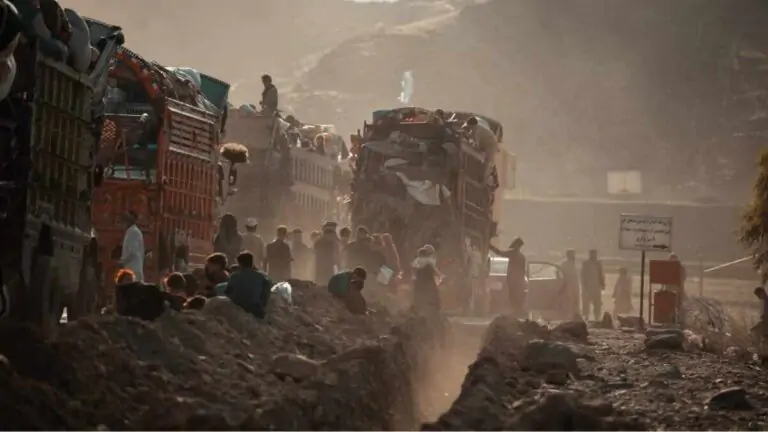
    Since 2023, over 5 million Afghans have returned from neighbouring countries, with millions more at risk of forced removal. UN data cited by Amnesty indicates that Iran and Pakistan alone have driven much of this exodus, often through coercive campaigns involving police raids, arbitrary arrests, and family separations. In the first months of 2026, hundreds of thousands more have crossed back into Afghanistan, arriving with minimal possessions and little access to support.

    Returnees encounter a nation already strained by one of the world’s worst humanitarian crises. As of May 2026, more than 21 million people – nearly half the population – require urgent assistance for food, shelter, healthcare, and clean water. Unemployment is rampant, infrastructure is crumbling, and economic collapse persists under Taliban governance. Many returnees, having lived abroad for years or even generations, lack documentation, local networks, or skills suited to the current environment.

    Gender Apartheid and Systemic Repression Under the Taliban

    Women and girls bear a disproportionate burden. Taliban decrees have systematically erased them from public life: bans on secondary and higher education for girls, severe restrictions on employment, freedom of movement, and participation in society. Recent UN reports document arbitrary arrests, public punishments, and widespread abuses. Amnesty and human rights experts describe the situation as “gender apartheid,” with policies that institutionalise discrimination and expose females to heightened risks of poverty, displacement, and violence upon return.

    Vulnerable groups – including journalists, human rights defenders, former government employees, and ethnic or religious minorities – face targeted persecution. Reports of torture, extrajudicial actions, and suppression of dissent continue, despite Taliban claims of stability. The organization notes that forced returns exacerbate these issues, placing individuals directly into harm’s way without proper risk assessments.

    Host Countries Under Pressure, But Obligations Remain

    Deportation drives have intensified amid political pressures in host nations. Pakistan and Iran, hosting large Afghan populations, have accelerated expulsions, citing security and economic concerns. European countries continue debating returns, with some engaging the Taliban on migration matters. However, Amnesty stresses that international human rights law demands individualized protection assessments rather than blanket policies.

    Humanitarian agencies like UNHCR and IOM are stretched thin, providing emergency aid at border crossings, skills training, and limited shelter. Funding shortfalls hinder effective responses, leaving many returnees to fend for themselves in dire conditions.

    Voices from the Crisis and Calls for Action

    Personal stories underscore the human toll. Refugees speak of fleeing conflict, repression, and economic despair only to face uncertainty abroad and peril at home. One Amnesty campaign graphic poignantly states: “No one leaves their country without a reason.”

    Rights groups and UN experts urge governments to uphold asylum obligations, expedite resettlement for at-risk individuals, and increase humanitarian support inside Afghanistan. Halting deportations, they argue, is not just a legal imperative but a moral one that honours the resilience of over 100 million displaced people globally.

    Broader Implications for Global Refugee Policy

    This crisis tests the international community’s commitment to refugee protection amid rising anti-migrant sentiments and geopolitical tensions. Afghanistan’s instability – marked by economic woes, natural disasters, and restrictive governance – makes large-scale returns unsustainable and unethical. Experts warn that continued expulsions could destabilise the region further and erode global norms on asylum.

    Amnesty’s campaign calls for immediate policy shifts: safe asylum pathways, legal safeguards, and sustained aid. The organisation warns that without urgent action, millions risk being trapped in a cycle of displacement and suffering.

    Pakistan:Residents Demand Accountability as Shakai Dand Dam Languishes Incomplete After 12 Years

    In South Waziristan Lower, frustrated residents demand answers over the Shakai Dand Dam, stalled for over a decade despite significant funding, as agricultural dreams and economic hopes remain submerged in delays.

    Protests have erupted in the remote valleys of South Waziristan Lower as local residents voice mounting anger over the prolonged delay in the Shakai Dand Dam project. Initiated in 2014, the dam was originally slated for completion within three years. Yet, as of June 2026, only about 48 per cent of the work has been finished, leaving communities questioning where the time and public funds have vanished.

    Community leaders and the Shakai Dand Dam Committee have organized demonstrations, highlighting what they describe as a glaring lack of coordination between the provincial government and the contractor. Residents allege that while authorities claim funds have been regularly released, the contractor repeatedly cites financial constraints to justify halting progress. This finger-pointing has fuelled suspicions of mismanagement, inefficiency, or worse.

    The Untapped Potential of Shakai Dand

    The Shakai Dand Dam holds immense promise for one of Pakistan’s most underdeveloped regions. According to the Dam Committee, successful completion could transform local agriculture by bringing vast tracts of arable land under reliable irrigation, potentially millions of acres as optimistically projected by advocates. It could also boost tourism in the scenic tribal areas, create jobs, and stabilize water supply amid climate challenges facing Pakistan’s water-scarce landscape.

    In a region historically plagued by underdevelopment and security issues, such infrastructure is not merely desirable but essential. Similar projects, like the nearby Gomal Zam Dam on the Gomal River, have demonstrated the transformative impact of multipurpose dams, providing irrigation for thousands of acres and modest hydropower, though even those have faced post-completion hurdles.

    Local elders recall the optimism when ground was broken over a decade ago. The project, funded primarily by the federal government with an initial estimated cost around Rs. 676 million for a smaller variant in early proposals, has seen multiple revisions and cost escalations typical of Pakistani infrastructure endeavours. Yet, progress remains glacial.

    Voices of Frustration and Calls for Intervention

    “Where did the time and money go?” has become a rallying cry among protesters. Social activists and tribal elders point to elected representatives, including the local MNA and MPA, for failing to prioritize the project or hold contractors accountable. They argue that repeated excuses from the contractor – ranging from funding shortfalls to unspecified logistical issues – have misled both officials and the public.

    The Dam Committee has formally appealed to Pakistan’s highest authorities: Prime Minister, Chief of Army Staff, Khyber Pakhtunkhwa Governor, and Chief Minister. They warn that continued inaction will force escalated protests. In April 2025, similar demands were raised, underscoring the long-standing nature of the grievances.

    This frustration mirrors broader challenges in Pakistan’s dam construction sector. Political disputes, funding gaps, security concerns in former FATA regions, land acquisition issues, and contractor performance problems frequently plague major water projects. National discussions often highlight how delays exacerbate water scarcity, energy shortages, and agricultural losses, with experts warning of dire consequences if mega-projects continue to lag.

    Broader Context of Infrastructure Struggles

    Pakistan’s water infrastructure story is one of ambition tempered by execution failures. While projects like Diamer-Bhasha and Dasu represent national priorities for storage and hydropower, smaller initiatives in tribal districts like South Waziristan often slip through the cracks despite their local significance. Budget allocations for water and hydropower in recent fiscal plans have raised concerns about further slowdowns.

    In South Waziristan, the human cost is tangible. Farmers struggle with inconsistent water, youth migrate for opportunities, and the region misses out on economic multipliers from irrigated agriculture and potential eco-tourism. The dam’s delay deprives communities of flood control benefits in a monsoon-prone area and reliable water during dry spells.

    Government officials have not issued detailed recent responses in public reports, but the pattern of revisions and fund releases suggests bureaucratic and contractual bottlenecks. Transparency advocates call for independent audits to trace expenditures and enforce penalties on underperforming contractors.

    A Call for Urgent Action and Transparency

    Residents are not merely protesting; they are demanding systemic change. They urge immediate resumption of work, stricter oversight, and community involvement in monitoring. For a region transitioning from conflict to development post-FATA merger, visible progress on such projects is crucial for building trust in state institutions.

    As Pakistan grapples with climate change, population growth, and water stress, every stalled dam represents a missed opportunity for resilience. The Shakai Dand Dam, though modest in scale compared to national giants, symbolizes hope for localized prosperity.

    Local leaders emphasise that fulfilling this project could serve as a model for inclusive development in former tribal areas. Without swift intervention, however, disillusionment may deepen, undermining broader stability efforts.

    El Niño Cuts Monsoon Rainfall by 43 Per Cent; 315 Districts Across 12 States Likely to be Affected

    An El Niño, now officially established, and a weak southwest monsoon have prompted the Centre to activate contingency plans as hundreds of districts face the risk of drought, crop losses and water stress.

    The centre has sounded an alarm over the likely impact of El Niño on India’s 2026 southwest monsoon, warning that 315 districts across 12 states could face significant rainfall deficits during the crucial kharif cropping season. With monsoon rainfall already running well below normal in several regions, the government has directed states to prepare district-level contingency plans to protect agricultural production and rural livelihoods.

    According to assessments presented by the ministry of agriculture and farmers welfare, the impact of El Niño is expected to be relatively severe in Uttar Pradesh, Tamil Nadu, Andhra Pradesh, Telangana, Karnataka, Odisha, Gujarat, Rajasthan, Bihar, Madhya Pradesh, Jharkhand and Maharashtra. The affected districts have been identified based on historical rainfall patterns, current monsoon forecasts and vulnerability assessments.

    The warning comes amid forecasts by the India Meteorological Department (IMD) that the 2026 southwest monsoon is likely to remain below normal at around 90 per cent of the Long Period Average (LPA), with El Niño conditions strengthening during the June-September season. The weather phenomenon has historically been associated with weaker monsoons, reduced soil moisture and lower agricultural output in India.

    Centre Activates Contingency Plans

    At a high-level review meeting with state agriculture ministers and officials, Union Agriculture Minister Shivraj Singh Chouhan directed states to identify vulnerable districts and prepare crop-specific contingency plans in advance.

    The centre has advised states to focus on water conservation, moisture management, inter-cropping, alternative cropping systems and drought-resistant crop varieties. District administrations have also been asked to strengthen agricultural extension services and ensure the availability of seeds and other inputs for contingency farming.

    According to the government’s preparedness strategy, district-level plans will include recommendations on crop substitution, revised sowing schedules and water-saving techniques depending on rainfall conditions. The ministry has also launched awareness campaigns aimed at helping farmers adapt to changing weather patterns.

    Officials said contingency plans have been prepared in consultation with agricultural universities, the Indian Council of Agricultural Research (ICAR) and state governments to minimise losses in the event of prolonged dry spells.

    Rainfall Deficit Raises Concerns

    The warning follows a difficult start to the monsoon season. National rainfall during the first three weeks of June remained substantially below normal, with several states reporting significant deficits. According to recent weather assessments, rainfall in the first 21 days of June was more than 40 per cent below average, raising concerns over delayed sowing of kharif crops.

    In Delhi, rainfall has been reported at around 25 per cent below normal levels, while parts of Maharashtra have experienced even sharper deficits. Pune district, for example, recorded one of its driest starts to June in decades, highlighting the uneven progress of the monsoon across the country.

    Meteorologists say the monsoon’s advance stalled for nearly two weeks because of unfavourable atmospheric conditions linked to El Niño and other weather systems. Although rainfall activity has revived in central India, concerns remain that cumulative seasonal rainfall could remain below normal.

    Threat to Agriculture and Food Security

    Agriculture experts warn that inadequate rainfall during the kharif season could affect the production of major crops such as paddy, pulses, oilseeds, maize and cotton. A prolonged rainfall deficit could reduce soil moisture, lower reservoir levels and increase irrigation demand, particularly in rain-fed farming regions.

    Nearly half of India’s population remains dependent on agriculture and allied activities for livelihoods, making monsoon performance critical for rural incomes and food security. Around 70 per cent of the country’s annual rainfall is received during the southwest monsoon season.

    Economists also caution that weaker agricultural output could push up food prices and complicate efforts to control inflation. Reduced crop production often affects the availability of cereals, vegetables and edible oils, leading to broader economic consequences.

    A recent analysis noted that paddy, pulses, oilseeds and maize are among the crops most vulnerable to rainfall shortages expected under El Niño conditions.

    El Niño Officially Established

    The IMD has formally confirmed the emergence of El Niño conditions over the tropical Pacific Ocean. Forecast models indicate that the phenomenon could strengthen further during the remainder of the monsoon season, increasing the likelihood of below-normal rainfall across large parts of India.

    El Niño occurs when sea surface temperatures in the central and eastern Pacific Ocean become warmer than usual, disrupting global atmospheric circulation patterns. For India, the phenomenon often weakens monsoon winds and reduces rainfall, although the relationship is not always uniform across regions.

    International climate agencies have also warned that the current El Niño could become moderate to strong during the second half of 2026. Such conditions have historically been associated with droughts in parts of Asia and disruptions to agricultural production.

    States Urged to Strengthen Resilience

    Recognising the risks, several states have begun implementing water conservation measures and drought preparedness programmes. In Maharashtra’s Gadchiroli district, for instance, authorities have expanded water storage infrastructure and completed thousands of conservation projects to improve resilience against potential rainfall shortages.

    The Centre has urged all vulnerable states to accelerate similar efforts, including rainwater harvesting, groundwater recharge and efficient irrigation systems.

    Officials emphasised that while forecasts point to a challenging season, outcomes will depend on the evolution of monsoon systems during July and August, which traditionally account for the bulk of seasonal rainfall. Weather experts note that early deficits can sometimes narrow if the monsoon becomes more active later in the season.

    For now, however, policymakers remain focused on preparedness. With hundreds of districts at risk and millions of farmers dependent on timely rains, the coming weeks are expected to be crucial for India’s agricultural economy and food security outlook.