More

    El Niño Cuts Monsoon Rainfall by 43 Per Cent; 315 Districts Across 12 States Likely to be Affected

    An El Niño, now officially established, and a weak southwest monsoon have prompted the Centre to activate contingency plans as hundreds of districts face the risk of drought, crop losses and water stress.

    The centre has sounded an alarm over the likely impact of El Niño on India’s 2026 southwest monsoon, warning that 315 districts across 12 states could face significant rainfall deficits during the crucial kharif cropping season. With monsoon rainfall already running well below normal in several regions, the government has directed states to prepare district-level contingency plans to protect agricultural production and rural livelihoods.

    According to assessments presented by the ministry of agriculture and farmers welfare, the impact of El Niño is expected to be relatively severe in Uttar Pradesh, Tamil Nadu, Andhra Pradesh, Telangana, Karnataka, Odisha, Gujarat, Rajasthan, Bihar, Madhya Pradesh, Jharkhand and Maharashtra. The affected districts have been identified based on historical rainfall patterns, current monsoon forecasts and vulnerability assessments.

    The warning comes amid forecasts by the India Meteorological Department (IMD) that the 2026 southwest monsoon is likely to remain below normal at around 90 per cent of the Long Period Average (LPA), with El Niño conditions strengthening during the June-September season. The weather phenomenon has historically been associated with weaker monsoons, reduced soil moisture and lower agricultural output in India.

    Centre Activates Contingency Plans

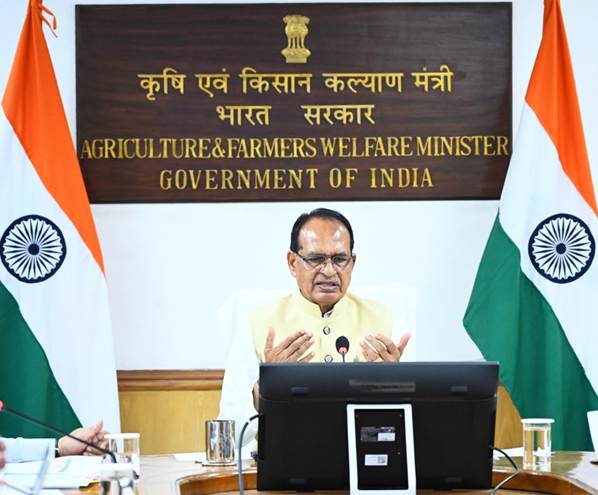
    At a high-level review meeting with state agriculture ministers and officials, Union Agriculture Minister Shivraj Singh Chouhan directed states to identify vulnerable districts and prepare crop-specific contingency plans in advance.

    The centre has advised states to focus on water conservation, moisture management, inter-cropping, alternative cropping systems and drought-resistant crop varieties. District administrations have also been asked to strengthen agricultural extension services and ensure the availability of seeds and other inputs for contingency farming.

    According to the government’s preparedness strategy, district-level plans will include recommendations on crop substitution, revised sowing schedules and water-saving techniques depending on rainfall conditions. The ministry has also launched awareness campaigns aimed at helping farmers adapt to changing weather patterns.

    Officials said contingency plans have been prepared in consultation with agricultural universities, the Indian Council of Agricultural Research (ICAR) and state governments to minimise losses in the event of prolonged dry spells.

    Rainfall Deficit Raises Concerns

    The warning follows a difficult start to the monsoon season. National rainfall during the first three weeks of June remained substantially below normal, with several states reporting significant deficits. According to recent weather assessments, rainfall in the first 21 days of June was more than 40 per cent below average, raising concerns over delayed sowing of kharif crops.

    In Delhi, rainfall has been reported at around 25 per cent below normal levels, while parts of Maharashtra have experienced even sharper deficits. Pune district, for example, recorded one of its driest starts to June in decades, highlighting the uneven progress of the monsoon across the country.

    Meteorologists say the monsoon’s advance stalled for nearly two weeks because of unfavourable atmospheric conditions linked to El Niño and other weather systems. Although rainfall activity has revived in central India, concerns remain that cumulative seasonal rainfall could remain below normal.

    Threat to Agriculture and Food Security

    Agriculture experts warn that inadequate rainfall during the kharif season could affect the production of major crops such as paddy, pulses, oilseeds, maize and cotton. A prolonged rainfall deficit could reduce soil moisture, lower reservoir levels and increase irrigation demand, particularly in rain-fed farming regions.

    Nearly half of India’s population remains dependent on agriculture and allied activities for livelihoods, making monsoon performance critical for rural incomes and food security. Around 70 per cent of the country’s annual rainfall is received during the southwest monsoon season.

    Economists also caution that weaker agricultural output could push up food prices and complicate efforts to control inflation. Reduced crop production often affects the availability of cereals, vegetables and edible oils, leading to broader economic consequences.

    A recent analysis noted that paddy, pulses, oilseeds and maize are among the crops most vulnerable to rainfall shortages expected under El Niño conditions.

    El Niño Officially Established

    The IMD has formally confirmed the emergence of El Niño conditions over the tropical Pacific Ocean. Forecast models indicate that the phenomenon could strengthen further during the remainder of the monsoon season, increasing the likelihood of below-normal rainfall across large parts of India.

    El Niño occurs when sea surface temperatures in the central and eastern Pacific Ocean become warmer than usual, disrupting global atmospheric circulation patterns. For India, the phenomenon often weakens monsoon winds and reduces rainfall, although the relationship is not always uniform across regions.

    International climate agencies have also warned that the current El Niño could become moderate to strong during the second half of 2026. Such conditions have historically been associated with droughts in parts of Asia and disruptions to agricultural production.

    States Urged to Strengthen Resilience

    Recognising the risks, several states have begun implementing water conservation measures and drought preparedness programmes. In Maharashtra’s Gadchiroli district, for instance, authorities have expanded water storage infrastructure and completed thousands of conservation projects to improve resilience against potential rainfall shortages.

    The Centre has urged all vulnerable states to accelerate similar efforts, including rainwater harvesting, groundwater recharge and efficient irrigation systems.

    Officials emphasised that while forecasts point to a challenging season, outcomes will depend on the evolution of monsoon systems during July and August, which traditionally account for the bulk of seasonal rainfall. Weather experts note that early deficits can sometimes narrow if the monsoon becomes more active later in the season.

    For now, however, policymakers remain focused on preparedness. With hundreds of districts at risk and millions of farmers dependent on timely rains, the coming weeks are expected to be crucial for India’s agricultural economy and food security outlook.


    Video Competition for Youth to Celebrate Shared Heritage Through Digital Creativity

    South Asian group, Doyens of Peace, launches an inspiring video contest inviting youth from eight SAARC nations to harness culture and technology for peace, unity, and cross-border collaboration in South Asia.

    In a significant initiative aimed at fostering regional harmony amid longstanding geopolitical tensions, the Hyderabad-based Confederation of Voluntary Associations (COVA) has invited young people from across the SAARC region to participate in a creative video competition. Titled as part of the 2nd SouthAsian Commemoration of Doyens of Peace, the contest encourages participants aged 13-30 from Afghanistan, Bangladesh, Bhutan, India, Maldives, Nepal, Pakistan, and Sri Lanka to explore the theme “Digital Stages – Shared Heritage: Youth Connecting SouthAsia through Culture and Tech.”

    This competition builds on the success of the inaugural event held in 2025, which saw enthusiastic participation from nearly 200 young voices across the region. By leveraging digital platforms, the initiative seeks to transform how youth perceive and engage with their shared cultural roots and technological futures, promoting dialogue over discord.

    COVA’s Enduring Commitment to Peace

    COVA, established in the mid-1990s in response to communal conflicts in Hyderabad’s old city, has evolved into a prominent national network dedicated to communal harmony, social justice, and peace-building across SouthAsia. Its peace initiatives have ranged from local community forums to cross-border citizen diplomacy, including efforts to document peace movements and facilitate dialogues between India and Pakistan.

    The Doyens of Peace platform, facilitated by COVA’s Peace Network, honours legendary figures such as Admiral L. Ramdas (India), Karamat Ali (Pakistan), and Tapan Bose (India), who dedicated their lives to fostering understanding and cooperation. These “doyens” exemplify the spirit of people-to-people connections that the youth competition aims to amplify.

    Mazher Hussain, Executive Director of COVA Peace Network, emphasized the contest’s goal: empowering youth to become architects of a collaborative South Asia. “Youth must envision and build a region where shared heritage triumphs over divisions,” he noted in the organising release.

    Competition Details and Creative Freedom

    Participants have until July 27, 2026, to submit videos of five minutes or less. Entries can take diverse forms – plays, skits, narratives, poetry, interviews, documentaries, or musical presentations – and may be produced in any South Asian language with English subtitles for broader accessibility.

    A standout feature is the encouragement of cross-border collaborations. Organizers offer to facilitate connections between youth from different countries, enabling co-created content that embodies the theme of unity. While AI tools can assist in production, fully AI-generated videos are ineligible, preserving the emphasis on authentic human creativity.

    The best video from each of the eight countries will receive a cash award equivalent to ₹15,000 in local currency, along with certificates for all participants. Selected entries will be showcased during a hybrid event on August 12, 2026 – International Youth Day – featuring live online broadcasts and physical screenings across the region, followed by panel discussions led by young representatives.

    Submissions are accepted via the official portal: https://www.peacedoyens.org/videos-submission. For details and queries, contact coordinators Bhumi Sharma ([email protected], +91 78767 48908) or COVA ([email protected]).

    Context of SAARC and Regional Challenges

    The South Asian Association for Regional Cooperation (SAARC), established in 1985, has long aimed to promote economic, social, and cultural development among its members. However, tensions, particularly between India and Pakistan, have often stalled progress. Initiatives like this video competition inject fresh energy into people-centric diplomacy, bypassing official bottlenecks through youth-driven cultural and technological exchange.

    Mazher Hussain explains, “SouthAsia is home to over 1.8 billion people, with a significant youth bulge. Harnessing this demographic dividend through creative platforms can address common challenges such as climate change, economic integration, education, and disaster response.”

    The 2025 edition of the commemoration produced a “9-Point Strategic Youth Blueprint” covering areas like a South Asian Youth Peace Network, cross-border cultural diplomacy, virtual education, green energy initiatives, and joint environmental programs – visions that underscore the potential for youth-led transformation.

    Broader Impact and Previous Successes

    The first commemoration in 2025 demonstrated the power of such platforms. Youth articulated bold ideas for a borderless SouthAsia grounded in economic cooperation, universal education, people-to-people diplomacy, and sustainable development. Visions included reinvigorating SAARC, creating soft borders for free trade, and leveraging technology for peace.

    Winners like Zara Ahmed from India highlighted individual excellence while contributing to collective aspirations. These events not only recognize talent but also build networks that endure beyond the competition, fostering long-term collaborations among civil society, educational institutions, and youth groups.

    Experts view such initiatives as vital in a region where traditional diplomacy faces hurdles. Cultural exchange programs, youth forums, and digital storytelling have proven effective globally in building empathy and reducing prejudices – principles echoed in similar efforts by organisations like Rotary Youth Exchange and various UN youth peace campaigns.

    A Call to Action for Aspiring Changemakers

    This competition arrives at a pivotal time. With global attention on youth as agents of sustainable development (aligned with UN International Youth Day themes), South Asian youth have a unique opportunity to redefine regional narratives. By focusing on shared heritage – from ancient civilizations and linguistic ties to modern tech innovations like digital connectivity – participants can highlight commonalities that bind rather than divide.

    Organisers envision the Doyens of Peace as an ongoing pan-South Asia network, with additional events planned around SAARC Charter Day and World Theatre Day. This multi-event approach ensures sustained engagement, moving from vision-sharing to actionable projects via thematic communities on platforms like WhatsApp.

    Parents, educators, and community leaders are encouraged to support participants. Schools and colleges can host viewing sessions, while youth organisations might facilitate cross-border pairings. The hybrid nature of the August 12 event allows broad accessibility, turning individual creativity into a regional celebration.

    Towards a United SouthAsia

    As South Asia grapples with climate vulnerabilities, economic disparities, and historical animosities, initiatives like COVA’s video competition offer a beacon of hope. They remind us that peace is not merely the absence of conflict but the presence of creative, collaborative futures imagined by the young.

    By participating, youth are not just entering a contest – they are claiming agency in shaping a more integrated, peaceful, and prosperous SouthAsia. The digital stage is set; the shared heritage awaits their stories. With submissions open until late July, the call is clear: pick up your cameras, connect across borders, and let creativity pave the path to unity.

    RTI Act at 22: Applications Rise but Rejections, Backlogs and ECI Denials Raise Questions on Implementation

    As the RTI Act turns 22, fresh data reveals modest growth in public use alongside persistent gaps in transparency and accountability.

    The Right to Information Act, 2005, completed 22 years of implementation this June, with its application and appeal provisions kicking in from October 2005. While the volume of RTI requests under the Union Government continues to grow, a deep analysis of the Central Information Commission’s (CIC) Annual Report for 2024-25 by the Commonwealth Human Rights Initiative (CHRI) points to mixed trends – improvements in some areas alongside worrying inconsistencies in reporting, rejections, and appeal disposal.

    Compiled by CHRI Director Venkatesh Nayak, the study examines data from 53 ministries, two independent departments (Atomic Energy and Space), 12 key public authorities, and Union Territories. The accompanying Excel dataset and detailed report highlight both progress and shortcomings.

    Questionable Compliance Claims

    According to the RTI Online Portal, 2,914 public authorities are registered to handle digital RTI applications and appeals. Yet the CIC claims 100 per cent compliance based on returns from only 2,303 public authorities in 2024-25 (up from 2,298 the previous year).

    “This claim is open to doubt,” Nayak notes. “Surely more than 600 public authorities could not have been added to the portal since the report’s publication.” For instance, the union territory of Ladakh has submitted no data since its creation in 2019, despite active RTI users in the region.

    Rising RTI Filings, Shifting Burden

    A total of 17.95 lakh RTI applications were received across reporting public authorities in 2024-25 – a 2.52 per cent increase over 17.50 lakh in 2023-24. Excluding UTs, the growth for the Union Government stands at 1.26 per cent. Compared to the COVID-affected 2020-21 (13.33 lakh applications), the rise is a healthy 34 per cent.

    The Ministry of Corporate Affairs (65 reporting PAs) topped the list with 2.54 lakh applications, overtaking the Finance Ministry (over 200 PAs, 2.20 lakh). The top-5 ministries – Corporate Affairs, Finance, Railways, Education, and Defence – represent just 25 per cent of reporting authorities but handled over 51.5 per cent of all RTIs. The top-10 ministries accounted for more than two-thirds of filings.

    Backlogs Persist Despite Some Gains

    The backlog of pending applications from the previous year rose 3.03 per cent. However, the Corporate Affairs Ministry dramatically reduced its backlog from 12,413 to 1,619. Increases were noted in the Indian Air Force (+2,999), PMO (+282), Election Commission of India (+168), CIC (+101), and NITI Aayog (+71). Delhi and Jammu & Kashmir UTs also saw notable rises in new filings.

    Surge in Transfers, Drop in Fee Collection

    Transfers of RTI applications between public authorities jumped nearly 18 per cent to 2.80 lakh. The Cabinet Secretariat transferred over half (51.66 per cent) of its received applications. Application fee collection fell 6.15 per cent and additional fees by 4.21 per cent, even as Corporate Affairs saw a 13 per cent rise in volume but a 31 per cent drop in fees collected.

    Penalty collection figures remain puzzling. The CIC’s narrative mentions Rs. 1.57 lakh imposed (Rs. 99,815 realised), but the aggregated data table shows only Rs. 453. Several ministries reported token amounts far below the Rs. 250 minimum – raising questions about accurate reporting.

    Disposal Trends and Workload Realities

    Public authorities replied to 13.81 lakh RTIs in 2024-25, down 3.46 per cent from 14.30 lakh the previous year. With more CPIOs appointed, the average expected annual workload per CPIO dropped slightly to 63.02 (from 63.88), and actual replies averaged 49.85 per CPIO (excluding UTs). Monthly figures remain low – around 4-5 cases per CPIO.

    Rejections: Low Rate, High ‘Others’ Category

    Rejections stood at roughly 3 per cent (58,501 per CIC claim; 57,985 per detailed exemption tables used for analysis). Nearly 35 per cent of rejections fell under unspecified “others” – slightly down from 36.47 per cent the prior year. Finance Ministry public authorities accounted for over 36 per cent of total rejections, followed by Home Affairs (12.71 per cent) and Defence (8.51 per cent). Together, these three contributed nearly 58 per cent. Ministries like Cooperation, Panchayati Raj, and others reported zero rejections.

    National security exemptions under Section 8(1)(a) halved to 1,008 cases. Privacy-related Section 8(1)(j) rose to 38.69 per cent of permissible exemptions. Indian Army CPIOs invoked 8(1)(a) only once in 2024-25 (60 times previously), with most permissible exemptions relating to personal privacy.

    ECI Reports Zero Rejections – But RTI Experiences Tell Another Story

    The Election Commission of India reported zero rejections for both 2024-25 and 2023-24. However, Nayak’s own RTI applications paint a different picture.

    In one July 2024 application seeking lists of expenditure-sensitive constituencies/pockets and Expenditure Observer reports for the Lok Sabha elections, the ECI invoked Section 7(9) (disproportionate diversion of resources) for items 1-2, Section 8(1)(g) for Observer reports, and stated it did not hold certain consolidated seizure data.

    A November 2024 RTI seeking Index Cards for Lok Sabha, Haryana, and J&K elections received similar treatment: Section 7(9) for Lok Sabha (citing approximately 700 cards), and unavailability for state assemblies.

    “These do not count as rejections for the ECI in their statistics,” Nayak points out, highlighting a potential gap between reported data and ground reality.

    First Appeals: High Dissatisfaction, Variable Disposal

    First appeals (1.86 lakh) were 2.5 times the rejections, signalling dissatisfaction. Disposal reached 1.12 lakh (60.39 per cent), up in absolute numbers but down percentage-wise. Finance, Education, Railways, Defence, and Home Affairs handled over half of appeals.

    The number of reported FAAs dropped sharply (47.15 per cent), nearly doubling average workload to 9.85 cases per FAA per year. Pendency stood at nearly 40 per cent. Poor disposal rates were seen at Supreme Court (0.67 per cent), ECI (1.88 percent), CAG (2.75 per cent), and PMO (6.15 per cent). In contrast, the President’s Secretariat and CIC performed strongly.

    Call for Stronger Oversight

    Nayak concludes: “The CIC does not appear to have deeply examined the data submitted by public authorities… After 21 years, the CIC must redefine its role from being a mere accountant of RTI statistics to that of an auditor of performance.”

    He urges academic studies on what works and what hinders implementation, noting that several ministries have shown proactive disposal while others lag. “This law… was expected to be a game changer. The wait for the game to change has been two decades long.”

    The full CHRI report and dataset provide granular ministry-wise and key-authority insights, offering a valuable resource for RTI activists, researchers, and policymakers. As the Act enters its third decade, bridging the gap between statistics and real transparency remains the central challenge.

    Measles Resurgence in Maldives: From Eradication Triumph to Public Health Alert

    After years of eradication, measles has returned to the Maldives with 11 confirmed cases in 2026, sparking urgent vaccination drives and highlighting global risks from declining immunization rates.

    In a stark reminder of the fragility of disease elimination efforts, the Maldives is grappling with a resurgence of measles, a highly contagious viral illness once declared eradicated in the island nation. Health authorities have confirmed 11 cases in 2026, prompting swift action from the Health Protection Agency (HPA) and hospitals to contain the spread and protect vulnerable populations.

    This development comes amid a broader global uptick in measles cases, fuelled by gaps in vaccination coverage, vaccine hesitancy, and increased international travel. Maldives achieved measles elimination status in 2017, but the return of the disease underscores the ongoing need for vigilance in public health.

    Historical Context: From Prevalence to Elimination

    Measles has deep roots in Maldivian history. Prevalent in the 1950s, the disease prompted the introduction of vaccination services in the late 1970s, with the measles vaccine formally rolled out in 1983. Multiple outbreaks occurred over the decades – in 1981, 1985, 1995, and 2005 – leading to expanded immunization programmes. The last endemic case was recorded in 2009, paving the way for the World Health Organization (WHO) to declare Maldives measles-free in June 2017.

    Sporadic imported cases appeared post-elimination, such as in 2020 and 2023, but large-scale campaigns, including the massive 2020 measles-rubella drive (#MavesJahaifin), helped maintain control. The two-dose MMR vaccine schedule – first at 9 months and second at 18 months – remains central to prevention, offering up to 97 per cent protection when completed.

    The 2026 Outbreak: Timeline and Response

    The current resurgence began in mid-May 2026. On May 13, the HPA detected the first two positive cases. Contact tracing identified two more by May 20. By late May, cases climbed, with Indira Gandhi Memorial Hospital (IGMH) establishing a dedicated help desk outside its emergency area for suspected patients. The desk advises masking, minimizing companions, and triage for adults and children.

    Public Health Director Naashiya Abdul Ghafoor emphasized proactive measures, including accelerating second-dose vaccinations for contacts, healthcare workers, and unvaccinated individuals. By early June, six of nine initial cases were confirmed, rising to 11 total, with a notable cluster in the Greater Malé Region. The HPA is importing additional vaccines to bolster supplies.

    Symptoms to watch for include high fever, cough, runny nose, red watery eyes, and a characteristic red rash. While often mild, complications like pneumonia or encephalitis can be severe, particularly in young children and immunocompromised people.

    Global Context: A Worldwide Challenge

    The Maldives is not alone. The United Nations reported over 184,000 measles cases across 155 countries by mid-May 2026. Regional hotspots include Southeast Asia (29 per cent of cases), the Eastern Mediterranean (21 per cent), and the Americas and Africa (19 per cent each). Bangladesh, also in the South Asia region, has faced a devastating outbreak with tens of thousands of suspected cases, thousands confirmed, and hundreds of deaths, prompting emergency vaccination campaigns.

    In the Americas, cases surged dramatically in 2025–2026, threatening elimination statuses. The U.S. reported thousands of cases, with outbreaks in multiple states. Globally, declining routine immunization – exacerbated by COVID-19 disruptions, misinformation, and access issues – has reversed decades of progress. WHO data highlights how even small immunity gaps can fuel rapid transmission due to measles’ extreme contagiousness.

    International support has flowed to the Maldives, with India dispatching 20,000 doses of MR vaccine and medical supplies under its Neighbourhood First policy, including medicines, syringes, and diagnostic kits.

    Vaccine Hesitancy: The Hidden Threat

    A key driver of resurgence is growing vaccine scepticism. HPA officials warn that falling coverage could undo hard-won gains against not just measles but other vaccine-preventable diseases. Education campaigns stress the vaccine’s safety and efficacy, countering myths amplified online.

    In the Maldives, where tourism and inter-island travel are lifelines, an unchecked outbreak could impact public health and the economy. Tourists are being advised to ensure MMR vaccination before travel.

    Looking Ahead: Strengthening Defences

    Health authorities continue contact tracing, surveillance, and community outreach. The focus remains on achieving high two-dose coverage, especially in the Greater Malé area and outer islands. Long-term, sustaining elimination requires robust routine immunization, rapid response systems, and public trust.

    The resurgence serves as a wake-up call. As one official noted, diseases once controlled can return swiftly without sustained effort. For the Maldives – a nation that overcame geographic challenges to eliminate measles before – the goal is clear: reclaim elimination status through collective action.

    With global travel resuming, no country is an island when it comes to infectious diseases, say experts, emphasising that measles is entirely preventable.

    Bangladesh Launches IMF Negotiations for $4 Billion Fresh Loan Amid Economic Reset

    Bangladesh’s new government under Tarique Rahman initiates talks with the IMF in mid-July for a fresh $4 billion loan package, aiming to replace a stalled $5.5 billion program and tackle ongoing macroeconomic challenges.

    Bangladesh’s newly elected government has begun preparations for high-stakes negotiations with the International Monetary Fund (IMF) scheduled for mid-July. The aim is to secure approximately $4 billion under a new three-year lending programme designed to restore macroeconomic stability and support ambitious structural reforms.

    Finance ministry officials are compiling data and prioritizing reform measures as an IMF delegation, led by Mission Chief Ivo Krznar, prepares to visit Dhaka from July 12-17. This move marks a decisive shift, with the government opting to scrap the existing $5.5 billion Extended Credit Facility/Extended Fund Facility arrangement approved in January 2023 under the previous Awami League administration.

    Political Transition Drives Policy Realignment

    The decision comes after the Bangladesh Nationalist Party (BNP), led by Prime Minister Tarique Rahman, secured a landslide victory in the February 2026 elections, ending a period of interim governance. Rahman, returning from years in exile, assumed office promising economic renewal and institutional reforms. The previous programme, which had disbursed about $3.595 billion (with an additional $800 million augmentation), faced significant hurdles due to delays in reforms and political changes.

    “The present government is scrapping the ongoing credit programme finding many of the previously listed reform measures tough to implement at this stage,” a senior finance official says. However, core areas like revenue mobilization, banking sector cleanup, and exchange rate flexibility are expected to remain central to any new deal, he says.

    The IMF has acknowledged the changed context. In early June, it confirmed engagement with Bangladeshi authorities on a potential new arrangement based on balance-of-payments needs and credible reforms. “Any new arrangement would need to be based on Bangladesh’s balance-of-payments needs and strong policy commitments anchored by a credible reform agenda,” Krznar stated.

    Persistent Economic Headwinds

    Bangladesh’s economy has grappled with multiple shocks. Post-COVID recovery was undermined by the Russia-Ukraine war and more recently by the fallout from conflicts in the Middle East, including disruptions affecting energy imports and supply chains. Growth slowed markedly, with the World Bank projecting around 3.9-4.7 per cent for FY26, down from pre-crisis levels.

    Inflation has remained stubbornly high, hovering around 8.5-9.2 per cent, eroding purchasing power especially for low-income households. Food prices have been particularly volatile, contributing to a rise in the national poverty rate to about 21.4 per cent in 2025. Foreign exchange reserves, while somewhat stabilized through remittances (which grew over 17 per cent in recent months), remain vulnerable and insufficient for robust import coverage.

    The banking sector stands out as a major vulnerability. Non-performing loans (NPLs) have climbed significantly, with ratios reported as high as 30 per cent in some assessments, alongside undercapitalization in several institutions. Weak revenue mobilization – Bangladesh’s tax-to-GDP ratio remains among the lowest regionally – has constrained fiscal space, forcing cuts in development spending and reliance on domestic borrowing.

    Key Reform Priorities on the Table

    Negotiators are expected to focus on several critical areas:

    • Revenue Enhancement: Bifurcation of the revenue board and broadening the tax base through digitalization and reduced exemptions.
    • Banking Reforms: Comprehensive strategies to address NPLs, improve governance, and restore capital adequacy.
    • Exchange Rate and External Sector: Greater flexibility in the exchange rate regime to align with market realities and bolster reserves.
    • Fiscal Discipline: Rationalizing subsidies (especially energy) and enhancing public financial management to create room for social protection and infrastructure.

    These reforms echo earlier IMF conditions but are now being reframed under the new political leadership. The previous programme’s fifth review showed mixed performance, with shortfalls in revenue targets and banking strategies, though some targets on reserves and arrears were met.

    Analysts note that a new programme could provide not just financing but also a policy anchor to rebuild investor confidence. Potential size estimates for the new facility vary, with some reports suggesting up to $5-6 billion over three to four years, though the initial request centres on $4 billion.

    Broader Context and Risks

    The timing is delicate. Global uncertainties, including energy price volatility, continue to pose risks. Remittances have been a bright spot, helping narrow the current account deficit, but export growth remains subdued amid global demand weaknesses.

    Public debt, while manageable at around 42 per cent of GDP, is rising with higher servicing costs. Successful negotiations could unlock additional multilateral support from partners like the World Bank and Asian Development Bank, which have also highlighted the need for urgent reforms to sustain growth and job creation.

    Challenges extend beyond economics. The new government must balance reform implementation with political realities, including delivering on campaign promises amid high public expectations. Failure to secure favourable terms or delays in disbursement could exacerbate pressures on reserves and the currency.

    Outlook for Stability and Growth

    IMF projections suggest GDP growth could rebound to around 4.7 per cent in FY26 and accelerate toward 6 per cent medium-term if reforms take hold. Inflation is expected to ease gradually, but sustained efforts in monetary tightening and supply-side measures will be essential.

    For ordinary Bangladeshis, the stakes are high: affordable essentials, job opportunities, and protection from economic volatility. The July talks represent a pivotal opportunity for the Rahman administration to chart a credible path forward.

    As the delegation arrives in Dhaka, all eyes will be on the specifics of the reform agenda and financing assurances. Success could mark the beginning of a more resilient economic chapter for Bangladesh, one that transitions the country toward sustainable development and LDC graduation preparedness.

    Heatwave-Driven Power Surge Tests India’s Energy Resilience as El Niño Looms for FY27

    India’s power demand surges amid scorching heatwaves, with CRISIL forecasting a 6-7 per cent rise to 1,810-1,830 billion units in FY27 as El Niño threatens hotter, drier conditions and strains the energy grid.

    India’s electricity sector has witnessed an unprecedented spike in consumption, driven by an intense and prolonged heatwave that gripped much of the country in May 2026. According to a CRISIL Intelligence report, power demand jumped 11.2 per cent year-on-year to 165 billion units (BU) in May, while peak demand hit a historic 271 GW on May 21 – nearly 10 per cent higher than the previous fiscal’s peak of 245 GW.

    Regions in northern, northwestern, western, and central India experienced temperatures 1-4°C above normal, with places like Uttar Pradesh’s Banda recording a scorching 48.3°C. This extreme weather fuelled a massive increase in cooling demand from air conditioners, fans, and other appliances, particularly in residential and commercial sectors. Manufacturing activity also contributed, as the Purchasing Managers’ Index (PMI) rose to 55.0 in May, reflecting robust industrial output. Industrial and commercial consumers together account for nearly 50 per cent of India’s total power demand.

    For April-May combined, demand grew 7.6 per cent year-on-year, rebounding strongly from a low base in the prior period. This surge underscores the growing weather sensitivity of India’s power consumption, exacerbated by rising incomes and increasing penetration of energy-intensive cooling devices.

    Supply Response and Market Pressures

    To meet this elevated demand, power generation ramped up significantly, rising nearly 12 per cent year-on-year to 178 BU in May. Coal-based generation, the backbone of the system, increased 12 per cent and accounted for about 68.25 per cent of total output. Renewable energy (RE) generation grew around 20 per cent, supported by 7.4 GW of new capacity additions (including small hydro) in the first two months of FY27. Hydro and nuclear also saw gains of 11 per cent and 4 per cent, respectively.

    However, the strain was evident in fuel logistics and markets. Coal inventories at thermal power plants fell to 49 million tonnes (MT) by end-May from 60 MT a year earlier, with stock levels dropping to 16 days from 21 days. Daily coal requirements rose to 3.10 MT. In short-term power markets, real-time market (RTM) volumes increased 15.9 per cent to 5,529 million units, while average market clearing prices rose 21.1 per cent to Rs 4.16 per unit. Day-ahead market prices climbed similarly.

    These dynamics highlight both the system’s responsiveness and its vulnerabilities, particularly the continued heavy reliance on coal despite rapid renewable energy growth.

    El Niño to Amplify Challenges in FY27

    Looking ahead, CRISIL projects power demand to grow 6-7 per cent year-on-year in FY27, reaching 1,810-1,830 BU. This forecast is heavily influenced by the anticipated emergence of El Niño conditions from July 2026, which is expected to bring higher temperatures, reduced rainfall, and prolonged heat spells – further boosting cooling needs across households, businesses, and industries.

    El Niño, characterized by warmer-than-average sea surface temperatures in the equatorial Pacific, typically weakens the Indian monsoon. Forecasts from the India Meteorological Department (IMD) and global agencies suggest a high probability of below-normal rainfall in 2026, potentially leading to drier conditions, agricultural stress, and sustained power demand pressure. Historical patterns show El Niño years often correlate with deficient monsoons, impacting hydropower and increasing dependence on thermal sources.

    This weather outlook arrives as India’s power sector navigates a broader transition. The country has made impressive strides in renewables, with non-fossil fuel capacity surpassing fossil fuels in recent milestones. Yet, integrating variable RE sources like solar and wind remains challenging due to grid flexibility constraints, curtailment issues, and the need for substantial storage and transmission upgrades. Coal plants often operate at minimum technical loads to accommodate solar peaks, sometimes leading to RE curtailment.

    Broader Context: Growth, Transition, and Risks

    India’s electricity demand has been on a structural uptrend, fuelled by economic expansion, urbanization, and electrification. Peak demand has climbed dramatically in recent years – from around 200 GW in earlier periods to the current records – reflecting both development gains and climate vulnerabilities. The government aims for ambitious targets, including significant renewable energy capacity additions toward 500 GW non-fossil by 2030, but short-term realities demand a balanced approach with reliable baseload power.

    Challenges persist: Distribution companies (DISCOMs) face financial pressures, land and evacuation bottlenecks slow projects, and extreme weather events test infrastructure resilience. Power cuts have been reported in some areas during peak heat, underscoring the need for enhanced grid modernization, demand-side management, and energy efficiency measures, such as guidelines for AC temperature settings.

    On the positive side, recent capacity additions and policy pushes have helped meet demand without nationwide blackouts, a marked improvement from past vulnerabilities. Continued investment in battery storage, hybrid RE projects, and coal plant flexibility will be crucial for managing future peaks, experts say.

    Implications for Economy and Policy

    The power surge carries wider economic ramifications. Higher electricity prices in spot markets could raise costs for industries, while coal inventory pressures might affect supply chains. For agriculture, a weaker monsoon risks lower output and higher food inflation, indirectly influencing power use in irrigation.

    Policymakers face a dual imperative: ensuring energy security amid volatile weather and accelerating the clean energy transition to meet long-term climate goals. Experts emphasise the need for better forecasting, diversified supply, and consumer awareness to mitigate demand spikes.

    The CRISIL report suggests that as India powers through this “hot streak,” the coming months under El Niño will serve as a critical test of the sector’s preparedness. Sustained 6-7 per cent demand growth in FY27 could drive further investments but also highlight the urgency of building a more resilient, flexible, and sustainable power ecosystem.

    Uttarakhand: A Unique Harvest Festival in Tehri Village

    Ropani is a traditional practice of mass transplanting of paddy in the mountainous regions of Uttarakhand. It is not just an agricultural activity but a symbol of community unity and a deep connection with nature.

    By Nitin Jugran Bahuguna

    At a unique event held recently in Tehri district, women of Bugala village were honoured as chief guests by their community at the traditional harvest festival known as Ropani.

    The festival was the culmination of a year’s hard work regenerating barren land into fertile fields which have already yielded amazing dividends for the villagers who had watched helplessly as their lands lay waste for over 12 years.

    Ropani is a traditional practice of mass transplanting of paddy in the mountainous regions of Uttarakhand. It is not just an agricultural activity but a symbol of community unity and a deep connection with nature. By honouring the women, a clear message was sent out about women’s crucial role in agricultural activities in their community.

    Magni Devi, 85, is among those who spearheaded the pilot project to revive the barren land in the village. Her story is an inspirational one and caught the attention of the authorities as she was among the women awarded by the Chief Minister for achievement in agriculture at a function held in Dehradun on Women’s Day this year.

    Married at the tender age of 13, Magni Devi opened her home to her three sisters and three-year-old brother when they were orphaned. Raising them as her own, apart from her own five children, she arranged their marriages in the same village.

    Life was not easy, she admits. “I reared four buffaloes, a pair of bullocks and six goats while my husband used to prepare food at weddings,” she says. Even before the pilot project, she was involved in agriculture, cultivating seasonal vegetables like arbi, mandwa, wheat, sesame and rice.

    Mass Celebration

    Sarojini Rayal, 49, is another woman to take the lead in the project, mobilizing 18 women from three villages to help rejuvenate the land. “The area was all in wilderness with tall trees everywhere. It took us six months to clear it all, even with the aid of a tractor which we purchased under the programme’, she states.

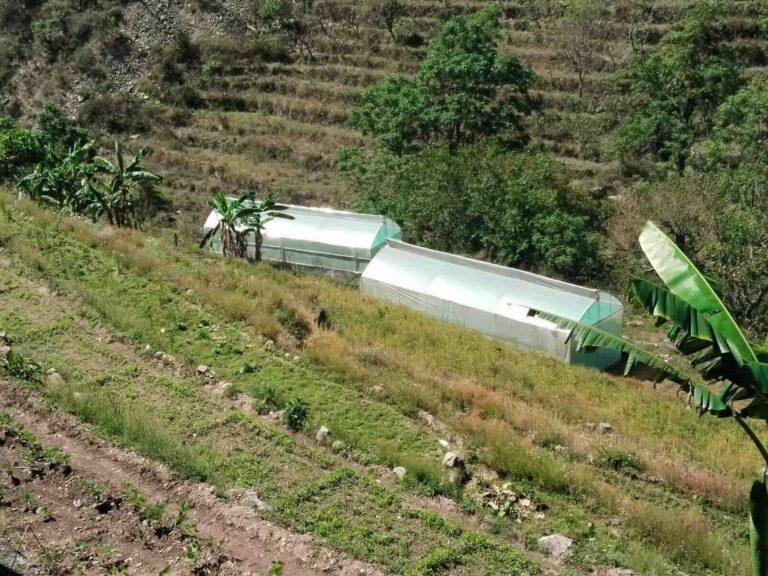
    The project, entitled: ‘Joint Farm Management for Off-Season Vegetable Production in Hill Areas through Adopting Eco-Friendly Crop Rotations and Practices”, was launched in January last year. In the first phase, villagers undertook cleaning of traditional canals, re-building farm boundaries through MNREGA, preparing land by clearing bushes, levelling and ploughing with tractor and organizing meetings at the village level. Subsequently, seeds of seasonal and off-season vegetables were sown, a regular irrigation system was put in place, eco-friendly crop rotation was adopted and women were given training in off-season farming.

    Paddy was planted on about 35 nalis of vacant land and over 250 people from eight villages were involved in the project, funded by The Himalaya Trust and overseen by Punarutthan Rural Development and Social Welfare Society, both Dehradun- based NGOs.
    (A nali is a traditional unit of land measurement in the hill regions of Uttarakhand and one nali is equal to approximately 2,160 square feet).

    About 70 nalis of wasteland have been revived and an income of Rs 40,000 was earned from off-season vegetable production, claims Guru Prasad Raiyal, who quit his job in Dehradun to prepare his land for the new crops. “The initiative we are running will be carried forward by the next generation,” he says proudly.

    The Ropani festival, a mass celebration of the revival of traditional plantation on lands, has been restored after 12 years of neglect. Women planted paddy while singing to the beat of traditional musical instruments. Children witnessed for the first time the process of transplanting seeds, planting paddy and ploughing with oxen, many participating in the process themselves. “Our fields were lying vacant and the village did not have the same liveliness as before,” remarks Sarojini. “Now it seems that a respectable life is possible even in the village.”

    “Two Leaves and a Bud” Becoming Fiction: Climate Change Threatens the Future of Ceylon Tea

    As climate extremes ravage Sri Lanka’s iconic tea estates, the legendary “two leaves and a bud” standard for premium Ceylon Tea risks becoming a distant memory, warns Dilmah’s chief.

    At the Sri Lanka Climate Summit 2026, Dilhan Fernando, Chairman and CEO of Dilmah Tea, delivered a stark message to the industry and nation: the hallmark of quality plucking –  “two leaves and a bud” – is rapidly turning into fiction amid escalating climate disruptions.

    On Thursday, Fernando cautioned that declining leaf quality, driven by erratic weather, could soon trigger a broader collapse in quantity and output. Sri Lanka aims for around 400 million kilograms of tea production this year, but sustained climate volatility makes that target increasingly unrealistic. “The way we are heading, with the climate extremes, the extremes of rain and the extremes of drought, that too is a fiction,” he stated.

    Terroir Under Siege

    Ceylon Tea’s global reputation rests on its unique terroir – the delicate interplay of climate, soil, elevation, and rainfall that imparts its distinctive flavour, aroma, and premium positioning. Fernando emphasised that tea and similar products like cinnamon derive their value from this environmental specificity. “Ceylon Tea is connected with premium, it is connected with luxury, it is connected with terroir. Terroir is a function of climate,” he explained.

    Prolonged droughts followed by intense rainfall are disrupting the precise conditions tea bushes need. Research shows tea is highly sensitive to changes in temperature, precipitation patterns, and humidity. A hotter and wetter climate is projected to have detrimental effects on yields across elevation zones. Under high emissions scenarios, annual production could decline by around 12 per cent by mid-century.

    Broader Impacts on the Industry

    Sri Lanka’s tea sector, a cornerstone of the economy and a major export earner, employs hundreds of thousands and contributes significantly to foreign exchange. Climate change compounds existing pressures: rising labour costs, an aging workforce, stagnant productivity, and global competition.

    Erratic weather already affects harvests. Studies highlight how reduced monthly rainfall by as little as 100 mm can slash productivity dramatically in certain regions. Pests and diseases also proliferate under changing conditions, further threatening quality and output.

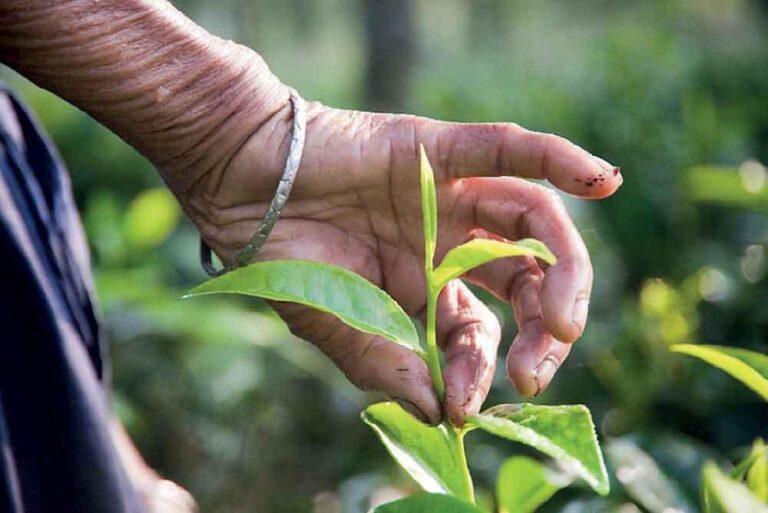
    Smallholder farmers, who form a large part of the industry, are particularly vulnerable. Many rely on tea for livelihoods while facing food security risks from the same climate shifts. Women, who dominate plucking work, bear much of the brunt through physical labour under harsher conditions.

    Regulatory and Market Pressures

    Beyond field-level challenges, Fernando highlighted incoming international regulations that will demand greater accountability. The EU Deforestation Regulation, packaging waste rules, and Green Claims Directive will penalise producers unable to verify sustainable sourcing and operations. Exporters risk exclusion from key markets if supply chains fall short.

    This regulatory tightening reflects growing global consumer and policy focus on sustainability, turning climate adaptation from an environmental ideal into a commercial necessity.

    Dilmah’s Response and Call to Action

    Dilmah has long positioned itself as a leader in sustainability, said Fernando. Through Dilmah Conservation, the company established Sri Lanka’s first Climate Change Research Station and pursues initiatives like agroforestry, reforestation, biodiversity corridors, and carbon neutrality goals. The firm achieved carbon neutral status for its operations and products years ago and aims for carbon negative outcomes.

    Fernando described adaptation as “another word for survival” and urged accelerated investment in nature-based solutions, climate-resilient practices, and finance mechanisms. Sri Lanka, he noted, is “paying for sins we did not commit” yet has opportunities for reimbursement through climate finance that the country must seize.

    Collaborations, such as with the Global Green Growth Institute (GGGI) on agroforestry, aim to model sustainable coexistence of tea production, biodiversity, and communities. Dilmah calls for industry-wide efforts, including stronger ties with researchers and universities, to build resilience, said Fernando.

    A Global and Local Crisis

    Tea production worldwide faces similar threats. Regions like Darjeeling in India report declining quality and yields due to warming and erratic rains. Globally, climate change shrinks suitable growing areas, spreads pests, and disrupts the delicate balance tea requires.

    In Sri Lanka, historical data shows temperatures have risen about 1°C over the past century, amplifying risks. The National Adaptation Plan and private initiatives underscore the need for urgent, coordinated response.

    The Path Forward

    Experts and industry voices stress that while challenges are severe, opportunities exist in innovation: precision agriculture, improved irrigation, shade trees for microclimate regulation, soil conservation, and diversified income for farmers. Research into climate-smart varieties and practices is critical.

    Fernando’s warning serves as a wake-up call. Preserving Ceylon Tea’s legacy requires not only mitigating emissions but adapting plantations, modernising practices, supporting workers, and aligning with global sustainability standards. Failure to act could erode one of Sri Lanka’s most cherished economic and cultural assets.

    UN Warns of Mounting Crises in Afghanistan as Security Incidents Surge 57% Under Taliban Control

    The UN has documented a sharp 57 per cent rise in security incidents in Afghanistan amid Taliban rule, escalating Pakistan border violence, humanitarian woes, and severe restrictions on women and girls, signalling deepening challenges despite apparent stability.

    In a sobering assessment released this week, the United Nations has painted a complex portrait of Afghanistan under Taliban governance, where a dramatic increase in security incidents coincides with fragile stability, devastating cross-border violence with Pakistan, and a deepening humanitarian and human rights crisis.

    The latest quarterly report from UN Secretary-General António Guterres to the Security Council and General Assembly details 3,687 security and safety incidents between February 1 and April 13, marking a 57.7 per cent increase from the same period in 2025. Despite this uptick, the Taliban maintains firm control over the country with no significant armed opposition threatening their rule.

    Taliban Consolidation Amid Limited Armed Opposition and ISIS-K Threat

    The report notes that anti-Taliban groups, including the Afghanistan Freedom Front, National Resistance Front, National Mobilization Front, and Afghanistan Green Trend Movement, claimed responsibility for just 18 attacks during the period, primarily shootings, rocket attacks, and grenade assaults in provinces such as Badakhshan, Baghlan, Herat, Kabul, Kandahar, and others. The UN verified 16 of these.

    “From 1 February to 13 April, armed opposition groups posed no significant challenge to the de facto authorities’ control over the national territory,” the report states. However, it warns that ISIS-K (Islamic State Khorasan Province) retains operational and combat capabilities, even without claiming major attacks in the period.

    UN personnel faced heightened risks, with 92 security incidents affecting them – up from 62 the previous year.

    Devastating Civilian Casualties from Pakistan-Afghanistan Hostilities

    One of the report’s most alarming sections addresses escalating tensions between the Taliban and Pakistan, which resulted in 764 civilian casualties (372 deaths and 392 injuries) between January 26 and March 31. Most were caused by airstrikes and cross-border shelling.

    The deadliest incident occurred on March 16, when a Pakistani airstrike hit the Omid Drug Rehabilitation Hospital in Kabul, killing at least 269 people and injuring 122 – predominantly patients. Pakistan claimed it targeted terrorist infrastructure, while the Taliban accused Islamabad of striking civilians.

    Another major event on April 27 involved cross-border shelling in Kunar province, causing 88 civilian casualties, including at Sayed Jamaluddin Afghani University. On April 10, unidentified gunmen attacked near a Shia shrine in Herat’s Injil district, killing 11 civilians, including women and children.

    These events underscore the volatile regional dynamics, with hostilities displacing around 94,000 people since February, over half women and children.

    Ongoing Abuses Against Former Officials and Corporal Punishments

    Human rights concerns remain acute. The UN documented violations against former Afghan government officials and security forces, including five killings, 20 arbitrary arrests, and eight cases of torture, despite Taliban amnesty promises.

    Taliban forces carried out 228 instances of corporal punishment, affecting 29 women, 196 men, and three boys for offenses like adultery, running away from home, homosexuality, alcohol consumption, and gambling.

    Children at Risk and Widespread Grave Violations

    Children continue to bear a heavy burden, with the UN verifying around 300 grave violations affecting at least 200 children (including 67 girls) from January to March. Killings, injuries, attacks on schools and hospitals, and denial of humanitarian access dominated.

    Humanitarian Crisis Deepens as Funding Falls Short

    Nearly half of Afghanistan’s population – 21.9 million people – requires humanitarian assistance in 2026. As of late April, only 14 per cent of the $1.7 billion needed had been funded. Agencies reached 4.7 million people in the first quarter, but acute food insecurity affects 17.4 million, with millions more needing malnutrition treatment.

    Climate disasters compounded the crisis: floods in March-April impacted 73,300 people across 31 provinces. Drought threatens agriculture, the backbone of rural livelihoods in an El Niño year.

    Mass Returns Strain Resources

    Over 548,000 Afghans returned between January and April (mostly from Pakistan and Iran), adding to the 2.9 million who returned in 2025. Many face severe shortages of housing, jobs, and services, heightening vulnerability, especially for women and girls.

    Fragile Economy and Persistent Gender Apartheid

    Macroeconomic stabilization masks deeper issues: growth lags population increases, per-capita income declines, trade disruptions (over 90 per cent drop via Pakistan corridor), rising inflation, and higher food costs prevail.

    Restrictions on women and girls are among the most pressing concerns. Girls remain banned from secondary education for a fifth year, affecting 2.6 million children. Women face limits on movement, work, and public life, including mandatory male guardians and dress codes. Decree No. 12 on judicial separation exacerbates discrimination. Taliban policies also bar Afghan women UN staff from offices.

    Media freedoms are curtailed, with stations suspended for content deemed unfavourable.

    Call for Renewed Engagement

    António Guterres reiterated commitment to the Doha process for reintegrating Afghanistan internationally, urging structured Taliban engagement with UNAMA and voluntary, safe returns for refugees. “The objective… is an end state in which Afghanistan is fully reintegrated into the international community, meeting its international obligations and ensuring the rights and well-being of all of its people,” he wrote.

    Analysts note that while Taliban control appears solid, underlying fragilities – from border conflicts and economic woes to systemic exclusion of women – risk long-term instability. International donors face a dilemma: balancing humanitarian imperatives with pressure for rights improvements.

    As Afghanistan navigates these intertwined challenges, the UN report serves as a urgent call for sustained attention and coordinated action to prevent further deterioration.

    Sri Lanka’s Prisons in Crisis: Overcrowding, Mental Health Collapse, and Calls for Comprehensive Reform

    Amid rising concerns over prison deaths, including a recent death-row inmate’s fall, experts highlight alarming mental health crises in Sri Lanka’s overcrowded facilities, where 27% of prisoners exhibit suicidal behaviour and urgent reforms are needed.

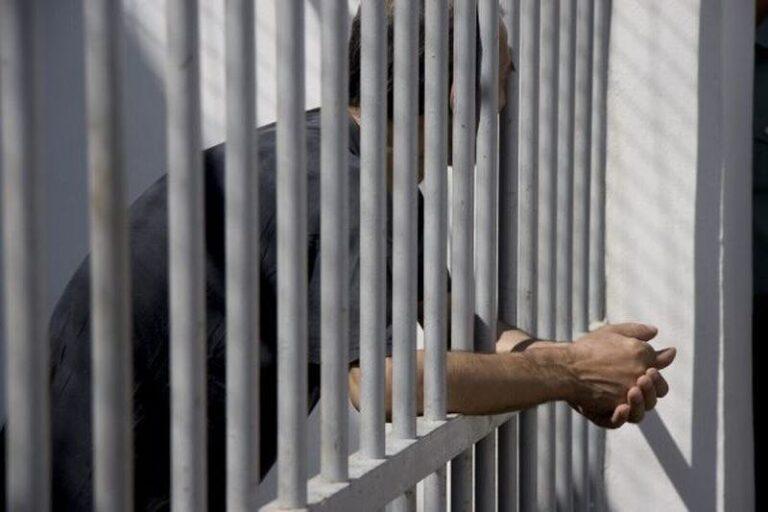
    Sri Lanka’s prison system is under intense scrutiny following multiple deaths in custody, including the recent case of a death-row inmate convicted in the high-profile killing of former Parliamentarian Amarakeerthi Athukorala. The incident, involving a fall at Welikada Prison, has reignited debates about the mental well-being of inmates in an overburdened correctional environment.

    Forensic psychiatry specialist Dr. Chittahari Abhayanayaka, co-author of a chapter on Forensic Psychiatry and Prison Mental Health in Sri Lanka, emphasises that prisoners require tailored clinical mental healthcare. In a detailed interview with The Morning, Dr. Abhayanayaka pointed out that mental health conditions are significantly more prevalent in prisons than in the general population.

    According to available data, around 27 per cent of prisoners in Sri Lanka have shown some form of suicidal behaviour. This statistic underscores a broader crisis: nearly 30 per cent of newly admitted inmates experience significant psychological distress. Overcrowding exacerbates the problem. Designed for 10,000–15,000 inmates, the system now holds close to 40,000, far exceeding capacity and leading to severe strains on infrastructure and services.

    Mental Health Toll in a Strained System

    Correctional psychiatry focuses on delivering mental healthcare within the unique constraints of the prison environment. Dr. Abhayanayaka explains that while the mental illnesses seen in prisons mirror those in the community – such as depression, anxiety, psychotic disorders, and substance use disorders – the setting amplifies challenges. Safety concerns, limited resources, and institutional rules complicate treatment.

    Prevalence rates paint a stark picture. Depression affects about 10.5 per cent of prisoners compared to 4 per cent in the general population. Psychotic disorders rise from 1 per cent in the community to 3 to 4 per cent behind bars. Substance use disorders are rampant, impacting 30 to 70 per cent of inmates, with many offences directly linked to drugs or alcohol. In Sri Lanka, roughly half of remand prisoners and two-thirds of convicted ones have connections to drug-related crimes.

    Self-harm and suicidal ideation are critical concerns. The prison environment – marked by uncertainty, isolation, loss of freedom, violence, and stigma – intensifies pre-existing vulnerabilities. Overcrowding, in particular, removes daily structure and meaningful activity, fostering hopelessness.

    Recent incidents, including deaths in custody, highlight these risks. Reports indicate multiple prison-related fatalities in recent years, prompting calls for better oversight and healthcare.

    Diverse Needs Across Prisoner Categories

    Mental health needs vary significantly depending on an inmate’s stage in the legal process. Suspects in police custody often face acute anxiety and fear due to uncertainty. Remand prisoners, who constitute nearly two-thirds of Sri Lanka’s prison population, endure prolonged stress from repeated court delays and lack of routine. This group shows particularly high rates of mental health issues and suicidal behaviour.

    Convicted prisoners may have more structure through work programmes but risk institutionalisation and long-term hopelessness, especially with extended sentences. Death-row inmates confront a unique psychological burden: exclusion from many activities, combined with the gravity of their situation, leading to severe depression and anxiety.

    Dr. Abhayanayaka stresses that understanding these differences is essential for effective intervention. Uncertainty erodes mental resilience, while structure can provide some stability.

    Vulnerable Groups Face Heightened Risks

    Certain populations within prisons are especially vulnerable. Female prisoners often grapple with family separation, worries about children, and disrupted household roles. Some mothers keep young children with them, which preserves bonds but exposes families to an unsuitable environment and adds maternal stress due to lack of privacy.

    Young prisoners face developmental challenges compounded by separation from family and exposure to hardened environments. Transgender inmates encounter stigma, discrimination, and placement issues that heighten isolation. Foreign prisoners deal with language barriers, cultural differences, and severed family ties, complicating access to services.

    These groups require targeted support to mitigate compounded traumas.

    Why Prison Mental Healthcare Matters for Society

    Providing adequate mental healthcare in prisons is a state responsibility and a human rights imperative. Imprisonment punishes through loss of liberty; it should not equate to denial of healthcare. Prisoners depend entirely on the system for treatment, often entering with unmet needs from disadvantaged backgrounds.

    Untreated conditions, particularly substance use disorders, pose risks upon release. Most inmates return to communities, and without intervention, they may reoffend or strain families and social services. Prisons can serve as key intervention points for identifying and addressing previously undiagnosed issues.

    Broader societal benefits include reduced recidivism, healthier families, and lower public health burdens. Dr. Abhayanayaka advocates for equivalence of care – prisoners should receive standards comparable to the community, with doctors acting as advocates for this vulnerable group.

    Reforms and Responsibilities

    Experts call for comprehensive reforms. Entry screening, ongoing observation, medication, psychosocial support, and continuity of care from prison to community are vital. Collaboration between government, healthcare professionals, and civil society is essential.

    Addressing root causes like overcrowding through alternatives to incarceration, faster judicial processes, and expanded community mental health services could reduce the prison population and associated pressures. Investments in training for correctional staff and specialised forensic psychiatry resources are overdue.

    Sri Lanka’s prison statistics reflect systemic challenges shared regionally, with high overcrowding rates across South Asia. Recent political and economic shifts, including post-2022 recovery efforts, provide an opportunity to prioritise human rights and rehabilitation in the justice system.

    Without urgent action, the cycle of mental distress, reoffending, and societal costs will persist. As Dr. Abhayanayaka notes, improving prison mental health is not just about inmates – it strengthens the entire society by fostering rehabilitation, equity, and long-term stability.

    Image: ICRC