More

    Sri Lankan Tea Workers’ Wage Crisis: Promises Fade as Exploitation Persists in 2025

    Export data masks the human toll: Tea shipments hit 23 million kilograms by June 2025, earning $743 million – an 11 per cent volume rise, with packaged varieties at 46 per cent.

    A deepening crisis is unfolding in the mist-shrouded hills of Sri Lanka’s central highlands, where the nation’s world-renowned Ceylon Tea is plucked leaf by laborious leaf. Over 1.5 million estate workers, predominantly from the marginalised Malaiyaha Tamil community, continue to endure subhuman conditions despite repeated government pledges for wage relief. As of late 2025, the promised daily minimum wage of 1,700 Sri Lankan rupees (LKR) – a 70 per cent hike from the 2021 baseline of LKR 1,000 – remains largely unimplemented, trapping families in cycles of poverty, malnutrition, and child labour. This impasse, fuelled by industry resistance and political delays, threatens the sustainability of an export sector that generated $1.3 billion in foreign exchange last year, underscoring a stark paradox: the workers who fuel Sri Lanka’s economic lifeline are its most forgotten.

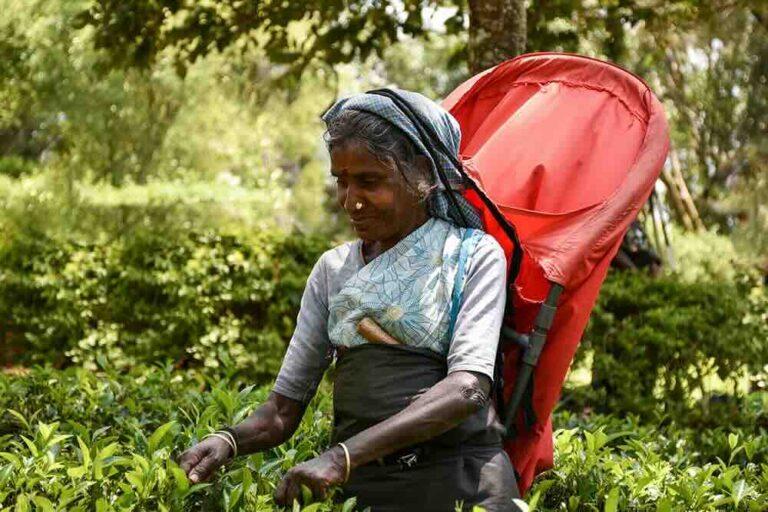
    The struggle traces back to colonial-era exploitation, when Indian migrants were brought as indentured labourers to vast tea plantations. Today, descendants of those “coolies” – mostly Hindu women who shoulder 70 per cent of the plucking workload – face daily targets of 18-25 kilograms per worker, often unachievable amid aging bushes and erratic weather.

    Current earnings hover around LKR 1,350 plus sporadic incentives, far below the LKR 2,321 needed for a family of four to afford basics like rice, medicine, and schooling, according to a 2024 University of Peradeniya study. Inflation, which peaked at 70 per cent during the 2022 economic meltdown, has eroded purchasing power, forcing many to ration meals or skip milk in their tea – a bitter irony for tea workers.

    Protests erupted mid-November, with over 1,000 labourers marching in cities like Nuwara Eliya and Badulla, brandishing symbolic coffins of opposing politicians. “For the first time in history, the government provided a salary increment of 200 rupees. Opposition politicians fail to understand the hardships,” fumed Mahohari, a plucker from Bogawantalawa estate.

    Rights activist Sunil Hapuarachchi decried the “slave-like conditions” persisting for decades, marked by poverty, illiteracy, and stigma that haunts workers’ children. Yet, as 2025 dawned under President Anura Kumara Dissanayake’s leftist National People’s Power (NPP) administration, hope flickered briefly with budget allocations for direct subsidies. By September, however, negotiations stalled, leaving unions like the Lanka Jathika Estate Workers’ Union threatening strikes ahead of the 2026 fiscal year.

    Political Standoff and Broken Vows

    The wage deadlock exemplifies a century-old pattern of unkept promises. A 1927 Minimum Wages Ordinance, born from early 20th-century inquiries, was diluted by planter resistance. Fast-forward to 2018: Massive youth-led protests at Galle Face Green forced a tripartite agreement, but courts annulled hikes favouring employers. The 2023 Hatton Declaration vowed holistic reforms – housing, land rights, education – yet two years on, delivery is scant. In May 2024, President Ranil Wickremesinghe’s government gazetted LKR 1,700 as the minimum, inclusive of LKR 350 productivity bonuses, effective June. Plantation giants petitioned the Court of Appeal, which refused a stay, but implementation faltered amid claims of “financial ruin.”

    Under Dissanayake’s NPP, elected in 2024 on pro-worker rhetoric, a LKR 5 billion taxpayer-funded subsidy was earmarked to bridge the gap for private Regional Plantation Companies (RPCs). Opposition lawmakers slammed it as a regulatory breach, demanding audits by the Bribery Commission. “This could open floodgates for all private sectors,” they argued, igniting worker fury.

    A June 2024 Labour Tribunal, hearing “heartbreaking” testimonies, ordered immediate enforcement and a special committee for sustainable structures. By September 2025, a Ministry of Plantation meeting yielded only vague commitments to productivity-linked models, with Deputy Minister Sundaralingam Pradeep noting RPCs’ “challenges” but no firm timeline. Unions decry the Ceylon Workers’ Congress (CWC) for historical collusion with employers, diluting worker voices.

    International scrutiny amplifies the outrage. An October 2024 tribunal, convened by the Ceylon Workers Red Flag Union with judges from India, Nepal, and Sri Lanka, left panellists “horrified.” Testimonies revealed leech-infested fields, wasp attacks sans first aid, and families surviving on plain tea. Justice Shiranee Tilakawardane called it a “sub-human life without dignity,” urging bans on unfair practices like inflating targets or casualising labour. UN experts and the World Food Programme report child undernutrition surging to 17 per cent in estates, with 16 per cent of families food-insecure – double the national average.

    Dire Conditions and Human Rights Violations

    Beyond wages, a September 2024 ABC News investigation exposed systemic failures on Rainforest Alliance and Fairtrade-certified estates, home to brands like Twinings and Lipton. Workers lack field toilets – terrain excuses ring hollow amid colonial-era “line houses” crumbling without repair. Drinking water is intermittent, outages lasting weeks; child labour thrives in private gardens, with under-16s dropping out to supplement incomes, breaching ILO conventions. “Auditors never speak to us,” one plucker confided, questioning certification integrity. The Plantation Human Development Trust (PHDT), a government body, shoulders housing duties but underfunds them, rendering Fairtrade standards moot.

    Health crises compound the misery: Snakebites and respiratory ills from chemical exposure go untreated, as clinics are understaffed. Women, comprising the workforce’s backbone, face gender-specific burdens – menstruation without facilities, sexual harassment, and widowhood from male out-migration.

    A 2024 WFP survey found one in four estate families skipping meals, with female-headed households hit hardest. Child labour, though illegal, persists; kids forgo school for “light duties,” per ILO allowances, but interference with education is rampant. Dilmah’s MJF Foundation funnels profits into schools, yet systemic gaps endure. Certifiers like Rainforest Alliance pledge investigations, potentially suspending non-compliant estates, while Fairtrade’s FLOCERT handles complaints via hotlines. Brands vow remediation, but critics demand enforcement over audits.

    Export data masks the human toll: Tea shipments hit 23 million kilograms by June 2025, earning $743 million – an 11 per cent volume rise, with packaged varieties at 46 per cent. Iraq and Libya ramped imports, yet worker attrition soars. Permanent pluckers dwindled from 400,000 to 140,000 via mechanisation and contracts sans pensions, aging the workforce and slashing productivity to 18 kg/day – half India’s rate.

    Proposed Reforms and Industry Warnings

    As deadlock persists, alternatives emerge. The Advocata Institute champions revenue-sharing: Assigning land plots to workers as “self-governing partners,” earnings tie to auction proceeds split with RPCs. Pilots at Talawakelle Plantations yielded double incomes, per Tea Research Institute data, boosting quality and viability. “Ditch attendance-based wages that breed inefficiency,” urges Advocata, decrying Sri Lanka’s status as the priciest black tea producer. It slams subsidies as “ad-hoc bandaids” burdening taxpayers, advocating land titles for stability – a nod to historical dispossession.

    RPCs, via the Planters’ Association, counter that the 70 per cent hike inflates costs 45 per cent, risking quality dips and job losses. Fertiliser and fuel prices quadrupled post-2022, they say, eroding edges over Kenya. A production-based model, per September 2025 talks, could align incentives, but unions fear diluted guarantees. The government eyes hybrid funding, yet delays breed unrest.

    In Groundviews’ poignant words, estate wages are “forever promised, never delivered.” With poverty at 24.5 per cent in estates – double pre-crisis levels – reform is imperative. The tribunal’s call echoes: Implement LKR 1,700 now, convene experts, end exploitation. As 2025 closes, tea workers’ resilience sustains Sri Lanka, but without justice, the brew turns toxic.
    Heat Stress Threatens India’s Food Future: UN-ESCAP Report Sounds Alarm

    Under both low- and high-emission scenarios, rising temperatures threaten to erode crop and livestock productivity, reduce the capacity of rural labour, and exacerbate poverty in farming communities, ESCAP says.

    India’s agriculture is racing toward a climate-induced tipping point. According to the latest United Nations Economic and Social Commission for Asia and the Pacific (ESCAP) Asia-Pacific Disaster Report 2025, the country is among five in the region whose agrarian systems are already under “consistently high risk” from rising heat stress.

    Under both low- and high-emission scenarios, rising temperatures threaten to erode crop and livestock productivity, reduce the capacity of rural labour, and exacerbate poverty in farming communities, ESCAP says.

    Heat Stress Rising – Crops, Livestock and Farmers Under Pressure

    ESCAP’s assessment uses the novel Agricultural Heat Stress Score (AHSS), which combines indicators such as the frequency of consecutive hot days (measured by the Warm Spell Duration Index, WSDI), the share of agriculture in GDP, agricultural employment, and cultivated land area.

    Analysis shows that as heatwaves become more frequent and severe, staple crops and livestock output are being hit hard. For instance:

    • Wheat yields drop significantly when temperatures breach ~35 °C during flowering and grain-filling – a phenomenon witnessed during the unprecedented March 2022 heatwave.
    • Rice, maize, and pulses are also affected – either through reduced grain quality, impaired pollination, or heightened moisture stress.
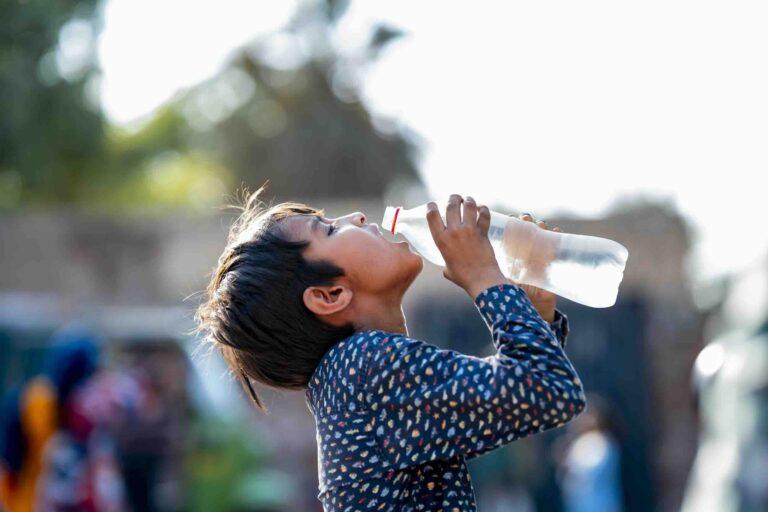
    • Livestock such as dairy cattle and buffaloes see reduced feed intake, fertility, and milk yield under persistent heat and humidity; in some regions, milk yields may decline by 10–25 per cent during peak heat periods.

    Compounding the challenge, heat stress can severely reduce labour productivity. ESCAP notes that intensive heat can cut a farm worker’s output by as much as 27 per cent.

    For millions of smallholder farmers whose livelihoods depend on timely sowing, transplanting, harvesting, and livestock care, such disruptions threaten not only incomes but food security at national scale.

    Structural Risk and a Widening Adaptation–Finance Gap

    The AHSS analysis indicates that under current climate trajectories, many of India’s major agricultural zones – from the Indo-Gangetic plains to the Deccan plateau – risk becoming near-permanently exposed to extreme heat by 2100, particularly under high-emission pathways.

    Yet, while the threat is clear, the means to adapt and transform agriculture remain underfunded. As pointed out by the Food and Agriculture Organization of the United Nations (FAO), agrifood systems currently absorb around a quarter of all climate-related losses globally, and yet receive less than 8 per cent of climate finance.

    In 2025, FAO and partners launched the Food Systems Integrated Programme (FSIP), backed by roughly US$282 million in grants, to support sustainable farming, land restoration, and emissions reduction across agrifood systems in multiple countries.

    But this infusion is only a small step: a 2024 analysis by the ClimateShot Investor Coalition (CLIC) and FAO estimates that aligned agrifood transformation would require roughly US$1.1 trillion annually – a vast gulf compared to current commitments.

    Without closing this “finance gap,” adaptation plans risk remaining on paper while farmers and crops face the brunt of climate disruption. As FAO puts it, agrifood systems must be at the centre of global climate strategy – not treated as an afterthought.

    Time for Urgent Action: From Warnings to Resilience

    The convergence of climate science and socioeconomic data suggests that heat stress is no longer a future threat for Indian agriculture – it is unfolding now.

    Policymakers, climate funders, and development agencies must urgently reorient support:

    • Prioritise climate-resilient agrifood interventions – including heat-tolerant crop varieties, improved irrigation and soil moisture management, livestock cooling systems, and early-warning heat alerts tied to farming calendars.
    • Scale up climate finance accessibility – especially for smallholder farmers and rural communities, through public funding, private investment, carbon-credit mechanisms, and targeted subsidies.
    • Integrate agrifood systems into national and international climate strategies – recognising agriculture’s dual role as victim and solution in the climate crisis.

    Image: UNICEF

    World May See an Additional 3.3 Million New HIV Infections, says UNAIDS

    UNAIDS said on World AIDS Day 2025 that the global funding collapse threatens decades of progress against HIV – it says that urgent action is needed to transform HIV prevention and treatment globally.

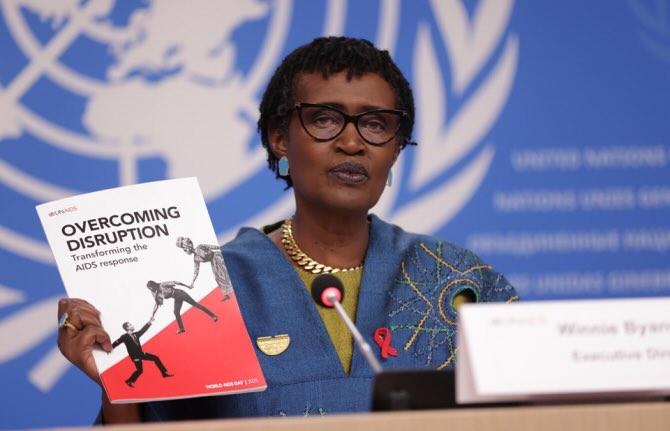
    On the eve of World AIDS Day, the UNAIDS has issued a grave warning: the global fight against HIV is in its most serious crisis in decades. Its 2025 report – titled Overcoming disruption, transforming the AIDS response – reveals that abrupt reductions in international funding have dealt a severe blow to HIV prevention, testing and community-led services worldwide.

    According to UNAIDS, external health assistance in 2025 is projected to fall by 30–40 per cent compared with 2023. This drop has immediate consequences: clinics closing, community organisations suspending services, and lifesaving prevention tools – including medicines and condoms – becoming scarce.

    UNAIDS warns that if funding and services are not urgently restored, the world may see an additional 3.3 million new HIV infections between 2025 and 2030.

    As of 2025, around 40.8 million people globally are living with HIV, while 1.3 million new infections were recorded in 2024, and 9.2 million remain without access to treatment.

    Prevention Hardest Hit, Vulnerable Populations Suffer

    Prevention services – especially those reaching marginalised and high-risk groups – have borne the brunt of funding cuts. UNAIDS notes steep declines in pre-exposure prophylaxis (PrEP) availability, significant drops in voluntary medical male circumcision, and suspension of programmes designed for adolescent girls, young women, sex workers, people who inject drugs, and LGBTQ+ individuals.

    In parts of sub-Saharan Africa, HIV prevention initiatives tailored to young women have been dismantled, depriving them not only of HIV protection but also related services such as mental health support and gender-based violence counselling.

    Community-led organisations – long considered the backbone of the global HIV response – are also collapsing under the strain: more than 60 per cent of women-led organisations report suspending essential services.

    The report underscores that these numbers not only represent statistics – they reflect millions of lives at stake: babies missing early HIV screening, young women deprived of prevention support, and entire communities cut off from care and support.

    Glimmer of Hope: Innovation, Domestic Action, Global Solidarity

    Despite the grim landscape, UNAIDS argues that hope remains. Some countries, including Nigeria, Uganda, Côte d’Ivoire, South Africa and Tanzania, have pledged to increase domestic investments in HIV services, stepping up national responsibility.

    Moreover, new innovations – particularly long-acting HIV prevention medicines such as twice-yearly injections – hold the potential to transform prevention efforts and avert new infections, if access and pricing issues can be resolved.

    Further, recent pledges from multilateral funding platforms – notably the replenishment of the Global Fund to Fight AIDS, Tuberculosis and Malaria – and renewed donor commitment signal that global solidarity may yet rescue the response.

    A Call to Action on World AIDS Day

    Marking World AIDS Day 2025, UNAIDS is urging global leaders, governments and donor nations to recommit to the shared vision of ending AIDS as a public-health threat by 2030. The agency emphasises that political will, human-rights centred policies, community-led responses, and sustained funding – domestic and international – are now more critical than ever.

    “This is our moment to choose,” said UNAIDS Executive Director Winnie Byanyima – and millions of lives depend on the choice the world makes now.

    Food Waste: The Hidden Climate Culprit Threatening Global Warming Goals

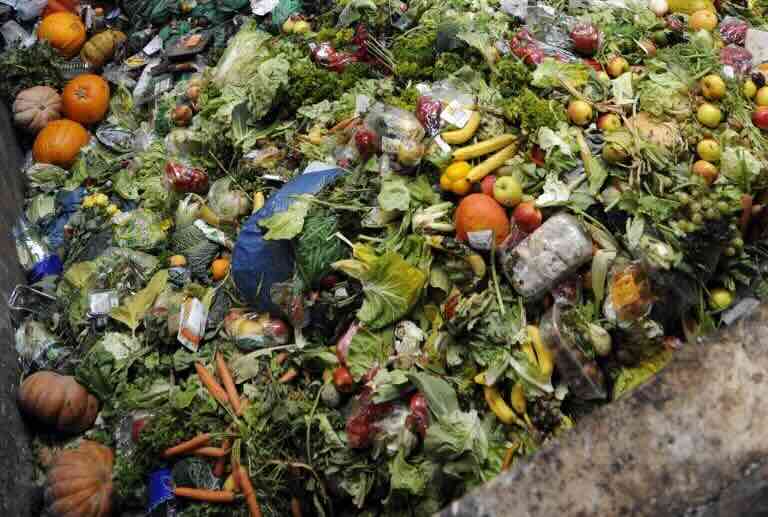
    The US Environmental Protection Agency (EPA) warns that food waste’s full lifecycle – from farm to fork – wastes vast inputs: land, water, fertilizers, and energy, amplifying biodiversity loss and pollution.

    As world leaders wrap up the United Nations Climate Change Conference (COP30) in the Amazon rainforest city of Belém, a stark reality emerges from the negotiations: food waste, often overlooked amid discussions of fossil fuels and deforestation, is fuelling the climate crisis at an alarming rate.

    Accounting for 8-10 per cent of annual global greenhouse gas (GHG) emissions – equivalent to the aviation sector’s output five times over – food waste if treated as a nation would rank as the world’s third-largest emitter, trailing only China and the United States. This staggering footprint, driven by methane-spewing landfills and squandered resources, underscores an urgent call for integration into national climate plans.

    Yet, as the conference concludes, only 30 countries committed to addressing it in their Nationally Determined Contributions (NDCs), leaving a yawning gap in the path to Paris Agreement targets.

    The scale of the problem is breathtaking: In 2022 alone, 1.05 billion tons of food – enough to feed 783 million hungry people – was wasted globally, costing USD 1 trillion and exacerbating food insecurity for a third of the world’s population. In the US, one-third of the food supply, or roughly 92 million tons annually, meets the same fate, embodying 170 million metric tons of CO2 equivalent emissions before even reaching landfills – comparable to the output of 42 coal-fired power plants. Fruits and vegetables, which make up 44 per cent of this waste, highlight inefficiencies in production and consumer habits, while high-emission meats and seafood add disproportionate climate punch despite lower waste volumes.

    5.4 Billion Tons of Emissions

    At COP30, NGOs like WRAP, ReFED, and The Global FoodBanking Network hosted a pivotal half-day event in the Blue Zone’s Action on Food Hub, urging bolder action. “Reducing food waste is one of the fastest, most practical ways to cut emissions, ease pressure on supply chains, and make better use of the resources we already have,” declared Catherine David, CEO of WRAP, emphasising its alignment with the Sustainable Development Goals on climate, hunger, and sustainable production.

    The event spotlighted how food waste’s 5.4 billion metric tons of emissions in 2023 alone outstripped entire industries, yet current NDCs project 4-5°C of warming – far from the 1.5°C limit – with none of the World Resources Institute’s 45 climate indicators on track.

    This oversight comes at a critical juncture. Project Drawdown ranks food waste reduction as the top strategy for curbing emissions, potentially slashing 79 million metric tons of CO2 equivalent yearly in the US alone – akin to removing 18 million gas-powered cars from roads – while yielding $61 billion in economic returns. The message is clear: ignoring food waste isn’t just inefficient; it’s a climate betrayal.

    Methane Menace: Food Waste Supercharges Global Warming

    Decomposing in anaerobic landfills, uneaten food unleashes methane – a gas 80 times more potent than CO2 over 20 years and 28 times over a century – accounting for 14 per cent of global methane emissions and 17 per cent in the US, where it generates nearly three million metric tons annually. Landfills, the final stop for much of this waste, trap organic matter without oxygen, accelerating decay and trapping heat in the atmosphere. The US Environmental Protection Agency (EPA) warns that food waste’s full lifecycle – from farm to fork – wastes vast inputs: land (a third of global agricultural acreage), water, fertilizers, and energy, amplifying biodiversity loss and pollution.

    Embedded emissions from production compound the crisis. Growing wasted food demands deforestation for grazing (cattle alone emit 220 pounds of methane per cow yearly), chemical fertilizers releasing nitrous oxide, and irrigation guzzling scarce water. In 2023, these factors drove US grocery losses to $27 billion, while globally, food waste’s carbon footprint hit 3.3-4.4 gigatons of CO2 equivalent – 6 per cent of anthropogenic GHGs, excluding land-use changes. “It is nearly impossible for the globe to meet emissions targets set forth by the Paris Accords without reducing waste from the food system,” notes Robert Sanders, assistant professor at UC San Diego’s Rady School of Management.

    Consumer confusion exacerbates the issue. In the US, 6 per cent of waste – 3 billion pounds worth $7 billion – stems from misreading labels like “Sell by” (for retailers) or “Best if used by” (peak quality), prompting premature discards of safe food. Households contribute 35 per cent of waste through overbuying and poor planning, while retailers lose over 10 per cent to surplus perishables. As climate-vulnerable regions like Florida face rising seas and storms, diverting this waste becomes a local imperative, with national trends mirroring coastal vulnerabilities.

    Hunger-Climate Nexus: COP30’s Call for Urgent Commitments

    Despite the evidence, progress lags. At COP30, just six more nations joined the 24 from COP29 in embedding food waste into NDCs, with only seven tackling both loss (pre-retail) and waste (post-retail). Brazil, Colombia, Chile, and Indonesia lead by tying reductions to methane cuts, food security, and circular economies, but the global average falls short. The UN’s SDG 12.3 aims to halve per-capita waste by 2030, yet trends predict a doubling by 2050 without intervention.

    Launched at COP30, the UNEP’s Food Waste Breakthrough unites cities, governments, and businesses to halve waste, slashing 7 per cent of methane emissions and addressing hunger-climate nexus. “Making that commitment is the first step to taking action,” says Dana Gunders of ReFED, highlighting food banking’s dual role in emissions cuts and hunger relief. Experts like Paul West of Project Drawdown stress prevention’s 10-fold climate edge over end-of-pipe fixes.

    Proven Solutions to Slash Food Waste Emissions

    Hope lies in multifaceted strategies. Policy wins include US bipartisan bills standardizing labels to “Best if used by” for non-perishables and “Use by” for risks, potentially rescuing 425,000 tons yearly – 708 million meals. California’s 2024 law and Massachusetts’ enforced bans, backed by composting networks, cut landfill waste 13 per cent. Dynamic pricing algorithms, adjusting perishables’ costs hourly, curb surplus while affordability healthier options.

    Technology and behaviour shifts amplify impact. Apps for meal planning and inventory checks reduce household waste; composting diverts scraps, curbing methane. WRAP’s UK Food Pact saved 251,000 tons worth £365 million via industry roadmaps. Globally, upcycling and donations – though 40 per cent of latter still wastes – pale against prevention, per EPA’s Wasted Food Scale.

    Image: FAO

    Nepal Police Unleashed Deadly, Unlawful Force on Gen Z Protesters, Says HRW

    Violence escalated on September 9 as enraged protesters torched buildings, killed three police and burned six civilians alive. Security forces vanished during looting of 550 weapons, yet no officers face charges for the initial deadly shootings.

    In a shocking display of police brutality in Nepal, security forces fired indiscriminately into crowds of young demonstrators on September 8, 2025, killing at least 17 people and injuring hundreds during peaceful protests against a government-imposed social media ban, the rights group, Human Rights Watch, has said.

    The “Gen Z” movement, a youth-led uprising against corruption and digital censorship, turned deadly when Nepal Police and Armed Police Force officers unleashed volleys of gunfire without warning, violating international human rights standards. Witnesses described scenes of chaos outside parliament, where first-time protesters – many in their teens and early 20s – were shot in the head, chest, and abdomen while chanting for accountability and freedom of expression.

    The protests erupted amid mounting frustration with Prime Minister KP Sharma Oli’s administration, which on September 4 announced a sweeping ban on 26 social media and messaging platforms, including Discord, TikTok, and Facebook. Officially justified as a regulatory measure for unregistered apps, the ban was widely viewed as an attempt to muzzle online criticism of elite politicians’ lavish lifestyles, exposed virally by young Nepalis.

    “This ban triggered us a lot,” one anonymous organiser told Human Rights Watch (HRW), noting how Discord servers ballooned to tens of thousands of members overnight, even as users bypassed restrictions with VPNs. By September 8, thousands converged at Maitighar Mandala in Kathmandu, marching toward parliament with placards demanding the ban’s repeal and an end to endemic corruption. The atmosphere was initially “joyful,” with plans to offer flowers to police, but it shattered around 12:30 PM when gunfire rang out.

    HRW, which interviewed 52 witnesses including victims, journalists, and medical staff, verified videos showing officers firing from inside parliament grounds – just 40 meters from the crowd – and from street barricades. No warnings were issued, and there was no evidence of imminent threats to life, breaching the UN Basic Principles on the Use of Force and Firearms.

    A 20-year-old university student, shot through the shoulder in a peaceful zone, recounted: “When I was shot, there was no violence. It was very peaceful. Out of nowhere, they started firing.” Her surgeon confirmed the high-velocity bullet wound, one of over 200 treated at Kathmandu hospitals that day. Among the dead was 17-year-old Shreeyam Chaulagain, a schoolboy in uniform shot in the head while clapping and retreating from the fray. Pathologists later ruled that 35 of 47 bodies autopsied over two days died from such gunshot injuries, underscoring the scale of unlawful force in Kathmandu, HRW has said.

    As the sun set on September 8, Kathmandu’s streets ran with blood, but the violence spilled into September 9, escalating into widespread arson and mob attacks. Protesters, enraged by the killings, targeted government buildings, schools, businesses, and media offices, leading to three police deaths by beating and six civilians burned alive in a supermarket blaze. Security forces, absent during much of the looting – which included over 550 weapons stolen from police stations – later deployed tear gas and live rounds as crowds breached Nepal’s parliament. Nationwide, the toll reached 76 deaths, with 423 arrests by November 10, mostly for the second day’s chaos. Yet, no officers have faced charges for the initial shootings, fuelling accusations of a cover-up in this episode of Nepal police brutality.

    From Peaceful Marches to Deadly Clashes in Kathmandu

    The Gen Z protests, leaderless and digitally coordinated, represented a seismic shift in Nepal’s youth activism, born from decades of unaddressed grievances. Social media exposés of politicians’ opulence – private jets and luxury estates amid widespread poverty – had already simmered tensions, compounded by political gridlock and historical impunity for rights abuses. The ban, affecting apps used by 70 per cent of Nepal’s 30 million people for communication, was the spark. Organisers, drawing from global movements like Thailand’s youth protests, emphasised non-violence, but the state’s response ignited fury.

    Eyewitness accounts paint a harrowing picture of the crackdown. At 1 PM, bullets whizzed past journalists near parliament; by 1:40 PM, a protester seven meters from police lines was felled by a leg shot amid minor stone-throwing. Videos captured two gunshots slamming into barricades, injuring 22-year-old Dipendra Basnet in the head as he sheltered with friends. Tear gas, water cannons, batons, and rubber bullets followed, hospitalising journalists and medics alike. One doctor at Tribhuvan University Teaching Hospital described treating “hundreds” with projectile wounds, while police stormed hospital grounds, baton-charging staff and patients. “It was a fiasco,” a retired senior officer admitted to HRW, lamenting procedural failures that left properties unprotected as mobs rampaged unchecked on day two.

    Infiltration allegations added layers of intrigue. HRW sources pointed to hacked SMS messages at midnight on September 9 urging attacks, and Discord posts from suspected political affiliates directing violence – possibly to discredit the movement. This selective chaos spared some sites while torching others, including media outlets critical of Oli. The prime minister resigned that afternoon, prompting President Ram Chandra Poudel to deploy the army by evening and dissolve parliament on September 12. Former Chief Justice Sushila Karki now leads an interim government tasked with fresh elections, but trust in institutions remains shattered.

    Indiscriminate Firearms and Impunity Exposed

    HRW’s report, released November 19, 2025, labels the security forces’ actions as “unlawful,” with Nepali law requiring warnings even for authorized lethal force – a protocol ignored here. Indiscriminate shooting into crowds, targeting vital areas, contravenes both domestic codes and global norms. Hospitals like Civil Service reported 221 cases on September 8 alone, three fatal, with surgeons “shocked” by the bullet types. Broader abuses included detentions: 33 protesters, including one held by the elite Special Task Force, endured beatings, phone destruction, and death threats before release.

    This isn’t isolated; Nepal’s history of protest crackdowns – from 2006’s pro-democracy marches to 2015’s constitution riots – has seen little accountability, breeding the impunity that emboldened 2025’s response. Journalists faced assaults, with kinetic projectiles and arson on news premises silencing coverage. Ambulances were attacked by both sides, exacerbating the humanitarian toll.

    HRW’s deputy Asia director, Meenakshi Ganguly, warned: “The recent violence in Nepal included serious human rights violations, and those responsible should be held accountable, whether they are security forces or political actors.” The report urges forensic analysis of weapons and ballistics to trace the gunfire.

    The Karki administration formed a judicial commission to probe the unrest, but HRW demands it be transparent, time-bound, and independent, covering force used, infiltrations, and criminal acts like arson.

    HRW has demanded that prosecutions must span ranks – from officers to mob leaders – alongside reforms to curb corruption and bolster digital rights. Gen Z representatives, meeting Poudel on September 12, secured promises of elections and ban reversals, but youth scepticism lingers. “We won’t stop until real change,” one Discord admin vowed anonymously.

    India’s Smog Crisis Fuelling a Hidden Obesity Epidemic

    In a troubling new twist, air pollution is being increasingly recognised as a major driver of weight gain and metabolic disorders, raising alarm over a silent obesity crisis linked to the smog that chokes millions across the country.

    The familiar haze settling over India’s cities each winter is not just a nuisance – it may be quietly reshaping our bodies. In a troubling new twist, air pollution is being increasingly recognised as a major driver of weight gain and metabolic disorders, raising alarm over a silent obesity crisis linked to the smog that chokes millions across the country.

    Studies now point to airborne toxicants – especially fine particulate matter (PM2.5 and PM10) – as “obesogenic” agents capable of disrupting metabolism, hormones and fat storage. As pollution infiltrates the lungs, it may also reach deep into the body’s systems, heightening the risk of long-term health conditions beyond respiratory illness.

    Smog, Sedentary Lives and Metabolic Disruption

    Recent reporting has documented how long-term exposure to polluted air is significantly associated with rising obesity rates in India. The degradation in air quality – particularly in urban centres – is now being seen as more than just a respiratory hazard. It also disrupts metabolic processes, influencing weight gain across demographics.

    According to experts, fine particles can trigger systemic inflammation and oxidative stress. These processes can alter appetite-regulating hormones and disrupt how the body stores fat, pushing individuals toward higher fat accumulation.

    Moreover, heavy pollution discourages outdoor activity. With smog-ridden skies making physical exercise difficult, or even dangerous, people tend to stay indoors, often leading to a more sedentary lifestyle. That indirect effect may compound the problem, as lack of physical activity combines with pollution-triggered metabolic changes to fuel weight gain.

    Children appear especially vulnerable. A multi-city comparison found that nearly 40 per cent of schoolchildren in a pollution-heavy city were overweight or obese, compared with just 16 per cent in cleaner cities. Early-life exposure to pollution may even rewire metabolic and hormonal pathways – with long-term consequences on health and weight.

    Breathing Toxic Air is More Than a Lung Problem

    While respiratory issues remain the most visible fallout of poor air quality – wheezing, shortness of breath, aggravated asthma – the damage goes far deeper. In cities like Delhi and across the polluted belt of northern India, dangerously high readings of Central Pollution Control Board (CPCB)’s Air Quality Index (AQI) have become routine.

    Fine particulates (PM2.5) and other pollutants can enter the bloodstream, leading to systemic inflammation. Over time, this inflammation disrupts multiple body systems: cardiovascular, immune, metabolic and endocrine.

    Recent scientific research adds a worrying dimension: a study co-led by scientists at University of Zurich found that long-term inhalation of PM2.5 impairs the normal function of brown adipose tissue – the fat that helps burn calories and regulate energy. In lab animals, this led to insulin resistance and metabolic disorders, offering a plausible biological pathway linking air pollution to obesity.

    Such metabolic disruptions may ultimately contribute to obesity, type 2 diabetes and other non-communicable diseases – even in people who maintain what would otherwise be considered a healthy lifestyle.

    A Public Health Crisis Beyond Smog Alerts

    The health burden of polluted air in India has long been documented: in the national capital alone, an estimated one in seven deaths in 2023 was linked to ambient air pollution – surpassing fatalities from conditions such as high blood pressure or diabetes.

    Yet until recently, the conversation has largely focused on lungs, hearts and immediate respiratory problems. The emerging evidence that pollution may also be driving India’s obesity and metabolic-disease epidemic adds a new urgency to efforts to clean the air.

    There is growing scientific support for including metabolic health in the cost-benefit calculations of air-quality interventions. A polluted city is not just a respiratory hazard – it may also be silently fuelling obesity, diabetes, and cardiovascular diseases at scale.

    Pakistan’s Enforced Disappearance Crisis Deepens as Baloch Youth and Women Vanish

    Dozens of young Baloch men have disappeared in Kech, Turbat, Awaran, and Panjgur, allegedly abducted by state forces with impunity, underscoring escalating collapse of legal accountability in mineral-rich Balochistan.

    New reports from rights organisations, activists, and local media indicate a fresh wave of enforced disappearances in Balochistan, particularly targeting students, young men, and women. Families in several districts say the disappearances have not only increased but have become more violent, arbitrary, and frequent in recent months.

    These reports come at a time when Pakistan faces intensifying scrutiny over human rights abuses.

    According to rights monitors, dozens of young Baloch men have disappeared across Kech, Turbat, Awaran, and Panjgur districts in the past few weeks alone, with relatives alleging they were picked up by state-backed militias and security agencies operating with impunity. The worsening situation, activists argue, reflects the continuing collapse of legal accountability in the mineral-rich but conflict-scarred province.

    In one of the most disturbing recent cases, a young Baloch man was allegedly abducted a day before his wedding by what his family described as a “Pakistan-backed death squad.” Reports said he was dragged away in front of witnesses, echoing a pattern long documented by human rights bodies. His family, now plunged into grief and fear, say no authority has informed them of his whereabouts or charges, leaving them to join others protesting against what they call Pakistan’s “enforced disappearance regime.”

    Escalating Pattern of Abductions Sparks Alarm

    The Voice for Baloch Missing Persons (VBMP) and several international advocacy organisations say this new wave of disappearances shows a deliberate escalation. A detailed investigation by The Diplomat has described the “true cost” of disappearances in Balochistan: broken families, intergenerational trauma, and communities terrorised into silence.

    Reports from human rights groups note that many of those who vanish are students or young professionals who had no known affiliation with militancy but were often vocal about cultural or political rights. Activists argue that this signals a broadening of the state’s target profile.

    Rights groups have accused Pakistan’s security establishment of carrying out these abductions systematically, calling for immediate investigation and international oversight. They warned that Balochistan is witnessing one of its most severe phases of repression in a decade.

    Local groups say families often approach police stations, the Counter Terrorism Department (CTD), and district administration offices, but officials typically deny involvement. This bureaucratic denial, they say, is part of a long-standing pattern that obstructs legal remedies and normalises impunity.

    Even when courts issue production orders, compliance remains rare. Human rights lawyers describe a “parallel system of informal detentions” where those taken are neither charged nor officially acknowledged, effectively placing them outside constitutional protections.

    Women and Teenage Girls Increasingly Targeted

    While Balochistan has long suffered from enforced disappearances of men and boys, activists say a deeply alarming shift is now underway: the abduction of women and teenage girls.

    VBMP has warned of a sudden rise in cases involving women – a new and frightening development in the conflict. The organisation has urged human rights bodies and political parties to take urgent action, saying the targeting of women marks a dangerous evolution of Pakistan’s tactics.

    In one widely reported incident, a teenage Baloch girl was allegedly abducted by unidentified forces linked to state-backed groups. Human rights organisations strongly condemned the abduction and demanded her immediate recovery, arguing that such acts constitute grave violations of international humanitarian norms and represent an escalation aimed at exerting psychological pressure on entire communities.

    Women’s rights activists say the targeting of girls is intended to intimidate families into silence or compliance. In Baloch society, where honour and safety of women hold deep cultural significance, such disappearances create widespread panic and trauma.

    ‘Humanitarian Disaster Hidden in Plain Sight’

    Analysts say enforced disappearances in Balochistan represent one of South Asia’s worst yet least acknowledged human rights crises. Multiple reports show that many families have spent years in courts, protests, and press conferences, pleading for information about their loved ones.

    According to rights defenders, the pattern has become disturbingly predictable: armed men pick up youths during night raids or roadside checks; officials deny involvement; families wait months or years without answers; and bodies often turn up later as “unidentified militants” allegedly killed in encounters.

    Baloch families describe living in constant fear – of losing breadwinners, of retaliation for speaking out, and of never receiving closure and an unbearable psychological toll.

    The VBMP, which has documented thousands of cases over the last two decades, says the state’s refusal to adopt meaningful reforms or prosecute offenders makes the situation increasingly dire. Activists argue that Pakistan’s Commission of Inquiry on Enforced Disappearances has remained ineffective, offering little more than symbolic gestures.

    A growing number of analysts believe the only path toward accountability is international intervention. Rights organisations have urged global bodies – including the UN Working Group on Enforced or Involuntary Disappearances – to pressure Pakistan to disclose detainee lists, ensure due process, and end extrajudicial practices.

    With reports indicating that enforced disappearances are extending to new demographics, including women, the international community’s silence, activists warn, risks enabling further atrocities.

    As protests grow, human rights defenders are calling on Pakistan’s new administration to take immediate steps: acknowledge the scale of the crisis, release the disappeared, end informal detentions, and investigate the role of state-linked militias.

    Families say they will continue their sit-ins, marches, and petitions until their voices are heard.

    For now, Balochistan’s streets echo with a familiar cry – “Recover our loved ones.” But as disappearances escalate, so does the fear that many may never return.

    60 Per Cent of India’s Districts Breach PM2.5 Pollution Standards, Says Study

    Over 60 per cent of the 749 analysed districts breached the annual national ambient air quality standard (NAAQS) for PM2.5. Not a single district met the more stringent guideline set by World Health Organization (WHO).

    A sweeping new assessment using high-resolution satellite data has revealed that fine particulate matter (PM2.5) pollution pervades the country – with a large proportion of India’s districts showing levels well above both national and global health guidelines. The findings, released by research group Centre for Research on Energy and Clean Air (CREA), underscore the urgency of rethinking air-quality monitoring beyond major cities.

    According to the report, titled Beyond city limits: A satellite-based PM2.5 assessment across India’s airsheds, states and districts, over 60 per cent of the 749 analysed districts breached the annual national ambient air quality standard (NAAQS) for PM2.5. Not a single district met the more stringent guideline set by World Health Organization (WHO).

    The report employs satellite-derived aerosol data – converted into surface-level PM2.5 estimates – to generate a high-resolution, spatially detailed map of air pollution across rural, peri-urban and urban India. This approach helps overcome the limitations of ground-monitoring, which has historically focused on a handful of metropolitan areas, leaving large swathes of the country unmonitored.

    Widespread Exceedances: From Districts to States

    The assessment found alarming pollution burdens not just in cities, but across entire states and airsheds. According to CREA, 28 out of the 33 states and union territories included in the report exceeded India’s national standard for annual PM2.5.

    At the top of the list, the national capital region remains worst-hit. Delhi logged an annual population-weighted PM2.5 concentration of 101 micrograms per cubic metre (µg/m³) – more than 2.5 times the national standard of 40 µg/m³, and approximately 20 times the WHO guideline of 5 µg/m³.

    Other states with high average levels include Chandigarh (70 µg/m³), Haryana (63 µg/m³), and Tripura (62 µg/m³), followed by Assam, Bihar, West Bengal, Punjab, Meghalaya and Nagaland, among others – all exceeding the national threshold.

    Overall, 447 of the 749 districts analysed – roughly 60 percent – recorded annual PM2.5 levels above NAAQS. Remarkably, the most polluted districts cluster in a few states and union territories, indicating spatial “hotspots” rather than uniform spread.

    Indo-Gangetic Plains and Airshed Patterns

    The study highlights pronounced regional disparities – with the Indo‑Gangetic Plains (the Indo-Gangetic airshed) emerging yet again as the most polluted region in the country. The report warns that heavy pollution burdens here are consistent across seasons: winter, post-monsoon and summer alike.

    The findings also draw attention to emerging concerns in regions beyond the plains. For instance, the northeastern airshed, including states such as Assam and Tripura, shows elevated PM2.5 concentrations nearly throughout the year – challenging the perception that high air pollution is only a north-western or urban phenomenon.

    The broad coverage of the satellite-based approach ensures that rural, peri-urban and small-town areas – most of which lack real-time monitoring – are now visible in the national pollution picture. This democratisation of data is central to the report’s goal of enabling “informed, location-specific public health and clean-air interventions.”

    Implications: Health, Policy and Need for Data-Driven Action

    Fine particulate matter (PM2.5) – particles with diameter of 2.5 micrometres or less – pose severe health hazards because they can penetrate deep into the lungs and even enter the bloodstream. Chronic exposure is linked to respiratory illnesses, cardiovascular diseases and premature mortality.

    The new report’s revelations challenge the narrative that India’s air pollution is mostly an urban problem. With rural and small-town districts also among the worst-exposed, there is a clear need for policies that go beyond city-centre mitigation. Experts say this is crucial for the effectiveness of the National Clean Air Programme (NCAP) and other air-quality efforts.

    Moreover, the data underscores the importance of satellite-based monitoring and the integration of high-resolution environmental data into policymaking. Such coverage ensures that no region – however remote – remains invisible to regulators and public-health authorities. This is especially relevant for districts lacking ground-based monitoring infrastructure.

    The new satellite-based assessment provides a stark, data-backed snapshot of air pollution across India – one that transcends city boundaries and illuminates the widespread nature of PM2.5 exposure. As India grapples with mounting health and environmental challenges, the report is a clarion call: effective air-quality governance must be nationwide, inclusive, and firmly grounded in robust spatial data.

    SAARC Convenes 61st Programming-Committee Session to Set 2026 Budgets

    Diplomatic observers say that SAARC may regain some much-needed momentum after years of stagnation if the commitments made in this session translate into action, through well-funded regional programmes, active specialised bodies and effective collaboration.

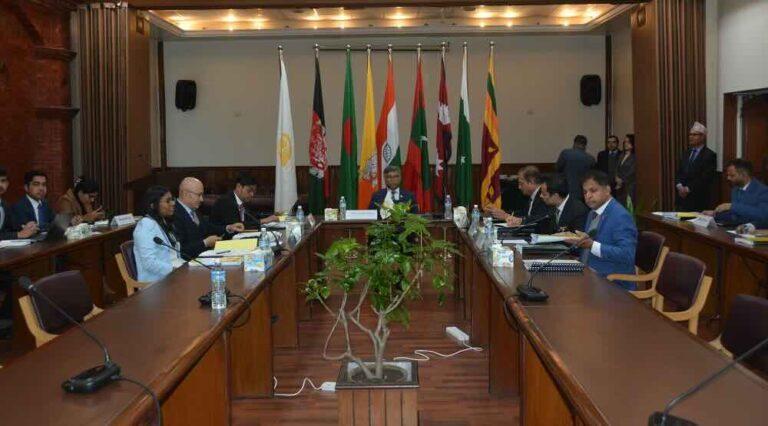
    The South Asian Association for Regional Cooperation (SAARC) officially began its 61st session of its programming committee on Wednesday, convened in virtual format. Senior officials from all member states, heads of SAARC specialized bodies and regional centres, as well as representatives from the SAARC secretariat attended the meeting.

    The session was formally opened by Kiran Shakya, joint secretary at Nepal’s ministry of foreign affairs and chairperson of the programming committee, who emphasised that SAARC remains “a vital regional mechanism for addressing our shared challenges and harnessing the vast opportunities before us.” He urged the organisation to continue evolving, strengthen its institutions, and ensure its initiatives translate into tangible benefits for the peoples of South Asia.

    At the session, Md. Golam Sarwar, secretary general of SAARC, expressed gratitude to member states for their continued support, underscoring the central role of the programming committee as a vital charter body of the regional grouping. He recalled that the 40th anniversary of the adoption of SAARC’s charter was approaching – a symbolic moment to reflect on the organisation’s achievements, challenges and future direction.

    Setting Course for 2026

    During the 61st session, the committee’s main task is to review and finalise the budgets, along with the calendars of activities, of SAARC’s specialized bodies and regional centres for 2026.

    Sources said that by confirming next year’s financial plans and programme calendar, the meeting aims to reinvigorate institutional activity at SAARC after years of limited high-level summits. Observers say that charting a clear budgetary and programmatic roadmap for 2026 is crucial for targeting cooperation in priority areas such as trade, connectivity, health, education, and regional security – areas long envisioned in SAARC’s founding principles.

    Broader Significance: SAARC Amid Regional Challenges

    Sources said that the convening of this session underlines Nepal’s ongoing commitment to reviving SAARC’s core mechanisms, even as political tensions and diplomatic gridlocks have long stalled full-scale summits.

    According to previous records of the programming committee – for instance in its 59th and 60th sessions – the body plays a central role in reviewing project proposals, approving budgets, and setting the inter-governmental agenda for regional cooperation.

    The renewal of SAARC’s institutional activity becomes all the more relevant in light of growing regional challenges: economic slowdown, climate vulnerabilities, health crises, and the need for integrated development strategies. As the secretary general noted, the upcoming 40th charter day offers a moment not only of celebration but of reflection on whether SAARC can adapt and deliver in today’s complex regional environment.

    Diplomatic observers say that SAARC may regain some much-needed momentum after years of stagnation if the commitments made in this session translate into action, through well-funded regional programmes, active specialised bodies and effective collaboration.

    Bangladesh: Violence Against Women Surges as Impunity Deepens

    In rural areas, women’s rights groups report survivors often drop complaints due to lacking protection or funds if leaving abusers. Local powers pressure private settlements, perpetuating violence cycles.

    Violence against women is rising sharply across Bangladesh as perpetrators increasingly walk free, fuelling a climate of fear, trauma, and generational harm, according to reports from rights groups and social welfare advocates. Recent findings published by Dhaka Tribune point to a worsening pattern of domestic abuse, sexual violence, and dowry-related assaults, alongside a steep decline in accountability for offenders.

    Women’s rights organisations say the gap between reports of violence and justice delivery has never been wider. Survivors continue to face cultural pressure to stay silent, police inaction, social stigma, and prolonged delays in the justice system. Meanwhile, domestic violence experts interviewed by The Daily Star warn that the silence surrounding abuse harms not only the survivor but also shapes long-term emotional and behavioural trauma among children who witness violence at home.

    Perpetrators Walk Free as Cases Rise

    Data compiled by national helplines and women’s support centres reveals a substantial rise in reported cases of domestic assaults, sexual harassment, stalking, and psychological abuse in 2024. Rights groups say this increase is not necessarily a sign of improved reporting, but rather a reflection of growing insecurity and unaddressed structural violence within communities.

    The Dhaka Tribune report highlights a disturbing trend: while complaints rise, convictions remain exceedingly rare. Legal experts say many cases collapse due to insufficient investigations, pressure on survivors to compromise, or lack of protection for witnesses. Activists fear that the persistent culture of impunity emboldens perpetrators and discourages other victims from seeking legal support.

    In rural districts, women’s rights organisations state that survivors often withdraw complaints because they have little protection or financial recourse if they leave abusive households. Community arbitration and informal settlements – often held by local power structures – frequently pressure women to “resolve” complaints privately, leading to repeat cycles of violence.

    Children Face Hidden Trauma as Silence Persists

    A recent feature by The Daily Star underscores how domestic violence casts a shadow far beyond the immediate victim. Psychologists quoted in the report say that children growing up within violent households internalise patterns of fear, aggression, or helplessness that can last into adulthood. Many struggle in school, develop anxiety disorders, or even emulate violent behaviour later in life.

    Experts stress that while domestic violence is widely acknowledged as a public health and human rights issue, its effects on the next generation are not discussed enough. Bangladesh’s child counsellors and social workers say they increasingly encounter cases where young people show signs of deep emotional distress linked to witnessing parental abuse.

    Women’s organisations argue that this silence – maintained to “protect family honour” – perpetuates intergenerational cycles of trauma. Breaking this silence, they believe, is essential not only for survivors but also for childhood development and long-term societal stability.

    Legal Gaps, Social Norms, and Systemic Barriers Slow Progress

    Bangladesh has enacted multiple laws to protect women, including legislation on domestic violence, prevention of cruelty, and safeguards against sexual harassment. However, enforcement remains inconsistent. Women’s rights groups say survivors often encounter humiliating questioning at police stations, limited access to female officers, and delayed medical examinations.

    Human rights activists also point to the lack of shelters, legal aid, and rehabilitation support for women attempting to leave abusive homes. While urban facilities are improving, rural women face severe shortages. As a result, many return to their abusers out of economic dependency or fear of homelessness.

    Digital violence is also rising. Social media harassment, threats, and non-consensual sharing of images are increasingly weaponised against women. Technology-involved abuse, advocates say, is outpacing current legal responses. Police units are expanding cybercrime monitoring, but activists argue that comprehensive digital safety education is urgently needed.

    Civil society organisations report that patriarchal norms, victim-blaming attitudes, and societal pressure to “maintain family peace” continue to undermine women’s safety. Many women fear that reporting violence may isolate them from relatives or jeopardise their children’s future prospects.

    Despite these challenges, activist networks insist that change is possible. They cite expanding community awareness campaigns, rising youth participation in rights-based activism, and a growing demand for stronger institutional responses.

    Call for Accountability and Cultural Change

    Human rights groups are urging the government to increase investment in survivor protection, speed up trials, and ensure that law enforcement agencies undergo gender-sensitive training. They also call for stronger oversight of police handling of domestic violence complaints and better coordination between courts, shelters, and healthcare providers.

    Advocates say the state must prioritise the creation of more safe houses, counselling centres, and emergency hotlines – particularly in rural regions where services are minimal. They argue that without adequate support systems, survivors remain trapped in abusive environments with little hope of escape.

    Community leaders and educators emphasise that legal reforms must be matched with cultural change. Schools, religious institutions, and local councils must help challenge discriminatory beliefs and promote violence-free households, they say. Public campaigns focusing on mutual respect, healthy relationships, and emotional well-being are seen as essential to reducing long-term violence.

    Women’s rights groups also stress the role of men and boys in challenging harmful norms. Engaging youth, they believe, can weaken the deeply entrenched social structures that often normalise violence within communities.

    As national debates intensify, experts warn that Bangladesh risks facing a deeper social crisis if violence against women continues unchecked. The growing climate of intimidation and silence, coupled with a faltering justice system, threatens not only the safety of women today but also the emotional health of future generations.