More

    Climate Change Supercharges Pakistan’s Monsoon, Turning Summer Havens into Deadly Flood Zones

    A new study by the World Weather Attribution group concluded that rainfall during the June–July 2025 monsoon period was 10–15 percent heavier than it would have been without global warming.

    Writing in an opinion piece for UK-based Trade Finance Global, Pakistan’s High Commissioner to the UK, Dr Mohammad Faisal, has issued a stark warning about the intensifying climate crisis facing his country. Faisal writes that Pakistan stands “on the frontlines of global warming, despite contributing almost nothing to its causes.”

    The article, published this week, argues that climate change is no longer an environmental challenge alone but a threat to Pakistan’s economic stability, food security, and long-term development trajectory.

    Dr Faisal noted that Pakistan’s recurring floods, glacial melt, and extreme heat have created overlapping humanitarian and financial crises. He underscored that Pakistan needs urgent global support – not as charity, but as climate justice. The envoy stressed that adaptation remains severely underfunded, even as scientific evidence shows climate-driven disasters becoming more intense each year. His remarks set the tone for a renewed national conversation, supported by new scientific studies and on-ground reports, about how climate change is reshaping Pakistan’s physical and socio-economic landscape.

    Pakistan is once again confronting the harsh reality of a warming planet as extreme monsoon rains, accelerated glacier melt, and increasingly volatile weather systems reshape life across the country. Scientists and disaster officials warn that climate-induced disasters are growing in frequency and severity, with 2025 emerging as another year of catastrophic losses in the South Asian nation already ranked among the world’s most climate-vulnerable.

    From deadly cloudbursts in the north to prolonged flooding in Punjab and Sindh, experts say climate change is no longer a looming threat but a lived emergency affecting millions. Emerging scientific assessments, including those conducted by international attribution groups, show that human-caused warming has significantly increased the intensity of rainfall events – with devastating consequences for human settlements, agriculture, infrastructure, and fragile ecosystems.

    Study Links Intensified Monsoon to Human-Driven Warming

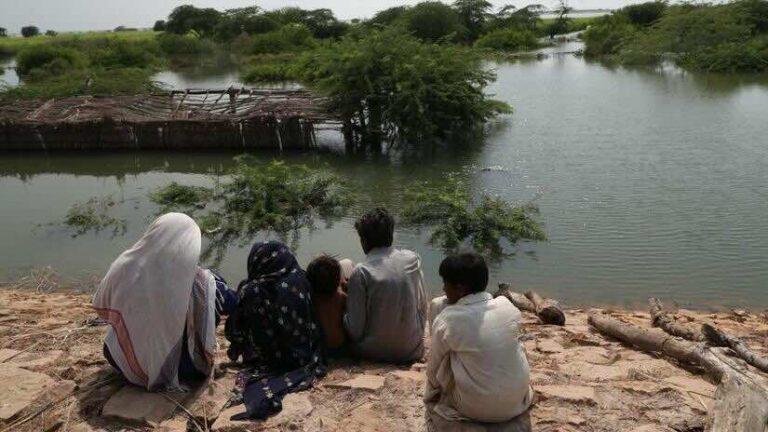
    A new study by the World Weather Attribution group concluded that rainfall during the June–July 2025 monsoon period was 10–15 percent heavier than it would have been without global warming. This small-sounding percentage translated into a massive humanitarian crisis, as swollen rivers, embankment breaches, and flash floods killed hundreds and displaced more than a million people across the country. The hardest-hit areas included central and eastern Punjab, parts of Khyber Pakhtunkhwa, and low-lying riverine belts already weakened by earlier flooding cycles.

    According to the National Disaster Management Authority (NDMA), many casualties occurred in informal settlements where mud houses and poorly reinforced structures collapsed under the pressure of fast-moving water. These communities, lacking drainage, sanitation, and durable housing, are disproportionately vulnerable to “compound disasters” –  where intense rain interacts with poverty, weak planning, and inadequate early-warning systems.

    Across Punjab, videos circulated online showing residents clinging to rooftops as rescue boats struggled to reach inundated neighbourhoods. Key roads and bridges suffered heavy damage, causing extended power cuts and severing supply lines. Local authorities described scenes of “complete devastation”, pointing out that many areas had not yet recovered from the historic floods of 2022.

    Retreating Glaciers Turn the North into a Hazard Zone

    Pakistan’s mountainous north, home to some of the world’s highest peaks and a major tourist draw, has seen an alarming shift in climate patterns. Once considered safe summer refuges, valleys in Gilgit-Baltistan and Khyber Pakhtunkhwa are now exposed to climate extremes. Record-breaking temperatures, accelerated glacier melt, and sudden cloudbursts are producing a dangerous combination that has turned scenic landscapes into unpredictable hazard zones.

    In July 2025, a powerful cloudburst struck the Babusar Pass area, killing at least 13 tourists and injuring dozens as torrents of mud and rocks crashed through roads and campsites. Hydrologists warn that such cloudbursts are becoming more common, fuelled by warmer air that holds more moisture and releases it explosively.

    Retreating glaciers – especially in the Hindu Kush, Karakoram, and Himalayan ranges – are contributing to the formation of unstable glacial lakes. When these lakes breach their natural barriers, they unleash glacial lake outburst floods (GLOFs), threatening downstream communities. Pakistan now experiences more GLOFs annually than at any time in recorded history, according to experts monitoring cryosphere changes.

    Local farmers in Gilgit-Baltistan describe how meltwater behaviour has changed dramatically: streams that once provided predictable flows now swing between drought-like lows and destructive surges. Meanwhile, soil hardening caused by prolonged heatwaves reduces water absorption capacity, making flash floods more likely and more violent.

    Institutional Weaknesses Amplify Climate Impacts

    While climate change is the driving force behind Pakistan’s recent disasters, specialists emphasise that governance failures, lack of investment in resilience, and unregulated development significantly magnify the damage. Urban planners and environmental scientists point to decades of encroachment on riverbeds, poorly maintained drainage systems, and the absence of climate-proof building codes.

    Despite experiencing catastrophic floods almost every two to three years, Pakistan has yet to enforce major reforms that could reduce vulnerability. Climate expert Ali Tauqeer Sheikh has repeatedly highlighted that risk-prone zones continue to expand as cities grow outward without climate-sensitive zoning regulations.

    Funding constraints also play a role. Pakistan contributes less than 1 percent of global emissions yet faces some of the steepest adaptation costs. International climate finance has been slow to reach the communities most at risk, with bureaucratic hurdles, loan-dependent relief programmes, and political instability hindering long-term planning.

    Agriculture – which employs roughly 40 percent of Pakistan’s workforce – remains highly exposed to climate shocks. This year’s floods damaged standing crops, including rice, cotton, and sugarcane, resulting in billions of rupees in losses. Food prices rose sharply in urban areas, while millions of rural families lost livestock, seeds, and stored grain.

    Public health risks are also rising. Floodwaters combined with high temperatures have created ideal breeding conditions for dengue-carrying mosquitoes, raising concerns about post-flood disease outbreaks. Experts warn that climate-driven health emergencies are likely to occur more frequently and with greater intensity.

    La Niña May Bring Temporary Cooling – But Risks Remain High

    The World Meteorological Organisation (WMO) recently announced a high likelihood of La Niña developing toward the end of 2025. While La Niña patterns tend to temporarily cool parts of the Pacific and may moderate some regional rainfall, scientists caution that global temperatures will still remain well above historical averages.

    Even if La Niña brings short-term relief, Pakistan’s underlying vulnerabilities – melting glaciers, rising heat, failing urban infrastructure, and fragile river systems – will continue to generate crisis conditions unless addressed through structural reforms. Experts stress that robust adaptation measures, including flood-resistant housing, early-warning systems, reforestation, and defences for glacial lakes, are urgently needed.

    But local climate researchers warn that Pakistan has little time left. Without decisive action, disasters of the magnitude seen in 2022 and 2025 could become regular events, placing millions at risk every monsoon season.
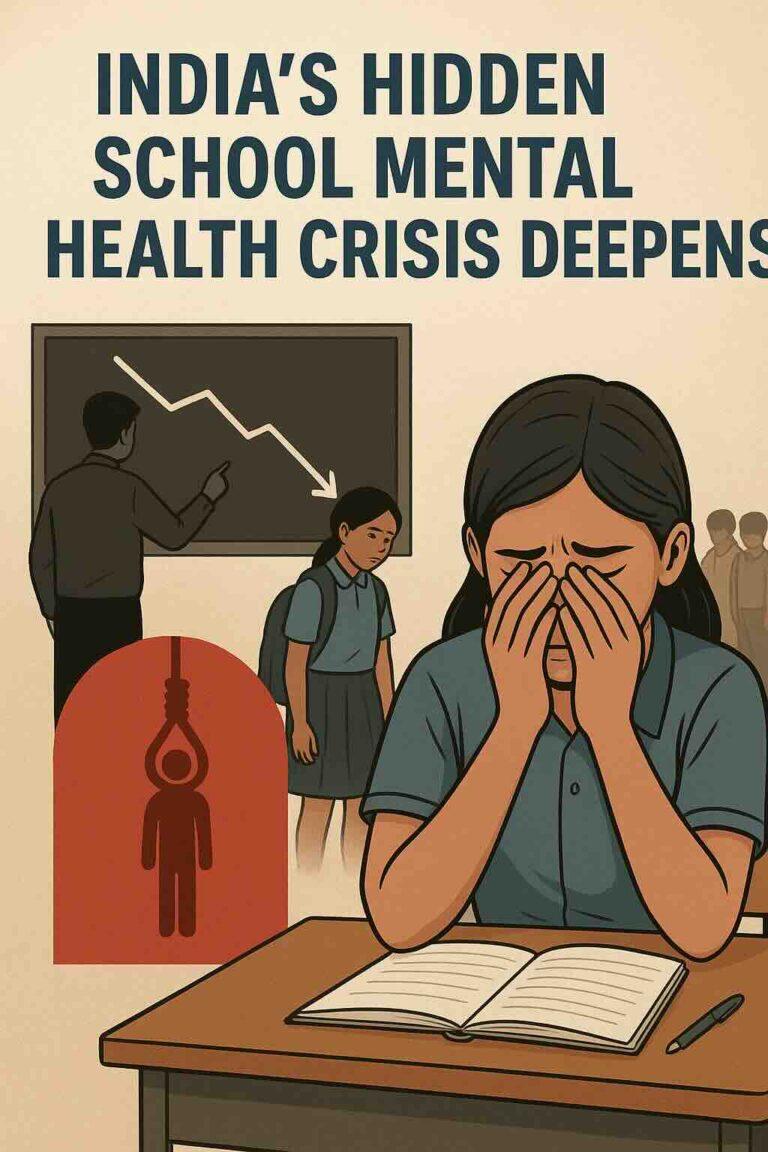
    India’s Hidden School Mental Health Crisis Deepens as Student Suicides Rise Sharply

    India accounts for 1 in 9 global student suicides, with numbers rising sharply due to intense academic pressure. Despite years of warnings and recent tragic cases, reforms remain slow amid exam stress, bullying, and parental expectations.

    India is confronting a rapidly escalating mental-health emergency among school-age children, with new data and recent tragedies highlighting how systemic failures, academic pressure, and weak institutional support are pushing students into distress – and, increasingly, into taking their own lives.

    A recent report has uncovered a disturbing statistic: India accounts for one in every nine student suicides globally underscoring the disproportionate scale of the crisis. According to the 2024 IC3 Student Suicide Report, student suicides are increasing rapidly across the country, particularly in schools and colleges where intense academic pressure is a major factor.

    The findings come just days after two high-profile cases involving minors reignited national debate about the country’s inability to protect vulnerable children within its schooling systems.

    Child rights advocates, educators, and mental-health professionals say the warning signs have been visible for years, but reforms remain slow and fragmented. Meanwhile, the pressure on students – ranging from exam stress to bullying to parental expectations – continues to intensify in a hyper-competitive education landscape.

    Two Recent Suicides Trigger National Alarm

    The sense of urgency grew after two separate cases of minors dying by suicide were reported last week. According to a detailed account by Outlook India, both children had displayed signs of deep emotional turmoil long before their deaths. Yet families, teachers, and institutions either missed or dismissed the warning signals.

    In one case, the child had repeatedly expressed anxiety over academic performance; in the other, social isolation and bullying played a major role. Mental-health professionals quoted in the report say such patterns are “alarmingly common,” reflecting societal tendencies to overlook or normalise children’s distress.

    India’s school environments, many experts argue, are still built on rigid discipline, achievement-first culture, and stigma around seeking emotional help. This leaves students with few safe channels to express vulnerability or seek support.

    Delhi Class 10 Death Highlights Systemic Gaps in School Support

    A widely-reported death of a Class 10 student in Delhi further exposed the deep gaps in school-based mental-health systems. As covered by India Today, the student had been struggling with academic pressure for months, but the school lacked adequate counsellors or a functioning red-flag monitoring system that could have intervened early.

    The report notes that several Delhi-NCR schools employ only one counsellor for thousands of students – a ratio far below global norms. In many institutions, counsellors are hired part-time or assigned additional administrative duties, leaving little time for structured mental-health programming.

    Parents from the school told media outlets that communication about student stress levels is often inconsistent, and teachers are not trained to identify psychological distress. “Schools focus more on discipline than emotional safety,” one parent said. “By the time a crisis becomes visible, it is often too late.”

    Education researchers say the Delhi case reflects a broader nationwide trend: mental-health support remains the weakest link in India’s school ecosystem, even though children spend the majority of their waking hours in academic institutions.

    Alarming Trends: Rising Suicides, Deepening Stress, and Institutional Silence

    The spike in suicides is part of a broader pattern of deteriorating mental well-being among Indian students. According to multiple reports compiled through recent news searches on the growing mental-health crisis in schools, experts warn that student distress is becoming younger, more intense, and more closely tied to academic structures.

    Some of the key trends emerging from recent analyses include:

    1. Suicides rising among early teens:
    Children between 12 and 16 are increasingly represented in suicide data – an age group previously considered low-risk. This suggests that stressors inside classrooms and homes are becoming more acute much earlier.

    2. Pressure from exams and competition is intensifying:
    India’s academic culture remains heavily outcome-driven. The demands of board exams, entrance tests, and coaching centres often push children beyond their emotional coping capacities.

    3. Bullying and social isolation remain under-addressed:
    Studies show that schools rarely have robust anti-bullying mechanisms. Digital bullying – through social media platforms – has added a new layer of psychological pressure.

    4. Severe underinvestment in counsellors and support staff:
    On average, many states have one counsellor for every 3,000–5,000 students – far worse than the recommended 1:250 ratio followed in many developed countries.

    5. Persistent stigma around mental health:
    Even when help is available, parents and students hesitate to seek assistance due to fears of judgment, academic repercussions, and societal shame.

    Mental-health practitioners interviewed across various reports stress that untreated anxiety, trauma, and depression remain the most significant drivers of self-harm among children. Yet India still lacks a national child-specific mental-health strategy integrated into school systems.

    Government Efforts Exist, but Implementation Remains Patchy

    While the National Education Policy and several government initiatives acknowledge the importance of mental health, experts say implementation on the ground remains weak.

    Some programmes – such as peer-support initiatives, teacher training modules, and partnerships with NGOs – have been launched in pockets. However, most remain pilot projects rather than nationwide mandates.

    States like Kerala and Karnataka have invested more actively in mental-health counsellors in schools, but these models have not yet been replicated across the country. Rural schools face even more challenging gaps due to limited resources and inadequate infrastructure.

    Child-rights activists argue that India urgently needs a comprehensive, legally enforceable mental-health framework for schools, mandating full-time counsellors, crisis-response teams, and annual psychological well-being assessments.

    Without such structural reforms, they warn, the country risks seeing more preventable tragedies.

    Experts Call for Urgent Multi-Layered Reforms

    Psychologists, teachers’ associations, and child-welfare groups call for an immediate shift in priorities – moving from academic-centric schooling to holistic emotional well-being.

    Their recommendations include:

    • Hiring at least one full-time counsellor per 250 students
    • Mandatory mental-health training for teachers and principals
    • Routine emotional-wellness check-ins and stress-assessment surveys
    • Clear anti-bullying and crisis-response protocols
    • Safe spaces where students can speak confidentially without fear

    They also emphasise the importance of changing parental attitudes. Many students report that academic expectations at home are as stressful as those in school, often creating a cycle of fear and silence.

    “Children are communicating distress in countless ways,” a Delhi-based clinical psychologist noted in media reports. “It is the adults who are not listening.”

    With student suicides rising and mental-health challenges deepening, India stands at a critical juncture. Whether schools, policymakers, and families respond with urgency – or continue to treat emotional distress as an afterthought – may determine the fate of millions of young people across the country.

    Government Pushes FPO-Hospitality Ties to Boost Incomes and Ensure Premium Supply

    Under the existing system, farmers frequently confront an “inverted pricing cycle” – they buy inputs at retail rates but end up selling their produce at wholesale prices, leading to poor returns.

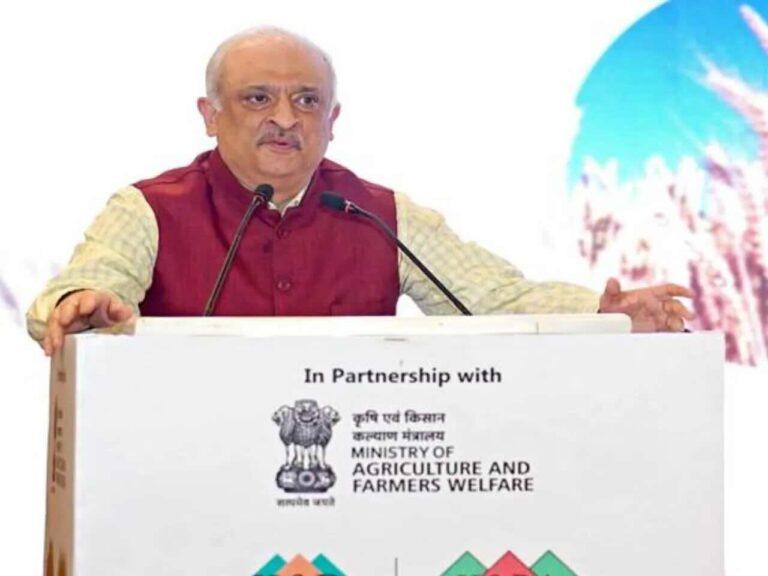
    At a gathering in New Delhi on Tuesday, the Federation of Hotel and Restaurant Associations of India (FHRAI) convened the FPO–Hospitality and Farmers’ Benefit Summit 2025, calling for a structured pivot in how India’s hospitality industry sources food. Addressing stakeholders, Devesh Chaturvedi, Secretary of the Department of Agriculture and Farmers’ Welfare, urged hotels and restaurants to forge long-term direct procurement partnerships with Farmer Producer Organisations (FPOs), rather than rely on traditional middlemen.

    Chaturvedi described the model as a “powerful win-win” – offering hotels reliable access to high-quality, largely chemical-free produce, while enabling farmers to earn fairer, stable incomes. He noted that with almost 40,000 FPOs now active across the country, many already produce items suitable for hospitality demand.

    Under the existing system, farmers frequently confront an “inverted pricing cycle” – they buy inputs at retail rates but end up selling their produce at wholesale prices, leading to poor returns. Direct sourcing by hotels, Chaturvedi argued, could help correct this imbalance, eliminating intermediaries, ensuring supply-chain integrity, and raising farmer profitability.

    Agriculture and Tourism Ministries Flag Win-Win Gains for Farmers and Hotels

    Leaders from both the agriculture and tourism sectors lent strong support to the proposed integration. The summit saw participation from industry stalwarts, including senior representatives from hotel chains, agribusiness consultants, FPO leaders and chefs – all endorsing a move toward collaborative procurement.

    Suman Billa, additional secretary and director general, ministry of tourism, called for a fast-tracked national framework to institutionalise farmer–hotel partnerships. According to Billa, such a model can uplift rural livelihoods, strengthen tourism-linked value chains and provide hotels with a dependable supply of clean, safe produce – meeting growing demand for quality and sustainability.

    Hotel and industry bodies, including FHRAI leadership, responded with readiness: as long as supply is consistent and quality assured, they said, they are open to direct procurement from FPOs.

    Support for organic produce, GI-tagged regional items, and responsible tourism was highlighted as central to the government’s broader push – with models such as the community-based “Kumarakom model” from Kerala cited as benchmarks for sustainable industry–community linkages.

    Pilot Framework and FPO Showcase Point to Scalable Change

    A major feature of the summit was a curated exhibition where 50 FPOs from 17 states presented their produce. Displayed items ranged from Himalayan saffron, Kashmiri mamra almonds, black turmeric, forest honey, to makhana, regional rice varieties and yellow tea – many GI-tagged or organically grown. This exhibition not only underscored India’s agricultural diversity but also provided FPOs invaluable institutional visibility, aligning their outputs with market needs of premium hotels and restaurants.

    During a technical session moderated by food-writer Sourish Bhattacharya, experts from agribusiness, hotel supply-chain management, and consulting firms laid out the contours of an operational “farm-to-hospitality” blueprint – envisioning robust logistics, quality standards, supply-chain coordination and demand forecasting.

    According to industry insiders, if scaled up nationally, the model could reshape how India’s hospitality sector sources food – unlocking better returns for farmers, reducing reliance on intermediaries, and strengthening food-supply resilience amid rising demand from tourism growth.

    What this Means for India’s Rural Economy and Hospitality Sector

    • For farmers, particularly smallholders associated with FPOs, direct procurement offers a route out of chronic price distortions and unpredictable demand. By securing long-term contracts with hotels, they can achieve better income stability and fairer remuneration.
    • For hotels and restaurants – especially those catering to domestic and international tourists – partnering with FPOs promises supply of high-quality, fresh, regional and often organic produce, aligning with growing consumer demand for authenticity and sustainability.
    • For India’s broader economy, this emerging supply-chain model supports rural livelihoods, reduces wastage, boosts tourism-linked value creation, and strengthens linkages between agriculture, food, and hospitality industries.
    • For the future, if the framework is standardised nationally and backed with logistics, cold-chain infrastructure and digital procurement platforms, it could become a transformative element in India’s food-economy ecosystem.

    UNAMA Sounds Alarm as Violence Risk for Afghan Women Surges 40 Per Cent

    The figure, drawn from recently compiled humanitarian assessments, means 14.2 million women and girls now require immediate protection and support as Afghanistan marks the global 16 Days of Activism Against Gender-Based Violence.

    The United Nations Assistance Mission in Afghanistan (UNAMA) has issued one of its starkest warnings since the Taliban takeover, reporting that the number of Afghan women and girls facing heightened risk of violence has increased by 40 per cent in just two years. The figure, drawn from recently compiled humanitarian assessments, means 14.2 million women and girls now require immediate protection and support as Afghanistan marks the global 16 Days of Activism Against Gender-Based Violence.

    The crisis unfolds as protection services, already stretched thin, continue to shrink due to financial shortfalls, operational restrictions, and the near-elimination of women’s public participation. UNAMA officials stressed that Afghan women today face a “complex and compounded” system of violence: legal, social, physical, economic, and digital. The combined impact, they warned, is pushing millions into silent suffering with few avenues for help.

    The annual campaign, observed globally from 25 November to 10 December, is typically a moment for mobilisation. This year, for Afghanistan, it comes with a plea for urgent international solidarity, sustained funding, and unequivocal support for women-led organisations that remain the last lifeline for many survivors.

    Deteriorating Protection Services as Needs Skyrocket

    UNAMA notes that while the need for shelter, legal aid, psychosocial assistance, and emergency protection has grown sharply, services on the ground have simultaneously contracted. Cuts to humanitarian budgets over the past year have forced many civil-society groups to reduce programming, trim outreach activities, or close safe spaces entirely.

    According to UN partners, funding reductions have been especially damaging for women-led organisations, which lost an estimated 20 per cent of their budgets this year. These groups traditionally play a critical role in responding to gender-based violence – managing local hotlines, providing crisis counselling, coordinating shelter referrals, and running small-scale livelihood training. Yet many now operate at half capacity or on short-term emergency grants.

    UN staff emphasise that the decline in services is happening at the worst possible time. Restrictions on women’s employment, public mobility, and access to education have left millions of women dependent on humanitarian support for safety, information, and economic survival. With diminished services, women at risk of violence have fewer options to seek help.

    ‘Still Together’: UNAMA Calls for Global Backing in New Campaign Push

    This year’s 16 Days of Activism campaign in Afghanistan runs under the theme “Still Together: Stand with Afghan Women,” adapted to reflect the exceptional pressures Afghan women are living under. UNAMA’s message centres on four urgent demands:

    1. Increased and flexible funding for gender-based violence response.
    2. Stronger support for women’s civil-society organisations, including community-led initiatives.
    3. Global advocacy to preserve women’s rights and rebuild systems of protection.
    4. Recognition of digital access as a core protection tool, not a luxury.

    UNAMA has repeatedly urged donors to commit to long-term, predictable resources rather than short-term humanitarian tranches. The mission argues that funding women-led groups is not only a moral obligation but an evidence-based approach: grassroots organisations have proven to be the most effective in reaching survivors discreetly, especially in conservative or remote communities.

    Officials also highlighted the importance of engaging men and boys as allies. The UN’s outreach activities during the 16 Days campaign include community dialogues, educational programmes, and partnerships with male community leaders who have the influence to challenge harmful norms. UNAMA said sustainable change cannot be achieved without involving Afghan men in violence prevention.

    Digital Connectivity Emerges as a Lifeline – and a Vulnerability

    A striking element of this year’s campaign is the UN’s emphasis on digital access as a protection mechanism for women. UNAMA warns that women’s ability to use mobile phones, messaging apps, or online platforms has become “a critical lifeline”, enabling them to seek help, report violence, or find support discreetly.

    The recent 48-hour internet shutdown in Afghanistan underscored the enormous vulnerability created by loss of connectivity. Women in abusive environments rely heavily on digital communication to reach protection networks; without it, many are left isolated. Humanitarian actors also depend on online tools to coordinate case referrals and deliver remote counselling, especially in areas where in-person engagement is restricted.

    UN officials argue that digital access must be protected and expanded as part of any long-term plan to safeguard Afghan women. Without connectivity, survivors of abuse lose one of the last safe channels available to them.

    A Climate of Fear and Silence

    UNAMA’s acting head, Georgette Gagnon, called the current situation “an unprecedented spectrum of violence” that goes far beyond traditional definitions. Afghan women, she said, experience violence in multiple dimensions:

    • Physical violence, often unreported due to fear of retaliation or social stigma.
    • Psychological violence, including intimidation, threats, and coercive control.
    • Structural violence, embedded in restrictions on movement, work, and education.
    • Economic violence, resulting from loss of livelihoods and exclusion from formal employment.
    • Digital harassment, compounded by limited avenues for recourse.

    Gagnon noted that “violence is not only what is seen or heard but also the silencing of women’s voices, the closing of opportunities, and the erasure of their public presence.” Because Afghan women face severe limitations on accessing police, courts, schools, and public offices, many forms of abuse remain invisible.

    UNAMA stresses that gender-based violence is not merely a private issue – it is a systemic problem worsened by structural limitations imposed on women’s lives. Without comprehensive rights protections, Afghan women face cycles of risk that humanitarian interventions alone cannot break.

    Do Not Look Away, UNAMA Urges the World

    As the 16 Days campaign unfolds, UN officials warned that global fatigue around Afghanistan must not translate into indifference. The mission argued that the erosion of women’s rights in Afghanistan is among the sharpest of any country in the world today, and the international community has a responsibility to ensure that Afghan women are not forgotten.

    UNAMA is calling on donors, governments, and international organisations to recommit to protecting women’s rights, investing in long-term violence-prevention strategies, and supporting local actors who continue to work under challenging conditions.

    The mission emphasised that “standing with Afghan women” requires more than symbolic gestures: it requires resources, policy pressure, and the international will to ensure that women in Afghanistan can live with dignity and safety.

    Focus Keyphrase:

    Tags:

    Climate Change Fuels Deadly, Year-Round Dengue Surge in Bangladesh

    Bangladesh reported over 50,000 dengue cases and 215 deaths by October 2025, per DGHS. September saw a record single-day toll of 12 deaths and 740 hospitalizations due to dengue. Entomologists blame prolonged monsoon, delayed rains, and warm winter temperatures.

    A relentless dengue epidemic, supercharged by climate change, is crippling Bangladesh’s health system. Experts say rising temperatures, erratic rainfall, and unplanned urban growth are driving what was once a seasonal disease into a year-round public health emergency.

    Dengue Outbreak Intensifies Amid Shifting Rain Patterns

    According to the Directorate General of Health Services (DGHS), Bangladesh has reported a steep rise in dengue cases and fatalities in 2025. As of October, more than 50,000 infections and 215 deaths had been recorded. In September alone, the country saw its worst single-day surge this year: 12 people died and 740 new patients were hospitalised.

    Entomologists link the outbreak to unprecedented weather shifts. Professor Kabirul Bashar of Jahangirnagar University attributes the surge to prolonged monsoon seasons and delayed rainfall, noting that heavy rain continued into late October, a pattern seldom seen in previous years.

    Mosquitoes that transmit dengue thrive between 20–30°C, and Bangladesh’s winter temperatures often stay near the lower end of that range, creating near-ideal conditions for the virus to spread even outside the traditional rainy season.

    Experts Warn Poor Governance and Urbanisation Worsen Dengue Crisis

    While climate change lays the foundation for a rising mosquito population, governance and urban planning failures amplify the problem. According to a detailed analysis by The Business Standard, local governments often deploy mosquito control measures only seasonally – missing the mark by neglecting year-round surveillance and source reduction.

    Inspector-level vector control teams are in short supply, and fogging operations frequently use insecticides too late or in the wrong places, reducing their effectiveness.

    Adding to the challenge is rapid urbanisation. Stagnant water collects in construction sites, poorly maintained drains, and discarded containers, all ideal breeding sites for Aedes aegypti mosquitoes.

    Coastal Regions Hit Hard; Hospitals Overflowing with Dengue Patients

    The dengue crisis is no longer confined to cities like Dhaka. Coastal districts, especially in the delta regions like Barisal and Barguna, are now facing severe outbreaks. Historically rare in these areas, dengue cases are surging – and hospitals are overwhelmed, with some patients treated on the floor due to bed shortages.

    Climate-driven sea level rise is worsening vulnerabilities. As saltwater infiltrates freshwater sources, communities store rainwater in containers – inadvertently creating prime breeding grounds for mosquitoes.

    Public health officials say the combination of heat, saltwater intrusion, and erratic rain is increasing year-round mosquito breeding and prolonging outbreaks.

    High Fatality Rate due to Dengue Raises Alarms

    Epidemiologists warn that Bangladesh’s dengue case-fatality rate (CFR) is among the highest globally. According to Dr Mohammad Mushtuq Husain, an adviser at the Institute of Epidemiology, Disease Control and Research (IEDCR), shifting climate conditions are not only expanding mosquito populations but also contributing to more severe infections in displaced and poor communities.

    In earlier years, dengue cases used to peak between June and September, coinciding with the monsoon. But in recent years, infections have stretched into October, November, and even January – a clear signal of changing epidemiology.

    Experts Call for Urgent, Systemic Action to Prevent Dengue

    Public health experts are calling for a dramatic overhaul of Bangladesh’s dengue strategy. Among their recommendations:

    • Year-round vector surveillance: Rather than seasonal measures, authorities should monitor mosquito populations continuously.
    • Better governance and accountability: Municipalities need trained entomologists, efficient larval source reduction, and timely insecticide fogging.
    • Water storage reforms: Safe water storage systems must be prioritized in climate-affected coastal zones to prevent mosquito breeding.
    • Community-driven solutions: Education campaigns, community cleanup drives, and better waste management can reduce stagnant water sites.

    “We can’t allow water stagnation anywhere – that should be the rule of thumb,” said Dr. Mushtuq Husain. “But rising temperatures and erratic rainfall mean mosquito risk is soaring.”

    As climate change continues to reshape Bangladesh’s weather, experts warn that dengue could become more entrenched and deadly. Bashar predicts that the outbreak may only begin to ease around January, but without structural reforms, such surges may become regular.

    The crisis underscores the intersection of climate change and public health. It demands not just emergency medical resources, but long-term planning – from urban infrastructure to water governance – to break the cycle of mosquito-borne disease.

    Image: Wikimedia

    Sri Lanka: Parliament Seeks Overhaul of Flagship Social Security Program Amid Data, Transparency Concerns

    Parliament has demanded major reforms to the Aswesuma welfare scheme over flawed beneficiary selection, data errors, misuse allegations, and transparency concerns following a committee probe supported by World Bank and watchdog recommendations.

    Sri Lanka’s Parliament has called for sweeping reforms to the country’s Aswesuma social security scheme amid growing concerns over its beneficiary selection process, data integrity, and allegations of misuse. The move follows intensive scrutiny by a parliamentary committee, backed by recommendations from the World Bank and watchdog groups.

    Push for a National Social Registry to Replace Self-Registration

    The Committee on Ways and Means, chaired by MP Wijesiri Basnayake, has urged a complete redesign of how Aswesuma beneficiaries are identified and registered. In its recent review with the Welfare Benefits Board, the committee was sharply critical of the existing 22-criterion system used to assess eligibility.

    At present, households must proactively apply to the scheme; only those who “require assistance” enrol themselves. The committee has proposed the establishment of a comprehensive Social Registry that would cover the entire population, not just self-selected applicants. Such a registry, the lawmakers argue, would help ensure that no truly needy household is overlooked.

    This demand ties into wider concerns about exclusion errors and the need for more systematic targeting – a shift from reactive to proactive welfare delivery.

    World Bank Emphasises Need for Updated, Verified Beneficiary Data

    Backing Parliament’s call, World Bank officials recently urged Sri Lankan authorities to invest in a modern, continuously updated data system to underpin Aswesuma selection. They made their case during a joint meeting with MPs and officials from the Ministry of Finance, held at Parliament.

    World Bank representatives, including Senior Economist Francesca Lamanna and Social Security Specialist Srinivas Varadan, stressed that merely registering citizens in a database is not enough: data must also be verified and analysed to correctly classify who is eligible for benefits.

    They called the establishment of a data-driven social security registry a “productive long-term investment” and pledged technical support and international expertise to help build the system.

    During the same meeting, several MPs supported a more decentralised approach: involving local-level committees in beneficiary selection and publishing final beneficiary lists publicly in each village to enhance transparency.

    Implementing officials acknowledged coordination failures, noting that Divisional Secretaries and Grama Niladhari officers had not always received clear, timely information. They said steps are now underway to strengthen communication and streamline roles.

    RTI Concerns: Allegations of Bogus Information and Calls for Legal Action

    Meanwhile, civil society is raising alarms. A Right to Information (RTI) Sri Lanka report has detailed fraudulent claims under the Aswesuma scheme, alleging that some beneficiaries submitted false or misleading data to qualify for allowances.

    According to the report, the RTI Commission has already urged the government to suspend such payments pending investigations, and has called for legal measures against those found guilty.

    The watchdog also warns that gaps in enforcement and verification have exposed the system to manipulation, eroding public trust. Without robust checks, it argues, the scheme’s objective of aiding the genuinely poor may be undermined.

    Parliament’s proposals for a social registry and more data verification appear to respond directly to these concerns, signalling a push toward greater accountability.

    Broader Context and Implications

    Launched in July 2023, Aswesuma was designed to replace Sri Lanka’s earlier Samurdhi welfare programme and to offer more targeted assistance. Under its framework, households are classified into four categories – extreme poor, poor, vulnerable, and transitional – with different levels of monthly assistance.

    But despite its ambitions, Aswesuma has faced criticism regarding its accuracy and fairness. According to parliamentary sources, officials admitted that insufficient data sharing had hampered the implementation at the ground level.

    Beyond selection issues, Parliament is under pressure to address the risk of exclusion of deserving households. Some MPs argue that the self-registration model used today inherently biases the system toward households that are already aware and motivated to apply, while missing those who are most marginalized.

    If adopted, the proposed registry would institutionalise a system of universal social data collection, aiming for a more inclusive, evidence-based model – akin to what many development experts recommend for social protection programmes. The World Bank’s support suggests that such a system may also pave the way for future reforms and investments.

    Government Response and Next Steps

    In response to the parliamentary demands, Welfare Benefits Board leaders have committed to exploring the roadmap for building a national registry. Whether that translates into legislation or budgetary allocation remains to be seen.

    On their part, World Bank officials have reiterated their readiness to assist. The question now is whether Sri Lanka’s political institutions and bureaucratic machinery can move fast enough to operationalise these reforms – especially ahead of growing public scrutiny.

    In the meantime, civil society will likely continue pressing for accountability, especially in light of RTI-documented abuses. Without stronger checks, the risk remains that Aswesuma may fail to reach its transformative potential as a truly equitable social safety net.

    Sri Lanka: Many Young Women Leaving Probation Homes Forced into Sex Work

    An official of the NGO warned that once back in society, some of the young women face renewed abuse – a cycle that can entrench them in sex work.

    A troubling trend is emerging in Sri Lanka, according to the NGO, Praja Shakthi Development Foundation, many young women discharged from probation and child detention homes at age 18 are turning to sex work due to a lack of training, support, and safety. A recent report by the Praja Shakthi Development Foundation reveals that this is because the young women often lack skills to cope with life outside the probation homes and also because there is no safety net for them outside the probation homes.

    Lack of Training, No Safety Net Pushes Youth into Vulnerable Work

    H A Lakshman, Executive Director of the foundation, told Daily Mirror that these women often leave institutional care with no vocational training or protection. “With no training or protection, many choose sex work as the easiest way to earn money,” he said.

    Lakshman further added that many of these young women had already experienced sexual abuse or harassment before entering the probation system, or were placed there because they lacked family support.

    He warned that once back in society, some of the young women face renewed abuse – a cycle that can entrench them in sex work.

    Government Weighs Extending Stay in Probation Centres

    Deputy minister of women and child affairs, Namal Sudarshana, acknowledged difficulties in tracking exactly how many young women move into sex work after leaving care, but admitted that many lack guardians or other forms of social support.

    As a response, the government is reportedly considering a proposal to allow these women to remain in probation centres until they turn 20 or 21 – instead of releasing them at 18.

    In addition, the ministry plans to roll out training programs in areas like cake making and beauty culture, along with NVQ-certified courses, to help young women access safer and sustainable livelihoods.

    Support Organisations Call for Skills-Based Reintegration

    Lakshman made clear that the foundation does not stigmatize or pressure the women to exit sex work, but is ready to back any government or civil society initiative that provides viable, dignified alternatives.

    According to the foundation, approximately 10,000 female sex workers are currently registered with their programmes.

    The proposed government measures, if implemented, could provide a critical lifeline – helping these young women transition with dignity into stable livelihoods and breaking the cycle of exploitation.

    India Launches Sweeping Labour Reform as Unions Threaten Nationwide Strike

    States will now have to adapt and align their own labour regulations with the codes provided by the union government – a potentially complex process that could shape the real-world impact of the changes.

    India has come into force with four new labour codes, described by the government as a major reform to update and streamline worker regulations.

    The new laws have triggered fierce backlash from trade unions. The codes, covering wages, industrial relations, social security and occupational safety, were approved years ago by Parliament but officially implemented on 21 November 2025.

    The government argues the overhaul will modernise outdated labour laws, many dating to the colonial era. The government says that this will make it easier for businesses to manage workforces, while also extending protections to gig and platform workers.

    The government has positioned the new structure as a modern, simplified framework aimed at strengthening India’s competitiveness, boosting job creation, and extending social protection to millions of informal workers. But trade unions warn that the reforms tilt the balance of power heavily in favour of employers, dilute job security guarantees, and erode rights won through decades of collective bargaining.

    Ten of India’s largest trade unions have denounced the reform as a “deceptive fraud” that undermines workers’ rights.

    Opposition Triggered – Unions Call for Mass Protests

    Trade unions aligned with opposition parties say they will launch “nationwide protests” starting 26 November, calling on workers across the country to reject the newly minted labour regime.

    On 22 November, the Centre of Indian Trade Unions (CITU) and other unions held rallies in Bhubaneswar, where protestors even burned copies of the labour codes.

    Unions argue that the changes make it too easy for companies to hire and fire workers, reduce job security, and weaken collective bargaining power. They warn that small and mid-sized enterprises may be especially vulnerable, calling for transitional support from the government.

    Workers’ groups say their primary objections centre on weaker protections against layoffs, increased flexibility for employers to modify working conditions, and restricted avenues for workers to raise disputes. The Industrial Relations Code, in particular, has sparked criticism for raising the threshold of prior government approval for layoffs from 100 to300 workers, giving medium-sized companies significantly more freedom to retrench staff.

    According to unions, industrial establishments will now be able to “hire and fire at will,” fundamentally altering the balance between capital and labour. They also argue that the new framework could discourage unionisation, as the rules around the recognition of trade unions, strike notices, and conflict resolution have become more restrictive. Protest organisers warn that without rollback, the reforms could trigger widespread industrial unrest in the coming months.

    What the Government Says on the New Labour Codes

    Officials say the reforms streamline 29 older labour laws, replacing them with four comprehensive codes intended to reflect modern work realities.

    Key provisions include:

    • Raising the approval threshold for mass layoffs: firms now need permission only if laying off 300 or more workers, up from 100.
    • Formal recognition and social security benefits (like provident fund, insurance) for gig and platform workers.
    • Expanded rights for women: consenting women can now work night shifts, receive equal pay, and be included in grievance committees.
    • Enhanced safety and welfare measures, including mandatory representation in grievance redressal bodies.

    Women’s rights groups have cautiously welcomed the decision to allow women to work night shifts subject to safety measures, grant equal wages for similar work, and mandate participation of women in workplace grievance committees. Analysts say that, if implemented well, these provisions could support women’s labour force participation, which has historically been among the lowest in major economies.

    The government has also stressed that the reforms support the broader vision of building a “future-ready workforce” in line with the goals of Aatmanirbhar Bharat. Officials say the new structure will attract investments by reducing compliance costs, standardising rules across states, and making India a more predictable labour market for global manufacturing.

    Broader Labour Landscape Under Scrutiny

    The reform comes at a time when India’s labour market has seen notable shifts. According to the ministry of labour, India’s unemployment rate fell to 3.2 per cent by 2024, down from 6 per cent in 2017.

    Registered coverage of social protection has also increased significantly: over 300 million unorganised workers are now on the e-Shram portal, and the share of the population under social protection rose from 24.4 per cent in 2019 to 64.3 per cent in 2025, according to government data.

    Critics argue that while the promises of worker protection are real, practical concerns remain – especially for low-income and contract workers who may lack means to challenge new powers being given to employers.

    With protests scheduled for 26 November, the next week could be a flashpoint in India’s labour history. Unions have vowed sustained action until the government rolls back the reforms.

    States will now have to adapt and align their own labour regulations with the codes provided by the union government – a potentially complex process that could shape the real-world impact of the changes.

    Legal experts also warn of confusion during the transition period, as legacy laws get repealed and administrative mechanisms are updated.

    Labour economists caution against reading the headline numbers uncritically. They note that a large portion of India’s workforce remains informal, underpaid, and without stable contracts. Critics also fear that easing retrenchment norms could encourage companies to rely more heavily on fixed-term employment, leading to frequent turnover and weaker job continuity.

    Small and medium enterprises (SMEs) – which account for close to 30 per cent of India’s GDP and are among the biggest employers – have expressed mixed reactions. Some SME associations say the simplified compliance norms will reduce administrative burdens, but others warn that they may struggle to meet new safety and welfare standards without financial support or transition time.

    Malaysia to Ban Social Media for Under-16s from 2026 in Push to Boost Youth Online Safety

    The decision follows a Cabinet resolution in October, which raised the minimum social media age from 13 to 16 – a clear signal of Malaysia’s intent to strengthen online protections for its youth.

    In a sweeping move to curb online risks for minors, the Malaysian government has announced that, starting January 2026, individuals under the age of 16 will be prohibited from creating new social media accounts. Communications Minister Datuk Fahmi Fadzil unveiled the policy on Sunday, citing growing concerns over cyberbullying, financial scams, and sexual predation.

    The decision follows a Cabinet resolution in October, which raised the minimum social media age from 13 to 16 – a clear signal of Malaysia’s intent to strengthen online protections for its youth. At the same time, the government’s forthcoming Online Safety Act, scheduled to take effect on January 1, 2026, provides the legal underpinning for the ban.

    Age Verification via eKYC: MyKad or MyDigital ID Required

    To enforce the ban, social media platforms will be required to implement electronic Know Your Customer (eKYC) checks. Under the scheme, new users must verify their identity using official documents such as Malaysia’s national ID (MyKad), passport, or the MyDigital ID.

    Fahmi said he expects all major platform providers to have the eKYC systems in place by 2026. In his view, this will help prevent underage registrations and reinforce the integrity of the age limit.

    Protecting Youth from Cyber Risks: Bullying, Scams, Predators

    According to Fahmi, the ban is part of a broader campaign to “protect children from online harm.” He highlighted the dangers posed by cross-age cybercrimes, including sexual predators targeting minors, as well as the mental health toll of cyberbullying.

    These concerns mirror global anxieties about social media’s impact on young users. Companies such as Meta (Facebook, Instagram), TikTok, Snapchat, and Google have faced lawsuits abroad over alleged links between their platforms and youth mental health issues.

    Malaysia’s regulatory effort also dovetails with earlier reforms: since January 2025, any social media or messaging service with more than 8 million users in Malaysia must obtain a Class Licence under the Communications and Multimedia Act. This licensing requirement, imposed by the Malaysian Communications and Multimedia Commission (MCMC), aims to hold major platforms accountable for harmful content.

    Fahmi went further, urging parents to encourage children to spend more time offline and under supervision, stressing that adult guardians must play an active role in guiding how young people use devices.

    Implementation Raises Privacy Concerns and Global Comparisons

    While the Malaysian government frames the policy as a child-protection measure, some critics have expressed alarm over privacy, surveillance, and the practicalities of enforcing eKYC. Observers point out that electronically verifying every new user based on identity documents could create serious data-security risks.

    Privacy advocates also worry about the broader implications: mandatory identity checks on social media may chill freedom online or lead to misuse of personal data.

    Malaysia’s proposal is not unique, however. In Australia, for example, a law is being implemented to deactivate accounts of under-16 users, and regulators around the world are watching closely. Several European countries, including France, Spain, Italy, Denmark, and Greece, are also piloting an age-verification app to enforce youth age limits on social media.

    Still, some experts caution that age limits alone may not fully address the root causes of online harm. They argue that digital literacy programs, stronger parental involvement, and thoughtful regulation are all necessary components of a healthy online ecosystem.

    Malaysia’s decision to ban social media access for under-16s from 2026 marks a bold regulatory step in its effort to safeguard young citizens from digital risks. While the government emphasises protection and better age verification, the new regime raises complex trade-offs around privacy, data security, and individual rights. As the world watches, Malaysia’s approach may become a template — or a warning — for how nations balance safety with freedom in the online age.


    Gen-Z Unrest Wipes Billions Off Nepal’s Economy as Growth Outlook Darkens

    Gen-Z protesters clashed with police, torched properties, and forced businesses to close, targeting supermarkets, luxury hotels, and government offices. Tourism losses exceed NPR 25 billion, over 15,000 jobs gone, devastating Nepal’s peak season economy.

    Nepal’s burgeoning Generation Z uprising has not only shaken the nation’s political landscape but delivered a massive blow to its economy, with experts and multinationals warning of prolonged pain after the protests. What began as a youth-led revolt in early September following a controversial ban on social media platforms escalated into widespread unrest, sparking fears of deepening economic fallout.

    According to an initial assessment of the damage, losses stemming from the protests run into NPR 3 trillion – roughly equivalent to nearly half of Nepal’s GDP. The scale of destruction – including looted and torched properties, damaged infrastructure, and business disruption – has rattled both domestic and foreign investors, prompting serious questions about economic stability and the country’s recovery prospects.

    Raging Gen-Z Protests Take Heavy Toll on Business and Jobs

    On September 8–9, the Gen Z-led demonstrations turned violent. Protesters, primarily youth aged between their teens and twenties, clashed with security forces, torched government and private properties, and forced business closures. Many prominent establishments were targeted, including chain supermarkets, luxury hotels, and even government offices.

    Hoteliers and small business owners have been particularly hard hit: The Hotel Association of Nepal estimates that losses in the tourism sector alone breached NPR 25 billion. Thousands of employees have lost their livelihoods, with early estimates suggesting that over 15,000 direct jobs were affected by the unrest. Economists warn that such widespread disruption – during what should be a peak seasonal tourism period – will leave long-lasting scars.

    Investor Confidence Evaporates Amid Surge in Risk

    The economic shock from the protests has sharply dented investor sentiment. While foreign direct investment (FDI) commitments doubled in the first quarter of the fiscal year to NPR 35.13 billion, momentum slowed dramatically following the unrest. Officials caution that political instability could reverse these gains, warning that the property losses during the protests have sent a chilling message to international investors.

    The World Bank, in a recent report, warned that Nepal could face negative economic growth if uncertainty persists. It lowered its growth projection for FY 2025/26 to 2.1%, with a possibility of contraction between –1.5% and –2.6% under continued instability. The downgrade reflects concerns that weaker private investment, risk to business assets, and shocks to tourism will dampen momentum in the months ahead.

    Banks, too, are seeing the effects: as credit demand weakens, about NPR 1.1 trillion sits idle in banking systems, according to financial analysts, signalling low investor appetite and risk aversion.

    Long Road to Recovery as Economic Risks Mount

    In response to the turmoil, Nepal’s interim government has announced a relief and austerity package aimed at stabilising the most affected sectors and supporting a fragile private sector. Measures include payroll support, concessional financing, and tax incentives to help businesses rebuild, especially those hit by vandalism, looting, and arson.

    Insurance companies are bracing for a spike in claims, with preliminary estimates suggesting non-life insurance claims could surpass NPR 50 billion – perhaps the largest ever after a single domestic event. However, some industry leaders warn that such payouts may not be sufficient if political risk remains high or resurfaces.

    The economic recovery will also hinge on rebuilding trust with investors. Nepal’s entrepreneur community, including the Federation of Nepalese Chambers of Commerce and Industry (FNCCI), has called for clear policy direction, enhanced security for assets, and faster disbursement of reconstruction aid.

    Analysts believe the crisis could serve as a turning point: if managed wisely, rebuilding could encourage structural reforms – but if investor confidence continues to wane, the damage may become entrenched. The World Bank report underlines this risk, noting that social unrest in other emerging markets has often led to GDP contraction, inflation spikes, and capital flight.

    Strategic Implications and Outlook

    While the protests were born out of youth discontent – particularly against corruption, inequality, and a clampdown on social media – the economic fallout now threatens to undermine the very generation that sparked the movement. The damage to businesses, especially foreign-invested assets, could delay Nepal’s ambition to improve living standards, generate jobs, and attract global capital.

    The government’s capacity to follow through on reconstruction promises, rebuild infrastructure, and maintain policy stability will be crucial. Most analysts agree: without regaining investor trust and ensuring political reconciliation, the economic recovery may remain fragile.

    Even as relief plans are underway, many warn that rebuilding will not just require bricks and mortar – but a renewed social contract that can lay the foundations for more inclusive and resilient growth.