More

    Delhi NCR Air Quality: Union Environment Minister Bhupender Yadav Reviews Situation

    The environment minister requested authorities from NCR states and union territories to submit concrete action taken reports on air pollution management efforts undertaken in their respective fields.

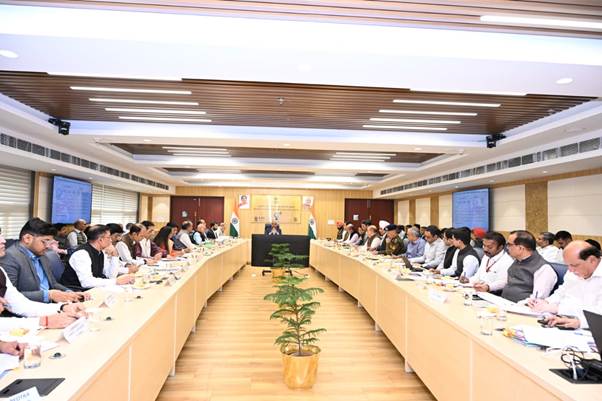
    Chairing a high-level review meeting on air pollution in Delhi NCR on Tuesday, union minister for environment, forests and climate change, Bhupender Yadav, asked all concerned state and union territory authorities to submit concrete action taken reports on air pollution management efforts undertaken in their respective fields. This was the fourth such review meeting to assess the ongoing measures for the prevention and control of air pollution in the Delhi-NCR region.

    Cabinet Minister for Environment, Forest and Wildlife, Government of NCT of Delhi, Sardar Manjinder Singh Sirsa was also present during the meeting.

    Upon reviewing the ongoing efforts to control air pollution, Yadav requested the concerned authorities to prepare District-wise plan for Crop-Residue Management and conduct year-round monitoring of stubble burning cases. He further asked the district authorities to undertake capacity building and training of farmers on operating Crop Residue Management (CRM) machines, while ensuring their widespread access.

    Further, Yadav stressed on ensuring zero-tolerance and maintaining constant vigil against open burning of Municipal Solid Waste (MSW). He directed the municipal authorities of NCR cities to prepare a strict timeline to bridge the gaps in the Legacy Waste Management and ensure its accelerated liquidation. Yadav also encouraged the authorities to not work in silos and share best practices for MSW management amongst themselves.

    The minister stated that installation of Online Continuous Emission Monitoring Systems (OCEMS) and Air Pollution Control Devices (APCD) should be taken up in mission mode in the red category industries in Delhi NCR. In order to minimise road dust,  Yadav reviewed the Road Redevelopment Roadmaps for the identified urban/industrialised areas of the NCR.

    Road-Side Greening Works

    The union environment minister also asked the authorities to ensure the quality and timely completion of the road construction works. Yadav stressed upon plugging offtake and processing gaps for Construction and Demolition (C&D) Waste and encouraged government authorities to take the lead, along with the private sector.

    Besides this, the minister also encouraged various authorities to undertake road-side greening works on a mission mode so as to minimise dust generation. He suggested that various municipal corporations in NCR start developing saplings in nurseries, in coordination with the respective forest departments, which then could be planted on a wide-scale on degraded forest lands to give a boost to green cover in the region. Further, Yadav requested the Delhi Traffic Police to prepare Traffic Management Plans for the identified traffic congestion hotspots and expedite the implementation of Intelligent Traffic Management System (ITMS) in the national capital, so as to minimise vehicular pollution generated due to traffic jams.

    The union minister reiterated the government’s unwavering commitment to improving air quality in the region through coordinated action and collaboration with all stakeholders, including citizens. The meeting witnessed participation from key stakeholders including the CAQM, CPCB, Governments of NCT of Delhi, Haryana, Punjab, Rajasthan, Uttar Pradesh, municipal commissioners of NCR cities and other concerned agencies.

    India Presses for Equity and Finance at COP 30 in Brazil

    As Belém hosts the global climate community, India’s message is clear: the architecture of the Paris Agreement must be defended, multilateralism strengthened, and the coming decade defined by implementation, not just aspiration.

    The 30th session of the COP30, the annual climate summit under the United Nations Framework Convention on Climate Change (UNFCCC), kicked off in Belém, Brazil, amid mounting global pressure to translate commitments into concrete action.

    Held in the Amazon‐region city of Belém, the summit spotlighted the world’s forests – long threatened by logging, mining and fossil-fuel extraction – and served as a backdrop for urgent discussions on emissions cuts, adaptation and climate finance.

    Global Stakes High as Carbon Budget Shrinks

    Delegates from nearly 200 countries descended on Belém to confront the compression of the remaining carbon budget and accelerating climate impacts. Global temperatures have already risen by approximately 1.1 °C since pre-industrial times, and without scaled-up efforts, the world is on track to exceed the 1.5 °C threshold.

    The previous summit, COP29 in Baku, concluded with a pledge of US$300 billion in climate finance – a fraction of the estimated US$1.3 trillion needed annually by 2035.

    Against this backdrop, host Brazil is leveraging the summit’s location to draw attention to forest- and ecosystem-related risks, urging global delegates to elevate adaptation and nature-based action.

    Equity, Justice and Multilateralism

    The India delegation used the opening plenary to speak on behalf of the BASIC (Brazil, South Africa, India, China) and the Like‑Minded Developing Countries (LMDC) groups, reaffirming its commitment to the principles of equity and common but differentiated responsibilities (CBDR-RC).

    In its statement, India stressed three core demands: a universally agreed definition of climate finance; publicly-scaled flows for adaptation; and full implementation of Article 9.1 of the Paris Agreement, obliging developed countries to provide finance to developing states.

    India flagged adaptation finance as a particularly acute gap – estimating that the requirement is nearly fifteen times current flows. It urged for a strong outcome on the Global Goal on Adaptation (GGA) and the launch of the UAE–Belém Work Programme and the Baku Adaptation Roadmap.

    On technology, India emphasised that access must be affordable and equitable, and that intellectual-property or market barriers cannot be leveraged to restrict transfer to developing nations.

    Importantly, the Indian delegation warned that unilateral, climate-related trade measures risk turning into protectionist tools – a violation of Article 3.5 of the UNFCCC.

    India also showcased its own achievements: a 36 per cent reduction in emissions intensity of GDP between 2005-2020, more than 50 per cent of installed power capacity non-fossil, and an additional carbon sink of 2.29 billion tonnes CO₂e between 2005-2021.

    Finance: The Hinge for Ambition

    While the gathering in Belém sets the tone for two weeks of negotiations, the key test will be whether developed countries step up to match rhetoric with financial, technological and capacity-building support. India and its partners argue that ambition without means is hollow. Particularly for adaptation – vital for vulnerable populations who have contributed the least yet face the worst impacts – public finance flows must be significantly scaled up. India’s position underscores that climate justice is not only moral but operational.

    Voices of Loss: Hundreds of Girls Reveal How Child Marriage Stole Their Childhoods

    If the world is serious about fulfilling the promise of the Sustainable Development Goal to end child marriage by 2030, this report signals that we have to move faster, smarter and with far greater attention to evolving risks.

    A new global study has pulled back the curtain on the hidden realities of child marriage, telling the vivid stories of girls who were robbed of their childhoods. According to Plan International’s latest report, Let Me Be a Child, Not a Wife, more than 250 girls and young women across 15 countries shared how being married before the age of 18 drastically altered the course of their lives.

    “I Was A Bride, Not a Girl” – Inside the Lived Experience

    The report is grounded in unprecedented first-hand accounts: 251 girls and young women who either are, or once were, married or in unions as minors. They describe a reality where schooling is interrupted, opportunities vanish, and relationships are defined by power, age and dependency. Many were married to significantly older men, formal or informal unions replaced education, and motherhood followed in fast succession.

    In one recurring refrain, every single girl interviewed said she would not want her own child to be married before turning 18 – a striking unanimity. The lived testimony reinforces long-standing evidence linking child marriage to loss of education, early pregnancy, and diminished autonomy.

    Power Imbalances, Education Cut Short and Hidden Unions

    The patterns emerging are both familiar and alarming. Many girls report they dropped out of school after their marriage or union. One analysis accompanying the report found 63 per cent of the respondents were neither in education, employment nor training, and 35 per cent had left school post-marriage. These interruptions not only curtail immediate prospects – but cast long shadows over lifetime earnings, health and agency.

    Age gaps also loom large: about 45 per cent of girls reported being married to men at least five years older, in some instances 10–20 years older. These dynamics establish profound power imbalances and deepen the risk of violence and exploitation.

    The report flags that many of these unions are informal, hidden from official systems of registration and therefore evade monitoring, legislation and support structures. That invisibility, the authors warn, makes prevention more difficult.

    A New Frontier: Child Marriage Moves Online & Becomes Informal

    Perhaps one of the most unsettling findings is how child marriage is evolving. The report cautions that marriage before 18 is not disappearing – it is changing shape. Digital platforms and social media provide new pathways for older men to exploit girls, propose informal unions, and bypass oversight.

    This trend matters: when a marriage or union is informal, the girl may fall through protection systems, lose access to education or health services, and becomes harder to identify as a child bride in need of support. Meanwhile, changing political priorities and cuts to aid are flagged as further threats to progress.

    Urgent Calls for Action: What the Report Demands

    The report offers a clear wake-up call for governments, donors, civil society and communities. Key recommendations include: enforcing existing laws (or passing new ones) to prohibit marriage under 18, especially in informal settings; investing in education, health and protection for girls; challenging harmful social norms that treat girls as marriage currency; and supporting girl-led activism.

    Given that child marriage is rooted in gender inequality, poverty, lack of schooling, and harmful norms, the authors emphasise the need for multi-sector responses: from education and livelihoods to legal reform and digital protection.

    The narrative shift is also noteworthy: this time girls are speaking in their own voices – a departure from many prior studies that relied on national data without qualitative depth. Their stories are a powerful reminder that ending child marriage is not just a statistic but a human rights imperative.

    Globally, millions of girls are affected: each year, around 12 million girls are married before they turn 18. While rates have dropped in some regions, the progress is uneven and threatened by crises, climate shocks, displacement, and now digital exploitation.

    For countries like India, Nepal, Bangladesh and others where child marriage remains prevalent, the implications are stark: lives disrupted, health compromised, potential squandered. While the report speaks globally, the signal for South Asia is poignant – urgent action and structural change are required.

    If the world is serious about fulfilling the promise of the Sustainable Development Goal (SDG 5.3) to end child marriage by 2030, this report signals that we have to move faster, smarter and with far greater attention to evolving risks. The voices of more than 250 girls make it clear: child marriage may be shifting in form, but its damage remains as real as ever. Policymakers, practitioners and societies must adapt – and they must listen.

    Image: PLAN International

    Afghanistan: Environmental Catastrophe Deepens After Decades of Conflict

    Experts call Afghanistan the world’s least-studied war zone, silently enduring ecological collapse. Destroyed land, forests, and water sources are now central to its humanitarian crisis, beyond mere collateral damage.

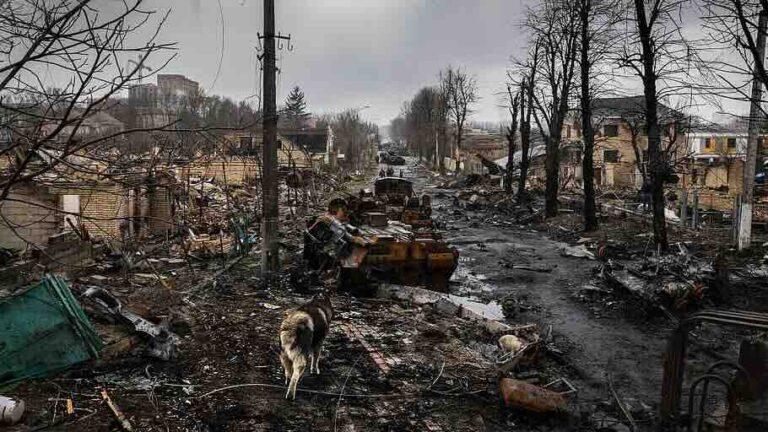
    After nearly five decades of unending conflict, Afghanistan is no longer just a country scarred by human suffering. It has become an ecological casualty of war. Once blessed with fertile farmlands, rich biodiversity, and abundant water systems, the nation today stands as a grim reminder of how war can destroy not only societies but also the natural systems that sustain them.

    A recent investigation by Responsible Statecraft paints a devastating picture: Afghanistan’s environmental crisis is now so severe that it poses existential risks to millions of people. From the Soviet invasion in 1979 to the US-led NATO intervention and the Taliban’s return to power, every stage of conflict has left behind a toxic ecological legacy.

    During the Soviet occupation, entire valleys were bombed, irrigation canals destroyed, and forests razed, Responsible Statecraft says. The decades that followed saw civil war, drought, and the massive displacement of people – all of which compounded environmental degradation. US and NATO operations, involving heavy bombing campaigns and the suspected use of depleted uranium munitions, worsened soil and water contamination.

    Experts describe Afghanistan as one of the world’s least studied war-torn environments – a nation suffering in silence from the invisible wounds of ecological collapse. The destruction of land, forests, and water sources is no longer just collateral damage – it is central to Afghanistan’s humanitarian disaster.

    Toxic Legacies: Poisoned Land, Water and Health

    The environmental fallout of Afghanistan’s wars is as silent as it is deadly. From the toxic remnants of explosives to chemical pollutants from burn pits, the country’s soil and water bear the scars of decades of fighting. Traces of heavy metals and carcinogens are now embedded in the landscape, poisoning crops and livestock and threatening generations to come.

    Unexploded ordnance still covers more than 724 million square metres of land, making agriculture impossible in many regions. For rural Afghans, who form about 70 per cent of the population, this contamination translates directly into hunger and poverty. Villagers often risk their lives to farm on contaminated ground or collect firewood in mined areas.

    Air pollution, too, has taken on crisis proportions. The destruction of urban infrastructure during the war forced families to burn plastic, rubber, and scrap wood for heat. Combined with the dust from bombed-out buildings, this has made Afghanistan’s air among the most polluted in the world. In 2024 alone, hospitals recorded over 160,000 cases of acute respiratory infections early in the year – 62 per cent of them among children under five.

    “War doesn’t end when the shooting stops,” says environmental researcher Haroun Rahimi, who has documented the ongoing contamination. “The toxins stay in the soil, the metals in the rivers, and the diseases in our bodies. We are living with war every day, even when there is peace.”

    The cumulative effect of these toxic legacies is catastrophic: polluted rivers, collapsing agricultural productivity, and rising health crises that Afghanistan’s fragile healthcare system cannot manage.

    Displacement, Deforestation and Desertification

    Environmental destruction and human displacement have long gone hand in hand in Afghanistan. The mass exodus of civilians – over 4.3 million displaced in the 1980s alone – led to the collapse of traditional land management and left entire valleys barren. Refugee camps and temporary settlements grew around already degraded areas, placing additional pressure on limited water and wood resources.

    Decades of war-driven logging have nearly erased Afghanistan’s forest cover. Once-lush pine and cedar forests in provinces like Kunar and Nuristan have been stripped bare, either for survival fuel or to fund armed groups through illegal timber trade. Experts estimate that forest cover, which stood at over 30 per cent in the 1970s, has now fallen to as little as two per cent.

    The ecological consequences are devastating. Soil erosion and desertification have turned once-arable regions into wastelands. Flash floods and dust storms are now frequent, sweeping away entire villages during the rainy season and leaving behind famine during dry months.

    Deforestation also threatens Afghanistan’s biodiversity. Species once native to the country’s mountains – such as snow leopards, ibex, and wild pistachio trees – are rapidly vanishing. Without vegetation to retain moisture, rainfall runs off too quickly, exacerbating droughts that already cripple farming communities.

    Irrigation networks – many of them centuries old – have been destroyed by bombings or neglect. Once a lifeline for Afghanistan’s agricultural economy, these systems now lie in ruins. Farmers, unable to irrigate their lands, have either migrated to cities or joined the swelling numbers of climate-displaced families seeking refuge abroad.

    The interplay between conflict and climate change is accelerating the decline. Warming temperatures are melting glaciers in the Hindu Kush, while the loss of vegetation worsens the impact of drought. Afghanistan, one of the countries least responsible for global emissions, is now among the most vulnerable to the climate crisis.

    Calls for Justice and Remediation

    As the international community debates Afghanistan’s political future, environmental justice remains one of its most neglected concerns. Legal experts and rights advocates argue that the environmental destruction wrought by decades of foreign intervention must be recognised as a violation of human rights.

    UN Special Rapporteur Richard Bennett has underscored that environmental degradation in Afghanistan should not be viewed as a side effect of war but as a human rights issue in its own right. Toxic remnants of war, he argues, continue to violate Afghans’ right to health, livelihood, and a safe environment.

    Yet accountability is elusive. Legal barriers – such as sovereign immunity for foreign militaries – make it nearly impossible to hold responsible parties to account. Compensation for victims or restoration of the environment has never been systematically pursued.

    Nevertheless, researchers like Rahimi and Marcos Orellana, the UN Special Rapporteur on toxics and human rights, are pushing for recognition of Afghanistan’s plight. Their initiatives, including UN-hosted webinars and reports to the General Assembly, are bringing long-overdue attention to the country’s environmental devastation.

    However, the dilemma of governance remains. How can the international community deliver environmental aid or compensation without legitimising the Taliban regime? Rahimi proposes a victim-centred approach – directing aid and remediation efforts to local communities through international NGOs and neutral intermediaries.

    Reforestation, land reclamation, and clean water projects could help restore balance, but they require both funding and sustained international commitment – something Afghanistan has rarely enjoyed once global attention wanes.

    Without urgent action, environmental collapse could lock Afghanistan into a vicious cycle of poverty, migration, and instability for generations to come. The war may have ended for now, but the battle to save Afghanistan’s environment, and the lives it sustains, is only beginning.

    Image: Hippopx

    Lessons for Rahul Gandhi from the Zohran Mamdani Campaign

    The real lesson from Zohran Mamdani’s campaign is thus not about tactics but about spirit. Politics grounded in empathy, values, authenticity, consistency, and conviction can still inspire, even in times of deep disillusionment.

    By Devyani Kacker

    Zohran Mamdani, son of well-known film maker Mira Nair, and a Columbia university professor Mahmood Mamdani, is in many ways an unlikely political figure. Typically, children of well-placed immigrant parents in America gravitate toward safer, more conventional careers. However, much to everyone’s surprise, Mamdani ran an electrifying, authentic, grassroots campaign that culminated in a stunning mayoral victory.

    While the Mamdani story is very much a New York one, it holds resonance for India as well. Rahul Gandhi, another charismatic politician, also offers hope. Like Zohran Mamdani, Rahul Gandhi too has the ability to capture something rare: a yearning for politics that listens rather than lectures, a politics that connects with people, and a politics that gives hope.

    However, unfortunately, this is where the similarities tend to diminish. Rahul Gandhi, despite his charisma, is still searching for a way to convert his message into a sustained political movement. Admittedly, he is also operating in a far larger, more complex, and fragmented democracy. In contrast, Mamdani has had a significant advantage, he works with a highly organized constituency and a largely progressive voter base. And yet, there are lessons in Mamdani’s win that transcend geography as they’re about values and movements.

    India, like New York, is also ready for this kind of politics. And Zohran’s victory seeped in authenticity can spark something similar. And perhaps some lessons from the Mamdani story may be particularly relevant for Rahul Gandhi, and by extension, a younger generation of Indian politicians, as they imagine a new kind of politics back home.

    Stick to the Basics

    One of Mamdani’s greatest strengths was the clarity of his message. He offered a clear agenda that appealed to a large base. He did not attempt to speak about everything or please everyone. His campaign centered on affordability- food prices, rent, transport, and childcare- areas that affect almost every New Yorker. These are not simplistic themes; they are complex, systemic challenges, but also deeply relatable because they speak to the everyday realities of people’s lives. While it’s important to champion broader ideas of justice and democracy, these can feel more abstract. And that is why it matters that politicians speak the language of their constituents. Any experienced community worker will tell you that before people can dream about justice, they first need access to healthcare, food, and education.

    And Mamdani remained remarkably focused. Each appearance, rally, and social media post reinforced these priorities. The temptation to speak on every issue and appeal to everybody can be real, but a solid message that the government should work for everyone is simple, clear, and relatable. And movements, after all, thrive on clarity.

    A Great Social Media Campaign

    Mamdani’s campaign had an excellent social media strategy- sharp visuals, creative storytelling, and a clear consistent message that led to many viral videos. There was a sense of fun and humor too. Plus, his online persona matched his in-person authenticity. In fact, much of Mamdani’s media exposure initially came off social media. More significantly, in the age of AI generated videos, Mamdani’s campaign showed that social media works best when it’s not just slick marketing but about connecting. Each post was heartfelt and pointed people to action: volunteering, showing up, organizing, donating, participating. It felt real, and people responded to it. The result was that they built a movement that resonated not just across the five boroughs but across the globe.

    From Campaign to Movement

    What truly set the Mamdani campaign apart was that it didn’t feel like a campaign. His efforts went beyond electoral politics, offering an alternative in which young people could engage not just as by standers or consumers but as doers and co-creators. They were campaigners, designers, data analysts, and community hosts. The campaign amassed a staggering 100,000 plus volunteers and knocked on over three million doors. These are not mere statistics, they are statements of intent. Mamdani and his volunteers went house to house, block by block, borough by borough, building personal relationships with voters. That participatory ethos made people feel ownership over the outcome. The campaign became a movement because it invited collaboration rather than command.

    India also has a youth constituency that is intelligent, passionate and yearning to be engaged. Rather than seeing them as foot soldiers, we should reach out to them as partners, empower them, and allow them to shape the movement’s language and local strategies. The Congress party, in particular, can draw from this- revival will come from building distributed leadership, thousands of small centers of energy that reflect the diversity of India.

    Consistency and Momentum

    If there was one thing that the Mamdani campaign excelled at, it was momentum. He and his team were relentlessly committed. Every day was busy – neighborhood meetings, phone banking, door-to-door canvassing, town halls, community kiosks. At one point, supporters even took to boats, carrying placards and canvassing along the waterfront. There were no long pauses or lulls; Mamdani’s presence was constant, and so was his visibility. That kind of persistence builds not just recognition but also trust.

    Authentic and value-based politics

    Last, and perhaps most importantly, Mamdani’s campaign stood out because it was authentic, honest and values-driven. He remains unapologetically rooted in his identity, as a Muslim and an immigrant of Indian and Ugandan descent. The simple act of eating with his hands spoke volumes about culture and authenticity. The choice of the song “Dhoom Machale” at the victory speech beautifully captured that same sense of belonging and pride that defined the campaign from the beginning to the end.

    He didn’t dodge difficult topics either, even those that carried political risk. His moral clarity deeply resonated with the young people weary of word salads and calculated ambiguity. At a time, when most leaders in comfortable positions of power chose silence, his stance on Gaza felt especially courageous. It was refreshing and empowering to hear a young, passionate, and thoughtful man, with an election on the line, speak plainly about right and wrong instead of shielding or deflecting.

    Beyond Tactics

    Mamdani’s victory serves as a reminder that politics, like sports, is at its best, when it is not about power but about collective action. It’s about giving people a sense that their voice matters and that change is possible. The real lesson from Zohran Mamdani’s campaign is thus not about tactics but about spirit. Politics grounded in empathy, values, authenticity, consistency, and conviction can still inspire, even in times of deep disillusionment.

    Rahul Gandhi does not need to emulate Mamdani, he already carries an enviable legacy and a growing resonance among younger Indians. But he, and by extension other politicians in India, do need to build something similar: a mass, values-driven authentic movement that speaks to ordinary people and invites them to be part of shaping the political future. A movement that is not built on fear or hate by chat bots but by people, one conversation, one doorstep, one act of courage at a time.

    Devyani Kacker is a human rights lawyer based in New York, focussed on justice reform and strengthening civic space globally.

    Image generated by ChatGPT

    Nepal: Early-Morning Swearing-in of Saroj Kumar Yadav as Madhesh Chief Minister Sparks Political Uproar

    For India and other neighbours – given Madhesh Province’s location along the India-Nepal border and its historically Indo-Nepal stakes – the continuity of governance, infrastructure development and cross-border cooperation will likely hinge on how this new government stabilises or falters.

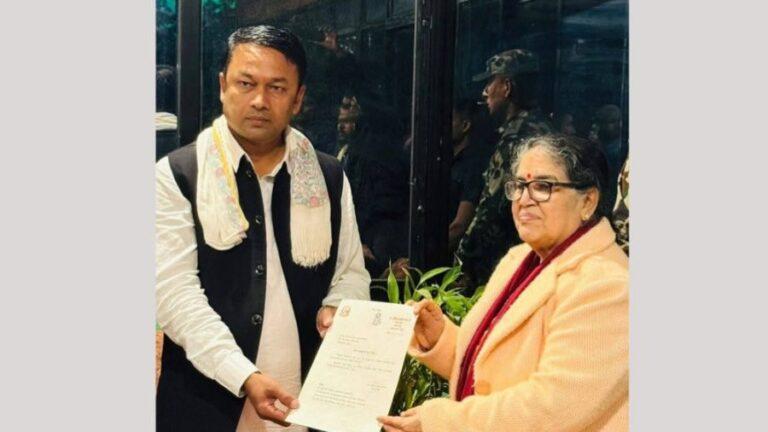
    In a dramatic turn of events early on Monday, Sumitra Subedi Bhandari, the Province Head of Madhesh Province, left Janakpur to Bardibas at around 4 AM, citing health reasons, and administered the oath of office to Saroj Kumar Yadav of the Communist Party of Nepal (Unified Marxist Leninist) (CPN-UML) as the new Chief Minister under Article 168(3) of the Constitution of Nepal.

    At 5:20 AM, Yadav took the oath at a local hotel in Bardibas, accompanied by ministers without portfolios – CPN-UML lawmaker Lakhan Das Tatma, Nepal Sanghiya Samajbadi Party’s Bimala Ansari, and Rastriya Prajatantra Party’s Kanchan Bichchha.

    Bypassing Coalition Route

    According to the constitutional provisions, Article 168(2) allows the province head to appoint as Chief Minister a member who can command a majority with the support of two or more parties. Another law, Article 168(3) allows the province head to appoint the parliamentary party leader of the largest party in the assembly if a Chief Minister cannot be appointed under clause (2).

    In this instance, the UML held that the government formation should proceed under clause (3) because they were the largest party in the provincial assembly. However, seven other parties – including the Nepali Congress, CPN (Maoist Centre), Loktantrik Samajbadi Party, Janamat Party and Janata Samajbadi Party – had demanded the invocation of clause (2) to enable a coalition government.

    The move by Province Head Bhandari to skip the clause (2) route triggered widespread criticism. Opponents say her sudden early-morning move and departure from Janakpur seemed designed to avoid the standard process of floor negotiations.

    Political Tension in Janakpur

    The previous government led by Jitendra Prasad Sonal collapsed in just 25 days after failing to secure a vote of confidence. Sonal’s government, formed under Article 168(2) on October 15 with 56 votes, resigned before the scheduled trust vote when multiple partners abstained.
    In the run-up to Yadav’s appointment, the federal parties had staged protests outside the Province Head’s office in Janakpur and were reportedly blocked from entering the premises. Tension in Janakpur remained high with alleys of the city turning into flashpoints of protest.

    Implications for Governance, Stability

    Yadav’s appointment under clause (3) shifts power dynamics sharply in Madhesh Province. The UML’s victory in securing the top job without a broad coalition may trigger further political wrangling ahead of the next confidence vote, which under the constitution must be held within 30 days of appointment.

    For India and other neighbours – given Madhesh Province’s location along the India-Nepal border and its historically Indo-Nepal stakes – the continuity of governance, infrastructure development and cross-border cooperation will likely hinge on how this new government stabilises or falters.

    For local governance, Yadav must now quickly stitch a workable ministry and secure a majority. The early-morning swearing-in has set a tone of urgency and controversy, and the ability to deliver on governance benchmarks may determine how the electorate views this manoeuvre in the coming weeks.

    One Month’s time

    Yadav must now face the provincial assembly for a floor test within a month. Meanwhile, the coalition partners who were bypassed under Article 168(2) may regroup and test his majority, possibly leading to fresh instability or even fresh elections if a viable alliance emerges against him. Observers in Kathmandu and New Delhi will be watching closely, as Madhesh Province holds significance for bilateral trade, regional connectivity and a large population with cultural and linguistic links to India.

    ADB Approves US $100 Million to Bolster Sri Lanka’s Fiscal Resilience, Transparency

    ADB stresses that Sri Lanka’s success in transitioning from crisis recovery to sustainable growth hinges on effective monitoring and alignment of reforms in budgeting, taxation, SOEs, and procurement with national strategy.

    The Asian Development Bank (ADB) has approved a US $100 million financing package for Sri Lanka aimed at bolstering macroeconomic resilience, transparency and public-sector efficiency in the aftermath of its economic crisis.

    The funding is designed to support key programme reforms including more credible and better-executed public expenditure, improved domestic revenue mobilization, and development of a legal and institutional framework to guide public-private partnerships (PPPs). The ADB says it will work closely with the government of Sri Lanka to restore macro-economic stability and promote inclusive, sustainable growth by strengthening fiscal governance and building a more efficient, accountable and resilient public sector.

    Accountability of State-Owned Enterprises

    One of the central pillars of the programme is enhancing transparency, management and accountability of state-owned enterprises (SOEs). The financing will back reforms to streamline budgeting processes, optimise resource allocation and ensure more effective utilisation of public funds. On the revenue side, the package supports the development and implementation of a multiyear tax-compliance improvement strategy and deeper international tax cooperation following Sri Lanka’s recent membership of the Global Forum on Transparency and Exchange of Information for Tax Purposes.

    Gender, Climate Finance and Investment-Climate

    Beyond traditional fiscal reforms, the ADB programme also integrates gender-sensitive budgeting (via SDG-budget tagging), a new gender-sensitive Nationally Determined Contribution (NDC) for climate change, public procurement reforms and a climate-finance strategy. These elements signal an effort to tie fiscal and governance improvements to broader sustainable-development and inclusion objectives. Furthermore, the PPP law-drafting and mobilisation of private investment and climate-finance resources are expected to improve the predictability and transparency of the investment climate.

    Recovery and Investor Confidence

    Sri Lanka’s economy has endured a severe crisis including sovereign-debt distress, sharp exchange-rate adjustments and pressure on public finances. The ADB’s infusion of US $100 million follows previous reform-oriented programmes and is aimed at consolidating gains in fiscal governance and institutional strength. By helping to build a more predictable and transparent environment for investment, it is hoped that the programme will rebuild investor confidence and lay the foundation for long-term growth and resilience.

    The ADB’s Country Director for Sri Lanka, Takafumi Kadono, said: “This programme also aims to improve the credibility and execution of public expenditure, enhance domestic revenue mobilization, and foster a more predictable and transparent investment climate.”

    ADB stresses that Sri Lanka’s success in transitioning from crisis recovery to sustainable growth hinges on effective monitoring and alignment of reforms in budgeting, taxation, SOEs, and procurement with national strategy.

    Shivraj Singh Chouhan Highlights Odisha’s Leadership in Millet Promotion

    Odisha has transformed the vision of Shree Anna into action, setting an inspiring model for the entire nation, Chouhan said and called for millet in mid-day meals.

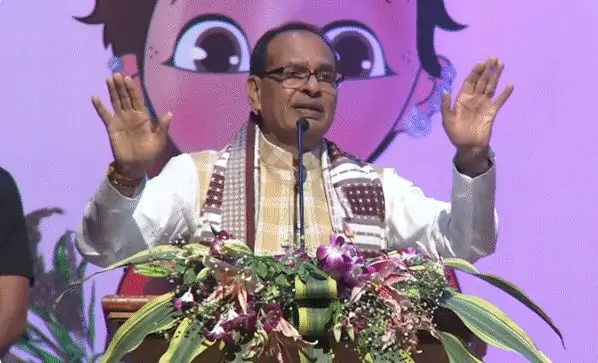
    Union Minister of Agriculture and Farmers’ Welfare and Rural Development, Shivraj Singh Chouhan, on Monday inaugurated the “Mandia Dibasa” (Millet Day) celebration in Bhubaneswar, highlighting Odisha’s exemplary contribution in transforming India’s millet movement into a people’s mission.

    In his inaugural address, Chouhan said, “Mandia Dibasa is not merely a day of celebration, it represents a meaningful campaign to promote Shree Anna.

    “Many have spoken about it, but Odisha has truly brought this vision to the ground. I wholeheartedly congratulate the Government of Odisha for this remarkable effort”, he said.

    He emphasized that Shree Anna is not just a grain, but a symbol of nutrition, water conservation, environmental care, and sustainability for future generations. “Millets nourish both the body and the planet. Under the visionary leadership of Prime Minister Narendra Modi, millets have now gained global recognition,” he added.

    Chouhan stressed that awareness about the nutritional and ecological value of millets must reach the people. “This cannot be achieved through speeches alone. We must engage directly with farmers and citizens, spread awareness about Shree Anna, and strengthen millet-based livelihoods,” he added.

    He urged scientists to focus on research and processing technologies, noting that millet cultivation is cost-effective compared to other crops. “Processing is the most crucial link in the millet value chain. I applaud Odisha for showing direction to the nation not only in millet promotion but also in purchasing Shree Anna at Minimum Support Price. Odisha stands as an inspiring example,” he remarked.

    Pillar of Odisha’s Economy

    Encouraging millet’s inclusion in nutrition schemes, he suggested that millets should be integrated into mid-day meals for children and millet outlets should be opened in all government departments, so that other states can replicate Odisha’s model. He also appreciated the significant role of women farmers in Odisha, saying, “Agriculture cannot progress without women. Odisha’s women have moved ahead and are leading from the front in farming.”

    Odisha Chief Minister Mohan Charan Majhi said that under the guidance of Prime Minister Narendra Modi, the country has witnessed the successful implementation of several agricultural schemes benefiting millions of farmers. He added, “Farming is the pillar of Odisha’s economy. Our farmer brothers and sisters have advanced greatly under the guidance of the State Government. Millets, rich in nutrients, are both healthy and tasty, and through the Millet Mission, Odisha’s small and women farmers are progressing rapidly.”

    The event was attended by Kanak Vardhan Singh Deo, deputy chief minister of Odisha, Dr. Yvonne Pinto, director general of the International Rice Research Institute, Dr. Soumya Swaminathan, former chief scientist of  World Health Organization and Chairperson of MS Swaminathan Resource Foundation, Miss Elisabeth Faure, country director India, World Food Programme, Arabinda Kumar Padhee, principal secretary, agriculture and farmers’ empowerment, government of Odisha, Shubham Saxena, director agriculture and farmers’ empowerment, among other senior officers, scientists and researchers.

    Study says Air Pollution Drives 15 per cent of Delhi Deaths; SC Petitioned to Declare a Health Emergency

    India faces twin crises: curbing air pollution’s deadly toll and driving systemic reforms to slash exposure and health risks. As courts press harder and science sounds alarms, clean air is poised to dominate health and environmental policy.

    A landmark study and a sweeping legal move have thrust India’s air-quality crisis into the spotlight, urging policymakers and courts alike to treat polluted air not just as an environmental issue but a full-blown public health emergency.

    According to research published in the Nature journal’s npj Clean Air, modelling of air‐pollution scenarios across states shows that ambient fine particulate matter (PM₂.₅) exposure under current “business-as-usual” pathways will drive substantial premature mortality and economic losses, with some states projected to see exposure levels grow by 2025.

    Meanwhile, a legal petition was filed in the Supreme Court of India on 6 November 2025, calling for a declaration of a national public health emergency over rising air pollution and demanding immediate action.

    In parallel, a new analysis of data for the national capital shows that air pollution accounted for nearly 15 per cent of all deaths in New Delhi in 2023 – making it the city’s single largest health risk.

    According to the latest Global Burden of Disease study by the Institute for Health Metrics and Evaluation (IHME), air pollution emerged as Delhi’s deadliest health threat in 2023, accounting for nearly 15 per cent of all deaths in the capital – higher than any other risk factor.

    The analysis estimates 17,188 deaths were directly linked to long-term exposure to fine particulate matter (PM2.5), meaning one in every seven lives lost in Delhi was tied to toxic air.

    Despite this stark evidence, the union environment ministry continues to deny conclusive links between air pollution and mortality, insisting it remains just one of several contributing factors and rejecting calls for urgent, targeted action.

    National Alarm Bells

    The petition in the Supreme Court, filed by wellness coach Luke Coutinho, argues that India’s deteriorating air quality has reached the threshold of a “public health emergency”, invoking citizens’ constitutional right to life and health under Article 21.

    It calls for time-bound national action, stronger monitoring, enforcement of existing pollution laws, and comprehensive plans across urban and rural areas.

    Legal commentators say the move shifts air-pollution litigation into a new realm – from regulatory compliance to nationwide public health intervention.

    Delhi’s Toll: One in Seven Deaths

    The latest Global Burden of Disease (GBD) data, analysed by researchers at the Centre for Research on Energy and Clean Air (CREA), indicate that in 2023 some 17 188 deaths in Delhi – about 15 per cent of all deaths that year – were attributable to long-term PM₂.₅ exposure.

    The report highlights that pollution now poses a bigger risk in the city than hypertension (12.5 per cent), diabetes (9 per cent) or high cholesterol (6 per cent) as death causes.

    Experts say these figures reinforce the argument that air pollution in India must be treated as a year-round crisis, not just a winter smog problem.

    Future Projections and Economic Cost

    The Nature Clean Air paper lays out projections for 2050 under two scenarios: business-as-usual and a 2 °C warming pathway. It found that ambient PM₂.₅ exposures across many Indian states could increase or remain extremely high under the BAU model.

    The research also estimates significant economic losses attributed to health burden – accounting for premature mortality and morbidity among working-age populations.

    It further identifies key drivers of future health burden: population growth, ageing, baseline mortality rates and exposure levels – suggesting that simply focusing on emissions alone will not suffice.

    What This Means for Policy

    Together, the judicial petition and scientific evidence raise the stakes for India’s air-quality policy. The demand for a public health emergency elevates responsibility for the government to act – beyond inter-state coordination or seasonal measures.

    In Delhi itself, despite multiple interventions under the National Clean Air Programme (NCAP), the city remains among the poorest performers in terms of annual mean PM₁₀ and PM₂.₅ levels.

    Analysts say efforts must include:

    • stronger cross-sectoral enforcement (industry, transport, agriculture)
    • better monitoring coverage in rural and urban fringe zones
    • linking air quality action to health systems, hospitals and disease prevention
    • aligning climate and clean-air policies given the co-benefits highlighted in the npj Clean Air study

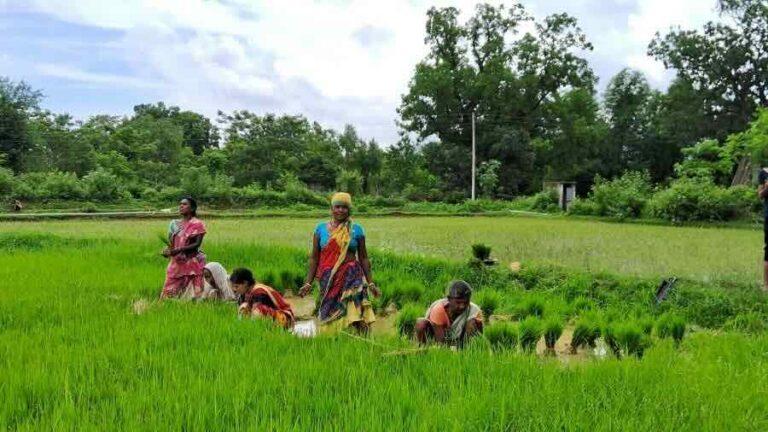
    India targets 55 percent female workforce participation by 2030

    India aims to raise female labour force participation to 55 per cent by 2030, a vital social-economic milestone linking gender equality to prosperity. Success hinges on policies creating real opportunities and committed support from society, employers, and institutions.

    India has set an ambitious goal of raising female labour force participation to 55 per cent by 2030, marking a major step toward unlocking the country’s demographic dividend and achieving inclusive economic growth. The target, announced by the government this week, aims to build on the recent progress that saw women’s participation rate rise from about 22 per cent in 2017–18 to 40.3 per cent in 2023–24, according to official data cited by the Economic Times.

    At present, India’s female labour force participation rate (FLFPR) is estimated at around 41.7 percent for the financial year 2023–24. This means that the government’s target requires a sharp increase of more than 13 percentage points in just five years – a formidable task given the country’s structural barriers to women’s employment. Officials say that this push is part of a broader national effort to make India’s economic growth more inclusive, resilient, and gender-equitable.

    According to the Ministry of Labour and Employment, the strategy is aligned with the forthcoming Shram Shakti Niti 2025, which aims to expand employment opportunities, formalise work arrangements for women, and create safer, more flexible, and better-paying jobs. The ministry believes that improving women’s participation in the labour market could significantly raise productivity and household incomes while boosting India’s overall growth trajectory.

    Policy Focus on Empowerment and Structural Reform

    The government’s roadmap to lift women’s participation in the workforce involves a mix of legal reforms, workplace incentives, and social infrastructure support. One major focus area is expanding flexible and remote work arrangements that enable women to balance paid employment with household and caregiving responsibilities. The ministry of women and child development is also working on policies to promote gender-sensitive workplaces, ensuring that employers provide equal pay for equal work and implement robust measures for women’s safety at work.

    Another important component is the formal recognition of unpaid care and domestic work. For decades, Indian women have contributed vast amounts of labour that go unaccounted for in national income statistics. Recognising this invisible contribution through the expansion of the “care economy” is expected to generate millions of paid jobs, particularly in health, childcare, and eldercare services. Experts point out that investment in these sectors not only improves social welfare but also creates formal employment avenues for women.

    In addition, the government plans to strengthen childcare infrastructure to make it easier for women to enter and remain in the workforce. Affordable and accessible childcare centres, especially in rural areas and industrial clusters, are seen as essential for bridging the gender gap in employment. The government also intends to work closely with state governments to enhance women’s access to skill development and vocational training programs, aligning them with the changing demands of the economy.

    Despite these steps, the challenges are significant. Women in India continue to face social norms that discourage paid work outside the home, limited mobility due to safety concerns, and lower access to higher education and training compared to men. Moreover, a large share of women’s employment remains informal, characterised by low wages, job insecurity, and lack of social protection. Experts argue that bridging this formal-informal divide is critical if India is to achieve the 55 per cent target.

    Economic Stakes and the Road Ahead

    Raising women’s participation in the workforce is not only a question of gender justice but also of economic necessity. Economists estimate that if India can achieve the 55 per cent female participation target by 2030, the country could add several percentage points to its GDP growth rate and bring millions of families out of poverty. Increasing women’s employment would directly enhance household incomes, stimulate consumption, and contribute to the country’s goal of becoming a developed economy by 2047.

    The International Labour Organisation (ILO) has estimated that a 2 per cent investment of GDP in the care economy could create up to 11 million new jobs in India, about 70 per cent of which would go to women. The government views this as a potential game changer, as it would both create jobs and address the chronic undervaluation of care work. Such investments, experts say, would have long-term ripple effects – improving health, education, and social empowerment outcomes across communities.

    However, experts point out that meeting the 2030 target will require sustained commitment and coordination across multiple sectors. State governments will have to play a crucial role by tailoring local employment and skill development initiatives to women’s needs. Expanding women’s presence in manufacturing, services, and emerging digital sectors will also be essential to ensure a broad-based increase in employment.

    Education and Skill Upgrading

    Education and skill upgrading remain another key pillar. While women’s employment rates have doubled in recent years, many remain concentrated in low-skilled, low-paying work. Expanding training opportunities in technology, entrepreneurship, and modern services could help women access higher-value jobs and break the pattern of occupational segregation that has long limited their economic advancement.

    Equally vital will be social and cultural change. Deep-rooted gender norms, unequal sharing of domestic responsibilities, and restricted mobility continue to constrain women’s ability to seek and sustain paid work. Government campaigns, civil society partnerships, and private-sector initiatives to normalise women’s participation in the economy will be essential in shifting public attitudes. Improving transport, workplace safety, and housing options for working women can further strengthen this transition.

    Finally, say experts, the success of the plan will depend on accurate data and transparent monitoring. The government intends to strengthen labour-market statistics to better capture women’s participation across sectors and regions. Regular reporting and performance audits will help identify policy gaps and ensure that interventions are reaching those who need them most.